Key Takeaways
A well-planned vegan or vegetarian diet is safe and nourishing in pregnancy, and it is supported by the major dietetics organizations. The goal is planning for adequacy and variety, not “fixing” your way of eating.
Most of your plate stays the same. Only a handful of nutrients genuinely need attention on a plant-based pregnancy: protein, iron, vitamin B12, omega-3 DHA, calcium, vitamin D, choline, iodine, and zinc.
Vitamin B12 is the one nutrient a vegan cannot reliably get from food, so a supplement (usually through your prenatal) is non-negotiable. An algae-based DHA supplement is also worth discussing if you do not eat fish.
You do not have to “eat for two.” Extra energy needs are modest, roughly an additional 340 calories a day in the second trimester and about 450 in the third, and they can come from ordinary, satisfying plant foods.
Nausea, food aversions, and low appetite are normal and workable. A registered dietitian can help you personalize a plan around real life, and most Berry Street members pay $0 with insurance coverage.
Being pregnant and eating plant-based can feel like it comes with a running list of worries, most of them delivered by people who mean well. Here is the reassuring part, and the thesis of this guide: a well-planned vegan or vegetarian diet is a safe and healthy choice in pregnancy. You do not need to add meat “just in case,” and you do not need to overhaul how you eat. What you need is a plan for a short list of nutrients, and a little flexibility for the days when nausea has other ideas.
This guide walks through what actually changes in pregnancy, the specific nutrients worth planning for, what a realistic day of eating can look like, and how to handle the messy parts like morning sickness and aversions. Think of it as planning for adequacy and confidence, not correcting a diet that is somehow lacking.
In 30 seconds: A well-planned vegan or vegetarian diet can fully support a healthy pregnancy. Focus on getting enough protein, iron, B12, DHA, calcium, vitamin D, choline, iodine, and zinc, mostly from everyday plant foods plus a prenatal vitamin. B12 always needs a supplement for vegans, and an algae-based DHA is worth considering if you do not eat fish.
Is a vegan or vegetarian diet safe during pregnancy?
Yes. A varied, well-planned plant-based diet can meet the needs of both you and your baby. The keyword is planned, which is true of any eating pattern in pregnancy, plant-based or not.

What the major dietetics organizations say
The position of the Academy of Nutrition and Dietetics is that appropriately planned vegetarian and vegan diets are healthful, nutritionally adequate, and appropriate for all stages of the life cycle, including pregnancy and lactation. A 2019 review in the journal Nutrients looking specifically at vegetarian and vegan diets in pregnancy found no increased risk of major complications for mothers or babies when the diet is well planned, while flagging that a few nutrients, especially vitamin B12, need attention. In other words, the evidence supports plant-based eating in pregnancy. It also supports being intentional about a short list of nutrients.
Vegetarian vs. vegan vs. plant-forward, and what actually changes
These words cover a wide range of real-life plates, so it helps to be specific about what you eat.
Vegetarian usually means no meat or fish, but you may still eat eggs and dairy. That makes protein, calcium, iodine, and B12 easier to cover, because eggs and dairy contribute all of them.
Vegan means fully plant-based, with no animal products. This is where B12 supplementation becomes essential and where iron, omega-3 DHA, calcium, iodine, and choline deserve a closer look.
Plant-forward or flexitarian means mostly plants with occasional animal foods. You have the most flexibility here, and the same planning principles still make your diet stronger.
None of these is “better” or “riskier” as a moral matter. They simply change which nutrients you plan for, and by how much.


How your nutrient needs change when you are pregnant
Pregnancy increases your need for several nutrients, and for energy, but usually less dramatically than the culture around pregnancy suggests.
Why “eating for two” is really “eating smarter, not double”
You are not feeding two adults. You are supporting one adult body and one very small, rapidly developing baby. That means the quality and composition of your food matters more than the sheer volume. Nutrient needs (protein, iron, folate, choline, and others) rise proportionally more than calorie needs, which is exactly why planning beats simply eating more.
Extra calories by trimester (grounded ranges)
For most people, the added energy needs look roughly like this:
First trimester: often no meaningful increase. Many people are managing nausea here, not extra hunger.
Second trimester: about 340 extra calories a day, which is something like a peanut butter and banana toast plus a glass of fortified soy milk.
Third trimester: about 450 extra calories a day.
These are baselines rather than strict rules, and they vary from person to person. If gestational weight gain comes up, treat it as a clinical marker your prenatal provider tracks, not a goal to hit or a measure of how “well” you are eating. Work with your dietitian and OB to personalize what is right for you.
The key nutrients to plan for on a plant-based pregnancy
Here is the short list. Notice how much of it is covered by ordinary food.
Protein: how much and easy plant sources
Protein needs rise in pregnancy. Recommended amounts are based on body weight, so total needs vary from person to person. The standard recommendation is 1.1 g/kg per day, while newer research suggests 1.2-1.5 g/kg per day depending on trimester. Plants make this very doable when you spread protein across the day.
Lentils, chickpeas, black beans, and other legumes (about 15 to 18 grams per cooked cup)
Tofu, tempeh, and edamame (soy foods are complete proteins and pregnancy-safe)
Whole grains like quinoa, farro, and oats
Nuts, seeds, and their butters, plus hemp and pumpkin seeds
For vegetarians, eggs and dairy add easy, high-quality protein
A practical target is a protein source at every meal and most snacks. You do not need to obsess over “complete” proteins at a single meal. Eating a variety across the day covers your amino acid bases.

Iron: plant (non-heme) sources and the vitamin C absorption trick
Iron needs jump to 27 milligrams a day in pregnancy, because your blood volume expands and your baby is building stores. Plant (non-heme) iron is absorbed less efficiently than the iron in meat, so two simple habits help a lot.
Pair iron with vitamin C. Add citrus, bell pepper, tomato, or strawberries to iron-rich meals to boost absorption meaningfully.
Space out coffee and tea. The tannins in them reduce iron absorption, so enjoy them between meals rather than alongside your lentils.
Good plant iron sources include lentils and beans, tofu, pumpkin seeds, fortified cereals, and dark leafy greens. Many people also need an iron supplement in pregnancy, especially if bloodwork shows low iron, so let your provider guide the dose rather than guessing.
Vitamin B12: why supplementation is non-negotiable for vegans
B12 is the one nutrient you cannot reliably get from plants. It is made by bacteria, not plants, and it matters enormously for your baby’s developing nervous system. The 2019 Nutrients review flagged it among the key nutrients to plan for on a plant-based pregnancy, and it is the one nutrient that cannot come from plant foods.
If you are vegan, plan to get B12 every day from a supplement or from reliably fortified foods like fortified plant milks and nutritional yeast, and confirm your prenatal contains it. The target is about 2.6 micrograms a day, though supplements often provide more to account for lower absorption. This is a “planning” nutrient, not a reason for worry. It is simply built into the routine.
Omega-3 / DHA: plant sources and when to consider an algae supplement
DHA supports your baby’s brain and eye development. The catch is that the plant omega-3 in flax, chia, walnuts, and hemp (called ALA) converts to DHA only inefficiently in the body.
Eat ALA-rich foods daily (ground flaxseed, chia, walnuts, hemp seeds).
If you do not eat fish, talk with your dietitian about an algae-based DHA supplement, typically providing around 200 to 300 milligrams of DHA a day. Algae is where the fish get their DHA in the first place, so it is a direct plant-friendly source.
Calcium and vitamin D without (or with less) dairy
Calcium needs sit around 1,000 milligrams a day. If you eat dairy, you likely have this covered. If you are vegan or eating less dairy, build in:
Fortified plant milks and fortified orange juice
Calcium-set tofu, tahini, almonds, and leafy greens like collards and bok choy
Vitamin D helps you absorb that calcium, and many people run low regardless of diet. Most prenatal vitamins include vitamin D (around 600 IU is the baseline), and your provider may suggest more based on bloodwork.
Choline, iodine, and zinc: the easy-to-miss ones
These three fly under the radar and deserve a quick plan.
Choline (about 450 milligrams a day) supports brain development. For vegetarians, eggs are a standout source. For vegans, soy foods, wheat germ, quinoa, beans, and cruciferous vegetables contribute, and many people benefit from a prenatal or a soy lecithin supplement, so check your label.
Iodine (about 220 micrograms a day) supports thyroid function and fetal brain development. Use iodized salt, or choose a prenatal that includes iodine, since plant diets and non-iodized “gourmet” salts can fall short.
Zinc (about 11 milligrams a day) comes from beans, nuts, seeds, and whole grains. Soaking, sprouting, and fermenting these foods improves absorption.
Do you need a prenatal vitamin (and a vegan one)?
Short answer: yes, a prenatal is recommended for essentially everyone who is pregnant, plant-based or not. On a vegan or vegetarian diet, a prenatal does a lot of quiet, reassuring work by covering the nutrients that are hardest to get from plants alone.
What to look for on the label
A good plant-based prenatal generally includes:
Vitamin B12 (essential for vegans)
Iron and folate (usually as methylfolate or folic acid, around 600 micrograms)
Vitamin D and iodine
Often a separate or included algae-based DHA
Choline, which many prenatals underdose, so check the amount
Look for a label that says vegan or vegetarian if that matters to you, and confirm it actually contains B12, iodine, and DHA rather than assuming. If reading supplement labels makes your eyes cross, this is exactly the kind of thing a dietitian can simplify in a single visit.
“When a plant-based client is newly pregnant, I usually start with just two changes so it feels manageable instead of overwhelming. First, we lock in a prenatal that actually contains B12, iodine, and choline, because those are the ones people assume are covered and often are not. Second, if they do not eat fish, we add an algae-based DHA. Once those two things are in their routine, most of my clients relax and realize their everyday meals were already doing a lot of the work.” — Bridget Isaacs, MS, RD
What a day of plant-based pregnancy eating can look like
You do not need special recipes. You need a repeatable rhythm that hits protein, iron, and calcium without much thought. If you want ready-made ideas, our pregnancy meal prep guide has make-ahead options built for tired, busy, or queasy days.
Sample meals and snacks (vegetarian and vegan)
Vegetarian day
Breakfast: Greek yogurt with berries, chia, and walnuts
Snack: whole-grain toast with peanut butter and banana
Lunch: lentil and vegetable soup with a wholegrain roll and an orange
Snack: hummus with bell peppers and crackers
Dinner: tofu or egg fried rice with edamame and broccoli
Vegan day
Breakfast: oatmeal made with fortified soy milk, ground flax, and berries
Snack: fortified soy yogurt with pumpkin seeds
Lunch: chickpea and quinoa bowl with tahini dressing and roasted peppers
Snack: trail mix with fortified plant milk
Dinner: tempeh stir-fry with bok choy, brown rice, and a squeeze of citrus
Notice the small absorption wins built in, like citrus next to iron-rich beans and fortified milks doing double duty for calcium, B12, and vitamin D.

Handling nausea, food aversions, and low appetite
For many people, the first trimester is less about optimizing and more about keeping anything down. That is completely normal, and it does not undo a healthy pregnancy. When plant foods feel unappealing, the goal shifts from “perfect” to “enough, for now.”
Eat small and often rather than three big meals.
Lean on bland, easy carbohydrates when that is all that works, and add protein back in as you can.
Keep protein as low-effort as possible, like smoothies, nut butters, soy milk, or a handful of edamame.
Cold or room-temperature foods often smell less intense than hot ones, which can help with aversions.
“I tell my pregnant clients who are struggling with nausea to grant themselves grace and add in a few bites protein and fiber wherever they can actually tolerate it, even if that is a fortified soy milk smoothie at 10am or a bite or two peanut butter on a banana before bed. A little protein at whatever moment you feel least queasy adds up. We build the variety back in once the nausea eases, and it almost always does.” — Bridget Isaacs, MS, RD
When to work with a registered dietitian
You can absolutely eat well on your own with a solid prenatal and the list above. That said, a registered dietitian is genuinely useful if you have nausea that is hard to manage, low iron or other bloodwork flags, a multiple pregnancy, a history of disordered eating, or you simply want the reassurance of a personalized plan. A dietitian helps you personalize prenatal nutrition to your body, your labs, and your real schedule, rather than following generic advice.
It is also worth knowing the difference between a registered dietitian and a “nutritionist.” A Registered Dietitian Nutritionist is a licensed, credentialed clinician trained to provide medical nutrition therapy in pregnancy. Unlike a registered dietitian, the title nutritionist in many states is not legally protected or tied to clinical credentialing. Some states do recognize Certified Nutrition Specialists (CNS) as an advanced credential. That distinction matters when you are making decisions for two.
How insurance-covered 1:1 support works at Berry Street
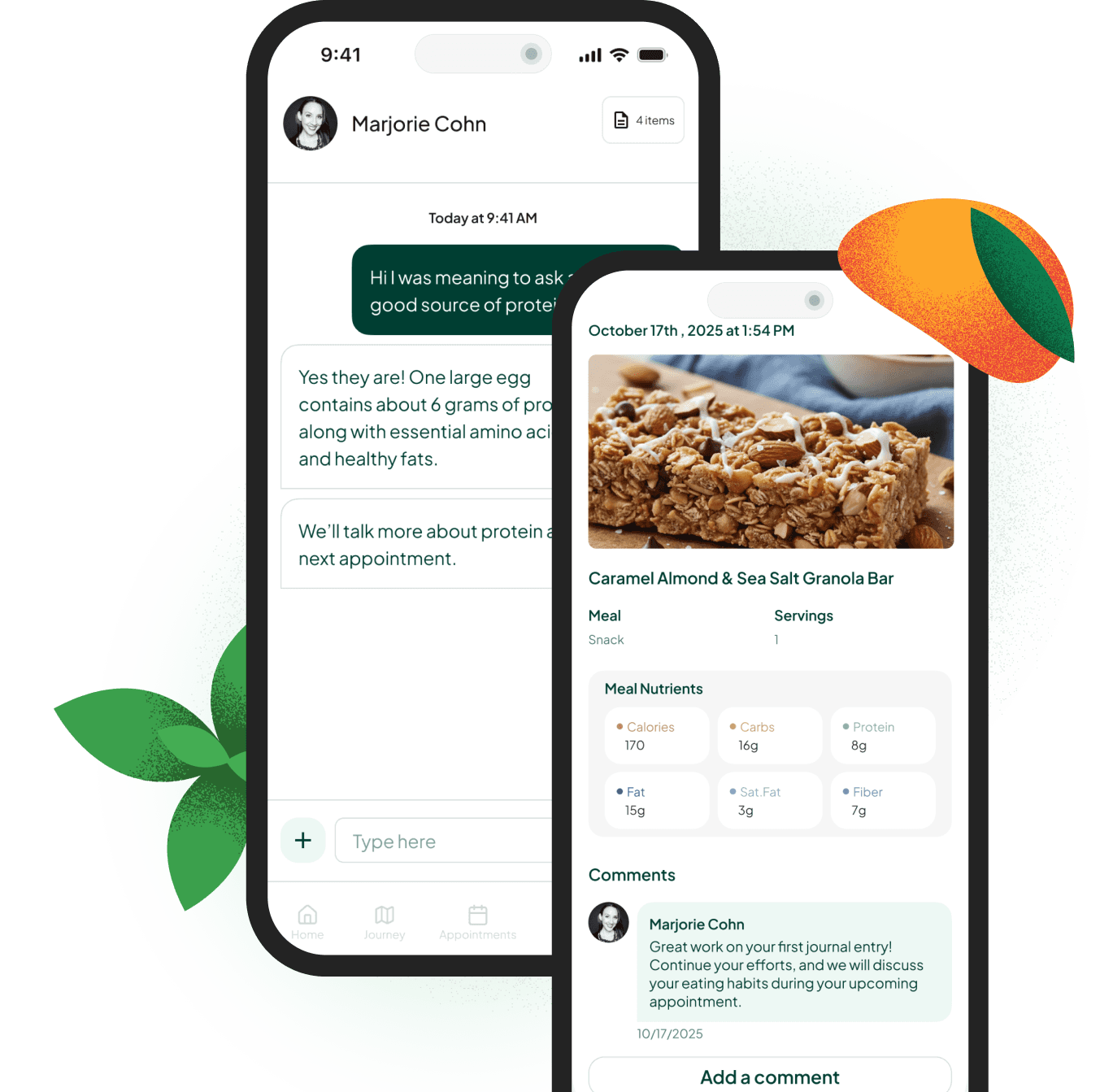
Berry Street connects you with a registered dietitian over video, on your schedule. Most members pay $0 with insurance coverage, and you can check your coverage and book a visit in about a minute with no commitment. Support continues after delivery too, since postnatal nutrition matters for recovery and replenishing nutrient stores, especially if you breastfeed.
The bottom line on plant-based pregnancy nutrition
A well-planned vegan or vegetarian diet can be an excellent way to nourish yourself and your baby. The whole task comes down to a short, manageable list: get enough protein spread through the day, pair iron with vitamin C, take a prenatal that covers B12, iodine, choline, and DHA, and add algae DHA if you do not eat fish. Everything else is the same varied, colorful eating you would aim for anyway. If you want a plan tailored to your labs, your symptoms, and your life, a registered dietitian can build one with you, and most members pay $0 with coverage. You can check yours here.
Frequently Asked Questions
Is it safe to be vegan or vegetarian during pregnancy?
Yes. A varied, well-planned vegan or vegetarian diet is considered safe and adequate throughout pregnancy by the major dietetics organizations. The key is planning for a few specific nutrients, especially vitamin B12, and taking a prenatal vitamin.
How do I get enough protein on a plant-based pregnancy diet?
Aim for a protein source at every meal and most snacks, drawing on legumes, tofu, tempeh, edamame, whole grains, nuts, and seeds (plus eggs and dairy if you are vegetarian). Spreading protein across the day matters more than combining “complete” proteins at one sitting. Most people can comfortably reach the 1.1 grams per kilogram a day pregnancy target this way.
What are the best plant-based iron sources during pregnancy, and how do I absorb more iron?
Lentils, beans, tofu, pumpkin seeds, fortified cereals, and dark leafy greens are all strong plant iron sources. To absorb more, pair them with a vitamin C food like citrus or bell pepper, and keep coffee and tea between meals rather than with them. Because iron needs rise to 27 milligrams a day, some people also need a supplement, so follow your provider’s guidance based on bloodwork.
Do I have to take a vitamin B12 supplement if I’m vegan and pregnant?
Yes. B12 is made by bacteria rather than plants, so vegans cannot reliably get it from food and need a supplement or consistently fortified foods every day. Most prenatal vitamins include it, so confirm yours does. This one is non-negotiable because B12 is essential for your baby’s developing nervous system.
How do I get enough omega-3 / DHA without fish?
Eat ALA-rich plant foods daily, like ground flaxseed, chia, walnuts, and hemp seeds. Because the body converts ALA to DHA inefficiently, most dietitians recommend an algae-based DHA supplement (around 200 to 300 milligrams a day) if you do not eat fish. Algae is the original plant source of DHA, so it works well.
How can I get enough calcium during pregnancy without dairy?
Build in fortified plant milks and orange juice, calcium-set tofu, tahini, almonds, and leafy greens like collards and bok choy. Aiming for a calcium-rich food at several points in the day makes the roughly 1,000 milligrams a day target very reachable. Vitamin D helps you absorb it, so make sure your prenatal includes some.
Do vegans and vegetarians need a special prenatal vitamin?
A prenatal is recommended for everyone in pregnancy, and plant-based eaters simply want to confirm theirs covers B12, iron, vitamin D, iodine, choline, and ideally DHA. Many general prenatals already do, and vegan-labeled options exist if that matters to you. The label check is what counts more than the “vegan” branding.
Where do I get choline on a plant-based diet during pregnancy?
For vegetarians, eggs are one of the richest choline sources. For vegans, soy foods, wheat germ, quinoa, beans, and cruciferous vegetables contribute, and because many prenatals underdose choline, some people add a soy lecithin supplement. Choline supports fetal brain development, so it is worth planning for the roughly 450 milligrams a day.
Is soy safe to eat during pregnancy?
Yes. Whole soy foods like tofu, tempeh, edamame, and soy milk are recommended plant proteins in pregnancy, offering complete protein, calcium, and choline. The isoflavones in soy are far weaker than the body’s own hormones, and whole soy foods in normal dietary amounts of about one to two servings a day are considered safe. Enjoy them as a regular part of your plate.

What should I eat when nausea or food aversions make plant foods unappealing?
When nausea takes over, shift the goal from perfect to enough. Eat small and often, lean on bland easy carbohydrates when needed, and get protein in whatever low-effort form you can tolerate, like a fortified soy milk smoothie or nut butter. Cold or room-temperature foods smell less intense and are often easier to face, and variety returns as the nausea eases.
Can a well-planned vegan diet support a healthy birth weight for my baby?
Yes. Research on well-planned vegetarian and vegan pregnancies has not found an increased risk of low birth weight when the diet is adequate and B12 is covered. The emphasis is on getting enough total energy, protein, iron, and B12. Working with a dietitian is a good safeguard if you have any concerns.
What plant-based foods should I limit or avoid during pregnancy?
The foods to be careful with in pregnancy are about food safety rather than any food being “bad.” Wash produce well, avoid unpasteurized juices and cheeses, be cautious with raw sprouts, and heat leftovers thoroughly to reduce listeria risk. Beyond those food-safety steps, plant foods are open to enjoy freely and abundantly.
Last Reviewed by Bridget Isaacs, MS, RD — November 2026.