Key Takeaways
A pediatric dietitian is a licensed medical professional who supports your whole family in building sustainable eating habits, not someone who puts your child on a diet.
Reaching out is a support decision, not a sign that you have failed as a parent.
In most cases you do not need a referral, and many families pay nothing because nutrition counseling is often covered by insurance.
The most useful thing you can bring to a first visit is honest, everyday detail about how meals actually go at home.
A pediatric registered dietitian nutritionist works alongside your pediatrician, never instead of them.
Maybe your toddler eats three foods and refuses the rest. Maybe your pediatrician mentioned a growth question at the last checkup. Maybe a new diagnosis has you reading labels at midnight. Whatever brought you here, wanting help is not a failure. Choosing to talk to a pediatric dietitian is a support decision, and it is one many parents make.
This guide walks you through what a pediatric registered dietitian nutritionist (RDN) actually does, how to know when it is time to reach out, and how to prepare so your first visit is genuinely useful.
In 30 seconds: A pediatric dietitian is a credentialed nutrition professional who helps your family build steady, non-restrictive eating habits around your child’s real needs. You usually do not need a referral, and many families pay $0 with insurance. Bring honest notes about how meals go at home, and you are ready to start.
What does a pediatric dietitian do?
A pediatric dietitian provides children’s nutrition counseling tailored to a child’s age, health history, and family life. That might mean easing feeding stress for a selective eater, supporting steady growth, or managing nutrition for a condition like diabetes or a food allergy.
The focus is on the whole family building habits that last, not on controlling weight or fixing how a child eats. Pediatric registered dietitians often work as part of a care team, and their role in nutrition support is well documented in the clinical literature (Healthcare (Basel), 2025).

How a pediatric RD is different from a general nutritionist
The words matter here. Many parents search for a “pediatric nutritionist,” but the title carries less weight than it sounds. A Registered Dietitian Nutritionist (RDN) completes a supervised, credentialed training path and is licensed to provide medical nutrition therapy (Academy of Nutrition and Dietetics). In some states, the title “nutritionist” is unregulated and can be used without any formal credential.
A pediatric RD builds on that foundation with training specific to children, and many hold an advanced pediatric specialist credential (Journal of the Academy of Nutrition and Dietetics, 2022). When you work with a pediatric registered dietitian nutritionist, you are working with a licensed clinician, not a general wellness coach.
What a pediatric RD does NOT do
A pediatric dietitian does not replace your pediatrician. They work alongside your child’s doctor, sharing information and reinforcing the same care plan.
They also do not hand your child a rigid diet or a list of forbidden foods. No food is off-limits by default. Instead, they help your family find what works for your child, depending on your child’s individual needs.

When should your child see a pediatric dietitian?
There is no single right moment. Some families come in with a specific diagnosis, and others simply want reassurance and a plan.
Common reasons parents reach out
Picky or selective eating that limits variety or makes mealtimes stressful.
Growth or feeding questions raised at a checkup or noticed at home.
Food allergies and the practical work of feeding around them safely.
GI issues like constipation, reflux, or ongoing tummy trouble.
Chronic conditions such as type 1 diabetes, where nutrition is part of daily care.

“Almost every parent I meet feels a little nervous, and many feel guilty, like asking for help means they did something wrong. I always reframe it the same way. You are not being graded, and neither is your child. We are a team adding one more supportive person, and for kids I frame it as meeting someone whose whole job is helping food feel easier.” — Bridget Isaacs, MS, RD
Signs it may be time to ask for support
Mealtimes feel like a daily battle, for you or your child.
Your child’s list of accepted foods keeps shrinking.
A recent diagnosis changed what your child can or should eat.
Your pediatrician suggested extra nutrition support.
You feel stuck and want a plan built around your child, not generic advice.
If any of these sound familiar, pediatric nutrition support may help. Reaching out early is completely reasonable.
How to find and start with a pediatric dietitian
Getting started is often simpler than parents expect. Here is what to check.
Do you need a referral?
It depends on your plan. Many plans let you see a dietitian without a referral, and with Berry Street you can usually book directly. Some plans do ask for a referral first, so it is worth checking yours. Either way, it can help to tell your child’s doctor, so everyone stays on the same page.
Does insurance cover it?
It often is, though it depends on your plan. Pediatric nutrition counseling is a form of medical nutrition therapy, which many plans cover. At Berry Street, we are in-network with 1,250+ plans, and 95% of members pay $0 with coverage. You can check your child’s coverage in 60 seconds, with no commitment.
In-person vs. virtual visits
Both can work well. In-person visits suit families who prefer face-to-face time or need hands-on assessment. Virtual visits remove the commute and the waiting room, and they let your dietitian see your real kitchen and mealtime setup. Many families find video visits easier to fit around school, work, and naps.

How to talk to a pediatric dietitian: preparing for the first visit
A little preparation makes a big difference. You do not need perfect records, just honest, everyday detail.
What to bring and track before the appointment
A few days of notes on what and when your child usually eats.
Any growth information or notes your pediatrician has shared.
A list of foods your child accepts, avoids, or reacts to.
Current supplements or medications.
The specific worries that made you book.
How to describe your concerns (and involve your child appropriately)
Be specific and be honest. “Dinner turns into a standoff most nights” tells your dietitian far more than “he’s a picky eater.” Describe what mealtimes actually look like, without softening the hard parts.
Involve your child in a way that fits their age. For younger kids, keep it light and positive. For older children and teens, let them share their own view, so the plan feels like something they helped shape.
“The single most helpful thing a parent can do is come with real examples instead of a summary. Tell me what Tuesday dinner actually looked like, who sat where, what got refused, and how everyone felt. These everyday details allow me to build a plan that fits your family, not a one-size-fits-all handout.” — Bridget Isaacs, MS, RD
Questions to ask your dietitian
What does a realistic first step look like for our family?
How will we know this is working?
How should we handle tough meals without turning them into a fight?
How will you coordinate with our pediatrician?
How often should we plan to check in?
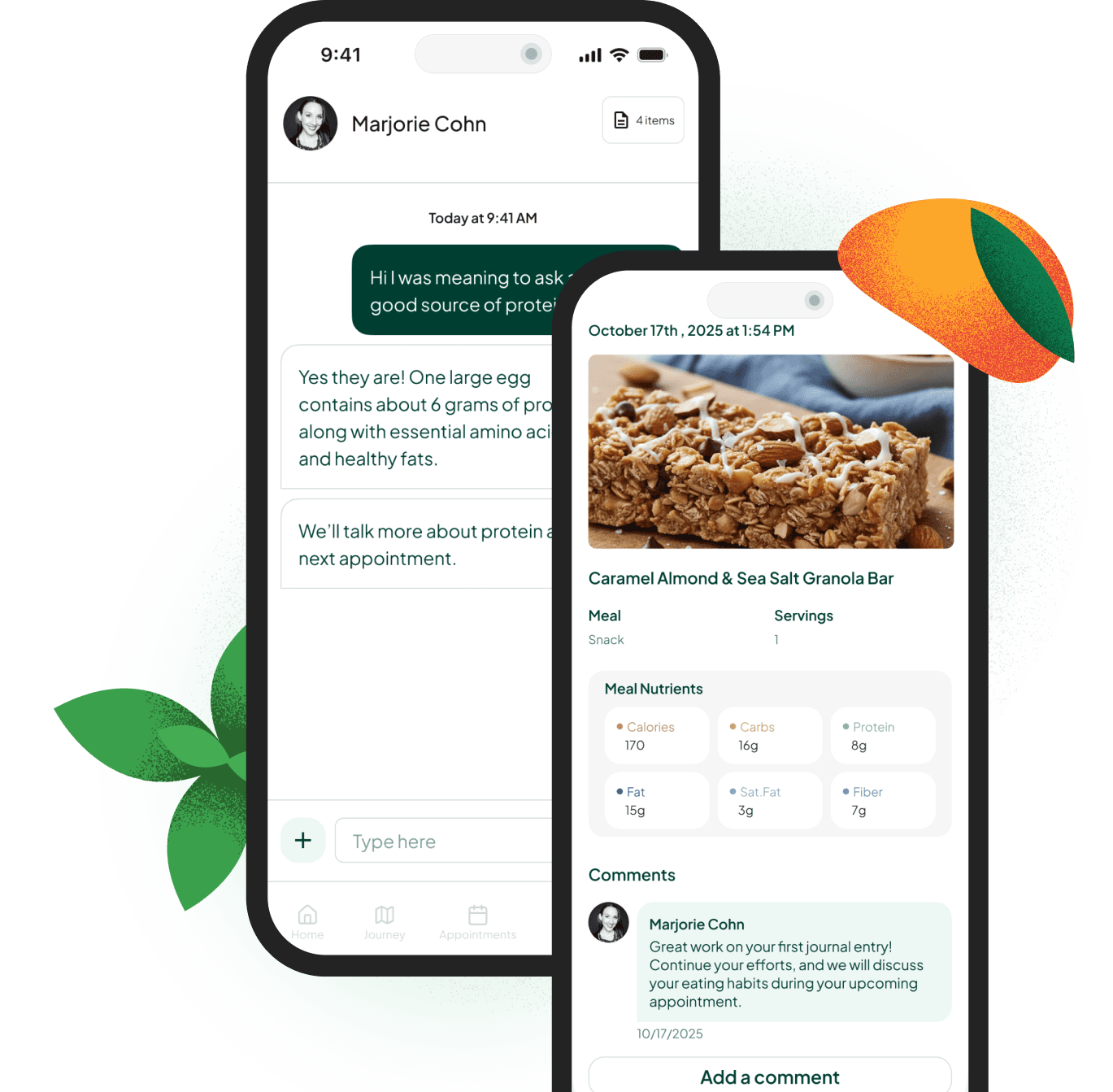
Getting the support your family needs
You do not have to sort this out alone. A pediatric dietitian can take the pressure off mealtimes and give you a plan built around your child, not a rigid set of rules.
If you think children’s nutrition counseling could help, you can check your coverage in 60 seconds, and most families pay $0 with insurance. When you are ready, you can work with a Berry Street pediatric RD who focuses on your child’s needs. You can also learn more about our pediatric nutrition care or read what a pediatric dietitian does day to day.

Frequently asked questions
When should my child see a pediatric dietitian?
Consider reaching out when mealtimes are consistently stressful, your child’s accepted foods keep narrowing, a diagnosis changes what they eat, or your pediatrician suggests extra support. You do not need a crisis to justify a visit. Wanting a plan built around your child is reason enough.
Do I need a referral to see a pediatric dietitian?
It depends on your plan. Many plans allow direct access, and with Berry Street you can usually book without a formal referral. Some plans do require one, so it is worth checking yours. Either way, it is a good idea to loop in your pediatrician, so your child’s care team stays coordinated.
Does insurance cover a pediatric dietitian for my child?
It depends on your plan, and many plans cover it as medical nutrition therapy. At Berry Street, we are in-network with 1,250+ plans, and 95% of members pay $0 with coverage, and you can check in 60 seconds.
What should I expect at my child’s first dietitian appointment?
Expect a conversation, not a lecture. Your dietitian will ask about your child’s eating, growth, health history, and your family’s routine, then suggest a realistic first step. The goal is a plan that fits your life, depending on your child’s individual needs.
What’s the difference between a pediatric dietitian and a nutritionist?
A pediatric Registered Dietitian Nutritionist (RDN) is a licensed medical professional trained to provide medical nutrition therapy for children. In some states, “nutritionist” is an unregulated title that anyone can use. For medical or growth concerns, a credentialed pediatric RD is the safer choice.
Last Reviewed by Bridget Isaacs, MS, RD — August 2026.