Key Takeaways
Nutrition for bulimia recovery starts with adequate, regular, structured eating, not with counting calories or following a rigid meal plan.
Eating consistently, roughly every 3–4 hours, helps steady blood sugar and quiets the hunger swings that drive the binge-purge cycle.
All foods belong on your plate. Carbohydrates, protein, and fats each support healing, and no food is off-limits.
Bloating, water retention, and weight changes are common early in recovery. They are signs your body is adjusting, not signs of failure.
Early recovery is safest with a medical team. A registered dietitian works alongside your doctor and therapist to personalize your care.
If you have tried to eat “normally” after bulimia and it felt impossible, you are not weak and you are not doing it wrong. Diets, apps, and strict rules tend to fail because they treat everyone the same. That is a one-size-fits-all problem, not a willpower problem.
Real recovery looks different. It is personalized, weight-neutral, and built around adequate eating rather than restriction. This guide walks through what to eat, what to expect physically and emotionally, and how a registered dietitian supports you at each step.
On this page
Why nutrition is central to bulimia recovery
What to eat in bulimia recovery
What to expect in bulimia recovery
Getting personalized support from a registered dietitian
Frequently asked questions
In 30 seconds: Nutrition for bulimia recovery means eating enough, regularly, without labeling foods good or bad. Structured meals and snacks steady your hunger cues and reduce the urge to binge and purge. This work is safest and most effective with a registered dietitian who personalizes it alongside your medical and therapy team.
Why nutrition is central to bulimia recovery
Bulimia is not really about food, and yet food is where a lot of the healing happens. The binge-purge cycle disrupts the body’s most basic signals, and steady nourishment is what helps those signals come back online. Nutrition care gives you a way to rebuild trust with eating, one regular meal at a time.

Recovery is rarely something people manage alone. Nutrition works best as one part of a coordinated plan that also addresses the emotional and medical sides of the illness. That is why a registered dietitian focuses on the eating patterns while working in step with the rest of your care team.
How the binge-purge cycle disrupts hunger and fullness cues
When eating becomes irregular, your hunger and fullness signals stop being reliable. Restricting during the day builds intense hunger, that hunger can lead to a binge, and purging follows. Each turn of the cycle teaches the body that food is unpredictable.
Over time, this pattern blunts the cues you would normally rely on. You may not feel hungry when your body needs fuel, or you may not feel full until well past comfortable. For some people, the stomach also empties more slowly, which adds to early fullness and bloating.
The way out is consistency. Eating at regular intervals, whether or not hunger feels “loud,” gives your body steady evidence that food is coming, which reduces the drive to overeat later. These cues can recover, though the timeline varies from person to person.

What a registered dietitian does in bulimia recovery (and how it works with your medical and therapy team)
A registered dietitian nutritionist (RDN) is a licensed medical professional with years of clinical training, qualified to treat and manage conditions like bulimia. In recovery, an RDN helps you build a personalized eating structure and reintroduce feared foods at a pace you can handle. They also help you interpret the physical changes you notice along the way.
Dietitians work alongside your doctor and therapist, not instead of them. The American Dietetic Association position paper on nutrition intervention in eating disorders names the dietitian as a core member of the team across the full continuum of care. Your physician monitors your medical stability, your therapist addresses the thoughts and emotions, and your dietitian translates all of it into what happens on your plate.
You can read more about what a dietitian does for eating disorders if you want a fuller picture of that role. The short version is that they make recovery concrete and personal, so you are not guessing at what or how much to eat.

What to eat in bulimia recovery
There is no single bulimia recovery meal plan that fits everyone. What to eat in bulimia recovery depends on your medical history, your usual routines, your food preferences, and where you are in the process. Still, a few principles hold true for most people, and a dietitian helps you adapt them to your needs.
The goal in early recovery is adequacy and regularity, not perfection. You are aiming to eat enough, often enough, with enough variety. The sections below break down what that looks like in practice.
Start with structure: regular meals and snacks (roughly every 3–4 hours)
Structure comes before everything else. Most recovery plans center on three meals and two to three snacks a day, spaced roughly every 3–4 hours. This is a starting baseline rather than a strict rule, and a dietitian may adjust it for your schedule and needs.
Eating on a schedule does the heavy lifting early on. It prevents the long gaps that fuel intense hunger, and it removes the daily decision of whether you have “earned” food. Both of those shifts take pressure off the binge-purge cycle.
At first, you may need to eat by the clock rather than by appetite, because your hunger cues are still unreliable. That is expected. As your body relearns that food arrives regularly, natural hunger and fullness tend to return.
Building a balanced plate — carbohydrates, protein, and fats all belong
A balanced plate includes all three macronutrients, because each does a different job. Carbohydrates are your body’s main energy source and help stabilize mood and blood sugar. Protein supports muscle and tissue repair, while fats support hormones, brain function, and the absorption of certain vitamins.

Carbohydrates deserve a specific mention, because they are often the most feared and the most restricted. They are not optional in recovery. Including them at meals and snacks helps steady energy and reduces the drive to binge later.
The “Recovery from Eating Disorders for Life” (REAL) Food Guide, published in the Journal of Eating Disorders, was designed specifically for eating disorder recovery. It emphasizes that all food groups fit and that flexibility matters more than rigid rules. A simple, personalized target is to include a source of carbohydrate, protein, and fat at most meals, with variety across the week.
Foods that support healing (energy, electrolytes, gut, bone, and mood)
Certain eating disorder recovery foods deserve attention because purging and restriction can deplete specific nutrients. This is about adding support, not about “good” versus “bad” foods. A dietitian personalizes these emphases based on your labs and history.
Energy-dense foods like grains, starchy vegetables, nut butters, and oils help you meet your needs without an overwhelming volume of food.
Electrolyte-rich foods such as potatoes, bananas, oranges, dairy, and beans support potassium and sodium levels that purging can disrupt.
Gut-supportive foods like cooked vegetables, fruits, and fermented options can ease the digestion and constipation issues common early on.
Bone-supportive foods including dairy or fortified alternatives, leafy greens, and tofu provide calcium and vitamin D for bone health.
Mood-supportive foods such as fatty fish, whole grains, eggs, and a variety of produce supply nutrients tied to brain function and steadier mood.
You do not need to memorize this list or eat all of it perfectly. It is a menu of options, and your dietitian helps you prioritize what matters most for your body right now.

Reintroducing “fear foods” without triggering the cycle
Fear foods are the foods that feel unsafe, often the same ones involved in binge episodes. Common examples include desserts, bread, pasta, or anything previously labeled “off-limits.” No food is bad, toxic, or forbidden, and lasting recovery usually means making peace with these foods rather than avoiding them.
Avoidance tends to backfire. When a food stays forbidden, it keeps its power, and that charge can drive the next binge. Gentle, planned exposure lowers the intensity over time.
A common approach is to rank feared foods from least to most anxiety-provoking, then reintroduce them gradually within structured meals. Eating a small, planned portion alongside foods you feel safe with, ideally with support, helps your brain relearn that the food is neutral. A dietitian sets the pace so this feels challenging but manageable.
Do you need to count calories? (reframe: adequacy and consistency over numbers)
This is one of the most common questions in recovery, and the honest answer is that counting calories usually works against you here. Calorie counting is a form of restriction and monitoring, and those are the exact behaviors recovery is trying to loosen. It tends to keep your focus on numbers instead of on nourishing your body.
Instead of a calorie target, the aim is adequacy and consistency. That means eating enough food, regularly, with variety, and trusting a plan built for you rather than a formula. A registered dietitian determines what “enough” looks like for your body and adjusts it as you heal, so you never have to do the math or second-guess yourself.
“When clients stop purging and start eating regularly, the bloating and early weight changes can feel terrifying, and I want them to know that reaction is normal. I tell them what they are seeing is usually fluid shifts and their digestive system waking back up, not fat gain, and it settles as the body finds its footing. Our job in those first weeks is to keep meals consistent and let the body do the recalibrating, because chasing a number on the scale is what kept the cycle going in the first place.” — Jessica Cannon, MS, RDN, LDN
What to expect in bulimia recovery
Knowing what is coming makes the physical and emotional changes of recovery less frightening. Many of the early changes feel uncomfortable, and almost all of them are temporary signs of healing. Understanding them helps you stay the course when your body is adjusting.
None of this has to be navigated alone or without information. The sections below describe what many people experience, with the reminder that your path may look different depending on your history and needs.
Early physical changes when you stop purging (bloating, water retention, constipation)
When you stop purging and start eating regularly, your body often holds onto water for a while. This can show up as bloating, puffiness, and a heavier feeling. It is a fluid shift, not fat gain, and it typically eases over days to weeks.
Digestion also takes time to recover. Constipation is common early on, partly because the gut has been disrupted and partly because it is relearning a normal rhythm. Adequate food, fluids, and fiber, introduced at a comfortable pace, all help.
These symptoms are uncomfortable, and they can be discouraging if you do not know they are coming. They are a predictable part of the body settling, and they tend to improve as eating becomes consistent. A dietitian can suggest specific, gentle strategies for the ones that bother you most.
Refeeding and why early recovery is safest with a medical team
Refeeding is the process of returning to adequate nutrition after restriction or purging. In some people, reintroducing food too quickly can shift electrolytes and fluids and stress the body, a rare but serious situation called refeeding syndrome. This is a reason to recover with support, not a reason to be afraid of eating.
Practical guidelines for nutritional rehabilitation and safe refeeding, published in the Journal of Nutrition and Metabolism, come from broader eating-disorder refeeding practice developed for people recovering from restriction and malnutrition. The same electrolyte-monitoring principles apply when someone stops purging, so a medical team watches those levels and paces the increases to keep refeeding safe.
This is exactly why early recovery is safest with a medical team in place. Your physician can check labs like potassium, phosphorus, and magnesium, while your dietitian structures the increases in food. Together they keep the process steady, so you can focus on eating rather than worrying.
Weight changes — what’s typical and why the scale isn’t the goal
Weight can change in any direction during bulimia recovery, and that is expected. For many people, weight normalizes as eating stabilizes. This may include weight gain, weight loss, or little change, and none of these outcomes is the measure of whether recovery is working.
Recovery is not a weight-loss project, and it is not a weight-management project. Berry Street’s approach is weight-neutral and rooted in Health At Every Size. The goal is a steady, adequate relationship with food, and any weight change is a side effect of healing rather than a target to chase.
The scale is a poor guide here, because it says nothing about the things that actually matter in recovery. Fewer episodes, steadier energy, returning hunger cues, and more freedom around food are the real signs of progress. Many people find it helps to step away from weighing themselves and let their care team track the medical picture.
The emotional side and a realistic timeline (recovery isn’t linear)
The emotional side of recovery is often harder than the eating itself. Guilt, anxiety, and the urge to purge can stay loud even as your meals become more regular. Those feelings are part of the process, and they tend to soften with time and support.
Recovery is not linear. Setbacks and hard days do not erase progress, and a lapse is information, not failure.
Physical recovery may take months, while the emotional and psychological work often continues longer, and the timeline is different for everyone. Learning how to eat normally after bulimia is a gradual relearning, not a switch you flip.
“When a client is ready to face a fear food, we never start with the scariest one and we never do it in a vacuum. I have them build a simple ranking, then we plan the food into a structured meal alongside things that already feel safe, in a portion we agree on ahead of time, so nothing is left to a vulnerable in-the-moment decision. Reintroducing it inside that structure, and often practicing together first, is what keeps exposure from tipping into the binge-purge cycle.” — Jessica Cannon, MS, RDN, LDN
Getting personalized support from a registered dietitian
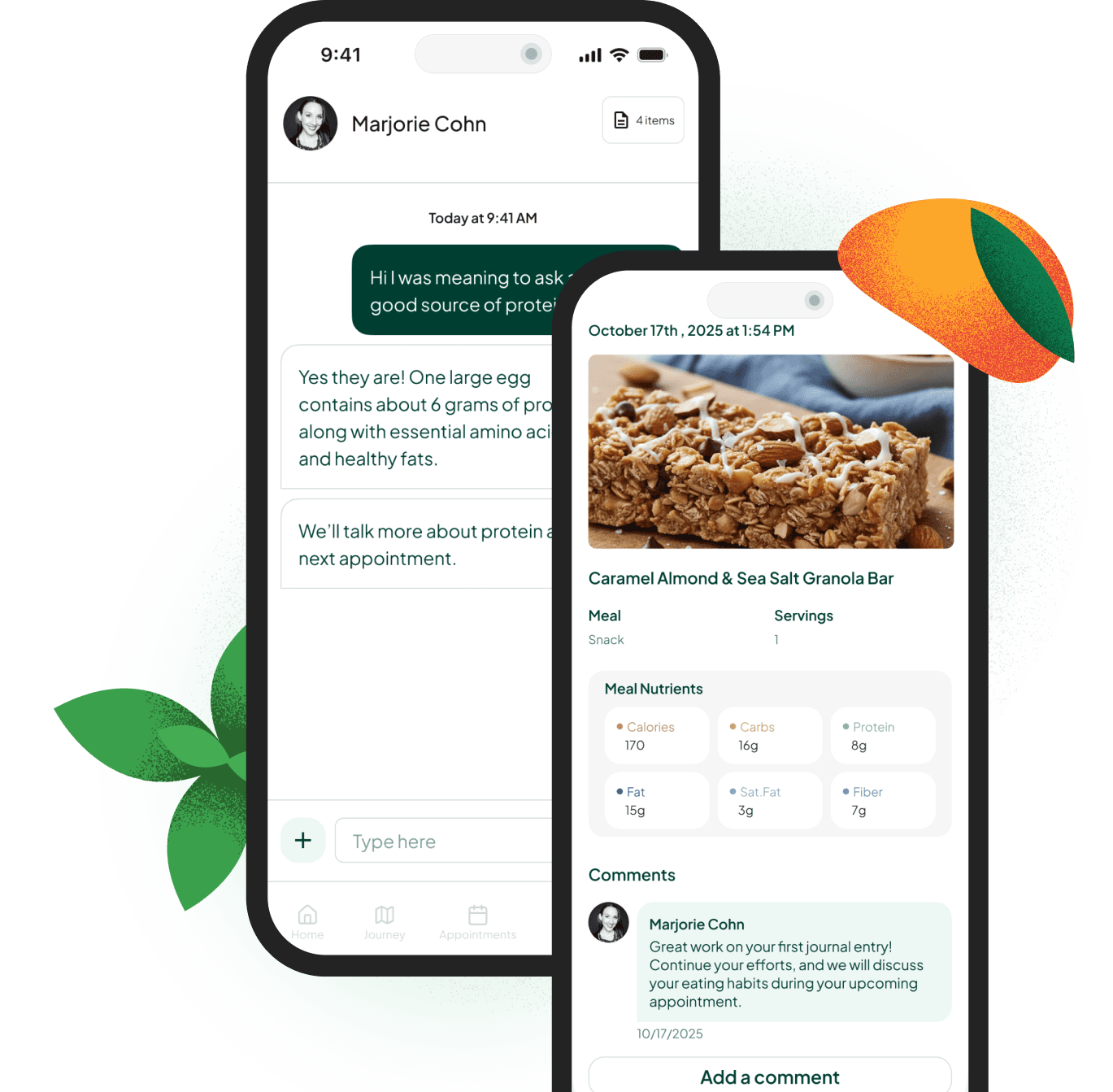
You do not have to figure this out on your own. At Berry Street, you can work 1-on-1 with a registered dietitian who specializes in eating disorders, through virtual visits that fit your schedule. Your dietitian personalizes your eating structure and works alongside your doctor and therapist at every step.

Cost is often less of a barrier than people expect. Berry Street is in-network with 1,250+ insurance plans, and 95% of members pay $0. You can check your coverage before committing, and there are no surprises about what you will pay.
If it feels like the right time, you can connect with a registered dietitian and get matched with someone who understands bulimia recovery. You can also learn more on the Berry Street bulimia care page. There is no pressure to start before you are ready.
Frequently asked questions
What should you eat during bulimia recovery?
Aim for regular meals and snacks that include carbohydrates, protein, and fats, with variety across the week. The focus is on eating enough, consistently, rather than following strict rules. A dietitian personalizes this to your body, history, and preferences.
How do I start eating regularly again after bulimia?
Start with structure rather than appetite, since your hunger cues may be unreliable at first. Eating on a regular schedule, roughly every 3–4 hours, is often the first step. Working with a registered dietitian helps you rebuild consistency at a pace that feels manageable.
What foods help with bulimia recovery?
Energy-dense foods, electrolyte-rich foods, gut-supportive foods, and calcium sources can all support healing after purging and restriction. This is about adding nourishment, not labeling foods good or bad. Your dietitian helps prioritize what matters most for your needs and labs.
What is refeeding syndrome, and is it a risk in bulimia recovery?
Refeeding syndrome is a rare but serious shift in electrolytes and fluids that can happen when food is reintroduced too quickly after restriction. It is a reason to recover with a medical team, not a reason to fear eating. Your doctor can monitor labs while your dietitian paces the increases safely.
How many meals and snacks should I eat in bulimia recovery?
Many recovery plans start with three meals and two to three snacks a day, spaced roughly every 3–4 hours. This is a baseline, not a fixed rule. A dietitian adjusts the number and timing based on your needs and schedule.
What are “fear foods,” and how do I reintroduce them?
Fear foods are foods that feel unsafe, often the ones tied to binge episodes, and no food is truly off-limits. A common approach is to rank them from least to most anxiety-provoking and reintroduce them gradually within planned meals. A dietitian sets a pace that feels challenging but manageable.
What physical changes should I expect when I stop purging?
Bloating, water retention, and constipation are common in the early weeks as your body holds fluid and your digestion recovers. These are usually temporary signs of healing rather than fat gain. They tend to ease as eating becomes consistent.
Will I gain weight during bulimia recovery?
Weight can change in any direction, and for many people it normalizes as eating stabilizes. Any weight change, including gain, is an expected part of healing rather than a goal or a failure. Recovery is weight-neutral, and the scale is not the measure of progress.
How long does physical recovery from bulimia take?
Physical recovery often takes weeks to months, while the emotional and psychological work usually continues longer. The timeline is different for everyone and depends on your history and support. Recovery is not linear, and setbacks do not erase progress.
Is intuitive eating safe during bulimia recovery?
Intuitive eating can be a meaningful goal, but hunger and fullness cues are often unreliable early in recovery. Most people benefit from structured, scheduled eating first, then move toward more intuitive eating over time. A dietitian helps you judge when that shift is appropriate for you.
Do I need to count calories in bulimia recovery?
No. Calorie counting is a form of restriction and monitoring, which tends to work against recovery. The focus is on adequacy and consistency, with a registered dietitian determining what “enough” looks like for your body.
Can a registered dietitian help with bulimia recovery, and is it covered by insurance?
Yes. A registered dietitian is a licensed professional who helps you rebuild eating patterns alongside your doctor and therapist. Berry Street is in-network with 1,250+ insurance plans, and 95% of members pay $0.
Last Reviewed by Jessica Cannon, MS, RDN, LDN — August 2026.