Key Takeaways
Carbohydrate is your primary endurance fuel. Many endurance athletes need roughly 6–10 g/kg of body weight per day, scaled to training load.
During efforts of 60+ minutes, aim for 30–60 g of carbs per hour, up to ~90 g/hr on long days.
Protein supports repair and recovery. Most endurance athletes do well on 1.2–2.0 g/kg per day, spread across meals.
Your gut is trainable. Rehearsing race-day fueling in training helps you tolerate more carbs with fewer stomach issues.
Ongoing fatigue, frequent illness, or stalled performance may signal under-fueling, not a reason to train harder.
Nutrition for endurance athletes is not about eating less. It is about giving your body enough of the right fuel, at the right times, to train hard and recover well.
Whether you run, ride, swim, or race triathlons, your fueling shapes your energy, your recovery, and how you feel on your longest days. This guide breaks down what the evidence says, and where a personalized endurance athlete nutrition plan makes the difference.

In 30 seconds: Carbohydrate fuels endurance work, protein rebuilds you afterward, and fluids plus electrolytes keep the engine running. Most endurance athletes need more carbs than they expect, especially during long sessions. The right amounts depend on your body and training load, so treat published ranges as a starting point.
Why fueling makes or breaks endurance performance
Endurance training asks your body to produce energy for hours. What you take in before and during a session directly affects how long you can hold your pace. It also shapes how sharp you feel late in the effort.
Fuel well, and your legs and brain stay supplied. Fall short, and performance drops no matter how fit you are.
Fueling is a trainable skill, not a fixed trait. The athletes who feel strong late in long efforts are usually the ones who planned their intake, not the ones who simply pushed harder.
What “hitting the wall” (bonking) actually is
“Hitting the wall,” or bonking, is what happens when your muscles and brain run low on available carbohydrate. Your body stores carbs as glycogen in your muscles and liver, and those stores are limited.
When they run down during a long effort, your pace falls, your legs feel heavy, and your focus fades. It is not a lack of grit. It is a fuel problem, and it is largely preventable.
Why generic fueling advice fails real athletes
Generic advice treats every athlete the same. Your needs depend on your training volume, your sport, your session length, and how your gut tolerates food on the move.
A plan built for a 45-minute jog will leave a marathoner underfueled. This is why ranges beat rigid rules, and why many athletes benefit from sports nutrition therapy built around their own training rather than a template.


The three levers of endurance fueling: carbs, protein, and fluids
Three inputs drive endurance fueling. Get these working together and most of your energy and recovery falls into place.
Carbohydrate — your primary fuel
Carbohydrate is the fuel your body reaches for first during moderate-to-hard endurance work. It is stored as glycogen and converts to energy quickly and efficiently.
The harder and longer you go, the more your body leans on carbs. Both whole foods and sports products such as gels, chews, and drinks are valid ways to take them in.
Your body does use fat for fuel too, especially at easier intensities. But carbohydrate is what lets you hold a strong pace, so most endurance fueling centers on keeping carbs available.
Protein — for repair and recovery
Protein does not power most endurance work directly. Its job is repair, rebuilding the muscle fibers stressed by training and supporting the adaptations that make you stronger.
Spreading protein across the day supports recovery better than saving it all for one large evening serving.
Fluids and electrolytes
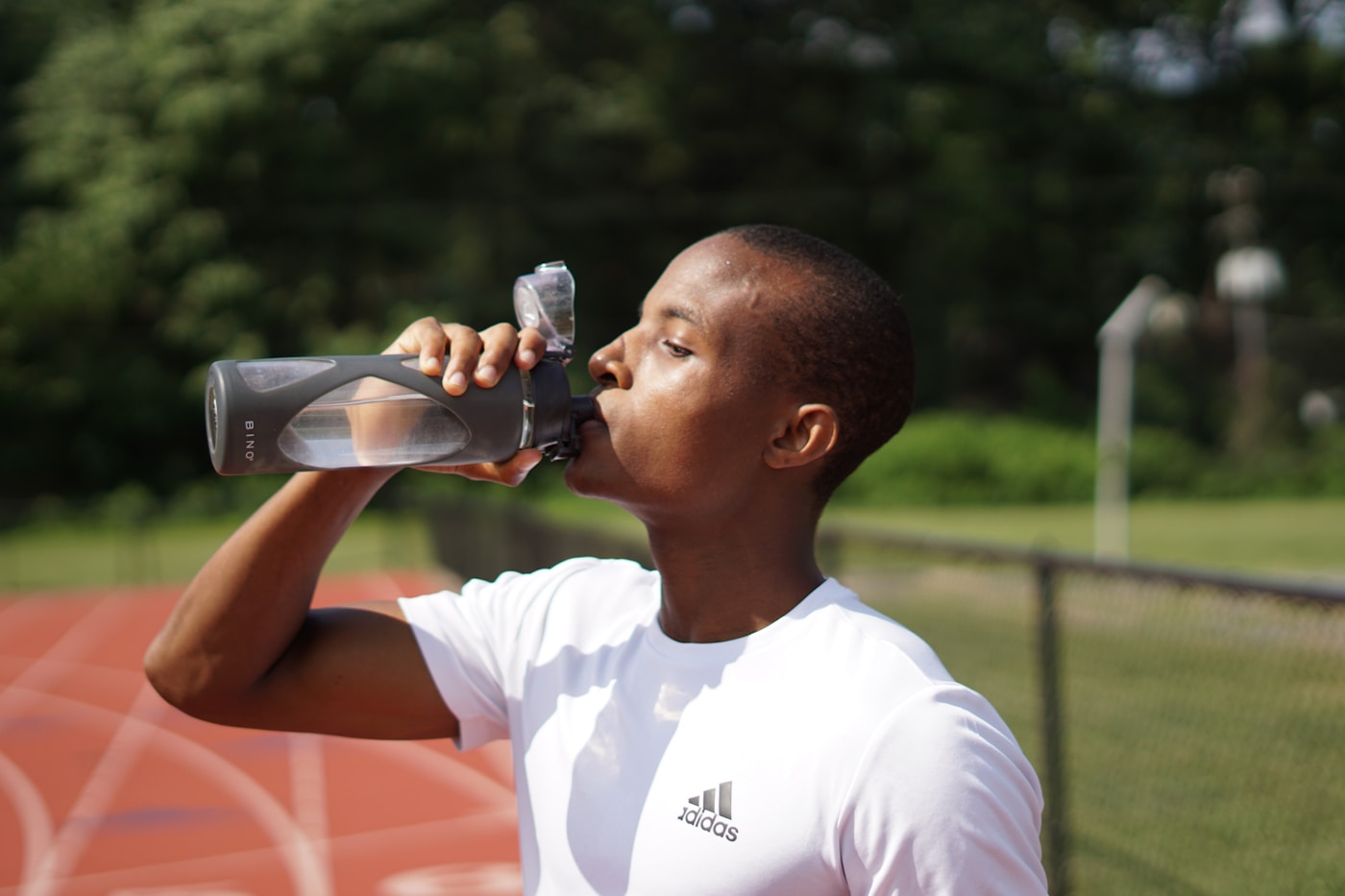
Sweat costs you water and electrolytes, mainly sodium. Even mild dehydration can raise your perceived effort and blunt performance.
Your fluid needs vary with heat, sweat rate, and session length, so there is no single number that fits everyone. Our nutrition expert’s guide to hydration walks through how to estimate what you need.
How much should endurance athletes eat? Evidence-based targets
The ranges below are well-supported starting points. Think of them as a baseline you adjust, not a rulebook.
Daily carbohydrate needs (grams per kg of body weight)
For most endurance athletes, daily carbohydrate targets fall between about 6 and 10 g/kg of body weight, depending on training load. A lighter day sits at the low end, while a high-volume day of long training climbs toward the top.
For a 70 kg athlete, that is roughly 420–700 g of carbs per day. A spread that wide is exactly why individualization matters.
Daily protein needs
Endurance athletes generally do well on 1.2–2.0 g/kg per day. That is more than the general population, because training raises repair demands.
For a 70 kg athlete, that works out to about 84–140 g daily. Protein for endurance athletes works best spread across meals and snacks rather than saved for dinner.
Individual variation — why the numbers are a starting point
These ranges are a baseline, not a strict rule. Your ideal intake may shift with your training block, your sport, your health history, and how you feel day to day.
Some athletes thrive near the top of a range, others lower. Appetite, digestion, and how a plan fits your daily life all matter alongside the numbers. To see how targets translate into real meals, our athlete meal plan guide is a practical next step.
Fueling before, during, and after training or a race
Timing turns daily targets into performance. Here is how to think about the hours around a hard session.
Before: topping off glycogen
Before a long session, the goal is to top off glycogen and steady your blood sugar. A carb-focused meal 2–4 hours ahead works for many athletes.
What to eat before a long run might be oatmeal with banana and honey, toast with jam, or rice with a little protein. Keep fat and fiber moderate so digestion stays comfortable. Practice this meal in training, never for the first time on race day.

During: carbs per hour by session length
For efforts up to about 2.5 hours, aim for roughly 30–60 g of carbs per hour. For longer races, you may tolerate and benefit from up to ~90 g/hr, using a mix of glucose and fructose so your gut can absorb more.
Sessions under an hour usually call for water more than fuel. Getting your carbs per hour right is the core of fueling during a race.
After: recovery and refueling
After a hard or long session, pair carbohydrate with protein to refill glycogen and start repair. Many athletes feel best refueling within a few hours of finishing.
A full meal counts, and so does a snack like yogurt with fruit or a recovery shake. If you train again soon, refueling sooner matters more.
For a single easy session with a rest day to follow, there is less urgency. Your next meals can do the work. The tighter your training schedule, the more intentional your recovery fueling should be.
Training your gut and choosing your fuels
The right fuel is the one you can take in and actually absorb while moving. That is a skill you can build.
Whole foods vs sports products
There is no single right fuel. Whole foods like bananas, dates, and rice work well for many athletes, especially at lower intensities.
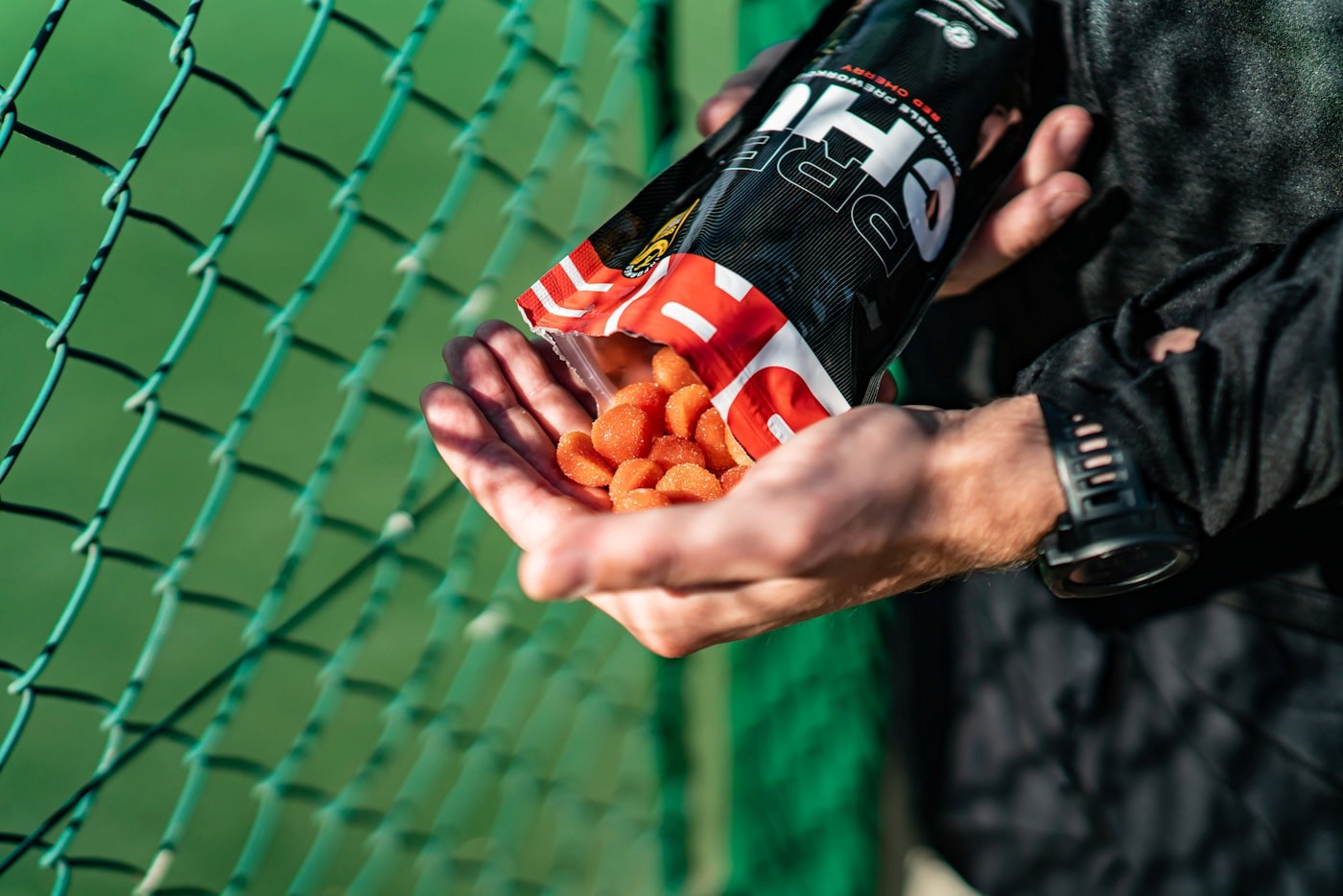
Sports products such as gels, chews, and drinks are designed for fast, convenient carbs when your stomach is working hard. Neither category is better than the other. Both are valid tools, and most athletes use a mix.
Practicing your race-day fueling in training
Your gut adapts to what you ask of it. If you rarely eat while training, taking in 60 g/hr on race day may cause cramps or nausea.
Rehearse your fueling on long training days with the same products, timing, and amounts you plan to use. This is how you learn what your body tolerates before it counts.
When you’re not fueling enough: low energy availability
Under-fueling is common in endurance sport, and it quietly erodes both health and performance.
Signs of under-fueling to watch for
When you take in less energy than your training and daily life require, you can slip into low energy availability. Over time, this can affect hormones, bone health, immunity, and performance.
Watch for lingering fatigue, frequent illness or injury, disrupted sleep, mood changes, or a plateau despite hard training. These are health signals worth taking seriously.
“The earliest signs I see aren’t dramatic. It’s the athlete who’s tired and sleeping poorly. When we increase fuel, I keep it sustainable: one extra snack around training, a little more carbohydrate on hard days. We’re not counting every gram. We’re making sure their activity is supported.” — Jessica Cannon, MS, RDN, LDN
How a registered dietitian personalizes your plan
A registered dietitian looks at your training, your schedule, your labs, your health history, and your preferences, then builds fueling that fits your real life rather than a template.
This is the heart of sports nutrition therapy, and it is especially valuable if you have a history of under-fueling, GI issues, or a medical condition. When you’re ready, you can check your coverage and get started in a few minutes.

Building a fueling plan that fits your life
You do not need a perfect diet to fuel well. You need enough carbohydrate for your training, enough protein to recover, steady hydration, and a plan you can actually repeat.
Start with the ranges here, then adjust based on how you feel and perform. If you want expert help, Berry Street can match you with a sports-specialized registered dietitian over virtual visits. Care is in-network with 1,250+ insurance plans, and 95% of members pay $0. You can check your coverage and get started whenever it suits you.

Key Takeaways
Carbohydrate is your main fuel. Target roughly 6–10 g/kg per day, scaled to training load.
During long sessions, aim for about 30–60 g of carbs per hour, up to ~90 g/hr on the longest efforts.
Get 1.2–2.0 g/kg of protein daily, spread across meals, for repair and recovery.
Practice your fueling in training so race day feels familiar.
Treat persistent fatigue as a possible fueling issue, and personalize your plan with a dietitian.
Frequently Asked Questions
How many carbs do endurance athletes need per hour during exercise?
For most sessions lasting up to about 2.5 hours, aim for roughly 30–60 g of carbohydrate per hour. On longer efforts, some athletes tolerate up to about 90 g/hr using a glucose-and-fructose mix. Your ideal amount depends on intensity, duration, and how well you’ve trained your gut.
What should I eat before a long run or race?
A carb-focused meal 2–4 hours before helps top off your glycogen stores. Options like oatmeal with fruit, toast with jam, or rice with a little protein work well for many athletes. Keep fat and fiber moderate, and practice the meal in training first.
How do I avoid “hitting the wall” during endurance events?
Start well-fueled, then take in carbs steadily during the effort rather than waiting until you feel low. Beginning around 30–60 g per hour early keeps your blood sugar and glycogen from crashing. Rehearsing this in training makes it reliable on race day.
How much protein do endurance athletes need?
Most endurance athletes do well on 1.2–2.0 g/kg of body weight per day. Spreading it across meals and snacks supports recovery better than one large serving. Your needs may vary with training load and individual factors, so use this as a starting point.
What are the signs I’m not fueling enough for my training?
Common early signs include persistent fatigue, frequent illness or injury, poor sleep, mood changes, and stalled performance. Over time, under-fueling can affect hormones and bone health. If this sounds familiar, a registered dietitian can help you add fuel back in a manageable way.
How much should I drink during long endurance sessions?
A common starting range is roughly 0.4–0.8 liters of fluid per hour during long efforts, adjusted for heat and how much you sweat. Drinking to thirst works well for many athletes, and weighing yourself before and after a few sessions helps you learn your own sweat rate. Your needs may vary widely, so treat these numbers as a baseline rather than a fixed rule.
Do I need electrolytes, or is water enough?
For shorter or easier sessions, water is usually enough. For efforts longer than about 60–90 minutes, or in heat when you’re sweating heavily, adding electrolytes (mainly sodium) can help you stay hydrated and feel steady. How much you need depends on your sweat rate and conditions, so it’s worth experimenting in training.
Does caffeine help endurance performance?
Research suggests modest caffeine doses, often around 3–6 mg/kg of body weight before or during a session, may improve endurance performance and lower how hard the effort feels. Sensitivity varies a lot between athletes, and some people notice jitters or stomach upset. Test your dose and timing in training so race day holds no surprises.
What is carb-loading, and do I need it before a race?
Carb-loading means increasing your carbohydrate intake in the 36–48 hours before a long event to top off your glycogen stores. It tends to help most for continuous efforts longer than about 90 minutes, and it’s less relevant for shorter races. Whether it helps you, and how you’d structure it, depends on your event and your body, so it’s a good thing to plan with a dietitian.
Do I need to fuel during workouts shorter than an hour?
For most sessions under about 60 minutes, water is usually all you need, since your stored glycogen can cover the effort. Fueling matters more as sessions get longer or more intense. For some athletes, a small amount of carbohydrate during a hard, shorter session may still help focus and finishing pace.
Are energy gels better than whole foods for fueling?
Neither is better. Gels, chews, and drinks are convenient and quick to absorb when you’re working hard, while whole foods like bananas, dates, and rice work well for many athletes at easier intensities. Most people use a mix, and the right choice comes down to what your stomach tolerates and what’s practical for your session.
Why does my stomach get upset when I fuel during exercise?
GI issues often show up when you take in more carbohydrate than your gut is used to handling on the move. The fix is to train your gut: start with smaller amounts, practice your fueling on long training days, and build tolerance week by week. Keeping fat and fiber moderate before a session, and staying hydrated, can also help settle things.
Is fasted training a good idea for endurance athletes?
Some athletes do easy, shorter sessions without eating first, and that may be fine depending on your goals and how you feel. Harder and longer efforts generally go better when you’re fueled, and fasted training isn’t required to perform well. If you have a history of under-fueling or low energy, it’s worth talking through with a dietitian before trying it.
How should I fuel for two-a-days or back-to-back sessions?
When your next session is close, prioritize carbohydrate plus protein soon after finishing to refill glycogen and start repair. The tighter the gap between sessions, the more intentional your refueling and hydration should be. For some athletes with heavy training loads, this may mean adding an extra snack or meal, tailored to your schedule.
Do endurance athletes need supplements?
Most of what endurance athletes need can come from food, and supplements aren’t required to fuel well. That said, certain tools like electrolyte and carbohydrate products, or caffeine, may support performance for some athletes. A registered dietitian can review your training, labs, and health history to tell you whether any specific supplement is actually worth adding.
Last Reviewed by Jessica Cannon, MS, RDN, LDN — August 2026.