Key Takeaways
Eating enough comes first. For active women, underfueling is a more common risk than overeating, and it chips away at energy, recovery, and performance.
Sex hormones and your menstrual cycle change how your body uses carbohydrates, protein, and iron. Sports nutrition for women is not a scaled-down men’s plan.
Menstruating athletes lose iron regularly, which raises the risk of low iron and fatigue. Getting enough iron helps protect your endurance and focus.
Sustained low energy availability can lead to RED-S, which affects bones, hormones, and performance. A professional can help you check in.
A registered dietitian personalizes fueling to your training, your cycle, and your life. Many Berry Street members pay $0 with insurance coverage.
Whether you run on weekends or compete most of the year, sports nutrition for women deserves its own conversation. Your body responds to training and recovery in ways that shift across your menstrual cycle. Yet most fueling advice was built around men and then shrunk down.
That gap can leave you tired, sore for longer, and below your potential. This guide covers what changes for female athletes, how much to eat, and which nutrients matter most.
In 30 seconds: Nutrition for female athletes centers on eating enough to support your training, not eating less. Your energy needs, iron needs, and fueling around your cycle differ from the standard male-based advice. A registered dietitian can help you build a plan that fits your body and goals.
Why women’s sports nutrition isn’t just “smaller portions of the men’s version”
Much of the classic sports nutrition research studied men, then applied the findings to everyone. Women were often left out, so the standard advice misses real differences in how your body fuels and recovers.
Scaling a man’s plan down by body weight can also nudge you toward eating too little, the opposite of what most active women need. A better approach starts with your physiology and your goals.
The role of sex hormones and the menstrual cycle
Estrogen and progesterone do more than regulate your period. They influence how you store and burn carbohydrates, how you use protein, and how your body manages fluids and temperature. Because these hormones rise and fall across your cycle, your fuel needs can shift week to week.
For some people, appetite, cravings, and energy feel different in the days before a period. This does not mean your body is working against you. It means a flexible, personalized plan serves you better than fixed rules.
Who this is for — from weekend runners to competitive athletes
You do not need a race bib or a podium to benefit from smart fueling. This applies whether you jog a few mornings a week, lift regularly, play a team sport, or train for endurance events.
The principles stay the same across levels, and what changes is the volume of food and the level of detail. You can explore the fundamentals on our sports nutrition care page.


How much should you eat? Energy availability comes first
Before you fine-tune any nutrient, get the total amount of fuel right. Energy availability is what remains to support your body’s basic functions after training burns through some of what you ate. When it stays too low for too long, your body cuts corners on hormones, bone health, and recovery.
This is the foundation of fueling for performance. The joint position from the Academy of Nutrition and Dietetics, Dietitians of Canada, and the American College of Sports Medicine makes the same point. Meeting overall energy needs comes first, before carbohydrate, protein, or supplement details.
What “underfueling” really means (and why it backfires)
Underfueling is not eating enough to cover both your training and your daily needs. It often happens by accident, when you are busy, less hungry after hard sessions, or following advice that pushes eating less.
Under-eating tends to backfire. Your body may respond by slowing recovery, disrupting your cycle, and leaving you flat during workouts. Eating enough is what lets your training pay off.
“When someone comes to me eating less to stay lean but feeling worse in every session, I see it as a fueling problem, not a lack of discipline. We start to treat fueling as a tool rather than the enemy. It supports movement. In my experience, adding a real pre-workout snack and a solid recovery meal often brings energy and performance back within a few weeks.” — Bridget Isaacs, MS, RD
RED-S: the warning signs worth knowing
RED-S stands for Relative Energy Deficiency in Sport. It describes what can happen when low energy availability continues over time and begins to affect your bones, hormones, immune function, and mood. It can show up in athletes of any size or level.
Some signs worth noticing include:
Missed, irregular, or absent periods that are not explained by another cause
Frequent injuries, especially bone stress injuries or stress fractures
Ongoing fatigue, poor recovery, or performance that keeps sliding
More frequent illness, low mood, or trouble sleeping
You do not need to diagnose yourself. If several of these feel familiar, that is a good reason to check in with a physician or registered dietitian.
The nutrients that matter most for active women
Once your overall energy is on track, a few nutrients deserve extra attention. Think of these as areas to personalize, not rigid targets. Your needs depend on your training load, your cycle, and your food preferences.
Carbohydrates — your main performance fuel
Carbohydrates are your body’s most accessible fuel for moderate and hard efforts. Cutting them too low often means fading energy, heavier legs, and slower recovery, both today and in tomorrow’s session.
General guidance suggests active people may need 3 to 7 grams of carbohydrate per kilogram of body weight daily, with more on heavier training days. This is a starting range for some people, not a rule. Work with a dietitian to personalize it to your sport.
Protein — how much and when
Protein helps you repair and build muscle after training, and many active women fall short, especially at breakfast. Spreading it across the day tends to support recovery better than saving most of it for dinner.
Common guidance lands around 1.2 to 2.0 grams of protein per kilogram of body weight per day, depending on your training and goals. A protein source at each meal, plus one after harder sessions, is a practical place to start.
Iron — why menstruating athletes are at higher risk
Iron carries oxygen through your blood, which directly affects endurance and focus. Menstruating athletes lose iron regularly through their period, and endurance training can add to those losses. That combination puts many female athletes at higher risk of low iron.
Signs of low iron can include unusual tiredness, breathlessness during easy efforts, and workouts that feel harder than they should.
Iron-rich foods include lean red meat, poultry, seafood, beans, lentils, tofu, and fortified grains. Pairing plant sources with vitamin C helps your body absorb more. Ask a professional before starting an iron supplement, since more is not always better.
Calcium and vitamin D — protecting your bones
Calcium and vitamin D work together to keep your bones strong, which matters for any impact sport. This matters even more when energy availability has been low. Dairy, fortified plant milks, leafy greens, and canned fish with soft bones are useful calcium sources.
Vitamin D can be harder to get from food alone, so some people benefit from testing and, if needed, a supplement. A dietitian can help you decide what fits your individual needs.
Fueling around your training and your cycle
Timing is the layer you add once the basics are steady. It does not replace eating enough overall, and consistent habits around your sessions matter more than perfect precision.
Before, during, and after workouts
A simple, flexible routine works for most active women:
Before: Eat a carbohydrate-focused snack or meal 1 to 3 hours ahead so you start with fuel in the tank.
During: For sessions under about 60 to 75 minutes, water is usually enough. For longer efforts, some carbohydrate can help.
After: Combine carbohydrates and protein within a couple of hours to support recovery and prepare for your next session.
These are starting points, so adjust based on your appetite, timing, and how you feel.
Adjusting through the menstrual cycle
Some women feel strong in the first half of their cycle and more fatigued in the days before their period. You might notice more hunger, cravings, or a need for slightly more fuel at certain points. Listening to those shifts is useful information, not a loss of control.
The goal is to respond with flexibility rather than restriction. To see how hormones interact with fueling more broadly, visit our women’s health care page.
“When a client trains hard and has heavy periods, we make sure she is eating enough overall first, then build in iron-rich foods she actually enjoys across the week. I never hand someone a rigid list. In my experience, a few reliable meals she likes protects her iron and her energy far better than strict rules that are difficult keep.” — Bridget Isaacs, MS, RD
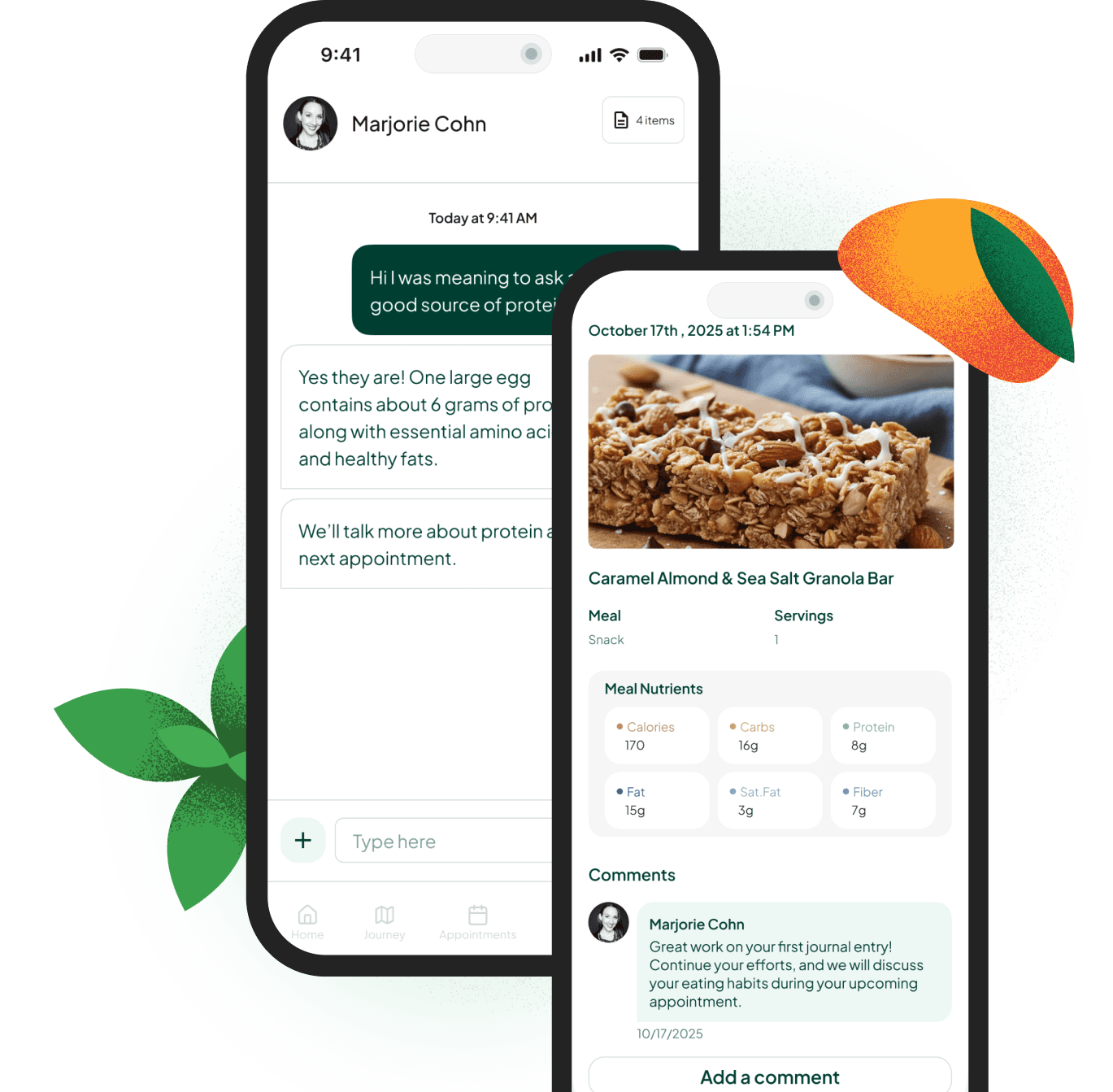
How a registered dietitian personalizes this for you
Generic meal-plan PDFs cannot account for your cycle, your training, your health history, or your relationship with food. A Registered Dietitian Nutritionist (RDN) is a licensed clinician with years of supervised training. They translate the science into a plan that fits your life, which is where lasting change happens.
There is good evidence that tailored education helps. A randomized controlled trial in Frontiers in Nutrition found that nutrition education improved sports nutrition knowledge in female athletes. Education paired with support tends to stick better than a plan handed over with no follow-up.
What working with a Berry Street sports dietitian looks like
When you work with a Berry Street dietitian, you get 1-on-1 virtual visits built around your goals, not a template. Your dietitian looks at your training, your cycle, your labs if relevant, and your everyday life, then helps you fuel for performance and long-term health.

Prevention matters too. A nutrition education intervention in female distance runners, reported in BMJ Open Sport & Exercise Medicine, was associated with fewer bone stress injuries.
When you are ready, you can connect with a registered dietitian and check your coverage in about 60 seconds. Many Berry Street members pay $0 with insurance coverage, and there is no pressure to commit.
Frequently Asked Questions
How is sports nutrition different for women than for men?
Sports nutrition for women accounts for how sex hormones and the menstrual cycle affect the way your body uses carbohydrates, protein, and iron. It also gives extra attention to iron and bone health, since menstruating athletes have higher iron needs that a scaled-down male plan misses.
How much protein do female athletes actually need?
Common guidance for active people is around 1.2 to 2.0 grams of protein per kilogram of body weight daily, depending on your training and goals. Spreading it across meals, including breakfast, tends to support recovery better than saving it for dinner. A dietitian can help you set a target that fits your sport.
Why is iron so important for women athletes?
Iron helps carry oxygen through your blood, which directly affects your endurance, focus, and energy. Menstruating athletes lose iron regularly, and endurance training adds to those losses. If you feel unusually tired or breathless during easy efforts, check in with a professional before supplementing.
Does your menstrual cycle change what you should eat around training?
For some people, energy, appetite, and cravings shift across the cycle, and slightly more fuel may feel right at certain points. Responding with flexibility rather than restriction is the goal. Tracking how you feel and perform can help you and your dietitian personalize your fueling over time.
What is RED-S, and how do I know if I’m underfueling?
RED-S, or Relative Energy Deficiency in Sport, can develop when low energy availability continues over time and starts to affect your bones, hormones, and performance. Signs may include missed periods, frequent injuries, ongoing fatigue, or sliding performance. If several feel familiar, checking in with a physician or dietitian is a supportive next step.
Last Reviewed by Bridget Isaacs, MS, RD — August 2026.