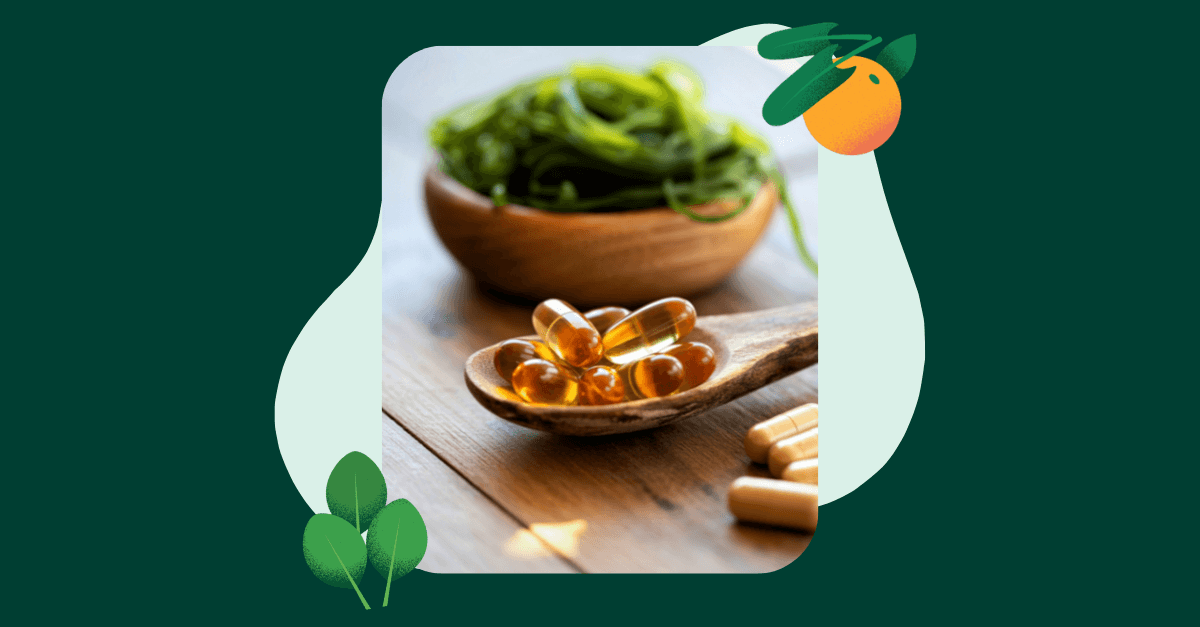
Adaptogens are everywhere right now! Scroll through social media or visit any wellness aisle, and you’ll see powders, tinctures, and capsules promising to boost your energy, lower your stress, and balance out your hormones. Most of these products share one word…adaptogens.
Adaptogens (like ashwagandha, reishi, and rhodiola) are plant compounds that are marketed as natural stress fighters. Their promise is appealing - take one capsule or sip a mushroom latte, and you’ll feel calm yet focused, energized but not wired.
But are these claims backed by science, or are they just clever marketing? Let’s find out what a Berry Street dietician has to say about it!
“Adaptogens aren’t magic pills,” says Jessica Kelly, MS, RDN, LDN, a Registered Dietitian. “They may support stress management as part of a larger nutrition and lifestyle plan—but they can’t replace sleep, balanced meals, or boundaries.”

What Are Adaptogens, Really?
Adaptogens are herbs and mushrooms that are thought to help the body adapt to stress, whether that’s physical, emotional, or environmental. The concept comes from Ayurvedic and Traditional Chinese Medicine, where ingredients like ashwagandha, ginseng, holy basil, or some mushrooms have been used for centuries.
Scientifically, adaptogens are believed to work by influencing the hypothalamic-pituitary-adrenal (HPA) axis, which is the system that regulates stress hormones like cortisol.
“Think of the HPA axis as your body’s thermostat for stress,” explains Bridget Isaacs, MS, RD. “Adaptogens may help regulate that response—but only slightly, and only when paired with healthy habits.”
What the Research Says (and Doesn’t Say)
Despite their popularity, research on adaptogens is still limited and is often inconsistent. Some studies suggest that it can provide some modest benefits for fatigue, anxiety, or blood sugar regulation, but most of these benefits are small, short-term, or have only been proven with animals.
For example:
Ashwagandha may modestly reduce perceived stress and cortisol levels.
Rhodiola rosea might improve energy and mental performance when you’re under stress.
Reishi and Cordyceps mushrooms show the potential for immune support but this lacks a lot of strong clinical data.
However, many adaptogen claims (especially around hormone balance, metabolism, or weight loss) are exaggerated.
“Most supplement marketing is based on small or early studies,” says Jessica Kelly, MS, RDN, LDN. “We simply don’t have enough high-quality data to definitively say these herbs work like the labels suggest.”

Why Adaptogen Supplements Often Overpromise
1. Marketing Outpaces Research
Many supplement brands talk about the early study findings without any additional context. Claims like “clinically proven to reduce stress” often refer to studies with fewer than 50 participants, or may use doses that differ from what’s actually in the product.
2. Lack of Regulation
Supplements aren’t tightly regulated by the FDA. That means things like potency, purity, and labeling accuracy vary widely between brands.
“Two bottles labeled ‘ashwagandha’ can contain completely different doses—or none of the active compounds at all,” notes Bridget Isaacs, MS, RD.
3. They Ignore Root Causes of Stress
Stress is multifaceted. It’s influenced by factors like sleep, nutrition, workload, emotional health, and even your body’s blood sugar regulation. A single herb can’t fix chronic stress if the rest of your habits are out of sync.
The Red Flags Checklist: Spotting Supplement Hype
Not all adaptogen products are bad, but it’s easy to waste money on overhyped formulas. Before buying, watch for these warning signs:
✅ Promises of quick fixes: “Balance your hormones overnight!” or “Erase stress instantly.”
✅ Proprietary blends without dosages: You can’t verify what you’re actually getting.
✅ Celebrity or influencer endorsements without a scientific link.
✅ Lack of third-party testing for purity and contaminants.
✅ One-size-fits-all claims: Your needs depend on age, health, and medication use.
“When we review supplements, the first thing we look for is transparency,” says Jessica Kelly, MS, RDN, LDN. “If a company doesn’t clearly list ingredients and doses, that’s a deal-breaker.”
📖 Related reading: How to Choose the Best Supplements (Without Wasting Time or Money)
Nutrition and Lifestyle: The Real Stress Resilience Formula
Adaptogens might get a lot of buzz, but when it comes to real, lasting stress resilience, it’s your daily habits that are going to make the biggest difference. Nourishing your body, staying hydrated, moving in ways that feel good, and getting enough rest all play very important roles in helping you stay calm, focused, and steady, especially when life gets busy.
Balanced blood sugar is one of the most overlooked foundations of stress support. When your blood sugar dips too low, you might feel anxious, irritable, or totally wiped out, which are all symptoms that can easily be mistaken for emotional stress. You can avoid those crashes by pairing carbohydrates with protein and healthy fats at meals and snacks. Check out our blog on how to balance your blood sugar naturally to support your energy and reduce those mid-afternoon mood dips.
Protein and fiber are also important players. Protein provides amino acids that help produce serotonin and dopamine, those neurotransmitters that boost your mood and your level of motivation. Meanwhile, fiber feeds your gut bacteria, which influence stress and mood through the gut-brain connection. A well-fed gut is often a calmer gut, and that can lead to a more balanced nervous system.
Sleep is another essential factor. Even mild sleep loss can raise your cortisol and throw off your appetite hormones, making you more reactive and less resilient. Aiming for 7–9 hours a night and keeping a consistent bedtime helps reset your stress response and improves your emotional regulation.
Hydration matters more than most people realize. Just a small drop in fluid levels (around 2% dehydration) is enough to affect your focus, energy, and even your mood. Drinking water regularly throughout the day can boost both your mental clarity and your cortisol levels.
Movement is also powerful - but it’s about quality, not quantity. Regular physical activity helps regulate the stress hormones, but going too hard without proper rest can do more harm than good. “Walking, yoga, or light strength training often supports stress balance better than extreme routines,” says Bridget Isaacs, MS, RD. The goal isn’t to burn out…it’s to feel recharged.

The Role of Adaptogens - If You Choose to Use Them
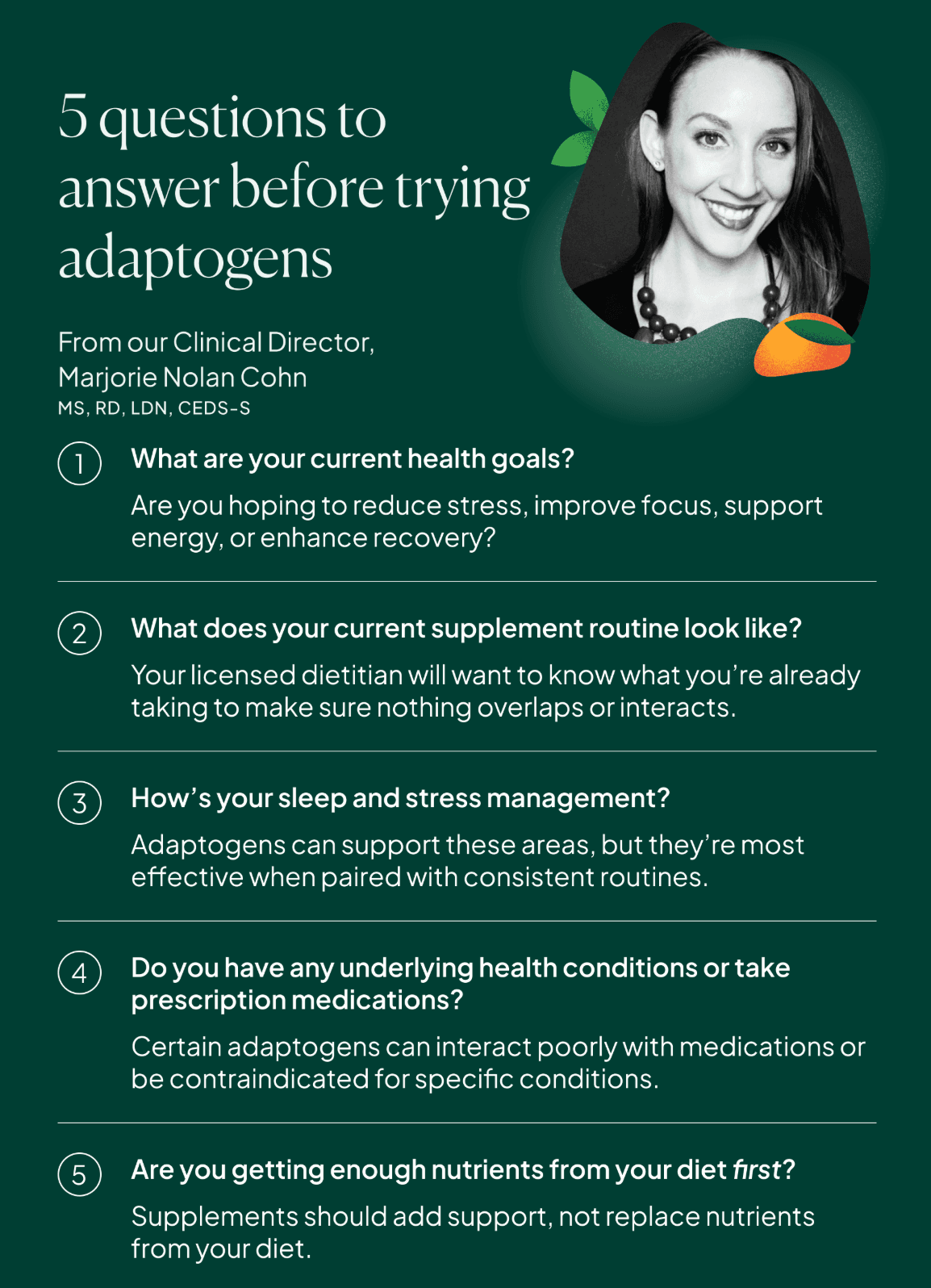
If you’re curious about trying adaptogens, dietitians recommend doing so as a complement (not a replacement!) for balanced nutrition. Here’s how to do it safely:
1. Start with One at a Time
Trying multiple supplements makes it hard to know what’s actually helping. Start with one new product for at least 4–6 weeks.
2. Look for Standardized Extracts
Choose supplements with clearly listed dosages (for example, 300–600 mg of ashwagandha root extract). Avoid vague terms like “proprietary blend.”
3. Check for Interactions
Adaptogens can interact with medications, especially thyroid drugs, blood pressure meds, and antidepressants. Always consult a healthcare provider before adding them to your routine.
4. Focus on Consistency, Not Perfection
Adaptogens may take several weeks to show mild effects. But the biggest benefits usually come when they are combined with consistent sleep, good nutrition, and proper stress-management routines.
“Adaptogens can support your efforts—but they’re not the foundation,” says Jessica Kelly, MS, RDN, LDN. “Think of them as the garnish on a well-built plate, not the main meal.”
When to Be Cautious or Avoid Adaptogens
Adaptogens can provide some gentle support for stress, but they’re not the right fit for everyone, and sometimes, less is more. If you're pregnant or breastfeeding, it's best to steer clear for now, since most adaptogens haven’t been well studied for safety during these stages.
If you’re managing an autoimmune or thyroid condition, certain herbs could interfere with your immune or hormone activity, so it’s important to check in with your provider before adding anything new. The same goes if you’re taking prescription medications, some adaptogens may interact with your treatment, even if they seem harmless.
And if you have a history of anxiety or trouble sleeping, be mindful. Some adaptogens are more stimulating than calming, and they could make those symptoms worse instead of better.
The bottom line? Just because it’s natural doesn’t always mean it’s a match for your body. A registered dietitian or healthcare provider can help you figure out what supports you…and what to skip.
Final Thoughts from a Nutrition Expert
Adaptogens may give you some mild support for stress and energy, but they’re not a shortcut. The real power lies in creating consistent habits like fueling your body with balanced meals, managing your sleep and stress levels, and using supplements wisely.
“If you want to support your body’s stress response, start with your plate, your sleep, and your routine,” says Bridget Isaacs, MS, RD. “Supplements can be helpful—but only when the basics are in place.”
At Berry Street, our Registered Dietitians help our clients separate wellness myths from evidence, and create personalized plans that actually work.
Book your nutrition consultation today
Remember
Frequently Asked Questions
What are the most studied adaptogens?
The adaptogens with the most research behind them are ashwagandha, rhodiola, and ginseng. These herbs have shown mild benefits in helping the body cope with stress and mental fatigue, especially when used consistently over time. While results can vary, they tend to be best for short-term support rather than long-term fixes.
Do adaptogens balance hormones?
Not exactly. While some adaptogens may gently influence cortisol, there’s no strong evidence that they balance hormones like estrogen, thyroid hormones, or insulin. If you’re working on hormone health, nutrition, stress management, and targeted medical support are more effective starting points.
Are adaptogenic mushrooms safe?
In most cases, yes - mushrooms like reishi, lion’s mane, and cordyceps are generally well tolerated. That said, quality matters a lot. Look for third-party tested products and avoid blends that don’t clearly list dosages or sources. When in doubt, ask your dietitian or healthcare provider to review the product with you.
Can I take adaptogens every day?
You can - but it’s not always necessary. Many adaptogens work best when used in cycles or for specific periods of stress, rather than daily, long-term use. If you’re thinking about taking them regularly, it’s smart to check in with a healthcare provider to make sure they’re supporting your body and not adding more strain.
What’s a safer way to manage stress without supplements?
Start with the basics. Balanced meals, daily movement, hydration, and simple mindfulness practices go a long way in calming your stress response. These foundational habits build resilience from the inside out. If you’re looking for food-first strategies, check out our guide on Top Foods for Focus, Mood, and Mental Clarity