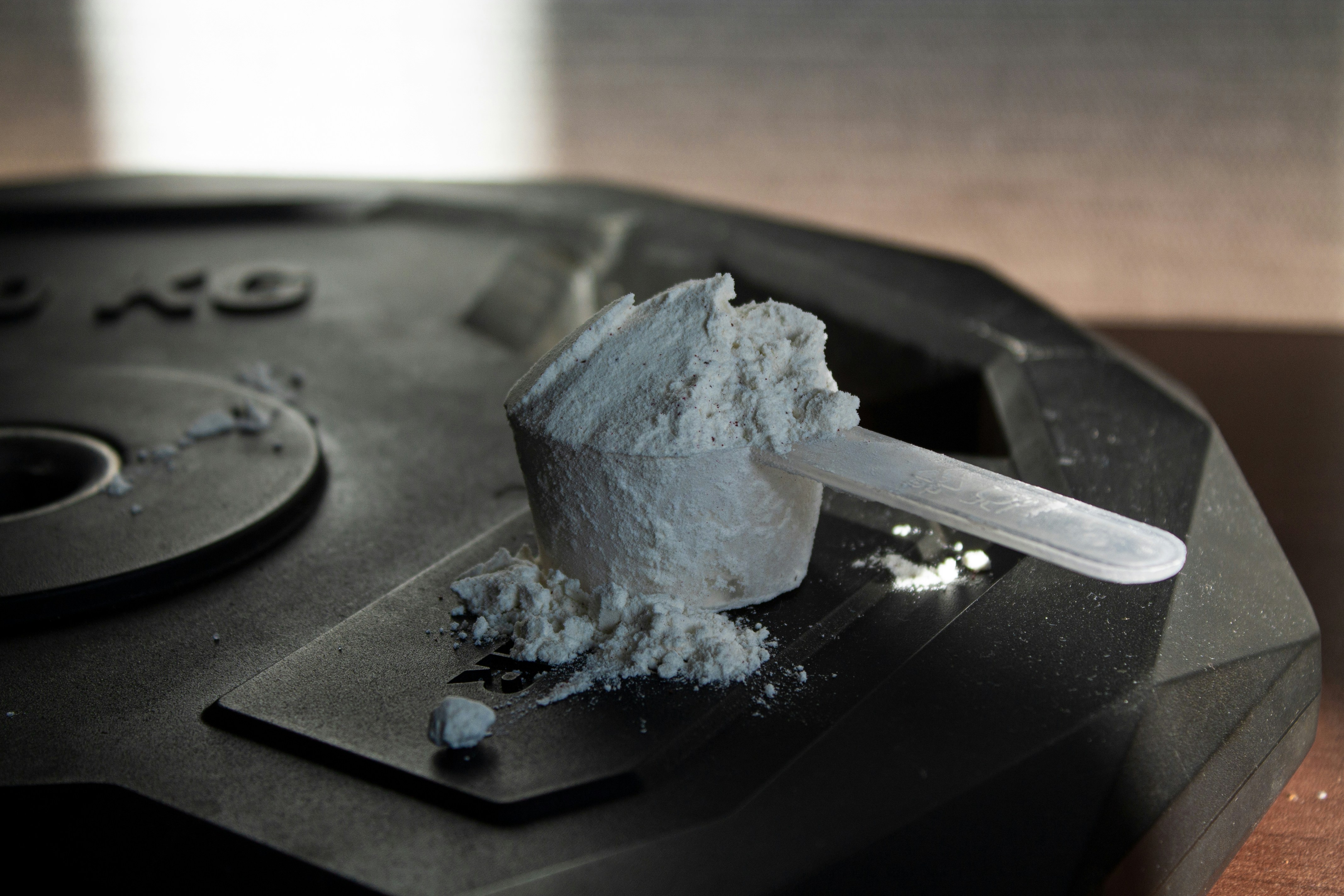
Protein powders are everywhere! You can find them in smoothies, post-gym routines, TikTok recipes, and the pantries of most wellness enthusiasts. But recent headlines about heavy metals, contaminants, and misleading labels have sparked some real concern. Are protein powders still safe? Are they all the same? And how do you know what’s actually in yours?
"The issue isn’t that all protein powders are bad," explains Jessica Kelly, MS, RDN, LDN. "It’s that the supplement industry isn’t tightly regulated. So knowing how to read labels and assess quality is essential."
This guide is your evidence-based, fear-free path to understanding protein powders: what’s in them, what to watch for, and how to choose one that actually supports your body.

Why Protein Powder Matters for Women’s Health
Protein isn’t just for bodybuilders or post-workout shakes. It’s a very important nutrient that supports nearly every system in the body. From balancing blood sugar and building hormones to repairing tissues and supporting immune function, protein plays a key role in how we feel and function day to day.
For women, protein needs can shift based on life stage, stress levels, and health conditions. During times like perimenopause and menopause, adequate protein can help preserve lean muscle mass, support bone health, and ease hormonal transitions. In the postpartum period, it supports healing and tissue repair. And when you’re managing high stress, chronic illness, or conditions like insulin resistance or PCOS, protein can help stabilize energy, appetite, and mood throughout the day.
Yet despite its importance, many women don’t get enough, especially in the earlier part of the day. Breakfasts and lunches are often low in protein, which can lead to energy crashes, cravings, and trouble focusing. That’s where protein powders come in.
When thoughtfully chosen, protein powders can be a very helpful tool. They aren’t a magic fix or a meal replacement, but they are a convenient way to fill nutritional gaps and support your body when whole food isn’t always accessible.
"We often recommend protein powders as a bridge, not a replacement," says Bridget Isaacs, MS, RDN, LDN. "They can help stabilize energy and appetite—but only when they’re clean, well-formulated, and used in context with whole foods."
Why Protein Powder Matters for Men’s Health
Protein isn’t just about building bigger muscles or bulking up after a workout. For men, it’s an essential nutrient that supports whole-body health, whether you’re hitting the gym, managing a full workload, raising kids, or dealing with the changes that come with getting older.
While most protein marketing is geared toward muscle growth, the truth is that protein plays a much bigger role in men’s health. It helps maintain lean muscle mass as you age (especially after 40), supports testosterone production, and aids in injury recovery and immune resilience. It also plays a key role in appetite regulation, blood sugar stability, and sustained energy throughout the day.
For men in physically demanding careers, high-stress environments, or those who often skip meals or grab what's convenient, protein powders can be a great way to fill in nutritional gaps - especially at times when whole-food protein isn’t accessible or realistic. Men facing age-related muscle loss, also known as sarcopenia, may benefit from spreading their protein intake more evenly throughout the day, instead of just slamming a shake after a workout.
"We see many men relying heavily on protein bars or powders without assessing quality or fit for their needs. It’s not just about quantity—it's about bioavailability, timing, and how it fits into the bigger picture," says Jessica Kelly, MS, RDN, LDN.
Choosing a high-quality, third-party tested protein powder can help with everything from muscle repair to long-term health goals like heart health, steady energy, and chronic disease prevention. When used intentionally, protein powders can help men feel stronger, more focused, and better equipped to meet the demands of their day.

What’s Really in Your Protein Powder?
Protein powders can be a great way to fill in any nutritional gaps, but knowing what’s in them is just as important as knowing how to use them. Not all powders are created equal, and some contain ingredients that may not support your health goals (or your digestion). Here’s a breakdown of what to look for on the label…and what you should think twice about.
Protein Sources: Not All Proteins Work the Same
Let’s start with the core ingredient: the protein itself. Different types have different benefits and digest differently.
Whey protein is fast-digesting and high in leucine, which helps trigger muscle repair. But because it’s dairy-based, it may cause bloating or discomfort for people with dairy sensitivities.
Casein, also from dairy, digests more slowly. It's often used between meals or at night to lead to better recovery.
Pea and rice proteins are common in plant-based blends. These are best for those with dairy sensitivities and/or vegan.
Collagen protein supports skin, joints, and connective tissue. Just keep in mind that it’s not a complete protein and shouldn’t be your only source.
Additives & Sweeteners: The Sneaky Extras
Many protein powders include gums, fillers, and sweeteners in order to improve texture and taste, but they’re not always gentle on the gut.
Common thickeners include xanthan gum, guar gum, and carrageenan, which may cause bloating or GI issues for some people.
Artificial sweeteners like sucralose or acesulfame potassium can affect digestion or taste overly sweet.
Natural options like stevia and monk fruit are generally better tolerated, but flavor preferences vary.
Flavors & Preservatives: What’s Really “Natural”?
You’ll often see “natural flavors” listed on the label, but these are usually proprietary blends, and brands aren’t required to disclose what’s in them. While not necessarily harmful, the lack of transparency can be frustrating, especially for people who have sensitivities or allergies.
Contaminants: Why Third-Party Testing Matters
Some protein powders (especially plant-based ones) may contain traces of heavy metals like lead, cadmium, or arsenic, depending on how and where the ingredients were grown. Consumer Reports has flagged several popular brands in past testing. In some cases, BPA from packaging or microplastics may also be a concern.
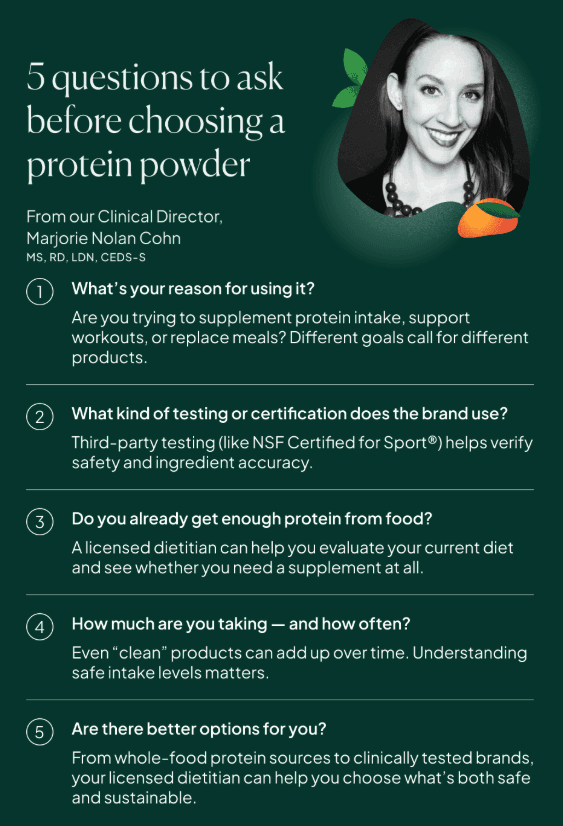
That’s why we recommend looking for third-party tested powders from reputable companies. Certifications like NSF Certified for Sport or Informed Choice can give you some extra peace of mind that what you're putting in your body is clean and safe.
Scientific Foundation: Why Personalization Matters
Choosing the right protein powder for you depends on your goals, sensitivities, and preferences.
Athletes or perimenopausal women might need higher leucine or complete proteins like whey.
Those with gut issues may prefer hydrolyzed or collagen-based options.
People with blood sugar dysregulation should look for low-carb, unsweetened powders.

Metabolic Individuality: Why One Protein Powder Doesn’t Fit Everyone
Have you ever tried a protein powder that your friend loves, only to feel bloated or sluggish afterward? That’s not in your head. It’s a real example of metabolic individuality, which is the idea that your body has its own unique way of processing nutrients based on your biology, lifestyle, and health history.
Several factors can influence how well you tolerate and absorb different types of protein such as:
Your gut microbiome: The bacteria in your digestive tract help break down and absorb protein. If your gut is out of balance, you may struggle with bloating, gas, or discomfort, especially with certain powders.
Genetics: Some people carry genes that affect how they digest lactose (found in whey and casein), or how efficiently they process amino acids like BCAAs.
Hormones: Your hormonal state (whether you're in a high-stress season, postpartum, or going through menopause) can shift your digestive function and nutrient needs.
Activity level: If you're highly active or recovering from injury, your body may require more protein, or may respond differently to fast vs. slow-digesting sources.
"You might thrive on one brand and feel bloated on another—even if they look similar. That’s metabolic individuality in action," says Bridget Isaacs, MS, RDN, LDN.
That’s why choosing the right protein powder isn’t just about what’s trending or what worked for someone else. It’s about what works best for you. A registered dietitian can help you understand what your body needs, how to identify red flags, and which products truly support your goals.
5 Things to Look for When Choosing a Protein Powder
Not all protein powders are created equal, and the best one for you depends on more than just flavor or grams of protein per scoop. Whether you're supporting your hormones, managing blood sugar, or just trying to stay full between meals, these five pillars can help you choose a powder that fits both your goals and your gut.
1. Clear Ingredients and Label Transparency
Skip the mystery blends. If a label lists “proprietary blend” without telling you exactly how much of each ingredient is inside, that’s a red flag. Look for powders that clearly list protein type, amount, and any added ingredients. Not sure how to spot a high-quality supplement? Here’s a guide to choosing the best supplements that breaks it all down.
2. Third-Party Testing for Safety
To avoid hidden contaminants like heavy metals or microplastics, choose brands that are independently verified. Look for certifications like NSF Certified for Sport®, Informed Choice, or USP. These show the product has been tested for quality and purity.
3. Digestibility and Tolerance
Protein should make you feel good…not bloated. If you’re sensitive to dairy or certain ingredients, consider powders with added enzymes (like lactase or bromelain), pea or rice proteins, or hydrolyzed protein, which is easier to absorb. If digestion is a concern, check out our guide to gut health and digestion to learn how your gut impacts nutrient tolerance.
4. Blood Sugar Balance
If you're managing insulin resistance, PCOS, or energy crashes, keep an eye on sweeteners. Choose powders with no added sugars or artificial sweeteners. Instead, opt for lightly sweetened or unsweetened versions using stevia or monk fruit.
5. Match Your Protein to Your Purpose
Think about when and why you're using your protein powder. Post-workout? Breakfast on the go? A snack that actually keeps you full? Different goals call for different formulas, some with faster absorption, some with added carbs, and some designed to travel well. For ideas on how to use protein in real life, check out Lunchbox 101 guide for portable, blood sugar–friendly options.

Clarity Over Hype
Protein powders can be useful tools, but only if they’re clean, tested, and matched to your body’s real needs. By understanding what to look for, you can choose products that support your metabolism, digestion, and hormone balance.
If you’re still unsure, Berry Street’s registered dietitians are here to help you decode the labels, test for tolerance, and build a protein strategy that supports your goals with a whole lot more clarity and confidence.
Book a session to get personalized guidance today.
Remember
Frequently Asked Questions
Is protein powder necessary?
Not for everyone. If you meet your protein needs through whole foods like eggs, yogurt, legumes, seafood, or poultry, you may not need a supplement. But many people fall short, especially at breakfast or on busy days. Protein powder can offer a convenient, digestible way to fill those gaps, especially after workouts, during recovery, or when your appetite is low. Read more about if you are getting enough protein here.
Are plant-based powders better than whey?
It depends on your goals and tolerances. Whey protein is a complete protein, rich in leucine and well-researched for muscle repair. However, some people find it causes bloating or acne, or they avoid it due to dairy sensitivity. Plant-based powders are easier on digestion for some and can be effective when they include complementary protein sources (like pea + rice) to ensure a full amino acid profile.
How do I know if a protein powder is safe?
Look for third-party certifications like NSF Certified for Sport®, Informed Choice, or USP. These tests verify purity, ingredient accuracy, and screen for contaminants like heavy metals. Also check for full label transparency, batch numbers, and expiration dates.
What red flags should I look for in a protein powder?
If you are wondering if your protein powder is safe, keep an eye out for these red flags:
No mention of third-party testing
Extremely low price (may reflect poor quality sourcing)
Long ingredient lists with unpronounceable fillers
Artificial dyes, sugar alcohols, or added sugars
Hidden "natural flavors" with no sourcing transparency
Can I use collagen as my main protein powder?
No. Collagen is helpful for your joints, skin, and connective tissue, but it’s not a complete protein. It lacks essential amino acids like tryptophan. It works best as an add-on to a complete protein plan, not a primary source.
How much protein do I actually need?
Most active adults benefit from consuming anywhere from 1.2–2.0 grams of protein per kilogram of body weight. For example, a 150 lb (68 kg) person might need 80–130 grams per day, depending on activity, age, and health goals. This is especially important during peri- or postmenopause, illness recovery, or strength training. A Berry Street dietitian can tailor your targets. Read more about if you are getting enough protein here.
What time of day should I use protein powder?
It depends on your routine. Many people benefit from adding protein to breakfast or post-workout meals when muscle repair and blood sugar stability are key. Others use it mid-afternoon to curb cravings or prevent energy dips. Your dietitian can help you time it to match your metabolic rhythms.
Are there protein powders safe for kids or teens?
Yes…but with caution. Not all protein powders are appropriate for children or adolescents, especially those with added stimulants, sweeteners, or excessive doses. If your child is an athlete or has special nutritional needs, consult a pediatric dietitian for age-appropriate options.

Can I use protein powder during pregnancy or breastfeeding?
Some protein powders are safe during these life stages, but it’s crucial to check for contaminants and avoid added herbs or stimulants. Always look for third-party tested, unsweetened powders with minimal ingredients, and speak with your healthcare provider before starting a new supplement during pregnancy.
Can protein powder help with weight loss?
Yes—when used strategically. Protein is the most satiating macronutrient, helping to reduce hunger and preserve lean muscle during calorie reduction. However, adding protein powder without changing other habits may not lead to results. It’s best used alongside a balanced plan developed with a dietitian.
What’s the best way to use protein powder without getting bored?
Try blending it into smoothies with greens, berries, or nut butters. Mix it into overnight oats, pancake batter, Greek yogurt, or chia pudding. Use unflavored powders in savory dishes like soups or mashed potatoes to add protein without changing flavor.
Can protein powder cause digestive issues?
Yes, it can - especially if it contains lactose, gums, or sugar alcohols. If you feel bloated or gassy, try a hydrolyzed or isolate form, or switch to a plant-based brand. Digestive enzymes or pairing with real food can also help improve tolerance.