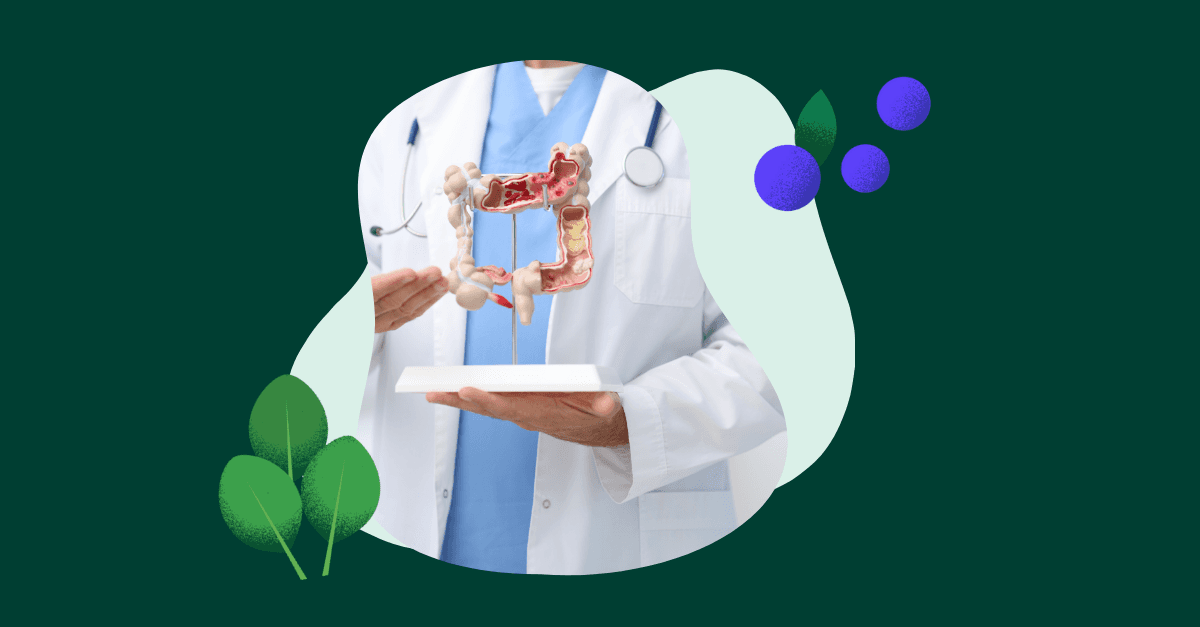
When your stomach slows down, everything feels off. Gastroparesis is a condition that affects how quickly your stomach empties its contents into the small intestine. For anyone living with it, meals can bring a whole lot more frustration than comfort, which can lead to bloating, early fullness, nausea, and digestive distress.
“Gastroparesis can feel unpredictable, but there are ways to support digestion and make eating more comfortable,” says Jessica Kelly, MS, RDN, LDN. “It’s about working with your digestive system instead of against it.”
At Berry Street, we take a gentle, personalized approach to digestion. Whether you’ve been diagnosed with gastroparesis or just feel like your gut could use some extra care, this guide breaks down how nutrition, meal timing, and smart food choices can help you feel more at ease - one bite at a time.

What Happens in Gastroparesis
Normally, your stomach works like a conveyor belt, slowly and steadily breaking down food and passing it into the small intestine. But when you have gastroparesis, that conveyor belt starts moving at a sluggish pace, or sometimes barely moves at all. The stomach muscles aren't contracting the way they are supposed to, which means food just sits there a lot longer than it should.
This delay in stomach emptying can lead to a wide range of frustrating symptoms that vary from person to person. Here are the most common ones to look out for:
Feeling full too quickly: You may feel stuffed after only a few bites, even if you haven’t eaten much at all.
Bloating and pressure: Many people describe a persistent, uncomfortable fullness or tightness in the belly.
Nausea and vomiting: Undigested food that lingers in the stomach can cause queasiness or may come back up hours later.
Loss of appetite: When eating doesn’t feel good, it’s easy to skip meals without even meaning to.
Fatigue after eating: Digestion takes energy, and in gastroparesis, the body can feel wiped out after meals.
Heartburn or acid reflux: Delayed emptying increases the chances of stomach acid backing up.
Unpredictable blood sugar levels: For those with diabetes, gastroparesis can make managing blood glucose more complicated.
Weight changes: Ongoing nausea, low appetite, and limited food choices can lead to weight loss or weight gain from relying on energy-dense comfort foods.
While there’s no single fix for gastroparesis, nutrition is a very powerful tool. At Berry Street, we focus on practical, supportive strategies to help reduce symptoms, keep your energy levels up, and take the stress out of eating.
What to Do When Your Stomach Won’t Cooperate
When your digestion slows down, so should your approach to eating. These step-by-step strategies are here to help support your stomach’s natural rhythm. From choosing easier foods to dealing with stress, each tip is designed to reduce symptoms and make your meals more manageable. You don’t have to overhaul everything… just start with one step at a time.
Step 1: Eat Smaller, More Frequent Meals
When your stomach’s moving slower than usual, big meals can feel like a brick wall. Breaking up your food into smaller, more frequent meals gives your digestive system a chance to keep up.
“Think of it as pacing your digestion,” explains Bridget Isaacs, MS, RD. “Smaller, consistent meals give your stomach the support it needs to keep things moving.”
Here’s how to make it easier on your gut:
Aim for 4 to 6 smaller meals spaced throughout the day
Don’t lie down right after eating, wait at least two hours
Stick with soft, well-cooked foods that are gentle and easy to break down
Use smaller plates or bowls to naturally guide portion size
Keep meals balanced but simple. Don’t overload your plate with too many textures or ingredients at once
Don’t think of this as having to eat less. Instead, view it as eating in a way that works with your body instead of against it.

Step 2: Choose Easy-to-Digest Foods
People with gastroparesis or sluggish digestion often find it easier to eat foods that break down quickly and cause minimal discomfort. Fat, fiber, and tough proteins can slow down stomach emptying, so eat these foods less frequently.
Dietitian-Approved Food Guide for Gastroparesis:
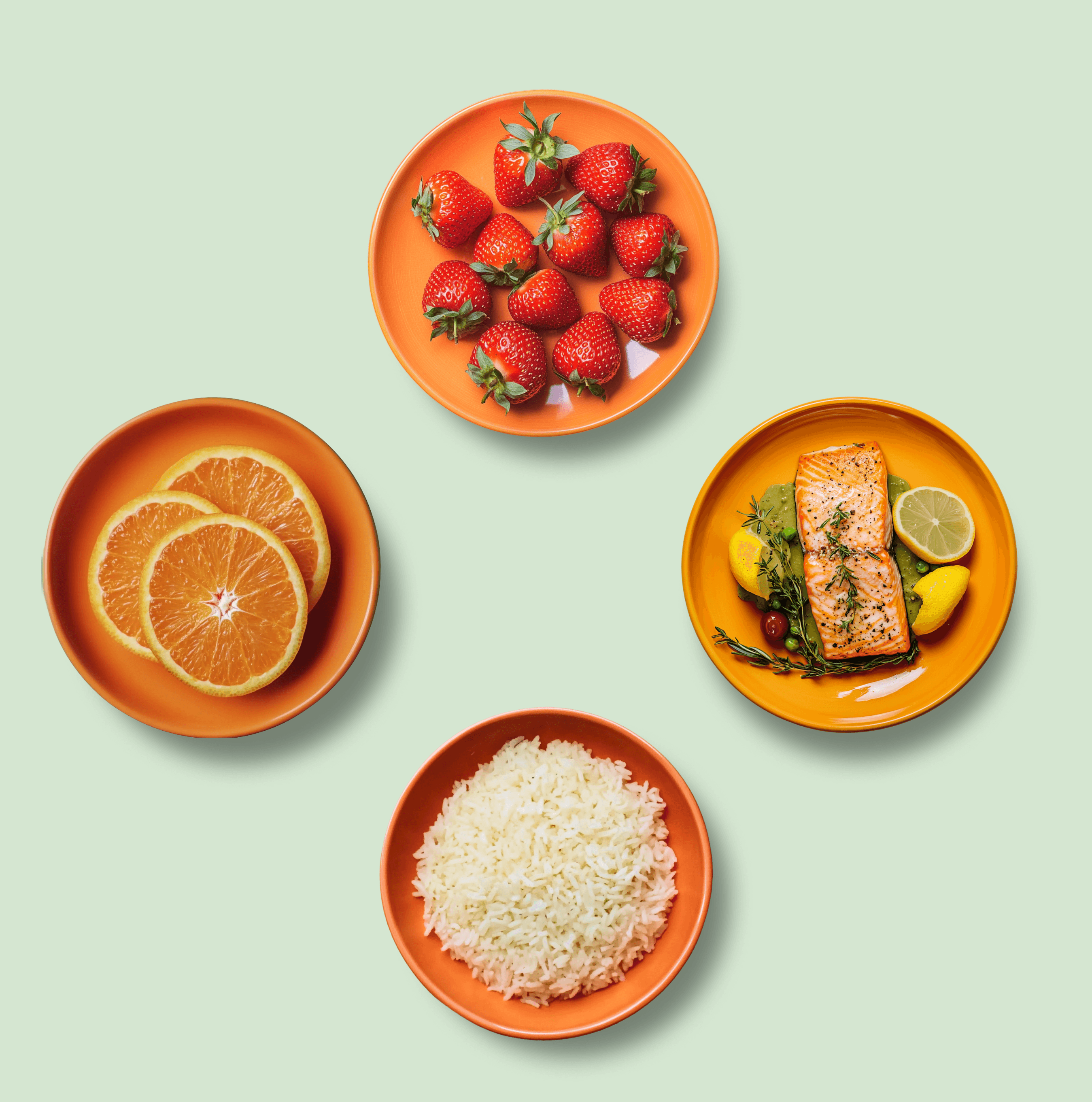
Easier to Digest Foods:
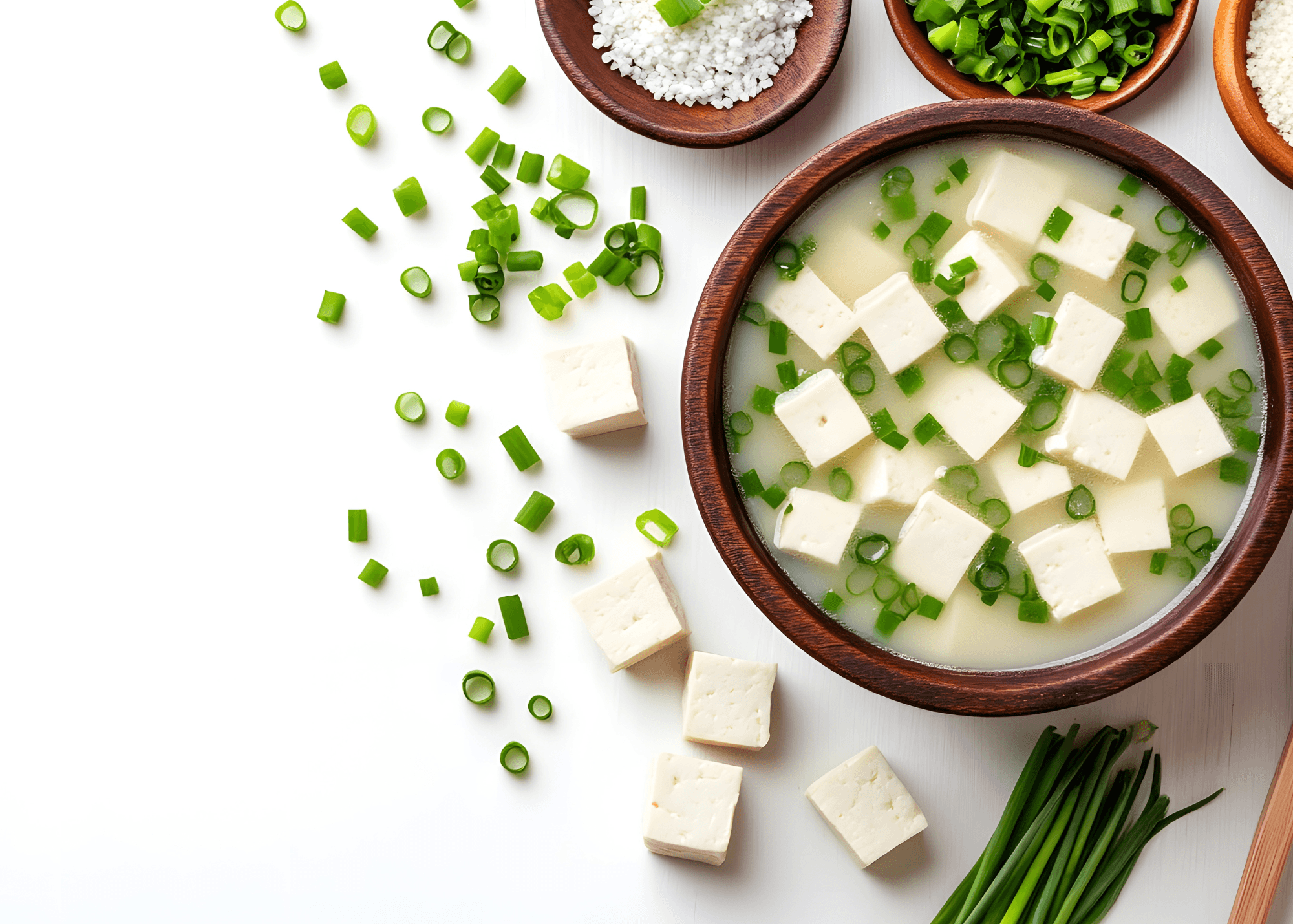
Soups and stews with soft vegetables
Smoothies made with yogurt or milk alternatives
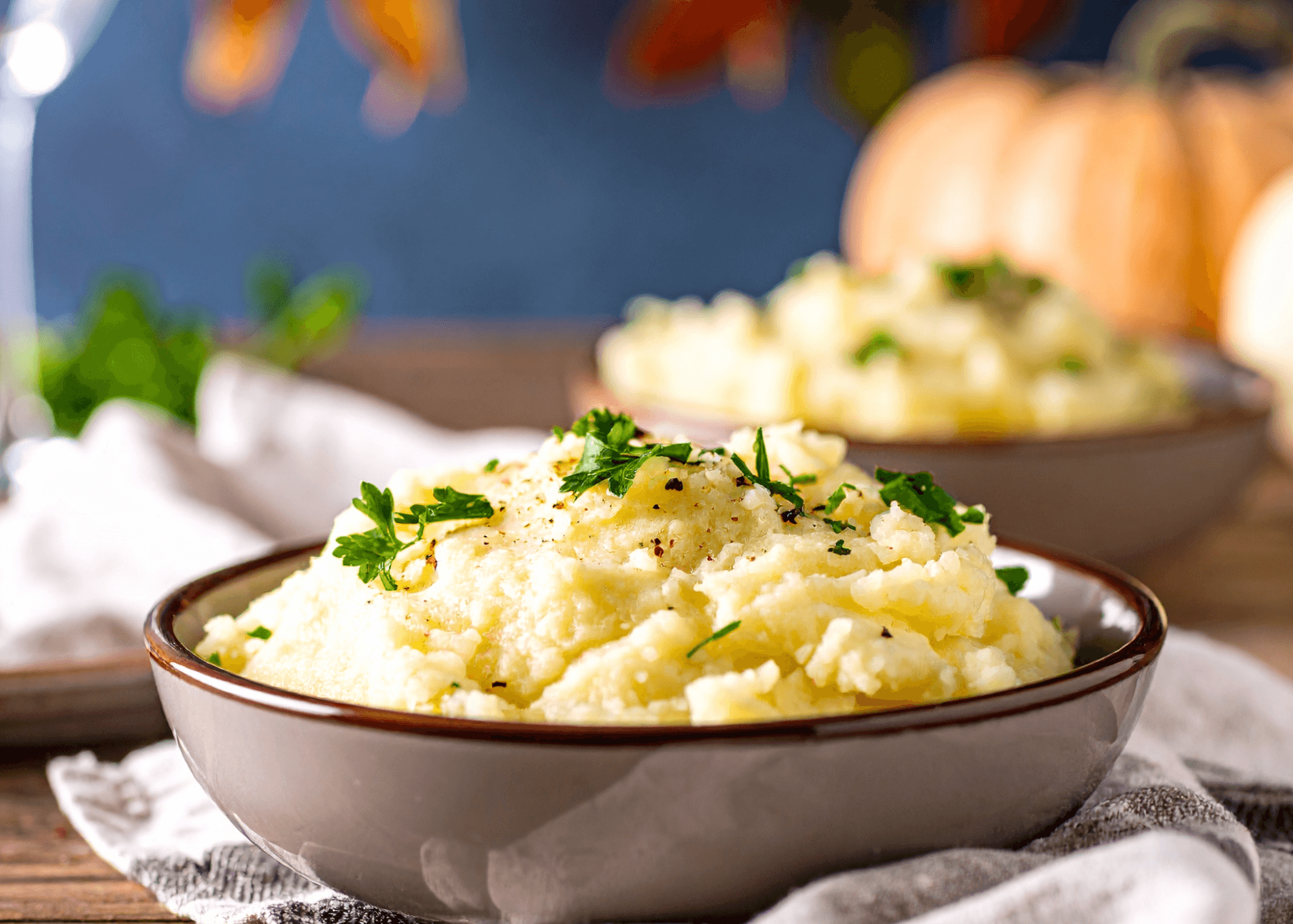
Mashed potatoes, rice, or oatmeal
Poached or baked fish, ground turkey, or eggs
Foods to Limit (if symptoms flare):
Fried or high-fat meals
Tough cuts of meat
Raw cruciferous vegetables (like broccoli or cabbage)
Carbonated drinks
Step 3: Balance Nutrition with Gentle Fiber
Fiber helps boost the health of your gut, but too much insoluble fiber (from raw veggies or bran) can make the feelings of fullness even worse in gastroparesis. The goal is to find the right balance. Choose soluble fiber sources like oats, bananas, or cooked carrots, which are gentler on your digestion.
“Not all fiber is created equal,” notes Jessica Kelly, MS, RDN, LDN. “Soluble fiber slows digestion just enough to support blood sugar and gut bacteria—without overwhelming your system.”
Step 4: Stay Hydrated (and Strategic About Liquids)
Liquids can be easier to tolerate than solids when your digestion feels slow. Smooth soups, broths, and hydrating beverages help keep up your nutrient intake while also giving your gastric emptying ability a bit of a boost.
Tips for Smart Hydration:
Sip fluids throughout the day rather than all at once.
Choose electrolyte-rich drinks if your appetite is low.
Try smoothies or blended soups to add calories and nutrition.
Step 5: Support Your Gut Microbiome
Your gut is home to trillions of bacteria that play a very important role in digestion, immunity, and even your mood. A balanced gut microbiome supports smoother motility and reduces inflammation.
Ways to Support Gut Health:
Eat probiotic-rich foods like kefir, yogurt, or miso.
Include prebiotic foods (like bananas, onions, and oats) if tolerated.
Manage your stress levels because it directly affects gut motility and microbiome balance.
Step 6: Manage Stress Through the Gut-Brain Connection
Your gut and brain are constantly communicating through the gut-brain axis, which is a network that links your digestion with your mood, emotion, and stress responses. Chronic stress can slow down gastric motility and make symptoms like nausea and bloating worse.
Stress-Reducing Strategies:
Practice mindful breathing or gentle yoga.
Prioritize 7–9 hours of quality sleep.
Eat in a calm environment, because stress at mealtime affects your digestion.
“Stress doesn’t just live in your head—it lives in your gut,” says Bridget Isaacs, MS, RD. “When you calm your nervous system, your digestion follows.”
Step 7: Gentle Movement for Better Digestion
When digestion feels sluggish, even a little movement can make a big difference. Light activity after meals can help stimulate the muscles in your digestive tract and encourage food to move along more smoothly.
You don’t need a full workout. Just 10–15 minutes of calm movement, such as a walk, after eating can encourage better gastric motility, reduce bloating, and help prevent that heavy, uncomfortable feeling that sometimes lingers after meals.
Easy Movement Ideas:
Walk for 10–15 minutes after eating.
Try light yoga poses that open the abdomen.
Avoid lying flat after meals.
“Movement is medicine for digestion,” says Jessica Kelly, MS, RDN, LDN. “It doesn’t have to be intense—consistency matters most.”
Step 8: Work With, Not Against, Your Body
Living with gastroparesis (or any digestive condition) requires patience and experimentation. Tracking symptoms, adjusting meal timing, and staying flexible help you identify any patterns without resorting to extremes.
“It’s not about perfection—it’s about observation,” explains Bridget Isaacs, MS, RD. “Learning how your body responds helps you feel more confident and in control.”
Better Digestion Checklist
Habit | Why It Helps | Practical Example |
Eat smaller meals | Reduces fullness and pressure | Divide meals into 4–6 smaller portions |
Choose gentle foods | Eases gastric emptying | Opt for soups, smoothies, or soft-cooked grains |
Stay hydrated | Aids motility and absorption | Sip water and broth throughout the day |
Manage stress | Supports the gut-brain axis | Try breathing exercises or short walks |
Support gut bacteria | Promotes balance and resilience | Include probiotic and prebiotic foods |
Move regularly | Stimulates digestion | Take light walks after meals |
Track symptoms | Identifies triggers | Note timing, food type, and portion size |
Digestion isn’t just physical
Whether you’re managing gastroparesis or simply want to improve your digestion, small, consistent habits can make a really big difference. Focusing on gentle nutrition, mindful eating, hydration, and stress management helps your body digest better and stay more comfortable.
“Digestion isn’t just physical—it’s deeply connected to how we live and care for ourselves,” says Jessica Kelly, MS, RDN, LDN. “When you create space for nourishment and calm, your gut has the chance to heal and function at its best.”
If you’re looking for personalized guidance, the Registered Dietitians at Berry Street specialize in digestive health and can help you develop a plan that is tailored to both your body and your lifestyle.
Book your personalized nutrition consultation today
Remember

Frequently Asked Questions
Can gastroparesis be cured?
Currently, there’s no cure, but symptoms can often be managed effectively with diet and lifestyle changes guided by a healthcare professional.
What foods are easiest to digest?
Soft, low-fat, and low-fiber foods like yogurt, white rice, mashed potatoes, eggs, and tender fish are usually well tolerated and easy to digest.
Does stress really affect digestion?
Yes. Stress slows stomach contractions and increases gut sensitivity. Relaxation and regular sleep can improve both your comfort and your mobility.
Should I take supplements for digestion?
Some people benefit from digestive enzymes or probiotics, but these should be used under professional guidance to avoid irritation or imbalance.
Can hydration really make a difference?
Absolutely! Proper hydration helps move food and nutrients through your system and prevents constipation, which is a common issue in digestive disorders.