Key Takeaways
Inositol - particularly myo-inositol and D-chiro inositol - has a lot of research that supports its role in insulin sensitivity and hormonal regulation, especially for women with PCOS.
Inositol is a naturally occurring sugar alcohol that is found in food, but in order to get enough in therapeutic doses, you need to take supplements; food sources alone won't cut it.
The most studied and effective supplementation ratio is 40:1 myo-inositol to D-chiro inositol, mirroring natural concentrations in the human body.
Research shows benefits for ovulation, egg quality, androgen levels, mood, and metabolic markers.
Inositol is generally well-tolerated and considered safe, but it works best as part of a broader, blood-sugar-supportive nutrition and lifestyle approach.
If you walk into any natural health store right now, you'll see inositol on the shelves. Scroll through women's health forums or PCOS communities online, and you'll come across endless accounts of women whose symptoms have improved, resulting in better periods, clearer skin, improved fertility, and calmer moods. But the question we need to be asking here is - is all of this enthusiasm justified? And more importantly, is it justified for you?

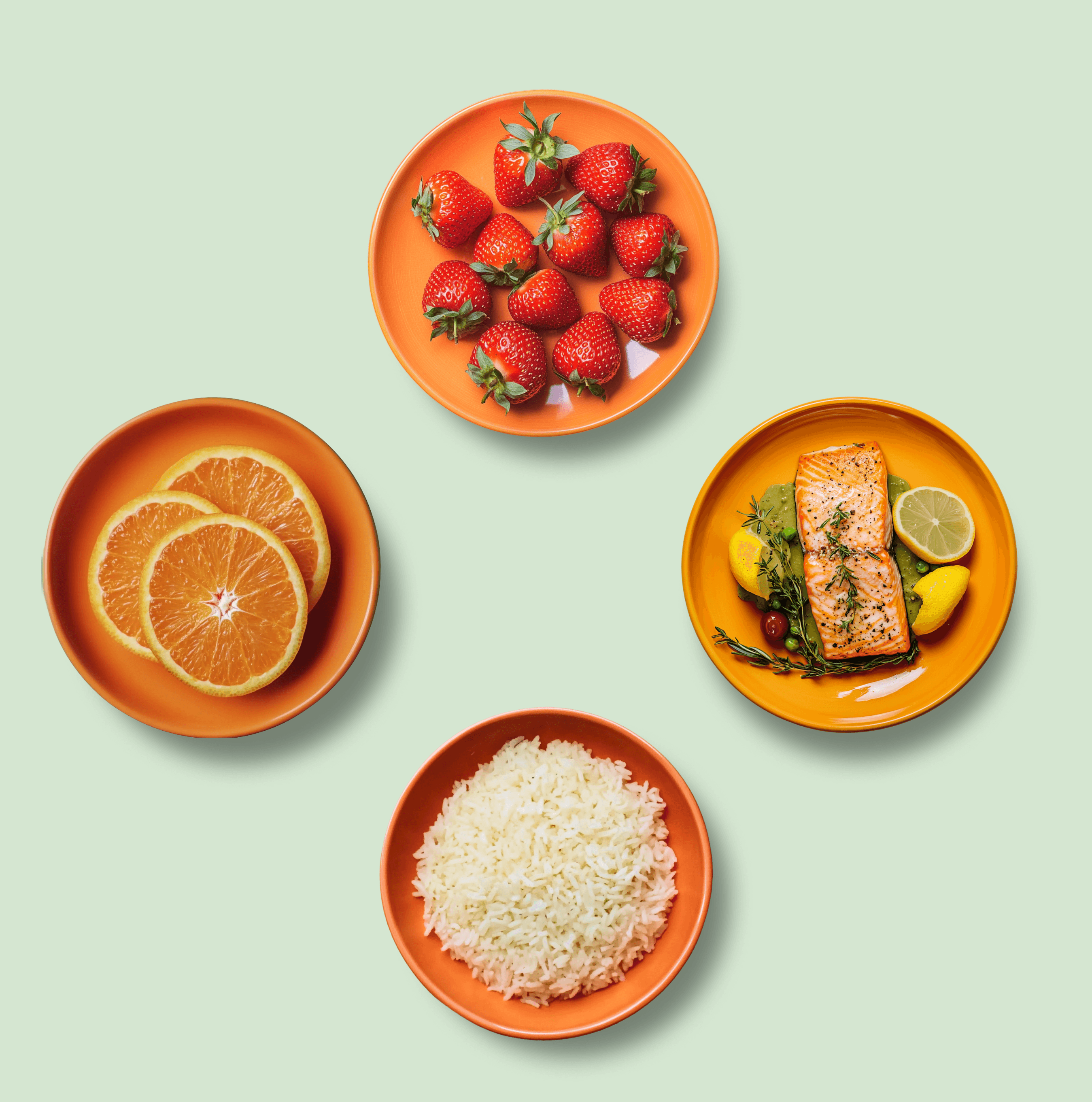
Inositol is a naturally occurring compound that behaves like a sugar alcohol. It's found in many everyday foods, including legumes, citrus fruits, whole grains, and nuts, and it is also produced by the body itself. It was once informally classified as "Vitamin B8," though it's no longer considered to be a true vitamin because your body makes it naturally.
What makes inositol really interesting is its role as a second messenger in insulin signaling pathways. To put this in simpler terms: it's part of the cellular machinery that tells your cells how they should respond to insulin. When inositol metabolism is disrupted (as it commonly is in women with PCOS) insulin signaling falters, and a cascade of both hormonal and metabolic consequences can follows.
There are nine different forms of inositol, but two dominate the clinical research: myo-inositol (MI) and D-chiro inositol (DCI). These are the forms that have the most evidence behind them for being beneficial to hormonal and metabolic health, and understanding the difference between them is really important when it comes to supplementation.

Inositol and PCOS: What Does the Evidence Actually Say?
Polycystic ovary syndrome (PCOS) affects an estimated 10–13% of women of reproductive age and is the most common hormonal disorder in women. Most cases of PCOS involve insulin resistance (even in lean women), which can lead to excess androgen production and the other resulting symptoms that most people recognize, such as irregular cycles, acne, unwanted hair growth, difficulty with weight management, and challenges conceiving.
Insulin Sensitivity
Multiple randomized controlled trials have found that myo-inositol supplementation meaningfully improves insulin sensitivity in women with PCOS. Studies are showing that inositol supplementation significantly improved insulin resistance, fasting insulin levels, and testosterone concentrations in women with PCOS. Some studies have found results that are comparable to metformin, but with significantly fewer side effects.
If you’re looking for more information on why insulin sensitivity is so important when it comes to PCOS management, our complete nutrition guide for PCOS and article on how to balance blood sugar naturally are helpful reads.
Ovarian Function and Fertility
Several studies have found that myo-inositol supplementation improves ovulation frequency, egg quality in women undergoing IVF, and clinical pregnancy rates. One trial found that myo-inositol combined with folic acid restored spontaneous ovarian activity in 72% of women with amenorrhea related to PCOS, which is a very hopeful finding for women who have struggled for months or years with irregular or absent periods.
Other studies are finding that myo-inositol significantly improved oocyte quality and reduced the amount of gonadotropins needed during ovarian stimulation for IVF, which is a big benefit for women undergoing assisted reproduction.
Androgen Levels and Symptom Relief
Elevated androgens ( such as testosterone, DHEA, androstenedione) are responsible for many of the most distressing PCOS symptoms, like acne along the jawline and chin, thinning hair at the temples, and unwanted facial or body hair (hirsutism). Some studies have found that by improving insulin sensitivity, inositol supplementation reduces the circulating androgen levels in the body. Less insulin dysregulation means less androgen-stimulating signaling from the ovaries and the adrenal glands.
"Inositol is one of the supplements I discuss most often with clients who have PCOS or hormonal irregularities. The clinical evidence is genuinely impressive, and it tends to be well-tolerated. That said, it's not a standalone solution — it works best alongside a blood-sugar-supportive diet, adequate sleep, and stress management." — Jessica Kelly, MS, RDN, LDN
The Myo-Inositol vs. D-Chiro Inositol Question
One of the most common questions that people ask about inositol supplements is which one they should choose, and it’s an important one.
There are two main forms of inositol used for hormone support: myo-inositol (MI) and D-chiro inositol (DCI). In the body, these two forms naturally exist in a specific balance - roughly a 40:1 ratio of myo-inositol to D-chiro inositol. That balance appears to matter.
In women with PCOS, inositol metabolism does not always function smoothly. Some tissues may have lower levels of myo-inositol and an increased conversion to D-chiro-inositol. While both forms play important roles in insulin signaling, too much D-chiro relative to myo-inositol may not support optimal ovarian and metabolic function.
Because of this, many clinicians recommend supplementing with both forms in the same 40:1 ratio that the body typically maintains. The idea is not to overload the system with one form, but to help restore the balance. Research and clinical experience suggest that this combined approach may lead to improvements in insulin sensitivity, ovulatory function, and hormone balance better than just using a single form alone.
That’s why most well-formulated inositol supplements that are designed for PCOS follow the 40:1 ratio, and why it is commonly recommended by dietitians and healthcare providers who specialize in hormonal health.
"A question I get a lot is 'should I take myo-inositol or D-chiro inositol?' The answer for most people is both, in the 40:1 ratio that's been most studied. The important context is that supplementation should be personalized — what works well for one person may need adjustment for another." — Bridget Isaacs, MS, RDN, LDN

Beyond PCOS: Other Clinical Applications of Inositol
Mood, Anxiety, and Mental Health
Inositol also plays a big role in serotonin and dopamine receptor signaling. Small but meaningful clinical trials have found benefits for panic disorder, OCD, and depression, especially in individuals who haven't fully responded to standard treatments. The doses that are used in psychiatric research tend to be higher (12–18g/day) than those that are used for PCOS (2–4g/day).
The evidence here is really promising, but not as strong as the evidence for PCOS, and this is an area where working with a knowledgeable practitioner is especially important. That said, for women with PCOS who also experience mood symptoms ( which is a very common overlap) inositol may address both concerns at the same time. Our article on top foods for focus, mood, and mental clarity takes a deeper look at the dietary side of brain health.
Prenatal Health and Gestational Diabetes Prevention
Myo-inositol is being actively studied as a complement to folic acid in prenatal supplementation. Some research suggests that myo-inositol supplementation during pregnancy may reduce the risk of gestational diabetes in high-risk women, especially those with a family history of type 2 diabetes, elevated fasting glucose, or a history of gestational diabetes. Given that gestational diabetes affects approximately 6–9% of pregnancies and carries significant risks for both mother and baby, this is a really important finding.
Metabolic Syndrome and Type 2 Diabetes Risk Reduction
Beyond PCOS, inositol also shows a great deal of promise for improving insulin resistance and lipid profiles in people with metabolic syndrome and elevated type 2 diabetes risk. Studies are showing that postmenopausal women with metabolic syndrome who took myo-inositol plus folic acid experienced significant reductions in blood pressure, triglycerides, blood glucose, and insulin resistance compared to placebo.
For women who are at risk for type 2 diabetes, our guide on how to lower your risk of type 2 diabetes covers the full nutritional picture.
Thyroid Health
There is growing interest in how inositol may support thyroid health, especially in conditions like Hashimoto’s thyroiditis, which is an autoimmune form of hypothyroidism. Some small studies suggest that myo-inositol (when combined with selenium) may help lower thyroid antibody levels and improve thyroid function in women with mild or early-stage hypothyroidism.
This area of research is still developing, and more large-scale studies are needed. However, it is worth paying attention to because thyroid conditions often overlap with PCOS and other hormone imbalances. When your hormones feel out of sync, looking at the full picture (including thyroid health) can be an important part of the conversation.
How to Take Inositol: Dosing, Forms, and Timing
Standard Dosing for PCOS
The most studied supplementation protocol for PCOS is:
4g myo-inositol combined with 100mg D-chiro inositol (40:1 ratio)
Plus 400mcg folic acid (often included in commercial formulations)
Taken daily, often split into two doses
Form Matters
Powder forms are usually preferred over capsules for the higher therapeutic doses because it's more practical to take 2–4g in powder form than in multiple capsules. Inositol is water-soluble and mixes easily into water or juice.
When to Expect Results
Most clinical trials showing meaningful results use supplementation periods of 3–6 months. Hormonal changes, such as improved cycle regularity and reduced androgen symptoms, usually become noticeable within 8–12 weeks. Be patient, stay consistent, and track all of your symptoms for the best results.
Safety Profile
Inositol is generally recognized as safe and well-tolerated. The most common side effects at higher doses (above 4g/day) are mild gastrointestinal symptoms like nausea, loose stools, and bloating, which typically resolve by reducing the dose or by splitting doses across the day.
Dietary Sources of Inositol
While food sources can help give you a meaningful baseline inositol, they won't be able to give you the 2–4g therapeutic doses used in PCOS research. Still, including inositol-rich foods can help boost your overall intake:
Citrus fruits — especially grapefruit and oranges (one of the richest food sources)
Legumes — lentils, chickpeas, black beans, kidney beans
Whole grains — brown rice, oats, wheat bran
Nuts and seeds — almonds, sesame seeds
Cantaloupe and other melons
Beef liver (for non-plant-based eaters)
A whole-food, fiber-rich diet can naturally support your inositol levels while also giving you the blood-sugar-stabilizing nutrients that work in sync with inositol supplementation. If you're looking for practical guidance on building a nutrient-rich everyday diet, our guide to stocking a healthy pantry is a great starting point.
Inositol and the Bigger Picture: What Works Alongside It
Inositol is one of the most evidence-backed supplements in women's hormonal health, but it shines brightest when it's a part of a broader approach. Clinical evidence supports combining inositol supplementation with:
A low-glycemic, blood-sugar-stabilizing diet — prioritizing whole grains, legumes, vegetables, and balanced macronutrients
Regular physical activity — particularly resistance training and walking, both of which improve insulin sensitivity independently
Adequate sleep — sleep deprivation worsens insulin resistance and elevates cortisol, undermining inositol's benefits
Stress management — chronic cortisol elevation disrupts the very insulin signaling pathways inositol supports (more on this in our article on cortisol and nutrition)
Other targeted nutrients — magnesium, berberine, N-acetylcysteine, and chromium have all shown complementary evidence in insulin resistance management
For women also exploring seed cycling, cycle syncing, or anti-inflammatory eating as PCOS support strategies, our article on seed cycling and hormone health is worth reading alongside this one.

Are You Ready to Find Out If Inositol Is Right for You?
Inositol is compelling, evidence-backed, and generally safe, but just because it’s "evidence-backed" doesn't mean that it’s "right for everyone without guidance." The optimal form, dose, and combination strategy depends on your individual health picture: your specific PCOS symptoms, metabolic markers, medications, fertility goals, and overall health.
A Berry Street registered dietitian can assess your complete health context, review your labs, and help you build a supplementation and nutrition strategy that's genuinely personalized… not just based on what worked for someone on social media or in a forum.
Book a session with a Berry Street dietitian who specializes in hormonal health and PCOS nutrition →
Most patients pay $0 with insurance.
Frequently Asked Questions
Is inositol the same as berberine for PCOS?
They're different compounds that both improve insulin sensitivity through different mechanisms. Berberine works similarly to metformin via AMPK activation; inositol works through insulin signaling second messenger pathways. Some practitioners use them together. The one that is most appropriate for you depends on your health picture and should be guided by a qualified professional.
Can I take inositol with birth control?
There's no known significant interaction between inositol and hormonal contraceptives. Some women on birth control still use inositol to support insulin sensitivity and metabolic health. Discuss it with your prescribing provider and dietitian to be sure it’s right for you.
How do I know if my inositol supplement has the right ratio?
Look for a product that clearly states the myo-inositol and D-chiro inositol amounts and ratio (ideally 40:1). Also, look for third-party testing certifications (NSF, USP, Informed Sport) to ensure quality and purity. Our article on how to choose the best supplements has more guidance on properly evaluating supplement quality.
Does inositol help with weight management in PCOS?
Indirectly, yes - by improving insulin sensitivity, inositol can reduce the insulin-driven fat storage and carbohydrate cravings that make weight management difficult in PCOS. However, inositol isn't a weight loss supplement per se, and results vary significantly between individuals.
Disclaimer: This article is for informational purposes only and does not constitute medical advice. Please consult with a qualified healthcare provider before beginning any new supplement regimen, particularly if you are pregnant, breastfeeding, or taking medications.