We’ve all been there: standing in the supplement aisle, staring at a wall of fifty different probiotic bottles. Some promise "100 billion CFUs," others boast "shelf-stable technology," and almost all of them claim to be the "secret" to a flat stomach and endless energy. It can feel really overwhelming, especially when you are genuinely trying to feel better and do the right thing for your health.
You pick one, take it for a month, and…nothing. Or worse, you feel even more bloated than before. That frustration can make it tempting to give up or assume your symptoms are just something that you have to live with.
At Berry Street, we see this every day. The truth is, your gut is as unique as your fingerprint. Your digestion, symptoms, and triggers are shaped by your history, your hormones, your stress levels, and even your daily routines. But while the "one capsule fits all" approach is outdated, the solution isn't necessarily found in an expensive at-home test kit either. We are moving toward an era of precision gut health, one that relies less on generic pills and more on a personalized roadmap built by a clinical expert who knows your history. This kind of guidance is going to help connect all of the dots instead of chasing quick fixes.
If you’ve been struggling with digestive issues, brain fog, or hormonal haywire, it’s time to stop guessing and start mapping your path to wellness. You deserve a plan that makes sense for your body, not just another supplement that leaves you questioning whether it’s even working.
Key Takeaways
Probiotics aren't a Cure-All: Generic supplements often fail because they don't address your specific bacterial gaps or root causes.
Test with Caution: Direct-to-consumer microbiome tests can be highly variable and lack the regulation of clinical diagnostic tools.
The Dietitian Advantage: A Registered Dietitian (RD) looks at the "big picture", like your symptoms, medical history, and lifestyle, rather than just a single stool sample.
Food First: Diversifying your diet (the "30 plants a week" goal) is often more effective than any store-bought capsule.
Hormone Connection: Gut health is foundational for managing conditions like PCOS and endometriosis through the "estrobolome."

The Myth of the "Universal" Probiotic
For a long time, the narrative was really simple: "Good" bacteria fight "bad" bacteria. If you have digestive issues, just add more "good" guys. That idea is easy to understand and sounds very appealing when you are looking for quick relief.
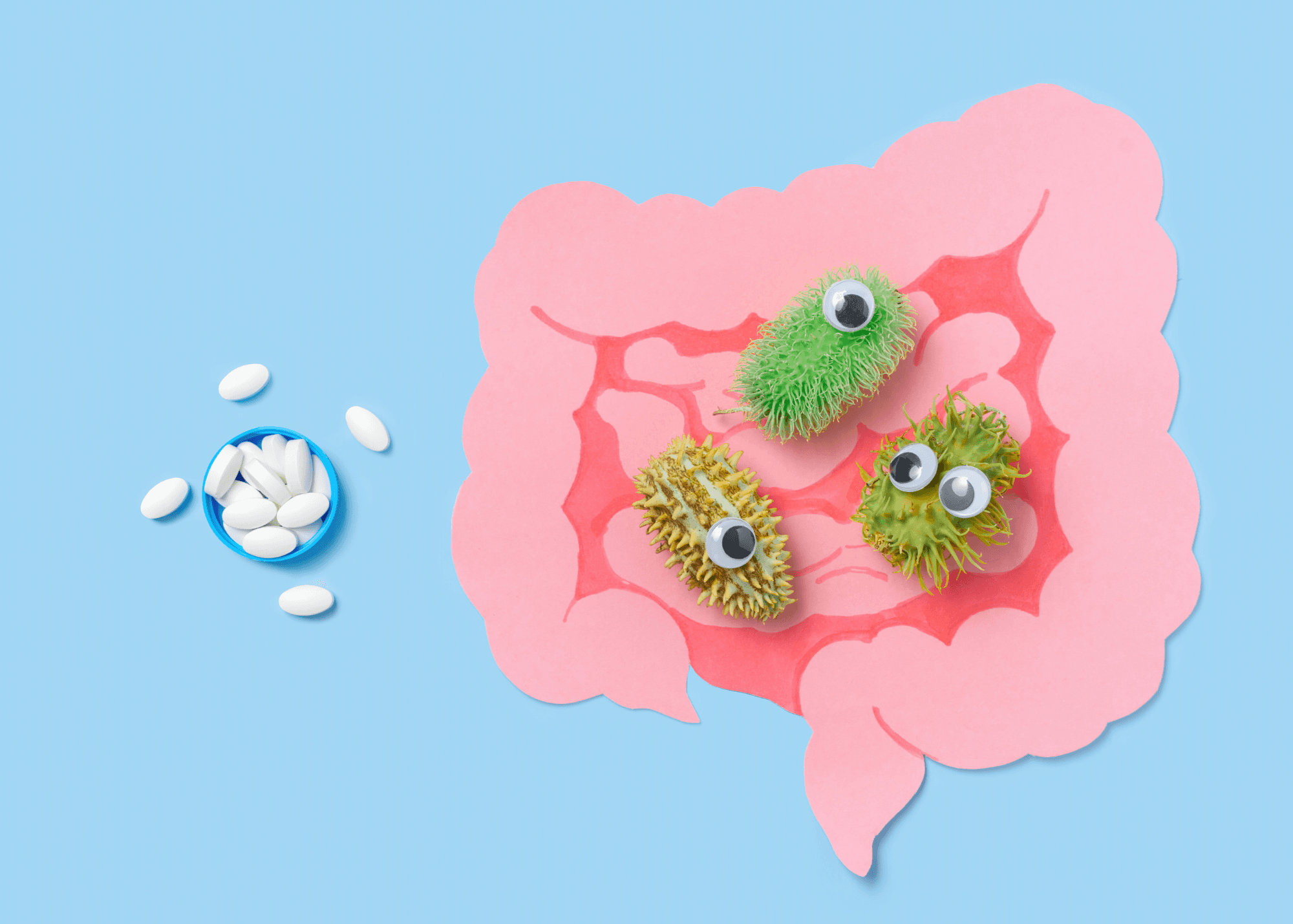
However, recent research suggests that for some people, generic probiotics may actually delay the recovery of their natural gut flora or cause an overgrowth in the small intestine. This can help explain why symptoms sometimes stay the same (or even feel worse) after starting a new supplement.
"I see so many patients who have spent hundreds of dollars on high-end probiotics but haven't seen a shift in their symptoms," says Bridget Isaacs, MS, RDN, LDN. "The problem isn't that probiotics don't work; it's that they aren't always what your specific microbiome needs. It’s like throwing random seeds into a garden without checking what’s already growing there." Without that context, even well-intentioned choices can end up missing the mark.
The Complexity of Your Inner Ecosystem
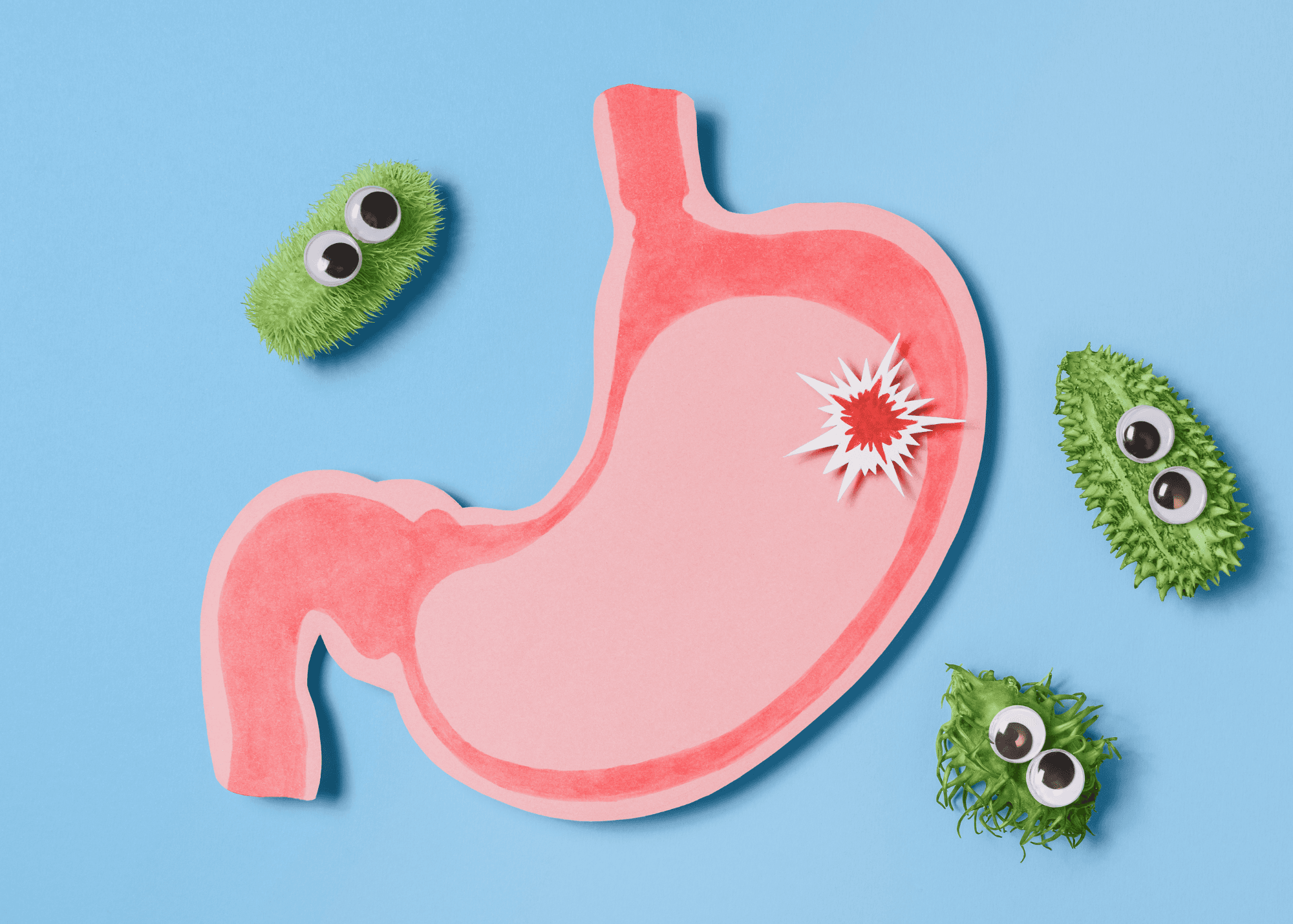
Your gut microbiome is a complex community of bacteria, viruses, and fungi. These organisms work together in ways that are still being studied, and small imbalances can have ripple effects throughout your entire body.This ecosystem influences everything from your immune system to your mental health. When we talk about "gut health," we are really talking about diversity and balance. Both of these matter a lot more than just sheer quantity.
A generic probiotic usually contains two or three common strains. While these are beneficial for many, they might not be the strains you are lacking. In some cases, your gut already has plenty of certain bacteria and needs support somewhere else. If your gut is already high in Lactobacillus but low in the strains that support metabolic health, adding more of the same won't move the needle.
At-Home Microbiome Testing - Take it With a Grain of Salt
In the quest for "precision," many are turning to direct-to-consumer (DTC) gut microbiome tests. These kits promise to tell you exactly what to eat based on your stool's DNA. It sounds really empowering and science-forward, especially if you’ve been searching for answers for a long time. However, before you hit "purchase," it's important to understand the limitations. More data doesn’t always mean better guidance.
High Variability, Low Regulation
Current experts warn that there is often high variability in these results. As noted in recent reports by The Guardian, a person could potentially send the same sample to two different companies and receive two very different results. That inconsistency can make it hard to know what information is actually useful. Unlike the blood tests your doctor orders, these at-home kits are not regulated in the same way as FDA-approved lab tests. This means that accuracy, interpretation, and follow-up recommendations can vary widely.
"They can provide a 'snapshot,' but they shouldn't be the sole basis for major medical or dietary decisions, explains Jessica Kelly, MS, RDN, LDN.Your body is much more complex than a single data point from a stool kit."
Why the "Map" Needs a Navigator
If you do choose to test, the results can be a lot to try and take in. Many reports are packed full of complicated charts, scores, and warnings that sound urgent but lack any kind of explanation. A report might tell you to avoid "healthy" foods like spinach or almonds based on a specific bacterial marker. Without a professional to interpret this, you may end up unnecessarily restricting your diet, which can actually decrease gut diversity over time. What feels like precision can quickly turn into confusion or fear-based eating without having the proper guidance to give you some extra clarity.
The Personalised Approach - Why a Dietitian is Your Best Map
If at-home tests are unreliable and generic probiotics are hit-or-miss, how do you actually fix your gut? This is the question so many people ask after months or even years of trial and error. The answer lies in clinical personalization. There’s no real shortcut, but there is a clearer, more supportive way to move forward.
A Berry Street Registered Dietitian doesn't just look at a lab report; they look at you. Your history, your symptoms, your lifestyle, and your goals all matter when building a plan that truly works. Here’s what we take into consideration:
1. Connecting Your Symptoms to Science
Do you have Gastroparesis? Are you dealing with IBS and considering a Low FODMAP diet? Your symptoms are the most important data point we have. They tell a story that no test alone can explain. A dietitian tracks your reactions to food, stress levels, and sleep patterns to identify the root cause of your discomfort. This approach helps you move beyond just symptom management toward lasting relief.
2. The Estrobolome and Women's Health
For women, gut health is inseparable from hormonal health. The "estrobolome" is a collection of bacteria in the gut specifically tasked with metabolizing estrogen. When this system is properly supported, your hormones are properly processed and cleared out of your body more efficiently. If this system becomes sluggish, you may experience symptoms of estrogen dominance, such as heavy periods or PCOS flares.
"When we work with women on nutrition for PCOS, we aren't just looking at calories," says Jessica Kelly, MS, RDN, LDN. "We are looking at how their gut health is supporting their hormone clearance. That requires a plan tailored to their specific cycle and metabolic needs." This kind of individualized care creates a space for real progress without the need for strict food rules.
3. Food as the Primary "Seed"
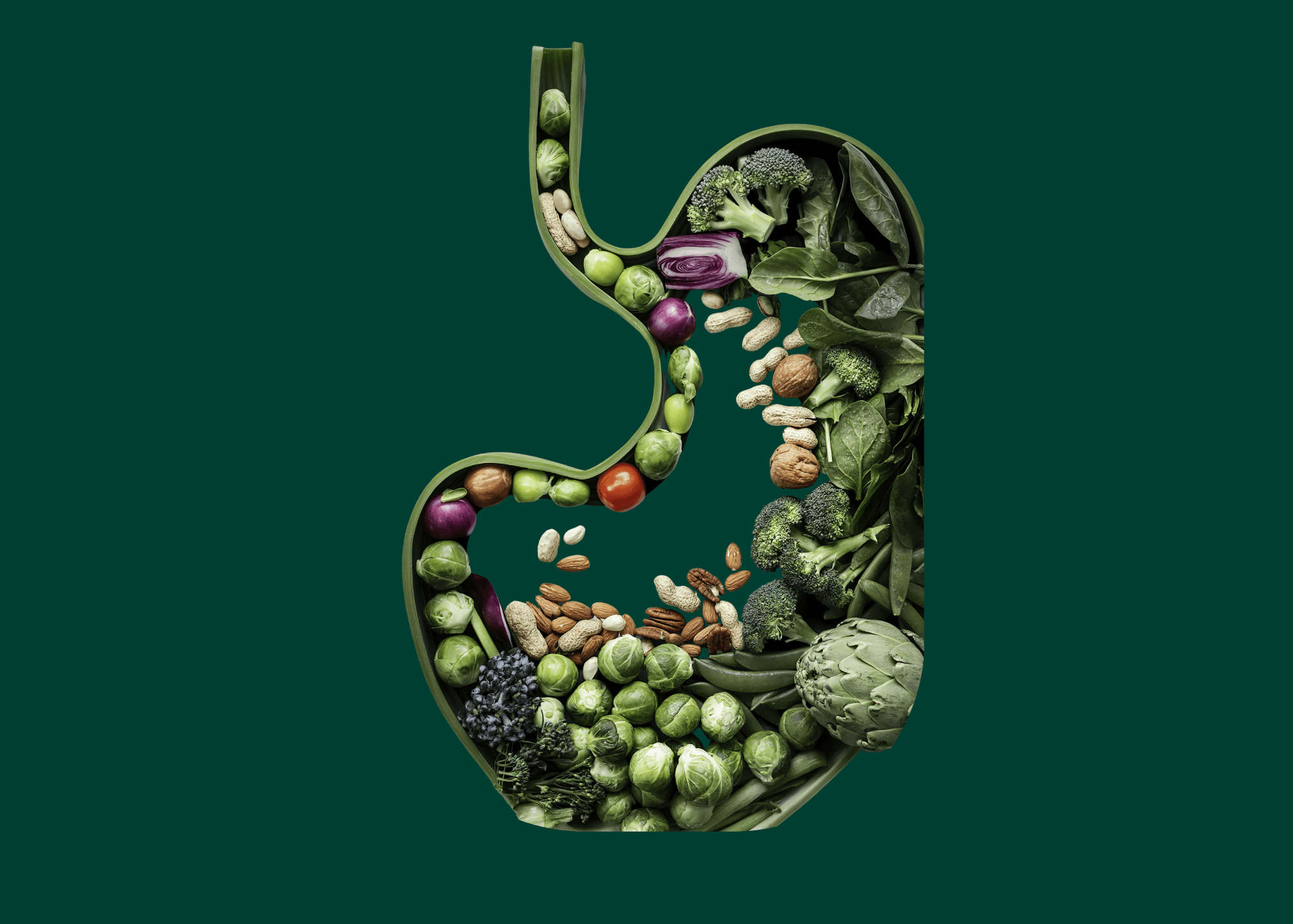
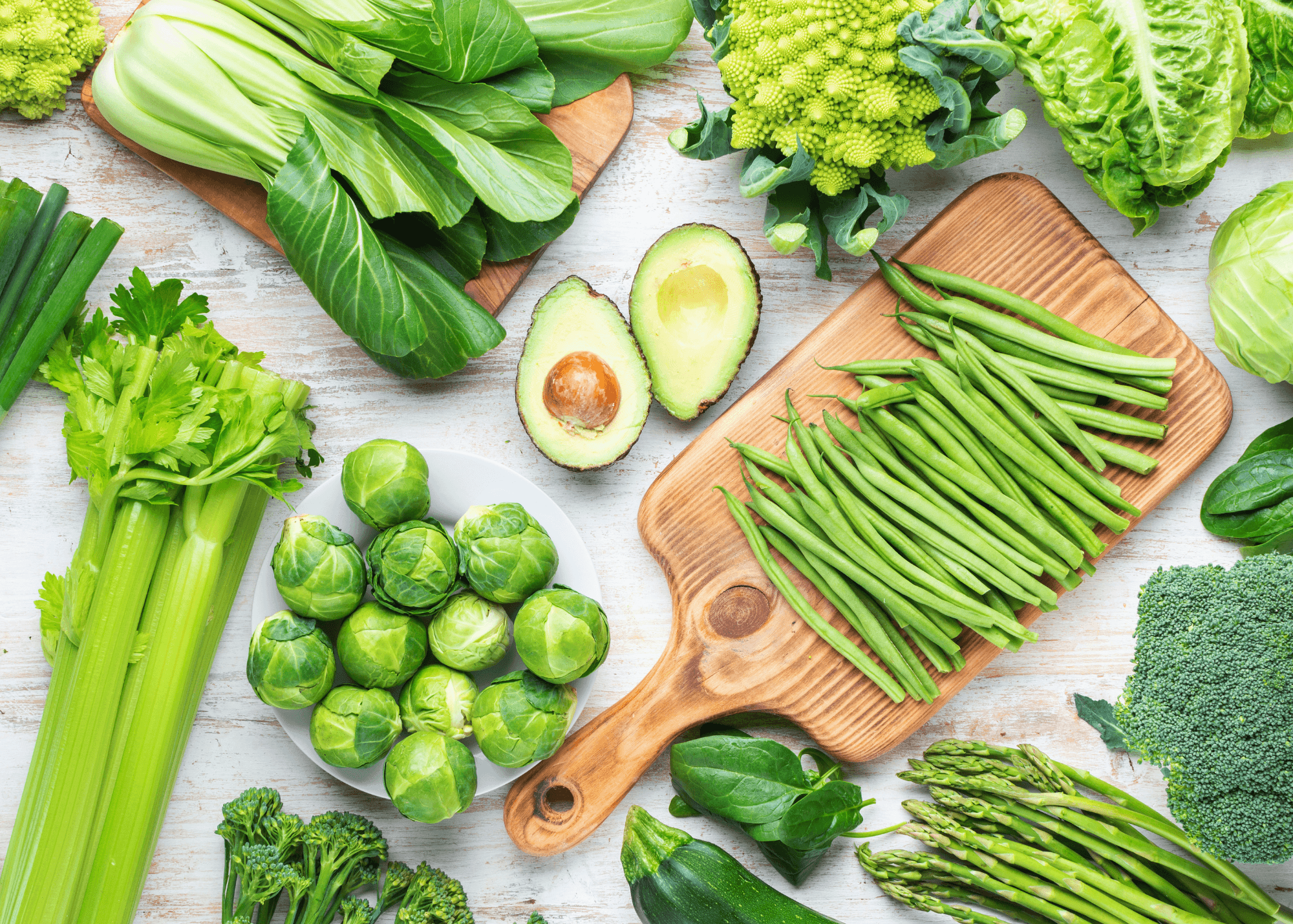
Instead of a pill, we focus on increasing the number of plant foods you eat weekly, which is a science-backed way to increase microbial diversity. This approach encourages variety rather than restriction and leads to better long-term gut strength. This includes fruits, vegetables, grains, nuts, seeds, and herbs. Small, consistent additions can have a really powerful impact over time.
Ready to stop the guesswork and start feeling better? Book a visit with a Berry Street Dietitian today to create a nutrition plan tailored to your unique biology and health goals.
Beyond the Gut: The Lifestyle Connection
Personalized gut health isn't just about what you eat; it's about how you live. Your daily routines, stress levels, and movement all play a role in how well your gut functions over time. Your "map" must include:
Stress Management: High cortisol can "poke holes" in the gut lining (often called leaky gut). When stress stays elevated, digestion often becomes one of the first systems to feel it. Understanding cortisol and nutrition is key to long-term healing. Simple strategies like regular meals, adequate protein, and intentional stress relief can make a significant difference.
Circadian Rhythms: Your gut bacteria have a body clock, too. Eating at consistent times helps regulate digestion and energy. Irregular schedules can throw off hunger cues and digestive comfort, while predictable routines help your gut know exactly what to expect on a daily basis.
Movement: Physical activity increases the production of short-chain fatty acids, which protect the gut lining. This doesn’t require any kind of intense workouts…gentle, consistent movement like walking or stretching still helps boost your gut health.
How to Start Your Gut Healing Journey (Without the Hype)
If you're ready to move toward a precision plan that actually works, here are the steps we recommend:
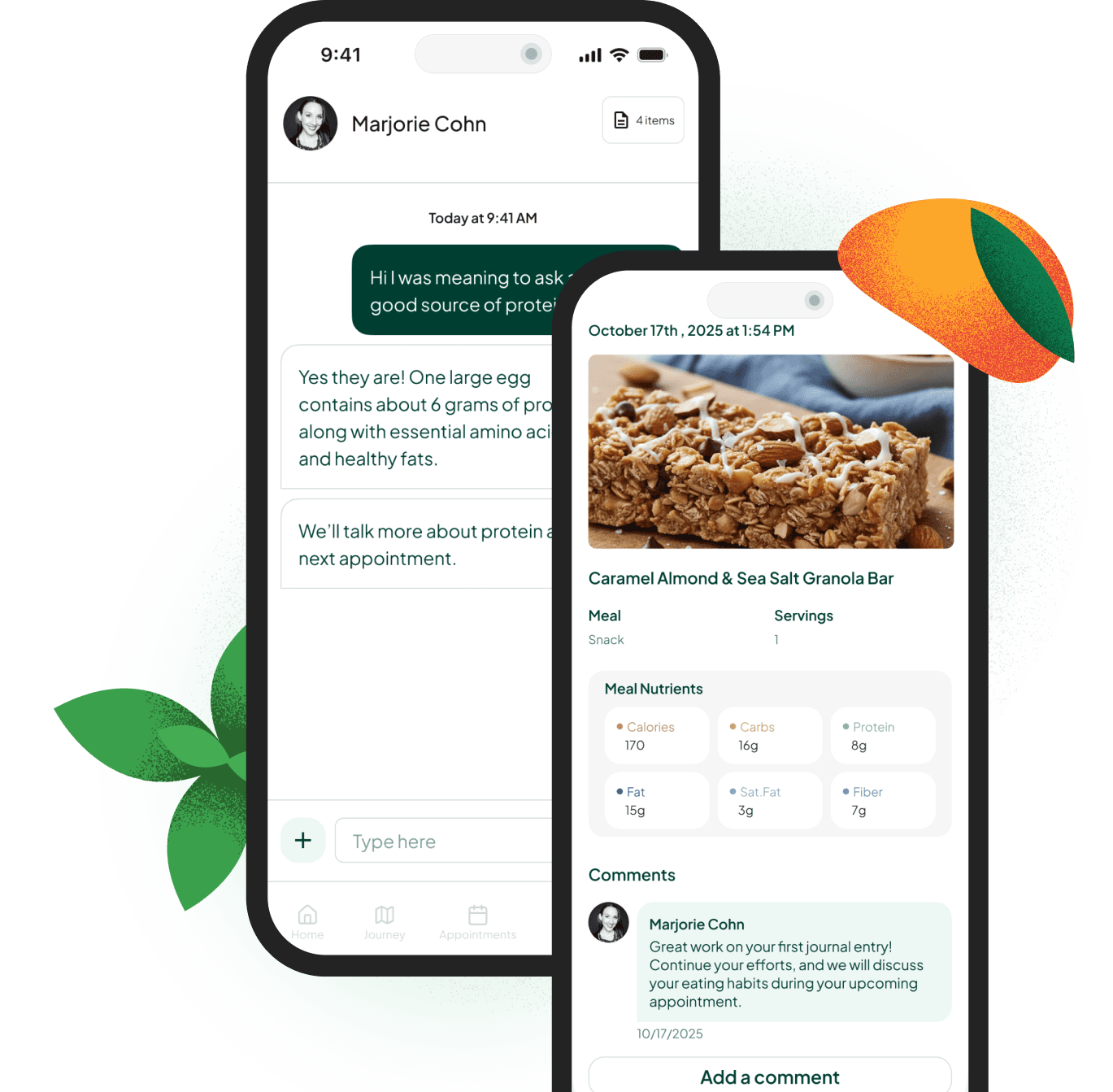
Start a Symptom Journal: Before buying a test, track what you eat and how you feel for two weeks. This is the most "personalized" data that you can provide. Check out our guide to food journaling here.
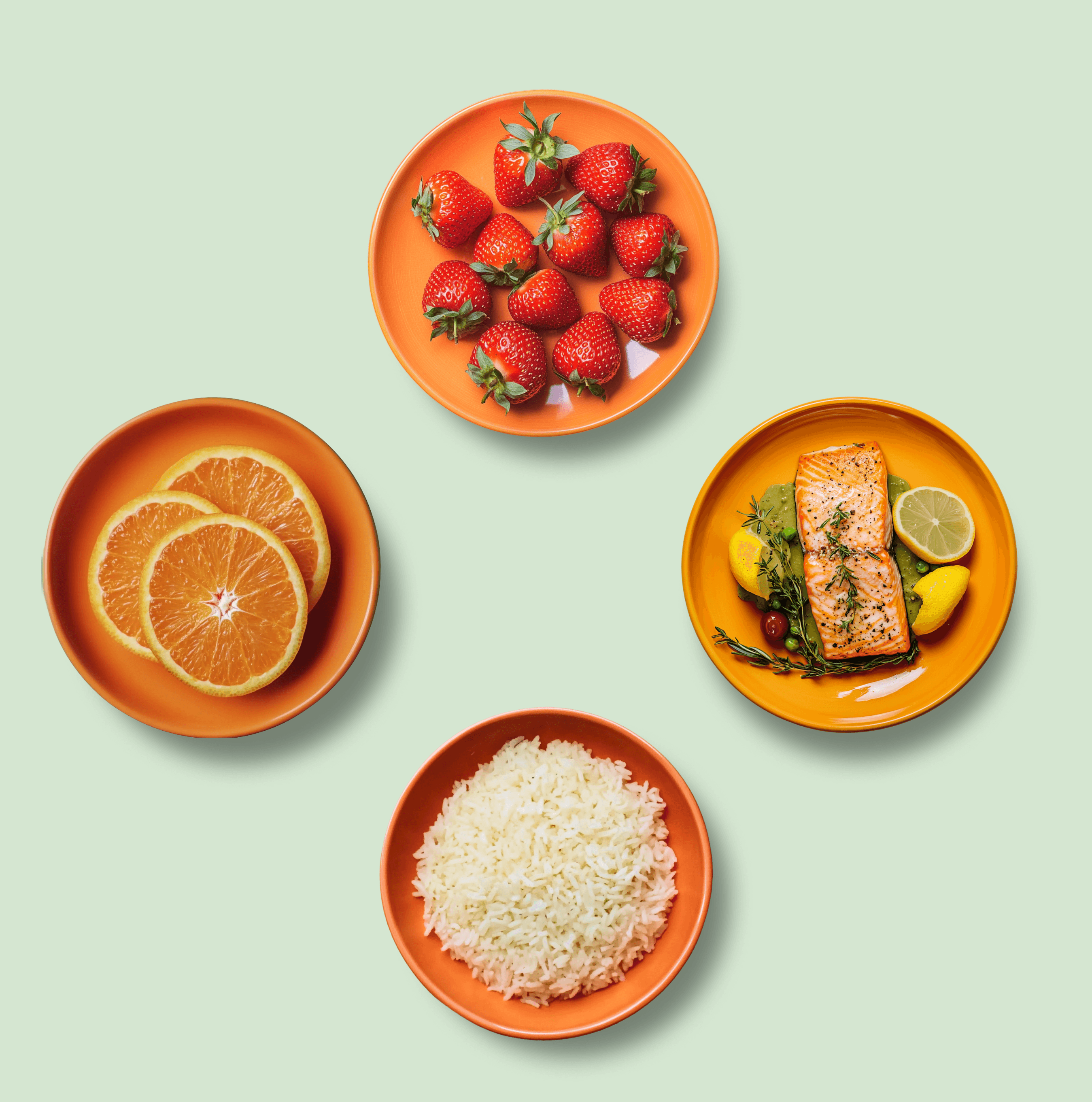
Focus on Diversity: Aim for a "rainbow" on your plate every time that you eat. Each color represents a different polyphenol that feeds a different strain of bacteria.
Be Skeptical of Quick Fixes: If a supplement or test kit promises to "cure" your gut in 30 days, proceed with caution! True gut healing is a journey, not a sprint. Quick-fix diets rarely work for a reason.
Work with a Clinical Expert: A dietitian can help you work through all of the noise and build a sustainable, evidence-based plan.
Frequently Asked Questions
Should I buy an at-home microbiome test?
If you are curious, they can be interesting, but don't treat them as medical gospel. The results are often variable. It’s better to spend that money on a consultation with a dietitian who can interpret your symptoms clinically.
Can I get enough probiotics from food alone?
For many people, yes! Foods like kefir, sauerkraut, kimchi, and yogurt offer a variety of live cultures. However, for specific conditions like IBS, a dietitian might suggest a very specific, high-quality probiotic strain.
Why does my friend love their probiotic, but it makes me bloated?
This is the "Health Paradox." Your friend may have lacked the specific strain in that bottle, while you might already have plenty of it—or you might have a sensitive gut that reacts to the fillers in the capsule.
How long does it take to see changes in gut health?
You can start to shift your bacterial populations in as little as 48 hours through diet, but physical symptoms like bloating and regular bowel movements usually take 4-12 weeks to stabilize.
Does stress really affect my gut?
Yes! The gut and brain are in constant communication via the vagus nerve. This is why you get "butterflies" when you’re nervous. Stress can slow down or speed up digestion, regardless of what you eat.
Building a Gut Health Plan That Grows With You
The era of generic health advice is ending. People are asking better questions and looking for care that actually reflects their lived experience. While at-home tests are still catching up to the science, the value of a personalized, expert-led approach has never been clearer. Your gut isn't a "problem" to be solved with a single pill…it's a living, breathing ecosystem that needs the right environment to thrive.
"When it comes to digestions, my goal is always to move a patient from surviving to helping them feel their best," says Bridget Isaacs, MS, RDN, LDN. "Our gut has a way of communicating what is working well and what isn’t. When we start to listen to what it is telling us, the path to healing becomes so much clearer."
Ready to take the first step toward precision gut health? Schedule a consultation with a Berry Street Registered Dietitian today. Most visits are covered by insurance!