Key Takeaways:
Spreading Protein Throughout the Day Helps: Research suggests that dividing your protein intake more evenly across meals (around 25–30g per meal) may support muscle health and metabolism better than saving most of your protein for dinner.
Protein Can Support Hormone Balance: Eating protein regularly throughout the day helps keep blood sugar steadier and may support healthier cortisol rhythms. This can be especially helpful for women managing PCOS, PMS, or changes during perimenopause.
Protein Becomes Even More Important in Perimenopause: As estrogen levels shift, it can become harder for the body to maintain muscle. Making sure you include enough protein (and spread it across the day) can help increase strength and lean muscle as you age.
Your Needs May Look Different: While general guidelines can be helpful, the right protein pattern for you will depend on factors like your activity level, digestive health, and where you are in your hormonal journey.
The conversation around protein has shifted. It’s no longer just about getting enough protein by the end of the day - it’s also about when and how you eat it throughout the day. In recent years, protein timing for women has become an important part of conversations around metabolic and hormonal health, and for good reason.

At Berry Street, our registered dietitians see a very common pattern - many women start their day with a high-carb, low-protein breakfast (or just coffee), have a light salad for lunch, and then consume 60% of their daily protein at dinner. While the total math might look okay on paper, your body doesn't store protein the way it stores fat or carbohydrates. To build muscle, balance hormones, and keep your metabolism firing, your body needs a steady drip of amino acids throughout the day.
Whether you are managing PCOS, trying to beat fatigue naturally, or dealing with the changes of perimenopause, understanding the science of protein timing can be a game-changer for how you feel and function.
The Science of Protein Distribution: Why "Backloading" Fails
Most Americans follow a skewed protein distribution, eating very little at breakfast, a bit more at lunch, and a massive amount at dinner. However, the body has a ceiling for how much protein it can use for Muscle Protein Synthesis (MPS) in a single sitting, which is typically around 25 to 35 grams for most women.
When you eat 60 grams of protein at dinner, your body uses what it needs for repair and enzymes, but the excess can’t be saved for tomorrow’s muscle building. On the other hand, if you only eat 5 grams of protein at breakfast, you fail to reach something known as the leucine trigger, which is the threshold of amino acids that are required to turn on the machinery that builds and maintains muscle.
"When I work with clients on this topic, we start with what they're already doing well and build from there. Sustainable change doesn't come from overhauling everything at once—it comes from targeted, evidence-informed adjustments like shifting some of that evening protein to the morning." — Jessica Kelly, MS, RDN, LDN
Protein Timing and Hormonal Health
For women, protein isn't just about building muscle or making gains at the gym. It‘s a fundamental regulator of the endocrine system.
1. Blood Sugar and Insulin Sensitivity
Protein slows the absorption of glucose into the bloodstream. By timing protein to be present at every meal and snack, you prevent the blood sugar roller coaster. This is especially important for women with PCOS or those who are looking to balance their blood sugar naturally. When blood sugar is stable, insulin stays low, which allows the body to access stored fat for energy and keeps androgen levels in check.
2. Cortisol and Stress Management
Skipping protein in the morning or going too long without eating can cause your body to enter a stress state, elevating your cortisol levels. High cortisol is a known disruptor of progesterone and can make the symptoms of PMS and anxiety worse. Good cortisol and nutrition management should always start with a protein-rich breakfast within 90 minutes of waking up.
3. Satiety Hormones
Protein stimulates the release of cholecystokinin (CCK) and glucagon-like peptide-1 (GLP-1), hormones that tell your brain you’re full. By spreading your protein out, you keep these fullness signals active all day, reducing the afternoon slump and any late-night cravings.
The Perimenopause Pivot: Why Timing Becomes Critical After 40
As women enter perimenopause and menopause, estrogen levels begin to fluctuate and eventually decline. Estrogen is actually anabolic, which means that it helps maintain muscle mass and bone density. Without its protective effects, women become more susceptible to sarcopenia (age-related muscle loss) and insulin resistance.
Research is showing that maturing women require more protein per meal to achieve the same muscle-building effect as younger women. This is known as anabolic resistance.
To combat this, menopause and nutrition strategies must prioritize:
The "First Meal" Rule: Breaking the overnight fast with 30g of high-quality protein to jumpstart metabolism.
Post-Workout Refeed: Consuming protein within 30–60 minutes of resistance training to take advantage of increased blood flow to muscles.
Practical Strategies for Even Protein Distribution
Shifting your habits doesn't have to be overwhelming. It all comes down to front-loading your day.
The 30-30-30 Target
A helpful benchmark for many women is aiming for approximately 30 grams of protein at breakfast, lunch, and dinner.
Breakfast: Instead of just oatmeal, try Greek yogurt with hemp seeds or a tofu scramble. If you love oats, learn why the oatmeal diet might backfire and how to add protein powder or egg whites to balance the bowl.
Lunch: Ensure your salad has at least 4–5 ounces of chicken, fish, or a cup of lentils. Many "healthy" lunches fall short, providing only 10–15g of protein, leaving you hungry by 3:00 PM.
Snacks: Move away from "carb-only" snacks like an apple or crackers. Pair that apple with a hard-boiled egg or a cheese stick.
"What is cool about evidence-based nutrition is that it empowers people rather than restricting them. When clients understand why certain foods support their specific health goals—like how protein at lunch prevents the 4 PM sweets craving—adherence becomes much more natural." — Bridget Isaacs, MS, RDN, LDN
Common Myths About Protein Timing
Myth 1: "Too much protein will hurt my kidneys."
For individuals with healthy kidney function, high protein intake is generally safe. For most healthy people, a high-protein diet isn't harmful, especially when balanced with lots of fiber and proper hydration.
Myth 2: "I can't absorb more than 20g of protein at once."
Your body will absorb almost all the protein you eat (it's very efficient at digestion). However, there is a limit to how much it can use for muscle repair at one time. The rest is used for energy or other metabolic processes. This is why distribution is more efficient than one giant meal.
Myth 3: "Plant protein isn't as good for timing."
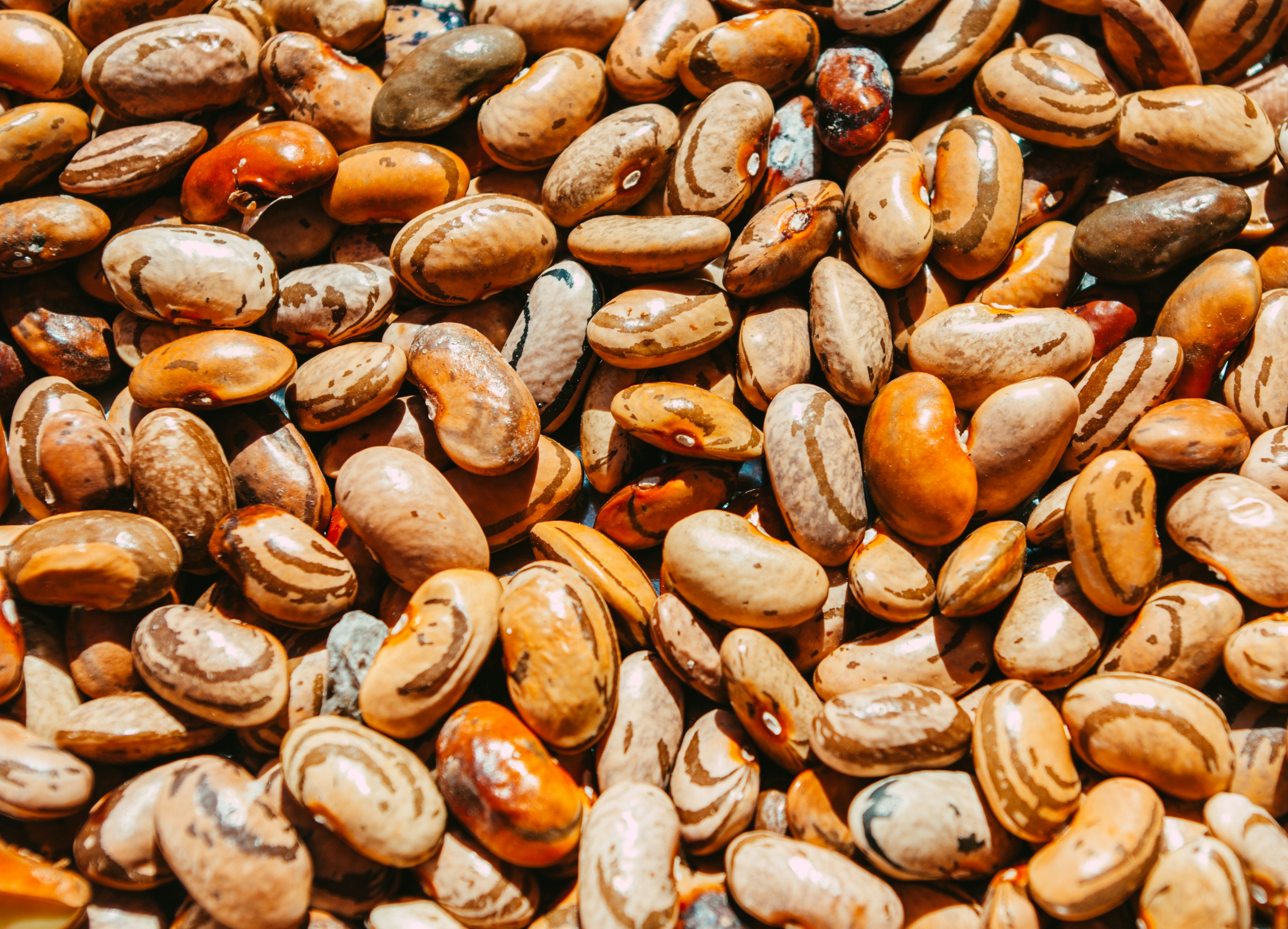
While animal proteins are complete, you can absolutely achieve optimal timing with plants. It just requires a bit more volume and variety. For example, pairing beans with rice or choosing high-protein grains like quinoa helps.
How to Build a Protein-First Plate
Start with the Protein: Choose your source first (eggs, salmon, tempeh, lean beef).
Add "Volume" with Veggies: Fill half your plate with colorful fiber to support gut health and digestion.
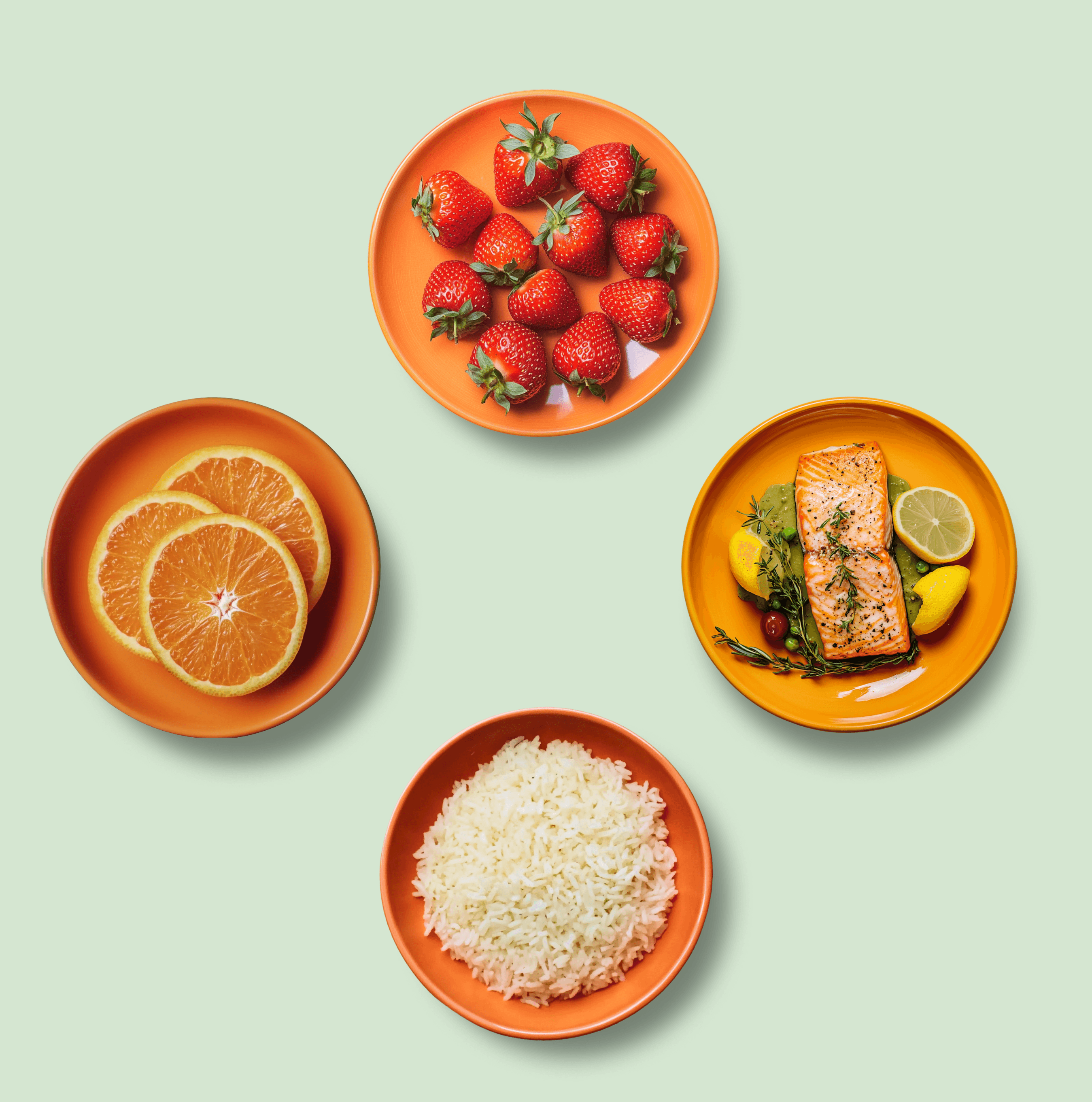
Choose Smart Carbs: Add a portion of complex carbohydrates like sweet potato or berries.
Finish with Healthy Fats: A small amount of avocado or olive oil to help absorb fat-soluble vitamins.
Are you unsure if you're hitting your targets? Working with a professional can take the guesswork out of the process.
Consistency Over Perfection
The most effective approach to protein timing is the one you can actually maintain. You don't need to carry a scale to every meal, but by being mindful of portion distortion and aiming for protein at every "sitting," you provide your body with the tools it needs to thrive.
At Berry Street, we specialize in helping women navigate these nuances, from PCOS nutrition to metabolic health. We believe in food as medicine, tailored to your unique biology.
Ready to optimize your metabolic health? Connect with a Berry Street Registered Dietitian today to build a plan that works for your life.
Frequently Asked Questions
What foods are best for hitting that 30g breakfast goal?
Greek yogurt (20-23g per cup) topped with pumpkin seeds, a three-egg omelet with a side of black beans, or a high-quality protein shake are excellent options. If you're on the go, protein bars can be healthy if you choose ones with minimal added sugars.
Do I need supplements like creatine or collagen?
While food is first, supplements can help. Creatine deserves a spot in many women's routines for muscle and cognitive support. However, the truth about collagen is that it isn't a complete protein, so it shouldn't be your primary source for muscle building.
How long until I see results?
While you might feel more energized and less "hangry" within a few days of balancing your protein, changes in body composition or hormonal symptoms typically take 8–12 weeks of consistency.