Key Takeaways
Polyphenols are plant compounds with profound antioxidant and anti-inflammatory properties, and they do far more than neutralize free radicals.
High polyphenol intake is associated with reduced risk of cardiovascular disease, type 2 diabetes, neurodegenerative disease, and certain cancers.
Polyphenols directly feed beneficial gut bacteria, making dietary diversity a gut health strategy as much as a longevity one.
Specific polyphenol subclasses (resveratrol, quercetin, curcumin, anthocyanins, EGCG) have targeted effects on inflammation, cellular aging, blood sugar, and hormone metabolism.
Eating a wide variety of colorful, minimally processed plant foods is the most effective way to increase polyphenol intake…no supplements required!
If you've heard that blueberries are good for your brain, that olive oil is heart-protective, that green tea boosts your metabolism, or that dark chocolate isn't the villain it was once made out to be, you've been touching the edges of polyphenol science. Polyphenols are the bioactive compounds behind most of these effects.

Polyphenols are a large, diverse family of plant chemicals (over 8,000 have been identified) that plants produce as part of their own biological toolkit, in order to attract pollinators, repel pathogens, protect against UV damage, and respond to environmental stress. When we eat those plants, we absorb these compounds, and our bodies use them in ways that science is only just starting to understand.
The excitement around polyphenols in nutrition research has accelerated dramatically in the past decade, as researchers have realized that their role is much more important than just being simple antioxidants (which was the initial thought) toward a much more sophisticated understanding of how they interact with our gut microbiome, cellular signaling pathways, gene expression, and hormonal systems.
How Polyphenols Actually Work in the Body
For years, polyphenols were primarily understood as antioxidants, which are the compounds that neutralize reactive oxygen species (free radicals) and prevent oxidative damage to cells and DNA. That mechanism is real and is very important, but antioxidant activity alone doesn't fully explain the extent of polyphenols' protective effects.
Current research has revealed several additional mechanisms, such as:
Anti-Inflammatory Signaling
Many polyphenols directly inhibit key inflammatory signaling molecules, including NF-κB, the master regulator of inflammatory gene expression. By modulating NF-κB activity, polyphenols like curcumin, quercetin, and resveratrol can reduce the production of pro-inflammatory cytokines that can cause chronic disease, hormonal dysregulation, and accelerated cellular aging.
Gut Microbiome Modulation
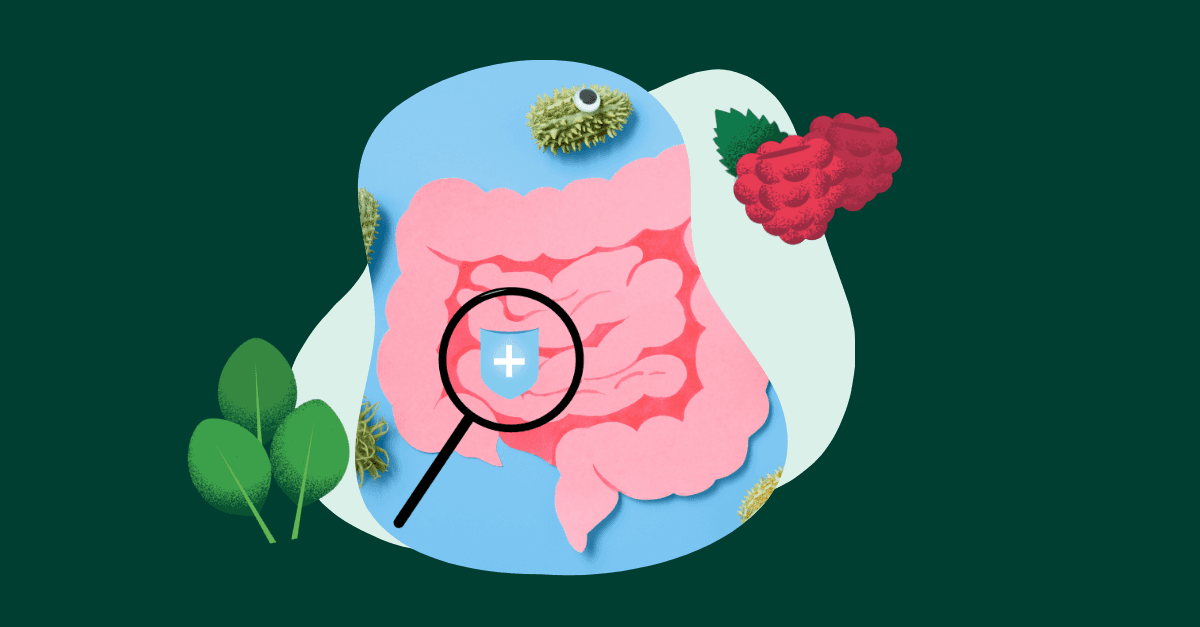
This is perhaps the most exciting developing area of polyphenol research. Most polyphenols aren't fully absorbed in the small intestine. They pass into the colon where they're fermented by gut bacteria. This fermentation produces short-chain fatty acids (SCFAs) and secondary metabolites that have systemic health effects. Simultaneously, polyphenols selectively feed beneficial Bifidobacterium and Lactobacillus species while inhibiting pathogenic bacteria, ultimately acting as natural prebiotics.
A 2025 study in Frontiers in Nutrition found that polyphenol-rich diets consistently increased gut microbial diversity, which is a key marker of overall gut and metabolic health. For more on how gut health connects to women's wellbeing, our expert guide to gut health and digestion is worth reading.
Cellular and Epigenetic Effects
Some polyphenols (such as resveratrol and quercetin in particular) activate longevity-associated pathways, including sirtuins (often called "longevity genes") and AMPK, an energy-sensing enzyme that also activates autophagy (the cellular cleanup processes). These are the same pathways activated by caloric restriction, which is one reason polyphenol-rich diets are increasingly discussed when it comes to healthy aging and longevity science.
The Major Polyphenol Families and Where to Find Them
Flavonoids (the largest group)
Anthocyanins — the deep red, blue, and purple pigments in berries, red cabbage, black beans, and cherries. Strongly associated with cardiovascular protection, cognitive preservation, and anti-inflammatory effects.
Flavonols (quercetin, kaempferol) — found in onions, kale, apples, and broccoli. Quercetin is one of the most extensively studied polyphenols for inflammation, antiviral activity, and histamine regulation.
Catechins (EGCG) — the primary polyphenol in green tea. EGCG has robust evidence for cardiovascular protection, metabolic support, and neuroprotection. EGCG appears to modulate insulin sensitivity through several mechanisms, making green tea of particular interest for women managing blood sugar or PCOS.
Isoflavones (genistein, daidzein) — found primarily in soy foods. These phytoestrogens have a complex relationship with hormonal health, with evidence suggesting protective effects on breast tissue, bone density, and cardiovascular risk in postmenopausal women. To find out more, take a look at our article on menopause and nutrition.
Phenolic Acids
Found in coffee, whole grains, berries, and some vegetables. Chlorogenic acids (in coffee) have shown meaningful effects on blood glucose and are one reason coffee consumption is associated with reduced type 2 diabetes risk in large epidemiological studies.
Stilbenes (Resveratrol)
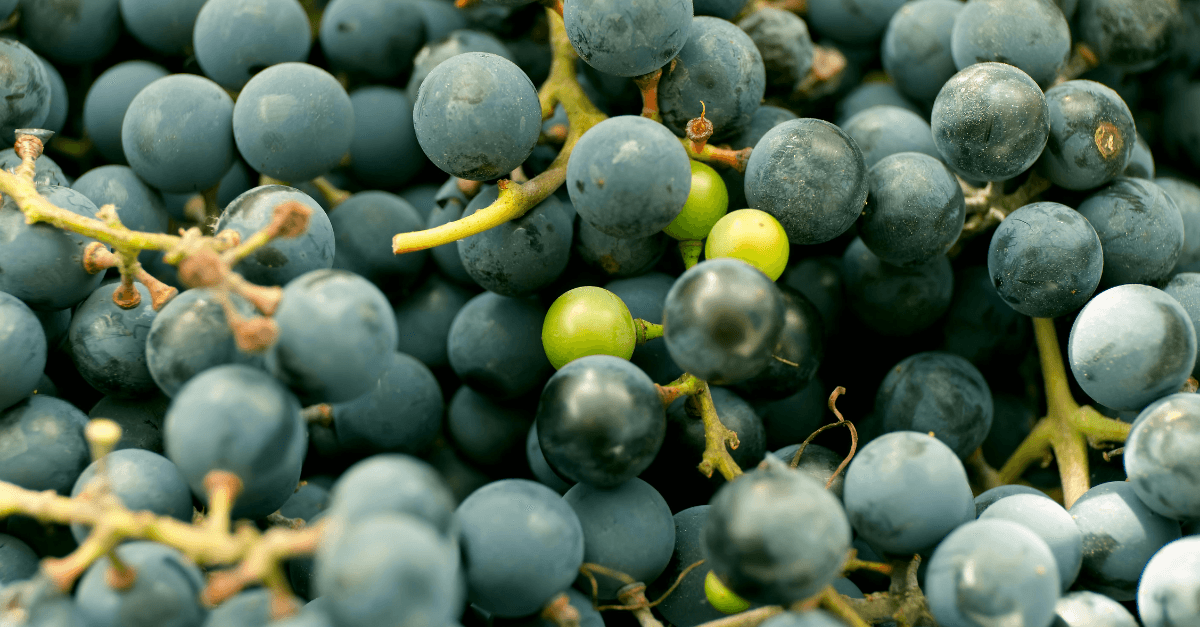
Found in red grapes, red wine, peanuts, and berries. Resveratrol is the polyphenol behind much of the early "red wine is good for you" research. Its effects on sirtuin activation and cardiovascular protection are well-documented, though bioavailability from food is variable. Resveratrol concentration is actually higher in grape skins and seeds than in wine itself.
Curcuminoids (Curcumin)
The primary bioactive compound in turmeric. Curcumin has extensive evidence for reducing inflammatory markers (CRP, TNF-alpha, IL-6), with particularly strong applications in joint inflammation and gut inflammation. Its bioavailability from food is low but significantly enhanced by combining with black pepper (piperine), which increases absorption by up to 2,000%.
Lignans
Found in flaxseeds, sesame seeds, and whole grains. Lignans are phytoestrogens that can modulate estrogen activity in ways that may be protective against certain hormone-sensitive conditions. Flaxseed lignans are of particular interest in breast health and hormonal balance. Our guide to seed cycling and hormone health is a great read for anyone who wants to find out more about how flaxseed can help with your hormonal health.
The Benefits of Polyphenols for Women's Health
From blood sugar balance to brain aging, heart protection, hormone metabolism, and even bone strength, these plant compounds influence multiple different systems that are important to women across different life stages. Here’s what the research shows about how polyphenols may help in women’s health:
Blood Sugar and Insulin Sensitivity
Multiple polyphenols (including anthocyanins from berries, EGCG from green tea, and chlorogenic acids from coffee) have shown the ability to improve glucose uptake, reduce insulin resistance, and blunt postprandial glucose spikes. Studies are finding that polyphenol-rich diets significantly reduce fasting blood glucose and HbA1c in people with metabolic syndrome.
This is particularly relevant for women with PCOS, where insulin resistance is central. For a fuller picture of blood sugar management through diet, our guide to balancing blood sugar naturally covers everything you need to know.

Brain Health and Cognitive Aging
The evidence for polyphenols in healthy brain aging is among the most compelling in the field. Studies are finding that women with the highest flavonoid intake had significantly lower rates of cognitive decline, with the most protective effects seen for flavones and flavanones.
The mechanism involves polyphenols reducing neuroinflammation, improving cerebral blood flow, clearing amyloid-beta protein buildup, and supporting neuroplasticity through BDNF (brain-derived neurotrophic factor) pathways. Our guide to top foods for focus, mood, and mental clarity can help you boost your brain health.
Cardiovascular Protection
High polyphenol intake is one of the most consistently supported eating patterns for boosting heart health. Large population studies continue to show that diets that are rich in plant compounds are linked to lower rates of cardiovascular disease. One reason that the Mediterranean diet is raved about for its health benefits is that it is naturally packed with polyphenols. Foods like extra virgin olive oil, colorful vegetables, legumes, herbs, whole grains, and even moderate amounts of red wine all help boost these beneficial plant compounds to encourage a healthier heart.
Hormonal Balance and Estrogen Metabolism
Certain polyphenols, especially compounds found in cruciferous vegetables like broccoli, cauliflower, and Brussels sprouts, as well as lignans in flaxseeds, can help encourage a healthy estrogen balance. They do this by encouraging your body to process estrogen into forms that are considered more balanced and protective, rather than forms that may be more stimulating to certain tissues.
This is important for women dealing with concerns like estrogen dominance, PCOS, endometriosis, or fibrocystic breast changes. It is also one reason that dietitians often recommend regularly including cruciferous vegetables and flaxseeds in a hormone-supportive diet. Small, consistent additions can meaningfully support how your body manages estrogen over time.

Bone Health
Certain plant compounds may also play a role in supporting bone strength. Isoflavones found in soy foods like tofu, tempeh, and edamame have been shown to help maintain bone mineral density in peri- and postmenopausal women. They work in part by gently interacting with estrogen receptors, which is important because estrogen levels influence the health of your bones.
Other polyphenols, such as quercetin, found in foods like onions, apples, and berries, may help support the cells responsible for building bone. Since bone density can begin to decline for women as early as their late 30s, it makes sense to think about bone-supportive nutrition long before menopause.
How to Actually Get More Polyphenols Every Day
The good news about polyphenol-rich eating is that it doesn't require exotic superfoods or expensive supplements. All it requires is variety, color, and minimally processed whole foods.
The Polyphenol-Dense Foods to Eat More Of
Berries: blueberries, strawberries, raspberries, blackberries, cherries — among the most polyphenol-dense foods per calorie
Extra-virgin olive oil: choose cold-pressed, high-quality EVOO; polyphenol content varies dramatically by quality
Dark chocolate and cacao: aim for 70%+ cacao (more polyphenols, less sugar); raw cacao is the most polyphenol-dense form
Green and black tea: 2–4 cups per day provides meaningful EGCG
Coffee: one of the largest sources of polyphenols in the Western diet for regular drinkers
Cruciferous vegetables: broccoli, kale, Brussels sprouts, cabbage, cauliflower — high in glucosinolates, quercetin, and I3C
Red onions and shallots: one of the richest quercetin sources
Legumes: black beans, lentils, kidney beans — high in anthocyanins and flavonoids
Whole grains: oats, whole wheat, buckwheat — phenolic acids and lignans
Herbs and spices: turmeric (curcumin), rosemary, thyme, oregano, cloves — extraordinarily concentrated in polyphenols per gram
Pomegranate, red grapes, and citrus fruits: varied flavonoid profiles with complementary effects
Flaxseeds: lignan-rich; also an excellent source of omega-3 ALA and fiber
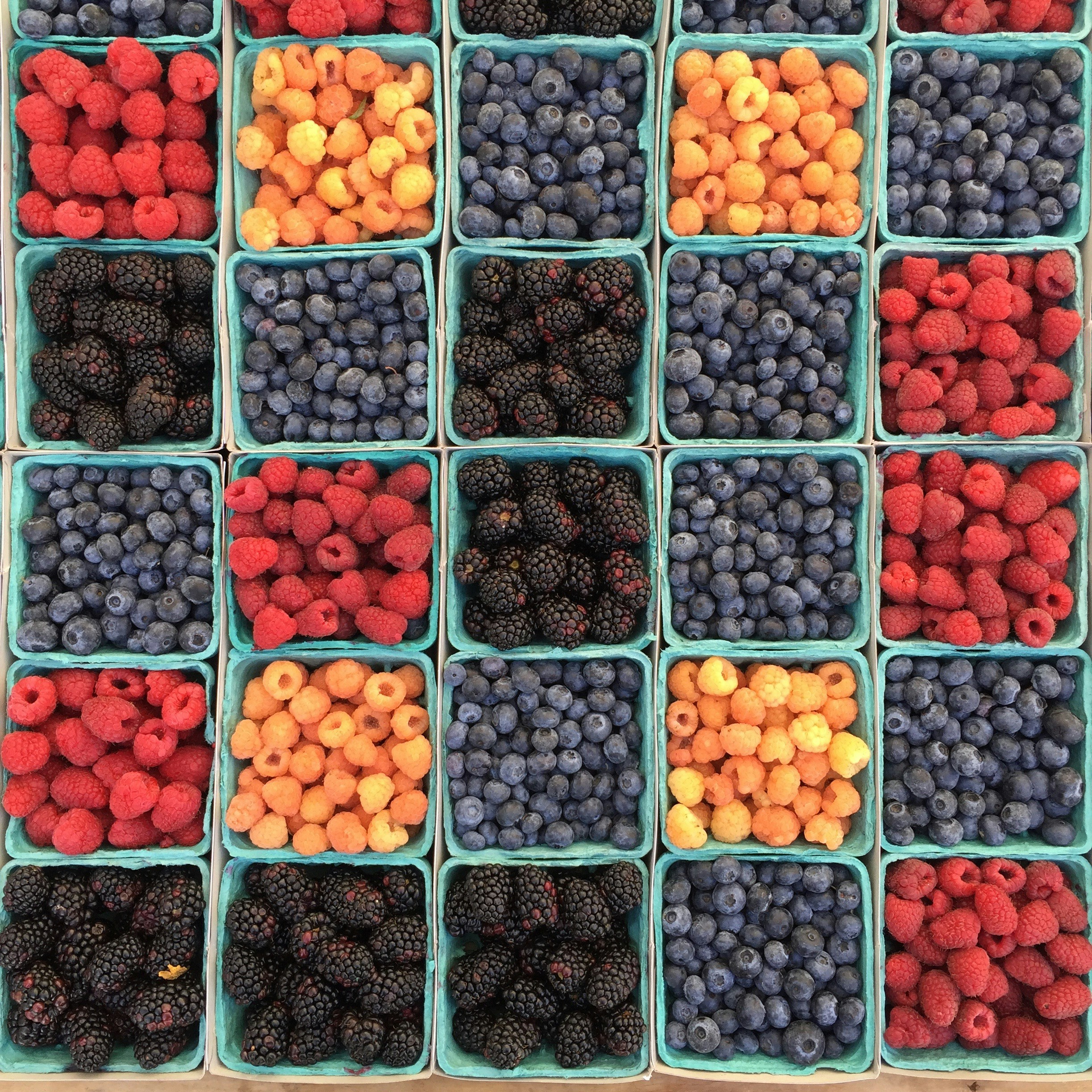
"When I encourage clients to eat for longevity and hormonal health, I talk a lot about color variety. The different colors of plant foods represent different polyphenol families — so eating the rainbow across your week ensures you're covering the full spectrum of protective compounds." — Jessica Kelly, MS, RDN, LDN
Simple Daily Habits That Add Up
Here are some easy daily habits that you can add to your regular routine to get more polyphenols in your life!
Add berries to breakfast — smoothie, yogurt, overnight oats, or just a handful alongside your meal
Cook with turmeric and black pepper — in curries, roasted vegetables, scrambled eggs, or golden milk
Use EVOO generously — as a finishing oil on vegetables, beans, and grains rather than a cooking oil (polyphenols degrade with high heat)
Snack on dark chocolate — 1–2 squares of 70%+ is a polyphenol strategy, not an indulgence (more on this in our article on why chocolate isn't the enemy)
Drink green tea — a simple, daily polyphenol strategy with well-documented benefits
Choose purple and red produce — red cabbage over green, red onions over white, black beans over canned navy beans
Should You Take Polyphenol Supplements?
For most people, a food-first approach to polyphenols is both more effective and more enjoyable than taking supplements. When you eat polyphenols from whole foods, they tend to work better together than when they are taken as isolated compounds in the same amounts. In other words, the combination of nutrients in real food seems to matter just as much as the individual compound itself.
That said, specific clinical situations may warrant targeted supplementation. High-dose curcumin (with piperine) has evidence for inflammatory joint conditions and gut inflammation. Resveratrol supplements are used in some longevity protocols. Quercetin supplements may help with histamine intolerance and allergic conditions.
Our guide to food vs. supplements helps you think through when supplementation adds value beyond a well-constructed diet.
"Polyphenol supplements can be a useful tool, but they should never replace a diverse, colorful diet. The research on whole food polyphenol patterns is far more robust than for supplementation — also, eating a wide variety of colorful plant foods is also far more satisfying and provides additional benefits." — Bridget Isaacs, MS, RDN, LDN
Work With a Berry Street Dietitian
A polyphenol-rich diet helps increase longevity, boosts brain health, balances your hormones, and improves gut health and metabolic function…all areas that matter profoundly for women at every stage of life. A registered dietitian can help you assess where your diet's polyphenol diversity stands today, identify new opportunities to improve your diet, and build a personalized plan that's easy to stick with.
Most patients pay $0 with insurance.
Frequently Asked Questions
How many polyphenols do I need per day?
There's no official recommended daily intake, but research suggests that intakes above approximately 1,000mg per day are associated with meaningful health benefits. For context, a single cup of green tea provides roughly 200–300mg; a cup of blueberries, around 500mg; a tablespoon of EVOO, roughly 70–100mg. Eating a diverse, plant-rich diet easily accumulates a meaningful amount of polyphenol intake throughout the day.
Are polyphenol supplements worth it?
For most healthy people, dietary sources are preferable, the food matrix provides synergistic benefits that isolated supplements don't replicate. Specific clinical situations (joint inflammation, gut conditions) may warrant targeted supplementation under practitioner guidance.
Does cooking destroy polyphenols?
Some - but not all. Light steaming preserves most polyphenol activity; boiling causes more loss. Fermentation (as in yogurt, sauerkraut, and kimchi) can actually increase polyphenol bioavailability by breaking down cell wall binding. Using EVOO as a finishing oil rather than a high-heat cooking oil preserves its polyphenol content.
Which polyphenol food has the most anti-aging benefits?
There's no single winner, but blueberries, extra-virgin olive oil, and green tea appear most consistently in longevity research. The diversity of polyphenol classes you consume across the week matters more than maximizing any single food.
Disclaimer: This article is for informational purposes only and does not constitute medical advice. Please consult with a qualified healthcare provider before making significant dietary changes or beginning any new supplement regimen.