Key Takeaways
The "Blood Sugar Rollercoaster": Understand how high-glycemic foods lead to the dreaded afternoon crash.
A Registered Dietitian (RD) Approach: The best strategies are those based on whole foods, individual health context, and sustainable habits rather than restrictive dieting.
Hormonal Harmony: Balancing blood sugar supports women's hormonal health, from PCOS management to menstrual cycle regularity, and can improve energy
Learn how to pair your carbs with protein, fiber, and fat to keep your energy up for hours.
If you find yourself reaching for a third cup of coffee or a sugary snack at 3 PM just to make it through the workday, you are in good company. That mid-afternoon slump is one of the most common complaints that we hear at Berry Street. While many chalk it up to having a busy lifestyle, the culprit is often found on your lunch plate.
The topic of low-glycemic eating is gaining a lot of popularity in 2026, and for a very good reason. The latest research continues to reveal how closely connected our daily food choices are to our hormonal health, metabolic function, energy levels, and overall well-being. At Berry Street, our registered dietitians are at the forefront of translating cutting-edge nutrition science into practical, personalized strategies for real women with real lives - just like you.

Rather than following trends blindly or applying generic rules like the problematic slow-carb diet, we believe in understanding the "why" behind nutrition recommendations. Low-glycemic eating isn't just for those managing diabetes, it’s a great tool for anyone looking to reclaim their energy and balance their hormones.
What the Research Shows
When it comes to a low glycemic diet, the evidence is both exciting and nuanced. Some of the latest research shows that dietary interventions that are focused on glycemic load produce meaningful improvements in energy, body composition, and mood.
The Glycemic Index (GI) is a system that ranks foods on a scale from 0 to 100 based on how quickly they raise your blood sugar levels. High-GI foods (like white bread or sugary cereals) cause a rapid spike in blood glucose, followed by a sharp insulin response that crashes your sugar levels, leaving you feeling shaky, hungry, and exhausted.
On the other hand, low-GI foods provide a slow, steady release of energy. This is really important for women's health, because insulin spikes can disrupt the delicate balance of hormones like estrogen and progesterone. By choosing foods that balance blood sugar naturally, you aren't just avoiding a crash - you're supporting your entire endocrine system.
"When I work with clients on this topic, we start with what they're already doing well and build from there. Sustainable change doesn't come from overhauling everything at once—it comes from targeted, evidence-informed adjustments that fit real life." — Jessica Kelly, MS, RDN, LDN

Why the "3 PM Crash" Happens
To understand how to fix the fatigue, we have to look at the biology of the sugar spike. When you eat a high-glycemic meal (say, a plain bagel or a sweetened yogurt)your body breaks those simple carbohydrates into glucose very quickly.
The Spike: Blood glucose levels soar.
The Insulin Surge: Your pancreas pumps out insulin to usher that sugar into your cells.
The Overcorrection: Sometimes, the body releases too much insulin, causing blood sugar to drop below baseline.
The Crash: Your brain, sensing low fuel, triggers cravings for more sugar and a feeling of intense sleepiness.
This cycle is a major contributor to metabolic dysfunction over time. If you’re worried about long-term health, learning to manage these spikes is a really important way to lower your risk of Type 2 Diabetes.
Nutrition Strategies To Give You All-Day Energy
1. Prioritize Pairing Carbohydrates
We don't believe in cutting carbs. Carbohydrates are the preferred fuel source for your brain and muscles. However, the way you eat them makes a really big difference. For blood sugar balance, the trick is pairing carbohydrates with other foods, specifically those containing protein, fiber, and healthy fats.
For example, instead of a plain piece of toast, try topping it with avocado (fat/fiber) and an egg (protein). This is going to slow down the digestion of the bread, leading to a much gentler blood sugar curve. This is why we often suggest that oatmeal diets might backfire if they aren't properly balanced with these satiating elements.
2. Focus on Fiber-Rich Foundations
Fiber is really important for blood sugar balance. It slows down the absorption of sugar in the small intestine. Aim for a variety of colorful vegetables, legumes, and seeds. If you're looking to level up, check out our fibermaxxing guide to understand how to hit your fiber targets without the bloat.

3. Support Gut Health & Hormones
A thriving gut microbiome influences hormone metabolism and inflammation levels. When your gut is healthy, your body is better at processing nutrients and keeping your metabolism flexible. Including fermented foods or a probiotic supplement can help. However, remember that the best probiotics aren't one-size-fits-all.
4. Don't Neglect Important Micronutrients
Vitamins D, B12, iron, and magnesium play critical roles in cellular energy production (the ATP cycle). If you are deficient in Vitamin D, no amount of low-glycemic eating will fully cure your fatigue. Regular nutritional assessment helps identify and address these gaps.
"The cool thing about evidence-based nutrition is that it empowers people rather than restricting them. When clients understand why certain foods support their specific health goals, they are much more likely to make sustainable changes." — Bridget Isaacs, MS, RDN, LDN
Daily Tips for Low-GI Living
Transitioning to a low-glycemic lifestyle doesn't mean you can never have dessert again. It’s about taking the "big picture" of your day into consideration.
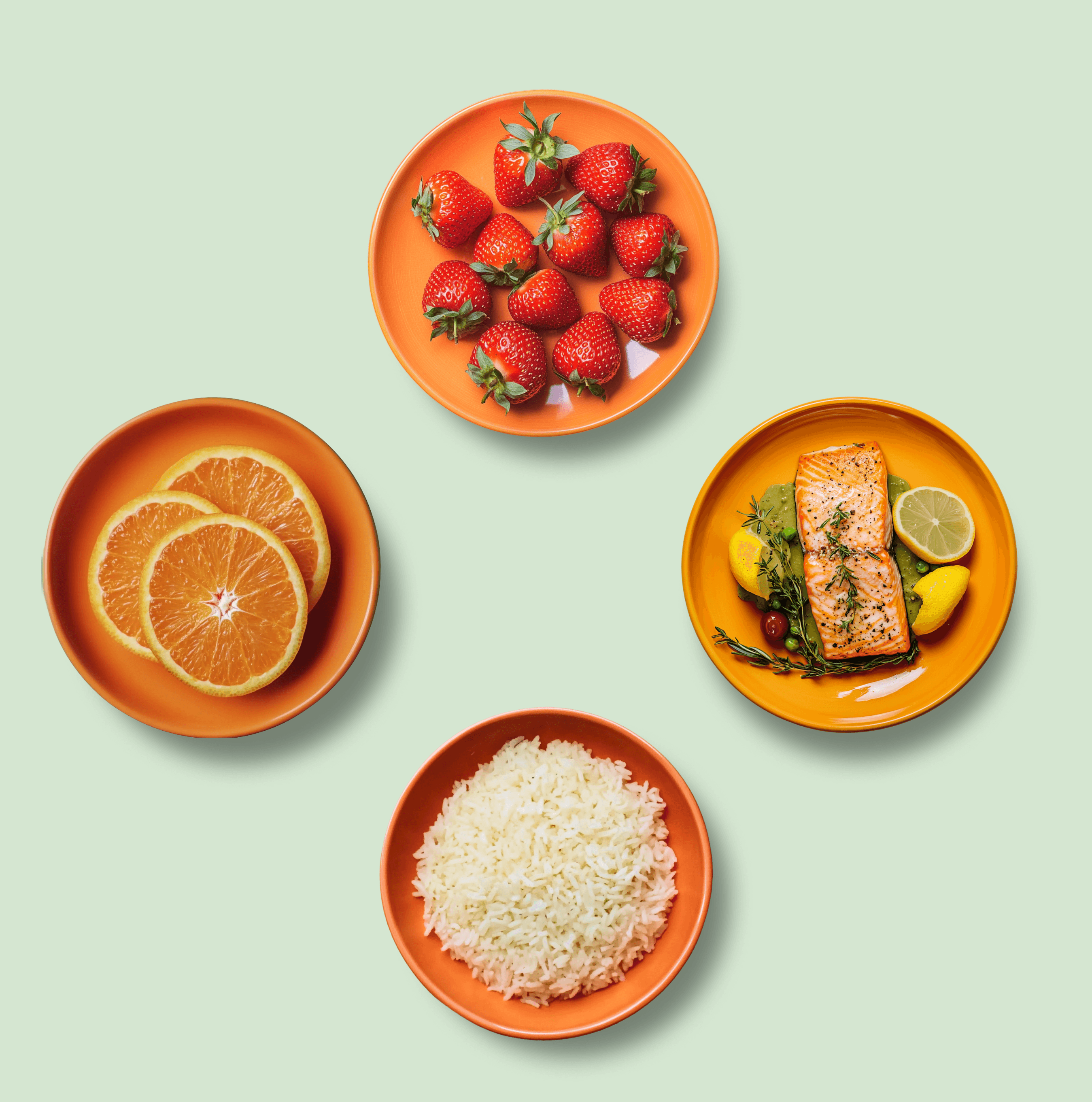
Build Your Plate: Aim for half your plate to be non-starchy vegetables (greens, peppers, broccoli), one-quarter protein, and one-quarter complex carbohydrates (quinoa, sweet potato, berries).
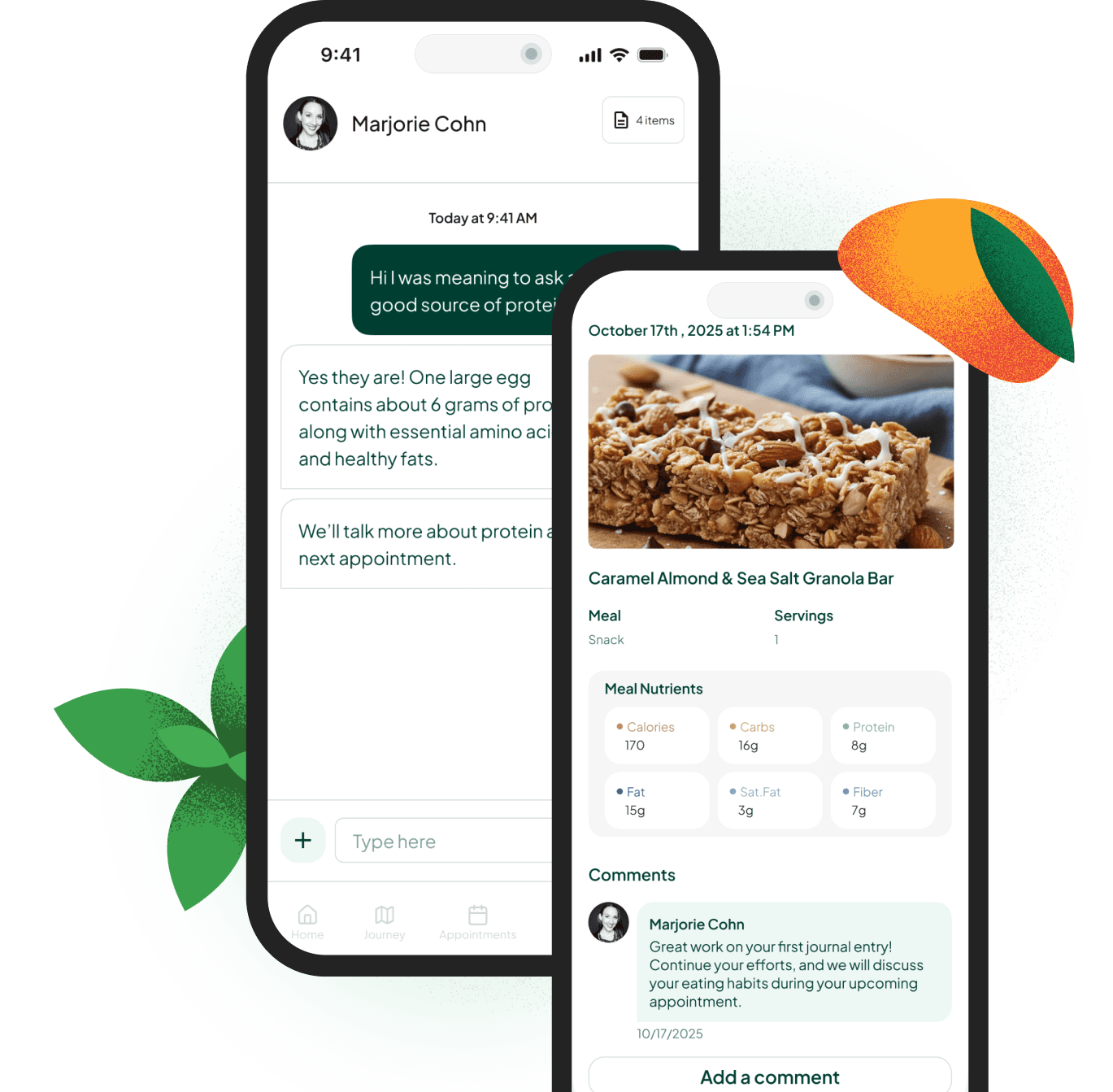
Smart Snacking: If you need a snack, choose options like protein bars that are actually healthy rather than a bag of chips.
Stay Hydrated: Dehydration can often mimic the feelings of a blood sugar crash. How much water do you really need? It depends on your activity level and body size, but aim for pale yellow urine as a guide.
Move After Meals: Even a 10-minute walk after lunch can significantly blunt a blood sugar spike by encouraging your muscles to use that glucose immediately.
Prioritize Sleep: Insufficient sleep disrupts hunger hormones like ghrelin and leptin, making you crave high-GI foods the next day.
Work With a Berry Street Dietitian
The most effective approach to a low glycemic diet is one that's specifically tailored to your individual health history, hormonal status, lifestyle, and goals. Generic advice can only take you so far. For instance, someone dealing with PCOS and dairy will have different needs than someone who is focused on lowering their cholesterol naturally.
Personalized nutrition, that is backed up by clinical expertise and evidence-based practice, is where real, lasting change happens.
Frequently Asked Questions
What foods are most important for a low glycemic diet?
Focus on whole, minimally processed foods. This includes non-starchy vegetables, legumes (lentils, chickpeas), temperate fruits (berries, apples), and whole grains like steel-cut oats or quinoa. Healthy fats like nuts, seeds, and olive oil also help lower the overall glycemic load of a meal.
Do I need supplements to help with blood sugar?
While supplements like magnesium or berberine are popular, food-first strategies are always the foundation. Before starting any regimen, it’s worth getting bloodwork done to identify actual deficiencies. A Berry Street dietitian can review your labs and help you determine what's truly needed.
How long until I see results from dietary changes?
While some notice energy improvements within a few days, metabolic and hormonal shifts typically take 8–12 weeks of consistency. This is why we focus on building healthy habits rather than quick fixes.