When it comes to weight loss, few foods get as much praise as oatmeal. It’s affordable, filling, and easy to make. So it’s no surprise that the “oatmeal diet plan” has gained popularity on social media, promising quick results and effortless weight loss.
But as the Berry Street Registered Dietitians often remind our clients, just because a food is healthy doesn’t mean it should become the only food in your diet. Oatmeal can absolutely support good nutrition, but an “oatmeal-only” plan misses the balance your body needs to thrive.
“Many people see oatmeal as a warming food that feels wholesome and simple,” says Jessica Kelly, MS, RDN, LDN. “But when you turn it into a restrictive plan, it stops being helpful and starts working against you.”

What Is the Oatmeal Diet?
The oatmeal diet is a highly restrictive plan that centers on eating oatmeal for most or all meals, typically over several weeks. It’s often broken into these three phases:
Phase 1: Mostly oatmeal (breakfast, lunch, and dinner) with small portions of fruit or skim milk (around 900–1,200 calories per day).
Phase 2: One non-oatmeal meal with lean protein or vegetables (around 1,000–1,300 calories).
Phase 3: Oatmeal remains the main staple, but with added snacks for variety.
It’s easy to see why this plan grabs attention…it’s straightforward, low-cost, and offers the illusion of simplicity. But nutritionally, it’s unbalanced.

Why This Plan Can Backfire
1. It’s Too Low in Protein
Oats are a great source of soluble fiber and slow-digesting carbohydrates, but they’re relatively low in protein. Most versions of the oatmeal diet provide just 15–20 grams of protein per day, which is far less than the recommended 60–100 grams for adults.
“Protein isn’t just for building muscle,” says Bridget Isaacs, MS, RD. “It’s essential for metabolism, immune function, and blood sugar stability. Without it, energy and focus decline quickly.”
When you under-eat protein, your body may start breaking down your muscle for energy, lowering your metabolic rate and making long-term weight maintenance a lot harder.
2. It Lacks Variety and Key Nutrients
Even though oats are rich in fiber and minerals like magnesium, they don’t contain everything that your body needs to thrive. The oatmeal diet cuts out key nutrients, including:
Vitamin B12 (found in animal products like eggs, yogurt, or fish)
Vitamin D (important for bone health and immune function)
Vitamin C and antioxidants (from fruits and vegetables)
Healthy fats (from nuts, seeds, and olive oil)
Without these nutrients, your energy levels drop, your hair and skin health decline, and your immune system starts to weaken.
“Diets that focus on one food—no matter how nutritious—almost always create gaps,” explains Jessica Kelly, MS, RDN, LDN. “The body thrives on diversity, not monotony.”
3. It’s Essentially a Crash Diet
In its early phases, the oatmeal diet restricts calories to as low as 900 per day, levels often used in clinical settings for medically supervised weight loss. For most adults, this is far below the amount needed to maintain proper muscle and hormone balance.
Initially, this restriction may cause rapid weight loss, but much of that is water and muscle, not fat. Over time, the metabolism adapts by burning fewer calories, which can stall your progress.
“When you underfuel, your body responds like it’s in a famine,” says Bridget Isaacs, MS, RD. “Metabolism slows down to conserve energy. That’s why weight often comes back quickly afterward.”

4. It Can Disrupt Hormone and Stress Balance
Caloric restriction also affects hormones like cortisol, leptin, and thyroid hormone. When you eat too little, cortisol (the stress hormone) rises, which increases cravings for sugary foods. Meanwhile, leptin (your fullness hormone) drops, making you feel hungrier.
“Many people think they lack willpower when they can’t stick to a strict plan,” says Jessica Kelly, MS, RDN, LDN. “But what’s really happening is that the body is trying to protect them from starvation.”
5. It Can Lead to Disordered Eating Patterns
Extreme plans that label foods as “allowed” or “off-limits” can create a great deal of anxiety around eating. Over time, this rigid mindset may lead to cycles of deprivation and overeating.
“At Berry Street, we see how all-or-nothing dieting keeps people stuck,” says Bridget Isaacs, MS, RD. “It’s better to focus on balance—like adding protein to your oatmeal, not restricting everything else. Intuitive eating is another great option, which allows you to focus on the signals that your body is sending you.”
6. It Doesn’t Teach Sustainable Habits
One of the biggest pitfalls of the oatmeal diet is that it doesn’t teach flexible, real-world eating. Once people resume eating normal meals, they often feel unsure of what or how much to eat, which to the common “yo-yo” cycle of weight loss and regain.
True nutrition success comes from learning to balance your meals, manage your portions, and build consistency, not from sticking to rigid rules.
A Smarter Way to Eat Oats
Oatmeal itself is still a fantastic food - it’s just the extreme diet version that’s a problem. Here’s how to include oats into your day in a balanced, satisfying way:
1. Pair Oats with Protein
Top your oatmeal with Greek yogurt, nut butter, or a boiled egg on the side. This combo slows down digestion and keeps you feeling full for longer.
2. Add Fiber and Healthy Fats
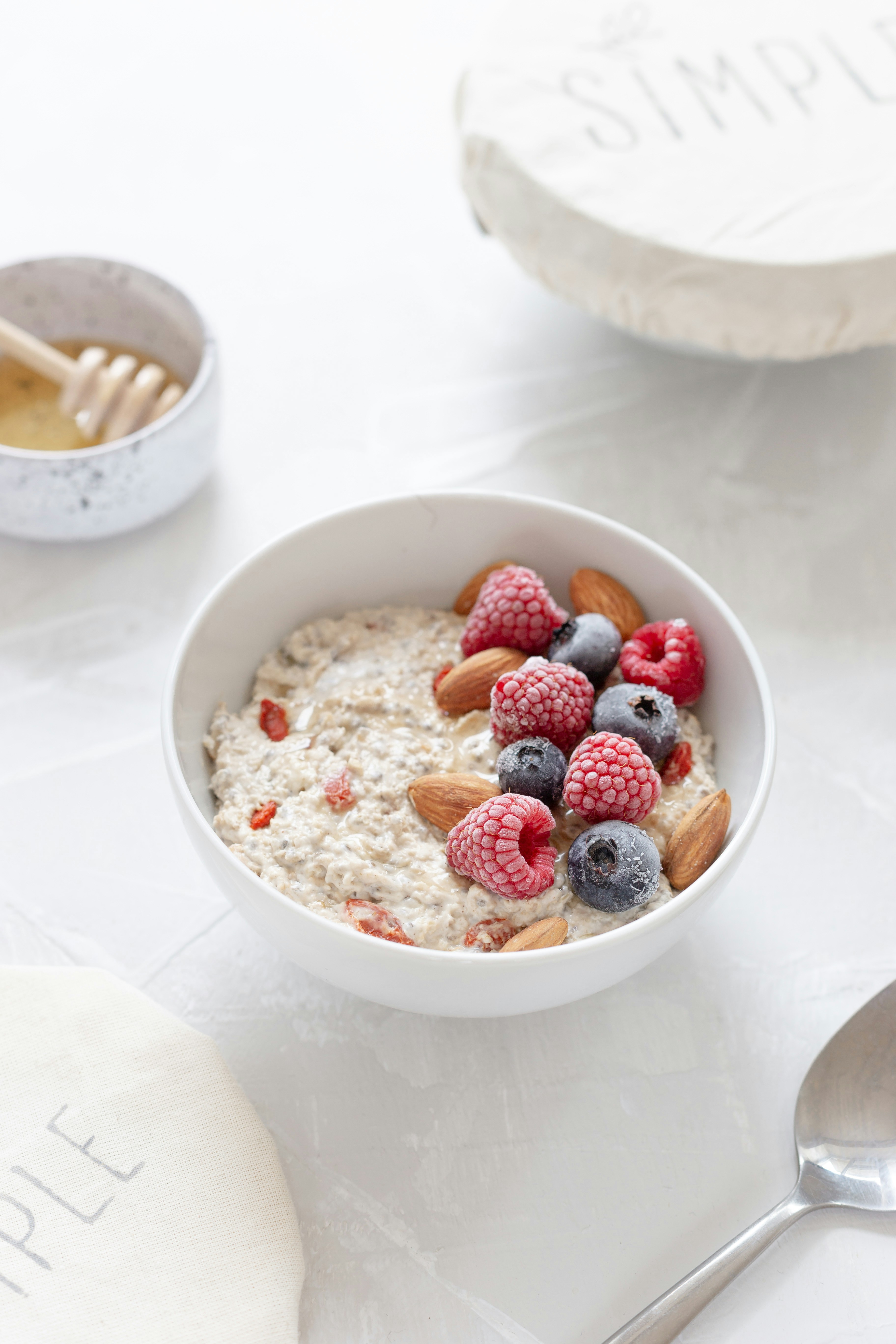
Mix in chia seeds, flaxseeds, or sliced almonds. These add texture, omega-3s, and extra fiber to boost your heart and gut health.
3. Include Colorful Produce
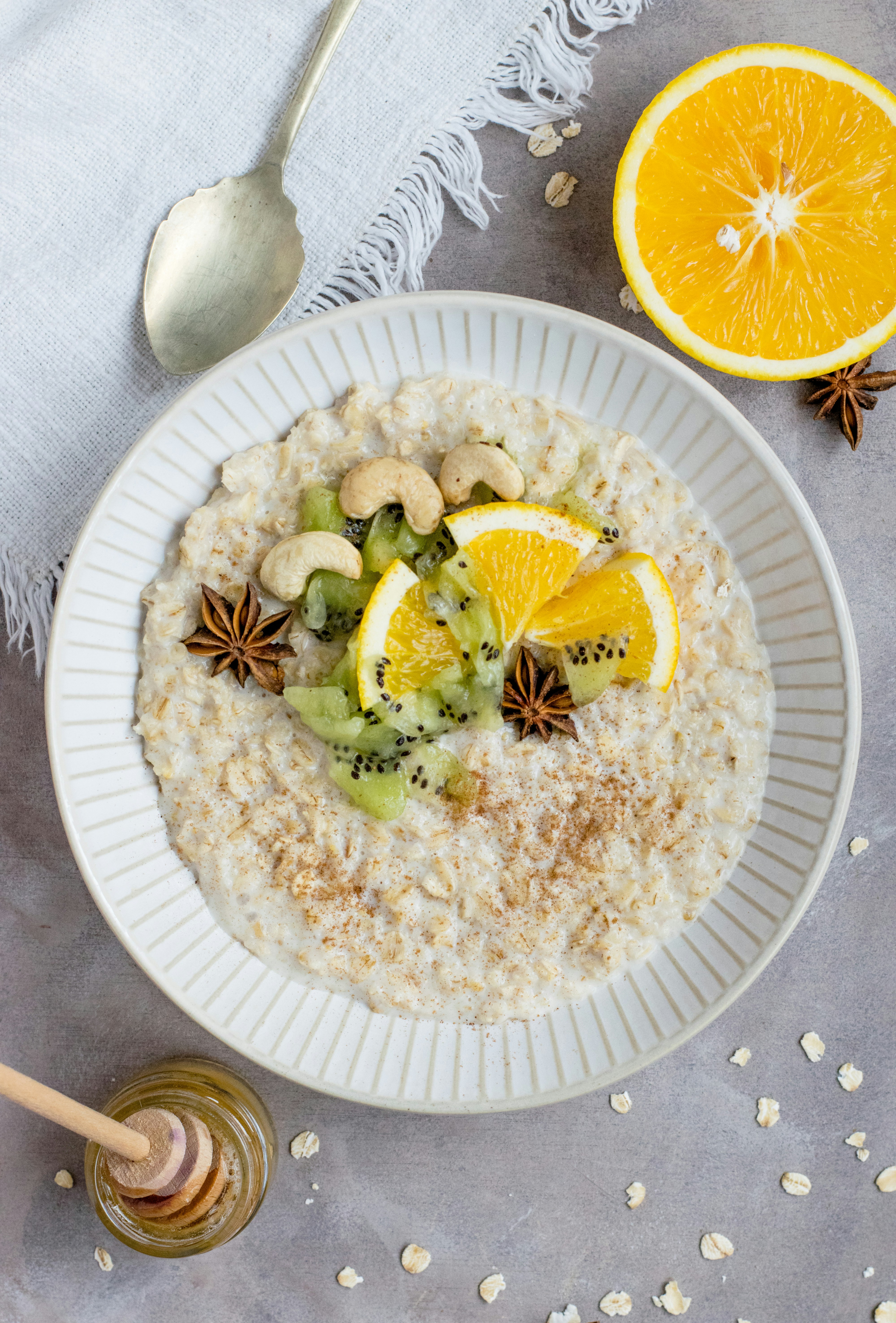
Add fresh fruit like berries, apples, or bananas for vitamins, antioxidants, and natural sweetness.
4. Keep Portions Balanced
A typical serving of cooked oats (½ to ¾ cup dry) is plenty. The goal is balance, not restriction, so round out your day with other whole foods like vegetables, lean protein, and whole grains.
5. Make Oats Part of a Diverse Week
Think of oatmeal as one healthy breakfast option among many. Rotate it with smoothies, eggs, or Greek yogurt parfaits to keep your meals interesting and nutritionally complete.
What Dietitians Recommend Instead
At Berry Street, our approach to weight loss focuses on consistency, balance, and metabolic support, not calorie extremes. Here’s what that looks like:
Eat every 3–5 hours to support stable blood sugar.
Include protein and fiber at every meal to reduce cravings.
Hydrate well to prevent fatigue that may be mistaken for hunger.
Move regularly, focusing on strength training for muscle preservation.
“When you eat enough and eat well, your body works with you, not against you,” says Jessica Kelly, MS, RDN, LDN.
Oats Can Be Part of the Plan - But Never the Whole Plan
The oatmeal diet may sound appealing for quick weight loss, but restrictive plans rarely lead to lasting results. Oats are an excellent ingredient, but they’re just one part of a bigger nutrition picture.
The best diet is one that includes variety, satisfaction, and sustainability. If you love oatmeal, keep it…but pair it with the nutrients that your body needs to thrive.
The Registered Dietitians at Berry Street specialize in helping you create balanced plans that support real health - not just short-term fixes.
Book your personalized nutrition consultation today!
Frequently Asked Questions
Is oatmeal good for weight loss?
Yes, oatmeal can support weight loss when it’s part of a balanced, nutrient-rich diet. Oats are high in soluble fiber, which helps promote fullness and steady blood sugar levels, reducing the likelihood of overeating later in the day. However, relying on oatmeal alone can lead to nutrient gaps and fatigue over time. For sustainable results, pair oatmeal with protein, fruits, and healthy fats as part of a varied meal plan.
Can I eat oatmeal every day?
Absolutely! Eating oatmeal daily is perfectly healthy when you vary your toppings and pair it with complementary nutrients. Adding ingredients like berries, nuts, seeds, or Greek yogurt ensures you’re getting protein, antioxidants, and healthy fats along with the fiber in oats. The key is variety. Oatmeal can be a daily staple, but your overall diet should still include other whole grains, vegetables, and proteins for complete nutrition.
How much oatmeal should I eat per day?
Most adults do well with ½ to 1 cup of dry oats per day, depending on their calorie needs, activity level, and hunger. That portion provides a good balance of fiber and complex carbohydrates to fuel your body without overdoing it. Remember, what you add to your oats matters. Choose wholesome mix-ins like milk or yogurt, fruit, and nuts instead of sugary toppings to keep your meal balanced and satisfying.
What’s healthier than the oatmeal diet?
A healthier and more sustainable approach than the strict “oatmeal diet” is a balanced meal plan that includes lean proteins, a variety of whole grains, fruits, vegetables, and healthy fats. This combination provides all the nutrients your body needs for energy, metabolism, and overall well-being. Oatmeal can absolutely be part of that plan - it just shouldn’t be the only focus.
What’s the best way to make oatmeal more filling?
The best way to make oatmeal more satisfying is to add protein and healthy fats. Mix in Greek yogurt, milk, or eggs for protein, and top your bowl with nut butter, chia seeds, or flaxseeds for long-lasting fullness. These ingredients slow digestion, stabilize blood sugar, and keep you energized throughout the morning. You can also add fiber-rich fruits like berries or apples for extra flavor and nutrients, turning your oatmeal into a complete, balanced meal.