Author:
Clinically Reviewed By:
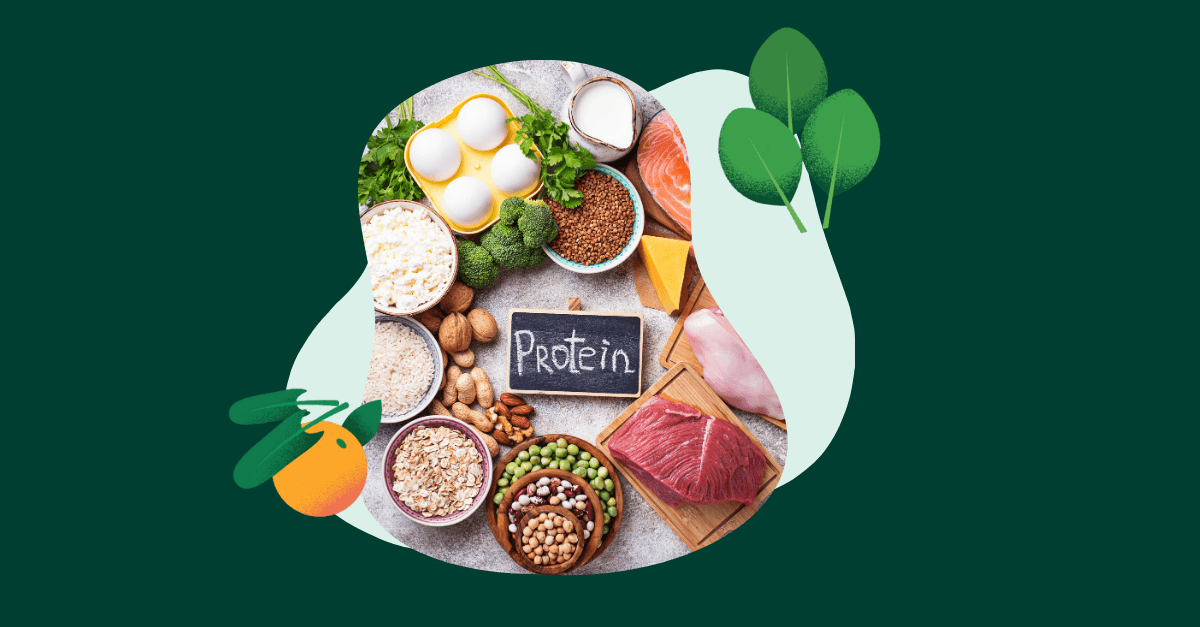
When we think about protein, most of us picture the same everyday staples, like grilled chicken, a protein shake, maybe eggs or turkey. These foods can absolutely be part of a healthy routine, but if they’re the only protein sources in your day, you could be missing out on some very important benefits.
"Your body thrives on variety. Just like your gut needs different fibers, your metabolism benefits from different protein sources," says Jessica Kelly, MS, RDN, LDN.
Eating a wider range of proteins can lead to better digestion, balance your gut microbiome, improve your nutrient absorption, and may even reduce inflammation over time. Plus, it’s a great way to make your meals more interesting and satisfying, without relying on supplements or overly processed options.
In this dietitian-approved guide, we’ll break down why protein diversity matters, the science behind it, and how to incorporate more protein into your day using everyday foods like lentils, tofu, fish, mushrooms, eggs, seeds, and more.

The Science of Personalized Nutrition and Protein
Protein does a whole lot more than build muscle. It helps regulate hormones, stabilize blood sugar, support detox pathways, and repair tissues. But emerging research suggests that the type of protein you consume matters just as much as the amount.
Incorporating more plant-based proteins can reduce chronic disease risk, lower inflammation, and support your gut health. Meanwhile, animal proteins remain valuable for their amino acid completeness, B12, iron, and zinc.
"Different types of proteins offer different benefits. You don’t need to be vegan to be healthy—you just need to vary your sources," says Bridget Isaacs, MS, RDN, LDN.

Metabolic Individuality, Microbiome Health, and Protein
Not all proteins work the same for everybody. How you digest, absorb, and benefit from protein depends on a mix of different personal factors like your genetics, gut microbiome, hormone levels, life stage, and any health conditions that you might be managing.
For example, if you have PCOS, lean fish or legumes may help your metabolism better than meats that are high in saturated fat. If you’re perimenopausal, your body might need more high-leucine proteins, like eggs, chicken, or Greek yogurt, to help maintain your muscle mass. And if you’re dealing with IBS, eggs might feel gentler than beans.
Your gut bacteria also love protein variety. Different protein sources help feed different microbial species, especially when they are paired with fiber-rich foods like leafy greens, lentils, or whole grains. A diverse, plant-forward protein intake (think lentils, tofu, fish, seeds) has been shown to improve gut health, improve microbial diversity, and reduce inflammation in the digestive tract.
So while there’s no single “best” protein for everyone, there is a best-for-you approach, and it often starts with exploring new foods, paying attention to how you feel, and building variety over time.
The 5 Pillars of Protein Diversification
Protein diversity is all about giving your body the full range of nutrients, digestive support, and metabolic benefits that it needs to really thrive. Swapping in different protein sources throughout the week can improve your energy levels, support your hormones, keep your gut happy, and even help you save money. Here’s what to keep in mind as you start to build a more flexible, balanced protein plan.
1. Amino Acid Coverage
Not all proteins are created equal when it comes to amino acid content. Animal-based proteins like eggs, fish, and dairy are considered “complete” proteins, meaning they contain all nine essential amino acids. Most plant-based proteins, on the other hand, are “incomplete,” but that doesn’t mean they’re less valuable. Pairing complementary foods, like lentils with rice or hummus with whole grain toast, can help you meet your amino acid needs in a simple, but very satisfying way.
2. Digestive Compatibility
Your gut’s response to protein can vary depending on the source, timing, and even your stress levels. Rotating your proteins can reduce bloating, increase nutrient absorption, and make your meals feel more comfortable. For example, eggs or yogurt can be a gentle, quick option in the morning, while tempeh or tofu may feel lighter at dinner. Lentils or chickpeas add fiber and fullness that keep you satisfied without weighing you down.
If digestion is tricky for you, our guide to gut health and digestion offers more support.
3. Hormonal and Inflammatory Impact
Certain proteins offer extra benefits for hormone health and inflammation. Fatty fish, legumes, and soy have anti-inflammatory properties that can help regulate your hormones, especially in people with estrogen-sensitive conditions like PCOS or endometriosis. On the flip side, ultra-processed meat alternatives often contain additives, seed oils, or high sodium levels that may not work as well for sensitive systems.
Are you curious about the connection between food and hormone balance? Read more on seed cycling and hormone health.

4. Blood Sugar and Satiety
The type of protein you choose affects how full you feel and how steady your energy stays throughout the day. Slower-digesting proteins like beans, lentils, and Greek yogurt help smooth out blood sugar spikes and dips, especially when paired with healthy fats and fiber-rich carbs like veggies or whole grains. This combo can also lead to better focus, fewer cravings, and more stable moods throughout the day.
5. Sustainability and Budget
Eating a variety of proteins doesn’t have to be expensive or hard on the planet. Affordable options like canned fish, tempeh, and dry legumes are nutrient-dense, shelf-stable, and better for both your budget and environmental impact than relying heavily on meat. A well-rounded, protein-diverse plan supports your health and your values.
Looking for practical ways to stock your kitchen? Explore our Healthy Pantry guide.
Protein Variety: What to Include and Why
Here are our top dietitian-recommended protein sources and what they offer, not just for muscle building, but for metabolic health, digestion, and hormone balance.
Eggs
Eggs are a powerhouse of nutrition. Eggs are rich in B12, choline (critical for brain development and liver function), and lutein for eye health. They’re highly bioavailable, meaning your body can use the protein efficiently. Because they’re quick to cook and easy to tolerate, they’re a staple for busy mornings or recovery meals.
Greek Yogurt and Kefir
These cultured dairy products provide protein, calcium, and gut-friendly probiotics. They support digestion, hormone regulation, and bone health. Opt for unsweetened, full-fat versions for improved satiety and blood sugar balance. Add seeds, berries, or flax for extra fiber and phytonutrients.
Lentils, Beans, and Chickpeas
These are rich in fiber, folate, iron, and resistant starch. These proteins are a cornerstone of the Blue Zone diets and promote a healthy gut microbiome. They’re also budget-friendly and shelf-stable. Blend into soups, mash into patties, or add to grain bowls to increase fullness and reduce blood sugar spikes.

Tofu and Tempeh
These are excellent sources of plant protein and iron, with phytoestrogens (isoflavones) that may support hormone balance in menopause or PCOS. Tempeh is fermented, making it easier to digest and beneficial for gut bacteria. Use in stir-fries, salads, or sheet pan meals.
Fish (especially salmon, sardines, and mackerel)
High in protein and omega-3 fatty acids like EPA and DHA, which are essential for brain function, inflammation control, and heart health. Canned options are affordable and convenient. Bonus: small fish like sardines include bones for extra calcium.
Mushrooms
Technically not a protein powerhouse, but mushrooms are still incredibly beneficial. Mushrooms contain beta-glucans and other compounds that modulate immune response and gut function. Try portobellos as a meat swap, or shiitake for their umami and medicinal properties. Combine with beans or grains for an added protein boost.
Seeds and Nuts
Packed with healthy fats, magnesium, and moderate protein. These include almonds, walnuts, chia, flax, pumpkin seeds, and hemp hearts. Best as a complement to other proteins (e.g., almond butter on toast or tahini in a lentil bowl) rather than a stand-alone source. Flax and chia also support hormone detox through fiber and lignans.
Less-Processed Alternate Meats
Plant-based proteins like seitan, pea protein patties, or lentil-based sausages can be useful tools when they are minimally processed. Look for versions made from real food ingredients, without excessive sodium, gums, or artificial flavors. Avoid products with long ingredient lists or synthetic additives. Rotate with whole-food proteins rather than using them daily.
Cottage Cheese, Ricotta, and Skyr
These high-protein dairy options are great for snacks, breakfast bowls, or savory meals. They’re especially helpful for anyone who needs soft textures or is looking for convenient, complete protein without the hassle of cooking. Pair with fruit, tomatoes, or olive oil and herbs for a delicious treat.
Shellfish (shrimp, scallops, mussels)
Often overlooked, shellfish are rich in zinc, selenium, B12, and high-quality protein. Mussels and clams are also among the most sustainable animal proteins. You can add these to pastas, stews, or quick sautés for a nutrient-dense boost.
"Diversity is where the magic happens. You don’t need to eat everything all the time, but rotating your proteins builds nutrient resilience, supports your microbiome, and prevents dietary boredom," says Bridget Isaacs, MS, RDN, LDN.
Are you Ready to Build a Better Protein Strategy?
Protein is essential, but where you get it makes a big difference. Diversifying your protein sources can help you absorb more nutrients, support your gut microbiome, balance hormones, and reduce long-term health risks. Whether you're adding lentils to your stew, choosing fish once a week, or finally giving tofu a try, small shifts can lead to real improvements in how you feel.
If you’re not sure where to start (or you’re tired of second-guessing your meals) our registered dietitians are here to help. At Berry Street, we offer personalized, evidence-based nutrition care that fits your body, your lifestyle, and your goals. Most sessions are covered by insurance, and all of them are grounded in compassion and real-life strategies.
Book a session with a Berry Street dietitian today and get support that goes beyond the scoop of protein powder…so you can fuel your health with confidence.

Frequently Asked Questions
Do I need to eat complete protein at every meal?
Not necessarily. If you're eating a variety of proteins across the day (grains, legumes, eggs, dairy, fish), your body can combine amino acids over time. It’s more important to focus on diversity and balance than perfection at every bite.
Are plant proteins harder to digest?
Some are, especially beans and lentils, for people with sensitive digestion. Cooking thoroughly, soaking, sprouting, or choosing fermented options like tempeh can improve tolerance.
Can I eat too much protein?
Yes. excess protein may stress the kidneys or displace other nutrients. A dietitian can help tailor your intake. Read more about if you are getting enough protein here.
Is tofu safe to eat regularly?
Yes. Current research shows moderate soy intake is safe and even beneficial for most people, including those with hormone-related conditions. Opt for organic, minimally processed soy like tofu, edamame, or tempeh.
What are the best proteins for breakfast?
Greek yogurt, eggs, protein-rich smoothies, or tofu scrambles are some of the best proteins for breakfast. Adding seeds or nut butters to oatmeal can also boost your morning protein.
How much protein do I really need?
Most adults benefit from anywhere from 1.2 to 2.0 grams per kilogram of body weight, depending on your age, activity, and goals. A Berry Street dietitian can help personalize your target.