
Type 2 diabetes often develops slowly, sometimes over years, through small changes in how the body manages blood sugar and insulin. The encouraging news is that it’s largely preventable. Studies show that everyday lifestyle choices, like what you eat, how you move, and how well you sleep, can have a greater impact on the prevention of Type 2 diabetes than genetics alone.
“Type 2 diabetes isn’t just about blood sugar—it’s about how your entire metabolism works,” says Jessica Kelly, MS, RDN, LDN. “With the right nutrition and daily habits, you can lower your risk and even reverse early signs of insulin resistance.”

Understanding Insulin Resistance
To understand prevention, it helps to start with what happens inside the body. Insulin is a hormone that acts like a key, unlocking your cells so glucose from food can be used for energy. Over time, factors like high-sugar diets, lack of movement, poor sleep, and chronic stress can cause your cells to stop responding properly. This is known as insulin resistance.
When cells resist insulin’s signal, sugar lingers in the bloodstream instead of entering cells. The pancreas works harder to release more insulin to compensate. Over time, this imbalance can lead to prediabetes and eventually, Type 2 diabetes if left unaddressed.
“Think of insulin as your body’s key to energy,” explains Bridget Isaacs, MS, RD. “When your cells stop recognizing that key, glucose builds up in your bloodstream—and your energy levels crash.”

Eat for Blood Sugar Balance
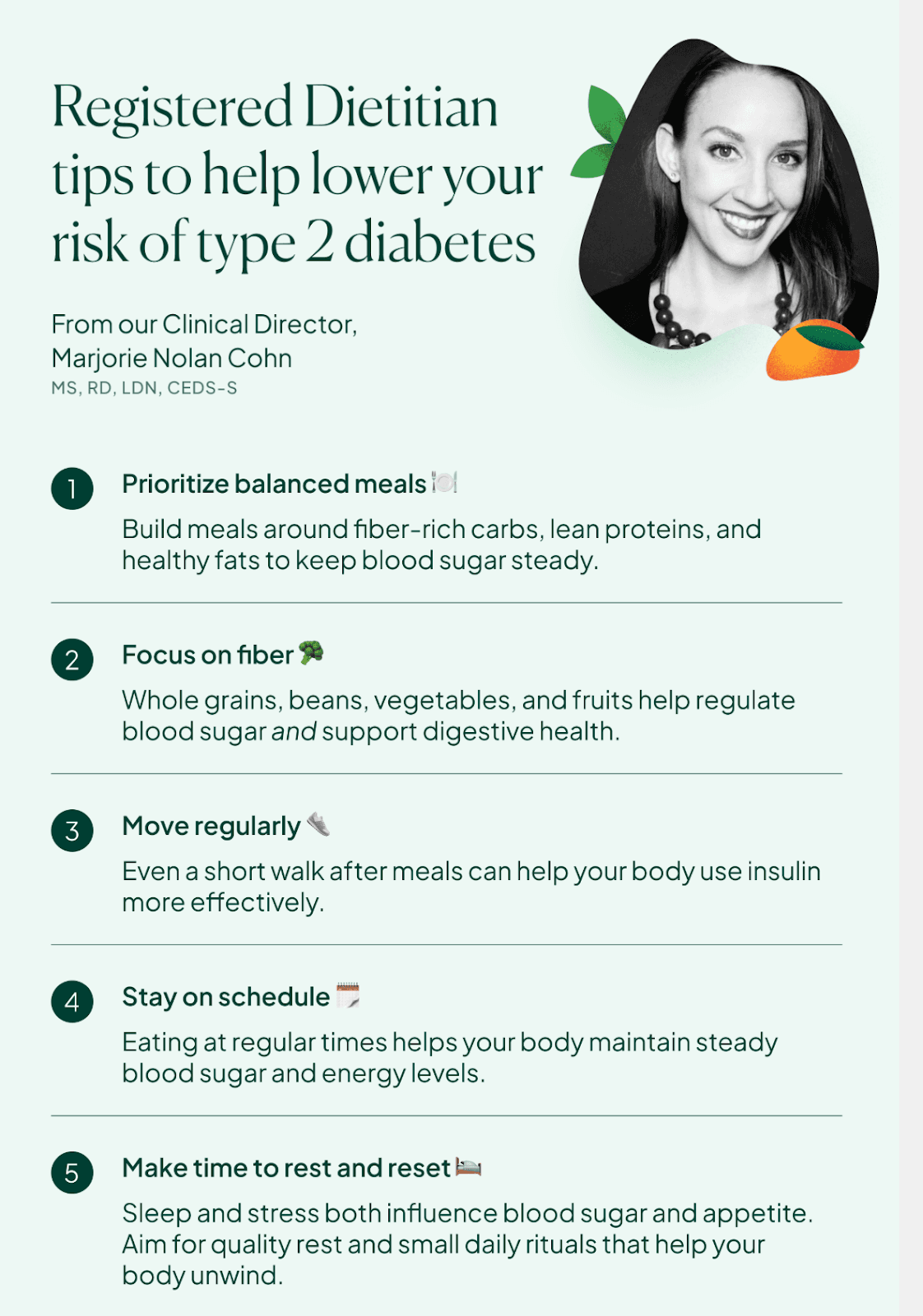
A balanced plate is one of the most powerful tools for diabetes prevention. When you pair carbohydrates with protein, fiber, and healthy fats, your body digests food more slowly. This helps prevent sudden spikes in blood sugar and gives your metabolism a steady, sustainable rhythm.
Jessica Kelly, MS, RDN, LDN. recommends filling half your plate with colorful vegetables that are rich in fiber and low in starch. Add a portion of lean protein (like eggs, fish, tofu, or chicken) and choose complex carbohydrates such as quinoa, beans, or oats that release energy gradually. Finally, include healthy fats from olive oil, avocado, or nuts to help you feel satisfied longer.
“Fiber and protein are your best tools for appetite control and blood sugar stability,” she notes. “They slow glucose release and help your body utilize insulin efficiently.”
Choose Carbs That Work for You
Carbohydrates are often misunderstood. You don’t need to avoid them, you just need to choose the right ones. Whole, fiber-rich carbs help your body maintain balanced energy without overloading your blood sugar.
Instead of refined grains or sugary foods, focus on options like oats, lentil pasta, quinoa, and sweet potatoes. Replacing juice with whole fruit adds fiber that slows the absorption of natural sugars and supports digestion. As Jessica Kelly puts it, “Carbs can absolutely be part of a healthy plan. It’s all about balance, portion, and what you pair them with.”

Move Your Body Consistently
Movement is one of the best ways to improve how your body uses insulin. Even light, consistent activity can make a major difference in your blood sugar control. Walking for just ten minutes after meals can help lower post-meal blood sugar levels, while building muscle through resistance training 1-2 times per week can help boost your metabolism long-term.
“Muscle tissue acts like a glucose sponge,” says Bridget Isaacs, MS, RD. “The more lean muscle you have, the better your blood sugar control.” You don’t have to commit to hours in the gym—regular movement throughout your day counts. Stretch between meetings, stand up often, and aim for any kind of activity that keeps your body in motion.
Manage Your Stress and Cortisol Levels
Chronic stress raises your cortisol, which is a hormone that triggers higher blood sugar and encourages insulin resistance over time. Managing stress is about more than mental health…it’s also a big part of metabolic balance.
Simple daily habits like deep breathing, journaling, or short mindfulness breaks can help lower your cortisol levels. Getting seven to nine hours of sleep each night is also very important, since poor sleep increases stress hormones and disrupts your body’s appetite regulation.
“Nutrition and stress management work hand in hand,” says Jessica Kelly, MS, RDN, LDN. “Even a few minutes of calm each day can help your blood sugar stay more stable.”
Focus on Sleep and Circadian Rhythm
Sleep is where recovery and regulation happen. Without enough rest, your body becomes more resistant to insulin, appetite hormones become unbalanced, and cravings for high-sugar foods increase. Research shows that consistently sleeping fewer than six hours a night can increase your risk of Type 2 diabetes by up to 30%.
To support your body’s natural rhythm, try to go to bed and wake up at the same time each day…even on weekends. Avoid caffeine after the afternoon and keep your bedroom cool, dark, and screen-free. “Sleep plays a big role in blood sugar regulation and recovery,” says Bridget Isaacs. “Rest can be just as important as what you eat.”
Build a Gut That Supports Metabolic Health
Did you know that your gut microbiome has a direct relationship with your metabolism. When your gut bacteria are balanced, insulin sensitivity improves and inflammation decreases. That’s why gut health is an important, and often overlooked, part of diabetes prevention.
Regularly including fermented foods like yogurt, kefir, kimchi or sauerkraut boosts your healthy gut bacteria. Eating a variety of plant-based foods provides prebiotic fiber to feed those bacteria, while limiting ultra-processed foods and artificial sweeteners can help prevent any imbalances. “When your gut and metabolism are in sync, energy feels more consistent and digestion becomes easier,” says Bridget Isaacs.

Add Protein to Every Meal
Protein helps balance your blood sugar by slowing digestion and encouraging steady energy. It also builds lean muscle, which naturally improves how your body uses glucose.
Jessica Kelly suggests including a source of protein at every meal - about 20 to 30 grams if possible. That could mean eggs at breakfast, chicken or tofu at lunch, and fish or beans at dinner. For snacks, reach for options like Greek yogurt, nuts, or seeds to avoid the quick sugar crashes that refined snacks can cause.
Maintain a Healthy Weight (Without Obsession)
Even a modest weight reduction (about 5 to 7 percent) can dramatically lower your risk of developing diabetes. But the goal shouldn’t be about restriction. It’s about creating balance, nourishing your body, and building habits that actually last for the long-term.
Instead of counting calories, focus on eating whole foods, staying active, and giving yourself some grace. “Healthy weight management is more about rhythm than restriction,” says Bridget Isaacs. “The body thrives when it feels nourished, not deprived.”
Know Your Numbers
Regular lab work helps you track any changes in your metabolic health early on, long before symptoms appear. Talk to your healthcare provider about monitoring your fasting glucose, hemoglobin A1C (your three-month blood sugar average), and your cholesterol levels. Watching these markers helps you stay proactive and gives you the ability to take small steps before larger problems develop.
Your Power to Prevent Diabetes
Preventing Type 2 diabetes isn’t about being perfect—it’s about patterns. Building steady habits around nutrition, sleep, and movement can completely transform how your body manages energy and blood sugar.
“Your daily routine is the most powerful tool you have,” says Jessica Kelly, MS, RDN, LDN. “Small, consistent changes in how you eat and live can improve your metabolic future.”
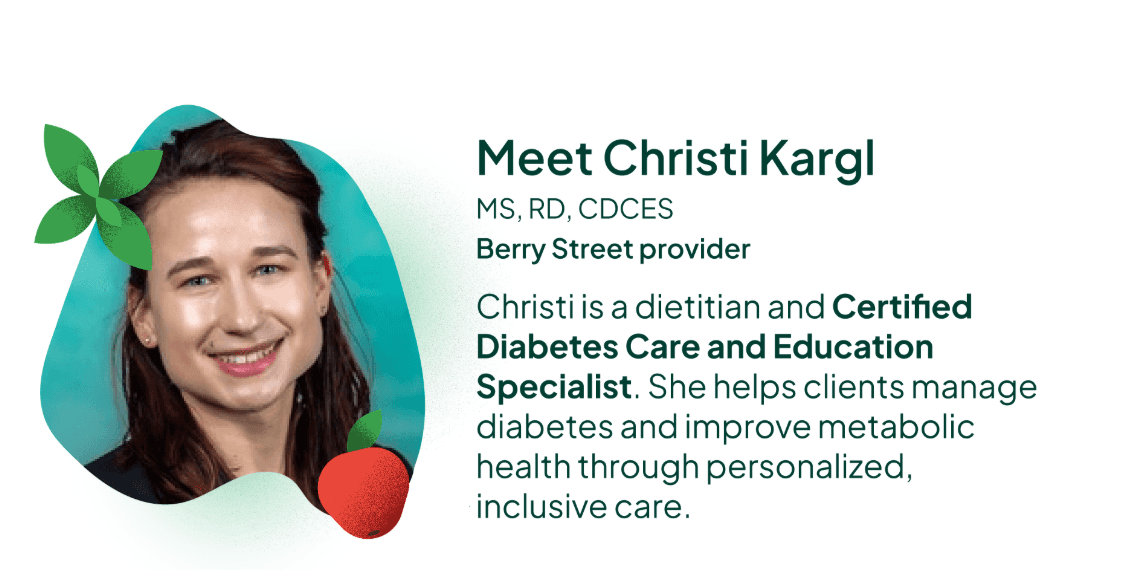
At Berry Street, our Registered Dietitians specialize in helping people create realistic, sustainable plans to improve their blood sugar and metabolic health, without feeling overwhelmed or restricted.
Find out how we can help. Book your personalized nutrition consultation today
Remember
Frequently Asked Questions: Type 2 Diabetes Prevention
How can I prevent Type 2 diabetes naturally?
You can lower your risk of Type 2 diabetes through consistent lifestyle changes that support metabolism, like eating balanced meals, moving your body daily, getting enough sleep, and managing stress. Research shows that 80–90% of cases can be prevented through these habits.
Do I need to stop eating sugar to prevent diabetes completely?
You don’t have to cut out all sugar. Focus on limiting added sugars from processed foods and choosing natural sources like fruit, beans, and oats. These options provide fiber that slows down sugar absorption.
Is fruit bad for blood sugar?
Whole fruits are packed with vitamins, minerals, and fiber, which help regulate how quickly sugar enters your bloodstream. Two to three servings a day can actually support stable blood sugar levels, just limit juices and dried fruits that concentrate sugar.
How does stress affect blood sugar levels?
Chronic stress raises cortisol, a hormone that signals your body to release more glucose. Over time, this can make your cells more resistant to insulin. Practicing breathing exercises, meditation, and getting enough rest can help your blood sugar stay balanced.
Can supplements help prevent Type 2 diabetes?
Certain nutrients, like magnesium and omega-3s, support healthy metabolism, but food should always come first. Supplements may be helpful for some people, but you should consult a Registered Dietitian before starting any new plan.
What’s one simple thing I can do today to lower my diabetes risk?
Start with a short 10-minute walk after your main meals. This simple habit can immediately help your muscles use glucose more efficiently and support better blood sugar balance.