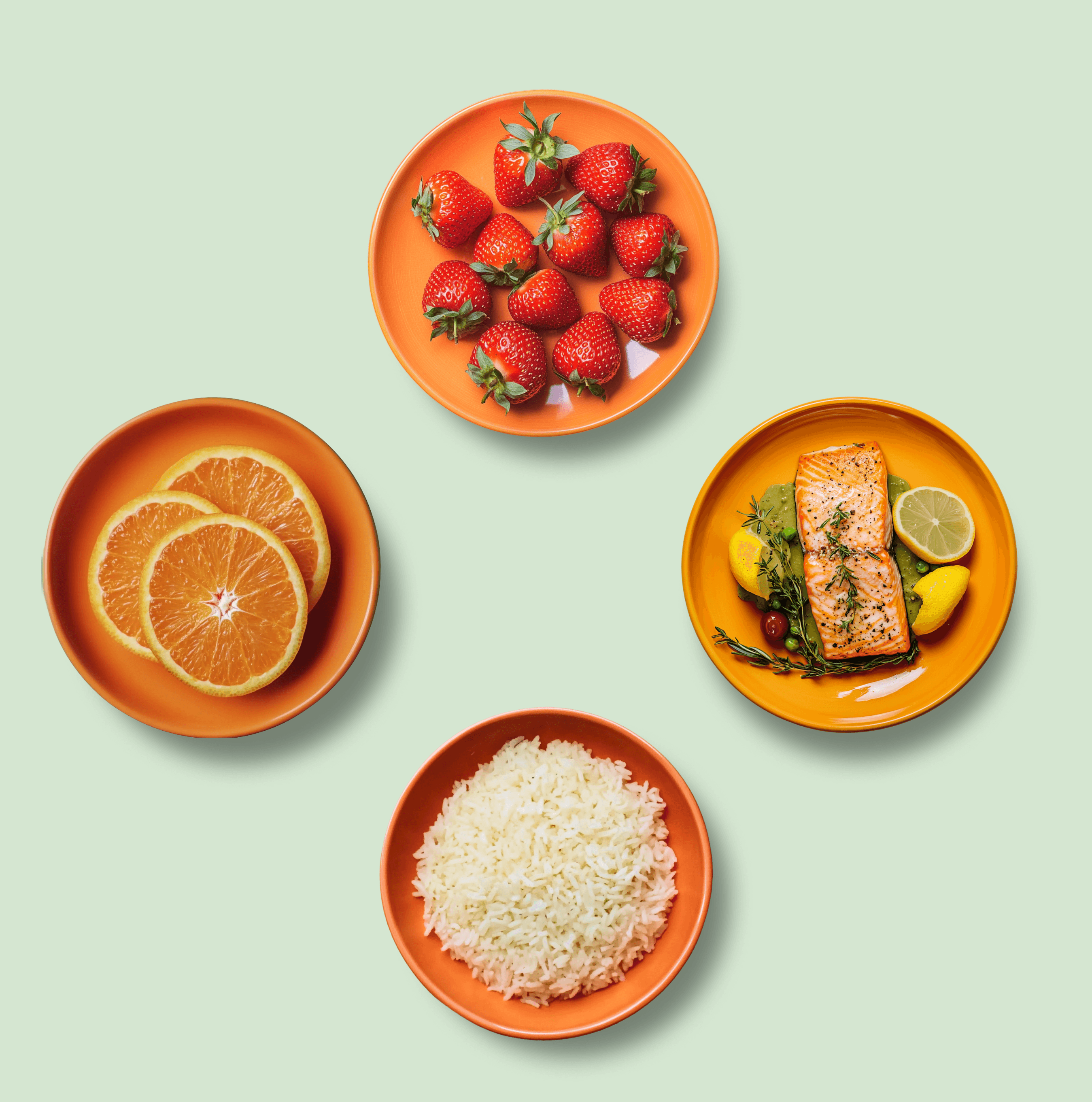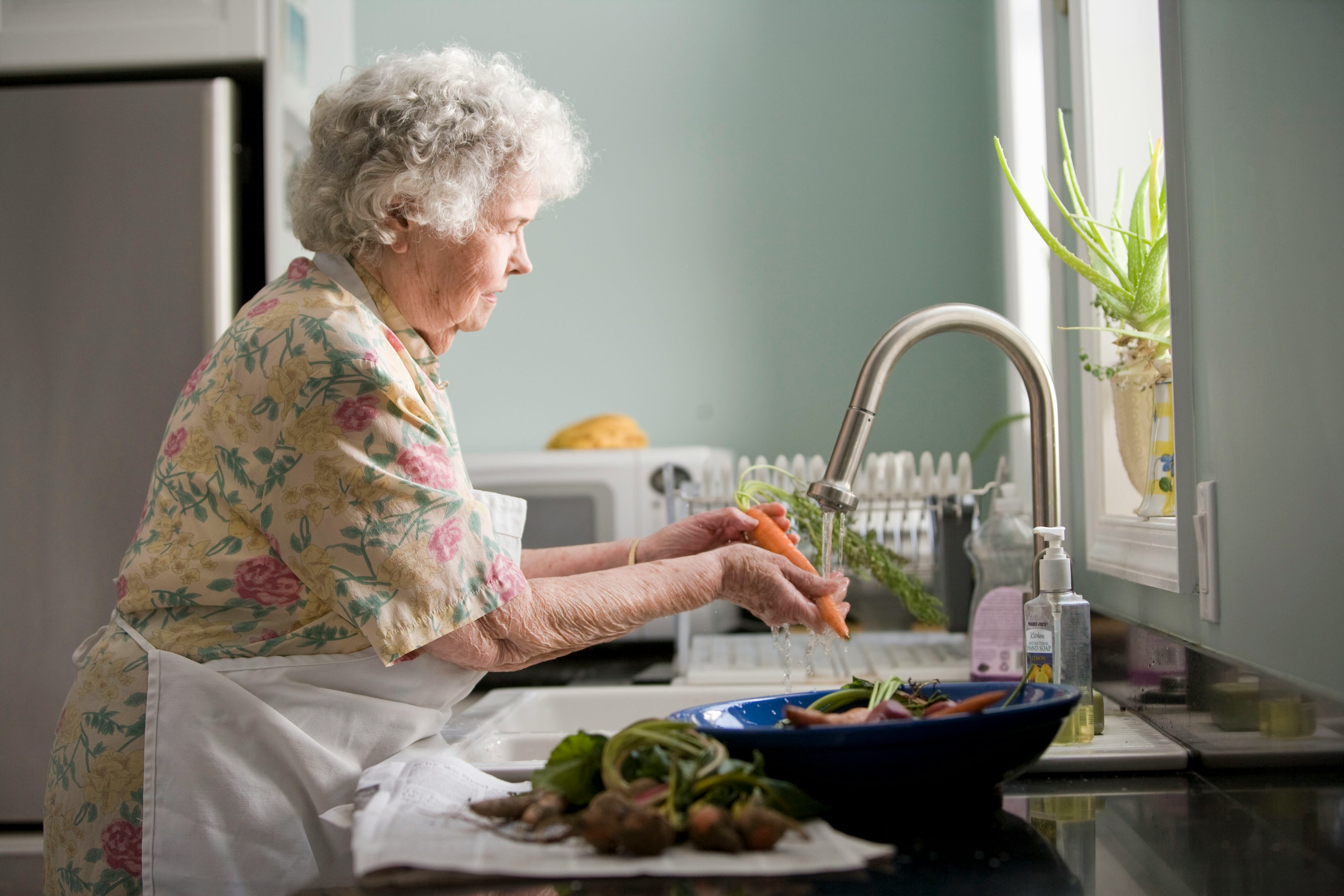
Let’s face it - we’ve all tossed out wilted greens, half-used herbs, or that mystery container in the back of the fridge. But what if reducing food waste wasn’t just good for the planet, but also a smart, nutrient-boosting way to take care of your body?
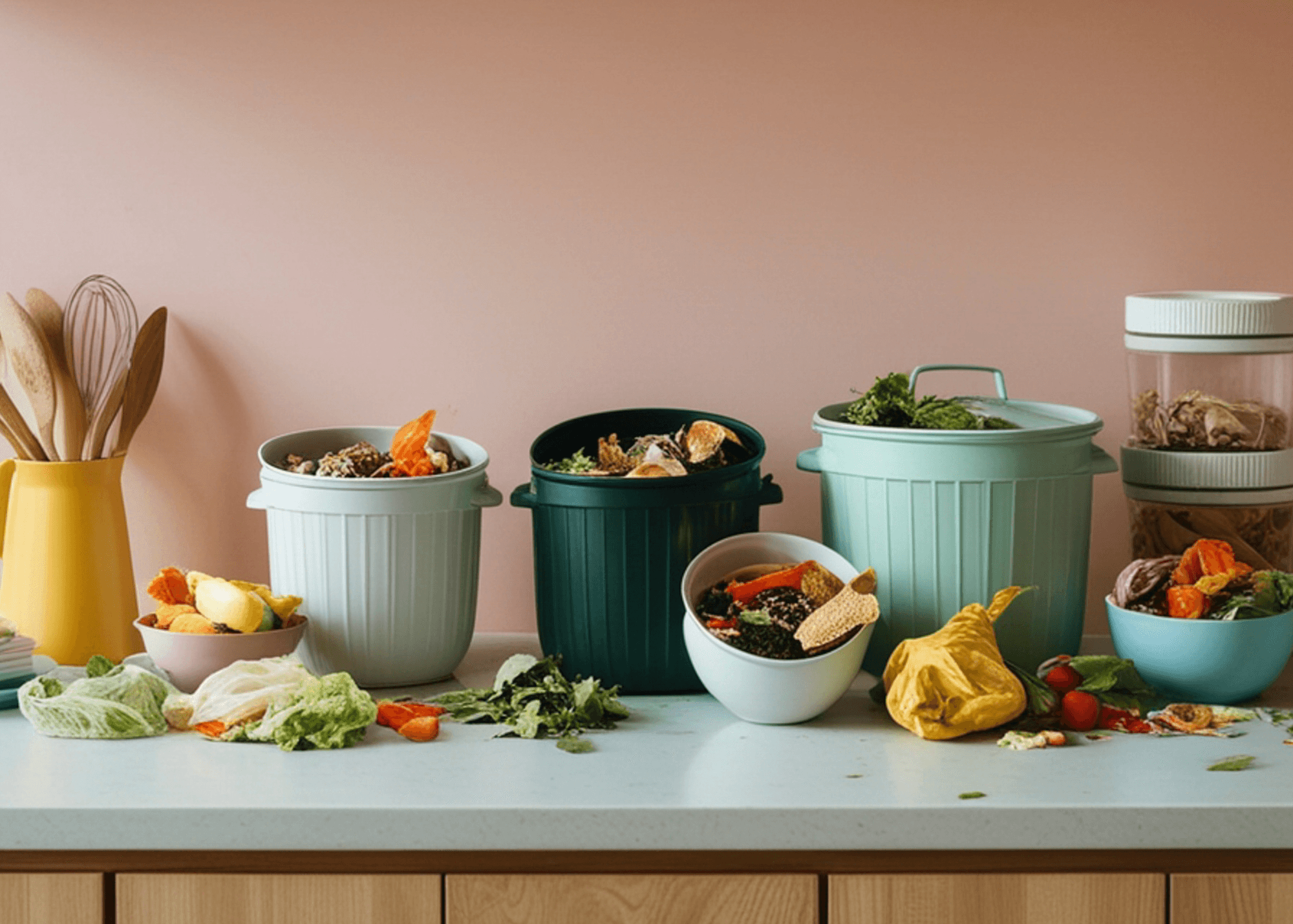
Zero-waste cooking goes beyond composting or saving scraps. It’s a flexible, feel-good approach to making the most of what you already have, whether that’s turning veggie trimmings into gut-friendly broth, giving new life to leftover rice, or using citrus peels for DIY kitchen cleaner. It’s about stretching ingredients, honoring your food, and building habits that support both your health and your budget.
“Zero-waste cooking isn’t about perfection. It’s about creativity and respect—for your food, your budget, and your body,” says Jessica Kelly, MS, RDN, LDN.
In this guide, we’re going to find out how thoughtful kitchen habits can lead to better nutrition, improved digestion, more variety on your plate, and less waste in your trash bin. Backed by dietitian-approved strategies, we’ll show you how to make zero-waste cooking realistic, satisfying, and even fun!

Personalized Nutrition Meets Zero Waste
Zero-waste cooking and personalized nutrition go hand in hand. At their core, both approaches encourage you to slow down, get curious in the kitchen, and make food choices that actually work for you. When you're repurposing ingredients or cooking with what you have, you're naturally nudging yourself toward healthier, more intentional habits, like preparing meals at home, using whole ingredients, and moving away from ultra-processed convenience foods.
This kind of everyday cooking isn’t about restrictions or rules, it’s actually about making the most of what’s right in front of you. Whether you're roasting leftover veggies, tossing together a soup with fridge scraps, or getting creative with citrus peels and stale bread, you're choosing real food, real nutrients, and a real connection to your body’s needs.
People who cook more often at home tend to eat fewer processed fats, less added sugar, and more fiber-rich foods like vegetables, beans, and whole grains. These meals tend to be more nutrient-dense and less inflammatory, which is very important for supporting digestion, hormone balance, energy levels, and long-term health.
Zero-waste cooking also taps into something deeper: satisfaction and creativity. When you build a meal from what's available (like those scraps, leftovers, or forgotten ingredients) you’re using intuition and resourcefulness. That alone can reduce mindless eating and help you feel more present at meals.
“When people cook with scraps, they naturally eat more fiber, prebiotics, and antioxidants—things most of us are missing,” says Bridget Isaacs, MS, RDN, LDN. “It also helps people feel empowered in the kitchen, which is a huge step toward long-term nutrition success.”
And let’s not forget the value: when you use every part of the ingredient, you get more nutrients, more flavor, and more value for your time and money, while also cutting down on waste. It’s not just eco-friendly. It’s gut-friendly, hormone-friendly, and metabolism-smart!

Metabolic Individuality, the Microbiome, and Zero Waste
Your metabolism, gut microbiome, and genetics shape how you respond to food. Cooking from scratch with minimal waste creates opportunities to:
Increase plant diversity (a key driver of microbiome health)
Use nutrient-dense parts of foods often discarded (like carrot tops or citrus peels)
Personalize your cooking to suit digestion, allergies, and taste preferences
For example, things like fermenting or pickling overripe produce can improve probiotic diversity. Reusing bean water (aquafaba) adds plant protein and reduces food waste, while also supporting egg-free diets.
The 5 Pillars of Personalized, Zero-Waste Nutrition
Zero-waste cooking isn’t just about using up what’s in your fridge (although that’s a great bonus!) It’s also about tuning into what your body needs and building habits that support your health, your budget, and the planet. When you cook with intention and creativity, even the scraps and “forgotten” foods can become amazing tools to nourish your body.
These five pillars show how zero-waste principles align beautifully with personalized nutrition. From feeding your gut microbiome with veggie stems and skins to creating fiber-rich meals from pantry staples, this approach is flexible, nutrient-dense, and surprisingly satisfying.
Let’s take a look at how small shifts in how you cook, shop, and repurpose ingredients can have a big impact on your energy, digestion, hormones, and long-term wellbeing.
1. Fiber + Prebiotic Diversity
Zero-waste cooking emphasizes using the whole vegetable, including skins, stems, and tops. These parts are often richer in fiber and phytochemicals than the parts we eat. They nourish your microbiome and support digestion.
2. Budget-Friendly Nutrient Density
Turning scraps into broth, sauces, or smoothies saves money and boosts nutrient intake. Overripe bananas? Perfect for fiber-rich muffins or pancakes. Stale bread? Breadcrumbs, panzanella, or veggie burgers.
3. Customizable Cooking for Metabolic Needs
Pickling low-FODMAP veggies or blending citrus zest into dressings lets you tailor flavor and nutrient content to your digestion or hormonal needs. Citrus peels can also be simmered into teas to help boost your body’s detox abilities.
4. Sustainable Meal Rhythm
Planning meals around what needs to be used up helps prevent skipping meals or leaning on less nutritious options. This supports balanced blood sugar and consistent eating.
5. Food-Mood-Metabolism Connection
Cooking with intention improves your relationship to food, reduces guilt, and builds autonomy. Repurposing scraps can feel surprisingly empowering, reinforcing positive habits.
Favorite Zero-Waste Strategies from Our Dietitians:
Homemade Broth from Scraps
Keep a dedicated freezer bag for ends and peels of carrots, celery leaves, onion skins, mushroom stems, garlic peels, leek greens, and herb stalks. Once full, simmer with water, salt, and bay leaves to create a mineral-rich broth. Use in soups, grains, risotto, or to cook beans for added depth. Add a splash of apple cider vinegar to draw out more minerals from the veggies.

Aquafaba Magic
Aquafaba (the liquid from canned chickpeas) is a secret weapon for plant-based and allergy-friendly cooking. Use 3 tablespoons to replace one egg in baked goods, meringues, pancakes, or homemade vegan mayonnaise. Its resistant starches and prebiotic properties may benefit gut health and glucose regulation.
Pickled Ends and Overripe Produce
Don’t toss limp radishes or wrinkled carrots. Quick-pickle them with vinegar, salt, garlic, and leftover herb stems. Use the brine as a salad dressing or to marinate cooked beans. Even melon rinds and chard stems can be pickled for extra crunch and probiotic benefit.
Citrus Peels for Cleaning and Cooking
Steep peels in vinegar to make a citrus-powered surface spray with natural antimicrobial benefits. Zest and freeze peels before juicing. They can add brightness to dressings, yogurt bowls, or roasted veggies. Dehydrate them for DIY tea blends or infuse in olive oil for an aromatic boost.

Breadcrumbs and Beyond
Turn stale bread or crusty ends into breadcrumbs, croutons, or veggie burger binders. Sourdough works well in savory bakes or as a topping for baked pasta. Mix with nutritional yeast and herbs for a dairy-free Parmesan alternative.
Frozen Herbs and Greens
Do you have some leftover wilting parsley, cilantro, or spinach? Chop and freeze in olive oil in ice cube trays for sautés, stir-fries, or soups. Add frozen basil stems to tomato sauce or curry. Save beet greens, chard stems, and scallion tops for stir-fries or egg dishes.
DIY Veggie Chips
Turn potato skins, kale stems, or carrot peels into chips. Toss with olive oil and sea salt, bake at 375°F until crisp. These crunchy snacks are rich in fiber, minerals, and satisfaction.
Smoothie Saver Packs
Portion and freeze overripe fruit, spinach stems, cucumber ends, and half-used herbs in smoothie packs. Add protein powder, blend with nut milk, and sip a zero-waste breakfast.
Coffee Ground Face Scrub or Plant Fertilizer
Used coffee grounds make a gentle exfoliant when mixed with honey or yogurt. Or sprinkle into soil for nitrogen-rich compost. Citrus peels and tea leaves make great compost starters, too.
"We often throw away things that can be utilized for other purposes. Zero-waste cooking reconnects us with tradition and makes us better eaters," says Jessica Kelly, MS, RDN, LDN.

Nourish Your Body, Respect Your Ingredients, and Feel Empowered
Zero-waste cooking is all about reclaiming your relationship with food, while being sustainable at the same time. It’s about transforming overlooked scraps into healing broths, turning leftovers into something satisfying, and using what you have to support your gut, hormones, and long-term health.
When you stop seeing scraps as waste and start seeing them as opportunity, your kitchen becomes an amazing place of creativity and care…not just for the planet, but for your body as well. Meals become more nutrient-rich, more flavorful, and more attuned to what your health truly needs.
And the best part? You don’t have to figure it out alone.
At Berry Street, our registered dietitians are here to help you build realistic, sustainable habits that work for your life. Whether you want to reduce waste, improve digestion, balance your hormones, or simply feel better in your body, we’re here with science-backed support and a personalized approach that meets you where you are.
Book a session with a Berry Street dietitian today and start building a way of eating that nourishes you - and the world around you.
Frequently Asked Questions (Zero-Waste Cooking)
Is zero-waste cooking more time-consuming?
Not necessarily. Once you set up a system (like saving scraps or freezing herbs), it becomes second nature. It can even save time by reducing extra grocery runs.
Is it safe to eat vegetable peels and tops?
Yes—if they’re washed well and from organic or pesticide-free sources. Many peels (like carrots or potatoes) contain more fiber and antioxidants than the inner flesh.
Can I freeze everything?
You can freeze most fruit, veggie scraps, and even dairy. Use labeled freezer bags and rotate your stock to avoid waste later.
Is aquafaba healthy?
Yes, in moderation. It contains soluble fiber, saponins, and resistant starches that may benefit gut health. It’s also a great egg-free binder.
How does zero-waste cooking support hormone or metabolic health?
Using a variety of plant parts increases phytonutrient and fiber intake, which supports blood sugar control, inflammation reduction, and hormone detoxification, especially via the gut-liver axis.
What if I don’t have time to make broth or pickle things?
Start small. Even using citrus peels for cleaning or freezing overripe fruit for smoothies is a win. Zero-waste cooking is about progress, not perfection.