Key Takeaways
Hormonal contraceptives — particularly combined oral contraceptive pills — are associated with the depletion of several key nutrients, including B vitamins, magnesium, zinc, and antioxidants.
The transition period after stopping the pill can involve irregular cycles, mood changes, acne, and digestive shifts; targeted nutrition can meaningfully support this adjustment.
A food-first approach is the foundation, but supplementation may be appropriate depending on individual bloodwork and symptoms.
Gut health is a priority, as hormonal contraceptives can alter the microbiome, which in turn impacts how your body metabolizes estrogen (the "estrobolome").
Avoid "cleanses" — focus instead on consistent, nourishing eating that gives your body the raw materials to recalibrate naturally.
If you've recently stopped hormonal birth control (or are thinking about it) you may have noticed that the transition isn't always seamless. Irregular cycles, mood fluctuations, changes in your skin or hair, and a general sense of hormonal recalibration are all common experiences in the weeks and months following discontinuation.
You might feel like your body is trying to find its rhythm again, and that’s exactly what’s happening. Your hormones are shifting from a regulated, external source back to your body’s own natural production.
What’s less commonly discussed is the nutritional dimension of this transition. Emerging research suggests that long-term use of combined oral contraceptive pills (COCPs) is associated with altered levels of several important vitamins and minerals. Restoring these nutrients isn't just about filling up a tank. It’s about supporting how your body adjusts post-pill and ensuring your endocrine system has the building blocks it needs to start cycling on its own again.
Think of nutrition during this time as giving your body the support it needs to recalibrate smoothly, rather than leaving it to figure things out on its own.
At Berry Street, we work with many women navigating exactly this transition. This guide will walk you through what the research shows, which nutrients to prioritize, and how to build a post-pill eating strategy that supports hormonal recovery, gut health, and long-term wellbeing.
What Hormonal Contraceptives Do to Your Nutrient Status
A significant body of research, including a comprehensive review published in the European Journal of Contraception and Reproductive Health Care, has documented associations between oral contraceptive use and altered micronutrient levels.
When we talk about "depletion," it doesn't always mean you are in a clinical deficiency state (like scurvy or rickets), but rather that your levels may be lower than optimal for peak hormonal function.
In other words, your body may still be functioning, but it may not feel its best, and that can show up as fatigue, mood changes, or skin concerns.
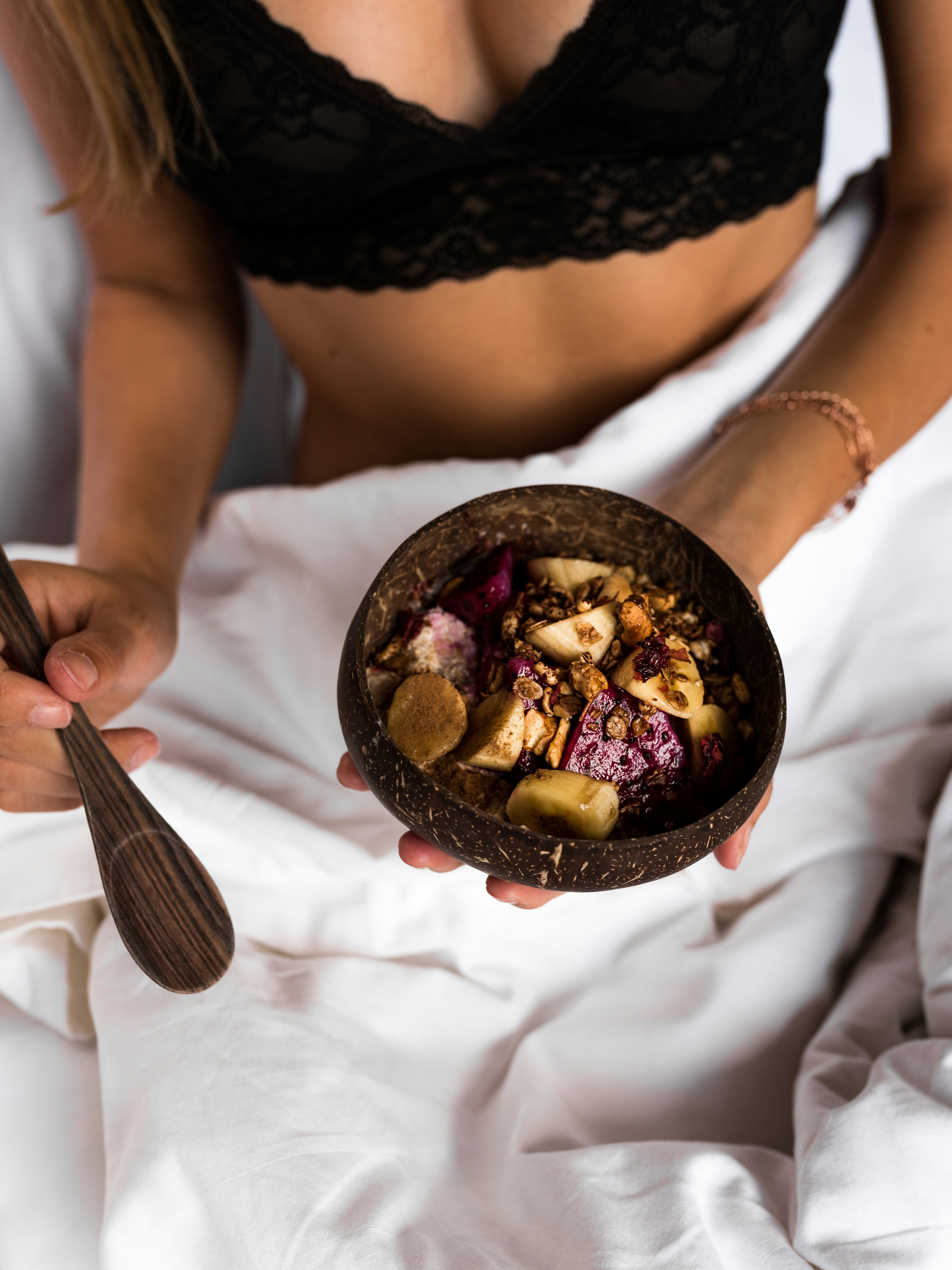
Nutrients commonly altered by hormonal contraceptives:
B Vitamins (B2, B6, B9/Folate, B12): Oral contraceptives appear to reduce levels of several B vitamins. There are particularly consistent associations with lower B6 and folate. These vitamins are critical for mood regulation (they support serotonin and dopamine production), energy metabolism, and nervous system function. Lower levels can contribute to feeling more fatigued, irritable, or mentally foggy during the transition off the pill.
Magnesium: Estrogen-containing contraceptives appear to lower serum magnesium levels. Given magnesium's role in over 300 enzymatic reactions (including cortisol regulation, sleep, and muscle relaxation), if you’ve been feeling more anxious, tense, or having trouble sleeping, magnesium may be an important piece of the puzzle.
Zinc: Several studies have found lower zinc levels in pill users compared to non-users. Zinc matters enormously for skin health (low zinc is a major driver of hormonal acne), immune function, and reproductive hormone balance.
Antioxidants (Vitamins C and E): Combined oral contraceptives appear to reduce circulating levels of these protective antioxidants, potentially increasing oxidative stress within the body.
Coenzyme Q10 (CoQ10): Some research has found reduced CoQ10 levels in long-term pill users. This is a nutrient that is needed for cellular energy production and cardiovascular health.
"When clients come to me after stopping hormonal birth control, the first thing I want to understand is what their diet looks like and whether they have any symptoms that might point to specific nutrient gaps. There's often a lot we can do with food before jumping to a list of supplements." — Jessica Kelly, MS, RDN, LDN
The Gut Microbiome After the Pill
One aspect of post-pill nutrition that doesn't get nearly enough attention is the gut microbiome. Research has shown that hormonal contraceptive use is associated with changes in gut microbial diversity and composition.
Since your gut is deeply connected to your hormones, mood, and immune system, these changes can influence how you feel after stopping the pill.
The gut plays a central role in what’s called the "estrobolome,"the collection of gut bacteria that metabolize and eliminate estrogen. When your gut is supported, your body is better able to regulate estrogen naturally, which can help with symptoms like irregular cycles or mood swings.
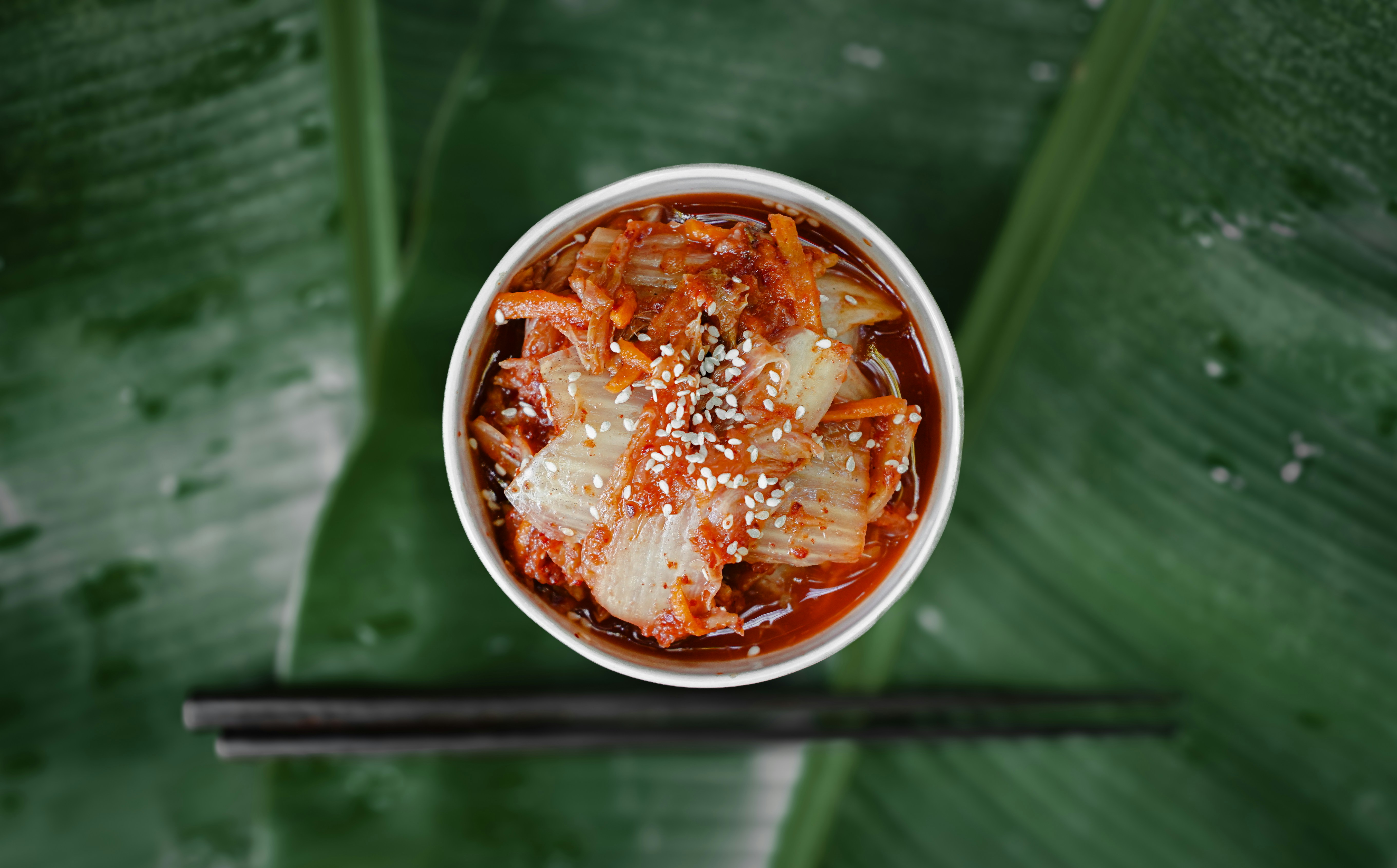
Supporting gut health post-pill:
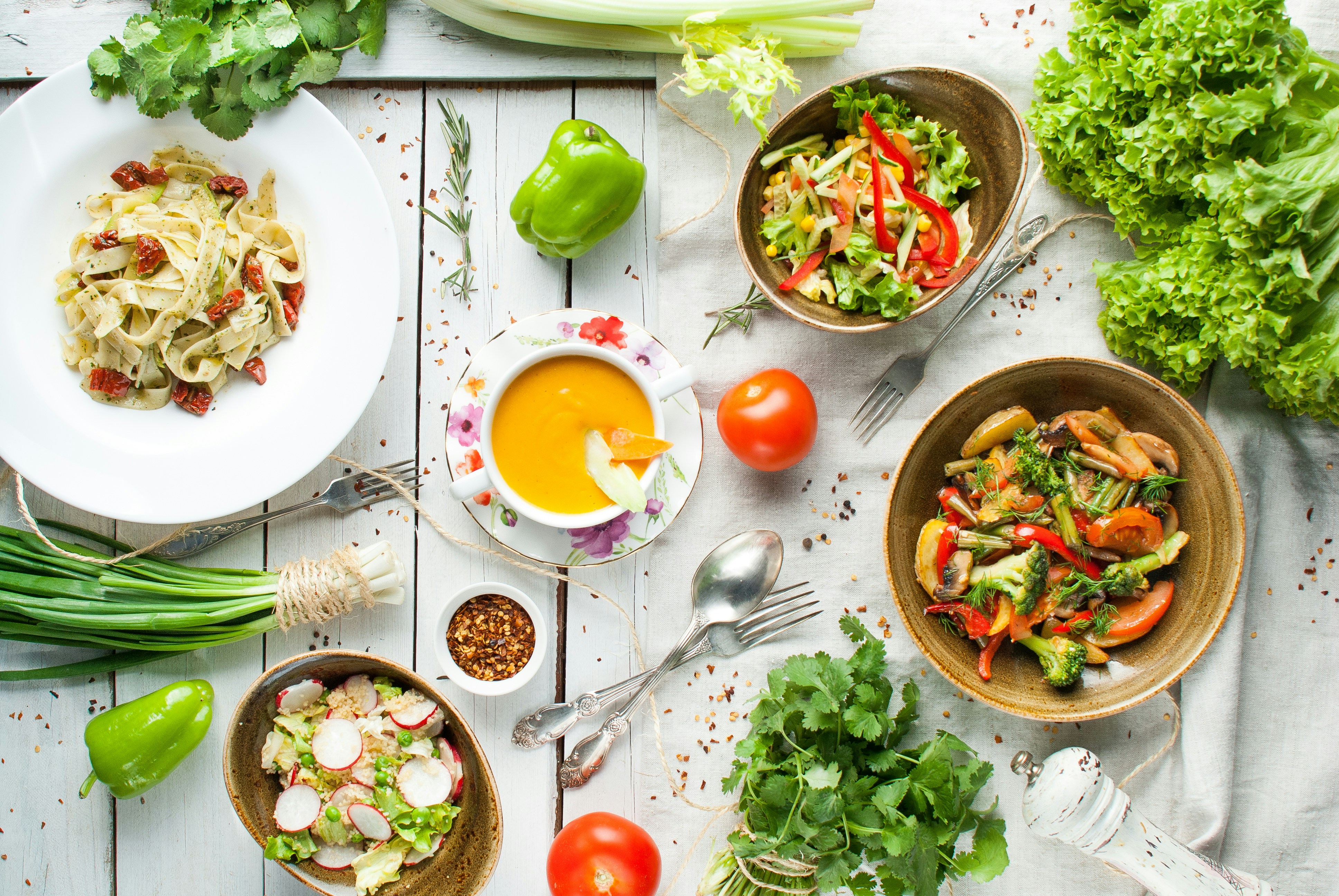
Eat a wide variety of plant foods per week: Each unique plant feeds different microbial strains, creating a more balanced gut environment.
Include fermented foods daily: These foods introduce helpful bacteria that support digestion and hormone balance. Consider adding things like plain yogurt, kefir, kimchi, sauerkraut, or miso.
Prioritize prebiotic-rich foods: These act as fuel for your gut bacteria, helping them thrive. Add in garlic, onion, leeks, asparagus, bananas, and oats.
Stay well-hydrated: The gut needs adequate fluid to move waste (and excess hormones) out of the system.
Read more about supporting your gut in our gut health and digestion guide.
Your Post-Pill Nutrition Priorities
1. Rebuild B Vitamins Through Food
B vitamins are water-soluble, meaning the body doesn't store large reserves; they need to be obtained consistently through your diet. After stopping the pill, prioritizing B-vitamin-rich foods is a smart immediate step to support mood and energy.
B6: Chickpeas, salmon, poultry, bananas, and potatoes with skin.
Folate (B9): Dark leafy greens (spinach, kale, romaine), lentils, black beans, and avocado.
B12: Eggs, meat, fish, and dairy. (If you're plant-based, food vs. supplements becomes a vital conversation as B12 is primarily in animal products).
2. Prioritize Zinc for Skin and Hormonal Balance
If you struggled with acne after stopping the pill, low zinc might be a contributing factor. Research shows that zinc-rich diets can significantly reduce inflammatory acne lesions.
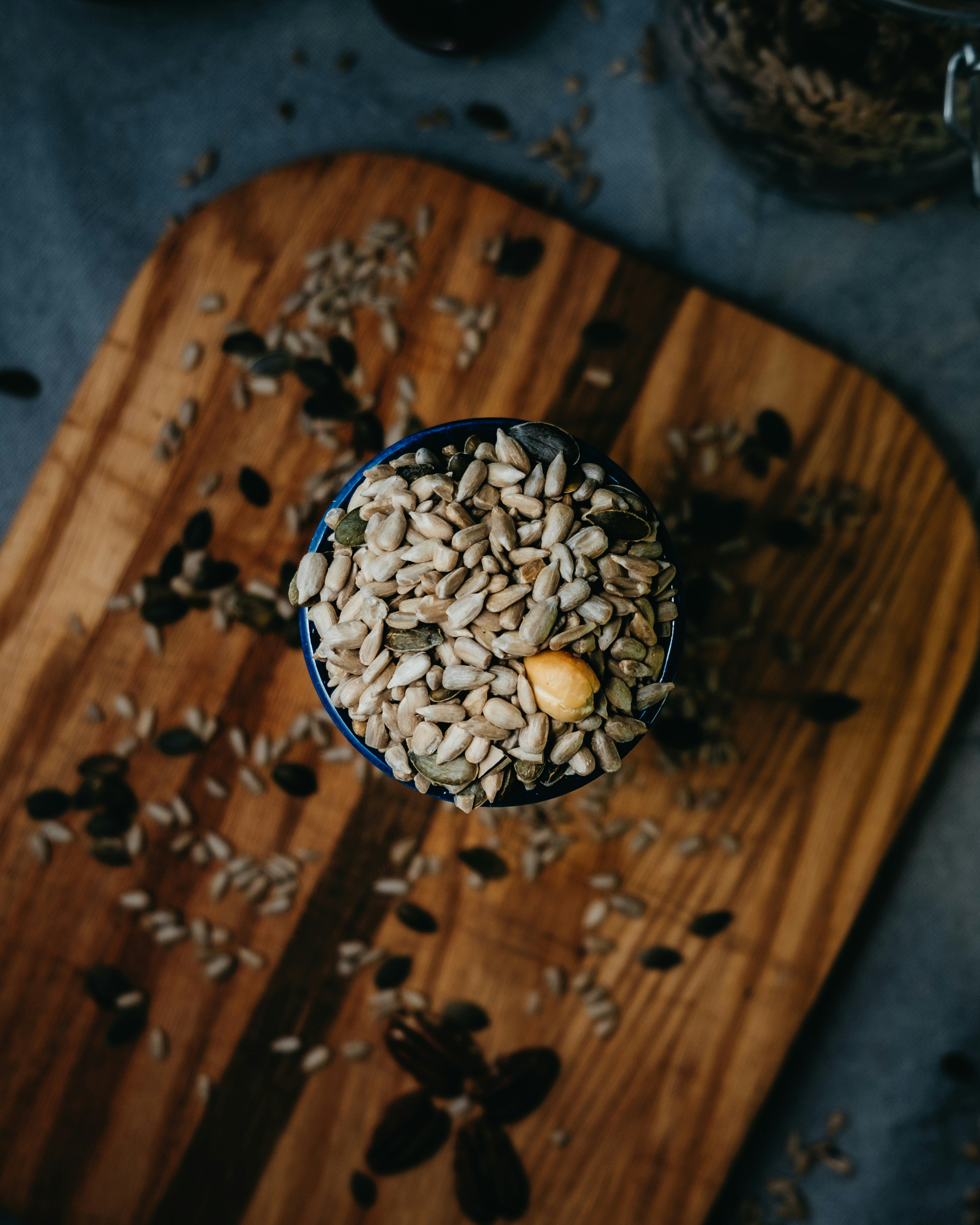
Best food sources: Oysters, beef, pumpkin seeds, hemp seeds, chickpeas, and lentils. If you're plant-based, consider soaking or sprouting your legumes to help improve zinc absorption.
3. Restore Magnesium for Stress Support
Think of magnesium as your nervous system's reset button. After the pill potentially depletes your stores, rebuilding magnesium can improve your sleep quality and reduce anxiety.
Best food sources: Pumpkin seeds, spinach, Swiss chard, dark chocolate (70%+), and quinoa. Check out our post on cortisol and nutrition for more on why magnesium matters for your stress hormones.
4. Balance Blood Sugar to Support Cycle Return
As your natural cycle returns, stable blood sugar is critical for ovulation. Blood sugar crashes can increase your cortisol levels, which may delay the return of regular cycles. Make sure every meal includes a balance of protein, fat, fiber, and complex carbohydrates.
Learn more about eating for your cycle in our guide to eating for your menstrual cycle.
Foods to Build Your Post-Pill Recovery Plate Around
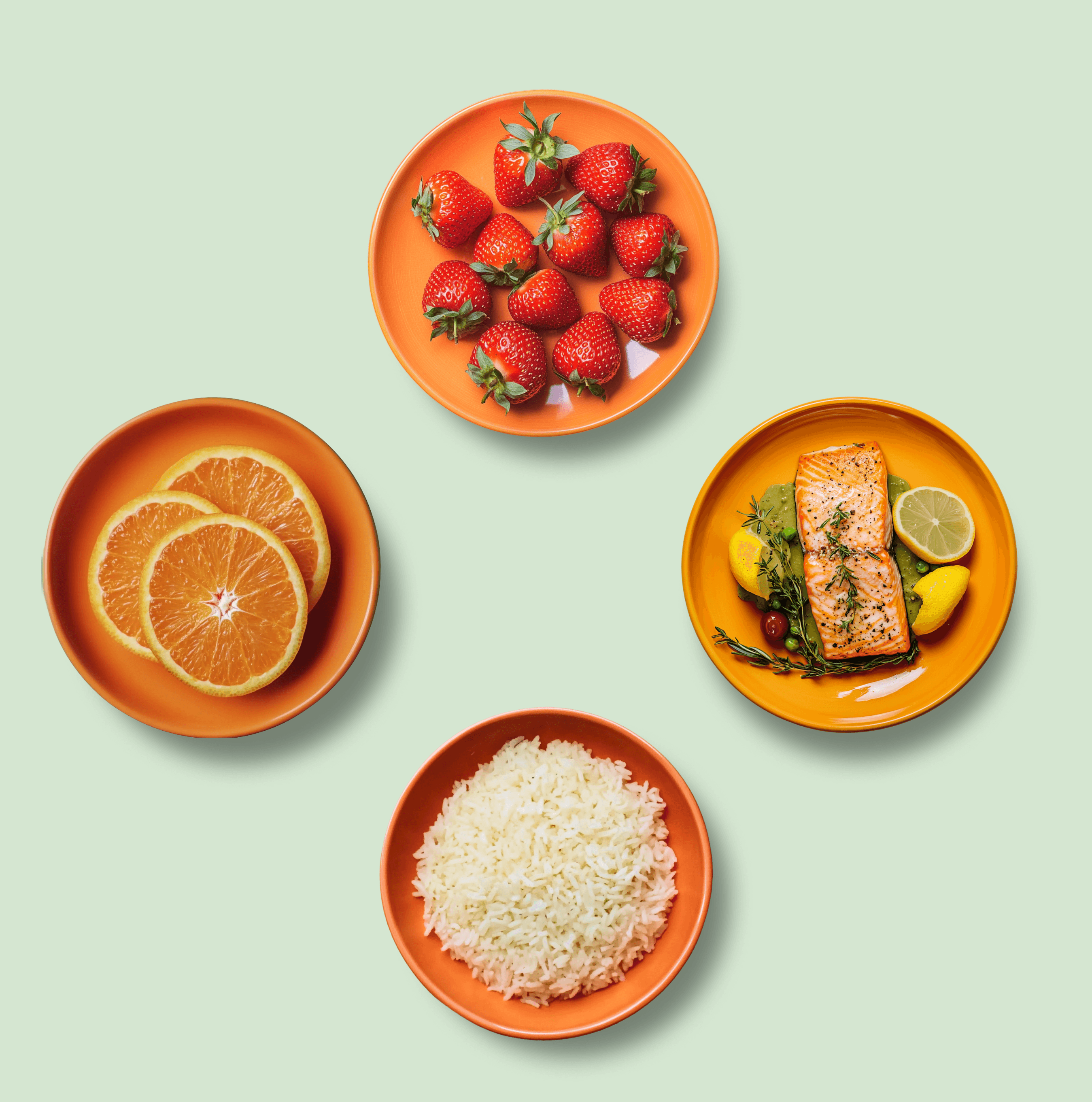
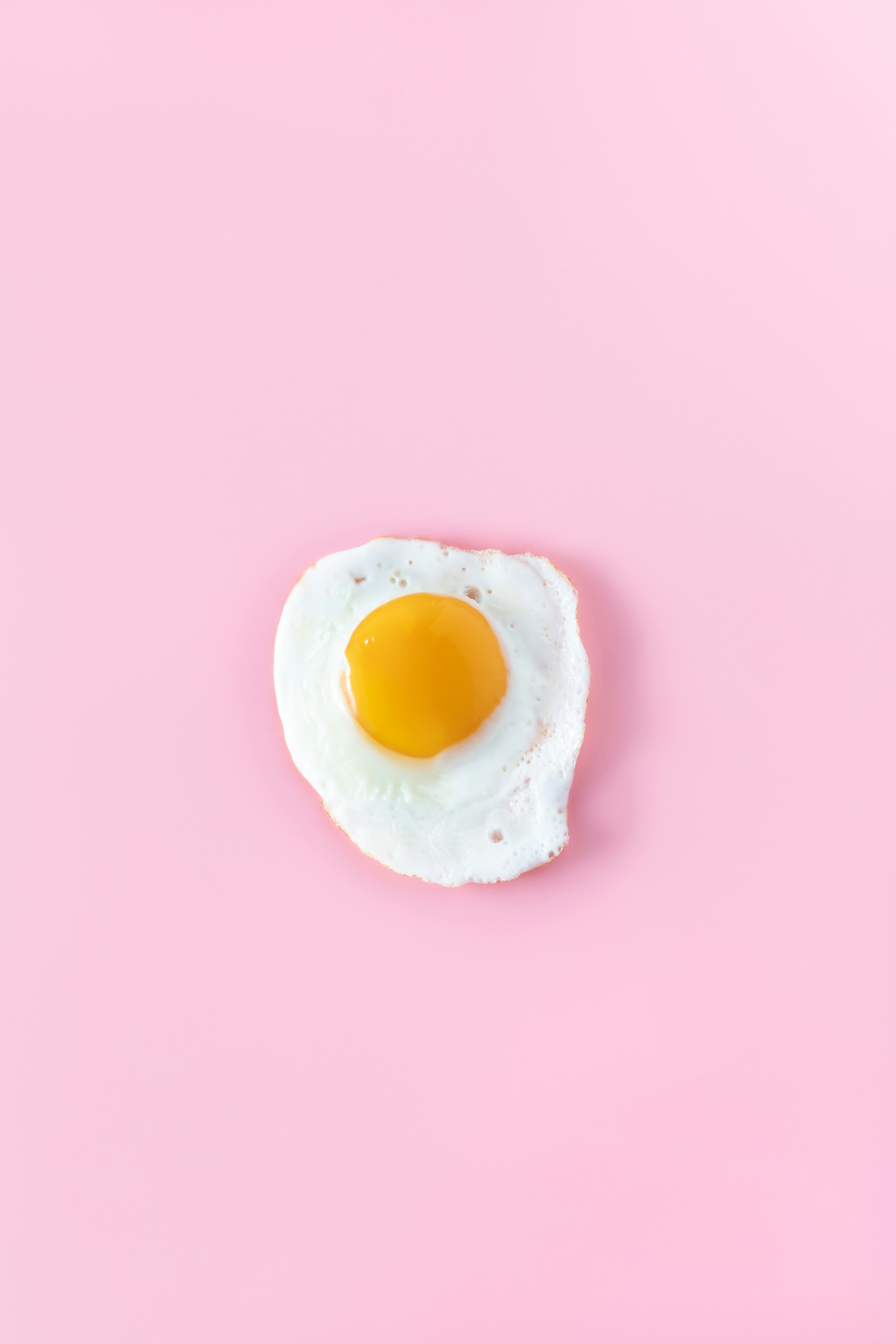
Eggs: An incredibly nutrient-dense food delivering B12, B2, zinc, and choline—a key nutrient for liver function and estrogen metabolism. (Are eggs healthy? Spoiler: Yes!)
Leafy Greens: Folate, magnesium, and fiber in every serving.
Fatty Fish: Salmon and sardines provide Omega-3s to reduce inflammation.
Seeds: Pumpkin, sunflower, and flax seeds provide zinc and hormone-supportive lignans. For more details, see our seed cycling and hormone health guide.
Cruciferous Vegetables: Broccoli and cauliflower contain compounds that support healthy estrogen detoxification in the liver.
What About Supplements?
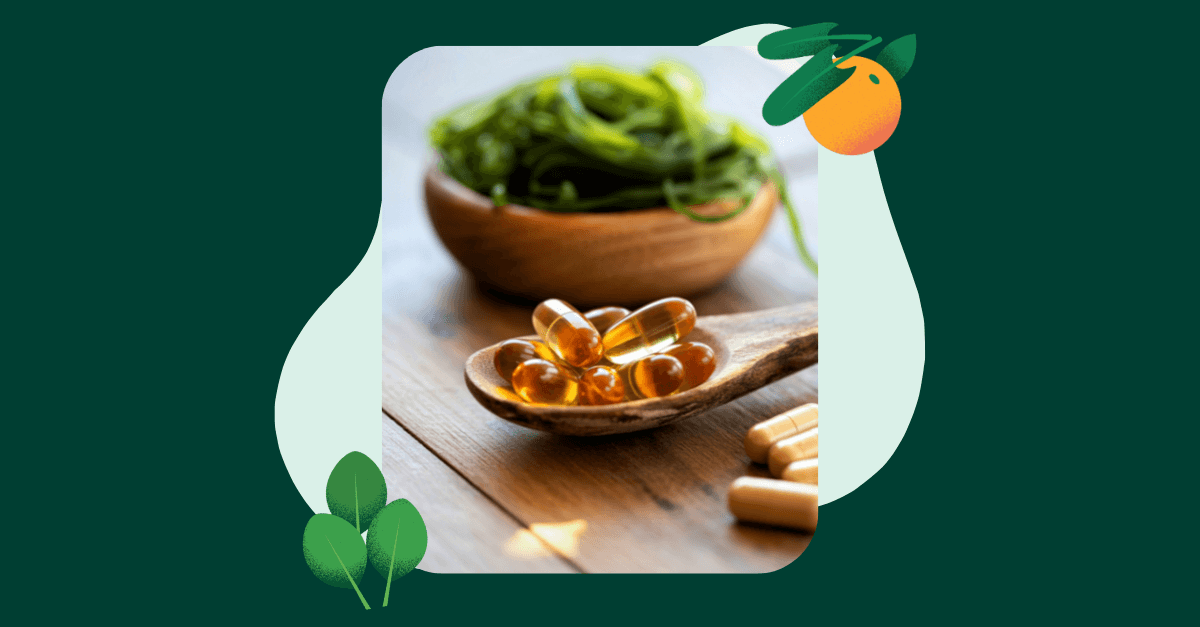
The food-first approach is always the best way to go, but targeted supplementation may be appropriate for some women post-pill, particularly if blood work shows deficiencies or if you are planning a pregnancy in the near future.
Think of supplements as support (not a replacement) for a nutrient-dense diet.
Commonly recommended post-pill supplements include:
B-Complex (covering B6, folate, and B12)
Magnesium Glycinate (well-absorbed and gentle on the stomach)
Zinc (typically 8–15mg)
Vitamin D (get your levels tested first!)
Before purchasing anything, please explore our guide to choosing the best supplements, so you aren't guessing.
"I always recommend a food-first approach. It is so great when clients start to feel empowered to eat nutritious foods rather than restricting or cutting out foods. Yes, supplements can be beneficial, but often we can get the nutrients we need from food. " — Bridget Isaacs, MS, RDN, LDN
Work With a Berry Street Dietitian
Post-pill nutrition is highly individual. What your body needs depends on how long you used hormonal contraceptives, your current symptoms, and your health goals, including whether you're planning for a family or managing conditions like PCOS.
Frequently Asked Questions
How long does it take for nutrients to rebuild after stopping the pill?
With consistent, targeted nutrition, many people notice improvements in their energy levels and skin health within 4–8 weeks. Full hormonal recalibration (including cycle regularity) can take 3–6 months.
Do I need to do a "detox" after stopping the pill?
No. Your liver and kidneys are your body's natural detox systems. They don't need a juice cleanse; they need fiber, hydration, and the specific micronutrients found in whole foods to do their jobs properly.
What if my period doesn't return?
If your period hasn't returned within 3 months, speak with your healthcare provider. This is called post-pill amenorrhea and can be caused by various factors, including thyroid issues or PCOS.