There’s a reason breakfast is still considered the most important meal of the day. It’s your first opportunity to energize and nourish your body after a long overnight fast.
A well-built breakfast not only fuels your morning, but it also sets the tone for your mood, metabolism, cravings, and energy all day long. What you eat in the morning can influence how steady your energy feels, how hungry you get later on, and how supported your body feels overall. Whether you’re managing your blood sugar levels, balancing your hormones, dealing with your appetite, or soothing your stress levels, the first meal you eat has a very big impact on how you feel (and function) from morning to night.
“The right breakfast can power your entire day,” says Marjorie Nolan Cohn, MS, RD, LDN, CEDS-C and Clinical Director at Berry Street. “It supports energy, focus, and hormone health, with benefits that ripple through everything that follows.”
This guide breaks down exactly what to eat, how to build a balanced plate, and how to overcome common barriers to eating in the morning. The goal here is to help make breakfast feel easy, energizing, and realistic for your everyday life.
Key Takeaways: Better Breakfasts
The Foundation: Breakfast dictates your energy, mood, and cravings for the entire day. Skipping it often leads to mid-afternoon crashes and nighttime overeating.
The "Balanced Plate" Formula: Every meal should combine Protein (15–25g), Fiber, and Healthy Fats to stabilize blood sugar and keep you full longer.
Avoid the "Caffeine-Only" Trap: Coffee on an empty stomach can spike stress hormones (cortisol). Always pair your morning brew with a small protein source.
Prioritize Protein: Swapping carb-heavy options (like muffins or plain cereal) for protein-rich ones (like Greek yogurt or eggs) improves mental clarity and metabolic health.
Start Small: If you aren't hungry in the morning, a small snack (150–200 calories) can help reset your natural hunger cues and prevent reactive eating later.
Prep is Key: Use "grab-and-go" options like overnight oats or hard-boiled eggs to maintain consistency on busy mornings without breaking your budget.

Why Breakfast Matters More Than You Think
Skipping breakfast or reaching for sugary, carb-heavy options like cereal or muffins may leave you feeling foggy, hungry, and tired by mid-morning. A protein-rich, fiber-filled meal has been shown to:
Improve your mental clarity and productivity
Reduce those cravings later in the day
Improve your mood and reduce your stress responses
Help with weight regulation and metabolic health
If you’re struggling with 3 p.m. crashes, energy dips during the day, or nighttime cravings, your breakfast may be the trick to fixing it.
"So many of our clients see a huge shift in energy and cravings just by changing their breakfast," says Bridget Isaacs, MS, RD. "It’s a simple shift that has a noticeable impact."

The Simple Formula for a Balanced Breakfast
Use this 3-part method from Berry Street dietitians to build meals that check all the right boxes. It is flexible, realistic, and designed to work even on the busiest mornings:
1. Prioritize Protein
Protein supports satiety, muscle maintenance, and blood sugar regulation, and it helps you feel steady rather than shaky as the morning goes on. Make sure you get enough protein and aim for 15–25 grams per breakfast from foods like:
Eggs or egg whites
Greek yogurt or skyr
Tofu or tempeh
Cottage cheese
Protein powder in smoothies or oatmeal
Nut or seed butter + whole grains
“Protein is key for clear thinking, better blood sugar, and fewer morning crashes,” says Jessica Kelly, MS, RDN, LDN. “You can feel the difference within days.”
2. Fill Up on Fiber
Fiber slows digestion, improves gut health, and supports stable blood sugar, which means that your energy lasts longer and feels more even. Some great sources include:
Berries
Chia or flaxseeds
Oats or whole-grain bread
Veggies like spinach, kale, or leftover roasted vegetables in scrambles
Combine fiber with protein for longer-lasting fullness and fewer cravings, especially if you tend to feel hungry again soon after breakfast.
3. Bring in Healthy Fats
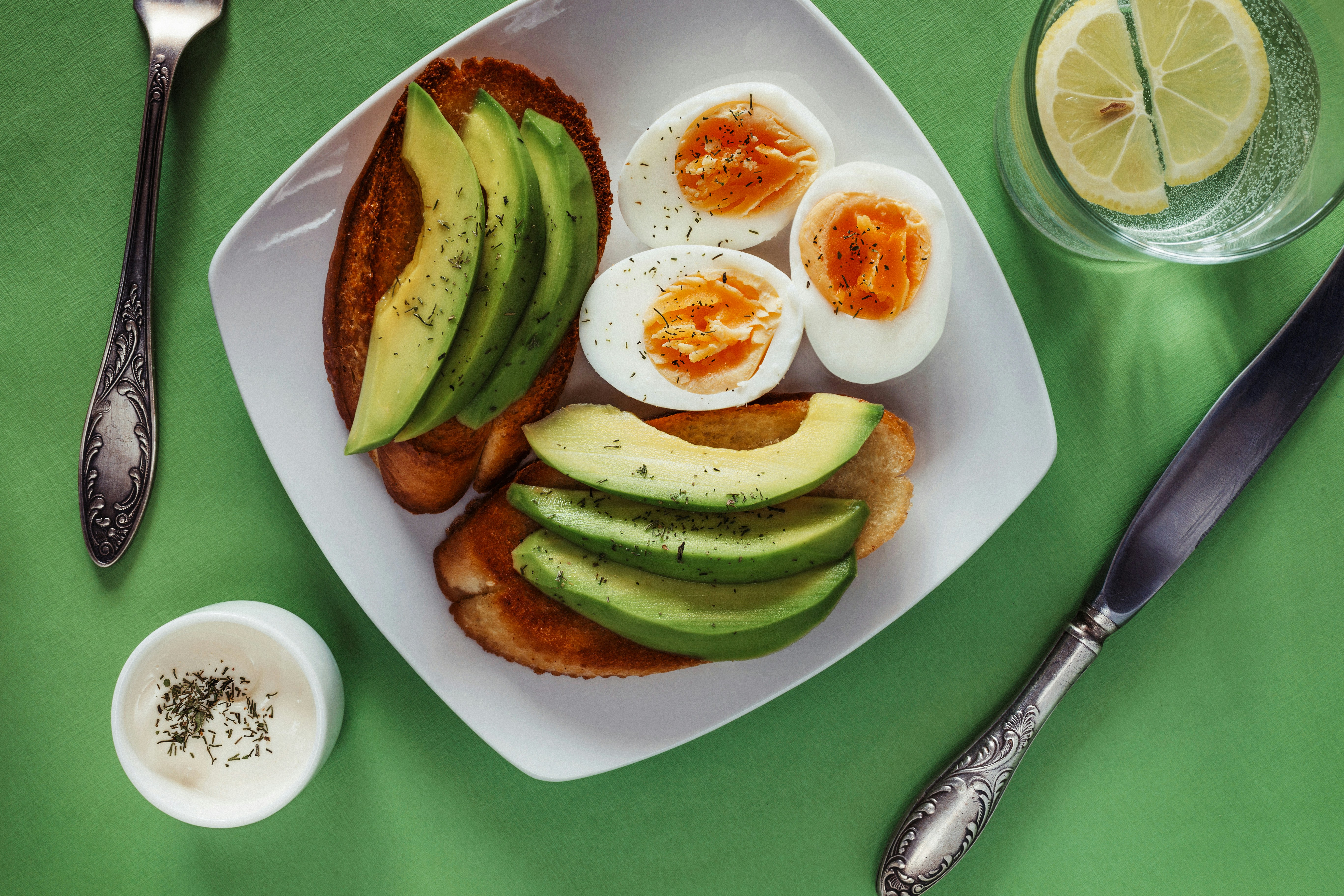
Fat helps with hormone production, satisfaction, and flavor, so that your meals feel both nourishing and enjoyable. Add a source like:
Avocado
Nuts or nut butter
Olive oil or tahini
Full-fat dairy (if tolerated)
Fats make breakfast more satisfying and help you stay focused longer, especially when paired with protein and fiber.
Sample Breakfast Combinations
Here’s how to put the formula into practice:
Option 1: Classic + Quick
Greek yogurt + berries + chia seeds + almond butter
20g protein, rich in fiber and healthy fats
Option 2: Savory + Satisfying
2 eggs + sautéed spinach + whole grain toast + avocado
Balanced, blood sugar-friendly, and fast to make
Option 3: Plant-Based Power
Tofu scramble with veggies + sweet potato + tahini drizzle
Fiber-rich, plant protein-packed, warming and grounding

Option 4: Smoothie Bowl (with staying power)
Unsweetened protein powder + frozen berries + spinach + flax + almond milk
Blend and top with hemp seeds or granola
What If You’re Not Hungry in the Morning?
It’s a common issue, and one that often improves with small, steady changes. If you wake up without an appetite, you are not doing anything wrong; it just means that your body will need a bit of help getting there. Start off small with something that’s easy to eat and digest, such as:
A high-protein smoothie or drinkable yogurt
A boiled egg and a handful of fruit
Half a protein bar with coffee
Once your body gets used to consistent intake, morning appetite typically returns. Your hunger cues often respond to routine, not willpower. Skipping breakfast consistently can suppress hunger signals, but this often backfires with overeating later. Eating something small in the morning can help reset that pattern.
“A small breakfast is better than none,” says Jessica Kelly. “Even just 150–200 calories with protein can make a noticeable difference.” Those small wins add up quickly.
Budget-Friendly Breakfast Ideas
Eating well doesn’t have to cost more. Here are 5 affordable combinations that are under $3 per serving:
Oatmeal + peanut butter + banana
Boiled eggs + toast + apple slices
Cottage cheese + frozen berries + sunflower seeds
Whole grain toast + scrambled egg + sautéed kale
Smoothie with banana, oats, flax, and protein powder
Tip: Buy store-brand oats, frozen fruit, and eggs in bulk to save more.
Common Breakfast Mistakes (and Easy Ways to Fix Them)
Mistake: All carbs, no protein
Carb-only breakfasts often digest quickly, which can lead to energy spikes and crashes soon after you’re done eating. You might feel hungry again an hour later or notice shaky energy or cravings midway through the morning. Protein helps slow digestion and keeps your blood sugar levels more stable.
Fix: Add an egg, Greek yogurt, or plant-based protein powder to create a more balanced and satisfying meal that lasts longer.
Mistake: Coffee only
Caffeine on an empty stomach can increase your cortisol levels and leave you feeling jittery, anxious, or drained later during the day. While coffee can suppress appetite for the short term, it doesn’t provide the fuel that your body needs to start the day.
Fix: Pair it with something small, like a boiled egg, fruit, or half a protein bar to give your body energy while still keeping breakfast fast and easy.
Mistake: Skipping breakfast due to lack of time
Skipping breakfast often leads to intense hunger later, which can make your mid-day food choices feel rushed or reactive. It can also make it harder to meet protein and fiber needs by the end of the day.
Fix: Prep grab-and-go options like overnight oats, freezer burritos, or hard-boiled eggs in advance to make breakfast easy to grab on the go.
What About Intermittent Fasting?
This is a question we get asked all the time, and it makes sense given how popular intermittent fasting has become. Intermittent fasting can work for some, but many people (especially women with hormonal concerns, high stress, or sleep issues) feel better and more energized after eating a solid breakfast. How you feel and how your body responds is a lot more important than any hot new trend.
"We encourage clients to experiment—but to notice how they actually feel," says Bridget Isaacs. "Some find fasting helpful. Others crash by mid-morning. Majority of the time, I see clients benefit from adding in a balanced breakfast, but the right approach is the one that supports your body’s needs."
If you’re unsure, start by logging how you feel after breakfast vs. on the days you skip. Energy, hunger, and mood are your best clues. Over time, those patterns tend to speak a lot louder than any external recommendation.
Sample Weekly Breakfast Plan
Here’s a no-fuss plan with variety, balance, and prep tips:
Monday: Scrambled eggs, sautéed kale, toast with butter
Tuesday: Greek yogurt with berries, chia seeds, and granola
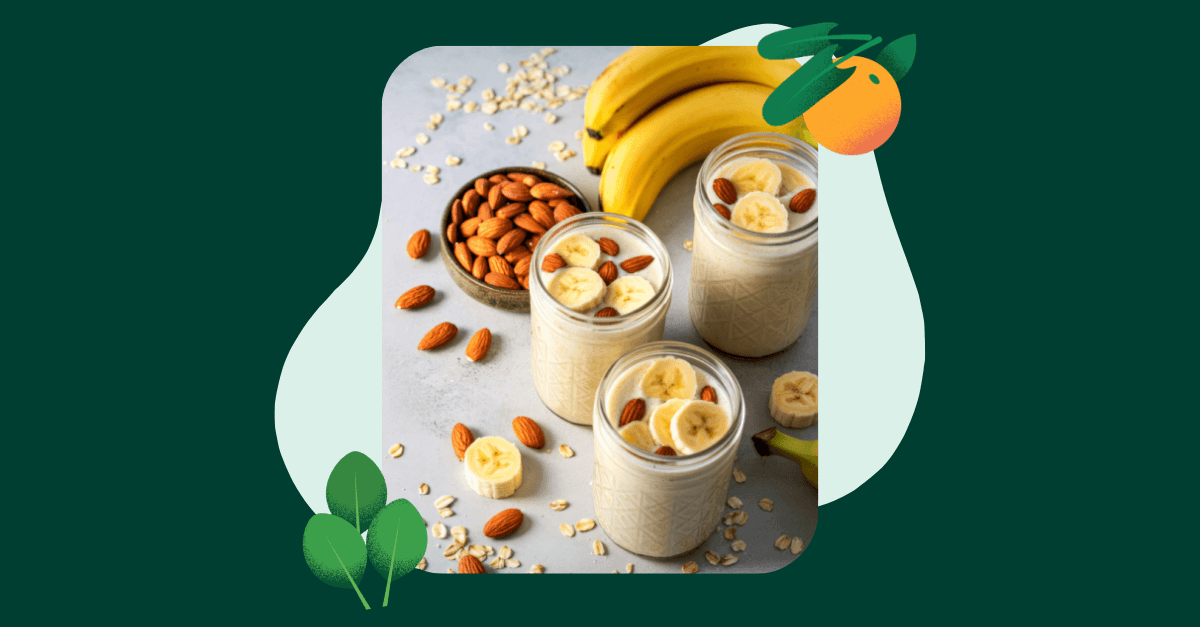
Wednesday: Overnight oats with flax, almond butter, and banana
Thursday: Smoothie with protein powder, spinach, frozen berries, and oats
Friday: Breakfast burrito with eggs, beans, salsa, and greens
Saturday: Cottage cheese with peaches and walnuts
Sunday: Tofu scramble with sweet potatoes and avocado
Prep tip: Batch cook hard-boiled eggs, overnight oats, or smoothie bags for busy days.
A Better Way to Start Your Morning
Breakfast doesn’t need to be big, complicated, or Pinterest-perfect. It doesn’t need any elaborate recipes or extra time that most of us don’t have, but…it does need to support your body.
By building meals with protein, fiber, and healthy fat, you’ll improve how you feel, not just in the morning, but all day long. That steady foundation can mean fewer energy dips, better focus, and more confidence in your food choices as the day unfolds.
Want help building better breakfasts for your routine, health goals, or budget?
👉 Book a session with a Berry Street dietitian. We’ll help you simplify mornings, fuel your day, and feel your best…breakfast included.

Frequently Asked Questions
How much protein should I aim for at breakfast?
Aim for 15–30g. This helps stabilize energy, reduce cravings, and support metabolism. Protein at breakfast can also help with cognitive performance and improved appetite regulation throughout the day.
I don’t have time to cook in the morning. What can I prep ahead?
Try overnight oats, protein muffins, egg bites, or freezer burritos. Smoothie ingredients can be pre-bagged and frozen for faster blending. You can also make breakfast bars or boil eggs in bulk to grab on the go.
Is coffee okay with breakfast?
Yes - but pair it with protein and fiber so you’re not running on caffeine alone. Coffee alone can suppress appetite and lead to blood sugar crashes later. Try it with a balanced meal or snack to stay steady.
What if I’m trying to lose weight?
Breakfast can actually help by curbing cravings and preventing overeating later. Focus on protein, fiber, and fat, not just cutting calories. Skipping breakfast may backfire if it leads to over eating later in the day.
What are some low-cost breakfast options that still hit the protein mark?
Boiled eggs, Greek yogurt, cottage cheese, oats with nut butter, and peanut butter toast are all budget-friendly and protein-rich options. You don’t need expensive powders or bars to eat well.
Can I eat the same breakfast every day?
Yes! If it’s balanced and satisfying, repetition can make mornings easier. Just make sure you’re still meeting your nutrition goals, and switch it up weekly if you start to get bored.
Is fruit enough for breakfast?
Fruit offers fiber and nutrients, but pairing it with protein and fat will make it more filling and blood sugar-friendly. Try fruit with yogurt, nut butter, or cottage cheese for a more complete meal.