Key Takeaways
EPA and DHA (the omega-3 fatty acids most supported by research) are found primarily in fatty fish and algae, not in flaxseeds or walnuts (which contain ALA, a precursor that converts poorly).
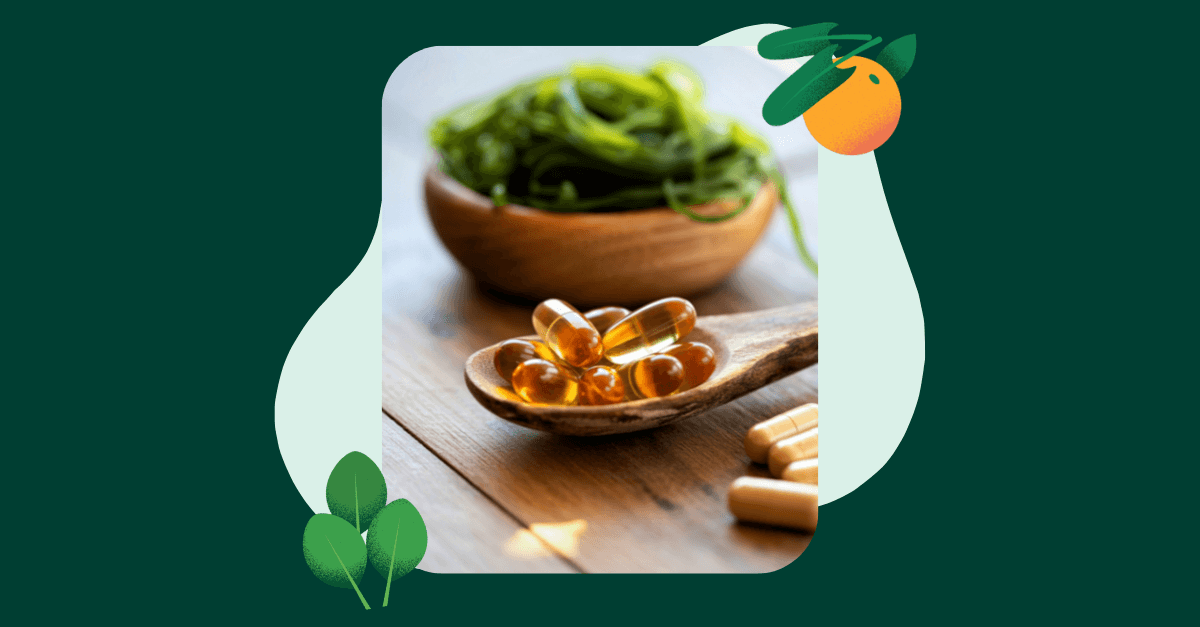
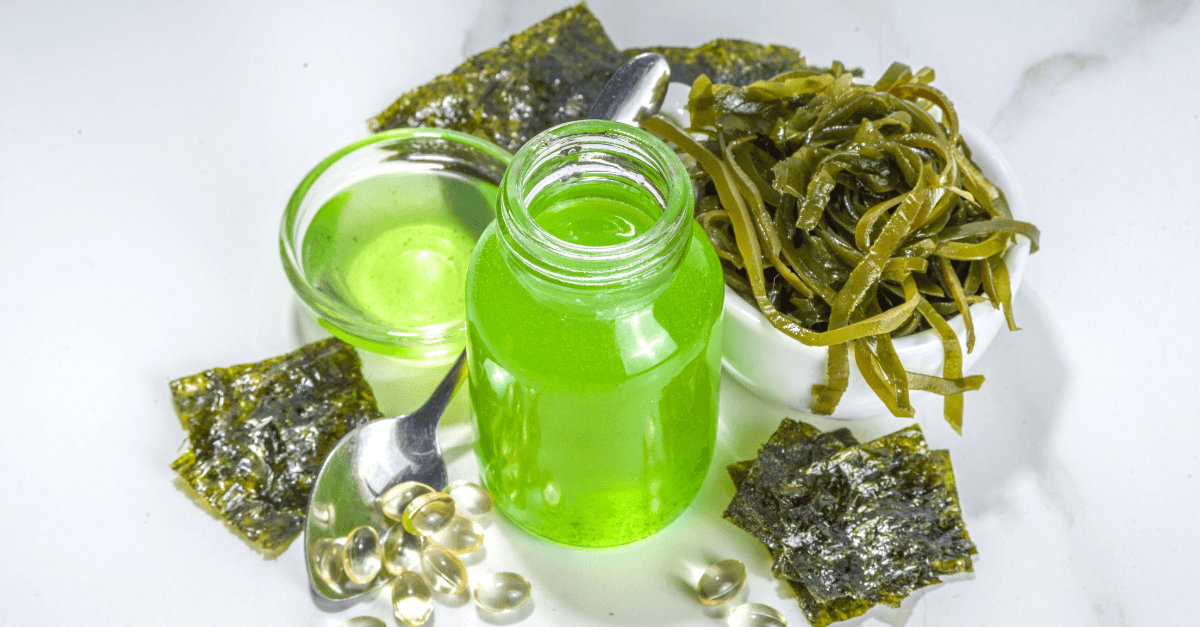
Algae-based omega-3 supplements provide EPA and DHA directly, making them an excellent option for plant-based eaters, vegetarians, and those who want to skip the fish.
Omega-3s play critical roles in hormone production, brain function, inflammation regulation, and cardiovascular health.
Most people, regardless of diet type, don't get enough EPA and DHA from food alone.
For women with PCOS, omega-3 supplementation has been shown to reduce testosterone, improve insulin sensitivity, and lower inflammation.
Ask most people what foods contain omega-3s and they'll say: flaxseed, chia seeds, walnuts. And while those foods absolutely do contain omega-3 fatty acids, specifically ALA (alpha-linolenic acid), they don't contain the forms that your brain and hormones need the most: EPA (eicosapentaenoic acid) and DHA (docosahexaenoic acid).
Here's the nuance that a lot of wellness content misses: your body can technically convert ALA into EPA and DHA, but the conversion rate is dismally low — often just 5–15%, and even less so for DHA. Factors like high omega-6 intake (which is very common in Western diets), age, hormonal status, and genetics can all further reduce conversion. For most women who are dealing with hormonal demands, relying on ALA alone leaves a significant nutritional gap that can quietly affect their mood, cognition levels, menstrual health, and more.
This is where algae oil may be a benefit and why it's becoming one of the most interesting developments in plant-based nutrition.
If you're already thinking about how nutrition connects to hormonal health, our guide on how to eat for your menstrual cycle is a great companion read.

Why Algae Oil Is the Real Source of Omega-3s
Here's a fact that surprises many people...fish don't actually make omega-3s. They accumulate EPA and DHA by eating microalgae. The omega-3s in salmon or sardines ultimately trace back to algae, and fish are essentially the middlemen.
Algae-based omega-3 supplements provide EPA and DHA directly from the original source. They're sustainably produced, free from concerns about heavy metal contamination (which is a real issue with some fish oil products), and suitable for plant-based eaters, those with fish allergies, or anyone who prefers a cleaner supplement.
"Algae-based omega-3s can be helpful for, not just those following plant-based diets, but anyone looking for a clean, sustainable source of EPA and DHA. The research supporting their equivalence to fish oil is quite robust, and many clients prefer the idea of going to the original source." — Jessica Kelly, MS, RDN, LDN
Omega-3s and Women's Hormonal Health
Hormone Production and Menstrual Health
DHA is a structural component of cell membranes throughout the body, including in the reproductive organs. Omega-3s also serve as precursors to prostaglandins, which are hormone-like compounds that regulate inflammation, uterine contractions, and menstrual function. Women with chronically low omega-3 intake are more likely to experience severe PMS, dysmenorrhea (painful periods), and hormonal irregularities.
If inflammation-driven symptoms like cramping, bloating, or mood swings are part of your monthly cycle, omega-3 status is one of the first things a dietitian might look at. We explore this and more in our guide to nutrition's role in endometriosis support.

PCOS and Inflammation
For women with polycystic ovary syndrome, omega-3 supplementation has shown a lot of promise. A study published in the Iranian Journal of Reproductive Medicine found that omega-3 supplementation significantly reduced testosterone levels, improved insulin sensitivity, and decreased inflammatory markers in women with PCOS, which are all major concerns for managing the condition.
PCOS is fundamentally an inflammatory, insulin-resistant condition for most women, and EPA and DHA directly counter both of those drivers. If you're dealing with PCOS, take a look at the information we share in our complete nutrition guide for PCOS.
Pregnancy, Postpartum, and Breastfeeding
DHA is critical for fetal brain and eye development, and requirements increase substantially during pregnancy and breastfeeding.Algae-based DHA is safe, mercury-free, and is becoming increasingly recommended by OBs and midwives for pregnant women who don't regularly eat fatty fish.
During postpartum, DHA depletion is very common, and it may contribute to the mood dysregulation and cognitive fog that many new mothers experience. Addressing omega-3 status during this phase is a gentle, evidence-backed starting point.
Perimenopause and Menopause
The hormonal shifts of perimenopause and menopause are associated with increased cardiovascular risk, declining cognitive function, and worsening mood. Omega-3s have demonstrated benefit in all three areas. Our article on menopause and nutrition covers the broader nutritional picture needed during this phase of life.

Omega-3s for Brain Health: The Long Game
DHA makes up a big percentage of the fatty acids in the brain's gray matter. This isn't a minor micronutrient…it's a literal structural building block of your brain. Adequate DHA intake is associated with better memory and cognitive function, lower rates of depression and anxiety, and reduced risk of neurodegenerative diseases as we age.
Recent studies have found that omega-3 supplementation (particularly EPA-rich formulations) has significant antidepressant effects, with benefits comparable to antidepressant medication in some subgroups.
For women, this matters especially during hormonally vulnerable windows, such as the luteal phase of the menstrual cycle, postpartum, perimenopause, and periods of chronic stress. Our guide to top foods for focus, mood, and mental clarity dives deeper into dietary patterns that support brain health.
"When clients come to me fatigued, foggy, or struggling with mood, omega-3 intake is one of the first things I look at. Many people are significantly under-consuming EPA and DHA, and addressing this gap can be extremely helpful — especially for women navigating perimenopause, postpartum, or chronic stress." — Bridget Isaacs, MS, RDN, LDN
Omega-3s and Cardiovascular Health
Cardiovascular disease is the leading cause of death for women in the United States, yet it's one of the most preventable. High-dose omega-3 supplementation might lower high triglyceride levels. Even at lower, maintenance doses, EPA and DHA reduce systemic inflammation, improve endothelial function (the health of blood vessel walls), and modestly lower blood pressure.
For women who are also managing cholesterol, our guide to lowering cholesterol naturally through diet and lifestyle outlines the dietary strategies that work in synergy with omega-3 support.
How Much EPA and DHA Do You Actually Need?
Most health organizations recommend at least 250–500mg of combined EPA+DHA per day for general health maintenance. For women with specific health concerns, optimal intake is often higher:
PCOS or elevated inflammation: 1,000–2,000mg EPA+DHA daily
Depression or mood support: 1,000–2,000mg EPA+DHA daily (EPA-dominant formulas preferred)
Pregnancy and breastfeeding: at least 200–300mg DHA daily (plus EPA)
Cardiovascular disease or high triglycerides: 2,000–4,000mg under medical supervision
Algae oil supplements typically provide 200–500mg DHA per capsule, with varying EPA content. When choosing a product, look for third-party tested supplements with clearly labeled EPA and DHA amounts, not just "omega-3 fatty acids." Our article on how to choose the best supplements without wasting time or money has practical guidance for dealing with the supplement market.
Food Sources of Omega-3s
Richest in EPA/DHA (best absorbed and utilized)
Food | Approx. EPA+DHA per serving |
|---|---|
Algae oil supplement | 200–600mg per capsule |
Salmon (wild-caught, 3oz) | ~1,500–2,000mg |
Sardines (3oz) | ~1,300mg |
Mackerel (3oz) | ~1,000mg |
Herring (3oz) | ~900mg |
Anchovies (1oz) | ~500mg |
Rich in ALA (converted to EPA/DHA at low rates)
These foods are still nutritious and worth including, but they shouldn't be your primary omega-3 strategy if brain and hormone health are your goals.
Flaxseeds and flaxseed oil
Chia seeds
Hemp seeds
Walnuts
Brussels sprouts
Edamame and soy foods
A well-rounded approach uses ALA-rich foods as part of a diverse diet while using algae oil (or fatty fish, if you eat it) to reliably hit your EPA and DHA targets.
Signs You Might Be Low in EPA and DHA
There's no single dramatic symptom, omega-3 deficiency tends to show up subtly. But, there are some common patterns that are worth noting:
Dry skin, brittle nails, or rough patches on the backs of arms
Persistent brain fog or difficulty concentrating
Low mood, increased anxiety, or heightened PMS
Joint stiffness or generalized achiness
Poor sleep quality
Worsening PCOS symptoms despite other dietary efforts
These symptoms have many potential causes, which is why individual assessment is really important.
Should You Test Your Omega-3 Levels?
The most accurate way to know if you're getting enough EPA and DHA is through an omega-3 index blood test, which measures EPA and DHA as a percentage of total fatty acids in red blood cell membranes. An index of 8% or above is considered optimal for cardiovascular and brain health, but most Americans fall in the 4–5% range.
A registered dietitian can help you assess your dietary intake, order relevant testing if needed, and guide you toward the right form and dose for your individual health picture.
Here Are Some Easy Ways to Add More Omega-3s to Your Day
Take a daily algae oil supplement — this is the most reliable way to hit your EPA+DHA targets if you don't eat fatty fish regularly.
Include fatty fish 2–3 times per week if it's part of your diet — wild-caught salmon, sardines, and mackerel are excellent choices.
Add flaxseed to smoothies, oatmeal, or yogurt — it won't replace EPA/DHA, but it adds fiber, lignans, and phytoestrogens with their own hormonal benefits.
Scatter walnuts onto salads or grain bowls — a nutrient-dense, ALA-rich addition to any meal.
When reading food labels, look for actual EPA and DHA amounts — not just "contains omega-3s," which can simply mean ALA.
Work With a Berry Street Dietitian to Optimize Your Omega-3 Intake
Getting your omega-3 status right isn't about buying the most expensive supplement, it's all about understanding your individual needs, diet patterns, and overall health goals. Are you plant-based? Pregnant? Managing PCOS? Dealing with perimenopause? Each situation calls for a different approach, and that's exactly where a registered dietitian can help.
Our team specializes in women's hormonal health, PCOS, metabolic support, and evidence-based supplementation. Most patients pay $0 with insurance.
Frequently Asked Questions
Can I get enough omega-3s from a plant-based diet without supplements?
It's very difficult to meet EPA and DHA needs from plant foods alone. ALA from flaxseeds, chia, and walnuts converts poorly to EPA and DHA, so most plant-based eaters benefit from an algae oil supplement to reliably support brain and hormone health.
Is algae oil as effective as fish oil?
Yes — research has found equivalent increases in blood EPA and DHA levels from algae oil versus fish oil. Since fish get their omega-3s from eating algae, algae oil is simply going to the original source. It also avoids concerns about heavy metal contamination and is more sustainable.
Can I take omega-3s while pregnant?
DHA is critical during pregnancy for fetal brain and eye development. Algae-based DHA is safe and mercury-free, making it an excellent choice for pregnant women. Always discuss supplements with your OB or midwife.
How long does it take to see the effects of omega-3 supplementation?
Most studies showing benefits use supplementation periods of 8–12 weeks. Some people notice mood or energy shifts sooner, but meaningful changes in inflammatory markers, hormonal parameters, or cognitive function typically emerge over 2–3 months of consistent supplementation.