When you think about gut health, what’s the first word that comes to mind? For most of us, it’s probiotics. For years, we’ve been told that populating our digestive tract with "good bacteria" through yogurt, kombucha, and daily capsules is the ultimate solution to banishing bloat, supporting our immune system, and feeling our very best.
Then came prebiotics…the specialized plant fibers that act as food for those beneficial bugs.
But as nutrition science evolves, researchers are discovering that the bacteria themselves aren't actually the most important thing. The true magic comes from what those bacteria produce. This is the newest, most exciting frontier in microbiome science: postbiotics.
If you’re dealing with stubborn digestive issues, hormonal imbalances like PCOS, or other metabolic challenges that just won't budge, postbiotics might be the missing puzzle piece that you’ve been looking for. In this guide, we’re going to break down exactly what postbiotics are, why your body desperately needs them, and how you can naturally boost them without spending a fortune on new supplements.
Key Takeaways
The "Byproduct" That Benefits You: Postbiotics are the highly beneficial, bioactive compounds produced when your gut bacteria digest and ferment dietary fiber.
Stable and Effective: Unlike live probiotics, postbiotics are non-living and incredibly stable. They don't need to survive stomach acid to work, they are already in a form that your body can absorb and use immediately.
Whole-Body Healing: Research connects postbiotics to reduced systemic inflammation, a stronger gut barrier (goodbye, leaky gut!), and improved insulin sensitivity.
A Hormone Health Ally: Because of their role in blood sugar management and inflammation reduction, postbiotics are a crucial tool for women managing conditions like PCOS, endometriosis, and the hormonal shifts of menopause.
Food First: You do not need expensive pills to get postbiotics. You can turn your own gut into a postbiotic factory by eating a diverse array of fibers, resistant starches, and fermented foods.

What Exactly Are Postbiotics?
To truly understand postbiotics, it helps to look at the digestive system as a highly efficient, bustling restaurant kitchen.
Prebiotics are the raw ingredients, like the fresh vegetables, legumes, and tough plant fibers that you eat. Your body can't digest these on its own, so they are sent down to the kitchen to be prepared.
Probiotics are the chefs. These are the trillions of live bacteria that live in your large intestine. They take the raw ingredients (prebiotics) and start breaking them down through a process called fermentation.
Postbiotics are the final, beautifully plated meals. They are the finished products created by the chefs.
In scientific terms, the International Scientific Association for Probiotics and Prebiotics (ISAPP) defines a postbiotic as a "preparation of inanimate microorganisms and/or their components that confers a health benefit on the host."
Put in simpler terms, postbiotics are the "waste" products of your gut bacteria. But calling them waste is definitely a huge disservice! These microscopic molecules include enzymes, complex carbohydrates, cell wall fragments, and most importantly, Short-Chain Fatty Acids (SCFAs). These compounds seep through your gut lining and travel throughout your entire body, acting as powerful chemical messengers that tell your immune system to calm down, your brain to focus, and your metabolism to burn energy more efficiently.
Understanding the "Biotics" Family Tree
Before we take a deeper look into all of the benefits, let's clarify how postbiotics fit into the larger digestive picture. It's very common to get confused by all the "biotic" terminology, especially when trying to figure out how to choose the best supplements (without wasting time or money).
Prebiotics (The Fuel): These are non-digestible carbohydrates. You can find them in foods like garlic, onions, asparagus, green bananas, and oats. They survive the journey through the stomach and small intestine intact, arriving in the colon ready to be feasted upon.
Probiotics (The Factory Workers): These are the live, active cultures. You can consume them by eating foods like kefir and kimchi, or take them in pill form. However, as we note in our guide detailing why the best probiotics aren’t one-size-fits-all, it can be tricky to ensure these live bugs actually survive the harsh, acidic environment of your stomach.
Postbiotics (The Final Product): Because they are non-living, postbiotics are completely stable. They aren't vulnerable to heat or stomach acid. They are the actual compounds that are responsible for the health benefits we usually attribute to probiotics.
"We often focus so much on getting live probiotics into the gut, but the science is showing us that postbiotics are doing the heavy lifting. When my clients focus on feeding their existing gut bacteria a rich, varied diet, they’re naturally generating their own postbiotics. It’s the most sustainable way to create lasting gut health." — Jessica Kelly, MS, RDN, LDN
Meet the Major Players: Types of Postbiotics
Not all postbiotics are the same. Different types of bacteria eating different types of fiber will produce different postbiotic compounds. Here are the most important ones your body relies on:
1. Short-Chain Fatty Acids (SCFAs)
These are the undisputed superstars of the postbiotic world. They are produced when bacteria ferment fiber in the colon. The big three SCFAs are:
Butyrate: This is the primary energy source for your colonocytes (the cells that line your colon). It is highly anti-inflammatory and is crucial for preventing colon cancer and maintaining a strong gut barrier.
Propionate: This SCFA travels straight to your liver, where it plays a major role in regulating cholesterol synthesis and improving insulin sensitivity.
Acetate: The most abundant SCFA, acetate travels to the brain to help regulate appetite and is used by peripheral tissues for energy.
2. Exopolysaccharides (EPS)
Exopolysaccharides are complex sugar molecules secreted by bacteria. Think of them as a protective, soothing gel. They help modulate the immune system and protect the delicate lining of the gut from damage.
3. Bacteriocins
These are naturally occurring antimicrobial peptides. In other words, your good bacteria produce bacteriocins to actively fight off and kill bad, pathogenic bacteria that try to invade your gut ecosystem.
4. Vitamins and Amino Acids
Did you know your gut microbiome acts like an internal pharmacy? Gut bacteria synthesize essential nutrients, including Vitamin K (vital for blood clotting and bone health) and several B vitamins, including B12, folate, and riboflavin.
The Health Benefits: Why Your Body Craves Postbiotics
Research into postbiotics is exploding, and the findings are incredibly promising. By acting as signaling molecules, postbiotics communicate with almost every major organ system in your body.
1. Repairing the Gut Barrier (AKA "Leaky Gut")
Your intestinal lining is only one single cell thick. Its job is to act like a bouncer at an exclusive club: letting nutrients and water into your bloodstream while keeping toxins, undigested food particles, and pathogens out. When the tight junctions holding these cells together become loose, you develop intestinal permeability, often referred to as leaky gut.
According to new research, the postbiotic butyrate is essential for fixing this. Butyrate feeds the cells of the gut lining, keeping them tight, strong, and impenetrable. If you struggle with chronic bloating, food sensitivities, or IBS, prioritizing postbiotics is very important. You can read more about repairing the gut lining in our comprehensive gut health and digestion guide.
2. Putting Out the Fire of Inflammation
Systemic, chronic inflammation is the root cause of countless modern ailments, from joint pain and fatigue to autoimmune conditions. Postbiotics help keep the immune system functioning properly.
Butyrate has been shown to inhibit a protein complex called NF-κB, which is essentially the master "on switch" for inflammation in the body. By keeping this switch turned off, postbiotics help prevent your immune system from overreacting. Furthermore, postbiotics encourage the production of T-regulatory cells (Tregs), which act as the immune system's peacekeepers, ensuring that your body doesn't attack its own tissues.
3. Balancing Blood Sugar and Metabolism
If you feel tired every afternoon or struggle with intense sugar cravings, your postbiotic levels might be low. Postbiotics, particularly propionate, have a profound impact on your metabolic health.
When your gut bacteria produce SCFAs, it triggers the release of metabolic hormones like GLP-1 and PYY. If GLP-1 sounds familiar, it’s because it is the exact same hormone targeted by popular weight-loss medications like Ozempic and Wegovy. Naturally occurring GLP-1 slows down stomach emptying, signals to your brain that you are full, and helps your pancreas release the right amount of insulin. This is why a high-fiber, postbiotic-rich diet is one of the best ways to balance blood sugar naturally for better energy and fewer cravings.
"We know fiber intake is a consistent predictors of blood sugar stability—and postbiotics play a major role in reason why. When patients ask me how to support their metabolism without extreme diets, my answer always circles back to feeding the gut bacteria fiber because it will help manufacture these blood-sugar-stabilizing compounds." — Bridget Isaacs, MS, RDN, LDN
Are You Ready to Support Your Gut and Hormones From the Inside Out?
Postbiotics represent a massive shift in how we approach nutrition. It’s no longer just about calories or macros; it’s about feeding your microscopic ecosystem so that it can properly take care of you.
Dealing with the world of gut health, fiber types, and inflammation can feel overwhelming, but you don't have to do it all alone. A Berry Street registered dietitian can help you create a realistic, delicious eating plan that naturally boosts your postbiotic production.

Postbiotics and Women’s Health: The Missing Link
For women, gut health is very closely linked to hormonal health. The microbiome plays an active role in regulating, metabolizing, and excreting hormones like estrogen and insulin.
PCOS and Insulin Resistance
Polycystic Ovary Syndrome (PCOS) is a complex endocrine disorder that is heavily driven by insulin resistance and chronic low-grade inflammation. Some of the latest research is showing that women with PCOS generally have a less diverse gut microbiome and significantly lower levels of butyrate-producing bacteria compared to women without the condition.
Because postbiotics actively lower inflammation and increase cellular sensitivity to insulin, they are a vital dietary target for women managing PCOS symptoms like weight gain, irregular cycles, and cystic acne. To dive deeper into this connection, explore our guide to nutrition for PCOS that actually works for your body and hormones.
Menopause and the "Estrobolome"
The estrobolome is a specific collection of bacteria in your gut responsible for metabolizing and modulating the body's circulating estrogen. As women enter perimenopause and menopause, natural estrogen levels drop, which directly alters the composition of the gut microbiome.
This bacterial shift often leads to a decrease in SCFA production. This drop in postbiotics is part of the reason why many women experience sudden changes in insulin sensitivity, new digestive discomforts, and increased midsection weight gain during menopause. By purposefully eating to create more postbiotics, women can help smooth out this metabolic transition and protect their heart and bone health as they age.
How to Increase Postbiotic Production Through The Foods We Eat
The absolute best way to get postbiotics is to make them yourself. Your gut is designed to be a postbiotic factory - you just have to give the workers the right raw materials!
If you are currently eating a standard diet low in fiber, you will want to increase your intake slowly. Adding too much fiber too quickly can cause the bacteria to produce excess gas as they ferment, leading to bloating and discomfort.
Here are the four pillars of building a postbiotic-rich diet:
1. Maximize Dietary Fiber Diversity (Prebiotics)
Bacteria are picky eaters. The bacteria that produce butyrate prefer different fibers than the bacteria that produce propionate. Therefore, eating 30 grams of fiber exclusively from oatmeal isn't as beneficial as eating 30 grams of fiber from oats, lentils, berries, and broccoli combined.
The Goal: Aim for 30 different plant foods a week. This sounds high, but includes all nuts, seeds, herbs, spices, fruits, vegetables, and whole grains.
Top Prebiotic Sources: Garlic, onions, leeks, asparagus, Jerusalem artichokes, dandelion greens, and apples (specifically the skin, which is rich in pectin).
Want a step-by-step approach to increasing your fiber without the bloat? Check out our expert guide on fibermaxxing.
2. Embrace Resistant Starch
Resistant starch is a unique carbohydrate. As the name suggests, it "resists" digestion in your stomach and small intestine, arriving completely intact in your colon. Once there, it is considered one of the most potent fuels for butyrate production.
Cook and Cool: You can actually change the chemical structure of a food to create more resistant starch. When you cook starchy foods like white potatoes, sweet potatoes, rice, or pasta, and then let them chill in the refrigerator overnight, the starches retrofit and become "resistant."
How to eat it: You can reheat them the next day, or eat them cold in a potato salad or grain bowl.
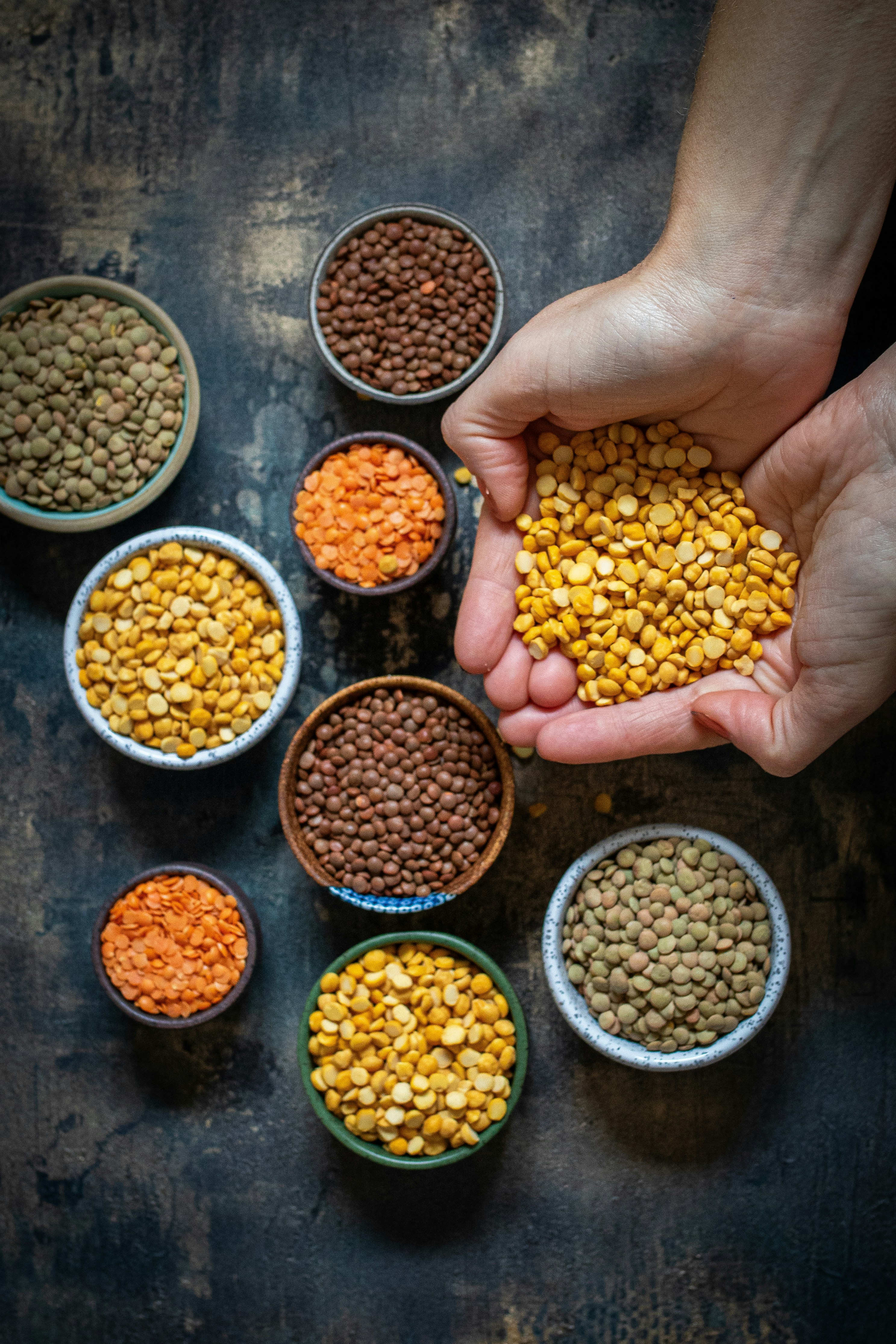
Other sources: Unripe (green) bananas, plantains, lentils, and chickpeas.
3. Eat Fermented Foods Daily
Fermented foods are incredible because they deliver a two-for-one gut health punch. They contain live probiotics, but because the food has been sitting and fermenting for weeks, the jar is already full of postbiotics. The bacteria have already done the work for you!
Dairy: Kefir and plain, unsweetened yogurt with active cultures.
Veggies: Sauerkraut and kimchi (ensure they are from the refrigerated section, not shelf-stable, to ensure the compounds are active).
Soy: Miso paste, tempeh, and natto.
Drinks: Kombucha and water kefir.
4. Don't Forget Polyphenols
Polyphenols are the powerful antioxidant compounds that give plants their bright, vibrant colors. While we usually think of them as fighting free radicals, unabsorbed polyphenols travel to the colon where they act as selective prebiotics, feeding only the most beneficial, postbiotic-producing bacteria.
Where to find them: Blueberries, blackberries, pomegranates, dark chocolate (70% cacao or higher), green tea, and extra virgin olive oil.
3-Day "Postbiotic-Boosting" Sample Meal Plan
Wondering how to put this all together? Here is a simple, 3-day meal plan designed by our dietitians to maximize your fiber diversity, incorporate resistant starch, and deliver pre-formed postbiotics through fermented foods.
Day 1
Breakfast: Overnight oats (resistant starch) made with chia seeds, kefir (fermented/postbiotics), and topped with wild blueberries (polyphenols).
Lunch: Cold lentil and quinoa salad (resistant starch) tossed with arugula, cherry tomatoes, and an extra-virgin olive oil and apple cider vinegar dressing.
Dinner: Baked wild-caught salmon with a side of roasted asparagus (prebiotic fiber) and a generous spoonful of unpasteurized sauerkraut (fermented/postbiotics).
Day 2
Breakfast: Smoothie made with half a green, slightly underripe banana (resistant starch), a handful of spinach, unsweetened yogurt, and a scoop of ground flaxseed.
Lunch: Leftover salmon over a bed of mixed greens, topped with pumpkin seeds and a miso-ginger dressing (miso is fermented).
Dinner: Chicken and vegetable stir-fry featuring broccoli, garlic, and onions (heavy prebiotics) served over rice that was cooked the day before and reheated (resistant starch).
Day 3
Breakfast: Two scrambled eggs served with a side of sautéed dandelion greens and garlic (prebiotics), plus a slice of sourdough toast. (True sourdough undergoes a fermentation process that makes it easier to digest).
Lunch: "Potato salad" made from cooled, boiled potatoes (massive resistant starch boost) mixed with celery, hard-boiled eggs, and a Greek yogurt-based dressing.
Dinner: Tempeh (fermented soy) tacos using corn tortillas, topped with avocado, fresh cilantro, and a fermented jalapeño salsa.
Are Postbiotic Supplements Worth Your Money?
With all the buzz surrounding postbiotics, the supplement industry is rapidly catching up. You can now buy postbiotic supplements, which usually come in the form of Tributyrin (a highly absorbable form of liquid butyrate) or heat-killed bacterial strains.
Are they worth it? Sometimes. If you are dealing with a severe flare-up of Inflammatory Bowel Disease (IBD), Crohn's, Ulcerative Colitis, or extreme leaky gut where digesting dietary fiber causes immense pain, a direct postbiotic supplement like Tributyrin can be incredibly healing. It delivers the soothing, anti-inflammatory benefits directly to the colon lining without requiring the gut to do the hard work of breaking down fiber.
However, for the vast majority of the population, a food-first approach is far a much better option. Eating a diverse diet produces a wide spectrum of different SCFAs, enzymes, and vitamins that a single, isolated pill simply cannot replicate.
Start Healing Your Gut Today.
The science of the microbiome is complex, but feeding it doesn't have to be. If you’re struggling with stubborn weight, digestive distress, or hormonal chaos, focusing on your gut health is the most powerful first step you can take.
At Berry Street, our registered dietitians don't believe in quick fixes or restrictive diets. We believe in evidence-based nutrition that supports your body's natural healing process.
Are you ready to optimize your gut health? Book a one-on-one session with a Berry Street dietitian today.
Frequently Asked Questions
Are postbiotics better than probiotics?
They aren't necessarily "better," but they are different. Probiotics are the live workers, while postbiotics are the end-product. For people who have severely compromised immune systems, SIBO (Small Intestinal Bacterial Overgrowth), or who react poorly to live probiotics, postbiotics can be a much safer, more tolerable alternative because they don't introduce live bacteria into the digestive tract.
How quickly will I feel the benefits of increasing postbiotics?
The gut microbiome is incredibly responsive. Studies show that changing your diet can alter the composition of your gut bacteria and their metabolic output (postbiotics) within just 24 to 48 hours. However, feeling the systemic effects—like reduced joint pain, better energy, or more stable blood sugar—usually takes consistent dietary habits over 3 to 4 weeks.
I get super bloated when I eat fiber. How can I get postbiotics?
If fiber causes severe bloating, it’s a sign that your microbiome is unbalanced (dysbiosis) and struggling to ferment properly. Start low and go slow. Focus heavily on fermented foods (which provide postbiotics without the raw fiber) and polyphenols like green tea and berries. You might also consider working with a dietitian to explore a temporary low-FODMAP diet to calm the gut before reintroducing prebiotics.
Does cooking destroy postbiotics?
No! This is one of the greatest advantages of postbiotics. Because they are inanimate, lifeless compounds (like fatty acids and peptides), they are highly stable. You can cook and bake with postbiotic-rich foods (like adding kefir to a baked good or using miso in a hot soup) and the compounds will remain intact and beneficial.