Key Takeaways
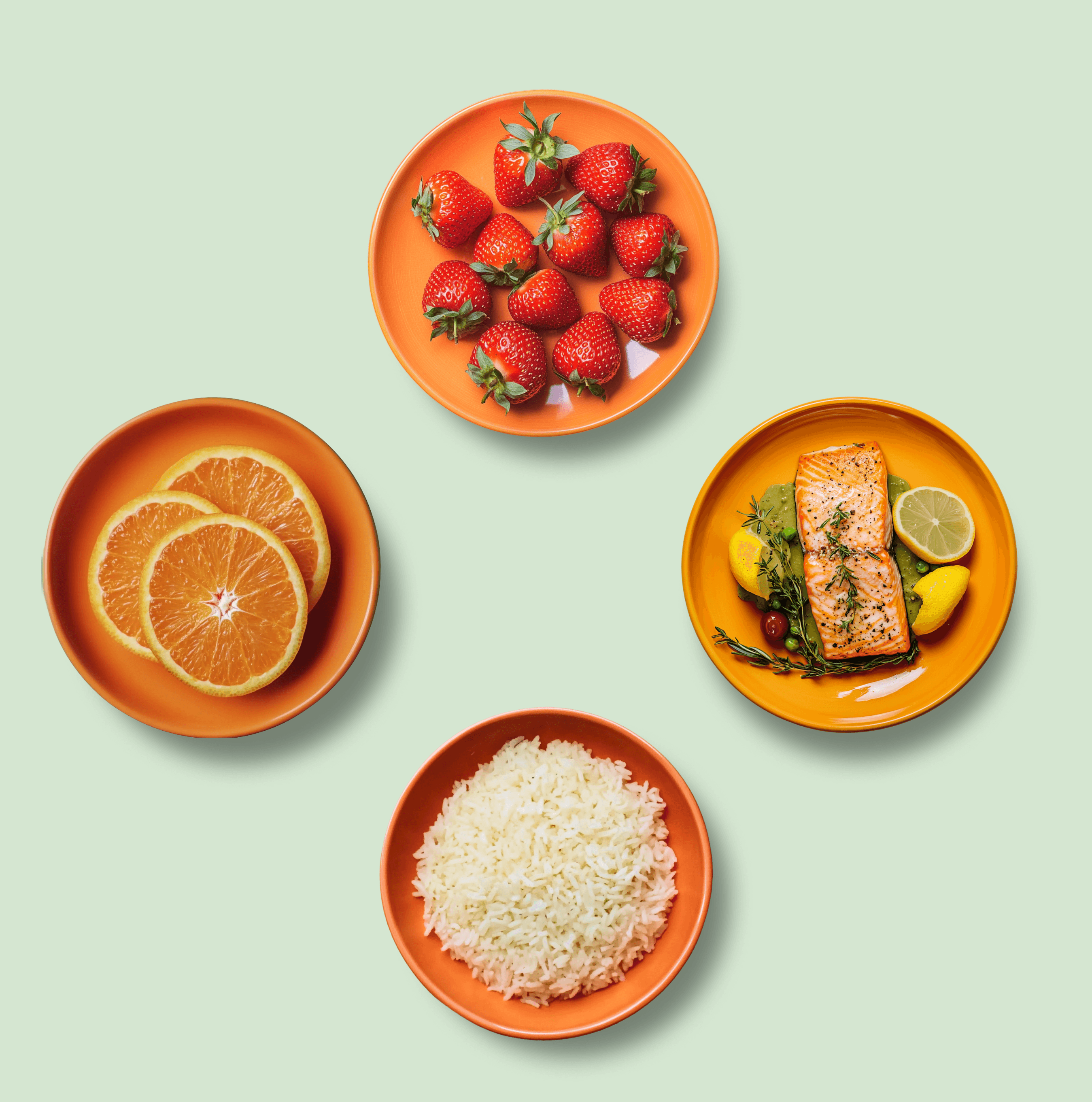
The Power of Three: Every balanced dinner should "anchor" with protein, add quick-cooking veggies, and include complex carbohydrates for sustained energy.
Prep, Don't Perfection: Successful meal planning isn't about gourmet cooking; it’s about reducing the number of decisions you have to make during a busy week.
Blood Sugar Stability: Pairing fiber and protein at dinner prevents late-night snacking and supports better sleep quality.
Flexibility is King: Keeping an "emergency" healthy pantry allows you to pivot when life gets in the way of your original plan.
We’ve all been there. It’s 6:00 PM on a Tuesday, you’ve just finished a long day of work or parenting (or both), and you’re standing in front of the fridge staring at a lone jar of pickles and some wilted spinach. You’re tired, hungry, and completely out of ideas. The "what’s for dinner?" question feels less like a simple query and more like a personal affront to your remaining brainpower. In that moment, even deciding feels exhausting.
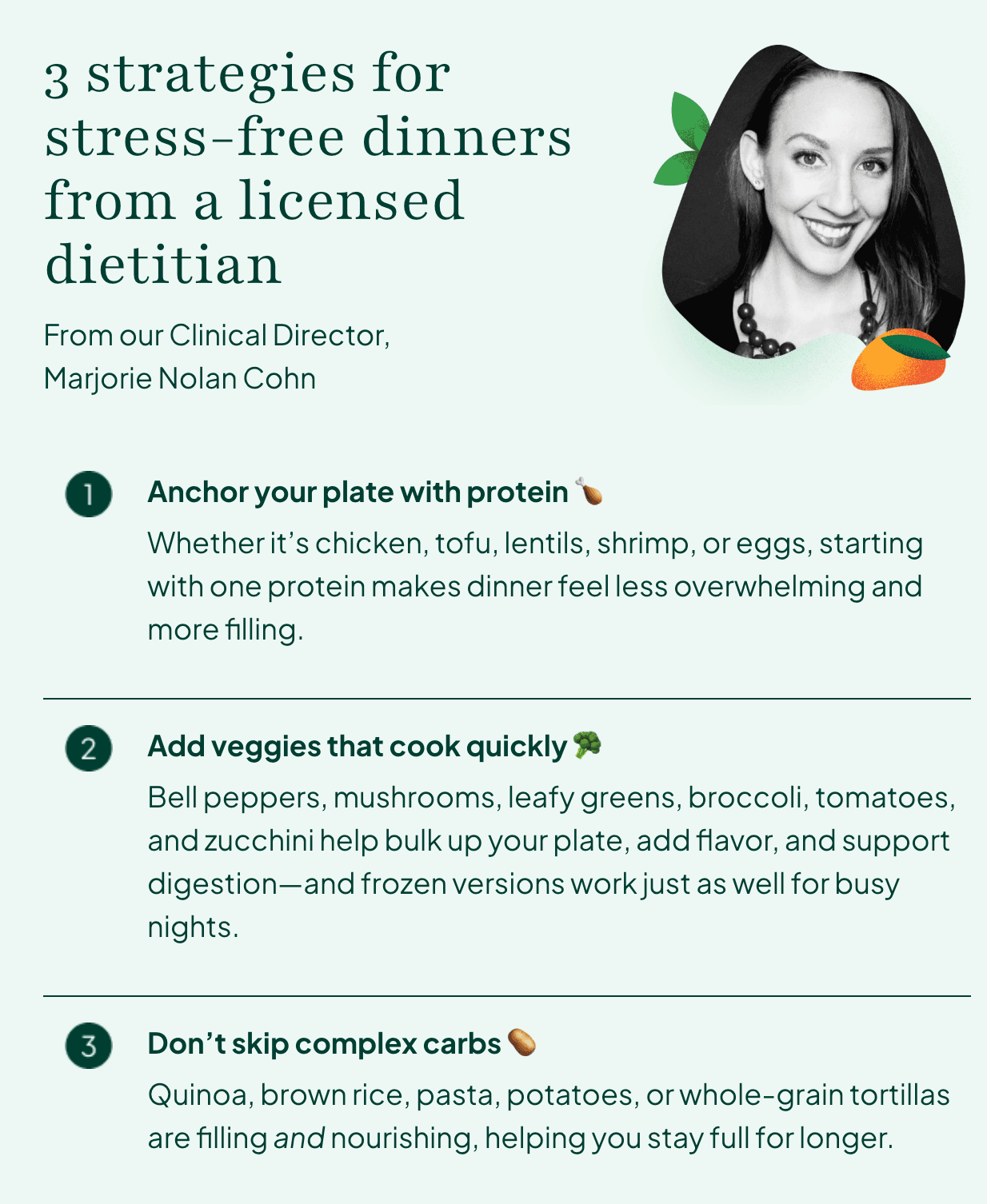
At Berry Street, we see how dinner stress impacts more than just your evening; it affects your cortisol levels, your sleep, and your relationship with food. Our Clinical Director, Marjorie Nolan Cohn, advocates for a simplified approach: anchoring your plate with protein, adding fast veggies, and never skipping those vital complex carbs. These small building blocks help you create meals that are both satisfying and easy to put together.
But how do you turn that philosophy into a repeatable, daily habit? Especially on the busiest days, consistency can feel out of reach. We’ve gathered up the 17 most essential tips from our team of licensed dietitians to help you plan dinner with absolute confidence. The goal here is to make dinnertime feel calmer, easier, and a lot more predictable, without overthinking it.

1. Anchor Your Plate with Protein
The biggest mistake many make is starting with the grain or the sauce. Instead, choose your protein first. Whether it’s chicken, tofu, lentils, shrimp, or even eggs, having a good protein source as the basis of your meal is what will help you stay full and feel satisfied.
"Protein is the most satiating macronutrient," says Jessica Kelly, MS, RDN, LDN. "When you lead with protein, you’re signaling to your brain and your hormones—like ghrelin and leptin—that you are being nourished. This prevents the 'bottomless pit' feeling two hours after dinner."
Getting enough protein each day is essential for muscle maintenance and immune function, especially for women who are dealing with hormonal shifts.

2. Embrace the "Fast Veggie" Rule
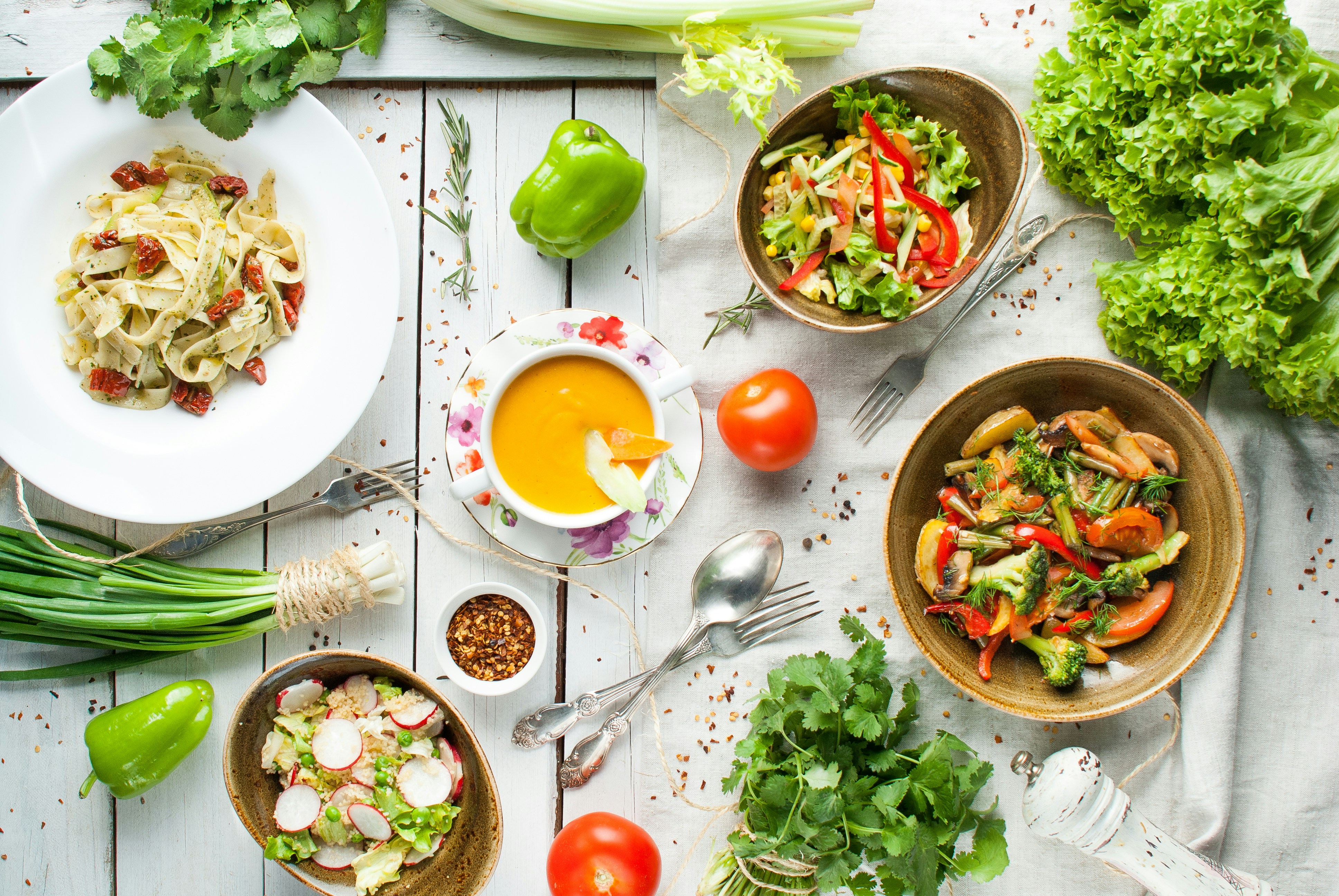
Don't feel pressured to slave over a hot oven and roast root vegetables for 45 minutes to an hour every night. Instead, start keeping "fast veggies" on hand. These are things like bell peppers, mushrooms, spinach, and zucchini that can be sautéed in under five minutes. If you’re really short on time, frozen vegetables are just as nutritious as fresh ones and require zero chopping.
3. Don’t Fear Complex Carbohydrates
There is a very common myth out there that eating carbs at night will lead to weight gain. In reality, complex carbs like quinoa, brown rice, or sweet potatoes provide the glucose that your brain needs in order to function properly, and eating them can actually boost the production of serotonin, which helps you wind down at the end of the day.
If you're curious about how carbs affect your specific goals, check out our Nutrition Guide to Pasta or learn why quick-fix low-carb diets often backfire.
4. The "Two-Dinner" Rule
When you do cook, get into the habit of cooking twice as much. Use the "Cook Once, Eat Twice" method. If you’re making taco meat on Monday, make enough for a taco salad or a protein-packed grain bowl on Tuesday or Wednesday. This is going to really help cut down your active cooking time over the course of the week.
5. Master the "Emergency" Pantry
Your pantry should be your safety net. Keep items like canned beans, high-quality jarred marinara, tuna, and 10-minute farro on hand at all times. Having these on your shelf will prevent the "emergency" takeout order that often leaves you feeling sluggish and guilty afterward. For a full list of what you should keep in stock, see our Guide to Stocking a Healthy Pantry.
6. Balance Your Blood Sugar to Protect Your Sleep
What you eat at 7:00 PM directly dictates how you sleep at 2:00 AM. A meal that is high in refined sugars or lacking in fiber can cause a blood sugar spike followed by a "crash" in the middle of the night, which triggers cortisol release and wakes you up.
"A balanced dinner acts as a bridge to a restful night," explains Bridget Isaacs, MS, RDN, LDN. "By combining fiber from vegetables with healthy fats and protein, you balance your blood sugar naturally, ensuring you don't wake up with those 'hunger shakes' or restless energy."
7. Use Themes to Reduce Decision Fatigue
"Taco Tuesday," "Soup Sunday," or "Sheet Pan Thursday" might sound like some kind of Pinterest cliché, but they can be really helpful tools for reducing decision fatigue. When the category is already decided, you only have to choose the specific ingredients.

8. Invest in 15-Minute "Buffer" Meals
Every meal plan needs a "buffer." This is a meal that is so easy to make, it takes less time than waiting for Uber Eats to show up at your door. Think omelets with frozen spinach, or a chickpea pasta with pesto. These are your "backup plan" meals that will keep you feeling full and satisfied, and will also keep some extra money in your wallet.
9. Don’t Shop Without a "Protective" Snack
Research suggests that shopping while you’re hungry leads to more impulsive, high-calorie purchases. Having a handful of almonds or a piece of fruit before hitting the grocery store, or keeping a small healthy snack in your purse or pocket, can help make sure that you make good decisions while you’re pushing the cart.
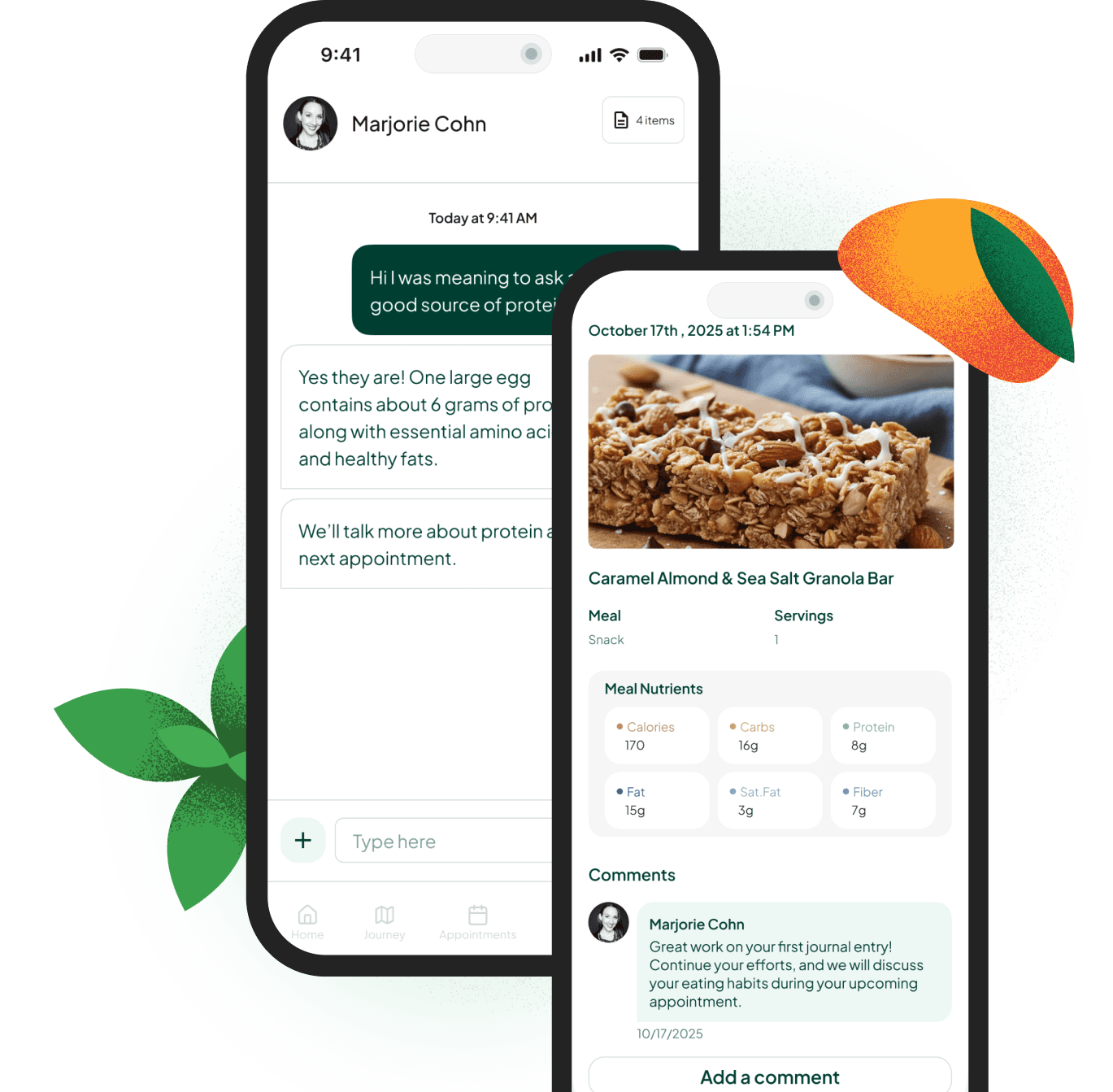
Ready to take the guesswork out of your nutrition? Book your first session with a Berry Street Dietitian to get a personalized meal plan tailored to your health goals
10. Prioritize Fiber for Better Digestion
Fiber doesn’t just help keep you regular - it's fuel for your gut microbiome. Including things like lentils, beans, or cruciferous vegetables at dinner helps slow down your digestion and keeps you feeling full. If you’ve struggled with bloating, you might find our Guide to Gut Health and Digestion helpful.
11. Practice "Component" Prep
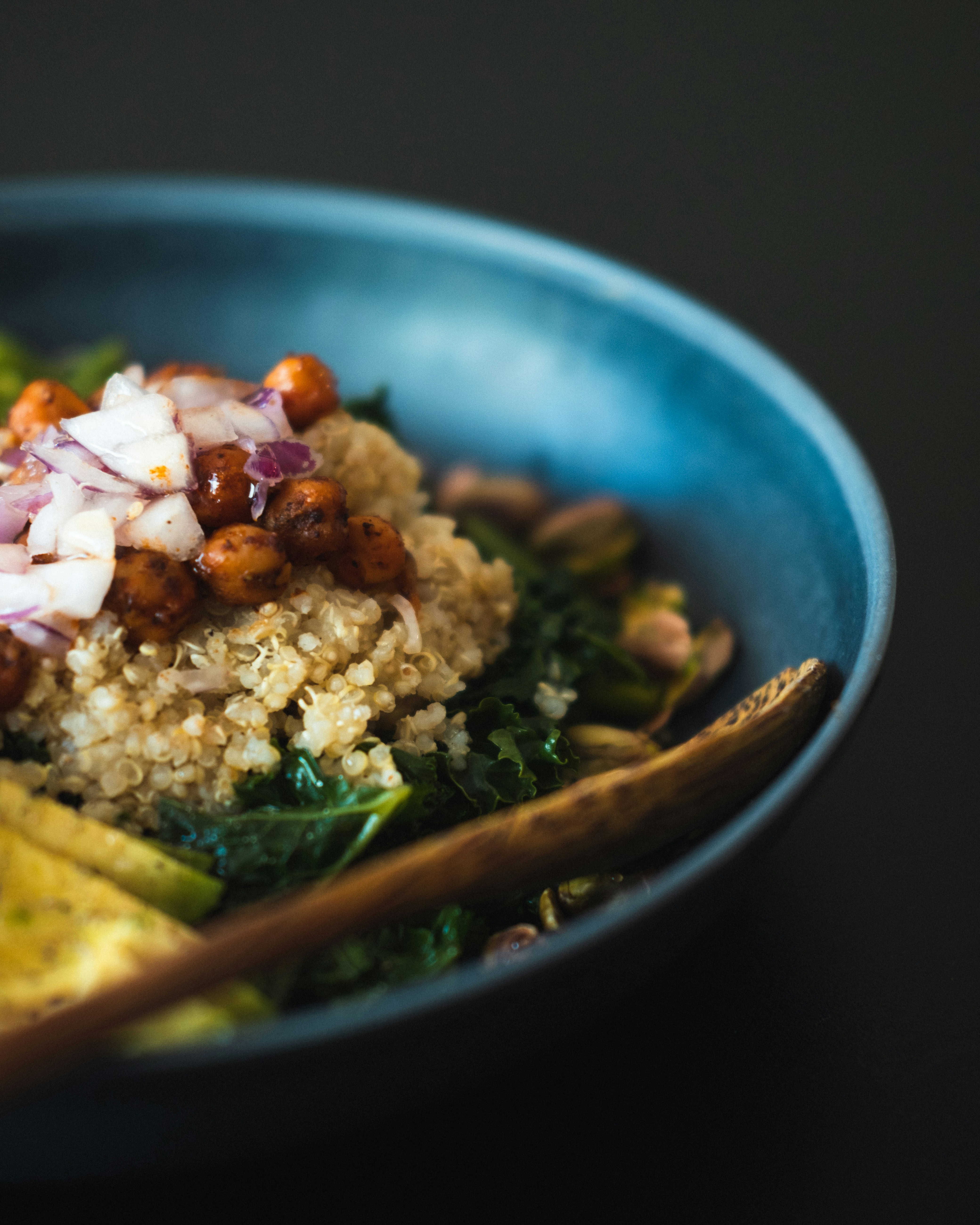
Instead of prepping full meals ahead of time (which can sometimes get soggy), prep your meal components. Roast a tray of chicken, boil a pot of quinoa, and wash and chop your greens and veggies. This is going to allow you to assemble different dishes and flavor profiles throughout the week so that you don't end up getting bored.
12. Watch Out For Sauces
Many store-bought dressings and sauces are packed full of hidden sugar or calorically dense. A simple vinaigrette of olive oil, lemon juice, and Dijon mustard takes 30 seconds to prepare, tastes fresh and delicious, and is much better for your metabolic health.
13. Hydrate Before You Eat
Often, we mistake thirst for hunger. Drinking a full glass of water 20 minutes before eating dinner can help you tune in to your body’s actual hunger cues. For more on this, read our expert guide on how much water you really need.
14. Mind Your Portions (Without the Scale)
You don't need a kitchen scale to make sure that you are eating the right amount. Use your hand as a guide: a palm-sized portion of protein, two fist-sized portions of veggies, and a cupped-hand portion of carbs. This "Portion Distortion" fix helps you eat intuitively without the stress of calorie counting or weighing out your food.
15. Season for Satisfaction
Healthy food shouldn't be bland. Use spices like turmeric, cumin, smoked paprika, and fresh herbs. Seasoning doesn't just make food taste better; it increases something known as "sensory-specific satiety," meaning you feel more satisfied with your meal and are less likely to go hunting for dessert later on.
16. Audit Your Afternoon Routine
If you find yourself stress-eating at dinner, take a minute to look at your afternoon. Are you skipping lunch? Are you relying on protein bars that are filled with sugar and don't actually fill you up? Often, dinner problems are actually "3:00 PM problems." Once you get a handle on these, your evening will become a breeze.
17. Be Kind to Yourself
Some nights, dinner will be cereal or a piece of toast, and that’s okay. Nutrition is about what you do 80% of the time, not 100%. Building healthy habits is a marathon, not a sprint, so be kind to yourself along the way.
Frequently Asked Questions
Is it okay to eat late at night?
Ideally, you want to finish dinner 2–3 hours before bed to allow for proper digestion. However, it is always better to eat a balanced meal late than to go to bed hungry, which can disrupt your sleep-regulating hormones.
Should I avoid gluten or dairy at dinner for weight loss?
Unless you have a diagnosed intolerance or a condition like PCOS where dairy might be a trigger, there is no need to restrict these food groups. In fact, for many, milk can be part of a healthy PCOS diet.
How do I manage dinner when I have IBS?
Focus on low-FODMAP vegetables like carrots or zucchini and lean proteins. For more information on this, check out our post on IBS and the Low FODMAP Diet.
What if I'm too tired to cook?
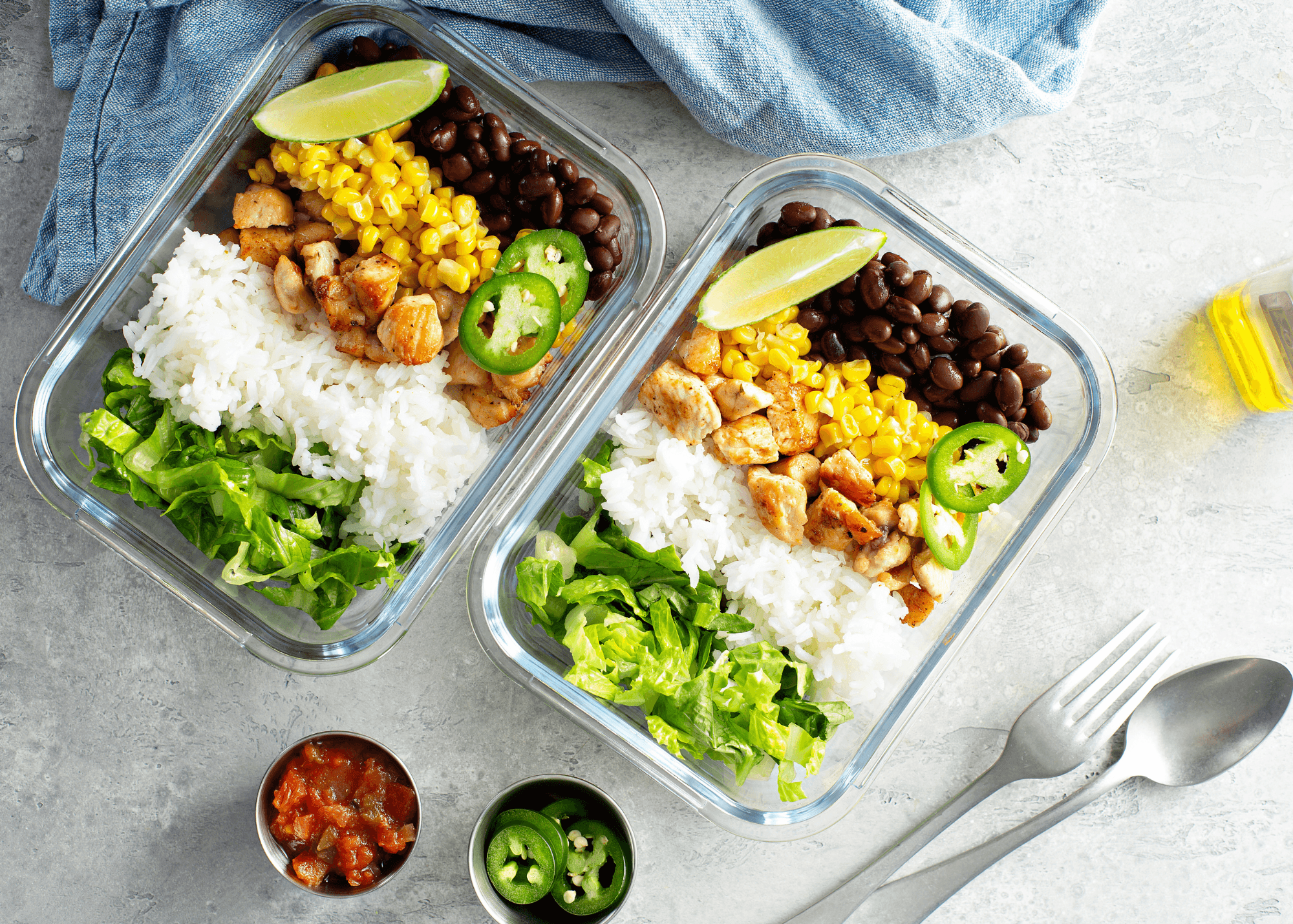
This is where your "Emergency Pantry" and "Fast Veggies" come in. A 5-minute meal of canned black beans, pre-cooked rice, and salsa is a nutritional win over most fast-food options.
Remember
It’s Time to Take the Stress Out of Dinner
Dinner doesn't have to be a source of daily stress. It can be a moment of relief at the end of a long day, rather than another decision that you have to try and power through. By anchoring your plate with protein, embracing the convenience of frozen veggies, and keeping your pantry stocked with complex carbs, you can nourish your body without the burnout. These simple habits take the pressure off and give you reliable options when your energy is low. Remember, the "best" meal plan is the one that you can actually stick to.
Do you want a personalized strategy for your health? Berry Street’s licensed dietitians specialize in everything from PCOS and metabolic health to simple, everyday nutrition. Most of our patients pay $0 out of pocket thanks to insurance.