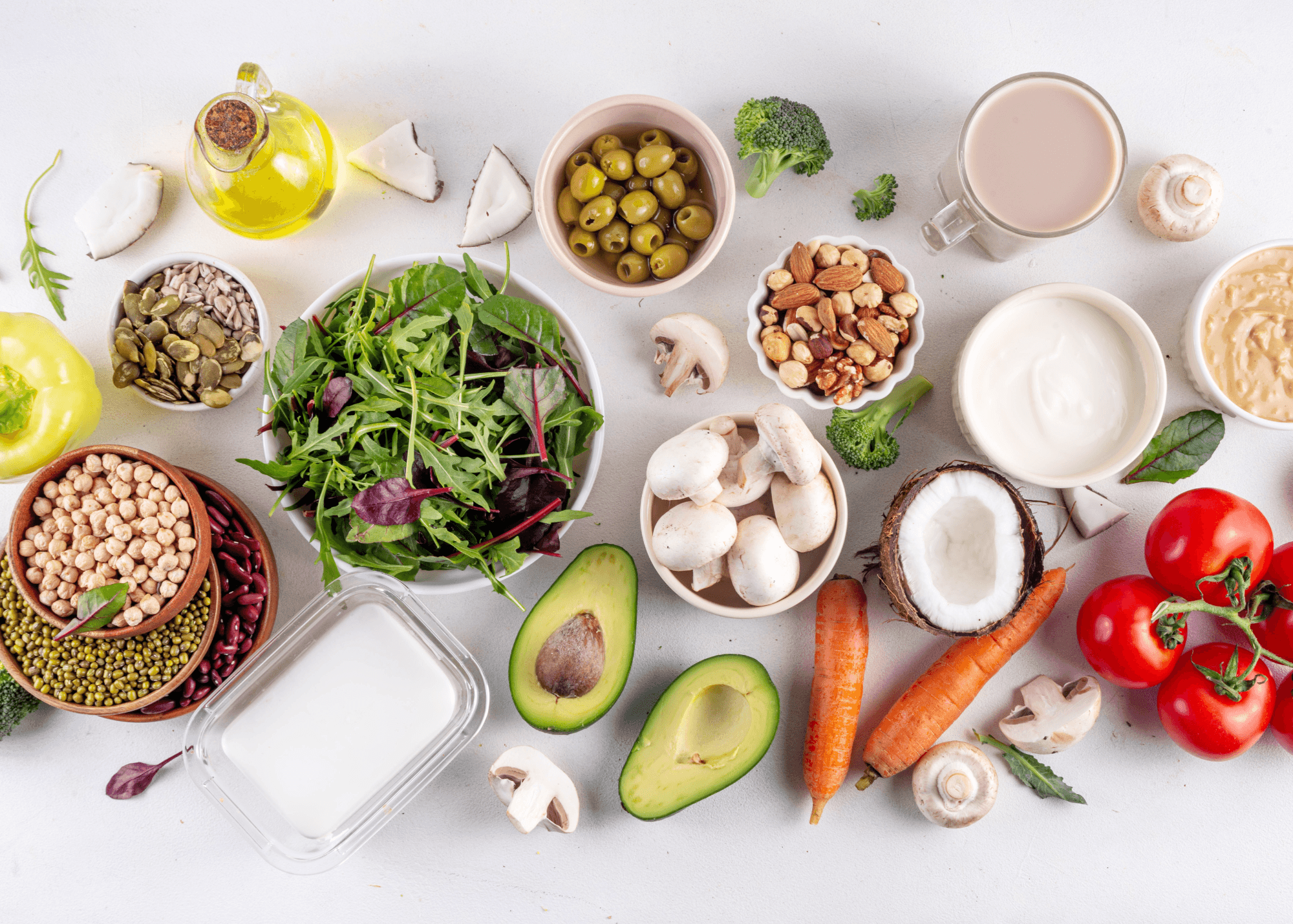
Your hormones are constantly shifting throughout the month, and those changes affect far more than just your period. They have an impact on your energy, your mood, your cravings, your sleep patterns, your digestion, and even how your body burns fuel.
Learning to eat in sync with your cycle can make a big difference in how you feel throughout the month. The right foods at the right time may help ease PMS symptoms, support fertility, and keep your energy steady from week to week.
"Most people don't realize that women's nutritional needs vary week to week," says Jessica Kelly, MS, RDN, LDN. "Just like training programs are adjusted for athletic cycles, our meals should reflect our hormonal rhythm."
Your cycle has four unique phases - menstrual, follicular, ovulatory, and luteal - each with its own unique hormonal pattern and nutritional needs. Here’s how to fuel your body through every stage so that you can feel your best all month long.

Phase 1: Menstrual Phase (Days 1–5)
Hormonal Overview: Estrogen and progesterone levels drop, which can cause fatigue, cramping, and mood dips.
What to Focus On: Iron, hydration, and anti-inflammatory foods.
Best Foods:
Iron-rich foods: Lentils, grass-fed beef, spinach, pumpkin seeds
Magnesium sources: Dark chocolate, nuts, bananas
Anti-inflammatory foods: Ginger tea, turmeric, berries, leafy greens

"Blood loss can deplete iron and magnesium, which contribute to fatigue," says Bridget Isaacs, MS, RD. "Focus on replenishing those minerals to support your menstrual phase."
Avoid: Excess caffeine, alcohol, and salty or processed foods that may worsen bloating and mood swings.
Support Tip: Warm stews, herbal teas, and rest can make this phase feel more restorative.
Phase 2: Follicular Phase (Days 6–14)
Hormonal Overview: Estrogen starts to rise; energy and mood lift. It's a great time for creativity and trying new things.
What to Focus On: Protein, phytoestrogens, and cruciferous vegetables for hormone metabolism.
Best Foods:
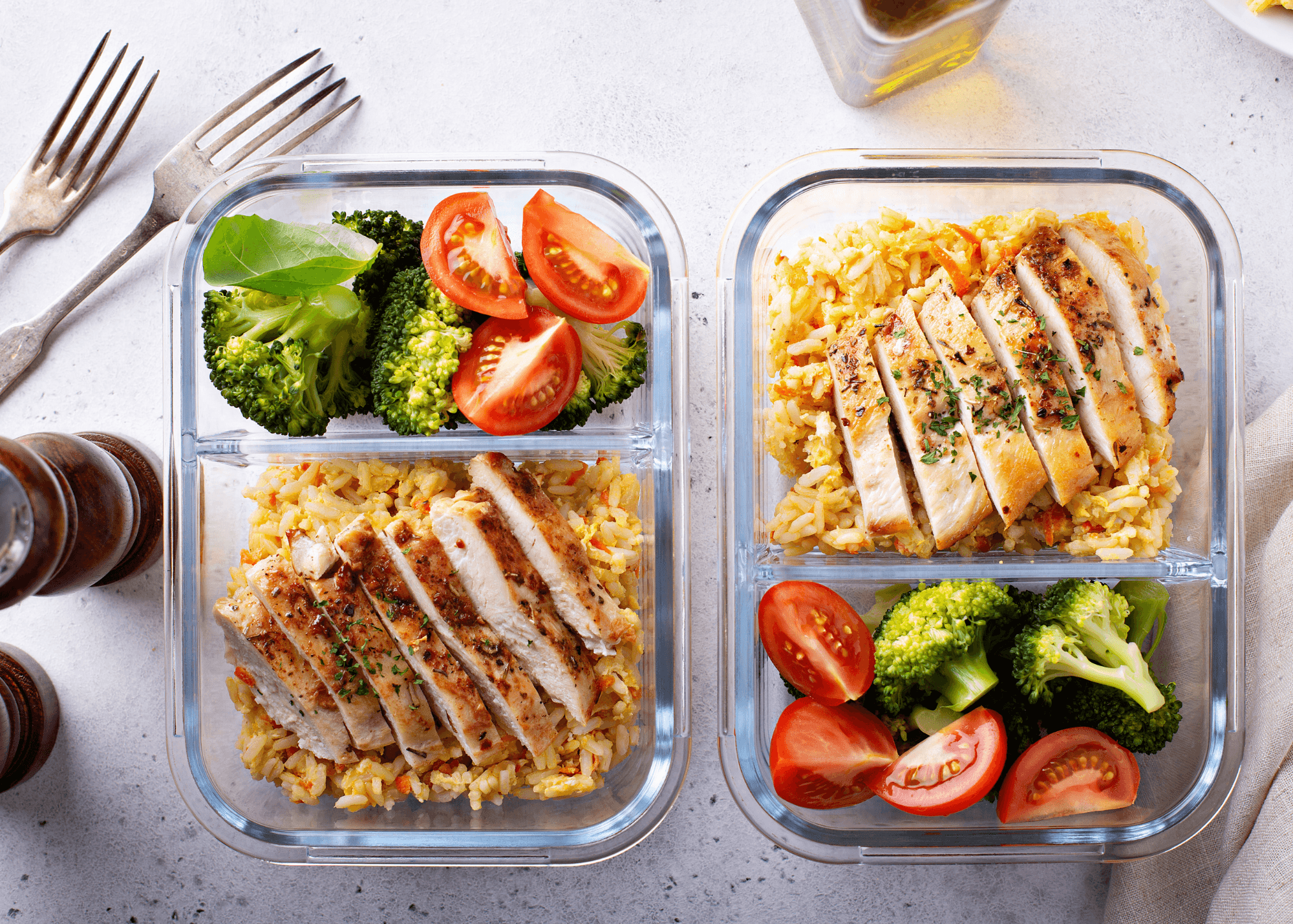
Lean proteins: Eggs, chicken, fish
Veggies: Broccoli, cauliflower, Brussels sprouts
Fermented foods: Kimchi, sauerkraut, kefir for gut-hormone connection
Phytoestrogens (which are plant estrogens) found in flaxseeds and soy can help naturally balance your estrogen levels. Your digestion is often stronger now, so it’s a great time to eat raw salads, smoothies, and fiber-rich meals.
Support Tip: This is a good time to focus on learning new recipes or batch-cooking.
Phase 3: Ovulatory Phase (Days 15–17)
Hormonal Overview: Estrogen peaks, and luteinizing hormone (LH) triggers ovulation. Your libido and confidence levels often rise as well.
What to Focus On: Antioxidants, liver support, and hydration.
Best Foods:
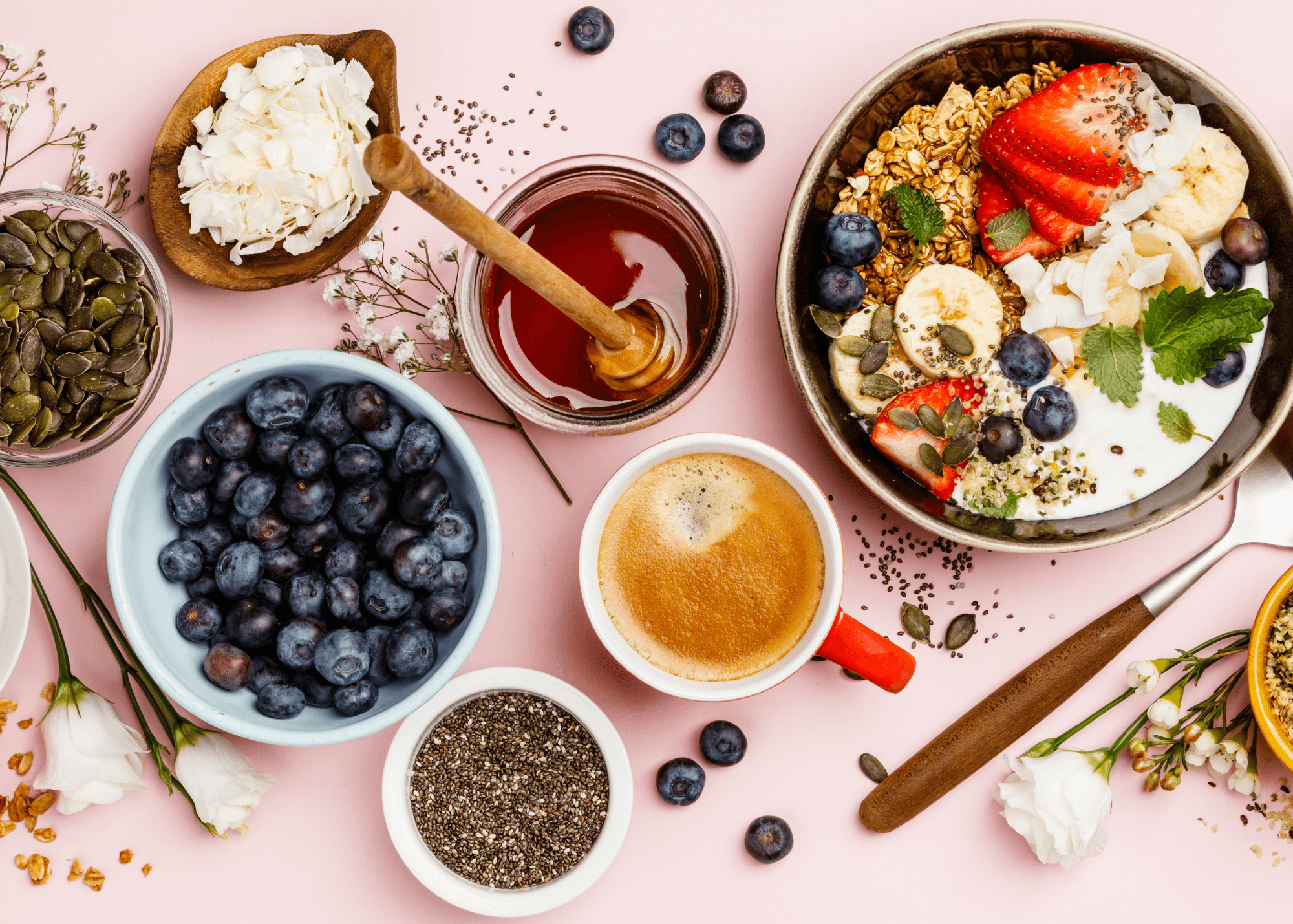
Colorful fruits and veggies: Berries, bell peppers, tomatoes
Zinc-rich foods: Pumpkin seeds, oysters, beef
Hydrating foods: Cucumbers, watermelon, citrus, leafy greens
"Your body is primed for reproduction during ovulation, so detox pathways and liver function are crucial," explains Jessica Kelly, MS, RDN, LDN. "Support with antioxidants and cruciferous veggies."
Support Tip: If you're trying to conceive, this is your most fertile window. Prioritize eating nutrient-dense foods and ensuring that you stay properly hydrated.
Phase 4: Luteal Phase (Days 18–28)
Hormonal Overview: Progesterone level rises. You may experience PMS, bloating, cravings, or sleep changes.
What to Focus On: B vitamins, magnesium, complex carbs, and anti-inflammatory fats.
Best Foods:
B6-rich foods: Salmon, chickpeas, bananas
Magnesium foods: Dark chocolate, leafy greens, avocado
Complex carbs: Sweet potatoes, oats, quinoa (can stabilize mood and reduce cravings)
Healthy fats: Chia seeds, olive oil, walnuts
"During this phase, blood sugar can be more volatile, and serotonin dips are common. That’s why cravings and emotional sensitivity show up," notes Jessica Kelly, MS, RDN, LDN. "Don’t fear carbs—just pair them with protein and fiber."
Avoid: Excess refined sugar and alcohol, which can worsen PMS and energy crashes.
Support Tip: Prioritize your sleep hygiene, limit screen time before bed, and consider magnesium glycinate supplementation if you’re prone to PMS-related anxiety or insomnia.
Cycle-Syncing Meal Ideas
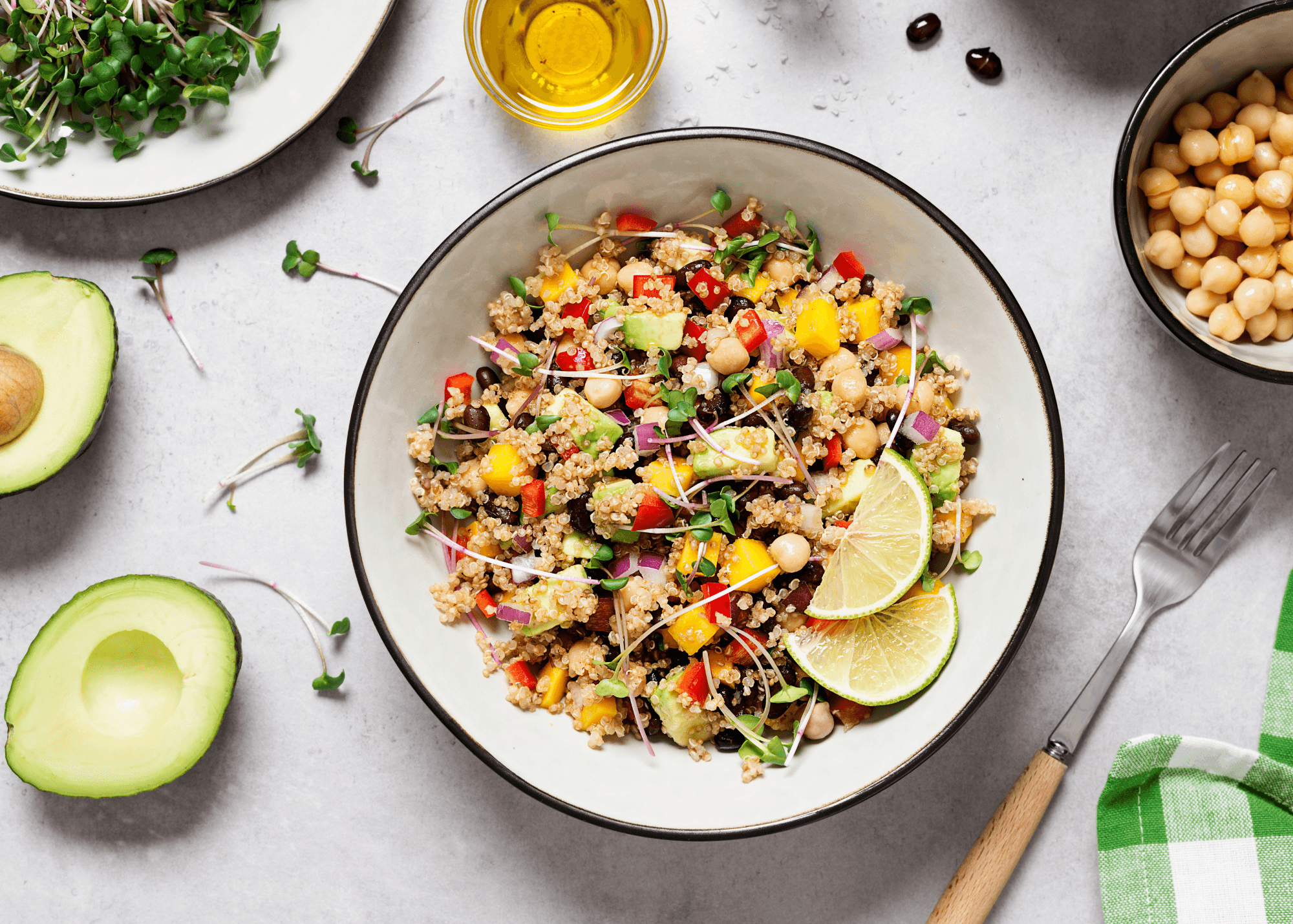
Eating in tune with your menstrual cycle can make a big difference in your energy, mood, and overall well-being. Each phase of your cycle comes with unique hormonal shifts that can influence what your body needs, from extra iron during your period to blood sugar–steadying meals before your next one. In addition, you can try seed cycling and read more about it here.
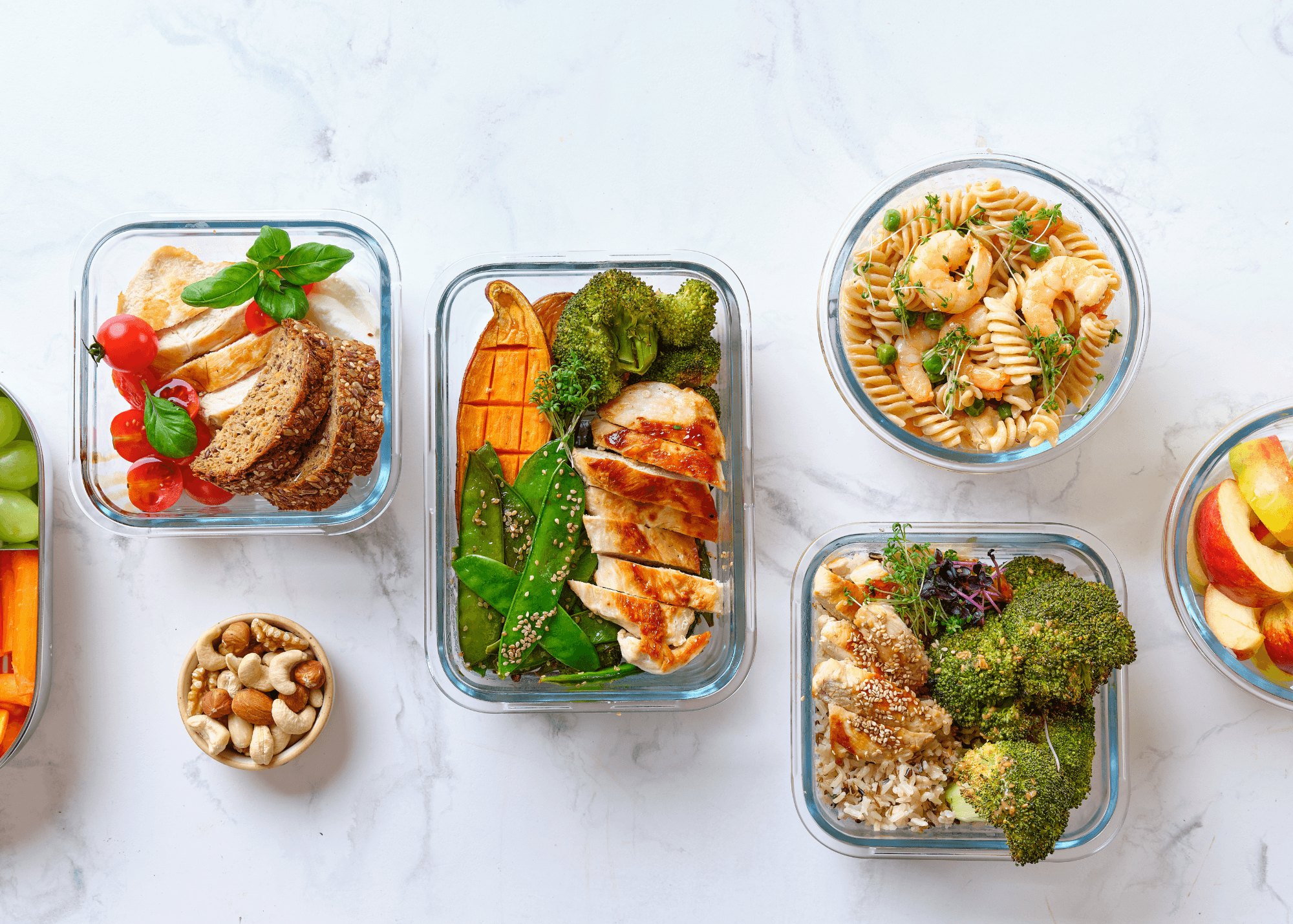
Here are some simple, nourishing ideas for breakfast, lunch, dinner, and snacks that will help support you through every phase:
Breakfast
Menstrual: Warm oatmeal with ground flaxseeds, berries, and cinnamon for fiber, antioxidants, and gentle hormone support. Add a drizzle of almond butter for healthy fat.
Follicular: A refreshing smoothie with spinach, protein powder, banana, and flaxseeds to replenish nutrients and support rising estrogen levels.
Ovulatory: Greek yogurt topped with walnuts, kiwi, and hemp seeds for protein, omega-3s, and vitamin C to support ovulation and fertility.
Luteal: Scrambled eggs with roasted sweet potato and avocado for steady energy and healthy fats that curb PMS cravings.
Lunch
Menstrual: Lentil soup with kale and quinoa, which are rich in iron and plant-based protein to help replenish what you lose during your period.
Follicular: Grilled chicken salad with broccoli slaw, tahini dressing, and a sprinkle of pumpkin seeds for zinc and vitamin C.
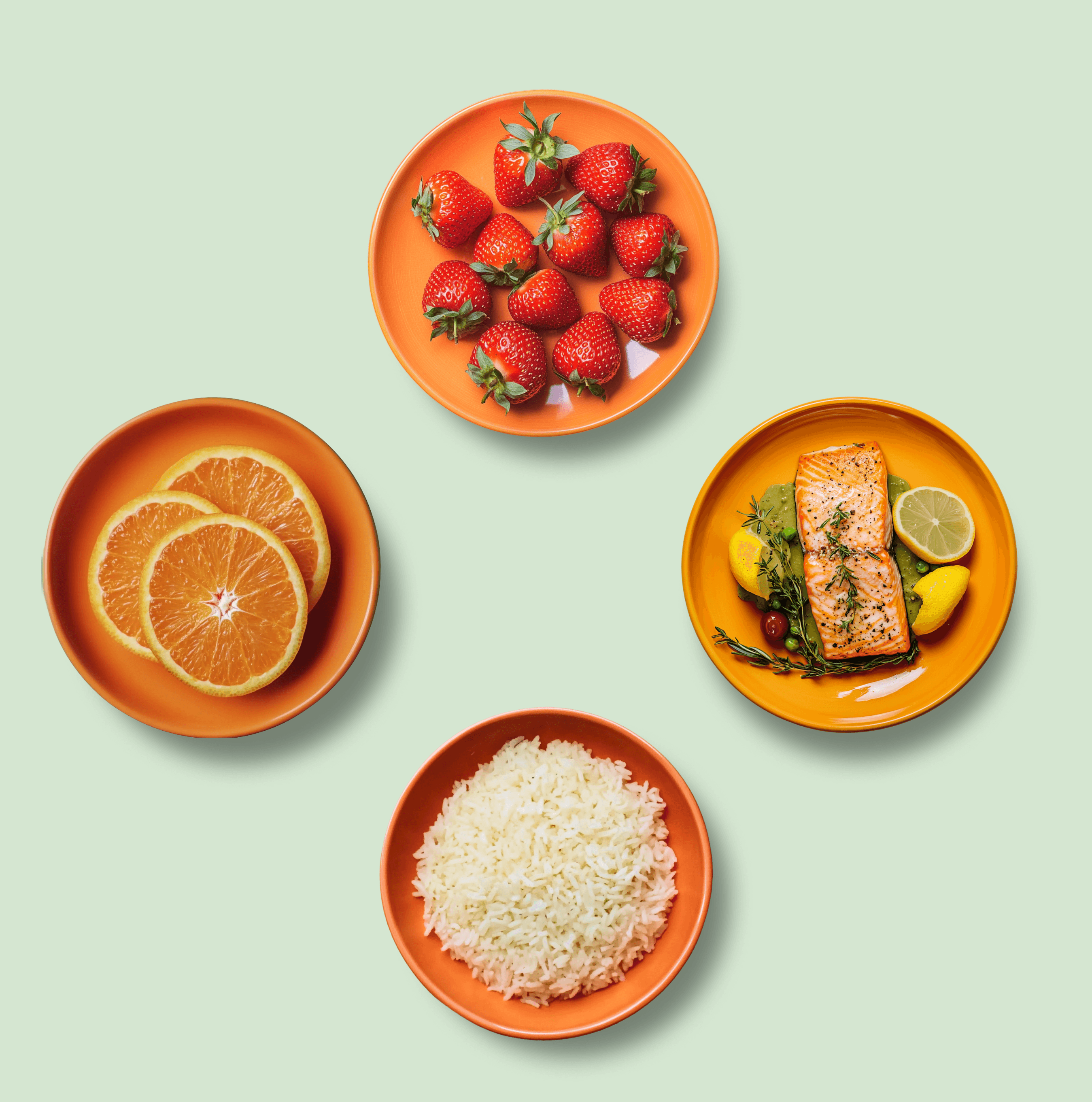
Ovulatory: Salmon bowl with brown rice, cucumber, avocado, and fermented veggies to support gut health and hormone clearance.
Luteal: Hearty turkey chili with black beans, chopped spinach, and spices to keep blood sugar balanced and boost magnesium for mood support.
Dinner
Menstrual: Slow-cooked veggie and bean stew with bone broth for extra minerals, served with a slice of whole-grain bread.
Follicular: Stir-fry with shrimp, bok choy, peppers, and cashews over quinoa. It’s light but nutrient-dense to match rising energy.
Ovulatory: Lemon-garlic salmon with roasted asparagus and farro, plus a side salad with beets for extra antioxidants.
Luteal: Baked chicken thighs with roasted root veggies and sautéed greens for complex carbs and fiber to reduce cravings.
Snacks
Menstrual: Apple slices with almond butter for protein and crunch.
Follicular: A square of dark chocolate for magnesium (and satisfaction!).
Ovulatory: Roasted chickpeas for fiber and plant protein.
Luteal: Trail mix with pumpkin seeds and dried fruit for zinc and iron.
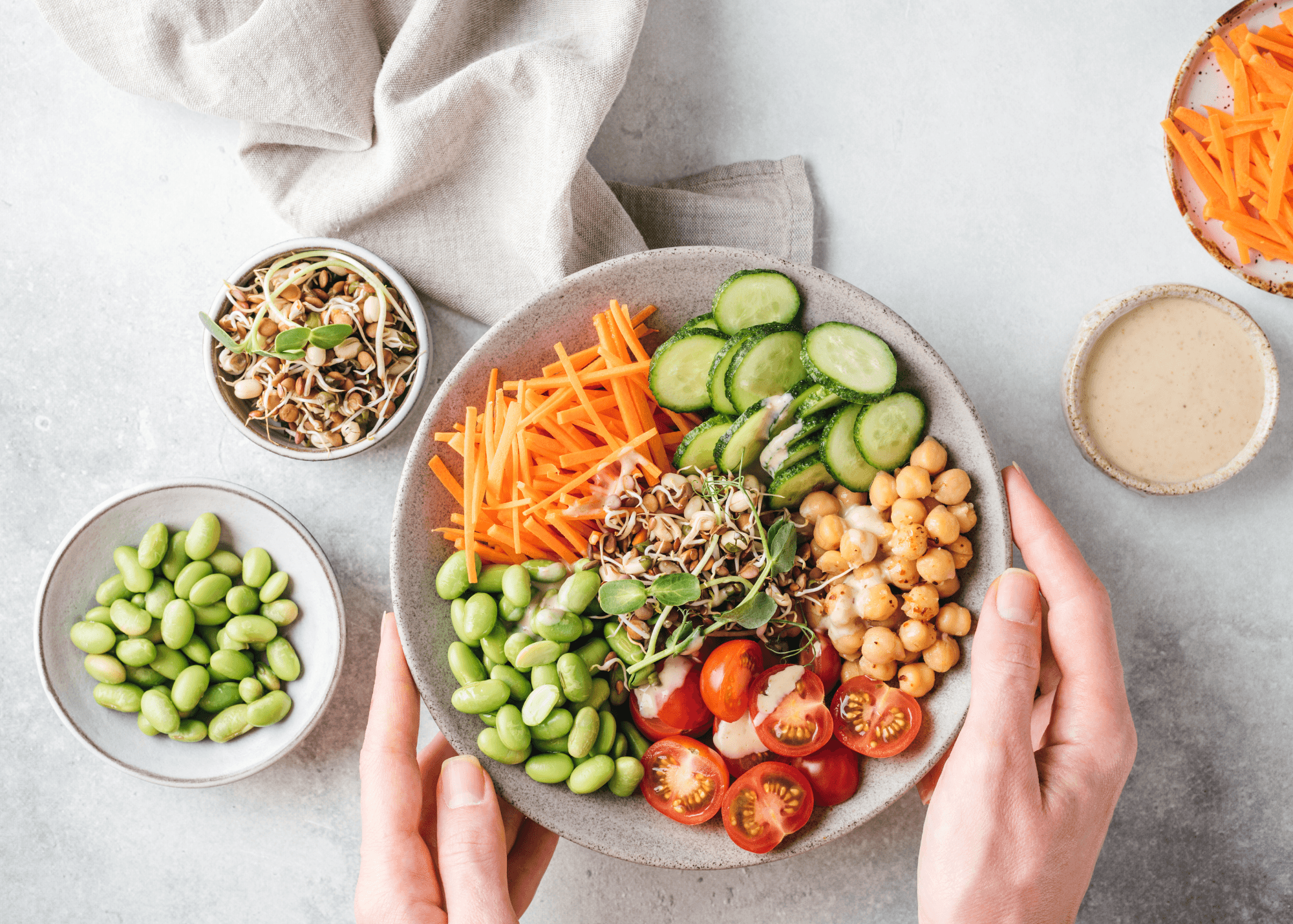
How to Start Eating for Your Cycle
Start by tracking your cycle and syncing one meal per day with your current phase. Pay attention to your energy, cravings, digestion, and mood.
"It doesn’t have to be all or nothing," says Bridget Isaacs, MS, RD. "Start small. Even one mindful swap per week can build body awareness and hormonal resilience."
Let Your Hormones Lead
Eating with your menstrual cycle is one of the most intuitive, nourishing ways to support your hormones, mental clarity, and overall well-being. With simple nutrition strategies, you can reduce PMS, improve energy, and feel more aligned in your body. In addition, keep in mind the hidden hormone disruptors.
If you want expert support in building a personalized hormone-friendly eating plan, connect with a registered dietitian at Berry Street. We’re here to help you decode your symptoms and create a nutrition plan that supports your cycle, naturally.
Frequently Asked Questions
What is cycle syncing?
Cycle syncing is the practice of adjusting your nutrition, exercise, and lifestyle habits to match the hormonal changes that occur throughout your menstrual cycle. It helps optimize energy, mood, fertility, and hormonal balance.
Does science support eating differently throughout your cycle?
Yes. Research shows that hormonal fluctuations impact metabolism, appetite, insulin sensitivity, and nutrient needs. Adjusting your diet can help support these shifts.
Is cycle-syncing nutrition helpful if I have PCOS or irregular periods?
Absolutely. While cycles may be irregular, the general principles of supporting blood sugar balance, reducing inflammation, and nourishing hormones still apply. A dietitian can help you personalize based on symptoms and labs. If you have any conditions like PCOS or endometriosis, make sure you check our blog posts.
Can I still eat my favorite foods?
Yes! Cycle syncing is about enhancing, not restricting. You can still enjoy your favorite meals while emphasizing nutrients that support your current phase.
What if I'm on birth control?
Hormonal contraceptives can flatten out your natural hormonal fluctuations. However, many of the principles (especially those for supporting liver detox, blood sugar, and micronutrient repletion) still apply.