Why Skin Health Starts From Within
Glowing, healthy skin doesn’t start with a serum. Believe it or not, it actually starts in your kitchen. While topical products can help protect and hydrate the surface, truly resilient, radiant skin is built from the inside out. What you eat, how you hydrate yourself, and how your body manages stress all influence the way that your skin repairs itself, fights inflammation, and reflects your overall health.
“Your skin is your largest organ,” says Jessica Kelly, MS, RDN, LDN. “What you eat, how you hydrate, and how you manage stress directly affect how your skin repairs, protects, and glows.”
Think of your skin as a mirror for what’s happening below the surface. When your body is properly nourished, your skin becomes stronger, calmer, and more vibrant. When it’s missing important nutrients or is under stress, your skin is often one of the first places that it shows.
The process of skin turnover, hydration, elasticity, and even how your skin responds to breakouts or redness all depend on a steady supply of nutrients, including protein, vitamin C, zinc, omega-3 fats, and antioxidants. These nutrients help your body create collagen, deal with inflammation, boost barrier function, and keep up that healthy glow that we all want…without needing a 12-step skincare routine.
Our experts at Berry Street have put together this guide to show you how nutrition plays a powerful role in the health of your skin, and how small changes to your plate can lead to real, visible results for your skin over time.

The Science of Skin Nutrition
The skin’s outer layer, or epidermis, renews itself roughly every month. That regeneration process relies on adequate nutrients in order to form collagen, repair any damage, and deal with inflammation.
“Every skin cell is made from the nutrients you eat,” explains Bridget Isaacs, MS, RD. “When your diet lacks key building blocks—like protein, antioxidants, or healthy fats—you see it first in your skin.”
Some of the most important nutrients for your skin health include:
Protein: Builds collagen and elastin for firmness.
Vitamin C: Supports collagen synthesis and wound healing.
Zinc: Helps cell turnover and reduces inflammation.
Vitamin A: Regulates oil production and cell renewal.
Omega-3 fats: Keep cell membranes strong and hydrated.
Your skin needs more than just a handful of vitamins, it needs a full-body approach. From hydration and healthy fats to blood sugar balance and gut health, every system in your body plays a role in how your skin looks and feels. Think of skin care as a team effort…when your internal systems are nourished and supported, your skin becomes stronger, more radiant, and calm. Up next, we’ll take a look at all of the everyday steps that lead to long-term skin health…no fancy products required.
Step 1: Prioritize Hydration - Your Skin Feels It First
If your skin ever feels dull, tight, or flaky, dehydration could be the reason. Even mild fluid loss can leave your skin looking less vibrant and more reactive. Staying hydrated helps your skin stay plump, elastic, and able to protect itself, because water doesn’t just quench your thirst, it boosts the circulation and cell function that your skin depends on.
Instead of chugging a gallon at once, sip water steadily throughout the day. Add in hydrating foods like cucumbers, citrus, and grapes to boost your intake naturally. And if you're working out, running the furnace, or are just feeling extra dry, remember…your skin needs even more support to stay happy and hydrated.
“Hydration is the first step in any good skincare routine,” says Jessica Kelly, MS, RDN, LDN. “Without it, even the best diet or moisturizer can’t do its job.”

Step 2: Feed Your Skin with Antioxidants
Your skin is constantly exposed to things that can wear it down, like sunlight, pollution, stress, and even that second cup of coffee on a short night’s sleep. Antioxidants are your skin’s built-in defense system. They help neutralize free radicals (the unstable molecules that speed up aging and trigger inflammation) keeping your skin brighter, calmer, and more even in tone.
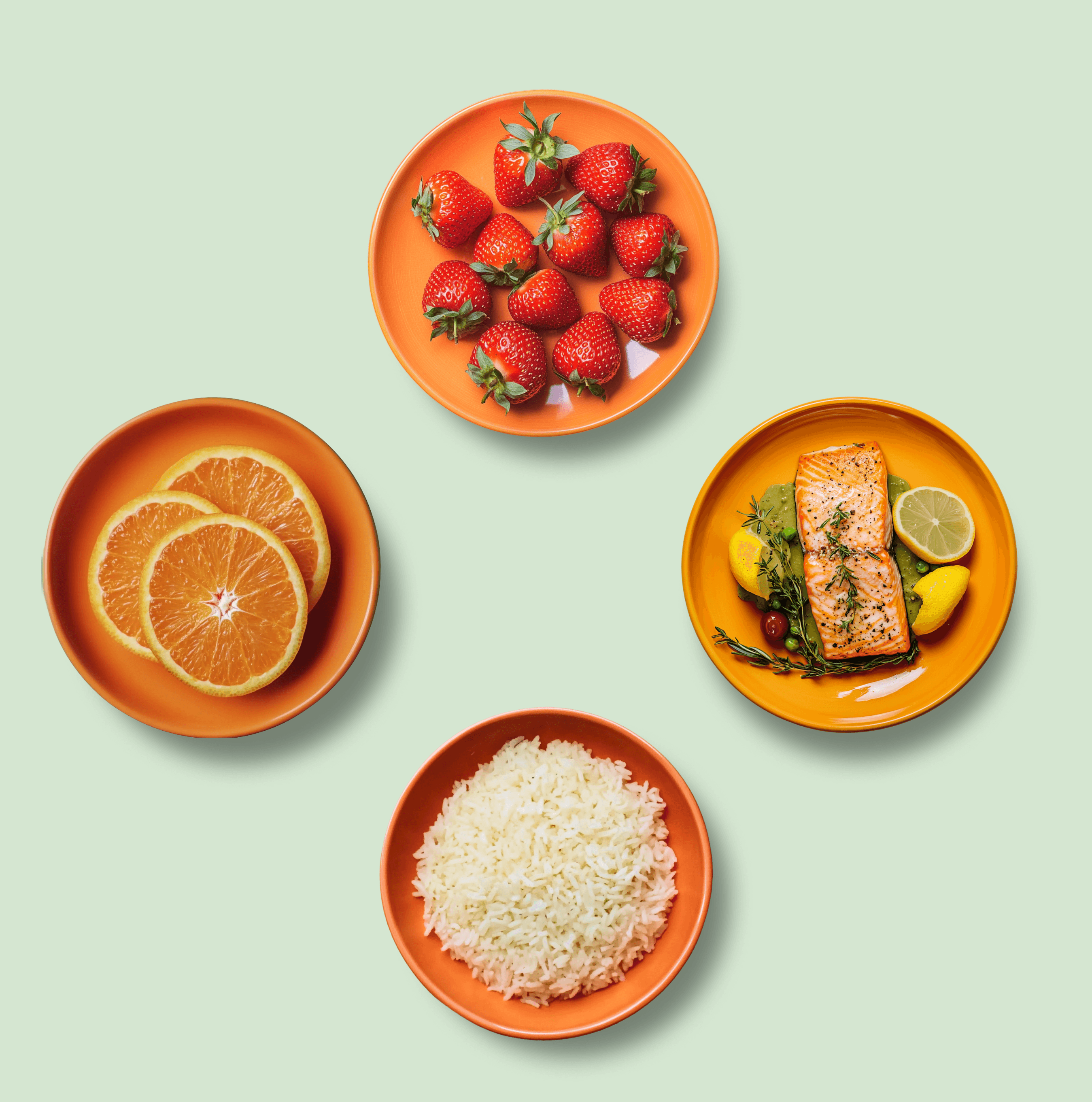
Vitamin C is a major player here, and is found in citrus, berries, kiwi, and bell peppers. It boosts collagen production and helps fade dark spots over time. Vitamin E, found in nuts, seeds, and avocados, helps protect cell membranes and strengthen your skin barrier. Then there are polyphenols, which are the plant compounds in green tea, olive oil, and even cocoa, that calm inflammation and improve skin texture. And don’t forget carotenoids like beta-carotene, the orange pigment in carrots, pumpkin, and sweet potatoes that helps protect your skin from UV damage from the inside out.
A colorful plate isn’t just good for your body, it’s one of the easiest ways to glow naturally, no highlighter required!
“Eating the rainbow isn’t just a cliché,” says Bridget Isaacs, MS, RD. “Colorful foods deliver antioxidants that act as nutrients for your skin.”
Step 3: Support Collagen Naturally
Collagen is what keeps your skin firm, plump, and smooth, but your body naturally makes less of it as you age. The good news is that you can help slow that decline and encourage collagen production by making sure that you have the right nutrients on your plate.
Vitamin C is non-negotiable. It’s what your body needs to actually build collagen in the first place. Without it, collagen synthesis stalls. Then there’s protein: your body breaks it down into amino acids like glycine and proline, which are the building blocks of collagen fibers. Minerals like zinc and copper also play supporting roles, helping with tissue repair and the “cross-linking” that gives your skin structure and strength.
The bottom line here is that skin-firming starts with real food. From citrus and colorful veggies to protein-rich meals and mineral-packed seeds, what you eat can help your skin stay strong, supple, and more resilient as time goes by.
“Instead of chasing collagen supplements, focus on the nutrients that make collagen in the first place,” notes Jessica Kelly, MS, RDN, LDN.

Step 4: Healthy Fats for a Healthy Glow
If you want naturally dewy, soft skin, healthy fats are your very best friend. Your skin’s outer barrier (the layer that locks in moisture and keeps irritants out) depends on fats in order to stay strong and flexible. Without enough of them, that barrier can weaken, leading to dryness, flakiness, and sensitivity.
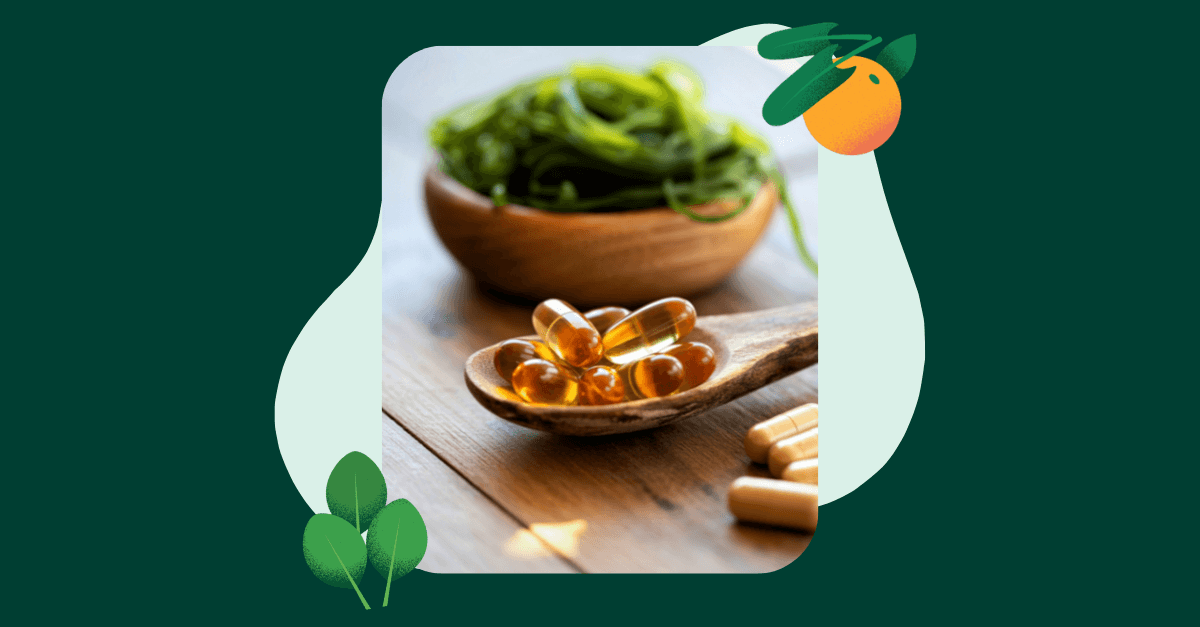
Omega-3 and omega-6 fatty acids are the real heroes here. They help keep your skin cells hydrated from within and reduce inflammation that can show up as redness or irritation. You’ll find these skin-loving fats in foods like salmon, sardines, trout, flaxseeds, chia seeds, walnuts, olive oil, and avocado.
Plus, adding these to your daily meals doesn’t just help your skin glow…it also supports your heart, hormones, and overall energy levels too. Think of it as skincare that starts on your plate, not in your bathroom cabinet.
“Omega-3s are like moisturizer from the inside out,” says Bridget Isaacs, MS, RD. “They keep your skin barrier intact and reduce redness or inflammation.”
Step 5: The Gut-Skin Connection
Your gut and skin are constantly talking to each other…literally. Through what’s called the gut-skin axis, your digestive system sends signals that can influence everything from breakouts and redness to hydration and that healthy glow. When your gut microbiome is diverse and balanced, your skin is more likely to stay calm, clear, and strong.
But when that balance is thrown off, whether from stress, antibiotics, highly processed foods, or too much sugar, your skin is often the one to show the first signs. You might notice more breakouts, eczema flare-ups, or just a dull, uneven tone. That’s because an unhappy gut can trigger low-grade inflammation, immune responses, and even nutrient absorption issues…all of which affect the health of your skin.
The good news is that you can nourish your gut and support your skin at the same time. Load up on fiber-rich foods like oats, fruits, and vegetables to feed beneficial gut bacteria. Add fermented foods like yogurt, kefir, or sauerkraut into your diet to introduce more good microbes and probiotics. And try cutting back on things like refined sugar and alcohol, which tend to disrupt your gut’s natural balance and spike inflammation.
Your gut health and skin health go hand in hand. When you take care of one, you support the other.
“Skin inflammation often starts in the gut,” says Jessica Kelly, MS, RDN, LDN. “By nourishing your microbiome, you’re indirectly calming your skin.”
Step 6: Blood Sugar and Skin - The Hidden Connection
You might not think of blood sugar when you think of skincare, but trust us, your skin definitely notices. When your blood sugar spikes too often, it triggers a process called glycation, where excess sugar molecules bind to proteins like collagen and elastin. The result is that these once-flexible skin-supporting proteins become stiff and brittle, which can lead to more fine lines, sagging skin, and a dull, tired-looking complexion over time.
Keeping your blood sugar steady is one of the most underrated ways to help out your skin from within. Start by pairing carbs with protein or healthy fats at meals, as this slows digestion and gives your body a more stable stream of energy. Think avocado with toast, or roasted veggies with lentils. Choosing complex carbohydrates like quinoa, oats, and sweet potatoes also helps prevent those dramatic sugar highs and lows that can affect both your mood and your skin.
And don’t skip meals. Doing so can lead to rebound cravings and crashes later in the day, which throws your blood sugar (and your skin) off balance. Steady energy means steadier hormones, fewer inflammation spikes, and skin that looks and feels more even, smooth, and clear.
“Balanced blood sugar doesn’t just impact energy—it literally changes how your skin looks and feels,” notes Bridget Isaacs, MS, RD.
Step 7: Manage Stress for Clearer Skin
If you’ve ever broken out during a busy week or noticed your skin looking dull after a stretch of poor sleep, that’s no coincidence. Chronic stress affects your skin on a cellular level. It ramps up cortisol (the body’s primary stress hormone), which can lead to increased oil production, delayed healing, redness, and heightened sensitivity.
Managing stress doesn’t just help your mood and energy…it literally gives your skin a chance to breathe and repair. Prioritizing quality sleep (aiming for 7–9 hours per night) helps regulate hormones and reduce inflammation overnight. Mindfulness practices like journaling, meditation, or even just a few minutes of slow breathing each day can calm your nervous system and take the pressure off your skin.
Movement is another powerful tool. Regular physical activity helps lower cortisol levels, improve circulation, and give your skin a post-workout glow. The goal here is consistency. Little moments of rest and release throughout the day add up to clearer, calmer, stronger skin over time.
“When stress goes up, inflammation follows,” says Jessica Kelly, MS, RDN, LDN. “Self-care practices are just as important for your skin as sunscreen or serums.”
Step 8: Avoid the Stuff That Works Against Your Glow
Sometimes it’s not just about what you add…it’s about what you leave out. Certain habits and ingredients can quietly undermine your skin goals, even if the rest of your routine is on point. The most common culprits are excess sugar, alcohol, and ultra-processed foods. These can all increase inflammation, mess with your gut, and throw off your hormone balance - three things that your skin doesn’t love.
Too much sugar contributes to glycation (where sugar binds to collagen and weakens it), while alcohol dehydrates your skin and can trigger redness or puffiness. And highly processed foods (think packaged snacks, refined oils, or artificial additives) can disrupt your microbiome and increase skin sensitivity over time.
You don’t have to be perfect, but becoming more aware of how these things show up in your day can make a huge difference. When you reduce all of the noise that your skin has to deal with, it has more space to heal, glow, and do what it’s naturally built to do.
“Consistency is the secret ingredient for glowing skin,” says Bridget Isaacs, MS, RD. “Your skin doesn’t need perfection—it needs nourishment and stability.”
Better Skin Begins With the Right Plan
Healthy, vibrant skin doesn’t come from a magic product. It’s built from daily habits, nourishing meals, and a body that’s supported from within. When you hydrate well, care for your gut, balance your blood sugar, and give your skin the nutrients it craves, it starts to show…subtly at first, then all at once.
“Healthy skin isn’t built in a day—it’s built meal by meal,” says Jessica Kelly, MS, RDN, LDN. “When you nourish your body from within, your skin naturally follows.”
At Berry Street, we don’t believe in one-size-fits-all plans or trendy nutrition fads. Our Registered Dietitians work with you to build realistic, science-backed strategies that fit your life, and help you feel more confident in your skin, no matter the season.
Are you ready to create a personalized skin-nutrition plan that actually works? Book your 1:1 consultation with Berry Street today and let’s get started.

Frequently Asked Questions
What is the link between nutrition and skin health?
Your skin is a reflection of what’s going on inside your body, and nutrition plays a major role. The foods you eat influence inflammation, collagen production, hydration, hormone balance, and your skin’s ability to repair itself. Nutrients like protein, healthy fats, vitamins A, C, E, and minerals like zinc help your skin stay strong, smooth, and resilient. When your body is nourished, your skin tends to look and feel its best.
Can a lack of nutrition cause skin problems?
Yes - when your body doesn’t get enough essential nutrients, your skin is often one of the first places it shows. Nutrient deficiencies can lead to dryness, breakouts, delayed healing, dullness, or increased sensitivity. For example, low vitamin C can slow collagen production, while a lack of healthy fats can weaken your skin barrier and lead to dryness or irritation. Supporting your skin starts with supporting your body as a whole.
How does nutrition play a role in skin breakdown?
Poor nutrition can weaken your skin’s structure and function. Without enough protein, your body can’t build or maintain collagen and elastin, the fibers that keep skin firm and flexible. Without antioxidants, your skin is more vulnerable to oxidative stress from things like UV exposure or pollution. And without key minerals like zinc or copper, healing slows down and inflammation becomes harder to manage. Over time, this can lead to faster aging, rough texture, and less resilience.
What happens to your skin when you start eating healthy?
When you begin nourishing your body with balanced meals, whole foods, and consistent hydration, your skin often starts to look clearer, brighter, and more even in tone. You may notice fewer breakouts, improved hydration, and a softer, more radiant appearance. That’s because your skin is finally getting the building blocks it needs to repair, renew, and protect itself on a daily basis. The changes might be gradual, but they’re real and long-lasting.
What nutrients are best for skin?
Some of the most skin-supportive nutrients include:
Vitamin C for collagen production and antioxidant protection
Vitamin A for cell turnover and oil regulation
Zinc for healing and inflammation control
Omega-3 fats for hydration and skin barrier strength
Protein for building collagen and elastin
Vitamin E for cell repair and antioxidant defense
Eating a wide variety of colorful, whole foods helps ensure you’re getting what your skin needs - every single day.