Key Takeaways
Reaching for comfort food under stress is a normal coping response, not a willpower failure.
No single food cures anxiety. Steady, varied eating is one supportive lever alongside sleep, movement, and mental health care.
Stress shifts your appetite and blood sugar through cortisol and the gut-brain axis, which can leave you feeling more on edge.
Patterns like Mediterranean-style eating, plus omega-3s, magnesium, and B vitamins, are linked to lower anxiety for some people.
A registered dietitian tailors all of this to your body and life, with no rigid rules and no shame.
It’s late afternoon. A stressful email lands, and before you’ve thought it through, you’re at the pantry reaching for something salty or sweet. If that sounds familiar, you’re not weak and you’re not failing. That’s not a willpower problem. Reaching for comfort food under stress is a coping response wired into your biology. The anxiety, stress, and nutrition connection is real, and much of it runs through your gut. This guide walks through it with a registered dietitian’s lens, so you can see how everyday eating helps steady your nervous system.
In 30 seconds: Food won’t cure anxiety, but steady, varied eating can help calm your nervous system. Stress drives cravings and blood-sugar swings through cortisol and the gut-brain axis. Regular meals plus omega-3s, magnesium, B vitamins, and fiber-rich foods support a steadier mood for many people. A dietitian can tailor the details to you.
Is there really a link between nutrition and anxiety?
Short answer: yes, and it runs both ways. Nutrition and mental health influence each other. What you eat can shape how you feel, and how you feel can shape what you eat. A 2020 review in Nutrients describes diet, stress, and mental health as tightly interconnected, each one nudging the others over time.
This isn’t about finding a perfect “anti-anxiety diet.” It’s about understanding how nutrition affects stress and anxiety, so you can make small changes that actually help. Food is one lever among several, working alongside sleep, movement, and care from your medical team.
The gut-brain connection, explained simply
Your gut and brain are in constant conversation. They talk through nerves, hormones, and the trillions of microbes living in your digestive tract. This two-way line is often called the gut-brain axis, and it helps explain the link between the gut, diet, and how anxious you feel.
Much of your body’s serotonin, a chemical tied to mood, is produced in the gut. So when your digestion and diet are steady, your brain often gets steadier signals too. The gut-brain connection and anxiety are closely related, which is why what’s on your plate matters for how you feel.

How chronic stress and cortisol change how you eat
When stress sticks around, your body keeps releasing cortisol, a hormone that helps you respond to pressure. Over time, elevated cortisol can increase appetite and pull you toward high-fat, high-sugar foods. That’s biology, not a lack of discipline.
If you want a deeper look at how this hormone interacts with eating, our guide to a cortisol-conscious eating approach breaks it down. The goal here is never to fear cortisol or chase weight change. It’s simply to understand what your body is doing, so you can respond with more food, not less.

How stress and anxiety affect your eating patterns
Stress rarely leaves your appetite untouched. For some people it switches hunger off completely. For others it turns cravings up, especially for quick, comforting foods. Both responses are normal, and they can shift from week to week depending on what life is throwing at you.
Why you crave sugar, salt, and fat when you’re stressed
Under pressure, your brain looks for fast comfort and fast energy. Sugary, salty, and fatty foods deliver both, and they can briefly dial down the stress response. Research links chronic stress to stronger cravings for highly processed, high-fat foods.
If eating becomes your main way to cope with hard feelings, that pattern has a name: emotional eating. It’s a learned coping response, not a character flaw, and it’s something a dietitian can help you work through gently.
“When a client tells me they reach for chips or cookies the moment stress hits, my first response is that it makes complete sense. Their body is asking for quick comfort and quick energy. We don’t take those foods away. We also start to investigate what the stress is really asking for.” — Jessica Cannon, MS, RDN, LDN
The blood-sugar and mood roller coaster
When you go too long without eating, your blood sugar dips. That dip can leave you shaky, irritable, and more anxious, which then fuels the urge to grab something fast. Eating regularly helps flatten those swings. A simple starting point is protein at breakfast, which helps steady blood sugar and energy through the morning.
What foods support a calmer nervous system?
There’s no magic plate that erases anxiety. Still, certain nutrients and eating patterns are consistently linked to a steadier mood. Think of these as stress-relieving foods that support your system, not rules you have to follow perfectly.
Nutrients that matter: omega-3s, magnesium, B vitamins
A few nutrients show up often in the research on foods that help with anxiety:
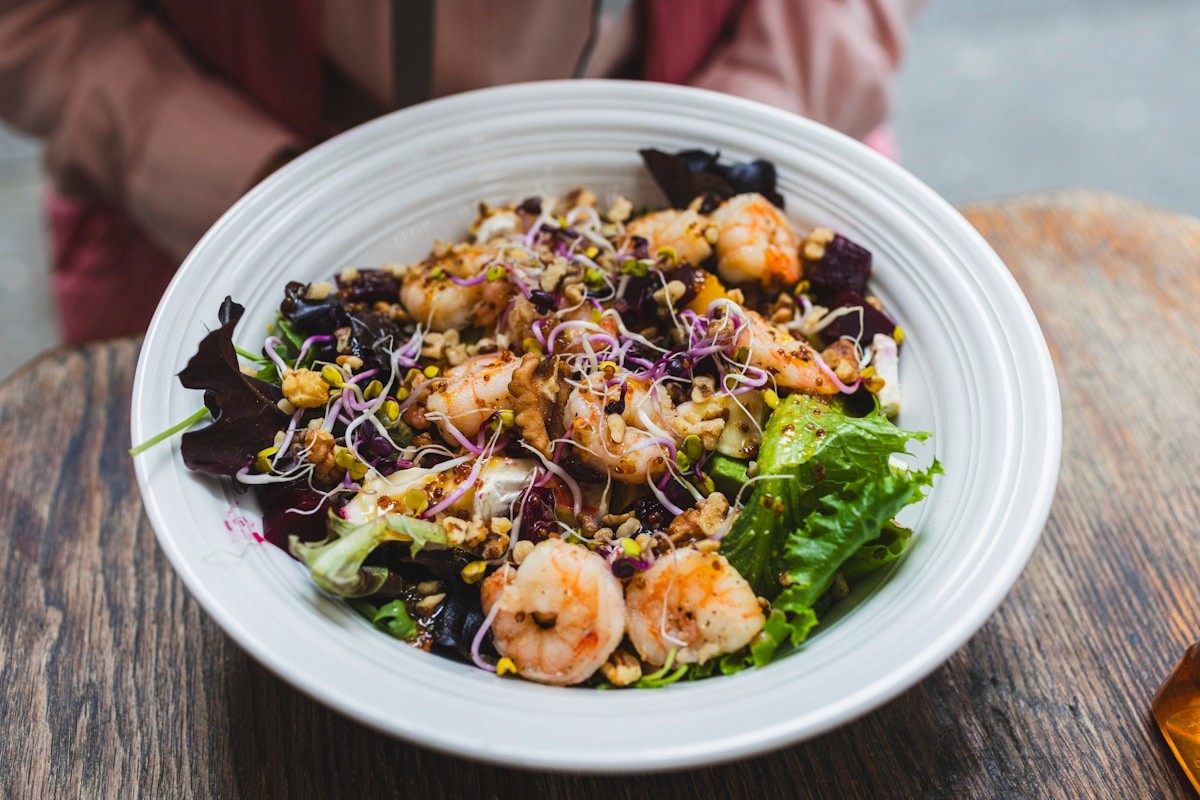
Omega-3 fatty acids: Found in salmon, sardines, walnuts, and flaxseed, and studied for their role in mood.
Magnesium: Found in leafy greens, beans, nuts, and whole grains, and involved in the stress response.
B vitamins: Found in eggs, legumes, and whole grains, and needed to make mood-related brain chemicals.
A scoping review in Nutrients found that several nutrients and dietary patterns are associated with reduced anxiety symptoms. Complex carbohydrates matter too. They help your body make serotonin, and choosing complex carbs over simple ones supports a steadier mood.
Eating patterns linked to lower anxiety
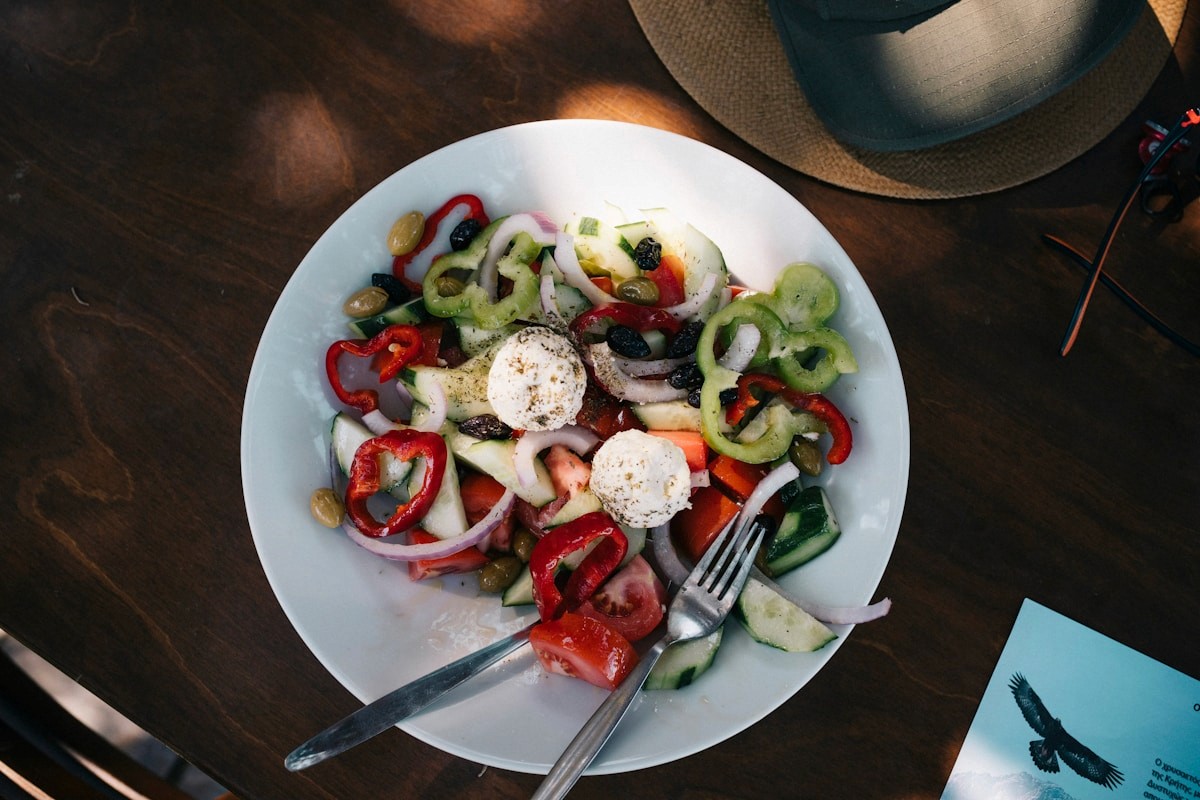
Individual nutrients matter less than your overall pattern. The Mediterranean style of eating comes up again and again. It leans on vegetables, fruit, whole grains, legumes, fish, and olive oil, with room for everything else. The same review connects Mediterranean and other anti-inflammatory patterns with lower anxiety for some people.
The through-line is variety, not restriction. A colorful, varied plate tends to cover more of the nutrients your brain uses. You don’t need a special grocery list to start.
Gut-supporting foods and the microbiome
Because the gut-brain axis is central to how you feel, feeding your gut microbes is part of the picture. Fiber-rich plants, fermented foods like yogurt and kefir, and a wide range of colors all help your microbiome stay diverse. Since diet shapes the gut environment tied to anxiety, these everyday additions can gently support a calmer baseline. Staying hydrated helps too, as even mild dehydration can affect how you feel.
Can what you eat make anxiety worse?
Sometimes, yes, though it’s individual. This is about noticing patterns, not labeling any food as bad or off-limits. What unsettles one person may not bother the next.
Caffeine, alcohol, and ultra-processed foods
A few things are worth paying attention to if you feel anxious:
Caffeine: For some people, cutting back on caffeine can ease anxious feelings, since it revs up the same system stress does.
Alcohol: It can disrupt sleep and mood, so limiting it may help how you feel day to day.
Ultra-processed foods: Diets high in sugar and refined foods are linked to higher anxiety for some people, though these foods can still fit in a balanced life.
None of these are forbidden. The point is to notice how they land for you, then adjust with curiosity rather than guilt.
Why restriction and skipped meals backfire
It’s tempting to respond to stress by tightening the rules or skipping meals. That usually backfires. Skipped meals feed the blood-sugar dips that heighten anxiety, and rigid restriction often leads to a rebound later. Eating regularly and including complex carbs helps keep your mood on steadier ground. Consistency, not perfection, is what calms the system.
How a registered dietitian personalizes this for you
General guidance is a starting point, but your body, schedule, and history are yours alone. A Registered Dietitian Nutritionist is a licensed medical professional trained to translate the research into a plan that fits your real life. They work alongside your doctor and mental health care, never instead of them.
Building steady habits without dieting or food rules
A dietitian doesn’t hand you a strict meal plan and walk away. They start with what you’re already doing well, then make small, targeted shifts you can actually keep. There’s no calorie counting and no list of banned foods. The focus is steady habits that fit your week, because consistency beats extremes over time.
“The first change I usually suggest is eating something with protein within an hour of waking, because a steadier morning tends to mean a steadier afternoon. From there we make sure meals are happening every three to four hours.” — Jessica Cannon, MS, RDN, LDN
When food and stress overlap: a non-shaming approach
If food has become your main way to soothe stress, a dietitian meets that with curiosity, not judgment. Together you look at what the eating is doing for you and build other supports around it. This work sits at the intersection of emotional eating and everyday nutrition, and it’s deeply personal. That’s exactly why personalized care tends to work when generic advice doesn’t.
Feeling calmer starts with steady, personalized nutrition
You don’t have to figure out how nutrition reduces stress on your own. If you’d like support, you can work 1-on-1 with a Berry Street registered dietitian through virtual visits that fit your schedule. Berry Street is in-network with 1,250+ insurance plans, and most members pay $0 with coverage. Whenever you feel ready, you can check your coverage and get matched with a dietitian. No rush, and no pressure.
Frequently Asked Questions
Is there a link between nutrition and anxiety?
Yes, and it works in both directions. What you eat can influence your mood, and stress can change how and what you eat. Research connects diet, stress, and mental health closely, largely through the gut-brain axis.
What foods help reduce anxiety and stress?
No food is a cure, but some are linked to steadier mood for many people. Omega-3s, magnesium, B vitamins, complex carbs, and fiber-rich, varied plants are good places to start. A Mediterranean-style pattern captures many of these at once.
Why do I crave sugary or fatty foods when I’m stressed?
Under stress, your brain seeks quick comfort and energy, and sugary or fatty foods deliver both fast. Elevated cortisol can also increase appetite and cravings. That’s a normal biological response, not a willpower failure.
Can what I eat make my anxiety worse?
For some people, yes. Caffeine, alcohol, and diets heavy in ultra-processed foods can affect mood, and skipping meals can trigger blood-sugar dips that feel like anxiety. It varies from person to person, so notice your own patterns.
How does the gut-brain connection affect anxiety?
Your gut and brain communicate constantly through nerves, hormones, and gut microbes. Much of your body’s serotonin is made in the gut, so a steady diet can support steadier mood signals. That’s why feeding your gut well can help you feel calmer.
How long does it take for diet changes to affect anxiety or mood?
It varies from person to person, and steady eating is a gradual support rather than a quick fix. Some people notice steadier energy and mood within a few weeks of eating more regularly, while shifts tied to your gut and overall pattern can take longer. A dietitian can help you set realistic expectations for your own body.
Does caffeine make anxiety worse?
For some people, yes. Caffeine revs up the same system your body uses under stress, so cutting back may ease anxious feelings for those who are sensitive. How much affects you is individual, so it helps to notice your own response rather than follow a fixed rule.
Can magnesium or supplements help with anxiety?
Magnesium is involved in the stress response and shows up in leafy greens, beans, nuts, and whole grains, so focusing on these foods is a good first step. Supplements may play a role for certain needs, but they work best alongside a varied diet rather than in place of one. Talk with a registered dietitian or your doctor before starting any supplement, since needs differ from person to person.
What should I eat when I’m too stressed or anxious to cook?
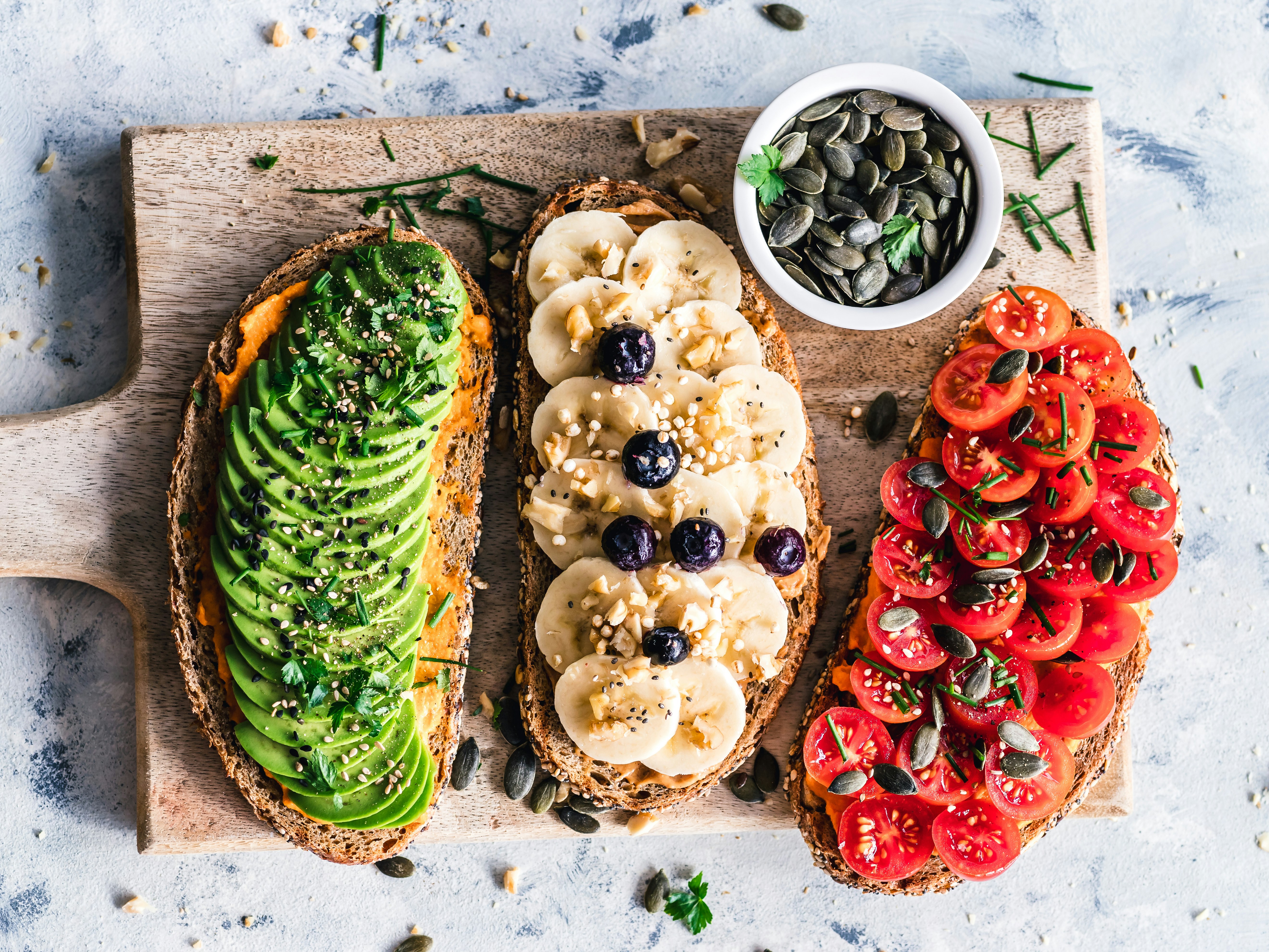
On hard days, something is better than nothing, and there’s no shame in keeping it simple. Easy options like yogurt with fruit, whole-grain toast with nut butter, canned fish, or a frozen meal can still steady your blood sugar and mood. The goal is a regular meal, not a perfect one.

Can a dietitian help with stress and anxiety?
Yes. A registered dietitian can tailor eating patterns to your body, schedule, and relationship with food, working alongside your doctor and mental health care rather than instead of them. If you’d like support, you can check your coverage and get matched with a dietitian.
Last Reviewed by Jessica Cannon, MS, RDN, LDN — August 2026.