Key Takeaways
Food is the foundation of pregnancy nutrition, and a prenatal vitamin fills specific gaps.
ACOG advises a daily prenatal with at least 400 mcg of folic acid, starting at least 1 month before pregnancy.
Daily pregnancy targets include 600 mcg DFE folate, 27 mg iron, 450 mg choline, and 220 mcg iodine.
Choline and iodine are the two nutrients many prenatal vitamins under-deliver, so check your label for both.
A registered dietitian can personalize your plan alongside your OB, and insurance may cover visits, depending on your plan.
Walk down any vitamin aisle and prenatal vitamins seem to promise everything. Bright labels, long ingredient lists, and big claims make it hard to tell what you actually need.
Here’s the clearer picture. Most pregnancy nutrients can come from food, and a prenatal fills the gaps that food alone may not. The real question is which gaps matter for you, and whether your prenatal covers them.
This guide walks through the pregnancy nutrients that matter most, the amounts experts recommend, and where many labels fall short. It uses a registered dietitian’s food-first, personalized lens. Berry Street’s prenatal nutrition care pairs you with a Registered Dietitian Nutritionist (RDN) who works alongside your OB.
In 30 seconds: ACOG recommends a daily prenatal with at least 400 mcg of folic acid, ideally starting a month before pregnancy. Many prenatals provide little or no choline, and not all contain iodine. Food can close those gaps, and your provider can confirm the right doses for you.
Do You Really Need a Prenatal Vitamin — or Is Food Enough?
For most people, the answer is both. The American College of Obstetricians and Gynecologists (ACOG) says healthy foods plus a daily prenatal should supply the vitamins and minerals you need. ACOG also calls food the best way to get these nutrients.
Food brings protein, fiber, and many nutrients working together. A prenatal backs that up for nutrients that are hard to get in the right amounts from meals, especially folic acid in early pregnancy.

Needing a prenatal doesn’t mean your diet is failing. It means pregnancy raises your needs for a few specific nutrients.
What a prenatal is designed to do
A prenatal vitamin is a multivitamin built around pregnancy needs. Its most important job is delivering folic acid. The CDC states that folic acid is the only type of folate shown to help prevent neural tube defects.
Most prenatals also include iron, vitamin D, and other vitamins and minerals. The amounts vary widely between brands, which is why reading the label matters.
A prenatal isn’t meant to replace meals or be taken in extra doses. ACOG advises one serving a day. It warns that some nutrients, such as vitamin A, can cause birth defects if you double or triple the dose. As the CDC puts it, when taking supplements, “more is not better.”
When to start and how long to take one
Timing matters most for folic acid. The NIH Office of Dietary Supplements (ODS) notes that the key window runs from preconception through the first 28 days after conception. That’s often before you know you’re pregnant.

Here’s what major US groups recommend:
The CDC recommends 400 mcg of folic acid daily for anyone who could become pregnant.
The US Preventive Services Task Force recommends 400 to 800 mcg daily, starting at least 1 month before conception.
USPSTF advises continuing folic acid through the first 2 to 3 months of pregnancy.
ACOG recommends a prenatal with at least 400 mcg, starting at least 1 month before pregnancy and continuing through the first 12 weeks.
After the first trimester, ACOG still advises taking one serving of your prenatal each day. If you plan to breastfeed, ask your clinician whether to keep taking it afterward. If you’ve had a pregnancy affected by a neural tube defect, your OB may recommend a higher folic acid dose.
If you’re still planning, our guide to what to eat when trying to conceive covers the food side of preconception nutrition.

The Nutrients That Actually Matter in Pregnancy (and How Much)
Pregnancy raises your needs for folate, iron, iodine, choline, and vitamin B12. Vitamin D and calcium targets stay the same as before pregnancy. These daily amounts come from the ODS pregnancy fact sheet, which summarizes the official US intake recommendations.
Nutrient | Daily pregnancy target | Note |
|---|---|---|
Folate | 600 mcg DFE | Counts food and supplements together |
Iron | 27 mg | Higher than before pregnancy |
Choline | 450 mg | An Adequate Intake, not an RDA |
Iodine | 220 mcg | Higher than before pregnancy |
Vitamin D | 600 IU (15 mcg) | Same as before pregnancy |
Calcium | 1,000 mg | 1,300 mg if you’re 14 to 18 |
Vitamin B12 | 2.6 mcg | Higher than before pregnancy |
DHA | No official US target | Expert groups suggest amounts |
These numbers are starting points. Your labs, diet pattern, and health history may shift what’s right for you, so work with a dietitian to personalize them.
Folate and folic acid
Folate is the form found naturally in foods like leafy greens and beans. Folic acid is the form used in supplements and fortified foods. This folic acid vs. folate difference matters because the research on preventing neural tube defects uses folic acid.
The 600 mcg target is listed in dietary folate equivalents (DFE). DFE adjusts for how differently your body absorbs food folate and folic acid. So the 600 mcg DFE goal isn’t the same as a 600 mcg pill.
You may have heard that an MTHFR gene variant means you can’t use folic acid. The CDC says people with an MTHFR variant can process all types of folate, including folic acid. The CDC still recommends 400 mcg of folic acid daily for anyone who could become pregnant, variant or not.
Some prenatals use methylfolate instead. ODS notes that methylfolate hasn’t been tested in clinical trials for reducing neural tube defect risk. If you’re unsure which form fits you, talk with your provider before you switch.
Iron
Your iron target rises to 27 mg a day in pregnancy, according to both ODS and ACOG. Many pill-form prenatals include iron. Gummy formulations often contain no iron at all, per ODS.
If you take a gummy, ACOG notes you may need a separate iron supplement. Ask your OB whether you need one and how much.
Some people find iron hard on the stomach. The ODS iron fact sheet links high doses (45 mg a day or more) to nausea and constipation. It also notes that taking iron with food can help.
Choline: the nutrient most prenatals under-deliver
The choline target in pregnancy is 450 mg a day. It’s an Adequate Intake, which experts set when there isn’t enough data for a formal RDA.
Most pregnant people in the US fall short. In national survey data (2001–2014) cited by ODS, only 7.7% of pregnant women ages 20 to 40 topped the choline target from food.
A prenatal rarely closes that gap. ACOG says it’s important to get choline from your diet because it isn’t found in most prenatal vitamins.
The good news is that food can carry much of the load. One large hard-boiled egg provides about 147 mg of choline, according to the ODS choline fact sheet. That’s about a third of your daily target.

Iodine: small amount, big role
Your thyroid uses iodine to make hormones, and your iodine target rises to 220 mcg a day in pregnancy. It’s a small amount, and it’s easy to overlook.
The American Thyroid Association recommends a 150 mcg daily iodine supplement, as potassium iodide, if you’re planning a pregnancy, pregnant, or breastfeeding. The American Academy of Pediatrics gives similar advice.
ODS adds a caveat. Researchers don’t fully understand how iodine supplements affect child development, and both too little and too much iodine have been linked to concerns.
Food sources include dairy, seafood, eggs, and iodized salt. Most salt in the US diet comes from processed foods, and manufacturers almost always use noniodized salt.
Sea salt and most specialty salts usually aren’t iodized either. If you have a thyroid condition, ask your provider before adding iodine.
Vitamin D, calcium, DHA/omega-3s, and B12
Vitamin D stays at 600 IU (15 mcg) a day in pregnancy. Calcium stays at 1,000 mg a day for ages 19 to 50, or 1,300 mg if you’re 14 to 18. ODS notes that gummy prenatals often contain no calcium.
DHA has no official US intake recommendation. Per ODS, a 2024 obstetric guideline suggests at least 250 mg a day of DHA plus EPA, plus an extra 100 to 200 mg of DHA.
The FAO suggests at least 300 mg of DHA plus EPA, including 200 mg of DHA. Only 35% to 39% of prenatals contain DHA, per ODS.
Fish is a food-first route to DHA. The FDA advises 8 to 12 ounces a week of a variety of lower-mercury seafood during pregnancy. That’s about 2 to 3 four-ounce servings.
Vitamin B12 rises to 2.6 mcg a day. Plant foods don’t naturally contain B12. ODS suggests B12 supplements or fortified foods, especially if you eat a vegan diet, and ACOG advises vegetarians to take a supplement.
Why Many Prenatal Vitamins Fall Short on Choline and Iodine
Not all prenatal vitamins are built the same. Two nutrients come up short again and again: choline and iodine.
What the research shows about label gaps
A 2024 study in the American Journal of Perinatology reviewed 48 top-ranked over-the-counter prenatal vitamins from Amazon and Google search results. The researchers compared each label to ACOG’s recommended amounts. None of the 48 had adequate choline.
Iodine fared somewhat better. Only 14 of the 48 products (29%) met the 220 mcg target. The study also found that no gummy had the recommended amount of iron or DHA.
That study has limits. It looked at labels, not lab tests, in a small sample captured in 2022. Broader label reviews cited by ODS point the same way:
About 40% of 188 prenatals included choline, with a median of 25 mg per serving, under 6% of the target.
About 76% of 188 prenatals included iodine, with a median of 150 mcg per serving.
Why do the iodine numbers differ so much? One study counted products that met 220 mcg. The other counted any product with iodine.
The practical takeaway is that not all prenatals contain iodine, and many that do provide about 150 mcg. That amount matches the American Thyroid Association’s supplement recommendation, and food can cover the rest.
How to read a prenatal label like a dietitian
You don’t need to decode every line. Start with the nutrients most likely to be missing, then fill the gaps with food.
Confirm folic acid is listed on the Supplement Facts panel, as the CDC advises.
Check whether iodine appears, ideally as potassium iodide.
Find choline and compare the milligrams to 450 mg.
Check iron, especially if you take a gummy.
Look for DHA, which may come as a separate softgel.
Read the serving size, since one serving may mean two or more pills.
Look for a third-party testing seal, such as USP, NSF, or ConsumerLab, which ODS mentions.
“When a client feels overwhelmed by a prenatal label, I have them find three lines first: folic acid, iodine, and choline. If choline is low, we add foods they already enjoy, like eggs at breakfast or soybeans in a stir-fry. For iodine, we look at dairy, seafood, and iodized salt. Then we confirm with their OB whether a supplement makes sense.” — Bridget Isaacs, MS, RD
Getting These Nutrients From Food First
Prenatal vitamins fill gaps. Food still does most of the work. ACOG says the best way to get pregnancy nutrients is through the food you eat, with a daily prenatal as backup.
You don’t need a perfect diet to get there. A few foods you already enjoy can cover a lot of ground.
Choline-rich foods (is two eggs enough?)
One large hard-boiled egg has about 147 mg of choline, according to the NIH Office of Dietary Supplements (ODS) choline fact sheet. Two eggs give you roughly 294 mg. That’s about two-thirds of the 450 mg adequate intake for pregnancy.
So two eggs is a strong start, but it usually won’t cover the full amount on its own. Other foods can close the rest of the gap. Here are choline amounts per serving from the same ODS table:
Beef liver, 3 ounces pan-fried: 356 mg
Beef top round, 3 ounces: 117 mg
Roasted soybeans, ½ cup: 107 mg
Roasted chicken breast, 3 ounces: 72 mg
Atlantic cod, 3 ounces: 71 mg
Milk, other soy foods, and peanuts also add choline, per ACOG. If you don’t eat eggs or meat, soy foods become especially useful. A dietitian can help you map out a mix that works for your tastes.
Folate-rich foods
Folate shows up naturally in leafy greens, beans, lentils, asparagus, and citrus. In the US, many breads, cereals, and grain products are also fortified with folic acid, as the CDC explains.
Your pregnancy target is 600 mcg DFE of folate from food and supplements combined. Food folate counts toward that total. It doesn’t replace the folic acid in your prenatal, though.
The CDC notes that folic acid is the only form of folate shown to help prevent neural tube defects. That’s why the CDC, ACOG, and USPSTF recommend a supplement with folic acid even if you eat plenty of greens.
Iron, iodine, and omega-3 food sources
Iron comes from meat, poultry, seafood, beans, lentils, tofu, and fortified cereals. Your body absorbs iron from plant foods more easily when you pair them with vitamin C, as the ODS iron fact sheet describes. Think beans with salsa or fortified cereal with strawberries.
Iodine is found in dairy, fish and other seafood, eggs, and seaweed, according to the ODS iodine fact sheet. A quarter teaspoon of iodized salt has about 78 mcg.
Packaged foods almost always use noniodized salt, and specialty salts like sea salt usually aren’t iodized. If you cook at home, iodized table salt is an easy way to add some.
Omega-3s (DHA and EPA) come mainly from fish and seafood. The FDA suggests 8 to 12 ounces a week of lower-mercury seafood during pregnancy. That’s about 2 to 3 four-ounce servings.
Salmon, sardines, shrimp, pollock, and canned light tuna are common lower-mercury picks. ACOG lists a short group of high-mercury fish to leave out during pregnancy, including shark, swordfish, and king mackerel. It also suggests keeping albacore tuna to 6 ounces a week.
Building a simple prenatal-friendly plate
You don’t need to track numbers at every meal. A simple pattern can cover most of these nutrients across your day:
Start with a protein that adds choline or iron, such as eggs, beef, chicken, fish, tofu, or beans.
Add a folate-rich plant, like leafy greens, lentils, or asparagus.
Include a vitamin C food, such as peppers, tomatoes, or citrus, to help with iron absorption.
Add dairy or a fortified alternative for calcium, vitamin D, and some iodine.
Work in fish 2 to 3 times a week if it fits your preferences.

Some days will look nothing like this. That’s normal, especially with nausea or food aversions. Your prenatal is there for those days.
If busy weeks make this hard, our guide to pregnancy meal prep walks you through simple make-ahead options.
Choosing a Prenatal That Fits You
The best prenatal vitamin for you is one that matches your needs and that you can take every day. Brand and price matter less than what’s on the label and how you feel taking it.
Keep a few basics in mind:
ACOG notes that vitamins and supplements are not regulated by the FDA the way medications are.
The ODS pregnancy fact sheet suggests looking for third-party testing from USP, NSF, or ConsumerLab.
ACOG advises taking one serving a day. Doubling up can be risky, because too much vitamin A may cause birth defects.
Pills vs. gummies
Gummies can be easier to take if pills make you gag. The tradeoff is what fits inside them. The ODS reports that gummy formulas often contain no iron or calcium.
A 2024 review of 48 popular prenatal vitamins in the American Journal of Perinatology found no gummy with the recommended iron or DHA. ACOG notes that if you take a gummy, you may need a separate iron supplement. Ask your OB before adding one.
Vegetarian, vegan, and food-sensitivity considerations
Well-planned vegetarian and vegan diets can meet pregnancy needs, according to the ODS. The same source notes that plant-based eaters tend to get less of certain nutrients:
Vitamin B12
Iron
Iodine
Choline
Zinc
Vitamin D and calcium
DHA and EPA omega-3s
Plant foods don’t naturally contain B12. The ODS points to B12 supplements or fortified foods, especially if you’re vegan. Algae-based DHA supplements are also available as a fish-free option.
If you have food allergies or sensitivities, read the full ingredient list, not just the Supplement Facts panel. Some prenatals use gelatin, fish oil, soy, or dyes. Your dietitian and OB can help you choose a formula and decide whether you need any separate supplements.
Managing nausea and constipation from your prenatal
Some people find their prenatal upsets their stomach. The CDC suggests taking your vitamin with food or just before bed if it makes you queasy. The ODS links higher doses of iron to nausea and constipation and notes that taking iron with food may help.
If symptoms stick around, talk with your OB about other forms or doses. Avoid stopping your prenatal on your own.
“When a prenatal makes you feel sick, my first goal is to keep you taking it, not to have you quit. I start with timing, like taking it with dinner or right before bed. For constipation, we look at fluids, fiber, and movement. I also check with your OB about whether a different form makes sense.” — Bridget Isaacs, MS, RD
Why Personalization Beats a One-Size-Fits-All Prenatal
Prenatal vitamins are built for an average person. You’re not average. Your labs, eating pattern, and health history all shape what you need.
How labs, diet pattern, and conditions like PMOS and thyroid change your needs
Your bloodwork can change the plan. If your iron levels run low, your care team may suggest extra iron. If they’re in a healthy range, your prenatal may be enough.
Your eating pattern matters too. Someone who eats eggs and fish most days has different gaps than someone who is vegan or has strong food aversions.
Health conditions add another layer:
Thyroid conditions. Iodine needs a careful balance. The ODS notes that both low and high iodine intake are linked to concerns in pregnancy, so confirm amounts with your provider.
PMOS (formerly PCOS). Blood sugar patterns and nutrient needs may shift before and during pregnancy. Our guide on what to eat when trying to conceive covers this in more detail.
A past pregnancy affected by a neural tube defect. The USPSTF folic acid recommendation doesn’t cover this group. Your clinician may recommend a higher dose.
These are the details a store shelf can’t account for. They’re also where broader women’s health nutrition care can help.
How a registered dietitian personalizes prenatal nutrition
A Registered Dietitian Nutritionist (RDN) is a nationally credentialed nutrition professional with clinical training. Per the Commission on Dietetic Registration, RDNs complete accredited education and supervised practice before sitting for a national registration exam.
Every Berry Street provider is a credentialed RD or RDN.
Here’s what working with a dietitian on prenatal nutrition can look like:
Review what you eat now, including cravings, aversions, and cultural foods.
Check your current prenatal label against your needs and any recent labs.
Build food-first ways to close gaps in choline, iodine, iron, and omega-3s.
Coordinate with your OB so supplement doses are confirmed by your care team.
Adjust the plan as your symptoms and trimesters change.
Your dietitian works alongside your OB, not instead of them. Depending on your plan, nutrition counseling may be covered by insurance.
Berry Street reports that 96% of its members pay $0 with coverage. When you’re ready, you can check your coverage in about 60 seconds.
The Bottom Line on Prenatal Nutrients
Key Takeaways Recap
Food comes first, and a daily prenatal fills the gaps.
CDC, ACOG, and USPSTF all recommend at least 400 mcg of folic acid daily, and ACOG advises getting it from a prenatal.
Many prenatal vitamins have little or no choline, so eggs, meat, fish, and soy help.
Gummies often lack iron, so ask your OB whether you need extra.
Your labs, diet, and health history should shape your plan.
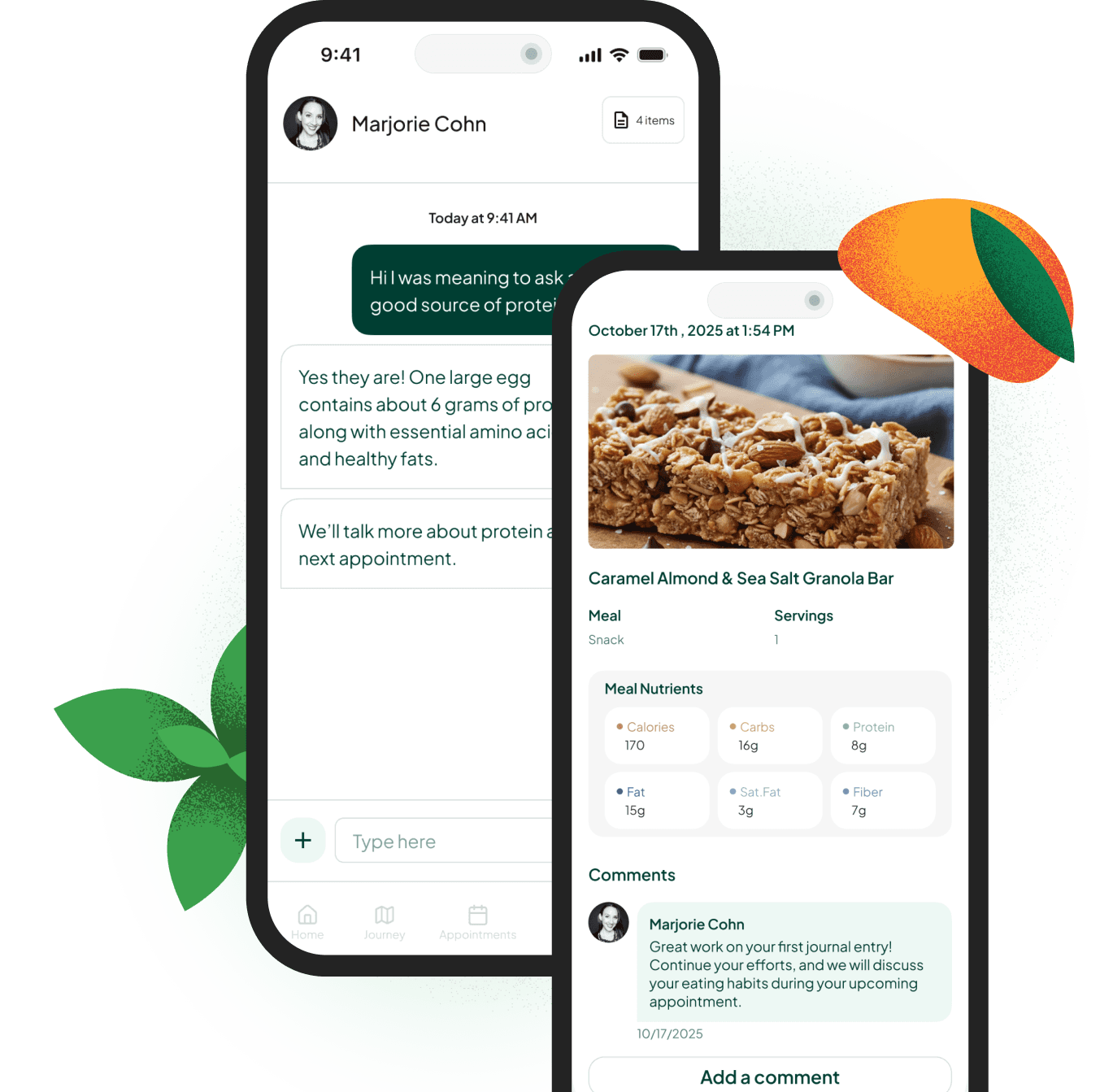
You don’t have to sort through every label alone. A Berry Street registered dietitian can help you build a prenatal plan that fits your body and your life.

Depending on your plan, insurance may cover your visits. Berry Street reports that 96% of its members pay $0 with coverage, and you can see if you’re covered whenever it feels right.
Frequently Asked Questions
Which nutrients do I actually need during pregnancy, and how much of each?
The ODS lists daily pregnancy targets of 600 mcg DFE of folate, 27 mg of iron, 220 mcg of iodine, and 450 mg of choline. Adults also need 600 IU of vitamin D, 1,000 mg of calcium, and 2.6 mcg of B12. Your needs may vary, so confirm your targets with your provider or dietitian.
Do most prenatal vitamins have enough choline and iodine?
A 2024 study of 48 popular prenatal vitamins found none with 450 mg of choline, and only 14 met the 220 mcg iodine target. Check your label and use food to help fill the gaps.
Why don’t many prenatal vitamins include choline?
Research doesn’t point to one reason, but size may be a factor, since 450 mg a day is a lot to fit into one pill. The ODS reports that prenatals with choline often provide only small amounts.
Is there a prenatal vitamin with folic acid, choline, and DHA together?
Some prenatals include all three, but amounts vary widely. The ODS notes that only 35 to 39% of prenatal supplements contain DHA, and choline amounts are often small. Read the Supplement Facts label and ask a dietitian whether food or a separate supplement makes sense for you.
Can I get enough choline from food — is two eggs a day enough?
Two large eggs provide about 294 mg of choline, roughly two-thirds of the 450 mg pregnancy target, per the ODS choline fact sheet. Adding foods like beef, chicken, fish, or soy can help cover the rest. A dietitian can help you plan this around your preferences.
What’s the difference between folic acid and folate, and does MTHFR matter?
Folate is the form found naturally in food, and folic acid is the form used in supplements and fortified foods. The CDC states that people with an MTHFR variant can process folic acid. Its advice to get 400 mcg of folic acid daily applies to them too.
How much folic acid should I take before and during pregnancy?
The CDC recommends 400 mcg of folic acid daily for anyone who could become pregnant. The USPSTF recommends 400 to 800 mcg, starting at least one month before conception. If you’ve had a pregnancy affected by a neural tube defect, your clinician may recommend a different dose.
Do gummy prenatals have enough iron and iodine?
Gummy prenatals often contain little or no iron, according to the ODS and ACOG. Iodine content varies, and the American Thyroid Association recommends 150 mcg a day of supplemental iodine in pregnancy. Check your label and ask your OB whether you need extra iron.
When should I start taking a prenatal vitamin, and how long should I continue?
ACOG recommends starting a prenatal with at least 400 mcg of folic acid at least one month before pregnancy, if possible. ACOG also advises taking one serving daily during pregnancy. Ask your clinician whether to keep taking it while breastfeeding.
How do I manage nausea or constipation from my prenatal vitamin?
The CDC suggests taking your vitamin with food or just before bed if it upsets your stomach. Iron may play a role, and the ODS notes that taking it with food may help. If symptoms continue, talk with your OB about a different form before stopping.
Which prenatal should I choose if I’m vegetarian or vegan?
Look for a prenatal with B12, iron, iodine, and folic acid, and consider an algae-based DHA. The ODS notes that plant-based diets tend to run lower in B12, iron, iodine, choline, and omega-3s. A dietitian can help you decide whether you need separate supplements.
Do I still need a prenatal if I already eat well — can food alone cover it?
Food can cover most of your needs, but folic acid from a supplement is still recommended before and during early pregnancy. ACOG says healthy food plus a daily prenatal should supply the vitamins and minerals you need. A prenatal also helps on days when nausea or aversions limit what you eat.