Key Takeaways
When nothing sounds good on a GLP-1 medication, it is not in your head. These medications change taste, smell, appetite, and how fast your stomach empties, and food aversions are an expected side effect to nourish through, not a green light to eat less.
A quiet appetite still needs nourishing. The most overlooked risk on a GLP-1 is under-eating, so the goal is adequacy, protein, fluids, and steady intake, not restriction.
Cool, bland, low-aroma foods and small, protein-first portions are usually the easiest to get down when everything feels unappealing.
Eat on a schedule rather than on hunger, roughly every 3 to 4 hours, because your hunger cues may be too quiet to remind you.
There is no single food list that works for everyone. A registered dietitian personalizes foods and timing to your specific aversions and appetite window, alongside the medical team that prescribes and monitors your medication, and this support is often covered by insurance.
If you have started a GLP-1 medication and suddenly nothing sounds good, you are not imagining it and you are not doing anything wrong. Coffee tastes off. Meat feels impossible. The meals you used to love now turn your stomach a little. And when you are barely hungry to begin with, figuring out what to eat can feel like one more thing you do not have the energy for.
Here is the reframe that matters most: a smaller appetite does not mean your body needs less care. GLP-1 medications are prescribed and monitored by a medical team to support metabolic health, and weight change can be an outcome of that care. When food is unappealing and portions shrink, the challenge is making sure you still get enough, especially protein and fluids. This guide walks through why food aversions happen, which foods tend to go down easiest, how to time and adjust meals around your triggers, and when a quiet appetite has tipped into under-eating that needs attention.
In 30 seconds: On a GLP-1, food aversions and low appetite are expected side effects, not a reason to eat less. Reach for cool, bland, low-smell foods in small, protein-first amounts, eat on a schedule every few hours instead of waiting for hunger, and keep fluids steady. The real risk is under-eating, so work with a registered dietitian to personalize foods and timing and protect your nutrition while your appetite is quiet.
Why Nothing Sounds Good on a GLP-1 (and Why It’s Not in Your Head)
The first thing to understand is that “nothing sounds good” is a real, physical effect of how these medications work, not a lack of willpower or a mood problem. Naming what is actually happening makes it much easier to work around.
How GLP-1 Medications Change Taste, Smell, and Appetite
GLP-1 medications work with your body’s own signals in the gut and the brain to reduce appetite and slow how quickly your stomach empties. That combination changes your whole relationship with food in the moment. You feel full faster, you stay full longer, and the pull toward food, sometimes called food noise, quiets down. Alongside that, many people notice shifts in taste and smell, so foods that were once appealing can suddenly seem bland, too strong, or even off-putting. A joint clinical advisory on nutrition during GLP-1 therapy describes exactly this pattern, noting that reduced interest in food and changes in food preferences are common, and that some people report food aversions, sometimes severe, especially early in treatment and after dose increases (Joint Advisory on Nutritional Priorities to Support GLP-1 Therapy, 2025).

Food Aversions vs. Low Appetite vs. Early Fullness — What’s Actually Happening
These three experiences feel similar but are not the same, and telling them apart helps you respond:
Food aversion is when a specific food, taste, or smell becomes actively unappealing. You might have loved it last month and now cannot face it.
Low appetite is a general lack of hunger. Nothing is repelling you, you simply have no drive to eat.
Early fullness is feeling satisfied after just a few bites because your stomach is emptying more slowly.
You may have one of these on a given day and all three on another. The strategies later in this guide address each, because a food aversion calls for swapping in something more tolerable, while early fullness calls for smaller, more frequent, nutrient-dense bites.
Why Coffee, Meat, and Sweets Are Common First Casualties
There is a pattern to what people give up first. Coffee often becomes unappealing because taste and smell shifts make it taste bitter or metallic. Meat, especially red meat, can feel heavy and hard to face because it is dense and slow to digest on a stomach that is already emptying slowly. And very sweet or very rich foods can trigger queasiness for some people. None of this means these foods are bad or off-limits. It simply reflects how the medication is changing what feels good to eat right now, and for many people these aversions ease over time, since they tend to be most intense at the start of treatment and after dose increases (Joint Advisory, 2025).


“Not Hungry” Still Means “Nourished” — Why Eating Matters More Now
It is tempting to treat a vanished appetite as a convenient side effect. This is the moment to be careful, because that mindset is where trouble starts.
The Under-Eating Risk Hiding Behind a Quiet Appetite
When appetite drops sharply, it is easy to go most of the day on almost nothing without feeling it. The problem is that your nutritional needs have not shrunk to match your appetite. Clinical guidance on GLP-1 therapy documents large reductions in energy intake, on the order of 16 to 39 percent, which can leave people short on protein and key nutrients like iron, calcium, and several vitamins once appetite falls (Joint Advisory, 2025). A narrative review of what people actually eat on these medications reaches a similar conclusion, describing how intake often drops enough that protein and other nutrients can fall short (Christensen et al., 2024). Over time, chronically eating too little can cost you energy, muscle, and, for some people, a healthy relationship with food. The through-line for the rest of this guide is adequacy: getting enough in, even when the desire to eat is not there to prompt you.
What to Eat When Nothing Sounds Good: Foods That Go Down Easy
When everything feels unappealing, the trick is to lower the barrier to eating rather than force big meals. These are starting points to build from, not rules, and the right choices depend on your individual triggers.
Cool, Bland, and Low-Aroma Foods (Why Temperature and Smell Matter)
Aroma drives a lot of appetite, and on a GLP-1 strong smells are often what tip a food into “no.” Cooler foods give off less aroma than hot ones, which is why a cold yogurt or a smoothie can feel doable when a hot, fragrant plate does not. Bland, mild foods make fewer demands on senses that have gone sensitive. The advisory notes that cooler, lower-aroma options such as smoothies, protein drinks, cottage cheese, and yogurt are often more appealing than heavier foods like red meat or hard cheeses when interest in food is low (Joint Advisory, 2025). Good options to reach for:
Greek yogurt, cottage cheese, or kefir, served cold
Smoothies with fruit, milk or a milk alternative, and a scoop of protein
Chilled or room-temperature soft foods like overnight oats or chia pudding
Cool, mild proteins such as hard-boiled eggs or a little tuna or chicken salad

Protein-First, in Small Amounts (and Easy Backup Options)
Protein is the priority when portions are small, because it helps protect muscle and lean mass while your body changes and it helps you feel steady. The advisory recommends eating protein-rich foods first in a meal to increase the chance you actually get enough before fullness arrives, and points to lower-volume, nutrient-dense choices like eggs, Greek yogurt, cottage cheese, fish, and nut butters (Joint Advisory, 2025). This matters for body composition too. Prioritizing protein and staying active are what clinical guidance points to for preserving muscle and bone during weight change (Joint Advisory, 2025). And reassuringly, careful research on GLP-1 medicines suggests the muscle picture is more favorable than early worry implied, with absolute muscle mass decreasing only mildly (Langer et al., Cell Reports Medicine, 2026). Keep easy backups on hand for the hard days: a ready-to-drink protein shake, single-serve Greek yogurt, or a jar of nut butter.
Gentle Fiber, Fluids, and Simple Carbs for the Queasy Days
Because these medications slow digestion, constipation is common, and gentle fiber helps. Add it gradually and pair it with fluids so it sits comfortably. Think oats, soft-cooked vegetables, berries, or a little chia. On genuinely queasy days, simple, easy carbs such as crackers, toast, rice, or bananas are often the most tolerable thing and are better than nothing at all. Fluids deserve their own attention, because thirst cues fade along with appetite. Sipping water, broth, or herbal tea steadily through the day, rather than large amounts at once, tends to sit best and helps with both constipation and nausea.
A Flexible “Backup Meal” Shortlist for Zero-Effort Days
Some days you will not have it in you to prepare anything, and having a no-decision fallback list keeps you nourished anyway. Keep a few of these stocked so a meal is never more than a minute away:
A protein shake plus a banana
Greek yogurt with a spoon of nut butter stirred in
Instant oatmeal made with milk
Broth-based soup, blended smooth if that is easier
Scrambled eggs and a piece of toast
Cottage cheese with soft canned fruit

How to Eat When Appetite Is Gone: Timing and Texture Strategies
What you eat matters, but on a GLP-1 how and when you eat often matters just as much. When hunger is not there to guide you, structure does the job instead.
Eat on a Schedule, Not on Hunger (Every 3–4 Hours)
If you wait to feel hungry, you may wait all day. A more reliable approach is to eat small amounts at set times, roughly every 3 to 4 hours, whether or not hunger shows up. The advisory suggests eating a small breakfast and then additional small meals every few hours, and using an alarm or reminder to eat when interest in food is low (Joint Advisory, 2025). Small and frequent beats large and rare, both for getting enough in and for keeping nausea at bay, since going too long without eating can make queasiness worse.
Adjusting Texture and Temperature to Your Triggers
Once you know your triggers, you can adjust around them instead of fighting them. If hot food smells overwhelm you, lean cool. If chewing dense food feels like too much, move to softer textures, purees, and drinkable options that deliver nutrition with less effort. If a normally fine food suddenly repels you, do not force it. Swap in something with a similar nutrient profile that you can actually get down. The point is to keep nutrition flowing by meeting yourself where you are that day.
Reintroducing Foods You’ve Become Averse To
Aversions are often not permanent. As your body settles on a stable dose, many people find that foods they could not face come back into the rotation. When you feel ready, reintroduce a food gently: try a small amount, when you are feeling your best, prepared in a milder or cooler way than usual. If it still does not work, wait and try again later. There is no rush and no failure in this.
“When someone tells me nothing sounds good and they are barely eating, I do not hand them a list of foods they should eat, because that usually adds pressure to a situation that already feels tough. I start by asking what they can tolerate, even if the honest answer is a few crackers and a yogurt at 3pm, and we build from that. Then I make it easy: keep a protein shake in the fridge, set a phone alarm every three hours as a cue to have a couple of bites, and lead with the protein and fiber while you still have room. Getting something in, on a schedule, matters far more than getting it perfect.” — Bridget Isaacs, MS, RD
When a Quiet Appetite Becomes Under-Eating — Red Flags to Watch
A quiet appetite is expected. Consistently eating so little that your body cannot meet its needs is not, and it is worth knowing the warning signs so you can act early.
Signs You’re Not Eating Enough (Fatigue, Dizziness, Hair Shedding, Weakness)
Some signs that low appetite may have tipped into under-eating include:
Going most of the day without eating, on a regular basis
Fatigue beyond what you would expect, or feeling weak
Dizziness or lightheadedness
Noticeable hair shedding
Feeling like food has become something to avoid rather than a source of nourishment
The advisory notes that signs of inadequate intake and nutrient shortfalls can include fatigue beyond expected levels, excessive hair loss, and muscle weakness (Joint Advisory, 2025). One or two rough days are normal. A steady pattern of these signs is a signal to get support.
Protecting Muscle When Intake Drops
When intake falls, protecting muscle becomes a priority, because some of any weight change can come from lean mass. Two levers help most: getting enough protein across the day, spread into your small meals and snacks, and staying active with some resistance or strength movement when it fits for you. These are the priorities clinical guidance points to for preserving muscle and bone during weight change (Joint Advisory, 2025). And reassuringly, careful research on GLP-1 medicines suggests the muscle picture is more favorable than early worry implied, with absolute muscle mass decreasing only mildly (Langer et al., 2026). How much protein you need depends on your body and situation, so it helps to personalize this with a dietitian. If you want a deeper look at this piece, Berry Street has a full dietitian’s guide to preventing muscle loss on GLP-1 medications.
When to Loop In Your Prescribing Team
Some things belong with the medical team who prescribes and monitors your medication rather than with food strategies alone. Reach out to them if you cannot keep food or fluids down, if nausea or vomiting is persistent, if you feel dizzy or unwell, or if you are going days without being able to eat meaningfully. Adjustments to your dose, timing, or supportive medications are their call, and they would rather hear from you early.
What to Eat on a GLP-1 More Broadly — and Why a Food List Isn’t Enough
Everything above is a starting toolkit, and for the bigger-picture view of eating well across your whole GLP-1 journey, Berry Street’s companion guide on what to eat on a GLP-1 medication like Ozempic covers protein, fiber, fats, and hydration in depth. But a generic list can only take you so far, because it does not know your specific aversions, your schedule, the other conditions you manage, or how the medication is affecting you personally.
Why a Food List Isn’t Enough — How a Dietitian Personalizes This
This is where working with a registered dietitian nutritionist changes the picture. A food list is static. Your aversions, appetite, and tolerance shift week to week, and someone managing diabetes alongside their GLP-1 has different needs than someone focused on protecting muscle or easing nausea. A dietitian translates broad advice into food you can actually get down today and adjusts it as your body changes.
“A generic ‘foods to eat’ list cannot ask you what you managed to eat yesterday, or notice that you have gone off eggs this week, or that mornings are your worst window and evenings are when a few bites feel possible. That is the part I personalize. I take note of your aversions and your best appetite window, then build a plan around them, cool foods if smells are your trigger, drinkable protein if chewing is the barrier, and a realistic timing schedule for your day. Then we adjust it every visit as your dose settles and your tolerance shifts. It is care that keeps up with you, which no static list can do.” — Bridget Isaacs, MS, RD
Working With a Berry Street Dietitian on Your GLP-1 Journey
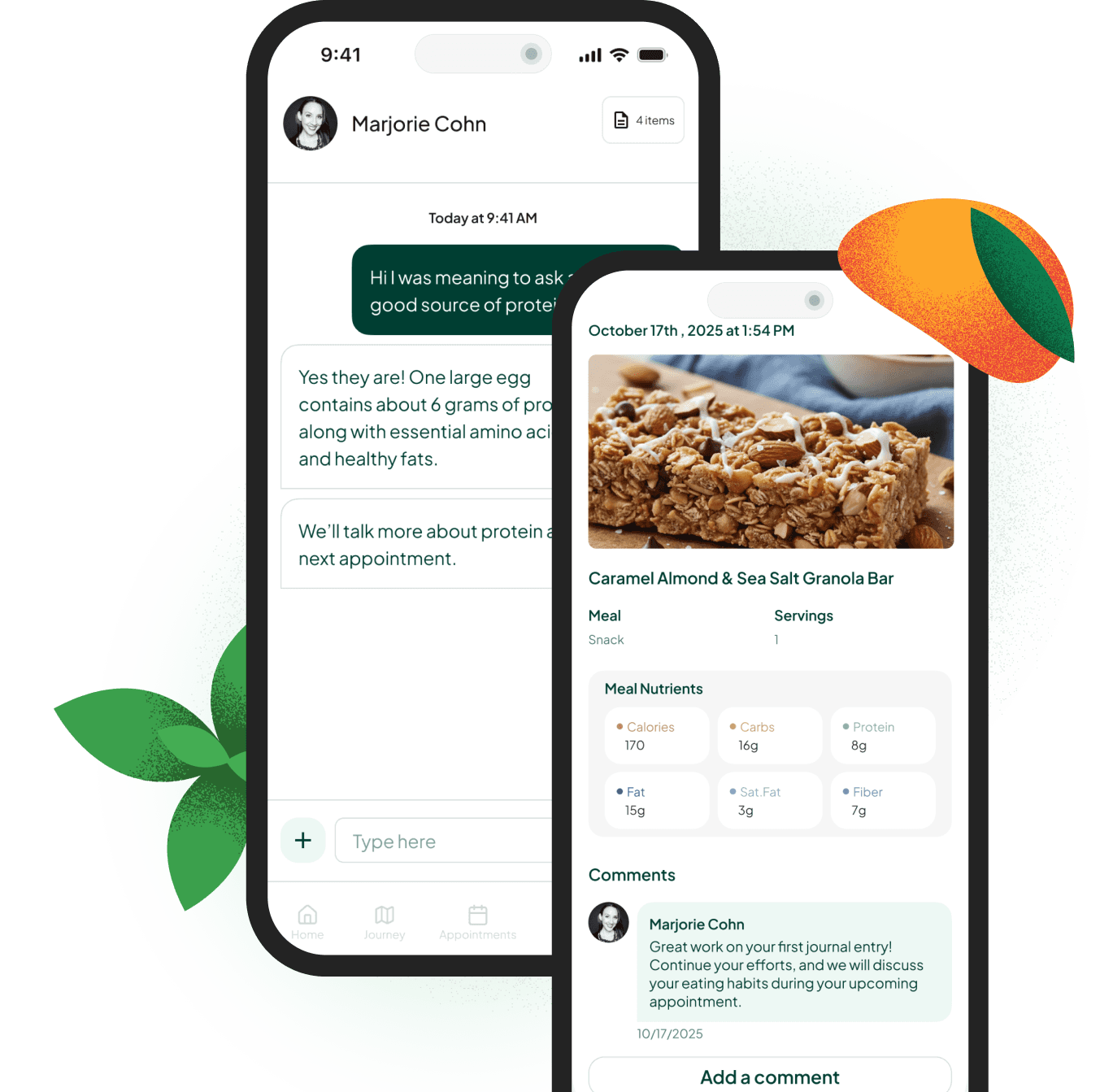
You do not have to figure this out alone, and getting help is often more affordable than people expect. Berry Street connects you with a registered dietitian nutritionist who specializes in GLP-1 nutrition and your broader health goals, through virtual 1-on-1 visits that fit your schedule. Together you build a plan that protects your protein and nutrient needs, works around your aversions and side effects, and adapts as your appetite changes, all alongside the medical team that prescribes and monitors your medication.
Nutrition counseling is often covered by insurance. Berry Street is in-network with 1,250+ plans nationwide, and 95% of members pay $0 with coverage. You can check what your own plan covers in about a minute with no commitment. When you are ready, you can connect with a dietitian who fits your needs.

The Bottom Line
When nothing sounds good on a GLP-1, the medication has changed your appetite, taste, and digestion, and that is expected rather than a problem with you. The goal is not to eat less to match your appetite, it is to keep nourishing yourself while it is quiet. Reach for cool, bland, low-aroma foods, lead with protein in small amounts, eat on a schedule instead of waiting for hunger, and keep fluids steady. Watch for the signs of under-eating, protect your muscle with protein and movement, and loop in your prescribing team when something feels off. Most of all, remember that no single list fits everyone, and a registered dietitian can build one around your real aversions, your appetite window, and your life.
Frequently Asked Questions
Why does nothing sound good when I’m on a GLP-1?
GLP-1 medications reduce appetite, slow how quickly your stomach empties, and can shift your sense of taste and smell, so foods that once appealed to you may now seem bland, too strong, or off-putting. This is an expected side effect, especially early on and after dose increases, not a sign you are doing anything wrong. The aim is to work around it by choosing more tolerable foods rather than to eat less overall.
Why do I suddenly have food aversions to things like coffee, meat, or sweets on a GLP-1?
Taste and smell changes on a GLP-1 can make coffee taste bitter or metallic, while dense, slow-digesting foods like red meat can feel heavy on a stomach that is emptying slowly. Very sweet or rich foods trigger queasiness for some people. None of these foods are bad or off-limits, and for many people these specific aversions ease as the body settles on a stable dose.
What can I eat on a GLP-1 when I have no appetite?
Lower the barrier to eating with cool, bland, low-aroma foods in small amounts, and lead with protein. Good options include Greek yogurt, cottage cheese, smoothies or protein shakes, eggs, soft-cooked vegetables, oatmeal, and simple carbs like toast or bananas. Eating a little on a schedule matters more than eating a lot at once.
How do I get enough protein when nothing sounds appetizing?
Spread protein across several small meals and snacks instead of aiming for large plates, and eat the protein on your plate first while you still have room. Keep easy, low-effort options on hand such as ready-to-drink protein shakes, Greek yogurt, cottage cheese, or nut butter. If aversions or nausea make protein hard to reach consistently, a dietitian can help you find sources you can actually tolerate.
Do cold or bland foods really help with GLP-1 food aversions and nausea?
For many people, yes. Cooler foods give off less aroma than hot foods, and since strong smells often trigger aversions and nausea on a GLP-1, cool and mild options like yogurt, smoothies, and chilled soft foods can be easier to face. Bland foods also make fewer demands on senses that have become more sensitive. Everyone is different, so notice what works for you.
How often should I eat if I’m never hungry on a GLP-1?
A helpful approach is to eat small amounts on a schedule, roughly every 3 to 4 hours, rather than waiting for hunger that may not come. Setting an alarm or reminder can prompt a few bites even when you have no drive to eat. Small, frequent meals also tend to sit better and help keep nausea from building.
What are the best backup foods for days when I can’t face a meal?
Keep a few no-effort options stocked so a meal is never far away: a protein shake with a banana, Greek yogurt with nut butter, instant oatmeal made with milk, broth-based soup, scrambled eggs with toast, or cottage cheese with soft fruit. The goal on those days is simply to get something nourishing in, not to eat perfectly.
Are GLP-1 food aversions permanent, or do they go away?
For many people, aversions ease over time, particularly once the dose stabilizes. They are often most intense early in treatment and after dose increases. You can try reintroducing a food you have gone off gently, in a small amount, when you are feeling your best, and try again later if it still does not work. There is no rush.
How do I know if my low appetite has tipped into under-eating?
Watch for a steady pattern of going most of the day without eating, along with fatigue beyond what you would expect, weakness, dizziness, noticeable hair shedding, or food starting to feel like something to avoid. One or two off days are normal, but a consistent pattern of these signs is a signal to get support from a dietitian and to let your prescribing team know.
What should I drink on a GLP-1 if even water is unappealing?
If plain water is a struggle, other fluids count too. Try herbal tea, broth, milk or a milk alternative, or water-rich foods, and sip steadily through the day rather than drinking large amounts at once. Staying hydrated also helps with constipation and can take the edge off nausea, so keeping fluids gently flowing is worth the effort even when thirst cues are quiet.