Key Takeaways
Some muscle loss can come with any large weight change, but on GLP-1 medications you can protect your strength with enough protein and regular resistance training.
A practical protein range is roughly 1.2 to 1.6 grams per kilogram of body weight per day, personalized with your dietitian to fit your appetite.
Resistance training two to three times a week does more to preserve muscle and mobility than cardio alone.
Reduced appetite and nausea are common, so eating enough can be genuinely hard, and small protein-first snacks help more than forcing full meals.
A registered dietitian works alongside your prescribing doctor to keep your nutrition steady without turning it into another set of rules.
GLP-1 medications have changed how many people manage type 2 diabetes, appetite, and metabolic health. Along with those benefits comes a fair question: how do you prevent muscle loss on GLP-1 medications while your body changes? Muscle is about more than how you look. It is about strength, mobility, energy, and long-term metabolic health. When weight comes down quickly, some of that loss can come from muscle, and that shapes how you feel and function every day. The good news is that you have real tools to protect it. This guide covers what the research shows, how much protein you need, what movement helps, and how a registered dietitian for GLP-1 support fits in.
In 30 seconds: Some muscle loss can accompany any significant weight change, including changes on GLP-1 medications. You can protect your strength by eating enough protein and doing resistance training a few times a week. A good starting target is roughly 1.2 to 1.6 grams of protein per kilogram of body weight a day, which your dietitian can personalize.
Why Does Muscle Loss Happen on GLP-1 Medications?
GLP-1 medications work in part by reducing appetite, so you naturally eat less. When you take in less energy and weight comes down, your body draws on both fat and lean tissue. Muscle is part of that lean tissue.
If your protein intake drops and you are not challenging your muscles, a larger share of the loss can come from muscle rather than fat. That is why the “how” of losing weight matters as much as, if not more, than the number on the scale.
This is a functional concern, not an appearance one. Muscle supports your balance, your energy, your blood sugar control, and your ability to keep doing the things you enjoy. Protecting it helps you feel the benefits of your treatment for the long run. That is a core part of nutrition care for diabetes and metabolic health.

What the Research Actually Shows About Muscle and GLP-1s
Weight loss of any kind almost always includes some lean mass, and GLP-1 medications are no exception. A 2025 review in Acta Diabetologica by Rossi and colleagues studied this directly. People using GLP-1 receptor agonists can lose lean mass alongside fat mass during weight loss.
The review is careful about interpretation. Losing some lean mass is expected when body weight falls. What matters clinically is whether you keep enough muscle to stay strong and functional, and whether nutrition and activity are in place to support it.
The takeaway is that muscle responds to what you do. Protein and movement give you real influence over how much strength you keep.
Is GLP-1 Muscle Loss Different from Other Weight Loss?
A common worry is that GLP-1 medications strip muscle in a way that other approaches do not. Current evidence does not support that fear. A 2026 study in Cell Reports Medicine looked at exactly this. The researchers found no disproportionate loss of muscle mass or function from GLP-1 medicines across the humans and mice studied.
In plain terms, the muscle you may lose on a GLP-1 medication looks proportional to the weight you lose. It is the kind of change seen with weight loss generally, not a unique side effect of the medication.
That is reassuring, and it does not mean you can ignore muscle. It means the same proven strategies that protect muscle during any weight change work here too.

How Much Protein Do You Need on a GLP-1 Medication?
Protein gives your muscles the raw material they need to repair and hold their strength. When you are eating less overall, getting enough protein becomes more important, not less. This is not a rule to obey. It is a range your dietitian can help you personalize based on your needs, your appetite, and what feels manageable.
Protein Targets: 1.2 to 1.6 Grams per Kilogram per Day
For many adults working to preserve muscle, a reasonable range is about 1.2 to 1.6 grams of protein per kilogram of body weight per day. That matches the amount clinical guidance for GLP-1 nutrition typically recommends for people losing weight. Clinicians at Mass General Brigham describe adequate protein paired with regular exercise as a core strategy for preserving lean body mass on GLP-1 therapy.
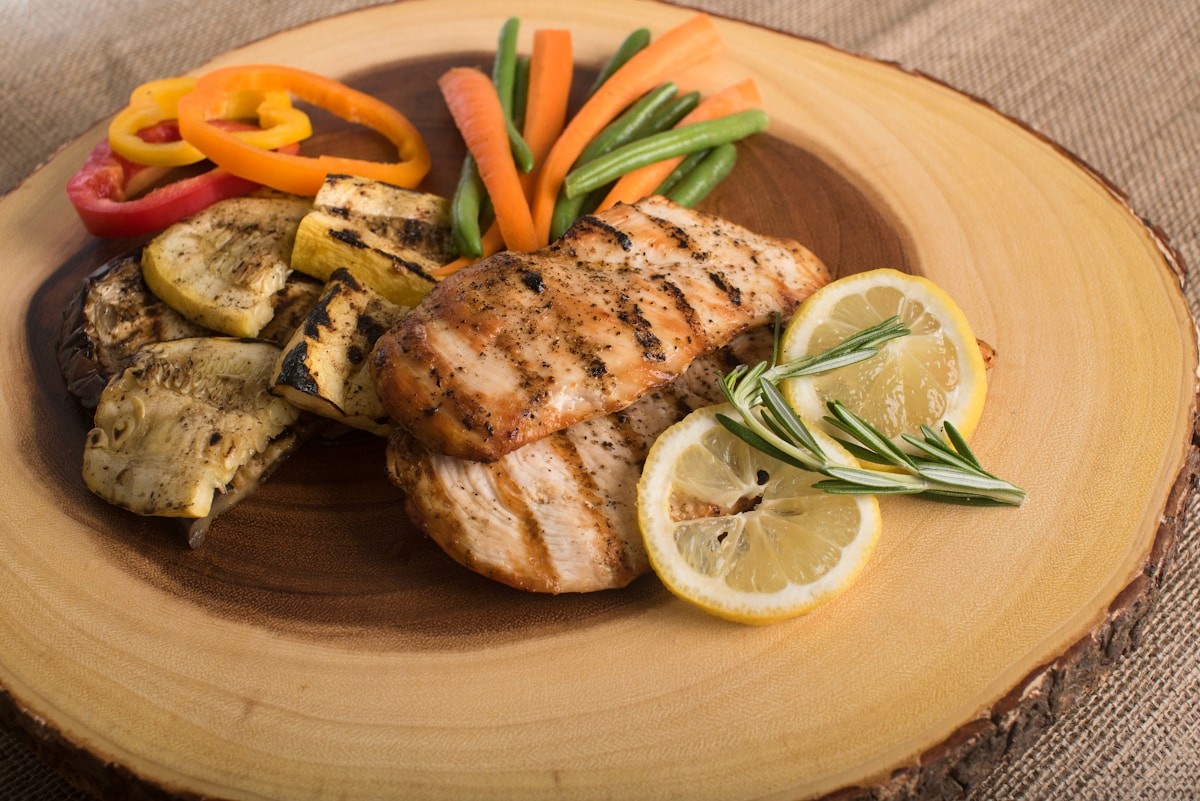
Here is what that looks like in practice. Someone who weighs about 70 kilograms (154 pounds) would aim for roughly 84 to 112 grams of protein a day. That might mean protein at each meal plus a snack.
A few points to keep in mind:
Your ideal number depends on your body, activity, kidney health, and other conditions, so treat the range as a starting point.
Spreading protein across the day, rather than loading it all at dinner, may help your muscles use it more effectively.
If eating that much feels out of reach right now, that is common on a GLP-1, and a dietitian can help you build up gradually. It is okay to start at a lower amount to avoid feeling overwhelmed.
How to Hit Your Protein Goal When You’re Not Hungry
Reduced appetite is one of the ways these medications work, so eating enough can be genuinely hard. That is okay, and it is not a personal failing. The aim is to work with your appetite, not against it.
Practical ways to make protein easier when you are not hungry:
Eat protein first at each meal, before you fill up on everything else.
Choose smaller, more frequent meals or snacks instead of three large meals.
Keep easy options on hand, such as Greek yogurt, eggs, cottage cheese, or a rotisserie chicken.
Try a protein shake or smoothie when solid food feels like too much.
Add protein to foods you already enjoy, like stirring extra beans into soup.
No food is off-limits here. The goal is to add protein in ways that fit your day, not to cut foods you love.
What Kind of Exercise Preserves Muscle on GLP-1s?
Food gives your muscles what they need, and movement gives them a reason to hold on. Exercise is not something you have to earn or use to offset what you eat. It is a signal that tells your body to keep the muscle you have.
Why Resistance Training Matters More Than Cardio
Cardio is good for your heart and mood, but it does not send a strong “keep this muscle” signal on its own. Resistance training does. In exercise science, muscle responds to load-bearing work. Challenging your muscles against resistance is the most direct way to signal your body to hold onto them. Clinicians at Mass General Brigham point to adequate protein paired with regular exercise as a key way to protect lean mass during GLP-1 treatment.
Resistance training means working your muscles against a load. That can be dumbbells, resistance bands, weight machines, or your own body weight. Two to three sessions a week is a reasonable target for most people.
If you are new to exercise or have mobility limits, you can start small and seated. Movement that feels doable and repeatable beats an intense plan you cannot sustain. Check with your doctor before starting something new, especially if you have joint, heart, or balance concerns.
A Simple Strength Routine You Can Start This Week
You do not need a gym to begin. Here is a beginner-friendly routine using body weight or light resistance:
Sit-to-stands: rise from a sturdy chair and sit back down, 8 to 12 times.
Wall push-ups: hands on a wall, bend and straighten your arms, 8 to 12 times.
Standing rows with a band: pull a resistance band toward you, 10 to 12 times.
Heel raises: hold a counter and lift onto your toes, 12 to 15 times.
Seated or standing marches: lift one knee at a time, 30 to 60 seconds.

Do this two to three times a week, resting a day between sessions. Add a little weight or another round as it starts to feel easier.
How a Registered Dietitian Supports Muscle Preservation
A Registered Dietitian Nutritionist is a licensed medical professional with years of clinical training. On a GLP-1 medication, an RD works alongside your prescribing doctor, not instead of them. Together they keep your nutrition on track as your appetite and needs change.
The value is in personalization. Your protein target, your meal timing, and your comfort with food are not the same as anyone else’s. A dietitian helps you fit the guidance to your real life.
Managing Nausea and Food Aversions Without Restricting
Nausea and food aversions are common early on and when your dose changes. The answer is rarely to eat less. It is to find the foods, times, and textures that your body will accept right now, then build from there. Our related guide on appetite and metabolism after starting a GLP-1 walks through more of these day-to-day adjustments.
“When a client can barely finish a meal, we start to focus on what they can eat. We start with protein first, at whatever time of day their appetite feels biggest. For a lot of people that is a small snack at 10 am, not dinner. A few bites of Greek yogurt when you actually feel hungry beats a full plate you cannot touch.” — Bridget Isaacs, MS, RD
Building a Sustainable Eating Pattern That Protects Your Strength
Muscle preservation works best when it fits into your normal eating, not when it becomes one more thing to track and stress over. A dietitian helps you shape a pattern you can keep, using foods you like and a rhythm that matches your appetite.
“I never hand someone a rigid meal plan and call it muscle protection. We look at what you already eat and find small, repeatable ways to add protein you actually enjoy. When it fits your real life, it stops feeling like a rule and starts feeling like something you can keep doing.” — Bridget Isaacs, MS, RD
That mindset also protects your relationship with food. Consistency you can live with does more for your strength than a strict plan that runs out of steam.
Do Supplements Help Prevent Muscle Loss on GLP-1s?
Supplements can play a supporting role, but they do not replace protein, resistance training, and consistent care. Think of them as a possible add-on once the basics are in place, and only after checking with your healthcare team.
Creatine, Vitamin D, and What the Evidence Supports
Creatine monohydrate is one of the most studied supplements for supporting strength and muscle when paired with resistance training. For some people it may help, and it is generally considered low-risk, though it is not right for everyone.
Vitamin D matters because low levels are linked with reduced muscle function, and it is common to run low. Testing your level is more useful than guessing, since more is not always better.
Protein powder is a supplement but also doubles as a convenient food. When appetite is low, a scoop in a shake can be a practical way to reach your protein range without forcing a full meal.
What to Ask Your Healthcare Team Before Starting Supplements
Supplements can interact with medications and health conditions, so a quick conversation protects you. Bring these questions to your doctor or dietitian:
Is this supplement safe with my current medications and health history?
What dose makes sense for me, and how will we know if it is helping?
Should I test my vitamin D or other levels before starting?
Are there food-first options that would work just as well for me?
Your care team can help you sort what is worth trying from what is only marketing.
Frequently Asked Questions
How much protein should I eat on GLP-1 medications to prevent muscle loss?
A common starting range is about 1.2 to 1.6 grams of protein per kilogram of body weight per day. That reflects clinical guidance for GLP-1 nutrition. The right amount for you depends on your body, activity, and health history. A dietitian can personalize the target and help you reach it when your appetite is low.
What exercises prevent muscle loss while taking Ozempic or Wegovy?
Resistance training is the most important type for protecting muscle, done two to three times a week. That includes body-weight moves, resistance bands, or weights. Cardio supports your heart and mood, but it does not preserve muscle on its own, so pair the two.
Does GLP-1 medication cause more muscle loss than other weight loss methods?
Current evidence suggests it does not. A 2026 Cell Reports Medicine study found that muscle loss on GLP-1 medicines is proportional to overall weight loss, not disproportionate. The same protein and resistance-training strategies that protect muscle during any weight change apply here.
Can supplements like creatine help preserve muscle on GLP-1s?
Creatine monohydrate may support strength for some people when combined with resistance training, and it is generally low-risk. It works best as an add-on, not a replacement for protein and movement. Check with your healthcare team before starting anything new.
Should I see a dietitian while taking GLP-1 medications?
It can make a real difference. A registered dietitian is a licensed medical professional. They work alongside your prescribing doctor to keep your nutrition on track as your appetite changes. That support helps you protect your strength while getting the benefits of your treatment.
How do I know if I’m losing muscle instead of fat on a GLP-1 medication?
The scale alone cannot tell you, since it does not separate muscle from fat. Warning signs of muscle loss are functional: feeling weaker, tiring faster, or struggling with stairs, lifting, or balance. If you notice those changes, mention them to your dietitian or doctor, who can look closer and adjust your plan.
Can I rebuild muscle if I’ve already lost some on a GLP-1?
Yes, muscle responds to what you do, so it is not too late to protect and rebuild your strength. Enough protein paired with regular resistance training gives your muscles what they need to recover over time. A dietitian can help you build back up at a pace that fits your appetite and your life.
Do I only need to focus on protein and strength while losing weight, or long term?
Protecting your muscle is an ongoing part of your health, not a phase that ends when weight changes slow down. Muscle supports your strength, mobility, and energy for the long run, so steady protein and regular movement stay valuable. Think of it as a sustainable pattern you keep, not a temporary rule.
Can I preserve muscle on a GLP-1 if I’m vegetarian or plant-based?
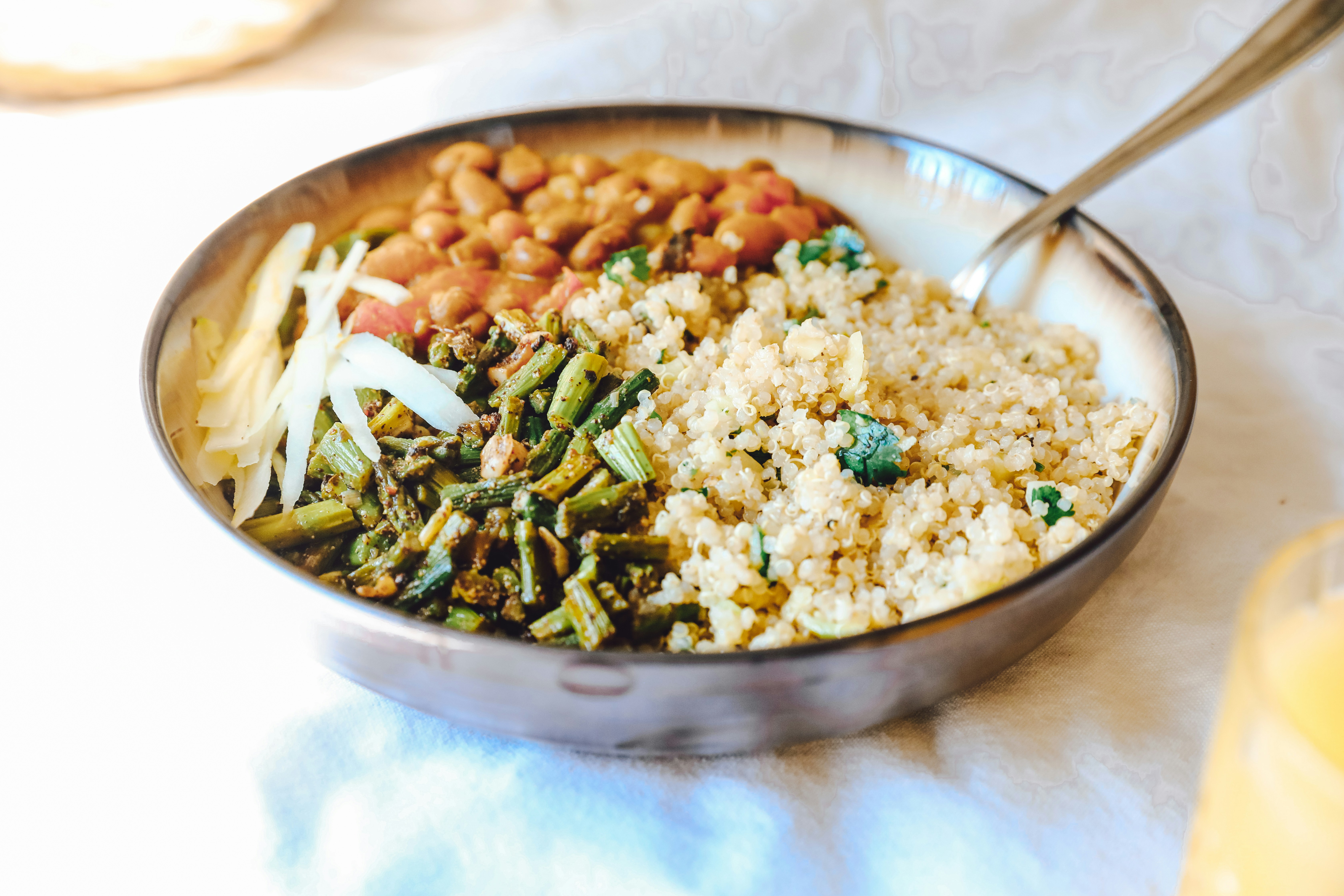
Yes, you can reach your protein range without meat. Foods like tofu, tempeh, beans, lentils, edamame, Greek yogurt, eggs, and dairy make it very doable. Combining plant sources across the day helps cover your needs. A dietitian can map a plant-based plan that hits your target and works with your appetite.
Are older adults at higher risk of muscle loss on GLP-1s?
Muscle naturally declines with age, so older adults may have less to spare and benefit even more from protecting it. The same tools apply: enough protein and regular resistance training, adjusted for your body and any mobility limits. Working with a dietitian and your doctor helps you personalize both safely.
Does it matter which GLP-1 medication I take for muscle loss?
The approach to protecting your muscle is the same across GLP-1 medications: enough protein, regular resistance training, and dietitian support. What changes between medications is how they affect your appetite, dosing, and side effects, not the strategy for keeping your strength. Talk with your prescribing doctor about any differences that matter for your specific medication.
Next Steps: Work with a Berry Street Dietitian
Protecting your muscle on a GLP-1 medication comes down to steady protein, regular resistance training, and guidance that fits your life. You do not have to figure it out alone.
Berry Street pairs you with a registered dietitian who specializes in GLP-1 nutrition support and works alongside your prescribing doctor. You can find a registered dietitian who matches your goals and health history, then book virtual visits on your schedule.
Cost is usually not a barrier. Most Berry Street members pay $0 through insurance. We are in-network with 1,250+ plans nationwide, and 95% of members pay $0 with coverage. Checking your coverage takes about 60 seconds, with no commitment required.
Last Reviewed by Bridget Isaacs, MS, RD — July 2026.