Weight loss pills can feel tempting when progress is slow, and every option online promises something different. Some are prescription medications with real clinical evidence. Others are supplements with bold claims and very little research behind them.
As Registered Dietitians, we often support people who are using weight loss medications while helping them build sustainable eating habits, protect muscle mass, and manage side effects. That gives us a firsthand look at what tends to help, what creates problems, and what realistic expectations should look like.
In this guide, we’ll break down how different weight loss pills work, which options have actual evidence behind them, and what to know before deciding whether medication is the right fit for you.
Key Takeaways
Weight loss pills vary widely. FDA-approved medications have much stronger evidence than most OTC supplements and “fat burners.”
Prescription medications can help some people lose meaningful weight, especially when paired with nutrition changes, movement, sleep support, and long-term medical care.
GLP-1 medications like Wegovy and Zepbound work differently than traditional diet pills by affecting appetite, fullness, and blood sugar regulation.
OTC weight loss products and “natural” supplements can still cause side effects, medication interactions, and safety concerns, even when sold without a prescription.
The best weight loss medication depends on your health history, goals, side effects, and long-term plan, not which product promises the fastest results.

What Are Weight Loss Pills?
Weight loss pills are products designed to support weight management by affecting appetite, fullness, calorie absorption, cravings, blood sugar, or eating patterns. Prescription medications go through clinical testing and medical review before approval.
Over-the-counter supplements have much less oversight and often rely on smaller or weaker studies. That difference is crucial.
A prescription weight loss medication prescribed by a clinician is very different from a detox tea, stimulant-heavy fat burner, or “miracle” capsule sold online.
From our experience, many people group all of these products together because the marketing sounds convincing. In reality, the ingredients, safety standards, side effects, and expected outcomes can vary significantly between products.
Prescription Weight Loss Pills vs Over-the-Counter Products
Prescription weight loss medications are approved drugs prescribed by licensed clinicians and monitored over time. They come with standardized dosing, eligibility requirements, safety warnings, and follow-up recommendations. These may include medications like phentermine, Qsymia, Contrave, or injectable GLP-1 medications used for chronic weight management.
Over-the-counter products cover a much wider range of items. Alli is an FDA-approved lower-dose version of orlistat, while many other OTC options are sold as dietary supplements.
Supplements don’t have to prove effectiveness before reaching store shelves. That’s why packaging and advertisements may sound persuasive even when the supporting research is limited, inconsistent, or completely absent.

How Weight Loss Pills Are Supposed to Work
Weight loss pills and medications influence the body in several different ways. Certain medications reduce appetite signals in the brain, which may help people feel less hungry between meals. Others increase fullness or slow stomach emptying so meals stay satisfying longer.
Orlistat works differently by reducing the amount of dietary fat absorbed during digestion. GLP-1 medications affect appetite, fullness, stomach emptying, and blood sugar regulation simultaneously.
Products marketed as metabolism boosters usually rely on caffeine, green tea extract, or stimulant blends. These ingredients may temporarily increase calorie burning or energy levels, but the overall impact on long-term fat loss is generally modest for most people.
Why No Pill Replaces Nutrition, Movement, and Medical Support
Weight loss medications can help eligible people lose weight, especially when combined with long-term lifestyle support and regular follow-up care.
Appetite changes from medication may make eating less feel easier, but sustainable progress still depends on daily habits. Balanced meals, adequate protein, sleep quality, stress management, and movement all play important roles in long-term success.
After years of experience, we’ve seen better outcomes when medication is paired with realistic routines people can maintain consistently.
Support helps. If you’re using weight loss medication or considering it, connect with a Registered Weight Loss Dietitian through Berry Street for a personalized 7-day meal plan and ongoing nutrition support.

Do Weight Loss Pills Actually Work?
Certain weight loss pills and medications can work, but the category isn’t equal across the board. Clinically tested prescriptions may help eligible people lose meaningful weight, reduce appetite, and improve markers like blood sugar or blood pressure. Supplement blends sold online usually have weaker evidence, less consistent results, and fewer safeguards.
A medication prescribed after a health evaluation is in a different lane than a stimulant-heavy “fat burner” from social media. In our experience, people get better answers when they ask what the product is, how it was studied, and whether it fits their medical history.
What “Works” Should Mean
“Works” should mean more than a quick drop on the scale. A useful weight loss medication should support meaningful weight loss, protect health markers, fit your medical history, and be safe enough to continue when ongoing treatment makes sense.
It should also help you function well. If nausea keeps you from eating enough protein, that’s a problem. If weight returns quickly after stopping, that deserves a plan.
We encourage people to look beyond the first month and ask practical questions: What results are realistic? What side effects should I expect? How will I maintain progress long-term?
Why “Fast Weight Loss Pills” Are Usually a Red Flag
“Fast,” “extreme,” and “guaranteed” weight loss claims deserve caution. Real weight management is rarely dramatic, predictable, or identical from person to person. Rapid scale changes often come from fluid loss, severe restriction, stimulant effects, or digestive changes rather than lasting fat loss.
Products sold online may also contain hidden ingredients, unsafe stimulant doses, or combinations that have not been well studied together. The marketing can sound convincing, especially when it includes before and after photos.
Still, louder claims usually need closer scrutiny. A safe option should explain realistic results, side effects, dosing, and who should avoid it. That kind of transparency is important.

When a Pill May Be Worth Discussing With a Doctor
A weight loss pill may be worth discussing with a doctor if you have complications of obesity, a weight-related health condition, or repeated difficulty maintaining weight loss despite consistent effort. BMI may be part of the conversation, but it’s not the whole picture.
Your clinician may also review blood pressure, blood sugar, cholesterol, sleep quality, current medications, pregnancy plans, mental health history, and family history.
Bring details, not shame. A clear record of past diets, activity limitations, side effects, and lab results helps your clinician decide whether medication is appropriate and which option may be safest for your body. It also supports better follow-up.
FDA-Approved Weight Loss Pills and Medications
FDA-approved weight loss medications are drugs reviewed for safety, effectiveness, dosing, labeling, and known risks before they’re prescribed or sold for weight management. The review process gives clinicians clearer information about who may benefit, who should avoid a medication, and what side effects need monitoring.
It doesn’t make a medication risk-free. Nausea, digestive changes, blood pressure effects, mood shifts, and medication interactions can still happen, depending on the drug.
The key difference is evidence. Many products marketed for weight loss are not approved medications, even when their labels sound medical, polished, or research-backed. That gap can make comparisons confusing for consumers.

Why FDA Approval Matters
FDA approval matters because it creates a higher standard for evidence, safety review, dosing instructions, and labeling. Approved medications come with details about expected benefits, possible side effects, contraindications, drug interactions, and monitoring needs. This helps clinicians make safer recommendations and gives patients a clearer idea of what they’re taking.
Supplements follow a different path. A supplement can reach store shelves without proving it causes meaningful weight loss in large, well-designed trials. That doesn’t mean every supplement is harmful. It means claims deserve a closer look. As Registered Dietitians, we encourage people to compare evidence, not just packaging, popularity, or online reviews.
Common FDA-Approved Prescription Options
FDA-approved weight loss medications work in different ways, so it helps to compare them by mechanism, format, side effects, and monitoring needs. The best choice depends on your health history, goals, cost, and what you can realistically tolerate.
1. Orlistat
Orlistat reduces the amount of dietary fat your body absorbs from meals. Prescription-strength orlistat is sold as Xenical, while a lower-dose version is available over the counter as Alli.
Because it works in the digestive tract, the side effects are usually digestive too. You could experience oily stools, gas, urgency, or leakage, especially after higher-fat meals. A lower-fat eating pattern can make it easier to tolerate.
Orlistat can also reduce the absorption of fat-soluble vitamins, including vitamins A, D, E, and K. A clinician may suggest a multivitamin taken at a separate time. Meal planning matters here. That makes this option less forgiving than many people expect.

2. Phentermine
Phentermine is a short-term prescription appetite suppressant with stimulant effects. It can reduce hunger and make it easier to eat smaller portions, but it also needs careful screening.
Phentermine can raise heart rate and blood pressure, so it may not be appropriate for people with uncontrolled hypertension, certain heart conditions, glaucoma, hyperthyroidism, or a history of substance misuse. Common side effects include dry mouth, constipation, insomnia, jitteriness, and a faster heartbeat.
From our experience, people often underestimate the sleep piece. Poor sleep can increase cravings the next day, so timing and monitoring really matter with this medication. It’s prescription-only for a reason.
3. Phentermine/Topiramate
Qsymia combines phentermine with topiramate in one prescription medication. The phentermine component helps reduce appetite, while topiramate may support fullness and reduce food cravings for certain people.
Because it contains a stimulant, heart rate and blood pressure still need attention. Topiramate also adds its own considerations, including tingling sensations, taste changes, constipation, mood shifts, and possible brain fog.
Pregnancy safety is a major point. Qsymia can increase the risk of birth defects, so pregnancy testing and reliable contraception are essential for people who can become pregnant. This medication requires follow-up, not a quick online checkout. Dosing also changes gradually, which helps manage tolerability.
4. Naltrexone/Bupropion
Contrave combines naltrexone and bupropion, two medications that affect appetite, cravings, and reward pathways in the brain. It may be considered for people who struggle with cravings or eating patterns that feel hard to interrupt.
Screening is important. Contrave is not appropriate for people with seizure disorders, uncontrolled high blood pressure, certain eating disorder histories, or current opioid use. It may also affect mood, sleep, nausea, headache, or constipation.
As Registered Dietitians, we also look at meal consistency with this option. Skipping meals can make cravings feel stronger, so nutrition structure can support the medication plan. It is not a fit for everyone.
5.Semaglutide
Wegovy is the brand name for semaglutide when prescribed for chronic weight management. It’s usually taken as a once-weekly injection, but pills are also available. It works through GLP-1 pathways that influence appetite, fullness, stomach emptying, and blood sugar regulation. Wegovy can lead to significant weight loss for eligible patients, but side effects can still be challenging.
Nausea, constipation, diarrhea, reflux, and reduced appetite are common. Eating very large or high-fat meals may worsen discomfort.
We often help patients on this medication plan with smaller, protein-rich meals that feel manageable. Long-term planning matters too, since appetite and weight may change after stopping. Dose increases are usually gradual to reduce side effects.
6. Oral Semaglutide
Oral semaglutide options now include both Rybelsus and oral Wegovy, but they are approved for different purposes. Rybelsus is approved for type 2 diabetes management, while oral Wegovy is approved for chronic weight management in eligible adults. Even though both contain semaglutide, the dosing, treatment goals, insurance coverage, and monitoring needs can differ.
Oral semaglutide medications also have strict instructions for use. They are generally taken on an empty stomach with a small amount of water before food, drinks, or other medications. Side effects may include nausea, reflux, constipation, diarrhea, or reduced appetite. Medical guidance helps determine which version fits a person’s health needs best.
Short-Term vs Long-Term Medications
Some medications are intended for short-term use. Phentermine is generally prescribed for short-term use because it’s a stimulant appetite suppressant that can raise heart rate and blood pressure.
Other medications are used for longer-term weight management. These include several newer medications designed for chronic obesity care. Since weight regulation is ongoing, many people need a long-term plan before they start. That plan should include nutrition support, medical monitoring, and a maintenance strategy.

Which Medications Are Pills, Injections, or Other Forms?
Some weight loss medications are pills. Others are weight loss injections. Phentermine, Qsymia, Contrave, and orlistat are oral options. Wegovy, Saxenda, and Zepbound are injectable medications. Alli is an OTC oral medication.
Rybelsus is an oral GLP-1 medication approved for type 2 diabetes, not specifically as a weight loss drug. Other oral GLP-1 options are being studied, but they shouldn’t be treated as interchangeable with OTC diet pills. The form matters, but the indication, dose, safety profile, and monitoring matter more.
Prescription Weight Loss Pills: Who Qualifies?
Prescription weight loss medications are generally considered for adults with obesity or adults with overweight plus at least one weight-related health condition. Eligibility depends on several factors, including BMI, medical history, current medications, side effect risks, and insurance rules.
The process can feel more complicated than people expect. Not everyone who wants medication qualifies, and not everyone who qualifies will benefit from the same option.
The best decisions happen when people look beyond quick results and focus on long-term safety, sustainability, and realistic expectations. A medication plan should fit your health needs, lifestyle, eating habits, budget, and ability to follow up consistently over time.
BMI Requirements for Weight Loss Medication
Many prescription weight management medications are considered for adults with a BMI of 30 or higher. People with a BMI of 27 or higher may also qualify if they have a weight-related condition such as type 2 diabetes, sleep apnea, high blood pressure, or elevated cholesterol.
Those numbers help guide treatment, but they’re not the entire story. Insurance companies may add their own requirements, too. Some plans require proof of previous weight loss attempts, prior authorization paperwork, recent lab work, or documentation from healthcare providers.
The process can feel frustrating and slow. Still, it’s extremely common when prescribing medications intended for chronic weight management and long-term care.
Health Conditions That May Affect Eligibility
Health conditions can affect both eligibility and medication choice. Type 2 diabetes, high blood pressure, sleep apnea, PMOS, elevated cholesterol, joint pain, and mobility limitations may strengthen the case for weight loss medication because weight changes could improve overall health risks or daily function.
Other conditions may limit which medications are considered safe. Uncontrolled blood pressure, heart rhythm problems, seizure history, kidney disease, liver disease, pregnancy, eating disorder history, or certain psychiatric conditions can all change the conversation.
That’s why medical screening matters so much. A medication that works well for one person may create unnecessary risks for someone with a very different health history or medication list.
How to Ask Your Doctor About Weight Loss Pills
Starting the conversation can feel intimidating, especially if previous appointments around weight felt uncomfortable or dismissive. A direct question often works best: “Would weight loss medication be appropriate for me?” Then bring helpful context. Share your weight history, past diets, activity limitations, medications, supplements, lab results, and family history.
Details are important. It also helps to be honest about eating patterns, cravings, binge eating episodes, emotional eating, or late-night snacking. Those habits can affect which treatments make sense.
As Registered Dietitians, we would always rather hear the full picture than see someone hide information out of embarrassment. Honest conversations lead to safer recommendations and better long-term support.

Why Online Prescriptions Still Need Medical Oversight
Telehealth has made obesity care more accessible for many people, especially those living in rural areas or struggling to find specialists nearby. The convenience of it can absolutely help.
Still, online prescriptions should involve real medical oversight and meaningful follow-up care. A safe process includes reviewing health history, current medications, contraindications, side effects, labs, and treatment goals before prescribing anything.
Ongoing is also important, especially with medications that affect appetite, blood sugar, digestion, or blood pressure. Be cautious with websites promising instant approval, compounded products from unclear sources, or international pills sold without evaluation.
Convenient care should still include thoughtful screening, realistic education, and ongoing medical supervision over time.
Best Prescription Weight Loss Pills and How They Compare
There’s no single best prescription weight loss pill for everyone, and that’s a good thing. The right option depends on your health history, side effect tolerance, goals, insurance coverage, medication interactions, and whether short-term or long-term treatment makes sense.
Oral medications may feel simpler, while injectables can offer stronger results for some eligible patients. Appetite, cravings, fullness, digestion, and blood sugar can all be targeted differently.
The best choice is the one that offers a meaningful benefit with the lowest reasonable risk. A clinician can help compare options based on your labs, medications, and priorities:
1. Phentermine
Phentermine is a prescription appetite suppressant generally used for short-term treatment. It works as a stimulant, so it may reduce hunger and make smaller portions feel easier.
The tradeoff is that stimulant effects can be noticeable. Jitteriness, dry mouth, constipation, insomnia, increased heart rate, and higher blood pressure may occur.
People with uncontrolled high blood pressure, certain heart conditions, glaucoma, hyperthyroidism, or a history of substance misuse may need a different option. It shouldn’t be treated like a casual energy boost. Taking it too late can also disrupt sleep, which may increase cravings the next day.

2. Qsymia
Qsymia combines phentermine and topiramate in one oral medication. The phentermine portion helps reduce appetite, while topiramate may support fullness and reduce food cravings for certain people.
Because it includes a stimulant, blood pressure and heart rate still need attention. Topiramate can also cause tingling sensations, dry mouth, constipation, taste changes, mood shifts, or brain fog.
Pregnancy safety is a major concern. Qsymia can increase the risk of birth defects, so pregnancy testing and reliable contraception are essential for people who can become pregnant. Dosing is usually adjusted gradually, which gives the body time to adapt and helps clinicians monitor tolerance.
3. Contrave
Contrave combines naltrexone and bupropion, two medications that affect appetite, cravings, and reward pathways in the brain. It may be considered when cravings or reward-driven eating patterns make weight management harder.
Screening is vital. Contrave is not recommended for people with seizure disorders, uncontrolled high blood pressure, certain eating disorder histories, or current opioid use.
Since bupropion can affect mood, sleep, and anxiety for some people, mental health history should be part of the discussion.
Nausea, constipation, headache, dizziness, and dry mouth may occur. Meal structure can help too, especially when irregular eating patterns make cravings feel more intense consistently.
4. Xenical and Alli
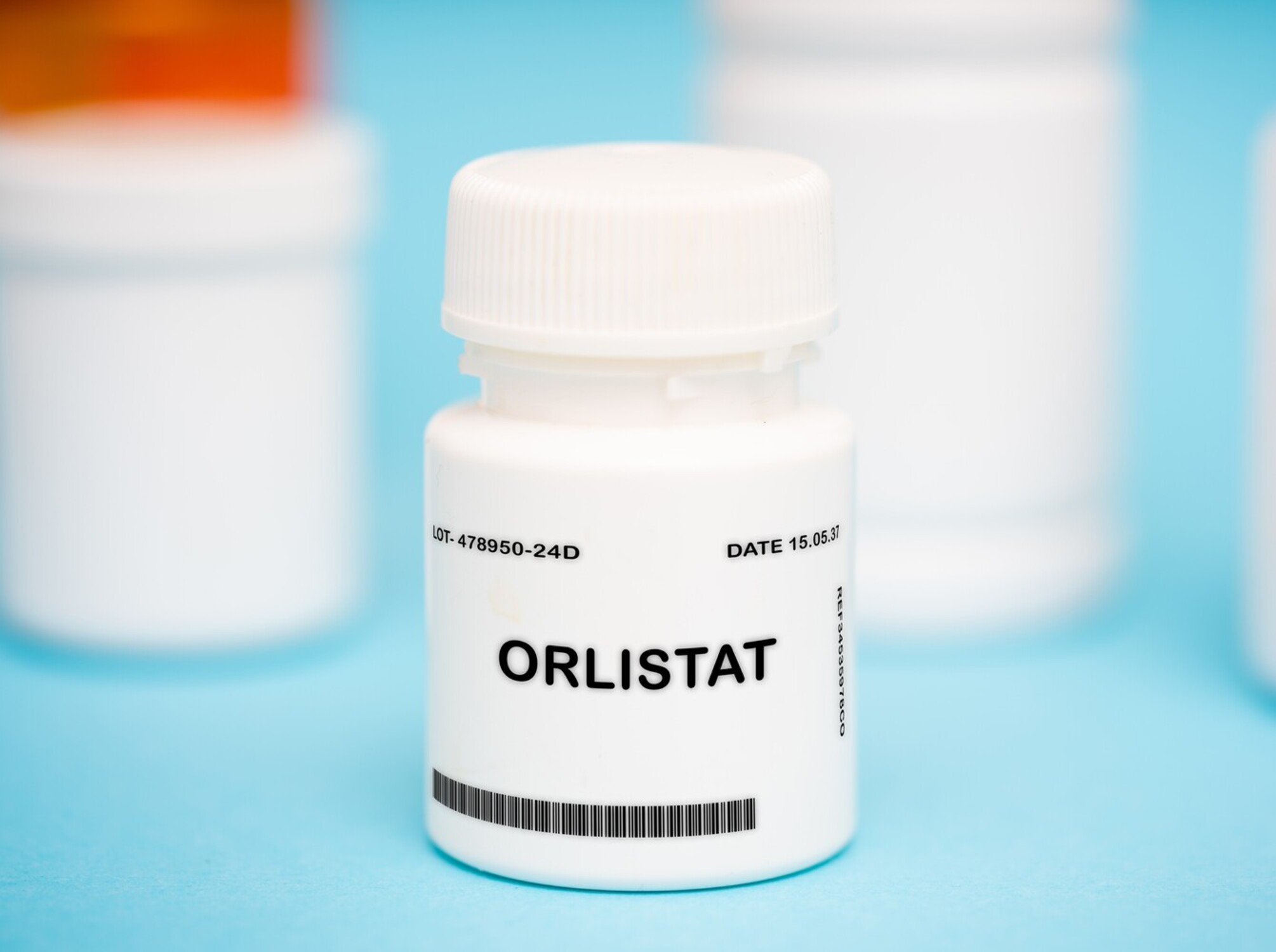
Xenical and Alli contain orlistat, a medication that works in the digestive tract by reducing the absorption of some dietary fat. Xenical is prescription strength, while Alli is a lower-dose version available over the counter.
Since undigested fat leaves through the stool, side effects are often digestive. Oily stools, gas, urgency, leakage, and cramping can happen, especially after higher-fat meals.
This medication tends to work best with a lower-fat eating pattern and careful meal planning. Orlistat can also reduce the absorption of fat-soluble vitamins, including A, D, E, and K, so supplement timing may need clinician guidance regularly.
5. Rybelsus and Other Oral GLP-1 Options
Rybelsus is an oral semaglutide medication approved for type 2 diabetes. Weight loss can happen for some people because it affects appetite, fullness, stomach emptying, and blood sugar regulation.
Still, it shouldn’t be treated as an interchangeable version of Wegovy, which is approved for chronic weight management. The dose, indication, and treatment goals differ.
Rybelsus also has strict instructions for use, often taken on an empty stomach with a small amount of water before food or other medications. Nausea, reflux, constipation, diarrhea, and reduced appetite may occur. Medical guidance matters, especially when diabetes m

GLP-1 Weight Loss Medications
GLP-1 medications have changed how many people think about weight management because they target appetite, fullness, digestion, and blood sugar regulation in a more direct way than older options
Some GLP-1 medications are approved for type 2 diabetes, while specific versions are approved for chronic weight management. They can be very effective for eligible patients, but they also require planning.
Nausea, constipation, cost, insurance hurdles, medication shortages, and long-term maintenance all matter. From our experience, people do best when they understand what the medication can do, what it cannot do, and how nutrition support fits into the full plan.
What GLP-1 Medications Do
GLP-1 medications mimic or enhance hormone pathways that help regulate appetite and blood sugar. Many people feel full sooner, stay satisfied longer, and notice fewer intense hunger cues between meals. These medications can also slow stomach emptying, which may reduce appetite but can cause nausea, reflux, constipation, or early fullness.
For people with type 2 diabetes, GLP-1 medications may also improve blood sugar control. For weight management, the appetite and fullness effects are often the biggest change.
A Registered GLP-1 Dietitian can help patients adjust meal timing, protein intake, hydration, and portions so they feel nourished while their appetite is lower.
Ozempic, Wegovy, Rybelsus, Mounjaro, and Zepbound
Ozempic and Rybelsus are semaglutide medications approved for type 2 diabetes. Wegovy is semaglutide approved for chronic weight management. Mounjaro is tirzepatide approved for type 2 diabetes, while Zepbound is tirzepatide approved for chronic weight management.
These names get mixed together online, but dosing, insurance coverage, and treatment goals can differ. Off-label use may happen in certain clinical situations, but that decision belongs with a qualified clinician.
If you’re taking Wegovy or are considering it, connect with a Registered Wegovy Dietitian through Berry Street for support with protein, side effects, meal planning, and long-term nutrition habits that feel realistic.
Weight Loss Injections vs Pills
Weight loss injections may produce stronger results than many oral medications for some eligible patients, especially newer GLP-1 and dual incretin options.
Still, effectiveness is only one part of the decision. Pills may feel easier for people who dislike needles or travel often. Injections may require less frequent dosing, sometimes once weekly, but storage, cost, side effects, and access can be harder to manage.
Comfort is also important to consider. A medication that works on paper still needs to fit real life. The best format is the one a person can use safely, consistently, and with proper monitoring from their healthcare team over time.
What Happens If You Stop Taking a GLP-1?
If you stop taking a GLP-1, appetite may increase, fullness may decrease, and weight regain can happen. Blood sugar, cholesterol, or blood pressure improvements may also change over time.
That doesn’t mean the medication failed. It means weight regulation is complex, and many people need long-term support.
Planning ahead helps. Before stopping, ask your clinician what to expect, whether dose changes are needed, and how follow-up will work.
Nutrition habits become especially important during transitions. Protein, fiber, resistance training, sleep, and meal structure can help support maintenance when hunger signals shift again after the medication changes later.
Over-the-Counter Weight Loss Pills: What Actually Has Evidence?
Alli, a lower-dose version of orlistat, is commonly cited as the only FDA-approved over-the-counter weight loss drug in the United States. It may support modest weight loss when paired with a lower-fat eating pattern, but digestive side effects can be difficult for some people. Oily stools, gas, urgency, and cramping are common complaints.
Most other OTC weight loss products are sold as dietary supplements rather than medications. That difference matters. Some products may slightly affect fullness, caffeine intake, or bowel habits, yet many do not produce meaningful long-term fat loss. Available without a prescription does not automatically mean proven, carefully studied, or safe for everyone.

OTC Supplements vs OTC Medication
OTC medications and OTC supplements follow very different standards before reaching store shelves. An OTC medication goes through a formal review process for safety, dosing, effectiveness, and labeling related to its intended use. Supplements don’t have to prove they cause weight loss before being sold.
That’s why two products sitting beside each other at a pharmacy may have completely different levels of evidence behind them. One may include standardized dosing, known side effects, and detailed instructions. Another may use a proprietary blend with vague ingredient amounts and limited research.
From our experience, the packaging often looks equally convincing, which can make comparison surprisingly confusing for consumers.
Fat Burners, Thermogenics, and Metabolism Boosters
Fat burners and thermogenics often contain caffeine, green tea extract, capsaicin, bitter orange, yohimbine, or stimulant blends marketed to increase calorie burning. These ingredients may slightly increase energy expenditure or temporarily reduce appetite, but the overall weight loss effect is usually modest and inconsistent.
Side effects can be much more noticeable. Jitteriness, anxiety, nausea, racing heart, headaches, sleep disruption, and blood pressure changes are common complaints with stimulant-heavy products.
Feeling wired doesn’t mean fat is melting away safely. People often underestimate how much poor sleep and elevated stress can affect appetite, cravings, energy levels, and long-term weight management progress.

Appetite Suppressants Sold Over the Counter
Some OTC appetite suppressants rely on fiber-based ingredients such as glucomannan or psyllium husk to increase fullness. When taken with enough water and paired with balanced meals, fiber may help certain people feel more satisfied between meals. That can support portion awareness for some individuals.
Still, feeling temporarily fuller does not automatically create meaningful long-term weight loss. Protein intake, meal structure, food quality, sleep, and emotional eating patterns all continue to matter.
Fiber supplements can also cause bloating, gas, constipation, stomach discomfort, or choking risk if taken without enough fluid. Reading instructions carefully and increasing fiber gradually can help reduce digestive side effects for many people.
When OTC Products May Be Unsafe
OTC weight loss products may become unsafe when they contain high stimulant doses, interact with medications, worsen blood pressure, or combine ingredients that have not been well studied together.
Risk increases quickly when people mix multiple products at once. Antidepressants, thyroid medication, diabetes medication, blood thinners, heart medications, and blood pressure prescriptions can all create interaction concerns. Pregnancy, breastfeeding, kidney disease, liver disease, eating disorder history, and heart conditions also raise the stakes.
“Natural” labels make many people assume these products are harmless. That assumption can backfire. No prescription required does not mean low risk, especially when strong stimulants or unclear ingredient blends are involved.

Natural Weight Loss Pills and Supplements
Natural weight loss pills are popular because they sound gentler, simpler, and less intimidating than prescription medication. That appeal makes sense. People often want support without feeling like they are making a major medical decision.
The problem is that “natural” doesn’t guarantee safe, effective, or well-studied. Many supplements rely on small studies, traditional use, or marketing claims that sound stronger than the evidence.
A product may help with fullness, digestion, or a small habit change, but that doesn’t make it a complete weight loss plan. Money spent on supplements can also delay care that addresses appetite, labs, medications, sleep, and nutrition habits.
Apple Cider Vinegar Pills
Apple cider vinegar pills are often marketed for appetite control, blood sugar balance, digestion, and fat loss. The evidence is limited, and research on capsules specifically is especially thin. A small appetite or blood sugar effect, if it happens, should not be treated as a major weight loss strategy.
Safety deserves attention too. Vinegar-based products may worsen reflux, irritate the stomach, affect tooth enamel if chewed, or interact with certain medications.
Capsules can also vary in acidity, dose, and quality. Anyone with reflux, gastroparesis, diabetes medication, kidney concerns, or frequent nausea should ask a clinician before trying them regularly.

Garcinia Cambogia, Acai, Detox Pills, and “Fat Burners”
Garcinia cambogia, acai products, detox pills, and fat burners are easy to find online and in supplement aisles. The marketing is often polished. Before and after photos, celebrity style claims, and phrases like “cleanse” or “melt fat” can make these products feel more credible than they are.
Evidence for meaningful, sustained weight loss is usually weak or inconsistent. Detox pills are especially misleading because the liver, kidneys, lungs, and digestive system already process waste. A laxative effect, extra bathroom trips, or a temporary drop in water weight should not be confused with fat loss. Popularity does not prove effectiveness or safety.
Glucomannan and Fiber-Based Supplements
Glucomannan is a fiber-based supplement that expands with water and may help some people feel fuller before meals. That extra fullness can support portion awareness when it is paired with regular meals, enough protein, and a realistic eating pattern.
Still, fiber supplements have limits. They do not replace vegetables, beans, whole grains, fruit, healthy fats, or balanced meals. Taking too much too quickly can cause bloating, gas, cramps, constipation, or diarrhea.
Fluid is crucial. Glucomannan should be taken with enough water because it can swell and create a choking risk if used incorrectly. Start low, go slow, and read directions carefully.

Why “Natural” Doesn’t Always Mean Safe
Natural ingredients can still have strong effects on the body. Caffeine is natural, and it can raise heart rate, worsen anxiety, disrupt sleep, and affect blood pressure. Herbal extracts may influence digestion, liver enzymes, mood, or medication levels.
Quality can vary widely between brands, especially when products use proprietary blends or unclear dosing. Some supplements have also been found to contain undeclared ingredients or contaminants.
That’s why the front label should never be the only deciding factor. Look at the active ingredients, dose, testing standards, possible interactions, and your health history. When in doubt, ask a qualified clinician before starting.
Water Pills and Diuretics for Weight Loss
Water pills, also called diuretics, are designed to increase urination and reduce excess fluid in the body. That fluid loss may lower the number on the scale temporarily, but it does not reduce stored body fat or change calorie absorption.
The difference matters. Losing two pounds of water after taking a diuretic is very different from losing two pounds of body fat over time.
Using water pills for appearance-based weight loss can also create health risks quickly. Dehydration, electrolyte imbalances, dizziness, and fatigue are common concerns. Short-term water loss may feel motivating in the moment, but it does not create sustainable changes in body composition or long-term health.
Why Water Pills Don’t Cause Fat Loss
Fat loss happens when the body uses stored fat for energy over time, usually through a calorie deficit supported by nutrition, movement, sleep, and consistent habits. Water pills do not create that process. They simply reduce fluid by increasing urination.
This can create a misleading sense of progress because the scale drops quickly, even though body fat remains unchanged. Once hydration levels normalize, much of that weight often returns. People may then take more water pills, creating a frustrating cycle.
If the goal is improved energy, metabolic health, strength, or long-term body composition changes, diuretics are not an effective strategy for reaching those outcomes safely.
Risks of Using Diuretics for Weight Loss
Diuretics can cause dehydration, dizziness, headaches, muscle cramps, electrolyte imbalances, kidney strain, and heart rhythm concerns.
Those risks increase when water pills are combined with sweating, intense exercise, low-carbohydrate dieting, laxatives, vomiting, or inadequate fluid intake. Electrolytes like sodium and potassium help regulate muscles, nerves, and heart rhythm, so major shifts can become serious quickly.
Even over-the-counter water pills can create problems when used improperly or taken too often. People with kidney disease, heart conditions, blood pressure concerns, or liver disease should be especially cautious. Rapid fluid loss may feel rewarding on the scale, but the physical stress placed on the body can become dangerous.

When Diuretics Are Medically Appropriate
Diuretics can be medically appropriate when fluid retention is connected to conditions like heart failure, high blood pressure, kidney disease, or liver-related swelling. In those situations, the goal is managing excess fluid buildup that affects breathing, circulation, or organ function.
A clinician may recommend specific doses, monitor labs, and adjust medications based on symptoms or electrolyte levels. That process is very different from taking water pills to flatten the stomach before an event or “make weight” quickly.
Medical diuretic use should always be connected to a clear diagnosis and ongoing follow-up care. These medications are tools for managing certain health conditions, not general fat loss strategies.
Are There Weight Loss Pills That Work Better for Women?
There are no weight loss pills that work better for all women simply because they are women. Medication choice usually depends on BMI, health history, pregnancy plans, contraindications, side effects, cost, and personal goals.
A product marketed “for women” may still contain the same stimulants, fibers, or herbal blends found in other supplements. The label can feel tailored while the evidence stays thin.
Women may have added considerations, including PMOS, menopause, fertility treatments, breastfeeding, and medication interactions. A clinician can help sort through those details carefully. The safest option is the one matched to your body, not to gendered packaging.
Women Over 40, 50, and 60
Women over 40, 50, and 60 may notice weight changes linked to menopause, sleep disruption, insulin resistance, muscle loss, or new medications. Weight loss can still happen, but the plan often needs more precision.
Protein intake becomes especially helpful for preserving lean tissue. Resistance training supports strength, balance, bone health, and daily function. Sleep and stress support can also reduce cravings and improve energy for movement.
Medication may help when eligibility criteria are met, but it should fit the full health picture. Blood pressure, cholesterol, blood sugar, joint pain, and digestion can all influence which option feels realistic and safe.
Hormones, Birth Control, and Weight Loss Pills
Hormones and birth control can influence appetite, fluid retention, mood, cycle changes, and weight patterns for some people. Questions about birth control weight gain are very common, although experiences vary widely depending on the person and the medication involved.
Hormonal changes may also affect which weight loss medication is safest. Pregnancy warnings are especially important because certain medications should not be used during pregnancy, and some require reliable contraception during treatment.
If you take birth control, ask whether vomiting, diarrhea, or digestive side effects could interfere with absorption or routine use. Be cautious with online “hormonal weight loss pills” that promise quick fixes without medical evaluation or ingredient transparency.
Do Men Need Different Weight Loss Pills?
Men usually don’t need different weight loss pills based on sex alone. Most obesity medications are selected based on health history, BMI, contraindications, side effects, medication interactions, and treatment goals.
Still, men may have risk factors that shape the conversation. High blood pressure, sleep apnea, fatty liver disease, type 2 diabetes, heart disease risk, alcohol intake, and certain medications can all influence what is safest.
A product marketed for men may simply contain stimulants or testosterone-focused claims without strong evidence. A better approach is medical screening, realistic expectations, and a plan that supports nutrition, movement, sleep, and follow-up care.
Men Over 40 and 50
Men over 40 and 50 often have higher cardiometabolic risk, including elevated blood pressure, insulin resistance, sleep apnea, cholesterol changes, and fatty liver concerns. These issues can make weight management more medically important, but they also affect medication choice.
Stimulant options may require extra caution if blood pressure, heart rhythm, anxiety, or poor sleep are already concerns.
Sleep apnea is also something you should consider. Untreated sleep apnea can increase fatigue, cravings, and heart risk, which can make weight loss harder.
A medical evaluation can check labs, current medications, waist circumference, alcohol intake, and sleep symptoms before choosing a weight loss pill.

Male Fat Burners and Testosterone-Boosting Claims
Male fat burners and testosterone boosters are often marketed with bold claims about belly fat, energy, muscle, libido, and masculinity. The labels can sound persuasive, but evidence for meaningful weight loss is often limited.
Many products rely on caffeine, stimulant blends, herbal extracts, or proprietary formulas with unclear doses. These ingredients may raise heart rate, worsen anxiety, disrupt sleep, or interact with medications.
Low testosterone symptoms, such as fatigue or reduced libido, deserve proper testing rather than guesswork from a supplement label. If levels are low, treatment should be guided by a clinician and paired with nutrition, strength training, sleep, and follow-up care.
Diabetes Medications That Can Lead to Weight Loss
Some diabetes medications can be used as diabetes medication for weight loss, although not all are approved specifically for obesity treatment. GLP-1 medications, dual incretin medications, SGLT2 inhibitors, and metformin may affect appetite, digestion, blood sugar, or calorie loss in different ways.
The primary goal in diabetes care is still blood sugar management and reducing long-term complications. Weight change may be one benefit, but medication choice also depends on heart health, kidney function, hypoglycemia risk, side effects, and cost.
Certain medications may help regulate appetite, while others are chosen for cardiovascular or kidney protection. A clinician should review the full picture before deciding which option fits best for long-term diabetes management.
Ozempic, Mounjaro, Rybelsus, and Weight Loss
Ozempic and Mounjaro are approved for type 2 diabetes, while Rybelsus is an oral semaglutide medication also approved for diabetes management. Weight loss may happen with these medications because they affect appetite, fullness, digestion, and blood sugar regulation.
Wegovy and Zepbound are the weight management versions used for obesity treatment. The distinction affects dosing, insurance coverage, monitoring, and clinical goals. Similar ingredients don’t always mean identical treatment plans. A person prescribed Ozempic for diabetes may have very different medical priorities than someone prescribed Wegovy for chronic weight management.
Blood sugar trends, kidney function, medication interactions, and side effect tolerance all influence long-term treatment decisions.
Why Diabetes Changes the Medication Conversation
Diabetes changes the weight loss medication conversation because blood sugar control, heart health, kidney function, medication interactions, and hypoglycemia risk all need attention at the same time. A medication that supports both glucose management and weight loss may be especially helpful for some people.
Still, not every diabetes medication promotes weight loss. Certain medications are considered weight-neutral, while others may contribute to weight gain depending on the person and treatment plan.
Appetite changes can also affect blood sugar stability. If you take insulin or sulfonylureas, medication adjustments may be needed when food intake decreases. That process should be monitored carefully to reduce the risk of dangerous low blood sugar episodes.

Side Effects and Safety Risks of Weight Loss Pills
Weight loss medications can have side effects, and the risks vary by medication type. Some side effects are mild and improve with time. Others require stopping the medication or seeking urgent care.
This is where medical guidance becomes essential. The right medication for one person may be unsafe for another.
Common Side Effects by Medication Type
Side effects can vary depending on the medication type, dosage, medical history, and how quickly the dose increases. Some symptoms improve after the body adjusts, while others may require medication changes or closer monitoring from a clinician.
Knowing the most common side effects ahead of time can help people recognize what may be expected and what deserves medical attention sooner:
Stimulant medications: Dry mouth, insomnia, constipation, jitteriness, increased heart rate, and increased blood pressure.
Orlistat: Oily stools, gas, urgency, leakage, and reduced absorption of fat-soluble vitamins.
GLP-1 and dual incretin medications: Nausea, vomiting, diarrhea, constipation, reflux, reduced appetite, and abdominal discomfort.
Naltrexone/bupropion: Nausea, headache, constipation, dizziness, dry mouth, sleep changes, and possible mood effects.
Topiramate-containing medications: Tingling sensations, brain fog, taste changes, mood changes, and constipation.
OTC supplements: Jitteriness, digestive upset, anxiety, sleep disruption, increased heart rate, and unpredictable reactions.
Serious Risks to Know About
Serious risks are less common than everyday side effects, but they still deserve careful attention before starting any weight loss medication. Risk level depends on the medication type, dose, health history, current medications, and whether appropriate monitoring is in place.
Reading warning labels can feel overwhelming, yet understanding major safety concerns helps people make more informed decisions with their healthcare team.
GLP-1 and dual incretin medications: Possible pancreatitis symptoms, gallbladder problems, severe vomiting, dehydration, and kidney concerns related to fluid loss.
Stimulant medications: High blood pressure, rapid heart rate, heart rhythm concerns, anxiety, and misuse risk.
Qsymia: Pregnancy-related birth defect risk, mood changes, cognitive effects, and increased heart rate.
Contrave: Seizure risk, blood pressure concerns, opioid interaction issues, and mood-related warnings.
Orlistat: Rare liver concerns and vitamin absorption issues.
Supplements: Hidden ingredients, stimulant overload, liver injury risk, and medication interactions.
Weight Loss Pills and Heart Conditions
Heart conditions require extra caution with weight loss pills, especially stimulant medications. Phentermine and similar options may raise heart rate or blood pressure, which can be risky for people with uncontrolled hypertension, arrhythmias, coronary artery disease, heart failure, or a history of stroke.
Even non-stimulant medications should be reviewed carefully if you have chest pain, palpitations, swelling, shortness of breath, or multiple cardiovascular risk factors.
Weight loss can support heart health for many people, but the method needs to fit the person. Before starting medication, ask your clinician about baseline blood pressure, heart history, monitoring, and which symptoms require urgent care.
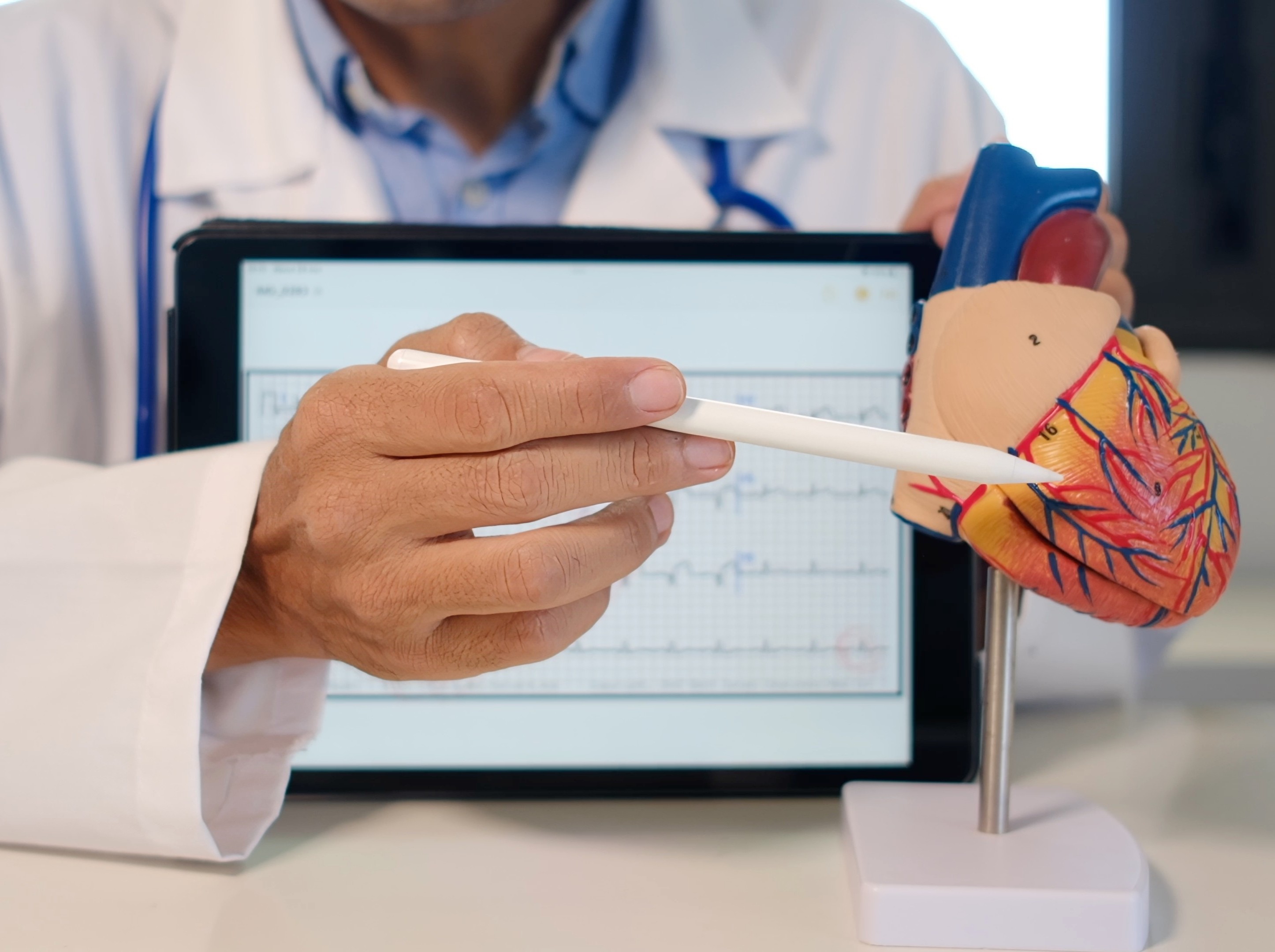
Medication Interactions
Weight loss pills can interact with common medications, so your clinician needs the full list before prescribing anything. Levothyroxine absorption may be affected by timing, fiber supplements, minerals, or digestive changes.
Antidepressants like Lexapro can raise questions about mood effects, appetite shifts, nausea, or overlapping side effects. Diabetes medications may need adjustment if appetite drops or meals become smaller, especially when insulin or sulfonylureas are involved.
Blood pressure medications may also need closer monitoring as weight, hydration, or sodium intake changes. Birth control is important for medications with pregnancy warnings.
Bring prescriptions, OTC products, supplements, and dose details to every appointment.
When to Stop and Call a Doctor
Stop taking the medication and seek medical guidance if you develop chest pain, fainting, severe abdominal pain, ongoing vomiting, signs of dehydration, yellowing skin or eyes, a severe allergic reaction, rapid heartbeat, confusion, or major mood changes. Don’t try to push through symptoms that feel intense or unusual.
Call your clinician if side effects make it hard to eat, drink, sleep, work, or function normally. Persistent constipation, severe reflux, worsening anxiety, repeated low blood sugar, or sudden weakness also deserve prompt attention. Weight loss should happen within a plan that protects health, safety, nutrition, and quality of life at every step.
Weight Loss Pill Cost, Insurance, and Access
Cost can become one of the biggest barriers to weight loss medication, especially with newer drugs used for chronic weight management. Insurance coverage can vary widely between plans, even when the same medication is prescribed for similar reasons. One person may pay a small copay, while another faces hundreds or thousands of dollars out of pocket.
Prior authorization requirements can also slow the process. Some plans exclude obesity medications entirely but cover diabetes medications with similar active ingredients. That can feel confusing and frustrating for patients trying to compare options.
Asking detailed questions about coverage, refill rules, supply limits, and follow-up visits can help reduce unpleasant surprises later.
Why Some Weight Loss Medications Are Expensive
Many newer weight loss medications are expensive because they are brand-name drugs protected by patents. High demand, manufacturing limitations, and medication shortages can also drive prices higher.
Insurance exclusions make the situation even harder because patients may need to pay the full retail cost themselves. Prior authorization paperwork can delay treatment for weeks, even when a clinician agrees the medication is medically appropriate.
That process may require BMI records, lab work, previous weight loss attempts, or documentation of related health conditions. Cost discussions should happen early. A medication that looks effective on paper may become unrealistic if the monthly price creates financial stress or interruptions in long-term treatment access.

Medicare, Kaiser, and Private Insurance
Coverage for weight loss medication depends on the insurance plan, diagnosis, medication indication, and prior authorization requirements. Medicare, Kaiser, employer-sponsored plans, and private insurance companies may all handle these medications differently.
Certain plans may cover diabetes medications like Ozempic while excluding obesity treatments like Wegovy, even though the active ingredient is similar. Other plans may require documentation of BMI, related health conditions, previous weight loss attempts, or recent lab values before approving treatment.
Coverage rules can also change over time, which creates uncertainty for long-term care. Before starting medication, ask what is covered, what paperwork is required, and how refill approvals are handled later.
Cheaper Options and Their Tradeoffs
Lower cost weight loss options may include generic phentermine, orlistat, Alli, older medications, structured lifestyle programs, or pharmacy discount cards. These approaches can help some people, but each comes with tradeoffs.
Phentermine is generally prescribed for the short term and may not be appropriate for people with heart disease, anxiety, or uncontrolled blood pressure. Orlistat and Alli can cause oily stools, urgency, gas, and digestive discomfort, especially after higher-fat meals.
Discount cards may reduce pharmacy costs, but do not replace medical monitoring or follow-up care. Lower cost can improve access, yet safety, long-term sustainability, side effect tolerance, and realistic expectations still need careful consideration before starting treatment.
The Risk of Buying Weight Loss Pills Online
Buying weight loss pills online can be risky, especially from websites that skip proper medical evaluation or promise guaranteed results without screening.
Counterfeit medications, mislabeled supplements, unsafe compounded products, and international pills may contain incorrect doses or unexpected ingredients. That can increase the risk of dangerous side effects, medication interactions, or contamination.
Dramatic marketing claims are another warning sign. Be cautious with phrases like “rapid fat loss,” “secret formula,” or “no prescription needed.” Prices that seem unbelievably low should also raise concern.
Safe treatment involves real medical oversight, clear ingredient information, and ongoing monitoring. If a product bypasses basic safety steps, that convenience may come with serious health risks.
Weight Loss Pills for Teens and Children
Weight loss pills for teens and children require pediatric medical care, not casual experimentation or online ordering. Kids and teens are still growing, so treatment decisions need to account for puberty, height changes, nutrition needs, mental health, school stress, family routines, and body image.
Medication may be appropriate in certain cases, especially when weight is affecting health or daily function, but it should be part of a structured care plan. That plan may include medical monitoring, therapy, nutrition support, movement guidance, sleep habits, and family involvement.
The focus should be on health, confidence, and long-term skills, not pressure, shame, or quick scale changes.
Why This Requires Pediatric Medical Care
Pediatric medical care is important because children and teens need a different evaluation than adults. A clinician should review growth charts, puberty stage, labs, medications, family history, eating patterns, sleep, mental health, and weight-related conditions before discussing medication.
A teen’s weight should never be handled with blame or scare tactics. That approach can increase secrecy, restriction, or emotional eating.
Medication decisions should also consider activity limitations, readiness, side effects, and whether the family can support follow-up visits.
Parents and caregivers often need guidance, too. Supportive language, predictable meals, and realistic goals can protect health while reducing stigma at home.

FDA-Approved Options for Adolescents
Some obesity medications have been approved for adolescents ages 12 to 17, but approval does not mean they should be used casually.
These medications are generally recommended as part of evidence-based, multicomponent obesity treatment. That means care may include nutrition counseling, physical activity guidance, behavior strategies, family support, and regular medical monitoring.
The prescriber should explain expected results, side effects, dose changes, and what happens if the medication is stopped. Teens also need screening for contraindications, medication interactions, and pregnancy risk when relevant. A prescription may help in the right situation, but it works best when the full treatment plan supports daily life.
Mental Health, Growth, and Family Support
Mental health, growth, and family support are central in teen weight care. Eating disorder risk, bullying, anxiety, depression, body image concerns, and weight stigma should all be discussed before medication begins.
Teens also need enough energy, protein, calcium, iron, and other nutrients to support growth and development. Severe restriction is not the answer.
Families can help by keeping regular meals available, avoiding negative body comments, and choosing movement that feels realistic rather than punishing.
Monitoring should continue over time, especially if appetite changes, nausea, mood shifts, or school stress appear. The goal is steady health support, not perfection, for everyone involved.
What to Do Instead of Chasing the Strongest Weight Loss Pill
The strongest weight loss pill isn’t always the best one. Stronger effects can come with stronger side effects, higher costs, stricter monitoring, or long-term access issues.
A better goal is finding the lowest-risk effective option for your body and your life. Sometimes that includes medication. Sometimes it starts with medical evaluation, nutrition support, sleep treatment, resistance training, or adjusting medications that may affect weight.
1. Start With a Medical Evaluation
A medical evaluation can uncover issues that make weight loss harder or change which treatment is safest. This may include thyroid concerns, diabetes or prediabetes, PMOS, sleep apnea, medication side effects, depression, anxiety, binge eating, chronic pain, or perimenopause-related changes.
Labs can also give helpful direction instead of relying on guesswork. Blood sugar, cholesterol, liver enzymes, kidney function, thyroid markers, and vitamin levels may all be relevant.
Your clinician may also review blood pressure, waist circumference, sleep symptoms, digestion, and family history. Testing gives you better information, and better information leads to a more personalized plan that fits your body.
2. Build the Basics That Make Any Medication Work Better
Medication often works better when the daily basics are in place. Protein helps protect muscle during weight loss, while fiber supports fullness and digestion. Resistance training can improve strength, mobility, and body composition over time.
Sleep affects hunger hormones, cravings, energy, and workout recovery, so poor sleep can make progress feel harder. Hydration, regular meals, and behavior support also help create consistency.
As Registered Dietitians, we help people turn these basics into routines that fit real schedules, food preferences, and budgets. You do not need perfection. You need a repeatable structure that supports your medication, health, and long-term goals.

3. Choose the Lowest-Risk Effective Option
The most aggressive medication may sound appealing, especially when online comparisons focus on dramatic results. A safer plan should match your health history, goals, risk tolerance, budget, and ability to attend follow-up visits.
For one person, that may mean a GLP-1 medication with close side effect monitoring. For another, a lower-cost oral option may be more realistic. Someone with uncontrolled blood pressure, active eating disorder symptoms, pregnancy plans, or medication interactions may need to pause and address those concerns first.
Internet rankings can make treatment sound simple, but real bodies are more complex. The best option offers a meaningful benefit without creating unnecessary risk.
4. Plan for Maintenance Before Starting
Maintenance should be discussed before the first dose, not after weight loss stalls or medication coverage changes. Ask what may happen if you stop, whether the dose might change, and how hunger will be handled over time.
A strong maintenance plan may include strength training, protein targets, meal planning, sleep support, follow-up visits, and ongoing nutrition counseling. It should also account for travel, busy weeks, holidays, stress eating, appetite changes, and medication access.
Weight regain prevention is easier when habits are practiced early. Waiting until the medication is gone can leave people scrambling without the steady structure they need.
5. Focus on Protein and Muscle Preservation
Rapid weight loss without enough protein can increase muscle loss, especially when appetite drops significantly on medication. That can affect strength, energy, balance, metabolism, and long-term weight maintenance.
Protein needs vary, but many people benefit from including it consistently throughout the day instead of eating most of it at dinner.
Resistance training also helps protect lean mass during weight loss. This doesn’t mean hours in the gym are required. Walking for weight loss, bodyweight exercises, resistance bands, and basic strength work can make a difference over time. A smaller body with less muscle may feel weaker, more fatigued, and harder to maintain long-term than people expect.

6. Build a Meal Plan You Can Actually Follow
Complicated meal plans often fall apart when life gets busy. A more realistic approach focuses on repeatable meals, flexible structure, and foods you genuinely enjoy eating. This may include simple breakfasts, easy protein options, freezer meals, restaurant strategies, and snacks that help manage hunger between meals.
Consistency usually works better than constantly starting over with extreme plans. Nutrition support can also help people manage nausea, constipation, low appetite, or protein struggles while taking medication.
If you want personalized guidance, connect with a Registered Health Dietitian through Berry Street for support with meal planning, balanced nutrition, and long-term weight management habits that fit real life.
7. Pay Attention to Sleep, Stress, and Recovery
Sleep and stress can influence hunger, cravings, energy levels, and eating patterns more than many people realize. Poor sleep may increase appetite and make high-calorie foods feel harder to resist the next day. Chronic stress can also affect emotional eating, meal timing, digestion, and motivation for movement.
Recovery is another factor with a big impact. Overtraining while undereating can leave people exhausted, sore, irritable, and more likely to quit their routine entirely.
A sustainable plan should include rest days, stress management strategies, and realistic expectations during busy seasons. Weight management tends to feel more manageable when sleep quality, recovery, and daily routines support the process instead of working against it.
8. Watch for Side Effects That Affect Nutrition
Weight loss medications can change eating patterns quickly, especially when nausea, reflux, constipation, or reduced appetite develop. Some people unintentionally skip meals for long stretches because food suddenly feels unappealing. This can lower protein intake, reduce energy, and make hydration harder to maintain.
Paying attention early can help prevent bigger problems later. Small meals, bland foods, adequate fluids, and regular protein intake may improve tolerance for certain medications.
Digestive symptoms should also be tracked instead of ignored. Persistent vomiting, severe constipation, dizziness, or signs of dehydration deserve medical attention. The goal is steady progress with enough nutrition to support energy, strength, and daily function.
9. Set Goals Beyond the Number on the Scale
The scale can provide useful information, but it shouldn’t be the only measure of progress. Improved blood sugar, lower blood pressure, better sleep, reduced joint pain, increased stamina, and easier daily movement are meaningful changes, too.
Clothes fitting differently, recovering faster from workouts, or feeling less controlled by cravings can also signal progress before dramatic weight changes appear.
Focusing only on scale numbers can make normal fluctuations feel discouraging. Sustainable weight management usually involves multiple health improvements happening at the same time.
Tracking energy, strength, mobility, eating consistency, and lab results often gives a more complete picture of how well a treatment plan is actually working.
10. Build a Support System Before Motivation Drops
Motivation naturally changes over time, especially during stressful weeks, travel, illness, work deadlines, or family responsibilities. That’s why support systems are so helpful before challenges appear.
A strong support system may include healthcare providers, a Registered Dietitian, supportive friends, family members, workout partners, or structured follow-up appointments.
Accountability doesn’t need to feel intense or judgmental to be effective. Even simple check-ins can help people stay connected to their goals during difficult periods.
Planning ahead for setbacks can also reduce all-or-nothing thinking. Weight management tends to feel more sustainable when people have practical support instead of trying to handle every challenge completely alone.
How to Talk to Your Doctor About Weight Loss Medication
Talking to your doctor about weight loss medication can feel uncomfortable, especially if previous conversations about weight felt rushed, dismissive, or overly focused on the scale.
Still, it’s a valid medical conversation, and you’re allowed to ask for support. A good clinician should review your health history, explain options clearly, discuss side effects, and help you understand what realistic progress may look like over time. The appointment should feel collaborative rather than judgmental.
You don’t need to prove you’ve “tried hard enough” before asking questions. Weight management can involve hormones, medications, sleep, appetite regulation, stress, mobility, and underlying health conditions that deserve careful evaluation.

What to Bring to the Appointment
Bringing detailed information to the appointment can help your clinician make safer and more personalized recommendations. Helpful details include weight history, current BMI if known, waist circumference, previous diets or programs, exercise limitations, medications, supplements, recent lab results, family history, and personal health goals.
Symptoms are also important for your doctor to know. Fatigue, snoring, irregular periods, cravings, binge eating, reflux, constipation, joint pain, low energy, and mood changes may all influence treatment decisions. Be honest about what has and has not worked before.
A realistic picture gives your clinician better information than trying to present the “perfect patient” version of yourself. Accurate details can improve both safety and long-term treatment planning.
Questions to Ask Before Starting
Before starting a weight loss medication, ask what results are realistic and how progress will be monitored over time. It also helps to ask how long the medication is typically used, which side effects are common, and which symptoms require urgent medical attention.
Cost should be discussed early as well. Ask about insurance coverage, prior authorization requirements, refill rules, and follow-up visits.
You should also understand how dose changes work and whether labs or blood pressure checks are needed during treatment.
Another important question is what happens if the medication does not work well or becomes unaffordable later. A strong plan includes alternatives, follow-up support, and long-term expectations.

Red Flags That Mean You Need a Different Plan
Certain situations may signal that a different treatment approach is safer than starting a weight loss medication immediately. Pregnancy, plans to become pregnant, uncontrolled high blood pressure, active eating disorders, or certain psychiatric, kidney, liver, heart, or seizure-related conditions all deserve careful review first.
Unsafe supplement use can also complicate treatment decisions. For example, those with an active eating disorder (severe restriction, purging, laxative misuse, overexercise, or abusing water pills) are not safe to take a GLP-1 medication.
These situations should be approached with compassion, not shame. A safer plan may involve medical stabilization, therapy, nutrition counseling, and closer monitoring before any kind of medication is considered.
Weight Loss Pill FAQs
What is the best weight loss pill?
The best weight loss pill depends on your health history, BMI, medications, side effects, cost, and goals. For some people, an FDA-approved prescription medication may be appropriate. For others, medication may not be the safest first step.
Do weight loss pills work without dieting?
Some medications may reduce appetite even without a formal diet, but nutrition habits still matter. Balanced meals, protein, fiber, and regular eating patterns can improve results and make weight loss more sustainable.
Can my primary doctor prescribe weight loss pills?
Yes, many primary care doctors can prescribe weight loss medications. Some may refer you to an obesity medicine clinician, endocrinologist, or other specialist if your case is complex.
What BMI qualifies for weight loss medication?
Many medications are considered for adults with a BMI of 30 or higher, or a BMI of 27 or higher with a weight-related condition. Exact criteria vary by medication and insurance plan.
Are weight loss pills safe for people with high blood pressure?
It depends on the medication and whether blood pressure is controlled. Stimulant medications may not be appropriate for some people with high blood pressure. A clinician should review your cardiovascular risk first.
Can I take weight loss pills with thyroid medication?
Possibly, but timing and interactions matter. Some medications, supplements, and fiber products can affect absorption or symptoms. Bring your thyroid medication dose and recent labs to your appointment.
Are weight loss pills safe for teens?
Some medications are approved for certain adolescents (ages 12-17), but teen weight loss medication requires close pediatric medical care. It should be part of a structured plan that supports growth, nutrition, mental health, and family habits.
Conclusion
Weight loss pills can be helpful tools for some people, but they’re not quick fixes or one-size-fits-all solutions. The safest and most effective approach depends on your health history, side effect risks, eating habits, long-term goals, and the support you have in place.
As Registered Dietitians, we’ve seen that medications tend to work best when they’re paired with realistic nutrition strategies and sustainable lifestyle changes.
If you’re considering weight loss medication or already taking one, connect with a Registered Dietitian through Berry Street for personalized support with meals, side effects, protein intake, and long-term weight management habits.