Science Says
Weight changes and birth control are one of the most confusing combinations we see in practice. Some people feel more bloated after starting the pill, while others swear they lost weight. That can make it difficult to separate real side effects from internet myths.
As Registered Dietitians, we hear these concerns constantly from people already struggling with weight loss.
But can birth control make you lose weight? The good news is that research paints a much more balanced picture than social media often does. Most birth control methods are not strongly linked to major fat gain or weight loss, though some can affect bloating, appetite, or hormone-related symptoms.
Key Takeaways
Most birth control methods are not strongly linked to significant long-term weight gain or weight loss.
The birth control shot, Depo-Provera or DMPA, has the clearest evidence for weight gain in some users.
Temporary bloating and water retention are common and do not necessarily mean body fat gain.
Many factors besides birth control can affect weight, including PMOS, stress, sleep, appetite, and lifestyle habits.
Sustainable weight loss while on birth control still comes down to consistent nutrition, movement, sleep, and overall health habits.

Can Birth Control Make You Lose Weight?
Technically, yes, some people report losing weight after starting birth control. But birth control is not considered a weight-loss treatment, and research doesn’t support using contraception specifically to lose fat.
What usually happens is more subtle. Some people experience less bloating, more stable hormones, or fewer PMOS symptoms after starting certain hormonal methods. Others may notice appetite changes or lifestyle shifts that happen around the same time.
From our experience, these indirect changes are often what people interpret as “weight loss from birth control.”
For most users, though, birth control does not produce significant or reliable fat loss.
Why Birth Control Isn’t Considered a Weight Loss Treatment
Birth control was designed to prevent pregnancy. Some methods are also prescribed to help manage acne, painful periods, heavy bleeding, endometriosis symptoms, or hormone-related conditions like PMOS. Being a weight loss medication was never the intended purpose.
The distinction matters. A medication can influence fluid balance, appetite, or hormone symptoms without directly causing body fat reduction. True fat loss requires a sustainable eating plan over time, supported by nutrition, movement, sleep, and consistency.
After years of experience working with patients focused on weight management, we’ve found that many people attribute birth control to body changes that are actually tied to stress, eating habits, activity levels, aging, or medical conditions happening simultaneously.
If you’re trying to lose weight while managing birth control side effects or PMOS symptoms, connect with a Registered Weight Loss Dietitian through Berry Street for a personalized 7-day meal plan tailored to you.

Why Some People Think They Lost Weight on Birth Control
There are several reasons someone may feel lighter after starting hormonal contraception. Reduced bloating is one of the biggest. Certain pills can stabilize hormone fluctuations across the menstrual cycle, which may decrease temporary water retention.
Some people with PMOS also experience improved symptom management on hormonal birth control. More predictable cycles, lower androgen levels, or reduced inflammation can make weight management feel easier for some individuals.
Appetite changes can also play a role. While some users notice increased hunger, others feel fewer cravings or more stable eating patterns. Lifestyle changes matter too. Starting birth control sometimes happens alongside changes in exercise habits, nutrition, stress levels, or postpartum recovery.
Can Any Birth Control Cause Weight Loss?
A few birth control methods list weight loss as a reported side effect for some users, but there is no strong evidence that any contraceptive consistently causes meaningful fat loss.
Certain drospirenone-containing pills, like Yaz or Yasmin, may reduce water retention in some people because drospirenone has mild anti-mineralocorticoid effects. That can create a temporary feeling of being less puffy or bloated. Still, that is different from sustained fat loss.
As Registered Dietitians, we would never recommend choosing birth control for weight loss. Effectiveness, medical history, symptom management, safety, and personal preference are far more important factors.
Want to learn more about medications that can impact weight loss? Read our guide on diabetes medication for weight loss.
Does Birth Control Make You Gain Weight?
For most birth control methods, research does not show a strong causal link to significant weight gain. The biggest exception is the birth control shot, Depo-Provera or DMPA, which has clearer evidence for weight gain in some users.
That said, many people still feel like their weight changes after starting birth control. And those experiences are real, even if the mechanism is more complicated than simply “the pill causes fat gain.”
What the Research Says About Birth Control and Weight Gain
Research on combined hormonal contraceptives, including pills, patches, and vaginal rings, generally does not show clinically significant weight gain for most users. Large reviews of multiple studies found no consistent evidence that these methods directly cause major increases in body weight.
Progestin-only methods are more mixed. Some studies suggest small average increases over time, usually modest. The strongest evidence exists for Depo-Provera, the injectable shot, which has been associated with greater weight gain in some users.
Water Weight vs Fat Gain
This distinction is huge. Hormonal changes can temporarily increase fluid retention, especially during the first few months after starting birth control. That can make clothes feel tighter or cause the scale to fluctuate.
But water retention is not the same thing as gaining body fat. Fat gain happens when the body stores excess energy over time. Fluid shifts can happen within days and often improve after the body adjusts to hormonal changes.
Many people panic after seeing a small jump on the scale without realizing it may be temporary bloating rather than long-term fat gain.

Why Weight Changes Still Feel Real
Even if birth control is not directly causing fat gain, weight changes can absolutely feel real. Normal adult weight fluctuation happens constantly. Aging, stress, poor sleep, changing activity levels, and appetite shifts all affect body weight.
PMOS can complicate things further because insulin resistance and hormone changes can already make weight management more difficult. Postpartum hormone shifts and overlapping medications like antidepressants or steroids may also contribute.
Sometimes birth control gets blamed simply because it was the most recent change, even when multiple factors are happening together.
Which Birth Control Is Most Likely to Cause Weight Gain?
The birth control shot has the clearest association with weight gain. Other hormonal methods may contribute to weight changes for some users, but the evidence is less consistent.
The Birth Control Shot
Depo-Provera, also called DMPA, is the method most strongly linked to weight gain in research. Some studies show users gain several pounds on average over the first year, though responses vary widely.
The shot and implant are the two methods most commonly associated with weight concerns for some users. Not everyone gains weight, but appetite increases and body composition changes may occur more often with DMPA compared to other contraceptives.
The Birth Control Implant
The implant has more mixed evidence. Some users report weight gain, while others notice no change at all.
Research has not shown as consistent or significant a pattern as the birth control shot. Still, because implants are progestin-only methods, some people may experience appetite changes, fluid retention, or body composition shifts that feel noticeable.

Pills, Rings, Patches, and IUDs
Most combined pills, vaginal rings, patches, and hormonal IUDs are not strongly linked to major weight gain in research.
That doesn’t mean side effects are impossible. Individual responses vary. But for the average user, these methods are considered relatively weight-neutral compared to DMPA.
Birth Control Options Least Likely to Affect Weight
If weight changes are one of your biggest concerns, some birth control methods are generally considered more weight-neutral than others:
Copper IUD and Barrier Methods
Non-hormonal methods are generally the most weight-neutral choices because they do not directly alter hormone levels. Copper IUDs, condoms, diaphragms, and other barrier methods avoid the hormonal shifts that may contribute to bloating or appetite changes.
For someone highly concerned about weight effects, these options are often worth discussing with a healthcare professional.
Combination Pills, Ring, and Patch
Combination methods containing estrogen and progestin are not guaranteed to be weight-neutral for every person, but studies do not consistently show meaningful long-term weight gain for most users.
Modern low-dose formulations also contain far less estrogen than older pills from decades ago, which likely contributes to fewer side effects overall.
Hormonal IUDs
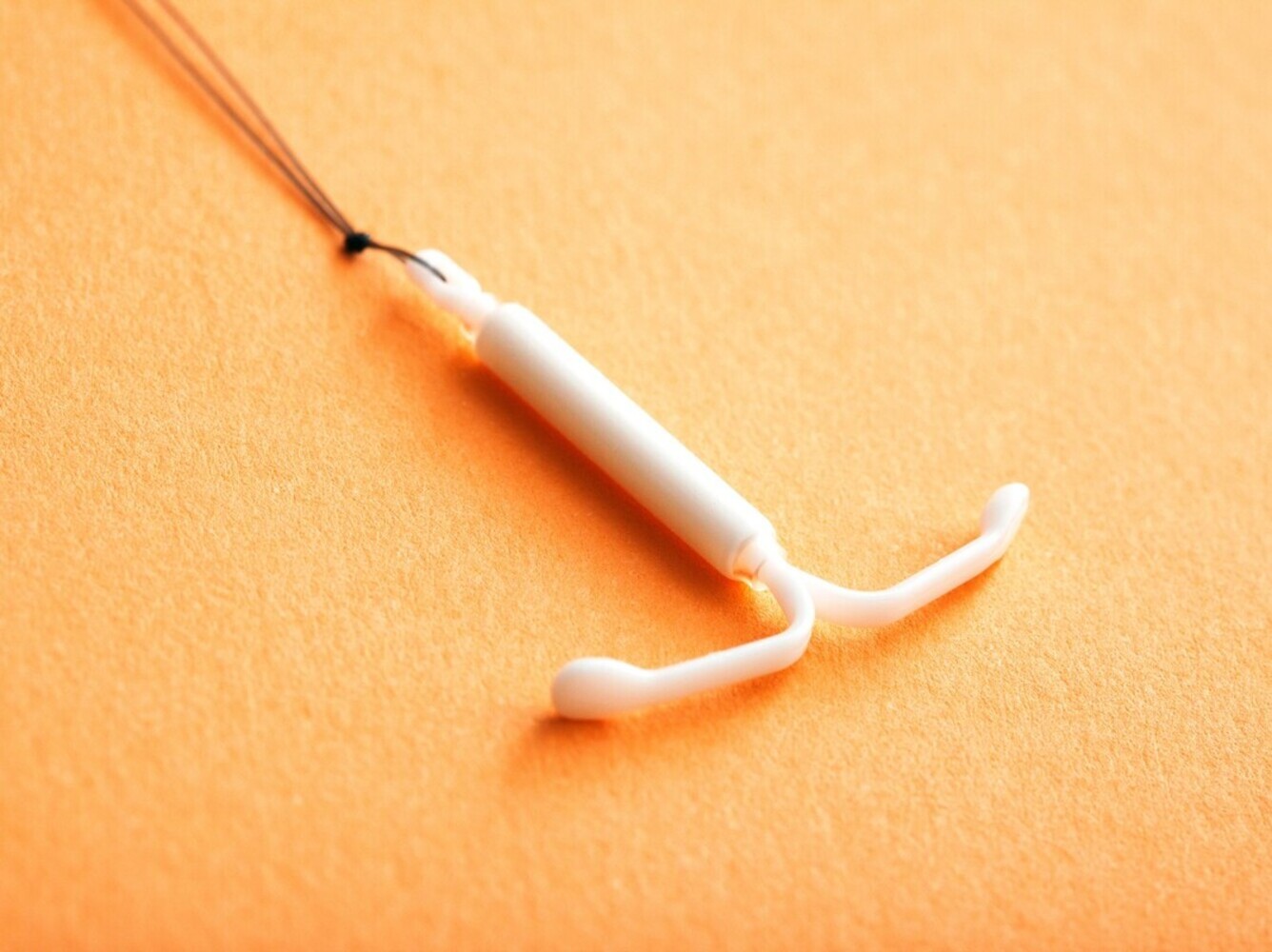
Hormonal IUDs mainly act locally in the uterus, which means hormone exposure throughout the body is lower compared to some other methods.
Some users still report bloating, appetite changes, or weight fluctuations, but research generally does not show major average weight gain with hormonal IUDs.
How to Choose Without Over-Focusing on Weight
Weight matters to many people when choosing birth control, but it shouldn’t be the only factor guiding the decision. The best method is usually the one that fits your health history, lifestyle, symptom needs, and comfort level overall.
1. Effectiveness
The most effective birth control is the one you can use consistently and comfortably. Missing pills often or delaying injections can lower protection quickly. Some people prefer low-maintenance options like IUDs because they work for years without daily effort. Others like the flexibility of pills that they can stop anytime.
From our experience, choosing a method that fits your lifestyle and routine usually leads to better consistency, satisfaction, and long-term use.
2. Bleeding Patterns
Bleeding changes can affect daily life more than many people expect. Some birth control methods make periods lighter and less painful, while others may cause spotting or irregular cycles, especially early on.
Heavy or unpredictable bleeding can affect energy levels, workouts, sleep, and overall comfort. As Registered Dietitians, we often see how cycle symptoms influence eating habits and quality of life over time.
3. Acne and Skin Concerns
Certain combination pills may help improve acne by lowering androgen activity and reducing oil production. Other methods, especially some progestin-only options, may worsen breakouts for certain users. Responses vary widely from person to person.
Hormones, stress, genetics, and skincare habits all play a role. If skin concerns are important to you, discussing specific birth control formulations with your healthcare professional can help narrow your options.

4. Migraine and Blood Clot Risk
Combination birth control methods that contain estrogen are not recommended for everyone. Migraine with aura, smoking, high blood pressure, and clotting disorders can increase the risk of complications like blood clots or stroke.
Healthcare professionals screen for these risks before prescribing contraception. In our experience, many people focus heavily on weight concerns while overlooking safety factors that may matter far more when choosing birth control.
5. Convenience and Personal Preference
Convenience can strongly affect how satisfied someone feels with birth control. Some people love the simplicity of an IUD because it requires very little maintenance. Others prefer pills because they like having more flexibility and control.
Lifestyle is important, too. Travel schedules, future pregnancy plans, daily routines, and comfort with procedures can all influence which option feels manageable long-term and easiest to use consistently.
Does Birth Control Make It Harder to Lose Weight?
Usually, no. Most people can still lose weight while using birth control. From our experience, contraception is rarely the main reason progress stalls.
More often, challenges involve inconsistent eating habits, low activity, stress, poor sleep, or medical conditions that affect appetite and metabolism. Hormonal shifts may influence bloating or cravings for some users, but they typically don’t stop fat loss entirely.
Why Most People Can Still Lose Weight on Birth Control
Weight loss still comes down to energy balance over time. Hormonal birth control may affect appetite, cravings, or temporary water retention for some people, but it generally does not override fat loss.
As Registered Dietitians, we regularly work with patients who lose weight while using pills, implants, patches, or IUDs. Consistent nutrition habits, strength training, sleep, and daily movement usually matter more.

When a Method Might Make Weight Management Feel Harder
Some methods can indirectly make weight management feel more challenging. Increased hunger, fatigue, mood changes, bloating, or irregular bleeding may affect motivation, eating habits, and workout consistency.
The birth control shot appears more likely to create these issues for certain users. These side effects can lead to more snacking, less movement, or discouragement, which may slow progress over time for some people.
Other Reasons Weight Loss May Stall
Weight loss plateaus are common and often unrelated to birth control. Calorie intake may slowly increase, while activity levels, sleep quality, or stress management may decline. PMOS, insulin resistance, thyroid disorders, antidepressants, and steroids can also affect progress.
Normal metabolic adaptation has an effect as well. As body weight decreases, the body naturally burns fewer calories than it did before, making progress slower.pms
How to Lose Weight While on Birth Control
Losing weight while on birth control is absolutely possible for most people. The key is focusing on consistent habits that support fat loss, appetite control, energy, and overall health.
1. Start With the Basics That Actually Move Weight
The basics still matter most for sustainable weight loss. Protein and fiber help support fullness while preserving muscle during a calorie deficit for weight loss. Strength training is especially helpful because maintaining lean mass supports metabolism and body composition over time.
Daily habits also have an impact. Walking more, sleeping well, limiting excess alcohol intake, and staying consistent with meals often have a bigger impact on progress than changing birth control methods alone.

2. Track Symptoms Alongside Weight
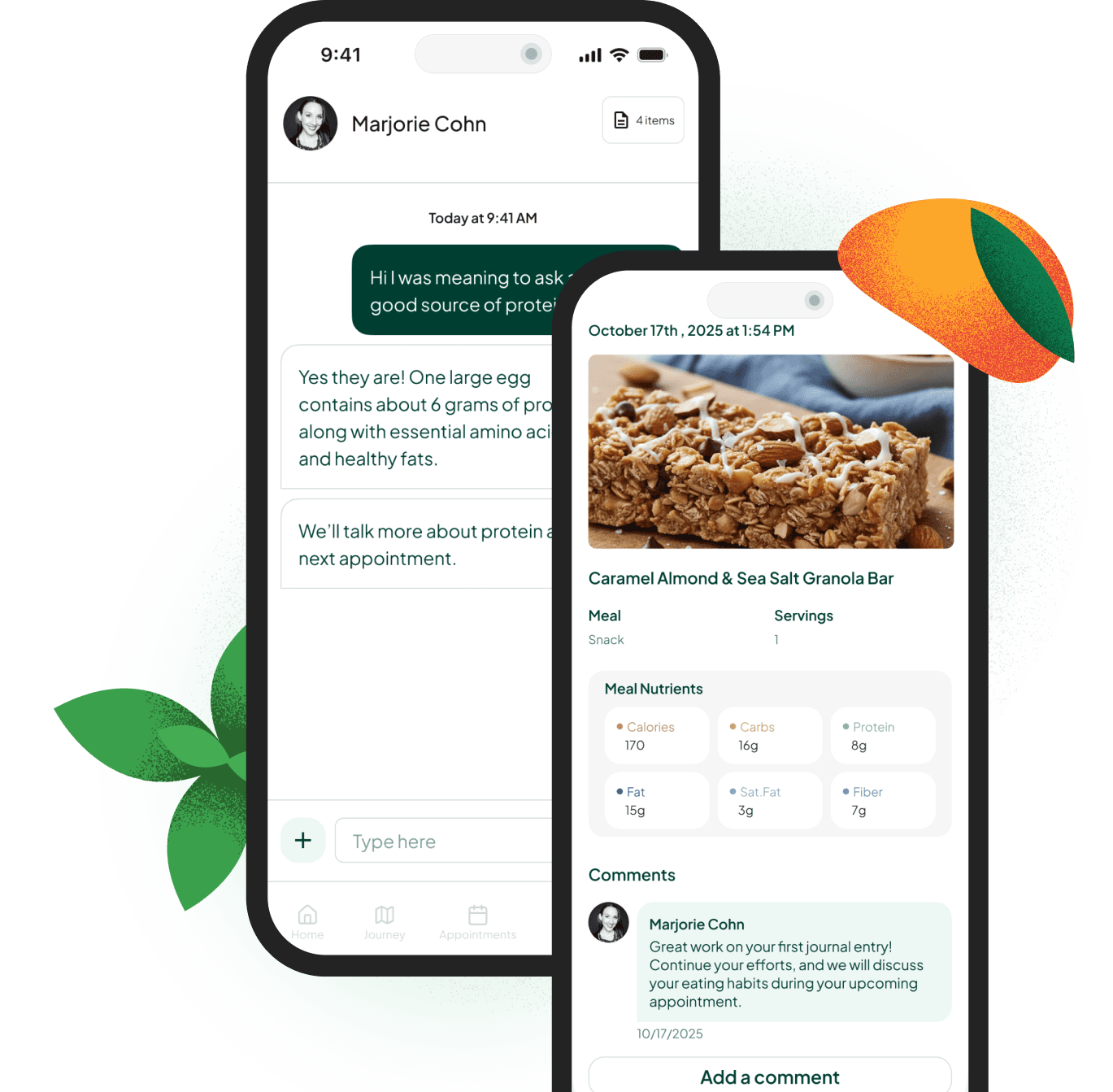
We recommend tracking more than just the number on the scale. Pay attention to appetite, bloating, mood, cravings, bleeding patterns, and the date you started or changed birth control. This can help you spot patterns more clearly over time.
Sometimes the issue is temporary water retention instead of actual fat gain. Symptom tracking often reduces panic and helps people make more informed decisions about their health.
3. Focus on Consistency Over Perfection
Extreme dieting usually backfires over time. Very restrictive plans can increase cravings, lower energy, and make healthy habits harder to maintain consistently. Small daily behaviors tend to work better long term. Eating balanced meals regularly, staying active throughout the week, and improving sleep can all support steady progress.
People who focus on consistency instead of perfection are more likely to maintain weight loss and feel better overall.
4. Build Meals That Keep You Full
Meals with protein, fiber, and healthy fats can help support better appetite control throughout the day. Skipping meals or relying heavily on ultra-processed snacks may increase hunger, especially if hormonal shifts already affect cravings or fullness cues. Balanced meals often improve energy and make consistency easier.
If you’d like more personalized support, connect with a Registered Women’s Health Dietitian through Berry Street for a customized plan tailored to your goals and symptoms.
5. Don’t Panic Over Temporary Fluctuations
A few pounds of fluctuation across the menstrual cycle is completely normal. Water retention can shift quickly and may temporarily affect how your body feels or how the scale looks. That doesn’t automatically mean you gained body fat.
Sodium intake, stress, sleep changes, workouts, and hormone fluctuations can all influence short-term weight changes. Looking at longer-term trends instead of day-to-day numbers usually gives a much clearer picture of progress.

6. When to Ask Your Clinician About Switching Methods
Talk with your clinician if you notice rapid weight gain, persistent bloating, major appetite changes, mood symptoms, or significant body changes after starting a new method. The birth control shot is one example that may affect some users more noticeably.
The goal isn’t to ignore symptoms or panic over every fluctuation. Instead, it’s about evaluating changes carefully and deciding whether another birth control option may feel like a better fit for you.
Your clinician can also advise you on whether any FDA-approved weight loss methods, such as weight loss injections, are right for you.
How to Avoid Weight Gain on Birth Control
Weight gain concerns are common when starting birth control. While most methods aren’t strongly linked to major fat gain, a few simple strategies may help you manage bloating, appetite changes, and weight fluctuations more confidently.
Know Which Methods Have the Strongest Weight Concerns
The birth control shot has the strongest research connection to weight gain, especially with longer use. Some users report increased appetite, bloating, or gradual body changes after starting it. The implant may also raise concerns for certain people, though evidence is less consistent.
If weight changes worry you, discuss lower-risk options with your healthcare professional before starting any new method.
Don’t Rely on Timing Tricks
There is no meaningful evidence that taking birth control at a certain time of day prevents weight gain. Morning versus nighttime dosing does not appear to affect metabolism, appetite, or fat storage.
Consistency matters more for pregnancy prevention and stable hormone levels. Choose a time you can stick with daily. Phone reminders or pairing the pill with brushing your teeth can help.
Use a Baseline Before Starting
Before starting a new birth control method, record your weight, waist measurement if desired, and symptoms like bloating, cravings, appetite, or mood changes. A baseline makes it easier to spot patterns later instead of relying on memory.
It can also reduce stress over temporary fluctuations. Those starting details give you clearer information if concerns appear after beginning a method.
What Happens to Weight After Stopping Birth Control?
Weight may change after stopping birth control, but the outcome varies. Some people feel less bloated, while others notice appetite shifts or cycle symptoms returning. Hormones can take time to readjust, especially after long-term use.
Stress, sleep, PMOS symptoms, eating habits, and medication changes may also affect body weight during this transition. Tracking symptoms can help you spot patterns more clearly.
Will You Lose Weight After Stopping Birth Control?
Some people lose water weight or feel less bloated after stopping hormonal birth control. That can make the body feel lighter within a few weeks.
However, stopping birth control doesn’t reliably cause fat loss. If weight decreases, it is often related to fluid changes rather than major body fat changes. Nutrition habits, movement, sleep, stress, and hormone-related symptoms still matter most.
Can Stopping Birth Control Cause Weight Gain?
Stopping birth control can lead to weight changes for some people. Hormone shifts, returning PMS symptoms, appetite changes, acne, and PMOS symptoms may affect eating habits or fluid retention.
Lifestyle changes happening at the same time can also play a role. This overlap makes it hard to blame birth control alone, especially during stressful periods, postpartum recovery, or major routine changes.

How Long Weight Changes May Last
Temporary bloating, appetite changes, or hormone-related symptoms often improve within a few menstrual cycles after stopping birth control. Some people feel better within weeks, while others notice gradual changes over several months.
Rapid weight gain, severe swelling, or symptoms that keep getting worse should be checked by a healthcare professional. Tracking patterns can help separate short-term fluctuations from longer-term concerns.
Why Some People Feel Less Bloated on Hormonal Birth Control
Some people feel less bloated after stopping hormonal birth control because estrogen can influence fluid balance. When hormone exposure changes, water retention may decrease for certain users. That can make clothes fit differently or reduce feelings of puffiness.
In most cases, this reflects changes in body water rather than major fat loss. Bloating shifts are common while the body adjusts.
When to Talk to a Healthcare Professional
Talk with a healthcare professional if you notice severe bloating, rapid unexplained weight changes, swelling, mood symptoms, or ongoing appetite changes after stopping birth control.
Persistent fatigue, irregular periods, or worsening PMOS symptoms also deserve attention. Hormone changes can overlap with thyroid conditions, insulin resistance, stress, or medication side effects. Getting support can help you understand what’s temporary and what needs care.
If weight changes, appetite shifts, or PMOS symptoms feel harder to manage after stopping birth control, support can help. Connect with a Registered Health Dietitian through Berry Street for personalized guidance tailored to your hormones, nutrition needs, and long-term health goals.

Birth Control Method Weight Effect Comparison
Weight-related side effects can vary depending on the type of birth control you use. Some methods are considered more weight-neutral, while others are more commonly linked to appetite changes, bloating, or gradual weight gain for certain users.
1. Combination Birth Control Pills
Combination birth control pills contain estrogen and progestin. For most users, they are considered largely weight-neutral, meaning they are not strongly linked to major fat gain. Some people may notice temporary bloating or appetite changes during the first few months.
These effects often settle as the body adjusts. If weight changes feel significant, it helps to track symptoms and discuss options with your clinician.
2. Progestin-Only Pills
Progestin-only pills may affect appetite, bloating, or bleeding patterns for some users, but average weight changes are usually small. They can be a helpful option for people who cannot take estrogen because of migraine history, blood clot risk, or other medical concerns.
Responses vary, so it’s worth watching how your body feels over the first few months instead of judging the method immediately.
3. The Birth Control Shot
The birth control shot, often called Depo-Provera or DMPA, has the clearest evidence for weight gain in some users. Appetite changes may play a role, and weight gain may become more noticeable with longer use.
Not everyone gains weight, though. If you already have concerns about weight changes, ask your clinician about alternatives before starting the shot or when reviewing your current method.

4. The Implant
The implant is a long-acting progestin-only method placed under the skin of the arm. Some users report weight gain, appetite changes, or bloating, but research findings are not as consistent as they are for the shot. Many people notice no major weight change.
If symptoms feel frustrating, track your weight trend, cravings, bleeding patterns, and mood before deciding whether the implant is the cause.
5. Hormonal IUDs
Hormonal IUDs release progestin mainly in the uterus, so overall hormone exposure is lower than with many other methods. They are generally considered relatively weight-neutral for most users.
Some people still notice bloating, breast tenderness, mood changes, or appetite shifts. Those side effects can feel real even when the scale barely changes. Tracking symptoms over several cycles can help you see whether changes improve.
6. Copper IUDs
Copper IUDs are non-hormonal, so they do not directly affect estrogen or progestin levels. For that reason, they are often considered one of the most weight-neutral birth control options. They may be a strong fit for people who want long-term pregnancy prevention without hormonal side effects.
However, they can increase bleeding or cramps for some users, especially during the first few months.
7. The Patch
The birth control patch contains estrogen and progestin, similar to combination pills. Research does not show strong evidence that the patch causes major weight gain for most users. Some people may notice breast tenderness, bloating, or appetite changes when starting it.
The patch may also have effectiveness considerations at higher body weights, so it’s worth discussing your health history and goals with your clinician.

8. The Vaginal Ring
The vaginal ring is another combination hormonal method that releases estrogen and progestin. Most studies do not show clinically significant weight gain for most users. Some people may notice temporary bloating, nausea, or appetite changes early on.
Because the ring is used on a schedule, it can feel easier than daily pills for some people. Comfort, bleeding patterns, and side effects should guide the decision.
Specific Birth Control Brands and Weight Concerns
Specific birth control brands get a lot of attention online when people talk about weight changes. While personal experiences can vary widely, it helps to look at what research actually shows about these commonly discussed options.
Why Brand Names Get So Much Attention
People often search for specific birth control brands because reviews can make side effects feel personal and dramatic. A story about one person gaining weight on Yaz or Junel can sound convincing, even when it does not predict your response.
Different doses, hormone types, health histories, and routines matter. That is why brand names can start the conversation, but they should not make the decision.
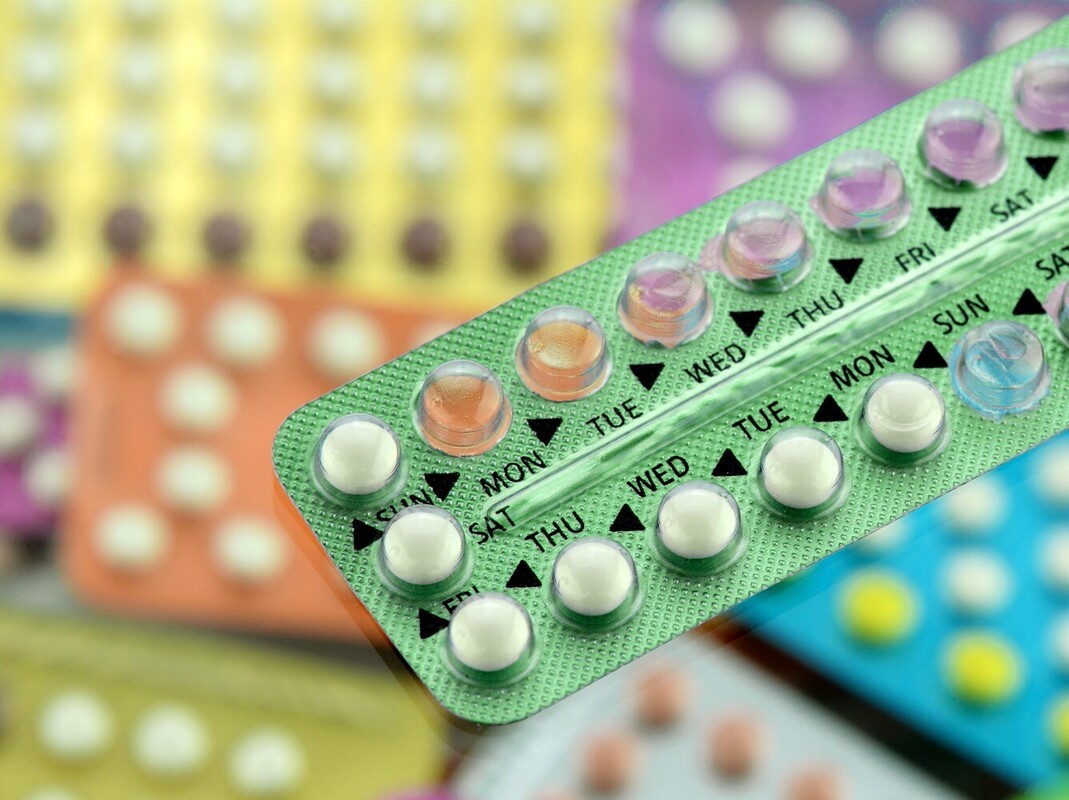
Yaz, Yasmin, and Other Drospirenone Pills
Yaz, Yasmin, and other drospirenone pills are often discussed because drospirenone may reduce water retention for some users. That can make bloating feel better or help clothes fit more comfortably.
Still, these pills are not weight loss treatments. Some people notice mood, breast tenderness, or appetite changes instead. If you are considering them, ask your clinician how they fit your medical history and goals.
Slynd and Other Progestin-Only Pills
Slynd and other progestin-only pills may be useful for people who cannot take estrogen or prefer to avoid it. Weight responses vary. Some users notice appetite changes, bloating, or mood shifts, while others feel steady and tolerate them well.
Because these pills can affect bleeding patterns too, track weight trends, cravings, energy, and cycle changes for a few months before judging the method.
Common Generic Pills Like Vienva, Sprintec, Junel, and Aviane
Common generic combination pills like Vienva, Sprintec, Junel, and Aviane are not strongly linked to significant weight gain for most users. Some people may still notice temporary bloating, nausea, or appetite changes when starting a new pill.
These effects often improve after a few cycles. If symptoms continue, your clinician may suggest a different dose, progestin type, or birth control method.
Why Individual Experiences Vary So Much
Individual responses vary because birth control interacts with your body, routine, and health history. Hormones, genetics, appetite regulation, sleep, stress, and PMOS symptoms can all shape how you feel.
Two people can take the same pill and have completely different experiences. Tracking symptoms can help you see patterns instead of guessing. It also gives your clinician clearer information if you want to switch methods.

Low-Dose and Progestin-Only Birth Control
Low-dose and progestin-only birth control options are often discussed in conversations about weight changes and side effects. Some people tolerate these methods very well, while others notice differences in appetite, bloating, bleeding patterns, or mood.
What “Low-Dose” Actually Means
Low-dose birth control usually refers to pills containing lower estrogen levels than older formulations. Early contraceptives from the 1960s contained much higher hormone doses, which were linked to more side effects for some users.
Modern pills use far smaller amounts while still preventing pregnancy effectively. Lower-dose options may feel easier to tolerate for certain people, though side effects like bloating, nausea, headaches, or breast tenderness can still happen.
Does Less Estrogen Mean Less Weight Gain?
Possibly for some users, especially regarding bloating and water retention. Estrogen can affect how the body holds fluid, so lower-dose pills may reduce puffiness or temporary swelling for certain people.
However, less estrogen does not guarantee zero weight changes. Appetite, stress, sleep, activity levels, and hormone sensitivity still matter. Some users feel better on lower-dose pills, while others notice very little difference after switching formulations.
Are Progestin-Only Methods More Likely to Affect Weight?
Some progestin-only methods may affect weight more noticeably for certain users, particularly the birth control shot. Appetite changes, bloating, or fluid retention may contribute to these concerns over time.
However, research on progestin-only pills, implants, and hormonal IUDs remains mixed and generally shows modest average changes overall. Responses vary widely between individuals, which is why symptom tracking can help determine whether a method feels like the right fit.
Signs It’s Time to Talk to a Doctor About Weight Changes
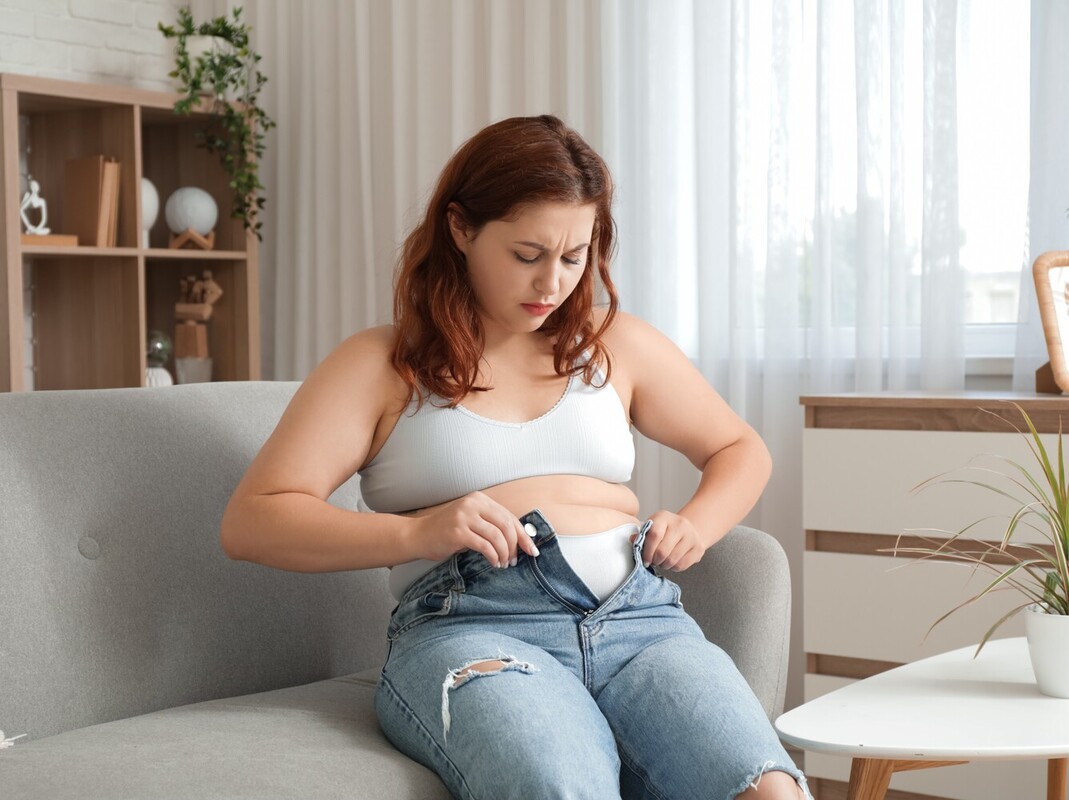
Some weight fluctuations are normal, especially during hormonal changes or when starting a new birth control method. Still, certain symptoms may signal that it’s time to check in with a healthcare professional and look more closely at what’s going on.
Rapid or Unexpected Weight Changes
Sudden or significant weight changes should not automatically be blamed on birth control. A quick jump on the scale may reflect fluid retention, constipation, medication changes, stress, or a medical issue that needs attention.
Rapid loss can also signal undereating, illness, or thyroid changes. If your weight shifts noticeably over a short period, write down the timeline and symptoms, then check in with your clinician.
Severe Bloating, Swelling, or Other Symptoms
Persistent swelling, severe bloating, or swelling in the legs deserves medical evaluation. These symptoms may be related to fluid retention, digestion, circulation, or another health concern that needs prompt attention.
Pay close attention if swelling comes with pain, shortness of breath, chest discomfort, or one-sided leg changes. Those signs should be taken seriously.
Mood Changes, Fatigue, or Appetite Shifts
Mood changes, fatigue, and appetite shifts matter just as much as scale changes. Hormonal side effects can affect motivation, sleep, cravings, and daily routines, which may indirectly influence weight.
Feeling unusually anxious, low, exhausted, or hungry all the time is worth discussing with your clinician. Track when symptoms started, how often they happen, and whether they affect work, relationships, meals, or exercise.

Questions to Ask Before Switching Birth Control
Before switching birth control, ask what side effects are expected, how long the adjustment usually takes, and which symptoms should prompt a follow-up. It also helps to ask about lower-risk options for your health history, including migraines, blood pressure, PMOS, or clotting concerns.
Be specific about your weight changes, appetite, mood, and bleeding patterns. Clear details help your clinician recommend a method that fits your body and lifestyle.
Why You Shouldn’t Stop Birth Control Without a Backup Plan
Stopping birth control suddenly without another plan can increase pregnancy risk quickly, depending on the method. If you want to stop because of weight changes, talk with your clinician about safer alternatives first.
You may need condoms, a copper IUD, another hormonal option, or a transition plan. This helps protect your reproductive goals while giving you space to address side effects, symptoms, and weight concerns thoughtfully.
Birth Control Weight Loss FAQs
What birth control is best if I’m worried about weight gain?
Copper IUDs and many combination pills are generally considered the most weight-neutral options.
Does birth control make you gain weight right away?
Some people experience temporary bloating or fluid retention early on, but major immediate fat gain is unlikely.
How much weight can you gain on birth control?
Most methods are not associated with a major average weight gain. The birth control shot has the strongest evidence for a modest gain in some users.
Will I lose weight if I stop taking birth control?
Possibly some water weight, but stopping birth control does not reliably cause fat loss.
Does the birth control patch have a weight limit?
Certain patches may be less effective at higher body weights, so discuss this with your healthcare professional.
Can birth control make you bloated but not actually gain fat?
Yes. Fluid retention can increase temporarily without increasing body fat.
Is weight gain from birth control permanent?
Usually not. Temporary bloating often improves, and lifestyle factors play a major role in long-term weight changes.
Should I switch birth control if I can’t lose weight?
Possibly, but only after discussing other contributing factors with your clinician.

Conclusion
Birth control and weight changes are more nuanced than many people expect. Most hormonal birth control methods are not strongly linked to significant long-term weight gain or weight loss, though certain methods, especially the birth control shot, may affect some users differently.
From our experience as Registered Dietitians, weight management challenges usually involve several factors working together, including sleep, stress, eating habits, PMOS, movement, medications, and hormone changes.
If you want personalized support, connect with a Registered Dietitian covered by insurance through Berry Street. We can help you build realistic nutrition habits while navigating birth control concerns with evidence-based guidance.
If you want to learn more, why not check out these articles below: