FDA-approved weight loss medications have changed how many people approach obesity treatment and long-term weight management.
From injectable medications like Wegovy and Zepbound to oral options like phentermine and Contrave, these treatments may help reduce appetite, improve fullness, and support meaningful weight loss for some patients. Still, they’re not quick fixes, and they’re not right for everyone.
As Registered Dietitians, we often help patients sort through confusing claims, side effects, and online hype. In this guide, we’ll break down how FDA-approved weight loss medications work, who may qualify, and what to know before considering treatment.
Key Takeaways
FDA-approved weight loss medications are clinically tested treatments designed for obesity and weight-related health conditions, not quick cosmetic fixes.
Popular options like Wegovy, Zepbound, Saxenda, and phentermine work in different ways, including appetite regulation, craving reduction, and fat absorption blocking.
Weight loss injections generally produce greater average weight loss than pills, but side effects, cost, and insurance coverage vary widely.
OTC “fat burners,” detoxes, and many natural supplements are not FDA-approved for weight loss and may carry safety risks or lack strong evidence.
Long-term success usually depends on combining medication with sustainable nutrition habits, physical activity, and ongoing medical and Registered Dietitian support.

What Does “FDA-approved for Weight Loss” Actually Mean?
FDA-approved for weight loss means a medication has gone through clinical testing and was reviewed by the U.S. Food and Drug Administration specifically for weight management. The approval process evaluates safety, effectiveness, dosing, side effects, and how the medication performs in carefully designed studies.
That distinction matters. A medication being FDA-approved for weight loss is very different from a product simply claiming it helps people “burn fat” or “boost metabolism.” FDA-approved medications must show measurable results in clinical trials before they can legally be marketed for chronic weight management.
The FDA also approves medications for specific uses, doses, and patient populations. One drug may be approved for diabetes, while a different version of the same medication is approved as a diabetes medication for weight loss. That’s one reason the brand names surrounding weight loss medications can feel confusing.
FDA-Approved Drugs vs Supplements Marketed for Weight Loss
FDA-approved medications are tested extensively before they reach the market. Researchers study side effects, interactions, dosing, and long-term outcomes. Supplements marketed for weight loss do not go through the same approval process.
Many “natural” products sound appealing because the marketing focuses on herbs, detoxes, or plant ingredients. Unfortunately, natural does not automatically mean safe or effective. Some supplements contain hidden stimulants, undeclared medications, or ingredients that haven’t been studied well in humans.
From our experience, patients are often surprised to learn that supplement companies can sell products without proving they cause meaningful weight loss. That creates a huge gap between marketing claims and scientific evidence.

Who Weight Loss Medications Are Typically Approved For
Most FDA-approved weight loss medications are intended for adults with obesity or overweight individuals who also have weight-related medical conditions. Eligibility is commonly based on body mass index, also called BMI.
In general, many medications are approved for adults with a BMI of 30 or higher. Some are also approved for people with a BMI of 27 or higher if they have related conditions such as Type 2 diabetes, high blood pressure, sleep apnea, or high cholesterol.
These medications are usually not intended for cosmetic weight loss or quick fixes before vacations, weddings, or events. They are designed to help address chronic medical conditions linked to excess body weight and metabolic health.
Why Medication Still Needs Lifestyle Support
Weight loss medications can help regulate appetite, improve fullness, and reduce food noise for some people. That can make healthy eating patterns feel more manageable. Still, medication alone rarely creates lasting results without supportive habits.
As Registered Dietitians, we often explain that medications may help open the door, but daily routines still shape long-term success. Protein intake matters. Sleep matters. Resistance training matters. Consistent meal patterns and sustainable activity habits help protect muscle mass and support metabolic health during weight loss.
Patients who combine medication with nutrition support and realistic behavior changes often feel more prepared for long-term maintenance. Many people taking GLP-1 medications also struggle to eat enough protein or maintain consistent meals because their appetite drops so much.
A Registered Weight Loss Dietitian through Berry Street can help you build a personalized 7-day meal plan that supports energy, muscle maintenance, fullness, and sustainable progress while on medication.

Why “FDA-Approved” Doesn’t Mean Risk-Free
FDA approval does not mean a medication is completely free of risk. Every prescription medication has potential side effects, precautions, and situations where it may not be appropriate.
Some weight loss medications can cause nausea, vomiting, constipation, diarrhea, increased heart rate, mood changes, or digestive discomfort. Others may interact with existing medications or create risks for people with certain medical conditions.
That’s why screening and follow-up matter so much. A medication that works very well for one person may be poorly tolerated by another. Safety always depends on the individual patient, their health history, and ongoing monitoring.
List of FDA-Approved Weight Loss Medications
Several FDA-approved weight loss medications are now available, including both oral medications and injectable treatments. Each works differently, comes with its own benefits and side effects, and may be a better fit for certain patients depending on their health history, weight-related conditions, and treatment goals:
Semaglutide
Semaglutide is the active ingredient in Wegovy, one of the most talked-about FDA-approved weight loss injections. It belongs to a class of medications called GLP-1 receptor agonists.
GLP-1 medications help regulate appetite and fullness signals.
Many patients report feeling satisfied sooner during meals and thinking less about food between meals. In clinical trials, Wegovy produced significant average weight loss compared with placebo when combined with lifestyle changes.
Weekly dosing has also helped improve convenience for many users. Instead of taking medication several times daily, patients administer one injection per week. From our experience, patients often do best when they pair semaglutide with structured nutrition support, especially since reduced appetite can make it harder to meet protein and nutrient needs.
A Registered GLP-1 Dietitian may help patients build balanced meals that support muscle maintenance, energy levels, and sustainable progress during treatment.

Tirzepatide
Tirzepatide is the active ingredient in Zepbound. It works differently from semaglutide because it activates both GIP and GLP-1 pathways, which may influence appetite regulation and blood sugar control together.
Zepbound gained enormous attention after studies showed impressive average weight loss outcomes in many patients. Some individuals lost substantial percentages of body weight during long-term treatment.
After years of experience counseling patients, we’ve noticed that excitement around tirzepatide often comes with unrealistic expectations online. Results still vary significantly from person to person. Nutrition habits, adherence, medical history, and tolerability all influence outcomes.
Liraglutide
Liraglutide is the active ingredient in Saxenda. Like semaglutide, it’s a GLP-1 receptor agonist, but it requires daily injections instead of weekly injections.
Saxenda was an important milestone in obesity treatment before newer weekly medications became widely available. Some patients still do well with it today, especially if they tolerate liraglutide better than other medications.
Daily injections can feel less convenient for some users, though. Weekly medications have become more popular partly because they simplify routines and may improve adherence.
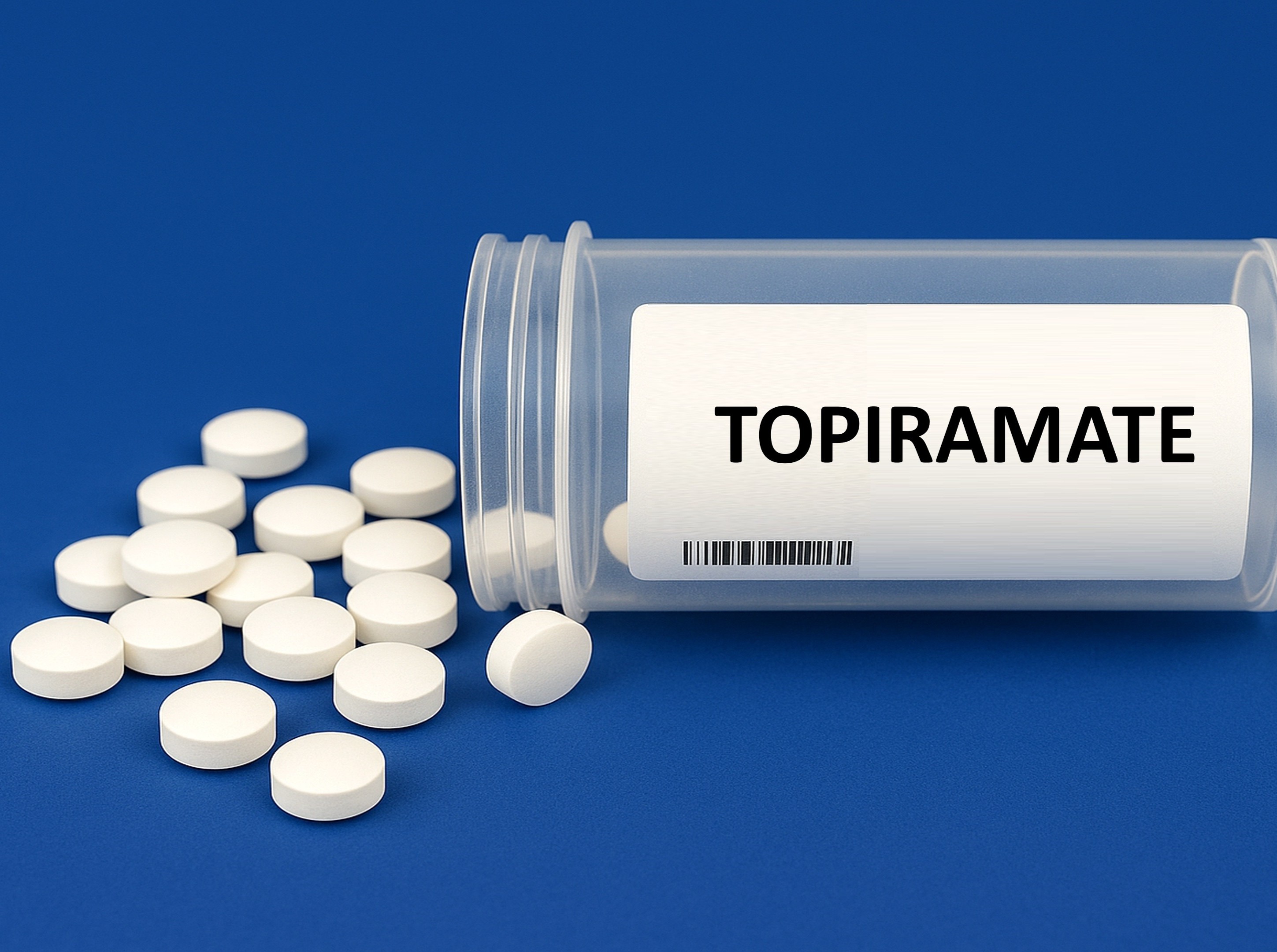
Phentermine/Topiramate
Phentermine/topiramate combines a stimulant medication with an anti-seizure medication that also affects appetite and satiety. The brand name version is Qsymia.
This combination may help reduce hunger while supporting feelings of fullness. Some patients experience meaningful weight loss with oral therapy alone, which can appeal to people who prefer weight loss pills over injections.
Important precautions exist, though. The medication may increase heart rate and is not appropriate during pregnancy because of potential birth defect risks. Monitoring and regular follow-up are essential.
Naltrexone/Bupropion
Naltrexone/bupropion, sold as Contrave, works differently from GLP-1 medications. Instead of mainly slowing digestion and increasing fullness, it affects brain pathways involved in appetite, cravings, and reward.
Some patients find it especially helpful for emotional eating patterns or frequent food cravings. Others may not tolerate it well because of side effects like nausea, headaches, insomnia, or increased blood pressure.
From our experience, this medication sometimes fits patients who prefer oral therapy and do not want injectable treatment options.
Orlistat
Orlistat works by blocking the absorption of some dietary fat during digestion. Prescription-strength orlistat is sold as Xenical, while lower-dose OTC versions are sold as Alli.
Because fat absorption is reduced, digestive side effects are common. Oily stools, diarrhea, gas, and urgent bowel movements can happen, especially when meals are high in fat.
Weight loss with orlistat is generally more modest compared with newer GLP-1 medications. Still, some patients prefer a non-stimulant option without appetite suppression effects.
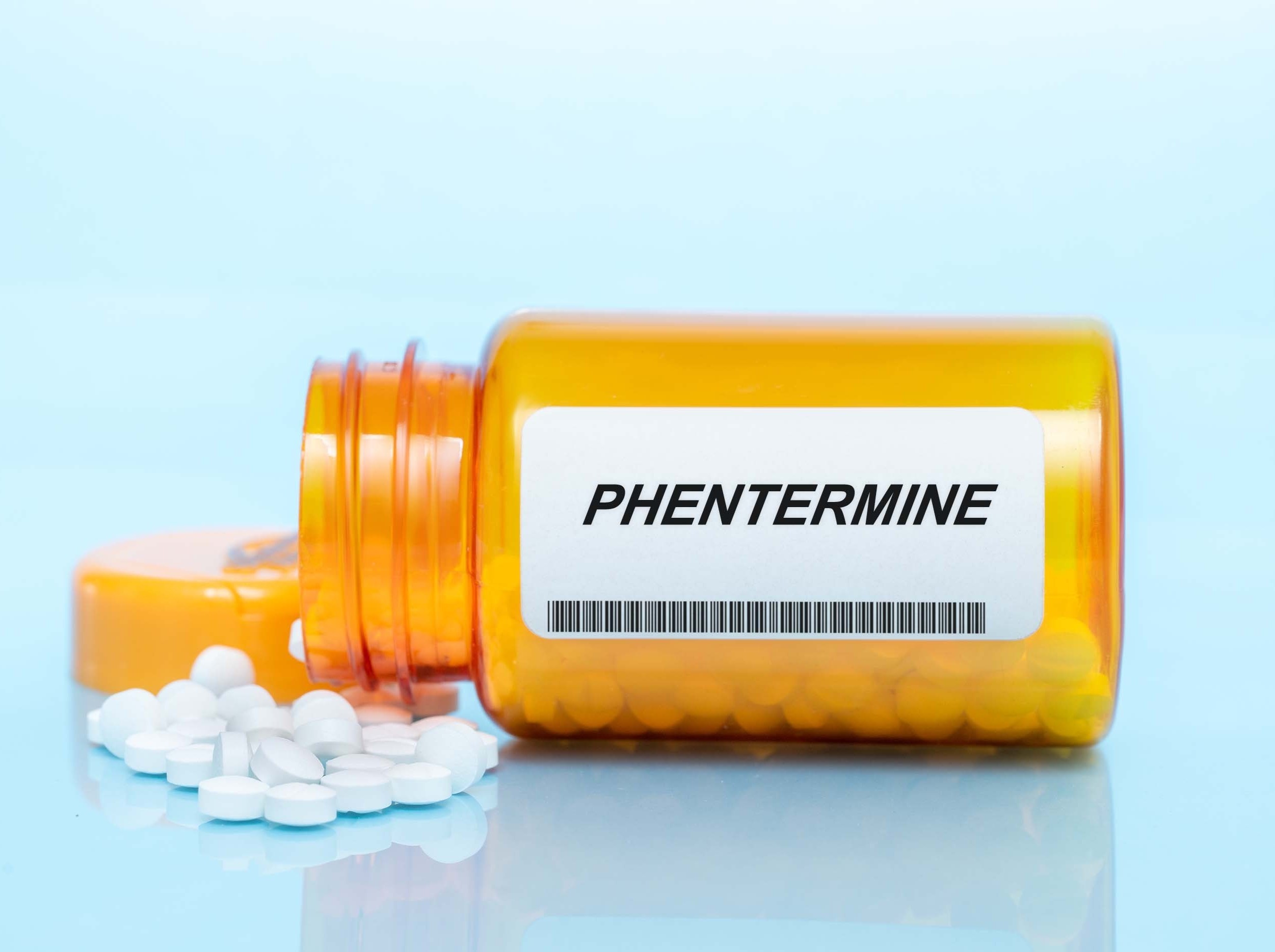
Phentermine for Short-Term Use
Phentermine has been used for decades as a short-term appetite suppressant. It’s typically approved for use over several weeks rather than long-term chronic treatment.
Because phentermine is a stimulant, monitoring matters. Some patients experience increased heart rate, anxiety, insomnia, or elevated blood pressure.
Despite its age, phentermine remains widely prescribed because it’s relatively affordable and can produce short-term appetite reduction. Long-term use decisions vary and require careful medical supervision.
FDA-Approved Weight Loss Injections and Shot Names
Injectable medications are now some of the most common FDA-approved weight loss treatments. Each shot works differently and comes with its own dosing schedule, benefits, and side effects.
Wegovy
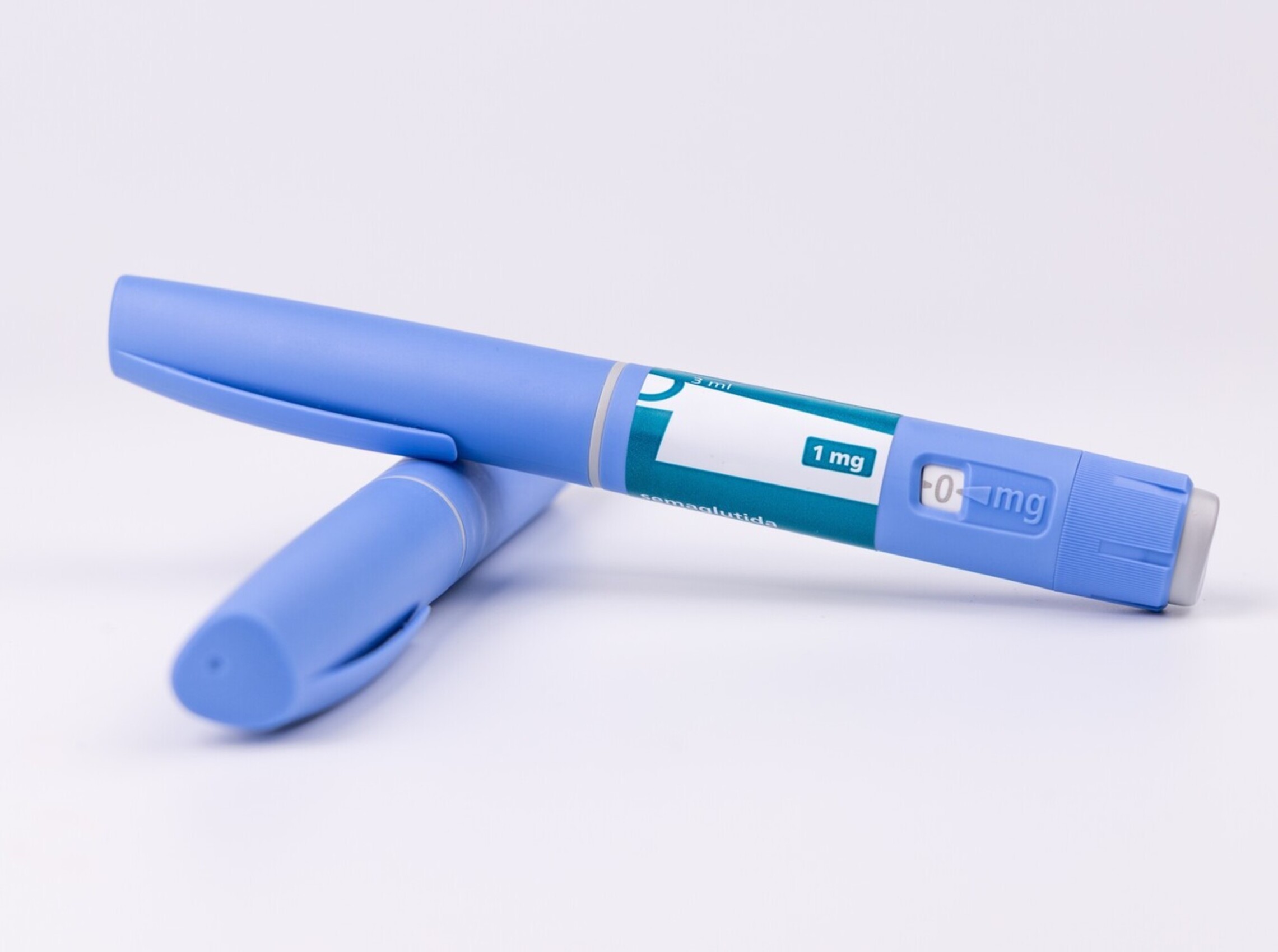
Wegovy contains semaglutide and is FDA-approved for chronic weight management in eligible adults and certain adolescents with obesity. The medication is injected once weekly using a prefilled pen.
Patients often describe reduced hunger and improved fullness while using Wegovy. Some also notice fewer cravings and less constant focus on food.
As Registered Dietitians, we still encourage patients to prioritize adequate protein intake, balanced meals, and resistance training while taking these medications. Rapid weight loss without muscle-supporting habits can create challenges over time.
A Registered Wegovy Dietitian through Berry Street can help you create a realistic meal plan that supports fullness, protein intake, energy levels, and long-term progress while using Wegovy.
Zepbound
Zepbound contains tirzepatide and is FDA-approved for chronic weight management in eligible adults. It shares the same active ingredient as Mounjaro, though the FDA-approved indication differs.
Tirzepatide has attracted major attention because clinical studies showed substantial average weight loss in many participants. Weekly dosing also adds convenience.
That said, side effects remain common during dose escalation. Nausea, vomiting, constipation, and digestive discomfort can make the adjustment period difficult for some patients.
Saxenda
Saxenda contains liraglutide and requires daily injections. Although weekly injections now dominate headlines, Saxenda still remains an option for certain patients.
Some individuals tolerate liraglutide better than semaglutide or tirzepatide. Others may prefer its dosing flexibility or have insurance coverage that favors Saxenda over newer medications.
Daily injections can feel like a burden for some people, though. Adherence often becomes easier when treatment schedules require fewer injections.
How Weekly Injections Differ From Daily Injections
Weekly injections are generally considered more convenient because patients only need to remember one dose each week. That may improve consistency and reduce treatment fatigue.
Daily injections require more frequent planning and routine management. Some patients dislike the added daily task, while others adapt quickly and don’t mind it.
Side effects can also differ slightly between medications. Dose escalation schedules, appetite suppression intensity, and gastrointestinal symptoms vary across drugs and individuals.
Common Side Effects and Safety Considerations
Like all prescription medications, FDA-approved weight loss injections can cause side effects. Some are mild and improve over time, while others may require medication changes or medical evaluation. Side effects often become more noticeable during dose increases, especially with GLP-1 medications like Wegovy, Zepbound, and Saxenda.
Common Side Effects:
Nausea: Many patients experience nausea during the first few weeks or after dose adjustments.
Vomiting and Diarrhea: Digestive symptoms can occur as the medication slows stomach emptying and affects appetite regulation.
Constipation: Some patients experience slower digestion and bowel movement changes while taking these medications.
Bloating and Stomach Discomfort: Feelings of fullness, bloating, or abdominal pressure are relatively common.
Reduced Appetite: Appetite suppression may make it difficult for some people to eat enough protein or overall calories.
Acid Reflux: Heartburn or reflux symptoms may worsen in certain patients.
More Serious Side Effects:
Gallbladder Problems: Rapid weight loss may increase the risk of gallstones or gallbladder inflammation.
Pancreatitis: Rare cases of pancreas inflammation have been reported and require immediate medical attention.
Dehydration: Severe vomiting or diarrhea can lead to dehydration and related complications.
Kidney Concerns: Dehydration may place extra strain on kidney function in some individuals.
Allergic Reactions: Rare but serious allergic reactions can occur and may require emergency care.
Medication Interactions: Certain medications or medical conditions may increase risks or affect treatment safety.

Pills vs Injections: Which Option Fits Which Patient?
There’s no single best option for everyone. The “right” medication depends on health history, goals, side-effect tolerance, insurance coverage, and personal preference.
Factor | Pills | Injections |
Convenience | Easy to travel with and take orally | Weekly dosing may simplify routines |
Effectiveness | Often moderate | Newer injections generally show greater average weight loss |
Cost | Some older pills are less expensive | Many injectable medications are costly |
Side Effects | May include insomnia, elevated heart rate, and nausea | GI symptoms are very common |
Adherence | Daily dosing may be harder for some | Weekly schedules may improve consistency |
From our experience, patients who strongly dislike injections sometimes do very well with oral medications, even if average weight loss outcomes are smaller. Meanwhile, patients struggling with intense appetite or food noise may benefit more from GLP-1-based therapies.
The best choice is usually the option a patient can tolerate, afford, and realistically maintain.

Are Any OTC Weight Loss Pills FDA-Approved?
Most over-the-counter weight loss supplements are not FDA-approved for weight loss treatment. They are sold as dietary supplements rather than prescription medications.
Alli is an exception. It contains a lower-dose version of orlistat and is FDA-approved for over-the-counter use. Even so, its effects are typically modest compared with prescription medications.
Many OTC products marketed for “rapid fat burning” or “detox weight loss” lack strong evidence and may carry safety concerns.
What Alli Can and Can’t Do
Alli can help reduce fat absorption modestly, particularly when paired with lower-fat eating patterns and calorie reduction. Some people do experience measurable weight loss while using it.
However, expectations need to stay realistic. Alli does not create dramatic fat loss on its own. Digestive side effects also limit tolerability for many users.
Meals high in fat often trigger unpleasant gastrointestinal symptoms, which is one reason some patients stop taking the medication.

Why “Natural” Weight Loss Supplements Can Still Be Risky
Natural supplements may still contain stimulants, undeclared ingredients, or contaminants. Some products sold online have even been found to contain hidden prescription drugs.
After years of experience, we’ve seen many patients spend large amounts of money on supplements with little evidence behind them. Others experienced anxiety, rapid heart rate, or digestive problems from stimulant-heavy formulas.
The supplement industry is regulated very differently from prescription medications, which creates room for misleading claims.
Weight Loss Drops and Capsules: What the Evidence Usually Lacks
Many weight loss drops, detoxes, teas, and capsules rely on marketing language instead of strong clinical evidence. Claims like “melt fat fast” or “reset your metabolism” often sound impressive but lack meaningful research support.
Some products depend heavily on water loss, stimulant effects, or appetite suppression without addressing long-term weight management.
We encourage patients to ask a simple question before buying any product: Was this tested in large human clinical trials for meaningful long-term outcomes?
Red Flags for Unsafe Products
Products promising “overnight fat burning” or “rapid effortless weight loss” deserve skepticism. So do supplements claiming to work without any nutrition or lifestyle changes.
Be cautious of products that:
Promise dramatic weight loss in days or weeks
Hide ingredient amounts in “proprietary blends”
Use celebrity endorsements instead of scientific evidence
Claim to be “miracle cures”
Require expensive subscription programs
Are sold primarily through social media influencers

Diabetes Medications Used for Weight Loss
Many people confuse diabetes medications with FDA-approved weight loss medications because some drugs overlap. Certain medications were first approved for diabetes and later approved at different doses for chronic weight management.
That’s why similar medications may have completely different brand names and FDA-approved uses.
Mounjaro vs Zepbound
Mounjaro and Zepbound both contain tirzepatide. The difference is the FDA-approved indication.
Mounjaro is FDA-approved for Type 2 diabetes management. Zepbound is FDA-approved for chronic weight management in eligible adults with obesity or overweight plus related conditions.
The active ingredient is the same, but branding, dosing strategies, insurance coverage, and approved uses differ.
Ozempic vs Wegovy
Ozempic and Wegovy both contain semaglutide. Ozempic is approved for Type 2 diabetes, while Wegovy is approved specifically for chronic weight management.
Wegovy uses higher dosing designed for obesity treatment. Insurance coverage may also differ substantially depending on the diagnosis and approved indication.
Patients are often surprised that two nearly identical medications can have different FDA approvals and coverage rules.
Rybelsus and Oral Semaglutide
Rybelsus is an oral form of semaglutide approved for Type 2 diabetes treatment. At this time, it is not FDA-approved specifically for weight loss.
Some people taking Rybelsus do experience weight changes, but the medication currently has different approved indications compared with Wegovy. Research into oral weight loss medications continues to evolve quickly.
Metformin and Other Diabetes Medications That May Affect Weight
Metformin is commonly prescribed for Type 2 diabetes and insulin resistance. Some people experience modest weight reduction while taking it, though it is not primarily considered a weight loss medication.
Other diabetes medications may cause weight gain, weight neutrality, or weight loss depending on the drug class.
From our experience, patients often assume every diabetes medication causes weight loss because of the popularity of GLP-1 medications. That’s definitely not the case.

Why FDA Approval Depends on the Exact Brand and Indication
FDA approval is specific to the exact medication, dose, and intended use studied in clinical trials. That’s why one semaglutide product may be approved for diabetes while another is approved for obesity treatment.
This distinction matters for prescribing, insurance coverage, marketing claims, and safety monitoring.
It also explains why healthcare providers pay close attention to exact brand names rather than only the active ingredient.
How Weight Loss Medications Compare
FDA-approved weight loss medications differ in how they work, how much weight loss they typically produce, and which side effects patients may experience. Cost, insurance coverage, medical history, and long-term tolerability can all influence which option makes the most sense for a particular patient.
Expected Weight Loss Varies by Medication
Average weight loss varies substantially across medications. Newer GLP-1 and GIP/GLP-1 medications generally produce larger average weight changes compared with older oral medications.
Still, averages do not guarantee individual outcomes. Some people respond extremely well to one medication while others experience limited results or intolerable side effects.
Weight loss percentages also depend on adherence, nutrition habits, physical activity, sleep, genetics, and metabolic health.
Appetite, Cravings, Fat Absorption, and GLP-1 Pathways
Different medications influence weight through different mechanisms. GLP-1 medications mainly affect appetite regulation, fullness, stomach emptying, and food intake patterns.
Orlistat reduces fat absorption during digestion. Phentermine suppresses appetite through stimulant effects. Naltrexone/bupropion influences reward pathways and cravings.
Understanding these mechanisms helps explain why patients may respond differently to different drugs.

Side Effects and Tolerability
Tolerability often determines whether a medication works long-term. Even highly effective medications may become difficult to continue if side effects are severe.
Nausea, constipation, diarrhea, headaches, insomnia, reflux, and fatigue are common reasons people discontinue treatment.
As Registered Dietitians, we spend a lot of time helping patients adjust meal timing, hydration, protein intake, and food choices to reduce gastrointestinal symptoms during treatment.
Cost, Insurance, and Availability
Cost remains one of the biggest barriers to treatment. Many newer medications are expensive without insurance coverage.
Insurance approval rules can also be frustratingly strict. Some plans exclude obesity treatment entirely, while others require prior authorization or documented weight-related conditions.
Medication shortages have added another layer of difficulty over the last few years, especially for high-demand injectable medications.
When a Lower-Effect Option May Still Be the Better Fit
The medication associated with the largest average weight loss is not automatically the best choice for every patient.
Medical history, medication interactions, mental health considerations, pregnancy plans, affordability, tolerability, and personal preferences all matter.
Sometimes a patient succeeds more with a medication they can consistently tolerate and afford than with a stronger option that creates severe side effects or financial stress.
Are Weight Loss Medications Safe?
FDA-approved weight loss medications can be safe for appropriate patients when prescribed and monitored properly. However, safety always depends on the individual medication, patient history, and ongoing medical supervision.
These medications are real prescription drugs with meaningful effects on the body. They can help many people significantly, but they also carry risks that deserve careful discussion.
Balanced conversations matter. Fear-based misinformation online can make these medications sound dangerous for everyone. On the other hand, social media hype sometimes minimizes real side effects and safety concerns.
Serious Risks to Discuss With a Clinician
Although serious complications are less common, they’re still important to discuss before starting any FDA-approved weight loss medication. A patient’s medical history, existing conditions, and current medications can all affect overall treatment safety.
Pancreatitis risk with certain medications
Gallbladder disease or gallstones
Increased heart rate or blood pressure
Mood changes or mental health concerns
Kidney complications related to dehydration
Medication interactions with existing prescriptions
Contraindications during pregnancy
Personal or family history concerns involving certain endocrine conditions
Who May Not Be a Good Candidate
Some patients may need extra caution or may not be appropriate candidates at all. Pregnancy, breastfeeding, certain gastrointestinal disorders, severe kidney disease, uncontrolled mental health conditions, or specific endocrine disorders may influence treatment decisions.
Patients with histories of eating disorders also deserve careful, individualized evaluation. Weight management conversations should always support physical and mental health together.
Why Follow-Up Matters After Starting Treatment
Follow-up appointments help monitor progress, side effects, lab values, and medication adjustments. Doses are often increased gradually to improve tolerability.
Regular monitoring also helps identify nutritional concerns. Reduced appetite can unintentionally lead to inadequate protein intake, low hydration, or insufficient calorie intake in some patients.
From our experience, patients who receive ongoing nutrition and medical support often feel more confident navigating side effects and long-term planning.
What Happens if the Medication Doesn’t Work?
If a medication does not produce a meaningful benefit, clinicians may adjust the dose, switch medications, or discontinue treatment. Most providers evaluate progress over time rather than expecting immediate, dramatic results.
Response varies widely between individuals. Some patients lose substantial weight. Others experience minimal change despite good adherence.
Stopping rules exist for certain medications because continuing ineffective treatment may expose patients to side effects without enough benefit.

Weight Loss Medications for Women
Women are frequently targeted by weight loss marketing, but FDA-approved medications are generally not separated into “women’s” and “men’s” drugs. Treatment decisions should still be individualized based on health history and medical needs.
That said, certain considerations do come up more often for women, particularly surrounding pregnancy, PMOS, hormonal health, and reproductive planning.
Why Treatment Choice Depends on Health History, Not Just Sex
Medication selection depends on many factors beyond sex alone. Diabetes risk, cardiovascular health, blood pressure, gastrointestinal conditions, mental health history, medication interactions, and side-effect tolerance all matter.
Two women with similar body weights may end up with completely different treatment recommendations based on their overall health profiles.
Pregnancy, Breastfeeding, and Contraception Considerations
Many weight loss medications are not recommended during pregnancy or breastfeeding. Some may also require reliable contraception because of potential fetal risks. If you’re concerned about which birth control is right for you, take a look at our guide on birth control weight gain.
Patients planning pregnancy should discuss timelines carefully with healthcare providers before starting medication. Long-term planning matters here.
As Registered Dietitians, we encourage patients to approach these conversations early rather than waiting until after treatment begins.
PMOS, Diabetes Risk, and Weight-Related Conditions
Women with PMOS may experience insulin resistance, metabolic changes, or elevated diabetes risk that influence treatment decisions. Weight management medications are sometimes prescribed as part of broader metabolic care.
Improving insulin sensitivity and reducing weight-related complications may support overall health outcomes in some patients.

Why “Weight Loss Pills for Women” Is Often a Marketing Phrase
Many products marketed specifically to women rely more on branding than science. Pink packaging and gender-focused advertising do not automatically make a product safer or more effective.
Be cautious with products promising hormonal “fat burning,” detoxes, or dramatic transformations without strong evidence behind them.
What to Do Before Asking for an FDA-Approved Weight Loss Medication
Before asking about FDA-approved weight loss medications, it helps to understand how eligibility, safety screening, and long-term treatment planning usually work. Preparing for that conversation ahead of time can help you ask better questions and make more informed decisions about your health.
1. Review BMI and Weight-Related Health Conditions
Eligibility for FDA-approved weight loss medications usually depends on BMI and whether you have related health conditions linked to excess weight. Understanding your own health history before an appointment can help make conversations with your provider more productive and realistic.
Conditions like sleep apnea, high blood pressure, Type 2 diabetes, insulin resistance, fatty liver disease, and elevated cholesterol may all affect treatment recommendations. Insurance companies also often look at these conditions when deciding coverage eligibility.
In our experience, patients sometimes assume weight alone determines qualification, but providers usually evaluate the bigger picture, including metabolic health, cardiovascular risk factors, medications, and long-term treatment goals.
2. Bring a Full Medication and Supplement List
Prescription medications, over-the-counter supplements, and herbal products can all affect weight loss medication safety. Drug interactions matter more than many people realize, especially with stimulant-based medications or appetite suppressants.
Bring a full list to appointments, including vitamins, protein powders, fat burners, pre-workout supplements, herbal products, and “natural” weight loss capsules. Some supplements may increase heart rate, affect blood pressure, worsen gastrointestinal symptoms, or interfere with other medications. Providers need the full picture to help reduce risks and choose the safest treatment option possible.

3. Ask About Benefits, Risks, and Stopping Rules
Patients deserve honest conversations about what weight loss medications can realistically do. Ask how much weight loss is typical, how quickly changes usually happen, what side effects are most common, and how long treatment may continue if the medication works well.
It’s also important to ask about stopping rules and follow-up plans. Some medications are discontinued if patients do not lose a certain percentage of body weight after a set timeframe. Understanding that upfront helps avoid confusion later.
We also encourage patients to ask how nutrition, protein intake, hydration, and physical activity may need to change while taking these medications, especially if appetite decreases significantly.
4. Build a Nutrition and Activity Plan That Protects Muscle Mass
Weight loss should support overall health, not simply lower the number on the scale. Protein intake, resistance training, regular meals, and consistent movement all help protect muscle mass during weight reduction, especially when appetite decreases on medications like Wegovy or Zepbound.
Patients who focus only on eating less often struggle with fatigue, weakness, poor recovery, or muscle loss over time. Sustainable habits matter. Strength training and adequate protein become especially important during rapid weight changes.
Working with a Registered Health Dietitian through Berry Street can help you create a realistic meal and activity plan that supports fullness, energy, muscle maintenance, and long-term progress while using FDA-approved weight loss medications.

5. Understand That Insurance Approval Can Take Time
Many people are surprised to learn that getting FDA-approved weight loss medication is not always immediate. Insurance companies often require prior authorizations, BMI documentation, proof of weight-related conditions, or records showing previous weight loss attempts before approving coverage.
Some medications may also have supply shortages or limited pharmacy availability. That can make the process frustrating if expectations are not realistic from the beginning. Preparing for delays ahead of time can help reduce stress and avoid disappointment.
It’s also helpful to ask your provider whether lower-cost alternatives, manufacturer savings programs, or different treatment options may be available if insurance coverage becomes a barrier.
6. Prepare for Appetite Changes Before Starting Medication
Many FDA-approved weight loss medications significantly reduce appetite, especially GLP-1 medications like Wegovy and Zepbound. Some people feel full very quickly or lose interest in eating altogether during the first few weeks of treatment.
Planning ahead can help prevent unintentional under-eating, low energy, or inadequate protein intake. Smaller meals, protein-rich snacks, hydration, and easy-to-tolerate foods often become more important during adjustment periods.
Patients who go long stretches without eating sometimes experience fatigue, dizziness, headaches, or nausea that worsens throughout the day. Having a structured meal routine in place before starting medication can make the transition feel more manageable.

7. Set Realistic Expectations for the Pace of Weight Loss
Social media often highlights dramatic transformations, but real-world weight loss tends to be slower and more variable. Some patients respond quickly to medication, while others experience gradual progress over many months.
Weight fluctuations, plateaus, and dosage adjustments are common during treatment. Faster weight loss does not automatically mean better outcomes either. Rapid changes can increase fatigue, digestive symptoms, gallbladder risks, or muscle loss if nutrition and activity habits are not properly supported.
Focusing only on scale numbers may also overlook important improvements like better blood sugar control, reduced cravings, improved mobility, or increased energy levels during daily activities.
8. Plan for Long-Term Maintenance Early
Many people start weight loss medication focused only on losing weight, but maintenance planning matters too. Some patients remain on medication long term, while others eventually transition off treatment with medical guidance.
Building sustainable habits early can help support better long-term outcomes if medication doses change or treatment stops later. Regular meals, strength training, sleep habits, stress management, and realistic activity routines all play important roles during maintenance.
Patients who rely entirely on medication without building supportive routines often struggle more with weight regain after discontinuation. Thinking beyond short-term results can help create a more stable and realistic long-term plan.

FDA-Approved Weight Loss Medication FAQs
What is the strongest FDA-approved weight loss medication?
Tirzepatide, sold as Zepbound, currently shows some of the largest average weight loss outcomes in clinical trials, though individual results vary.
Is phentermine FDA-approved for weight loss?
Yes. Phentermine is FDA-approved for short-term weight loss treatment when used under medical supervision.
Is Mounjaro FDA-approved for weight loss?
No. Mounjaro is FDA-approved for Type 2 diabetes treatment. Zepbound contains the same active ingredient and is FDA-approved for weight management.
Is Rybelsus FDA-approved for weight loss?
No. Rybelsus is approved for Type 2 diabetes management, not chronic weight management.
Are weight loss drops FDA-approved?
Most weight loss drops are not FDA-approved for weight loss treatment.
What weight loss pills actually work?
FDA-approved medications like phentermine/topiramate, naltrexone/bupropion, orlistat, and certain GLP-1-based therapies have evidence supporting weight loss outcomes.
Can I get weight loss medication without insurance?
Yes, but the cost can be significant. Some medications cost hundreds or even thousands of dollars monthly without coverage.
Are FDA-approved weight loss drugs safe long-term?
Some medications have long-term safety data, but monitoring and follow-up remain important throughout treatment.
What happens when you stop taking weight loss medication?
Some patients regain weight after discontinuing medication, especially if supportive nutrition and activity habits are not maintained.
Conclusion
FDA-approved weight loss medications can be helpful tools for some people, especially when obesity or weight-related health conditions are affecting overall health. Medications like Wegovy, Zepbound, Saxenda, and other FDA-approved options may improve appetite control and support meaningful weight loss, but they still require ongoing lifestyle support and medical supervision.
As Registered Dietitians, we encourage patients to focus on sustainable habits rather than quick fixes or online hype. The best treatment plan is one that fits your health history, goals, budget, and long-term needs. If you want personalized support, connect with a Registered Dietitian covered by insurance through Berry Street.