Epsom salt baths have been trending for years. You’ve probably seen claims that they can “detox” your body or help you drop weight quickly. It sounds simple. Fill a tub, add some salts, and relax your way to results.
As Registered Dietitians, we get this question often. People are looking for something that feels easy and effective. After years of experience, we’ve seen how tempting these quick solutions can be, especially when weight loss feels frustrating.
So let’s clear things up. We’ll walk through whether taking an Epsom salt bath for weight loss actually works, where the claims fall short, and how to approach weight loss in a way that truly works.
Key Takeaways
Epsom salt baths may lead to temporary water weight loss from sweating, but they don’t reduce body fat or support long-term weight loss.
The benefits are more about relaxation, muscle recovery, and better sleep, which can indirectly support healthy habits.
Claims around detoxing or magnesium absorption through the skin are often overstated and not strongly supported by evidence.
Drinking Epsom salt for weight loss is not effective and can come with risks like dehydration and electrolyte imbalances.
Sustainable weight loss comes from balanced nutrition, consistent movement, and habits you can maintain over time.

Does an Epsom Salt Bath Actually Help You Lose Weight?
An Epsom salt bath does not help you lose meaningful body fat. It also does not create lasting metabolic changes that would support steady weight loss over time.
What it can do is cause temporary water loss because warm water makes you sweat. That drop on the scale can feel exciting, especially if you’ve been frustrated by slow progress, but it doesn’t reflect a true reduction in body fat. Once you drink fluids and rehydrate, the number usually goes back up.
From our experience, this is one of the biggest reasons people feel misled by wellness trends like this or vibration plates for weight loss. Real progress comes from habits you can repeat, including balanced meals, regular movement, adequate sleep, and patience. A relaxing bath can feel good, but it is not a weight loss method.
Can a Hot Bath Burn Calories?
A hot bath can burn a small number of calories, but the effect is modest and far too limited to drive real weight loss on its own. Your body has to work to regulate temperature when you sit in warm water, and that process uses some energy.
A few studies suggest passive heating from sources like baths, saunas for weight loss, or using a steam room for weight loss may slightly increase energy expenditure, which sounds promising at first.
Still, the total calorie burn is low compared with even a basic workout or a brisk walk. It is not enough to offset a larger meal or create the kind of calorie deficit needed for fat loss. After years of experience, we can say this clearly: small boosts like this are interesting, but they should never be the foundation of your plan. Consistent nutrition and movement matter much more.
Temporary Water Loss vs Lasting Results
When you spend time in a hot bath, your body temperature rises and sweating begins as part of the cooling process. This leads to fluid loss, which can cause a temporary drop in scale weight. It may feel like progress in the moment, especially if the number changes quickly.
However, that shift is tied to hydration status, not a reduction in body fat. Once fluids are replaced through normal eating and drinking, the weight usually returns. This pattern can be frustrating if expectations are not clear. Short-term fluctuations can distract from what actually drives results over time.
Understanding the difference between water loss and fat loss helps you stay focused on sustainable habits. Consistency with meals, movement, and recovery plays a far greater role than any temporary change caused by heat exposure.
Magnesium Absorption Through the Skin
Epsom salt is made of magnesium sulfate, which has led to claims that soaking in it can increase magnesium levels in the body. Magnesium is important for muscle function, nerve signaling, and blood sugar regulation, so the idea is appealing.
However, research on absorption through the skin is limited and inconsistent. There is currently no strong evidence showing that an Epsom salt bath delivers enough magnesium to significantly affect health outcomes.
Even if small amounts are absorbed, they wouldn’t directly influence fat loss or metabolism. Nutrient intake through food remains the most reliable way to support your body’s needs. Foods like spinach, beans, nuts, and whole grains provide magnesium in a form your body can effectively use. A bath may feel beneficial, but it does not replace a well-rounded nutrition plan.

Why Results Can Be Misleading
Epsom salt baths can create a strong sense that something beneficial is happening. You feel relaxed, your body warms up, and you may notice a drop on the scale afterward. Those signals can make the experience seem more impactful than it really is.
In reality, the changes are mostly linked to temporary fluid loss and the calming effect of warm water. They do not reflect meaningful shifts in body fat, metabolism, or long-term weight trends. Quick feedback can be motivating, but it can also lead to confusion when results don’t last. Focusing on short-term changes often pulls attention away from the habits that actually drive progress.
If you’re looking for a more effective, personalized approach, you can connect with a Registered Health Dietitian through Berry Street for guidance that supports real, lasting results.
What an Epsom Salt Bath May Help With Instead
If weight loss isn’t where Epsom salt baths make an impact, that doesn’t mean they have no value. There are still several ways they can support your routine and help you feel better day to day.
Muscle Relaxation and Recovery
Epsom salt baths can be especially helpful when your muscles feel tight, tired, or sore after exercise. Warm water encourages blood flow, which can help your body relax and feel less stiff after strength training, long walks, or more intense activity. That relief can make a real difference the next day when you are deciding whether to move again.
If your body feels worn down, it is much harder to stay consistent. A soak can be a simple recovery habit that helps you feel more comfortable and ready for your next workout. It won’t replace proper rest, balanced meals, or hydration, but it can complement them.
For many people, that post-workout comfort is the real benefit. Feeling better physically often makes it easier to keep showing up for the habits that support long-term progress.
Stress Relief and Better Sleep
Warm baths can be a useful tool for stress relief, and that matters more than many people realize. Slowing down in a quiet bath at the end of the day can help your body shift into a calmer state, which may make it easier to fall asleep and stay asleep.
Better sleep supports energy, appetite regulation, and day-to-day decision-making. When you’re running on too little rest, cravings tend to feel stronger, and motivation tends to drop.
Stress can also affect how consistently you eat, move, and recover. A bath will not solve those issues on its own, but it can support a routine that feels steadier and more manageable. Sometimes a simple habit that helps you unwind is enough to make the next morning feel more doable, and that can add up over time.
Supporting Healthy Habits Indirectly
An Epsom salt bath may not directly change your weight, but it can support healthy habits in indirect ways. Taking time to soak gives you a built-in pause at the end of a busy day. It can help you reset, slow down, and step away from the stress that often pushes people toward mindless snacking or skipped workouts.
When you feel calmer and more rested, it’s often easier to prep meals, stick to an exercise plan, and make choices that align with your goals.
Small routines matter. They create structure and make healthy behaviors feel more realistic. A bath can become one of those signals that the day is winding down, and it is time to care for yourself. That kind of consistency supports long-term progress far better than any quick fix ever could.

Improved Circulation and Temporary Relief From Swelling
Soaking in warm water can support circulation, which may help your body feel less stiff, heavy, and sluggish, especially after long periods of sitting, standing, or intense activity. Heat encourages blood vessels to widen, allowing blood to move more freely throughout the body. This can create a lighter, looser feeling in your muscles and joints.
Some people also notice temporary relief from mild swelling, particularly in the feet, ankles, or lower legs, after a long day. While this doesn’t directly affect body fat or long-term weight loss, it can improve comfort in a noticeable way.
Feeling less swollen and more mobile can make everyday movement feel easier, whether that means walking for weight loss, stretching, or getting through a workout. Those small improvements in comfort can help support better consistency with healthy habits over time.
How to Take an Epsom Salt Bath Safely
If you’re going to include Epsom salt baths in your routine, it helps to do it in a way that’s both safe and effective. A few simple guidelines can make the experience more comfortable while reducing the risk of irritation or dehydration.
1. Use the Right Amount of Epsom Salt
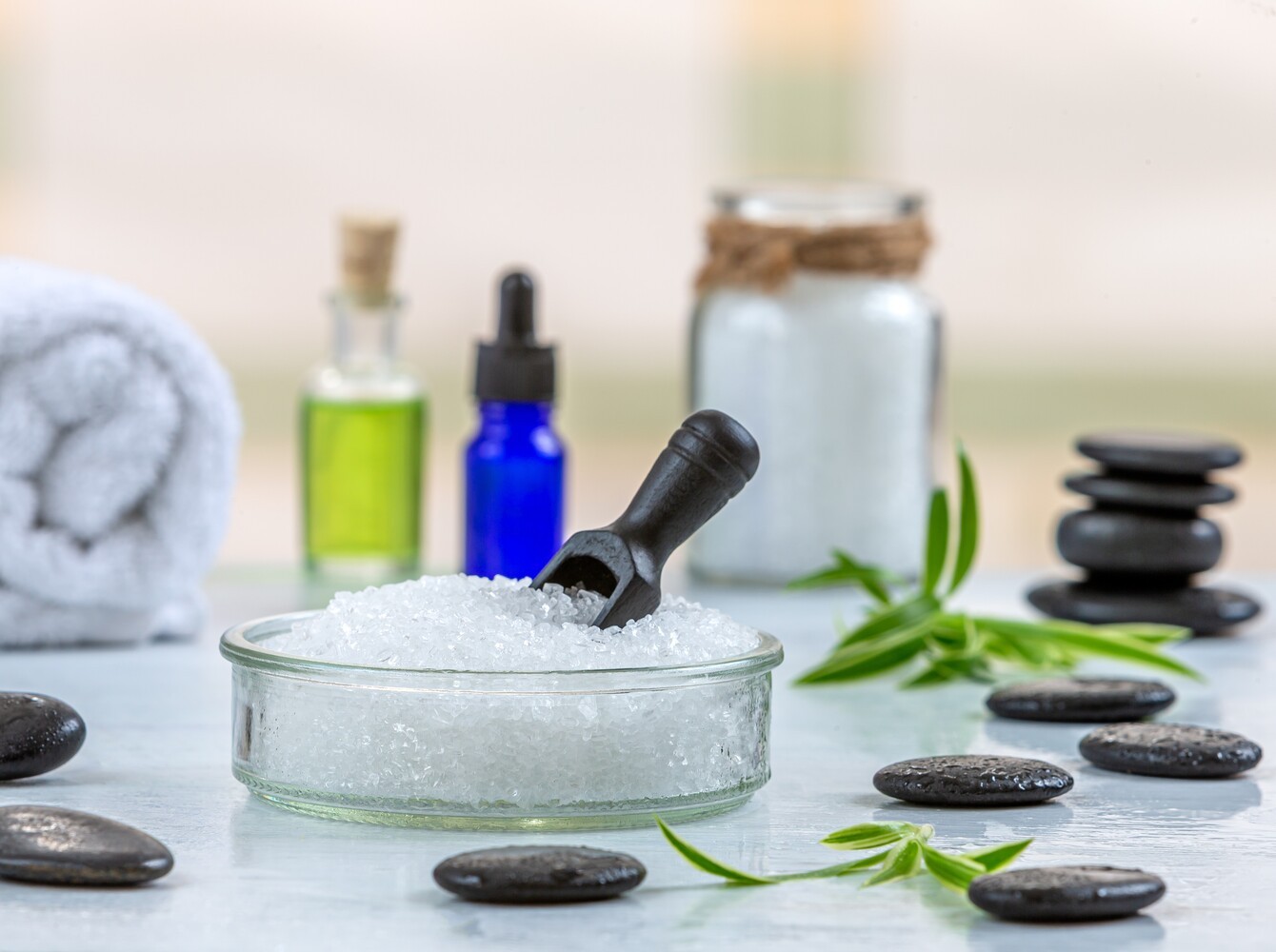
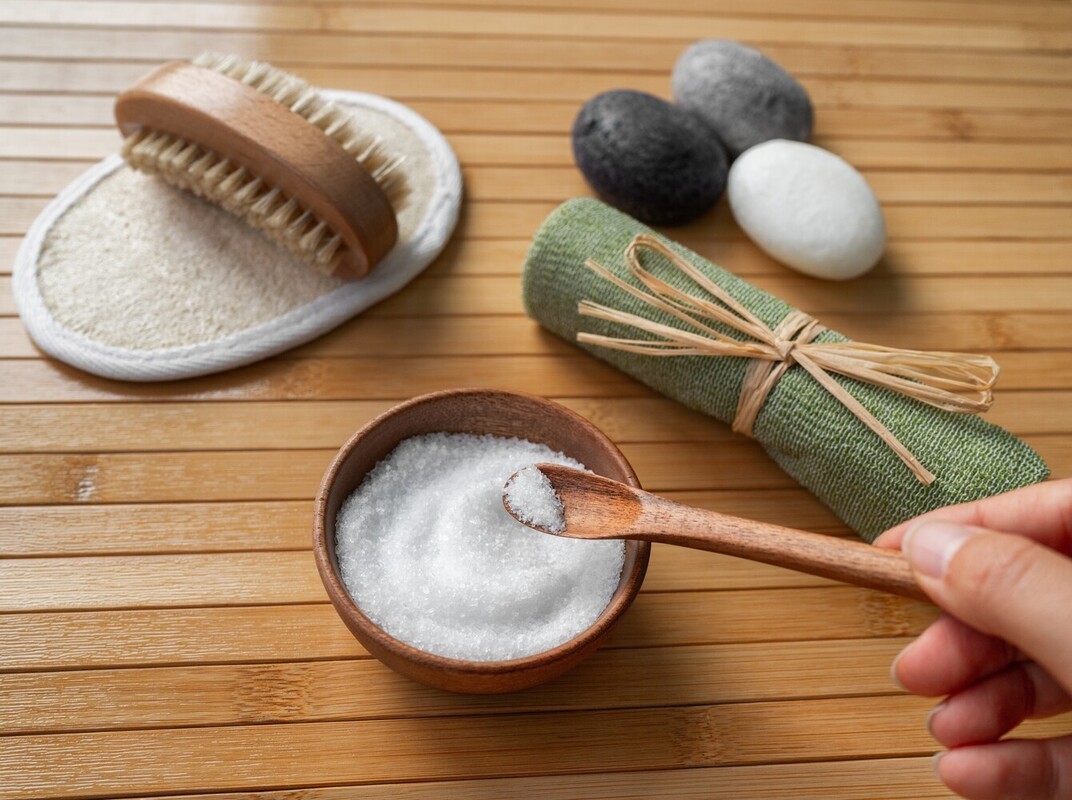
Getting the amount right makes a difference in both comfort and safety. Most recommendations suggest adding about 1 to 2 cups of Epsom salt to a standard bathtub filled with warm water. This amount dissolves well and allows you to enjoy the experience without overwhelming your skin.
Pour the salt under running water to help it dissolve more evenly. Using more than this doesn’t increase the benefits and can sometimes lead to dryness or irritation, especially if you have sensitive skin. It’s easy to assume that more will work better, but that is not the case here.
Keeping the amount moderate helps you get the relaxing effects without unnecessary side effects. Sticking to simple guidelines like this makes the routine easier to repeat consistently and safely over time.
2. Keep the Water Warm, Not Too Hot
Water temperature plays a big role in how your body responds during a bath. Aim for warm water that feels comfortable rather than very hot. A range around 92 to 100 degrees Fahrenheit works well for most people.
If the water feels too hot on your skin, it’s likely too much for your body as well. Excessive heat can lead to dizziness, lightheadedness, or a faster heart rate, which can make the experience unpleasant. It can also increase dehydration if you stay in too long.
A comfortable temperature allows your muscles to relax without putting extra strain on your system. You should be able to sit and unwind without feeling overheated. Keeping the water at a moderate level helps you enjoy the bath while reducing the risk of negative side effects.
3. Limit Soak Time
Keeping your soak time within a reasonable range helps you get the benefits without overdoing it. Most people do well with about 12 to 20 minutes in the bath. That’s enough time for your body to relax and for the warm water to have an effect on your muscles.
Staying in longer doesn’t increase the benefits and can actually leave your skin feeling dry or irritated. It may also contribute to feeling lightheaded if the water is warm.
Setting a timer can be helpful if you tend to lose track of time while relaxing. A shorter, consistent routine is easier to maintain and tends to feel better overall. Keeping things simple helps turn this into a habit that supports your routine rather than something that feels excessive or difficult to manage.

4. Stay Hydrated
Hydration is easy to overlook, but it plays an important role when taking a warm bath. Your body may sweat during the soak, even if you do not notice it right away.
Drinking a glass of water before getting in the bath can help prepare your body, and having water afterward supports recovery. This helps replace any fluids lost through sweating and reduces the chance of feeling tired or lightheaded.
It can also help you avoid mistaking dehydration for hunger later in the day. Keeping a water bottle nearby makes it easier to build this into your routine. Paying attention to hydration supports how you feel during and after the bath. It’s a small step that can make the entire experience more comfortable and help you feel better overall.
5. Know When to Be Cautious
Epsom salt baths are generally safe for most people, but there are situations where extra caution is important. If you have kidney conditions, heart concerns, or circulation issues, it’s a good idea to check with a healthcare provider before adding this to your routine.
Pregnant individuals may also want guidance, especially when it comes to water temperature and soak duration.
Certain medications can affect how your body responds to heat, which may increase the risk of dizziness or dehydration.
Paying attention to how your body feels during the bath is also important. If you notice discomfort, lightheadedness, or irritation, it is best to get out and cool down. Taking a few extra precautions helps ensure that the experience remains safe, comfortable, and supportive of your overall routine.

6. Rinse Off After Your Bath
Taking a quick rinse after your soak can make the whole experience feel better on your skin. Even though Epsom salt dissolves in water, a light residue can sometimes remain, especially if you used a generous amount or have sensitive skin.
Stepping into a brief lukewarm shower helps wash that off and leaves your skin feeling cleaner, fresher, and more comfortable. It can also lower the chance of dryness or itchiness later on. You do not need a full shower with soap unless you want one.
A simple rinse usually does the job. This is also a good time to cool your body down gradually if the bath was especially warm. Ending with this small step can help you transition out of the bath more comfortably and make the routine feel a little more polished.
7. Time Your Bath Strategically
When you take your bath can shape how helpful it feels. Many people enjoy soaking in the evening because it fits naturally into a wind-down routine and can help the body relax before bed.
That timing often feels more practical than squeezing in a bath earlier in the day when you may need to stay alert and productive. Taking a soak right before a workout is usually less useful, since the heat can leave you feeling sleepy or a little sluggish.
After exercise, though, it may feel soothing and help ease muscle tightness. The best schedule is the one that fits your real life. If a bath feels easy to repeat, you are more likely to stick with it. Choosing a consistent time can turn it into a dependable habit instead of an occasional afterthought.
8. Avoid Using on Broken or Irritated Skin
It’s important to pay attention to the condition of your skin before getting into an Epsom salt bath. If you have open cuts, scrapes, or areas of irritation, soaking in salt water may cause discomfort or a stinging sensation. In some cases, it can also slow the healing process.
Waiting until your skin has healed is a safer approach. If you are unsure, starting with a shorter soak and paying attention to how your skin responds can help. You may also want to test a small area first if you tend to have sensitive skin.
Being mindful of this helps you avoid unnecessary irritation and keeps the experience comfortable. Taking care of your skin supports your overall routine and helps prevent setbacks that could make you avoid baths altogether.
9. Keep Your Bathroom Environment Safe
A relaxing bath feels a lot better when the space around you is set up safely. Wet floors and slick tubs can increase the risk of slipping, especially when you are stepping out after soaking in warm water.
Placing a non-slip mat inside the tub and another on the floor nearby can help create more stability. It also helps to keep a towel, water bottle, and any skincare products within easy reach before you get in. That way, you’re not stretching or rushing once the bath is over.
Standing up slowly is another smart move, since warm water can sometimes leave you feeling lightheaded for a moment. Good lighting matters too, particularly if you like bathing in the evening. A few simple safety steps can make the whole experience more comfortable, calm, and much easier to enjoy.
Epsom Salt and Baking Soda Baths for Weight Loss: Do They Work?
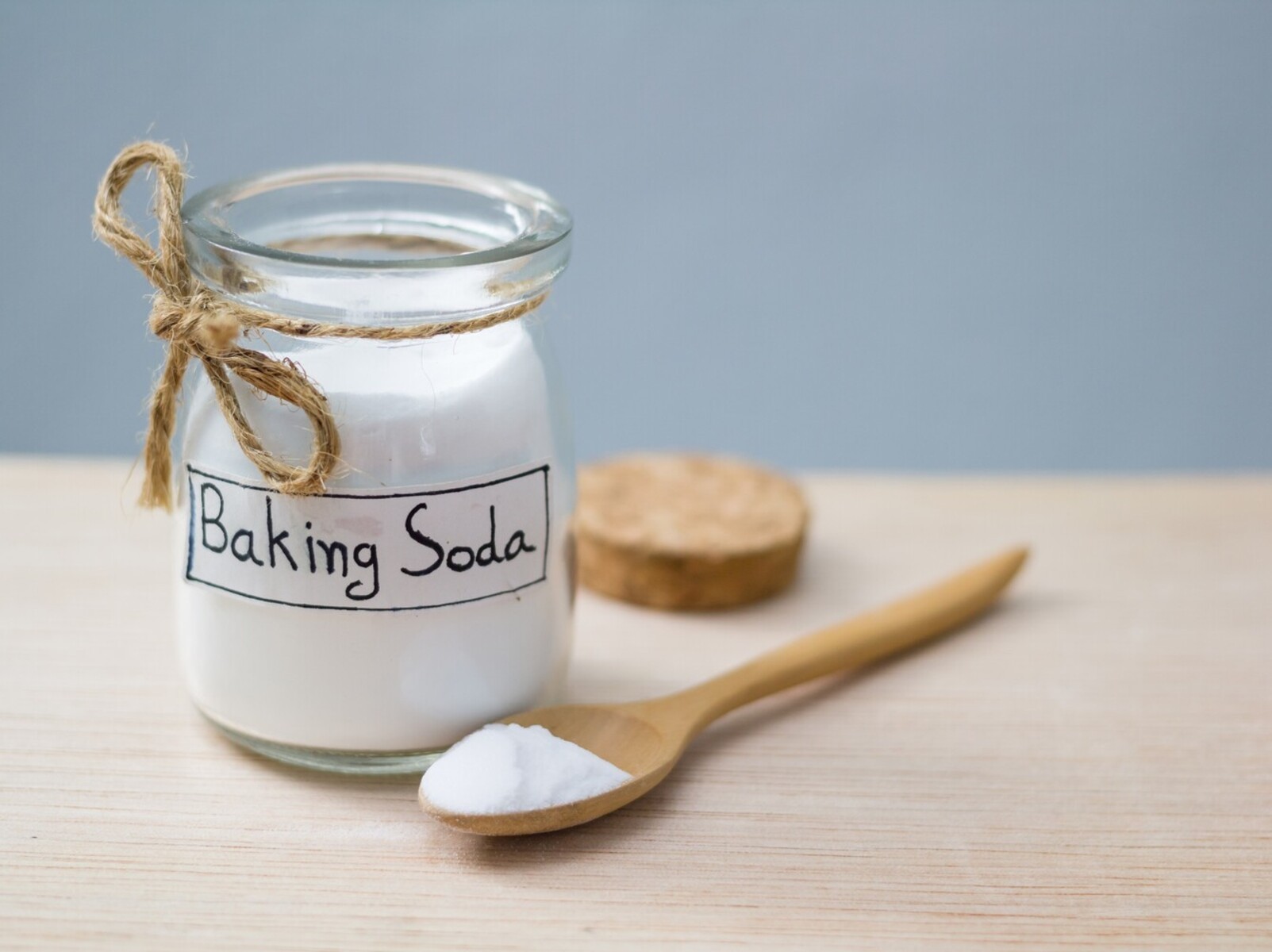
Combining Epsom salt and baking soda does not cause meaningful weight loss. This type of bath may feel relaxing and soothing, but it does not burn body fat or create a noticeable increase in metabolism. Any change you might see on the scale afterward is usually related to temporary fluid loss from sweating in warm water.
That kind of shift can happen quickly, but it doesn’t reflect real fat loss or long-term progress. Just like with a plain Epsom salt bath, once you drink water and return to your normal routine, the scale usually moves back.
The appeal is understandable. A simple bath sounds much easier than changing meals, building movement into your week, or improving sleep habits. Still, those are the habits that actually influence weight over time. Baths can support comfort and recovery, but they do not drive sustainable results.
Why This Combination Is Popular
This combination is popular because it fits neatly into detox culture and the promise of quick relief. Many people hear claims that Epsom salt and baking soda baths can pull toxins from the body, reduce bloating, and help them feel lighter almost immediately. That message is appealing, especially when you are tired, uncomfortable, or frustrated with slow progress.
A warm bath also feels like self-care, which makes the ritual even more convincing. The problem is that the body already has highly effective systems for detoxification. Your liver, kidneys, digestive tract, and skin are constantly working to process and remove waste.
You don’t need a special bath to activate those systems. What this type of soak can offer is comfort, warmth, and relaxation. Those benefits are real, but they should not be confused with fat loss.
What Baking Soda Changes in the Bath
Baking soda can change how the bath feels, but it doesn’t change how your body loses weight. When added to bathwater, baking soda may soften the water slightly and create a smoother feel on the skin.
Some people also find that it helps with mild itching or irritation, which is one reason it shows up in home wellness routines. Those effects are about comfort, not calorie burn.
Baking soda does not increase fat oxidation, speed up metabolism, or help your body shed pounds in a lasting way. If anything, its role is more cosmetic and sensory.
It may make the bath feel gentler or more pleasant, which can encourage relaxation. That can still be useful, especially if stress relief is part of your routine. Still, the benefits stop there. Weight loss requires a very different set of habits.

Common Myths Around Detox Baths
Detox baths often come with bold claims that sound convincing at first. Taking a closer look at these myths can help you separate what feels true from what is actually supported by science.
1. You Sweat Out Toxins
The idea that sweating removes toxins sounds convincing, but it doesn’t reflect how the body actually works. Sweat is mostly made up of water along with small amounts of minerals like sodium and potassium. It plays an important role in regulating body temperature, especially during heat exposure or exercise.
However, it is not a primary method of detoxification. Your liver and kidneys handle that job by filtering and processing waste so it can be safely removed.
A hot bath may make you sweat more, but that doesn’t mean toxins are leaving your body in a meaningful way. What you are losing is fluid, which can be replaced quickly once you drink water. Understanding this helps you focus on habits that truly support your body’s natural detox systems.
2. Detox Baths Boost Fat Loss
Detox baths are often promoted as a way to speed up fat loss, but there is no solid evidence to support that claim. Sitting in warm water does not increase fat burning in a meaningful way or change how your body uses stored energy.
Fat loss happens when your body consistently uses more energy than it takes in through food. That process depends on daily habits like nutrition, movement, and sleep.
A bath may help you relax or recover after activity, which can support those habits indirectly, but it doesn’t create the calorie deficit needed for weight loss. Relying on detox baths for fat loss can lead to frustration when results do not match expectations. Keeping your focus on consistent, realistic habits is what drives steady progress over time.

3. The More You Sweat, the More You Lose
Sweating can make it seem like your body is losing weight quickly, but that change is tied to fluid loss, not fat loss. When you spend time in a hot bath, your body sweats to cool itself down, which reduces water levels temporarily. That can show up as a lower number on the scale, but the effect doesn’t last.
As soon as you drink fluids and return to your normal routine, your body replaces that water. The number goes back up, often within hours. This can be frustrating if you are expecting lasting results.
More sweat doesn’t mean more fat loss. It simply reflects how much fluid your body has lost in that moment. Focusing on long-term habits instead of short-term changes helps keep expectations realistic and progress more consistent.
4. Detox Baths Speed Up Your Metabolism
It’s easy to assume that sitting in a hot bath might “boost” your metabolism in a way that supports weight loss. Heat does make your body work a little harder to regulate temperature, but the effect is small and short-lived.
It doesn’t meaningfully change how many calories you burn across the day, and it certainly does not replace regular movement or balanced eating. A slightly warmer body for a short period is very different from creating the consistent calorie deficit needed for fat loss.
This myth often sticks because the bath feels intense, especially if you sweat a lot. Still, intensity does not equal effectiveness. A detox bath may help you relax, which has value, but it will not turn your body into a calorie-burning machine or create measurable metabolic changes that lead to lasting weight loss.
5. Detox Baths Reduce Belly Fat
Targeted fat loss is one of the most persistent myths in wellness, and detox baths often get pulled into that conversation. Some claims suggest that soaking in hot water can shrink your stomach area or help your body “flush out” belly fat.
That’s not how fat loss works. Your body loses fat overall based on genetics, hormones, and long-term energy balance, not based on where you apply heat or what part of the body feels warmer.
A bath can temporarily reduce bloating or make you feel lighter for a few hours, which may create the impression that your midsection looks smaller. That change is usually tied to fluid shifts or digestion, not actual fat loss. If reducing abdominal fat is your goal, the most effective approach is still consistent nutrition, movement, sleep, and stress management over time.
6. Detox Baths Work Better if You Stay In Longer
A longer soak can feel like it should produce bigger results, but more time in the tub does not make a detox bath more effective for weight loss. Once your body has been sitting in warm water for a reasonable amount of time, extending the soak mainly increases the chance of dry skin, overheating, or feeling lightheaded. It doesn’t suddenly trigger extra fat burning or greater toxin removal.
This myth tends to stick because longer routines often feel more serious or more committed. In reality, your body does not reward extra bath time with extra weight loss benefits.
After about 12 to 20 minutes, most of the practical comfort benefits have already happened. Going beyond that may leave you feeling more drained than refreshed. Keeping the soak moderate is usually safer, more comfortable, and much easier to maintain regularly.

7. Detox Baths Help You Skip Diet Changes
Detox baths are sometimes marketed as a shortcut for people who want to lose weight without exercise or changing how they eat. That idea is appealing, especially when meal planning, portion awareness, and cooking feel overwhelming.
Still, a bath cannot replace the role of nutrition in weight loss. Body fat changes when your daily habits create a consistent calorie deficit over time, and that process depends heavily on food intake.
Warm water may help you feel relaxed or even slightly less bloated for a short time, but it doesn’t undo frequent overeating or balance out highly inconsistent meals.
Believing otherwise can delay progress because it shifts attention away from the habits that matter most. If weight loss is your goal, meals, snacks, and overall eating patterns will always have a much bigger impact than anything you add to the tub.
8. Detox Baths Work Best on an Empty Stomach
Some people believe a detox bath is more effective if you take it while hungry or after skipping meals. The logic usually sounds something like this: less food in your system means the bath can “cleanse” the body more deeply. There’s no evidence to support that idea.
In fact, bathing on an empty stomach may leave you feeling weaker, more lightheaded, or slightly nauseated, especially if the water is hot. Your body still regulates temperature, hydration, and circulation in the same basic way regardless of whether you have eaten recently.
A balanced snack or meal earlier in the day won’t block any supposed benefits. What matters more is comfort and safety. Going into a warm bath feeling nourished and hydrated is usually the better choice, especially if you want the experience to feel calming instead of draining.
Drinking Epsom Salt to Lose Weight: Risks and Reality
Some people go beyond baths and consider drinking Epsom salt as a quick way to lose weight. This approach comes with real risks and very little benefit when it comes to fat loss.
How Epsom Salt Works as a Laxative
When taken orally, Epsom salt acts as an osmotic laxative. That means it pulls water into the intestines, which softens stool and stimulates bowel movements. The process can happen fairly quickly, which is one reason some people see it as a fast fix.
In certain medical situations, a healthcare provider may recommend it for short-term constipation relief. That use is specific and limited. It isn’t something to experiment with casually, especially for weight loss.
Drinking Epsom salt can be harsh on the digestive system and may cause cramping, diarrhea, or dehydration. What looks like quick relief can become uncomfortable fast. A bowel movement may make you feel lighter for the moment, but that effect is not the same as losing body fat. The mechanism is digestive, not metabolic, and that distinction matters.
Why This Doesn't Lead to Fat Loss
Using a laxative does not cause fat loss because it does not change how much body fat your system stores or burns. It mainly affects the contents of your digestive tract and the amount of water in your body. If the scale drops after using Epsom salt this way, that change is usually tied to fluid loss and waste leaving the body, not a reduction in body fat.
Once you eat, drink, and rehydrate, the number often goes back up. It also doesn’t meaningfully block calorie absorption in the way people sometimes assume.
Most calorie absorption happens earlier in digestion, before laxatives take effect in the lower intestines. That’s why this approach fails as a weight loss strategy. The short-term shift may look dramatic, but it does not produce real, lasting progress.
When It May Be Used Medically
There are situations where a healthcare provider may recommend Epsom salt for short-term constipation relief, but that guidance is usually specific and carefully limited. It may be considered when someone needs help having a bowel movement and other options are not appropriate or have not worked.
In those cases, the dose, timing, and safety considerations matter a lot. This is not a routine wellness practice or something to use casually at home for weight control.
It’s also not designed for repeated use. Regular laxative use can create digestive problems and increase the risk of dehydration or electrolyte imbalances.
That’s one reason medical guidance is so important. When constipation is frequent or ongoing, the better next step is to talk with a healthcare provider and look at the root cause rather than self-treating repeatedly.
Side Effects and Safety Concerns
Before considering this approach, it’s important to understand the potential risks involved. What may seem like a quick fix can come with side effects that impact how your body functions and feels.
1. Dehydration
Using Epsom salt as a laxative can lead to rapid fluid loss, which can leave you feeling off quickly. When your body loses too much water, symptoms like dizziness, fatigue, headaches, and dry mouth can show up.
You may also notice a drop in energy that makes it harder to get through your day. This can feel especially noticeable if you are already not drinking enough fluids.
Staying properly hydrated supports energy, focus, and overall health, which is why this side effect is important to take seriously.
2. Electrolyte Imbalances
Epsom salt use can disrupt electrolyte levels, especially when used improperly or too often. Electrolytes like sodium, potassium, and magnesium help regulate muscle function, hydration, and heart rhythm. When these levels shift, you may feel weak, tired, or slightly shaky.
Some people also notice muscle cramps, nausea, or an irregular heartbeat. These changes can happen quickly, which makes them harder to manage without proper care. The body works to keep these levels balanced, and sudden disruptions can interfere with normal function.
What may seem like a simple solution can create more serious concerns over time. Keeping electrolyte levels stable is essential for overall health, which is why this risk should not be overlooked.
3. Digestive Issues
Digestive discomfort is a common side effect when Epsom salt is taken by mouth. Because it draws water into the intestines, it can lead to loose stools or diarrhea, sometimes more quickly than expected. This may cause cramping, bloating, and a strong urge to use the bathroom. For some people, the experience can feel intense enough to disrupt their day.
Repeated use may also irritate the digestive system and make regular bowel habits less predictable. Feeling lighter afterward can be misleading, since it reflects fluid loss rather than true weight loss.
When a method causes discomfort or disrupts digestion, it often signals that it is not supporting your body in a healthy or sustainable way.

4. Nausea and General Weakness
Some people feel nauseated or generally weak after taking Epsom salt by mouth, especially if the dose is too strong or the body responds quickly. That reaction can make the whole experience feel draining instead of helpful. Nausea may show up alongside stomach discomfort, lightheadedness, or a shaky feeling that makes it hard to focus.
Weakness can also happen when fluid loss and digestive upset leave you physically depleted. This matters because it can interfere with meals, exercise, work, or even basic daily tasks.
When the body reacts this way, it is often a sign that the approach is too harsh and not worth continuing without medical guidance.
What to Do Instead for Real, Sustainable Weight Loss
If you’re looking for results that actually last, it helps to focus on habits that support your body over time. A few consistent, realistic changes can make a much bigger impact than any quick fix.
Focus on Nutrition and Calorie Balance
Sustainable weight loss starts with nutrition habits you can repeat, not short bursts of restriction. A small calorie deficit over time matters, but that should come from balanced meals, portion awareness, and regular eating patterns that keep you energized and satisfied.
Skipping meals or cutting out entire food groups often backfires, leading to low energy, stronger cravings, and feeling out of control around food later.
A steadier approach works better. Building meals around protein, fiber-rich carbohydrates, and satisfying fats can help support fullness while making progress feel more manageable.
If you want support creating a more personalized approach, connect with a Registered Intuitive Eating Dietitian through Berry Street to build habits that fit your life and goals.

Follow a Balanced Meal Plan
Following a balanced meal plan can take a lot of pressure off your day. Instead of constantly deciding what to eat, you have a general structure to follow, which makes consistency easier. That structure also helps with grocery shopping, meal prep, and avoiding long gaps between meals that can lead to overeating later.
A strong plan includes meals and snacks spaced throughout the day, along with a mix of protein, fiber, carbohydrates, and fats to support energy and fullness. It doesn’t need to be strict to be effective. Simple and flexible often works better.
The sample meal plan below shows how to put this into practice in a way that feels realistic and easy to maintain:
Day 1
Breakfast: Greek Yogurt With Berries and Granola
Start by scooping Greek yogurt into a bowl, then add a mix of fresh berries like blueberries or strawberries, and finish with a small handful of granola for crunch. It’s quick, requires no cooking, and can easily be adjusted based on what you have on hand.
The protein in the yogurt helps keep you full for longer, while berries provide antioxidants and fiber that support digestion and overall health. The granola adds texture and a small amount of carbohydrates to help round things out.
Mid-Morning Snack: Apple With Peanut Butter
A few hours after breakfast, slice an apple and pair it with a tablespoon of peanut butter. It’s simple but effective. The natural carbohydrates in the apple give you a gentle boost in energy, while the healthy fats in the peanut butter slow digestion and help you stay satisfied.
This combination can help prevent that late-morning dip in focus and reduce the urge to reach for less balanced options.

Lunch: Grilled Chicken Salad With Olive Oil Dressing
Season a chicken breast with salt, pepper, and garlic, then grill or cook it in a pan until fully done. Slice it and place it over a base of mixed greens, then add vegetables like cucumber, tomatoes, or shredded carrots. Finish with olive oil and vinegar or a simple dressing.
Lean protein helps support fullness and muscle maintenance, while the vegetables add fiber and volume, making the meal more satisfying without feeling heavy.
Dinner: Salmon, Rice, and Roasted Vegetables
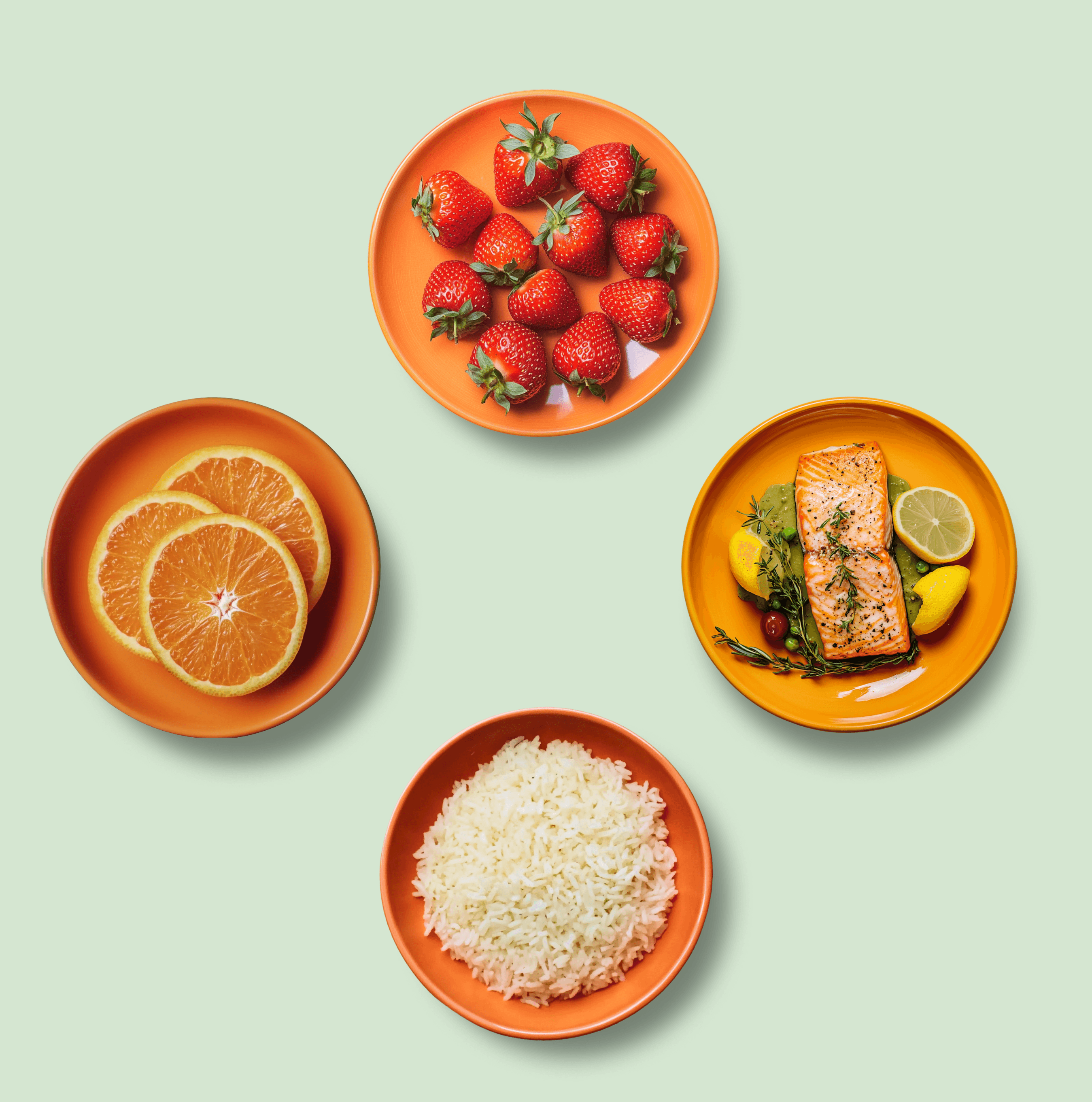
Place salmon on a baking tray, season with lemon, garlic, and herbs, then bake until it flakes easily with a fork. At the same time, roast vegetables like broccoli, carrots, or zucchini in the oven with a bit of olive oil. Cook rice separately on the stove or in a rice cooker.
Salmon provides omega-3 fats that support heart health, while the rice offers steady energy, and the vegetables add fiber to support digestion and fullness.
Day 2
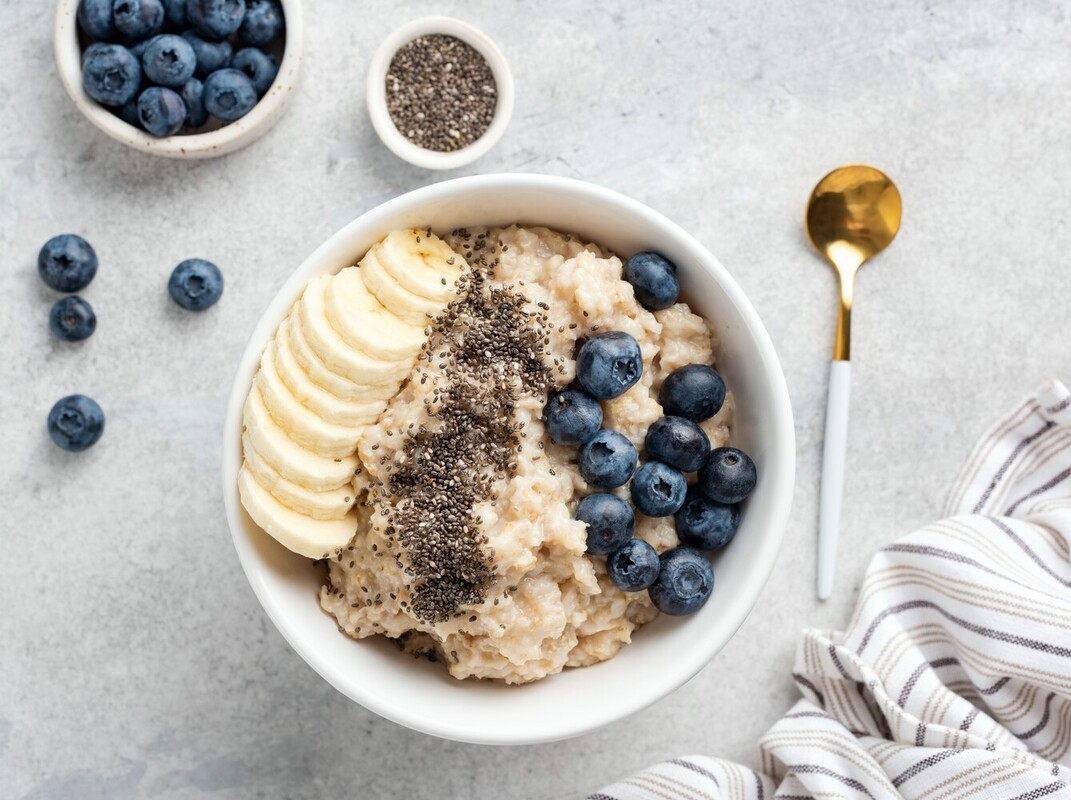
Breakfast: Oatmeal With Chia Seeds and Banana
Cook oats using milk or water, then stir in a spoonful of chia seeds and top with sliced banana. You can also add cinnamon or a drizzle of honey for extra flavor.
Oats are rich in soluble fiber, which helps with digestion and keeps you full longer, while chia seeds provide additional fiber and healthy fats. The banana adds natural sweetness and carbohydrates that help fuel your morning.
Mid-Morning Snack: Almonds or a Protein Bar
A small handful of almonds or a balanced protein bar works well a few hours after breakfast. These options are easy to carry and don’t require prep, which makes them practical for busy days.
Almonds provide healthy fats and a bit of protein, while a good protein bar can offer a convenient balance of nutrients. Both help keep hunger in check and support more stable energy levels leading into lunch.
Lunch: Turkey and Avocado Wrap With Greens
Take a whole-grain wrap and layer in sliced turkey, avocado, and leafy greens like spinach or lettuce. Add mustard or a light spread if you want more flavor, then roll it tightly and slice it in half.
Turkey provides lean protein, while avocado adds healthy fats that help with satiety. The wrap and greens contribute fiber and carbohydrates, making this a balanced meal that supports steady energy through the afternoon.
Dinner: Lean Beef, Quinoa, and Sautéed Vegetables
Start by cooking quinoa according to package instructions so it’s ready to serve. In a separate pan, cook lean beef with simple seasoning until browned, then remove and sauté vegetables like zucchini, bell peppers, or onions in olive oil. Combine everything on a plate for a balanced meal.
The beef provides iron and protein to support energy and muscle function, while quinoa and vegetables add fiber and nutrients that help keep you full and support overall health.

Day 3
Breakfast: Eggs With Whole Grain Toast and Fruit
Protein in the morning can help you stay full and focused for hours. Cook eggs your preferred way, whether scrambled in a nonstick pan or boiled ahead of time for convenience. Pair with whole-grain toast and a piece of fruit like an orange or berries.
The eggs provide high-quality protein, while the toast and fruit add fiber and carbohydrates that support steady energy and help prevent early hunger.
Mid-Morning Snack: Yogurt or Cottage Cheese
A few hours after breakfast, grab plain yogurt or cottage cheese and add fruit if you want extra flavor. No cooking needed, which makes it easy to stay consistent.
Both options are rich in protein and calcium, supporting muscle maintenance and bone health. The added fruit brings natural sweetness along with fiber, helping you stay satisfied without needing something more processed.
Lunch: Lentil and Vegetable Bowl
Start by cooking lentils until soft, then roast or steam vegetables like carrots, zucchini, or bell peppers. Combine everything in a bowl and drizzle with olive oil and vinegar or a light dressing.
Lentils are packed with plant-based protein and fiber, which can help with digestion and keep you feeling full well into the afternoon. The vegetables add volume and nutrients without making the meal overly heavy.
Dinner: Grilled Chicken, Sweet Potato, and Broccoli
Season chicken breast with herbs and cook it on a grill pan or in the oven until fully done. Roast a sweet potato until tender and steam broccoli until bright green.
This dinner offers a balance of protein, complex carbohydrates, and fiber. Chicken supports muscle recovery, while the sweet potato provides long-lasting energy, and the broccoli adds vitamins that support overall health.
Day 4
Breakfast: Protein Smoothie With Spinach and Berries
This is a great option when mornings are busy. Add protein powder, milk, a handful of spinach, and frozen berries to a blender, then blend until smooth.
The protein supports fullness and muscle recovery, while the berries provide antioxidants and natural sweetness. Spinach blends in easily and adds vitamins without changing the flavor much.
Mid-Morning Snack: Hummus With Carrots
When hunger starts to creep in mid-morning, pair hummus with sliced carrots or other raw vegetables. It takes just a few minutes to prep if you’re cutting fresh veggies, or you can buy them ready to go.
The combination of fiber from the vegetables and healthy fats from the hummus helps keep you satisfied and supports steady energy until lunch.
Lunch: Tuna Salad With Crackers or Whole Grain Bread
Start by mixing canned tuna with a small amount of mayo or Greek yogurt, then add chopped celery or onion for crunch. Serve it with whole-grain crackers or bread.
Tuna provides protein and omega-3 fats, which support heart health, while the whole grains add fiber that helps you stay full and focused through the afternoon.
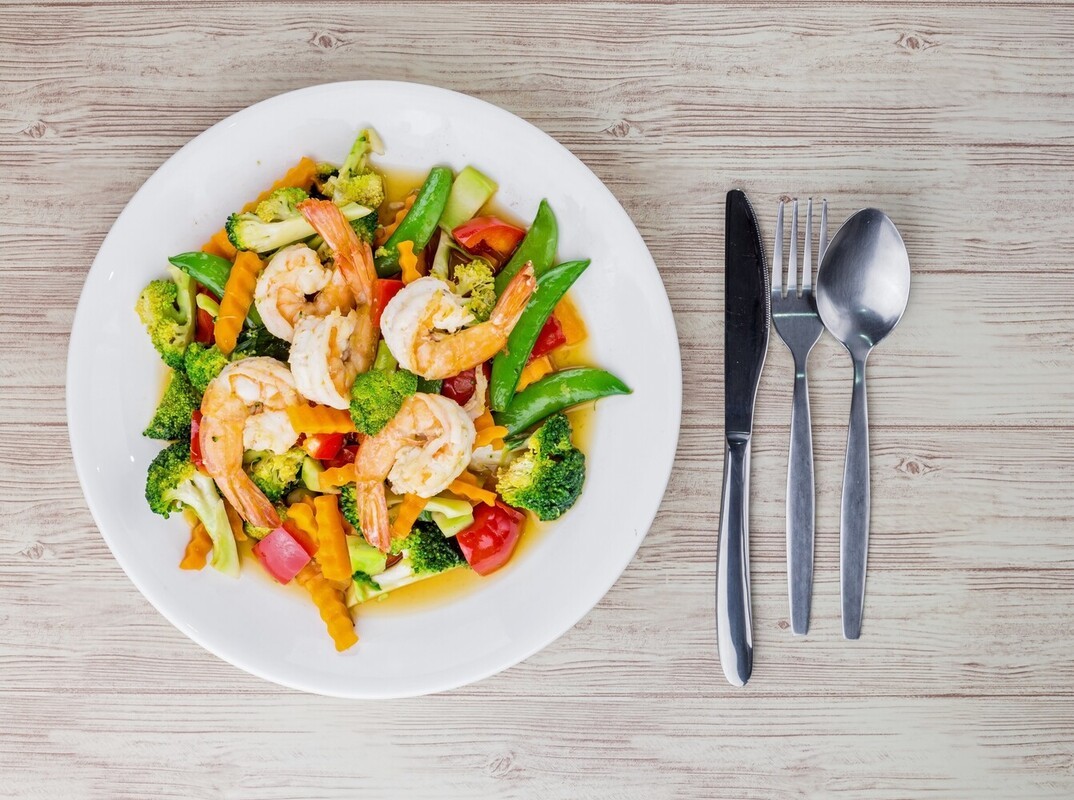
Dinner: Shrimp, Brown Rice, and Roasted Vegetables
Cook shrimp in a pan with garlic and a bit of olive oil until they turn pink, which only takes a few minutes. Prepare brown rice separately and roast vegetables like zucchini, peppers, or broccoli in the oven.
Shrimp offers lean protein that’s easy to digest, while brown rice and vegetables provide fiber and complex carbohydrates to support steady energy and a balanced meal.
Day 5
Breakfast: Overnight Oats With Peanut Butter and Berries
Combine rolled oats, milk, peanut butter, and berries in a jar or container, then refrigerate overnight so everything softens and thickens. In the morning, give it a quick stir, and it’s ready to eat.
This option saves time and keeps mornings simple. The oats provide fiber that supports digestion, while peanut butter adds healthy fats and protein to help you stay full. Berries bring natural sweetness along with antioxidants that support overall health.
Lunch: Quinoa Salad With Chickpeas, Cucumber, and Feta
Start by cooking quinoa and letting it cool slightly. Toss it with chickpeas, chopped cucumber, and crumbled feta, then drizzle with olive oil and lemon juice.
This meal is refreshing but still filling. Chickpeas and quinoa provide plant-based protein and fiber, which support digestion and help you stay satisfied through the afternoon. The fresh ingredients also make it easy to keep meals interesting.
Mid-Afternoon Snack: Trail Mix or Fruit With Nuts
Later in the day, especially if there’s a longer gap before dinner, reach for a small portion of trail mix or pair fruit with a handful of nuts. No prep needed beyond portioning.
The combination of carbohydrates from the fruit and fats from the nuts helps maintain steady energy and can reduce late-day cravings that often lead to overeating.
Dinner: Baked Chicken, Potatoes, and Green Beans
Season chicken with herbs and place it on a sheet pan alongside chopped potatoes and green beans. Drizzle everything with olive oil and roast until the chicken is cooked through and the vegetables are tender. It’s a low-effort meal with minimal cleanup.
The chicken provides protein to support muscle maintenance, while the potatoes and green beans offer fiber and carbohydrates that help round out the meal and keep energy levels steady.
If you want a plan tailored to your goals, preferences, and routine, you can connect with a Registered Weight Loss Dietitian through Berry Street for a personalized 7-day meal plan.
Build Consistent Movement Into Your Routine
You don’t need exhausting workouts every day to support weight loss. What matters more is finding movement you can repeat consistently from week to week.
Walking after meals, lifting weights a few times per week, taking the stairs, chair exercises for weight loss, and breaking up long periods of sitting can all contribute to your overall energy expenditure. Those choices add up.
Strength training is especially helpful because it supports muscle mass while you lose weight. That can make a real difference over time. A routine you enjoy and can maintain will usually take you farther than a plan that feels intense but unrealistic.

Use Recovery Tools Like Epsom Salt Baths Strategically
Recovery tools can be helpful when they support the bigger picture. An Epsom salt bath may ease soreness, help you relax, and make it easier to stay consistent with movement, especially after strength training or long active days.
That benefit matters. When your body feels less stiff and more rested, workouts often feel more manageable.
Still, baths work best as a supporting habit, not a primary strategy. They don’t burn significant fat or replace nutrition and exercise. Think of them as one piece of your routine, alongside sleep, hydration, balanced meals, and regular physical activity that supports long-term progress.
When to Seek Professional Guidance
If you feel stuck, overwhelmed, or unsure what to do next, getting professional support can make the process feel much more manageable. Weight loss advice online is often conflicting, overly rigid, or disconnected from real life.
That’s where personalized guidance helps. A Registered Dietitian can help you sort through the noise, identify what is getting in your way, and build a plan that fits your schedule, preferences, and goals.
Support can be especially valuable if you have tried multiple approaches without success or feel frustrated by inconsistent results. The right plan should feel practical, clear, and easier to follow.

Epsom Salt Bath Weight Loss FAQs
Can you lose water weight in an Epsom salt bath?
Yes, you may lose a small amount of water weight due to sweating during the bath. This is temporary and will return once you rehydrate.
Can Epsom salt baths reduce bloating?
They may help you feel less bloated by promoting relaxation and mild fluid shifts. However, they don’t address the underlying causes of bloating, like diet or digestion.
Can Epsom salt baths improve metabolism?
No, they don’t meaningfully increase metabolism. Any slight calorie burn from heat exposure is minimal and not enough to impact weight loss.
Is it better to take an Epsom salt bath before or after a workout?
After a workout is usually more beneficial. It can help relax muscles, reduce soreness, and support recovery so you can stay consistent.
Do Epsom salt baths help with hormonal weight gain?
No, they don’t directly affect hormones that influence weight. Hormonal weight changes are better managed through nutrition, movement, sleep, and medical guidance when needed.
Can you use Epsom salt baths every day safely?
Most people don’t need to use them daily. A few times per week is typically enough, and daily use may lead to dry or irritated skin.
Can Epsom salt baths help with inflammation related to weight gain?
They may help reduce muscle soreness and mild inflammation after activity. They don’t address deeper, chronic inflammation linked to weight gain.
Are there alternatives to Epsom salt baths for relaxation and recovery?
Options like stretching, massage, foam rolling, and good sleep habits can be just as effective. These approaches also support long-term recovery and overall health.
Conclusion
Epsom salt baths can feel relaxing, soothing, and even helpful after a long day, but they aren’t a reliable tool for weight loss. Any drop on the scale comes from temporary water loss, not fat loss, and it doesn’t last once you rehydrate.
Where these baths can help is with recovery, stress relief, and supporting better sleep, all of which can make it easier to stay consistent with your routine. Real, lasting progress comes from balanced nutrition, regular movement, and habits you can stick with over time.
If you’re ready for a more personalized approach, you can connect with a Registered Dietitian covered by insurance through Berry Street to build a plan that actually works for you.