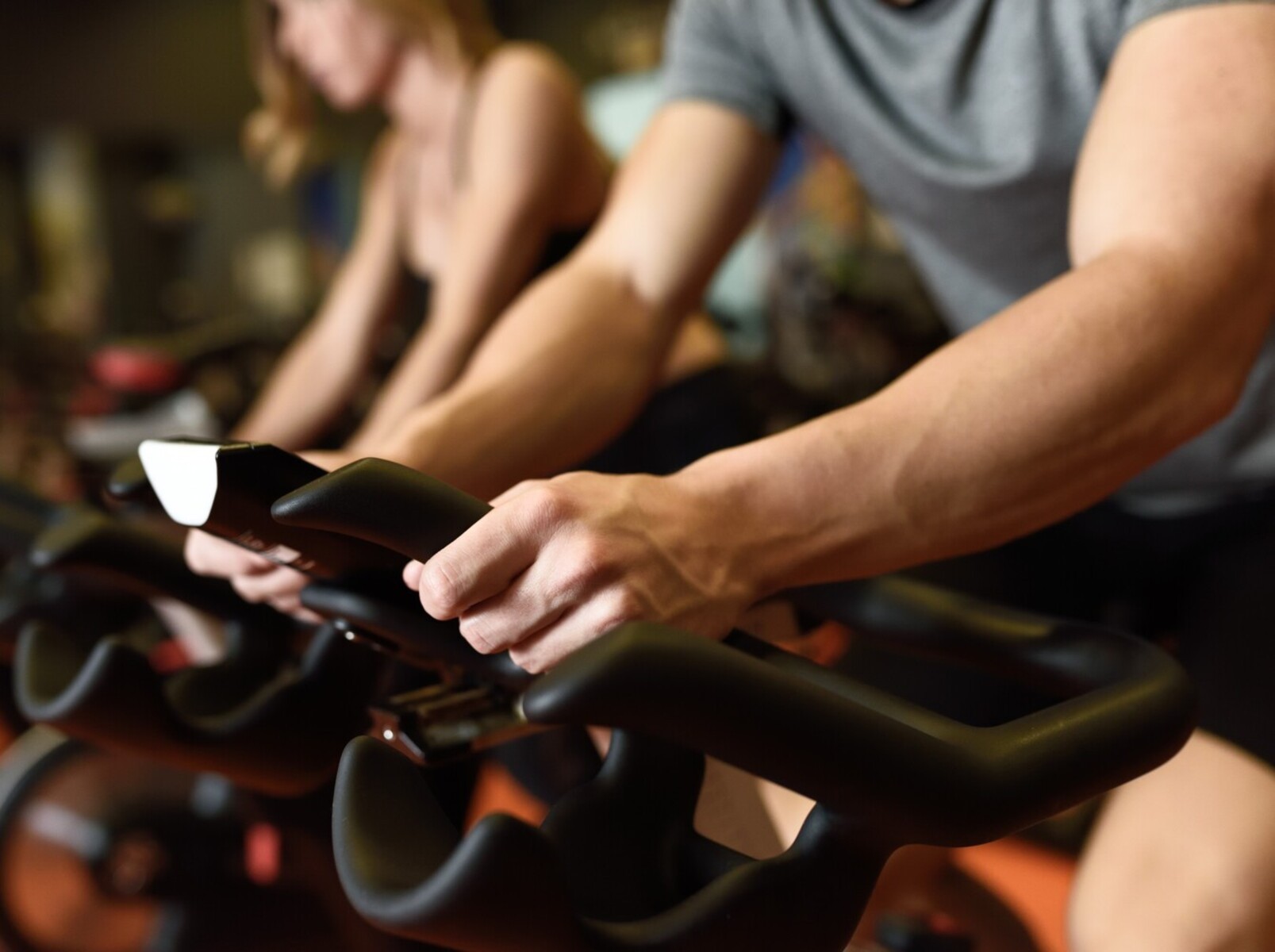
Cycling for weight loss is one of the most practical and sustainable ways to increase daily activity, especially if other forms of exercise haven’t felt doable. It’s low-impact, easy to adjust, and fits into a wide range of routines.
As Registered Dietitians, we often recommend cycling because it supports calorie burn, builds endurance, and feels more approachable than many high-intensity workouts. That being said, we also always suggest that you check in with your doctor before starting or changing your routine and to stop if you experience pain, dizziness, shortness of breath, or any symptoms your care team has advised you to avoid.
In this guide, we’ll break down how cycling helps with fat loss, how much you actually need to ride, the most effective workouts, and how to pair your routine with habits that lead to real, lasting results.
Key Takeaways
Cycling for weight loss works best when you ride consistently and gradually increase intensity over time.
A mix of steady rides, intervals, and resistance training helps improve calorie burn and overall fitness.
How hard you ride matters more than distance alone when it comes to results.
Pairing cycling with supportive nutrition habits leads to more sustainable weight loss progress.
Small, consistent efforts each week add up and are more effective than occasional high-effort workouts.

Is Cycling Good for Weight Loss?
Cycling can support weight loss when it’s done consistently and paired with a calorie-conscious eating pattern. It increases your daily energy expenditure while staying gentle on your joints, which makes it easier to keep showing up week after week.
That consistency matters more than any single workout. One hard ride won’t create meaningful change, but repeated efforts will. Over time, cycling helps create the calorie deficit needed for fat loss while also improving cardiovascular fitness and stamina.
Many people find they can ride longer than expected, which naturally increases total calorie burn without feeling overly exhausting or difficult to maintain.
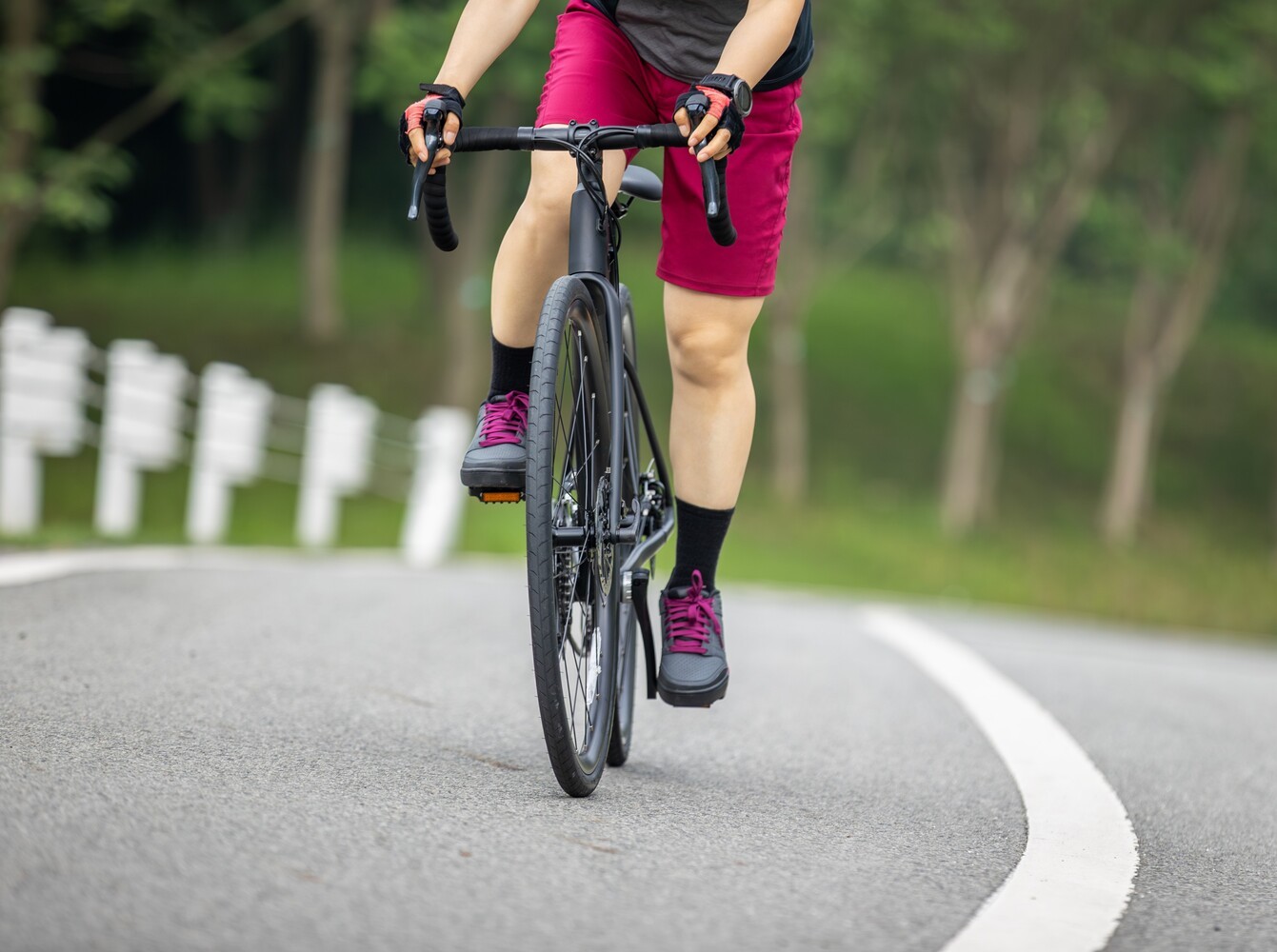
Why Cycling Works for Fat Loss
Cycling engages large muscle groups like your legs and glutes, which drives calorie burn during your ride and continues to elevate energy use afterward. It also improves endurance, so workouts start to feel more manageable as your fitness builds. That shift makes it easier to increase duration, add resistance, or include short bursts of higher effort.
After years of experience, we’ve seen that enjoyment strongly influences results. Cycling often feels more approachable than running, especially for beginners or those returning after time off.
When movement feels doable and repeatable, people are far more likely to stay consistent, which supports steady fat loss over time.
How Cycling Compares With Other Low-Impact Cardio
Cycling can burn more calories than many low-impact options like walking or swimming to lose weight at a moderate pace, particularly when you increase speed or resistance. It also tends to feel more natural than machines like the elliptical or rowing erg for many beginners.
This reduces friction when starting a workout. You can adjust your pace, shift gears, or recover without stopping your ride, which helps maintain momentum and rhythm.
Compared to other options, cycling often strikes a strong balance between effort and comfort. It challenges your cardiovascular system while still feeling manageable, making it easier to build a routine you can realistically maintain week after week.
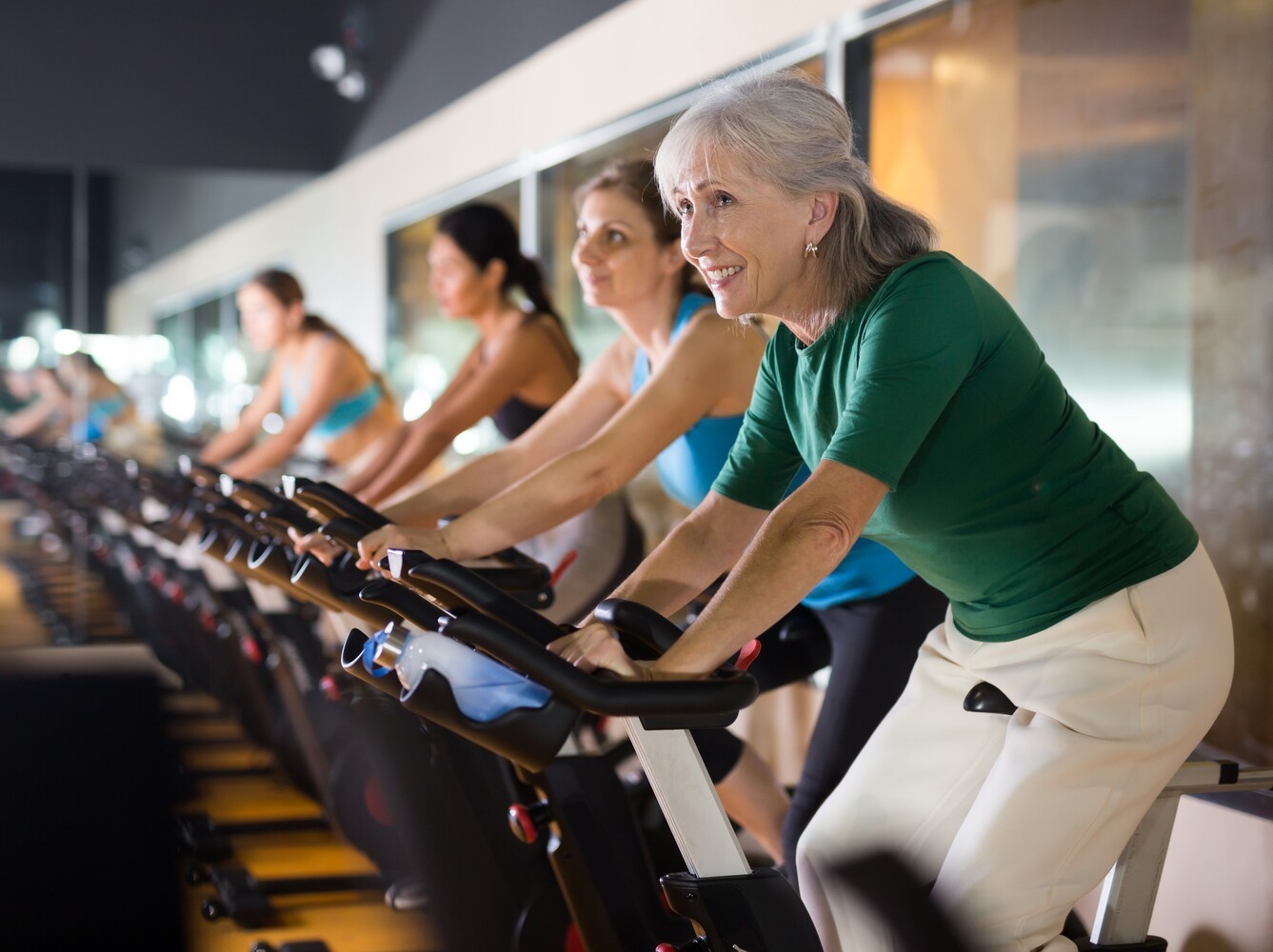
When Cycling Alone Isn’t Enough
Cycling alone may not lead to weight loss if your nutrition habits don’t support your goals. It’s common to overestimate calories burned during a ride and unintentionally eat more afterward, which can cancel out your efforts over time.
We see this pattern often in practice. Progress slows or stalls, even when workouts are consistent. Pairing cycling with balanced meals, adequate protein, and portion awareness makes a meaningful difference in results.
If you’re unsure how to structure your meals, connecting with a Registered Weight Loss Dietitian through Berry Street can help you build a personalized 7-day meal plan that supports your rides and long-term progress.
How Cycling Helps You Burn Calories and Lose Fat
Cycling increases your total daily energy expenditure, which helps create a calorie deficit over time. That’s the foundation of weight loss. It also supports metabolic health, helping your body use energy more efficiently during exercise, recovery, and everyday movement.
What makes cycling effective is how easily it fits into your routine. You can adjust duration, intensity, or frequency based on your schedule and fitness level.
As Registered Dietitians, we often see that people who build a routine they can maintain tend to see better results than those relying on occasional high-effort workouts. Over time, your body adapts, making each ride feel more manageable and productive.
Calories Burned While Cycling
The number of calories you burn while cycling depends on factors like body weight, speed, resistance, terrain, and overall effort. A moderate ride can burn around 200 to 700 calories in 30 minutes, while higher-intensity sessions can push that number even higher. Riding uphill or increasing resistance requires more energy than cruising on flat ground at an easy pace.
Even shorter sessions count. Multiple 20 to 30-minute rides across the week can meaningfully increase your total calorie burn. These shorter rides are often easier to fit into a busy schedule, which makes it more likely that you’ll stay consistent and keep building progress over time.
How Intensity Changes Your Results
Intensity has a direct impact on how effective your rides are for weight loss. Higher-effort sessions increase calorie burn during the workout and can keep your metabolism slightly elevated afterward.
Interval training is a strong example. Alternating between harder efforts and recovery periods challenges your cardiovascular system and improves fitness efficiently.
At the same time, not every ride needs to feel difficult. A mix of steady rides and higher-intensity sessions tends to produce better results over time. This approach supports recovery while still pushing your body to adapt, helping you improve performance, build stamina, and avoid feeling constantly fatigued, sore, or mentally drained.
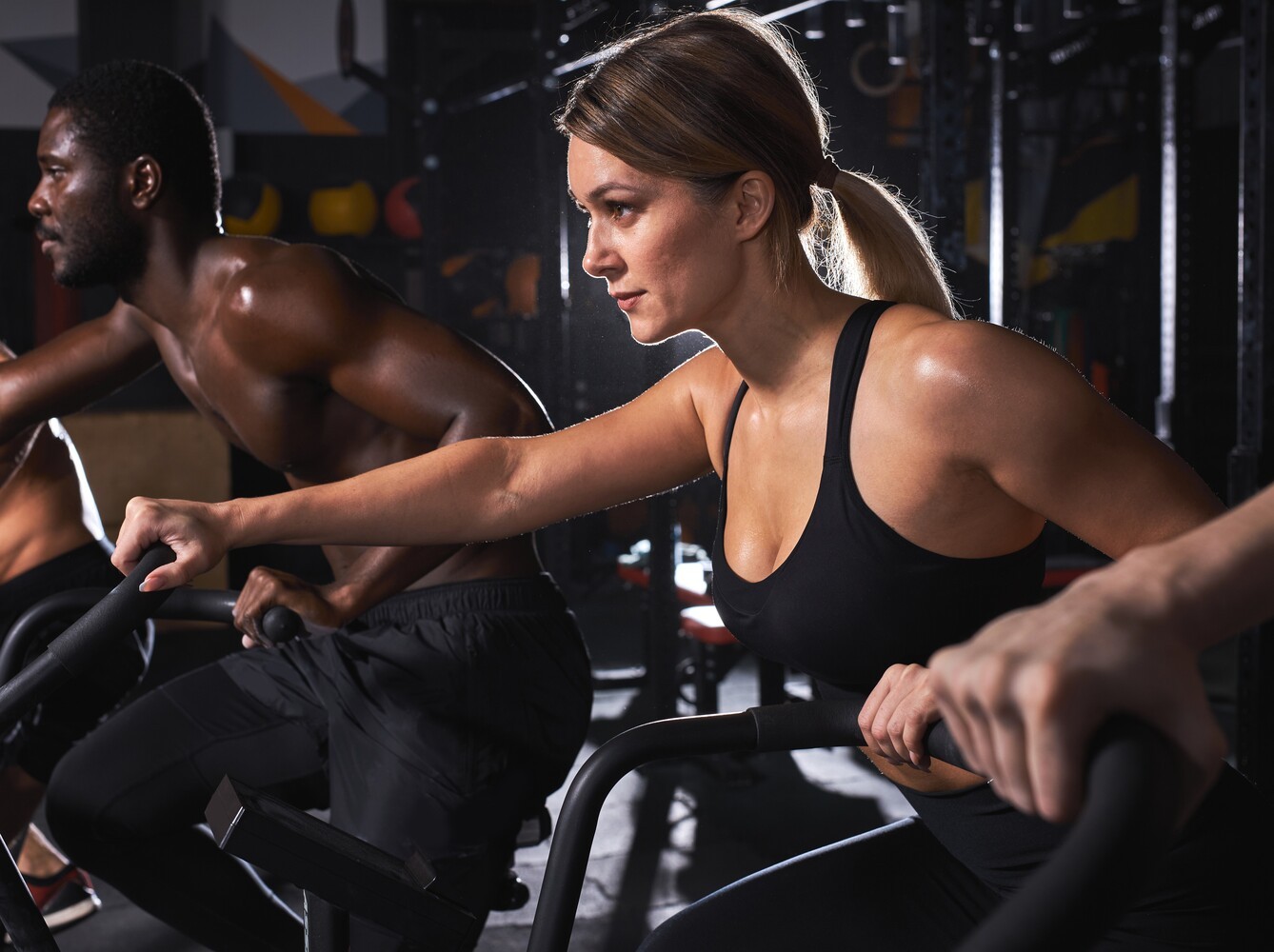
Does Cycling Burn Belly Fat?
Cycling can help reduce belly fat, but it does so as part of overall fat loss across your body. There’s no way to control exactly where fat is lost first. Your body determines that based on genetics, hormones, age, stress, sleep, and other individual factors.
What cycling does is increase your total energy expenditure, which helps create the conditions needed for fat loss. As your overall body fat decreases, you may begin to notice changes in your midsection.
This process takes time and consistency. Staying committed to regular rides, supportive meals, and realistic habits will eventually lead to visible progress in the areas you care about most.
Why Effort Matters More Than Just Time on the Bike
Spending an hour on the bike at a very easy pace may burn fewer calories than a shorter ride where you’re working at a moderate or higher effort. Effort plays a major role in driving results. That’s why we often recommend focusing on how hard you’re working rather than just how long you’re riding.
For example, a focused 30-minute ride with intervals or steady resistance can be more effective than a longer, low-effort session. This doesn’t mean every ride needs to feel intense. It means being intentional. Balancing duration, resistance, and pace helps you get more value from each workout and make better use of your time.

Why You Can’t Spot-Reduce Fat
Fat loss happens across your entire body, not in one specific area. You might notice changes in your face, arms, hips, or legs before your midsection starts to shift. That can feel frustrating, especially if your goal is to lose belly fat. It’s a normal part of the process. Your body follows its own pattern when it comes to fat loss, and that pattern varies from person to person.
Cycling helps reduce overall body fat, which eventually affects the areas you care about most. Staying consistent with your rides, recovery, and supportive nutrition habits is what leads to visible, lasting changes over time.
How Much Cycling Do You Need to Lose Weight?
Most people need at least 150 to 300 minutes of moderate cycling per week to support weight loss. That might sound like a lot at first, but it’s easier to reach when you break it into shorter sessions across the week. You can spread this time over three to five days, depending on your schedule and energy levels.
What matters most is building a routine you can maintain. Some weeks will feel easier than others, and that’s normal. Adjusting your rides based on how you feel helps you stay consistent. Over time, these weekly minutes add up and support steady, realistic progress.
How Long Should You Ride a Bike to Lose Weight?
Aiming for 30 to 60 minutes per session is a practical starting point for most people. This range allows enough time to increase your heart rate and burn a meaningful number of calories without feeling overwhelming.
Shorter rides still count, especially when you’re building the habit or working around a busy schedule. A focused 20-minute ride with moderate effort can still be effective.
As your fitness improves, you may find it easier to extend your rides or include more challenging segments. Gradually increasing your ride duration over time helps boost calorie burn while keeping your routine manageable and sustainable.
How Many Days Per Week Should You Cycle?
Cycling three to five days per week is a realistic and effective approach for most people working toward weight loss. This range gives you enough frequency to build momentum while still allowing time for recovery. Riding every day isn’t necessary, especially in the beginning.
In fact, rest days can help your body recover and perform better during your next session. You might start with three rides per week and gradually add another day as your schedule and energy allow. Keeping your routine flexible makes it easier to stay consistent, which is what ultimately drives progress over time.
How Many Miles Should You Bike to Lose Weight?
There’s no specific number of miles that guarantees weight loss, because distance doesn’t tell the full story. A shorter ride with hills or higher resistance can burn more calories than a longer, easy ride on flat terrain.
Speed also matters. Riding at a steady, moderate pace will feel very different from pushing yourself through intervals or climbing. That’s why focusing only on mileage can be misleading.
Instead, it helps to consider how challenging the ride feels and how your body responds. Paying attention to effort, terrain, and intensity gives you a clearer picture of how effective your rides really are.
Is Time, Distance, or Intensity More Important?
Intensity tends to have the biggest impact when it comes to weight loss. How hard you’re working often determines how many calories you burn during a ride and how your body responds afterward.
Time and distance still matter, especially for building endurance, but they don’t tell the full story. For example, a shorter ride with steady resistance or intervals can be more effective than a longer, easy spin.
From our experience, focusing on effort helps people get more out of their workouts. Paying attention to breathing, muscle fatigue, and overall challenge level gives you a clearer sense of how effective your ride really is.

Why Mileage Isn’t a Perfect Weight-Loss Metric
Mileage doesn’t account for resistance, terrain, speed, or overall effort, which makes it an incomplete way to measure progress.
Two people can ride the same distance and have very different experiences. One might cruise at an easy pace on flat ground, while the other climbs hills or rides with higher resistance. The calorie burn and effort level will not be the same.
That’s why focusing only on miles can lead to confusion or frustration. It can also encourage longer but less effective rides. Looking beyond distance helps you better understand how your body is actually working during each session.
Better Ways to Measure Your Rides
Heart rate, perceived effort, and consistency are more useful ways to measure your cycling progress. Your heart rate gives insight into how hard your body is working, while perceived effort helps you stay in tune with how a ride feels.
Some days will feel harder than others, and that’s normal. Tracking how you feel during and after rides can help you adjust intensity and avoid burnout. You might notice that certain rides leave you energized, while others feel draining.
Over time, these patterns help you fine-tune your routine, so it supports both progress and recovery sustainably.

How to Start Cycling for Weight Loss
Getting started with cycling can feel overwhelming, especially if you’re not sure how to structure your routine or what actually matters for results. These practical tips will help you build a strong foundation so your rides feel manageable, effective, and easier to stick with over time:
1. Start With Short, Consistent Rides
Begin with rides that feel manageable so you can build a routine without burning out early. Aim for 20 to 30 minutes at a comfortable pace, focusing on showing up rather than pushing hard. This helps your body adapt while building confidence on the bike.
You don’t need perfect conditions or long sessions to get started. Consistency matters more. Over time, these shorter rides create a foundation you can build on. As your fitness improves, you can gradually increase duration or add small challenges. Keeping things simple at the start makes it easier to stay committed week after week.
2. Choose the Environment You’ll Stick With
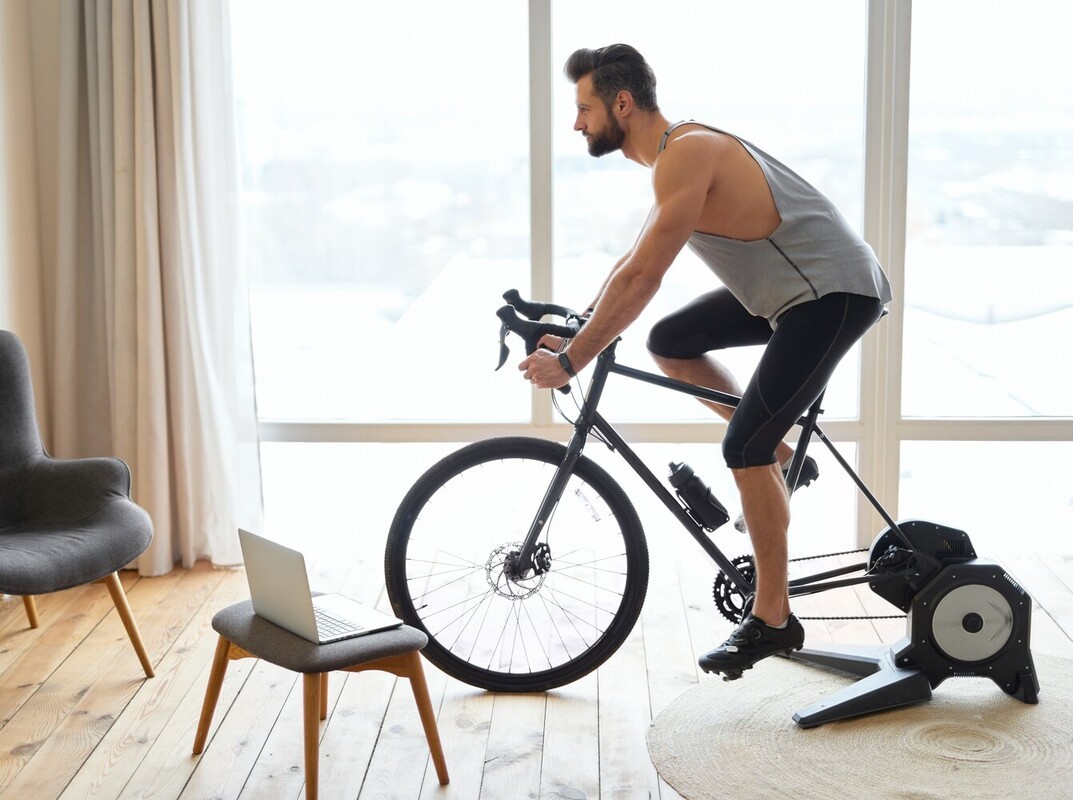
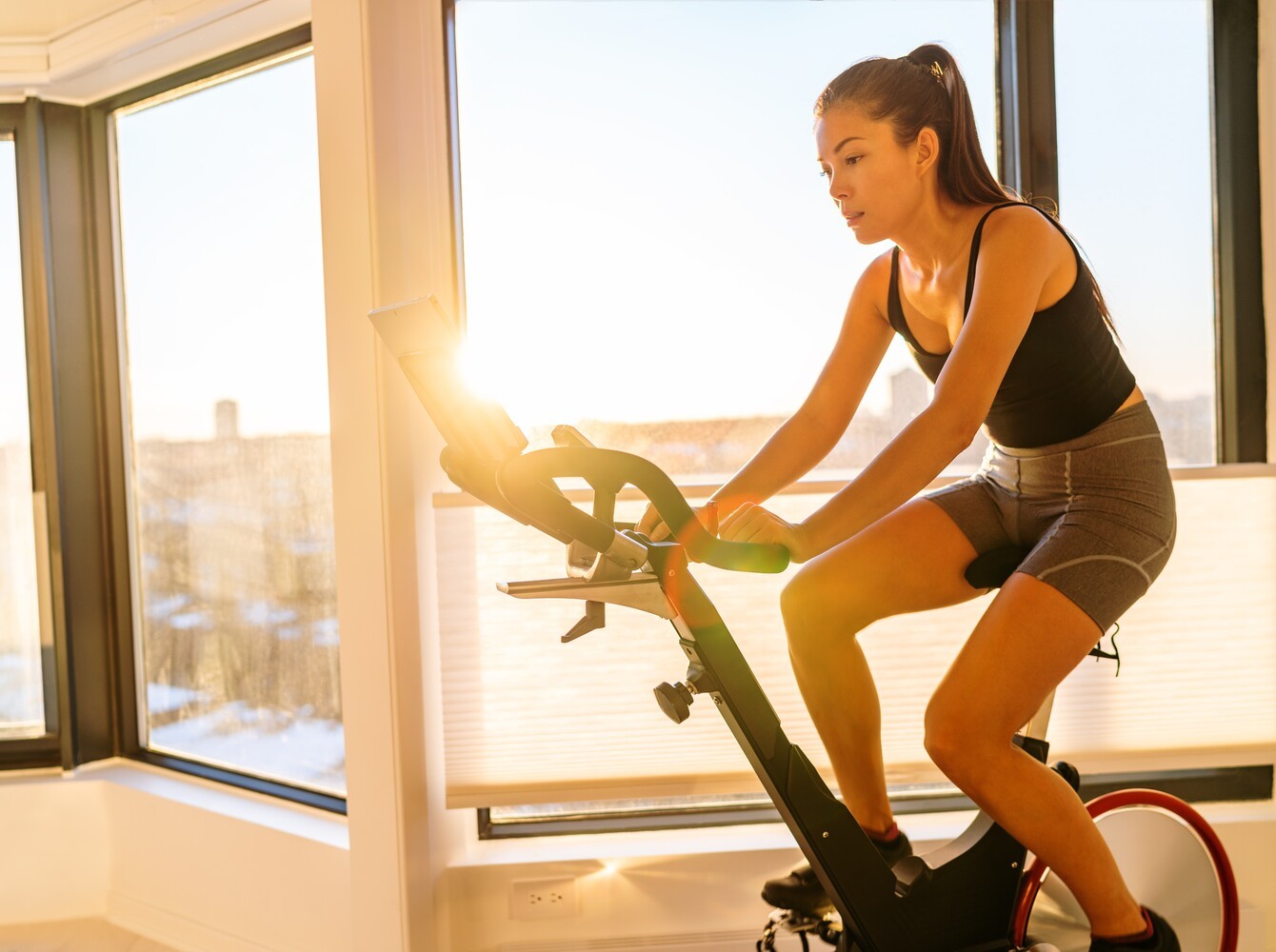
Decide whether outdoor or indoor cycling fits your lifestyle better, then commit to that option. Outdoor rides offer variety, fresh air, and changing scenery, which can make workouts feel more enjoyable. Indoor cycling provides structure and removes barriers like weather, traffic, or limited daylight.
Both approaches can support weight loss. The key is choosing the one that feels easiest to maintain. If getting outside feels like a hassle, an indoor setup might help you stay consistent. If you enjoy being outdoors, that can boost motivation. Sticking with your choice is what ultimately drives progress.
3. Ride at a Pace You Can Sustain
Set a pace that allows you to stay in control of your breathing and effort. For most rides, you should be able to speak in short sentences without feeling out of breath. This steady pace helps you build endurance and accumulate more total riding time.
Pushing too hard too often can lead to fatigue, making it harder to stay consistent. On some days, you can include short bursts of higher effort, but your baseline pace should feel manageable. Learning how to gauge your effort helps you adjust your rides and build a routine that supports steady improvement over time.
4. Build Up Gradually Without Overdoing It
Increase your cycling volume and intensity slowly to give your body time to adapt. Start by adding a few extra minutes to your rides or including one slightly more challenging session each week.
Avoid making multiple changes at once. That can lead to soreness, fatigue, or loss of motivation. Your body responds best to gradual progression.
Some weeks will feel easier than others, and that’s expected. Pay attention to how you feel during and after rides. If you notice persistent fatigue, it may be a sign to scale back. A steady, gradual approach helps you avoid burnout and supports long-term progress.
5. Support Your Rides With Balanced Nutrition
Fueling your body properly helps you get more out of each ride and recover effectively afterward. Focus on balanced meals that include protein, carbohydrates, and healthy fats to support energy levels and muscle repair.
Skipping meals or underfueling can leave you feeling fatigued and limit your performance. On the other hand, overeating after rides can slow progress. Finding the right balance is key.
If you’re unsure how to structure your meals, connecting with a Registered Intuitive Eating Dietitian through Berry Street can help you build a personalized plan that supports your cycling routine and weight loss goals.

6. Include Strength Training to Support Fat Loss
Add strength training to your weekly routine to support better weight loss results. Cycling builds endurance, but strength work helps preserve muscle and improve how your body uses energy. This can make a noticeable difference over time.
Aim for two to three sessions per week using bodyweight exercises, resistance bands, or weight lifting for weight loss. Focus on movements like squats, lunges, and core work that complement your riding. Stronger muscles can also improve your cycling performance.
How to Progress Without Burning Out
Building progress is important, but pushing too hard too quickly can slow you down. A steady approach helps you improve your fitness while keeping your energy, motivation, and consistency intact.
Your First Two Weeks
Focus on consistency during your first two weeks on the bike. Aim for three rides per week at an easy to moderate pace that feels comfortable and sustainable. Each session can last around 20 to 30 minutes, depending on your starting point and energy levels.
The goal here is to build confidence and get used to the routine, not to push your limits. Some rides may feel easier than others, and that’s completely normal. Pay attention to how your body responds. Keeping your sessions short and manageable helps reduce soreness, supports recovery, and makes it more likely that you’ll stick with cycling long enough to see progress.
Your First Month
As you move into your first full month, begin to gradually increase either your ride duration or your intensity, but not both at the same time.
You might extend one ride by 10 to 15 minutes or include one session with slightly higher effort. Adding one more challenging ride each week while keeping your other rides comfortable creates a balanced routine.
This approach helps improve fitness without overwhelming your body. You should start to notice small changes, like better endurance or smoother pedaling. Progress may feel subtle at first, but these early improvements are a strong sign that your routine is working.
Signs You’re Doing Too Much Too Soon
It’s easy to get excited and push harder than your body is ready for, especially when you’re motivated to see results. Paying attention to early warning signs can help you adjust your routine before fatigue or injury slows your progress.
Persistent Fatigue
Feeling tired all the time can be a sign that your body isn’t recovering properly between rides. This goes beyond normal post-workout soreness. You might notice low energy throughout the day, heavier legs during rides, or difficulty completing sessions that used to feel manageable.
When recovery is limited, your body struggles to adapt and improve. Sleep quality may also decline, which can make fatigue worse.
Building in rest days and keeping some rides at an easier pace can help restore energy. Paying attention to how you feel outside of workouts gives you a clearer picture of whether your routine is sustainable.

Decreased Performance
If your rides start to feel harder despite putting in the same effort, it may be a sign that you need more recovery. You might notice slower speeds, shorter ride times, or difficulty maintaining a pace that once felt comfortable. This can feel frustrating, especially when you’re putting in consistent effort.
Progress should move forward gradually, even if it’s slow. When performance declines, it often means your body is under more stress than it can handle. Scaling back intensity or taking an extra rest day can help you recover and return stronger. Listening to these signals helps prevent longer-term setbacks.
Loss of Motivation
Burnout often shows up as a lack of interest in riding, even if you were feeling motivated just a week or two ago. You might start skipping rides, dreading workouts, or finding excuses to avoid getting on the bike. This mental fatigue can be just as important as physical fatigue. It often signals that your routine has become too demanding or repetitive.
Taking a step back, reducing intensity, or switching up your rides can help restore motivation. Adding variety or shortening sessions can make cycling feel more manageable again. Protecting your motivation helps you stay consistent over the long term. Also it is important to remember that motivation ebbs and flows. We will have days or weeks where we feel less motivated. This is a normal experience when we are creating new habits.
Lingering Soreness or Discomfort
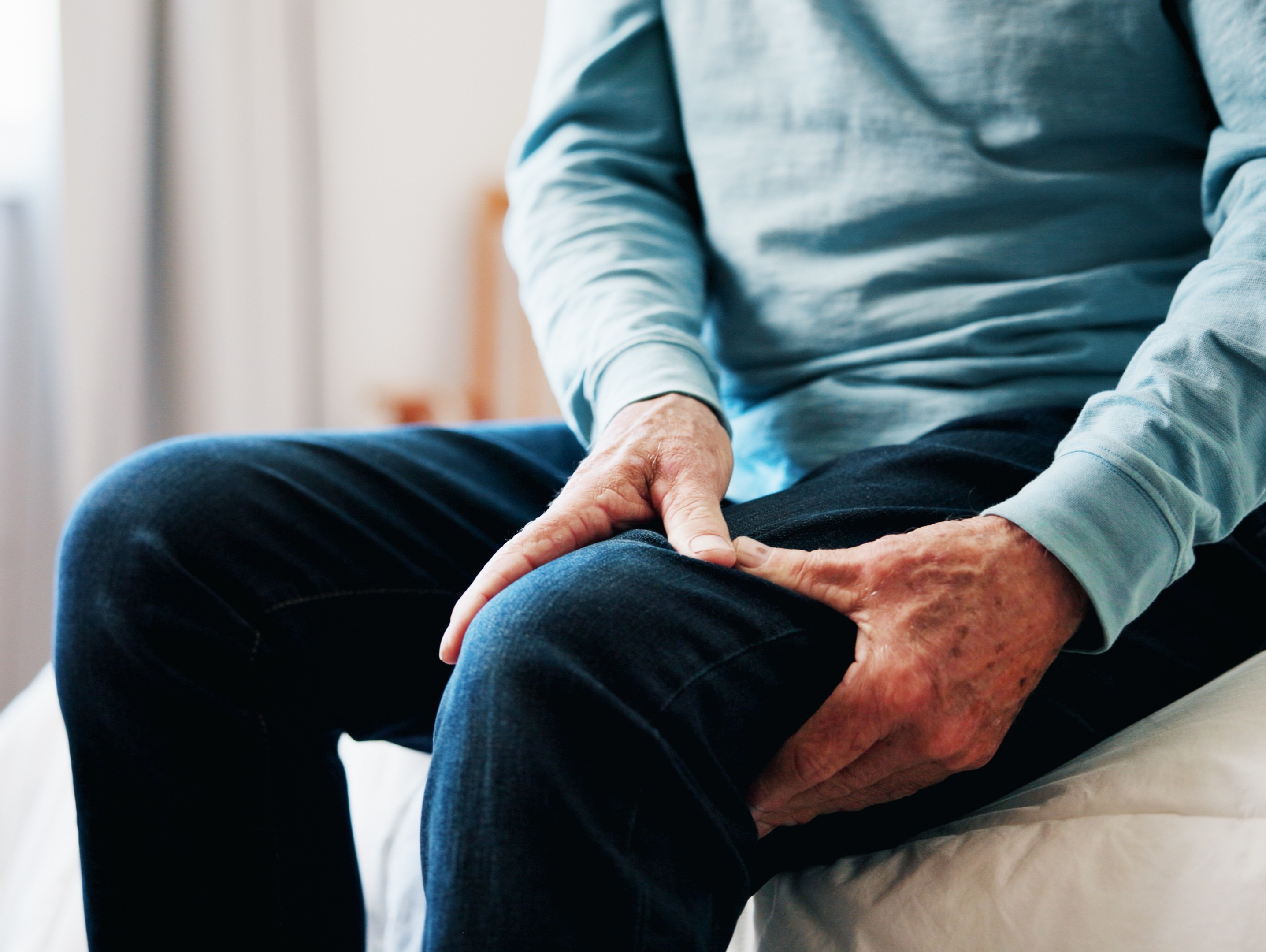
Muscle soreness is normal when you’re starting out, but it shouldn’t linger for days or interfere with your ability to ride. If you’re feeling constant tightness, joint discomfort, or pain that doesn’t improve with rest, it may be a sign you’re pushing too hard. This can also point to issues like poor bike setup or rapid increases in intensity.
Ignoring these signals can lead to injury and longer breaks from training. Giving your body time to recover, adjusting your workload, and checking your bike fit can make a big difference. Addressing discomfort early helps you stay consistent and avoid setbacks.
The Best Cycling Workouts for Weight Loss
Not all rides are created equal, and varying your workouts can make a noticeable difference in your results. A mix of steady efforts and higher-intensity sessions helps you burn more calories, improve fitness, and stay engaged with your routine.
Steady-State Rides for Endurance and Calorie Burn
Steady-state rides are your foundation. They help you build endurance while keeping effort manageable so you can stay consistent week after week. These rides are especially useful on busy days or when you need a lower-stress workout.
Choose a pace where you can speak in short sentences without gasping
Ride for 30 to 60 minutes, depending on your fitness level
Keep resistance or terrain moderate and steady
Focus on smooth, controlled pedaling throughout
These rides add up over time. They support calorie burn, improve stamina, and make it easier to handle more challenging sessions later.
Interval Training for Higher Effort Days
Interval sessions are where you push your effort and increase overall calorie burn in less time. They challenge your heart and muscles, helping improve fitness more quickly than steady riding alone.
Start with a 5 to 10-minute easy warm-up
Alternate 30 to 90 seconds of higher effort with equal recovery time
Repeat intervals 5 to 8 times based on your fitness level
Finish with a short cooldown to bring your heart rate down
These sessions feel more intense, but they don’t need to be long. Even a 20 to 30-minute ride can be very effective.
Hill Rides, Resistance Work, and Power Sessions
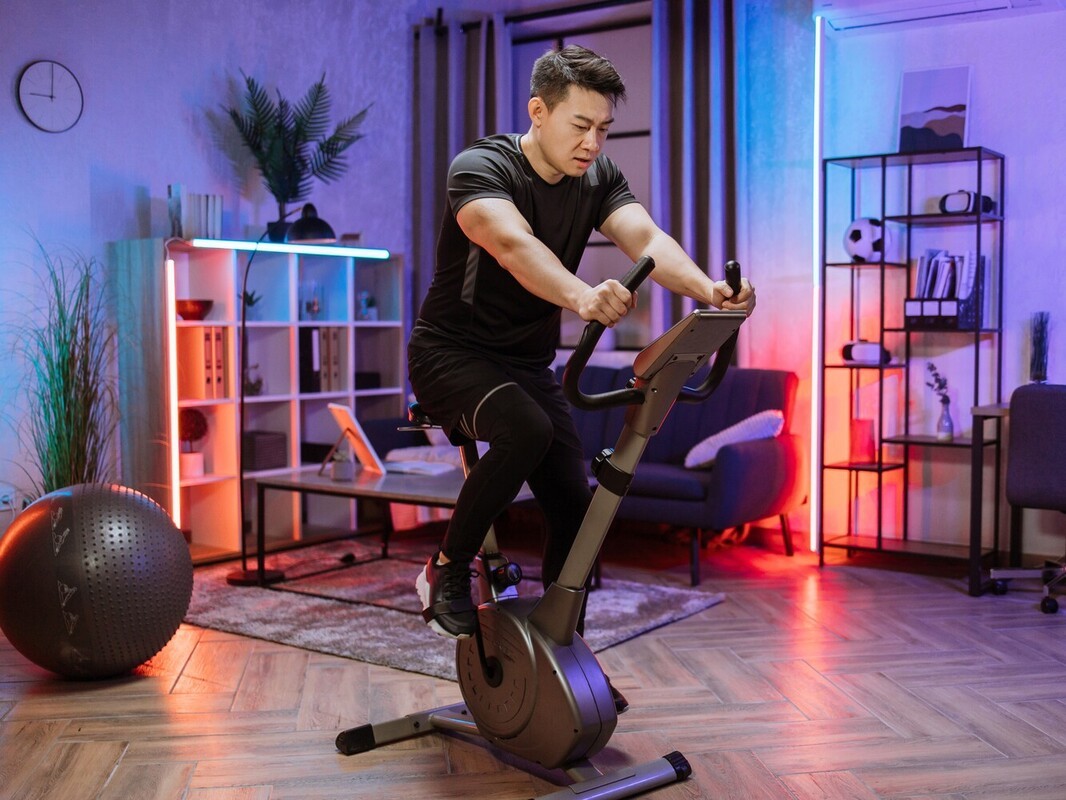
Adding hills or resistance increases the demand on your muscles, which helps build strength and boosts calorie burn. These rides feel more challenging but can be very effective when done once or twice per week.
Choose a route with gradual hills or increase resistance on an indoor bike
Maintain a steady, controlled pace while climbing or pushing resistance
Focus on engaging your legs and keeping your posture stable
Include recovery periods between harder efforts
These sessions help develop power and strength. Over time, they make other rides feel easier and improve overall performance.
Sample Weekly Cycling Plan for Weight Loss
Having a simple weekly structure can make your routine feel more manageable and easier to follow. This sample plan balances effort and recovery so you can build fitness without feeling overwhelmed.
Day 1: Moderate Ride (30–45 Minutes)
Start your week with a steady, moderate ride that feels comfortable but purposeful. You should be slightly out of breath but still able to speak in short phrases. Focus on maintaining a consistent pace throughout the ride.
This session helps build endurance and sets the tone for the rest of the week. If you’re riding outdoors, choose a relatively flat route to keep effort steady. If indoors, adjust resistance so the ride feels challenging but sustainable. This is a great day to focus on good form and smooth pedaling.
Day 2: Rest or Light Activity
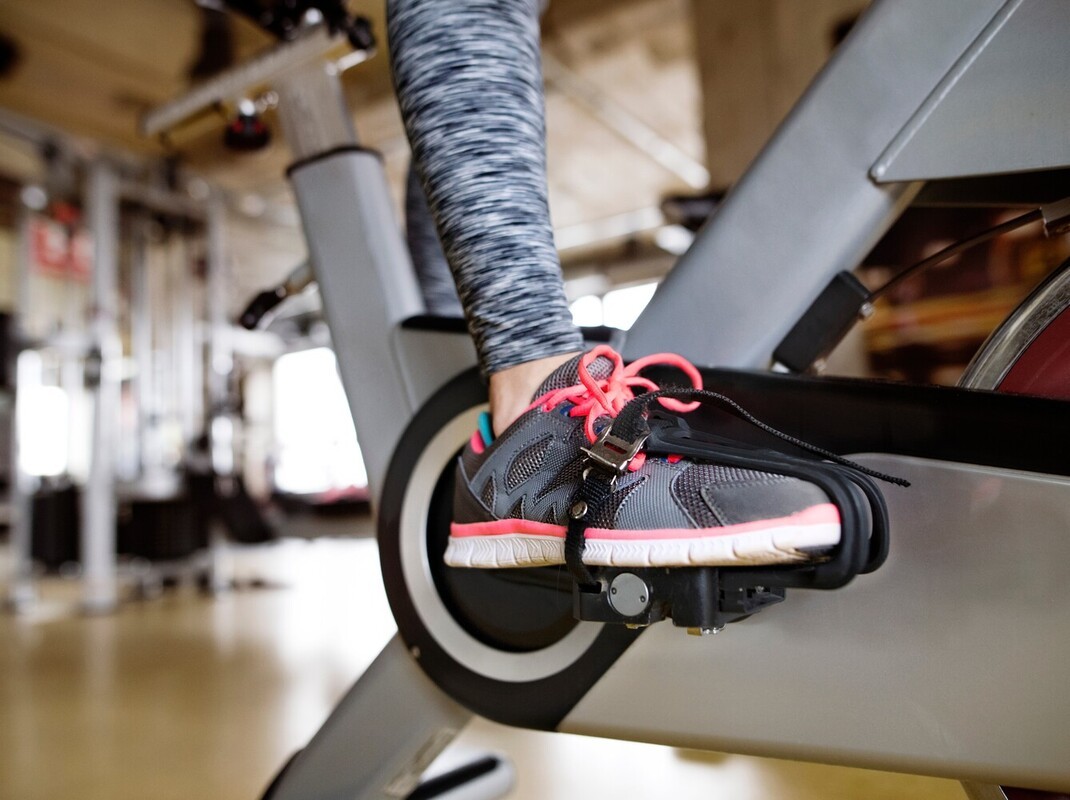
Give your body time to recover so you can come back stronger for your next ride. Rest days are important for muscle repair and overall progress. If you prefer to stay active, choose something light like walking, stretching or weight loss yoga, or an easy spin for 15 to 20 minutes.
Keep the effort low and relaxed. This helps increase blood flow without adding stress. Pay attention to how your body feels. If you’re tired, take a full rest day. Recovery supports consistency and helps reduce the risk of burnout or injury.
Day 3: Interval Session (20–30 Minutes)
This is your higher-effort day. Start with a 5 to 10 minute warm-up at an easy pace. Then alternate between short bursts of harder effort and recovery periods.
For example, ride hard for 30 to 60 seconds, then recover for the same amount of time. Repeat this cycle several times based on your fitness level. These intervals increase calorie burn and improve cardiovascular fitness.
Finish with a short cooldown to bring your heart rate down. This session may feel challenging, but it’s effective and doesn’t need to be long.
Day 4: Easy Recovery Ride (20 Minutes)
Keep this ride short and relaxed. The goal is to stay moving without adding fatigue. Ride at a pace where breathing feels easy, and your legs feel light. This type of session helps reduce stiffness from previous workouts and supports recovery. It also reinforces your routine without requiring much effort.
If you’re feeling especially tired, you can swap this for a full rest day. Listening to your body matters. Keeping this ride easy helps you stay consistent while still giving your body the recovery it needs.

Day 5: Moderate Ride (45 Minutes)
Return to a moderate effort with a slightly longer ride. You should feel comfortable but engaged, maintaining a steady pace throughout. This session builds on your earlier rides and helps increase overall calorie burn. You can include small variations in effort, like brief increases in resistance or speed, to keep things interesting.
Focus on maintaining good posture and consistent breathing. By this point in the week, your body may feel more adapted to riding. This is a good opportunity to reinforce your endurance and build confidence.
Day 6: Longer Steady Ride (60 Minutes)
This is your longest ride of the week. Keep the pace steady and manageable so you can complete the full session without feeling overly fatigued. Choose a comfortable intensity that allows you to stay consistent from start to finish. This ride helps build endurance and increases your total weekly calorie burn.
If needed, you can break the ride into two shorter sessions. Bring water and plan ahead, especially for outdoor rides. Completing a longer ride like this can feel rewarding and help you build confidence in your ability to go further.
Day 7: Rest
Take a full rest day to allow your body to recover and reset for the next week. Rest supports muscle repair, reduces fatigue, and helps you maintain long-term consistency. It can be tempting to do more, especially if you’re motivated, but recovery is part of progress.
Use this time to check in with how your body feels. You might notice improved energy or reduced soreness compared to earlier in the week. Taking a full day off helps you return to your next ride feeling refreshed and ready to continue building your routine. It is also okay to add in an additional rest day, especially when you are first starting.
Want to try something a little different? Read our guide on pilates weight loss.

Are Stationary Bikes Good for Weight Loss?
Stationary bikes are an effective tool for weight loss when used consistently and with enough effort. They offer a controlled environment where you can focus on your workout without distractions like traffic, weather, or uneven terrain. This makes it easier to stick to a routine. You can track time, resistance, and even heart rate, which helps you measure progress more clearly.
Many people find indoor cycling more convenient, especially on busy days. That convenience can lead to better consistency. Over time, regular sessions on a stationary bike can support calorie burn, improve fitness, and contribute to steady weight loss.
How Long to Ride a Stationary Bike to Lose Weight
Aiming for 30 to 60 minutes per session is a practical guideline for most people, just like using a bike outside. This range allows enough time to elevate your heart rate and burn a meaningful number of calories.
Shorter rides can still be effective, especially if you increase intensity with intervals or resistance. For example, a focused 20-minute session with alternating effort levels can still deliver strong results.
The key is how you use that time. If your schedule is tight, shorter but more intentional rides can work well. As your fitness improves, you may find it easier to extend sessions and increase your total weekly volume.
Upright Bike vs Spin Bike vs Air Bike
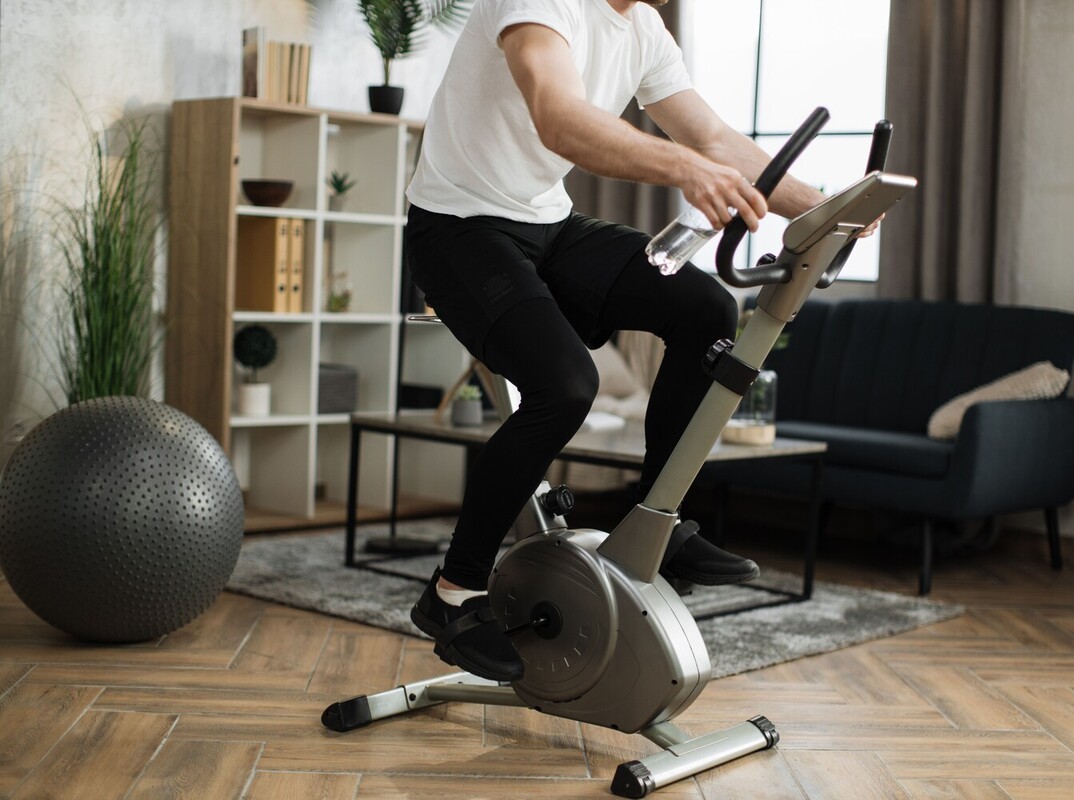
Different types of stationary bikes offer different experiences, and each can support weight loss in its own way.
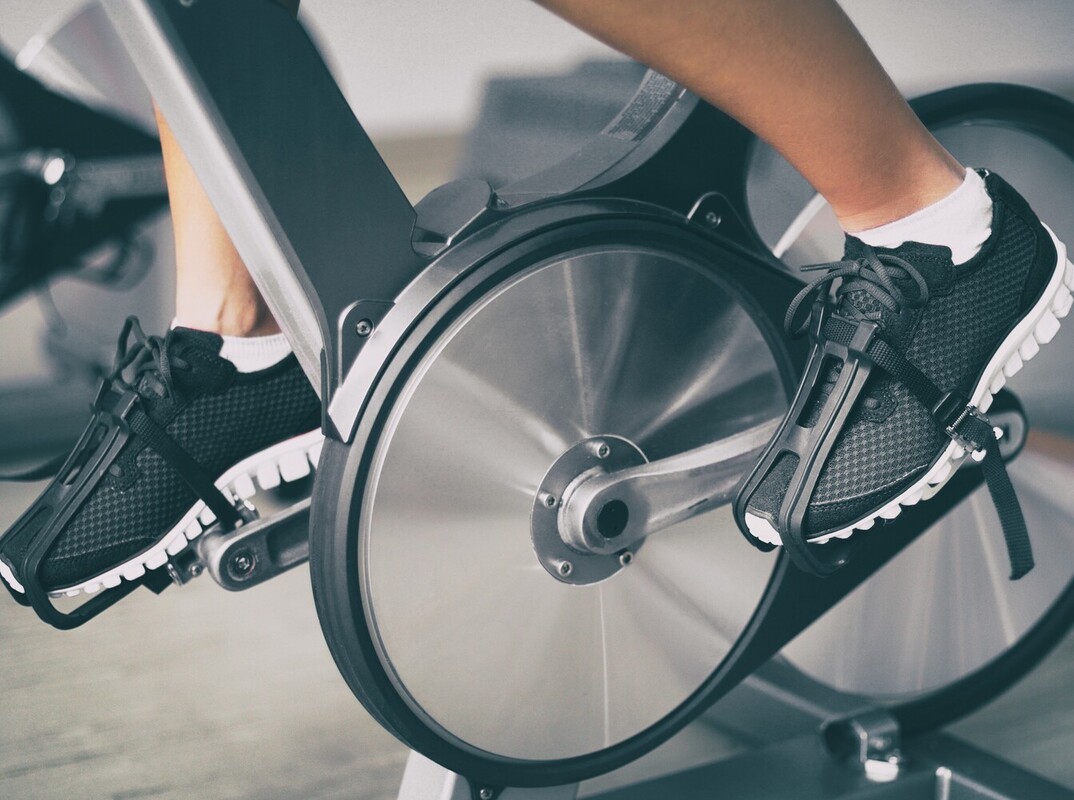
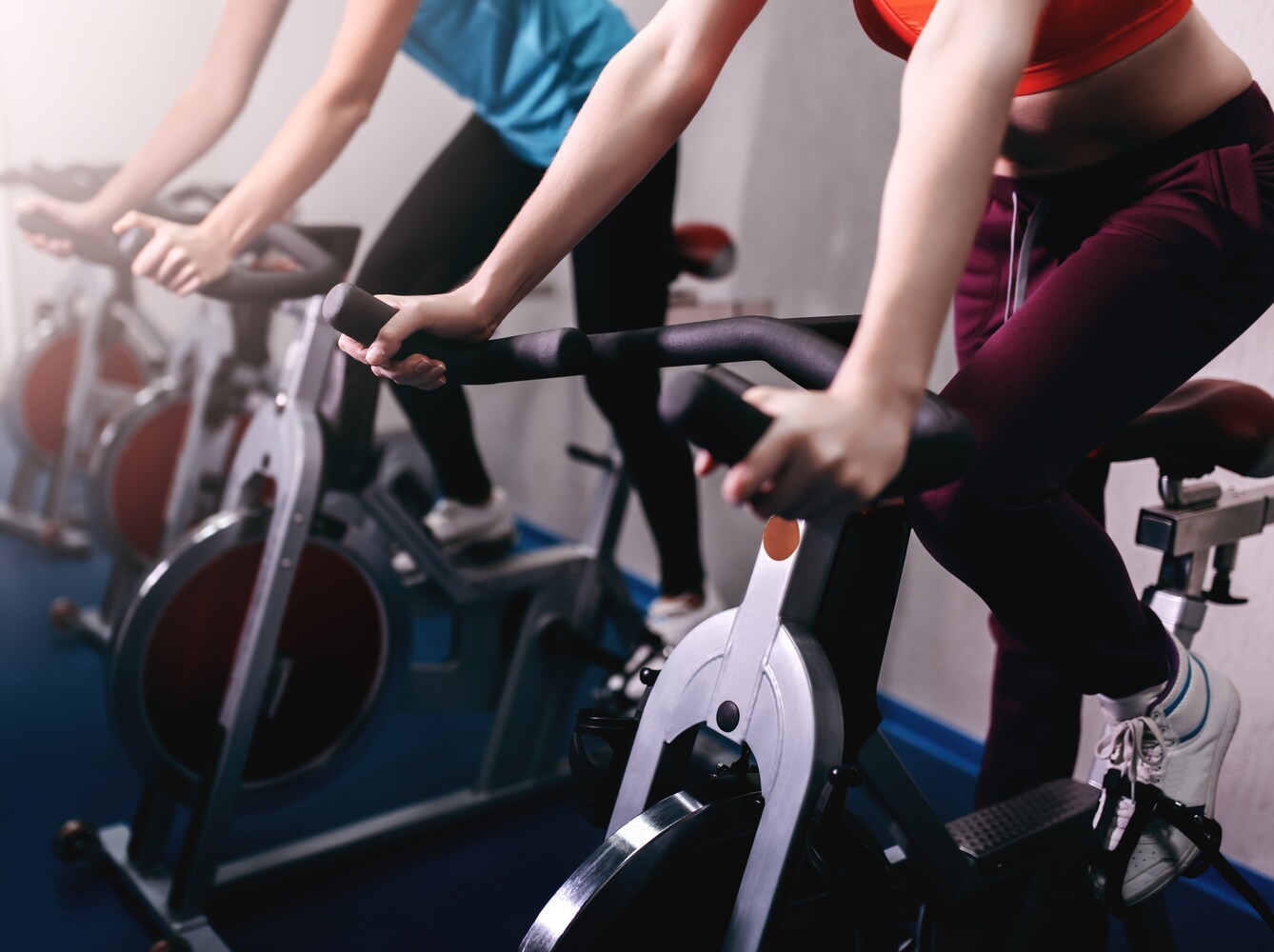
Upright bikes are often more comfortable and beginner-friendly, making them a good starting point. Spin bikes are designed for higher intensity and are commonly used in structured classes or interval training sessions. Air bikes increase overall effort by engaging both your arms and legs, which can raise your heart rate quickly.
Your choice depends on your goals, preferences, and fitness level. Trying different styles can help you figure out which one feels most natural and keeps you coming back consistently.
Which Style Feels Easiest to Stick With
The best bike is the one you’ll actually use on a regular basis. That often comes down to comfort, convenience, and how the workout feels to you. Some people prefer the simplicity of an upright bike, while others enjoy the challenge of a spin class or the intensity of an air bike.
If a workout feels too uncomfortable or complicated, it’s harder to stay consistent. Think about your space, schedule, and what motivates you. A setup that’s easy to access and enjoyable to use can make a big difference in how often you ride and how long you stick with it.
How Resistance and Cadence Affect Effort
Resistance and cadence work together to determine how challenging your ride feels. Increasing resistance forces your muscles to work harder, which helps build strength and increase calorie burn.
On the other hand, increasing cadence raises your heart rate and challenges your cardiovascular system. Finding the right balance between the two is key.
For example, you might ride at a steady cadence with moderate resistance for endurance, then increase both for short bursts of higher effort. Adjusting these variables throughout your ride keeps your workouts engaging and helps you target different aspects of fitness more effectively.
Common Indoor Bike Mistakes
It’s easy to fall into habits that make your indoor rides less effective, especially when you’re relying on routine. Knowing what to watch for can help you get more out of each session and avoid slowing your progress.
Riding Too Easy
Staying in your comfort zone for every ride can limit your results over time. Easy rides have their place, especially for recovery, but relying on them too often reduces overall calorie burn. You may feel like you’re putting in the time without seeing much progress. Including some moderate or higher-effort segments helps challenge your body and improve fitness.
For example, you can add short intervals or increase resistance for a few minutes at a time. These small changes make your workouts more effective. Mixing effort levels across the week helps you burn more calories while still keeping your routine manageable.
Poor Bike Setup
An improper bike setup can make your rides uncomfortable and less effective. If your seat is too low or too high, it can strain your knees and limit how efficiently you pedal. You might also notice discomfort in your hips, back, or shoulders if your positioning is off.
These issues can make it harder to stay consistent. Taking a few minutes to adjust your seat height, handlebar position, and distance from the pedals can make a big difference. A proper fit allows for smoother pedaling and better power output. Comfort matters because it directly affects how long and how often you ride.
Skipping Progression
Repeating the same workout over and over can slow your progress, even if you’re riding regularly. Your body adapts quickly, which means the same level of effort becomes easier over time.
When that happens, calorie burn and fitness improvements can level off. Progression helps keep your body challenged. This could mean increasing ride duration, adding resistance, or including short intervals of higher effort.
You don’t need to change everything at once. Small adjustments each week are enough to keep moving forward. Tracking your rides can also help you see patterns and make gradual changes that support continued progress.
Peloton, Indoor Cycling, and At-Home Bike Options
Cycling weight loss exercises at home have become more popular, with options ranging from basic stationary bikes to fully interactive platforms. Understanding how these tools fit into your routine can help you decide what’s worth your time, energy, and investment.
Can You Lose Weight With Peloton?
Peloton can support weight loss when it’s used consistently and with enough effort. The structured classes take the guesswork out of your workouts, which can make it easier to stay on track. Instructors guide you through pacing, resistance, and intensity, helping you push yourself in a safe and controlled way.
Many people find that the built-in schedule and variety of classes keep things engaging. That matters for consistency. When you show up regularly and follow a balanced routine, those sessions can add up to meaningful calorie burn and improved fitness over time.
What Makes App-Based Cycling More Effective for Some People?
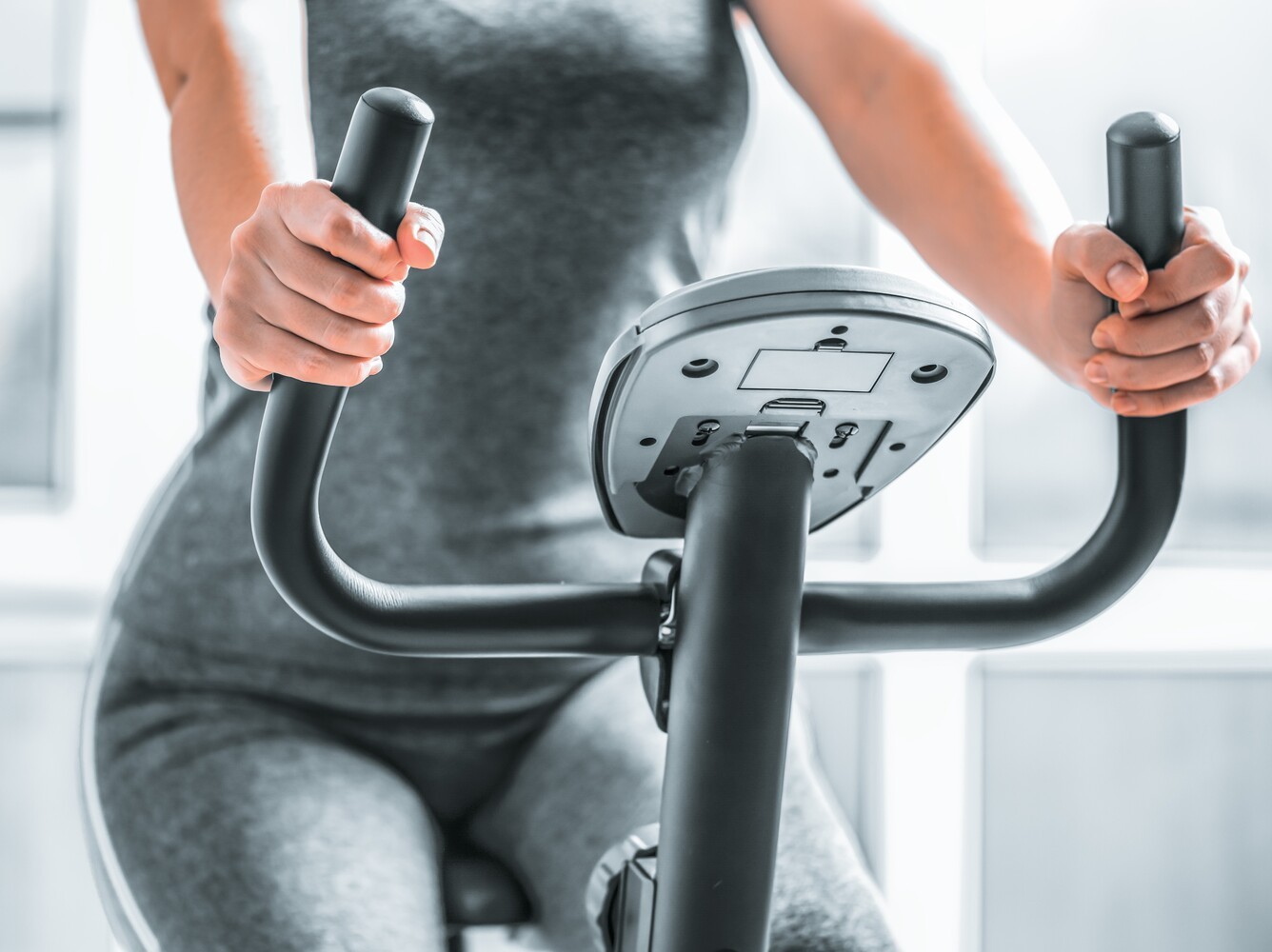
App-based cycling can be more effective for some people because it provides structure, guidance, and a sense of accountability. Instead of deciding what to do on your own, you can follow a coached workout that tells you when to increase effort or recover. This helps you stay focused and use your time more efficiently.
Many apps also track your progress, which can be motivating. Seeing your stats improve over time encourages consistency. For those who prefer direction and variety, guided sessions can make workouts feel more engaging and easier to stick with long-term.
When a Peloton-Style Bike Is Worth It
A Peloton-style bike can be a worthwhile investment if you enjoy guided workouts and benefit from having structure built into your routine. The combination of live or on-demand classes, performance tracking, and instructor support can make your workouts feel more engaging.
That engagement often leads to better consistency. If you’re someone who struggles to stay motivated on your own, having a structured system can help you stay on track. At the same time, it’s important to consider your budget and space. The value comes from how often you use it and how well it fits into your routine.
What Type of Bike Is Best for Weight Loss?
The best bike for weight loss is the one you’ll use consistently and feel comfortable riding on a regular basis. Different types of bikes offer unique benefits depending on your environment, fitness level, and preferences.
Some are built for speed, while others prioritize comfort or versatility. What matters most is how well the bike fits into your routine. If it’s easy to use and enjoyable, you’re more likely to stick with it.
From our experience, consistency drives results more than the specific type of bike, so choosing something that supports your habits is key.
Road Bike
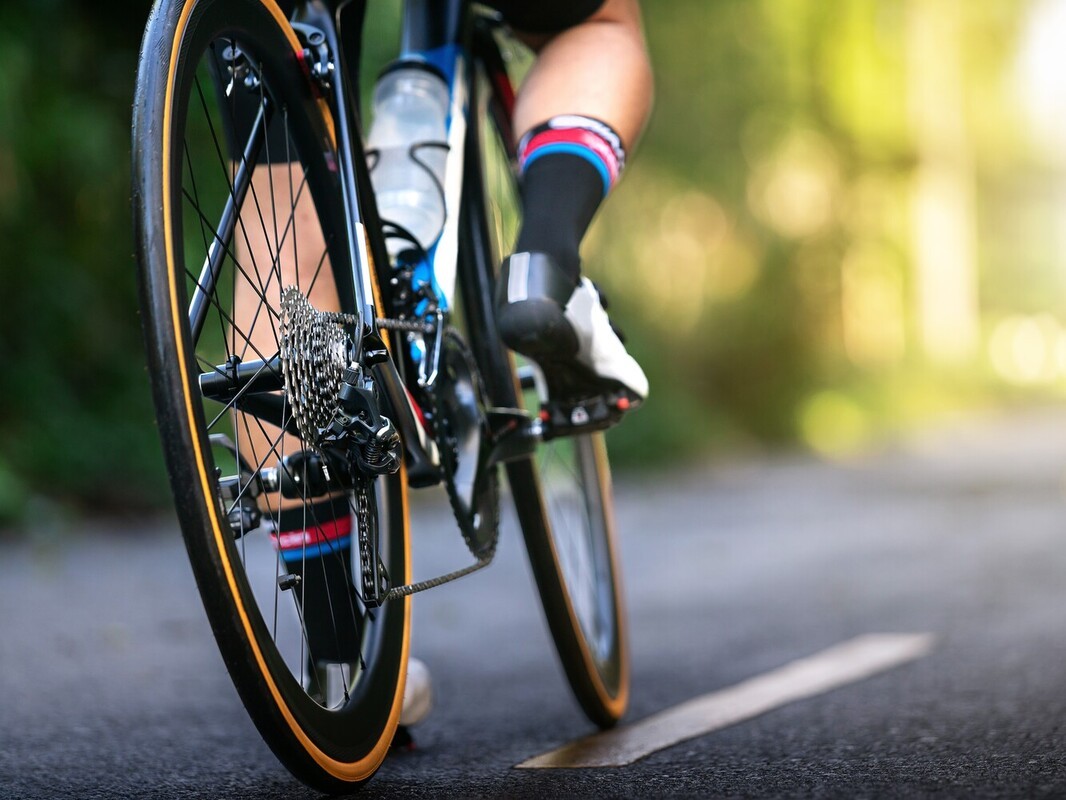
Road bikes are lightweight, efficient, and designed for smooth surfaces like paved roads. They allow you to ride faster and cover longer distances, which can increase overall calorie burn during each session.
If you enjoy longer rides or want to build endurance, this type of bike can be a strong option. The riding position is more forward-leaning, which may take some getting used to at first.
For those who enjoy outdoor cycling and want to push their pace, road bikes offer a great balance of speed and efficiency while still supporting steady, consistent workouts.
Hybrid Bike
Hybrid bikes combine features from road and mountain bikes, making them a versatile and beginner-friendly option. They are designed for comfort, with a more upright riding position that reduces strain on your back and shoulders. This can make longer rides feel more manageable, especially if you’re new to cycling.
Hybrid bikes work well on both paved roads and light trails, giving you flexibility in where you ride. If you’re looking for something that feels stable and easy to handle, this type of bike can help you build confidence while still supporting regular, consistent activity.
Mountain Bike
Mountain bikes are built for uneven terrain, including trails, dirt paths, and hills. They typically have wider tires and more resistance, which can make rides feel more challenging even at lower speeds. This added resistance can increase effort and calorie burn, especially when climbing or navigating varied terrain.
If you prefer outdoor rides with more variety, this type of bike can keep workouts interesting. It may not be as fast as a road bike on pavement, but it offers a different kind of challenge. That variety can help keep you engaged and motivated over time.

How to Choose a Weight Loss Bike
Choosing a bike can feel overwhelming with so many options available, especially if you’re not sure what actually matters for your goals. Focusing on a few key factors can help you find a bike that fits your lifestyle and makes it easier to stay consistent.
Comfort
Comfort plays a major role in how often and how long you ride. If your bike feels uncomfortable, you’re less likely to stick with it, even if you start out motivated. Pay attention to seat design, handlebar position, and overall fit.
A slightly padded seat or a more upright riding position can make a big difference, especially for beginners. You should be able to ride without constant pressure or strain in your back, shoulders, or hips.
When a bike feels good to use, it becomes easier to extend your rides and stay consistent, which supports better long-term progress.
Intensity Options
Having control over intensity helps you get more out of your workouts. Look for a bike with adjustable resistance or multiple gears so you can change how challenging each ride feels. This allows you to start at a manageable level and gradually increase difficulty as your fitness improves.
For example, you might use lower resistance for steady rides and increase it for short bursts of effort. Without these options, your workouts can feel limited over time. Being able to adjust intensity keeps your rides engaging and helps you continue progressing instead of repeating the same effort every session.
Home Space
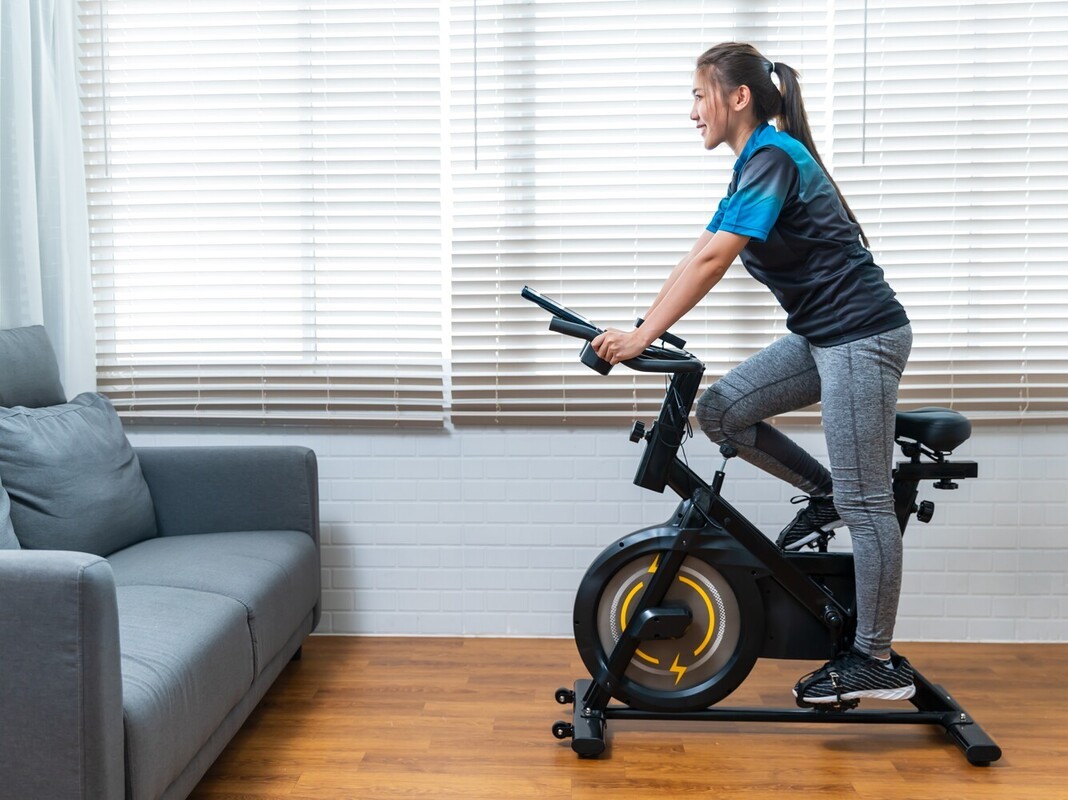
If you’re considering an indoor bike, think about where it will live in your home and how easy it is to access. A bike that’s tucked away in a hard-to-reach spot may be used less often. Look at the size of the bike, whether it needs a dedicated space, and how simple it is to set up.
Some models are more compact or easier to move, which can make a difference in smaller spaces. You’ll also want enough room to get on and off comfortably. A setup that feels convenient encourages regular use and helps you stay consistent with your routine.
Budget
Your budget should reflect what you can realistically maintain without added stress. There are effective options at many price points, from basic stationary bikes to more advanced models with built-in programs. A higher price doesn’t always mean better results.
What matters is how often you use the bike and how well it fits your routine. It’s worth considering long-term value, including durability and features you’ll actually use.
Choosing something within your budget makes it easier to commit without second-guessing your purchase, which supports consistency and helps you stay focused on your goals.
Cycling vs Other Cardio for Weight Loss
Choosing the right type of cardio can make a big difference in how consistent and effective your routine feels. Comparing cycling to other options can help you decide what fits your goals, preferences, and daily schedule best.
Bike vs Treadmill
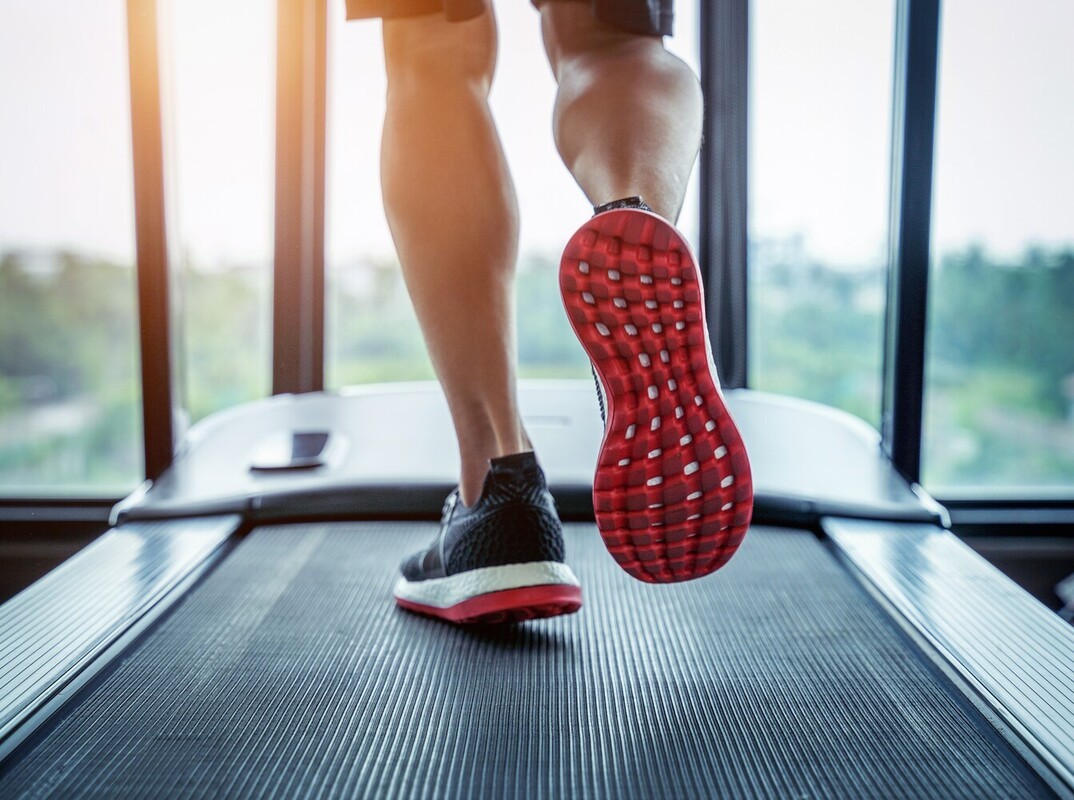
Cycling and treadmill workouts can both support weight loss, but they feel very different in practice. Cycling is lower impact, which makes it easier on your joints, especially if you’re dealing with knee or hip discomfort.
Using a treadmill for weight loss, on the other hand, can lead to higher calorie burn when running or walking at an incline. That increased intensity comes with more impact.
In our experience, people who find running uncomfortable often stick with cycling longer. If you enjoy pushing intensity and don’t mind the impact, a treadmill can work well. If comfort matters more, cycling is often easier to maintain.
Cycling vs Walking
Cycling generally burns more calories in less time compared to walking, especially when you increase speed or resistance. A brisk walk can still be effective, but it often requires longer sessions to match the calorie burn of a moderate ride.
Cycling also allows you to adjust intensity more easily. You can add resistance, ride uphill, or include intervals without significantly increasing impact.
Walking tends to stay at a steady effort unless you change terrain. Both options are valuable. If your goal is efficiency and higher calorie burn in a shorter window, cycling may be the better fit.
Bike vs Elliptical, Rowing Machine, and Stair Climber
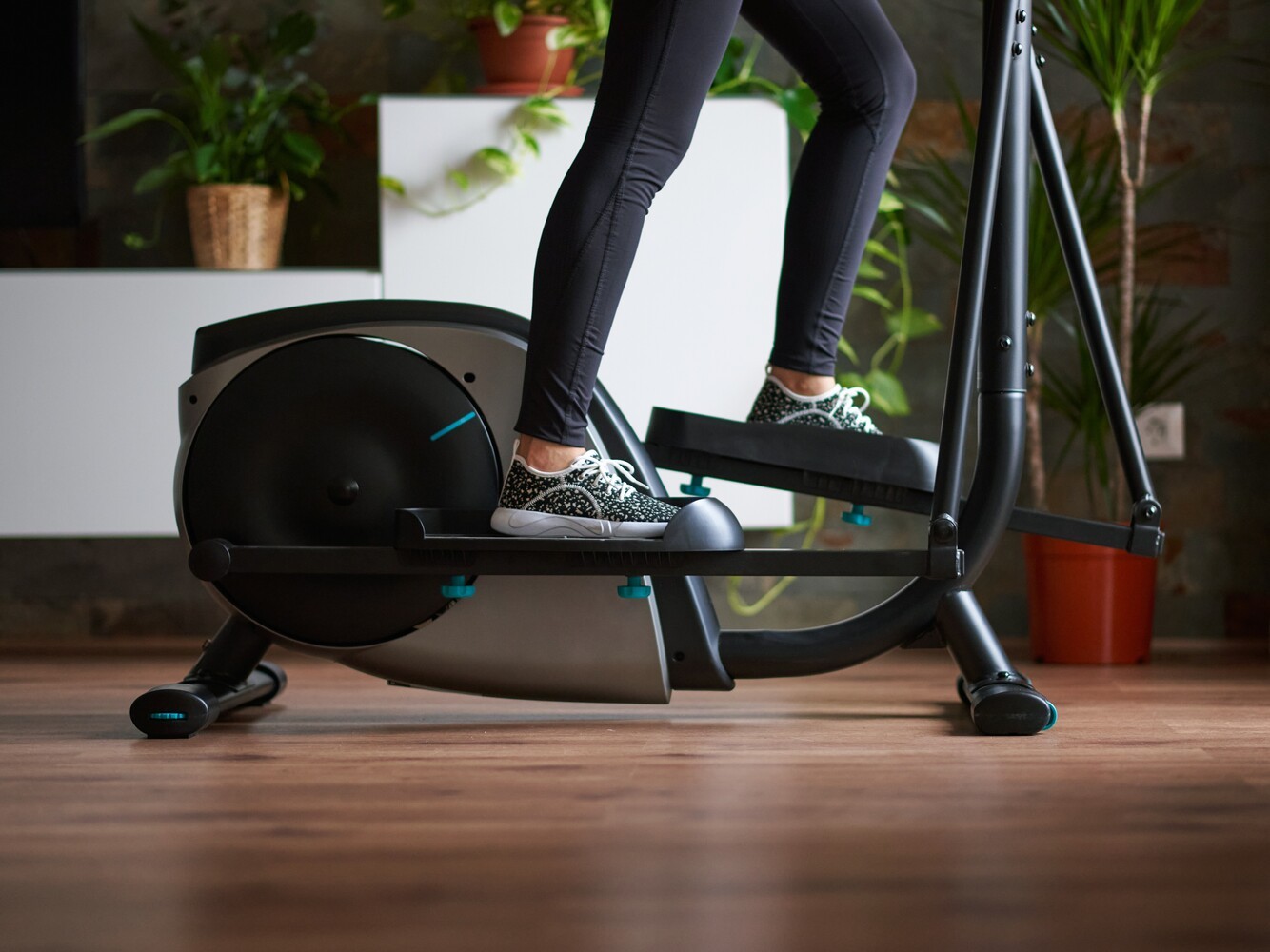
Each of these machines can support weight loss, but they differ in how they challenge your body. The elliptical for weight loss offers a smooth, low-impact motion, while rowing engages both upper and lower body muscles for a more full-body workout. Stair climbers can quickly elevate heart rate and feel intense even in short sessions.
Cycling stands out for its accessibility and ease of use. It’s simple to adjust pace or resistance, and it often feels more intuitive for beginners. Many people find cycling easier to stick with over time, which plays a big role in achieving consistent results.
The Best Cardio Choice for Different Goals
Different types of cardio can support weight loss, but the best choice depends on what you need most from your routine. Matching your workouts to your goals and preferences can make it easier to stay consistent and see progress over time.
Best for Joint Comfort
Cycling is one of the best options if joint comfort is a priority. The smooth, controlled motion reduces stress on your knees, hips, and ankles compared to higher-impact activities like running. This makes it a strong choice if you’re dealing with joint sensitivity or returning to exercise after a break.
You can still adjust intensity through resistance or speed without adding impact. That flexibility allows you to challenge yourself while staying comfortable. From our experience, when movement feels good on your body, you’re more likely to stick with it, which supports better long-term progress.
Best for Higher Calorie Burn Potential
Higher calorie burn often comes down to how much intensity you can sustain. Activities like running or high-intensity cycling can both lead to significant calorie expenditure when effort is high.
For example, interval cycling sessions or hill climbs can raise your heart rate quickly and keep it elevated. Running may burn more calories at the same intensity level, but it also comes with more impact.
The best option depends on what you can maintain safely. Pushing intensity in a way that feels challenging but manageable helps you burn more energy without increasing your risk of fatigue or injury.
Best for Beginners
Cycling and walking are both approachable starting points, especially if you’re new to exercise or getting back into a routine. They allow you to control pace, adjust duration, and build confidence without feeling overwhelmed.
Cycling can feel especially supportive because it’s low-impact and easy to modify. You can start with short, easy rides and gradually build up as your fitness improves.
Walking offers a similar entry point with minimal equipment. Choosing an option that feels comfortable from the start makes it easier to stay consistent, which is one of the most important factors for seeing progress over time.
Best for Long-Term Consistency
Cycling often stands out for long-term consistency because it’s adaptable and can be tailored to your preferences. You can ride indoors or outdoors, adjust intensity, or switch between shorter and longer sessions depending on your schedule. This flexibility makes it easier to fit into daily life.
Many people also find cycling enjoyable, whether it’s exploring new routes or following guided classes. Enjoyment plays a big role in sticking with a routine. When workouts feel engaging and manageable, you’re more likely to keep going, which is what ultimately leads to steady progress and sustainable weight loss results.
How Much Weight Can You Lose Riding a Bike?
Weight loss varies from person to person, but a safe and realistic rate is about 1 to 2 pounds per week when you’re consistent with your routine. Cycling can help create the calorie deficit needed for fat loss, but results depend on factors like how often you ride, how hard you’re working, and how your nutrition supports your goals.
Your starting point also plays a role. Some people notice quicker changes early on, while others see gradual progress. From our experience, steady, consistent effort tends to lead to more sustainable results than trying to lose weight quickly.
What Results to Expect in the First Month
In the first month, you may notice changes in how your body feels before seeing major shifts on the scale. Rides may start to feel easier, and your endurance can improve noticeably. You might also feel more energized throughout the day or recover faster after workouts.
These are important signs that your body is adapting. Physical changes like weight loss can take more time to show up. Staying consistent during this phase is key. These early improvements in fitness and energy often set the stage for more visible results in the weeks that follow.
Why Some People Plateau Even When They Ride Often
Plateaus can happen even when you’re cycling regularly, and they’re a normal part of the process. One common reason is that your body adapts to your routine, making the same rides less challenging over time.
Nutrition habits can also play a role. It’s easy to underestimate portions or increase intake after workouts without realizing it. Small adjustments can help.
You might increase intensity, add intervals, or slightly extend your rides. Reviewing your eating patterns can also make a difference. Making thoughtful changes helps your body respond again and supports continued progress.
Better Progress Markers Than the Scale Alone
The scale doesn’t always reflect the full picture of your progress. You might be building strength or improving endurance even if your weight stays the same for a period of time. Paying attention to how your clothes fit can give you a better sense of body composition changes.
You may also notice that you can ride longer, recover faster, or handle higher resistance. These are meaningful signs of improvement. From our experience, focusing on these markers can help you stay motivated and consistent, especially during times when the scale isn’t changing as quickly as you expected.
Common Cycling Mistakes and How to Avoid Them
Even small mistakes can slow your progress or make your rides feel less effective than they should. Knowing what to watch for can help you make simple adjustments that improve your results and keep your routine on track.
1. Riding Too Easy Every Time
Riding at the same easy pace every time can limit your progress, even if you’re consistent. Easy rides are helpful for recovery, but they don’t challenge your body enough to improve fitness or increase calorie burn. You might feel like you’re putting in the time without seeing meaningful results.
Adding variety helps. For example, include short intervals, increase resistance for a few minutes, or pick up your pace during parts of the ride. These changes don’t need to be extreme. Mixing effort levels throughout the week helps you burn more calories and continue improving over time.
2. Going Too Hard and Burning Out
Pushing too hard too often can leave you feeling exhausted and make it difficult to stay consistent. You might start strong, riding at a high intensity every session, but quickly feel fatigued or lose motivation. This pattern can lead to skipped workouts or even injury. Your body needs time to recover between harder efforts.
Balancing challenging rides with easier sessions helps you maintain energy and avoid burnout. For example, follow a higher-effort day with a lighter ride or rest day. This approach supports steady progress while keeping your routine sustainable and easier to maintain.

3. Chasing Mileage Instead of Consistency
Focusing only on distance can make your routine less effective. Riding a certain number of miles each week might feel like a clear goal, but it doesn’t always reflect effort or calorie burn.
For example, a slow, flat ride may feel easier than a shorter ride with hills or higher resistance. What matters more is how often you ride and how challenging those sessions feel.
Building a routine you can repeat week after week leads to better results than hitting a mileage target occasionally. Consistency helps your body adapt and makes progress feel steadier over time.
4. Using the Wrong Bike Setup
An incorrect bike setup can make your rides uncomfortable and reduce how effective your workouts feel. If your seat height is off, you may notice strain in your knees or hips. Handlebars that are too far or too low can lead to back or shoulder discomfort.
These issues can make it harder to ride for longer periods or maintain proper form. Taking time to adjust your bike to fit your body can improve both comfort and performance. A proper setup allows smoother pedaling and better control, which helps you ride longer and stay consistent without unnecessary discomfort.
5. Ignoring Nutrition and Recovery
Nutrition and recovery play a major role in how your body responds to cycling. If you’re underfueling, you may feel fatigued and struggle to complete your rides. If you’re overeating without awareness, it can slow your progress. Recovery matters just as much. Poor sleep or skipping rest days can leave you feeling drained.
After years of experience, we’ve seen that pairing cycling with supportive eating habits makes a noticeable difference. If you’re unsure where to start, connecting with a Registered Health Dietitian through Berry Street can help you build a realistic, sustainable plan that supports your routine and long-term goals.

Weight Loss Cycling FAQs
Does cycling help you lose weight?
Yes, cycling can help you lose weight when it’s done consistently and supports a calorie deficit. Regular rides increase daily energy expenditure and improve fitness, which makes it easier to stay active over time.
Can you lose weight on a stationary bike?
A stationary bike can absolutely support weight loss, especially when you use it regularly and vary your intensity. It’s convenient, easy to track, and removes barriers like weather or time constraints.
Is a recumbent bike good for weight loss?
A recumbent bike can still be effective for weight loss, particularly for beginners or those needing more back support. You’ll want to pay attention to intensity to keep calorie burn high enough.
Is cycling or walking better for weight loss?
Cycling generally burns more calories in less time, especially at moderate to higher intensities. Walking can still work well, but it often requires longer sessions to match the same output.
Should I bike or use a treadmill for weight loss?
Both options can support weight loss, and the better choice depends on what you’ll stick with. Treadmills can allow for higher intensity, while cycling tends to be more joint-friendly.
If I ride my bike 30 minutes a day will I lose weight?
Riding for 30 minutes daily can support weight loss if it contributes to a consistent calorie deficit. Your results will depend on how hard you’re riding and how your overall routine supports your goals.
Conclusion
Cycling for weight loss works best when it’s consistent, progressive, and paired with realistic expectations. Regular rides help increase calorie burn, improve endurance, and support long-term fat loss, especially when you vary intensity and give your body time to recover. Small changes add up.
A few rides each week can build momentum, and over time, those efforts lead to meaningful results both on and off the scale. If you want support building a plan that fits your lifestyle, you can connect with a Registered Dietitian covered by insurance through Berry Street to get started.