Using a sauna for weight loss is one of those ideas that sounds simple and appealing. Sit, sweat, and lose weight without exercise. We hear this question all the time, and it makes sense why people are curious.
We’ve seen how tempting quick results can be. In reality, most of that weight change comes from fluid loss, not fat.
That doesn’t mean saunas have no value. They can support recovery, relaxation, and consistency. In this article, we’ll walk through what’s actually happening in your body, what to expect, and how a sauna can fit into a realistic weight loss plan.
Key Takeaways
Sauna sessions can cause quick weight loss, but it’s mostly water, not fat
Any scale drop is temporary and returns once you rehydrate
Saunas burn some calories, but far less than exercise does
They can support recovery, stress relief, and consistency
Sustainable weight loss still comes down to nutrition, movement, sleep, and habits

Can a Sauna Help You Lose Weight?
They can, but not in a meaningful or lasting way on its own. A sauna can make the number on the scale drop quickly, which is why it gets so much attention. You might step out feeling lighter, less bloated, and even a bit more motivated. There’s also a small increase in calorie burn because your heart rate rises in the heat.
That said, the impact on body fat is minimal. From our experience as Registered Dietitians, real weight loss comes from consistent habits over time. A sauna can support your routine, but it won’t replace structured meals, regular movement, or a sustainable calorie deficit.

Why the Scale May Drop After a Session
When you sit in a sauna, your body temperature rises fast. Your body responds by activating sweat glands to cool you down. That process leads to noticeable fluid loss in a short period of time.
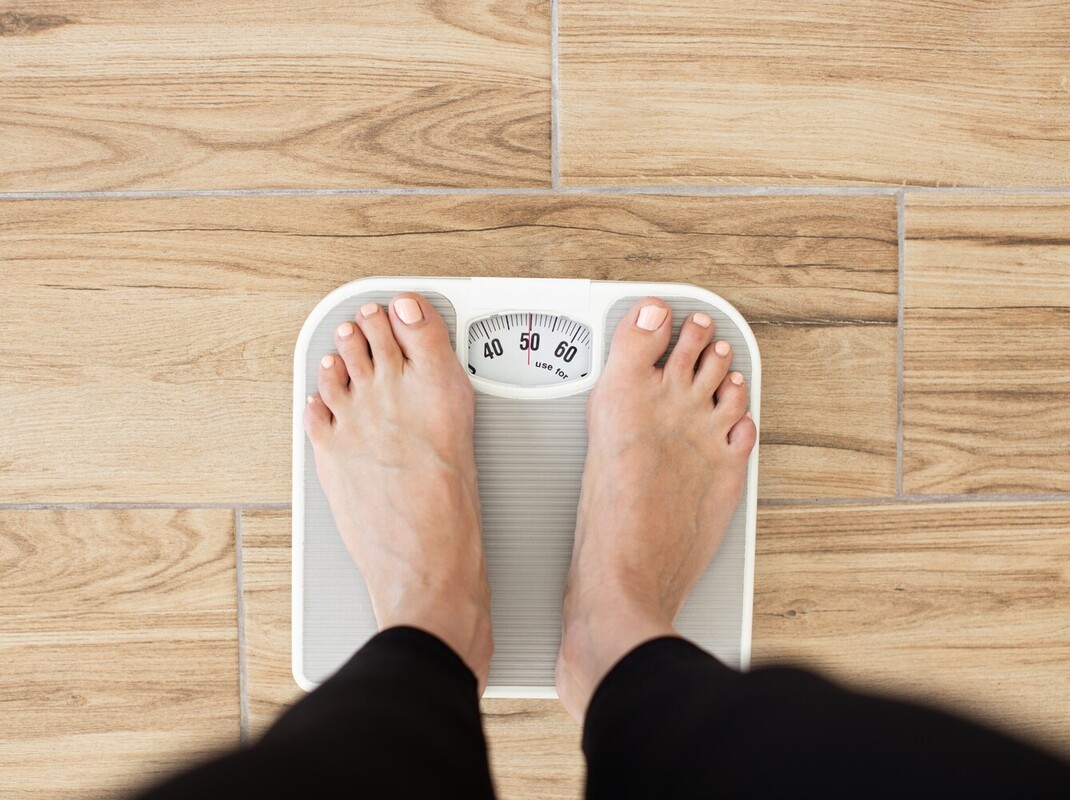
It’s common to lose one to three pounds during a session, especially if the heat is high or you stay in longer. Larger bodies or longer sessions can push that number even higher. The scale reflects that change immediately, which can feel rewarding.
But that drop is coming from water and electrolytes, not stored fat. Once you start drinking fluids again, your body restores balance, and that weight gradually returns.
Why Temporary Weight Loss Is Not the Same as Fat Loss
Fat loss works very differently from sweat loss. Your body needs to burn stored energy over time, which happens when you consistently take in fewer calories than you use. That process takes days and weeks, not minutes in a sauna.
Sweating lowers your fluid levels, but it doesn’t significantly tap into fat stores. This is why the weight comes back quickly once you rehydrate. Athletes sometimes use saunas before weigh-ins to temporarily drop pounds, then regain them afterward.
That strategy highlights the difference clearly. Focusing on long-term habits leads to results that actually last, rather than chasing short-term changes on the scale.

Where Sauna May Still Fit Into a Broader Weight-Management Plan
This is where sauna use can still be useful. It may not directly drive fat loss, but it can support the habits that do.
Regular sauna sessions can help you relax after workouts, reduce muscle soreness, and make your routine feel more enjoyable. When exercise feels better, you’re more likely to stay consistent. That consistency is what leads to real progress over time.
Stress management is another benefit, and lower stress levels often support better eating patterns and sleep quality.
From our experience, sauna works best as a supplement to regular exercise and a structured nutrition plan. If you need support building that foundation, connect with a Registered Weight Loss Dietitian through Berry Street for a personalized 7-day meal plan tailored to your goals.
Water Weight vs Fat Loss: The Most Important Distinction
Understanding the difference between water weight and fat loss can completely change how you interpret the scale. It’s one of the most common sources of confusion we see as Registered Dietitians.
Water weight can fluctuate quickly based on hydration, sodium intake, and heat exposure. Fat loss, on the other hand, is a slower and more consistent process that reflects real changes in body composition.
If you rely only on the scale after a sauna session, it’s easy to misinterpret what’s happening. Once you understand what your body is actually losing, it becomes much easier to stay focused on habits that lead to long-term progress.

Why Sauna Use Causes Rapid Fluid Loss
Your body is constantly working to maintain a stable internal temperature. When you step into a sauna, that balance is challenged quickly. Blood flow shifts toward your skin, and your sweat glands activate to cool you down.
This process leads to rapid fluid loss. You can lose a pound or more within a short session, especially in higher heat or longer durations. The effect is noticeable right away. Your clothes may feel looser, and the scale often drops quickly.
That immediate feedback can feel encouraging. But it’s important to recognize that this change reflects fluid loss rather than a meaningful shift in stored body fat.
How Rehydration Changes the Number on the Scale
After a sauna session, your body naturally tries to restore what it lost. The moment you start drinking fluids, that process begins. Your cells rehydrate, blood volume normalizes, and your body moves back toward balance.
Within a few hours, the number on the scale often starts to climb again. By the next day, it may return to where it was before your session. This can feel frustrating if you’re expecting lasting change. It’s completely normal and part of how your body protects itself.

Why Calorie Burn in a Sauna Is Real but Limited
Your heart rate increases in the heat, sometimes reaching levels similar to light activity. Your body is working to regulate temperature, which requires energy. That means you are burning calories while sitting in a sauna.
The total burn, however, is modest. Most sessions fall somewhere between 50 and 150 calories over about 30 minutes. That’s comparable to a slow walk or light movement around the house.
It contributes to your daily energy expenditure, but it’s not enough to create meaningful fat loss on its own. These small increases can add up over time, but they work best alongside regular exercise and consistent daily movement.
What Sauna Can and Cannot Do for Body Composition
Saunas can support your routine in a few helpful ways. They may reduce muscle tension, improve circulation, and create a relaxing transition after a workout. For many people, that makes it easier to stay consistent with training.
At the same time, sauna use does not directly change body composition. It won’t build muscle or significantly reduce body fat without other lifestyle changes. Improvements in body composition come from strength training, daily activity, and a structured approach to eating.
When those pieces are in place, sauna sessions can complement your routine, but they work best as a supportive tool rather than a primary strategy.

How Sauna Use May Support Weight Loss Indirectly
Saunas don’t directly drive fat loss, but they can still play a helpful role in your overall routine. The benefits show up in smaller, indirect ways that support consistency, recovery, and long-term habits.
Heat Stress, Heart Rate, and Modest Energy Expenditure
When you sit in a sauna, your body reacts in ways that feel similar to light exercise. Your heart rate increases as your body works to cool itself, and blood flow shifts toward your skin. This creates a mild cardiovascular response that can feel like a gentle workout.
That increase in effort does lead to a small calorie burn. Over a 20 to 30 minute session, you might burn an amount similar to a slow walk or light movement. It’s not dramatic, but it still contributes to your total daily energy expenditure. When combined with regular activity, these small additions can support a broader, more consistent approach to weight management.
Recovery, Soreness, and Exercise Consistency
After a challenging workout, muscle soreness can make it harder to stay active the next day. That’s where sauna use can help support your routine. The heat may improve circulation and relax tight muscles, which can make recovery feel smoother.
When your body feels better, it’s easier to show up for your next session. That might mean sticking with your strength training plan, going for a walk, or completing another workout without hesitation.
Over time, those repeated efforts matter. Consistency is what drives real change. Small improvements in recovery can make a noticeable difference in how often you move and how well you perform.

Stress Reduction and Relaxation
Stress plays a bigger role in weight management than many people realize. High stress levels can influence appetite, disrupt sleep, and make it harder to maintain consistent routines.
Saunas offer a simple way to slow down. The heat encourages relaxation, and many people leave feeling calmer and more grounded. That shift can carry over into other areas of your day. You may notice fewer cravings, better focus around meals, or improved sleep that night.
As Registered Dietitians, we often see that when stress is better managed, eating patterns become more stable and easier to maintain over time.
Why “Supportive” Is a Better Word Than “Fat-Burning”
It’s easy to label sauna use as a fat-burning tool, but that doesn’t reflect what’s really happening. The direct impact on fat loss is minimal, even with regular use.
A more accurate way to think about it is as a supportive habit. Saunas can make your routine feel more enjoyable, help you recover more comfortably, and create space to relax. Those benefits can improve consistency with exercise and daily habits.
Over time, that consistency leads to meaningful results. Shifting your mindset in this way helps you focus on what actually drives progress while still getting value from sauna use.

How Much Weight Can You Lose in a Sauna?
You can lose about 1 to 3 pounds during a single sauna session, depending on the conditions and your body. That drop can feel significant, especially if you check the scale right after.
It’s important to understand what that number represents. Nearly all of that weight is water lost through sweat, not body fat. Once you rehydrate, your weight typically returns to baseline within hours or by the next day.
This quick shift can be motivating at first, but it doesn’t reflect long-term progress. Focusing only on these short-term changes can make it harder to see the bigger picture of sustainable weight loss.
Why One-Hour and Multi-Session Estimates Vary So Much
The amount of weight you lose in a sauna can vary widely from person to person. Several factors come into play, including temperature, humidity, session length, and your individual body size. Someone who sweats easily may lose more fluid than someone who doesn’t.
Even two people sitting side by side in the same sauna can see very different results. One might lose a pound, while the other loses two or more.
Hydration status also matters. If you start a session already dehydrated, your body may respond differently. These variables make it difficult to predict exact outcomes, which is why estimates can vary so much across different sources and experiences.
The Problem With Weekly Weight-Loss Claims
You may come across claims suggesting you can lose several pounds per week by using a sauna regularly. These claims can sound appealing, especially if you’re looking for faster results.
The issue is that they often reflect repeated water loss rather than actual fat loss. Losing and regaining fluid throughout the week can create the appearance of progress without meaningful change.
This cycle can also lead to frustration when the scale doesn’t stay down. Sustainable weight loss requires consistent changes in energy balance over time. Relying on temporary fluid shifts can distract from the habits that actually support lasting results.
When Fast Scale Changes Become a Safety Issue Instead of a Benefit
Rapid weight loss through sweating can move from helpful to harmful quickly. When fluid loss becomes too extreme, your body struggles to maintain normal function.
Dehydration can lead to symptoms like dizziness, headaches, fatigue, and reduced performance. In more serious cases, it can increase the risk of heat-related illness. This is especially important if you combine long sauna sessions with intense workouts or limited fluid intake.
Chasing bigger drops on the scale can push you into unsafe territory. A safer approach focuses on moderation, hydration, and listening to your body instead of trying to maximize sweat loss at all costs.

How to Use a Sauna for Weight Loss Without Overstating the Benefits
Using a sauna can be a helpful addition to your routine when you approach it with the right expectations. The goal is to use it in a way that supports your overall habits, not to rely on it as the main driver of weight loss.
Set Realistic Expectations Before You Start
Going into sauna use with clear expectations can make a big difference in how you approach it. A sauna can help you relax, unwind, and feel better after a long day or workout. That’s valuable. It’s just not a direct path to fat loss.
Quick drops on the scale can feel exciting, but they don’t reflect lasting change. Keeping that in mind helps you avoid frustration later.
When you view sauna use as a supportive habit rather than a solution, it becomes easier to stay focused on what actually drives results. That mindset shift helps you build a routine that feels sustainable and grounded in long-term progress.
Use the Sauna Alongside Nutrition, Sleep, and Exercise
The biggest drivers of weight loss are still consistent meals, regular movement, and quality sleep. These are the habits that create real change in body composition over time. Sauna use works best when it fits into that bigger picture.
Think of it as something that enhances your routine rather than replacing any part of it. For example, using a sauna after a workout can help you relax and transition into recovery. Better recovery often leads to better consistency.
When your workouts, eating patterns, and sleep are all working together, even small additions like sauna sessions can support your overall progress in a meaningful way.
If you need guidance building a plan that covers all of these areas, connect with a Registered Health Dietitian through Berry Street for personalized support.

What a Sensible Beginner Routine Looks Like
Starting simple is the best approach if you’re new to sauna use. Begin with sessions around 10 to 15 minutes and see how your body responds. You don’t need to push your limits right away.
Hydration should be a priority before and after each session. Drinking water helps your body handle the heat and recover more effectively.
It’s also helpful to take breaks if you feel uncomfortable. Sitting for a few minutes, stepping out, and then returning is completely fine.
Over time, you can gradually increase your session length if it feels manageable. Building slowly helps you stay consistent without putting unnecessary stress on your body.
When Sauna Use Becomes Counterproductive
Sauna use can start to work against your goals when it’s used in the wrong way. Chasing rapid weight loss through longer or more frequent sessions often leads to excessive fluid loss rather than real progress.
It can also become a problem if it replaces other important habits. Skipping workouts or neglecting meals in favor of more sauna time doesn’t support long-term results.
Another red flag is using the sauna when you’re already dehydrated, sick, or feeling run-down. In those situations, your body needs rest and proper recovery. Paying attention to how you feel helps you use the sauna in a way that supports your health instead of undermining it.

How Long Should You Stay in a Sauna for Weight Loss?
Most people benefit from 10 to 20 minutes per session, especially when starting out. This range allows your body to experience the benefits of heat without pushing into excessive strain.
It can be tempting to stay longer, especially if you’re focused on sweating more. That approach usually backfires. The extra time mainly increases fluid loss, not fat loss. Shorter, consistent sessions tend to feel better and are easier to maintain over time.
When sauna use fits comfortably into your routine, it becomes something you’re more likely to stick with, which is what really supports long-term progress.
Why More Time Does Not Automatically Mean Better Results
It’s easy to assume that more time in the sauna leads to better results. In reality, the benefits don’t increase in a meaningful way after a certain point.
Staying longer mainly leads to greater fluid loss, which raises the risk of dehydration, dizziness, or fatigue. Your body is already working hard to regulate temperature within the first 10 to 20 minutes. Extending your session doesn’t significantly increase calorie burn or fat loss.
Instead, it places more stress on your system. A shorter, controlled session allows you to get the benefits of heat exposure while staying safe and supporting your overall routine.

Short vs Moderate Sessions
Short sessions, around 10 to 15 minutes, are a great starting point. They’re easier to tolerate and help your body adjust to the heat without feeling overwhelming. Many people find this length fits well after a workout or at the end of the day.
Moderate sessions, closer to 15 to 20 minutes, can work well if you’re more experienced and paying attention to hydration. These sessions may feel more relaxing and provide additional recovery benefits.
The key is listening to your body and adjusting based on how you feel. Comfort and consistency matter more than pushing for longer durations.
How Session Length Affects Hydration and Recovery
The longer you stay in a sauna, the more fluid you lose through sweat. This can add up quickly, especially if you’ve already exercised beforehand.
If you don’t replace that fluid, it can impact how you feel later in the day or during your next workout. You might notice fatigue, headaches, or reduced performance. Staying on top of hydration helps your body recover and maintain balance.
Drinking water before and after your session is a simple but effective strategy. Keeping sessions within a moderate time frame also supports recovery and makes sauna use a sustainable part of your routine.

Signs It’s Time to Get Out
Paying attention to how you feel in the sauna is key. Your body gives clear signals when it’s had enough, and responding early helps you stay safe and get the most benefit from each session.
Dizziness or lightheadedness: This can happen when your body loses too much fluid or your blood pressure drops. It’s a clear sign to step out and cool down.
Nausea: Feeling queasy often means your body is overheating or struggling to keep up with the heat stress.
Rapid or irregular heartbeat: A faster heart rate is normal, but if it feels uncomfortable or erratic, it’s time to exit.
Feeling faint: This suggests your body isn’t tolerating the heat well and needs a break immediately.
Headache: Heat and dehydration can trigger headaches, which often improve once you leave and rehydrate.
Best Time to Use a Sauna: Before or After a Workout?
After a workout is generally the better choice for most people. It fits more naturally into your routine and supports recovery rather than interfering with performance.
Using a sauna before exercise can leave you feeling drained before you even begin. Your body has already started working to regulate heat, which can reduce energy and focus.
Post-workout sessions, on the other hand, tend to feel more comfortable and relaxing. They also allow you to wind down after training. When your goal is weight loss, choosing a routine you can stick with matters most, and post-workout sauna use is often easier to maintain over time.

Why Many People Prefer Sauna After Exercise
After a workout, your body is already warm, and your heart rate is elevated. Moving into a sauna feels like a natural next step rather than a sudden shift. This makes the experience more comfortable and easier to tolerate.
Many people also find it mentally relaxing. Finishing a workout and then sitting in a warm, quiet space can help signal the end of your training session. It creates a clear transition into recovery mode. That routine can make your workouts feel more complete and satisfying.
Over time, small rituals like this can improve consistency and make it easier to stick with your overall plan, which is key for long-term progress.
Recovery-Focused Reasons to Use It Post-Workout
Using a sauna after exercise can support recovery in several practical ways. These benefits don’t directly lead to fat loss, but they can make your routine easier to maintain.
Helps muscles relax: Heat can reduce tightness after strength training or intense cardio, making movement feel smoother later in the day.
Promotes circulation: Increased blood flow may help deliver nutrients to muscles and support recovery after exercise.
Encourages a cooldown routine: Sitting in the sauna gives you time to slow down and transition out of workout mode.
Supports consistency: When recovery feels better, you’re more likely to return for your next session.

When a Pre-Workout Sauna May Be a Poor Fit
Using a sauna before a workout can create challenges that affect how you perform. The heat can lead to early fluid loss, which may leave you slightly dehydrated before you even begin exercising.
This can show up as fatigue, reduced endurance, or difficulty maintaining intensity during your workout. You might feel slower, less focused, or more easily exhausted. For activities like strength training or interval workouts, that drop in performance can make a noticeable difference.
Starting your workout well-hydrated and energized tends to lead to better results. Saving the sauna for after exercise helps you get more out of both your training and your recovery.
How to Think About Timing if Weight Loss Is the Goal
When your goal is weight loss, timing matters less than consistency. The most effective approach is the one you can repeat regularly without disrupting your routine.
For most people, that means using the sauna after training sessions. It fits naturally into the flow of a workout and supports recovery rather than taking away from performance.
If you enjoy the experience, you’re more likely to keep it as part of your routine. That consistency can indirectly support your progress by helping you stay active and engaged. Focus on building habits you can maintain week after week rather than trying to optimize small details that don’t drive meaningful results.

Infrared Sauna for Weight Loss: Is It Different From a Traditional Sauna?
Infrared saunas are often marketed as a more effective option for weight loss, but the differences are smaller than many people expect. Both types of saunas raise your body temperature and cause you to sweat, which leads to temporary water loss.
The main distinction comes down to how the heat is delivered and how it feels during use. Some people find infrared sessions more comfortable and easier to tolerate for longer periods.
That can help with consistency, which matters more than the specific type of sauna. In terms of fat loss, neither option produces meaningful changes without support from exercise, structured eating patterns, and consistent daily habits.
How Infrared Saunas Work
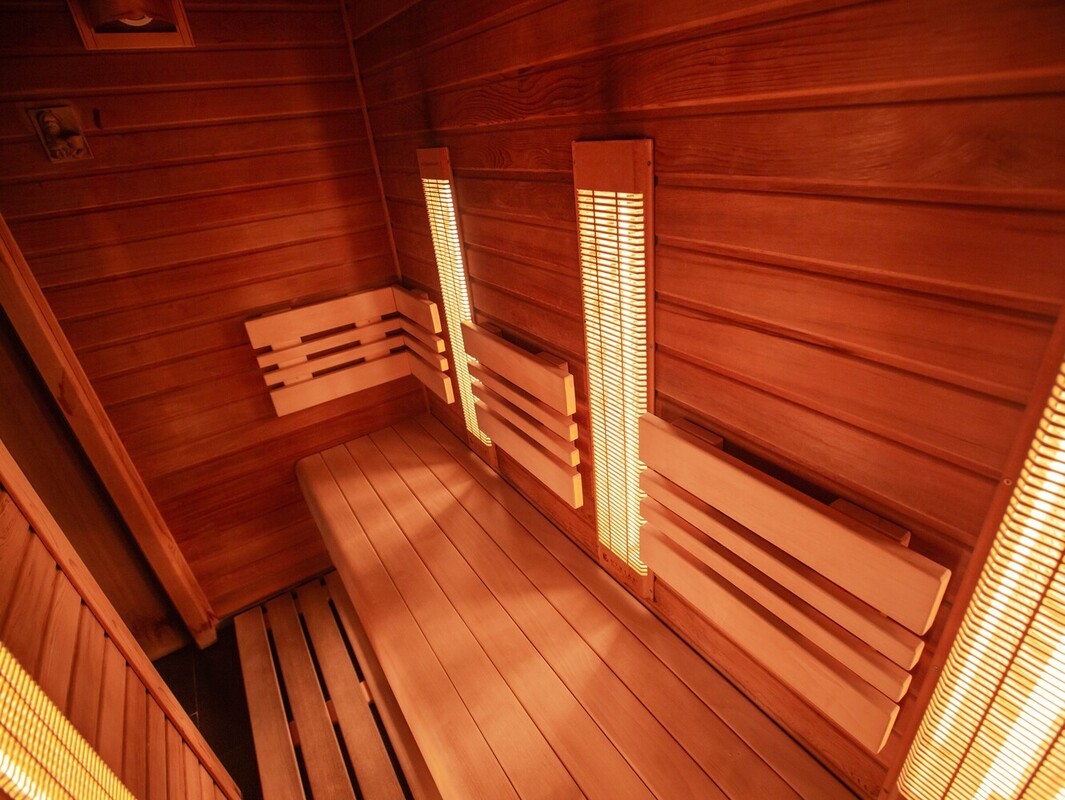
Infrared saunas use light waves to heat your body directly rather than warming the air around you. This allows them to operate at lower temperatures compared to traditional saunas while still producing a strong sweating response.
Because the heat penetrates more directly, some people report feeling warmer at a lower setting. You still sweat, and you still lose fluid during the session. The overall experience may feel more tolerable, especially if you struggle with the intense heat of a traditional sauna.
While the mechanism is different, the outcome in terms of fluid loss and short-term weight change is very similar across both types of sauna environments.

What the Current Evidence Suggests About Infrared and Weight Management
There is some emerging research looking at infrared sauna use and body composition, but the findings are still limited. A few small studies suggest that regular sessions may be associated with modest improvements in body weight or fat mass over time.
These results are not consistent enough to draw strong conclusions. Many of these studies involve small sample sizes or include additional lifestyle changes like exercise and dietary adjustments. That makes it difficult to isolate the effects of sauna use alone.
Current evidence suggests that while infrared saunas may offer general wellness benefits, they should not be relied on as a primary strategy for weight loss or fat reduction.
Want to find out what science says about other weight loss fads? Check out our guides on using a vibration plate for weight loss and taking an Epsom salt bath for weight loss.
How Often to Use an Infrared Sauna if Your Goal Is Support
If your goal is to use an infrared sauna as a supportive tool, frequency matters more than intensity. For most people, two to four sessions per week is a reasonable starting point. This allows you to experience the benefits without overwhelming your body.
Shorter, consistent sessions are often more effective than occasional long ones. For example, using the sauna after a few workouts each week can help you build a routine that feels manageable.
Paying attention to hydration and recovery is also important, especially if you are combining sauna use with exercise. Over time, consistency and comfort will make it easier to maintain sauna use as part of a balanced lifestyle.
Sauna vs Steam Room for Weight Loss
Steam room vs sauna for weight loss is often grouped together, but they create very different environments. Both increase sweating and can lead to temporary weight loss from fluid loss, yet the experience and how your body responds can vary depending on the setting.
Saunas:
Use dry heat, typically at higher temperatures, which creates an intense but steady sweating response
Often feel easier to tolerate for longer sessions since the air is less humid
May allow for more gradual fluid loss, depending on how long you stay
Steam rooms:
Use moist heat with high humidity, which can feel hotter even at lower temperatures
Can make breathing feel heavier for some people due to the dense air
Often leads to quicker sweating, but sessions may feel shorter due to comfort levels
From a weight loss perspective, both lead to similar short-term fluid loss, so the best option is the one you’ll use consistently.
Dry Heat vs Moist Heat
The main difference between saunas and steam rooms comes down to the type of heat you’re exposed to. Saunas use dry heat, often at higher temperatures, which creates a strong sweating response without adding moisture to the air. Steam rooms, on the other hand, use humid heat with lower temperatures but much higher moisture levels.
This humidity can make the space feel hotter than it actually is. Some people find dry heat easier to tolerate, while others prefer the feeling of warm, moist air on their skin. Both environments increase sweating, but the experience can feel very different depending on your personal comfort and how your body responds.

Do Steam Rooms Cause the Same Kind of Scale Drop?
Yes, steam rooms can lead to a similar drop on the scale as saunas. The mechanism is the same. Your body sweats to cool itself, which leads to fluid loss over a short period of time.
You might notice a quick decrease in weight after a steam session, especially if you stay in for several minutes. Just like with a sauna, this change reflects water loss rather than fat loss.
Once you drink fluids and your body rehydrates, that weight typically returns. The temporary drop can feel encouraging, but it’s important to understand what’s actually driving that change so you don’t rely on it as a long-term strategy.
Which One Is Better for Comfort and Safety?
The best option is the one that feels comfortable and fits into your routine consistently. Some people enjoy the dry heat of a sauna and find it easier to stay in for a full session. Others prefer the moist environment of a steam room, especially if they like how it feels on their skin or breathing.
Comfort plays a big role in how often you’ll use it. If a session feels overwhelming or unpleasant, you’re less likely to repeat it. Safety also matters. If one environment makes you feel dizzy or overheated more quickly, it may not be the right fit. Choosing the option you tolerate well supports consistency and reduces unnecessary risk.

Why Neither Is a Meaningful Shortcut to Fat Loss
Both saunas and steam rooms can create noticeable changes on the scale, but those changes are temporary. The weight you lose during a session is primarily water, and your body restores it once you rehydrate.
Fat loss works differently. It requires a consistent calorie deficit over time, supported by regular movement and structured eating habits. Spending more time in a heated environment doesn’t change that process.
While these tools can support relaxation and recovery, they don’t replace the fundamentals. Focusing on daily habits like balanced meals, physical activity, and sleep will have a far greater impact on long-term results than relying on heat exposure alone.
Safety, Hydration, and When to Skip Sauna Use
Before adding sauna sessions to your routine, it’s important to understand how to use them safely. Paying attention to hydration and your body’s signals can make a big difference in how beneficial or harmful the experience is.
Why Hydration Matters More Than Many People Realize
When you use a sauna, your body loses fluid quickly through sweat. This process can happen faster than most people expect, especially during longer sessions or higher temperatures.
If you don’t replace that fluid, your body starts to feel the effects. Blood volume can drop, which makes your heart work harder and may leave you feeling tired or lightheaded. Hydration supports circulation, temperature regulation, and overall function.
Drinking water before and after your session helps your body recover more effectively. Staying hydrated also improves how you feel during your next workout or daily activity, which plays a key role in maintaining consistency over time.

Warning Signs of Dehydration or Heat Intolerance
Your body gives clear signals when it’s struggling with heat or fluid loss. Recognizing these signs early can help you respond quickly and avoid more serious issues:
Extreme thirst: A strong urge to drink often means your body is already low on fluids and trying to catch up
Dry mouth: Reduced saliva can make your mouth feel sticky or uncomfortable, signaling dehydration
Muscle cramps: Electrolyte loss through sweat can lead to tight, painful muscle contractions
Confusion or difficulty focusing: Heat stress can affect your ability to think clearly
Dark urine: A deeper color is a common sign that your body needs more fluids
Who Should Get Medical Clearance First
Some people need to be more cautious with sauna use due to underlying health conditions. If you have a heart condition, your body may not respond to heat stress in the same way as others. Pregnancy can also change how your body regulates temperature.
Certain medications can affect hydration levels, blood pressure, or your ability to tolerate heat. This includes medications for blood pressure, diuretics, and some mental health treatments.
Checking with a healthcare provider before starting regular sauna use can help you understand what’s safe for your situation. Taking this step allows you to enjoy the benefits of sauna use while reducing unnecessary risks.

Why Chasing Bigger Sweat Losses Is Not a Smart Strategy
It’s easy to associate more sweat with better results, especially when the scale drops quickly afterward. That mindset can lead to longer sessions or pushing beyond what feels comfortable.
Sweat loss reflects fluid loss, not fat loss. Trying to maximize it often increases the risk of dehydration, fatigue, and heat-related symptoms. Over time, this approach can interfere with recovery and make it harder to stay consistent with exercise or daily routines.
A more effective strategy focuses on balance. Moderate sessions, proper hydration, and attention to how your body feels will support your routine without adding unnecessary stress or risk.
A Realistic Sauna Routine for Someone Trying to Lose Weight
Building a sauna routine that actually supports your goals comes down to balance and consistency. The goal is to use it in a way that fits into your week without interfering with exercise, recovery, or daily habits.
A Simple Weekly Framework
A structured weekly plan can help you use sauna sessions in a way that supports your overall routine. The goal is to balance movement, recovery, and rest so you can stay consistent without overdoing it.
Monday: Strength Workout + Sauna
Start your week with a strength-focused workout to build muscle and support metabolism. This could include exercises like squats, presses, or rows, depending on your fitness level. Aim for 30 to 60 minutes and focus on good form rather than rushing through sets.
After your workout, spend 10 to 15 minutes in the sauna to relax your muscles and ease into recovery. Your body is already warm, which makes the transition more comfortable. Make hydration a priority before and after your session. Starting the week with both strength training and recovery can help you feel more prepared and consistent in the days ahead.

Tuesday: Walk or Light Activity
After a more intense day, shift your focus to lighter movement that keeps you active without adding strain. A brisk walk, gentle cycling session, or low-impact workout can all work well here. Aim for at least 20 to 40 minutes to maintain your activity level.
This type of day supports recovery while still contributing to your overall energy expenditure. You don’t need to use the sauna unless it feels helpful, and many people skip it to give their body a break from heat exposure. Keeping movement light and manageable helps maintain momentum, supports circulation, and reduces soreness so you can stay consistent throughout the week.
Wednesday: Strength Workout
Midweek is a great time to return to strength training and build on your progress. Focus on a different set of muscle groups than Monday or vary your exercises to keep things engaging. This could mean switching from lower body to upper body or adjusting your routine slightly.
You can choose to skip the sauna on this day or keep it brief if you feel sore. The priority is your workout quality and staying energized. Spacing out sauna sessions allows your body to recover more effectively and prevents overuse. This approach helps you maintain performance while still benefiting from the recovery support sauna sessions can provide later in the week.
Thursday: Sauna or Rest
Thursday can be a flexible day based on how your body feels. If you’re feeling tight, stressed, or slightly sore, a short sauna session can help you relax and reset. Aim for 10 to 20 minutes and focus on breathing slowly to support relaxation.
If you’re feeling fatigued, full rest may be the better option. Taking a break when needed can improve how you feel going into your next workout. This balance between activity and recovery is important for long-term progress. Paying attention to your energy levels helps you avoid burnout and keeps your routine sustainable instead of overwhelming or inconsistent.
Friday: Cardio + Sauna
End your workweek with a cardio session that gets your heart rate up and adds variety to your routine. This could be a steady jog, cycling session, or interval workout depending on your preference and fitness level. Aim for 20 to 45 minutes to support cardiovascular health and energy expenditure.
Following your workout with a sauna session can help you relax and transition into the weekend. Keep the session moderate in length and focus on rehydrating afterward. This combination often feels rewarding and can reinforce your routine. Finishing the week with both movement and recovery can help you stay consistent and feel accomplished heading into the weekend.

Saturday: Active Recovery
Saturday is a great time to focus on active recovery and give your body a break from more intense sessions. This could include stretching, yoga, mobility work, or a casual walk outdoors. Aim to keep movement light and enjoyable rather than structured or demanding.
You can include a short sauna session if it feels good, but it’s not required. Some people use it to unwind after a busy week, while others prefer to skip it and focus on rest. Keeping this day flexible helps you recharge while staying lightly active. This balance supports recovery, reduces soreness, and helps you stay consistent without feeling overwhelmed.
Sunday: Rest
Sunday is your full rest day, giving your body time to recover from the week’s activity. Rest supports muscle repair, energy levels, and overall progress, even if it feels less productive in the moment. Taking a full day off can improve how you perform during the upcoming week.
Skip the sauna unless it feels relaxing and restorative rather than effortful. Some people enjoy a short session as part of a self-care routine, while others prefer complete rest. Either option can work. The most important thing is allowing your body to reset so you can start the next week feeling refreshed, focused, and ready to stay consistent.

How to Pair Sauna With Workouts Without Overdoing It
Pairing sauna use with your workouts can be effective when you approach it with balance in mind. The goal is to support recovery and consistency without adding unnecessary strain to your routine.
1. Keep Sessions Short After Intense Workouts
After a hard workout, your body is already under stress from both effort and heat. Adding a long sauna session on top of that can make recovery harder than it needs to be.
Keeping your session to about 10 to 15 minutes is usually enough to get the benefits without overloading your system. This shorter duration helps your muscles relax and supports recovery while limiting excess fluid loss. It also makes the habit easier to repeat consistently without affecting your performance in future workouts.
2. Rehydrate Before You Leave the Gym
Rehydration should start as soon as your workout ends, especially if you’re heading into a sauna session. You’ve already lost fluid through sweat, and the sauna increases that loss.
Start drinking water right after your workout and continue afterward. This helps maintain circulation, supports recovery, and reduces the risk of dizziness or fatigue.
Waiting too long to rehydrate can leave you feeling drained later. Building this habit into your routine helps you recover faster and stay consistent with your workouts.
3. Avoid Stacking Multiple Long Sessions
It can be tempting to stay in longer or go back for multiple rounds to sweat more. That approach often works against you.
Stacking long sessions increases fluid loss and puts extra stress on your body, which can slow recovery and affect your next workout. You may feel more fatigued or notice decreased performance. A single, moderate session is usually enough. Keeping things simple and consistent supports your routine far better than trying to push for more time.

4. Pay Attention to How Your Body Responds
Not every workout needs a sauna session. More intense days, like strength training or interval cardio, are usually the best times to include one.
Using the sauna after these workouts can help you relax and transition into recovery more effectively. On lighter days, like walking or stretching, you may not need it at all. Being selective with timing helps you avoid unnecessary strain while still getting the benefits when they matter most. It also keeps your routine balanced and easier to maintain.
What to Focus on Instead for Sustainable Weight Loss
If your goal is lasting weight loss, it helps to focus on the habits that consistently drive real change. These core areas have a much bigger impact than sauna use and are where your effort is best spent.
Why Nutrition Has a Far Greater Impact Than Sauna Use
What you eat has the biggest influence on weight loss. Calorie intake, meal timing, and food quality all play a role in how your body uses energy throughout the day. Small, consistent changes like adding more protein, planning meals ahead, or reducing mindless snacking can lead to real progress over time.
As Registered Dietitians, we see these habits make the biggest difference. If you want guidance that fits your lifestyle, connect with a Registered Intuitive Eating Dietitian through Berry Street for personalized support that helps you build sustainable eating patterns.

The Role of Strength Training and Daily Movement
Strength training helps build muscle, which supports your metabolism and improves body composition over time. More muscle means your body uses more energy throughout the day, even at rest. Adding two to three sessions each week can make a noticeable difference.
If your mobility is limited, even doing chair exercises for weight loss can help.
Daily movement also plays a key role. Walking, staying active at work, or moving more throughout the day all add up. These smaller actions increase your overall energy expenditure and help support consistent progress without relying only on structured workouts.
How Sleep and Stress Affect Fat Loss More Than You Think
Sleep and stress have a strong influence on hunger, energy levels, and consistency. Poor sleep can increase cravings and make it harder to feel satisfied after meals. High stress can lead to emotional eating or disrupted routines.
When sleep improves and stress is better managed, many people find it easier to stay on track. Simple changes like setting a consistent bedtime or adding short breaks during the day can help. These adjustments support your body’s natural processes and make weight loss feel more manageable over time.
Where Sauna Can Fit In Without Replacing the Basics
Sauna use can still have a place in your routine when the fundamentals are in place. It works well as a recovery tool after workouts or as a way to relax at the end of the day.
Using it this way can make your routine more enjoyable and help you stay consistent with exercise and daily habits. The key is keeping it in a supporting role. When your focus stays on structured meals and regular movement, sauna sessions can add value without taking attention away from what drives lasting progress.

Sauna Weight Loss FAQs
Does sauna after a workout help with weight loss?
It can support recovery and help you stay consistent with your workouts, which matters for long-term weight loss. However, it doesn’t directly increase fat loss on its own.
Do sauna suits work for weight loss?
Sauna suits increase sweating, which leads to temporary water loss. They don’t contribute to meaningful fat loss and can increase the risk of dehydration if overused.
Do sauna blankets work for weight loss?
Sauna blankets work similarly by increasing heat and sweat, leading to short-term water loss. They may feel relaxing, but they don’t drive lasting fat loss.
Can you use a sauna every day for weight loss?
You can use a sauna daily if you tolerate it well and stay hydrated. Most people benefit from a few sessions per week rather than daily use, especially when starting out.
Can sauna use help reduce water retention or bloating?
It can temporarily reduce bloating by increasing fluid loss through sweat. The effect is short-lived and doesn’t address the underlying causes of water retention.
Conclusion
Saunas can be a helpful addition to your routine, but they’re not a shortcut to fat loss. Most of the weight you lose in a session comes from water, and it returns once you rehydrate.
That said, regular sauna use can support recovery, reduce stress, and make it easier to stay consistent with exercise and daily habits. Real, lasting weight loss still comes from balanced meals, movement, sleep, and routines you can stick with.
If you’re ready to build a plan that actually works for your life, connect with a Registered Dietitian through Berry Street for personalized support.