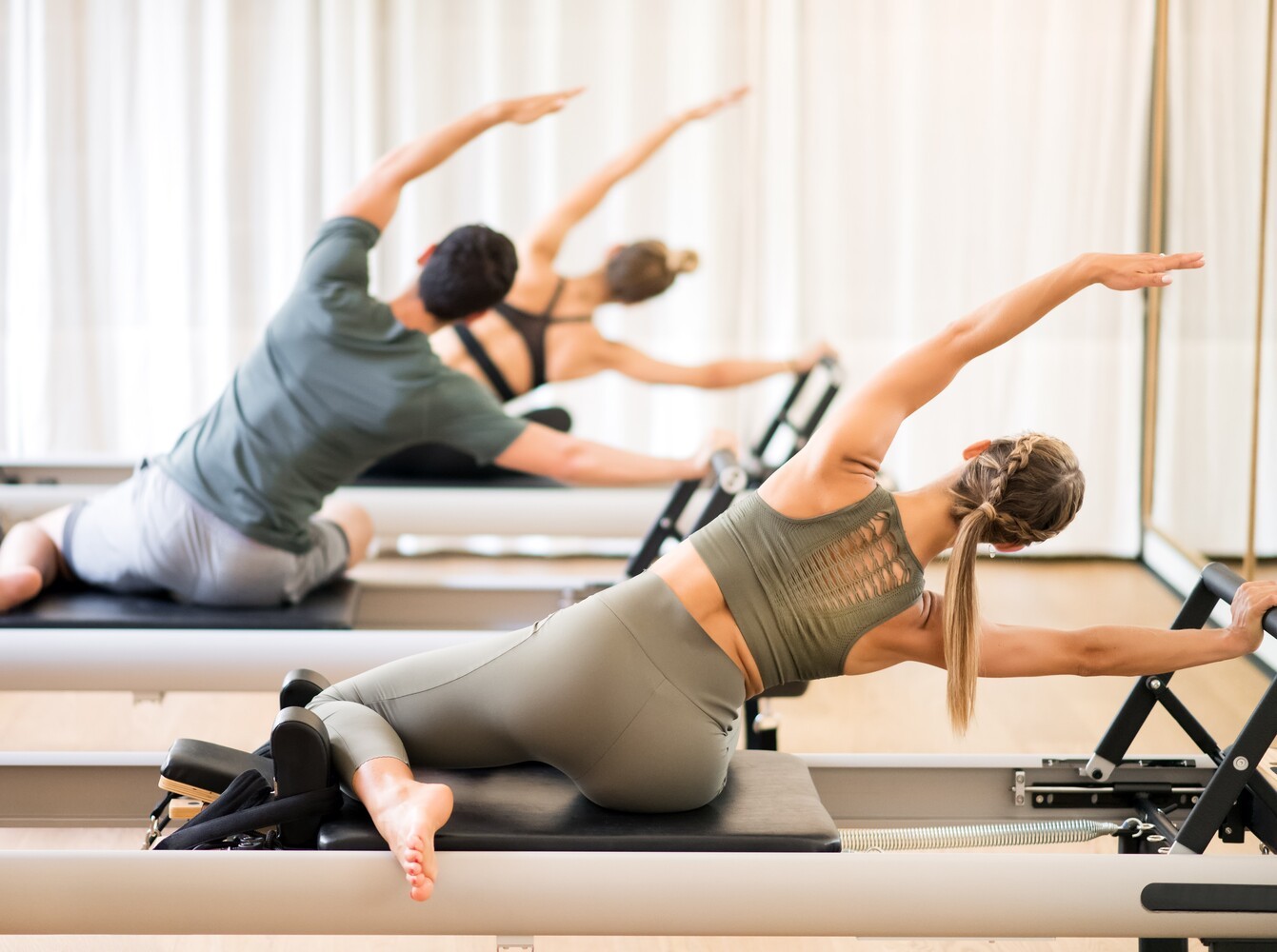
Losing weight can feel overwhelming, especially when most advice centers around intense workouts or strict routines that are hard to maintain. Pilates offers a more approachable option that focuses on controlled movement, strength, and consistency.
From our experience as Registered Dietitians, many people are surprised by how effective pilates for weight loss can be when it’s done regularly and paired with supportive habits. It may not feel extreme, but it can improve body composition, increase muscle tone, and change how your body looks over time.
In this article, we’ll walk through how Pilates supports weight loss, what results you can realistically expect, and how to build a routine that works in real life.
Key Takeaways
Pilates can support weight loss by improving muscle tone, posture, and overall body composition, even if the scale changes slowly.
Consistency matters most. Practicing Pilates several times per week leads to better results than occasional intense sessions.
Combining Pilates with walking, strength training, and balanced nutrition helps create more noticeable and sustainable progress.
Many people see changes in strength, posture, and how their clothes fit before they see changes in body weight.

Can Pilates Help You Lose Weight?
Yes, Pilates can support weight loss, especially when combined with consistent movement and balanced nutrition. It may not burn as many calories as running or cycling for weight loss, but it plays a powerful role in improving body composition and long-term habits.
The biggest shift people notice isn’t always immediate weight loss. It’s how their body looks and feels.
There’s an important distinction here. Fat loss and body recomposition are not the same thing. You can lose fat while gaining lean muscle, which may keep the scale steady but make your body look noticeably leaner.
That’s why many people feel discouraged early on. The scale doesn’t move much, but their clothes fit better, their posture improves, and their core feels stronger. Pilates often works beneath the surface first.
Why Pilates Is Still Popular for Weight Loss
Pilates has remained popular because it’s sustainable. It doesn’t leave you exhausted or dreading your next workout.
Low-impact training makes it easier on the joints, which means you’re more likely to stick with it long term. And consistency matters far more than intensity when it comes to weight loss.
As Registered Dietitians, we often see people burn out on extreme routines. Pilates offers a steady, realistic alternative. It builds strength, improves flexibility, enhances posture, and strengthens core stability all at once.
What Research and Trainers Say About Pilates and Weight Loss
Research shows Pilates can improve body composition, even if weight loss is modest. One study found improvements in body fat percentage and muscle tone after consistent practice.
At the same time, Pilates burns fewer calories than traditional cardio workouts. That’s simply due to its controlled, low-impact nature.
Trainers often recommend pairing Pilates with other forms of movement. Walking, strength training, or light weight loss cardio can help create a calorie deficit, while Pilates supports muscle tone and posture. This combination tends to deliver the best results.
How Pilates Helps With Weight Loss
Pilates influences weight loss through several key mechanisms that work together over time. Understanding how it affects muscle, metabolism, and daily habits can help set more realistic expectations for your results.
Lean Muscle and Metabolism
Pilates builds lean muscle, especially in deep stabilizing muscles that often get overlooked. These muscles support posture and core strength, but they also play a role in metabolism.
Muscle tissue burns more energy than fat tissue, even at rest. That means the more lean muscle you build, the more efficient your body becomes over time.
From our experience, this is one of the biggest long-term benefits of Pilates. It helps your body work smarter, not harder.
The “Pilates Effect”: Why Your Body May Look Leaner
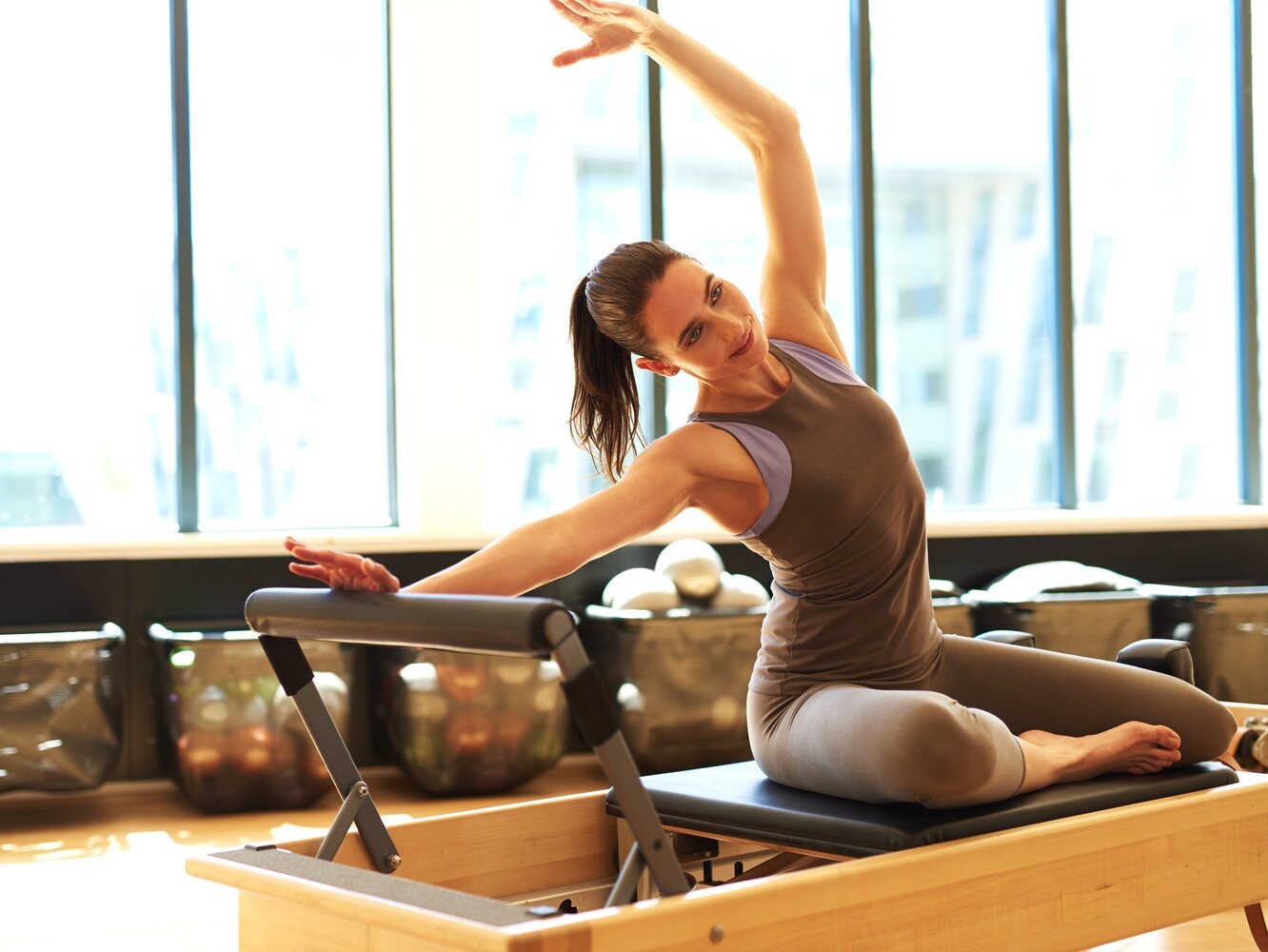
Pilates is known for creating a long, lean look. That’s not just marketing. It comes from improved posture, alignment, and consistent muscle engagement.
When your core is stronger, you naturally stand taller. Shoulders pull back. The midsection looks tighter. These changes can dramatically affect how your body appears, even before significant fat loss happens.
Stress, Mindfulness, and Consistency
Pilates emphasizes breathwork and controlled movement, which supports nervous system regulation. That matters more than most people realize.
Stress can influence eating habits, sleep, and weight regulation. Mindful movement helps reduce that stress and creates a more balanced routine.
Why Consistency Often Matters More Than Calorie Burn
You don’t need the “perfect” workout. You need one you’ll actually do regularly. Pilates is approachable. It doesn’t feel punishing. That makes it easier to stay consistent, and consistency drives results.
Why People Stick With Pilates Longer Than High-Intensity Programs
High-intensity workouts can feel overwhelming. Pilates feels manageable.
After years of experience, we’ve seen that people stick with routines that fit into their lives. Pilates often becomes a habit rather than a chore.
How Much Weight Can You Lose With Pilates?
Weight loss with Pilates varies from person to person. Most people notice gradual progress rather than quick drops on the scale. In our experience as Registered Dietitians, a few pounds over several weeks is common, especially when starting out.
On its own, Pilates may lead to modest weight loss. Pair it with regular walking, strength training, and supportive eating habits, and results tend to become steadier and more noticeable over time.
What Affects Your Results
Your results with Pilates don’t come down to one single factor. Several lifestyle habits work together to influence how quickly and noticeably your body changes:
Frequency of workouts: Practicing Pilates 2 times a week will feel very different from doing it 4 to 5 times consistently. More frequent sessions tend to lead to faster strength and body composition changes.
Nutrition habits: Balanced meals with enough protein support muscle repair and fat loss. Skipping meals or under-eating can slow progress.
Overall activity level: Daily movement, like walking, increases total calorie burn and supports weight loss alongside Pilates.
Sleep quality: Poor sleep can affect hormones that regulate hunger and recovery.
Stress levels: High stress can impact eating habits and slow fat loss over time.
If you want more personalized support, you can connect with a Registered Weight Loss Dietitian through Berry Street to get a tailored 7-day meal plan that works alongside your Pilates routine.
What Most People Notice First
Most people don’t see big changes on the scale right away. Instead, the first shifts are physical and noticeable in daily life. Posture improves, which can make you look more upright and confident.
Core strength builds quickly, so movements feel more stable and controlled. Muscle tone becomes more visible, especially in the arms, legs, and midsection. Clothes may start to fit differently before any significant weight loss shows up.
Realistic Pilates Weight Loss Expectations
Progress with Pilates tends to happen in stages, not all at once. Knowing what changes to look for early on can help you stay encouraged as your body adapts.
What Can Change in the First Month
In the first few weeks, changes tend to feel more internal than visible. You may notice better balance during workouts and improved core control when sitting or standing. Energy levels often pick up, especially if you’ve been inactive.
Some people also feel less stiff or tight. Clothes may fit slightly differently around the waist or hips, even if the scale hasn’t moved much yet.
When Body Recomposition Becomes Visible
Between weeks four and eight, physical changes often become easier to see. Muscles start to look more defined, especially in the arms, legs, and midsection. The waistline may appear tighter as posture improves and core muscles strengthen.
You might also notice more shape through your hips and thighs. These changes reflect shifts in muscle and fat, even if overall weight stays similar.
Why the Scale is Only Part of the Story
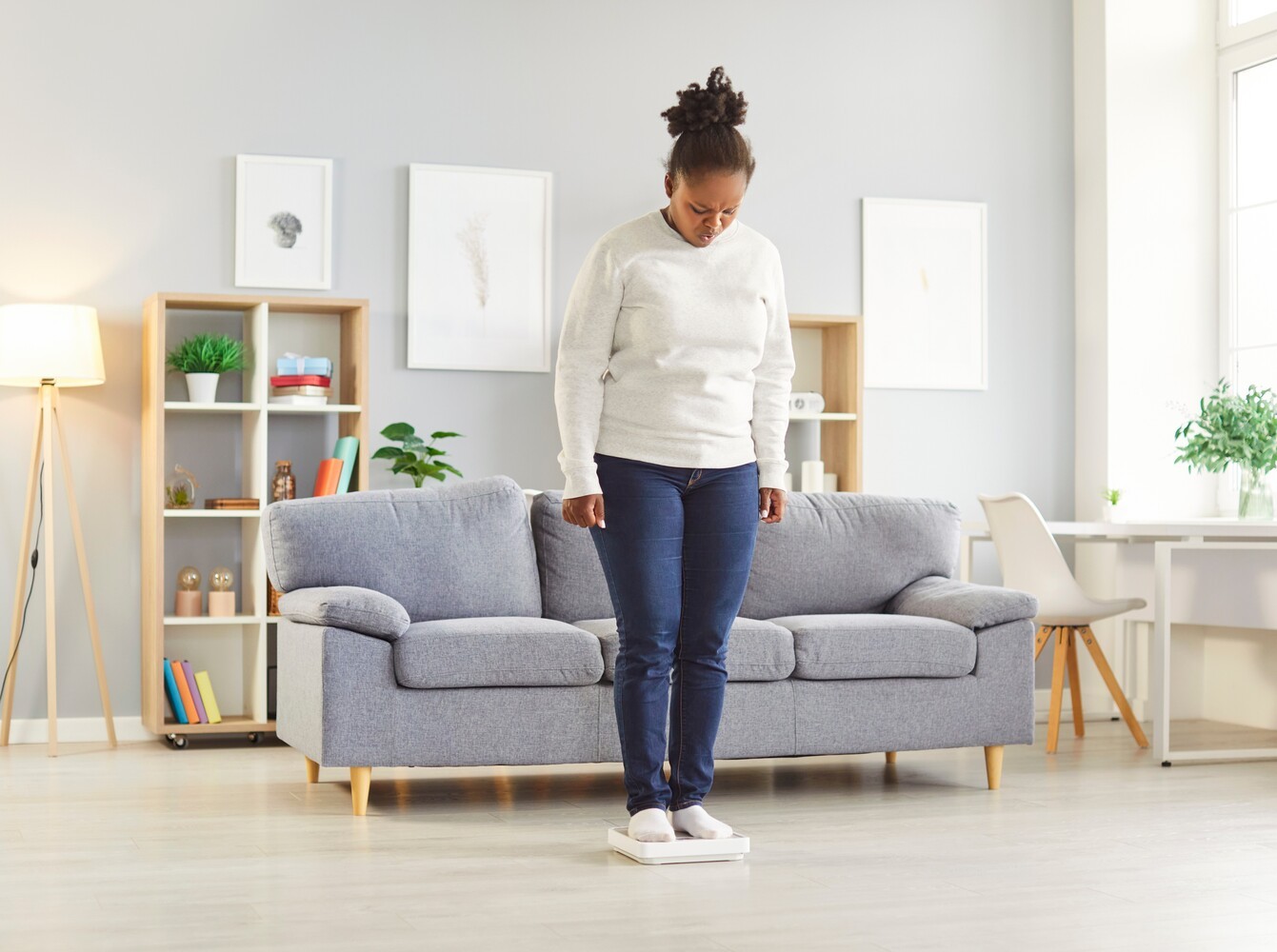
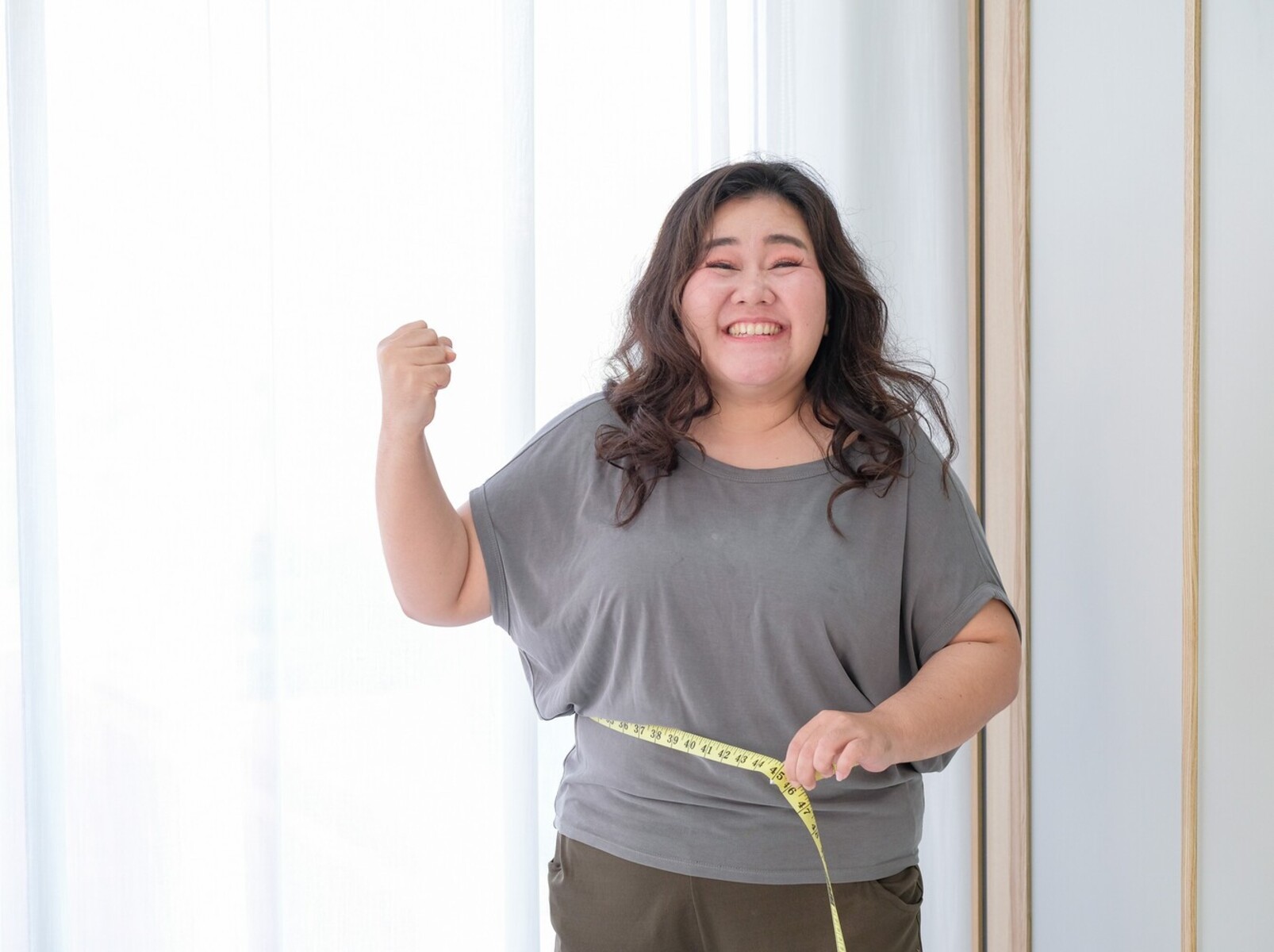
The scale only shows total body weight, which doesn’t tell the full story. It can’t distinguish between fat loss and muscle gain. With Pilates, you may build lean muscle while reducing fat, which can keep your weight stable.
At the same time, posture improves, and your body looks more aligned. Many people feel leaner and stronger even when the number on the scale barely changes.
How Often Should You Do Pilates to Lose Weight?
For most people, doing Pilates three to five times per week supports steady weight loss. That frequency builds consistency without overwhelming your schedule or your body.
Results tend to come from showing up regularly rather than doing occasional long sessions. Pairing Pilates with walking or strength training can further support fat loss and improve overall fitness.
The Minimum Effective Frequency
If you’re just getting started, two to three sessions per week is a realistic place to begin. This gives your body time to adapt to new movements and build foundational strength. You may feel sore at first, especially in your core.
Spacing sessions out helps with recovery while still creating progress. Over time, you can increase frequency as your confidence and endurance improve.
The Sweet Spot for Faster Results
Four to five sessions per week is often where people start to see faster changes. This level of consistency helps build muscle tone and improve movement patterns more quickly.
Many Pilates instructors use this approach to create momentum. You’re practicing often enough to improve, but still allowing rest days. Combining these sessions with light cardio can further support weight loss goals.
Is 30 Minutes of Pilates a Day Enough?
Yes, 30 minutes a day can be enough when sessions are focused and intentional. A short, consistent routine can build strength and improve endurance over time.
For example, a 30-minute session that includes core work, planks, and full-body movements can feel challenging. The key is staying consistent. Those daily sessions add up and can lead to noticeable changes over several weeks.
Can You Do Pilates Every Day?
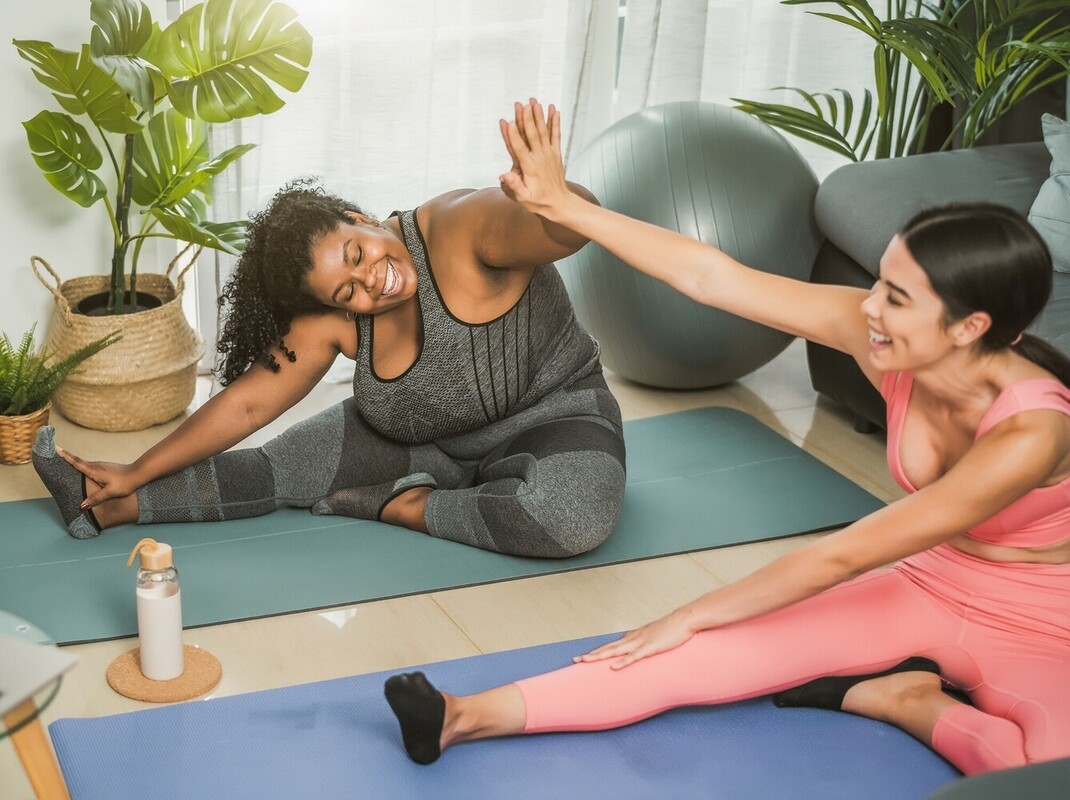
Pilates can be done daily, especially since it’s low-impact. However, varying intensity is important. Some days can focus on gentle stretching and mobility, while others include more challenging core and strength work.
This approach helps prevent fatigue and keeps your body progressing. Listening to your body is key. If you feel overly sore or tired, adding a rest or lighter day can help maintain consistency.
Signs Your Body Needs Rest
Your body gives clear signals when it needs a break, especially as your Pilates routine becomes more consistent. Paying attention to these signs can help prevent injury and keep your progress on track:
1. Persistent Muscle Soreness
Some soreness after Pilates is normal, especially when you’re building strength. However, if soreness lingers for several days or feels sharp instead of dull, your body may need more recovery.
You might notice it’s harder to engage your core or complete basic movements. Giving yourself rest or switching to a lighter session can help muscles repair and come back stronger.
2. Decreased Performance
When exercises that once felt manageable suddenly feel much harder, your body may be overworked. You might struggle to hold a plank as long or lose control during movements that used to feel stable.
This drop in performance is a sign your muscles need time to recover. Rest helps rebuild strength so you can return with better control and endurance.
3. Fatigue or Low Energy
If you’re feeling unusually tired throughout the day, your routine may be too demanding. This can show up as sluggish workouts, low motivation, or needing more sleep than usual.
Pilates should leave you feeling energized, not drained. Taking a rest day or reducing intensity can help restore energy levels and improve how you feel during your next session.

4. Trouble Sleeping or Staying Asleep
Sleep and recovery go hand in hand. If you’re having difficulty falling asleep or waking up frequently during the night, your body may be under too much physical stress. Overtraining can disrupt your natural sleep patterns.
Prioritizing rest days and incorporating gentler Pilates sessions can help regulate your nervous system and support more consistent, restful sleep.
How to Build a Sustainable Routine
Building a routine that fits your life is key to seeing results with Pilates. Small, consistent habits tend to lead to better progress than trying to do too much too quickly.
1. Start Small
Starting with shorter sessions makes it easier to stay consistent. Aim for 20 to 30 minutes a few times per week rather than jumping into daily long workouts.
This helps your body adjust without feeling overwhelmed. You’ll build confidence as movements start to feel more familiar. Over time, you can increase duration or frequency in a way that feels manageable and realistic.
2. Mix Intensities
Not every workout needs to feel challenging. Some days can focus on slower, controlled movements and stretching, while others can include more advanced exercises like planks or full-body flows.
This balance helps prevent fatigue and keeps your routine interesting. It also allows your muscles to recover while still staying active, which supports long-term progress.
3. Pair With Other Movement
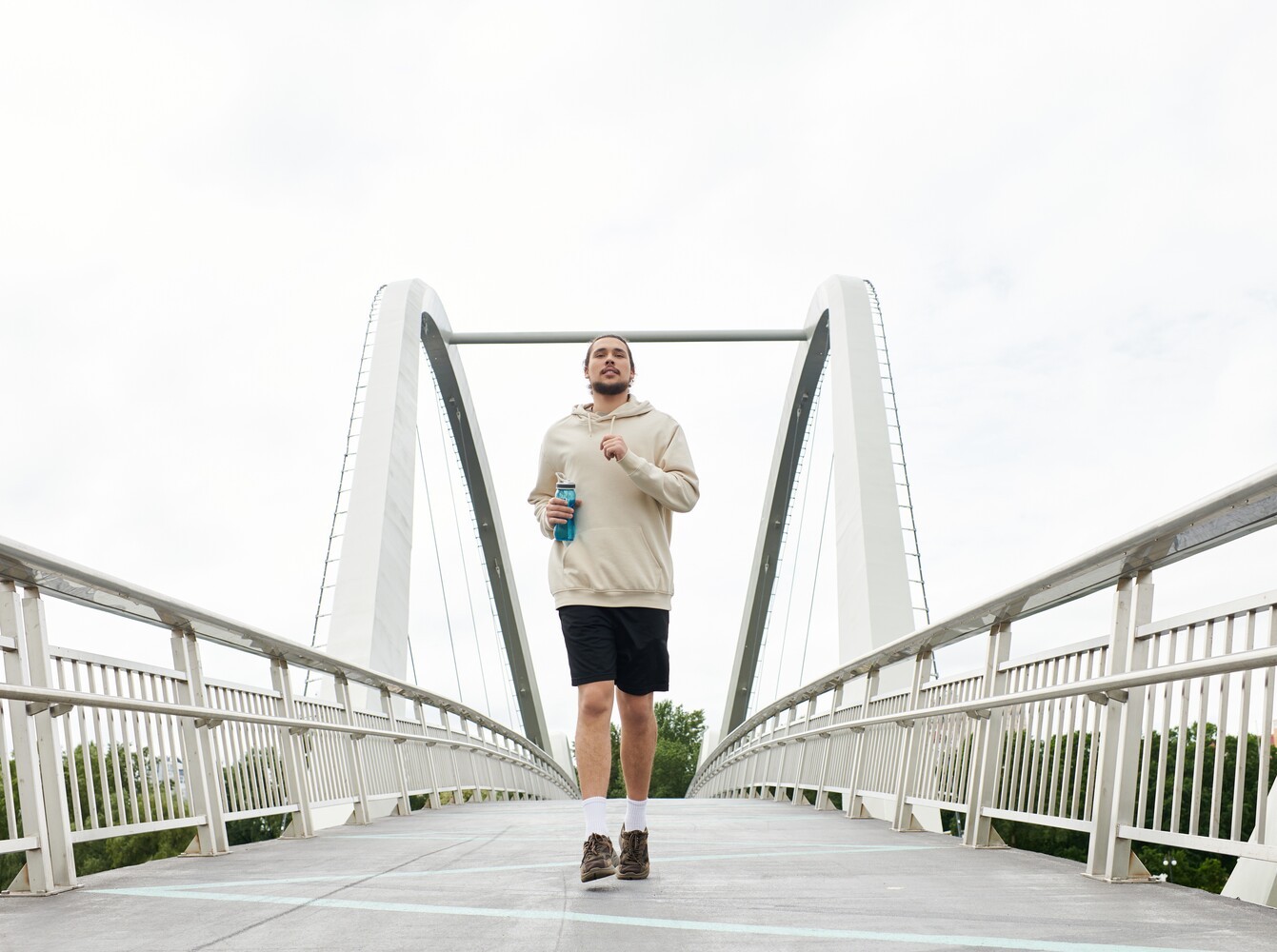
Pilates works best when combined with other forms of movement. Adding daily walks, light cardio, or occasional strength training can increase overall activity levels. This supports calorie burn and helps improve endurance.
For example, a 30-minute walk on non-Pilates days can complement your routine and make your weekly plan feel more balanced and effective.
4. Schedule Your Workouts
Treat your Pilates sessions like any other important appointment. Choose specific days and times each week, so it becomes part of your routine
For example, you might plan sessions on Monday, Wednesday, and Friday mornings. Having a set schedule reduces decision fatigue and makes it easier to stay consistent, even when life gets busy.
5. Track Your Progress
Tracking progress can help you stay motivated and see how far you’ve come. This doesn’t have to mean weighing yourself daily. You can note how long you hold a plank, how your posture feels, or how your clothes fit.
Small improvements add up over time. Seeing those changes can help reinforce the habit and keep you engaged.

What Type of Pilates Is Best for Weight Loss?
The best type of Pilates for weight loss is the one you can stick with consistently and progress over time. Different styles offer different levels of intensity, but consistency is what drives real change.
From our experience as Registered Dietitians, people see better results when they choose a format that feels manageable and gradually increase the challenge as their strength and confidence improve.
Mat Pilates
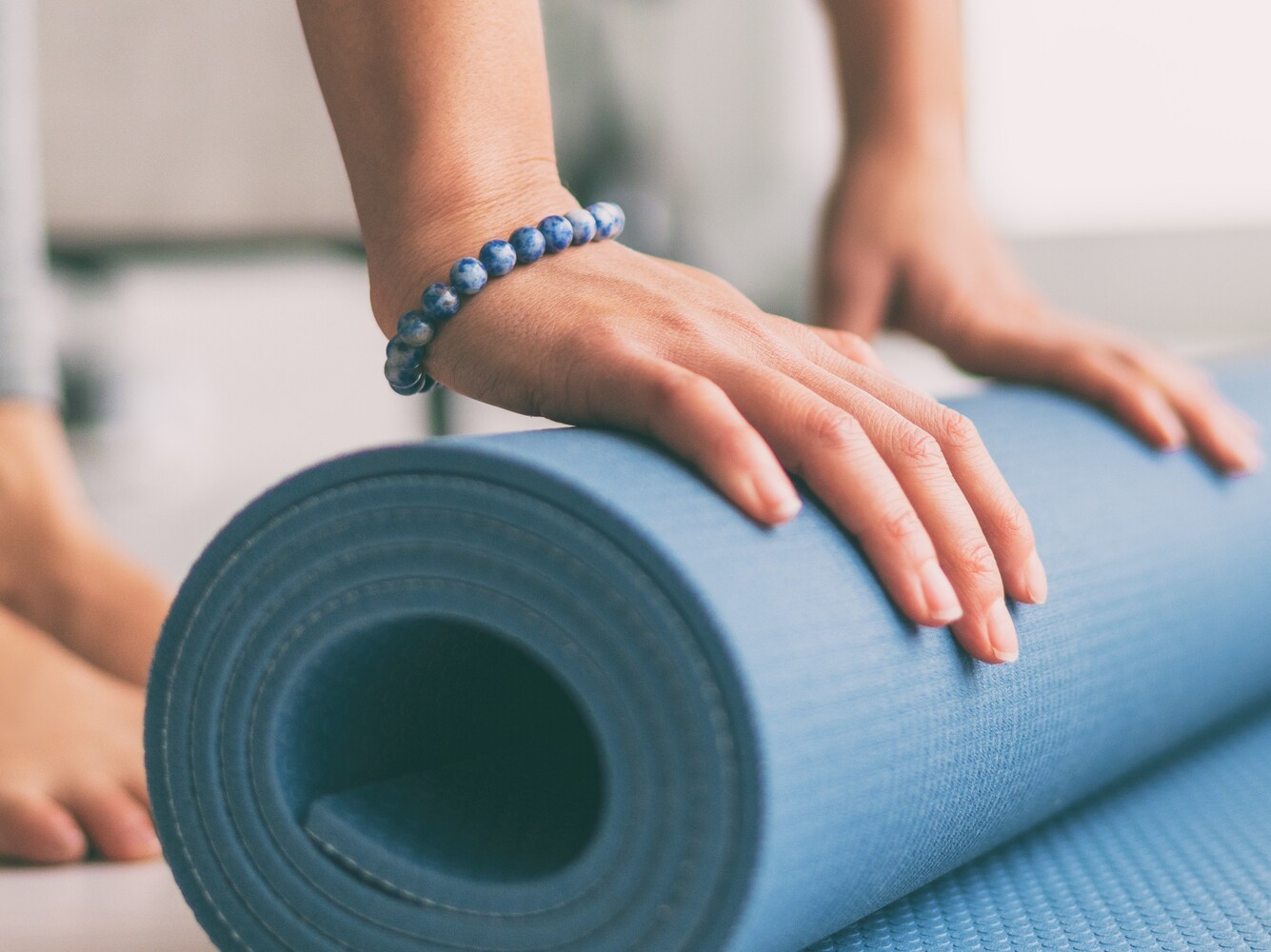
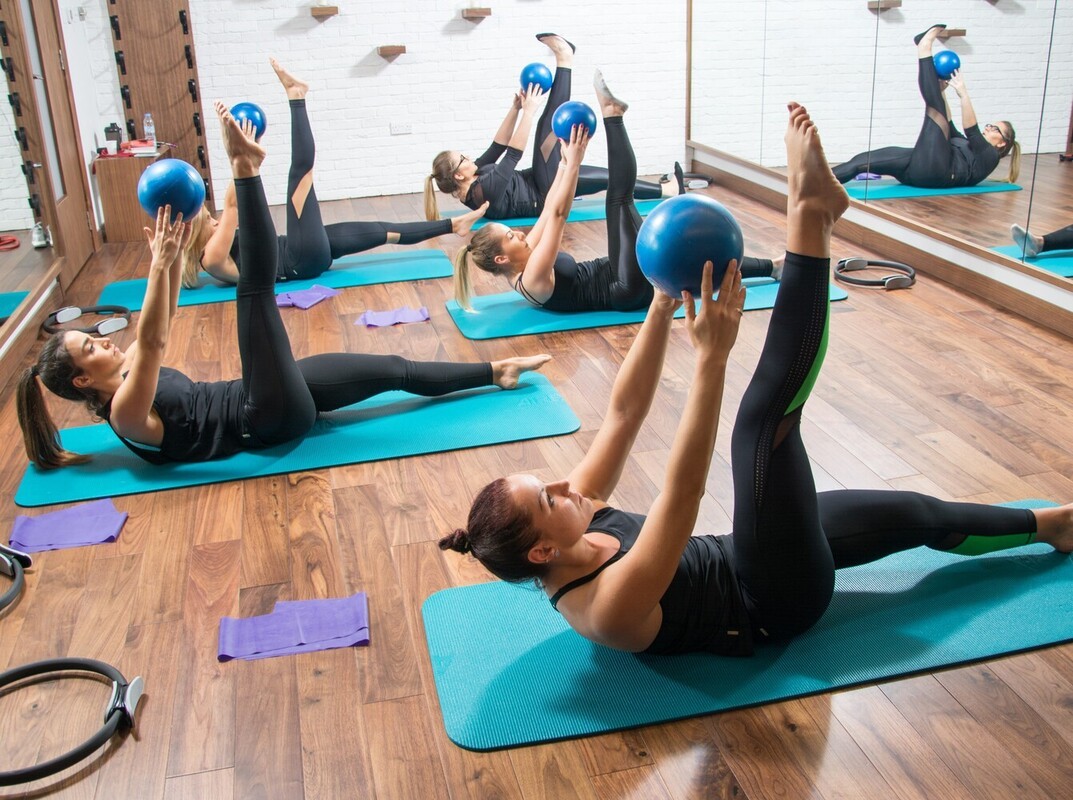
Mat Pilates uses your body weight and focuses on slow, controlled movements that build strength over time. It’s ideal for beginners and easy to do at home with minimal equipment.
While it may feel less intense at first, longer sessions or advanced variations can make it more challenging. With consistency, mat Pilates can improve muscle tone, core strength, and support gradual fat loss.
Reformer Pilates
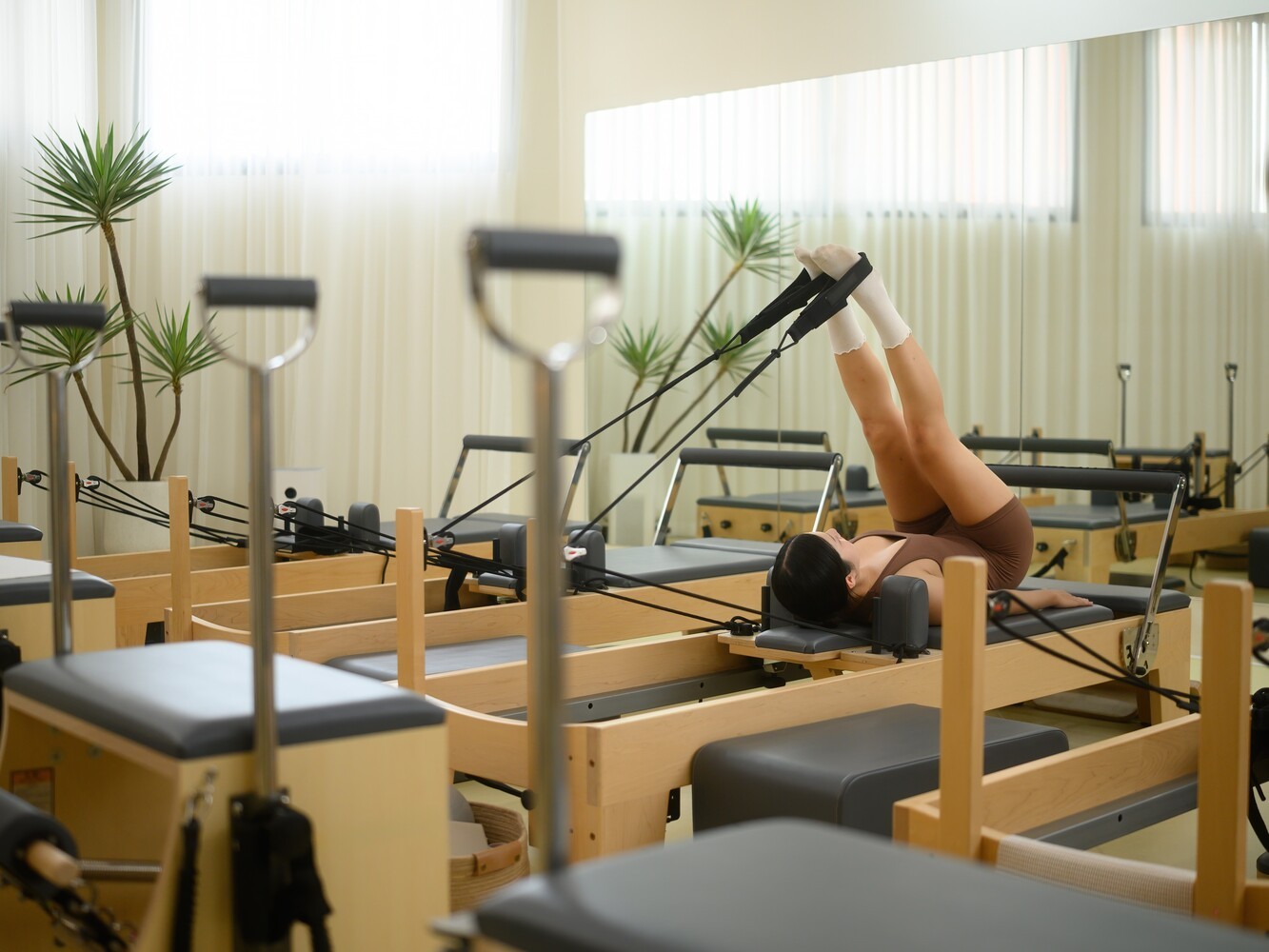
Reformer Pilates uses a machine with adjustable springs to create resistance, which increases intensity and muscle engagement. This added challenge helps build strength more efficiently and can lead to noticeable changes in muscle tone.
Many studios recommend reformer classes for people looking to improve body composition. Sessions often feel more dynamic, which can support higher energy output compared to basic mat routines.
Chair and Studio Pilates Variations
Chair and studio-based Pilates variations focus on strength, stability, and controlled movement. These workouts often use specialized equipment to challenge balance and coordination while targeting smaller muscle groups.
They can be adjusted for different fitness levels, making them accessible for beginners and more advanced participants. As intensity increases, these sessions can support muscle development and contribute to overall fat loss.
Hot Pilates and Higher-Intensity Classes
Hot Pilates takes place in a heated room, which can make workouts feel more intense and physically demanding. You may sweat more, but that doesn’t directly reflect fat loss. These classes can still improve strength and endurance, especially if they include continuous movement.
However, they may not be suitable for everyone. Staying hydrated and pacing yourself is important to avoid fatigue or discomfort.
Reformer Pilates vs Mat Pilates for Weight Loss
Both reformer Pilates and mat Pilates can support weight loss, but they create different workout experiences and suit different needs.
Reformer classes usually feel more intense because the machine adds resistance and variety. Mat Pilates is simpler, more accessible, and easier to do consistently at home. Either option can work well when it’s done regularly and paired with supportive lifestyle habits.
Resistance and Muscle Engagement
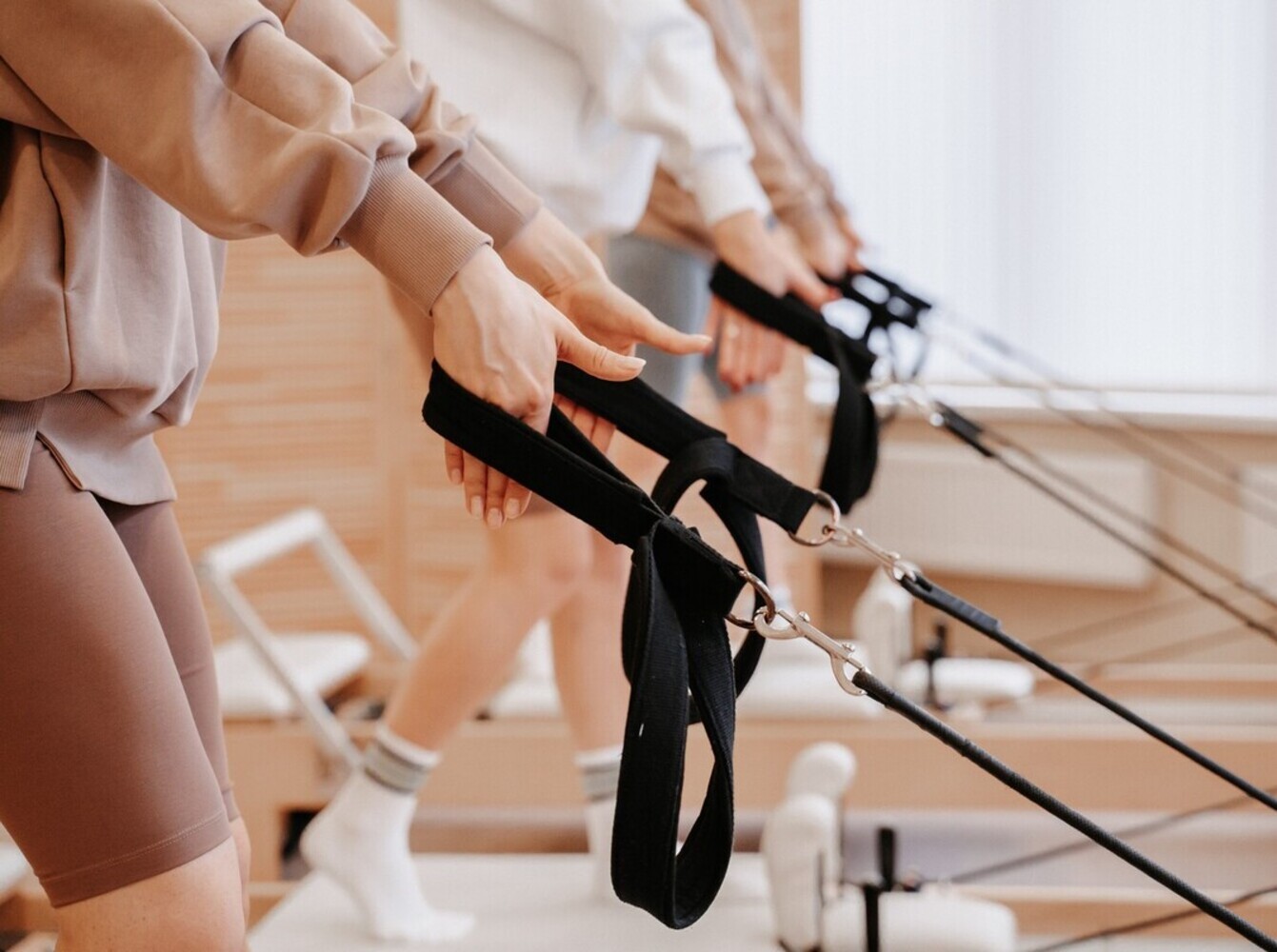
Reformer Pilates uses springs, straps, and a moving carriage to create resistance throughout each exercise. That added tension can increase muscle engagement, especially in the core, glutes, inner thighs, and upper body.
Mat Pilates relies mostly on body weight and precise control, which still builds strength but often with less external challenge. For people who want more resistance built into the workout, reformer sessions usually feel more demanding.
Which Burns More Calories?
Reformer Pilates generally burns more calories because the added resistance increases the overall workload and keeps muscles under tension for longer periods. Many classes also move at a slightly faster pace, which can raise heart rate more than a traditional mat session.
That said, the gap isn’t huge. A strong mat Pilates workout with planks, roll-ups, and continuous movement can still provide a solid calorie-burning session.
Which Builds Strength Faster?
Reformer Pilates usually builds strength faster because it allows for clear progression through adjustable resistance. As exercises start to feel easier, spring tension can be increased to keep muscles challenged. That progression helps build stronger legs, glutes, arms, and core over time.
Mat Pilates can still improve strength, especially for beginners, but it often takes more creativity to keep advancing the difficulty.
Which Is Better for Beginners?
Mat Pilates is often the better starting point for beginners because it’s straightforward, affordable, and easy to practice at home. It helps people learn foundational breathing, alignment, and core engagement without needing to understand equipment first.
Reformer Pilates can also be beginner-friendly when taught by a good instructor, but the machine may feel intimidating at first. For many people, mat Pilates feels simpler and less overwhelming.
Cost Considerations
Cost matters, especially if you want to practice Pilates several times each week. Reformer classes are usually much more expensive because they require studio equipment and instructor supervision. That cost can add up quickly over time.
Mat Pilates is far more budget-friendly. You can start with a basic mat and use free or low-cost online classes. For many people, affordability makes mat Pilates easier to maintain long-term.
Accessibility and Home Workouts
Mat Pilates is much easier to do at home, which makes it a practical option for people with busy schedules or limited access to studios. All you need is a mat and enough floor space to move comfortably.
Reformer Pilates usually requires a studio membership or expensive home equipment, which creates more barriers. If convenience is a priority, mat Pilates often fits more easily into everyday life.
Wall Pilates for Weight Loss: Does It Actually Work?
Wall Pilates can support weight loss, but it works best as part of a consistent routine rather than a quick fix. It helps build strength, improve stability, and increase overall movement, all of which contribute to fat loss over time. Results come from regular practice combined with daily activity and supportive eating habits, not from one specific workout style alone.
What Wall Pilates Is
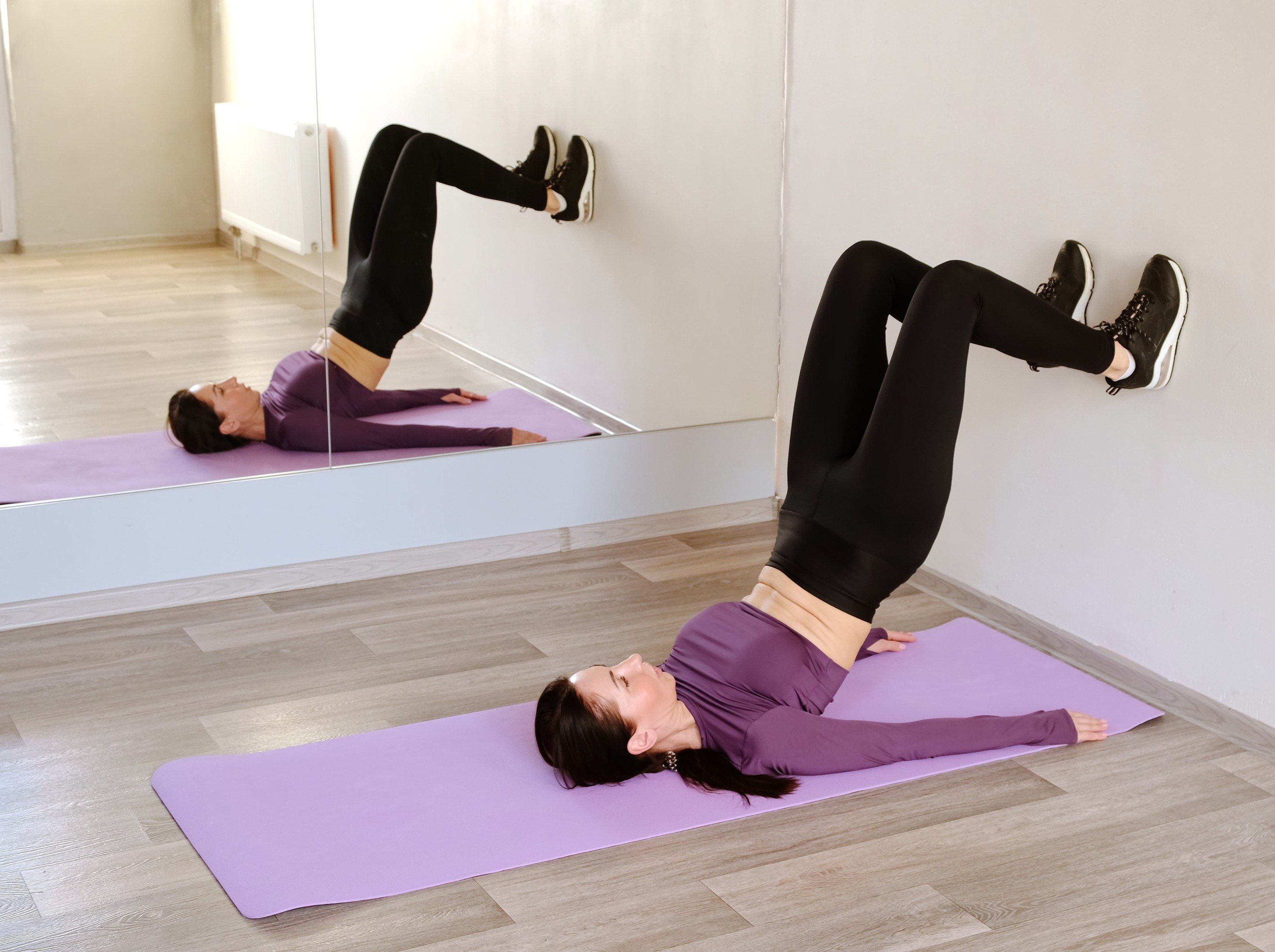
Wall Pilates uses a wall to provide support, balance, and light resistance during exercises. Movements like squats, leg lifts, and core work are modified to use the wall as a guide for alignment.
This can help improve form and make exercises feel more controlled. It’s especially helpful for beginners who want extra stability while building strength and learning proper movement patterns.
Can Wall Pilates Help You Lose Weight?
Yes, wall Pilates can help with weight loss when done consistently and paired with other healthy habits. It builds muscle, improves balance, and increases daily movement, all of which support fat loss over time.
However, the intensity is often lower than other forms of exercise. Combining wall Pilates with walking or strength training can help create more noticeable and sustainable results.
Benefits
Wall Pilates offers several advantages, especially if you’re just getting started or prefer working out at home:
Beginner-friendly: The wall provides stability, which makes movements easier to learn and safer to perform with proper form.
Low-impact: Exercises are gentle on joints, making them suitable for people with injuries or those easing back into fitness.
Improves balance and posture: Using the wall helps reinforce alignment, which can carry over into better posture throughout the day.
Requires minimal equipment: All you need is a wall and a mat, making it easy to stay consistent without extra cost or setup.
Limitations
While wall Pilates can be helpful, there are some limitations to keep in mind if your goal is weight loss:
Lower intensity compared to reformer: Without added resistance, exercises may not challenge muscles enough for faster strength gains.
Limited resistance progression: It can be harder to increase difficulty over time without additional equipment or advanced variations.
May not burn many calories: The slower pace and controlled movements mean energy expenditure is typically lower than cardio or strength training sessions.
Who Wall Pilates Is Best For
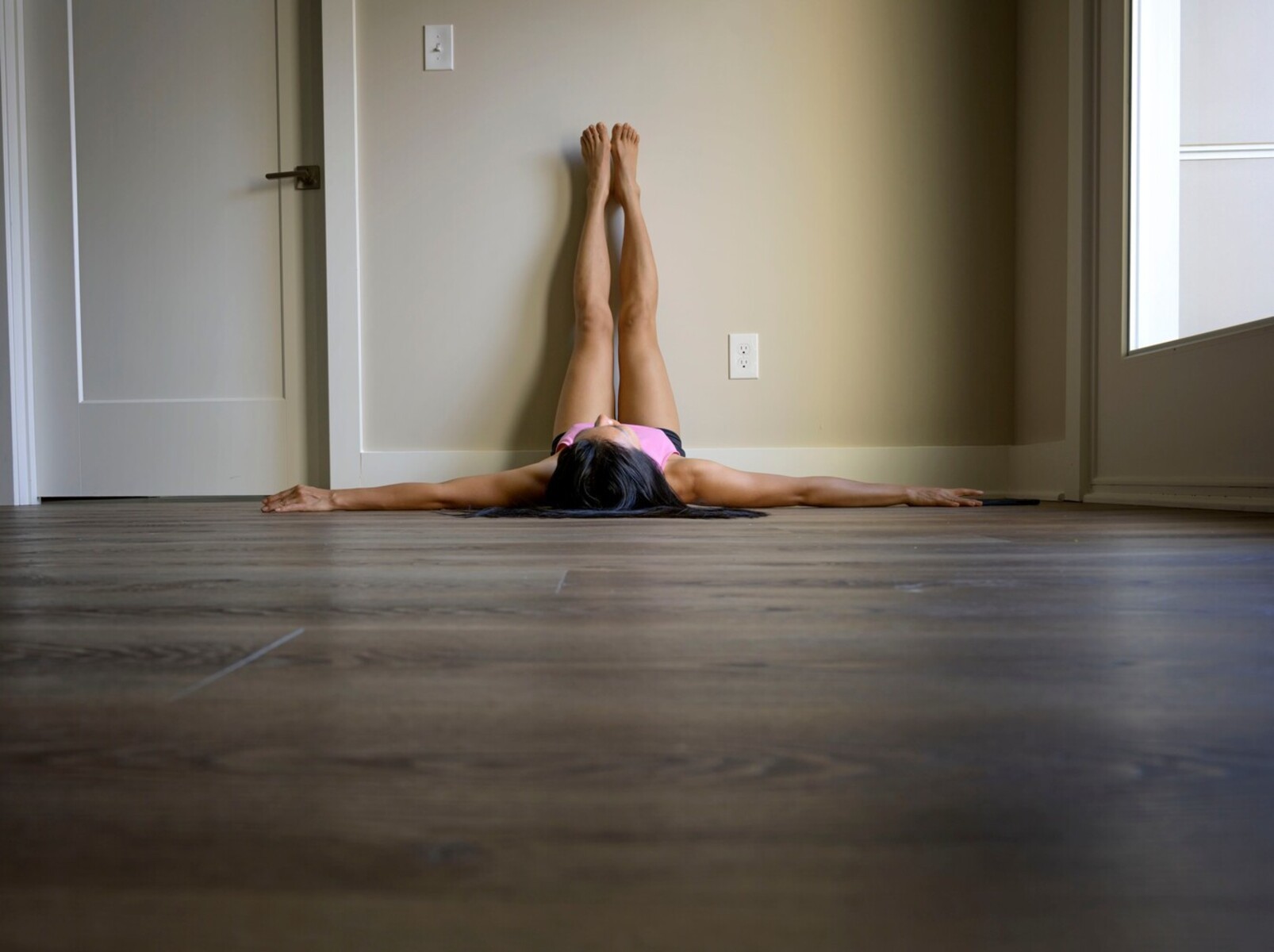
Wall Pilates is a great option for beginners who want extra support while learning proper form and building confidence with movement. It also works well for home workouts since it requires very little space or equipment.
From our experience, it’s especially helpful for those looking for low-impact exercise, including people with joint concerns or anyone easing back into a consistent fitness routine.
The Best Pilates Workouts for Weight Loss
Choosing the right workouts can make a noticeable difference in how effective Pilates feels for weight loss. Some routines are better suited for building strength and increasing energy output, which can help support fat loss over time.
What Makes a Pilates Workout Fat-Loss Friendly
A Pilates workout that supports fat loss usually keeps your body moving and multiple muscle groups engaged at once. Exercises that flow from one to the next with minimal rest can help elevate your heart rate and increase energy use.
Full-body movements like planks, lunges, and core sequences are especially effective. The goal is to stay controlled but continuous, so your muscles are working steadily throughout the session.
Key Pilates Exercises That Burn the Most Energy
Certain Pilates exercises demand more from your body and naturally increase energy use. Focusing on these movements can help make your workouts more effective for supporting weight loss:
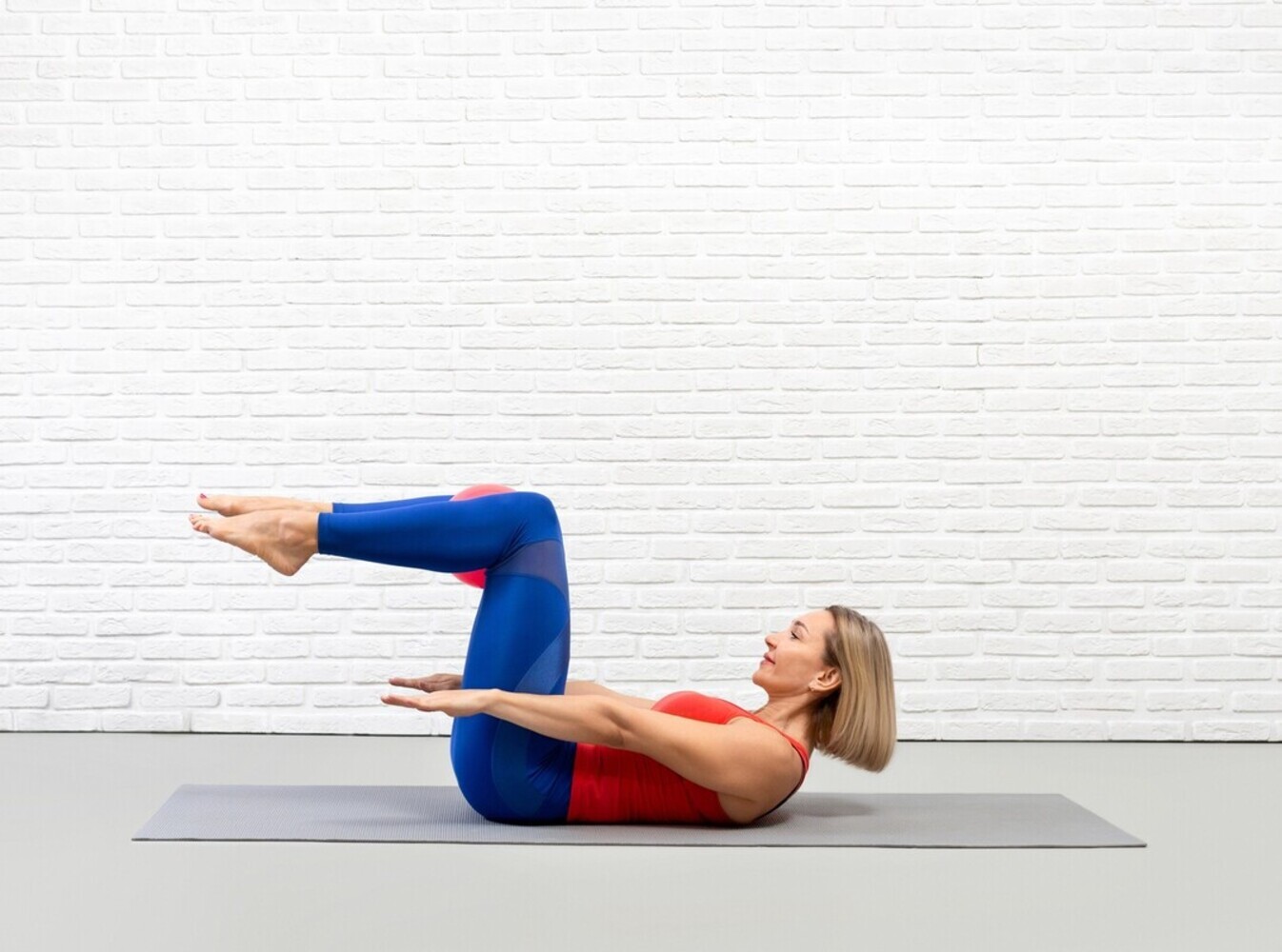
1. The Hundred
The Hundred is one of the most well-known Pilates exercises, and it quickly gets your heart rate up. You lie on your back, lift your legs, and pump your arms while breathing in a steady rhythm.
This combination challenges the core while adding a light cardio effect. After a few rounds, you’ll feel your abs working and your breathing deepen, which helps increase overall energy use.
2. Plank Variations
Plank variations are a powerful way to engage multiple muscle groups at once. Your core, shoulders, arms, and legs all work together to hold your body in position. Adding movements like shoulder taps or leg lifts increases the challenge.
These variations raise your heart rate and make the exercise more demanding, which can help increase overall energy use during your workout.
3. Roll-Ups
Roll-ups focus on slow, controlled movement through the spine while heavily engaging the core. Starting from a lying position, you gradually roll up to sitting and then back down. This requires strength, coordination, and control. Moving slowly increases muscle engagement, especially in the abdominal muscles.
Over time, this exercise can improve both strength and mobility while contributing to a more challenging workout.
4. Swimming Exercise
The swimming exercise targets the back, glutes, and core while keeping your body in constant motion. You lie face down and lift opposite arm and leg pairs in a rhythmic pattern. This creates a full-body challenge that improves coordination and stability.
The continuous movement keeps muscles engaged throughout, which helps increase energy use and makes the exercise feel more dynamic.
5. Leg Circles
Leg circles look simple, but they require strong core control to keep your hips stable while your leg moves. You lie on your back and draw controlled circles with one leg while keeping the rest of your body steady. This forces your deep core muscles to stay engaged.
Over time, this improves coordination and strength, while also increasing the effort needed to maintain proper form.
Sample Beginner Pilates Routine for Weight Loss
Having a structured routine can make it much easier to stay consistent and see progress. Starting with simple, well-balanced workouts helps build confidence while still challenging your body in the right ways.
20-Minute Starter Workout
This short routine is designed to build a strong foundation while keeping things simple and manageable. Move slowly, focus on form, and keep your core engaged throughout each exercise.
Warm-up (3 minutes): Start with gentle stretching and deep breathing to prepare your body.
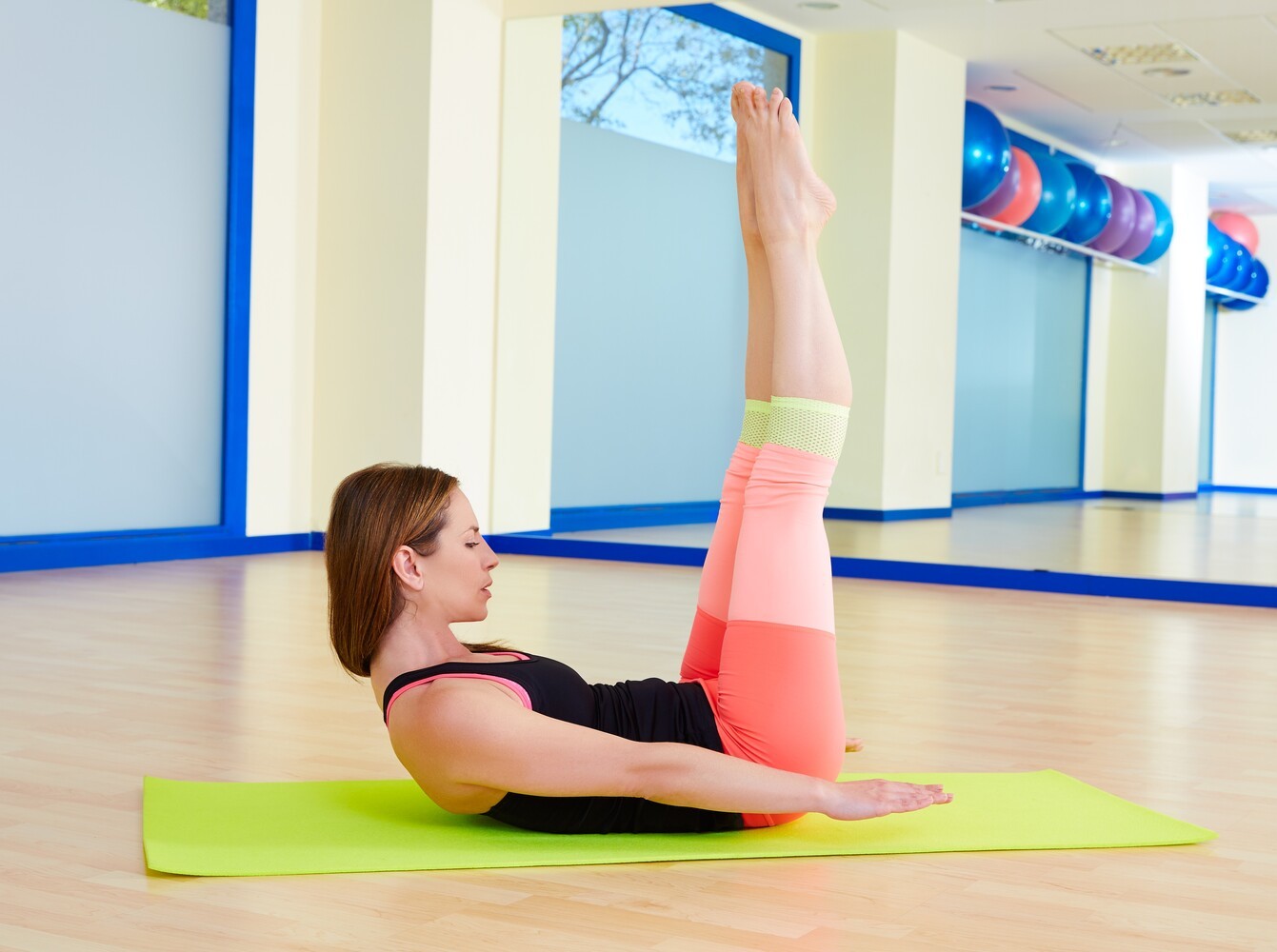
The Hundred (3 minutes): Keep your legs elevated and arms pumping in a steady rhythm.
Leg Circles (4 minutes): Perform controlled circles on each side while keeping your hips stable.
Plank Hold (4 minutes): Hold a steady plank, focusing on core engagement and alignment.
Roll-Ups (3 minutes): Move slowly up and down, controlling each part of the motion.
Cooldown (3 minutes): Finish with light stretching and relaxed breathing.
30-Minute Intermediate Flow
This routine adds more intensity and longer working periods to challenge your strength and endurance. Keep transitions smooth to maintain a steady pace.
Warm-up (5 minutes): Include dynamic stretches and core activation movements.
The Hundred (4 minutes): Increase intensity by lowering your legs closer to the floor.
Advanced Leg Circles (5 minutes): Use larger circles and slower control for added challenge.
Plank Variations (6 minutes): Add shoulder taps or leg lifts to increase difficulty.
Roll-Ups (5 minutes): Focus on slow, controlled movement to maximize core engagement.
Swimming Exercise (3 minutes): Alternate arms and legs in a steady, controlled rhythm.
Cooldown (2 minutes): Stretch and reset your breathing to finish.
Can You Really Lose Weight Doing Pilates at Home?
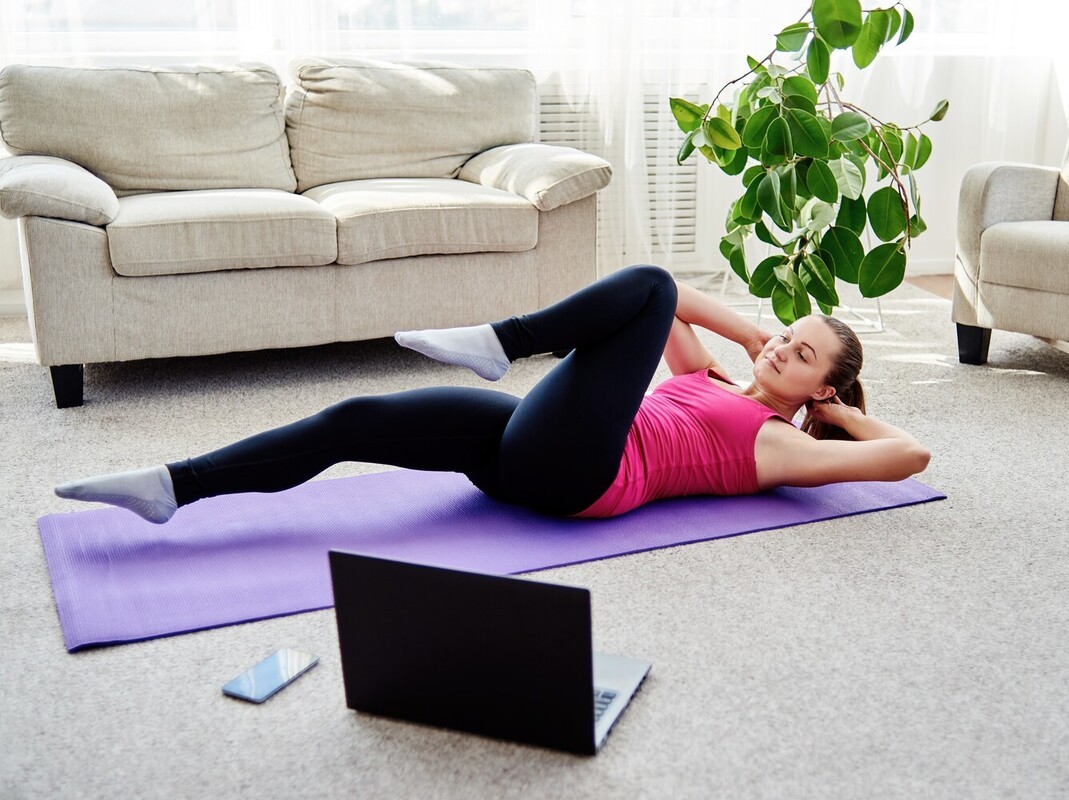
Yes, you can lose weight doing Pilates at home if you stay consistent and support it with daily movement and balanced eating habits. Short, regular sessions can add up over time, especially when you gradually increase intensity. Pairing Pilates weight loss exercises at home with walking or strength training helps create more noticeable and sustainable progress.
How to Lose Weight With Pilates at Home
Building an effective routine at home takes a bit of structure and intention. A few simple strategies can help you stay consistent, increase intensity over time, and get better results from each session:
Step 1: Set a Weekly Schedule
Plan your Pilates sessions ahead of time so they become part of your routine. Aim for three to five workouts each week and choose specific days and times that fit your schedule.
For example, you might do Pilates on Monday, Wednesday, and Friday mornings. Having a set plan reduces decision fatigue and makes it easier to stay consistent.
Step 2: Use Minimal Equipment
You don’t need much to get started. A comfortable mat and a small amount of space are enough for most routines. As you progress, you can add resistance bands or light weights to increase the challenge.
These small additions can make exercises more engaging and help improve strength without needing a full gym setup.
Step 3: Progress Gradually
As your body adapts, it’s important to increase the challenge to keep seeing results. This can mean holding positions longer, adding more repetitions, or trying more advanced variations.
For example, you might move from a basic plank to adding leg lifts. Small changes like these help build strength and keep your workouts effective over time.
Step 4: Combine With Other Activities
Adding other forms of movement can improve your results and keep your routine balanced. Walking, cycling, or light strength training can increase overall activity and support fat loss.
You might pair a Pilates session with a 20-minute walk. This combination helps boost energy use while still keeping your routine manageable and sustainable.
Step 5: Support Your Routine With Balanced Nutrition
What you eat plays a major role in how your body responds to Pilates. Focus on balanced meals with enough protein, fiber, and healthy fats to support muscle repair and steady energy. Pairing a workout with a meal that includes lean protein and whole grains can help with recovery.
If you want more personalized support, you can connect with a Registered Sports Dietitian through Berry Street for guidance tailored to your goals.
Step 6: Track Progress Beyond the Scale
Progress doesn’t always show up as a number on the scale. Pay attention to how your clothes fit, how strong your core feels, and how your posture improves over time.
You might notice you can hold a plank longer or move more comfortably during daily activities. These small wins add up and can help you stay motivated as your routine becomes more consistent.
Pilates vs Other Workouts for Weight Loss
Different types of exercise support weight loss in different ways. Comparing Pilates to other workouts can help you decide how it fits into a routine that works for your goals.
Pilates vs Barre
Pilates and barre both target muscle tone, especially in the core, legs, and glutes. Barre classes usually involve small, repetitive movements performed at a quicker pace, which can increase muscle fatigue.
Pilates focuses more on controlled, precise movement patterns. This can improve alignment and stability. Both can support weight loss, but Pilates often places more emphasis on full-body control and posture.
Pilates vs Strength Training
Strength training uses heavier resistance to build muscle more quickly, which can increase metabolism over time. Pilates builds strength through controlled movement and bodyweight resistance, often targeting deeper stabilizing muscles.
For example, weight lifting for weight loss may grow muscle size faster, while Pilates improves coordination and control. Combining both can be effective for improving body composition and supporting long-term weight loss.
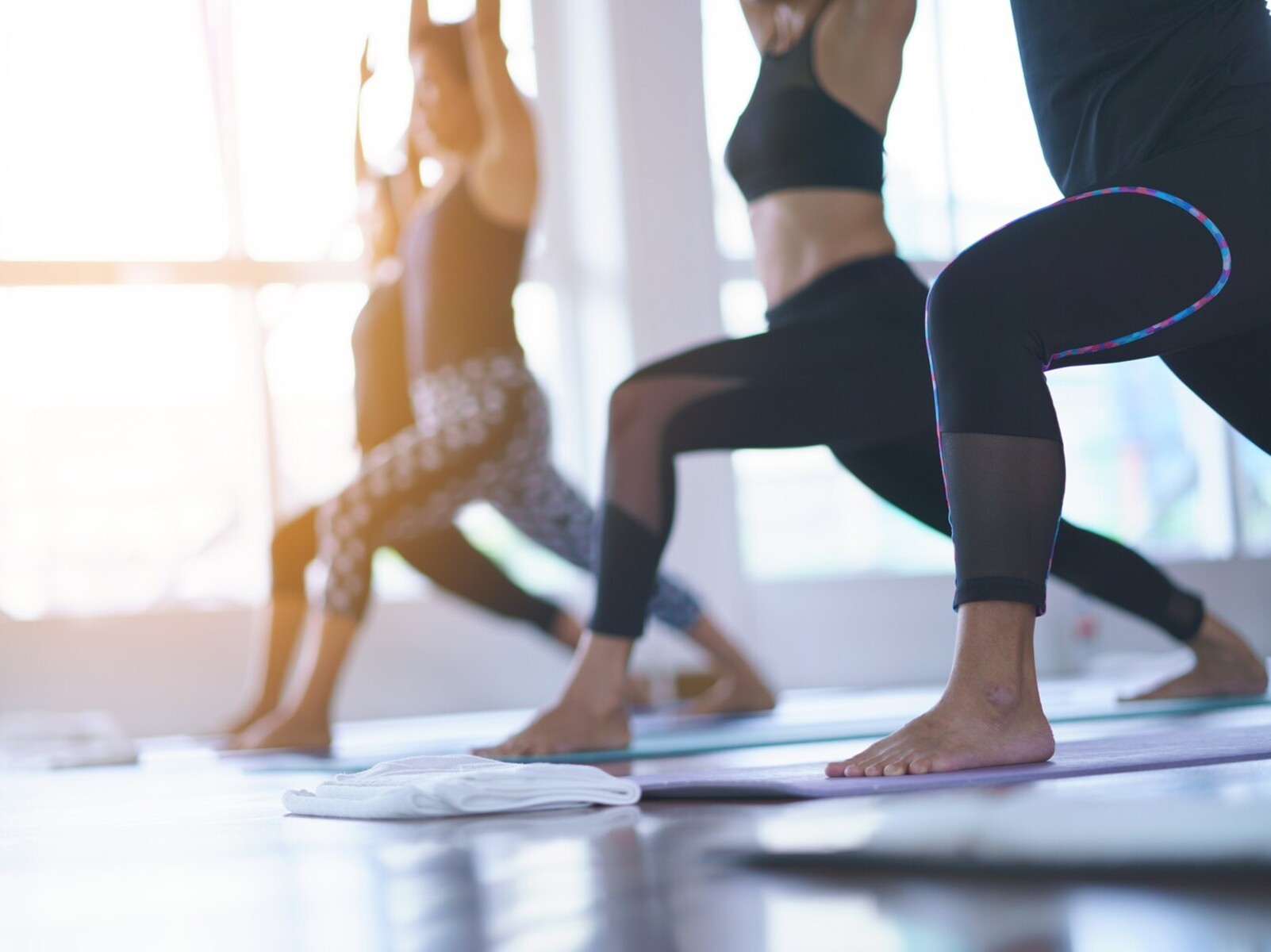
Pilates vs Yoga for Weight Loss
Pilates and yoga both improve strength and flexibility, but they feel very different in practice. Pilates places more focus on core strength, controlled movement, and muscle engagement, which can support body recomposition over time.
Yoga for weight loss often emphasizes relaxation and flexibility, depending on the style. Faster-paced yoga classes can support weight loss, but Pilates tends to create more consistent strength-focused results.
Pilates vs Cardio
Cardio exercises like running, cycling, or swimming for weight loss burn more calories during the workout itself. This can support faster short-term weight loss. Pilates, on the other hand, builds strength and improves muscle tone, which supports long-term body composition changes.
Adding Pilates can help improve posture and core strength, while cardio increases overall calorie burn. Together, they create a more balanced and effective routine.
Combining Pilates With Other Exercise for Better Weight Loss
Combining different types of movement can make your routine more effective and well-rounded. Pilates works best when it’s part of a broader plan that includes strength, cardio, and daily activity.
Pilates and Walking
Walking for weight loss is one of the easiest ways to complement a Pilates routine. It adds steady, low-intensity cardio that helps increase daily calorie burn without putting extra stress on your body.
For example, a 20 to 30-minute walk on non-Pilates days can support fat loss and improve endurance. It also helps maintain consistency without feeling overly demanding.
Should You Do Cardio Before or After Pilates?
Either option can work, but doing Pilates first often helps you focus on form and control. Pilates requires precision, especially for core engagement and alignment. Starting with cardio can leave you fatigued, which may affect your technique.
If your goal is better performance and strength, begin with Pilates. If calorie burn is your priority, doing cardio afterward can still be effective.
The Ideal Weekly Fitness Balance
A well-rounded routine combines different types of movement to support strength, endurance, and recovery. Here’s how to structure your week for better results:
Strength training: Adding one to two sessions per week helps build muscle and improve metabolism. This can include weightlifting or resistance-based workouts that challenge major muscle groups.
Cardio: Two to three sessions of cardio, such as walking, cycling, or swimming, can increase calorie burn and support heart health.
Mobility and recovery: Pilates itself supports flexibility and recovery, but lighter sessions or stretching days can help reduce soreness and improve movement quality.
Common Mistakes That Slow Down Weight Loss With Pilates
Even with a consistent routine, certain habits can slow down your progress without you realizing it. Identifying these common mistakes can help you make small adjustments that lead to better, more consistent results:
Expecting Spot Fat Reduction
It’s common to want to target areas like the stomach or thighs, but fat loss doesn’t work that way. Pilates can strengthen and tone specific muscles, especially in the core, but fat loss happens across the entire body.
You might feel stronger through your midsection before you see visible changes. Consistent full-body movement is what drives overall fat loss.
Ignoring Nutrition
Nutrition plays a major role in how your body responds to Pilates. Regular workouts may not lead to weight loss if eating habits don’t support your goals. Balanced meals with enough protein can help with muscle repair and keep you feeling satisfied throughout the day.
If you want more guidance, you can connect with a Registered Health Dietitian through Berry Street for personalized support.
Doing Only Gentle Pilates Sessions
Gentle Pilates sessions are great for recovery and mobility, but relying on them alone can slow progress. Your body needs enough challenge to build strength and support fat loss.
Adding more demanding movements like planks, longer holds, or faster transitions can increase intensity. A mix of lighter and more challenging sessions tends to create better, more noticeable results.
Not Progressing the Difficulty
Doing the same routine over and over can lead to a plateau. As your body adapts, exercises feel easier and require less effort. You may notice that movements no longer challenge your strength or endurance in the same way.
Increasing reps, extending hold times, or trying more advanced variations can help keep your workouts effective and support continued progress.
Safety Tips Before Starting Pilates for Weight Loss
All movement guidance in this program is for general wellness support. Check with your doctor before starting or changing any exercise routine and stop if you experience pain, dizziness, shortness of breath, or any symptoms your medical team has advised you to avoid.
Who Should Speak With a Doctor First
Individuals with injuries, chronic conditions, or recent surgeries should check with a healthcare provider before starting.
Signs You Should Stop a Workout
Your body will often signal when something isn’t right during a workout. Paying attention to these warning signs can help you avoid injury and know when it’s time to stop:
Sharp or sudden pain
Dizziness or lightheadedness
Shortness of breath beyond normal exertion
Chest discomfort
How to Modify Pilates Safely
Modifying exercises can help you stay consistent while reducing the risk of strain or injury:
Use props like cushions or blocks
Reduce the range of motion
Take breaks when needed
Focus on proper form over intensity
Weight Loss Pilates FAQs
Does Pilates help you lose belly fat?
Pilates can help reduce overall body fat, which may include belly fat over time. It also strengthens and tones the core, which can make your midsection appear tighter even before significant fat loss occurs.
Is Pilates good for PCOS weight loss?
Yes, Pilates can support weight management for people with PCOS by improving insulin sensitivity, reducing stress, and encouraging consistent movement. These factors can make it easier to maintain a healthy weight over time.
Can you lose weight doing Pilates every day?
Yes, daily Pilates can support weight loss if sessions vary in intensity and are paired with balanced nutrition. Consistency matters most, but your body still needs recovery to avoid burnout or injury.
How long does it take to lose weight with Pilates?
Most people start noticing changes in strength and body composition within 4 to 8 weeks. Visible weight loss may take longer and depends on consistency, intensity, and overall lifestyle habits.
Is wall Pilates effective for weight loss?
Wall Pilates can be effective, especially for beginners, because it improves strength and stability while being low-impact. However, it may need to be paired with other movement to create enough intensity for weight loss.
What type of Pilates is best for weight loss?
Reformer Pilates is often more effective for weight loss because it adds resistance, which can increase muscle engagement and calorie burn. That said, any form of Pilates can support results when done consistently.
How many minutes of Pilates a day to lose weight?
Around 30 minutes per day is a solid starting point for supporting weight loss. Shorter sessions can still be effective if they are consistent and progressively challenging.
Is Pilates or yoga better for weight loss?
Pilates tends to support weight loss more due to its focus on strength and muscle engagement. Yoga can still be beneficial, especially for stress management and flexibility, but may burn fewer calories depending on the style.
Conclusion
Pilates can be a powerful part of a weight loss plan, especially if you’re looking for something sustainable and easier to stick with long term. It builds lean muscle, improves posture, and supports body recomposition, which means your body can look and feel different even before the scale changes.
It also encourages consistency, and that’s where real progress happens. When you pair Pilates with regular movement and supportive eating habits, the results tend to be steady and realistic.
If you’re ready to take the next step, you can connect with a Registered Dietitian through Berry Street for personalized guidance that fits your goals and lifestyle.