Do Vibration Plates Actually Help With Weight Loss? What the Evidence Shows
A vibration plate for weight loss promises something a lot of people are looking for. Less time, less effort, and still seeing progress. It’s easy to see why it’s getting so much attention.
As Registered Dietitians, we’ve had more and more clients ask if simply standing on a vibrating platform can really make a difference. The short answer is that it can play a role, but it’s not the main driver of weight loss.
In this article, we break down how vibration plates actually work, what the research shows about fat loss and body composition, and where they realistically fit into a sustainable routine that delivers real results.
Key Takeaways
A vibration plate for weight loss can support your routine, but it won’t drive meaningful fat loss on its own.
Research shows small improvements in fat mass when it’s combined with a calorie deficit and regular exercise.
Active exercises like squats, lunges, and planks are far more effective than simply standing on the plate.
Benefits like improved balance, strength, and stability are better supported than weight-loss claims.
Consistent habits like nutrition, walking, and strength training still have the biggest impact on long-term results.

What Is a Vibration Plate, Exactly?
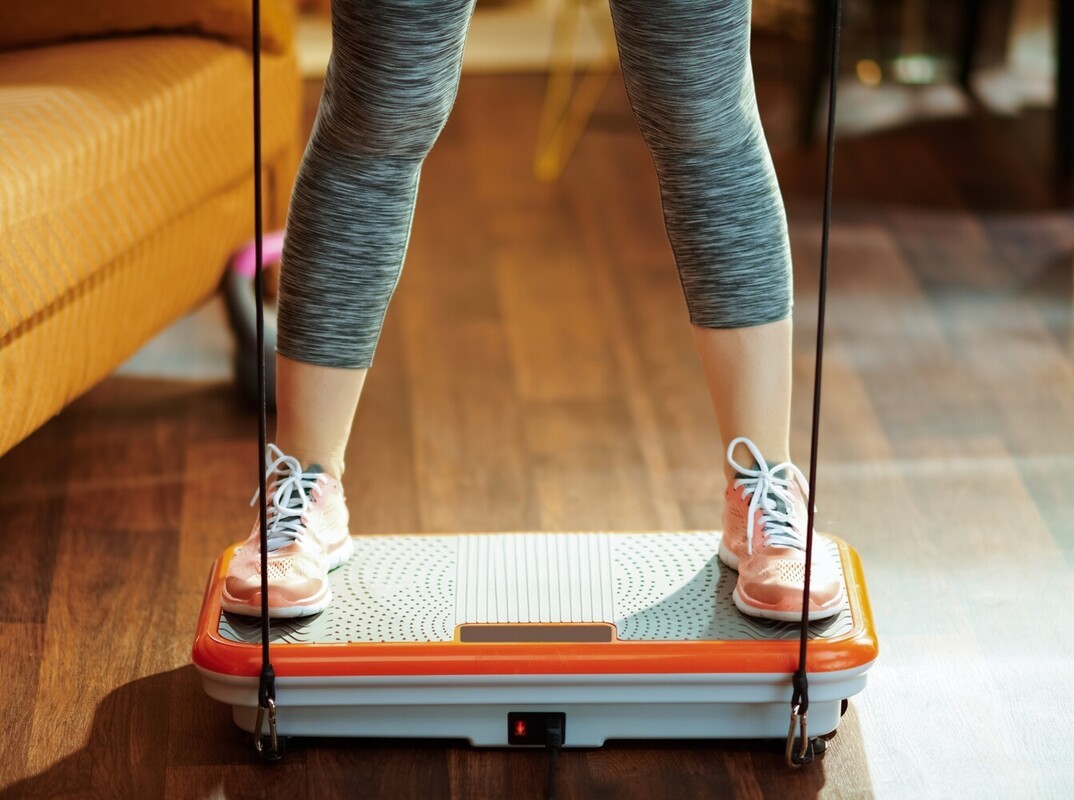
A vibration plate is a fitness device with a platform that vibrates quickly while you stand, sit, or exercise on it. Those fast vibrations create repeated muscle contractions as your body works to stay stable.
In simple terms, the plate adds an extra challenge to basic positions and movements. You’ll see these machines in gyms, rehab clinics, and plenty of home workout spaces. Some people step on and stand still for a few minutes. Others use them for squats, lunges, planks, or calf raises.
As Registered Dietitians, we often explain that the machine itself does not create automatic weight loss. Its main role is to add intensity and muscle engagement to an existing movement routine.
How Whole-Body Vibration Works
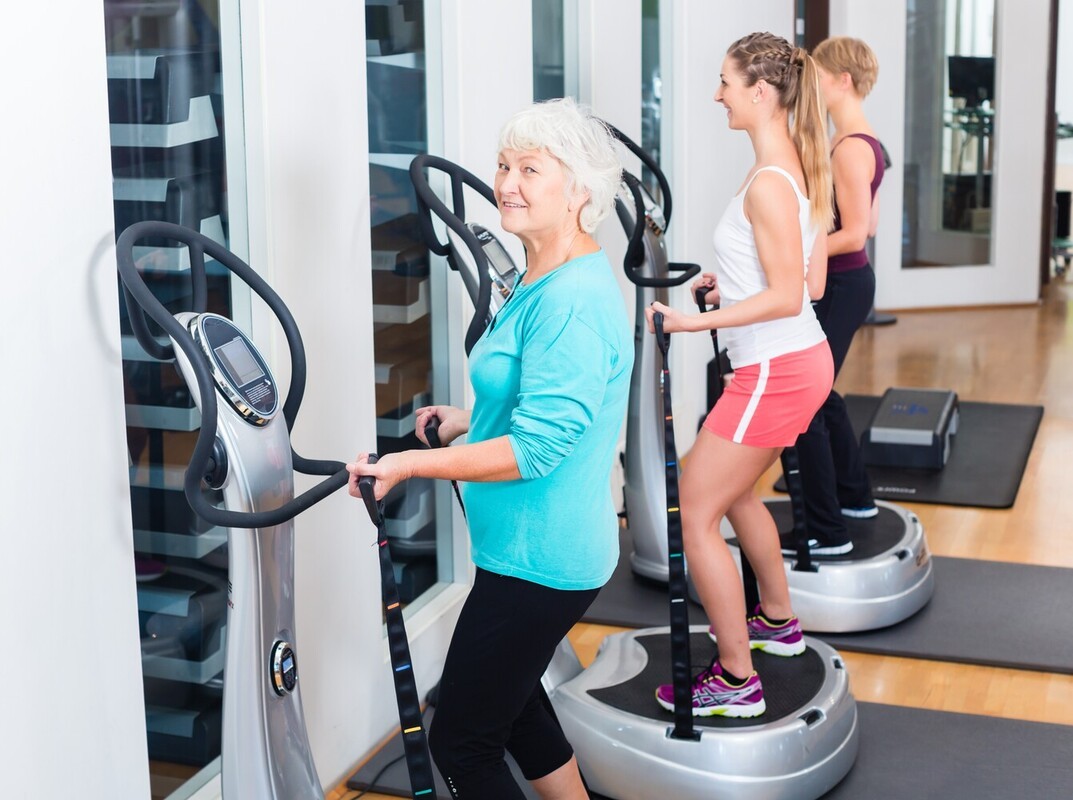
Whole-body vibration works by sending mechanical vibrations through the platform and into your body, which triggers quick muscle contractions to help you stay balanced. Your nervous system responds right away.
That response is what makes the exercise feel different, even when the movement looks simple. A basic squat can feel more demanding because your legs, core, and stabilizing muscles are all working harder at once.
From our experience, that’s where people start to notice the appeal. The machine can make short sessions feel more active without adding heavy weights or high-impact movement. Still, the effect depends on how you use it. Standing passively does far less than performing controlled exercises with good posture and steady form.
The Difference Between a Vibration Plate, Vibration Machine, and “Shaking” Platform
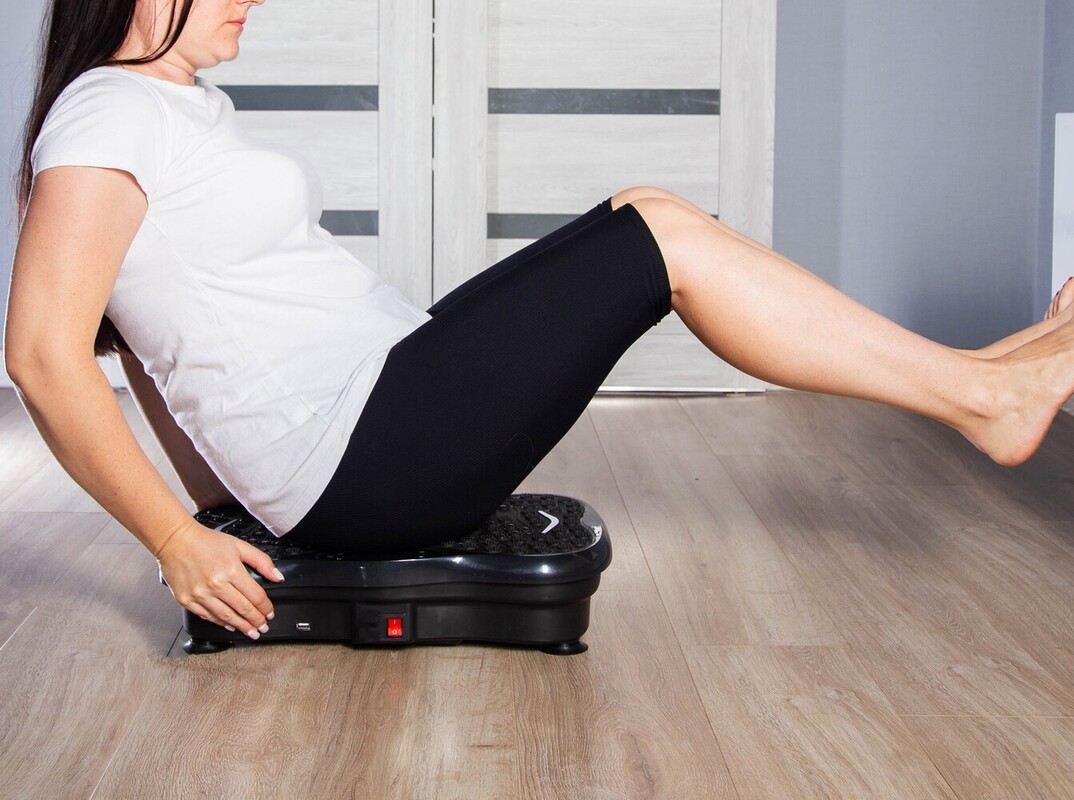
These terms often get used interchangeably, which can make things confusing when you’re trying to compare options. In reality, they usually refer to similar devices with small differences in design, features, and intended use. Understanding those differences can help you choose something that actually fits your routine instead of relying on marketing language alone:
Vibration plate:
Compact, flat platform designed for standing or basic exercises
Common in home setups and beginner-friendly routines
Typically offers adjustable speed or intensity settings
Vibration machine:
A broader category that may include larger or more advanced equipment
Often includes handles, programs, or guided workouts
More common in gyms, studios, or rehabilitation settings
Shaking platform:
An informal term often used in marketing materials
May refer to simpler or lower-cost devices
Usually has fewer customization options and less precision in settings
Why These Machines Are Marketed for Weight Loss in the First Place
The appeal of vibration plates comes down to convenience and simplicity. They offer a way to feel like you’re doing something to lose weight without exercise. That’s a powerful message, especially for people who feel stuck or short on time.
Early studies and fitness trends also helped build momentum by suggesting potential benefits for fat loss and muscle activation. The idea of standing on a platform and still seeing results grabs attention quickly. It sounds efficient and approachable.
At the same time, marketing often emphasizes best-case scenarios. The reality is similar to using a sauna for weight loss or a steam room for weight loss. These machines tend to work best when paired with consistent habits like regular movement, structured exercise, and supportive nutrition choices.
Can a Vibration Plate Help With Weight Loss?
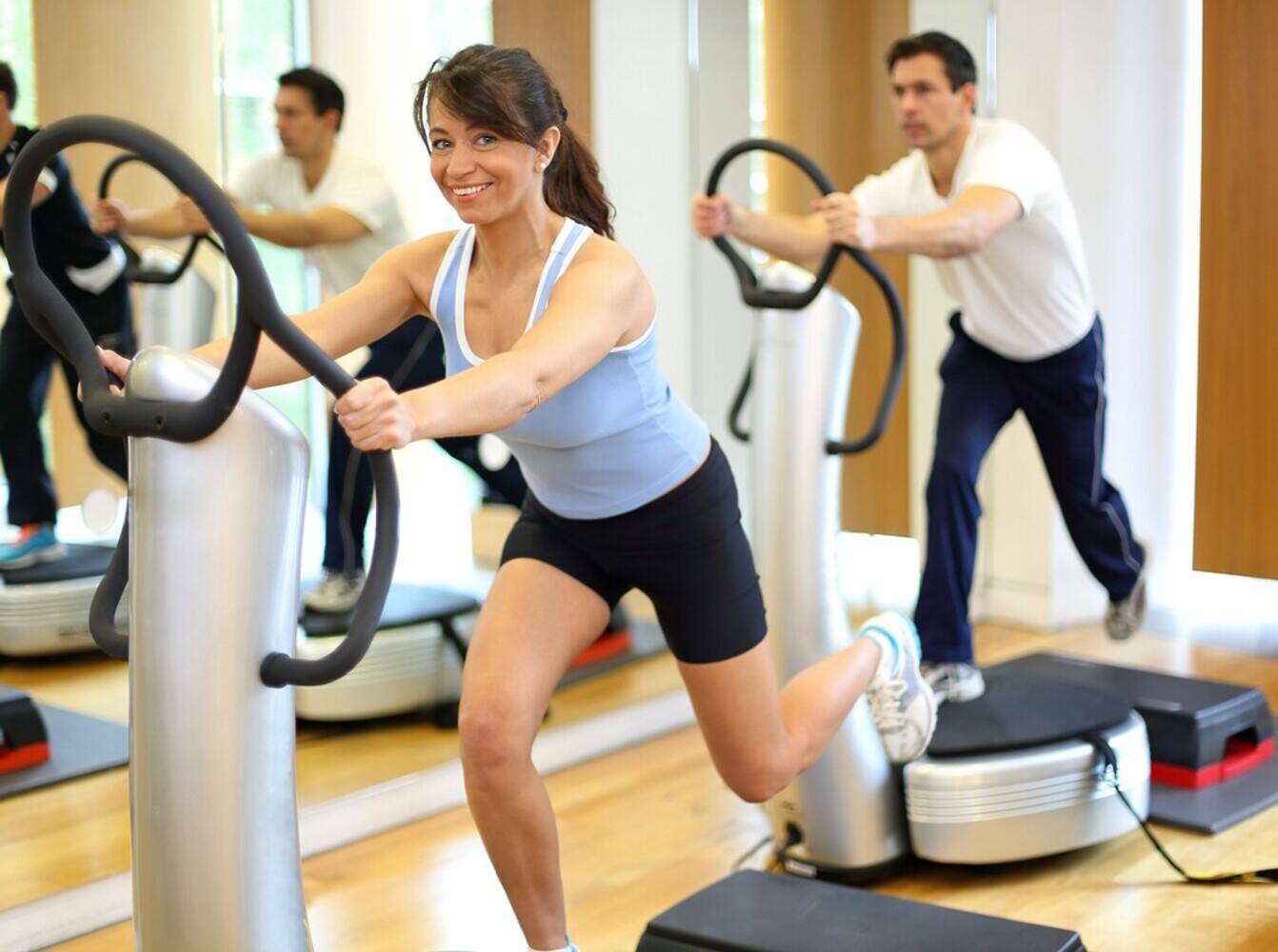
A vibration plate can help support weight loss, but it’s not strong enough to drive meaningful results by itself. Research suggests it may offer small benefits when paired with a calorie deficit, regular movement, and a well-rounded exercise routine. That matters. Most people hoping for major change need more than a device that adds vibration to a workout.
The most helpful way to view it is as an add-on. It may increase muscle engagement, make simple exercises feel more challenging, and help some people stay active. Still, the plate is not doing the heavy lifting. Long-term weight loss continues to depend on sustainable habits practiced consistently over time.
What the Research Says About Body Weight, Fat Mass, and Body Composition
The research on vibration plates and weight loss is mixed, which is why expectations need to stay realistic. Some studies have found small reductions in fat mass, while others show very little change in total body weight or body fat percentage. A slight drop in fat mass may sound impressive, but it doesn’t always lead to visible changes in body composition or clothing fit.
As Registered Dietitians, we pay close attention to what the results actually mean in real life. Small improvements can still be useful, especially for people building momentum. But lasting weight loss usually comes from consistent nutrition habits, regular exercise, and routines you can maintain.
Why “Help With Weight Loss” Is Not the Same as “Cause Weight Loss”
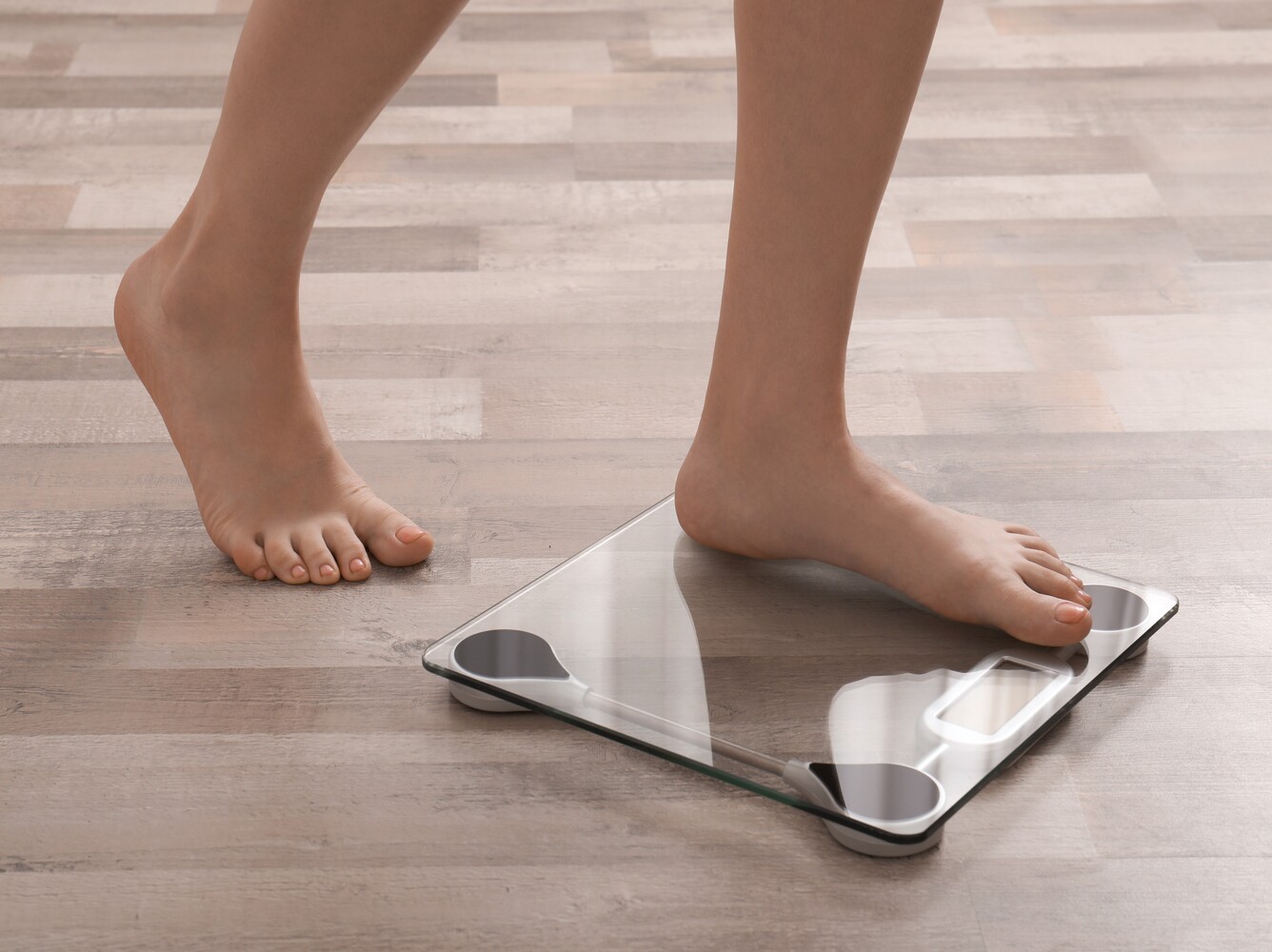
This is where the marketing can get ahead of the science. A vibration plate may increase muscle activity and add a small amount of extra calorie burn, but that doesn’t mean it directly causes fat loss.
Weight loss happens when your overall routine creates a consistent calorie deficit over time. That includes your meals, snacks, daily movement, workouts, and sleep habits. A device cannot replace those foundations.
After years of experience, we’ve seen that tools work best when they make healthy habits easier to follow. For example, a vibration plate may help someone stay consistent with short home workouts. That can support progress. The plate itself, though, is not the reason the weight comes off.
If you’re unsure how to create that foundation, you can connect with a Registered Weight Loss Dietitian through Berry Street to build a personalized 7-day meal plan that supports real, sustainable progress.
How a Vibration Plate Might Support Weight Loss
A vibration plate can play a small, supportive role in a weight-loss routine when it’s used intentionally. The key is understanding where it adds value and where its impact is limited.
Increased Muscle Activation During Standing and Exercise
When you stand on a vibration plate, your muscles contract rapidly to help you stay balanced, which increases overall muscle activation compared to standing on a stable surface. That response happens automatically, even during simple positions.
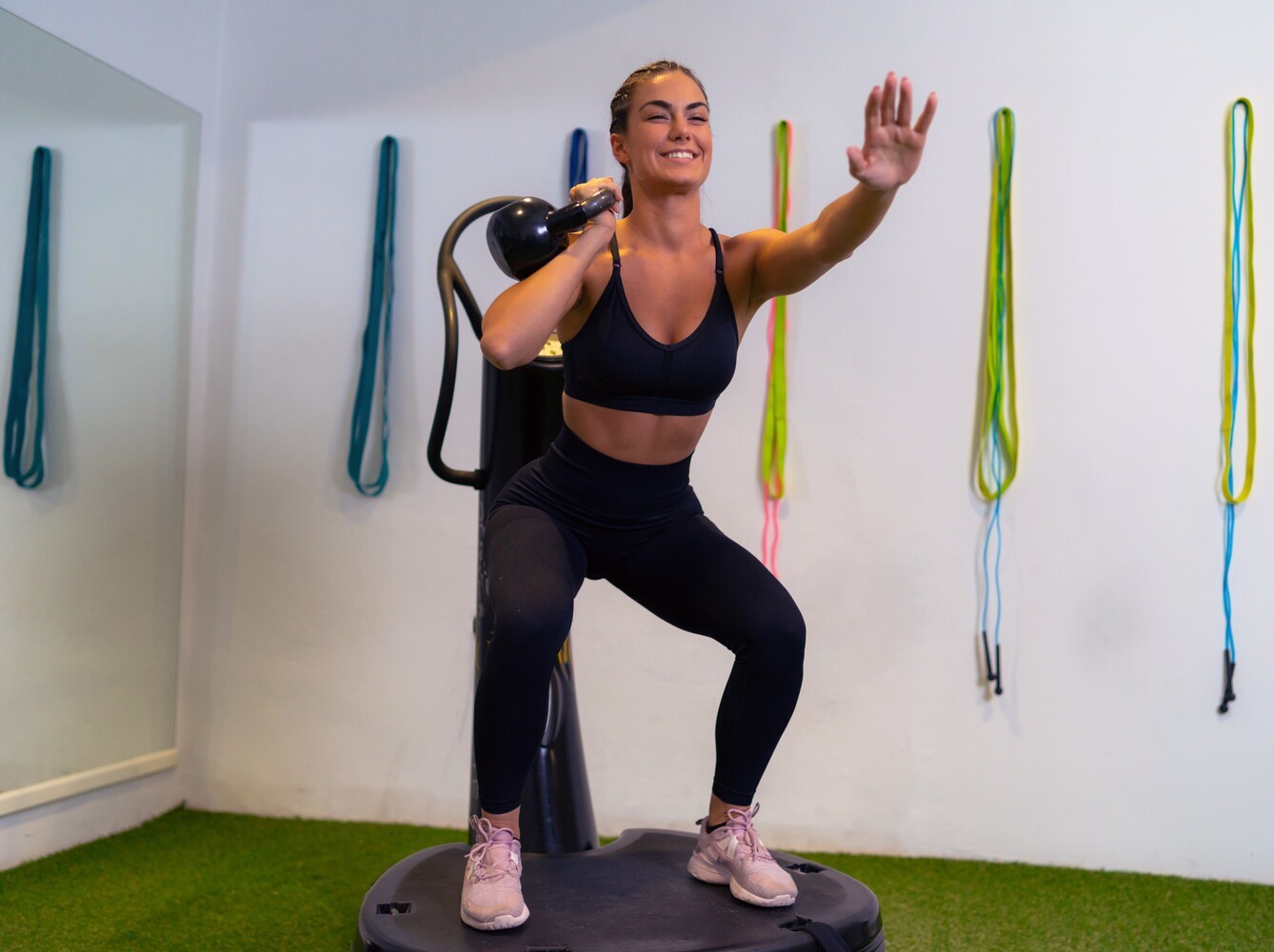
Add exercises like squats, lunges, or calf raises, and the effect becomes more noticeable. Your body is constantly adjusting to small shifts in position, which keeps muscles engaged the entire time. A basic squat can feel more demanding because your legs, core, and stabilizers are all working together.
This added challenge can make short sessions feel more effective. It may also slightly increase energy use, especially when movements are controlled and performed with good form.
A Possible Supporting Role for People Who Need Low-Impact Options
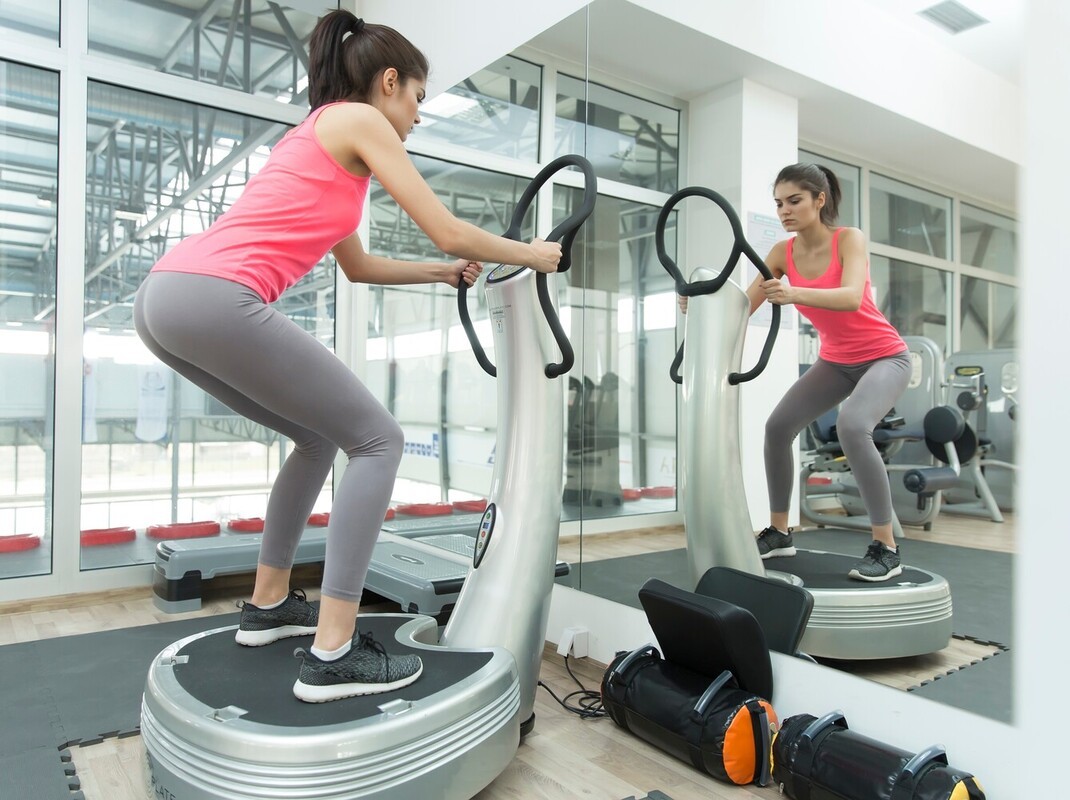
For people who find high-impact workouts uncomfortable or difficult to maintain, vibration plates can offer a lower-impact way to stay active. The platform provides stimulation without requiring jumping, running, or heavy lifting. This can be helpful for those returning to exercise after a break, managing joint discomfort, or building confidence with movement.
In some settings, these machines are used to support rehabilitation or gentle strength work. Starting with simple positions like standing holds or assisted squats can make movement feel more approachable.
Over time, small increases in difficulty can help build strength and stability. It is not a replacement for traditional exercise, but it can serve as a useful entry point.
Why Any Calorie Burn Is Likely Modest
The calorie burn from using a vibration plate is generally comparable to light or moderate activity, such as slow walking or gentle movement. That level of effort can still contribute to overall energy expenditure, but it’s not especially high.
Most sessions are short, and the intensity is limited compared to more traditional workouts. This means the impact on total calorie burn is relatively small over time.
While it may feel challenging during use, the overall effect does not match structured strength training or longer cardio sessions. That difference is important to understand when setting expectations. The plate can support activity, but it’s not designed to create large calorie deficits on its own.
Where Adherence and Convenience May Matter More Than “Fat-Burning” Claims
This is where vibration plates can offer real value. If a tool makes it easier to stay consistent, it can support progress over time. Short sessions at home can fit into a busy schedule without much planning. There’s no need to travel to a gym or set aside a large block of time. The convenience of it can remove common barriers to regular movement.
For some people, that’s the difference between doing something and skipping it entirely. Consistency matters more than intensity when it comes to long-term results. Finding a routine you can repeat week after week tends to lead to better outcomes than chasing the most demanding option available.
Where Vibration Plates May Be Useful and Where They Probably Won’t
Vibration plates can fit into a routine, but their value depends on context, expectations, and how they’re actually used. For some people, they add variety and make movement feel more doable. For others, they end up being expensive equipment that gets very little use.
A vibration plate tends to work best when it supports an already solid routine instead of trying to carry the whole plan on its own. It may help with low-impact exercise, short home sessions, and added muscle engagement during simple movements.
Still, there are clear limits. Understanding where the plate can realistically help, and where more effective strategies belong first, makes it easier to use your time well.
Situations Where a Vibration Plate May Be a Reasonable Add-On
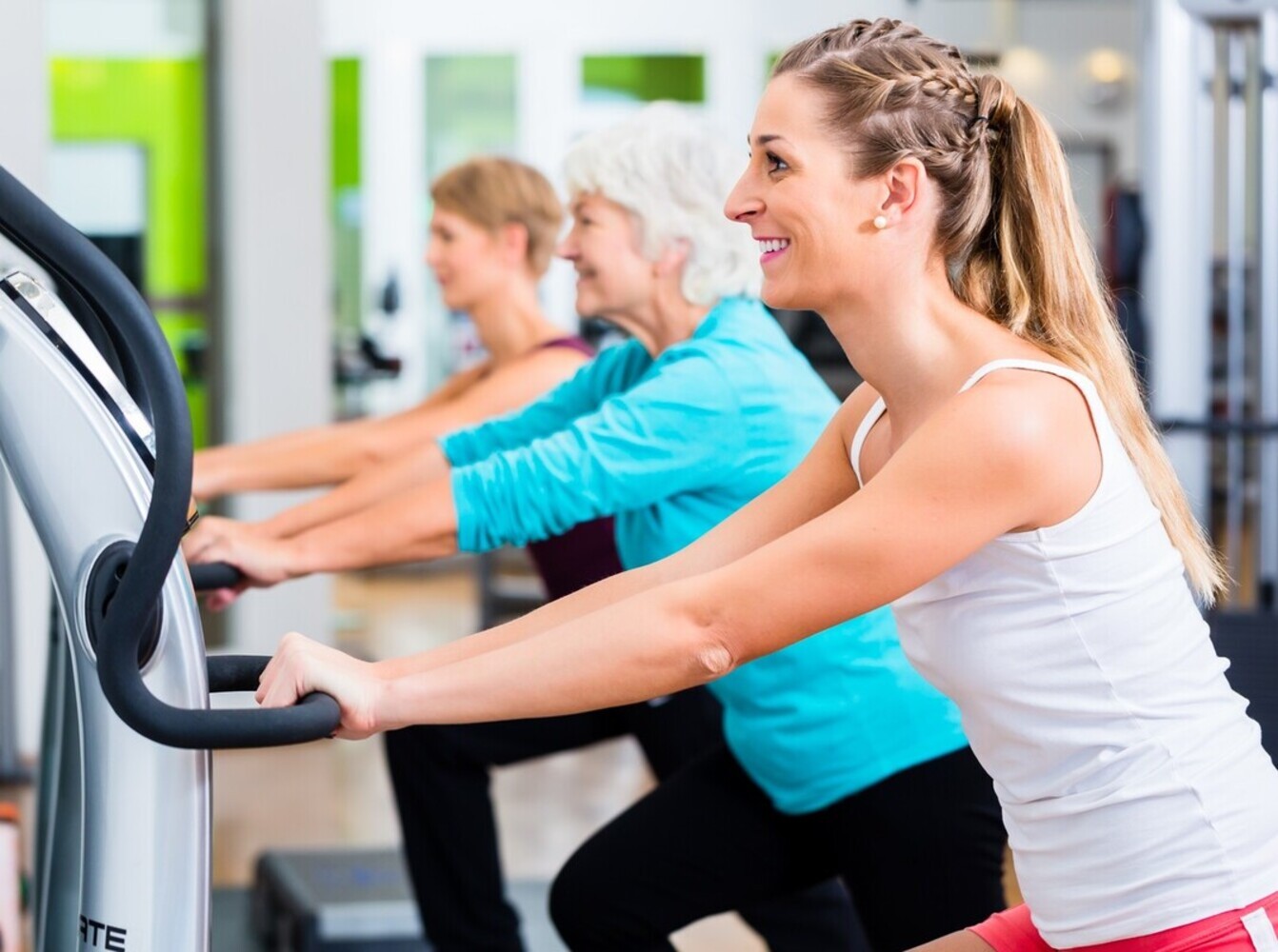
A vibration plate can be a reasonable add-on when you already have the basics in place and want another way to support movement.
For example, it may fit well if you are walking regularly, following a strength routine, or trying to stay consistent with home workouts. It can also be useful if you are easing back into exercise and want something low-impact that feels manageable.
Some people enjoy using it for short sessions between longer workouts, while others use it to make simple exercises feel more engaging. That added variety can help with consistency. The key is using the plate to support an active routine, not depending on it to create meaningful weight loss by itself.
Why Standing on the Plate Alone Is Unlikely to Do Much for Fat Loss
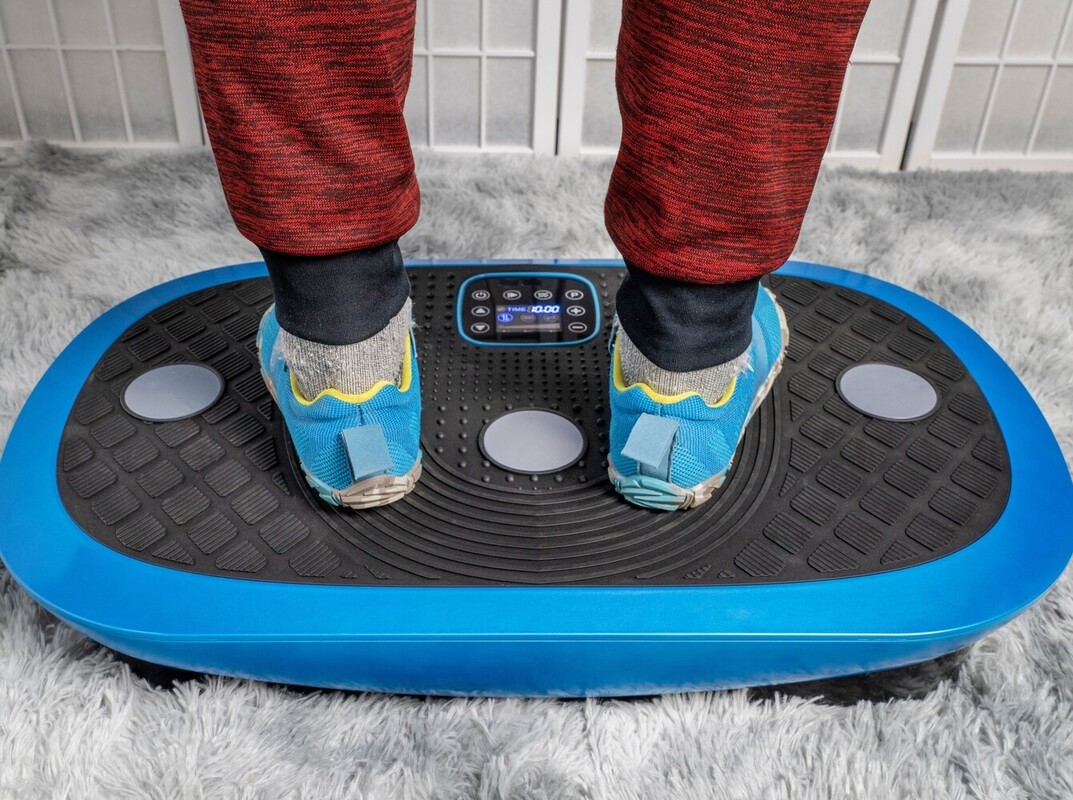
Standing on a vibration plate without doing any active movement is unlikely to create meaningful fat loss because the physical demand stays very low. Your muscles do respond to the vibration, but the overall challenge is limited compared with actual exercise. Energy expenditure stays modest, and the body is not being pushed enough to create a major training effect.
Fat loss typically requires a consistent calorie deficit supported by movement that adds up over time. Simply standing still for a few minutes does not move that process very far. Active exercises like squats, holds, planks, or lunges make the plate more useful because they increase muscle engagement and overall effort.
When Walking and Strength Training Are Still the Better Recommendation
Walking and strength training still deserve the top spots in most weight-loss routines because they offer broader, better-supported benefits.
Walking is simple, accessible, and effective for increasing daily energy expenditure without making recovery harder. Strength training helps preserve or build muscle, which supports body composition, function, and long-term metabolism.
Together, they create a strong foundation. They also improve endurance, strength, and overall health in ways a vibration plate cannot match on its own.
If you only have limited time or energy, these are usually the better places to invest it. A brisk walk after dinner, two or three strength sessions each week, and steady daily movement will usually do more for progress than relying on vibration training alone.
A Better Way to Think About Vibration Plates: Supplement, Not Shortcut
The most useful way to think about a vibration plate is as a supplement to a solid routine, not the centerpiece of your weight-loss plan. It can make some exercises feel more challenging, add variety to home workouts, and help certain people stay more consistent with movement. Those are real benefits.
But the plate does not replace the habits that actually drive results over time. Progress still comes from a calorie deficit, regular activity, strength training, and a routine you can repeat week after week.
When people expect the machine to do the work for them, disappointment usually follows. When they use it as one small part of a bigger plan, it can be a helpful tool that supports momentum.

Potential Benefits Beyond Weight Loss
Weight loss tends to get most of the attention, but it’s not the only reason people use vibration plates. There are a few other potential benefits worth understanding, especially if you’re thinking about long-term health and movement.
1. Strength, Balance, and Stability
Vibration plates may help improve strength, balance, and stability, especially for beginners, older adults, or people returning to exercise after time away. The reason is fairly simple. Your body has to respond to the moving surface in real time. That means your legs, core, and smaller stabilizing muscles stay engaged as you work to remain steady.
Over time, that repeated challenge can help improve coordination and body awareness. For example, a basic squat or even a standing hold may feel more demanding on a vibration plate than on the floor.
The extra challenge can make simple exercises more effective. These benefits are often more realistic and better supported than dramatic claims about fast fat loss.
2. Flexibility, Circulation, and Recovery Claims
Some people use vibration plates because they hope to feel looser, less sore, and more comfortable after exercise. There may be some truth to that. The vibrations can increase muscle activity and blood flow, which may help the body feel more warmed up before a workout or less stiff afterward.
Some users also report that stretching on the plate feels more effective, especially for tight calves, hamstrings, and hips.
That doesn’t mean it replaces proper recovery habits. Sleep, hydration, and balanced meals still matter far more. Still, if using a vibration plate helps you feel better going into a walk or strength session, that can make your routine easier to maintain over time.
3. Bone Health and Rehabilitation
Bone health and rehabilitation are two areas where vibration training may have more potential than many people realize. Some research has looked at whether these machines can support bone density, physical function, and recovery in specific groups, including older adults and people with limited mobility. The results are not universal, but there is some encouraging evidence.
In rehab settings, vibration plates may be used to support gentle strength work, balance practice, and movement training when higher-impact exercise is not ideal. That can be valuable for someone rebuilding confidence after injury or a long period of inactivity.
These uses are more targeted, though. They are not a reason for everyone to buy one, but they can be relevant in the right setting.
4. Improved Body Awareness and Posture
Vibration plates may also help improve body awareness, which can carry over into posture and movement quality during everyday life.
Because the surface is constantly shifting, you have to pay closer attention to how you’re standing, where your weight is distributed, and whether your core is engaged. That kind of feedback can be useful, especially for people who tend to lock their knees, lean unevenly, or rush through exercises without noticing their form.
Over time, better awareness can make simple movements feel more controlled. For example, you may notice steadier squats, improved alignment during lunges, or less wobbling when standing on one leg. Those changes can make exercise feel safer and more effective overall.
5. Greater Exercise Variety and Engagement
One practical benefit of a vibration plate is that it can make familiar exercises feel a little different, which may help keep workouts from getting stale. This matters more than people sometimes realize. Boredom is one of the quickest ways to lose consistency.
Adding a new challenge to squats, planks, glute bridges, or calf raises can make short sessions feel more interesting without requiring a full program overhaul. For some people, that added variety increases motivation and makes movement feel less repetitive.
A person who skips floor exercises may be more willing to do them on a vibration plate because it feels new and more engaging. That boost in interest can support better follow-through over time.
Which Benefits Are Better Supported Than Fat-Loss Claims?
Benefits related to strength, balance, stability, and rehabilitation tend to have stronger and more consistent support than fat-loss claims. The distinction is important when deciding how to use a vibration plate. Improvements in coordination, muscle engagement, and overall function show up more reliably, especially in beginners or those returning to movement after a break.
Some evidence also supports its use in specific rehabilitation settings where low-impact options are needed.
Fat loss, on the other hand, is less consistent and usually depends on other factors like nutrition and overall activity. When expectations are aligned with these more supported benefits, people are more likely to feel satisfied with how the device fits into their routine.
How to Use a Vibration Plate for Weight Loss Support
Using a vibration plate effectively comes down to how you incorporate it into your routine, not just how often you step on it. A few simple adjustments can make the difference between minimal results and a more meaningful contribution to your overall progress.
1. Focus on Active Movements, Not Passive Standing
Don’t rely on standing still and expecting meaningful results. You’ll get far more value by adding intentional movement to each session. Exercises like squats, lunges, glute bridges, and planks increase muscle engagement and make the experience more effective.
Even small changes, such as lowering deeper into a squat or pausing at the bottom, can increase the challenge. Your muscles are constantly adjusting to stay balanced, which keeps them working throughout the movement. That added demand builds over time.
The goal is to stay controlled and focused from start to finish. Letting the machine do all the work limits the benefit. Treat it like a workout tool that supports effort, not replaces it.
2. Start With Short, Manageable Sessions
Keep sessions short when you’re starting out so your body has time to adapt. Around 2 to 3 minutes is a realistic place to begin. That may not sound like much, but it can feel surprisingly challenging at first and allows your body to adapt to the vibration.
Short sessions help reduce fatigue and make it easier to stay consistent over time. You can always increase duration once your body adjusts and movements feel more controlled.
Building gradually also lowers the chance of discomfort or soreness that might make you skip future sessions. A manageable starting point sets the tone for consistency. When sessions feel doable, you are far more likely to stick with them and build a routine that lasts.
3. Use It a Few Times Per Week
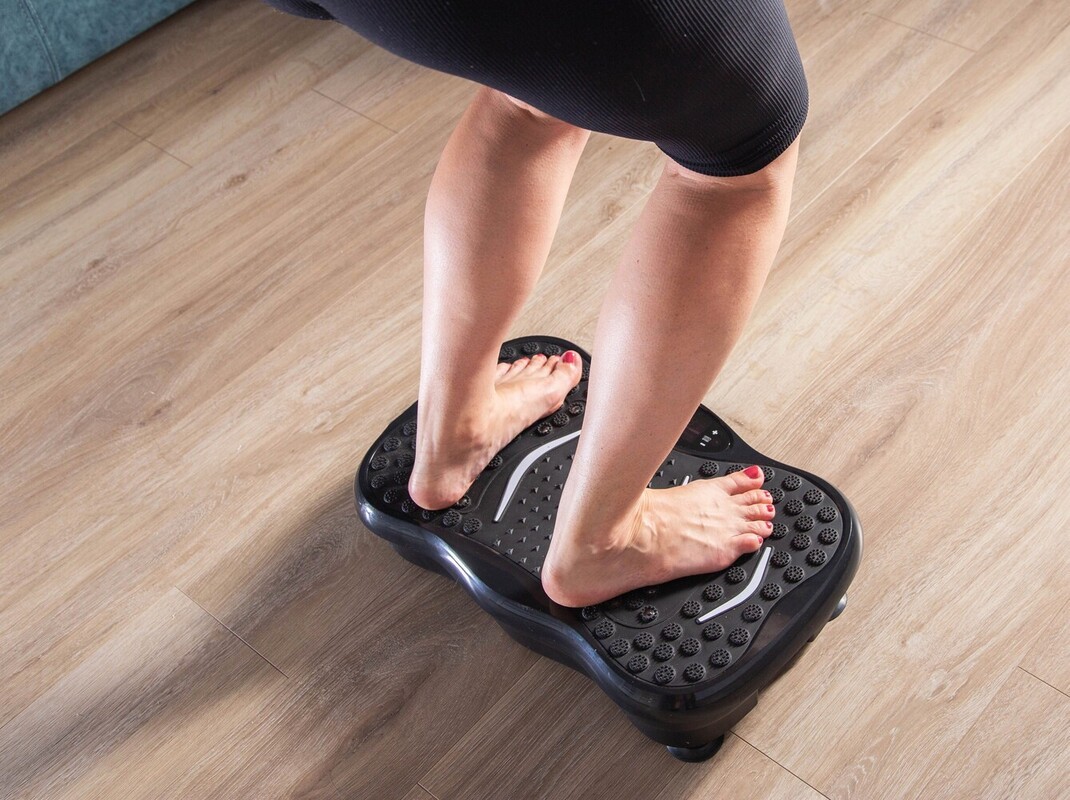
Aim to use the vibration plate two to three times per week rather than every day. That schedule gives your muscles time to recover while still allowing you to build consistency. Recovery plays a key role, especially when your body is adjusting to a new type of movement. Spacing sessions out can also help prevent burnout or unnecessary discomfort that might interrupt your routine.
You might pair vibration sessions with other forms of movement on alternate days, such as walking, stretching, or strength work. That balance helps create a more well-rounded approach. The goal is to build a rhythm you can maintain long term, not push for maximum frequency right away.
4. Maintain Proper Form During Exercises
Pay close attention to your form every time you step on the plate. Keep your core engaged, your knees slightly bent when standing, and your movements steady and controlled from start to finish.
It can be tempting to rush through exercises, especially when the vibration adds intensity, but slowing down helps you stay aligned and in control. Good posture allows the right muscles to do the work and reduces unnecessary strain on your joints.
For example, during a squat, focus on pushing your hips back and keeping your chest lifted. Small adjustments like these can make a noticeable difference. Consistent form supports better results and helps prevent discomfort or inefficient movement patterns over time.
5. Gradually Increase Intensity Over Time
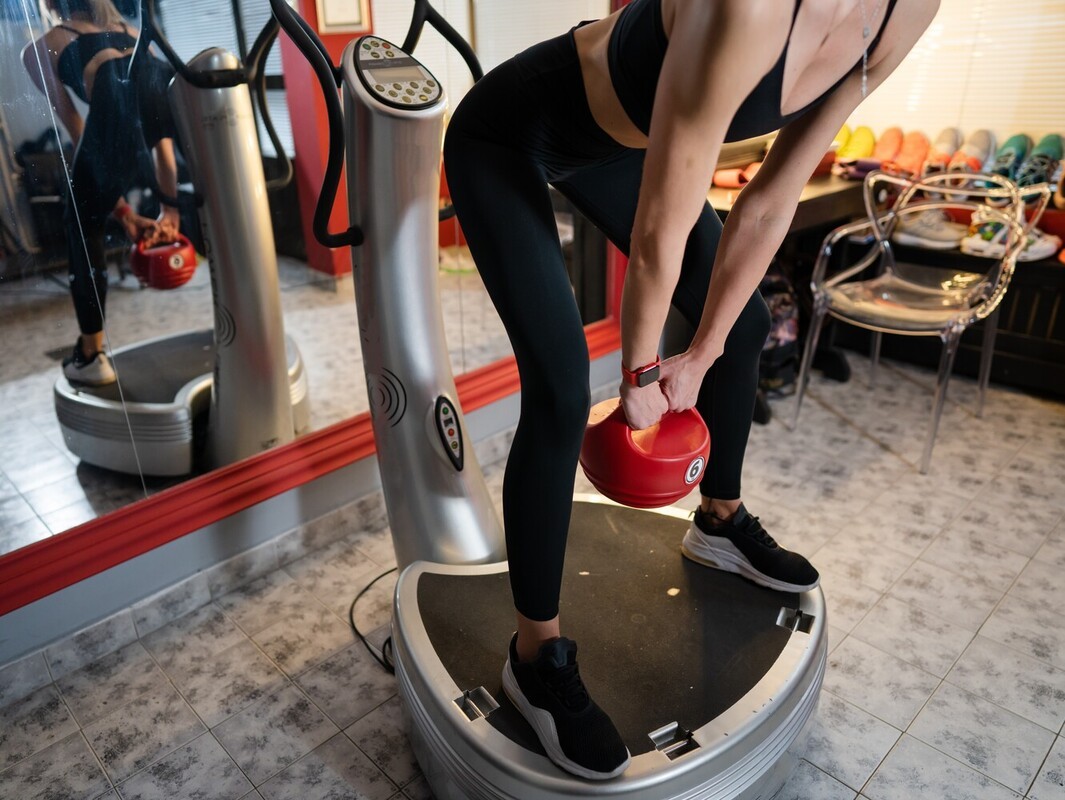
Start with lower speed or intensity settings so your body can adjust without feeling overwhelmed. This gives you time to build control, balance, and confidence with each movement.
As sessions begin to feel easier, you can gradually increase the challenge in a way that feels manageable. That might include holding positions longer, adding more repetitions, or slightly increasing the vibration level.
Progression should feel steady and intentional, not rushed or forced. Increasing intensity too quickly can lead to fatigue or make it harder to stay consistent. Small, gradual changes tend to work better over time. They allow your body to adapt while still moving you forward in a sustainable way.
6. Pair It With Other Movement
Use the vibration plate as one part of a broader movement routine rather than relying on it alone. Pairing it with walking, strength training, or mobility work helps increase your overall activity level and supports more meaningful progress.
For example, you might go for a short walk, then use the plate for a few focused exercises afterward. You could also include it at the end of a strength session to add a different challenge.
This approach creates variety and keeps your routine more engaging. It also ensures you are covering different aspects of fitness. When multiple types of movement work together, the overall impact tends to be stronger and more sustainable.
7. Stay Consistent With Your Routine
Make the vibration plate part of a routine that fits naturally into your schedule. Short, regular sessions tend to be more effective than longer sessions done occasionally. Choosing a consistent time each day or week can make it easier to turn it into a habit. For example, using the plate after work or before dinner can help build structure into your routine.
Over time, that consistency adds up and supports progress in a meaningful way. If something feels easy to repeat, you are far more likely to stick with it. That is what drives results. A routine that works with your lifestyle will always be more effective than one that feels difficult to maintain.
Best Exercises to Do on a Vibration Plate
Choosing the right exercises can make a big difference in how effective a vibration plate feels. Focusing on movements that challenge stability and engage multiple muscle groups will help you get more out of each session.
Squats and Holds
Squats and holds are some of the most effective exercises to do on a vibration plate because they challenge large muscle groups while forcing your body to stay steady. A basic squat already works your glutes, quads, and core. Add vibration, and the movement usually feels more demanding right away.
You can perform slow squats for added control or hold the bottom position for a few seconds to increase muscle tension. Both options work well. The key is to move with intention and keep your chest lifted as your hips shift back.
Even a short set can feel intense, which makes this a practical choice for building strength and supporting a more active routine.
Lunges and Split-Stance Work
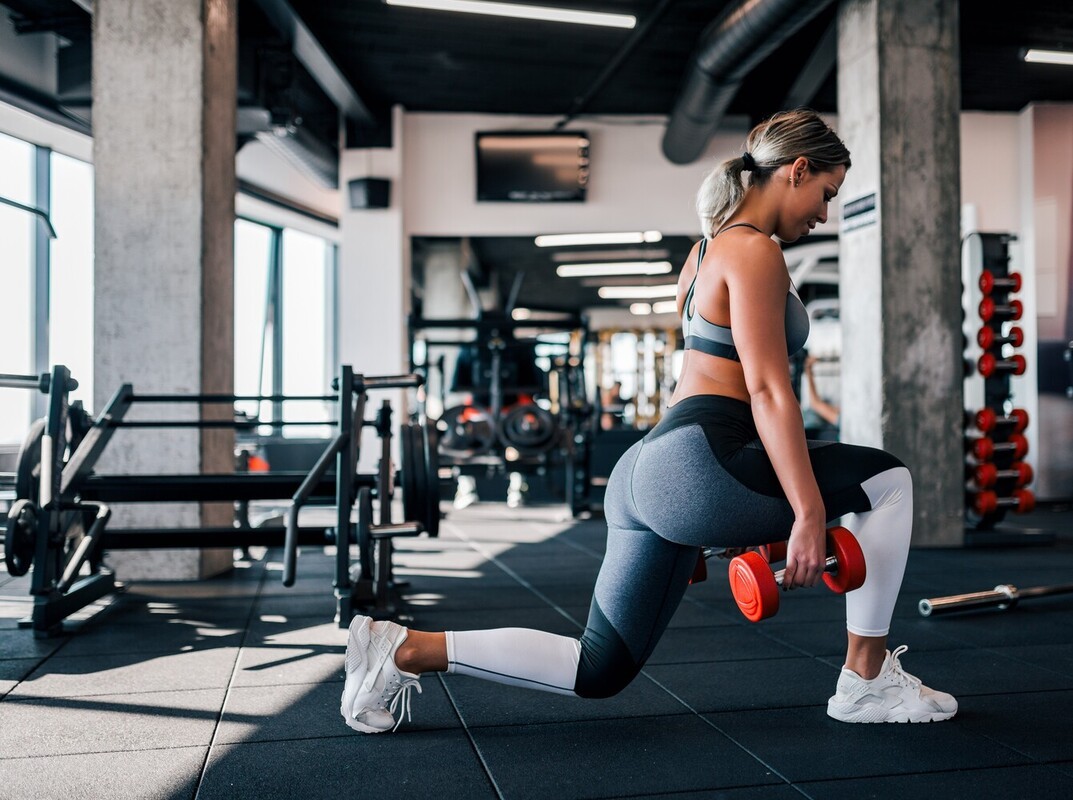
Lunges and split-stance exercises work especially well on a vibration plate because they challenge balance, coordination, and lower-body strength at the same time. When one foot is forward, and the other is back, your body has to stabilize against the vibration while also controlling the movement pattern. That extra instability increases muscle engagement through the legs, glutes, and core.
You can start with a simple split-stance hold if full lunges feel too difficult at first. As control improves, try slow lunges or shallow pulses. Focus on steady posture and even weight distribution rather than speed. These exercises can make short sessions feel more effective and are a smart way to add variety to your routine.
Planks and Upper-Body Variations
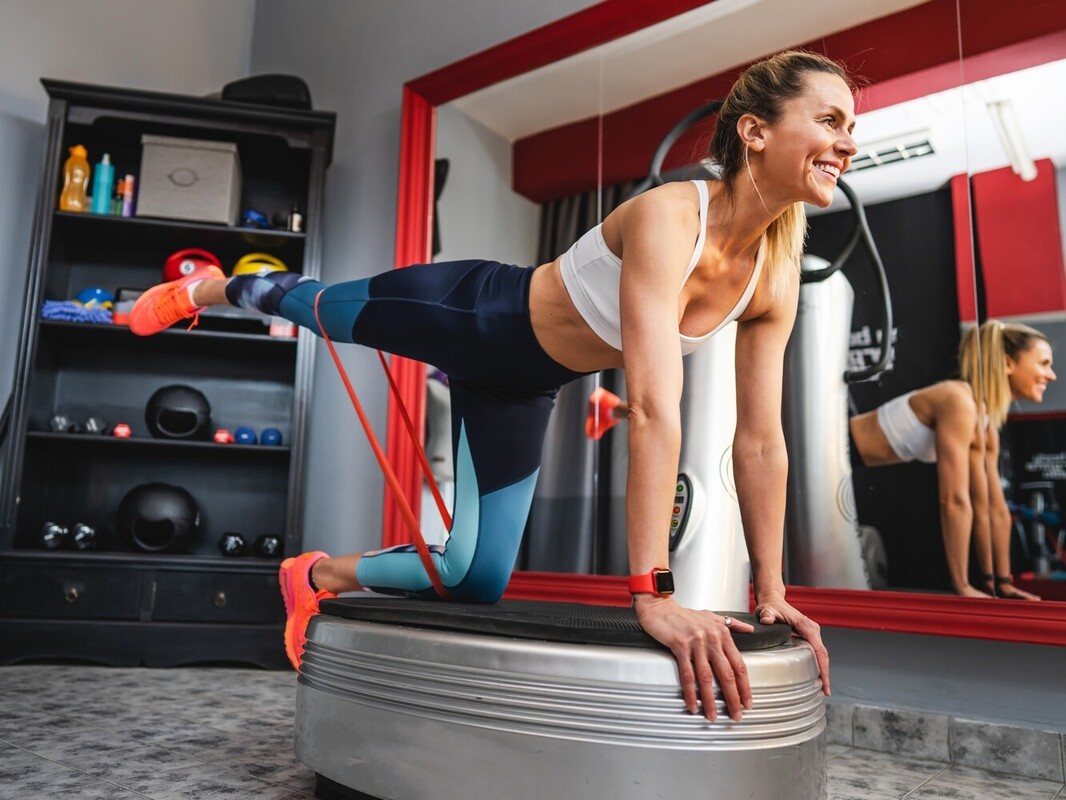
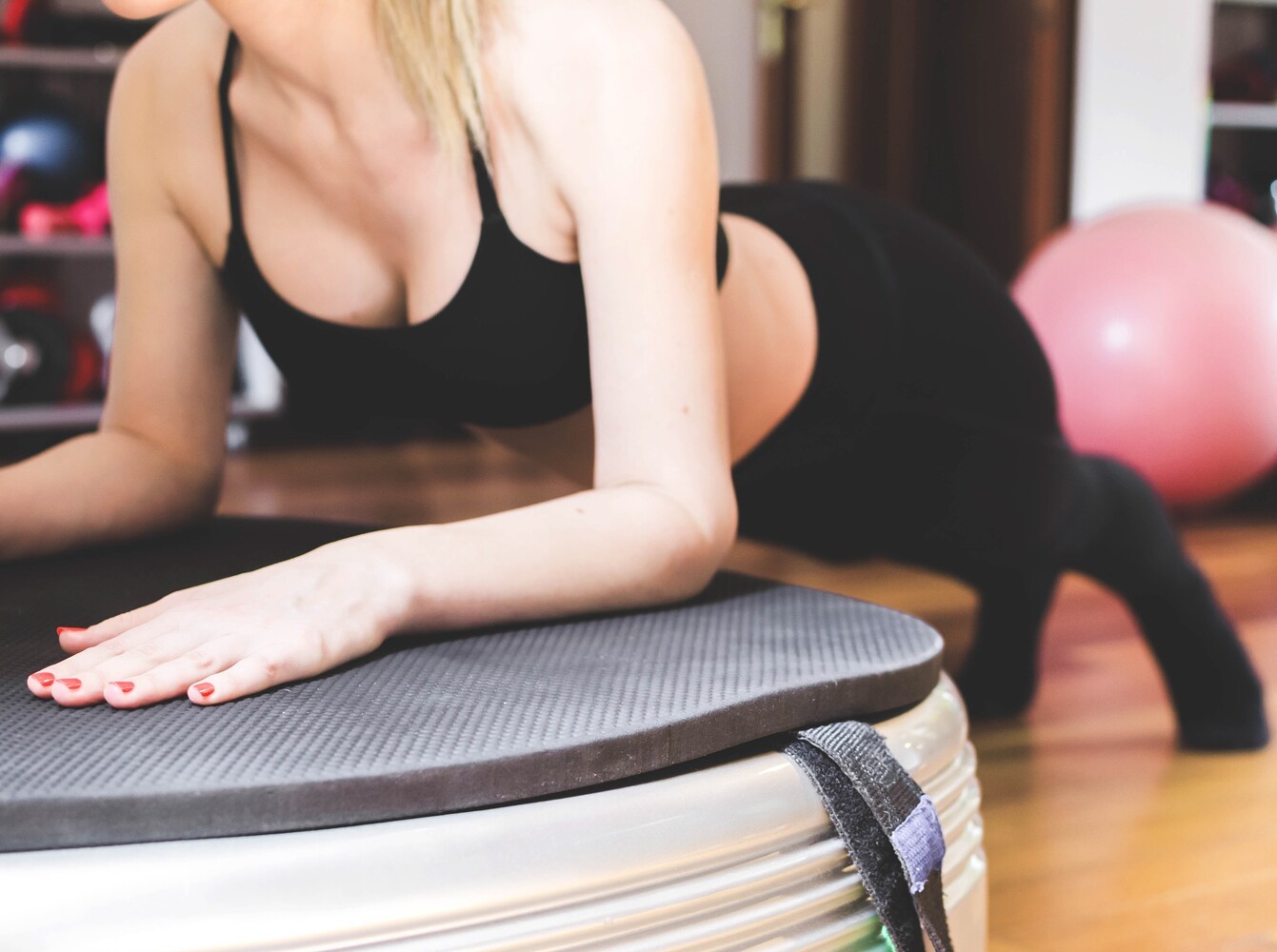
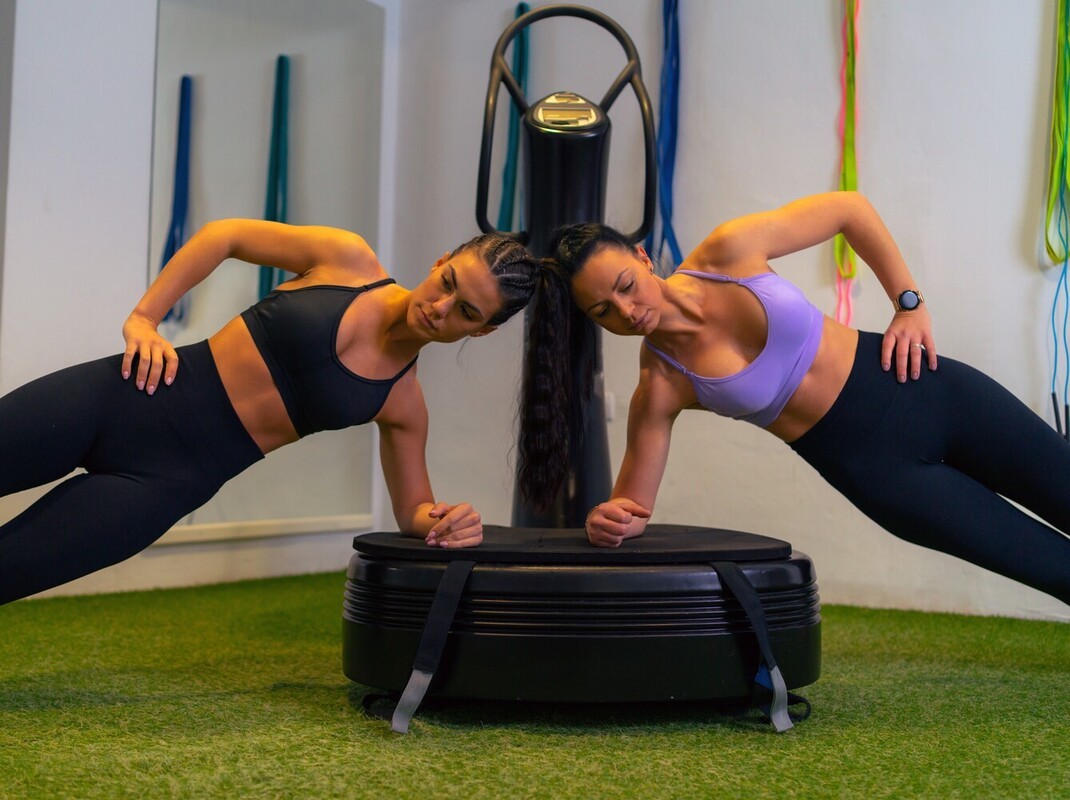
Planks and upper-body variations can feel surprisingly challenging on a vibration plate because the moving surface forces your core, shoulders, and arms to stay engaged the entire time. Even a short plank can become more demanding when your body is working to resist small shifts in position.
You might place your forearms on the plate for a standard plank or try modified versions with your hands elevated if needed. As you build strength, simple shoulder taps or alternating hand positions can add another layer of difficulty.
The goal is to keep your body steady, not rush through the exercise. These moves are especially useful for building core stability and making brief sessions feel productive.
Balance and Stability Moves for Beginners
Balance and stability moves are a great starting point for beginners because they help you get comfortable with the sensation of vibration without jumping into more demanding exercises. Simple movements can be very effective here.
Try standing with a slight bend in your knees, shifting your weight from side to side, or lifting one foot briefly off the plate. These drills build confidence while also training your core and smaller stabilizing muscles. They may look easy, but they often feel more challenging than expected.
Starting with these basics can improve control and body awareness, which makes other exercises safer and more effective later. For many beginners, this is the best place to begin.
How Much Weight Can You Lose With a Vibration Plate?
There is no clear, universal amount of weight you can expect to lose with a vibration plate because results vary so much from person to person. For most people, any weight change is likely to be modest unless the plate is paired with other habits that support fat loss. That means the device is not the main factor.
Your meals, overall activity, sleep, stress, and consistency usually matter much more. A vibration plate may help make exercise feel more engaging or help you stay active on busy days, which can be useful. Still, it is better to view it as one small part of a larger weight loss plan rather than something that produces major weight loss on its own.
Why There Is No Universal Number
There is no universal number because weight loss depends on much more than one piece of equipment. Two people can use the same vibration plate for the same amount of time and still get very different results.
One person may also be walking daily, strength training, and following consistent meal patterns that support a calorie deficit. Another may be using the plate occasionally without much structure around food or activity. Those situations lead to very different outcomes.
Sleep, stress, and consistency play a role, too. Because nutrition is such a key factor, working with a Registered Intuitive Eating Dietitian through Berry Street can help you build a personalized plan that actually supports sustainable progress.
What Before-and-After Claims Usually Leave Out
Before-and-after claims often leave out the details that actually explain the results. A photo may highlight the vibration plate, but it usually doesn’t show whether the person also changed their eating habits, started walking more, lifted weights, or followed a structured plan for several months. Those pieces matter a lot.
Lighting, posture, clothing, and even the time of day can also make progress photos look more dramatic than they really are. In some cases, the “after” image reflects improved muscle tone or less bloating rather than major fat loss. That is why marketing can feel convincing while still being incomplete. The full routine behind the result is usually doing most of the work.
Weight Loss vs Muscle Tone, Posture, and Water Shifts
Not every visible change after using a vibration plate reflects actual fat loss. Some improvements come from better muscle tone, stronger posture, or temporary shifts in water balance rather than a meaningful reduction in body fat.
For example, standing taller, engaging your core more effectively, or building a bit of muscle in your legs can make your body look different even if the scale barely changes.
Changes in hydration, sodium intake, and bloating can also affect how lean or defined you appear from one day to the next. These differences are real, but they are not the same as losing fat. Understanding that can help you judge progress more accurately and avoid unrealistic expectations.
What Realistic Expectations Look Like After a Few Weeks or Months
Realistic expectations are usually more modest than the marketing suggests. After a few weeks, you may notice that exercises feel easier, your balance improves, and your legs or core feel more engaged during workouts.
After a few months, some people may see small changes in body composition if the vibration plate is part of a broader routine that includes supportive eating habits and regular movement. The scale may not move much, and that’s important to understand from the start. Progress may show up more in consistency, confidence, or strength than in dramatic weight loss.

Risks, Side Effects, and Who Should Be Careful
Like any fitness tool, vibration plates come with some potential risks and limitations that are worth understanding before you get started. Knowing what to watch for can help you use them more safely and decide if they’re the right fit for you.
Common Short-Term Side Effects
Most people tolerate vibration plates well, but some short-term side effects can show up, especially when you’re just getting started or using higher settings. These are usually mild and temporary, but they’re still worth paying attention to:
Muscle soreness: Similar to starting a new workout, your muscles may feel sore as they adjust to increased activation and unfamiliar movement patterns.
Dizziness: The constant vibration can affect balance or make you feel slightly unsteady during or after a session.
Nausea: Some people feel mildly nauseous, especially if sessions are too long or intensity is too high.
Headaches: The vibration may trigger headaches in some individuals, particularly if hydration or rest is lacking.
Joint discomfort: Poor form or excessive intensity can place extra strain on joints, leading to temporary discomfort.
Why Higher Intensity Is Not Always Better
It’s easy to assume that turning the settings higher will lead to faster or better results, but that is not always how vibration training works. More intensity can make a session feel harder, yet it may also reduce control and make good form harder to maintain.
If your knees lock, your posture slips, or you rush through movements, the added difficulty stops being helpful. Higher settings can also increase dizziness, soreness, or joint discomfort, especially for beginners.
In many cases, a lower setting used with steady, controlled exercises is more effective than a high setting used poorly. The goal is to create a challenge your body can handle well, not push intensity for the sake of it.

Who Should Talk to a Clinician First
That includes people who are pregnant, recovering from surgery, dealing with joint pain, or managing a chronic medical condition that affects balance, circulation, or bone health, it’s important to talk to a medical professional before using a vibration plate. Safety comes first.
A vibration plate changes how force moves through the body, and that may not be appropriate in every situation. For example, someone with a recent knee procedure or significant back pain may need a different starting point. A quick conversation with a clinician can help clarify what is safe, what to avoid, and whether another form of exercise would be a better fit right now.
When to Skip Vibration Training Entirely
There are situations where it makes more sense to skip vibration training entirely and choose another type of movement instead. If using the plate causes pain, worsening dizziness, numbness, or a strong sense of instability, that is a sign to stop. The same applies if you have a condition your clinician has advised against, or if the movement feels unsafe from the start.
Exercise should challenge your body, but it should not leave you feeling worse in a way that signals risk. In those cases, safer alternatives like walking, chair exercises for weight loss, or guided strength work may be a better choice. When there is real uncertainty, caution is the smarter path.

What to Look for if You Want the Best Vibration Plate for Weight Loss
Not all vibration plates are built the same, and the differences can affect how useful they are in your routine. Knowing what features actually matter can help you choose something you’ll use consistently and safely.
1. Stability and Build Quality
Stability and build quality should be a top priority when choosing a vibration plate. A solid, well-built platform helps you feel more secure during use and reduces the risk of slipping or losing balance. If the machine feels shaky or uneven, it can make exercises harder to control and less productive.
Look for a sturdy base, a non-slip surface, and a weight capacity that suits your needs. A reliable machine tends to feel smoother during use, which makes it easier to stay focused on your movements and maintain proper form throughout each session.
2. Speed Range, Amplitude, and Preset Programs
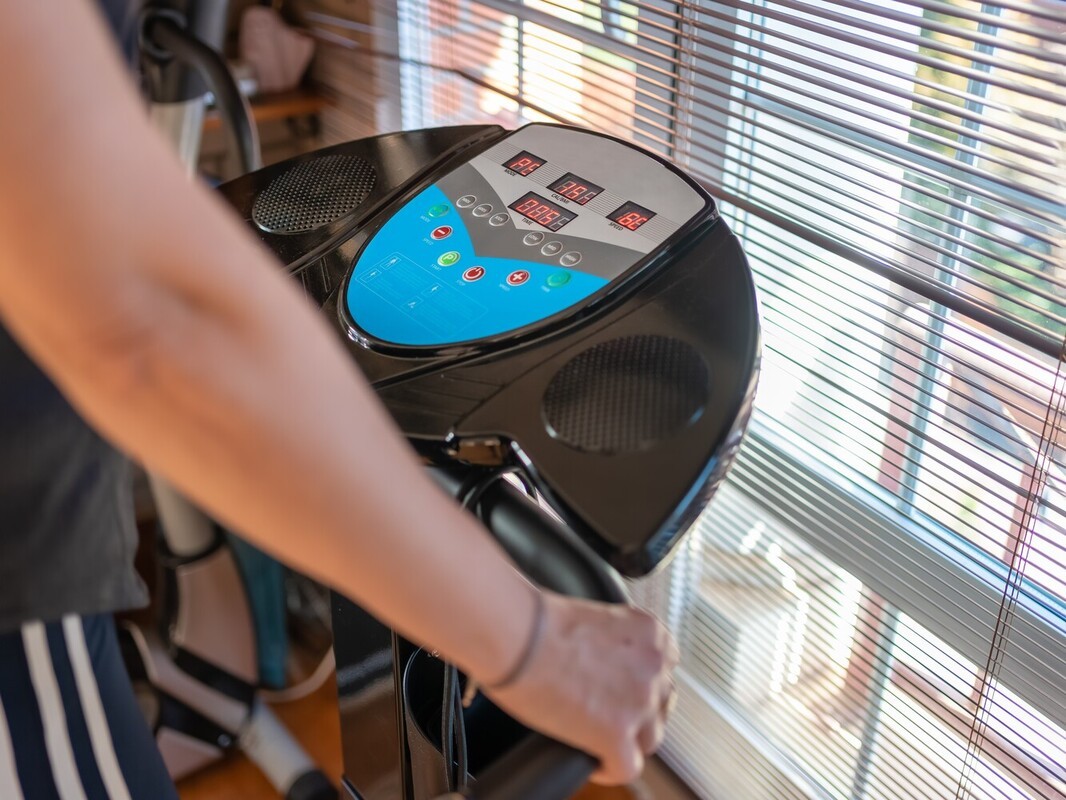
Adjustable settings can make a vibration plate much more useful over time. Speed controls how fast the platform vibrates, while amplitude affects how much movement you feel. Both influence the intensity of your session. Having a range of settings allows you to start at a comfortable level and gradually increase the challenge as you build strength and confidence.
Preset programs can also be helpful if you want a simple, guided experience without adjusting settings manually. Some people prefer more control, while others like convenience. A good machine offers enough flexibility to match your current level and support steady progression.
3. Portability and Ease of Storage
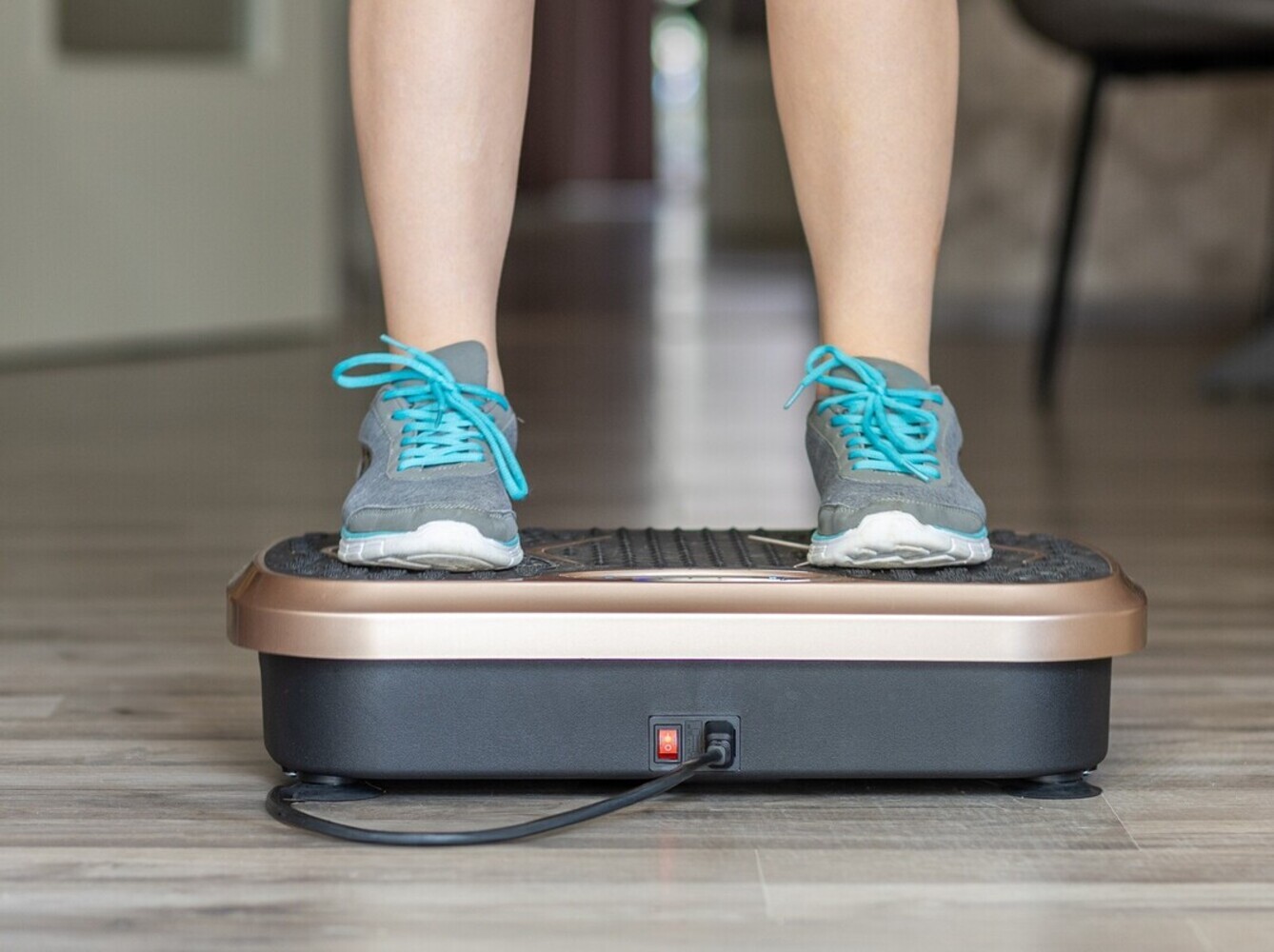
Portability and storage can have a big impact on whether you actually use your vibration plate. A machine that is easy to move, set up, and put away is far more likely to become part of your routine. If it feels bulky or difficult to handle, it may end up unused. That defeats the purpose.
Look for a design that fits your space, whether that means sliding it under a bed or storing it in a closet.
A simple setup also helps. When using the machine feels quick and convenient, it becomes easier to stay consistent and build a routine that fits into your daily life.
4. Noise Level and Comfort
Noise level can make a bigger difference than people expect, especially if you plan to use a vibration plate at home. A machine that sounds loud or harsh may be harder to use consistently in an apartment, shared home, or early in the morning.
Comfort matters, too. The platform should feel stable under your feet and not overly jarring at lower settings. Some machines produce smoother vibration, while others feel rough and distracting.
If the experience feels unpleasant every time you use it, motivation can drop quickly. A quieter, more comfortable machine is often easier to use regularly and keep in your routine.
5. Size of the Platform Surface
The size of the platform surface can affect both comfort and exercise variety. A larger surface gives you more room to adjust your stance, try different movements, and feel stable while exercising. That can be especially helpful for squats, split-stance work, and balance drills. A platform that feels too small may limit your range of motion or make you feel cramped during use.
At the same time, a machine that is too large for your space may be harder to store. The best option balances workout comfort with practical storage so the machine fits your body and your home.
Why “Best for Weight Loss” Usually Really Means “Best for Your Routine”
The phrase “best for weight loss” can be misleading because the most effective machine is the one you’ll actually use consistently. A vibration plate with advanced features may look impressive, but it won’t help if it feels complicated or inconvenient to use.
What matters more is how well it fits into your daily routine. For example, a simple, easy-to-store machine that you use three times a week will likely be more useful than a high-end option that sits unused. The best choice supports your habits, fits your space, and makes it easier to stay consistent over time.
Is There a Best Time of Day to Use a Vibration Plate?
There’s no single best time of day to use a vibration plate. What matters most is choosing a time you can stick with consistently. A morning session may feel energizing, while others prefer using it after work when they have more time.
The machine doesn’t become more effective at a certain hour. Your schedule, energy level, and comfort matter more. A short session done regularly will usually be more helpful than waiting for the “perfect” time and skipping it. The best time is one that fits easily into your routine and feels realistic to maintain.
Why Consistency Matters More Than Timing
Consistency matters more than timing because regular use is what supports progress over time. Using a vibration plate at one specific hour doesn’t change the overall results if sessions are inconsistent. The body responds to repeated effort, not perfect scheduling.
A routine you can follow week after week is far more useful than constantly adjusting your plan. If the machine fits easily into your day, you are more likely to use it regularly. Keeping things simple and repeatable often leads to better long-term results than focusing too much on timing details.
Before a Workout, After a Workout, or as a Standalone Session
A vibration plate can be used before a workout, after a workout, or on its own. Before exercise, it may help you feel more ready to move. After exercise, it can be used for light movement or recovery. It also works as a short, standalone session when time is limited.
Each option can be effective depending on your schedule and preferences. There’s no single right choice. The best approach is the one that helps you use the plate more consistently. If one option fits more naturally into your routine, it will likely be the most useful for you.
When Timing Might Matter for Comfort, Energy, or Sleep
Timing can matter when it affects how your body feels during or after a session. Some people prefer mornings because the vibration helps them feel more awake. Others find that afternoon or early evening sessions feel more comfortable once their body has loosened up. Late-night use may not work for everyone, especially if it makes it harder to relax before bed.
Pay attention to how your body responds. If a certain time of day feels better or helps you stay consistent, that is the best option. Comfort and routine usually matter more than choosing a specific hour.
A Smarter Weight-Loss Plan if Your Goal Is Real, Sustainable Results
If your goal is real, lasting weight loss, it helps to zoom out and look at the bigger picture. A few key habits tend to make the biggest difference, and they’re often simpler than people expect.
1. Prioritize a Calorie Deficit First
Weight loss usually starts with creating a calorie deficit, which means taking in fewer calories than your body uses over time. That’s the foundation that drives fat loss, no matter what workout equipment you use. A vibration plate can be part of your routine, but it can’t do the job that consistent eating habits do.
Small changes often work best, such as planning balanced meals, watching portions, and being honest about snacks and drinks. When nutrition feels confusing or hard to manage, connect with a Registered Health Dietitian through Berry Street for personalized support that fits your lifestyle.
2. Add Walking, Strength Training, and Enough Protein
Walking, strength training, and enough protein work together to support fat loss in a practical, sustainable way. Walking for weight loss helps increase daily energy expenditure without feeling overly intense.
Strength training helps preserve muscle as you lose weight, which matters for body composition and long-term progress.
Protein pulls a lot of weight here, too. It helps with fullness, supports recovery, and makes meals more satisfying.
These habits aren’t flashy, but they are effective. A brisk walk after dinner, two strength sessions each week, and protein at meals can do far more for real results than relying on a single fitness device.
3. Use a Vibration Plate Only if It Helps You Stay Consistent
Use a vibration plate only if it genuinely helps you stay consistent with movement. If you enjoy it, find it convenient, and feel more motivated to exercise because it is at home, that can be a real benefit.
If it feels awkward, boring, or ends up collecting dust, you don’t need to force it. Plenty of people make excellent progress without one. The goal isn’t to build your routine around equipment. The goal is to choose tools you will use. A walk, a few strength exercises, or a meal routine may be a better fit for your life.
4. Build Meals That Keep You Full
Build meals that keep you full by including protein, fiber, and foods you genuinely enjoy. This can make a calorie deficit feel much more manageable.
A lunch with chicken, roasted vegetables, and rice will usually hold you longer than a handful of crackers grabbed between meetings. Meals that satisfy you are easier to repeat, and repeatable habits are what make weight loss more sustainable.
Skipping meals or relying on willpower alone often backfires later in the day. A steadier approach works better. Aim for structure, enough food, and meals that leave you feeling energized instead of deprived.
5. Protect Sleep and Recovery
Sleep and recovery deserve a real place in any weight-loss plan because they affect hunger, energy, and decision-making. When you are tired, workouts often feel harder, and convenient foods become more tempting. That can make consistency harder to maintain.
Getting enough sleep also supports recovery from walking, strength training, and other exercise, which helps you keep showing up. You can also explore options like taking an Epsom salt bath for weight loss to support muscle recovery.
You don’t need a perfect routine, but you do need one that supports your body. Aim for a realistic bedtime, a steady wake time, and enough rest to feel more focused and capable the next day.

Vibration Plate Weight Loss FAQs
Can you lose belly fat on a vibration plate?
No, you can’t target belly fat specifically with a vibration plate. Fat loss happens across the entire body, and reducing belly fat depends on overall weight loss through consistent nutrition and activity habits.
Are vibration plates safe for everyone?
Not always. Most healthy adults can use them safely, but people who are pregnant, have joint issues, or have certain medical conditions should check with a clinician first.
Is a Power Plate the same as a vibration plate?
Yes, Power Plate is a brand name for a type of vibration plate. In general use, the terms are often used interchangeably to describe similar whole-body vibration devices.
What results can you realistically expect from a vibration plate?
You may notice improvements in balance, muscle engagement, and overall stability. Changes in weight or body fat are usually small unless you’re also focusing on nutrition and regular exercise.
Is a vibration plate worth buying for weight loss?
It can be worth it if it helps you stay consistent with movement and fits your routine. For weight loss alone, it’s better viewed as a supporting tool rather than a primary strategy.
Conclusion
Vibration plates can be a useful addition to your routine, but they work best when paired with the fundamentals that actually drive weight loss. The research points to modest benefits, especially when you’re already focusing on a calorie deficit, regular movement, and strength training. On their own, results tend to be minimal.
As Registered Dietitians, we’ve seen that consistency with simple, sustainable habits makes the biggest difference over time. If a vibration plate helps you stay active and engaged, it can absolutely have a place.
If you’re ready to build a plan that fits your lifestyle, you can connect with a Registered Dietitian through Berry Street for personalized support.