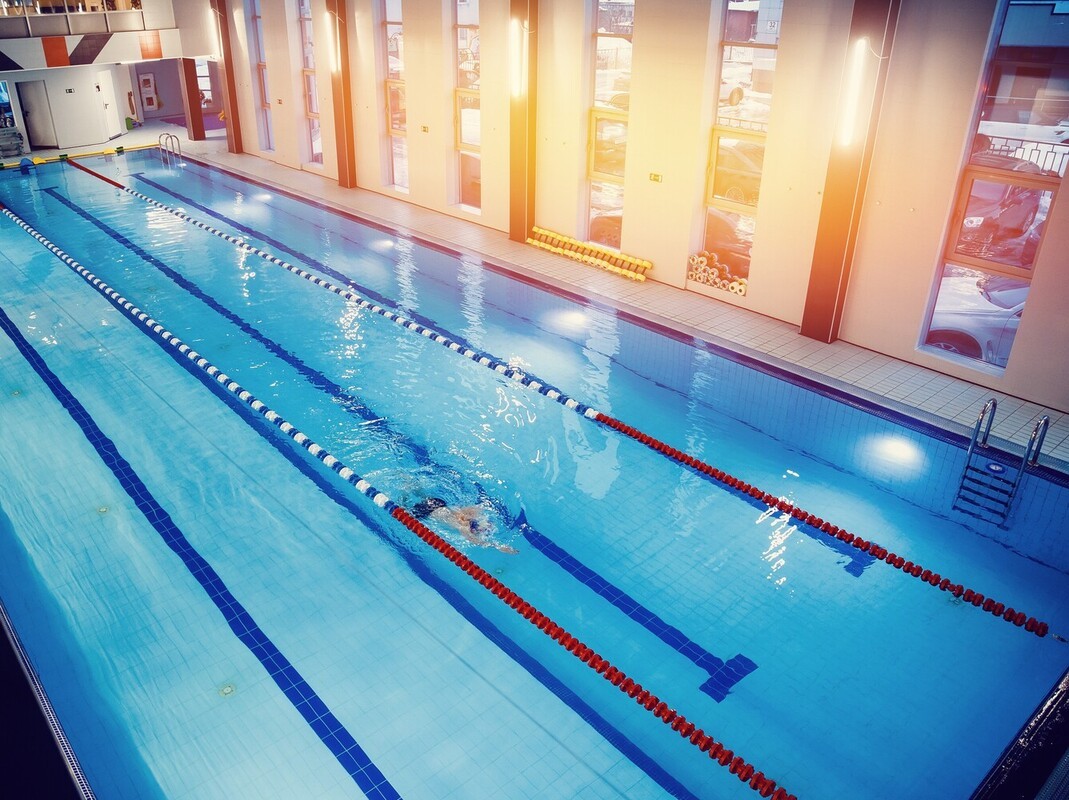
If you’re tired of workouts that feel repetitive or hard on your joints, swimming for weight loss can be a refreshing shift. It’s effective, adaptable, and surprisingly challenging once you push beyond casual laps.
As Registered Dietitians, we’ve seen many people turn to swimming when walking or gym workouts stop working for them. It offers a full-body workout, builds endurance, and can support meaningful weight loss when paired with the right nutrition and structure.
The key is knowing how to use it intentionally rather than just getting in the pool and hoping for the best.
Key Takeaways
Swimming can support weight loss by increasing calorie burn and improving overall fitness, especially when done consistently.
Results depend on creating a calorie deficit, so pairing your swim routine with a structured meal plan is important.
Mixing intensity, strokes, and workout styles helps prevent plateaus and keeps your sessions effective.
Progress often shows up in endurance, strength, and energy levels before changes on the scale.
Consistency matters most, so choosing a routine you can maintain week after week leads to better long-term results.

Is Swimming Good for Weight Loss?
Yes, swimming can absolutely support weight loss. It burns calories, engages multiple muscle groups, and helps you build cardiovascular fitness.
That said, results depend on how you swim, how often you train, and how your nutrition supports your goals. Swimming works best when it’s part of a bigger plan, not the only strategy.
Why Swimming Can Help With Weight Loss
Swimming uses your arms, legs, and core at the same time. That full-body engagement increases energy demand, which helps you burn more calories during a session.
Water also creates natural resistance. Every movement requires effort, even at slower speeds. Over time, this helps build lean muscle, which supports metabolism and long-term fat loss.
How Swimming Burns Calories and Builds Fitness
Swimming raises your heart rate and challenges your lungs. Depending on your pace and stroke, you can burn a substantial number of calories per hour.
It also combines aerobic and resistance training. That means you’re improving endurance while strengthening muscles at the same time, which is a powerful combination for weight loss.
Why It Appeals to People Who Want a Lower-Impact Option
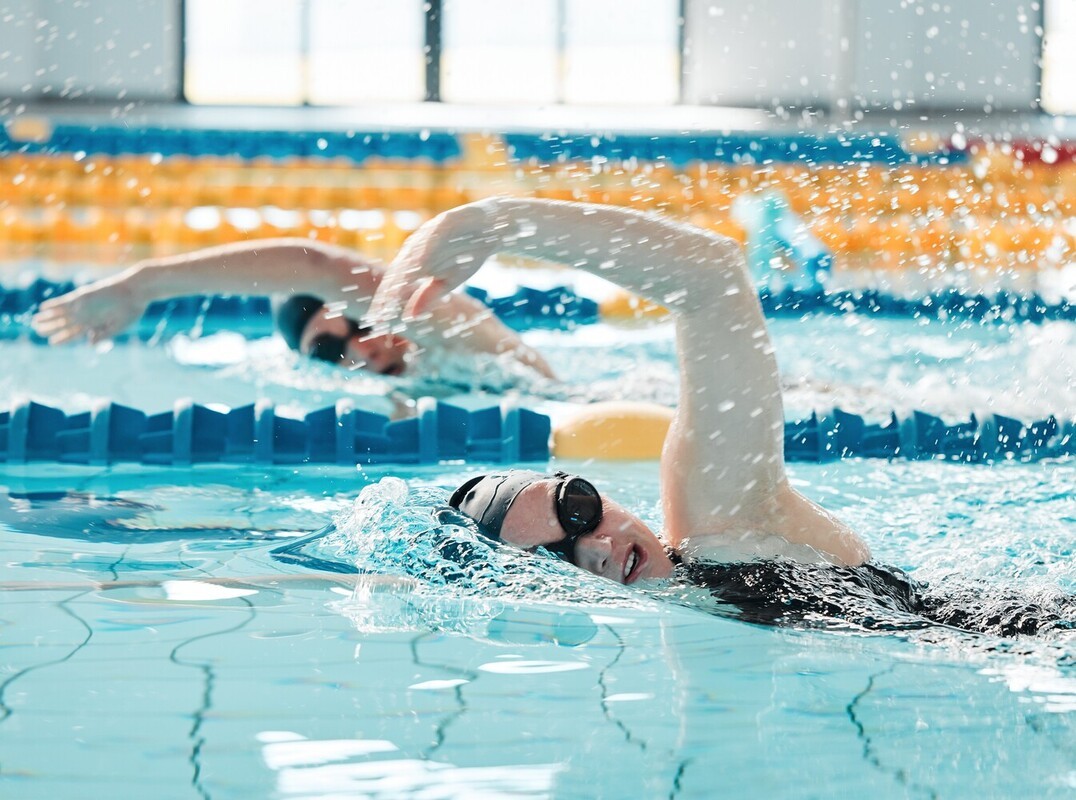
Water supports your body weight, reducing stress on joints. That makes swimming a great option if running to lose weight or high-impact workouts feel uncomfortable.
From our experience, this is especially helpful for people returning to exercise or managing injuries. You can still train hard without the wear and tear.
What Swimming Can and Can’t Do on Its Own
Swimming can help create a calorie deficit. But it can’t replace balanced eating habits. Even the most intense swim sessions won’t lead to weight loss if your overall calorie intake stays too high. As Registered Dietitians, we always emphasize that movement and nutrition work together.
How Swimming for Weight Loss Actually Works
Swimming supports weight loss by increasing calorie burn, engaging multiple muscle groups, and improving cardiovascular fitness. That combination can help shift your energy balance over time. But results don’t happen from a single workout or even a single week of consistency.
What matters most is how your swim routine fits into your bigger picture. When your training, recovery, and eating habits align, that’s when swimming starts to drive noticeable and sustainable progress.
Calorie Burn vs Calorie Deficit
Weight loss comes down to creating a calorie deficit, where your body uses more energy than it takes in. Swimming helps increase your daily calorie burn, especially when sessions include moderate to higher intensity work. But it’s easy to offset that effort if post-swim hunger leads to larger portions or frequent snacking.
Planning meals ahead can help. The Berry Street app can also help you estimate a calorie deficit to support steady, realistic progress.
The Role of Intensity, Duration, and Stroke Choice
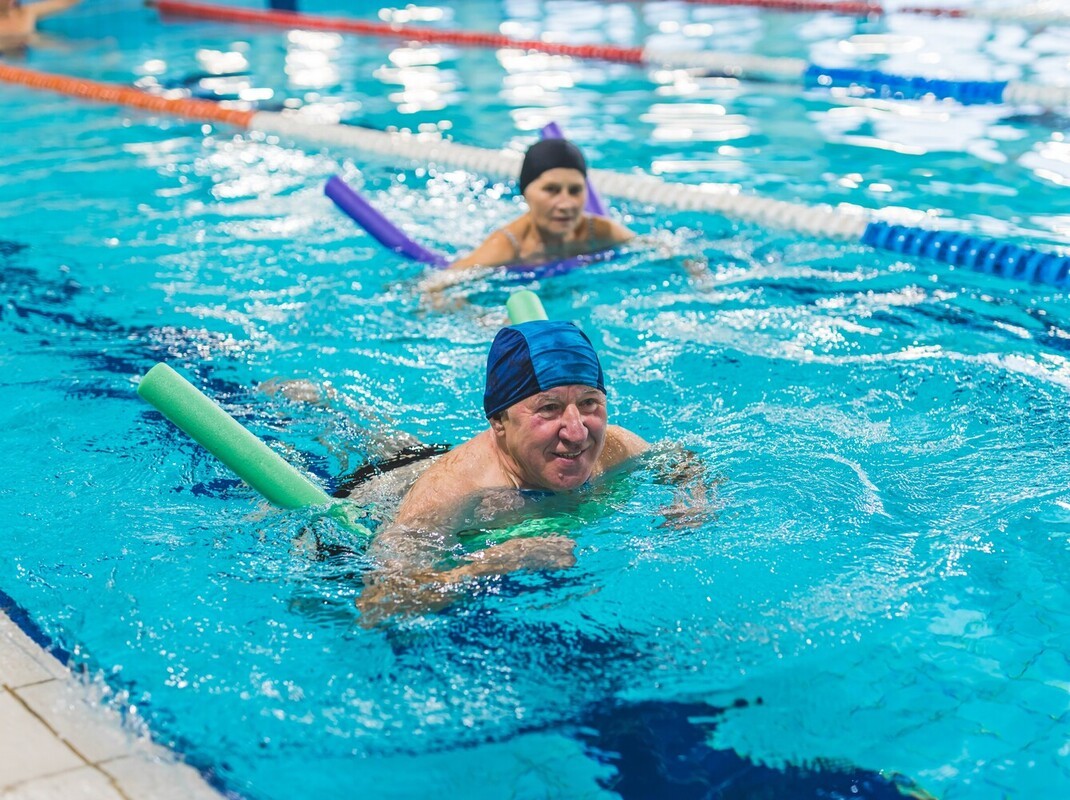
Not all swim sessions deliver the same results. A relaxed breaststroke for 20 minutes feels very different from a 40-minute session that includes fast freestyle intervals. Intensity plays a major role in calorie burn, while duration influences total energy output.
Stroke choice matters, too. Freestyle and butterfly tend to demand more effort, while backstroke offers a lighter option. Rotating between these approaches keeps your workouts challenging and helps prevent your body from adapting too quickly.
Muscle Engagement, Conditioning, and “Toning”
Swimming activates your shoulders, back, core, and legs in every session. Over time, this repeated effort builds strength and improves muscular endurance. You may start to notice better posture, smoother movement, and more defined muscle groups.
What people often call toning reflects a combination of increased muscle and reduced body fat. Swimming supports both, especially when paired with resistance training and enough protein to help your body recover and maintain lean mass.
Why Some People Swim Regularly but Don’t Lose Weight
It’s common to swim consistently and still feel stuck when it comes to weight loss. In most cases, a few key factors behind the scenes are limiting progress, even when workouts seem on track.
Appetite and Post-Swim Hunger
Swimming often increases hunger, especially after longer sessions or time spent in cooler water. Your body is working hard to regulate temperature and fuel movement, which can drive appetite up afterward. It’s easy to reach for quick, high-calorie snacks without thinking.
Planning balanced meals ahead of time helps you stay on track. Including protein, fiber, and carbohydrates can support recovery while keeping you satisfied, so you don’t undo the effort you just put in.

Overestimating Calories Burned
It’s common to assume a swim session burns more calories than it actually does. Fitness trackers and general estimates can vary widely, especially in water-based workouts. This can lead to eating back more calories than you used, which slows progress over time.
A 30-minute swim may feel intense, but the total burn depends on pace, stroke, and rest time. Being mindful of portions and checking patterns over time can help keep your energy balance aligned.
Doing the Same Easy Swim Every Session
Swimming at the same easy pace each time can feel comfortable, but it limits results. Your body adapts quickly to repeated effort, which means fewer calories burned and less improvement in fitness.
For example, swimming slow laps for 20 minutes every session won’t challenge your system enough to drive change. Adding intervals, increasing distance, or trying a faster stroke can make your workouts more effective and keep your progress moving forward.
Not Paying Attention to Recovery and Sleep
Recovery plays a bigger role than many people expect. If you’re swimming frequently but not sleeping well or allowing your body to rest, it can affect energy levels, performance, and even hunger cues. Poor sleep is linked to increased cravings and reduced motivation to train.
Giving your body time to recover helps you perform better in the pool and stay consistent with your routine, which ultimately supports more reliable weight loss progress.

How to Swim to Lose Weight
Getting in the pool regularly is a great start, but how you structure your sessions makes a big difference. A few simple adjustments can turn casual swimming into a more effective and consistent weight loss routine.
1. Start With a Goal You Can Measure
Clear, measurable goals make it easier to stay consistent and track progress over time. Instead of saying you want to “swim more,” aim for something specific, such as completing 15 laps without stopping or swimming four times per week. These targets give you direction and make it easier to build momentum.
As you improve, adjust your goals to keep challenging yourself. Small wins add up quickly and help you stay motivated week after week.
2. Choose a Sustainable Weekly Schedule
A schedule that fits your routine will always work better than an ambitious plan you can’t maintain. Aim for three to five swim sessions each week, spaced out to allow for recovery. Some weeks may feel easier than others, and that’s normal. If you are incorporating swim with other forms of exercise, frequency per week may be less.
Focus on showing up consistently rather than pushing for perfection. If your schedule changes, adjust your swim days instead of skipping entirely. Flexibility helps you stay on track long term.
3. Use Intervals Instead of Only Easy Continuous Laps
Intervals are one of the most effective ways to increase calorie burn in the pool. Try alternating one fast lap with one slower recovery lap, repeating this pattern for several rounds.
This approach pushes your heart rate higher and challenges your body in a different way than steady swimming. It also keeps workouts more engaging. Even short bursts of higher effort can make a noticeable difference in how effective your sessions feel.
4. Mix Strokes to Increase Challenge and Reduce Boredom
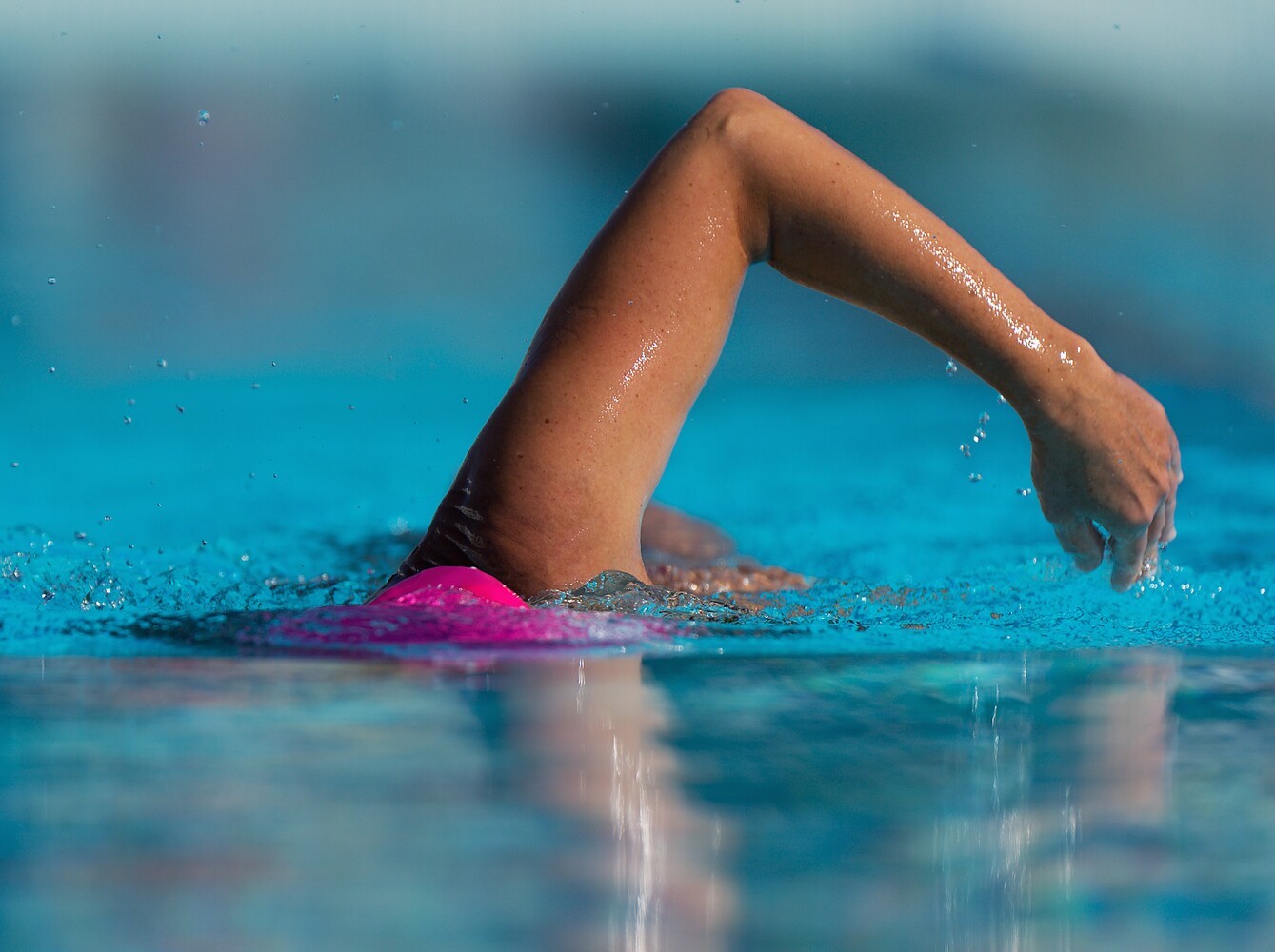
Swimming the same stroke every session can start to feel repetitive and limits how many muscles you engage. Rotating between freestyle, breaststroke, and backstroke adds variety and challenges your body in new ways.
For example, you might start with freestyle, switch to breaststroke for recovery, then finish with backstroke. This keeps your workouts interesting while helping you build strength, coordination, and endurance across different movement patterns.
5. Track Time, Distance, Effort, and Recovery
Tracking your swims gives you valuable feedback on your progress. Pay attention to how long you’re in the water, how many laps you complete, and how hard each session feels.
You might notice that a workout that once felt difficult becomes more manageable over time. That’s a sign you’re improving. You can also track rest periods between sets to gradually reduce recovery time and increase overall intensity in a controlled way.

6. Support Your Swimming With Recovery, Food, and Hydration
What you do outside the pool has a direct impact on your results. Eating balanced meals with protein, carbohydrates, and fiber supports recovery and keeps your energy levels steady. Staying hydrated is just as important, even when you don’t feel sweaty in the water. Recovery matters too, so aim for quality sleep and rest days when needed.
For more personalized support, you can connect with a Registered Health Dietitian through Berry Street to build a 7-day meal plan that aligns with your swimming routine and weight loss goals.
Best Swimming Strokes for Weight Loss
Not all swimming strokes deliver the same results when it comes to weight loss. Some increase calorie burn and intensity, while others help build endurance and support recovery, so choosing the right mix can make your workouts more effective:
Freestyle
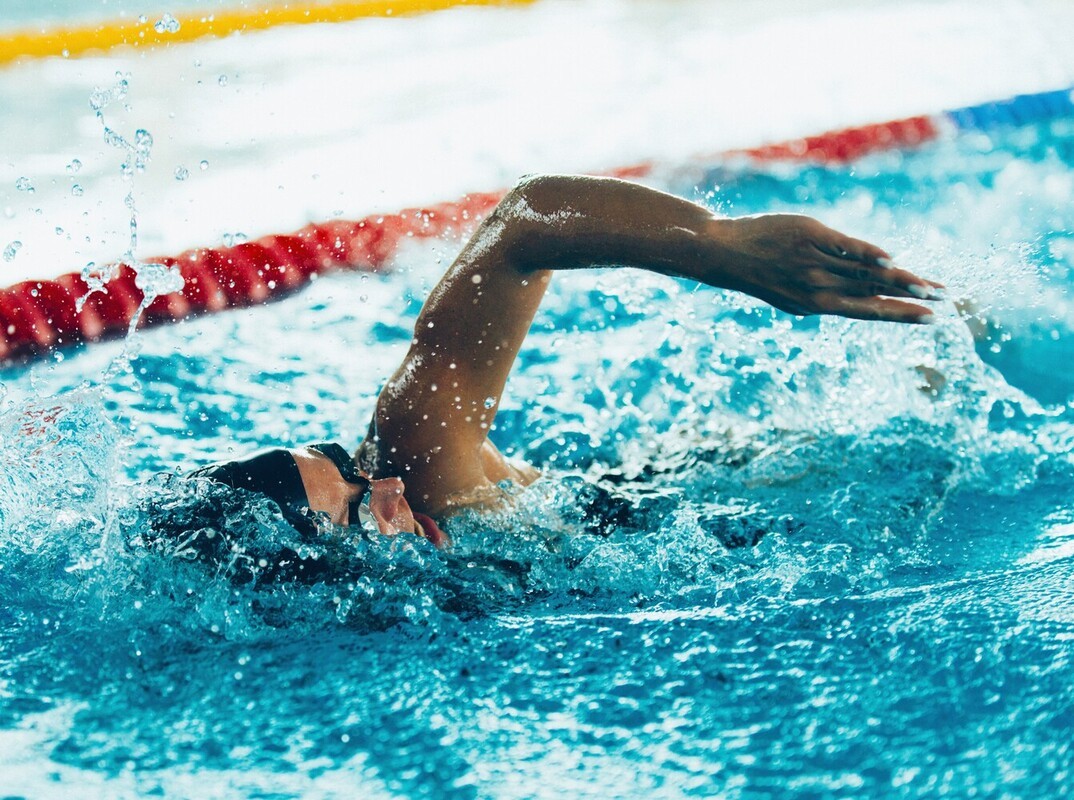
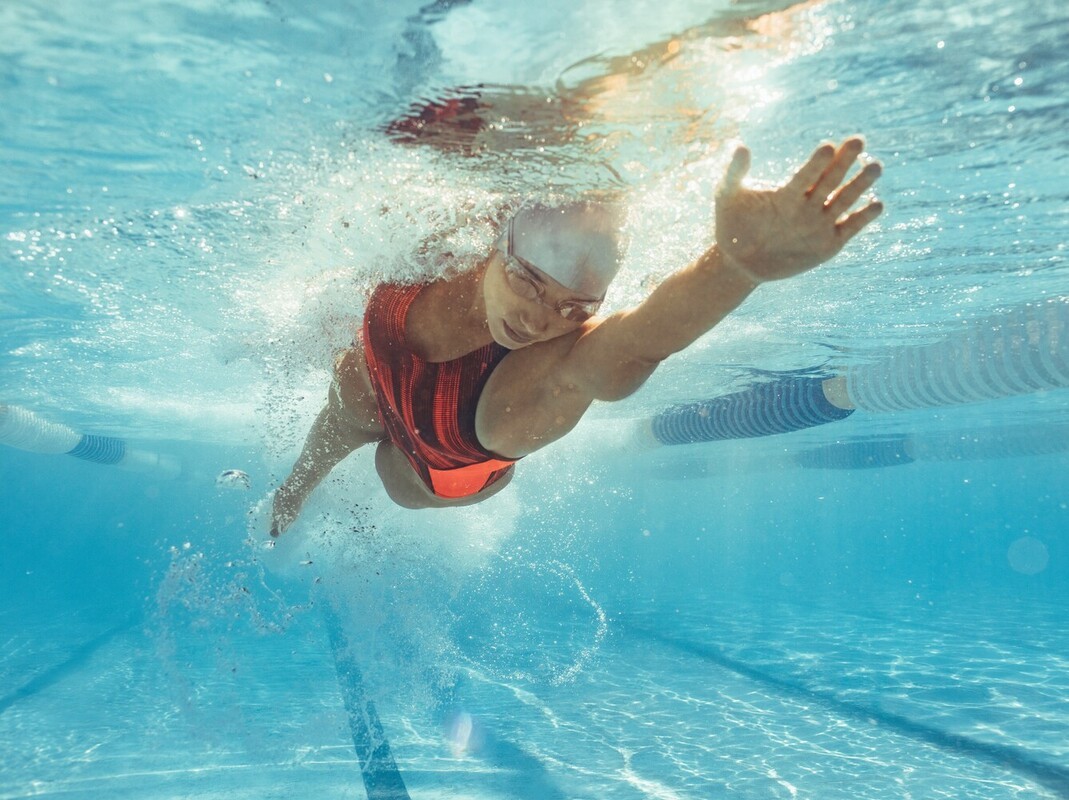
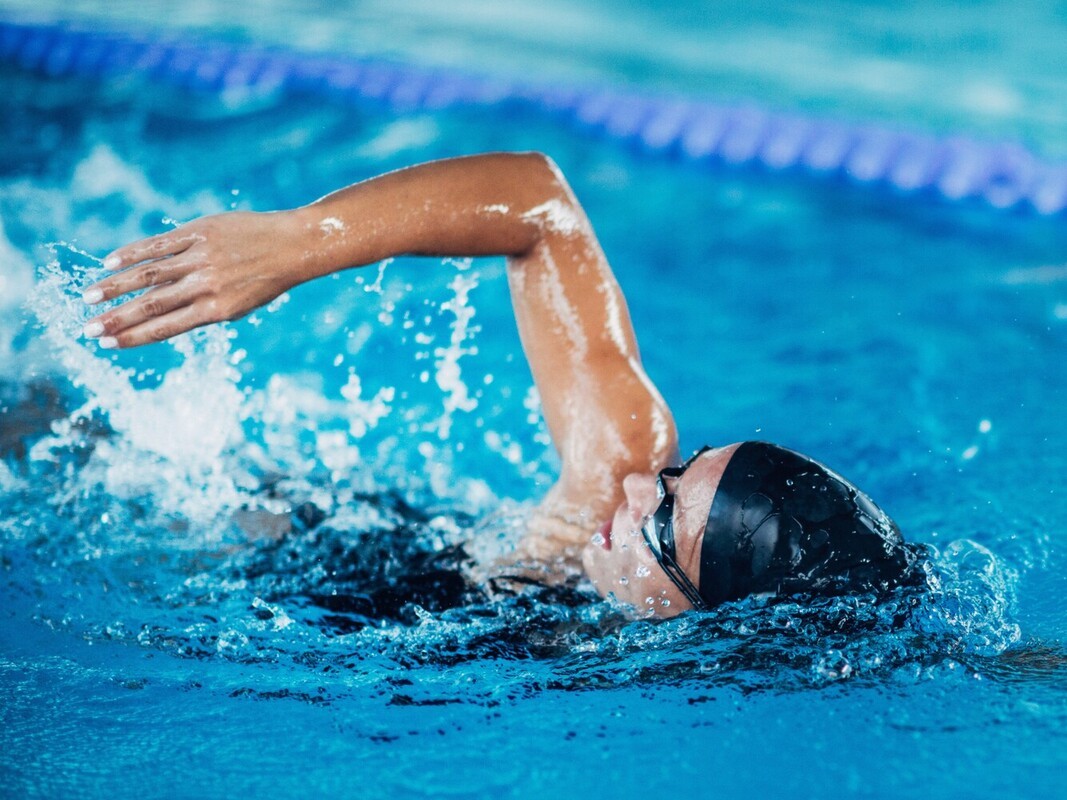
Freestyle is one of the most effective strokes for weight loss because it allows you to move quickly and maintain a steady pace. It engages your shoulders, core, and legs with each stroke, helping you burn more calories over time. You can easily adjust intensity by speeding up or adding intervals.
For example, alternating fast and moderate laps can increase your heart rate and make the session more challenging without needing extra time.
Butterfly
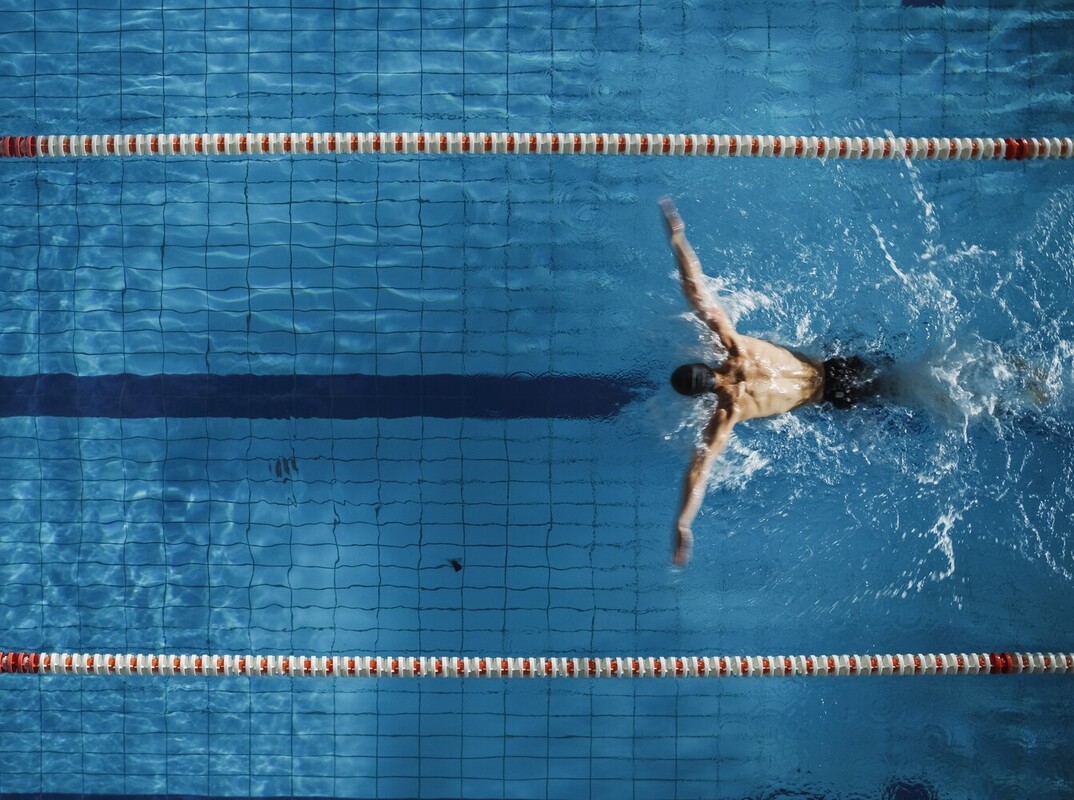
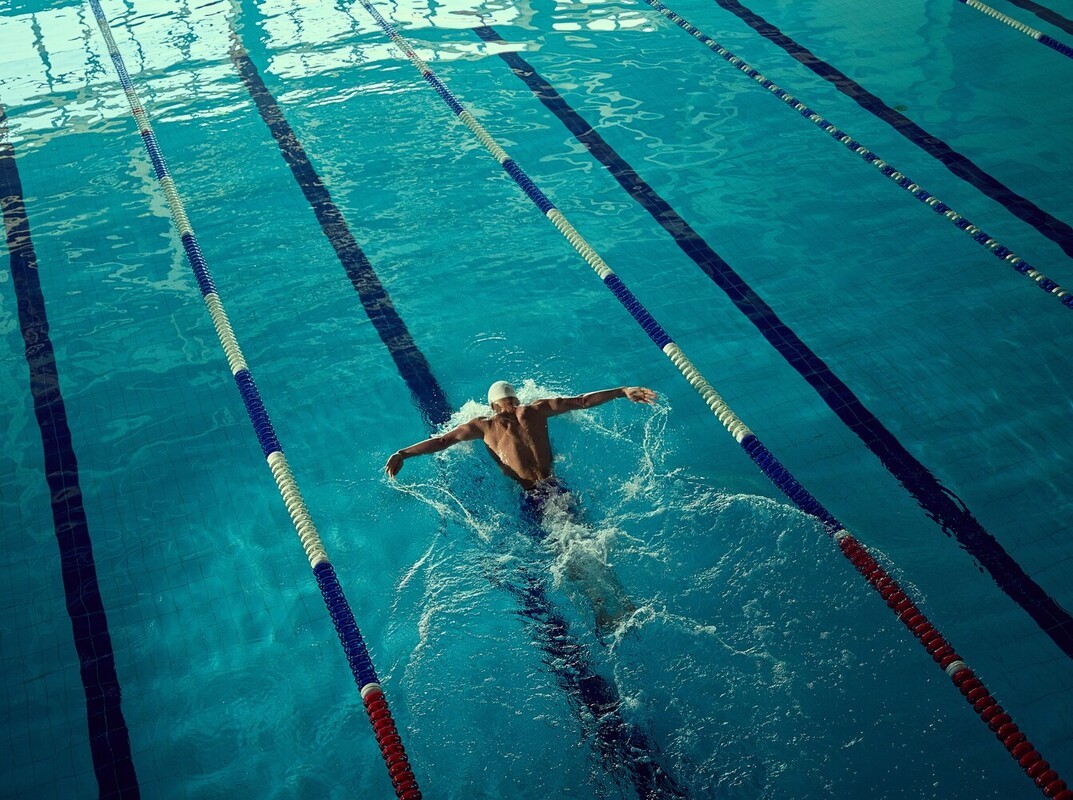
Butterfly is one of the most demanding strokes, and it shows in how quickly it raises your heart rate. It requires strong coordination between your arms, core, and legs, which increases overall energy use. Most people can’t sustain it for long periods, so it works best in short bursts.
Adding one or two butterfly laps between freestyle sets can significantly increase intensity and push your workout to a higher level.
Breaststroke
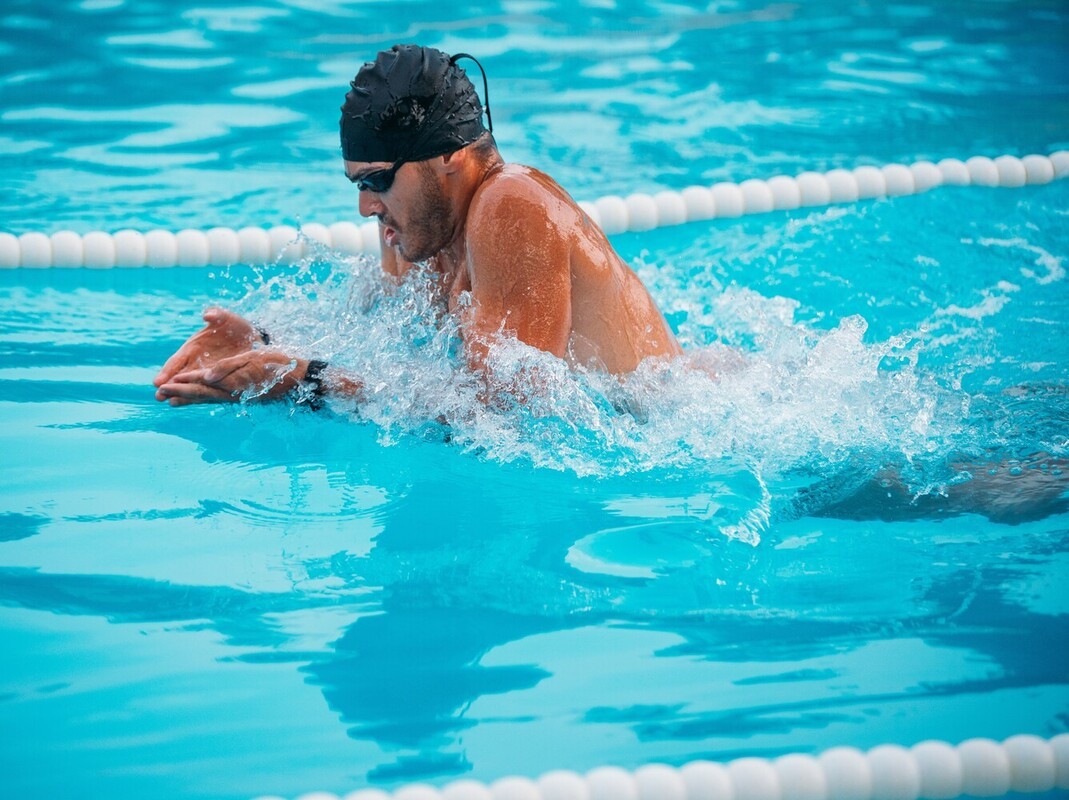
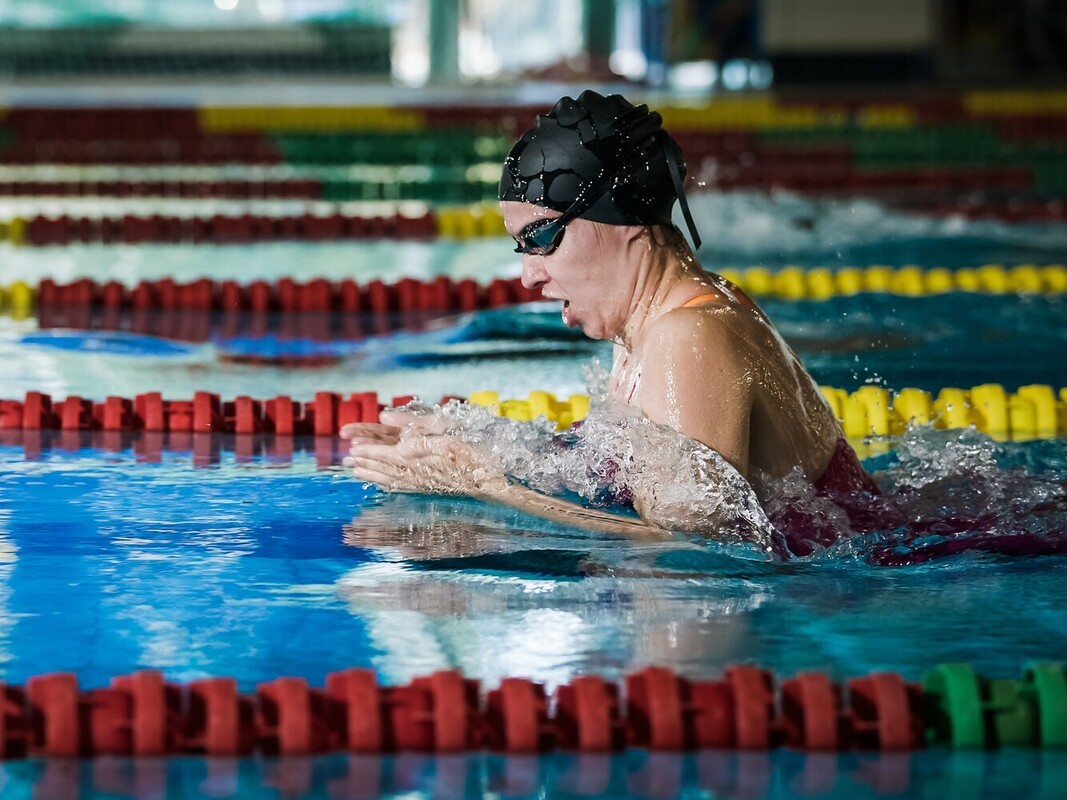
Breaststroke is a strong option for beginners or anyone building confidence in the water. The slower pace and controlled movements make it easier to maintain for longer sessions. It targets your legs, chest, and core, especially during the kick and glide phases.
While it burns fewer calories than faster strokes, it still contributes to overall energy expenditure. Many people use breaststroke as an active recovery between more intense laps or interval sets.
Backstroke
Backstroke offers a useful change of pace while still contributing to your overall workout. It targets your upper back, shoulders, and core, and helps improve posture through controlled, steady movement.
Because your face stays above water, breathing feels more relaxed, which can make longer sessions easier to manage. While it typically burns fewer calories than freestyle, it adds variety and balances muscle use, helping you stay consistent and reduce fatigue over time.
Which Stroke Is Best for Beginners?
Freestyle and breaststroke are usually the best starting points for beginners because they are easier to learn and can be adjusted to match your fitness level. Breaststroke allows for a slower, more controlled pace, which helps you focus on breathing and coordination. Freestyle can feel more challenging at first, but it becomes more efficient as your technique improves.
Many beginners start with breaststroke, then gradually add freestyle as their confidence and endurance build.
Does Breaststroke Help Lose Weight?
Yes, breaststroke can support weight loss, especially when you’re building a consistent routine. It uses your legs, chest, and core, and the repeated kicking motion requires steady effort over time.
While it burns fewer calories than faster strokes like freestyle or butterfly, it still contributes to overall energy use. For example, swimming breaststroke continuously for 30 minutes can add meaningful activity to your day and support progress when paired with a balanced routine.
Swimming Workouts for Weight Loss
A well-structured workout can make your time in the pool far more effective. The right combination of intensity, duration, and recovery helps you burn more calories while continuing to build strength and endurance.
What a Good Weight-Loss Swim Workout Includes
A strong swim workout follows a simple structure that helps you get the most out of your time in the water. Breaking your session into clear phases keeps your effort balanced and makes it easier to stay consistent.
Warm-Up
Starting with a proper warm-up helps your body transition into the workout and prepares your muscles for more intense effort. Begin with easy laps at a relaxed pace, focusing on smooth strokes and steady breathing. This gives your shoulders, hips, and core time to loosen up.
For example, swimming 5 to 10 minutes at an easy pace can improve circulation and reduce the risk of strain, making the rest of your session feel more controlled and effective.
Main Set
The main set is where you challenge your body and drive results. This portion should include a mix of moderate and higher intensity efforts, such as interval laps or stroke changes. You might rotate between faster laps and recovery laps to keep your heart rate elevated.
This approach increases calorie burn and builds endurance at the same time. Adjust the structure based on your fitness level, but aim to feel slightly out of breath during harder efforts.
Cooldown
A cooldown helps your body gradually return to a resting state after a more demanding effort. Finish your session with slow, controlled laps at a comfortable pace. Focus on long, smooth strokes and relaxed breathing. This allows your heart rate to decrease steadily and helps prevent stiffness afterward.
Spending 5 to 10 minutes cooling down also supports recovery, so you’re more likely to feel ready and energized for your next swim.
Steady-State Workouts vs Interval Workouts
Steady-state swimming involves maintaining a consistent pace for a set period, which helps build endurance and improve cardiovascular fitness. Interval workouts alternate between higher and lower intensity efforts, increasing calorie burn in less time.
One session might focus on continuous swimming, while another includes short bursts of faster laps with brief recovery periods. Using both styles throughout the week keeps your routine engaging and helps you continue making progress.
Short Workouts for Busy Days
Short sessions can still be effective when time is limited. The focus is on keeping intensity high and minimizing downtime so you get the most out of each minute in the pool.
2 to 3 minutes of easy swimming to warm up
Alternate 1 fast lap with 1 easy lap for 15 minutes
Keep rest short, around 10 to 20 seconds if needed
Finish with 2 to 3 minutes of relaxed swimming to cool down
Longer Endurance Sessions
Longer swims help build stamina and improve overall cardiovascular fitness. These sessions are about maintaining a steady pace and staying consistent from start to finish.
5 to 10 minutes easy warm-up to prepare your body
Swim continuously for 30 to 45 minutes at a moderate pace
Focus on controlled breathing and smooth, efficient strokes
If needed, take short breaks to maintain form
End with 5 minutes of slow swimming to cool down
Mixed-Intensity Workouts for Variety
Mixing intensities keeps workouts more engaging and challenges your body in different ways. This type of session helps improve both endurance and calorie burn.
10 minutes of easy swimming to warm up
20 minutes of intervals, alternating faster and moderate laps
Adjust effort so faster laps feel challenging but controlled
10 minutes of steady, moderate swimming to finish
Keep transitions smooth to maintain momentum throughout
Simple Beginner Swim Workout
This workout is designed to build confidence and gradually improve endurance. It keeps things simple while still giving your body enough challenge to progress.
10 minutes of easy swimming to get comfortable in the water
Rest briefly, focusing on steady breathing
Complete 5 sets of 2 laps at a comfortable pace
Take short breaks between sets as needed
Finish with a few easy laps to cool down and reset
Common Beginner Weight Loss Swimming Mistakes
It’s easy to fall into a routine that feels productive but doesn’t actually move you closer to your goals. A few common mistakes can limit progress, even when you’re showing up consistently and putting in the effort.
1. Ignoring Technique
Poor technique can make swimming feel harder while delivering fewer results. If your body position is off or your breathing feels rushed, you’ll use more energy than necessary without increasing intensity.
Focus on keeping your body streamlined, your kicks controlled, and your strokes smooth. Taking time to practice technique, even for a few minutes each session, can improve efficiency and help you swim longer while burning more calories more consistently.
2. Resting Too Long
Taking breaks is important, but long rest periods can reduce the overall intensity of your workout. If you’re stopping for a minute or more between every few laps, your heart rate drops too much.
Try keeping rest periods short, around 10 to 30 seconds, so you stay in a steady rhythm. This helps maintain momentum and keeps your body working at a level that supports calorie burn and endurance improvements over time.
3. Swimming Too Easily Every Session
Swimming at a comfortable pace every time can feel productive, but it limits how much your body adapts. If you can chat easily or never feel slightly out of breath, the intensity may be too low. Adding short bursts of faster swimming or reducing rest time can increase the challenge.
Even small changes, like swimming two laps faster than usual, can help push your fitness forward and make your sessions more effective.
4. Not Progressing Distance or Intensity
Repeating the same routine each week can lead to a plateau. Your body adapts quickly to familiar workloads, which means fewer changes in strength, endurance, or calorie burn.
To keep improving, gradually increase your distance, add extra laps, or include faster intervals. Tracking your swims can help you see patterns and make adjustments. Building on what you’ve already done keeps your workouts effective and gives your body a reason to keep adapting.
5. Relying on Swimming Alone
Swimming can support weight loss, but it works best when combined with other healthy habits. If your eating patterns don’t align with your goals, it becomes harder to create a calorie deficit.
Adding other forms of movement, such as strength training or walking for weight loss, can also support better results. This combination helps you build muscle, improve overall fitness, and increase daily energy use. A more balanced routine often leads to more consistent and sustainable progress.
6. Neglecting Recovery
Recovery plays a key role in how your body responds to training. If you’re swimming often without enough rest or quality sleep, fatigue can build up quickly. This can affect your energy levels, technique, and motivation to stay consistent.
Scheduling rest days and aiming for consistent sleep helps your body repair and adapt. When you recover well, your workouts tend to feel stronger, your performance improves, and it becomes easier to maintain a regular swimming routine.
7. Ignoring Nutrition
Swimming increases your energy needs, which means your food choices directly impact your results. Skipping meals or relying on low-quality snacks can leave you feeling tired and less consistent in the pool. Balanced meals that include protein, carbohydrates, and fiber help support recovery and steady energy levels.
If you want more structure, you can connect with a Registered Weight Loss Dietitian through Berry Street to build a plan that aligns with your swimming routine and long-term goals.

Swimming Exercises and Pool Drills for Weight Loss
Adding targeted drills to your routine can make your swim sessions more effective and engaging. These exercises help build strength, improve technique, and increase calorie burn without needing longer workouts:
Flutter Kick and Scissor Kick Drills
Flutter and scissor kicks are effective for building leg endurance and improving core stability. These drills can be done with or without a board, depending on your comfort level. Flutter kicks use small, quick movements, while scissor kicks involve a wider motion that challenges coordination.
Both require steady engagement through your core to stay balanced in the water. Adding short sets of each into your routine can increase overall effort and help improve your swimming efficiency.
Pulling Drills and Technique Work
Pulling drills shift the focus to your upper body by limiting lower-body movement. Using a pull buoy between your legs keeps them still, so your arms, shoulders, and back take on more of the workload.
This can help build strength while also improving your stroke technique. Pay attention to how your hands enter the water and how smoothly you pull through each stroke. Small adjustments can make your movements more efficient and reduce unnecessary fatigue.
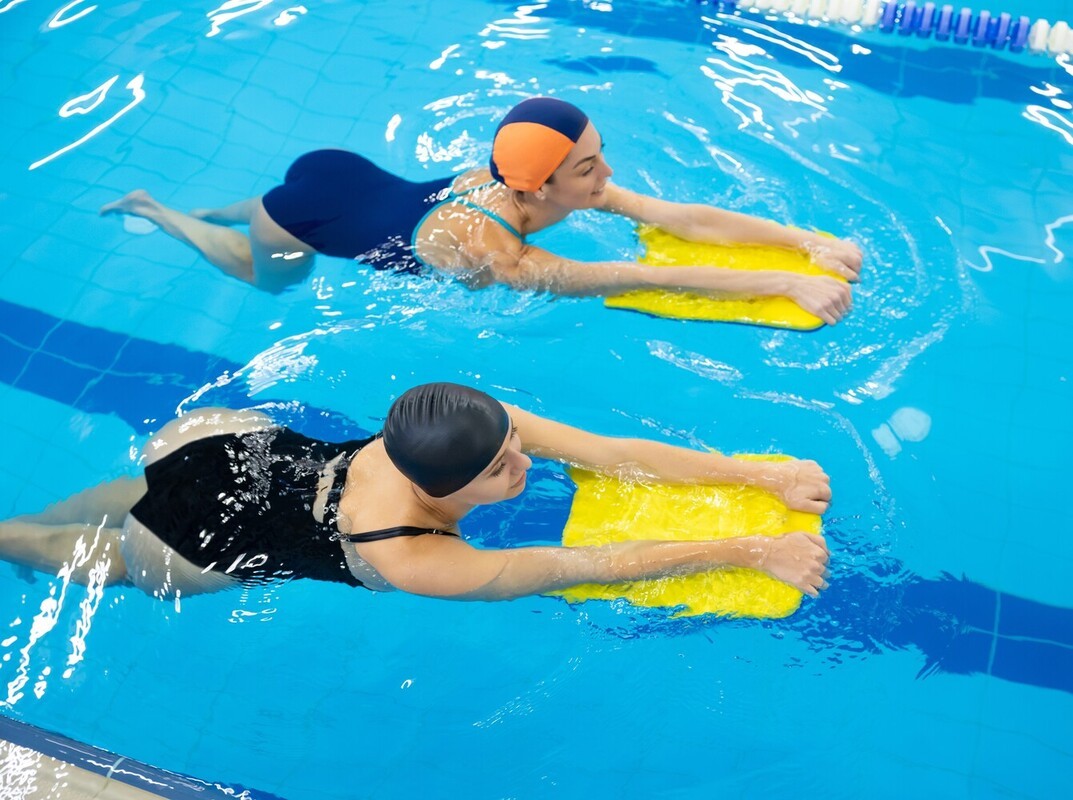
Kickboard Sets
Kickboard sets are a simple way to focus on your lower body while still keeping your heart rate up. Holding the board in front of you removes arm involvement, so your legs and core do most of the work. This helps build strength and endurance in your hips and thighs.
Try alternating between steady kicks and faster efforts to increase intensity. Keeping your movements controlled and consistent will help you get more out of each set.
Water Walking, Jogging, and Treading Water
Water-based movements like walking, jogging, and treading water offer a low-impact way to increase activity without needing strong swimming skills. The resistance of the water makes each movement more challenging than it would be on land.
Walking or jogging across the pool can raise your heart rate steadily, while treading water requires constant effort from your legs and core. These exercises are especially useful for beginners or recovery days when you still want to stay active.
Sample 7-Day Weight Loss Swimming Routine
Having a simple weekly plan can make it much easier to stay consistent and see progress. This sample routine gives you a mix of intensity, recovery, and variety so your body keeps adapting while avoiding burnout:
Day 1
Start the week with a moderate freestyle session to build a strong foundation. Focus on maintaining a steady pace that feels challenging but manageable. Aim for 20 to 30 minutes of continuous swimming, paying attention to your breathing and stroke rhythm.
This session helps improve endurance and sets the tone for the rest of the week. Keep your movements smooth and controlled so you can maintain consistency without feeling overly fatigued.
Day 2
This session focuses on interval training to increase intensity and calorie burn. Begin with a short warm-up, then alternate between faster laps and recovery laps for 20 to 25 minutes.
The faster efforts should feel challenging, while recovery laps give you time to reset. This type of workout pushes your heart rate higher and improves conditioning. It also keeps your routine engaging, making it easier to stay consistent over time.
Day 3
Give your body a break from higher intensity while still staying active. Choose light swimming, water walking, or slow laps for about 20 to 25 minutes. Keep your movements relaxed and focus on maintaining a steady rhythm.
Active recovery supports circulation and can reduce muscle soreness from earlier sessions. Many people find they feel more refreshed and ready for the next workout when they include a lighter day like this.
Day 4
Switching between strokes can make your workout more engaging and physically balanced. Rotate between freestyle, breaststroke, and backstroke to challenge different muscle groups. Swim a few laps of one stroke before transitioning to another to keep the session flowing.
This variation helps improve coordination while building strength in new areas. A mix of movements also keeps your routine interesting, which can make it easier to stay consistent over time.
Day 5
Set aside time for a longer swim to build stamina and improve overall endurance. Aim for 40 to 60 minutes at a steady, moderate pace that you can maintain without frequent stops. Focus on consistent breathing and efficient movement through the water.
Longer sessions like this increase total calorie burn and help you feel more comfortable swimming for extended periods. Over time, they can boost both confidence and physical capacity.
Day 6
Short, focused workouts can still deliver strong results when intensity is higher. After a quick warm-up, perform bursts of faster swimming followed by brief recovery periods. Keep the full session around 20 to 25 minutes.
Higher effort levels challenge your cardiovascular system and increase calorie burn in a shorter time frame. Including this type of workout adds variety to your week and helps prevent your routine from feeling repetitive.
Day 7
Allow your body time to recover so you can continue progressing. Take a full rest day or opt for a gentle recovery swim with easy laps or water walking for 15 to 20 minutes. For variety, you could also try something gentle like yoga for weight loss. Keep the effort low and avoid pushing your pace.
Prioritizing rest supports muscle repair and helps reduce fatigue. Coming back after a proper recovery day often makes your next session feel stronger and more productive. It is also okay to take more than one rest day; this will prevent injury and burnot.
How Much Swimming Do You Need to Lose Weight?
Most people see progress when they swim three to five times per week, especially when sessions are structured and consistent. That frequency allows you to build momentum without overwhelming your schedule.
Results come from repeated effort over time, not a single intense workout. Staying consistent week after week helps your body adapt, improve fitness, and gradually create the calorie deficit needed for weight loss.
How Often to Swim Each Week
Regular sessions spaced across the week help balance progress and recovery. Swimming on non-consecutive days can give your muscles time to recover while keeping your routine consistent.
Some people prefer shorter, more frequent swims, while others benefit from fewer but longer sessions. Finding a rhythm that fits your lifestyle makes it easier to stay on track. Consistency over time plays a bigger role than any single week of effort.
How Long Each Session Should Be
Session length can vary depending on your fitness level and schedule. Starting with 20 to 30 minutes is a realistic way to build confidence and avoid burnout.
As your endurance improves, gradually increasing to 45 or even 60 minutes can support greater calorie burn. Paying attention to how you feel during and after each swim helps guide progression. Quality and effort matter just as much as total time in the water.
How Many Laps Should You Swim to Lose Weight?
There isn’t a set number of laps that guarantees weight loss. The impact of your swim depends more on how hard you’re working and how long you sustain that effort. Swimming 20 challenging laps may be more effective than 40 easy ones.
Focusing on pace, stroke efficiency, and rest time can give you better results than simply counting laps without adjusting intensity.
Is Swimming 5 Days a Week Too Much, Just Right, or Not Enough?
For many people, swimming five days a week can be a good balance between consistency and recovery. It allows for regular calorie burn while still leaving room for lighter sessions or rest when needed. Adjusting intensity across the week can help prevent fatigue. If you are just starting to swim for weight loss, five days may be too frequent and 3 days might be a more approachable goal.
For example, mixing harder workouts with easier recovery swims makes it easier to maintain this schedule without feeling worn down.
Why “How Much Weight Can I Lose?” Doesn’t Have One Answer
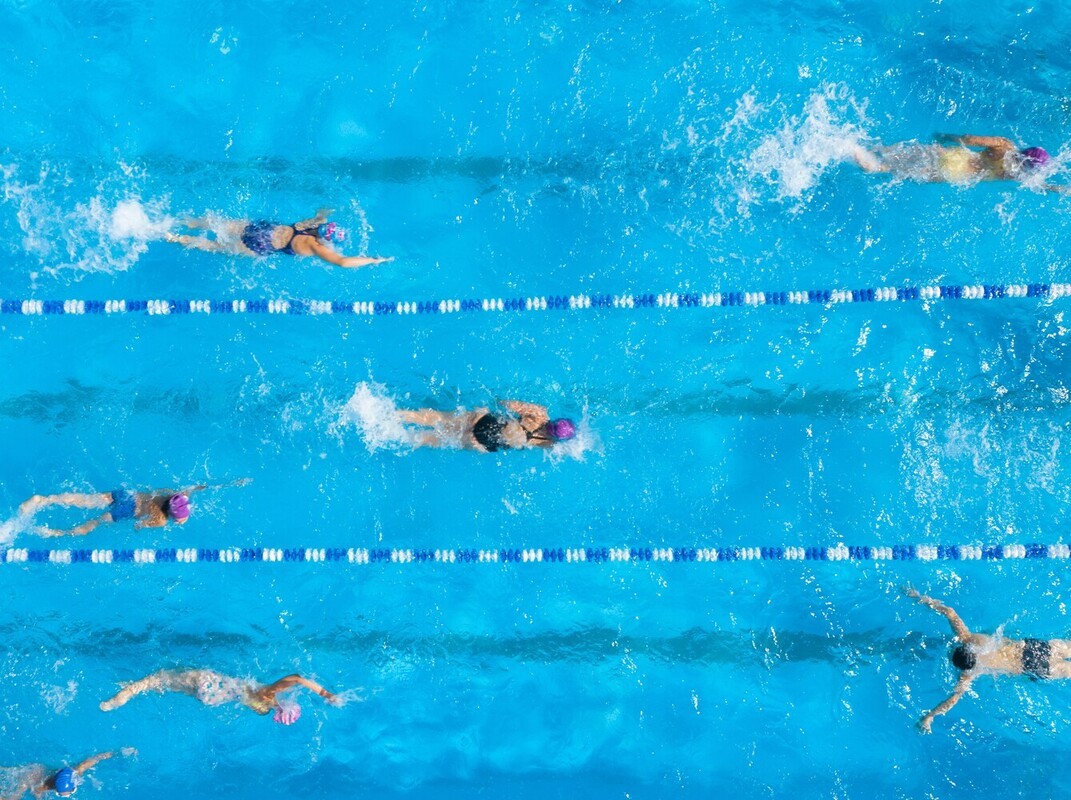
Weight loss varies from person to person, even when routines look similar on paper. Factors like eating habits, sleep, stress levels, and starting fitness all play a role. Some people notice changes quickly, while others see more gradual progress.
Swimming supports the process by increasing energy use and improving fitness. Long-term results come from consistent habits rather than trying to force rapid changes in a short period.
Can Swimming Help You Lose Weight and Tone Up?
Swimming can support both weight loss and improved muscle definition when done consistently. It increases calorie burn while also engaging multiple muscle groups in each session. Over time, this combination helps reduce body fat and build strength.
The result is a leaner, more defined appearance. Pairing swimming with a structured routine and balanced eating habits can make these changes more noticeable and sustainable.
What “Tone Up” Really Means
“Toning” refers to increasing muscle definition so your body looks firmer and more shaped. This happens when body fat decreases, and the muscle underneath becomes more visible. For example, as fat levels drop, areas like your arms or legs may appear more defined.
Strengthening those muscles through consistent movement, including swimming, supports this process and helps create a more noticeable change in overall appearance.
How Swimming Changes Muscle Definition
Swimming works your entire body with each stroke, which helps build lean muscle over time. Your shoulders, back, core, and legs are all involved, even during steady-paced sessions. As these muscles become stronger and more conditioned, your body can take on a more defined look.
Repeating these movements regularly improves endurance and strength, which contributes to gradual but noticeable changes in how your body looks and feels.
Areas People Commonly Hope to Target
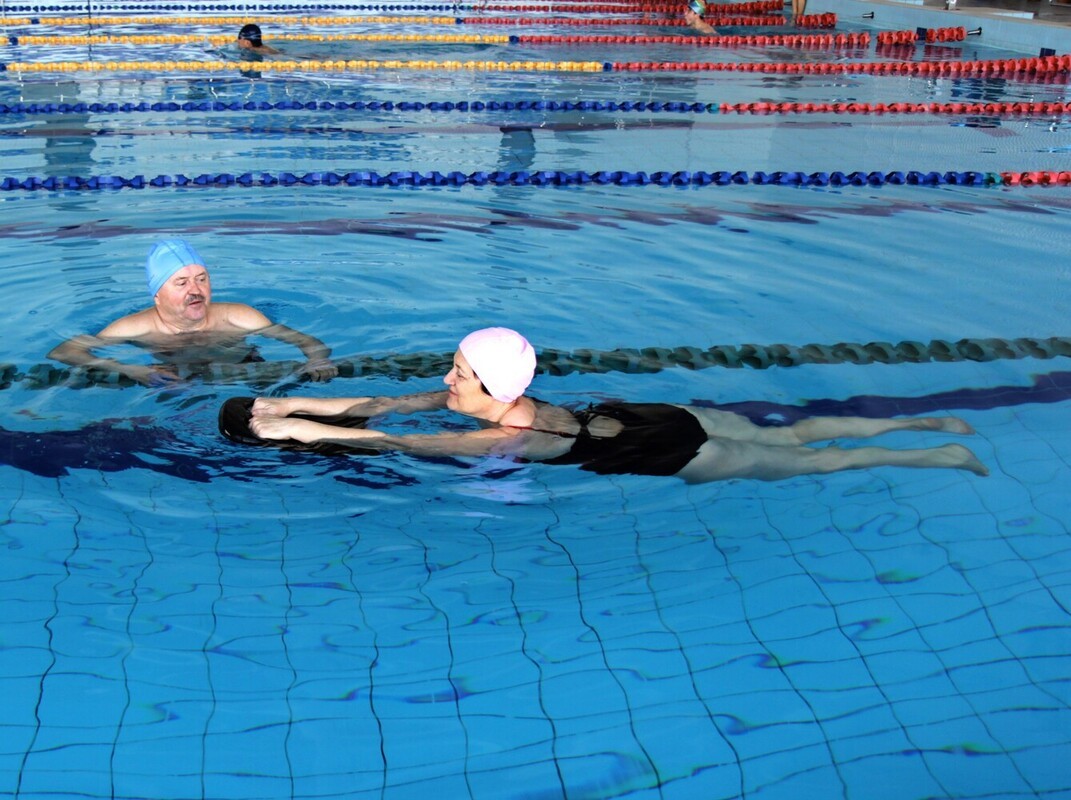
Many people focus on areas like the arms, core, or thighs when thinking about toning. Swimming engages all of these areas through different strokes and movements.
For instance, freestyle challenges your shoulders and core, while breaststroke places more emphasis on your legs. While these areas get stronger, fat loss happens across the whole body. Over time, this can lead to more balanced and noticeable changes in multiple areas.
Why Body Composition Matters More Than Scale Weight
Changes in body composition often matter more than the number on the scale. As you swim regularly, you may lose body fat while building lean muscle at the same time. This means your weight may not change significantly, even though your body looks and feels different.
Paying attention to how your clothes fit, your strength levels, and your overall energy can give you a clearer picture of progress than scale weight alone.
How to Combine Swimming With Strength Work for Better Results
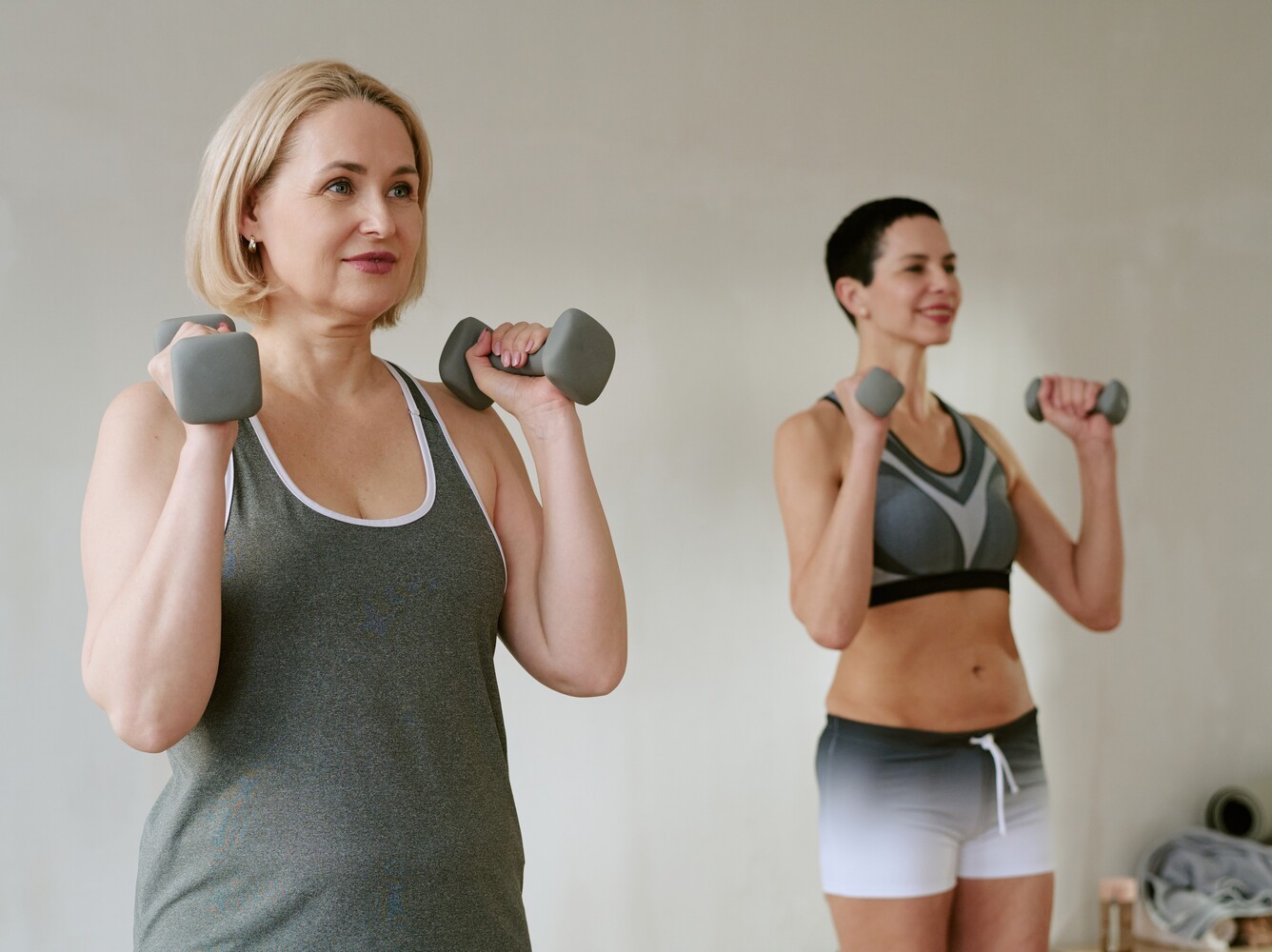
Adding weight lifting for weight loss or weight loss exercises at home alongside swimming can help improve muscle definition, support fat loss, and reduce the risk of injury. A simple, consistent approach works best and doesn’t need to be complicated.
Aim for 2 to 3 strength sessions per week on non-swim days or after shorter swims
Focus on major muscle groups like legs, back, chest, and core
Use bodyweight exercises such as squats, lunges, push-ups, and planks
Include resistance bands or light weights for added challenge
Keep sessions around 20 to 30 minutes to stay consistent
Best Time to Swim for Weight Loss
Timing can influence how your swim sessions feel, but it doesn’t have to be complicated. The best approach is choosing a time that fits your routine and allows you to stay consistent week after week.
Morning Swimming Pros and Cons
Starting your day with a swim can set a strong tone, but it also comes with a few challenges depending on your routine and energy levels.
Pros:
Helps establish a consistent routine before the day gets busy
Can boost energy and focus for the rest of the day
Fewer schedule conflicts or distractions early on
Cons:
Muscles may feel stiff without a longer warm-up
Energy levels can feel lower if you’re not used to early workouts
Evening Swimming Pros and Cons
Swimming later in the day can feel more natural for some people, especially when your body is already warmed up from daily movement.
Pros:
Muscles are more flexible, which can improve performance
You may feel stronger and more coordinated in the water
Can be a good way to unwind after a busy day
Cons:
Evening fatigue can make it easier to skip workouts
Late sessions may interfere with sleep if done too close to bedtime
Is There Really a “Best” Time?
There isn’t a single best time that works for everyone. What matters most is choosing a time that fits your schedule and feels realistic to maintain. Some people prefer early mornings when the day is quiet, while others perform better in the evening.
If you’re more likely to show up at a certain time, that’s the right choice. Building a routine around your natural energy levels can make consistency much easier.
Why Consistency Matters More Than the Clock
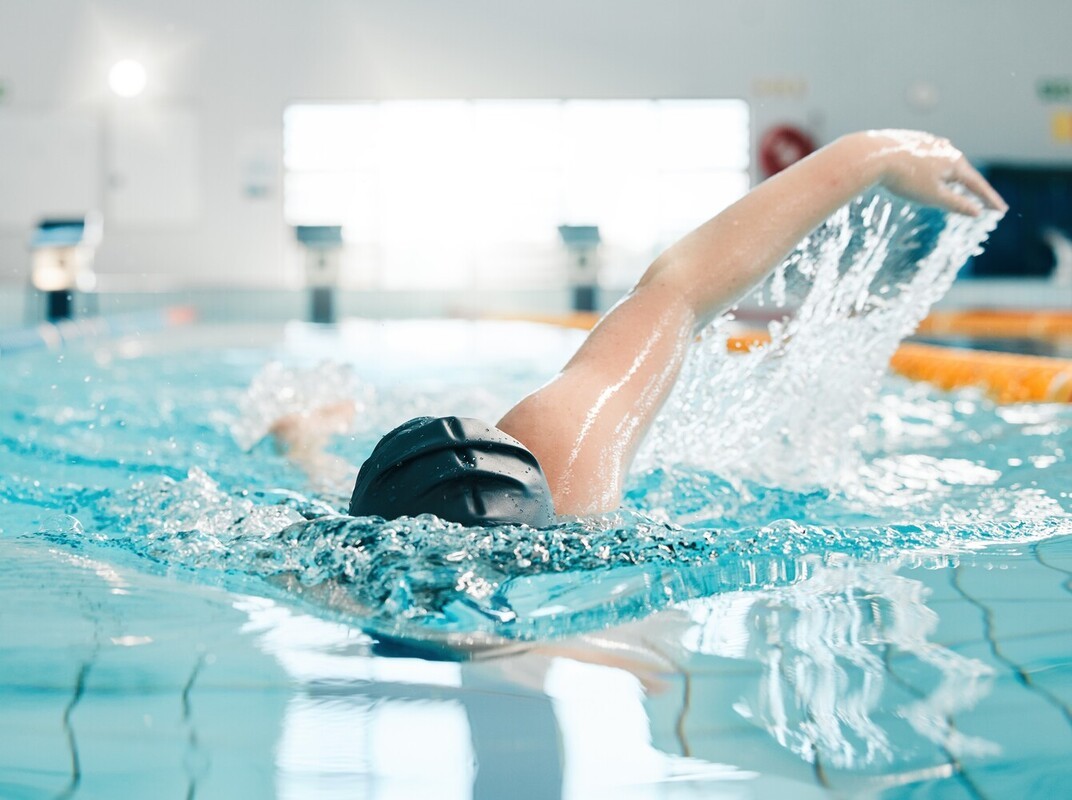
Progress comes from showing up regularly, not from picking the perfect time of day. Swimming three to five times per week at a time you can stick to will have a greater impact than occasional sessions at an “ideal” hour.
A consistent evening routine often leads to better results than sporadic early morning swims. Establishing a habit that fits your lifestyle helps you stay committed and continue improving over time.
Swimming for Weight Loss Results and Timeline
Results don’t happen overnight, but small changes can start to show sooner than you might expect. Understanding what progress looks like at different stages can help you stay motivated and focused as you build a consistent routine.
What Changes You May Notice in the First Few Weeks
Early changes often show up in how you feel rather than what you see. You may notice improved energy, better sleep, and less fatigue during daily activities. Swimming starts to feel more comfortable as your breathing becomes more controlled.
Many people also find they can complete more laps without stopping. These small improvements build confidence and make it easier to stay consistent as your routine becomes more established.
What One Month of Swimming Might Look Like
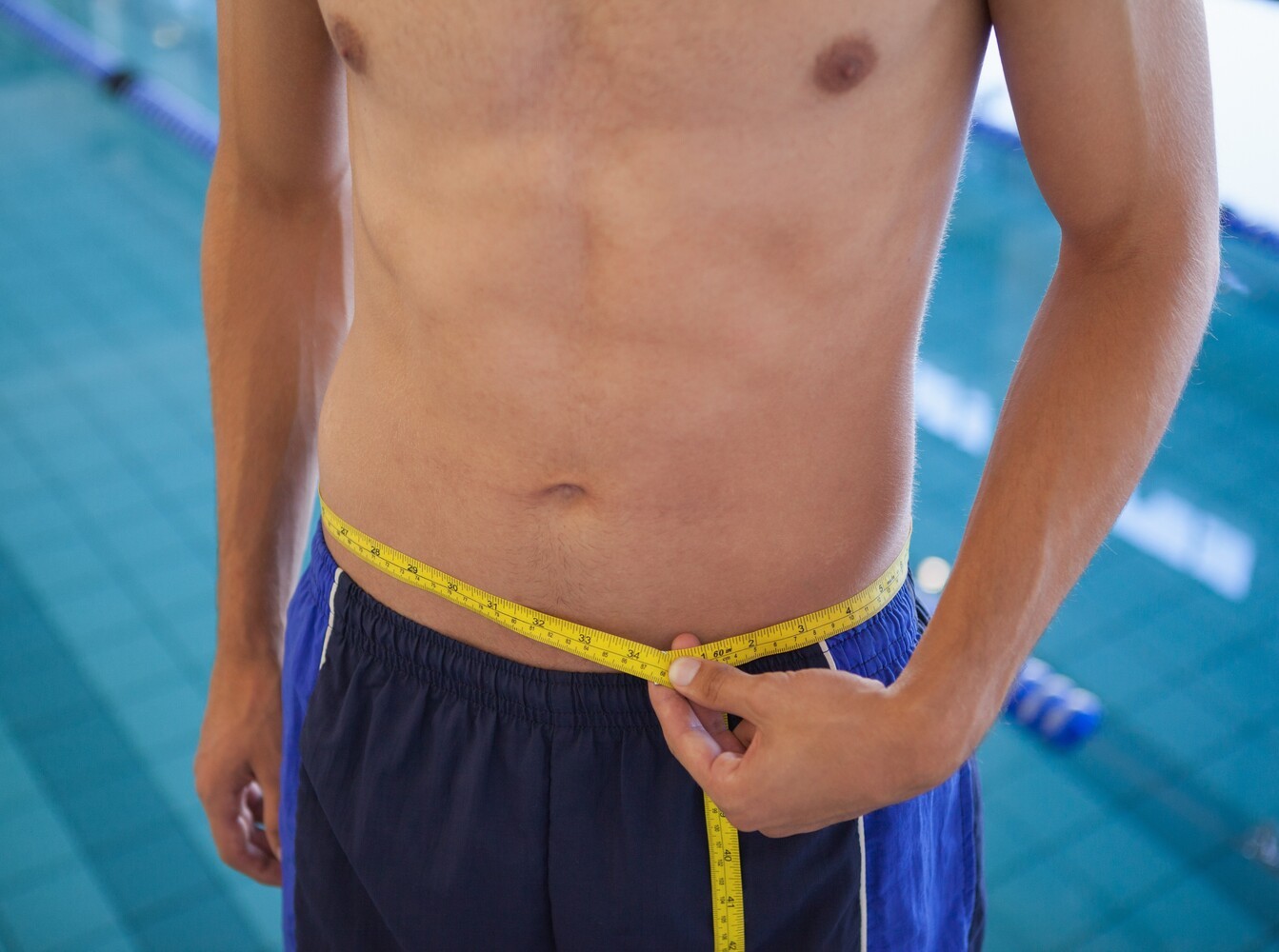
After a few weeks of consistent swimming, you may start to notice changes in stamina and overall fitness. Sessions that once felt challenging may begin to feel more manageable. Some people also notice subtle shifts in body composition, such as feeling firmer or more toned in certain areas.
If your eating habits support your goals, these changes can become more noticeable. Progress at this stage often reflects both improved endurance and better consistency.
Why Results Vary So Much From Person to Person
Progress can look very different from one person to another. Factors like your starting fitness level, eating habits, sleep, and how consistently you swim all influence results. Some people see changes quickly, while others experience a slower but steady progression.
All movement guidance in this program supports general wellness. It’s important to check with your doctor before starting or changing your routine, and to stop if you experience pain, dizziness, or other concerning symptoms.
Signs Your Routine Is Working Even Before the Scale Moves
Progress doesn’t always show up on the scale right away, which can feel frustrating at first. Looking for other signs can help you stay motivated and recognize that your efforts are paying off.
1. Improved Endurance
One of the earliest signs of progress is being able to swim longer without needing frequent breaks. Laps that once felt exhausting start to feel more manageable. You may notice that your breathing stays more controlled, even as your session continues.
This improvement reflects better cardiovascular fitness and efficiency in the water. Over time, increased endurance allows you to extend workouts and burn more calories without feeling overwhelmed.
2. Better Technique
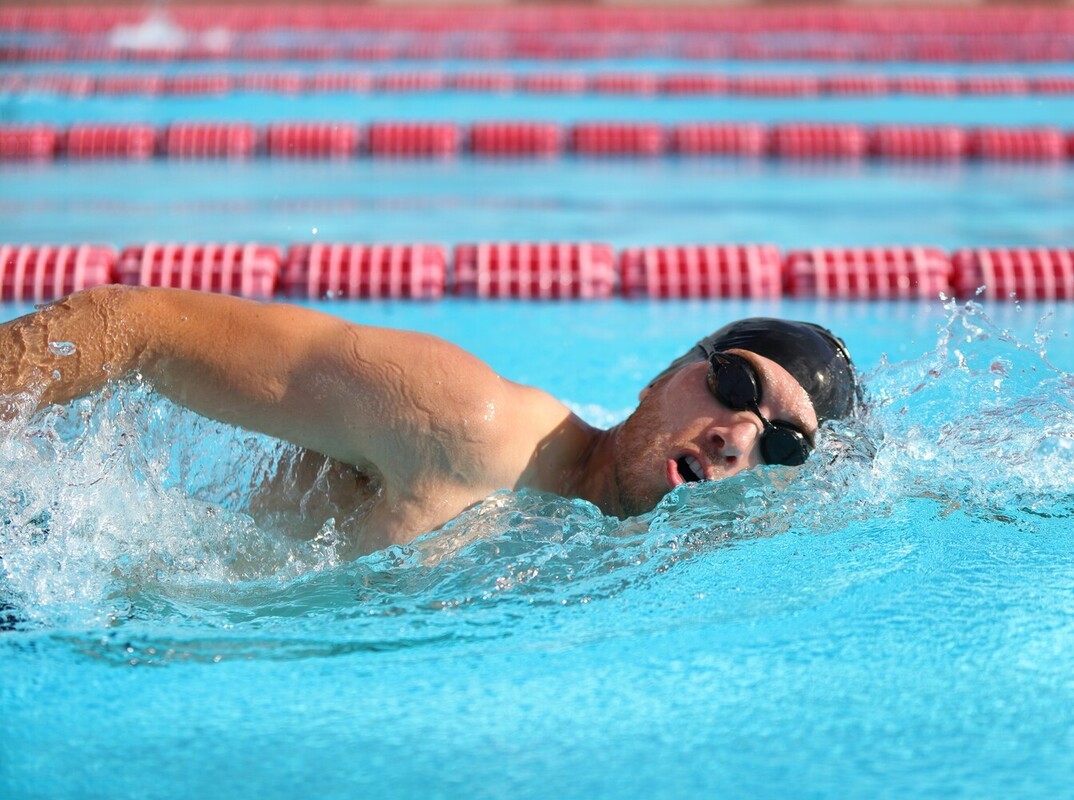
As you spend more time in the water, your movements often become smoother and more coordinated. Your strokes may feel more controlled, and your body position more stable. This means you’re using energy more efficiently with each lap.
Small improvements, such as a cleaner arm pull or more consistent kick, can make a noticeable difference. A better technique helps you swim longer and reduces unnecessary fatigue during each session.
3. Increased Strength
Swimming regularly helps build strength across your upper body, core, and legs. You may notice that movements feel easier, even outside the pool. For example, climbing stairs or carrying groceries might require less effort.
In the water, stronger muscles help you push through each stroke more effectively. This added strength supports better performance and can make your workouts feel more controlled and productive over time.
4. Faster Recovery Between Sets
Another positive sign is how quickly you recover after a challenging set. You might notice your breathing returns to normal sooner, allowing you to start the next set with less rest. This reflects improvements in cardiovascular fitness and overall conditioning.
Shorter recovery times make it easier to maintain intensity throughout your session, which can lead to better calorie burn and more effective workouts.
5. More Consistent Energy Levels
Improved energy throughout the day can signal that your routine is working well. Instead of feeling drained after workouts, you may feel more alert and steady.
Regular swimming can support better sleep and more stable energy levels, especially when paired with balanced meals. This consistency helps you stay active outside the pool as well, making it easier to maintain your routine and continue progressing over time.
Want to try something a little different? Check out our guides on pilates for weight loss and cycling for weight loss.
Weight Loss Swimming FAQs
How many laps should I swim to lose weight?
There’s no fixed number of laps that guarantees weight loss. It depends on your pace, intensity, and overall consistency. Focus on challenging yourself during sessions rather than hitting a specific lap count.
Does breaststroke help lose weight?
Yes, breaststroke can support weight loss, especially for beginners. It’s a lower-intensity stroke, but it still contributes to calorie burn and overall activity when done consistently.
Is swimming or walking better for weight loss?
Both can be effective, and the best choice depends on what you’ll stick with. Swimming typically burns more calories per session and engages more muscle groups, while walking is easier to maintain daily.
How much weight can you lose swimming 5 days a week?
Results vary based on factors like your diet, intensity, and starting point. Swimming five days a week can support steady weight loss, but progress depends on maintaining a consistent calorie deficit over time.
Conclusion
Swimming gives you a practical and flexible way to support weight loss while building strength, endurance, and overall fitness. When your workouts include a mix of intensity, progression, and variety, and your eating habits support a steady calorie deficit, results tend to follow.
We consistently see that combining structured swim sessions with a realistic nutrition plan leads to better long-term outcomes than relying on exercise alone. If you’re ready to take the next step, you can connect with a Registered Dietitian covered by insurance through Berry Street to build a personalized plan that works for your lifestyle.