Losing weight can feel frustrating when exercise isn’t realistic, enjoyable, or even possible, but that doesn’t mean progress is out of reach. Many people come to us asking how to lose weight fast without exercise, and the answer is often simpler than expected.
As Registered Dietitians, we focus on the strategies that actually move the needle, including how your body uses energy, how food choices influence appetite and calorie intake, and how daily habits shape long-term results.
After years of experience working with a wide range of clients, we’ve seen that weight loss without exercise is not only possible, it can be effective when approached with the right plan. This article breaks down exactly how it works, what “fast” really means, and the practical steps you can take to see consistent, sustainable results without relying on workouts.
Key Takeaways
You can lose weight without exercise by creating a consistent calorie deficit through your diet and daily habits.
Protein, fiber, and whole foods play a major role in controlling hunger and supporting sustainable weight loss.
Small, realistic changes like improving sleep, reducing liquid calories, and building routines can make a big difference over time.
A safe and effective rate of weight loss is about 1–2 pounds per week, even without working out.
Long-term success comes from consistency, not extreme dieting, and support from a Registered Dietitian can help you stay on track.

Can You Really Lose Weight Without Exercise?
Yes, you can lose weight without exercise. The key factor is creating a calorie deficit, which means consistently taking in fewer calories than your body uses throughout the day. Exercise can increase that deficit, but it isn’t required to see results.
As Registered Dietitians, we regularly work with clients who rely entirely on nutrition changes and still lose weight successfully. The focus shifts to portion sizes, food quality, and eating habits that are easy to maintain.
When those habits become part of your routine, progress feels more manageable. Over time, even small daily adjustments can lead to steady, noticeable weight loss without relying on structured workouts.
How Weight Loss Actually Works
Your body is always using energy, even when you’re resting or sleeping. Processes like breathing, circulation, digestion, and temperature regulation all require calories. This baseline energy use is called your basal metabolic rate, and it typically accounts for most of the calories you burn each day.
When you consistently eat fewer calories than your body needs, it looks for another energy source. That energy often comes from stored body fat. This process happens gradually and depends on consistency over time.
You don’t need intense activity for it to work. A steady, moderate calorie deficit for weight loss can lead to meaningful changes when maintained over days and weeks.
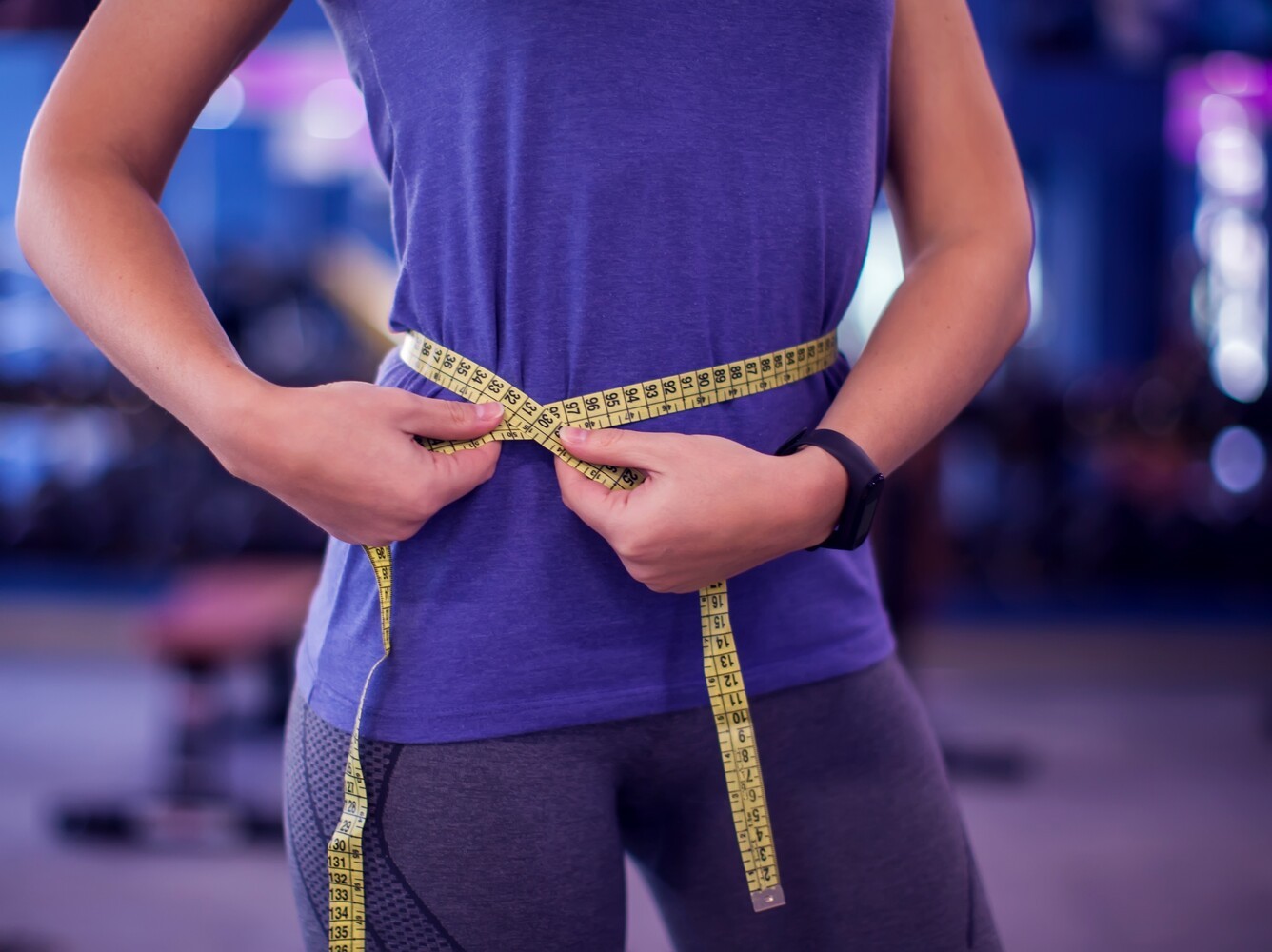
Why Diet Plays the Biggest Role
From our experience, diet has the greatest influence on weight loss outcomes. It’s often much easier to reduce calorie intake than to burn the same amount through exercise.
For example, cutting back on high-calorie snacks, sugary drinks, or large portions can quickly lower your daily intake without requiring extra time or effort. Food choices also affect how full you feel, how stable your energy is, and how easy it is to stay consistent.
Meals that include protein, fiber, and balanced nutrients help reduce cravings and prevent overeating. When eating habits are structured and realistic, people are more likely to stick with them and see steady progress.
Who This Approach Works Best For
This approach can be a great fit for people who need flexibility or want to simplify their weight loss plan:
People recovering from injury or dealing with chronic pain: When exercise isn’t an option, nutrition becomes the main driver of progress.
Busy schedules and limited time: Long work hours or family commitments can make workouts hard to maintain, but eating habits are easier to adjust.
Beginners to weight loss: Starting with food choices often feels more manageable than jumping into a full fitness routine.
Those struggling with consistency: Simplifying the approach can reduce overwhelm and improve long-term adherence.
For many, this becomes a sustainable starting point that builds confidence and momentum.

What “Fast” Weight Loss Really Means
Fast weight loss usually sounds appealing, but the definition matters. In practice, “fast” should mean seeing steady, noticeable progress over several weeks, not trying to force dramatic changes in a few days.
We look for approaches that create momentum without pushing the body into extremes. That could mean improved portion control, more balanced meals, and fewer high-calorie extras that quietly add up.
These changes can move the scale in the right direction while still supporting energy, hunger control, and daily life. Quick progress is possible, but the goal is a pace you can maintain long enough to keep the weight off after the initial loss.
How Fast Is Actually Safe?
A safe rate of weight loss is generally about 1 to 2 pounds per week. That range gives your body time to adjust while helping protect muscle mass, energy levels, and overall nutrition. Faster loss can happen in the beginning, but that early drop is often tied to water shifts rather than meaningful fat loss.
Steady progress tends to be more reliable and easier to maintain. It also gives you room to build habits that fit real life, like planning meals, eating more protein, and keeping portions consistent. Safe weight loss may feel slower, but it usually leads to better long-term results and fewer frustrating setbacks.

Why Extreme Dieting Backfires
Extreme dieting often creates short-term changes, but it rarely holds up for long. When calories drop too low, the body starts adapting in ways that make weight loss harder. Hunger hormones can rise, energy levels can dip, and daily cravings may feel much stronger than usual.
Many people also become more preoccupied with food, which makes sticking to the plan feel exhausting. Over time, metabolism can slow as the body tries to conserve energy.
That combination often leads to overeating, burnout, or rapid weight regain once the diet becomes impossible to maintain. A more balanced approach usually produces slower progress, but it is far more realistic and sustainable.
Creating a Calorie Deficit Without Exercise
You can create a calorie deficit without exercise by making small, intentional changes to how and what you eat each day. These shifts may seem simple, but they can have a meaningful impact when done consistently:
Adjust portion sizes: Slightly reducing portions at meals can lower calorie intake without leaving you overly hungry.
Choose lower-calorie swaps: Replacing sugary drinks with water or choosing grilled instead of fried foods can cut calories quickly.
Focus on filling foods: Meals built around protein, fiber, and whole foods help you stay full longer, which naturally reduces overeating.
Limit mindless snacking: Being more aware of when and why you eat can prevent extra calories from adding up.
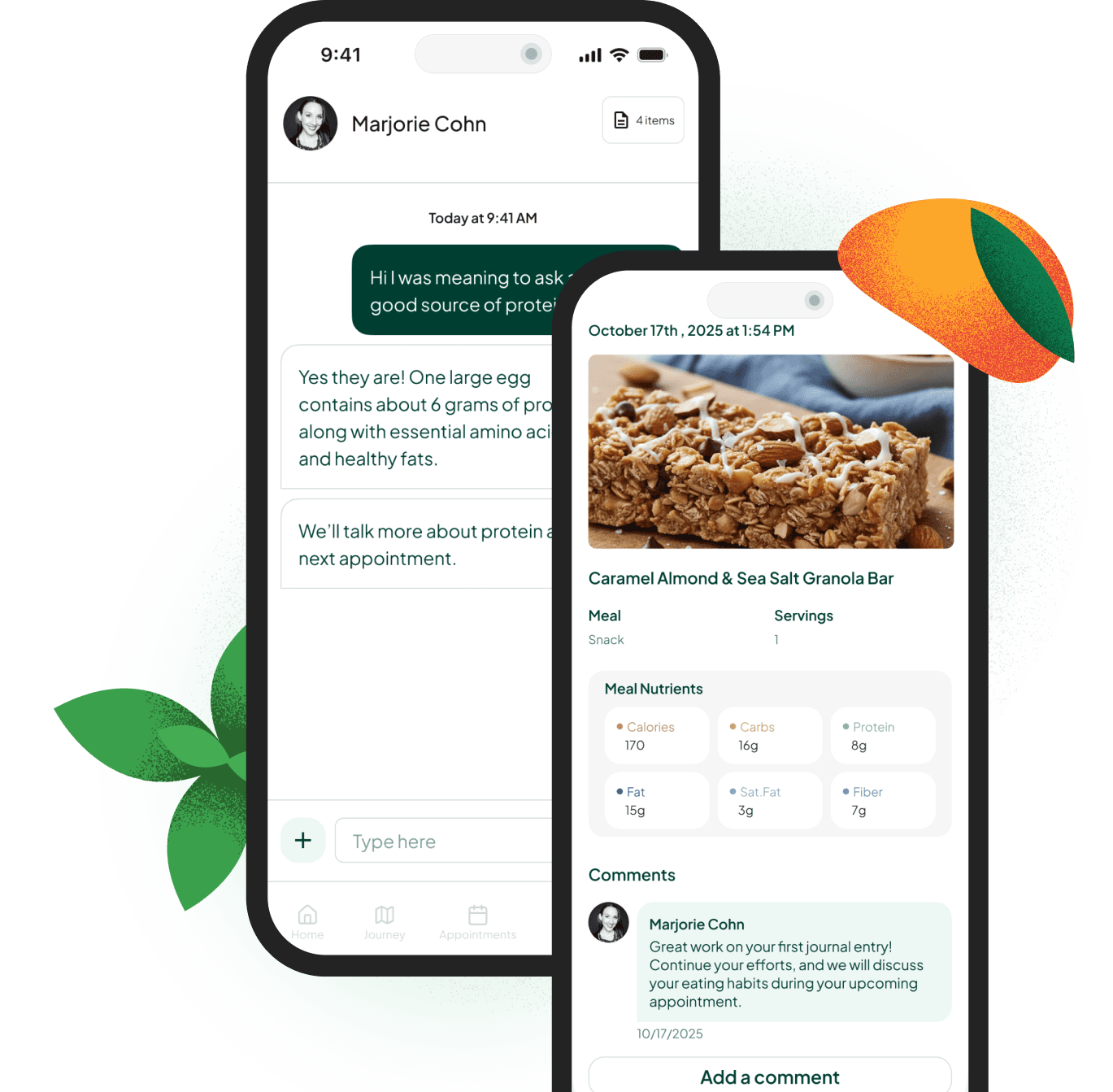
When these habits become part of your routine, they create steady progress over time. The Berry Street app can also help you estimate and track your calorie deficit safely and more easily.
The Most Effective Ways to Lose Weight Without Working Out
Small changes can make a big difference when they’re done consistently. These strategies focus on practical habits that help you create a calorie deficit and stay on track without relying on structured workouts:
1. Adjust Your Eating Habits Without Drastic Dieting
You do not need to rebuild your entire routine to start losing weight. In many cases, the most effective changes are the ones that feel simple enough to repeat. Eating a little more slowly can help you notice fullness sooner, while slightly smaller portions can reduce calories without making meals feel unsatisfying.
Cutting back on distracted snacking also matters, especially when bites here and there start adding up. In our experience, these smaller shifts are often easier to maintain than strict rules or highly restrictive plans. They feel more realistic, which is exactly why they work.
If you want personalized support, connect with a Registered Health Dietitian through Berry Street.
2. Prioritize Protein and Fiber
Protein and fiber can make a huge difference when weight loss feels difficult. They help meals feel more satisfying, which often leads to fewer cravings and less grazing between meals.
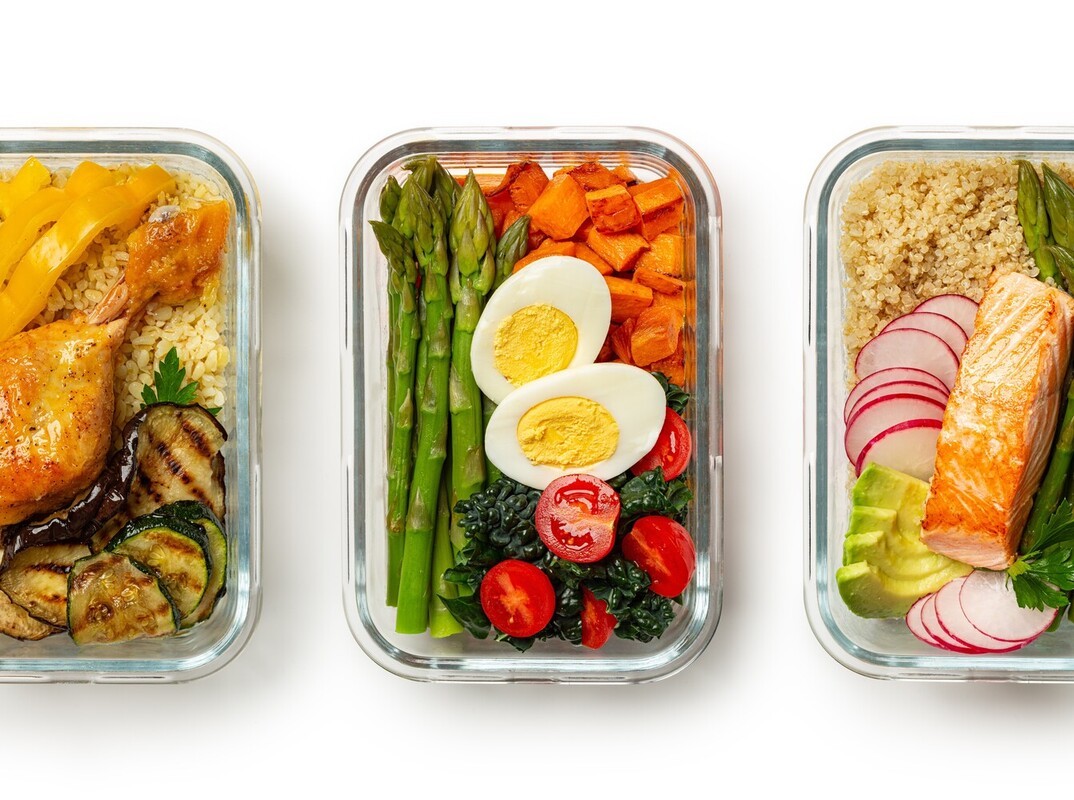
Protein-rich foods like eggs, Greek yogurt, chicken, tofu, and cottage cheese support fullness for longer, while fiber from beans, berries, vegetables, and oats adds volume without packing in excess calories. That combination can help you feel comfortably satisfied instead of constantly hungry.
As Registered Dietitians, we often encourage people to build meals around these nutrients first because they make balanced eating much easier to maintain. When hunger feels more manageable, staying consistent tends to feel much more realistic.
3. Cut Hidden Calories From Your Diet
Hidden calories can slow weight loss faster than many people realize. We often see this with sugary drinks, coffee add-ins, sauces, dressings, and frequent little extras that seem harmless in the moment. A flavored latte in the morning, a handful of crackers in the afternoon, and a heavy pour of dressing at dinner can add several hundred calories before you even notice.
That doesn’t mean you need to cut out every favorite. It means paying closer attention to where calories are quietly stacking up. Swapping soda for sparkling water, measuring dressings, or using less creamer can create a meaningful calorie deficit without making your meals feel overly restricted.
4. Build Simple Daily Habits That Support Weight Loss
Motivation comes and goes, but daily habits are what keep progress moving. Simple routines can make healthy choices feel easier, especially on busy or stressful days.
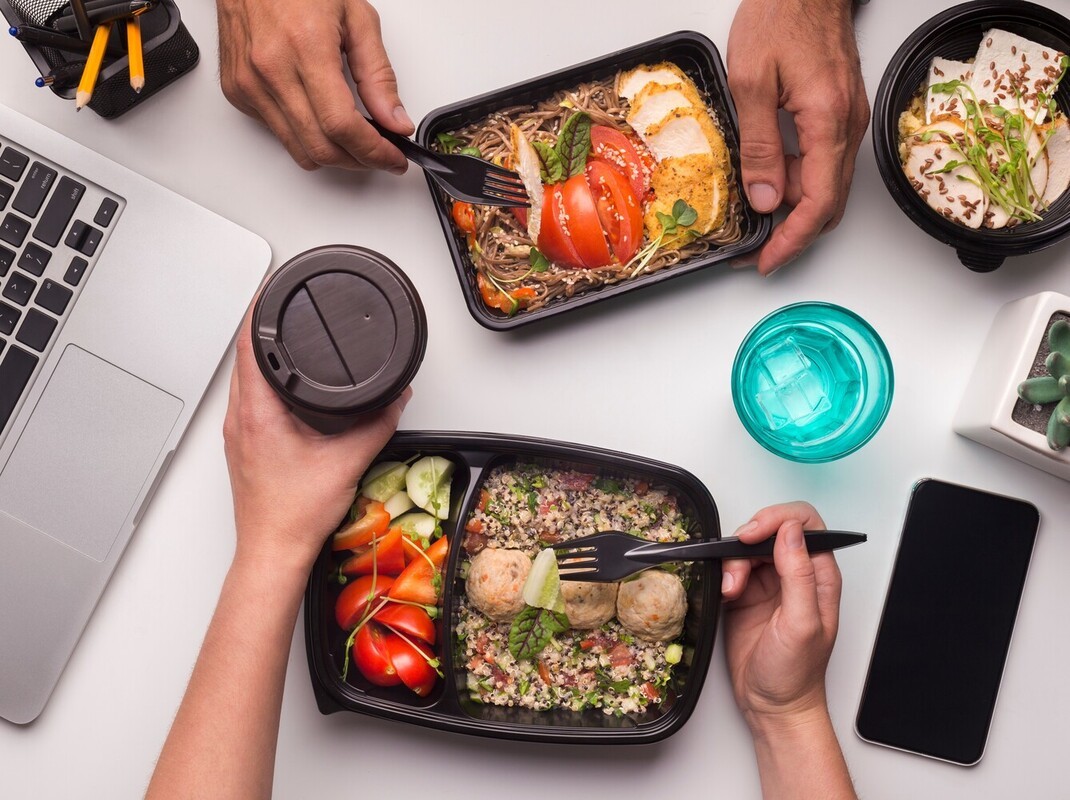
Eating meals at consistent times can reduce the urge to overeat later, while planning ahead helps you avoid last-minute takeout or vending machine snacks. Keeping easy options on hand, like washed fruit, yogurt, pre-cut vegetables, or cooked protein, can also make a big difference.
After years of experience, we’ve seen that people tend to do better when healthy choices feel convenient. A strong routine removes some of the guesswork, lowers decision fatigue, and helps weight loss feel more steady and manageable over time.

5. Improve Sleep and Manage Stress
Sleep and stress can have a bigger impact on weight loss than many people expect. When you are consistently sleep-deprived, hunger hormones can shift in ways that increase appetite and make cravings feel much harder to manage.
Stress can create a similar problem, especially when it leads to emotional eating, late-night snacking, or a stronger pull toward high-calorie comfort foods.
People often see better progress once they start treating sleep and stress as part of the plan instead of separate issues. A regular bedtime, less screen time at night, short walks, breathing exercises, and more structured meals can all help reduce the pressure that makes healthy eating harder.
6. Focus on Whole, Nutrient-Dense Foods
Whole, nutrient-dense foods make weight loss feel more manageable because they help you eat satisfying portions without driving calories too high.
Foods like vegetables, fruit, beans, eggs, chicken, fish, Greek yogurt, oats, and brown rice offer a strong mix of protein, fiber, vitamins, and minerals. They help with fullness and support steady energy throughout the day.
Compare that with highly processed foods, which are often easy to overeat because they pack a lot of calories into small portions.
We often recommend building meals around simple staples first. When your plate includes more whole foods, it becomes easier to stay full, reduce cravings, and keep your intake in a realistic range.
7. Increase Daily Movement Without “Working Out”
You don’t need formal workouts to burn more energy during the day. Small bursts of movement can add up more than people realize, especially when they happen consistently.
Walking while you take phone calls, standing up between tasks, carrying groceries, doing housework, and taking the stairs all increase daily calorie burn. This type of movement is often easier to maintain because it fits naturally into your routine instead of requiring extra planning.
This can be especially helpful for people who dislike exercise or have limited time. The goal is to sit a little less, move a little more, and let those small actions build over time.
If you can tolerate it, we would also recommend looking into and including some gentle chair exercises to lose weight.
8. Build a Consistent Routine at Home
A consistent routine at home can make healthy choices feel much less stressful. When meals, snacks, and grocery staples follow a predictable pattern, there is less room for last-minute decisions that often lead to overeating.
Eating a similar breakfast each morning, keeping a few reliable lunches in rotation, and planning dinners before the day gets busy can create structure without making life feel rigid. This also helps reduce decision fatigue, which matters more than many people think.
After years of experience, we’ve seen that consistency often beats complexity. You don’t need a perfect system. You need a routine that feels simple enough to repeat, even on busy weekdays, tired evenings, and low-motivation days.

Diet Strategies for Weight Loss Without Exercise
Food choices shape how easy or difficult weight loss feels on a daily basis. The right approach can help you stay satisfied, manage portions more naturally, and reduce the effort it takes to stay consistent.
Setting a Daily Calorie Target
A daily calorie target gives weight loss structure and helps you make decisions with more clarity. A common starting point is estimating how many calories your body needs to maintain weight, then reducing that amount by about 300 to 500 calories per day. That approach can create a steady deficit without making meals feel too small or overly restrictive.
This middle ground is often easier to stick with than aggressive calorie cuts. It also leaves more room for balanced meals, snacks, and real-life flexibility. If you want help finding a starting point, the Berry Street app can help estimate your calorie needs and calorie deficit in a practical, user-friendly way.
High-Protein Diets for Appetite Control
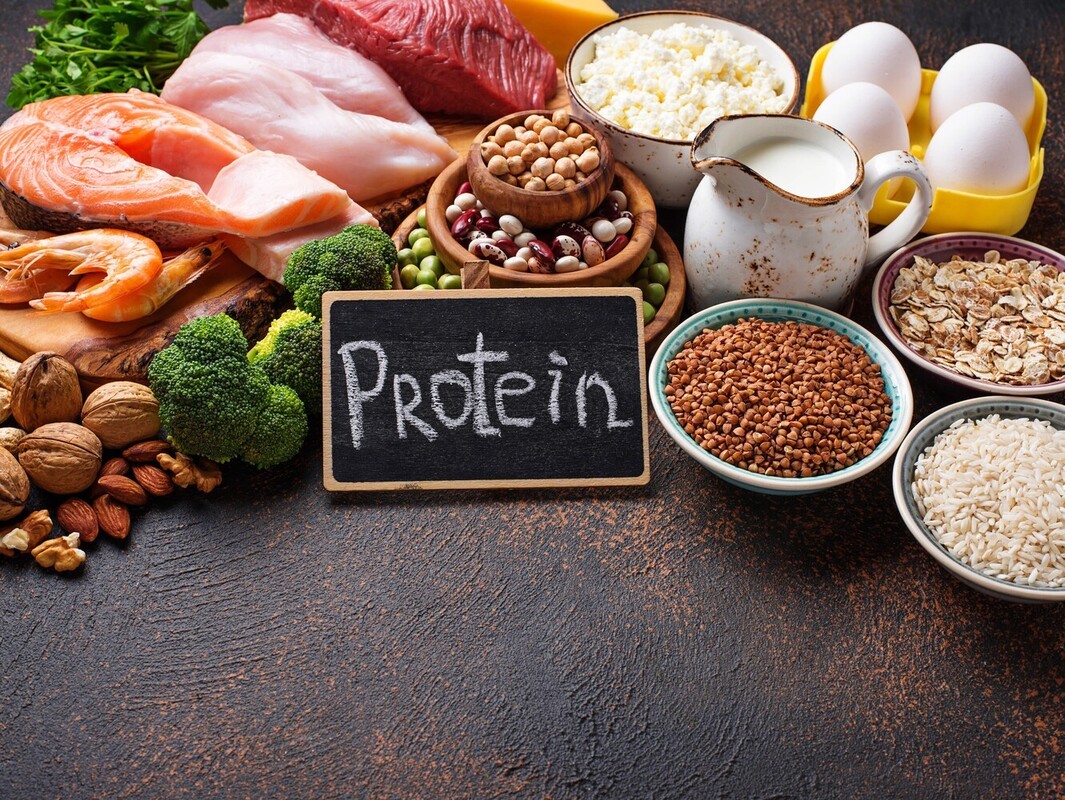
Protein can make a noticeable difference when hunger feels constant or hard to manage. It slows digestion, helps you feel full after meals, and can reduce the urge to snack between eating times.
It also supports muscle maintenance during weight loss, which plays a role in keeping metabolism steady. Including a source of protein at each meal can make your eating pattern feel more balanced and predictable.
Foods like eggs, chicken, Greek yogurt, tofu, beans, and fish are all effective options. When protein intake is consistent, it often becomes easier to stay within your calorie range without feeling like you are constantly cutting back or missing out.
Lower-Carb and Balanced Approaches
Carbohydrates do not need to be eliminated to support weight loss. A balanced approach that includes protein, carbohydrates, and healthy fats can feel more satisfying and easier to maintain over time. Whole grains, fruit, legumes, and starchy vegetables provide fiber and nutrients that support fullness and steady energy levels.
Some people find that slightly lowering carbohydrate intake helps reduce cravings or makes appetite easier to manage, but this is highly individual. The most effective approach is one that feels realistic enough to repeat daily. Building meals with a balance of nutrients can help you stay satisfied while still maintaining a consistent calorie deficit.
Meal Timing and Intermittent Fasting
Meal timing can influence how hunger shows up and how easy it feels to stay on track. Some people benefit from eating at regular intervals because it prevents extreme hunger and overeating later in the day. Others prefer a shorter eating window, which can reduce late-night snacking or mindless eating.
Intermittent fasting works for some people for this reason, but it isn’t required for weight loss. The key factor is whether your eating pattern supports consistency without feeling overly restrictive. A schedule that fits your daily routine, work demands, and energy levels is more likely to last. When timing feels natural, maintaining a calorie deficit becomes much easier.
Sample 5-Day Weight Loss Meal Plan
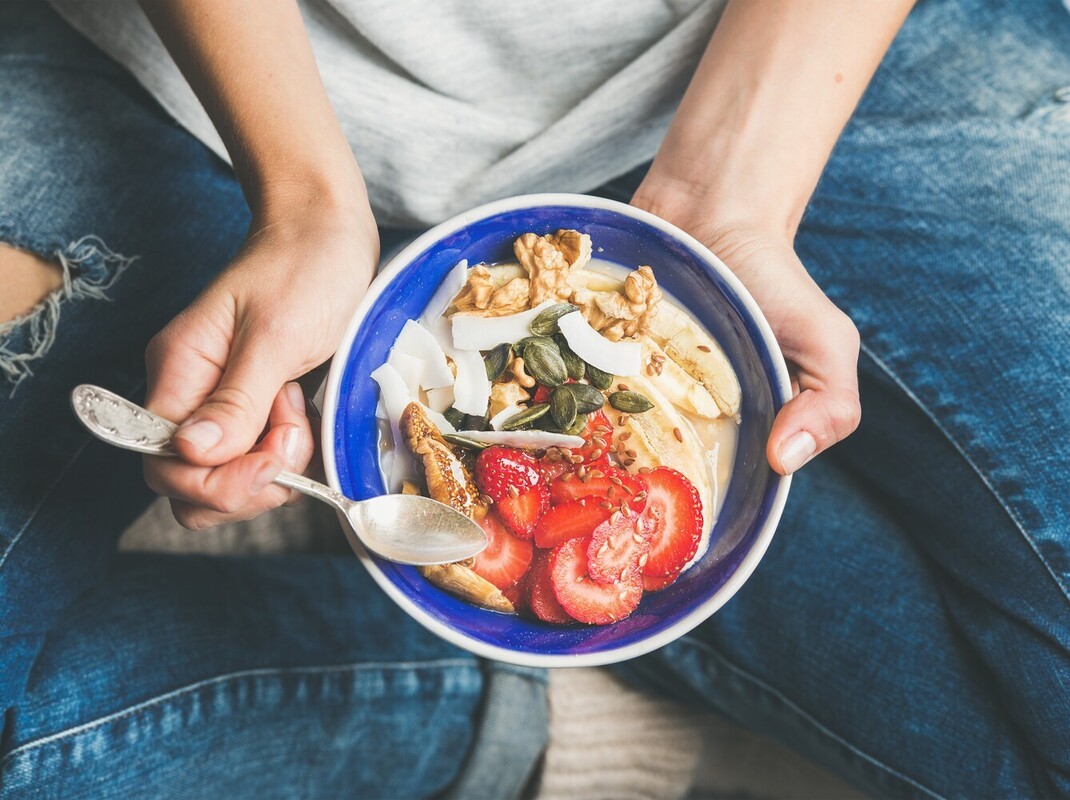
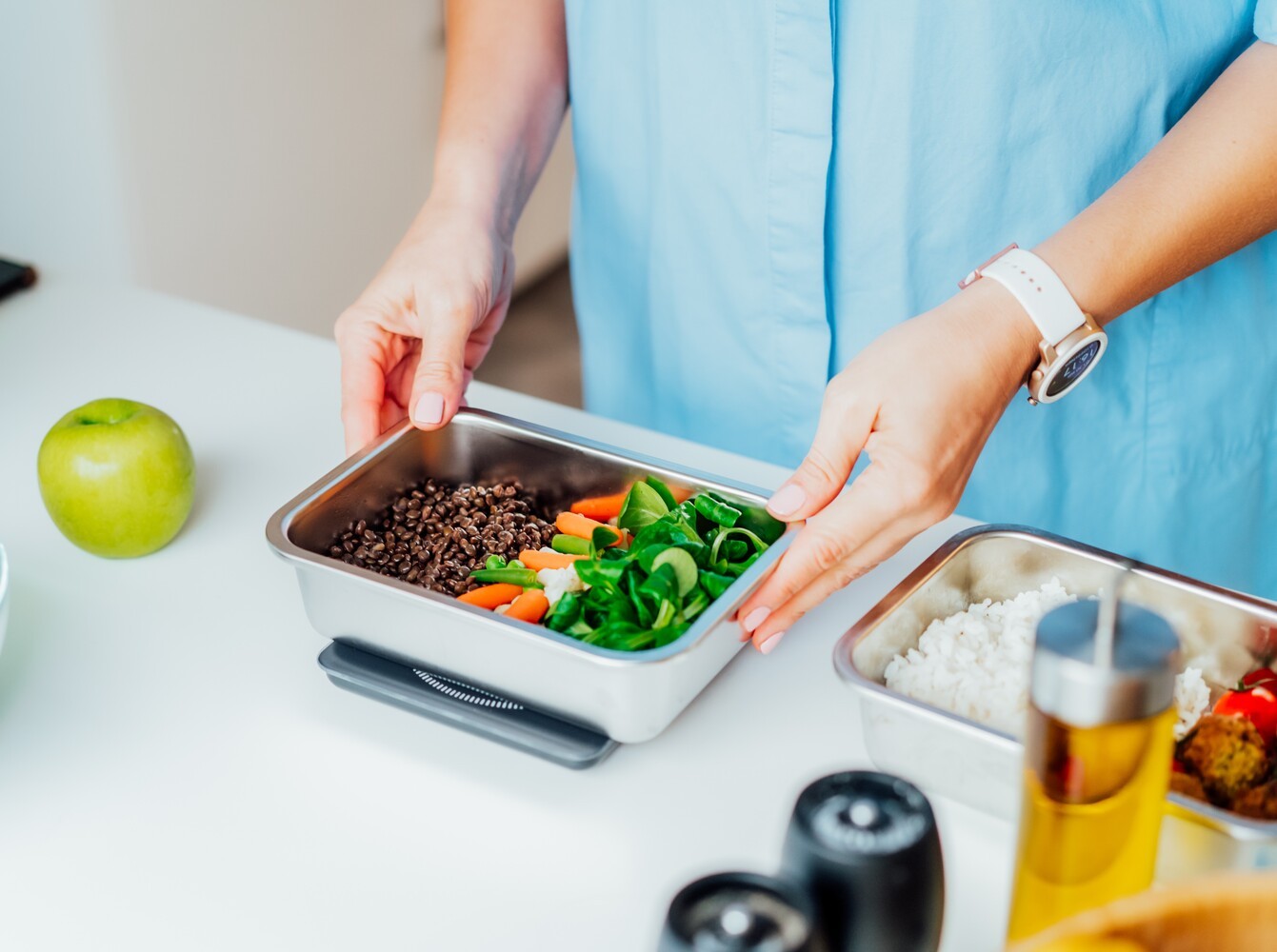
A simple meal plan can take the guesswork out of weight loss and help you stay consistent without overthinking every bite. These meals focus on protein, fiber, and balanced nutrition to support a calorie deficit while still keeping you satisfied.
Day 1
Breakfast: Greek Yogurt with Berries and Chia Seeds
High in protein and packed with antioxidants, this breakfast supports fullness and stable energy levels. Scoop Greek yogurt into a bowl, top with fresh or frozen berries, and sprinkle chia seeds over the top. It takes just minutes to prepare and delivers protein, fiber, and healthy fats in one easy meal.
Snack: Apple with Almonds
This snack balances natural sugars with healthy fats for steady energy. Slice an apple and pair it with a small handful of almonds. The fiber from the apple and the fats from the nuts help curb hunger between meals without adding excess calories.
Lunch: Grilled Chicken Salad
Lean protein meets fiber-rich vegetables in this filling lunch. Grill or pan-cook chicken breast, slice it, and serve it over mixed greens with cucumbers, tomatoes, and a simple olive oil and vinegar dressing. It’s light but satisfying and helps you stay within your calorie goals.
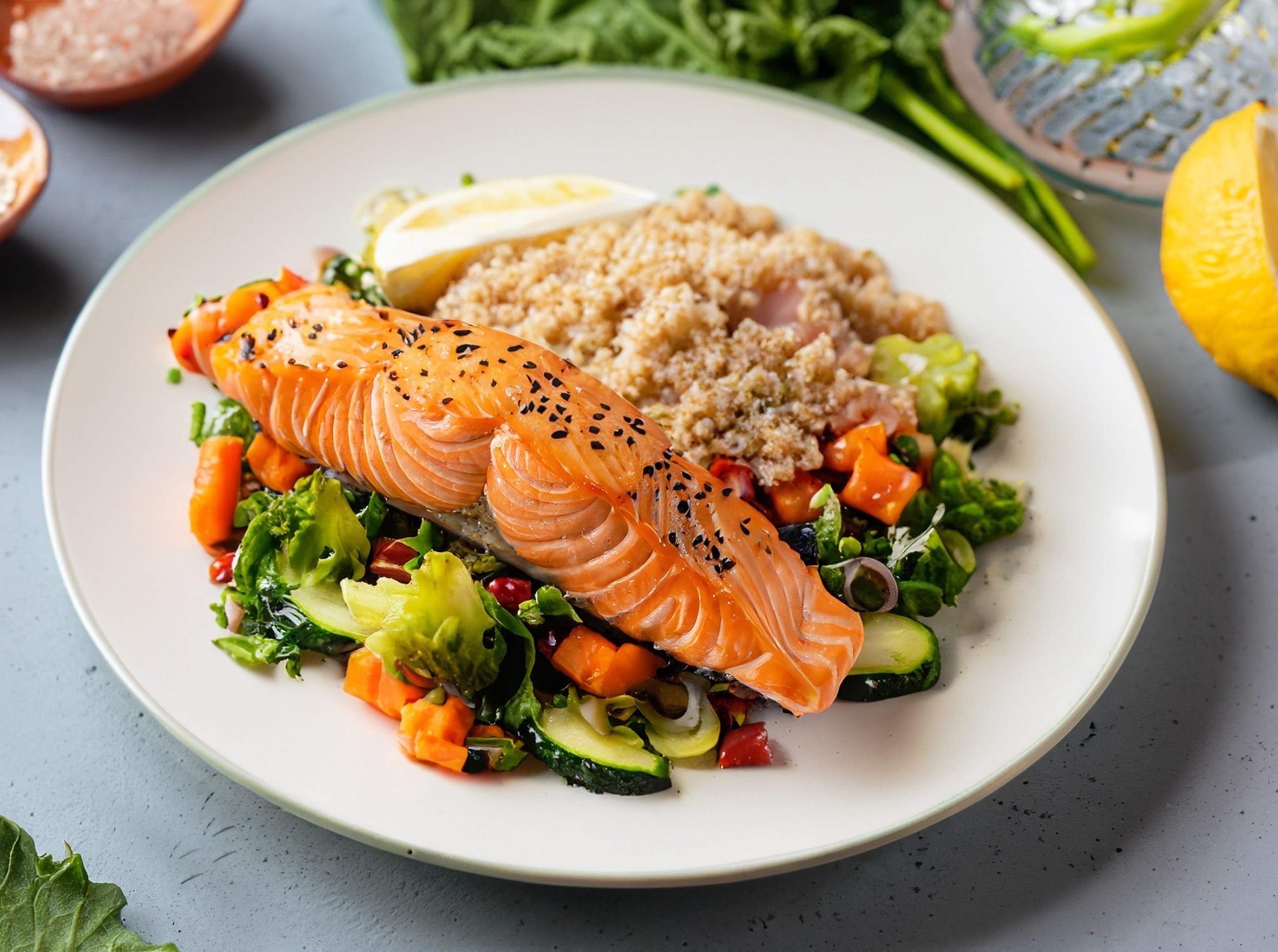
Dinner: Salmon with Roasted Vegetables and Quinoa
Rich in omega-3 fats, this meal supports heart health and satiety. Season salmon and bake it alongside chopped vegetables like zucchini and bell peppers, then serve with a small portion of quinoa. It’s balanced, nutrient-dense, and keeps you full through the evening.
Day 2
Breakfast: Oatmeal with Protein Powder and Banana
Start with fiber and staying power. Cook oats with water or milk, stir in a scoop of protein powder, and top with banana slices. This combination supports fullness while providing slow-digesting carbs and protein to keep energy steady.
Snack: Cottage Cheese with Cucumber
Cool, refreshing, and high in protein. Spoon cottage cheese into a bowl and add sliced cucumber with a pinch of salt or pepper. It’s simple, low in calories, and helps keep hunger in check.
Lunch: Turkey Wrap with Veggies
A balanced option that’s easy to assemble. Layer sliced turkey, lettuce, tomato, and a light spread inside a whole-grain tortilla, then roll it up tightly. You get protein, fiber, and just enough carbs to keep you satisfied without feeling heavy.
Dinner: Stir-Fried Tofu with Vegetables and Brown Rice
Plant-based and packed with nutrients. Sauté tofu cubes in a pan, add a mix of vegetables like broccoli and carrots, and finish with a light soy-based sauce. Serve over brown rice for a meal that delivers fiber, protein, and long-lasting energy.
Day 3
Breakfast: Scrambled Eggs with Spinach and Whole-Grain Toast
Protein takes the lead here. Scramble eggs in a pan, toss in fresh spinach until wilted, and serve with a slice of whole-grain toast. This meal supports muscle maintenance and keeps you full for hours.
Snack: Protein Smoothie with Berries
Blend protein powder, frozen berries, and a liquid like almond milk until smooth. It’s quick, portable, and loaded with antioxidants while still helping you meet your protein needs.
Lunch: Lentil Soup and Side Salad
Fiber-rich and deeply satisfying. Heat up lentil soup and pair it with a simple salad of greens and vegetables. Lentils provide plant protein and fiber, which help control hunger and support digestion.

Dinner: Grilled Chicken with Sweet Potato and Broccoli
A classic, balanced plate. Grill chicken breast, roast sweet potato cubes, and steam broccoli. You get lean protein, complex carbs, and fiber in one meal that supports steady energy and fullness.
Day 4
Breakfast: Smoothie Bowl with Protein, Fruit, and Seeds
Blend frozen fruit with protein powder and a small amount of liquid until thick, then pour into a bowl and top with seeds or a small sprinkle of granola. It’s rich in protein, fiber, and antioxidants, helping you stay full while giving you steady energy to start the day.
Snack: Hard-Boiled Eggs
Boil eggs ahead of time, peel, and enjoy with a pinch of salt or a few sliced veggies. They’re high in protein and healthy fats, which help reduce hunger and keep you satisfied between meals.
Lunch: Tuna Salad with Whole-Grain Crackers
Mix canned tuna with a small amount of mayo or Greek yogurt, then add celery or lemon juice for extra flavor. Serve with whole-grain crackers and a side of raw vegetables. This meal delivers protein, fiber, and crunch, making it both filling and easy to prepare.
Dinner: Lean Beef with Roasted Carrots and Green Beans
Cook lean beef in a pan with simple seasonings, then roast carrots and green beans until tender. This dinner provides iron, protein, and fiber, helping support fullness and steady energy through the evening.
Day 5
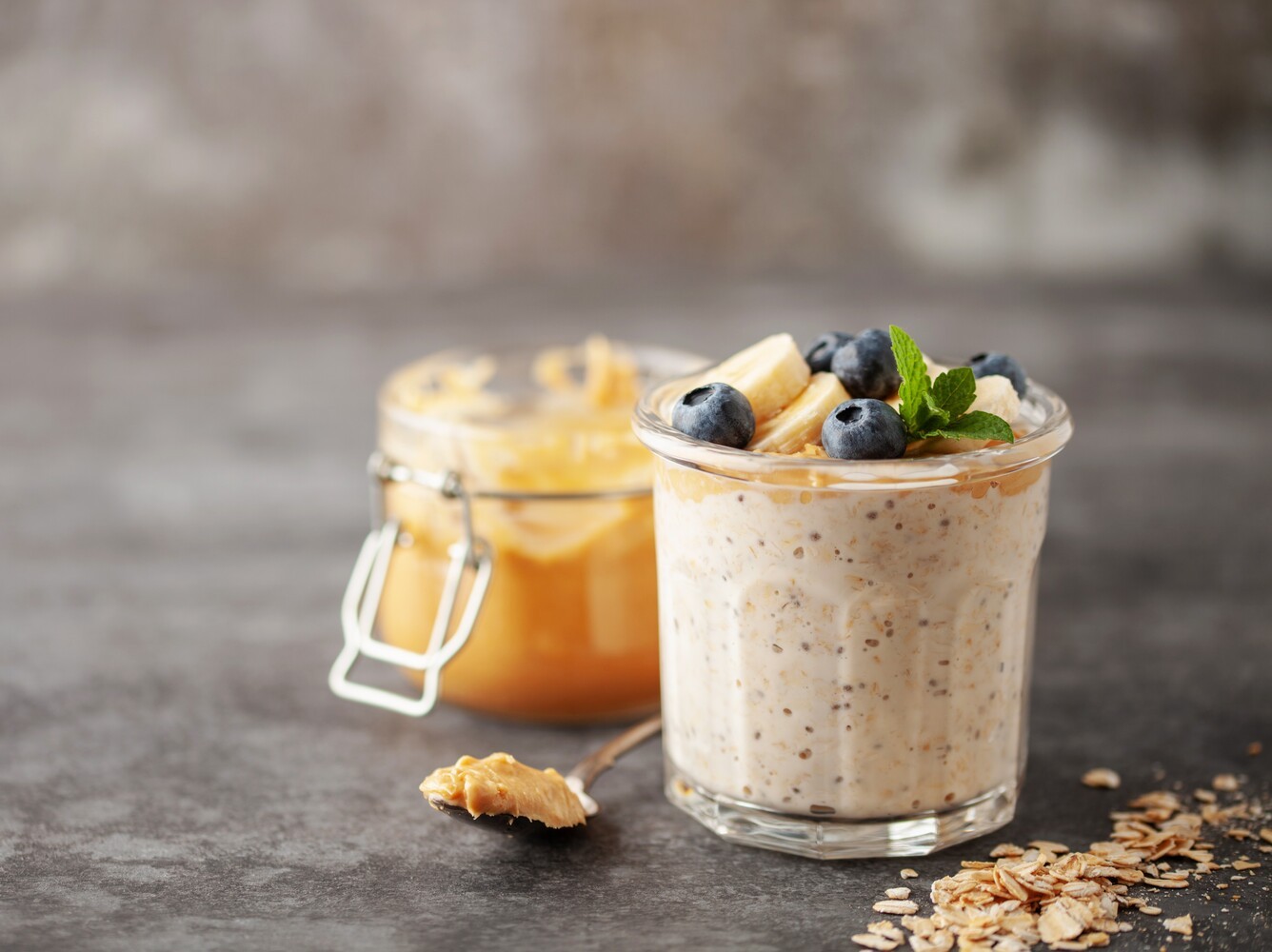
Breakfast: Overnight Oats with Peanut Butter and Berries
Combine oats, milk, peanut butter, and berries in a jar, then refrigerate overnight. By morning, it’s ready to eat and packed with fiber, healthy fats, and protein to keep you full and energized.
Snack: Greek Yogurt
Scoop Greek yogurt into a bowl and add fruit or a drizzle of honey if you like. It’s high in protein and supports appetite control, making it a reliable option between meals.
Lunch: Chickpea Salad with Feta and Vegetables
Toss chickpeas with chopped vegetables, feta cheese, and a light dressing like olive oil and lemon. It’s a plant-based option rich in fiber and protein, helping you stay satisfied without feeling overly full.
Dinner: Baked Chicken with Quinoa and Asparagus
Season chicken and bake it in the oven, then serve it with quinoa and roasted asparagus. This meal balances lean protein, fiber, and nutrients, making it a satisfying way to end the day while supporting your weight loss goals.
If you want a plan that’s tailored to your preferences, schedule, and goals, connect with a Registered Weight Loss Dietitian through Berry Street to create a personalized 7-day meal plan that actually works for you.
How Fast Can You Lose Weight Without Exercise?
You can lose weight without exercise at a steady rate of about 1 to 2 pounds per week, and that pace is considered both realistic and safe for most adults. The exact speed depends on your calorie deficit, your starting weight, and how consistent your eating habits are from day to day.
Some people notice a quicker drop at the beginning, especially if they were previously eating large portions or high-sodium foods, but part of that early change is often water weight.
Fat loss tends to move more gradually. That slower pace can feel frustrating, but it is usually easier to maintain. A steady rate gives your body time to adjust and helps you build habits that support lasting results.

Typical Weekly Weight Loss Expectations
Most people can expect weight loss to look gradual rather than dramatic from one week to the next. In a consistent calorie deficit, a typical range is around 1 to 2 pounds per week, although some weeks may be lower and others slightly higher. That’s normal.
Body weight can shift from day to day based on sodium intake, digestion, hormones, sleep, and fluid balance, so the scale won’t always move in a perfectly straight line. What matters more is the overall trend across several weeks.
Small, repeatable habits often drive the best results, including balanced meals, fewer liquid calories, and better portion awareness. When those habits stay consistent, weekly progress usually becomes easier to spot and much easier to maintain.
What Happens Over a Month
Over the course of a month, steady weight loss can add up in a meaningful way. If you are losing about 1 to 2 pounds per week, that may translate to roughly 4 to 8 pounds over four weeks. For some people, the number may be a little lower or a little higher depending on their starting point, calorie intake, sleep quality, stress levels, and day-to-day consistency.
The scale is only one part of the picture, though. You may also notice looser clothes, better energy, less bloating, and fewer cravings as your routine becomes more structured. Those changes count. A month of steady progress can build real momentum and make it easier to stay committed to your plan long term.

Factors That Affect Your Results
Your results won’t look exactly the same as someone else’s, even if you’re following a similar plan. A few key factors can influence how quickly you lose weight and how your body responds along the way.
1. Starting Weight
Starting weight can influence how quickly progress shows up, especially in the early stages. People with a higher starting weight often lose weight faster at first because their bodies require more energy to function and maintain daily movement. That can make a calorie deficit feel more noticeable on the scale during the first few weeks.
Some of that early drop may also come from water loss, particularly if food choices have recently changed. Someone starting at a lower weight may still lose body fat, but the pace often looks slower and more subtle.
That doesn’t mean the plan is failing. It means the body is responding differently. Comparing your rate of loss to someone else’s can create unnecessary frustration and make steady progress harder to appreciate.
2. Calorie Intake
Calorie intake plays a major role in how fast weight loss happens because it directly shapes the size of your calorie deficit. If the deficit is too small, progress may feel slow or inconsistent. If it is too large, hunger, low energy, and cravings can make the plan hard to maintain.
That’s where balance matters. A moderate deficit usually works better than a very aggressive one because it is easier to stick with through real life. Meals still need to feel satisfying. Snacks still need to make sense.
People often do better when calorie intake is structured but not rigid, with room for flexibility and routine. The goal is not the lowest number possible. The goal is a level you can realistically maintain week after week.
3. Metabolism
Metabolism affects how many calories your body burns at rest, so it can absolutely influence weight loss results. Some people naturally burn more energy due to body size, age, muscle mass, genetics, and hormone levels. Others may burn less, which can make progress feel slower even when they are trying hard.
This is one reason identical meal plans do not produce identical results. Metabolism also changes over time. Weight loss, poor sleep, chronic stress, and very low calorie intake can all affect how much energy the body uses. That can make the process feel less predictable.
While you cannot control every part of metabolism, you can support it through balanced meals, enough protein, regular eating patterns, and habits that feel sustainable instead of extreme.
4. Consistency
Consistency has one of the biggest effects on weight loss because habits only work when they happen often enough to add up. A few balanced meals will not create major change if they are followed by frequent overeating, skipped meals, or unplanned snacking for the rest of the week.
This is where routines matter. Eating in a similar pattern, keeping easy meals on hand, and staying aware of portions can make progress much steadier over time.
Perfection isn’t required. Real life will always include birthdays, travel, stressful days, and meals that do not go exactly as planned. What matters most is returning to your routine instead of giving up. Repeated, realistic habits usually lead to better results than short bursts of motivation ever could.
5. Sleep Quality
Sleep quality can have a surprisingly strong effect on weight loss results. When sleep is short, broken, or inconsistent, hormones that regulate hunger and fullness can shift in a way that increases appetite and makes cravings feel more intense. Many people notice they want more sugary snacks, larger portions, or extra caffeine after a poor night of sleep.
Low energy can also make meal planning and portion awareness harder to maintain during the day. Over time, that pattern can interfere with a steady calorie deficit. Better sleep does not require a perfect routine.
Going to bed at a similar time, limiting screen use at night, and creating a simple wind-down habit can support better rest and make weight loss feel more manageable.
6. Stress Levels
Stress can affect weight loss in ways that are easy to underestimate. When stress levels rise, many people notice stronger cravings for foods that are high in sugar, fat, or salt, especially during busy afternoons or late at night.
Stress can also lead to skipped meals, distracted eating, or grabbing whatever feels convenient in the moment. Those patterns can make it much harder to stay in a consistent calorie deficit.
On top of that, chronic stress may affect sleep, which can further increase hunger and low-energy choices.
Managing stress doesn’t mean eliminating every pressure in your life. Small habits like taking short walks, stepping away from work, journaling, or building more structure into meals can help reduce its impact and support steadier progress.

7. Food Environment
Your food environment can shape daily choices more than motivation alone. When chips, sweets, and takeout menus are always nearby, it becomes much easier to eat on autopilot, especially when you are tired or distracted.
On the other hand, when balanced meals and easy snacks are visible and convenient, healthier decisions often require less effort. Small changes can have a real impact. Keeping washed fruit on the counter, storing pre-cut vegetables at eye level, and preparing proteins in advance can make meals come together faster.
Even using smaller bowls or putting snacks out of immediate sight can help with portion awareness. When your home environment supports your goals, consistency feels easier, and healthy choices become more automatic from one day to the next.
Why Faster Isn’t Always Better
Faster weight loss can sound exciting, but it often comes with trade-offs that make long-term progress harder. When calories drop too low, the body may start breaking down muscle along with body fat. That matters because muscle helps support strength, daily function, and the number of calories you burn at rest.
Rapid weight loss can also leave you feeling tired, hungry, and preoccupied with food, which makes consistency much harder to maintain.
In many cases, the scale moves quickly at first because of water loss, not just fat loss. That early drop can create unrealistic expectations for what should happen next. A slower, steadier pace usually supports better energy, more balanced eating habits, and results that are easier to maintain over time.

When Progress Slows Down
Weight loss plateaus are common, and they do not automatically mean something is going wrong. As your body weight changes, your calorie needs can shift too, which may make your original plan less effective than it was at the start.
Progress can also look slower when portions creep up, snacks become more frequent, or routines become less structured over time.
Sometimes the issue isn’t your plan. It’s consistency. Looking at habits honestly can help you spot what needs adjusting. A small calorie change, better meal planning, more protein, or fewer liquid calories can often help restart progress.
Patience matters here. Plateaus are frustrating, but they are a normal part of the process and usually manageable with a few practical changes.
How to Lose Weight When You Can’t Exercise
Sometimes exercise isn’t an option, whether due to injury, recovery, or other life circumstances. In these situations, focusing on nutrition and daily habits becomes even more important for supporting steady weight loss.
Losing Weight After Surgery
After surgery, your body needs calories and nutrients to heal properly, so aggressive dieting is usually not the right move. Protein is especially important because it supports tissue repair and helps preserve muscle while activity may be lower than normal. Hydration matters too, since fluids support digestion, recovery, and energy levels.
Once healing is underway, a gradual calorie reduction can make sense if weight loss is a goal. Meals should still feel balanced and nourishing, not overly restrictive.
Simple foods like eggs, Greek yogurt, chicken, soup, fruit, and cooked vegetables are often easier to tolerate early on. The goal is to support recovery first, then build a steady routine that encourages progress without adding extra stress to the body.

Weight Loss During Injury or Recovery
When you’re injured or recovering, weight loss usually depends much more on food choices than movement. Your body may be burning fewer calories than usual, but it still needs enough nutrition to support healing.
That balance matters. Prioritizing protein, fruits, vegetables, and high-fiber carbs can help you stay satisfied while keeping intake in a reasonable range.
Portion control also becomes more important when activity drops. This doesn’t mean eating as little as possible. It means being more intentional. Planning meals, limiting mindless snacking, and keeping nutrient-dense options on hand can help you stay on track. A steady, supportive approach is usually more effective than trying to force quick results during recovery.
Managing Weight During Hormonal Changes
Hormonal changes can make weight loss feel less predictable because they can affect hunger, energy, fluid retention, and where the body tends to store fat. This can happen during perimenopause, menopause, thyroid changes, or other shifts that influence metabolism and appetite.
That doesn’t mean progress is impossible, but it often requires more consistency with meals, sleep, and portion awareness. Prioritizing protein, fiber, and regular meal timing can help reduce energy crashes and make hunger easier to manage. Sleep also plays a bigger role than many people expect.
If hormonal symptoms are making weight changes harder to navigate, support from a Registered Women's Health Dietitian or a Registered Thyroid Dietitian through Berry Street can be especially helpful.

Common Mistakes That Slow Down Weight Loss
Even with a solid plan in place, a few common habits can quietly slow down your progress. Identifying these patterns early can help you make small adjustments that keep your results moving in the right direction.
Eating Healthy but Overeating Calories
Eating healthy can absolutely support weight loss, but portion size still matters. Foods like nuts, avocado, granola, nut butter, and olive oil offer great nutrition, yet they are also calorie-dense. That means small servings can add up quickly.
We often see this when someone builds a very healthy salad but adds large amounts of dressing, cheese, seeds, and dried fruit. The ingredients are nutritious, but the total calorie load may still be higher than expected.
Paying attention to portions does not mean measuring every bite forever. It means learning what a satisfying amount looks like for your goals. When healthy foods are paired with portion awareness, weight loss tends to feel much more predictable and manageable.
Drinking More Calories Than You Realize
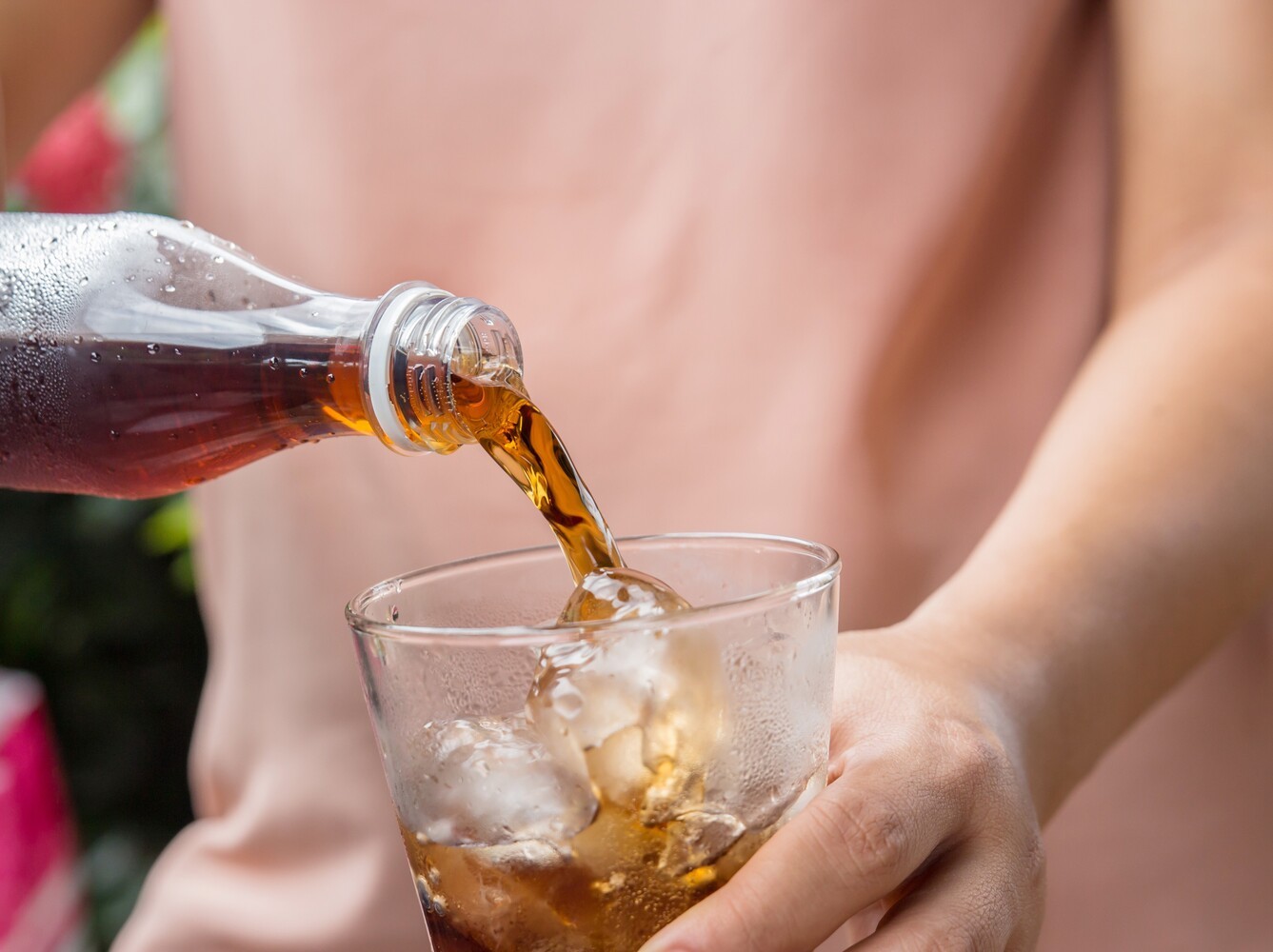
Liquid calories can quietly slow progress because they often do not create the same fullness as solid food. A flavored coffee in the morning, juice with lunch, soda in the afternoon, and wine at dinner can add hundreds of calories without making you feel like you ate more. That’s why drinks are easy to overlook.
Many people focus on meals and snacks while forgetting what they sip throughout the day. Even small add-ins like sweetened creamers, syrups, and sugary smoothie extras can make a difference.
This doesn’t mean every drink needs to be plain water. It means being more aware. Swapping some high-calorie drinks for lower-calorie options can create a meaningful deficit with very little effort.
Ignoring Sleep and Stress
Sleep and stress can influence weight loss more than many people realize. Poor sleep can increase hunger, intensify cravings, and make high-calorie foods feel harder to resist. Stress can create similar challenges, especially when it leads to emotional eating, grazing through the day, or eating late at night after a long stretch of holding everything together.
These patterns are common. They’re also easy to miss when the focus stays only on food. Low energy from poor sleep can make planning meals feel harder, while chronic stress can reduce patience and structure around eating.
Improving sleep and managing stress will not replace a calorie deficit, but they can make it much easier to stay consistent with the habits that support one.
Expecting Immediate Results
Weight loss takes time, and expecting instant results can make the process feel more frustrating than it needs to be. The scale naturally moves up and down from day to day based on sodium, hormones, digestion, and water retention. That means a single weigh-in does not tell the full story.
Real progress is usually easier to spot across several weeks, not several days. This is especially true when you are making steady changes that support fat loss instead of chasing quick drops in water weight.
Patience matters here. So does perspective. Better consistency with meals, fewer cravings, looser clothes, and improved energy are all signs that your plan may be working, even before the scale changes in a dramatic way.

Losing Inches but Not Weight: What It Means
Sometimes progress shows up in ways that the scale doesn’t fully capture. Changes in how your clothes fit, how your body feels, and your overall shape can all signal progress even when weight stays the same.
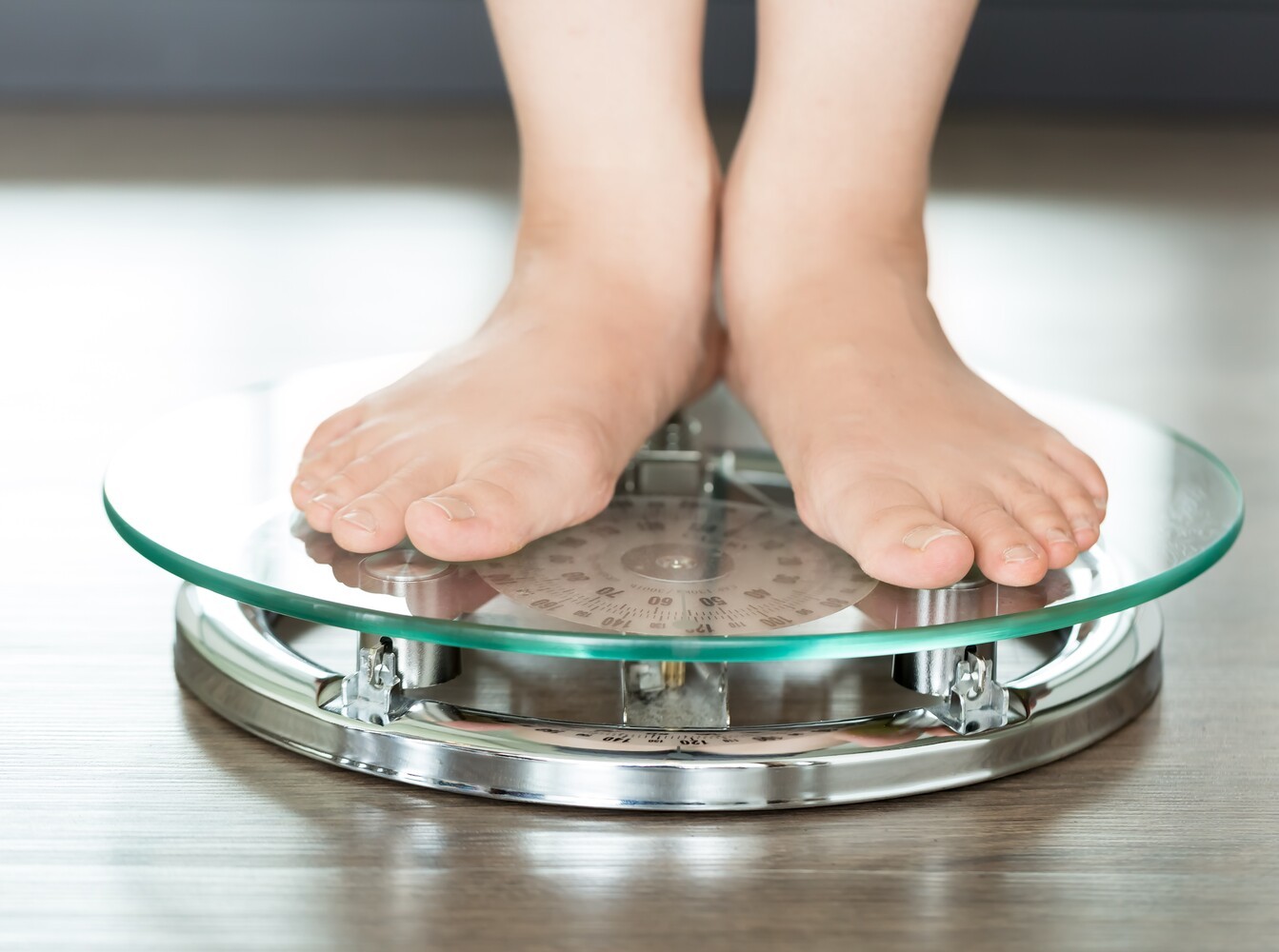
Why the Scale Doesn’t Always Change
Your body composition can shift even when the number on the scale stays the same. This often happens when you are losing body fat while holding onto water or maintaining muscle. For example, you might notice your clothes fitting more loosely or your waist measurement decreasing.
Those changes often show up before the scale reflects them. Daily weight can also fluctuate based on sodium intake, hydration, digestion, and hormones. That means the scale does not always give a complete picture of progress.
Looking at trends over time, along with how your clothes fit and how your body feels, can give a more accurate view.
Fat Loss vs Water Retention
Water retention can temporarily hide fat loss, which can make progress feel slower than it actually is. Eating more salt, increasing carbohydrate intake, hormonal shifts, or higher stress levels can cause the body to hold onto extra water. This can lead to a higher number on the scale, even when you are in a calorie deficit.
Early weight loss may also include water changes, which can make progress look faster at first. These fluctuations are normal and expected. Staying consistent with your habits is what matters most. Over time, as your body stabilizes, true fat loss becomes easier to see and track more accurately.
When to Reassess Your Approach
If your weight and measurements have not changed after several weeks of consistent effort, it may be time to reassess your approach.
This doesn’t mean that you need to make extreme changes. Small adjustments can often restart progress. You might look at portion sizes, frequency of snacking, or how often high-calorie drinks show up in your routine.
It can also help to check how consistent your habits are across the entire week. Tracking your intake for a short period can provide helpful insight. The goal is not perfection. It is awareness. With a few targeted changes, progress can often pick back up without needing a full reset.
Can You Lose Weight Without Diet or Exercise? (Myth-Busting)
You cannot lose weight without changing either your diet or your activity level in some way. Weight loss happens when your body uses more energy than it takes in, which creates a calorie deficit.
If nothing changes, there’s usually no reason for body weight to consistently drop over time. That’s why claims about losing weight while doing absolutely nothing except for sitting in a sauna for weight loss or a steam room for weight loss are so misleading.
In real life, even small changes count. Eating slightly smaller portions, drinking fewer high-calorie beverages, or moving a bit more during the day can all make a difference. Progress does not require perfection, but it does require some kind of consistent shift in daily habits.
Why This Idea Is Misleading
This idea ignores how weight loss actually works. Your body needs a calorie deficit to lose weight, which means either taking in less energy, using more energy, or doing some combination of both.
If your eating habits, movement, and routine stay exactly the same, your weight will usually stay in a similar range too. Marketing around quick fixes like using a vibration plate for weight loss or taking an Epsom salt bath for weight loss often makes it sound like supplements, teas, or shortcuts can do the work for you.
That’s where people get stuck. The real drivers of progress are usually much less exciting, but far more effective. Consistent eating habits, better portion awareness, and realistic routines are what tend to create lasting change.
What “Doing Nothing” Really Looks Like
In most cases, doing nothing leads to weight maintenance or gradual weight gain over time. Daily habits tend to repeat, and small calorie increases can add up without much notice.
For example, an extra snack in the afternoon, a sugary drink, or larger takeout portions a few times a week can influence weight over time. These changes often feel minor but can shift energy balance enough to affect progress.
Doing nothing can also mean skipping meals, irregular eating, or not paying attention to portion sizes. Weight loss usually requires intention. It doesn’t need to be extreme, but it does require small, consistent actions that support a calorie deficit.
The Risks of Extreme Shortcuts
Quick fixes can be tempting, especially when you want fast results with minimal effort. But many of these shortcuts come with real downsides that can affect both your health and your long-term progress.
1. Muscle Loss
Rapid weight loss often leads to muscle loss along with body fat, especially when calories drop too low or protein intake is poor. That matters because muscle supports strength, mobility, and the number of calories your body burns at rest. Losing muscle can leave you feeling weaker, more tired, and less satisfied after meals.
It may also make weight maintenance harder later on. This is one reason crash diets often backfire. The scale may move quickly, but the quality of that loss is not always ideal. A slower pace, enough protein, and more balanced meals can help protect muscle while still supporting steady progress toward your weight loss goals.
2. Nutrient Deficiencies
Extreme diets can leave out important nutrients your body needs to function well each day. When intake becomes too limited, it gets harder to meet needs for protein, fiber, iron, calcium, healthy fats, and key vitamins.
Over time, that can affect energy, digestion, mood, and overall health. Some people notice fatigue, constipation, hair shedding, or feeling cold more often. Others simply feel run down and frustrated.
These plans may promise fast results, but they often create new problems in the process. A more balanced approach gives your body the fuel it needs while still supporting weight loss. That makes progress more sustainable and much easier to maintain over time.

3. Metabolic Slowdown
When calories stay very low for too long, the body starts adapting in ways that can slow progress. One of those changes is a drop in how many calories you burn at rest. This is often called metabolic adaptation. It happens because the body is trying to conserve energy during what it sees as a shortage.
You may notice lower energy, more hunger, and slower weight loss even when you are still eating very little. That can feel discouraging. It can also make normal eating feel riskier later on. A more moderate calorie deficit tends to work better because it supports fat loss without pushing the body into such a strong protective response.
4. Increased Hunger and Cravings
Extreme dieting often leads to stronger hunger signals and more frequent cravings, which can make it difficult to stay consistent. When your body senses a large drop in calorie intake, it responds by increasing appetite and making high-calorie foods feel more appealing. This isn’t a lack of willpower. It’s a biological response designed to protect energy balance.
Over time, this can lead to cycles of restriction followed by overeating, especially in the evenings or on weekends. These patterns can feel frustrating and hard to break. A more balanced approach with enough protein, fiber, and regular meals can help keep hunger more stable and make your plan easier to follow.
5. Reduced Energy and Focus
Eating too little can affect more than just weight. It can also reduce your energy levels, focus, and overall daily performance. Many people notice brain fog, irritability, or difficulty concentrating when calories are too low. Work tasks may feel harder, workouts may feel more draining, and even simple decisions can take more effort.
This can make it difficult to stay consistent with healthy habits throughout the day. Low energy can also lead to skipping meals or relying on quick, less balanced options. A steady intake of balanced meals helps support both physical energy and mental clarity, which makes it easier to stay on track and maintain progress.
What Happens When You Lose Weight Without Exercise?
When you lose weight without exercise, the change usually comes from eating fewer calories than your body uses each day. That can reduce body fat, but the result is not always just fat loss. Some of the weight may also come from water and lean tissue, depending on how you eat. Energy levels, hunger, and body composition can shift during the process.
This is why diet-only weight loss can look different from approaches that include strength training or regular movement. It can still work well, especially when meals are balanced, and protein intake is consistent, but long-term results depend on how sustainable your habits are.
Muscle Loss and Body Composition Changes
Without resistance training, some weight loss may come from muscle along with body fat. This is more likely when calories drop too low or protein intake is inconsistent. Muscle plays an important role in strength, balance, and how your body looks as weight changes.
Two people can lose the same amount of weight but end up with very different results depending on how much muscle they keep. That’s why body composition matters.
A slower rate of loss, along with enough protein and balanced meals, can help reduce muscle loss. Even without exercise, thoughtful nutrition choices can support better outcomes during weight loss.
Metabolism Adaptation
Metabolism can adapt during weight loss, especially as body weight decreases and muscle mass changes. Since muscle burns more calories at rest than fat, losing some muscle can slightly lower daily energy needs.
The body may also become more efficient over time, using fewer calories to perform the same tasks. This is a normal response, but it can make progress feel slower after the first few weeks. It does not mean your plan has stopped working.
It often means your needs are shifting. Keeping a moderate calorie deficit, eating enough protein, and maintaining consistent habits can help reduce the impact and support steady progress.
Long-Term Sustainability
Diet-only weight loss can be effective, especially when your eating habits feel realistic and structured enough to repeat. The challenge is maintaining those habits over time, particularly when motivation naturally fluctuates.
If your plan feels too strict or difficult to follow, it becomes harder to stay consistent. That is where flexibility plays an important role. Balanced meals, consistent portions, and simple routines can support long-term success without creating unnecessary stress.
Over time, adding some movement can help with energy, muscle support, and maintenance. It does not need to happen immediately, but it can make it easier to maintain results once the initial weight loss phase is complete.
Losing Weight Without Exercise FAQs
Do you have to follow a strict diet to lose weight without exercise?
No, a strict diet isn’t necessary. What matters most is consistency with your overall calorie intake and food choices, not perfection or rigid rules.
Is it possible to lose weight without changing your diet at all?
No, some change in your eating habits is required. Without adjusting calorie intake, your body won’t create the deficit needed for weight loss.
Will eating fewer calories alone lead to weight loss?
Yes, as long as it creates a consistent calorie deficit over time. However, the quality of those calories still matters for hunger, energy, and long-term success.
Is it possible to lose weight without changing your diet at all?
Weight loss requires some level of dietary change. Even small adjustments in portion size or food choices can make a meaningful difference.
Can you maintain weight loss long-term without working out?
It’s possible, especially if your nutrition habits are solid. That said, adding some form of movement can make maintenance easier and support overall health.
Are there certain foods that make it easier to lose weight without exercise?
Foods high in protein and fiber tend to be the most helpful. They keep you fuller for longer and can naturally reduce how much you eat throughout the day.
Conclusion
Real weight loss without exercise comes down to understanding how your body works and making consistent, realistic changes that you can actually stick with. Fast results are possible, but they still need to be safe, steady, and rooted in strategies that protect your metabolism and overall health. Small shifts add up, and when those shifts become routine, weight loss becomes far more manageable.
If you’re ready to take the next step, connect with a Registered Dietitian at Berry Street who can help you build a personalized plan that fits your life.