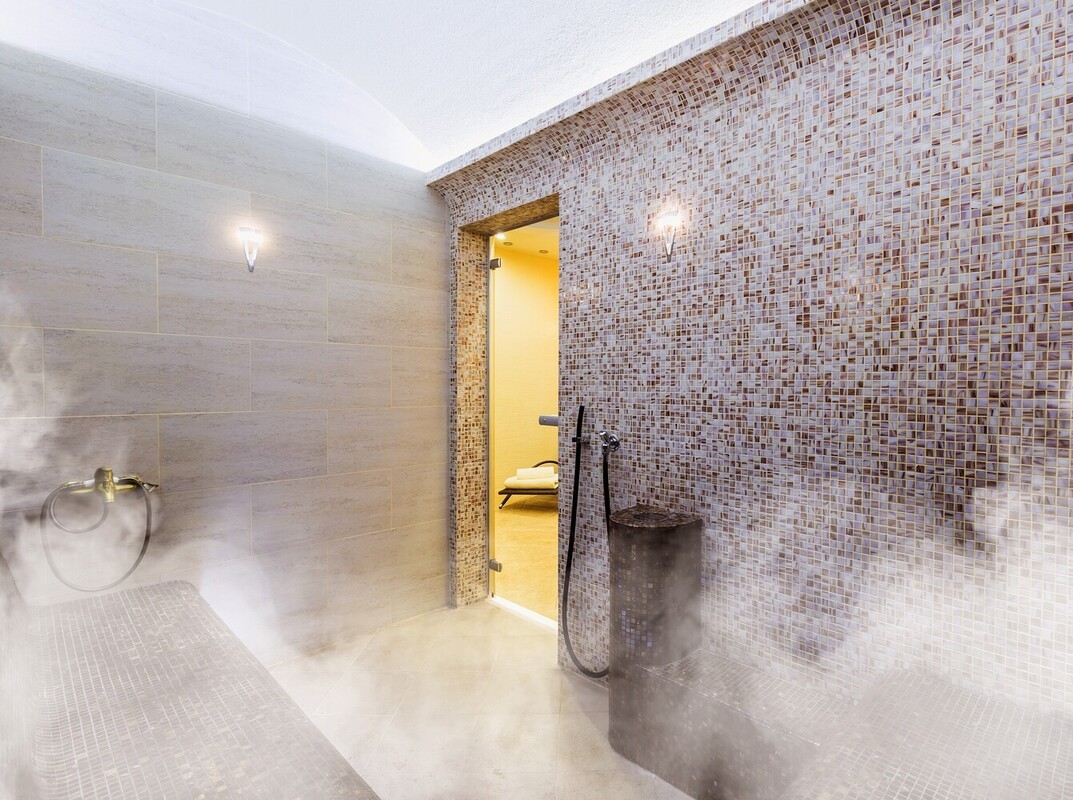
Heat hits you almost instantly when you step into a steam room. Within minutes, your skin is damp, your heart rate ticks up, and it can feel like something is working. That’s exactly why the idea of using a steam room for weight loss is so appealing. It feels active, even though you’re sitting still.
As Registered Dietitians, we’ve had countless conversations with people who rely on that feeling, only to feel frustrated when the results don’t match the effort. In this article, we’re breaking down what’s really happening during a steam session, why the scale may shift in the short term, and how to think about steam rooms in the context of long-term fat loss.
Key Takeaways
Steam rooms can cause short-term weight loss through sweating, but this is mostly water loss, not fat loss.
Any drop on the scale after a session is temporary and typically reverses once you rehydrate.
Steam rooms may support relaxation, recovery, and consistency, but they don’t significantly increase calorie burn.
Sustainable fat loss comes from consistent nutrition, regular movement, and lifestyle habits over time.
Using a steam room can be a helpful add-on if you enjoy it, but it shouldn’t be your primary weight loss strategy.

Do Steam Rooms Help You Lose Weight?
Not in a meaningful, lasting way. Steam rooms can lead to short-term weight loss without exercise, but that change mostly comes from fluid loss through sweating rather than a reduction in body fat.
You may leave a session feeling lighter, and the scale may show a lower number, but that shift is temporary. Once you rehydrate, your weight usually returns close to where it started.
As Registered Dietitians, we remind clients that real fat loss happens through a sustained calorie deficit created by consistent eating habits, regular movement, and routines that are realistic enough to maintain.
Steam rooms can still have value. They may help with relaxation or recovery, and that can support consistency. Still, they are an add-on, not the driver of long-term weight loss results.

Why the Number on the Scale May Drop After a Session
When you sit in a steam room, your body temperature rises quickly because of the hot, humid environment. In response, your body starts producing sweat to help cool you down. That sweat is made from water stored in your body, along with small amounts of electrolytes.
As you continue sweating, you lose fluid, and that fluid loss can cause your body weight to drop in the short term. That’s why the scale may show a lower number right after a session. It can feel exciting, especially when you want quick progress.
From our experience, this is where many people get misled. The lower number reflects dehydration-related fluid loss, not a decrease in body fat, body composition, or true metabolic change.
Why That Weight Usually Returns After You Rehydrate
Your body is designed to protect balance, especially when it comes to hydration. After spending time in a steam room, you usually feel thirsty because your body is trying to replace the fluids lost through sweat.
Once you drink water, eat meals, and go back to your normal routine, your fluid levels gradually recover. That means the lower scale number you saw after the session often disappears within hours or by the next day.
This is completely normal. It does not mean you failed or lost progress. We often explain that daily weight can shift based on hydration, sodium intake, digestion, and sleep. Seeing the scale rise again after rehydrating is simply your body returning to a healthy, hydrated baseline.
Where Steam Rooms May Still Fit Into a Broader Wellness Routine
Steam rooms, similarly to using an Epsom salt bath to lose weight, can still have a place in a broader wellness routine, even if they are not a fat-loss tool. For some people, they offer a chance to relax after exercise, ease muscle tension, and mentally reset after a stressful day. Those benefits matter because routines often become more sustainable when they feel enjoyable.
After years of experience, we’ve seen that people are more likely to stay consistent when their habits support both physical and mental well-being. A broader wellness routine should also include a balanced diet, regular movement, quality sleep, and stress management. Those are the habits that truly support lasting progress.
If you want help building that foundation, connect with a Registered Weight Loss Dietitian through Berry Street for personalized support.

Water Weight vs Fat Loss
Water weight changes quickly. Fat loss does not. Water weight reflects the amount of fluid your body is holding at a given time, and it can shift within hours based on sweating, hydration, sodium intake, and even carbohydrate intake. That’s why you might see the scale drop after a steam session or a workout.
Fat loss works very differently. It requires your body to consistently use stored energy over time, which usually means maintaining a calorie deficit across days, weeks, and months. A steam room can temporarily reduce water weight, but it does not meaningfully change body fat levels.
As Registered Dietitians, we encourage focusing on trends over time, not single-day scale changes. That shift in perspective helps set realistic expectations and reduces frustration.
What Sweating Does and Doesn’t Tell You
Sweating is your body’s natural cooling system. It helps regulate temperature when your body heats up, whether from exercise or a hot environment like a steam room. It doesn’t directly measure how many calories you are burning or how effective a session is for weight loss. You can sit in a steam room and sweat heavily without significant calorie expenditure.
On the other hand, you might complete a strength training session with moderate sweating while still burning a meaningful amount of energy. The amount you sweat depends on factors like heat, humidity, genetics, and hydration status.
From our experience, many people overestimate the importance of sweat, when in reality, it isn’t really a reliable indicator of fat loss progress.

Whether Passive Heat Meaningfully Increases Calorie Burn
Sitting in a steam room does raise your heart rate slightly as your body works to regulate temperature in a hot, humid environment. This can lead to a small increase in calorie burn compared to resting at room temperature.
However, the increase is modest and does not come close to the energy expenditure from activities like walking, resistance training, or cycling for weight loss.
For example, a brisk walk or short strength session can burn significantly more calories in the same amount of time.
Meaningful fat loss depends on creating a consistent calorie deficit, which is difficult to achieve through passive heat alone. Steam rooms may complement a routine, but they cannot replace structured movement or daily activity habits.
Why Feeling Lighter Is Not the Same as Changing Body Composition
It’s common to feel lighter after a steam session, especially after losing fluid through sweating in a hot environment. You may notice less bloating, looser muscles, and a general sense of physical comfort that feels rewarding in the moment. These changes can show up on the scale shortly after your session, which can make it seem like progress is happening quickly.
However, body composition refers to the proportion of fat mass and lean mass in your body, and that does not shift in a single session. Real changes require consistent nutrition habits, regular resistance training, and enough time for your body to adapt.
We often remind clients that short-term sensations do not reflect long-term changes in fat loss or muscle development.
How a Steam Room Affects the Body
Understanding what’s happening inside your body can make steam room use feel a lot less confusing. These physical responses explain why it feels intense and why the results on the scale can be misleading.
Heat, Humidity, and Sweating
Steam rooms combine high heat with high humidity, creating an environment that feels intense very quickly. Because the air is already full of moisture, your sweat cannot evaporate efficiently from your skin. This means your body has a harder time cooling itself down compared to dry heat settings.
As a result, you may start sweating within minutes and feel fully saturated soon after. Your body continues producing sweat in an attempt to regulate temperature, even though that cooling process is less effective.
From our experience, this is why steam rooms can feel more overwhelming than expected. The constant moisture on your skin and in the air changes how your body responds, making the experience feel more physically demanding than simply sitting in a warm space.
Heart Rate, Circulation, and Perceived Exertion
Your heart rate increases in response to the heat inside a steam room, even when you are not moving. This happens because your body is working harder to regulate temperature and maintain internal stability.
Blood vessels widen, which can improve circulation temporarily and create a flushed, warm sensation across your skin. These changes can make it feel like your body is working at a higher level, similar to light activity.
However, this response is driven by heat exposure, not muscular effort or energy demand. While this can feel productive, it doesn’t provide the same benefits as exercise. Activities like walking, lifting weights, or cycling engage muscles and burn more energy in a meaningful way.

Why Steam Feels Different From Dry Heat
Steam rooms and saunas both use heat, but the way your body experiences them can feel very different. Steam rooms rely on high humidity, while traditional saunas use dry heat with little moisture in the air.
In a steam room, the moisture prevents sweat from evaporating, which leaves your skin feeling constantly wet and coated. This can create a heavier, more intense sensation that builds quickly.
In contrast, dry heat allows sweat to evaporate more easily, which can feel more breathable and manageable for longer periods. Some people enjoy the humid warmth because it feels soothing and enveloping. Others may find it uncomfortable after only a few minutes. Personal tolerance plays a big role, and it often determines which option feels sustainable.
Why Humidity May Limit Comfort and Session Length
High humidity limits your body’s ability to cool itself, which often shortens how long you can stay in a steam room comfortably. Since sweat cannot evaporate easily, heat builds up more quickly inside your body. This can lead to a faster onset of discomfort, even if you are sitting still and not exerting effort.
Many people find that sessions need to stay relatively short, often between 10 and 20 minutes, to avoid overheating. From our experience, pushing beyond your comfort level doesn’t improve results and can increase risk. Paying attention to how you feel is essential.
Signs like dizziness, nausea, or unusual fatigue are clear signals to step out. Respecting those cues helps you use steam rooms more safely and effectively.
What the Science Suggests Steam Rooms May Help With Beyond Weight Loss
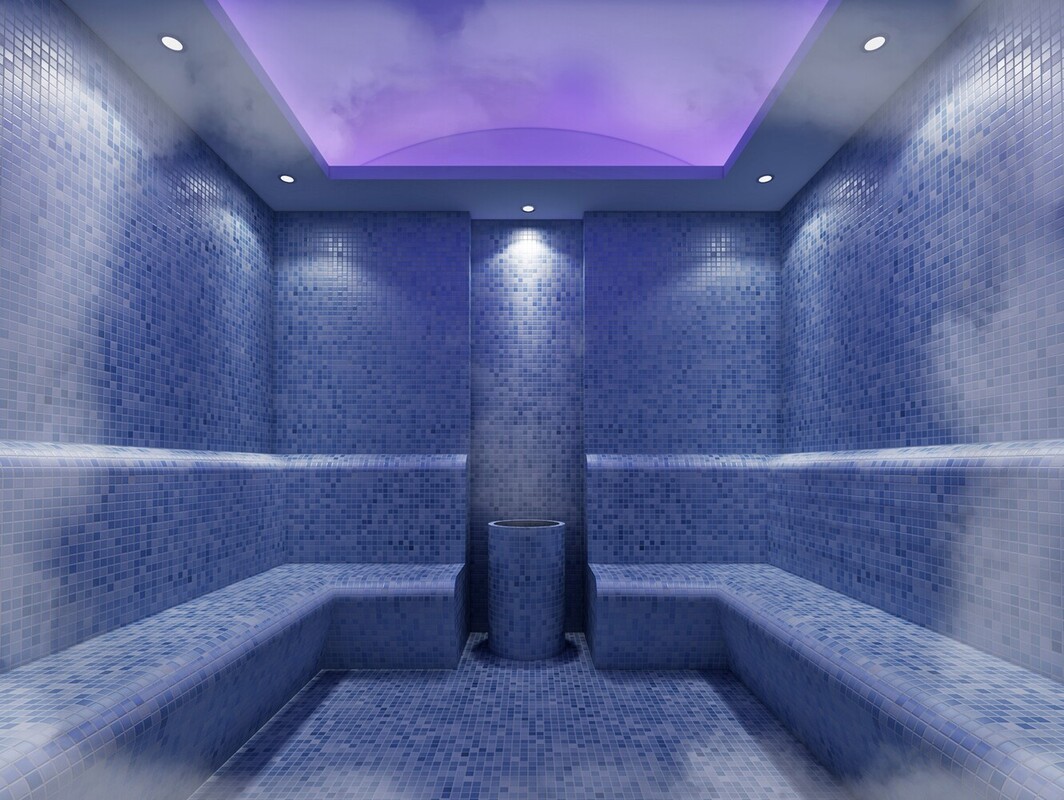
There’s more to steam rooms than what shows up on the scale. Research and clinical experience point to several ways they can support overall well-being, even if fat loss isn’t one of them.
Relaxation and Stress Reduction
Steam rooms can promote relaxation by creating a warm, quiet space where your body naturally begins to slow down. The heat helps muscles relax and can ease physical tension that builds up from long workdays, commuting, or time spent sitting.
Many people notice that their breathing becomes slower and steadier within a few minutes. From our experience, this type of environment can be especially helpful for those dealing with ongoing stress or mental fatigue.
Lower stress levels can support better sleep and more consistent daily habits. Over time, that can make it easier to stick with nutrition and movement goals. While a steam room does not directly cause fat loss, feeling more relaxed can support the behaviors that drive long-term results.
Muscle Comfort and Post-Exercise Recovery
Warm, humid air can help muscles feel more relaxed after a workout, especially if you are dealing with tightness or soreness. The heat encourages blood flow, which can support the recovery process and make your body feel less stiff.
For example, after a strength session or a long walk, sitting in a steam room may help ease that heavy, fatigued feeling in your legs or back. It doesn’t repair muscle tissue directly, but it can improve comfort and make recovery feel more manageable.
People are more likely to stay consistent with exercise when recovery feels good. Adding a steam session can also create a routine that signals the end of a workout and encourages you to slow down.

Temporary Relief for Congestion and Breathing Comfort
The humid air in a steam room can help open nasal passages and make breathing feel easier, especially if you are dealing with congestion. Warm moisture helps loosen mucus, which can reduce that blocked or tight feeling in your sinuses.
Many people notice they can breathe more comfortably during the session, and sometimes for a short period afterward. This can be especially helpful during cold or allergy seasons, or in dry environments where airways feel irritated.
This added comfort can make steam sessions feel more restorative overall. It is important to remember that this effect is temporary and does not treat underlying conditions. Still, it can provide a simple way to feel better in the moment.
Skin Hydration and Circulation Support
Steam rooms can support skin hydration by exposing your skin to warm, moist air for a short period of time. This environment can help soften the outer layer of your skin, which may leave it feeling smoother and more comfortable after a session.
The heat also increases circulation, bringing more blood flow to the surface of your skin and creating a temporary healthy glow. Some people notice their skin looks more refreshed, especially when they follow up with gentle cleansing and moisturizer.
While these effects are short-term, they can enhance your overall sense of self-care. Feeling more comfortable in your skin can make your routine feel more rewarding and may help you stay consistent with other healthy lifestyle habits over time.

Why These Benefits Are Still Different From Direct Fat Loss
These benefits can improve how you feel, both physically and mentally, but they do not directly lead to fat loss. Relaxation, muscle comfort, improved breathing, and better circulation can support your overall routine, yet they do not change how your body uses stored energy over time.
Fat loss happens when your body consistently burns more energy than it takes in, which requires ongoing habits around food, movement, and daily routines. Sitting in a steam room doesn’t create that kind of sustained energy gap.
It may help you feel more ready to exercise or reduce stress-related habits, which can support progress indirectly. Keeping this distinction clear helps you stay focused on the behaviors that truly drive measurable, long-term changes in body composition and overall health.
Steam Room vs Sauna for Weight Loss
Steam rooms and saunas are often grouped together, but they affect your body in slightly different ways. Understanding those differences can help you set realistic expectations and choose what actually fits your routine.
Key Differences in Heat and Humidity
Steam rooms and saunas for weight loss both expose your body to heat, but the way that heat is delivered changes how your body responds. Understanding these differences can help you decide which environment feels more comfortable and how long you can realistically stay in each setting.
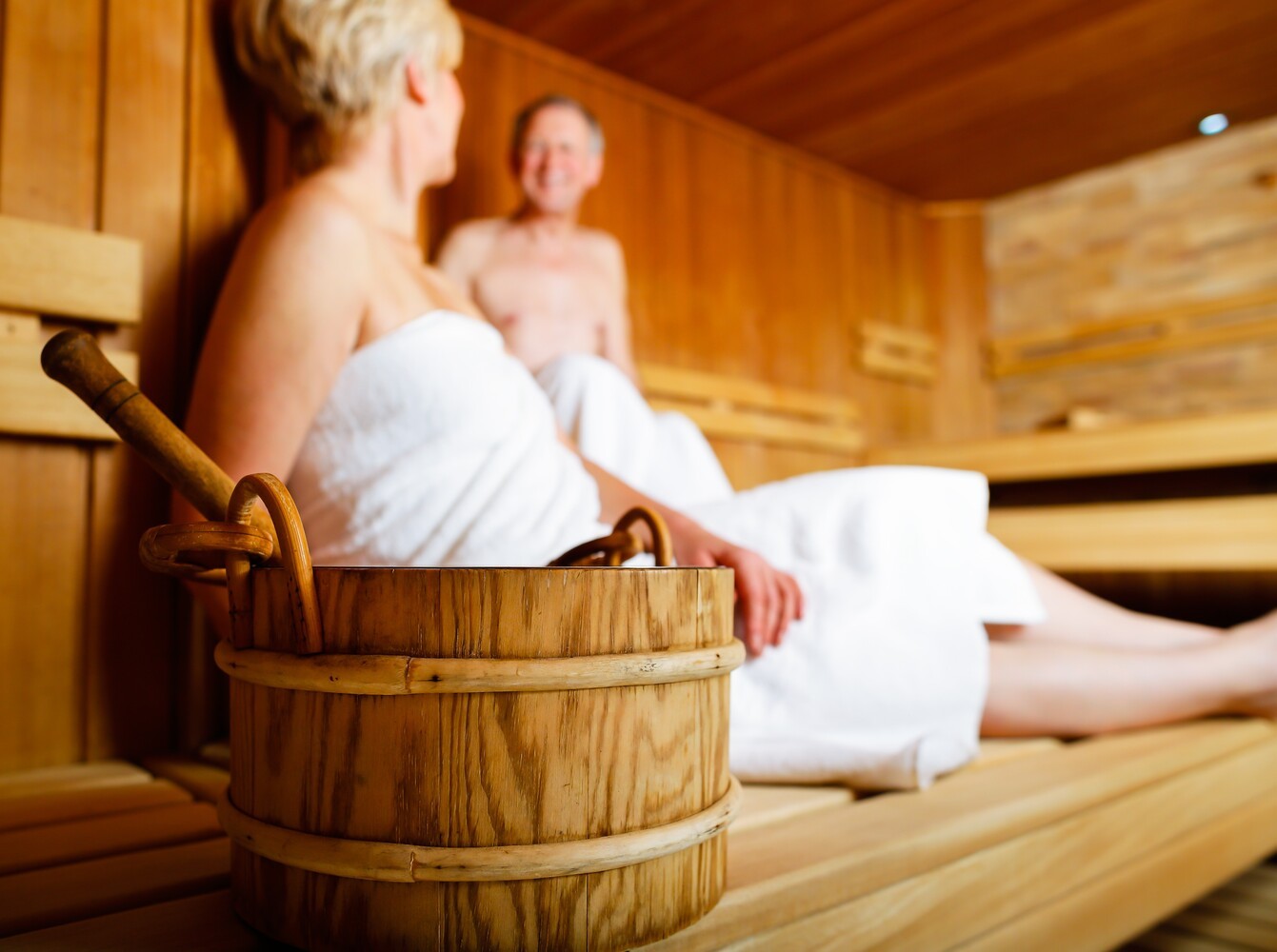
Sauna:
Uses dry heat with low humidity, typically around 10 to 20 percent moisture in the air
Operates at higher temperatures, often between 150 and 190 degrees Fahrenheit
Allows sweat to evaporate more easily, which can help your body cool itself more efficiently
Often feels more breathable, making longer sessions more tolerable for some people
Steam room:
Uses moist heat with nearly 100 percent humidity, creating a very saturated environment
Operates at lower temperatures, usually around 110 to 120 degrees Fahrenheit
Prevents sweat from evaporating, so your skin stays wet, and heat can feel more intense
May feel heavier and more limiting, which often leads to shorter, more manageable sessions

Which One Is More Likely to Change Your Scale Weight Short Term
Both steam rooms and saunas can lead to short-term changes on the scale, primarily due to fluid loss from sweating.
Steam rooms often feel more intense because of the high humidity, which prevents sweat from evaporating and can make you feel drenched quickly. This may lead to slightly more noticeable water loss during a shorter session.
Saunas, on the other hand, use dry heat, which may allow you to stay in longer and continue sweating over time.
In both cases, the drop on the scale reflects dehydration, not fat loss. Once you drink fluids and eat normally, your weight typically returns to baseline. Understanding this can help you avoid misinterpreting temporary changes as meaningful progress toward long-term weight loss goals.
Which One May Slightly Increase Calorie Expenditure More
Some evidence suggests that saunas may allow for slightly longer sessions due to the lower humidity, which can feel more tolerable for many people. This could lead to a small increase in total calorie burn compared to a shorter steam room session.
However, the overall difference remains minimal. The body does use some energy to regulate temperature and maintain internal balance in both environments, but the increase is modest.
For example, even a light walk or short resistance workout will typically burn more calories than sitting in either setting. As Registered Dietitians, we emphasize that meaningful calorie expenditure comes from consistent movement. Heat exposure may contribute slightly, but it doesn’t compare to structured physical activity.
Why Neither Should Be Presented as a Primary Fat-Loss Tool
Neither steam rooms nor saunas create the consistent calorie deficit required for meaningful fat loss over time. While both can make you sweat heavily and feel like your body is working hard, that response doesn’t translate into enough energy expenditure to drive major change.
Fat loss depends on repeated habits, including balanced eating patterns, regular movement, and routines you can maintain week after week. Relying on heat exposure alone often leads to frustration when the scale changes briefly and then rebounds after rehydration.
We encourage people to look at the bigger picture. Steam rooms and saunas may support recovery or relaxation, but they should stay in a supporting role while nutrition, exercise, sleep, and consistency do the heavy lifting.
How to Choose Which One Is Right for You
Choosing between a steam room and a sauna often comes down to more than just temperature. Your comfort, goals, and routine all play a role in what will actually work for you long term.
1. Comfort
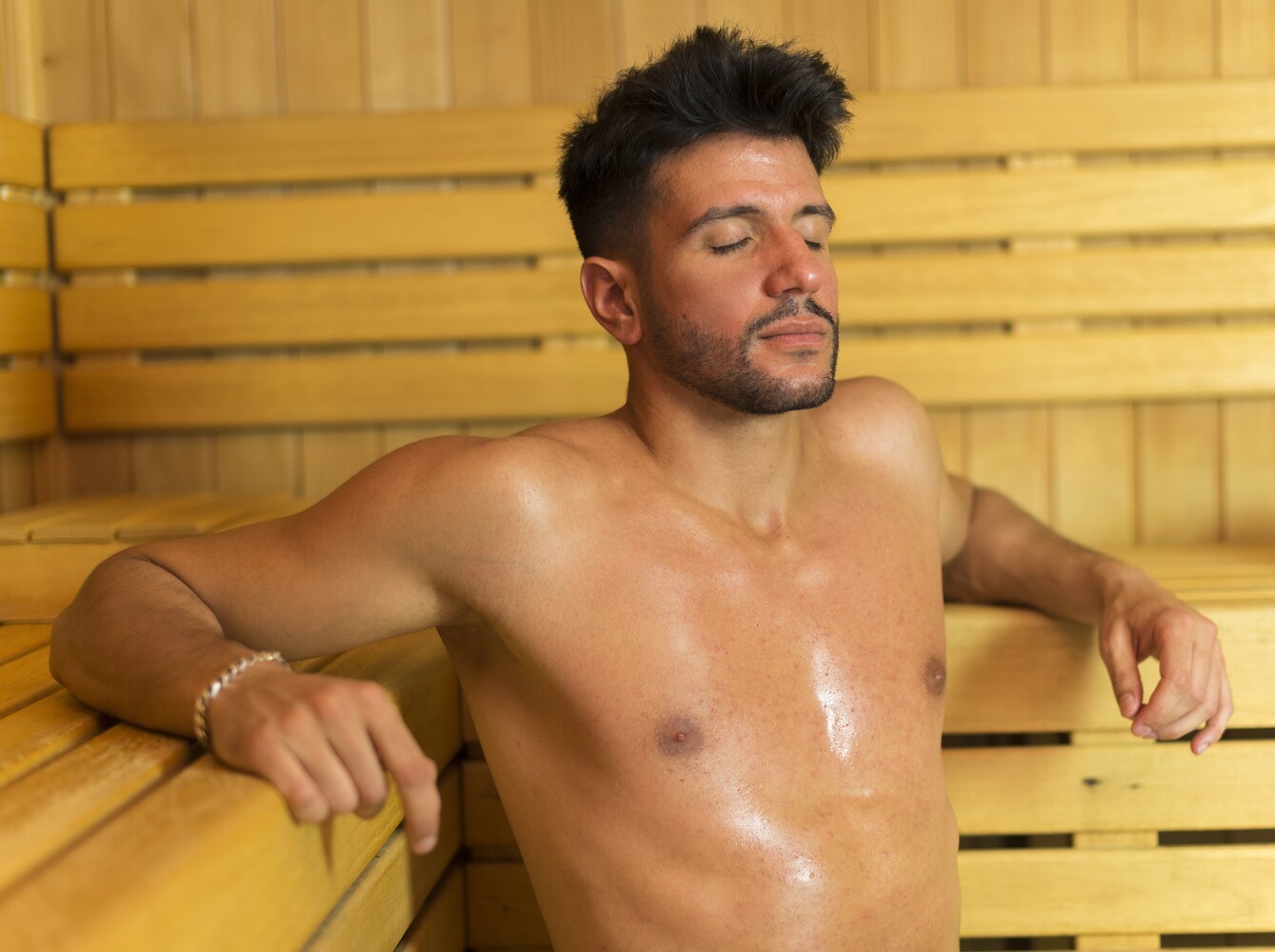
Comfort matters more than people think when choosing between a steam room and a sauna. Steam rooms use moist heat, which some people find soothing, especially if they like warm air that feels heavy and enveloping. Others find that same humidity overwhelming after only a few minutes.
Saunas use dry heat, which can feel sharper at first but easier to breathe in for some people. Personal preference plays a big role here.
For example, if humid weather tends to make you feel sluggish or uncomfortable, a sauna may feel more manageable. If dry heat leaves you feeling irritated or tight, a steam room may be the better fit. The best option is usually the one that feels tolerable enough to use without forcing yourself through it.

2. Session Tolerance
Session tolerance is another practical factor to consider because it shapes how long you can stay comfortable and safe. Some people can handle dry sauna heat for a longer period because sweat can evaporate more easily, which helps the body cool itself a bit better. Others prefer the shorter, more intense feel of a steam room and do not mind stepping out sooner.
There’s no prize for lasting longer. A shorter session that feels manageable is often the smarter choice. For example, if you start feeling lightheaded in humid heat after eight minutes, that matters. If dry heat gives you a headache quickly, that matters too. Paying attention to your own response helps you choose an option you can use more consistently and safely.
3. Personal Enjoyment
Personal enjoyment has a real impact on whether a habit becomes part of your routine or fades out after a week. If you genuinely enjoy the experience, you are more likely to make time for it and use it consistently.
Some people love the quiet, cocooned feeling of a steam room after a workout. Others prefer the dry, open feeling of a sauna and find it easier to relax there. Small preferences can make a big difference. The smell of the room, how your skin feels, and whether you leave refreshed or drained all matter.
Choosing the one you actually like can help your recovery routine feel more appealing. That kind of consistency supports wellness habits, even though it is not what directly drives fat loss.
4. Accessibility and Convenience
Accessibility can make or break whether you actually use a steam room or sauna consistently. If one option is easier to access at your gym, apartment building, or local facility, that often becomes the better choice in practice. Convenience matters more than perfection.
For example, if your gym only has a steam room and it’s available right after your workout, you are more likely to use it regularly. If a sauna requires extra travel or waiting, it may fall off your routine quickly.
Time also plays a role. Shorter sessions may fit better into busy schedules. Choosing the option that fits seamlessly into your day increases the chances that it becomes a consistent, realistic part of your overall wellness habits.
5. Sensitivity to Heat and Hydration Needs
Your individual response to heat is an important factor to consider when choosing between a steam room and a sauna. Some people feel comfortable in higher temperatures, while others become dizzy, fatigued, or overheated more quickly.
Steam rooms can feel more intense because the humidity limits your body’s ability to cool itself through evaporation. Saunas may feel easier for those who tolerate dry heat better and prefer a less saturated environment.
Hydration needs also play a role. If you tend to feel dehydrated quickly or experience headaches in hot settings, shorter sessions are usually more appropriate.
Paying close attention to how your body reacts can help you stay safe. Choosing an option that matches your tolerance makes the experience more manageable and sustainable over time.

6. Post-Workout Preferences and Recovery Goals
Your recovery preferences after exercise can also help guide your choice between a steam room and a sauna. Some people enjoy stepping into a steam room right after a workout because the humid heat helps them relax quickly and feel fully immersed in the recovery process.
Others prefer the dry heat of a sauna, which can feel more gradual and easier to tolerate after intense activity. Think about how you want to feel when your workout ends.
If you prefer a quick, intense reset before heading home, a steam room may fit better. If you enjoy a slower cooldown that extends your recovery time, a sauna might be the better option. Aligning your choice with your recovery style can make your routine feel more consistent.

Does a Steam Room Support Weight Loss Indirectly?
A steam room can support weight loss indirectly when it helps reinforce habits that matter more than the steam itself. For example, if a session helps you relax after work, recover from exercise, or feel more motivated to return to the gym, that can support your bigger goals.
The keyword is indirectly. A steam room does not cause fat loss on its own, and it does not replace the need for a calorie deficit, regular movement, or consistent routines.
As Registered Dietitians, we look at whether something makes healthy habits easier to maintain. If steam room use helps you stay more consistent with those behaviors, it can have a supportive role in your overall plan.

Could Relaxation Help With Recovery and Exercise Consistency?
Feeling more relaxed can make recovery feel easier, and that can support better consistency with exercise over time. When your body feels less tense and your mind feels calmer, it may be easier to return for your next workout instead of skipping it. That matters. Progress usually comes from repeating basic habits week after week, not from one intense effort.
For example, someone who uses a steam room after strength training may feel more comfortable the next day and more willing to keep their routine going. The steam room is not what drives the results, but it may help remove some friction. When recovery feels manageable, exercise often feels easier to maintain in a realistic, sustainable way.
Could Stress Relief Support Better Habits Around Sleep and Eating?
Lower stress levels can support better sleep, steadier eating patterns, and fewer impulsive choices around food. When stress runs high, many people feel more scattered, sleep less, and rely on convenience foods that do not leave them feeling their best. A steam room may help some people unwind at the end of the day, which can make it easier to transition into rest.
Better sleep can support hunger regulation, energy levels, and decision-making the next day. These connections matter. Stress, sleep, and eating habits often influence one another in very practical ways. If steam room use helps you feel calmer and more settled, it may support the daily habits that make weight loss feel more manageable over time.

When Indirect Support Is Realistic
Indirect support is realistic when a steam room helps you stay more consistent with the habits that actually drive progress. That might mean you look forward to the gym more because you enjoy ending with a steam session. It might mean you recover better after workouts and feel more ready to move the next day.
It may also give you a structured way to unwind after stressful days, which can support sleep and more regular eating habits.
Those benefits count, but they need to stay in perspective. A steam room is helpful when it supports your routine, not when it becomes the routine. Realistic expectations keep the focus on the habits that matter most for long-term fat loss.
What a Steam Room Won’t Do
It’s easy to overestimate what a steam room can do, especially when the short-term effects feel noticeable. Getting clear on its limits can help you focus your time and energy on strategies that actually move the needle.
It Won’t Replace a Calorie Deficit
Fat loss requires a consistent calorie deficit, which means your body needs to use more energy than it takes in over time. A steam room does not create that on its own. You may sweat heavily and see the scale drop for a few hours, but that change comes from fluid loss, not a meaningful shift in energy balance.
Spending time in a hot environment can feel productive, yet it doesn’t replace the impact of structured eating patterns and regular movement.
Tools like the Berry Street app can help you calculate a safe, realistic calorie deficit that fits your lifestyle. Building that foundation is what drives steady, measurable progress over time.

It Won’t Target Belly Fat
A steam room cannot target belly fat, even if your midsection feels lighter or less bloated afterward. That temporary change is usually related to fluid shifts, digestion, or reduced puffiness, not actual fat loss from one area.
Spot reduction doesn’t work that way. Your body decides where it loses fat based on genetics, hormones, and overall energy balance, not where you sweat the most.
For example, sweating heavily around your stomach in a hot room does not mean abdominal fat is being burned away first. This is a common misconception, and it often leads to unrealistic expectations.
If your goal is to reduce belly fat over time, the most effective approach is a consistent routine built around nutrition, exercise, and sleep.
It Won’t Create Lasting Results Without Nutrition and Activity Changes
Long-term results come from habits you can repeat, not from occasional steam sessions. If your eating patterns, activity level, and overall routine stay the same, a steam room won’t create lasting weight loss on its own.
Lasting progress depends on what happens consistently at meals, during workouts, and in everyday routines. Walking regularly, eating balanced meals, and getting enough sleep all play a role.
If you’re looking for guidance that fits your lifestyle, working one-on-one with a Registered Intuitive Eating Dietitian through Berry Street can help you build habits that last.
It Won’t Detox Body Fat Away
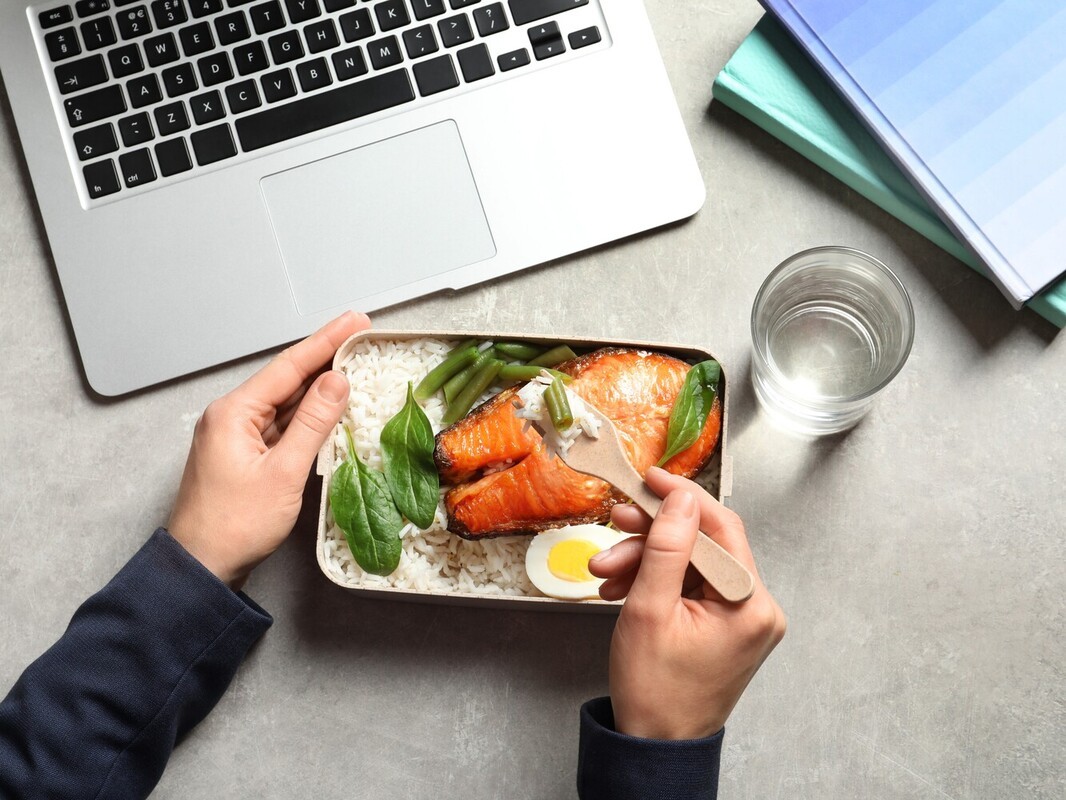
Sweating may feel cleansing, but it does not detox body fat away. Fat is stored energy, and your body breaks it down through normal metabolic processes when you are in a sustained calorie deficit. It doesn’t leave your body through sweat in any meaningful amount.
Your liver and kidneys are the main organs responsible for detoxification, and they are already working around the clock to filter and process waste. A steam room may help you feel refreshed, but that feeling should not be confused with fat loss or detoxification.
Sweating after a salty meal may change the scale briefly, yet it does not remove stored body fat. Clear expectations can help you avoid wasting energy on claims that sound appealing but do not hold up.
Risks, Side Effects, and Who Should Be Careful
Steam rooms can feel relaxing, but they also place real stress on your body, especially in hot and humid conditions. Knowing the potential risks can help you use them safely and avoid pushing past your limits.
Dehydration and Electrolyte Loss
Sweating in a steam room leads to fluid loss, and with enough time, you also lose small amounts of electrolytes like sodium and potassium. That combination can affect how you feel pretty quickly, especially if you started the session already underhydrated.
Even mild dehydration can leave you with a headache, dry mouth, fatigue, or a noticeable drop in energy afterward. The risk may be higher if you have exercised intensely beforehand or have not eaten or drunk much during the day.
This is one reason steam room weight changes can be misleading. The lower number often reflects lost fluid, not progress. Replacing fluids before and after your session helps reduce risk and supports better recovery overall.
Dizziness, Overheating, and When to Leave Immediately
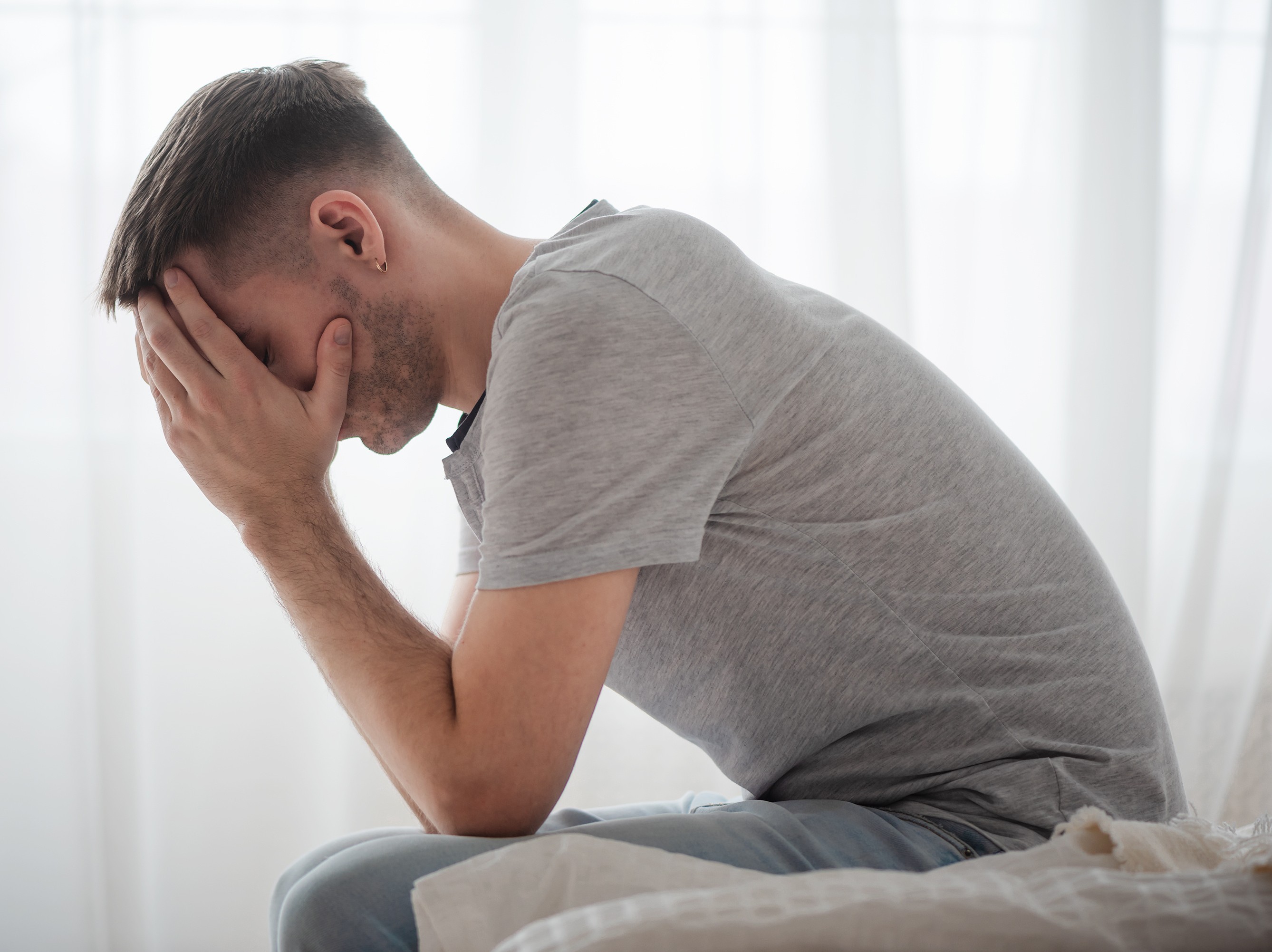
Steam rooms can feel intense fast, and your body will usually give you warning signs when the heat is becoming too much. Feeling dizzy, lightheaded, nauseous, weak, or suddenly uncomfortable are all signs to leave right away. Some people also notice a pounding heartbeat, blurry vision, or a sense that they are no longer tolerating the heat well.
Those signals matter. Staying in longer does not make the session more effective, and pushing through can increase the risk of overheating or fainting. It is always better to step out early, cool down, and rehydrate than to wait until symptoms become more severe. Safety should guide every session, not willpower or the clock.
People Who Should Talk to a Clinician Before Using a Steam Room
Some people should be more cautious with steam room use because heat and humidity place extra demands on the body. This includes people with heart conditions, low blood pressure, circulation issues, or a history of fainting.
It can also apply to those who are pregnant, taking medications that affect hydration or blood pressure, or managing chronic health conditions that change how the body responds to heat.
A quick conversation with a clinician can help clarify whether steam room use is safe and what precautions make sense. That step is worth taking. Even if a steam room feels harmless, your personal health history can change the level of risk and how long you should stay inside.

Why Alcohol and Prolonged Sessions Increase Risk
Alcohol and prolonged steam room sessions are a risky combination because both can make dehydration and overheating more likely. Alcohol can affect blood pressure, impair judgment, and make it harder to notice early warning signs like dizziness or nausea.
Staying in too long adds another layer of stress by increasing fluid loss and making it harder for your body to regulate temperature. That can turn a relaxing session into an unsafe one very quickly.
Even if you feel fine at first, the effects can catch up with you fast. Keeping sessions moderate and avoiding alcohol beforehand are simple ways to lower risk. When it comes to steam room safety, shorter and more intentional is usually the better choice.
How to Use a Steam Room More Safely
Using a steam room safely comes down to a few simple habits that can make a big difference. Small adjustments around timing, hydration, and awareness can help you get the benefits without unnecessary risk.
Sensible Session Length
Keeping steam room sessions short is one of the simplest ways to use them more safely. For most people, about 10 to 20 minutes is a reasonable range, especially when you are still figuring out your tolerance.
Longer sessions don’t provide better weight loss results, and they can increase the chance of dehydration, dizziness, or overheating. Shorter sessions are often enough to help you relax and enjoy the experience without pushing your body too far.
If you’re new to steam rooms, starting on the lower end of that range is a smart move. Pay attention to how you feel the entire time. Comfort, alertness, and steady breathing are better guides than trying to stay in as long as possible.

Hydration Before and After
Hydration matters before and after a steam room session because sweating can lead to fluid loss quickly. Going in already dehydrated can make you more likely to feel tired, lightheaded, or overheated. Drinking water beforehand helps your body handle the heat more comfortably, and drinking water afterward helps replace what you lost through sweat.
This is especially important if you use the steam room after exercise or on a hot day. Some people also benefit from having a meal or snack earlier in the day so they are not relying on an empty tank. Paying attention to thirst, urine color, and how you feel afterward can help you gauge whether you are replacing fluids well enough.
Timing Around Workouts
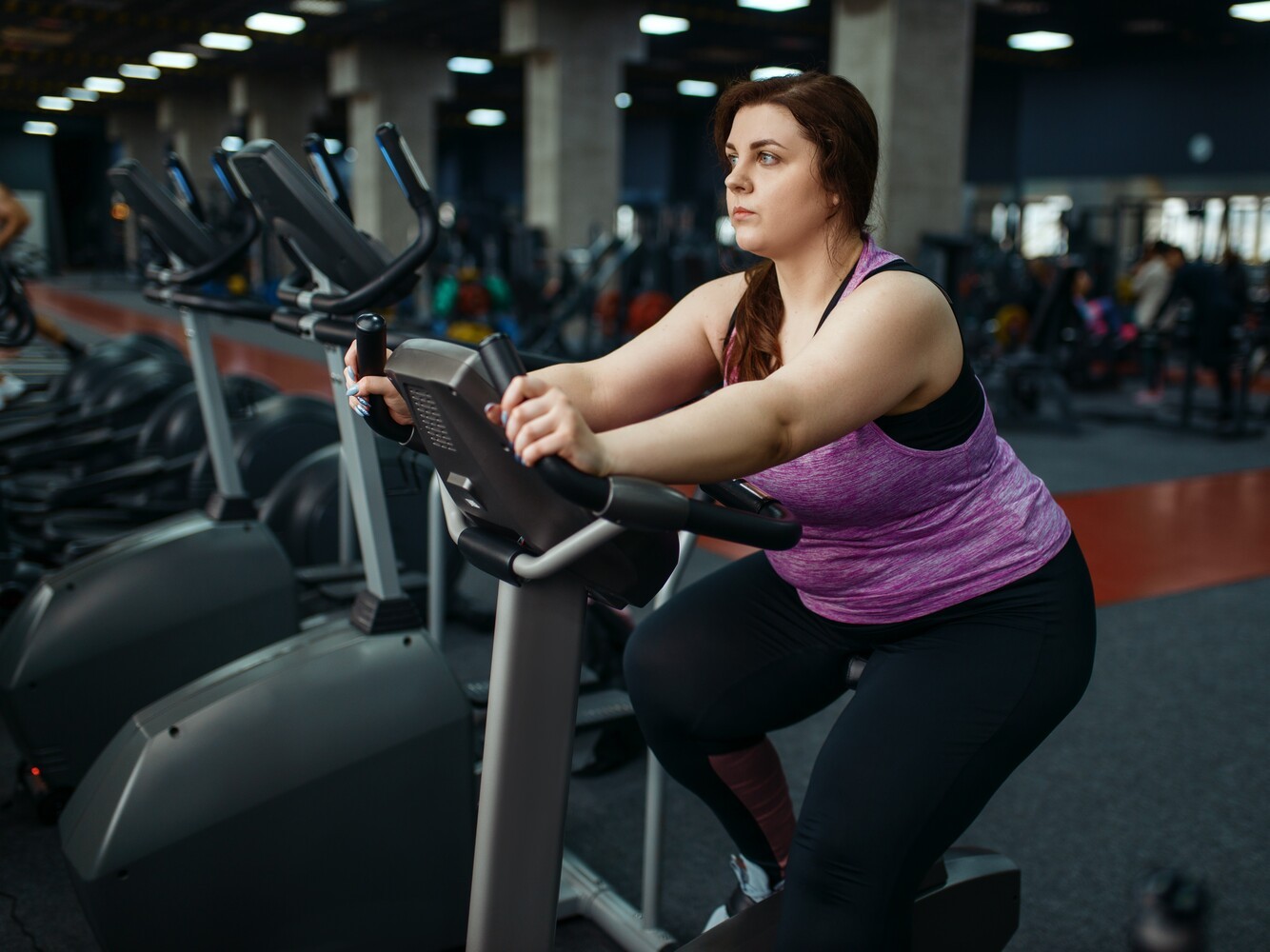
Using a steam room after exercise often feels more comfortable than using it before a workout. After training, it can serve as a way to relax, ease muscle tension, and shift into recovery mode.
Before a workout, though, the heat may leave you feeling drained, dehydrated, or less prepared for intense movement. That matters if you are planning a hard run, strength session, or interval workout. Starting exercise already overheated can make the session feel tougher than it needs to.
Timing also depends on how your body responds. Some people prefer to wait until their breathing and heart rate have settled before stepping into the steam room. Giving yourself a little recovery time first can make the experience safer and more comfortable.
Hygiene and Shared-Space Considerations
Steam rooms are shared spaces, so basic hygiene matters for both comfort and safety. Sitting on a clean towel helps create a barrier between your skin and the bench, which is a simple way to support cleanliness.
Showering before you enter is also helpful, especially after a workout, since it removes sweat, oils, and products from your skin. Following facility rules matters too. Some spaces ask you to wear specific footwear, limit session length, or avoid bringing in personal items.
Being respectful of those guidelines helps keep the environment pleasant for everyone. It is also smart to avoid using the steam room if you are feeling sick or have a contagious skin condition. Shared spaces work better when everyone treats them with care.
Signs You’ve Stayed in Too Long
Your body will usually give you clear signals when it’s had enough heat. Recognizing those signs early can help you step out before discomfort turns into something more serious.
1. Dizziness
Dizziness is one of the clearest signs that you need to leave the steam room right away. It often happens when your body is losing too much fluid, your blood pressure drops, or the heat becomes harder to tolerate. You might feel lightheaded when standing up, unsteady while walking, or suddenly disconnected from your surroundings.
Those signals suggest your body is struggling to keep up with the hot, humid environment. Staying longer can increase the risk of fainting or falling, especially when you stand to leave. The safest move is to step out, sit down somewhere cool, and slowly drink water. Once dizziness starts, the session should be over for the day.

2. Nausea
Nausea is another strong sign that your body is no longer handling the heat well. It can show up as a queasy stomach, a wave of discomfort, or the feeling that you might need to vomit. This often happens when your body is overheating or becoming dehydrated.
In a steam room, those changes can build quickly because the humid air makes it harder to cool down efficiently. Ignoring nausea and trying to stay in longer can make symptoms worse fast.
It’s much safer to leave as soon as that uneasy feeling starts. Move to a cooler area, sit down, and focus on rehydrating. Nausea is a warning sign, not something to push through.
3. Rapid Heartbeat
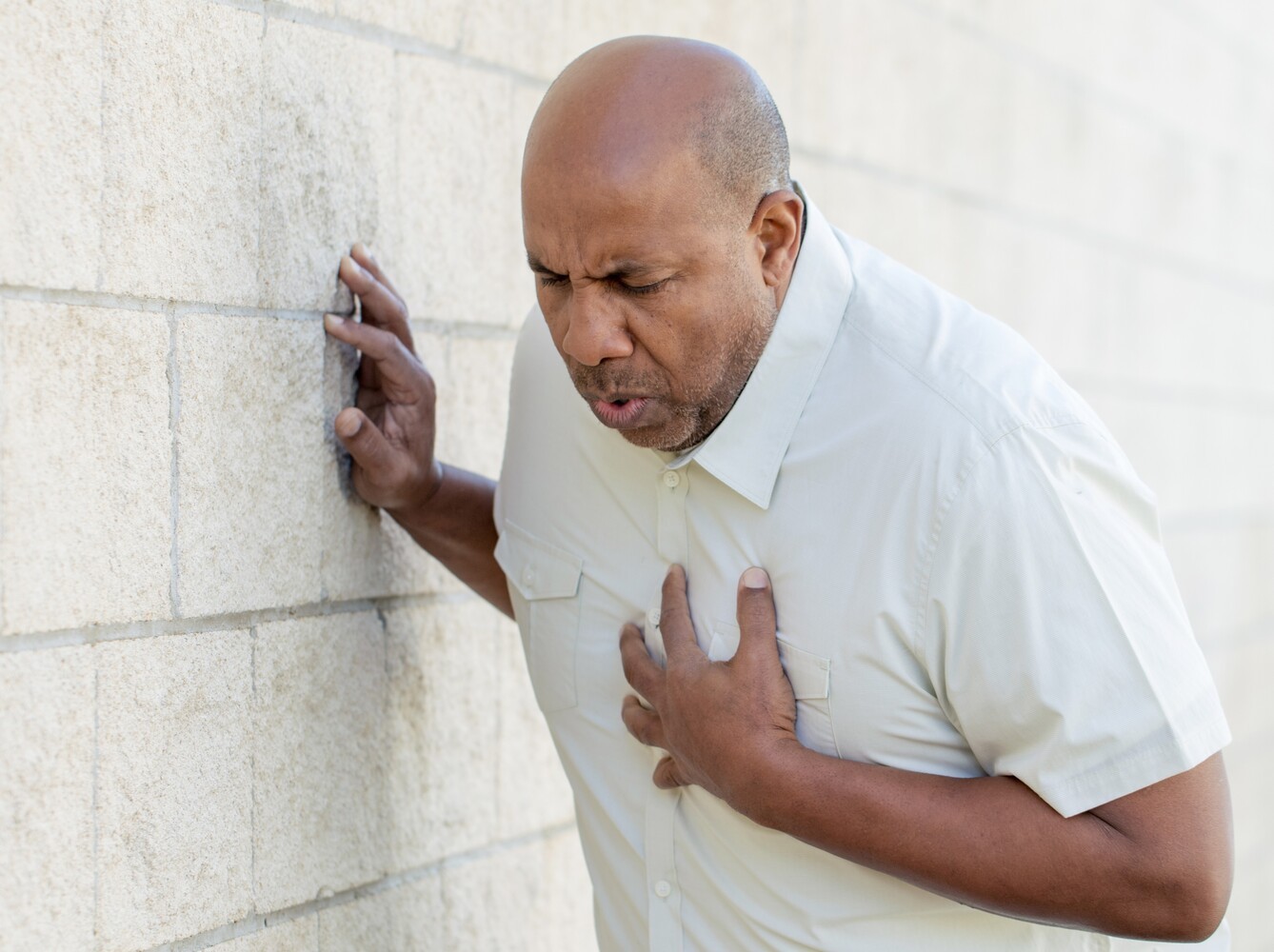
A rapid heartbeat can happen in a steam room because your body is working harder to manage the heat, but there is a difference between expected and uncomfortable. If your heart feels like it is pounding, racing, or beating in a way that feels unusually strong, it’s time to get out.
This can be a sign that the heat is placing too much stress on your system. You may also notice shortness of breath, chest discomfort, or a sense of panic along with it.
Those symptoms should be taken seriously. Leaving the steam room right away is the safest choice. Once you are out, cool down, rest, and seek medical care if symptoms do not improve quickly.
4. Unusual Fatigue or Weakness
Feeling unusually tired or weak during a steam room session is another sign that your body has reached its limit. This can feel like sudden heaviness in your arms or legs, low energy, or difficulty staying alert. It may come on gradually or hit you quickly without much warning.
This type of fatigue often signals that your body is struggling to regulate temperature or maintain proper hydration. Continuing to sit in the heat can make the feeling worse and increase the risk of more serious symptoms.
The safest response is to leave the steam room, sit somewhere cool, and give your body time to recover. Rest and hydration usually help your system return to normal.
What to Do Instead if Your Goal Is Real Fat Loss
If your goal is real, lasting fat loss, it helps to focus on what actually drives change in the body over time. These strategies may feel less flashy, but they are far more effective and sustainable:
Prioritize Nutrition That Supports a Sustainable Calorie Deficit
Nutrition plays the biggest role in fat loss, especially when it is consistent and realistic. Building meals with protein, fiber, and enough energy to support your day can make a noticeable difference. Portion awareness also matters, but it does not need to feel restrictive. Small, repeatable habits tend to work best over time. This is where real progress happens.
If you want a plan tailored to your needs, you can connect with a Registered Health Dietitian through Berry Street for a personalized 7-day meal plan that fits your lifestyle.

Build a Realistic Exercise Routine You Can Maintain
Exercise works best when it fits into your life without feeling overwhelming. Choosing activities you enjoy makes it easier to stay consistent week after week. Walking, strength training, and cycling are all effective options, and they can be adjusted to your fitness level.
You don’t need long or intense sessions to see progress. Short, regular workouts often add up more than occasional hard efforts. The goal is to build a routine you can maintain. Even chair exercises for weight loss make a difference if mobility is an issue.
Use Sleep and Stress Management as Force Multipliers
Sleep and stress management can have a bigger impact on weight loss than many people expect. When you are well rested, it is easier to make balanced food choices and stay active. Poor sleep can increase hunger and reduce energy, which makes consistency harder.
Stress also plays a role by influencing cravings and eating patterns. Finding simple ways to unwind, such as stepping away from screens or creating a wind-down routine, can help. These habits support everything else you are working on.
Treat the Steam Room as Optional, Not Essential
A steam room can be a nice addition to your routine, but it should not feel like something you have to do. If you enjoy it, it can support relaxation and recovery after workouts. That can make your overall routine feel more balanced and easier to stick with.
If you skip it, your progress will not suffer. The most important factors are still your daily habits around food, movement, and rest. Treating it as optional helps keep your focus on what truly drives results.
Want to learn the truth about more fast weight loss promises? Read our helpful guide on using a vibration machine for weight loss.
Steam Room Weight Loss FAQs
Can you lose weight in a steam room without exercise?
You may see a small drop on the scale, but it’s mostly from water loss through sweating. It doesn’t reflect fat loss, and the weight usually returns once you rehydrate.
How long should you stay in a steam room?
Most people should aim for about 10 to 20 minutes per session. Staying longer can increase the risk of dehydration and overheating without added benefit.
How many calories do you burn in a steam room?
You do burn some calories due to a slight increase in heart rate, but it’s minimal. It’s far less than what you’d burn during even light physical activity.
Is steam room use safe while dieting or fasting?
It can be safe for some people, but hydration becomes even more important. If you’re already in a calorie deficit or fasting, you may feel lightheaded more quickly.
Can steam rooms affect metabolism over time?
There’s no strong evidence that regular steam room use meaningfully boosts metabolism. Long-term changes in metabolism are more closely tied to muscle mass, activity, and nutritional habits.
Conclusion
Steam rooms can feel satisfying, and that immediate drop on the scale can be tempting to chase, but it reflects water loss rather than meaningful fat loss. Real, lasting progress comes from consistent habits that support a calorie deficit, along with movement, sleep, and stress management.
Steam sessions can still play a helpful role if they make your routine more enjoyable or support recovery, but they work best as an add-on, not the foundation.
If you’re ready to focus on what actually drives results, you can connect with a Registered Dietitian covered by insurance through Berry Street for personalized, sustainable support.