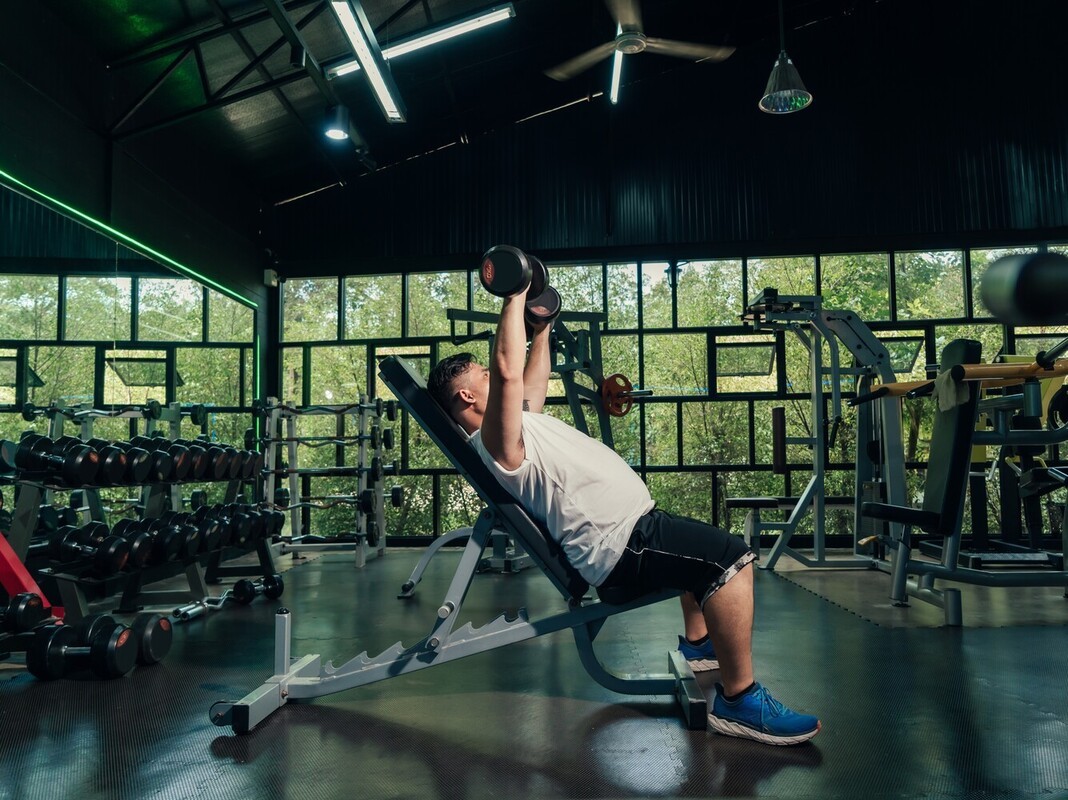
Weight lifting for weight loss is often misunderstood, yet it’s one of the most effective ways to support long-term fat loss and improve how your body functions day to day. As Registered Dietitians, we’ve seen how adding strength training can shift results, especially when people move beyond focusing only on the scale.
This article breaks down how lifting weights helps with fat loss, what kind of progress to expect, and how it compares to cardio. We’ll also cover practical workout strategies, beginner-friendly routines, and how to build a plan that feels realistic and sustainable.
Key Takeaways
Weight lifting supports fat loss by helping you build or maintain muscle, which improves how your body uses energy over time.
A combination of strength training, daily movement, and consistent eating habits tends to lead to more sustainable results.
You don’t need complex routines to start. Simple, structured workouts done regularly can be highly effective.
Progress often shows up as improved strength, better energy, and changes in how your body looks, not just the number on the scale.
Recovery, sleep, and nutrition all play a major role in making your workouts more effective and easier to maintain.

Why Weight Lifting Belongs in a Weight-Loss Plan
Weight lifting belongs in a weight-loss plan because it helps reduce body fat while preserving or building muscle, which supports long-term metabolism and results. Many people rely heavily on cardio or focus only on eating less. That approach can lead to short-term changes, but it often doesn’t support lasting progress.
Strength training changes how your body uses energy. It encourages your body to hold onto lean tissue while losing fat. This matters. When muscle is maintained, your metabolism stays more stable, and it becomes easier to manage weight over time. You’re not just chasing a lower number. You’re building a body that works better.
What “Weight Loss” Really Means vs Fat Loss
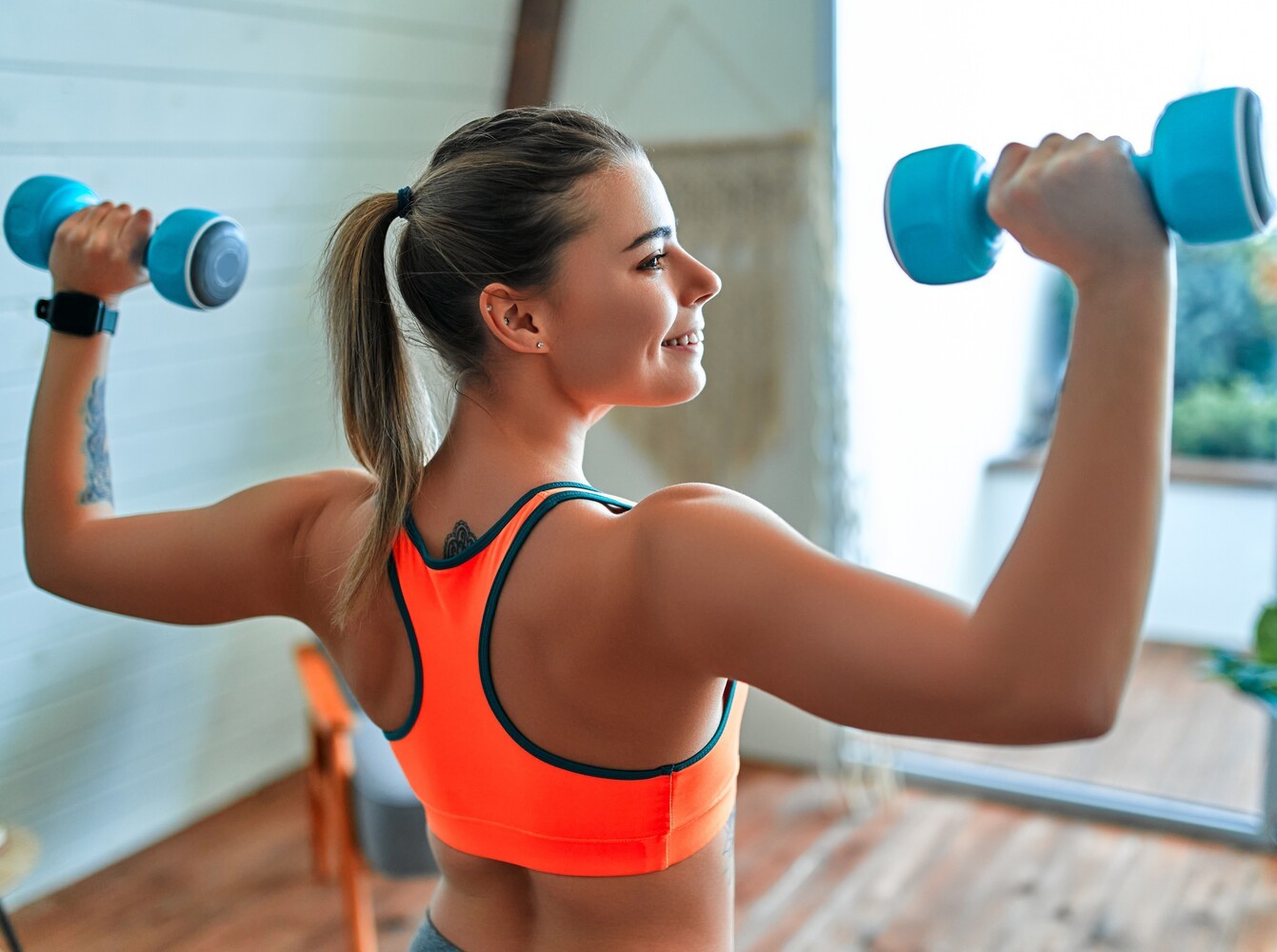
Weight loss simply means the number on the scale goes down, but that number doesn’t tell the full story. It can reflect changes in fat, muscle, water, or stored carbohydrates.
Fat loss is more specific and more meaningful for long-term health. It focuses on reducing body fat while keeping lean mass intact.
We often see people lose weight quickly through restrictive approaches, only to regain it later. That pattern usually involves losing muscle along the way.
When muscle drops, metabolism can slow, and maintaining results becomes harder. Weight lifting helps shift the focus toward fat loss so that progress is more sustainable and physically noticeable.
How Weight Lifting Supports Fat Loss
Weight lifting supports fat loss by increasing muscle mass and raising the number of calories your body burns throughout the day. Muscle requires energy, even when you’re resting. That means your body continues working behind the scenes.
Strength training also creates a recovery demand after your workout. Your body uses extra energy to repair muscle tissue and adapt to the stress you placed on it. This process contributes to overall calorie use beyond the session itself.
Over time, these small increases add up. Combined with consistent training and supportive eating habits, weight lifting helps create an environment where fat loss becomes more achievable and easier to maintain.
Why Muscle Matters When You’re Trying to Lose Weight
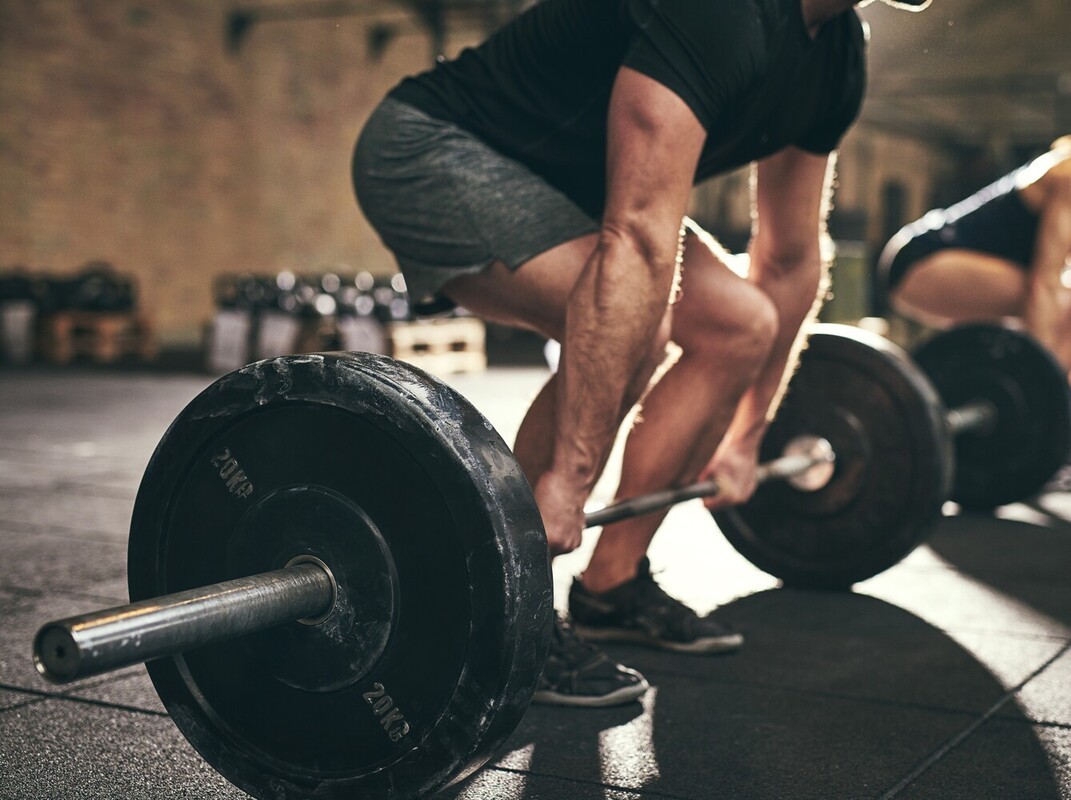
Muscle plays a key role in how your body looks, feels, and functions during weight loss. It’s metabolically active, which means it requires energy to maintain. More muscle can support a higher daily calorie burn, even outside of exercise. That difference may seem small at first, but it becomes meaningful over time.
From our experience, people who prioritize muscle tend to maintain their results more successfully. They also report feeling stronger, more stable, and more capable in daily life. Muscle supports posture, mobility, and injury prevention as well. These benefits extend beyond weight loss and contribute to long-term health and confidence.
What Results to Expect From Lifting Weights for Weight Loss
You can expect gradual fat loss, steady strength gains, and visible changes in how your body looks and feels. Progress may not always show up clearly on the scale right away. That can be frustrating at first.
However, many people notice their clothes fitting differently, their posture improving, and their energy levels increasing within a few weeks. Strength improvements often come early, which can feel motivating.
Over time, body composition changes become more noticeable. This includes a leaner appearance and better muscle definition. These shifts reflect real progress. They also tend to be easier to maintain compared to rapid weight loss from restrictive approaches.
Does Lifting Weights Help You Lose Weight?
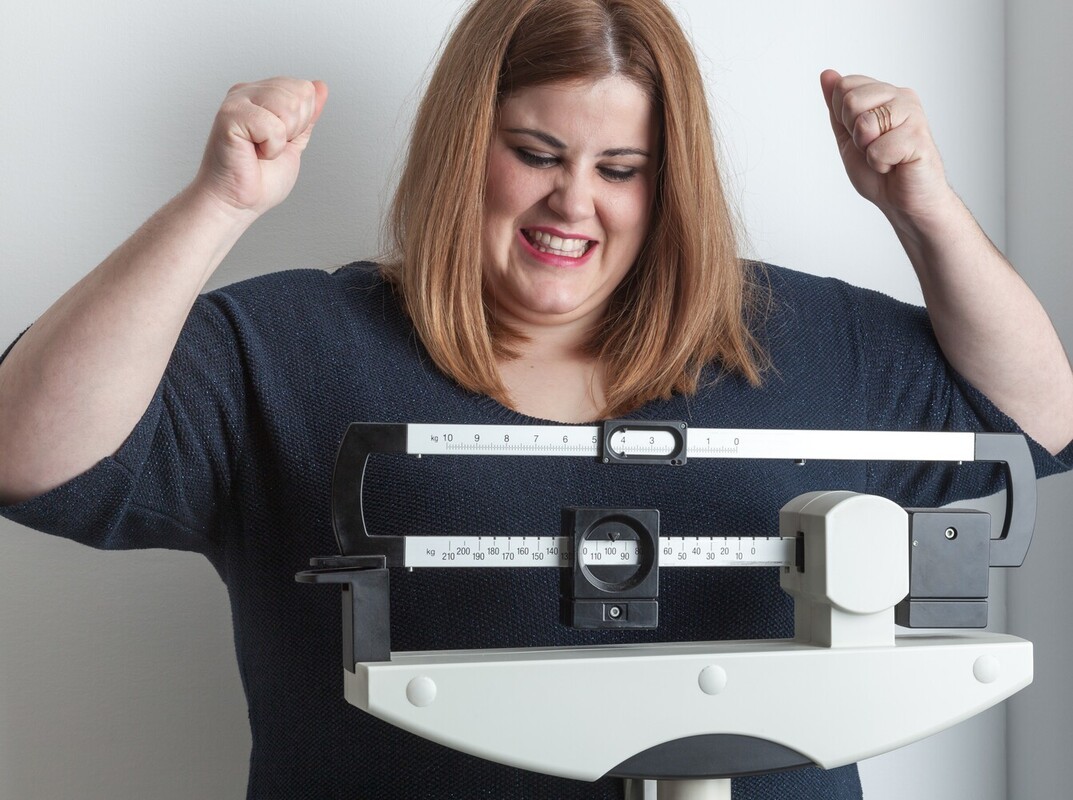
Yes, lifting weights can help you lose weight, especially when combined with supportive nutrition and consistent habits. It works differently from cardio, and that difference matters.
Cardio tends to burn more calories during the workout itself, while strength training helps your body burn more over time by building muscle. That shift supports long-term progress.
As Registered Dietitians, we’ve seen that people who include weight lifting often see better body composition changes and improved energy levels. It also helps maintain muscle during weight loss, which makes results easier to sustain. Over time, this approach can feel more balanced and more realistic.
Can You Lose Weight by Lifting Weights Only?
It’s possible to lose weight through lifting weights alone, but progress is often slower without changes to eating habits. Strength training supports fat loss by increasing muscle and overall energy use.
However, what you eat still plays a major role in the outcome. We often see that people who rely on lifting alone may maintain their weight or see gradual shifts, but results tend to improve when meals are aligned with their goals. Combining strength training with consistent, balanced eating patterns usually leads to more noticeable and sustainable progress.
Does Lifting Weights Burn Fat or Just Build Muscle?
Weight lifting contributes to both muscle building and fat loss, which is why it’s so effective for improving body composition. When you train with resistance, your body adapts by increasing muscle mass and improving how it uses energy throughout the day. This includes using stored fat more efficiently over time, especially when your overall routine supports it.
Strength training also increases your resting energy needs, which contributes to fat loss beyond the workout itself. From our experience, people often notice their clothes fitting differently before the scale changes. That reflects real progress in body composition and strength.
Is Weight Lifting Good for Weight Loss if You’re a Beginner?
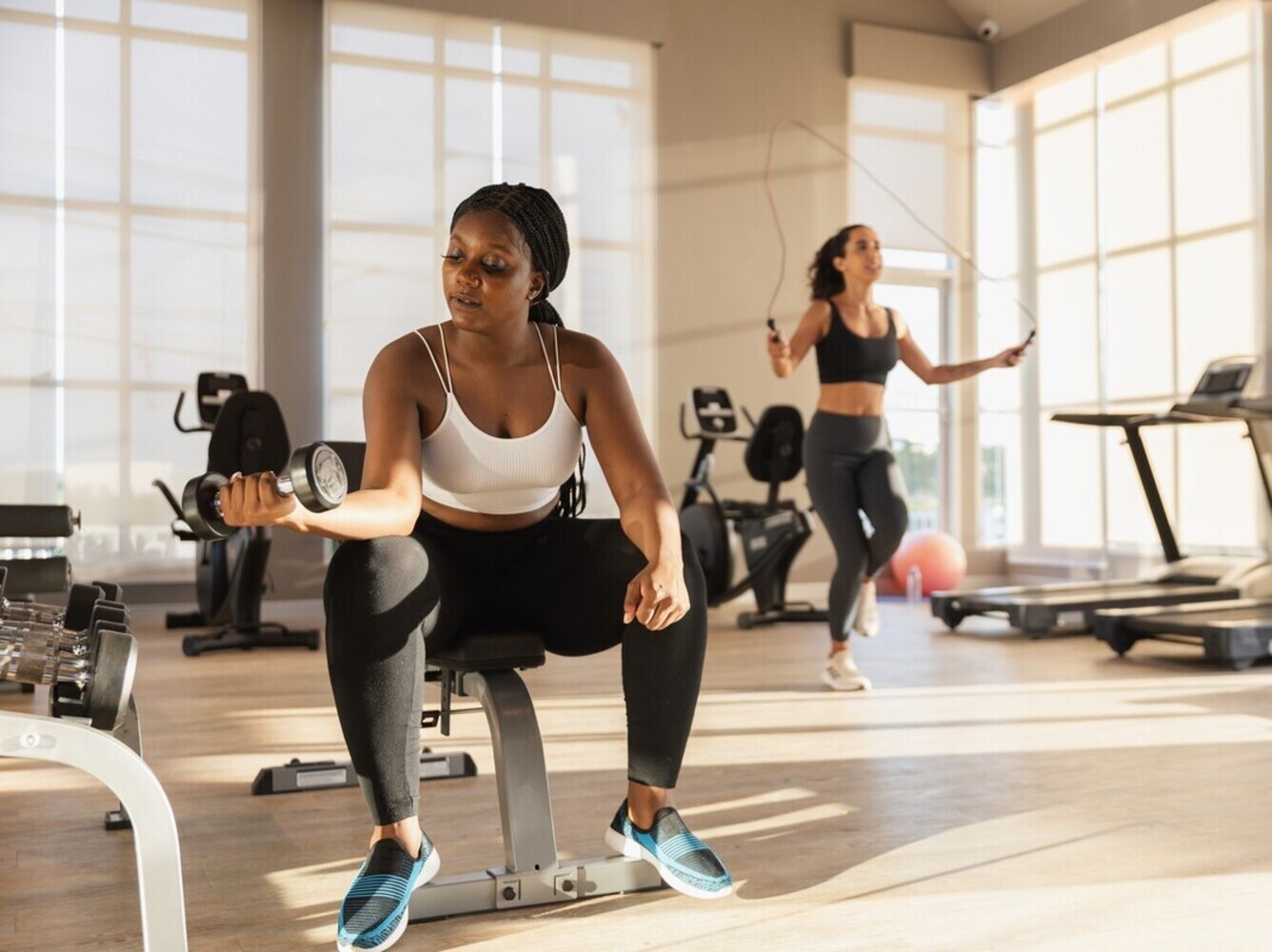
Weight lifting works very well for beginners and is often one of the most approachable ways to get started with weight loss. You don’t need heavy weights, long sessions, or complex routines to see progress early on.
Starting with simple movements and manageable resistance is enough to build strength and confidence. Many beginners notice improvements in how exercises feel, along with better energy and coordination.
Consistency matters most. Even two or three sessions per week can lead to meaningful changes over time. As Registered Dietitians, we often recommend focusing on form and routine first to build a strong and sustainable foundation.
When Lifting Alone Might Work and When It Usually Doesn’t
Lifting weights on its own can lead to progress when your eating habits already support your goals and your overall daily movement is relatively high.
For example, someone who walks frequently, stays active throughout the day, and eats balanced meals may still see gradual fat loss with strength training alone. However, this situation is less common.
In many cases, progress slows when nutrition isn’t aligned or when most of the day is spent sitting. Exercise is only one part of the equation. After years of experience, we’ve seen better outcomes when lifting is paired with structured eating habits.
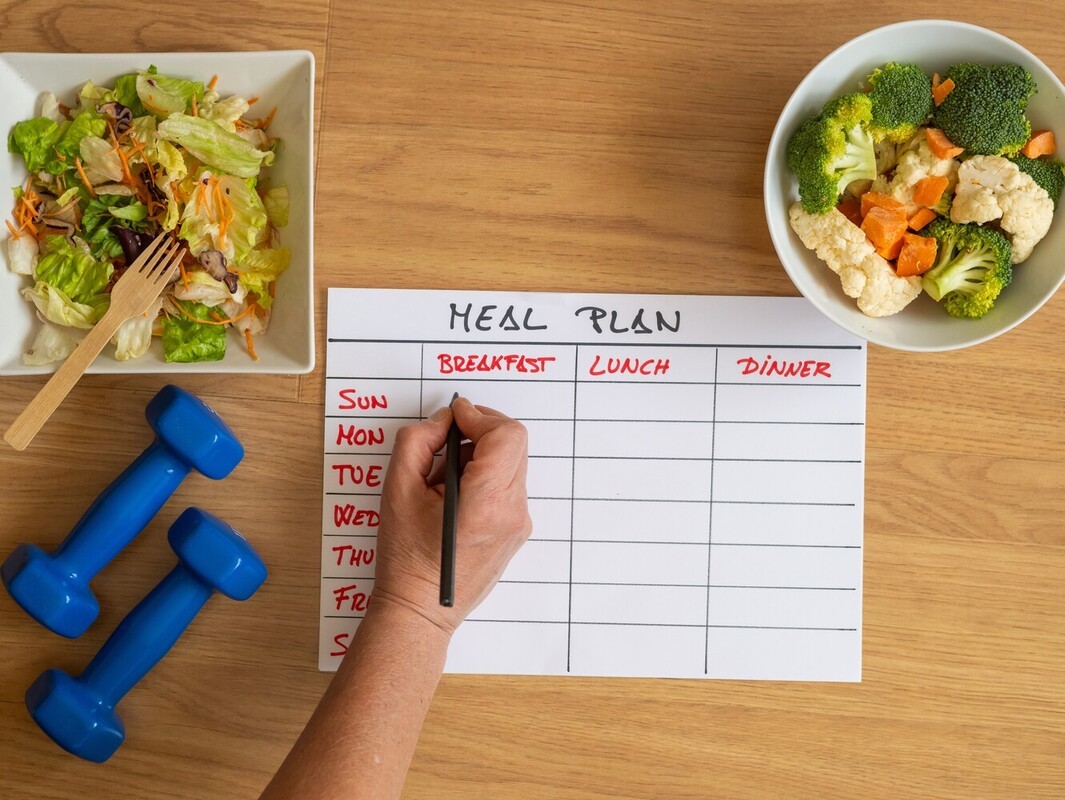
If you want a clear starting point, you can connect with a Registered Weight Loss Dietitian through Berry Street to build a personalized 7-day meal plan.
Weight Lifting vs Cardio for Weight Loss
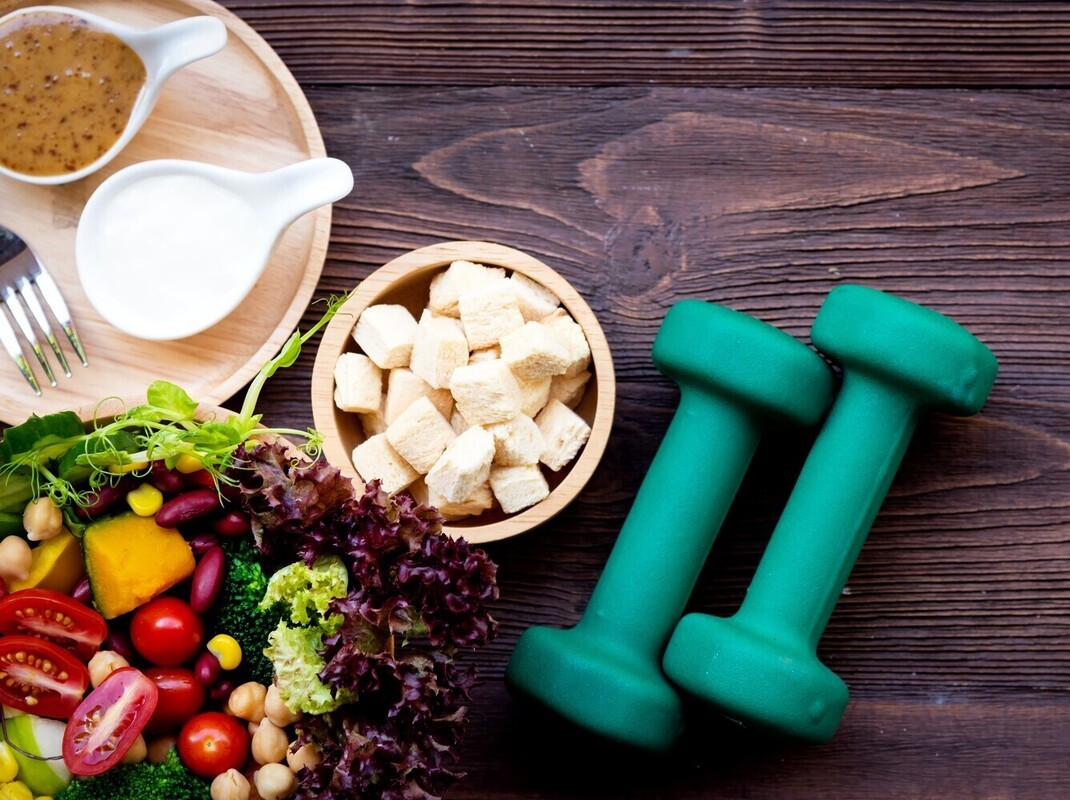
Weight lifting and cardio both play important roles in weight loss, but they serve different purposes in your routine. Cardio increases your heart rate and leads to a higher calorie burn during the workout itself.
Strength training works more behind the scenes. It helps build muscle, which supports your metabolism and influences how your body uses energy throughout the day.
Relying on just one approach can limit progress. Combining both creates a more balanced plan. You get immediate calorie burn from cardio and long-term metabolic support from lifting, which makes results easier to maintain.
Which Burns More Calories During a Workout?
Cardio typically burns more calories during the workout itself, especially when intensity is high or sessions are longer. Activities like running, cycling, and rowing can quickly increase your heart rate and energy use. For example, a 30-minute run often burns more calories than a 30-minute strength session.
However, that’s only part of the picture. Strength training creates a recovery demand that continues after your workout ends. Your body uses additional energy to repair and rebuild muscle tissue. Over time, these smaller increases in daily energy use can add up and support fat loss alongside your workouts.
Which Is Better for Body Composition?
Weight lifting tends to be more effective for improving body composition because it helps preserve or build lean muscle while reducing fat. This leads to visible changes in how your body looks and feels.
Cardio alone can support weight loss, but it may also lead to some muscle loss if it’s not paired with resistance training. That can affect strength, posture, and overall metabolism.
People who include strength training often notice their clothes fitting differently, even if the scale doesn’t change much. These changes reflect improved body composition, which is a more meaningful measure of progress than weight alone.
Cardio vs Weight Training for Belly Fat
Both cardio and weight training can help reduce belly fat, but neither can target fat loss in that specific area. Your body determines where fat is lost, and that process happens gradually across different regions.
Cardio increases overall calorie burn, which supports fat loss over time. Strength training helps maintain muscle and supports a higher daily energy use, which also contributes.
Using both approaches together tends to produce better results. When combined with consistent eating habits, this approach often leads to more noticeable changes in abdominal fat than relying on one type of exercise alone.
Is Running or Weight Lifting Better for Weight Loss?
The better option depends on your goals, preferences, and what you can realistically stick with over time. Running is efficient for burning calories in a shorter session, which can support early weight loss efforts. Weight lifting supports longer-term fat loss by helping maintain muscle and improve metabolic function.
Many people benefit from including both in their routine. For example, combining a few strength sessions each week with regular walking or running can create a more balanced plan. This approach supports steady progress while also helping improve strength, endurance, and overall fitness.
Why a Combined Approach Usually Works Best
A combined approach works best because it brings together the strengths of both cardio and weight training. Cardio helps increase your overall calorie burn, which supports weight loss. Strength training helps maintain muscle and supports metabolic health, which makes those results easier to sustain.
When used together, they practically complement each other. For example, lifting weights a few days per week and adding walking, cycling, or intervals on other days can keep activity levels high without feeling overwhelming. This structure supports consistency, which is one of the most important factors for long-term success.
Should You Lift Heavy to Lose Weight?
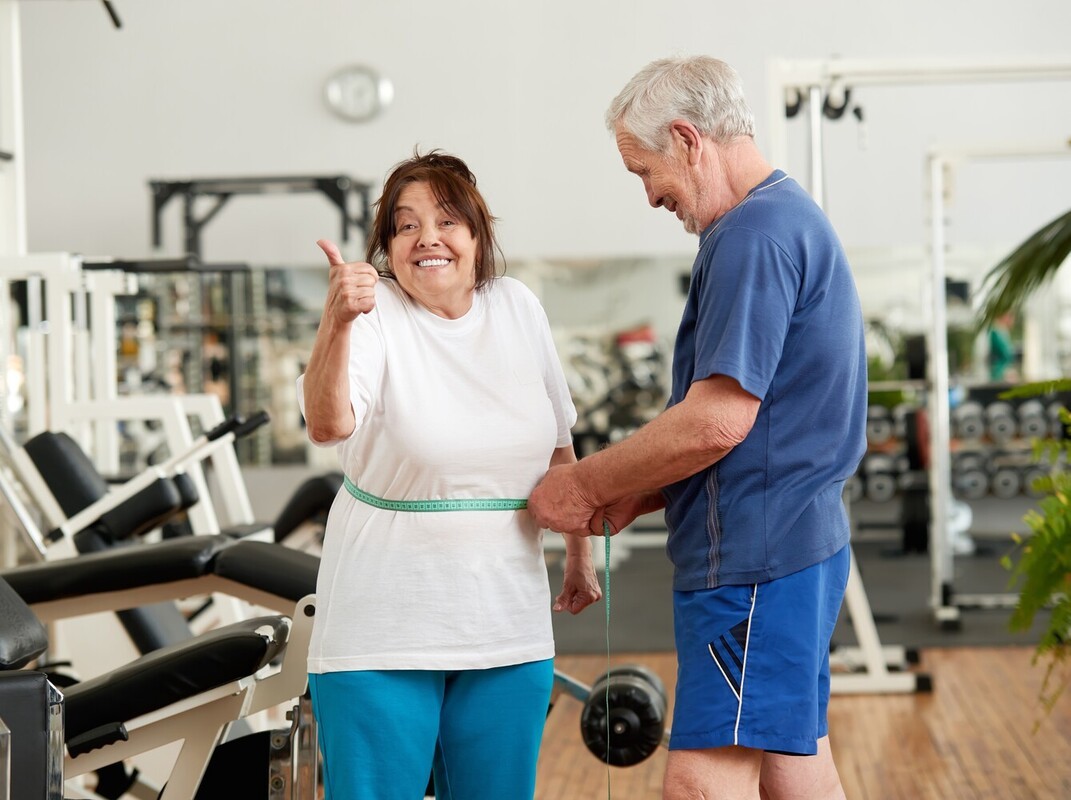
Lifting heavy can support weight loss, but it’s not required to see progress. What matters most is progressively challenging your muscles over time. That can come from increasing weight, adding reps, adjusting tempo, or improving control with each movement.
Moderate weights performed with intention can be just as effective, especially when rest periods are managed well. The goal is to create enough resistance so your body adapts and builds strength.
Over time, that adaptation supports muscle development and higher daily energy use. Many people benefit from mixing heavier lifts with moderate, higher-rep work to keep training both effective and sustainable.
What Makes an Exercise Effective for Fat Loss?
Exercises that support fat loss typically involve multiple muscle groups and place a higher demand on your body. These are often compound movements such as squats, deadlifts, rows, and presses.
Because they recruit more muscle at once, they increase overall energy use during your workout. They also create a greater recovery demand afterward, which contributes to additional calorie use.
A movement like a squat challenges your legs and core while elevating your heart rate at the same time. Including these types of exercises helps you get more out of each session and supports steady fat loss with consistent training.
The Best Weight Lifting Exercises for Weight Loss
Choosing the right exercises can make your workouts more efficient and help you see results sooner. Focusing on movements that work multiple muscle groups at once allows you to build strength while increasing overall calorie use.
1. Squats
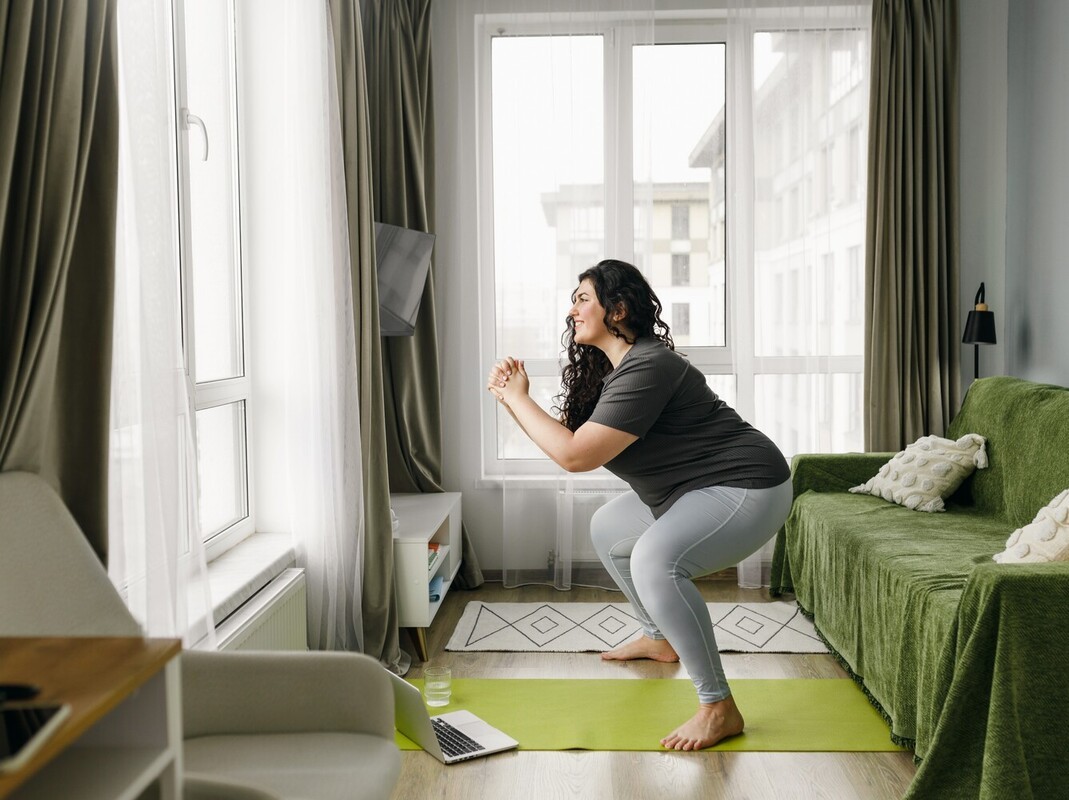
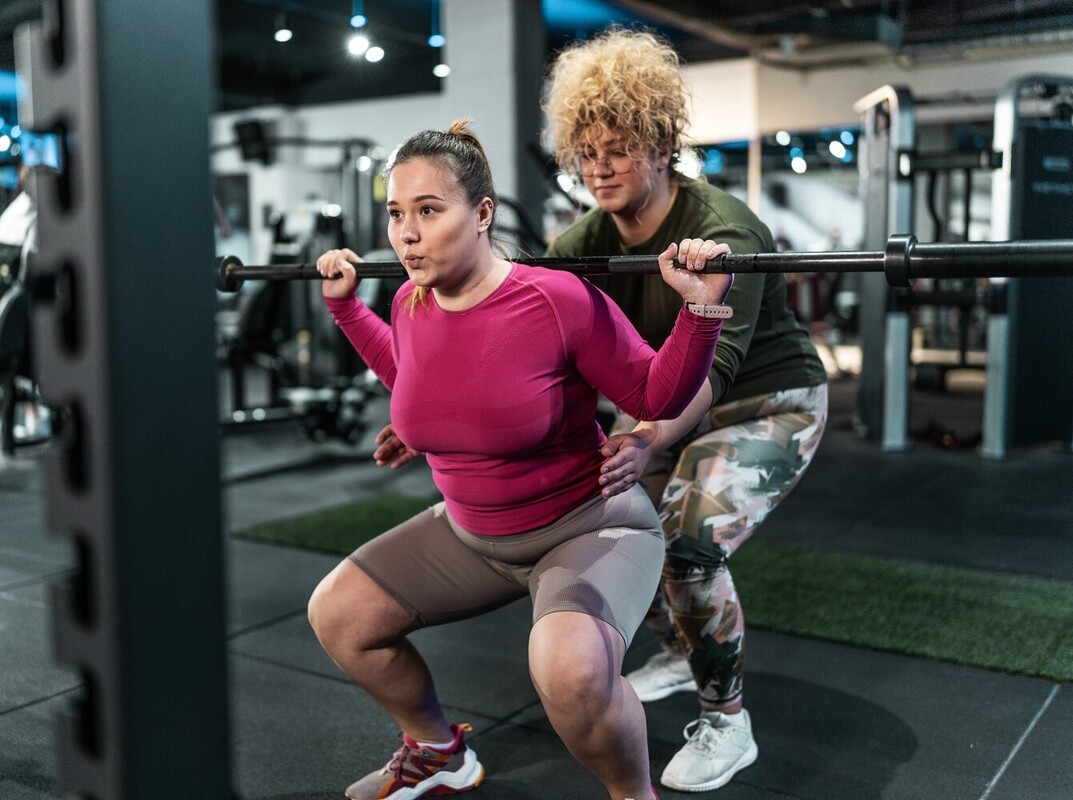
Squats are one of the most effective exercises for weight loss because they work multiple large muscle groups at the same time. Your legs, glutes, and core are all involved, which increases overall energy use during the movement.
To perform a squat, stand with your feet about shoulder-width apart, sit your hips back, and lower down while keeping your chest lifted. Push through your heels to return to standing.
Depth and control matter more than speed. You can start with bodyweight, then progress to dumbbells or a barbell. Adding load over time helps build strength and supports long-term fat loss.
2. Deadlifts
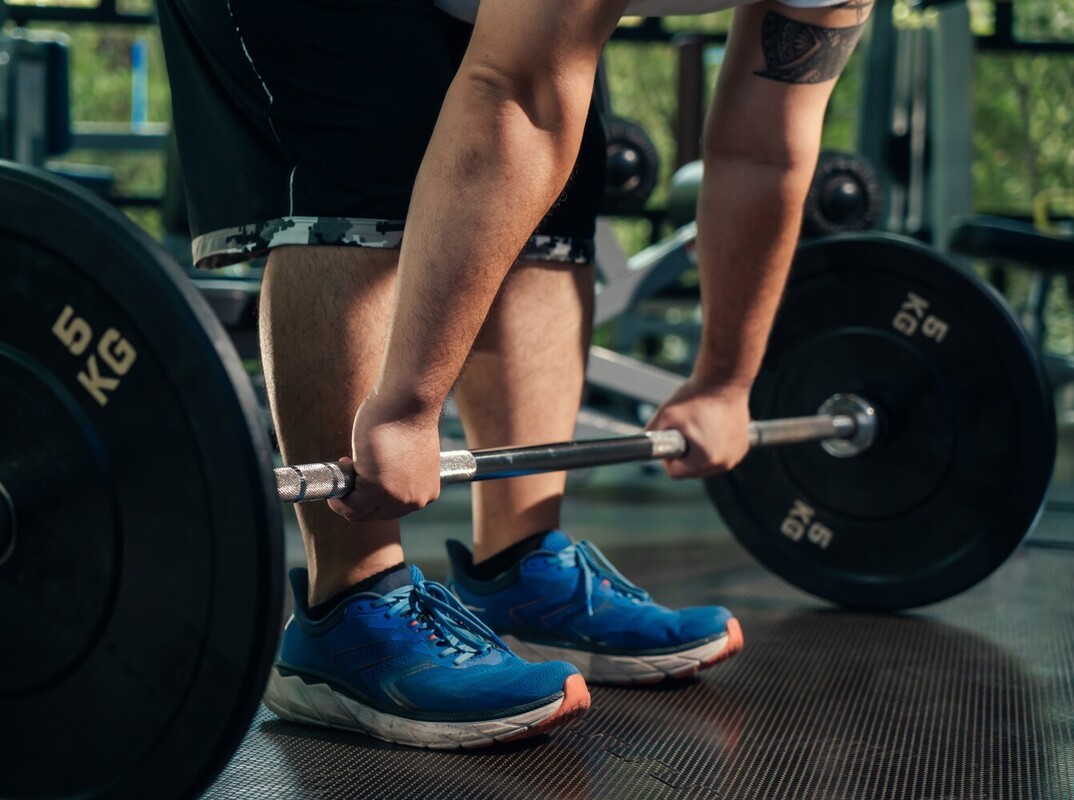
Deadlifts are a powerful movement that targets your hamstrings, glutes, and lower back while also engaging your core and grip. This combination makes them highly effective for increasing strength and overall calorie demand.
Start with the weight close to your body, hinge at your hips, and keep your back neutral as you lift. Drive through your heels and stand tall at the top. The key is maintaining proper form throughout the movement.
You can use dumbbells, kettlebells, or a barbell, depending on your comfort level. As you progress, increasing resistance helps support muscle growth and improves how your body uses energy.
3. Bench Press
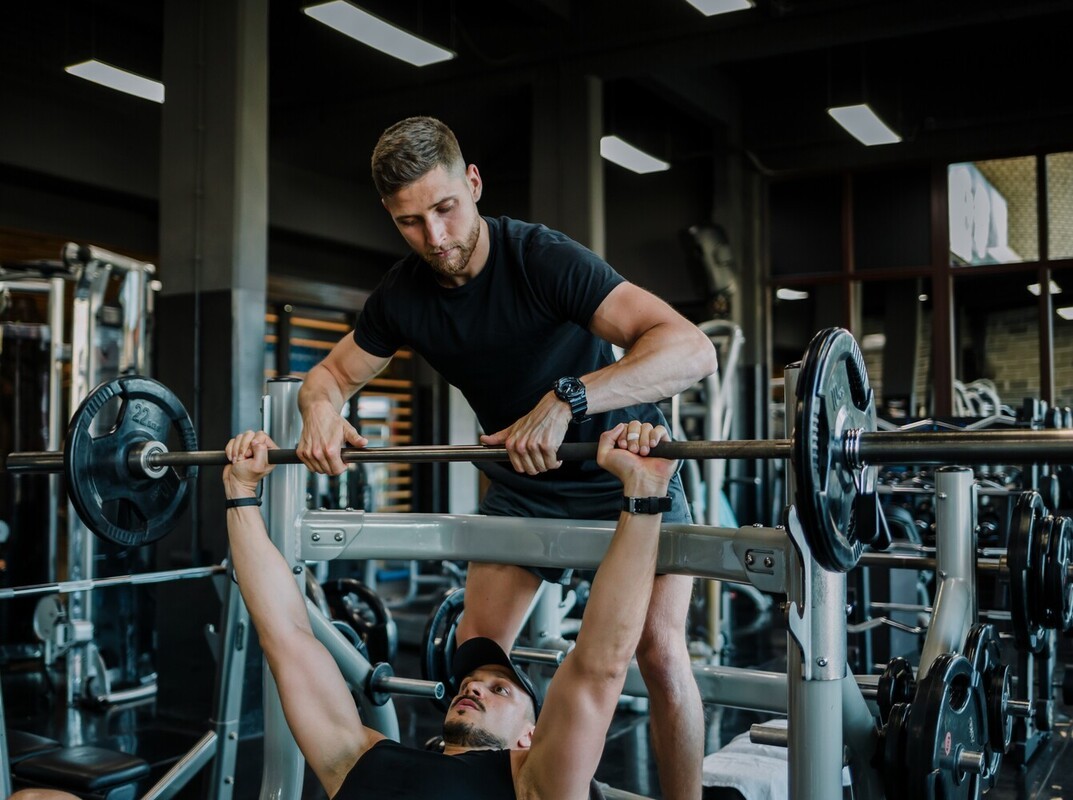
The bench press is a foundational upper-body exercise that targets your chest, shoulders, and triceps. It’s a great way to build pushing strength while contributing to overall muscle development.
To perform it, lie on a bench with your feet planted firmly on the ground. Lower the weights toward your chest with control, then press them back up. Keep your wrists stable and your elbows at a comfortable angle.
You can use dumbbells or a barbell, depending on your experience level. Over time, increasing the weight or reps helps improve strength and supports body composition changes that align with fat loss goals.
4. Rows
Rows are essential for building a strong back and improving posture, especially if you spend a lot of time sitting. They target your upper and mid-back while also engaging your arms and core.
To perform a row, pull the weight toward your torso while keeping your shoulders down and your core tight. Focus on controlled movement rather than speed. You can use dumbbells, a barbell, or a cable machine.
Strong back muscles help support other lifts and improve overall balance in your training. Including rows regularly can also help reduce strain on your shoulders and support better movement patterns during workouts.
5. Lunges
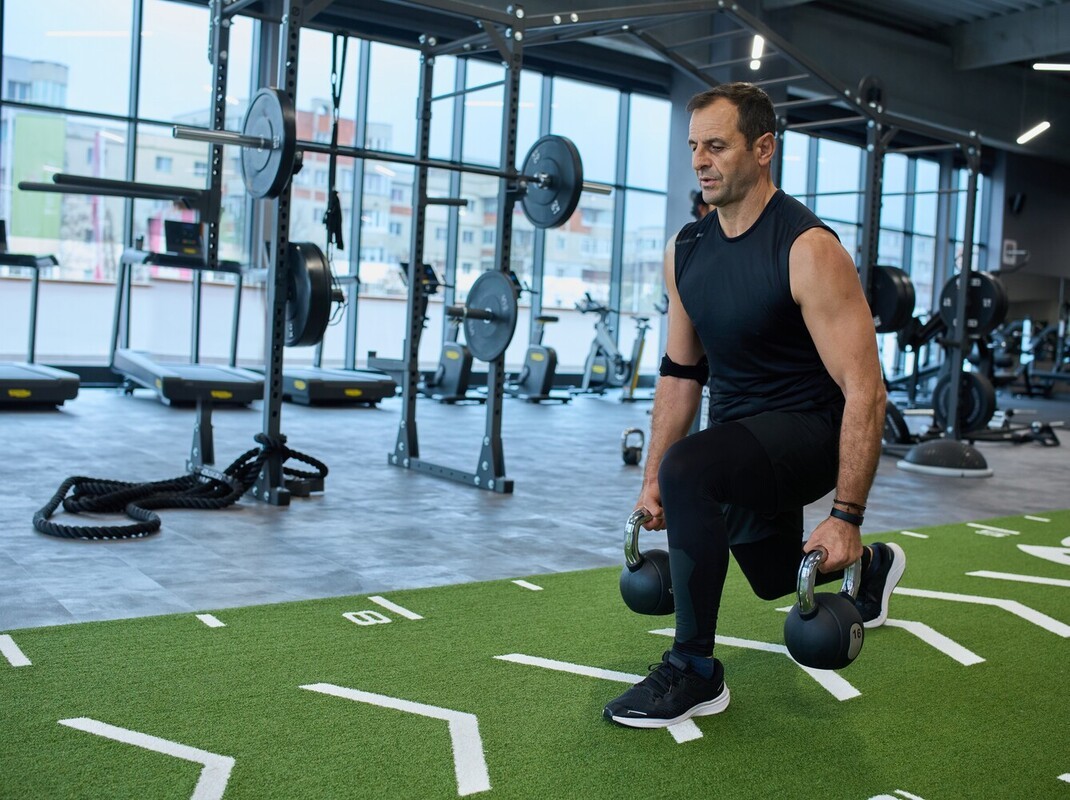
Lunges are a highly effective lower-body exercise that challenges strength, balance, and coordination. They work each leg individually, which helps correct imbalances and improve stability.
Step forward or backward, lower your back knee toward the ground, and push through your front heel to return to standing. Keep your torso upright and your movements controlled. You can perform lunges with bodyweight or add dumbbells for more resistance.
Variations like walking lunges or reverse lunges can add variety and challenge. Over time, lunges help build lower-body strength and increase overall energy use during workouts, which supports fat loss goals.
The Best Training Splits for Fat Loss
How you structure your workouts across the week can make a big difference in how consistent and effective your routine feels. The right training split helps balance intensity, recovery, and progression so you can keep seeing results without burning out.
Full-Body Workouts
Full-body workouts are one of the most efficient ways to train, especially if your schedule is tight or you’re just getting started. Each session targets all major muscle groups, which helps increase overall energy use while building strength evenly across your body.
This approach also allows for more frequent practice of key movements, which can improve form and confidence over time. Many people find it easier to stay consistent with this structure. A simple way to set it up includes:
Choose 4 to 6 exercises that cover upper body, lower body, and core
Perform 2 to 4 sets per exercise
Train 2 to 3 non-consecutive days per week
Focus on progressive overload over time
Upper-Lower Splits
An upper-lower split separates your workouts into upper-body days and lower-body days, which allows each muscle group more time to recover between sessions. This structure works well if you want to train more frequently without overloading the same muscles every day.
It also gives you space to include more exercises per muscle group, which can support strength and muscle development. Many people find this split helps them stay organized and focused during workouts. A basic setup might include:
Alternate between upper-body and lower-body days across the week
Train 3 to 4 days per week, depending on your schedule
Include 4 to 6 exercises per session
Allow at least one rest day or lighter activity day
Push-Pull-Legs for More Experienced Lifters
The push-pull-legs split is a more advanced structure that organizes workouts based on movement patterns. Push days focus on exercises like presses, pull days include rows and pulling movements, and leg days target the lower body.
This split allows for higher training volume and more focused sessions, which can support continued progress if you’ve already built a solid foundation. It works best if you can train consistently throughout the week. A common way to structure it includes:
Schedule 3 to 6 training days per week, depending on experience
Group exercises by movement type within each session
Include both compound and accessory exercises
Ensure adequate rest and recovery between similar muscle groups
How Many Days a Week Should You Lift to Lose Weight?
Training three to four days per week is enough for most people to see steady progress with weight loss. This schedule gives your body time to recover while still keeping activity levels high. More days in the gym doesn’t always lead to better results. In many cases, it leads to fatigue and inconsistency.
What matters most is showing up regularly and following a plan you can stick to. A balanced weekly routine might include strength training on non-consecutive days with light movement like walking on rest days. This approach supports fat loss while helping you stay energized and consistent over time.
How Many Sets, Reps, and Rest Periods to Do
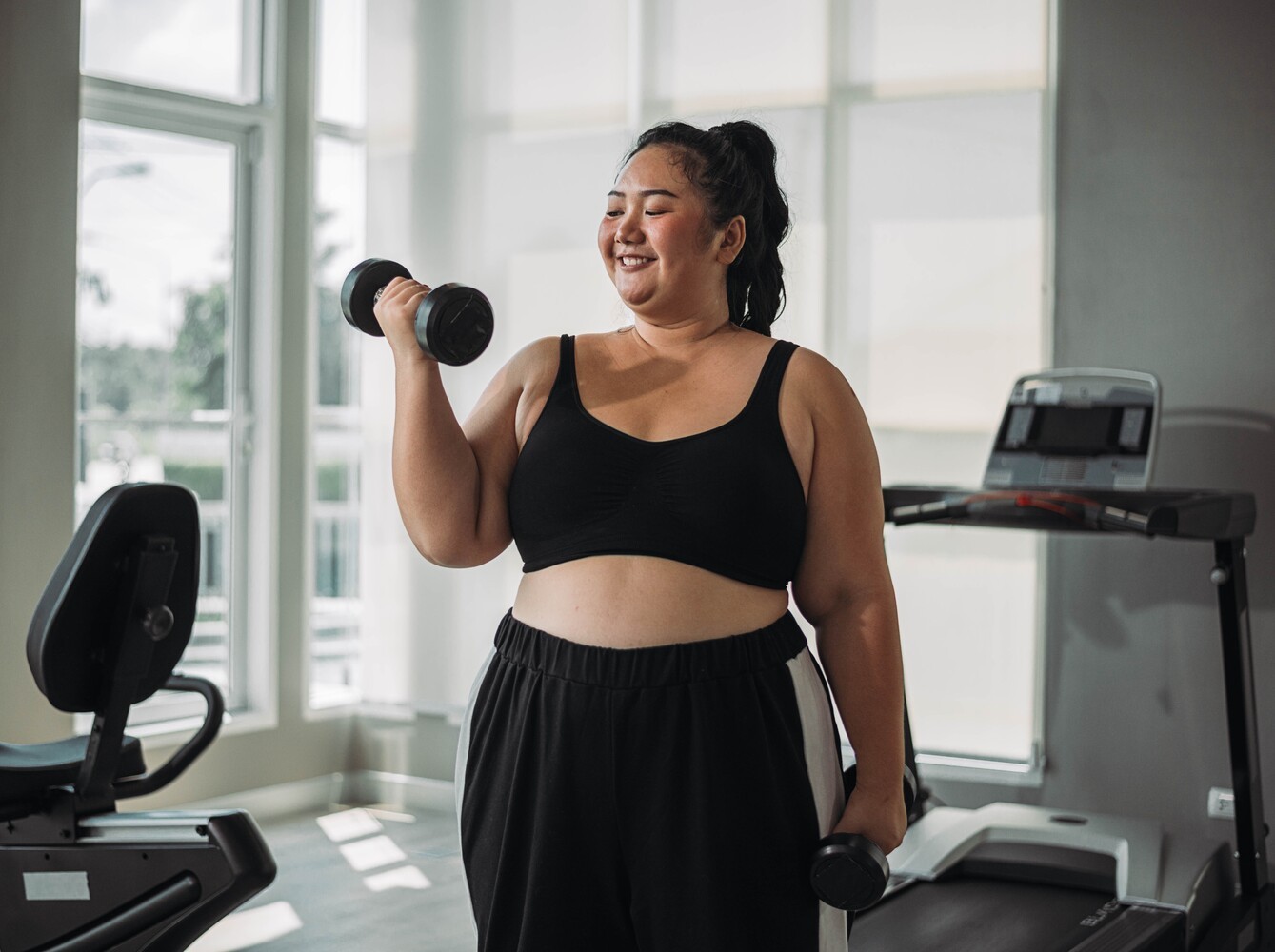
A common and effective structure is 3 to 6 sets of 6 to 12 reps for most exercises. This range helps build strength while also supporting fat loss through higher overall effort.
Heavier weights with fewer reps can build strength, while moderate weights with more reps can increase intensity and keep your heart rate elevated.
Both approaches have value. Rest periods also matter. Shorter rest times can make workouts feel more challenging and increase calorie use, while longer rest allows you to lift heavier and maintain good form. Mixing both styles within your routine can help you see better, more balanced results.
How to Build a Weight Lifting Plan for Weight Loss
Building a plan that fits your schedule and experience level makes it much easier to stay consistent over time. A well-structured approach helps you train with purpose, track progress, and avoid common mistakes that slow results.
1. Start With Compound Movements
Starting with compound movements helps you get more out of each workout, especially when your goal is weight loss. These exercises work multiple muscle groups at once, which increases overall effort and energy use.
Movements like squats, deadlifts, and presses are great examples. They challenge your body in a more complete way compared to isolation exercises. This means you can build strength and support fat loss in less time.
Focus on learning proper form first. Then gradually increase resistance as you become more comfortable. Building your routine around these movements creates a strong foundation that supports progress and keeps workouts efficient.
2. Progress Gradually
Progression is what drives results over time. Without it, your body adapts and progress slows down. This doesn’t mean you need to increase weight every session. Small changes can be just as effective. You might add a few extra reps, improve your form, or reduce rest time between sets.
Each of these creates a new challenge for your body. Tracking your workouts can help you see these changes clearly. It also keeps you motivated. Over time, these small adjustments build on each other. That’s how strength improves, and that’s what supports steady fat loss sustainably.
3. Schedule Your Workouts
Scheduling your workouts helps turn intention into action. It’s easy to skip sessions when they’re left open-ended or pushed to later in the day. Treat your workouts like appointments that are part of your routine. Pick specific days and times that fit your schedule and energy levels.
Some people prefer mornings, while others do better in the afternoon or evening. Find what works for you and stick with it. Consistency builds momentum.
Even shorter sessions done regularly can lead to progress. When workouts become part of your weekly structure, it feels less like a chore and more like a normal part of your day.
4. Support With Nutrition
Your workouts create the stimulus for change, but your eating habits influence the results you see over time. Fueling your body properly supports energy levels, recovery, and muscle maintenance, all of which contribute to fat loss.
After years of experience, we’ve seen that people who pair strength training with consistent, balanced meals tend to see more stable progress. This often includes regular meals, enough protein, and awareness of portion sizes. Skipping meals or under-eating can make workouts feel harder and slow progress.
If you want a clearer plan, you can connect with a Registered Health Dietitian through Berry Street for personalized support.

5. Stay Flexible and Adjust as Needed
Plans work best when they can adapt to real life, because schedules, energy levels, and priorities can shift from week to week. Instead of skipping workouts entirely, adjust your plan to fit your current situation.
This might mean shortening a session, choosing lighter weights, or moving your workout to another day. Flexibility helps you stay consistent without feeling discouraged. It also reduces the pressure to follow a perfect routine.
Progress comes from what you do regularly, not from doing everything exactly as planned. By staying adaptable, you’re more likely to stick with your routine and continue making steady progress.
Beginner Weight Lifting Routine for Weight Loss
Getting started with weight lifting can feel overwhelming, but having a simple plan makes it much more manageable. A clear, beginner-friendly routine helps you build confidence, learn proper form, and stay consistent from the start.
What Beginners Should Focus On First
When you’re new to weight lifting, focusing on the basics will set you up for better results over time. Start with learning proper form for foundational movements like squats, presses, and rows. Good technique helps you target the right muscles and reduces the risk of injury.
Keep weights manageable so you can stay in control of each rep. Consistency matters more than intensity at this stage.
Aim to build a routine you can stick to each week. It also helps to pay attention to how your body feels during and after workouts. This awareness supports steady progress and builds confidence.
Sample 7-Day Beginner Plan
A simple weekly structure can make it much easier to stay consistent and avoid overthinking your workouts. This beginner-friendly plan balances strength training, movement, and recovery so you can build momentum without feeling overwhelmed.
Day 1: Full-Body Strength
Complete this full-body workout using controlled, steady reps and proper form throughout each movement.
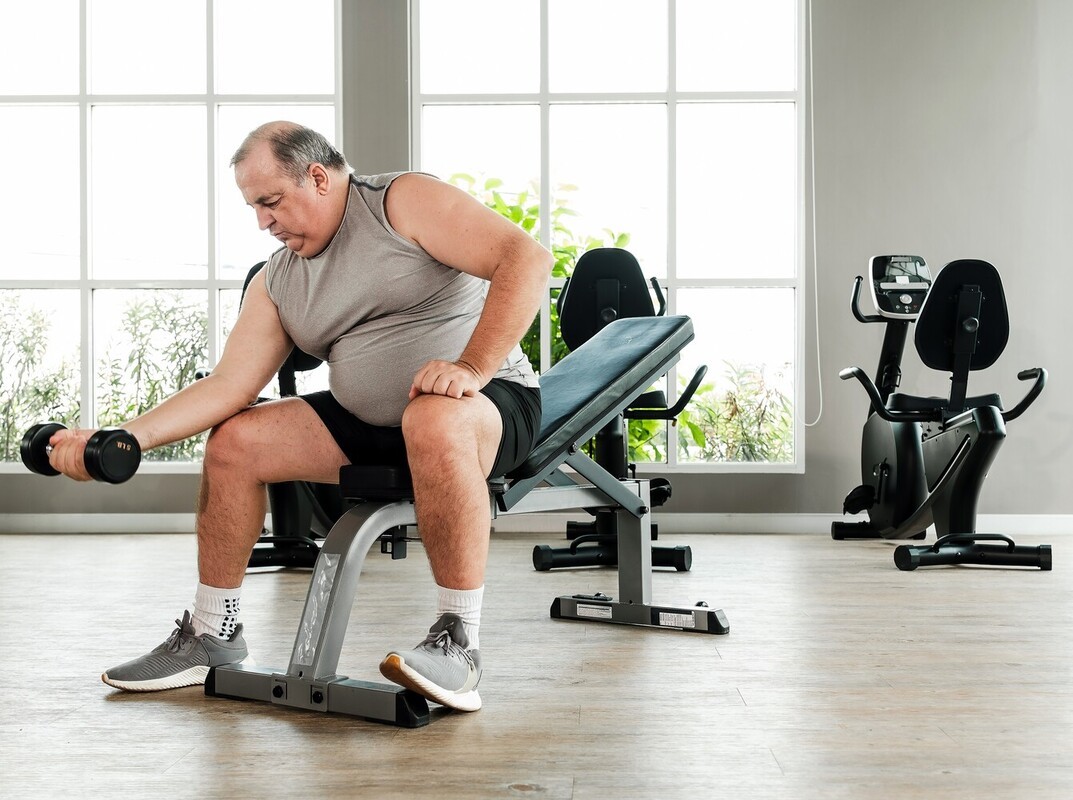
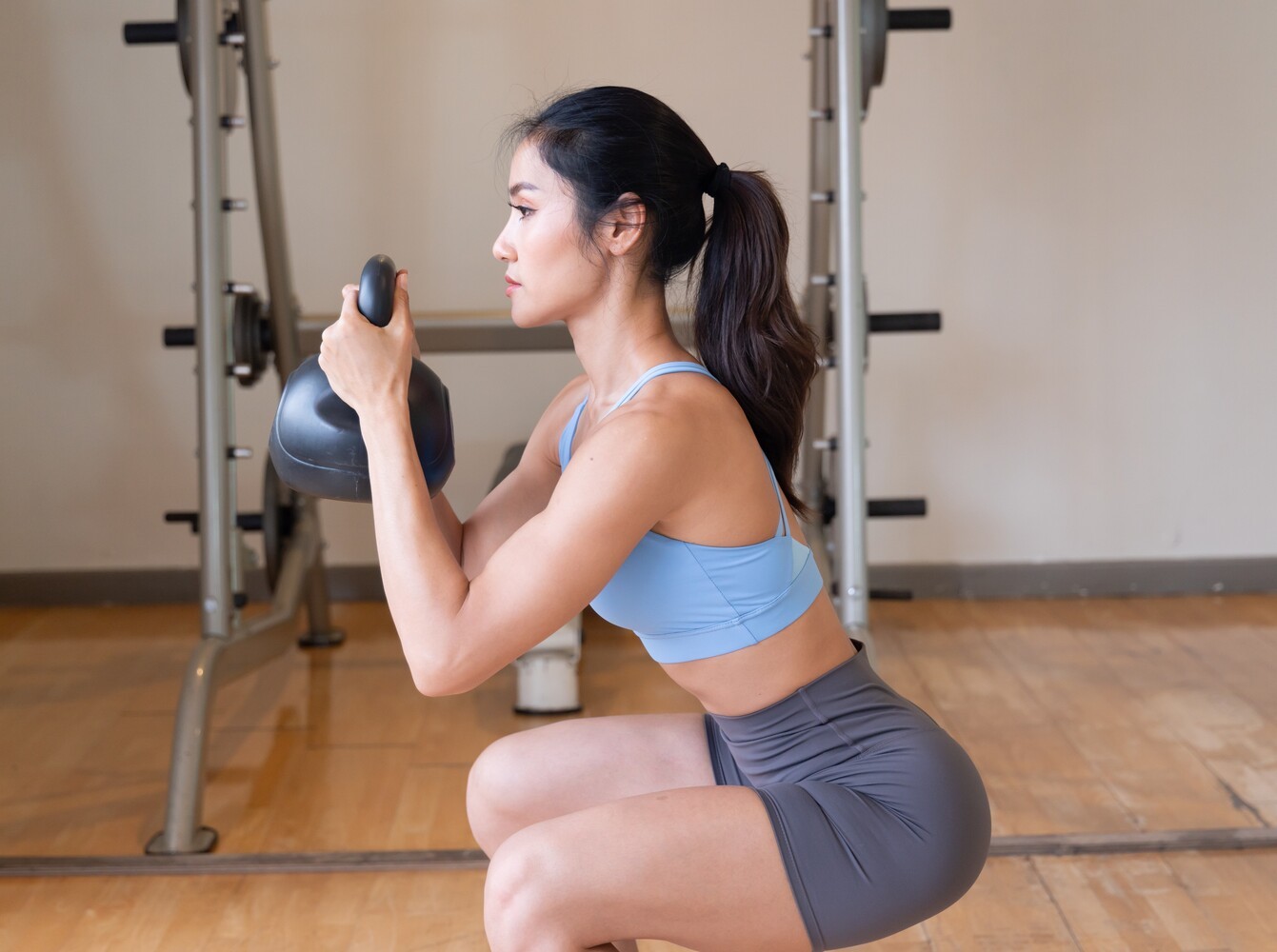
Start with goblet squats, holding one dumbbell at chest height. Then perform dumbbell rows, followed by a flat dumbbell chest press on a bench or floor. Add glute bridges and finish with a plank hold.
Perform two to three sets of eight to 12 reps for each movement, holding the plank for 20 to 30 seconds. Rest 60 to 90 seconds between sets. Choose weights that feel challenging by the final few reps. Move slowly, stay focused, and control each rep. This session builds strength and sets a strong foundation for your week.
If you want something a little more focused or guided, you can also try out a pilates routine for weight loss.
Day 2: Light Cardio or Walking
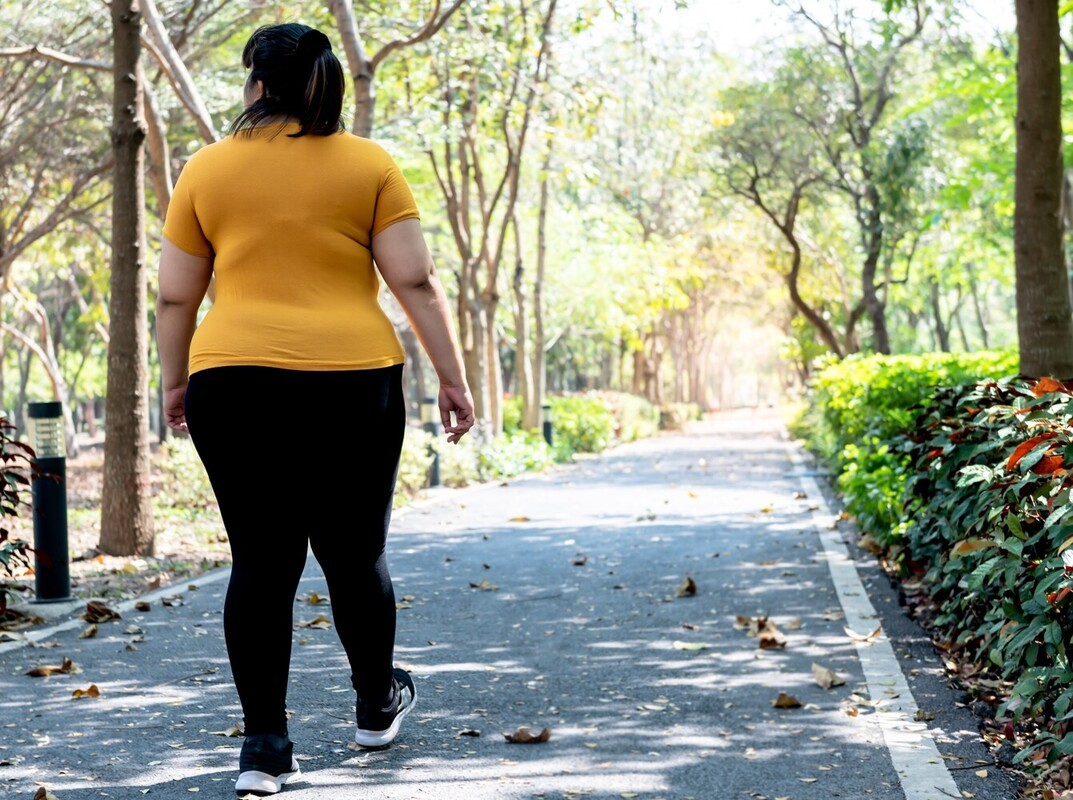
Go for a brisk walk for 25 to 40 minutes at a steady and consistent pace. Walk fast enough to feel slightly out of breath while still being able to speak in full sentences. If you prefer indoor options, use a treadmill with a slight incline or a stationary bike at low to moderate resistance.
Keep your posture upright and your pace controlled throughout the session. Avoid turning this into a high-intensity workout. The goal is steady movement that supports recovery from strength training. If you feel ready, add short one-minute increases in speed to gently challenge your endurance without adding unnecessary fatigue.
Day 3: Rest
Take a full rest day with no structured workouts to allow your body to recover properly. Strength training creates stress in your muscles, and recovery is when your body repairs and adapts. This process supports strength gains and helps reduce soreness over time.
You can include light stretching or weight loss yoga for your legs, back, and shoulders if it feels helpful. A short, easy walk is also fine, but keep the pace relaxed and low effort. Focus on hydration, balanced meals, and consistent sleep.
These habits support recovery and energy levels. Taking this day seriously helps you return stronger and more prepared for your next workout session.
Day 4: Full-Body Strength
Complete a second full-body workout with slightly different movements to continue building strength and coordination.
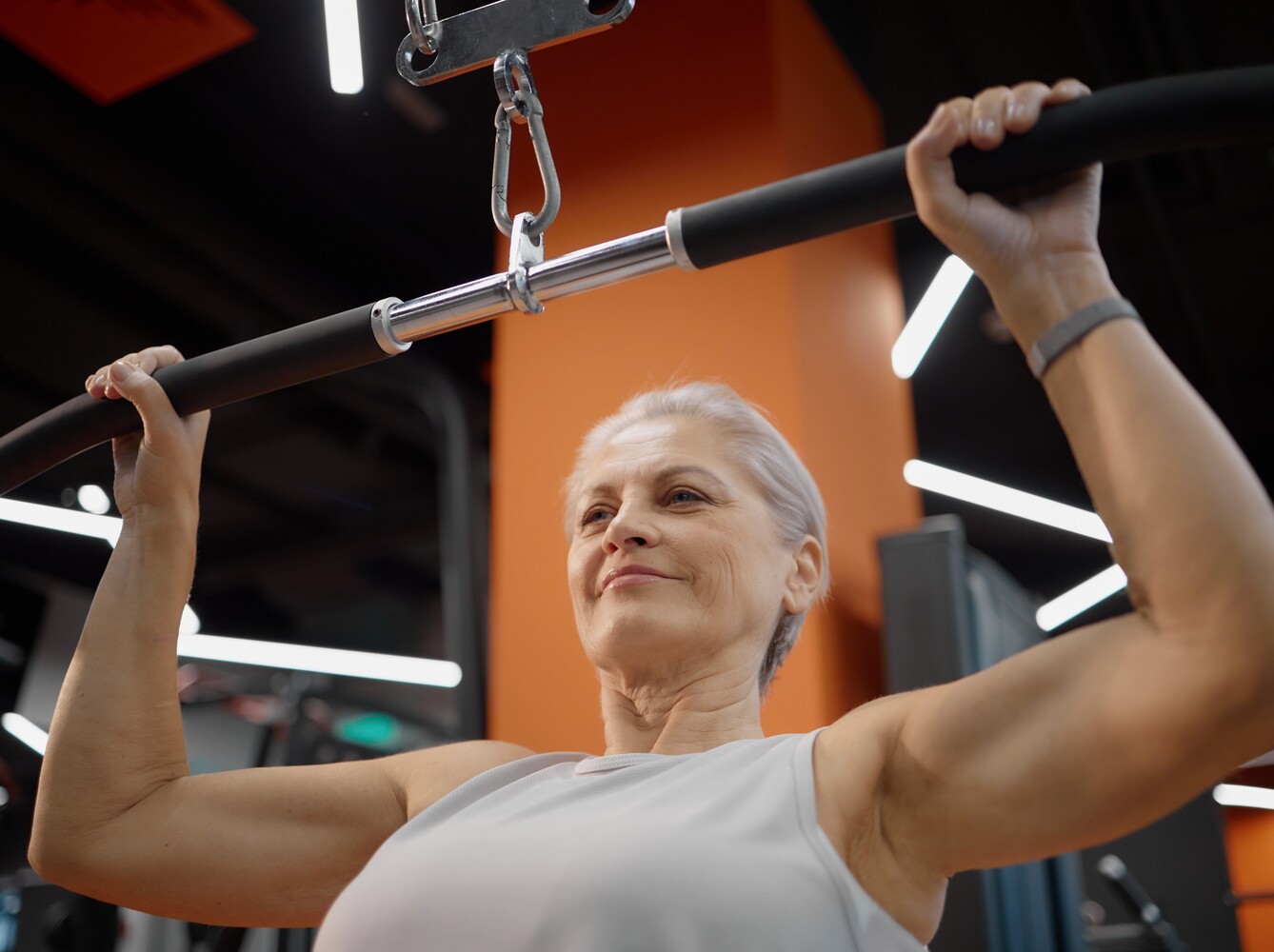
Start with reverse lunges, stepping back and lowering with control. Then perform a lat pulldown or assisted pull-up using a machine. Follow this with a seated dumbbell shoulder press. Add Romanian deadlifts using dumbbells and finish with a side plank on each side for 20 seconds.
Perform two to three sets of eight to 12 reps for each exercise. Rest 60 to 90 seconds between sets. Use similar or slightly heavier weights than Day 1 if your form stays solid. This session reinforces technique and supports steady progress.
Day 5: Light Cardio
Add another cardio session today to keep your weekly movement total up. Choose one option and stick with it for the full workout: a brisk walk, a bike ride, an elliptical session, or a moderate rower workout.
Aim for 25 to 40 minutes at a pace that feels steady and sustainable. You should feel warm and a little challenged, but not exhausted. To make the workout more engaging, increase your pace for one minute every five minutes, then settle back into your normal rhythm.
This structure keeps the session interesting while still supporting recovery. It also helps you build endurance and maintain momentum through the week.
Day 6: Optional Strength or Active Recovery
Use today as a flexible day based on your energy, soreness, and schedule. If you feel good, repeat the Day 1 workout with lighter weights and only two sets per exercise. Focus on technique, smooth reps, and good control rather than pushing hard.
If your body feels tired, choose active recovery instead. Take a 20 to 30 minute walk, then spend 10 minutes stretching your hips, hamstrings, shoulders, and upper back. Either option works.
The goal is to stay engaged without overdoing it. This day helps you build consistency, practice movement quality, and avoid the all-or-nothing mindset that often derails beginners. That balance supports long-term progress and better recovery.
Day 7: Rest
Finish the week with a true rest day so your body can reset before the next round of workouts. Skip structured exercise and give your muscles time to recover fully. Gentle movement is fine if it feels relaxing, so an easy walk or a few light stretches can stay in the plan. Keep the effort low.
Use a few minutes today to review how the week felt. Notice which exercises felt comfortable, which ones felt awkward, and where you may need lighter or heavier weights next time.
This reflection makes next week easier to follow. A good routine includes recovery, reflection, and a clear plan for what comes next.
Common Beginner Mistakes to Avoid
Starting out with weight lifting can feel straightforward, but a few common mistakes can slow your progress or lead to frustration early on. Knowing what to watch for helps you stay consistent, avoid setbacks, and build a routine that actually works.
Doing Too Much Too Soon
Jumping into intense workouts right away can feel exciting, but it often leads to burnout or soreness that makes it hard to stay consistent. Many beginners try to lift heavy and train every day, which usually backfires quickly.
Start with manageable weights and shorter sessions instead. Focus on learning proper form and building a routine you can repeat each week. Progress comes from consistency over time.
If you have any underlying health conditions or concerns, check with your doctor before starting or changing your routine. Stop if you feel any dizziness, pain, or unusual symptoms.

Skipping Rest Days
Skipping rest days can slow your progress, even if it feels like you’re doing more. Your muscles need time to recover after strength training, and that recovery is when they repair and grow stronger.
Without enough rest, fatigue builds up, and workouts start to feel harder. You may notice lower energy or ongoing soreness. Planning rest days helps your body stay balanced and ready for the next session. Light movement like walking or stretching is fine, but keep it low effort so your body has time to recover properly.
Ignoring Nutrition
Your workouts matter, but your eating habits play a major role in your results. Skipping meals or under-eating can leave you feeling tired and limit your progress in the gym. Your body needs consistent fuel to recover, build muscle, and support fat loss.
This often includes regular meals and enough protein throughout the day. Small changes can make a noticeable difference over time. Paying attention to how you eat can improve your energy during workouts and help you stay consistent with your routine.
Not Tracking Progress
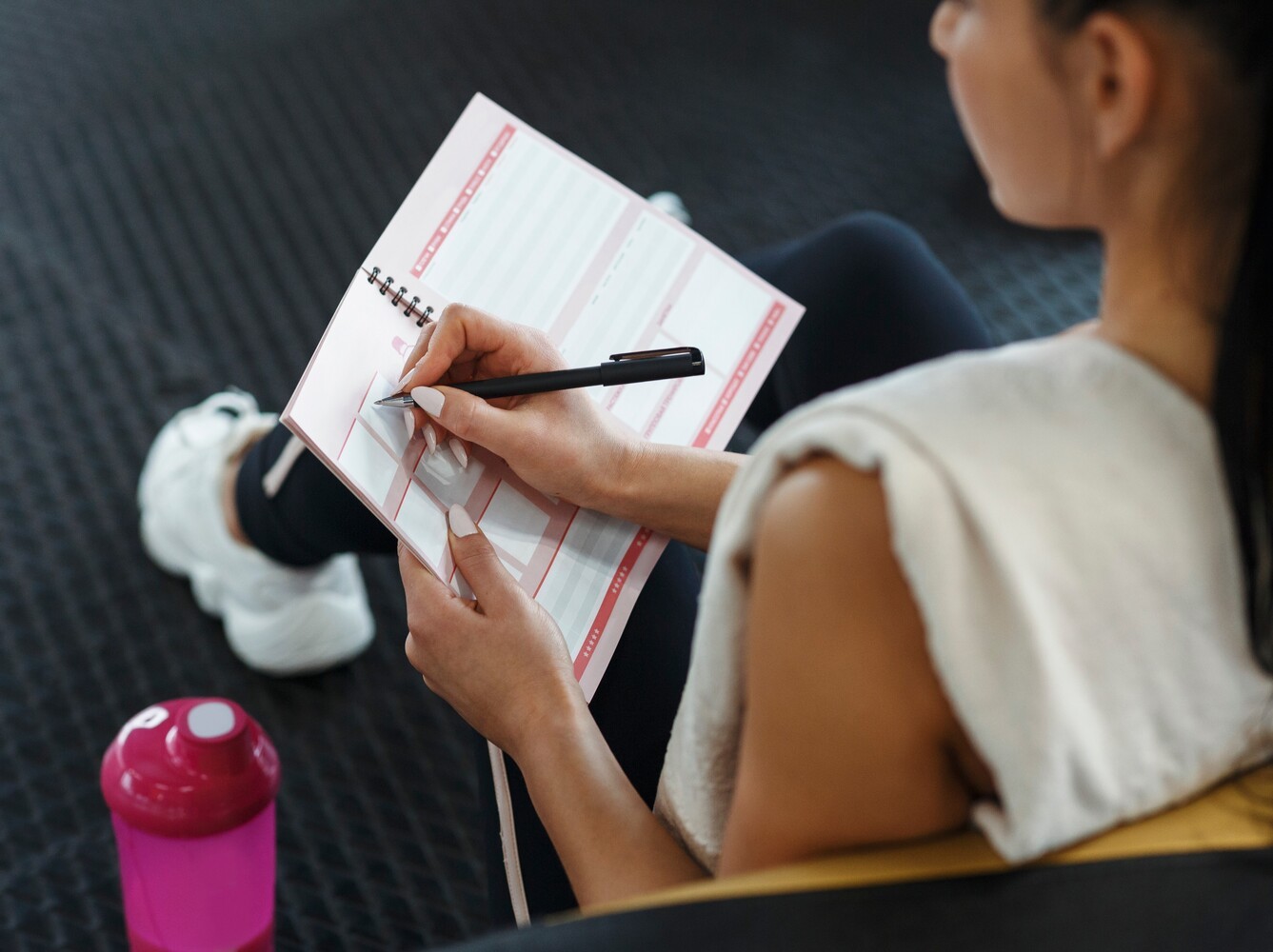
Without tracking your workouts, it’s difficult to know if you’re improving or repeating the same effort each week. Many beginners rely on memory, which can make it easy to miss small changes over time.
Writing down your exercises, weights, and reps helps you see progress clearly. This makes it easier to know when to increase weight or adjust your routine. Tracking also keeps you motivated because you can see improvement from week to week. A simple note on your phone or a small notebook works well and keeps your training focused.
How to Know When You’re Ready to Do More
You’re ready to increase your training when your current workouts start to feel manageable, and your form stays consistent from start to finish. You might notice you can complete all your reps without struggling or recover more quickly between sets. That’s a good sign.
Progress can mean adding a small amount of weight, increasing reps, or including an extra set. Pay attention to how your body responds. If you feel strong, energized, and able to maintain good technique, it’s likely time to move forward.
Gym Workouts, Machines, and Cardio Tools That Support Weight Loss
Using the right tools at the gym can make your workouts more efficient and easier to stick with over time. Knowing how to use machines, free weights, and cardio equipment together helps you build a routine that supports steady progress.
Free Weights vs Machines for Weight Loss
Both free weights and machines can support weight loss, and each has its own advantages depending on your experience level and comfort in the gym. Free weights require more control and coordination, while machines provide structure and guidance as you learn.
Free weights:
Engage more stabilizing muscles and support overall strength
Allow for more natural movement patterns
Offer greater exercise variety and flexibility
Machines:
Easier to learn, especially for beginners
Help guide proper form and reduce guesswork
Provide stability, which can feel more comfortable early on
Using a mix of both can help you build confidence and stay consistent.
The Best Gym Machines for Burning Calories
Certain machines can help you increase your heart rate quickly while still keeping your workouts controlled and manageable. Choosing the right ones makes it easier to stay consistent and get more out of your time at the gym.
1. Treadmill
The treadmill is a practical choice for beginners and experienced gym-goers alike. You can use it for walking, jogging, or short intervals, which makes it easy to match your fitness level.
Speed and incline are simple to adjust, so the workout can stay manageable or become more challenging. Incline walking is especially useful if running feels too intense. It raises effort without adding impact.
Using a treadmill for weight loss works well for building endurance, supporting calorie burn, and giving you a straightforward cardio option that fits almost any routine.
2. Rower
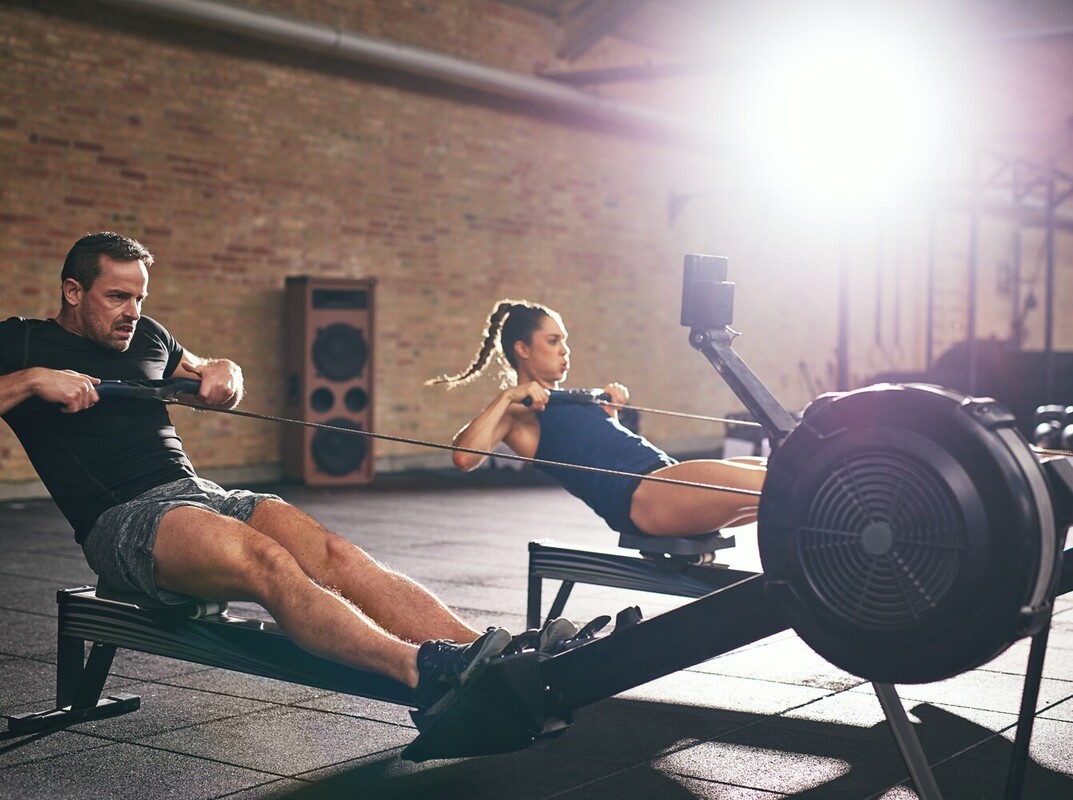
The rower gives you a full-body workout, which is part of what makes it so effective. Each stroke uses your legs, core, back, and arms, so your heart rate climbs quickly.
Start with a steady pace and focus on smooth technique rather than speed. Push with your legs first, then finish the pull with your upper body.
You can use the rower for longer moderate sessions or short intervals. It is a strong option when you want cardio that also feels muscular and engaging.
3. Stair Climber
The stair climber is a tough lower-body machine that can raise your heart rate fast. It places a steady demand on your glutes, quads, calves, and lungs, which makes it useful for calorie-burning workouts.
Start with a pace you can maintain and keep your posture upright. Try not to lean heavily on the handrails. That reduces the challenge.
Short sessions can feel demanding, especially if you increase speed gradually. The stair climber works well for building endurance, improving leg strength, and adding variety when you want something more intense than walking.
4. Elliptical
The elliptical is a helpful option if you want cardio with less impact on your joints. Your feet stay in contact with the pedals, which can make the workout feel smoother than running. You can adjust resistance and incline to increase effort without needing high speed. Using the moving handles also brings your upper body into the session.
Keep your movement controlled and upright from start to finish. The elliptical works well for steady cardio days, longer sessions, and times when you want a challenging workout that feels manageable.
5. Exercise Bike
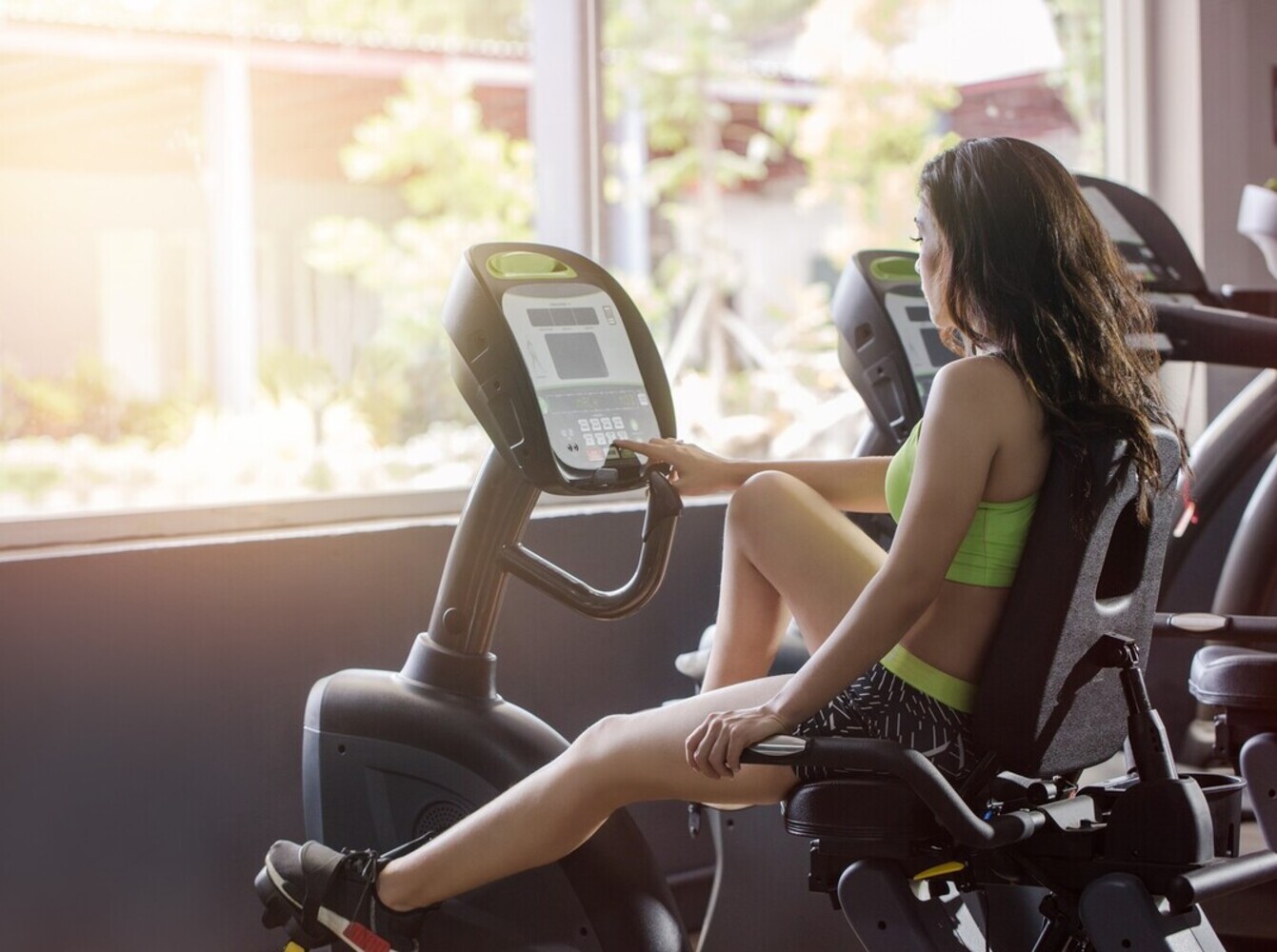
The exercise bike is an accessible machine that works well for many fitness levels. It is easy to adjust, simple to learn, and useful for both steady rides and intervals.
Start with moderate resistance and keep your pace smooth and controlled. You should feel your legs working without losing posture. Seated cardio can feel more approachable for beginners, which helps with consistency.
You can gradually add resistance or short pushes of speed as your fitness improves. The bike is a practical choice when you want an effective workout.
The Best Strength Machines for Beginners
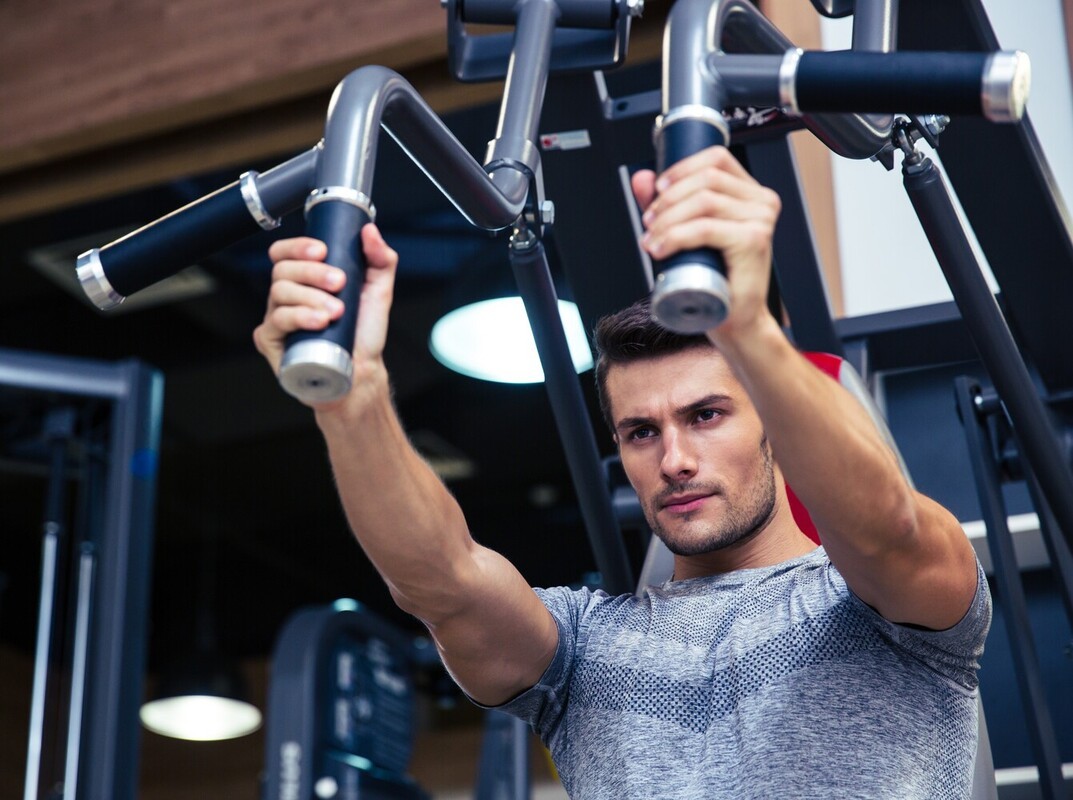
Strength machines can help beginners learn movement patterns with more control and less guesswork. They guide your range of motion, which can make lifting feel more approachable early on:
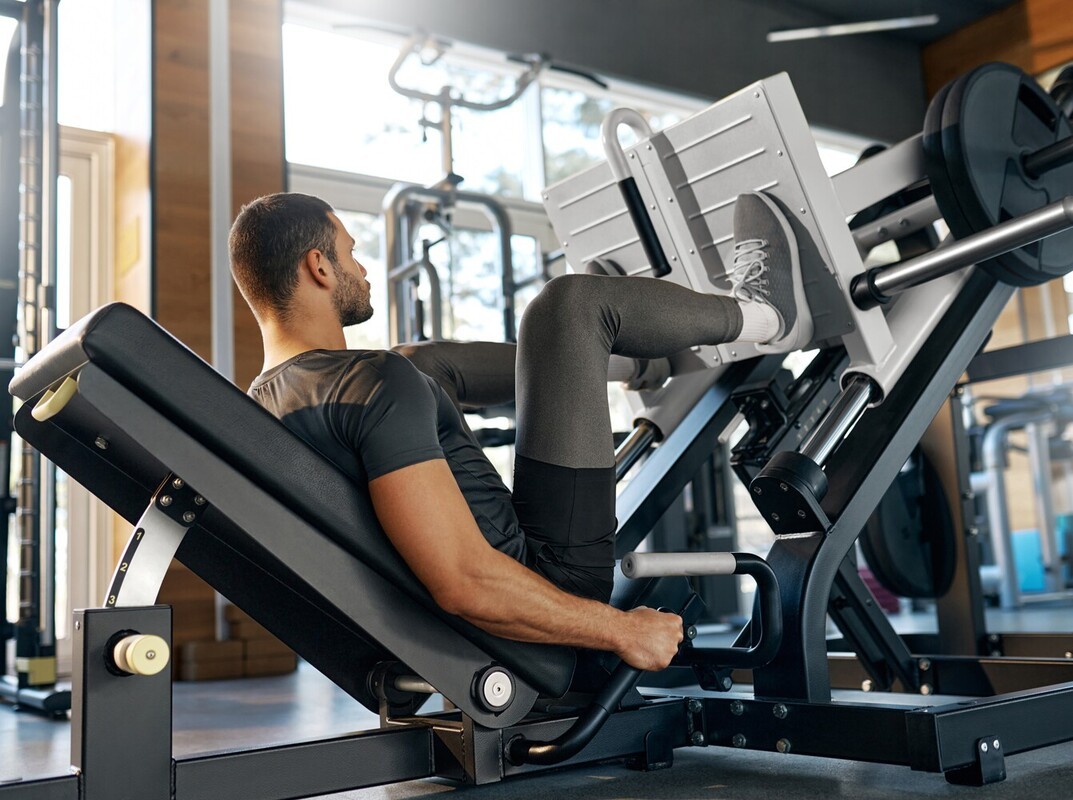
Leg press: Targets quads and glutes while supporting your back
Chest press: Builds upper-body strength with controlled pushing movement
Lat pulldown: Strengthens your back and improves pulling mechanics
Seated row: Helps develop posture and upper-back strength
Shoulder press: Works the shoulders while providing stability through the machine
How to Combine Machines and Weight Lifting in One Session
Combining machines and free weights in one workout can make your routine more balanced and effective. Start with movements that require more focus, then move to machines for support:
Begin with free weights: Perform squats, rows, or presses first
Move to machines next: Use a leg press or chest press to continue training safely
Keep rest consistent: Aim for 60 to 90 seconds between sets
Finish with light cardio: Add 5 to 10 minutes to increase overall effort
Weight Lifting for Weight Loss for Women
Strength training can be a powerful and effective part of a weight loss plan for women at any fitness level. With the right structure and approach, it can support fat loss, build strength, and improve overall confidence in the gym.
How a Women’s Weight-Loss Lifting Plan Should Be Structured
A women’s weight-loss lifting plan should focus on full-body strength, consistency, and gradual progression. Training three to four days per week works well and allows time for recovery between sessions.
Each workout should include compound movements like squats, rows, and presses, along with a few smaller exercises for balance. Aim for 8 to 12 reps per set to support strength and fat loss. Keep rest periods moderate so workouts stay efficient.
Over time, increasing weight or reps helps maintain progress and keeps your routine challenging.
Beginner Gym Workout Ideas for Women
Starting with simple, structured workouts can help build confidence and make the gym feel more approachable. Focus on movements that are easy to learn and cover major muscle groups.
Dumbbell full-body circuit: Squats, rows, and presses for balanced strength
Machine-based workout: Leg press, chest press, and lat pulldown for guided movement
Bodyweight routine: Squats, lunges, and incline push-ups to build control
Resistance band session: Rows, glute bridges, and shoulder work for low-impact strength
How to Start Lifting Weights if You’re New to the Gym
Starting at the gym can feel overwhelming, but keeping things simple makes it easier to stay consistent. Begin with a few basic movements like squats, rows, and presses using light weights or machines.
Focus on learning proper form before increasing intensity. Plan two to three sessions per week so your body has time to recover. Building confidence takes time, and that’s normal.
If you want extra support, you can connect with a Registered Women’s Health Dietitian through Berry Street to create a plan that fits your routine.
Weight Loss Workout Planning for Men
Building a structured plan can help make your workouts more effective and easier to stay consistent with over time. A clear approach allows you to balance strength training, conditioning, and recovery in a way that supports steady weight loss.
What a Men’s Weight-Loss Plan Should Prioritize
A men’s weight-loss plan should prioritize compound lifts, progressive overload, and a schedule that can be followed consistently. Exercises like squats, rows, deadlifts, and presses train more muscle at once, which helps increase overall energy use.
Progressive overload matters too. That means gradually increasing weight, reps, or training quality over time. Strength and muscle development support long-term fat loss by helping maintain metabolic function during a calorie deficit.
A solid plan should also include realistic workout frequency, clear progression, and enough recovery to keep performance moving in the right direction.
How to Balance Lifting, Conditioning, and Recovery
Balancing lifting, conditioning, and recovery starts with giving each one a clear role in your week. Strength training should be the foundation, with two to four lifting sessions focused on major movement patterns. Conditioning can be added through walking, cycling for weight loss, intervals, or short cardio sessions on separate days or after lifting.
Recovery needs to be planned, not assumed. That includes rest days, sleep, and enough food to support training. When these pieces work together, workouts feel more productive, energy stays steadier, and it becomes easier to avoid burnout or aches.
Why You’re Lifting Weights but Not Losing Weight
It can feel frustrating when you’re putting in the effort but not seeing changes on the scale. In many cases, there are a few common factors that can slow progress, even when your workouts are consistent.
1. Scale Weight vs Body Composition Changes
The scale does not always reflect what is happening in your body. When you start lifting weights, you may gain some muscle while losing fat at the same time. That can keep your weight stable, even when progress is happening.
A tighter waistband, looser jeans, or better muscle definition can tell a more useful story. Strength gains matter too. If you are lifting more, moving better, and feeling stronger, your routine is likely working. Looking only at scale weight can make you miss meaningful changes.

2. Eating More Than You Realize
It is very easy to eat more than you think, especially when portions slowly grow, or small bites stop feeling important. Extra handfuls of snacks, calorie-heavy drinks, and restaurant meals can add up fast. That doesn’t mean you need to track every crumb. It does mean awareness helps.
Paying attention to hunger, fullness, and eating patterns can make a real difference. If you want support that feels realistic and less stressful, connect with a Registered Intuitive Eating Dietitian through Berry Street for personalized guidance.
3. Water Retention, Stress, and Recovery
Sometimes the issue is not fat loss. It is water retention. Hard workouts can cause temporary inflammation, and poor sleep or high stress can affect fluid balance, too. That means the scale may rise or stay the same, even when your habits are solid.
This can feel discouraging. It is also common. If you have been training consistently, sleeping poorly, and feeling stressed, your body may simply need more recovery. Looking at weekly trends instead of daily weigh-ins can give you a clearer picture of what is actually changing.
4. Doing Too Little Daily Movement Outside the Gym
Your workouts matter, but so does what happens during the rest of the day. If you lift for 45 minutes and then sit for most of your waking hours, your overall energy use may still stay fairly low.
Daily movement adds up. Walking around the block, taking the stairs, doing household tasks, and standing more often can all support weight loss. These actions may seem small, but they count. Many people overestimate the impact of workouts and underestimate the value of staying active between them. Both pieces matter.

5. When Your Program Needs to Change
If your progress has stalled for several weeks, your program may need an update. Doing the same workout with the same weights, same reps, and same rest periods can eventually stop challenging your body. That’s normal.
You might need to increase resistance, add a set, shorten rest, or change your exercise selection. In some cases, the issue is recovery rather than effort. A better plan is not always a harder one. Looking at your routine honestly can help you figure out whether you need more challenge, more structure, or more recovery.
Can You Lose Weight Without Going to the Gym?
You can lose weight without going to the gym if your routine supports consistent movement and balanced eating habits. Where you exercise matters less than what you do regularly. Walking, at home exercises to lose weight, and staying active throughout the day can all contribute to progress.
Many people see results by building simple routines they can repeat each week. The key is staying consistent over time. When movement, daily habits, and food choices align, weight loss becomes more achievable without needing a gym setting.
Can You Lose Weight Without Working Out?
Weight loss without structured workouts is possible, but it can make it harder to maintain muscle and support long-term metabolic health. Daily movement becomes even more important in this case, as well as a calorie deficit and good nutrition. Activities like walking, standing more often, and staying physically active throughout the day can help increase energy use.
However, without strength training, your body may lose some muscle along with fat. That can affect strength and how your body feels over time. Adding even simple resistance exercises can help support better outcomes.

Home-Based Strength Options That Mimic Gym Training
You can build an effective strength routine at home using simple equipment and structured movements. Dumbbells allow you to perform exercises like squats, rows, and presses with control. Resistance bands can add tension and are easy to adjust based on your strength level. Bodyweight exercises like push-ups, lunges, and glute bridges can also be effective when done with proper form.
The key is choosing movements that challenge your muscles and repeating them consistently. With a clear plan, home training can closely match what you would do in a gym setting.
Walking, Bodyweight Work, and Resistance Bands
Walking, bodyweight exercises, and resistance bands are practical tools that fit easily into most routines. Walking helps increase daily activity and supports overall energy use. Bodyweight movements like squats, push-ups, and lunges help build strength without equipment. Resistance bands add another layer of challenge and can be used for rows, presses, and lower-body exercises.
Combining these options creates a balanced routine that supports both strength and movement. This approach works well for beginners and anyone looking for a simple, flexible way to stay active.
What Matters Most if You’re Not Using a Gym
When you are not using a gym, consistency becomes the most important factor for progress. A simple routine done regularly will be more effective than a complex plan that is hard to follow.
Progressive challenge also matters. This means gradually increasing reps, resistance, or difficulty over time so your body continues to adapt. Supportive eating habits play a major role as well.
Together, these elements create a structure that supports fat loss and strength. Keeping your routine realistic and repeatable makes it easier to stay consistent and continue making progress.
Nutrition and Recovery Habits That Make Weight Lifting Work Better for Weight Loss
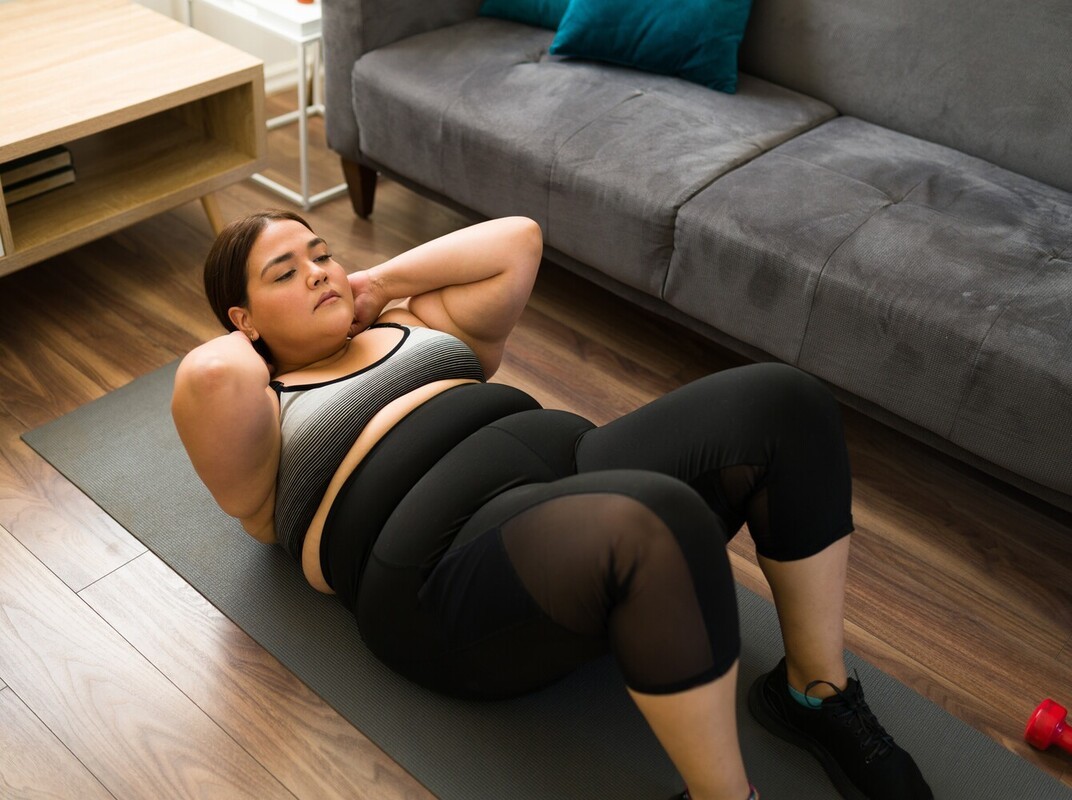
What you do outside the gym plays a major role in the results you see from weight lifting. Nutrition, sleep, and recovery habits all work together to support fat loss, energy levels, and consistent progress.
Why Exercise Alone Usually Isn’t the Whole Answer
Exercise helps create momentum, but your eating habits strongly influence the results you see. You can lift consistently and still feel stuck if meals are irregular, portions are hard to gauge, or recovery is poor.
Weight loss usually works best when training and daily habits support each other. That combination tends to feel more sustainable and more effective.
Protein, Meals, and Consistency
Protein helps protect muscle while you’re trying to lose fat, which matters when you’re lifting weights regularly. Regular meals can also support energy, recovery, and workout performance.
Skipping meals often leads to low energy during training or overeating later. A steadier routine with balanced meals makes it easier to stay consistent and feel stronger.
Sleep, Stress, and Recovery
Sleep and stress management affect more than mood. They can influence hunger, cravings, energy, and recovery from workouts. Poor sleep can make training feel harder and leave you less motivated to stay active. High stress can also affect appetite and daily habits. Prioritizing rest helps your body recover and supports more stable progress over time.
How to Support Fat Loss Without Extreme Rules
Fat loss tends to be more manageable when your plan feels realistic enough to follow consistently. Small changes often work better than strict rules that are hard to maintain.
That could mean adding protein to breakfast, walking more often, or planning meals ahead a few days at a time. Simple habits repeated regularly usually lead to better long-term results.
Weight Lifting FAQs
How many calories do you burn lifting weights?
It varies based on intensity, body size, and workout structure, but most people burn around 100 to 300 calories per session. Higher intensity workouts or full-body sessions tend to burn more.
What cardio is best to combine with weight lifting for weight loss?
Walking, cycling, swimming for weight loss, and interval training are all effective options. The best choice is one you enjoy and can do consistently alongside your lifting routine.
What machines should beginners use at the gym to lose weight?
Beginners can start with machines like the leg press, chest press, and lat pulldown to build confidence and learn movement patterns. These provide stability while still helping you build strength.
Do you have to work out every day to lose weight?
No, you don’t need to work out every day to lose weight. Three to four well-structured sessions per week, combined with daily movement, are often enough.
Is powerlifting good for weight loss?
Powerlifting can support weight loss by building strength and muscle, which helps increase calorie burn over time. It’s most effective when paired with supportive nutrition and some additional activity.
Does weight lifting cause hair loss?
No, there’s no evidence that weight lifting causes hair loss. Hair loss is usually related to genetics, stress, or underlying health factors.
What does “cutting” mean in weight lifting?
Cutting refers to a phase where the goal is to reduce body fat while maintaining as much muscle as possible. It typically involves adjustments to both training and eating habits.
Are gym supplements necessary for weight loss?
No, supplements aren’t necessary for weight loss. Most people can meet their needs through consistent training and balanced meals.
Conclusion
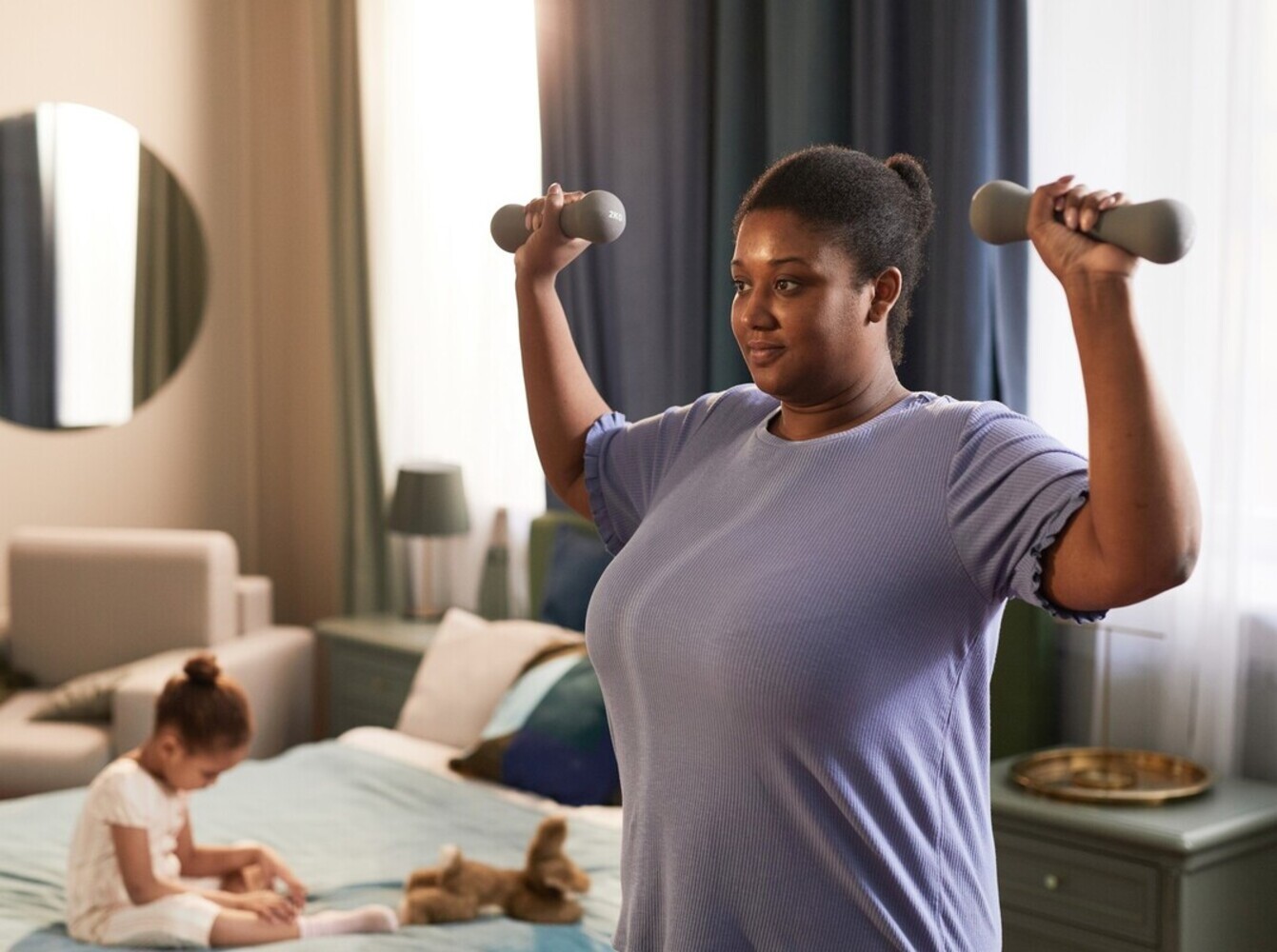
Weight lifting offers a practical and effective way to support fat loss while building strength, improving body composition, and making results easier to maintain over time. When it’s paired with consistent habits, daily movement, and supportive eating patterns, progress tends to feel more stable and less frustrating.
We often see that people who include strength training in their routine feel more confident, more capable, and more in control of their goals. If you’re ready to create a plan that works for your lifestyle, you can connect with a Registered Dietitian through Berry Street for personalized support.