Weight loss can feel confusing when workouts are inconsistent, progress stalls, and advice online points in every direction. Finding a clear weight loss workout plan can make exercise feel more approachable and purposeful.
This article breaks down how workouts support fat loss, why strength training and cardio both matter, and how recovery, fueling, and consistency fit into the bigger picture.
As Registered Dietitians, we often see how training and nutrition overlap in real life, even when exercise feels overwhelming. The goal here is to help you understand how workouts fit into weight loss, what actually drives results, and how to build routines you can stick with over time.
Disclaimer: The information and sample training structures provided in this article are intended for educational purposes only. These are suggestions and should be treated as examples or general guides rather than medical advice. Please consult with your healthcare provider, Registered Dietitian (RD), and a personal trainer before starting a new workout routine or making significant changes to your physical activity.

What Is a Weight Loss Workout Plan?
A weight loss workout plan is a structured approach to movement designed to support fat loss while maintaining muscle and overall health. It includes planned strength training, intentional cardio for weight loss, and recovery days that fit into real-life schedules.
Instead of relying on random workouts or daily calorie burn targets, this approach focuses on improving how your body uses energy over time. A consistent plan helps regulate appetite, support metabolism, and improve physical capacity.
The goal is steady progress that feels manageable week to week, rather than pushing intensity so hard that fatigue, soreness, or burnout derail consistency.

The Goal of a Weight Loss Workout Plan
The goal of a weight loss workout plan goes beyond what the scale shows on a given morning. From our experience as Registered Dietitians, the best plans improve body composition by lowering fat while protecting lean muscle. Muscle supports metabolism, strength, and daily function, especially during a calorie deficit.
For example, two people can lose 10 pounds, but the one who keeps muscle often climbs stairs more easily and feels steadier in workouts.
A strong plan also builds routine, so workouts happen even on busy weeks. Add simple targets, like improving your leg press by 10 pounds over a month. Over time, that structure makes maintenance far more realistic.
Why “More Exercise” Isn’t Always Better
More exercise can backfire when it’s unstructured or stacked on top of poor recovery. Too many hard sessions can increase soreness, disrupt sleep, and leave you drained at work. We often see beginners add long cardio every day, then feel very hungry at night and skip strength training. That pattern can stall fat loss and increase muscle loss.
A smarter approach plans effort and rest. Try strength on Monday and Thursday, moderate cardio on Tuesday and Friday, and an easy walk on Wednesday or Saturday. Keep at least one full rest day if your legs feel heavy or your sleep worsens. Your body recovers, and your progress keeps moving.
Why Strength Training Matters for Weight Loss
Strength training matters because it helps preserve lean mass while you’re losing weight. Lean mass supports metabolic health, keeps daily energy expenditure higher, and improves how your body looks as fat comes off. Resistance work also strengthens bones and joints and can improve insulin sensitivity.
Good beginner options include leg press or goblet squats, cable rows, dumbbell chest press, and a hinge like Romanian deadlifts. Train with controlled reps and leave one to two reps in the tank. Rest 60 to 90 seconds between sets so form stays solid.
Do this two to four days per week, and many people notice better energy, firmer shape, and fewer plateaus.
How Nutrition and Training Work Together
Nutrition and training work best as a team, especially when weight loss goals are involved. Eating enough supports stronger workouts and better recovery, which helps preserve muscle.
Carbs before training can improve performance, like a banana with peanut butter before lifting or oats before an incline walk. After training, protein within 30 to 60 minutes supports repair, such as a turkey sandwich, cottage cheese with fruit, or a protein smoothie.
When intake is too low, workouts feel harder, strength drops, and soreness lingers. Fueling well keeps training quality high, so the calorie deficit comes from a sustainable plan, not constant exhaustion.
To get personalized support that aligns your nutrition with your workouts, you can connect with a Registered Weight Loss Dietitian through Berry Street.

How Weight Loss Actually Works in the Body
Weight loss can feel complicated when results don’t match effort, especially when workouts are consistent. Understanding what’s happening inside the body helps explain why certain strategies work better than others and why patience and consistency matter.
Calories, Energy Balance, and Fat Loss
Weight loss requires a calorie deficit, meaning your body uses more energy than it takes in over time. That deficit comes from a combination of nutrition choices and movement, not extreme cuts.
Very low intake often leads to low energy, weaker workouts, and stalled progress. A moderate deficit allows you to train well and recover between sessions.
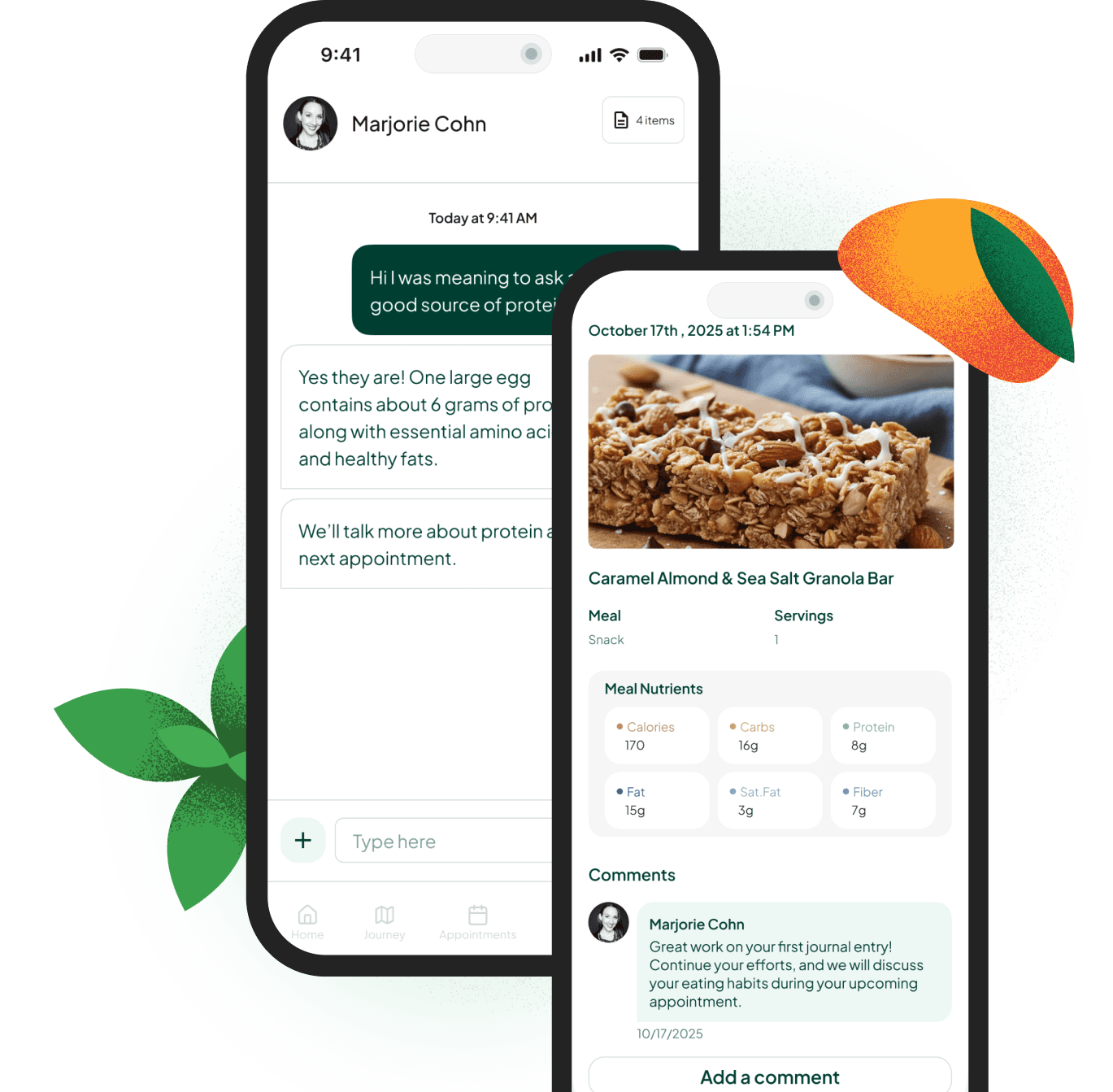
Tracking can help here. The Berry Street app can help you estimate calorie needs and set a realistic deficit based on your goals and activity. This approach supports steady fat loss, protects muscle, and reduces the cycle of restriction and rebound eating over the long term.
Muscle, Metabolism, and Long-Term Results
Maintaining muscle plays a major role in long-term weight loss success. Muscle tissue requires more energy to maintain than fat, which keeps daily energy expenditure higher. It also supports strength, balance, and confidence as body weight changes.
When muscle is lost, metabolism slows, and everyday tasks can feel harder. That often increases the risk of regaining weight.
Strength training sends a signal to the body to hold onto muscle during a calorie deficit. Lifting weights two to four times per week helps preserve lean mass, supports joint health,

Cardio vs Strength for Weight Loss
Cardio and strength training each contribute differently to weight loss. Cardio increases calorie burn and improves heart and lung health, which supports overall endurance. HIIT can raise intensity in a shorter session, making it useful for busy schedules.
Strength training helps preserve muscle and supports metabolic health as weight changes. From our experience, combining these approaches produces more consistent results.
For example, lifting weights three days per week and adding one or two cardio sessions balances fat loss and recovery. The right mix depends on fitness level, stress, and how quickly you recover between workouts over the long term for most people.
Recovery, Sleep, and Hormones
Recovery plays a central role in how effectively your body loses fat. Poor sleep, chronic stress, and under-fueling disrupt hormones that regulate hunger and energy use. This can increase cravings and make workouts feel harder than they should. Lack of recovery also raises injury risk and slows progress.
Prioritizing seven to nine hours of sleep, staying hydrated, and scheduling rest days helps training adaptations stick. Light movement on recovery days, like walking or stretching, supports circulation without adding stress. When recovery improves, energy levels rise, and weight loss efforts tend to feel more manageable over weeks and months of consistency.

How to Build a Weight Loss Workout Schedule That Fits Your Life
A workout schedule only works when it fits into your actual day, not an ideal one. When training aligns with your time, energy levels, and recovery needs, it becomes easier to stay consistent and see progress build week after week.
Work Out How Many Days a Week to Train
How many days you train each week should match your experience level and recovery needs. Beginners often see progress with three to four sessions because the body adapts quickly and needs rest between workouts.
Intermediate exercisers may handle four to five days as strength, coordination, and work capacity improve. Advanced trainees can train five to six days, but only when sleep, fueling, and recovery are consistent.
More days are not automatically better. A schedule that leaves you exhausted or skipping sessions will stall progress. Choose a weekly frequency you can repeat even during busy weeks, because consistency drives results over time for long-term success.
Balance Cardio and Strength Training
Balancing cardio and strength training helps support fat loss without draining energy. Strength sessions build and protect muscle, while cardio increases calorie burn and improves endurance.
Many people do well alternating days, such as lifting on Monday and cardio on Tuesday. Others prefer adding a short walk or bike ride after strength training. Both approaches can work.
The key is managing fatigue. Too much cardio can interfere with strength progress, while skipping cardio entirely may limit conditioning. Aim for two to four strength days and one to three cardio sessions weekly, adjusted to how your body feels across different training phases.

Decide Between Full Body vs Split Routines
Choosing between full-body and split routines depends on experience and schedule. Full-body workouts train major muscle groups in one session, making them efficient for beginners with limited time. They also allow frequent practice of basic movements.
Split routines separate training by muscle group or movement pattern, such as upper and lower body days. This structure supports higher volume and more targeted strength work.
Experienced lifters often benefit from splits because recovery improves between sessions. If time is tight, full-body training three days per week works well. If you enjoy longer sessions, splits may feel more sustainable for consistent weekly progress.
Adjust Based on Lifestyle and Fitness Needs
Lifestyle factors play a big role in how workouts fit into your week. Work schedules, family responsibilities, sleep, and stress all affect recovery and energy. During busy weeks, shorter sessions of 20 to 30 minutes still support progress. Reducing volume or intensity temporarily helps prevent missed workouts.
For example, one full-body lift and two walks may be more realistic than five gym sessions. Flexibility allows you to adjust without guilt.
Over time, these adjustments help maintain momentum and prevent burnout. A plan that adapts to your life is more likely to last as goals and circumstances change throughout the year.

Beginner Weight Loss Workout Plans (Step-by-Step)
Starting a new workout routine can feel overwhelming when you’re not sure where to begin. A step-by-step approach removes guesswork and helps build confidence as your body adapts to regular movement.
How Beginners Should Approach Weight Loss Training
Beginners see the best results when the focus is on building habits rather than pushing intensity. Starting with manageable weights allows you to learn proper movement patterns and reduce injury risk.
For example, using lighter dumbbells for squats or presses helps reinforce control and confidence. Early workouts should feel challenging but repeatable. That consistency matters more than soreness or exhaustion.
As weeks pass, strength and coordination improve naturally. Intensity can increase through small weight jumps or extra repetitions.
Giving your body time to adapt builds trust in the process. Those first months create a routine that supports long-term weight loss and steady progress.
Beginner Gym Workout Plan
Walking into a gym for the first time can feel overwhelming, especially when weight loss is the goal. This beginner gym workout plan removes the guesswork by laying out exactly which machines and exercises to use, how to perform them, and how to progress safely over the week:
Day 1: Full Body Strength Using Machines
Start with a five-minute warm-up on the treadmill at an easy walking pace. Then move to the leg press machine and perform 2 sets of 10 to 12 reps using a weight that feels challenging but controlled. Next, use the seated chest press machine for 2 sets of 10 reps, followed by the lat pull-down machine for 2 sets of 10 reps.
Finish with the seated leg curl machine for 2 sets of 12 reps. This workout targets major muscle groups and helps build a strength foundation while supporting metabolism.

Day 2: Steady Cardio on the Treadmill
Begin with a three-minute warm-up walk. Increase the treadmill speed slightly and walk for 20 to 30 minutes at a pace where breathing is elevated but manageable. Keep your posture tall and avoid holding the handrails. Steady cardio like this supports calorie burn and cardiovascular health without excessive fatigue.
Day 3: Active Recovery and Mobility
Spend 10 minutes walking at a relaxed pace. Then perform gentle stretches for the calves, hamstrings, hips, chest, and shoulders. Hold each stretch for about 20 to 30 seconds. This day supports circulation, reduces soreness, and helps your body recover for the next strength session.
Day 4: Full Body Strength With Dumbbells
Warm up with five minutes on the stationary bike. Then perform goblet squats holding one dumbbell at chest height for 2 sets of 10 reps. Follow with dumbbell bench press on a flat bench for 2 sets of 10 reps.
Next, do one arm dumbbell rows using a bench for support, 2 sets of 10 reps per side. Finish with dumbbell Romanian deadlifts for 2 sets of 10 reps. This session builds coordination and strength while reinforcing proper movement patterns.
Day 5: Cardio Intervals on the Bike
Start with a five-minute easy pedal. Then alternate between one minute of faster pedaling and two minutes of easy pedaling for a total of 20 minutes. End with a slow cool down. Intervals like these improve endurance and make cardio more engaging without requiring long sessions.
Day 6: Optional Light Cardio or Core Work
Choose one option based on how you feel. Either walk on the treadmill for 15 minutes at an easy pace or complete two rounds of 10 crunches, 10 back extensions, and a 20-second plank. This day adds movement without pushing intensity.

Day 7: Full Rest
Skip the gym entirely and allow your body to recover. Rest supports muscle repair and helps prevent burnout, which is key for long-term consistency.
Beginner Home Workout Plan
Home workouts can be effective and approachable when the routine is clear and structured. This beginner home workout plan uses simple bodyweight movements and minimal equipment, so the focus stays on consistency and proper form:
Day 1: Full Body Bodyweight Strength
Begin with a five-minute warm-up by marching in place or walking. Then perform bodyweight squats for 2 sets of 10 reps, followed by wall or counter push-ups for 2 sets of 8 to 10 reps.
Next, do glute bridges on the floor for 2 sets of 12 reps. Finish with standing marches for 30 seconds to engage the core. These exercises build strength using your own body weight and support daily movement.
Day 2: Brisk Walking Cardio
Go for a brisk walk outside or on a treadmill for 20 to 30 minutes. Walk fast enough that your heart rate increases, but you can still speak in short sentences. The best heart rate for weight loss will differ from person to person.
Walking is accessible, joint-friendly, and effective for supporting fat loss when done consistently.
Day 3: Mobility and Core Stability
Spend 5 minutes stretching the legs and hips. Then perform bird dogs for 2 sets of 8 reps per side and dead bugs for 2 sets of 8 reps per side. Finish with a gentle stretch for the lower back and shoulders. This session improves stability and supports better movement during strength workouts.
Day 4: Full Body Strength With Progression
Repeat the Day 1 workout, but add one extra set to each exercise or slow down the movement to increase difficulty. For example, lower into squats more slowly or pause briefly at the top of glute bridges. These small changes challenge muscles without adding complexity.

Day 5: At Home Cardio Intervals
Perform 30 seconds of faster walking or marching followed by 60 seconds of slower movement. Repeat this cycle for 15 to 20 minutes. This interval style raises heart rate and improves endurance while remaining beginner-friendly.
Day 6: Light Movement or Stretching
Choose gentle stretching, yoga, or a relaxed walk for 10 to 15 minutes. This helps reduce stiffness and keeps movement consistent without adding stress.
Day 7: Full Rest
Take a full day off from structured exercise. Rest allows muscles to recover and helps maintain motivation over time.
Common Beginner Mistakes to Avoid
When starting a weight loss workout routine, small missteps can slow progress or make exercise feel harder than it needs to be. Knowing what to avoid early on helps protect motivation, energy, and long-term consistency.
1. Doing Too Much Too Soon
One of the most common beginner mistakes is trying to do everything at once. This often looks like daily workouts, long cardio sessions, and very little rest. While motivation may be high at first, the body needs time to adapt to new stress.
Too much volume early on can lead to extreme soreness, fatigue, and skipped workouts the following week. For example, training hard six days in a row may sound productive, but it often results in burnout.
A better approach is starting with three to four focused sessions and allowing rest days. Gradual progress keeps energy steady and supports consistency.

2. Skipping Strength Training
Many beginners rely heavily on cardio and avoid strength training altogether. This can limit results over time. Strength training helps preserve muscle, which supports metabolism and daily energy needs. Without it, weight loss may include muscle loss, making progress harder to maintain.
For example, walking every day is great, but pairing it with lifting weights two or three times per week creates better balance. Strength work also improves posture, joint stability, and confidence in movement.
Skipping it often leads to plateaus and frustration. Even simple strength exercises with machines or dumbbells can make workouts more effective and support long-term fat loss.
3. Ignoring Recovery and Sleep
Recovery and sleep are often overlooked when weight loss is the goal. Poor sleep and constant training stress can increase hunger, reduce workout performance, and slow progress. Sleeping five hours per night while training hard often leads to low energy and cravings.
Recovery includes rest days, adequate sleep, hydration, and lighter movement when needed. These factors allow the body to adapt to training and maintain muscle.
When you prioritize recovery, workouts will feel more productive and sustainable. Treating sleep and rest as part of the plan helps support fat loss and makes consistency easier over time.
4. Treating Workouts as a Punishment for Eating
Many beginners fall into the trap of using workouts to “make up for” food choices. This mindset often leads to overly intense sessions driven by guilt rather than purpose. Forcing a long cardio workout after a larger meal can increase fatigue and reduce the enjoyment of exercise. Over time, this approach makes workouts feel stressful and unsustainable.
Exercise works best when it supports health and strength, not punishment. A more productive mindset is viewing workouts as a way to build fitness, protect muscle, and manage stress. When exercise feels supportive rather than corrective, consistency improves, and results tend to follow more naturally.
5. Expecting Immediate Results and Getting Discouraged
It’s common for beginners to expect visible weight loss within the first one or two weeks. When that doesn’t happen, motivation can drop quickly. Early changes often happen internally, such as improved strength, better endurance, or more stable energy levels. For example, you might lift heavier weights or walk longer before the scale moves.
Weight loss timelines vary based on starting point, nutrition, sleep, and stress. Focusing only on fast results can lead to quitting too soon. Progress builds through repeated weeks of effort. Patience allows habits to take hold and gives your body time to respond in a healthy, sustainable way.

Gym-Based Weight Loss Workouts (What to Do and Why)
Gym workouts can feel overwhelming when you’re unsure which equipment to use or how to structure a session. Clear guidance on what to do and why each piece matters helps turn the gym into a tool for progress instead of confusion.
How to Structure a Gym Session for Weight Loss
A well-structured gym session helps you get more results without spending endless time exercising. When workouts follow a clear order, energy stays higher, and each part of the session serves a purpose.
1. Start With a Warm-Up That Raises Heart Rate and Prepares Joints
Begin every gym session with a five to ten-minute warm-up that gradually raises your heart rate. Examples include brisk walking on a treadmill, easy cycling, or light rowing.
This prepares your muscles and joints for heavier work and reduces injury risk. A proper warm-up also improves performance during strength training by increasing blood flow and range of motion.
Skipping this step often leads to stiffness and weaker lifts. Adding simple movements like arm circles or bodyweight squats can further prep joints. A good warm-up sets the tone for a productive session and helps your body move better from the first set onward.

2. Focus on Compound Strength Movements Early in the Session
After warming up, move straight into compound strength exercises while energy levels are highest. Compound movements such as squats, leg press, chest press, rows, and deadlift variations work multiple muscle groups at once.
These exercises support muscle retention and burn more energy compared to isolation movements. Performing them early allows better form and heavier effort without fatigue.
For example, doing the leg press before the small leg machines helps maintain strength and control. Prioritizing compound lifts also improves coordination and overall fitness. Saving isolation exercises for later keeps the session efficient and focused on movements that deliver the most benefit for weight loss.
3. Finish With Cardio That Matches Your Energy Level
End your workout with cardio that fits how your body feels that day. On higher energy days, intervals on the bike or treadmill can raise heart rate and improve conditioning. On lower energy days, steady walking or cycling still supports calorie burn without overloading recovery.
Finishing with cardio works well because muscles are already warm and movement feels smoother. It also helps avoid rushing through strength work just to fit cardio in.
Choosing intensity based on energy supports consistency and prevents burnout. Matching cardio style to how you feel helps workouts stay productive and sustainable across the week.
4. Rest Long Enough to Maintain Good Form
Rest periods matter more than many beginners realize. Taking 60 to 90 seconds between strength sets allows muscles to recover enough to perform the next set with good form.
Rushing rest often leads to sloppy reps, reduced strength, and higher injury risk. For example, jumping back into squats too quickly can limit depth and control. Longer rest supports better performance and more productive workouts.
Pay attention to breathing and heart rate rather than the clock alone. When you feel steady and focused, you are ready for the next set. Quality reps deliver better results than moving fast through exercises.
5. Keep the Session Focused and Time Bound
A focused gym session prevents workouts from dragging on and losing effectiveness. Aim for 45 to 60 minutes total, including warm-up and cardio. Longer sessions often lead to fatigue that reduces training quality.
For example, choosing four to six strength exercises instead of ten keeps energy higher throughout the workout. Move with purpose and avoid excessive phone use between sets. A clear plan helps you stay engaged and efficient.
When sessions feel manageable, consistency improves. Leaving the gym feeling worked but not drained supports recovery and makes it easier to return for the next workout.

6. Cool Down to Support Recovery and Consistency
Ending your workout with a short cool-down helps your body transition out of training mode. Spend five minutes walking slowly or cycling at an easy pace to lower your heart rate gradually. Follow this with gentle stretching for muscles you trained, such as quads, hamstrings, chest, or back.
Cooling down supports circulation and can reduce post-workout stiffness. Skipping this step may leave muscles feeling tight later in the day.
A proper cool down also creates a mental reset, helping workouts feel complete. That sense of closure supports consistency and makes exercise feel more approachable long-term.
Best Gym Exercises for Weight Loss
The best exercises to lose weight target large muscle groups and support fat loss by increasing overall energy use and strength. They also build muscle, which helps maintain metabolism during weight loss. Here are some examples:
Squats: Train legs and glutes while increasing total calorie demand.
Deadlifts: Strengthen the back, glutes, and hamstrings with full body effort.
Lunges: Improve balance and leg strength while engaging core muscles.
Bench press: Builds chest, shoulders, and triceps for upper body strength.
Rows: Strengthen the upper back and improve posture and pulling strength.
Lat pull-downs: Target back muscles that support posture and daily movement.
Step-ups: Build leg strength and coordination with controlled single-leg work.
Planks: Train core stability to support lifting and reduce injury risk.
How to Use Cardio Machines Effectively
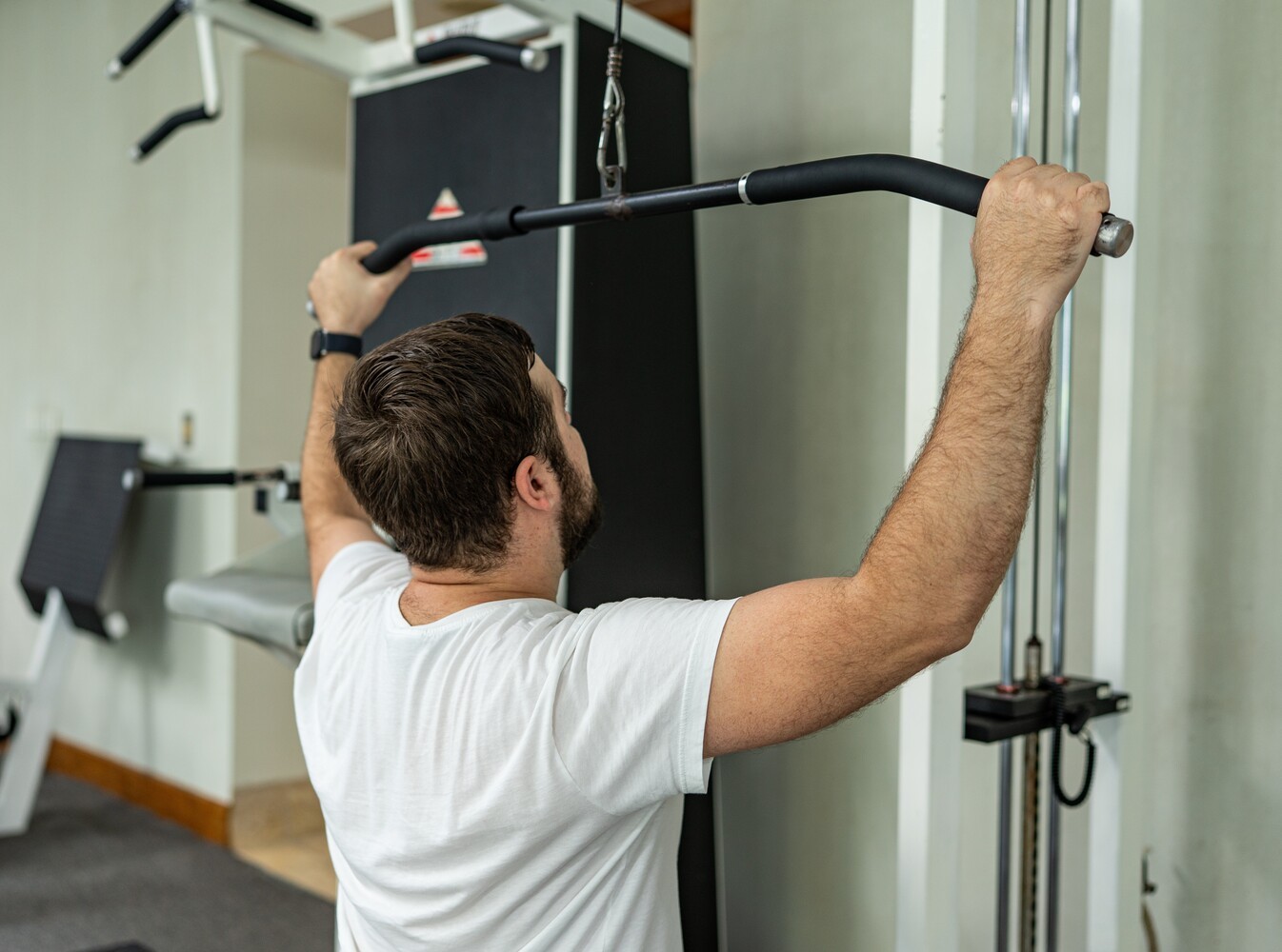
Cardio machines work best when you control pace, resistance, and duration instead of zoning out. Small adjustments in speed or effort can make sessions more effective without adding excessive fatigue. Aim for intentional movement that supports your overall training plan.
Treadmill: Walk briskly and add incline rather than speed to raise intensity safely.
Rowing machine: Push through the legs first, then pull with arms to keep strokes efficient.
Bike: Adjust seat height and use resistance to challenge legs without bouncing.
Elliptical: Stand tall, use handles lightly, and maintain steady resistance for consistent effort.
Strength Training for Weight Loss
Strength training plays a key role in how your body responds to weight loss efforts over time. Understanding why lifting matters helps you train with purpose and get more out of every workout.
Why Lifting Weights Helps You Lose Fat
Lifting weights helps fat loss by encouraging your body to keep muscle while body fat decreases. Preserving muscle supports metabolic health and helps maintain higher daily energy needs as weight changes.
Strength training also improves movement efficiency, so daily activity feels easier and tends to increase naturally over time. Think better posture, stronger legs on stairs, and less fatigue during errands.
It also supports insulin sensitivity and steadier blood sugar, which can make hunger easier to manage. When paired with consistent nutrition, lifting helps create a firmer look and supports weight loss you can maintain.
Best Weight Training Exercises for Weight Loss
Weight training exercises that use large muscle groups help support fat loss by increasing overall energy demand and preserving lean mass. These movements also build strength that carries over into daily life, making it easier to stay active and consistent.
Squats
Squats are a foundational lower-body exercise that targets the glutes, quads, and core at the same time.
Start by standing with feet shoulder-width apart, then lower your hips back and down as if sitting into a chair. Push through your heels to stand back up.
Squats require significant effort from large muscle groups, which supports higher calorie use during and after workouts.
They also improve balance and mobility, making daily tasks like standing up or climbing stairs feel easier. Performed regularly, squats help build strength and support long-term weight loss progress.
Deadlifts
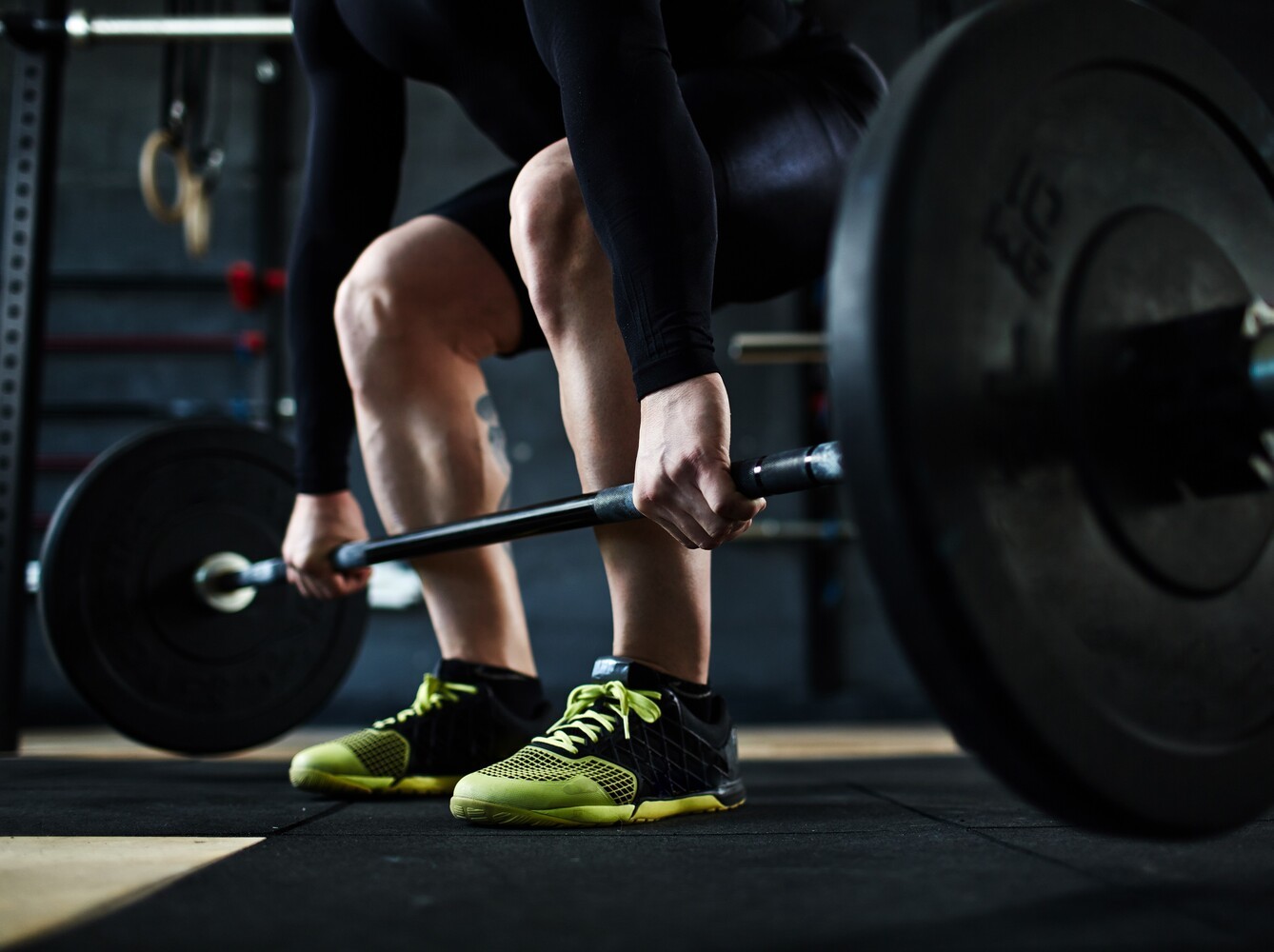
Deadlifts focus on the posterior chain, including the glutes, hamstrings, lower back, and core.
Begin with weights close to your legs, hinge at the hips, and keep your back flat as you lift. This movement trains proper bending mechanics used in everyday activities.
Deadlifts engage multiple muscle groups at once, which increases overall training demand and supports muscle retention.
They also improve grip strength and posture. Because deadlifts require focus and control, they help build body awareness while supporting fat loss and strength development over time.
Rows
Rows strengthen the upper back, shoulders, and arms while supporting better posture.
Whether using dumbbells, machines, or cables, focus on pulling the weight toward your torso while keeping your chest lifted. Strong back muscles help balance pressing movements and reduce strain on the shoulders.
Rows also support daily pulling actions like opening doors or lifting bags. From a weight loss perspective, rows activate large muscle groups that contribute to overall energy use.
Consistent rowing improves upper body strength, posture, and stability, all of which support more effective training and everyday movement.
Presses
Presses are upper-body pushing movements that train the chest, shoulders, and triceps. In gyms, beginners usually start with three options: a dumbbell chest press on a bench, a machine chest press, or a dumbbell overhead press. Each one builds strength slightly differently and can fit into a weight loss routine without a steep learning curve.
Dumbbell chest press: Lie on a flat bench, hold dumbbells at chest level, press up until arms are straight, then lower with control. Keep feet planted and shoulder blades gently pulled back.
Machine chest press: Adjust the seat so handles line up with mid chest, press forward without locking elbows, then return slowly to the start. Keep your back against the pad.
Dumbbell overhead press: Stand or sit tall, hold dumbbells at shoulder height, press overhead, then lower back to shoulders. Keep ribs down and core tight.
Presses help preserve upper body muscle during weight loss, which supports metabolism and posture. They also improve real-life strength for tasks like carrying groceries, pushing a heavy door, or lifting items overhead.

How Heavy Should You Lift?
Choosing how heavy to lift comes down to finding the right balance between challenge and control. The weight should feel difficult during the last two reps while still allowing clean form. If speed drops or posture changes, the load is too heavy.
Most beginners do well in the six to twelve rep range because it builds strength and muscle safely.
Progress comes from small increases over time, like adding five pounds or one extra rep per set. This gradual approach supports muscle retention, reduces injury risk, and keeps workouts feeling productive rather than overwhelming.
Strength Training for Beginners vs Experienced Lifters
Strength training looks different depending on experience level and training history. Beginners benefit from full-body workouts two to four times per week because they allow frequent practice of basic movements. Technique and consistency matter most early on.
As experience grows, lifters often move to split routines that separate upper and lower body or focus on specific muscle groups. This allows more volume and recovery between sessions.
Experienced lifters also plan lighter weeks to manage fatigue. Adjusting structure over time helps progress continue while reducing plateaus and overuse injuries. That balance supports long-term strength and sustainability.
Tips for Strength Training Safely and Effectively
Strength training supports weight loss best when it’s done with intention and care. These tips help reduce injury risk, improve results, and make working out to lose weight feel more approachable as you build consistency.
1. Warm Up Properly
A proper warm-up prepares your body for strength training and improves workout quality. Spend five to ten minutes raising your heart rate with light cardio like walking or cycling.
Then add simple movements that match your workout, such as bodyweight squats before leg exercises or arm circles before presses.
Warming up increases blood flow to muscles and improves joint mobility. It also helps you lift with better control from the first set.

2. Prioritize Form Over Weight
Good form matters more than how much weight is on the bar or machine. Proper technique helps target the right muscles and reduces strain on joints.
For example, moving through a squat with control and depth is more effective than lifting heavier with poor posture. Using manageable weights allows you to feel the muscles working and maintain consistent reps. This builds strength more reliably over time.
Poor form often leads to soreness in the wrong places or stalled progress. Focusing on quality reps builds confidence and creates a strong foundation for future progression.
3. Increase Loads Gradually
Progress in strength training comes from small, steady changes. Increasing loads gradually allows muscles, joints, and connective tissue to adapt safely. This might mean adding five pounds, increasing reps, or slowing tempo to add challenge.
Rushing to lift heavier weights often leads to poor form or nagging injuries. Gradual progress keeps workouts feeling challenging without overwhelming recovery. It also helps you track improvement clearly over time.
Consistent progression builds momentum and confidence, making it easier to stay committed to your routine and support long-term weight loss goals.
4. Use a Full Range of Motion You Can Control
Using a controlled range of motion helps muscles work more effectively during each exercise. Lowering weights through a comfortable, full range allows muscles to strengthen evenly and improves joint mobility. For example, squatting to a depth you can control builds strength more reliably than stopping halfway.
Avoid bouncing or rushing through reps. Slower, controlled movements increase time under tension and improve body awareness.
This approach also reduces injury risk by keeping joints stable. Training with control builds better strength carryover and supports steady progress as workouts become more challenging.
5. Pay Attention to How Your Body Feels
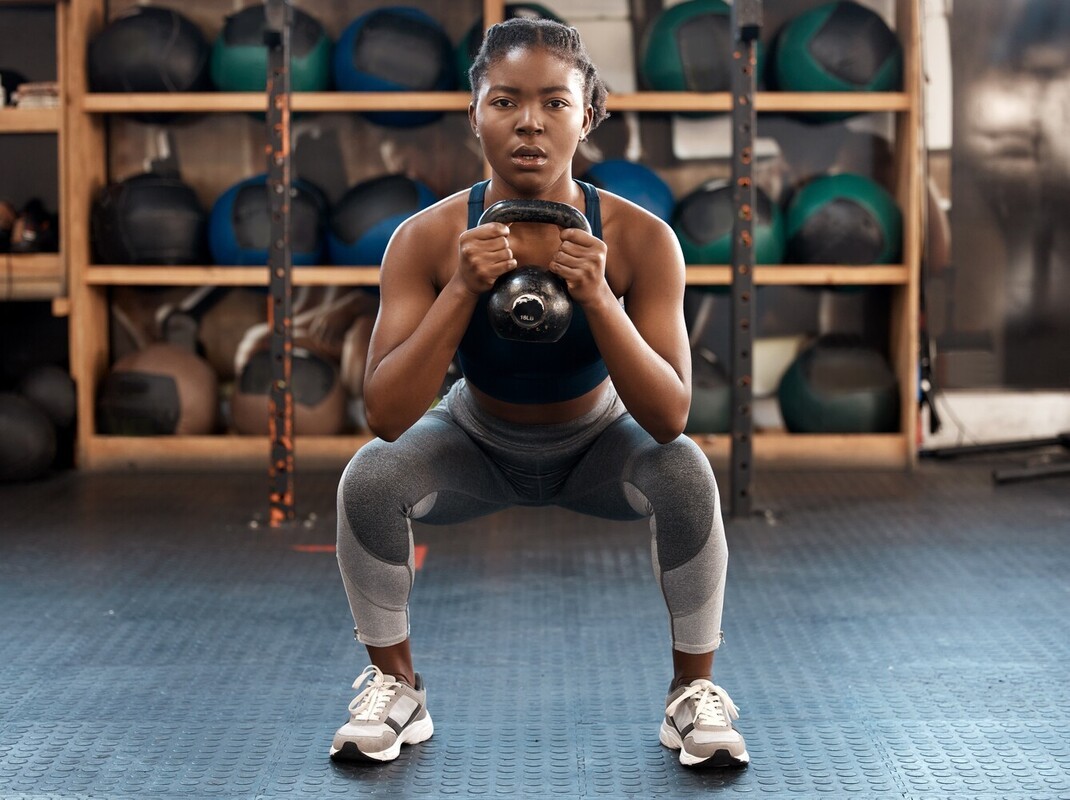
Listening to your body helps guide safe and effective training decisions. Mild muscle soreness is normal, but sharp pain or joint discomfort signals the need to adjust. Energy levels, sleep quality, and motivation can also guide workout intensity.
On low-energy days, lighter weights or fewer sets may be more productive. Pushing through fatigue repeatedly often leads to stalled progress or injury.
Adjusting based on feedback keeps training sustainable. When your plan responds to how your body feels, consistency improves, and long-term results become easier to maintain.
Fueling Your Weight Loss Workouts for Better Results
Fueling plays a major role in how your workouts feel and how your body responds to training. When nutrition supports exercise, energy levels improve, and progress becomes easier to maintain over time.
Why Eating Enough Matters for Fat Loss
Eating enough is essential for fat loss because your body needs energy to train, recover, and adapt. Chronic under-fueling often leads to low energy, weaker workouts, and increased fatigue throughout the day. Over time, this can raise hunger hormones and make cravings harder to manage.
When workouts suffer, muscle loss becomes more likely, which can slow metabolism. Adequate nutrition supports training quality, allowing you to lift with intention and complete cardio without feeling drained.
It also improves recovery between sessions, so you can stay consistent. Fueling properly helps fat loss feel steadier and more sustainable over time.

What to Eat Before a Weight Loss Workout
Fueling before a workout helps support energy, focus, and performance. Eating carbohydrates provides quick fuel for muscles, while protein supports muscle protection during training. Aim to eat 60 to 90 minutes before exercise when possible. Examples of what to eat before a workout to lose weight include:
Oatmeal with fruit and Greek yogurt: Provides steady carbs, protein, and fiber for sustained energy.
Toast with nut butter and a protein source: Combines carbs, fats, and protein to support fullness and stable blood sugar.
A banana with a protein shake: Easy to digest and useful when time is limited before training.
Rice cakes with peanut butter and yogurt: Offers quick carbs with a small protein boost.
What to Eat After a Weight Loss Workout
Eating after a workout supports recovery and helps maintain muscle during weight loss. Protein intake within 30 to 60 minutes supports muscle repair after training. Pairing protein with carbohydrates helps replenish energy stores. Examples include:
Chicken with rice and vegetables: Provides protein for repair and carbs for recovery.
Cottage cheese with fruit: Supplies slow-digesting protein and natural carbohydrates.
A smoothie with protein powder and berries: Easy to digest and supports hydration.
Eggs with toast and vegetables: Combines protein and carbs to support recovery.
Greek yogurt with granola: Adds protein and carbohydrates for muscle repair.
Consistent post-workout fueling improves soreness management and supports training consistency over time.
If you want personalized guidance that helps you fuel workouts without rigid rules, you can connect with a Registered Intuitive Eating Dietitian through Berry Street for support that fits your goals and preferences.

Daily Protein Targets for Weight Loss
Protein plays an important role in preserving muscle and supporting recovery during weight loss. Most active individuals benefit from roughly 0.7 to 1 gram of protein per pound of body weight, depending on training volume, goals, and overall calorie intake.
Higher protein intake helps manage hunger, supports muscle repair after workouts, and keeps metabolism more stable during a calorie deficit. Spreading protein across meals often feels more sustainable than loading it into one meal.
If you’re unsure where to start, the Berry Street app can help calculate macronutrient needs, including protein targets, based on your activity level and goals.
Sample Diet Plan That Actually Works With a Weight Loss Workout Plan
Fueling a weight loss workout plan doesn’t require perfect eating or complicated recipes. This five-day sample plan shows how balanced meals can support workouts, recovery, and daily energy while still feeling realistic and flexible:
Day 1
Breakfast: Eggs and Whole Grain Toast
Prepare this meal by scrambling or frying two eggs in a small amount of olive oil and serving them with whole-grain toast.
The protein from eggs supports muscle repair after workouts, while whole grains provide steady carbohydrates that help maintain energy through the morning. Eggs also contain key nutrients that support metabolism and satiety.
Snack: Greek Yogurt With Fruit
Add plain Greek yogurt to a bowl and top it with berries or sliced fruit. This snack is high in protein, which helps control hunger between meals, and the fruit adds fiber and antioxidants that support digestion and recovery. It’s quick, portable, and easy to fit into a busy day.

Lunch: Grilled Chicken, Quinoa, and Vegetables
Cook chicken breast on the grill or stovetop with simple seasoning, then pair it with cooked quinoa and a mix of roasted or steamed vegetables.
This meal delivers lean protein for muscle support and complex carbohydrates to replenish energy stores. Vegetables add fiber and volume, helping you feel satisfied without overeating.
Dinner: Salmon With Roasted Vegetables
Roast salmon in the oven with olive oil and herbs, then serve it alongside vegetables like broccoli or zucchini. Salmon provides protein along with omega-3 fats that support heart health and exercise recovery. The vegetables add fiber and micronutrients that support digestion and fullness in the evening.
Day 2
Breakfast: Oatmeal With Nut Butter and Fruit
Cook rolled oats with water or milk, then stir in a spoonful of nut butter and top with fruit. This breakfast provides carbohydrates to fuel morning activity and healthy fats that help slow digestion and improve satiety. The fiber from oats supports gut health and steady energy levels.
Snack: Cottage Cheese and Pineapple
Scoop cottage cheese into a bowl and add fresh or canned pineapple. Cottage cheese offers a high-protein option that supports muscle maintenance, while pineapple adds natural sweetness and vitamin C. This combination helps keep hunger in check between meals.
Lunch: Turkey and Avocado Whole Grain Wrap
Fill a whole-grain wrap with sliced turkey, avocado, and vegetables like lettuce and tomato. It’s easy to assemble and provides protein for recovery along with fiber from whole grains and produce. Avocado adds healthy fats that support fullness and nutrient absorption.
Dinner: Lean Beef Stir Fry With Brown Rice
Cook lean beef strips in a pan with mixed vegetables and serve over brown rice. The protein supports muscle repair, while brown rice replenishes energy after a day of activity. Vegetables add antioxidants and fiber that support overall health.

Day 3
Breakfast: Smoothie With Protein and Berries
Blend protein powder with milk or a milk alternative, frozen berries, and spinach. This meal is quick to prepare and easy to digest, making it a good option before or after morning workouts. Berries provide antioxidants, while protein supports muscle recovery.
Snack: Apple With Peanut Butter
Slice an apple and pair it with peanut butter for dipping. This snack combines fiber from fruit with healthy fats and protein, helping maintain steady energy levels. It’s simple and portable for busy days.
Lunch: Lentil and Vegetable Bowl
Cook lentils and combine them with roasted vegetables and a light dressing. Lentils are high in fiber and plant-based protein, supporting fullness and digestion. It also provides carbohydrates that help fuel afternoon workouts or daily movement.
Dinner: Baked Chicken Thighs With Sweet Potatoes
Bake chicken thighs with seasoning and serve them alongside roasted sweet potatoes. Chicken provides protein for muscle support, while sweet potatoes offer carbohydrates and potassium to support recovery. This dinner is filling and balanced, helping wrap up the day on a steady note.
Day 4
Breakfast: Greek Yogurt Parfait With Granola and Berries
Layer plain Greek yogurt with berries and a small portion of granola in a bowl or jar. A Greek yogurt parfait is high in protein to support muscle recovery and includes carbohydrates for morning energy. Berries contribute antioxidants, while granola adds texture and fiber to help you stay full until your next meal.
Snack: Hard-boiled Eggs and Grapes
Boil eggs ahead of time and pair two eggs with a handful of grapes. Eggs provide complete protein and healthy fats that support satiety, while grapes add hydration and natural carbohydrates.

Lunch: Shrimp and Brown Rice Bowl
Cook shrimp quickly in a pan with olive oil and seasoning, then serve over brown rice with vegetables like bell peppers or spinach.
Shrimp is a lean protein that supports muscle maintenance, and brown rice provides steady energy for afternoon movement or workouts. Vegetables add fiber and micronutrients that support digestion.
Dinner: Turkey Meatballs With Roasted Vegetables
Bake or pan-cook turkey meatballs and serve them with roasted vegetables such as carrots, cauliflower, or green beans.
Turkey provides lean protein that supports recovery, while vegetables add fiber and volume. This meal is filling without being heavy, making it a good option after an active day.
Day 5
Breakfast: Avocado Toast With Eggs
Toast whole-grain bread, top it with mashed avocado, and add a cooked egg on top. This meal combines protein, fiber, and healthy fats that help stabilize blood sugar and support sustained energy. It’s satisfying and easy to customize based on appetite.
Snack: Protein Smoothie
Blend milk or a milk alternative with protein powder and frozen fruit. It’s quick to prepare and easy to digest, making it useful on busy days or around workouts. Protein supports muscle repair, while fruit provides carbohydrates to replenish energy.
Lunch: Tuna Salad With Whole Grain Crackers
Mix tuna with a small amount of mayo or Greek yogurt and serve it with whole-grain crackers and raw vegetables. Tuna provides high-quality protein, while whole grains add fiber and steady carbohydrates. This lunch is balanced and keeps hunger manageable through the afternoon.

Dinner: Baked Cod With Quinoa and Asparagus
Bake cod with lemon and herbs, then serve it with quinoa and roasted asparagus. Cod is a lean protein that supports muscle retention, while quinoa provides carbohydrates and additional protein. Asparagus adds fiber and nutrients that support digestion and overall health.
If you want a plan that’s tailored to your workouts, preferences, and health goals, you can connect with a Registered Health Dietitian through Berry Street to create a personalized 7-day meal plan that actually fits your life.
Workout Plan Adjustments for Specific Goals and Groups
Workout plans rarely work the same way for everyone. Adjusting training based on goals, experience level, and individual needs helps workouts feel safer, more effective, and easier to stick with over time.
Men vs Women
Men and women often respond differently to training volume, recovery, and progression.
Women tend to benefit from strength-focused programs that prioritize muscle retention, joint stability, and adequate recovery between sessions. Consistent lifting supports metabolic health and body composition changes that many women seek.
Men often progress quickly with heavier loads due to higher baseline muscle mass, but still benefit from balanced programming that includes recovery and cardio.
Both groups see better results when training is paired with adequate fueling and realistic expectations around progress.
Beginners vs Advanced
Beginners make progress quickly with simple, repeatable routines that focus on learning movement patterns and building consistency. Full-body workouts and moderate training frequency often work best early on.
Advanced exercisers usually require more structure, including split routines, planned increases in volume, and intentional recovery weeks.
As training age increases, progress slows, making strategic programming more important. Adjusting intensity, volume, and rest helps advanced exercisers continue progressing while managing fatigue and reducing injury risk over time.

Injuries
Training with an injury requires thoughtful adjustments rather than stopping movement completely. Low-impact cardio options, such as cycling or swimming, can maintain fitness while reducing stress on joints.
Modified strength exercises allow you to train around injuries, like using machines instead of free weights or limiting range of motion.
Focusing on pain-free movement helps maintain muscle and confidence during recovery. Listening to your body and adjusting intensity supports progress without worsening symptoms or delaying healing.
Chronic Conditions
Chronic conditions such as PCOS or thyroid disorders can influence energy levels, recovery, and training tolerance. Adjustments in workout intensity, volume, and frequency often help manage symptoms more effectively.
Some people benefit from shorter sessions, longer rest periods, or fewer high-intensity workouts.
Nutrition also plays a role in supporting training and recovery, which you can find support for through professionals such as a Registered Thyroid Dietitian or a Registered PCOS Dietitian.
Individualized support helps align workouts with how your body responds, making consistency and progress more achievable over time.
How to Stick With Your Weight Loss Workout Plan Long Term
Long-term success with exercise depends on more than choosing the right workouts. The way a plan fits into your routine, energy levels, and mindset plays a big role in whether it lasts.
1. Build Consistency
Motivation tends to come and go, especially during busy or stressful weeks. Consistency comes from routines that make workouts easier to repeat.
Scheduling workouts like appointments helps remove daily decision-making. For example, training at the same time each morning or after work builds a habit loop.
Even shorter sessions count when consistency is the goal. Showing up regularly builds confidence and momentum over time. When workouts feel like part of your routine rather than a choice, staying active becomes more manageable, and progress feels steadier.

2. Track Progress Beyond the Scale
The scale does not always reflect meaningful changes happening in your body. Strength gains, improved endurance, and better energy levels often show progress earlier. Clothes fitting differently or workouts feeling easier are also useful markers.
Tracking how many reps you can complete or how much weight you lift provides concrete feedback. These indicators help maintain motivation during weeks when scale changes slow down.
3. Adjust Training and Nutrition When Needed
Plateaus are a normal part of weight loss and do not mean failure. Over time, your body adapts to training and nutrition patterns. Small adjustments can help restart progress. This might include adding one more strength day, slightly increasing weights, or adjusting portion sizes.
Recovery and sleep may also need attention. Making thoughtful changes rather than drastic shifts keeps the process manageable. Flexibility allows your plan to evolve with your body, helping you stay engaged and avoid frustration when progress slows.
4. Make Weight Loss Training Sustainable
Sustainable training fits into your life rather than competing with it. Enjoyable workouts are easier to repeat and support long-term consistency. Flexibility helps you adjust sessions during busy weeks without quitting entirely.
Choosing activities you like and allowing variety keeps boredom low. Plans that support rest, social time, and energy needs tend to last longer. When training feels supportive instead of restrictive, it becomes easier to stay active for months rather than weeks, which is where lasting results come from.
5. Set Realistic Expectations From the Start
Unrealistic expectations often lead to frustration and early burnout. Weight loss progress is rarely linear, especially when training consistently. Some weeks feel strong, others feel slower. That variation is normal.
Setting realistic expectations helps you stay patient when results take time. Focus on trends over several weeks rather than day-to-day changes.
Expecting gradual progress makes setbacks feel manageable instead of discouraging. When expectations match reality, it becomes easier to stay committed and trust the process over the long term.
6. Build Workouts Around Your Energy Levels
Energy levels vary from day to day based on sleep, stress, and nutrition. Planning workouts that match how you feel helps maintain consistency.
On high-energy days, strength training or intervals may feel great. On lower energy days, walking or mobility work may be more appropriate. Adjusting intensity keeps movement supportive rather than draining.
This approach reduces guilt around modifying workouts and helps prevent burnout. Training that responds to your energy makes consistency easier to maintain across busy or stressful periods.
7. Create Simple Systems That Remove Friction
The easier workouts are to start, the more likely they are to happen. Simple systems reduce friction and decision fatigue. Preparing your workout clothes the night before or keeping gym shoes by the door helps remove barriers. Having a written plan also saves time and mental energy.
When fewer decisions stand in the way, showing up feels more automatic. These small systems add up over time and make consistency feel achievable, even on days when motivation is low.

Workouts for Weight Loss FAQs
What are the best workouts to lose weight?
The best workouts combine strength training and cardio. Lifting weights helps preserve muscle and support metabolism, while cardio increases calorie burn and heart health. Together, they lead to more sustainable fat loss.
How often should I work out to lose weight?
Most people do well with four to five workouts per week. This provides enough activity to support fat loss without overwhelming recovery. Beginners may see results in fewer days if consistency is strong.
Can you lose weight without cardio?
Yes, weight loss is possible without traditional cardio. Strength training and daily movement can still create a calorie deficit. Cardio can help, but it’s not required for fat loss.
Is it better to work out fasted or fed?
Most people perform better when they eat before a workout. Fueling with carbs and protein supports energy, strength, and recovery.
How long does it take to see weight loss results?
Many people notice changes in energy or strength within a few weeks. Scale changes often appear within four to eight weeks, depending on consistency and nutrition. Progress can vary from person to person.
Conclusion
A thoughtful weight loss workout plan works best when it balances strength training, cardio, recovery, and realistic expectations. Consistent movement supports fat loss, preserves muscle, and improves how your body uses energy over time, especially when workouts are fueled and paced appropriately.
Progress tends to follow when routines fit your schedule and allow space for rest instead of pushing harder every week. From our experience, understanding how training supports weight loss helps remove pressure and makes exercise feel more doable.
If you want guidance that connects your workouts with nutrition and real-life habits, you can find a Registered Dietitian covered by insurance through Berry Street to support your next steps.
If you want to learn more, why not check out these articles below: