
Trying to lose weight can feel frustrating, especially when the advice out there doesn’t seem to line up with what you’re experiencing. We hear this often. Some people are putting in consistent effort and not seeing results, while others are unsure if what they’re doing is even effective.
Then yoga for weight loss comes up, usually with a lot of hesitation. Many assume it’s too gentle to make a real impact, or that it won’t “count” compared to more intense workouts.
That’s not quite accurate. Yoga can support weight loss in a meaningful way when it’s used strategically. It helps build strength, improve consistency, reduce stress, and shape the habits that influence long-term progress.
In this guide, we break down how yoga works for weight loss, which styles and poses are worth focusing on, and how to build a routine that actually fits your life.
Key Takeaways
Yoga can support weight loss when practiced consistently, especially as part of a structured routine.
More active styles can increase intensity, while slower styles help build consistency and awareness.
Combining yoga with walking or strength training can lead to more noticeable results over time.
Progress is often gradual, with improvements in energy, strength, and habits showing up first.
Pairing yoga with a personalized nutrition plan can help support sustainable, long-term success.
Disclaimer: Check with your doctor before starting or changing any exercise routine. Stop immediately if you experience pain, dizziness, shortness of breath, or any symptoms your medical team has advised you to avoid.

Can Yoga Help You Lose Weight?
Yes, yoga can support weight loss. Yoga increases physical activity, builds muscle strength, and supports behavior changes that influence how you eat and move throughout the day. That combination matters. A single workout doesn’t drive results, but consistent movement does.
As Registered Dietitians, we often see stronger long-term progress when yoga is paired with realistic nutrition habits and regular activity. It creates structure. It also helps people stay engaged, which makes it easier to follow through week after week.
Why Yoga Can Support Weight Loss Even Without Intense Cardio
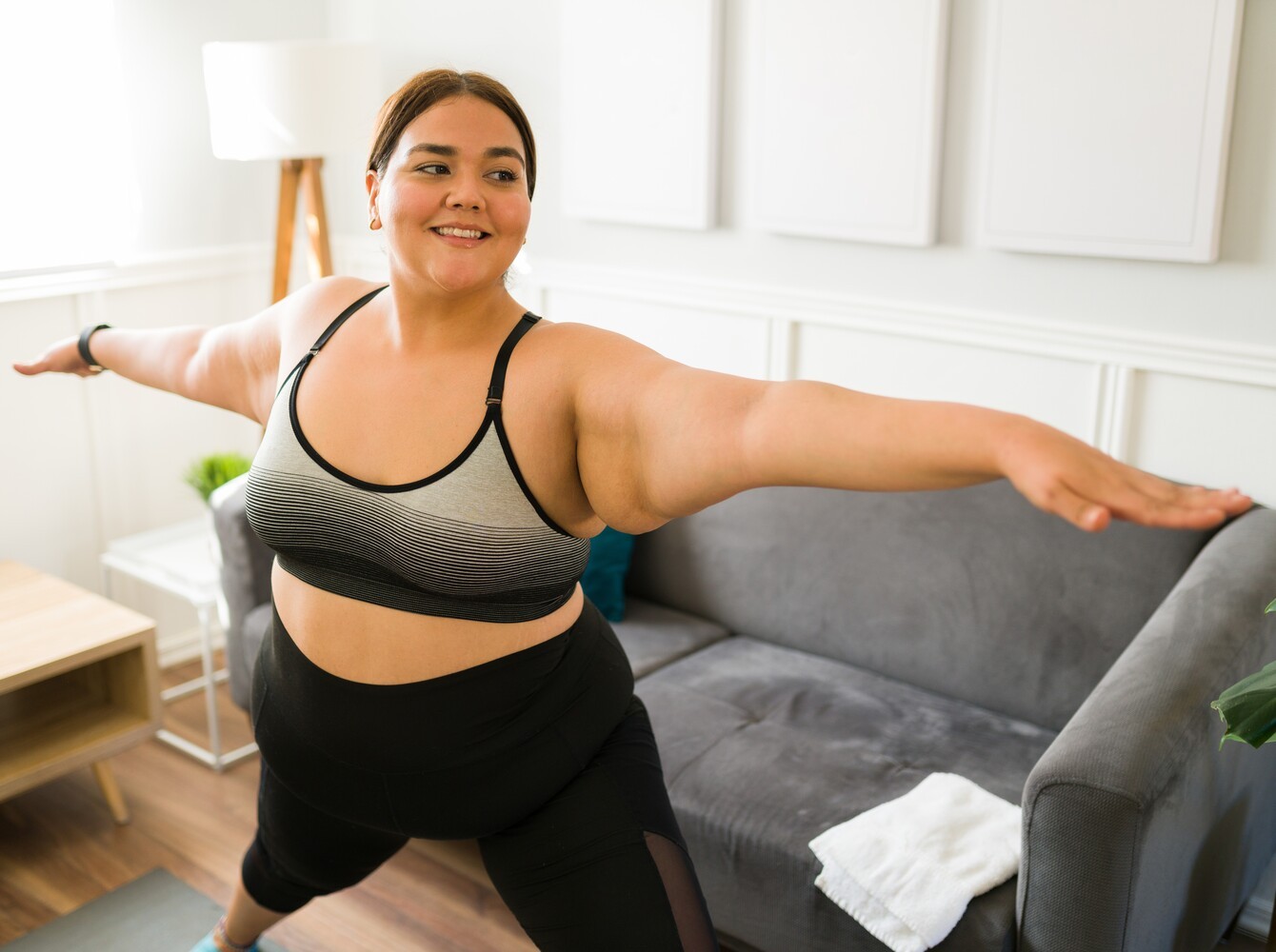
Yoga supports weight loss by improving how your body and mind function together. It builds strength, improves flexibility, and helps you move more efficiently during everyday activities. At the same time, it supports stress regulation and encourages mindfulness. These shifts influence daily choices.
People often notice fewer impulsive eating moments, better portion awareness, and more consistent routines. From our experience, these small changes add up. They may not feel dramatic in the moment, but they play a major role in long-term weight management.
Where Yoga Fits in a Sustainable Weight Loss Plan
Yoga works best as a foundation for sustainable change. It helps you stay consistent, recover between workouts, and manage stress in a practical way.
When your body feels better, you’re more likely to stay active. When stress is lower, eating habits often become easier to manage. Pairing yoga with balanced nutrition and regular movement creates a more complete plan.
If you want more structure, you can connect with a Registered Weight Loss Dietitian through Berry Street to get a personalized 7-day meal plan that fits your routine.
Yoga Alone vs Yoga Combined With Walking or Strength Training
Yoga alone can lead to gradual progress, especially if it replaces a more sedentary routine.
Adding other forms of movement can make a noticeable difference. Walking increases daily activity without feeling overwhelming. Strength training, such as weight lifting for weight loss, helps build muscle, which supports metabolism over time.
Yoga fits alongside both by improving mobility and helping your body recover. When these elements are combined, the routine feels more balanced and easier to maintain week after week.
Why Consistency Matters More Than Short Bursts of Intensity
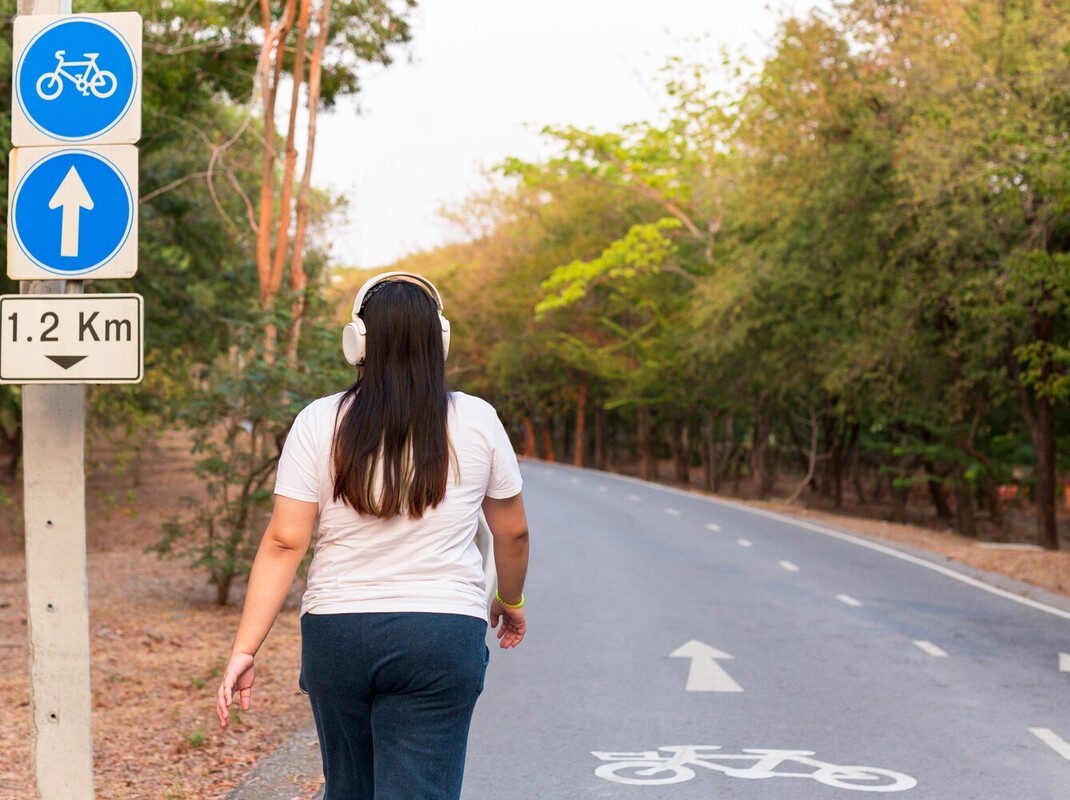
Consistency often determines whether progress actually happens. Yoga is flexible and easy to adjust, which makes it easier to stick with compared to more intense programs. You don’t need long sessions every day.
Even shorter practices done regularly can build strength and improve energy levels. Over time, those repeated efforts add up. People who stay consistent tend to see more lasting results than those who rely on occasional high-intensity workouts.
How Yoga Supports Weight Loss
Yoga supports weight loss through multiple pathways, not just calorie burn. It influences how your body moves, how you respond to stress, and the habits you repeat each day. Those factors shape long-term progress. A single session might not feel intense, but the cumulative effect matters.
In our experience, people who practice yoga regularly often become more consistent with movement and more aware of their choices. That combination supports gradual fat loss while also improving strength, energy, and overall well-being.
Calorie Burn and Muscle Engagement in Different Yoga Styles
More dynamic styles like Vinyasa and power yoga increase heart rate and challenge multiple muscle groups at once. These sessions require continuous movement, which raises energy expenditure and builds strength over time. You may notice your arms, core, and legs working together to hold and transition between poses.
Slower styles like Hatha still engage muscles, but the pace is more controlled. That can still be effective, especially for beginners, though the calorie burn tends to be lower compared to faster-paced classes.
The Role of Stress Reduction in Weight Management
Stress has a direct impact on eating habits and weight. When stress stays elevated, it can lead to frequent cravings, disrupted sleep, or irregular eating patterns.
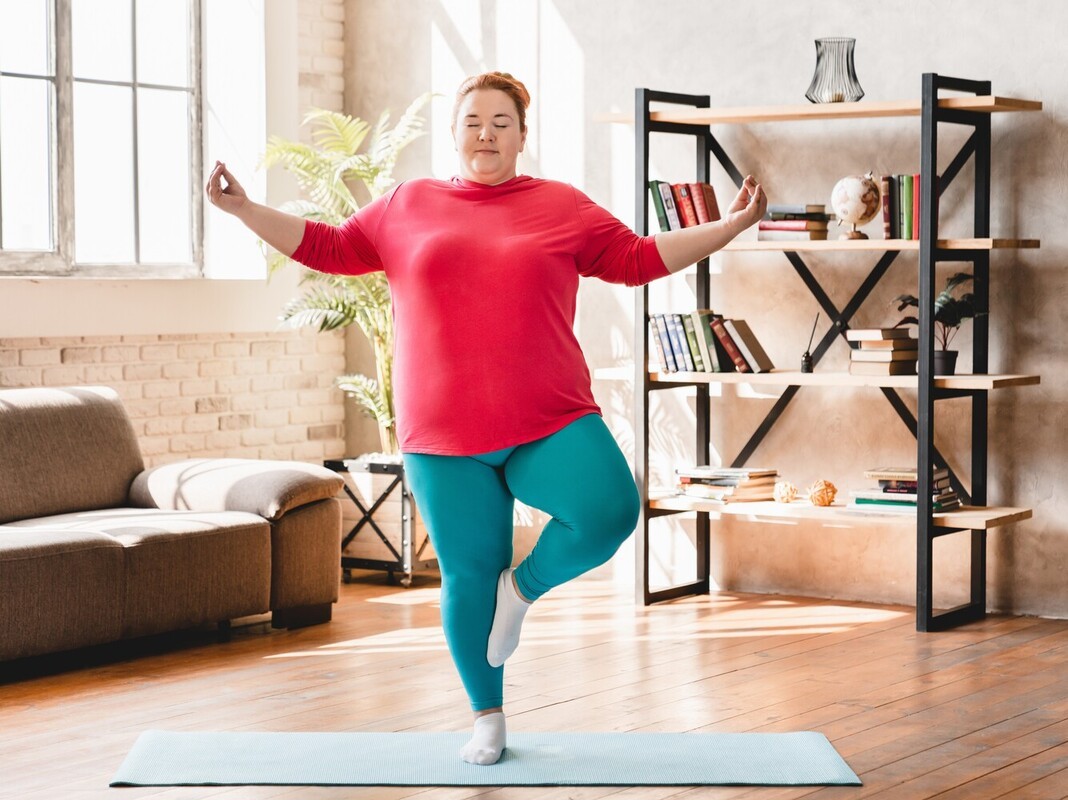
Yoga helps regulate the body’s stress response through controlled breathing and movement. Many people notice they feel calmer after a session, which can carry into the rest of the day. This shift often leads to fewer impulsive food choices and more stable routines, both of which support long-term weight management.
Mindfulness and Its Impact on Eating Habits
Yoga encourages awareness, and that awareness often extends beyond the mat. People begin to recognize the difference between physical hunger and emotional or habitual eating. That shift can influence how meals are approached.
Slowing down, paying attention to portion sizes, and noticing triggers becomes more natural with practice. These changes don’t happen overnight, but they tend to build over time. As consistency improves, eating patterns often become more balanced, which supports overall weight loss efforts.
How Improved Mobility Can Make Other Workouts Easier
Better mobility makes movement feel smoother and more comfortable. When your joints move more freely, and your muscles feel less tight, other activities often feel easier to maintain. Walking may feel less tiring, and strength exercises may feel more controlled. Even daily tasks can require less effort.
This reduces the likelihood of discomfort or injury, which is a common reason people stop exercising. Improved mobility helps people stay active more consistently, and that consistency plays a major role in long-term weight loss.
Is Yoga Enough for Weight Loss on Its Own?
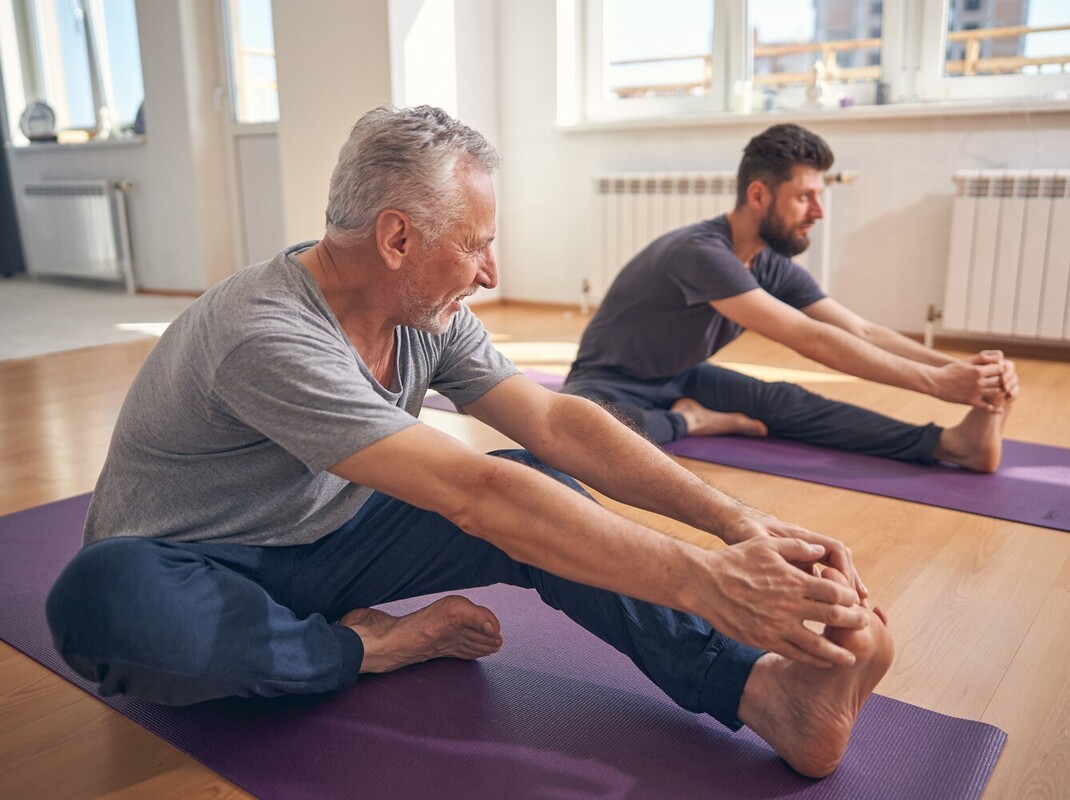
Sometimes, but not always. Yoga alone can support weight loss, especially if it replaces a sedentary routine or introduces consistent movement into your week. That shift matters more than people expect. You start moving more, building strength, and paying closer attention to your habits.
At the same time, combining yoga with other strategies often leads to stronger results. Adding structure through nutrition, daily movement, or strength work tends to make progress more noticeable and easier to maintain.
When Yoga Alone May Lead to Gradual Weight Loss
If yoga significantly increases your activity level, it can lead to gradual weight loss over time. This is often the case for beginners or those returning to movement after a long break. Even a few sessions per week can improve strength, flexibility, and overall energy.
You may also notice changes in daily habits, like feeling more motivated to stay active or making more intentional food choices. These shifts build slowly, but they can support steady progress when maintained consistently.
When Adding Other Movement Can Improve Results
Adding walking or strength training increases overall energy expenditure and supports changes in body composition. Walking is simple, accessible, and easy to maintain throughout the week. Strength training helps build muscle, which can support metabolism over time.
If you don’t enjoy walking, other light cardio, such as cycling for weight loss or swimming to lose weight, can work just as well.
When combined with yoga, these forms of movement create a more balanced routine. You’re building strength, staying active, and supporting recovery all at once. From our experience, this combination often leads to more noticeable progress and better long-term consistency.

Common Reasons People Practice Yoga but Don’t Lose Weight
It can feel frustrating to stay consistent with yoga and still not see changes on the scale. In many cases, a few common factors are getting in the way, and once you spot them, it becomes much easier to adjust your approach:
Intensity Mismatch Between Goals and Practice
If your yoga sessions are consistently low intensity, progress may feel slower than expected. Gentle stretching and shorter classes can improve flexibility and reduce stress, but they may not create enough demand to support noticeable fat loss.
This is where adjusting your approach can help. Adding Vinyasa flows, holding strength-based poses longer, or extending your session by 10 to 15 minutes can increase effort. You don’t need to overhaul your routine, but small changes in intensity can lead to more meaningful results over time.
Unrealistic Expectations About Weight Loss Timelines
Weight loss takes time, and yoga tends to support gradual progress rather than rapid changes. This can feel frustrating if you expect visible results within a few weeks. In most cases, early improvements show up in other ways first.
You may notice better energy, improved sleep, or increased strength before the scale shifts. These changes are part of the process. Setting realistic expectations helps you stay consistent, and consistency plays a major role in achieving results that are steady, sustainable, and easier to maintain long-term.

Overlooking Nutrition and Daily Habits
Yoga can support weight loss, but it works best when paired with consistent daily habits. If nutrition is inconsistent or portions are larger than expected, progress may feel limited even with regular practice. This is something we see often. Someone may practice yoga several times per week but still struggle with late-night snacking or skipping meals earlier in the day.
Small, realistic changes can help. Building balanced meals, keeping eating patterns consistent, and paying attention to hunger cues can better support the effort you’re putting in on the mat.
If you need guidance, consider connecting with a Registered Health Dietitian for personalized support that fits your routine.

Best Types of Yoga for Weight Loss
Not all yoga styles are equally helpful for weight loss. Some focus on strength and movement, while others prioritize recovery, so choosing the right type can make a noticeable difference in your results.
Vinyasa Yoga for Weight Loss
Vinyasa yoga involves continuous movement between poses, which keeps your body active from start to finish. Your heart rate stays elevated as you flow through sequences, and your muscles stay engaged as you transition between positions.
This combination can increase energy expenditure while also building strength. You may notice your core, legs, and upper body working together during each flow. Classes can vary in pace, so choosing a slightly faster session can help increase intensity and support more noticeable progress over time.
Power Yoga for Strength and Calorie Burn
Power yoga is more intense and places a strong focus on strength and endurance. Classes often move at a faster pace, with longer holds that challenge your muscles and test stability.
You might find yourself holding planks, lunges, or balance poses for extended periods, which increases effort and fatigue. This style can support both muscle development and calorie burn. If you’re looking for a more physically demanding option that still includes flexibility and control, power yoga can be a strong fit.
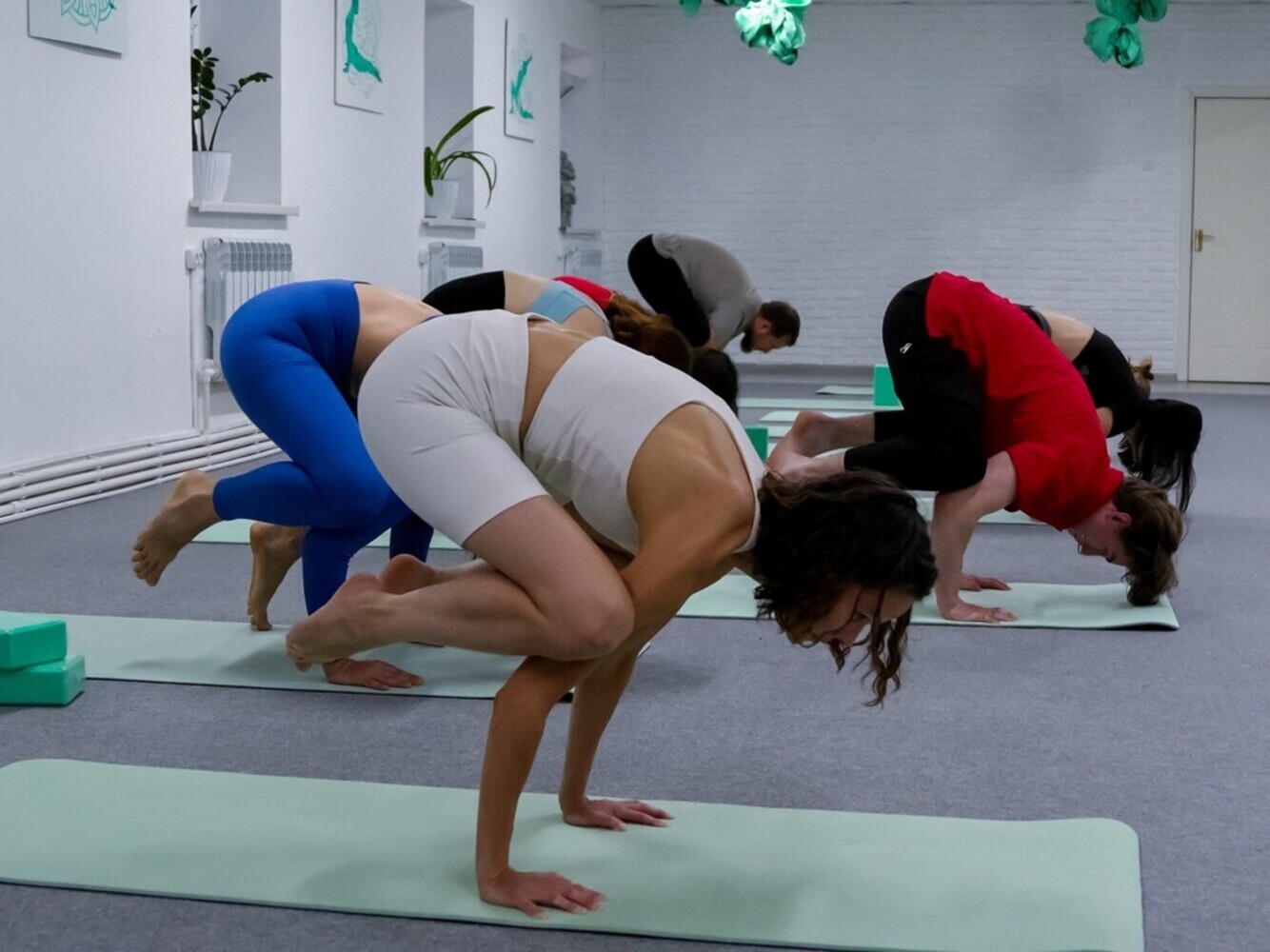
Hatha Yoga as a Beginner-Friendly Starting Point
Hatha yoga is slower and more controlled, making it a great entry point if you’re new to yoga or returning after a break. Poses are typically held for longer periods, giving you time to focus on form and breathing. This helps build confidence and body awareness early on.
While the calorie burn is lower compared to faster styles, it still supports strength and mobility. Many people use Hatha as a foundation before progressing to more dynamic classes that require greater endurance.
Yoga Sculpt and Strength-Focused Yoga Classes
Yoga sculpt and strength-focused classes combine traditional yoga with added resistance, such as light weights or bodyweight exercises. This increases the overall challenge and brings in elements of strength training. You might move through squats, lunges, or upper body exercises while maintaining a steady pace.
These sessions can help build muscle while also keeping your heart rate elevated. If your goal includes improving strength while supporting fat loss, this style offers a more structured and physically demanding approach.
How to Choose the Best Style of Yoga for Your Goals
Choosing the right type of yoga can make a big difference in how effective and enjoyable your routine feels. When your practice aligns with your goals, fitness level, and schedule, it’s much easier to stay consistent and see progress over time.
1. Your Current Fitness Level
Start with a style that matches your current ability so you can build confidence and avoid burnout. If you’re new to yoga or returning after a break, slower classes like Hatha or beginner Vinyasa give you time to learn proper form and breathing. This helps reduce injury risk and makes the experience more enjoyable.
If you already have a solid fitness base, you may benefit from more dynamic styles that challenge strength and endurance. Choosing the right starting point makes it easier to stay consistent and progress over time.
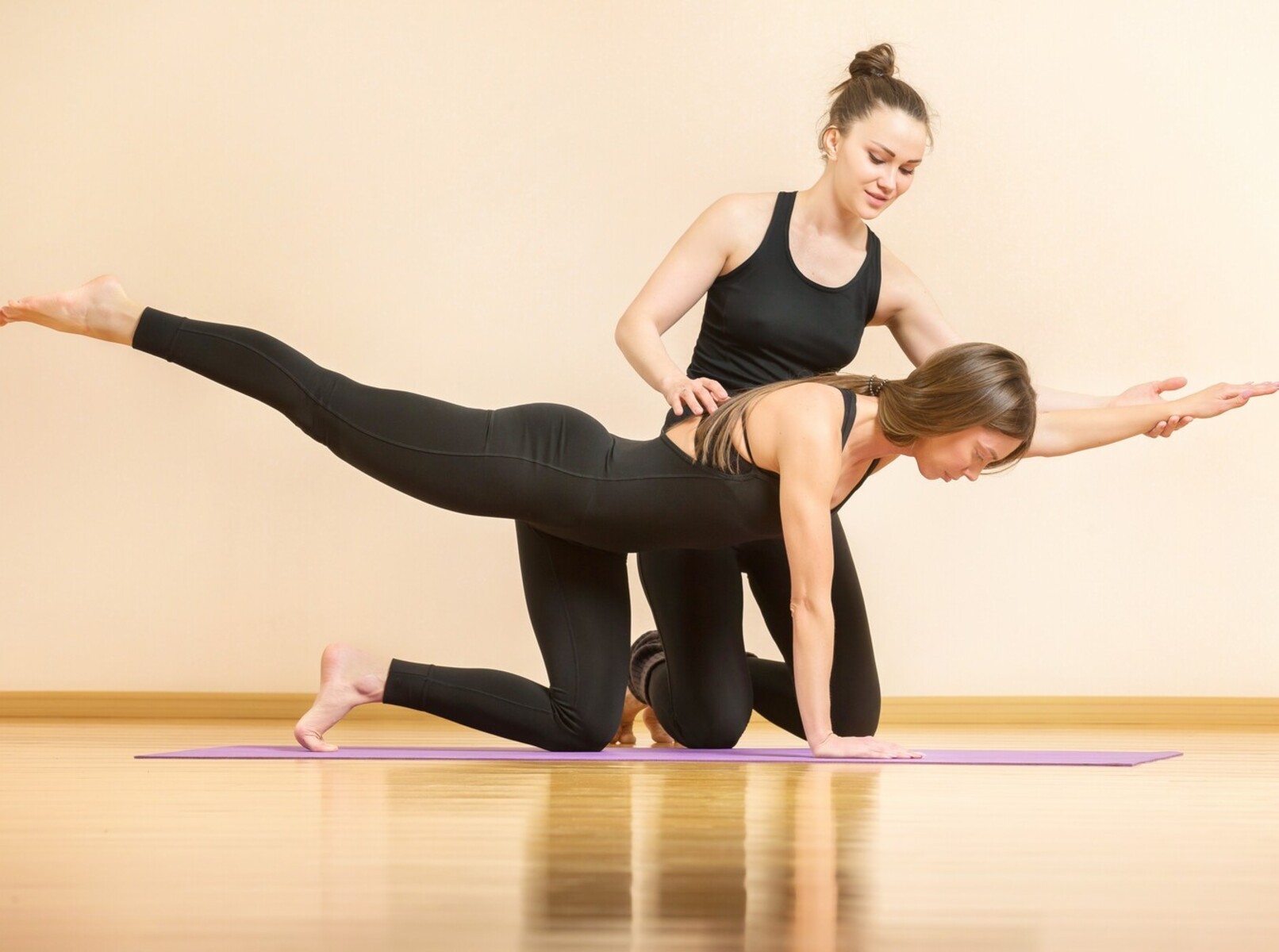
2. Your Weight Loss Goals
Your specific goal should guide the type of yoga you choose. If fat loss is a priority, styles that involve continuous movement or strength work can help increase effort and overall energy use. Vinyasa, power yoga, or sculpt classes tend to fit well here.
If your focus is improving consistency, managing stress, or building a routine you can maintain, slower styles still offer strong benefits. Many people find that starting with one goal and adjusting over time leads to better long-term results.
3. Your Preferences and Schedule
The best routine is one you can realistically stick with each week. If you enjoy faster-paced classes, you’re more likely to stay engaged and show up consistently. If you prefer a slower, more relaxed approach, that can still support progress as long as you practice regularly.
Your schedule matters too. Short weight loss exercises at home may work better than longer studio classes. Finding a style that fits your energy, time, and preferences helps turn yoga into a habit rather than something that feels like a chore.
4. Your Injury History and Mobility Needs
Your body’s current condition should guide your choice of yoga style. If you have joint pain, past injuries, or limited mobility, slower and more controlled classes can help you build strength safely. These sessions give you time to focus on alignment and avoid strain.
If you feel stable and pain-free, you may be able to explore more demanding styles. Paying attention to how your body responds during and after class can help you choose a style that supports progress without increasing discomfort.

Best Yoga Poses for Weight Loss
Certain yoga poses can make your sessions feel more effective, especially when your goal is weight loss. The key is choosing movements that challenge your muscles, build stability, and keep your body engaged from start to finish.
What Makes a Yoga Pose Effective for Weight Loss
A yoga pose is more effective for weight loss when it requires strength, stability, and sustained effort. Poses that engage multiple muscle groups tend to increase overall intensity and keep your body working longer.
For example, holding a plank or moving through a lunge sequence challenges both balance and strength at the same time. Transitions also matter. Moving slowly between poses can increase control and effort. When your muscles stay active and your heart rate stays slightly elevated, the session becomes more physically demanding and supports better results over time.
Core-Strengthening Yoga Poses
Building core strength plays a key role in how effective your yoga practice feels, especially for weight loss. When your core is engaged, movements become more controlled, more challenging, and more impactful overall.
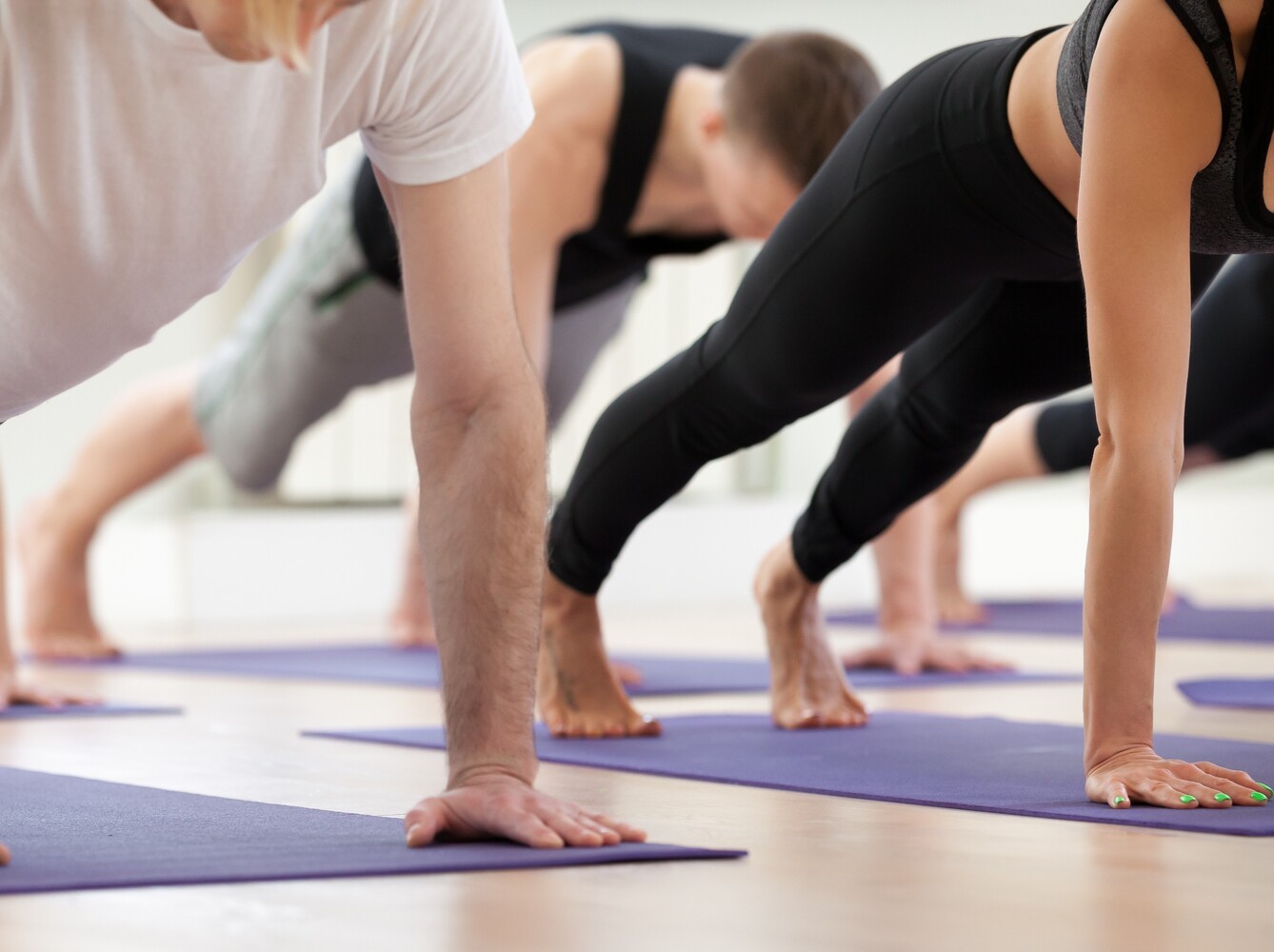
Plank Variations
Plank variations are a simple but challenging way to build core strength and stability. Start in a high plank with your hands under your shoulders and your body in a straight line from head to heels. Engage your core, squeeze your glutes, and keep your hips level.
You can modify by dropping to your knees or increasing the difficulty with side planks or shoulder taps. Holding the position for longer periods or adding movement keeps your muscles working and helps increase overall intensity during your session.
Boat Pose
Boat pose targets the deeper core muscles while also improving balance and control. Sit on the floor, lean back slightly, and lift your legs so your body forms a V shape. Keep your chest lifted and your spine long rather than rounding forward. You can keep your knees bent or straighten your legs for more challenge.
Holding this position requires steady engagement through your core. Over time, this builds strength and stability, which can support more demanding movements in your yoga practice.
Chair Pose
Chair pose is a lower-body strength builder that also engages your core throughout the hold. Stand with your feet together, then sit back as if lowering into a chair while raising your arms overhead. Keep your chest lifted and your weight in your heels.
You should feel your thighs working quickly. Holding the position challenges endurance, while small adjustments in depth or arm position can increase intensity. This pose helps build strength and control, which supports more active and demanding yoga flows.
Full-Body Strength Poses That Increase Effort
Full-body strength poses increase the overall effort of your yoga session by engaging multiple muscle groups at once. These movements challenge stability, coordination, and endurance, which can make your practice feel more physically demanding and effective.
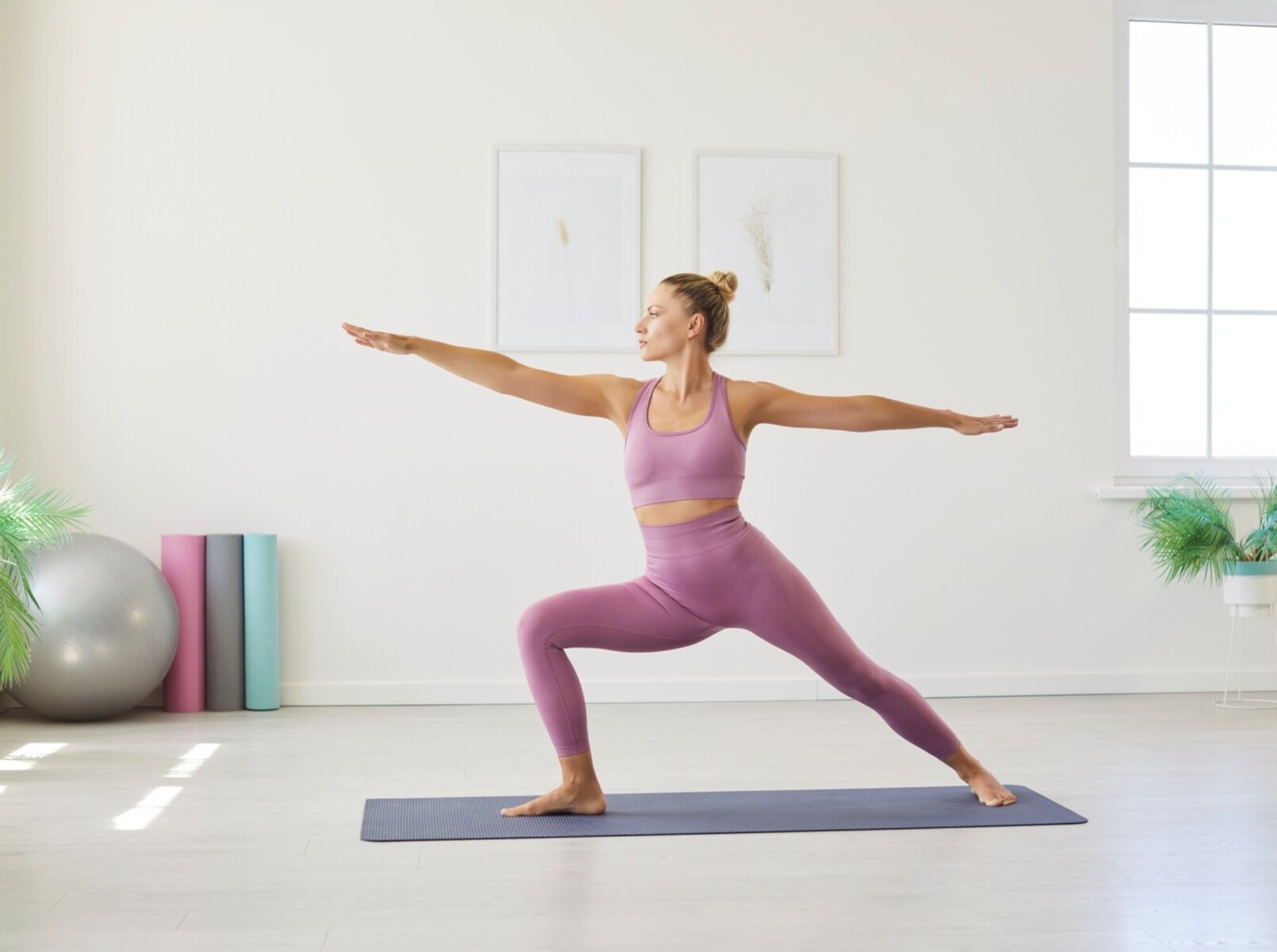
Warrior II
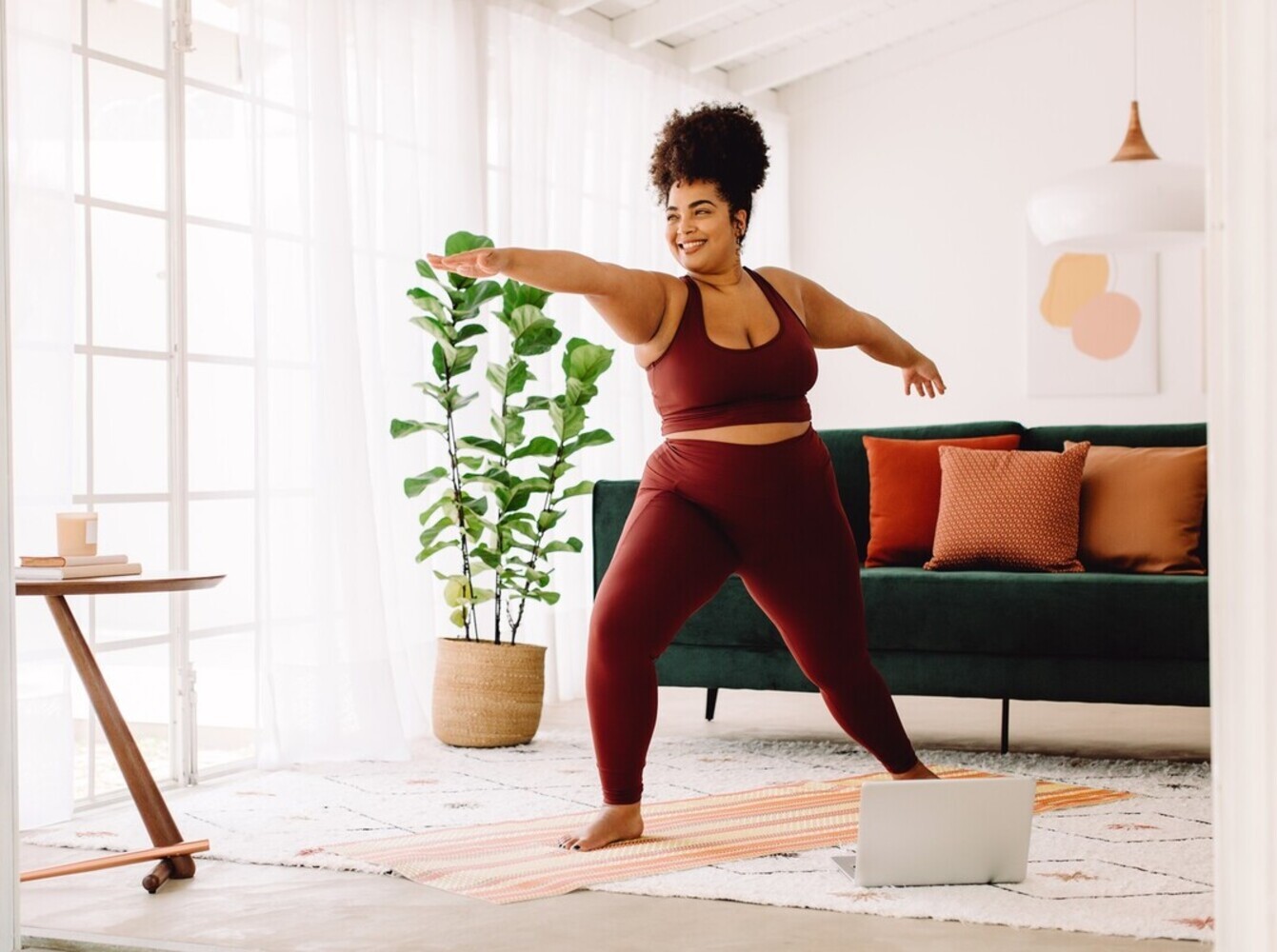
Warrior II builds lower-body strength while improving balance and control. Start by stepping your feet wide apart, then bend your front knee while keeping your back leg straight. Extend your arms out to the sides and keep your gaze steady over your front hand.
Your legs will need to stay active to hold the position, especially through the thighs and hips. Focus on staying upright through your torso. Holding for several breaths increases muscular endurance and helps support more demanding sequences later on.
Crescent Lunge
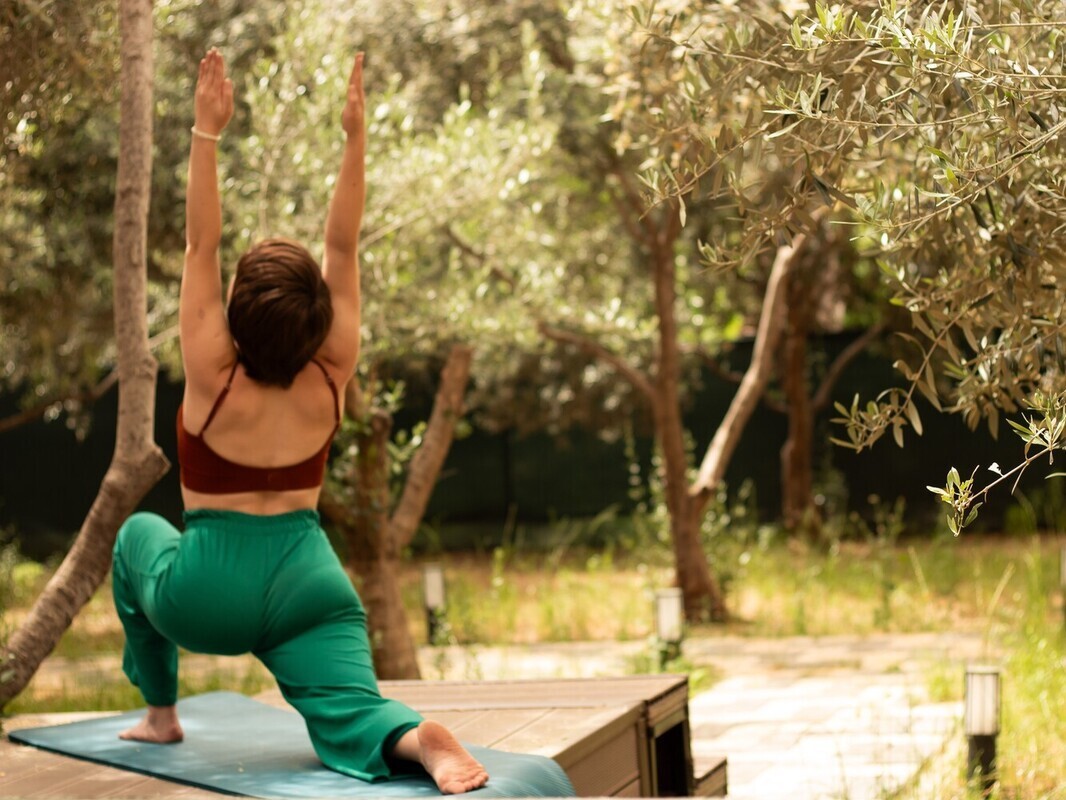
Crescent lunge challenges balance and coordination while engaging both the lower body and core. Step one foot back into a lunge, keeping your front knee aligned over your ankle. Raise your arms overhead and maintain a steady, upright posture. There’s a constant need for control here, especially as your body works to stay stable.
Moving slowly in and out of the pose adds another layer of difficulty. This helps build coordination and strength, which can make faster-paced yoga flows feel more manageable.
Downward Dog
Downward dog strengthens the upper body while also lengthening the back of the legs and spine. Begin on your hands and knees, then lift your hips upward to form an inverted V shape. Press through your palms and keep your shoulders engaged. A slight bend in the knees can help maintain alignment if your hamstrings feel tight.
The position requires steady support through the arms and back. Holding the pose builds endurance while also improving flexibility for other movements in your routine.
Flow-Friendly Poses That Help Build Heat
Flow-based poses help increase the overall intensity of your yoga practice without requiring complex movements. When linked together with steady transitions, they keep your body moving, raise your heart rate, and make the session feel more dynamic.
Sun Salutations
Sun salutations are a series of linked movements that keep your body in motion from start to finish. You move through poses like forward fold, plank, and upward dog in a continuous sequence. This steady flow increases your heart rate while engaging your arms, core, and legs.
The pace can be adjusted depending on your level. Moving a little faster adds intensity, while a slower pace builds control. Repeating several rounds in a row can improve endurance and make your session feel more physically demanding.

Mountain to Forward Fold
This simple transition encourages movement while improving flexibility and body awareness. Start standing tall in mountain pose, then hinge at your hips to fold forward. Let your upper body relax toward the floor, keeping a slight bend in your knees if needed. Moving slowly between these two positions adds control and keeps your muscles engaged.
When repeated several times, this transition can gently raise your heart rate. It also helps improve coordination and prepares your body for more dynamic sequences.
Low Lunge Transitions
Low lunge transitions build strength and coordination by moving between positions with control. Step one foot forward into a lunge while lowering your back knee toward the floor. From there, you can shift in and out of the pose or add arm movements to increase difficulty.
Each transition requires balance and steady engagement through your legs and core. Moving slowly keeps the muscles active for longer. Over time, this helps improve stability and makes more complex flows feel smoother and easier to manage.

Choosing Poses for Beginners vs More Advanced Practitioners
The right poses depend on your experience level and how comfortable you feel with movement. Starting with the appropriate level helps you build confidence and avoid unnecessary strain.
If you’re a beginner: Focus on simple, stable poses like chair, warrior I, and basic planks. These help build strength and improve balance without feeling overwhelming. Slower transitions and shorter holds are a good place to start.
If you’re more advanced: Include longer holds, faster flows, or more challenging variations like side planks or dynamic lunges. These increase intensity and keep your sessions engaging.

Yoga Routines for Weight Loss
Having the right poses is helpful, but how you structure them into a routine is what really drives results. A well-planned yoga routine can help you stay consistent, balance intensity, and make your sessions feel more purposeful.
A Simple 15-Minute Yoga Routine for Busy Days
Pressed for time? This quick routine keeps things simple but effective. You’ll move continuously and hit your core, legs, and upper body in one short session.
Minute 0–3: Start with cat-cow (5 rounds), then move into a gentle forward fold and slowly roll up to standing.
Minute 3–9: Complete 4 rounds of sun salutations at a steady pace. Move through mountain → forward fold → plank → upward dog → downward dog.
Minute 9–13: Hold plank for 30 seconds, rest briefly with child’s pose, then repeat twice. Follow with boat pose for 30 seconds, twice.
Minute 13–15: Finish in child’s pose with slow breathing to reset.
A 30-Minute Routine for More Structured Practice
Have more time? This routine builds gradually, keeps your body engaged, and gives you a proper start and finish:
Minute 0–5: Warm up with cat-cow (6 rounds), downward dog (hold for 1 minute), and alternating low lunges on each side.
Minute 5–15: Complete 5 rounds of sun salutations at a moderate pace to build heat.
Minute 15–25: Move into strength holds. Hold warrior II for 45 seconds per side, then crescent lunge for 45 seconds per side. Repeat once.
Minute 25–30: Cool down with a seated forward fold, a gentle twist on each side, then finish with 1 minute of deep breathing.
A Weekly Yoga Schedule for Weight Loss
A simple weekly plan can help you stay consistent without feeling overwhelmed. This approach balances structured yoga sessions with lighter activity, giving your body time to recover while still staying active throughout the week:
Monday: 30-minute Vinyasa flow to build momentum and increase heart rate.
Tuesday: 20 to 30 minutes of walking at a comfortable pace to stay active without added strain.
Wednesday: 25-minute strength-focused yoga session with planks, lunges, and chair pose holds.
Thursday: 20 to 30 minutes of walking or light movement such as cycling or stretching.
Friday: 30-minute power yoga or dynamic flow to challenge strength and endurance.
Saturday: 20-minute core-focused yoga session with slower, controlled movements.
Sunday: Rest day or an easy walk to support recovery and maintain consistency.
Want to add more challenge? You can replace one of your yoga days with a pilates routine for weight loss.
How Many Minutes of Yoga Per Day May Support Weight Loss
Around 20 to 60 minutes per session can be effective for supporting weight loss, depending on the style and intensity.
Shorter sessions can still work well if they’re done consistently and include some strength or flow-based movement. Longer sessions may allow for more structure, including warm-up, strength work, and recovery.
What matters most is how often you show up. Practicing 3 to 5 times per week tends to support steady progress, especially when sessions feel manageable and easy to repeat.

What to Do on Non-Yoga Days
Non-yoga days are still an important part of your routine. Staying active in simple ways helps maintain momentum without overloading your body.
Walking is one of the easiest options and can be done almost anywhere. Light strength work, such as bodyweight exercises, can support muscle development. Mobility exercises or stretching can also help you recover and stay comfortable.
Keeping these days low-pressure makes it easier to stay consistent across the week while still supporting your overall weight loss goals.
Yoga for Weight Loss for Beginners
Getting started with yoga for weight loss can feel a little overwhelming, especially if you’re not sure where to begin. The good news is that you don’t need advanced poses or long sessions to see progress; you just need a simple, consistent starting point.
The Best Starting Point If You’re New to Yoga
Starting yoga can feel unfamiliar at first, so keeping things simple helps you build confidence quickly. Begin with short sessions that focus on basic poses and controlled movement rather than intensity. This gives your body time to adjust and helps you learn proper form.
Practicing two to three times per week is a good place to start. As you become more comfortable, you can gradually increase session length or try slightly more dynamic classes. Progress builds over time, and consistency tends to matter more than doing everything perfectly.
Beginner-Friendly Yoga Poses to Start With
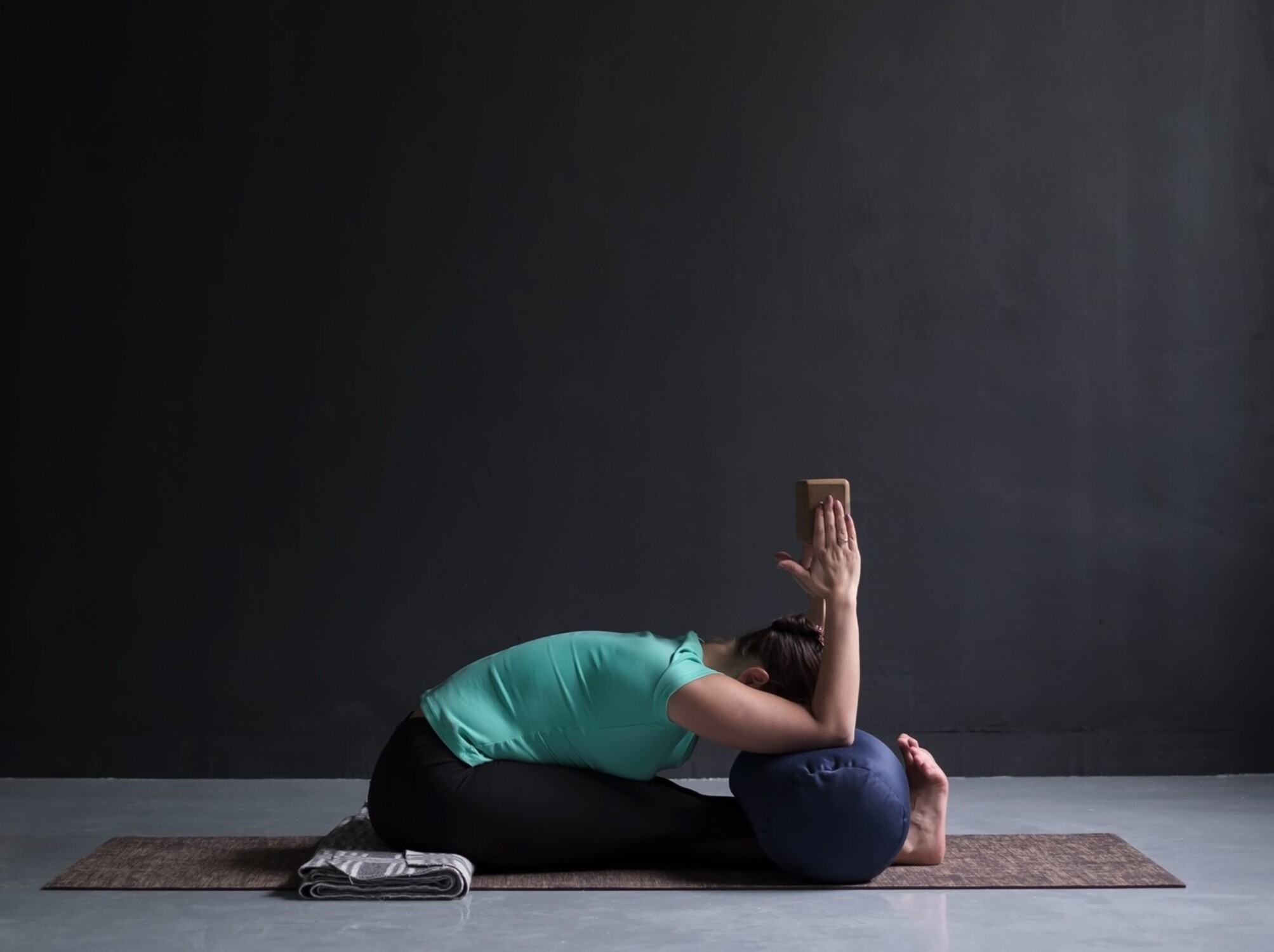
Starting with simple, foundational poses helps you build confidence while learning how your body moves. These poses are approachable, easy to modify, and still effective for building strength and awareness:
Mountain pose: Stand tall with your feet grounded and arms relaxed. Focus on posture and steady breathing. This helps improve balance and body awareness.
Downward dog: Lift your hips and press through your hands. This builds upper-body strength while stretching the legs.
Child’s pose: A resting position that helps you reset and recover between movements.
Cat-cow: Move between arching and rounding your back. This improves mobility and warms up the spine.
Warrior I: Step one foot back and bend your front knee. This builds lower-body strength and introduces balance.
How Often Beginners Should Practice Yoga
Beginners often see the best results by starting with 2 to 3 sessions per week and building from there. This allows your body time to adjust while still creating enough consistency to notice progress.
Each session doesn’t need to be long. Even 15 to 25 minutes can be effective when done regularly. As your strength and confidence improve, you can add an extra day or increase session length. The goal is to create a routine that feels manageable and easy to repeat each week.
Common Beginner Mistakes and How to Avoid Them
It’s normal to make a few mistakes when you’re starting out with yoga, especially when everything feels new. The good news is that most of these are easy to fix once you know what to look for, and small adjustments can make your practice much more effective.
Doing Too Much Too Soon
It’s easy to feel motivated at the start and jump into longer or more intense sessions right away. This often leads to soreness, fatigue, or even minor injuries that make it harder to stay consistent. Starting with shorter sessions a few times per week gives your body time to adapt.
Focus on learning basic movements and building control first. As your strength and confidence improve, you can gradually increase intensity or duration without overwhelming yourself or losing momentum.
Focusing Only on Flexibility
Many beginners assume yoga is mainly about stretching, so they focus heavily on flexibility. While flexibility is important, strength plays a major role in progress. Poses like planks, lunges, and chair pose help build stability and control, which support more advanced movements later on.
Including a mix of strength-based and mobility-focused poses creates a more balanced routine. Over time, this approach helps improve posture, reduce injury risk, and make your practice feel more effective overall.
Skipping Rest and Recovery
Rest days often get overlooked, especially when motivation is high. However, recovery is where your body adapts and builds strength. Without it, fatigue can build up and make sessions feel harder than they need to be. Taking at least one or two lighter days each week can help you stay consistent.
This might include gentle stretching, walking, or shorter sessions focused on mobility. Giving your body time to recover helps you return to your next workout feeling more capable and energized.

Not Paying Attention to Form and Alignment
Rushing through poses without focusing on form can limit your progress and increase the risk of discomfort. Small alignment adjustments can make a big difference in how a pose feels and how effective it is.
For example, keeping your knee aligned over your ankle in a lunge or engaging your core during a plank improves stability and control. Slowing down and paying attention to positioning helps you build strength more efficiently and makes each movement more purposeful.
Chair Yoga for Weight Loss
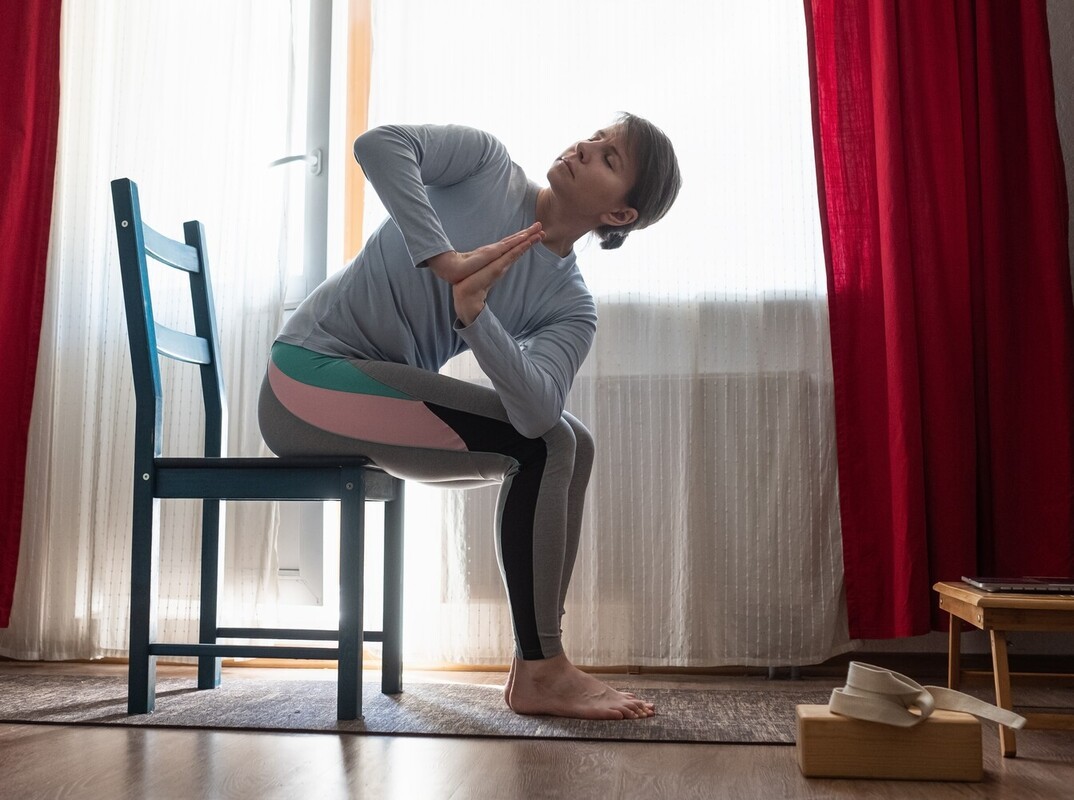
Chair yoga can be a helpful option if traditional yoga feels uncomfortable or inaccessible. It offers a way to stay active, build strength, and ease into movement without putting too much strain on your body.
Can Chair Yoga Help With Weight Loss?
Chair yoga can support weight loss, but the changes tend to be gradual. It increases daily movement and helps build strength in a way that feels manageable. This can be especially helpful if you’re starting from a low activity level.
Over time, even small increases in movement can make a difference. Chair yoga also helps improve consistency, which plays a major role in progress. When combined with supportive habits like regular activity or balanced eating, it can contribute to steady, sustainable weight loss.
Who Chair Yoga Is Best For
Chair yoga is a practical option for people who need a lower-impact approach to movement. It works well for older adults, beginners, or anyone recovering from injury who wants to stay active without added strain.
It can also be useful if standing for long periods feels uncomfortable. The seated format provides stability while still allowing you to move your arms, legs, and core. This makes it easier to build confidence and develop a routine that feels safe, approachable, and consistent.

What Chair Yoga Can Realistically Do for Fitness and Strength
Chair yoga can improve mobility, balance, and light strength over time. You may notice better posture, more control in your movements, and less stiffness during daily activities. While it may not feel as intense as other workouts, it still engages muscles and encourages regular movement.
These changes can support overall fitness and make other activities feel more manageable. When paired with additional movement, such as walking or light resistance work, it can also contribute to gradual weight loss.
Beginner-Friendly Chair Yoga Movements
Getting started with chair yoga can be simple and approachable. Movements like seated leg lifts help engage the lower body while improving coordination.
Arm raises or light resistance exercises can build upper-body strength without needing equipment. Gentle twists support mobility through the spine and can feel relieving after long periods of sitting.
Moving slowly and focusing on control helps keep muscles engaged throughout each movement. Over time, these simple exercises can build strength and make it easier to stay active throughout the day.
How to Combine Chair Yoga With Other Low-Impact Activities
Combining chair yoga with other low-impact activities can help increase your overall movement without putting too much strain on your body. This approach supports consistency and makes your routine feel more balanced and manageable.
Add short daily walks: Even 10 to 20 minutes can increase your activity level and support weight loss.
Include light resistance exercises: Use bands or light weights to build strength alongside chair yoga.
Break movement into smaller sessions: Spread activity throughout the day to avoid fatigue.
Stay consistent with simple habits: Regular movement, even at a lower intensity, can support steady progress over time.
Hot Yoga for Weight Loss
Hot yoga often gets a lot of attention when weight loss is the goal, mainly because of how intense it can feel. But the way it supports weight loss is often misunderstood, so it’s worth taking a closer look at what’s actually happening.
Does Hot Yoga Help With Weight Loss?
Hot yoga can support weight loss, but the benefit comes from the physical effort involved rather than the heat itself. The elevated temperature may make the session feel more intense, which can encourage you to stay engaged and move continuously.
Poses still require strength, balance, and control, especially during longer holds or flowing sequences. That effort contributes to energy use. If sessions are consistent and paired with supportive habits, hot yoga can play a role in a broader weight loss plan.
Potential Benefits of Hot Yoga for Weight Goals
Hot yoga can support weight-related goals in a few practical ways, especially when practiced consistently and paired with other habits. The environment can make sessions feel more engaging, which may help with adherence over time.
Increased flexibility: The heat can help muscles feel more pliable, allowing for deeper movement and improved range of motion.
Higher perceived intensity: The warm environment can make sessions feel more challenging, which may help you stay focused and engaged.
Structured routine: Attending regular classes can create consistency and accountability.
Improved endurance: Moving through sequences in a heated room can help build stamina over time.
Safety Considerations Before Trying Heated Yoga Classes
Hot yoga can feel intense, so preparing properly helps you stay safe and get the most out of each session. Hydration is essential. Drinking water before and after class helps replace fluids lost through sweat and supports recovery.
It’s also helpful to pace yourself, especially during your first few sessions, since the heat can increase fatigue more quickly. If you have underlying health conditions, such as cardiovascular concerns or heat sensitivity, it’s important to check with a healthcare professional before starting.
Who May Prefer Non-Heated Yoga Styles
Non-heated yoga styles can feel more approachable, especially if you’re new to yoga or sensitive to higher temperatures. Some people find it easier to focus on form and breathing in a cooler environment, without the added challenge of heat.
This can help build confidence early on. It may also feel more comfortable if you prefer slower-paced sessions or want to ease into a routine. Choosing a style that feels manageable can make it easier to stay consistent and maintain your practice over time.

Somatic Yoga for Weight Loss
Somatic yoga has been gaining attention, especially among people looking for a more gentle, body-focused approach to movement. It’s often linked to weight loss in a different way, with a stronger focus on how your body feels rather than how intense the workout is.
What Is Somatic Yoga?
Somatic yoga focuses on slow, controlled movements combined with internal awareness. Instead of aiming for perfect form, the emphasis is on how each movement feels in your body. You might move through smaller ranges of motion and pause often to notice tension or discomfort.
This approach helps you reconnect with your body and improve movement patterns. Over time, it can support better posture, reduce tightness, and make everyday movement feel more comfortable.
Why Some People Associate Somatic Yoga With Weight Loss
Somatic yoga is often linked to weight loss, but not for the same reasons as more active styles. The connection comes from how it influences stress, awareness, and daily habits that affect long-term progress.
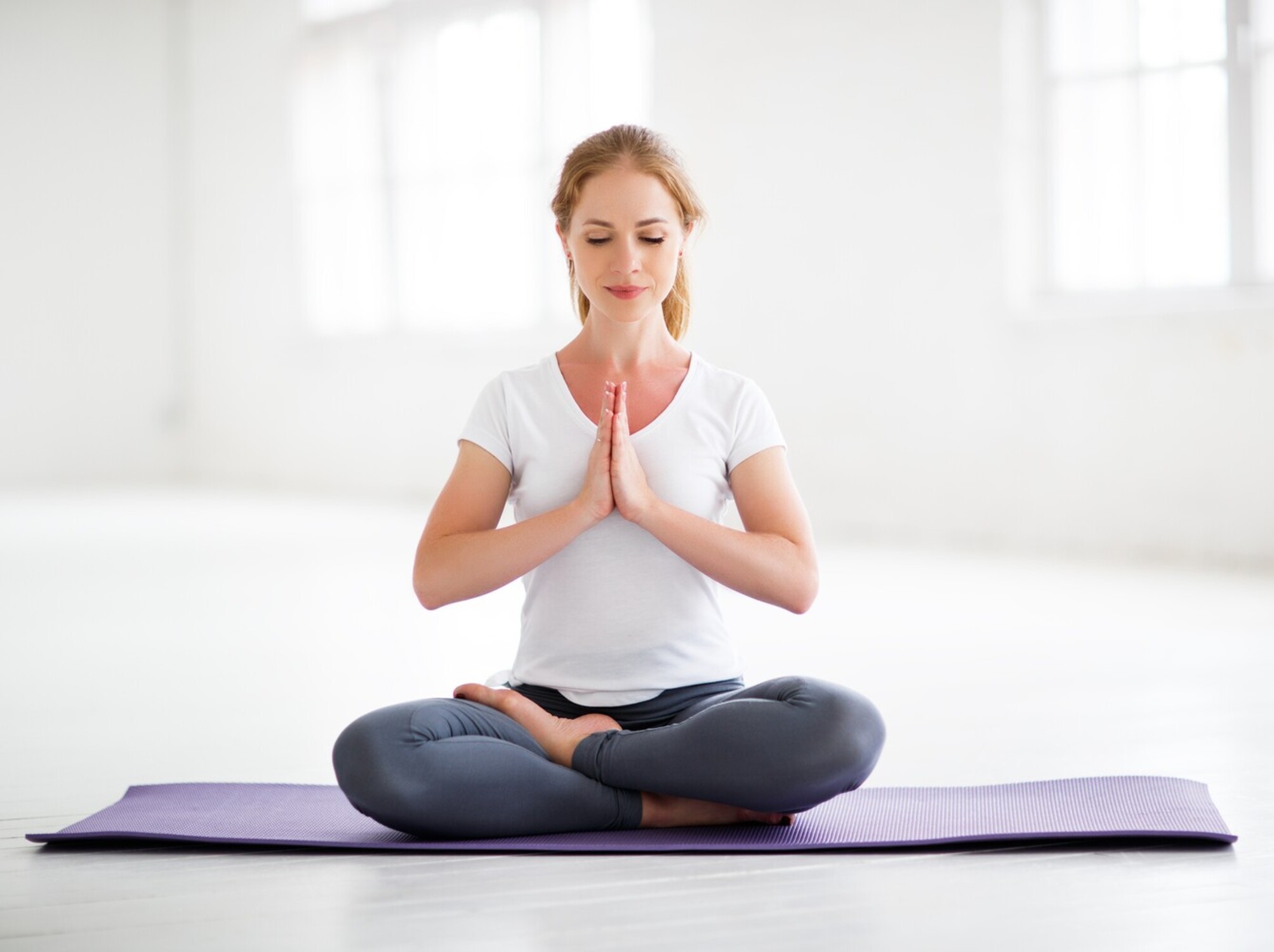
Stress Regulation and Nervous System Support
Somatic yoga can help calm the nervous system, which plays a role in how your body responds to stress. When stress levels are lower, patterns like emotional eating or late-night snacking may become less frequent. Breathing exercises and slow movement help signal to your body that it’s safe to relax.
Over time, this can support more stable routines and better sleep, both of which influence weight-related habits.
Improved Body Awareness
One of the key benefits of somatic yoga is increased awareness of how your body feels throughout the day. This often carries over into eating habits. You may start to notice the difference between physical hunger and eating out of boredom or stress.
That awareness can help guide more intentional choices. Small shifts, like recognizing fullness earlier or slowing down during meals, can support more consistent eating patterns over time.
Building Movement Confidence
Somatic yoga can help rebuild confidence in movement, especially if you’ve felt hesitant or disconnected from your body. The slower pace allows you to explore movements without pressure or discomfort.
This can make exercise feel more approachable and less intimidating. As confidence grows, people are often more willing to stay active in other ways, whether that’s walking, strength training, or trying different types of classes. That increased activity supports overall progress.
How Somatic Yoga Differs From More Active Yoga Styles
Somatic yoga is slower and less physically demanding compared to more active styles like Vinyasa or power yoga. Movements are often smaller, and there’s more focus on control and awareness than on intensity or flow.
You might spend more time noticing how your body responds rather than moving quickly between poses. This makes it a good option for recovery days or for people who prefer a gentler approach. It complements more active routines rather than replacing them entirely.
Yoga and Walking for Weight Loss
Combining yoga with walking is one of the simplest ways to support weight loss without overcomplicating your routine. This approach keeps you active throughout the week while balancing movement, recovery, and consistency.
Why Combining Yoga and Walking Works Well
Combining yoga and walking for weight loss works well because it balances structure with simplicity. Yoga helps build strength, improve mobility, and support recovery, while walking increases daily activity in an easy, low-pressure way. You’re moving more without adding excessive strain.
This makes it easier to stay consistent across the week. Over time, that consistency supports steady progress and helps build a routine that feels manageable and sustainable.
A Simple Weekly Plan That Uses Both Yoga and Walking
A balanced weekly plan makes it easier to stay active without feeling overwhelmed. Alternating between yoga and walking helps you build strength while keeping movement consistent.
Monday: 30-minute Vinyasa yoga session
Tuesday: 20 to 30-minute walk at a steady pace
Wednesday: 25-minute strength-focused yoga
Thursday: 20-minute walk or light movement
Friday: 30-minute dynamic yoga flow
Saturday: 30-minute walk outdoors
Sunday: Rest or gentle stretching
How Walking Supports Yoga-Based Weight Loss Goals
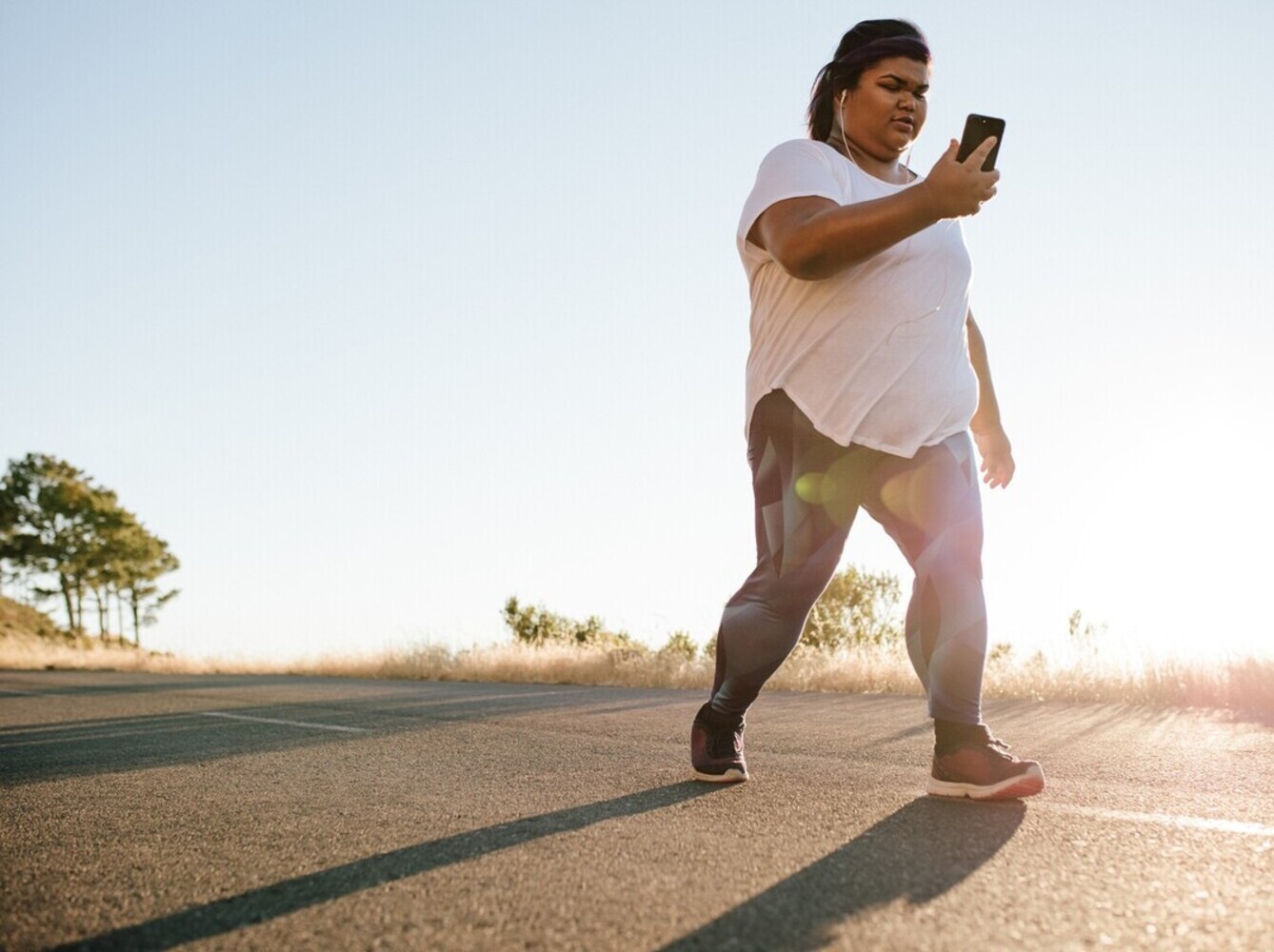
Walking helps increase daily movement in a way that feels manageable and easy to repeat. It fits into your day without much planning and doesn’t add extra strain. When paired with yoga, it adds activity without overwhelming your body.
This balance can support energy levels and reduce fatigue. Over time, the added movement helps create a more consistent routine, which supports gradual weight loss.
Why This Combination Can Be Easier to Maintain
It works well because it’s simple and adaptable to different schedules. You don’t need a gym or long time blocks to stay active. Yoga can be done at home, and walking can fit into breaks or evenings. This makes it easier to stay consistent, even on busy days.
When a routine feels manageable, people are more likely to stick with it, and that consistency supports long-term progress.
What Results Can You Expect From Yoga for Weight Loss?
Expect gradual, steady changes rather than quick shifts on the scale. Yoga supports sustainable weight loss by improving strength, movement, and daily habits over time. You may not see immediate results, but progress builds with consistency.
Sessions start to feel easier, and your routine becomes more structured. These changes create a foundation for long-term success, which is often more realistic and easier to maintain than rapid weight loss approaches.
How Long Does It Usually Take to See Changes?
Most people notice changes within a few weeks to a few months, depending on how often they practice. Early shifts may feel subtle at first. You might notice improved flexibility, better balance, or increased comfort during movement.
Visible weight changes often take longer. Staying consistent with your routine plays a major role here. Regular sessions, even if they are shorter, tend to support more noticeable progress over time.
Improvements You May Notice Before Weight Loss
Changes often show up in ways that go beyond the scale. Better sleep is common, along with more stable energy levels throughout the day. Some people also notice reduced stress or improved focus.
These shifts can influence how you eat and move without requiring major effort. Over time, they help support more consistent habits. This can make it easier to maintain a routine that supports weight loss in a gradual and steady way.
Why Strength, Energy, and Mobility Matter Too
Strength, energy, and mobility all play a role in supporting long-term weight management. As your strength improves, movements feel more controlled and less tiring. Increased energy can make it easier to stay active throughout the day.
Better mobility allows you to move more freely and with less discomfort. These changes often make other forms of exercise feel more manageable, which helps you stay consistent and maintain an active lifestyle.
How to Build a Sustainable Yoga Weight Loss Plan at Home
Building a yoga routine at home can feel more doable than trying to follow a strict gym schedule. With a few simple steps, you can create a plan that fits your space, your time, and your goals:
Step 1: Choose the Right Format
Choosing the right format can make your routine much easier to maintain. Apps and videos work well if you want flexibility and like practicing on your own schedule. Live classes can help if you do better with structure and accountability.
Try a few options and pay attention to what keeps you coming back. The best format is the one that fits your life and feels easy to repeat.

Step 2: Set Up a Simple Practice Space
You don’t need much space to practice yoga at home. A mat and a small open area are enough for most routines. Keep your setup simple so it feels easy to start without extra effort. Leaving your mat somewhere visible can also help remind you to practice.
When your space feels accessible and ready to use, it becomes easier to follow through, even on busy days.
Step 3: Start Small and Build Consistency
Starting small helps you create a routine that feels realistic from the start. A 10 to 15-minute session can still be effective when done regularly. Focus on showing up, even if the session is short. As your confidence grows, you can add time or try more challenging flows.
This gradual approach helps reduce burnout, builds momentum, and makes it easier to stay consistent across the week.
Step 4: Track Progress Beyond the Scale
Progress often shows up before the scale changes. You may notice better balance, more energy, or improved strength during your sessions. Daily habits can shift, too, including sleeping better or feeling more motivated to move.
Paying attention to these changes helps you see that your routine is working. It can also keep you motivated when weight loss feels slow or less noticeable in the early stages.
Step 5: Combine Yoga With Nutrition Support
Yoga can support weight loss, but nutrition still plays an important role. When meals are more balanced and eating patterns feel consistent, progress is often easier to maintain. As Registered Dietitians, we often see better outcomes when movement and nutrition work together.
If you want more personalized support, connect with a Registered Intuitive Eating Dietitian through Berry Street to build a plan that fits your routine and goals.

Weight Loss Yoga FAQs
Can you lose weight doing yoga every day?
Yes, you can lose weight doing yoga every day if it increases your overall activity level and supports consistent habits. Daily practice can also improve strength, mobility, and awareness, which may influence eating patterns over time.
Which yoga burns the most calories?
Vinyasa and power yoga tend to burn more calories because they keep you moving. These styles raise your heart rate and require more effort compared to slower, more static classes.
Is yoga better for weight loss than walking?
They support weight loss in different ways. Walking helps increase daily movement, while yoga builds strength and supports recovery, so using both together often works better.
How many days a week should you do yoga for weight loss?
Around 3 to 5 days per week works well for most people. This gives you enough consistency to see progress without feeling overwhelmed.
Can chair yoga really work for weight loss?
Chair yoga can help, especially if you’re just getting started or have limited mobility. It builds strength and encourages movement, though results tend to be gradual.
Is hot yoga good for weight loss or just water loss?
Hot yoga can support weight loss through the effort involved in the session. The drop in weight right after class is mostly water, not body fat.
What’s the best yoga for beginners who want to lose weight?
Hatha or beginner Vinyasa is a solid place to start. These styles help you learn the basics while still keeping you active.
Can yoga help reduce belly fat?
Yoga can support overall fat loss, which may include the abdominal area. There isn’t a way to target fat loss in one specific spot.
How much weight can you lose doing yoga for 30 days?
Results depend on consistency, starting point, and daily habits. Most people notice small changes first, rather than dramatic weight loss.
Are online yoga classes effective for weight loss?
Yes, they can be very effective when you follow a routine. They also make it easier to stay consistent since you can practice at home.
Is Yoga With Adriene good for weight loss routines?
It’s a good option if you want something approachable. The routines are easy to follow, which helps you stay consistent over time.

Conclusion
Yoga can support weight loss when it becomes part of a routine you can stick with, not something you rely on for quick results. It helps build strength and improve mobility, while also supporting stress management, consistency, and more mindful eating habits. Over time, these changes can influence energy levels, food choices, and how often you stay active during the week.
Pairing yoga with regular movement and a realistic nutrition plan often leads to more sustainable progress. Consistency, structure, and small daily habits tend to drive results more than occasional intense effort.
If you’re ready to take the next step, you can connect with a Registered Dietitian covered by insurance through Berry Street to build a plan that works for you.