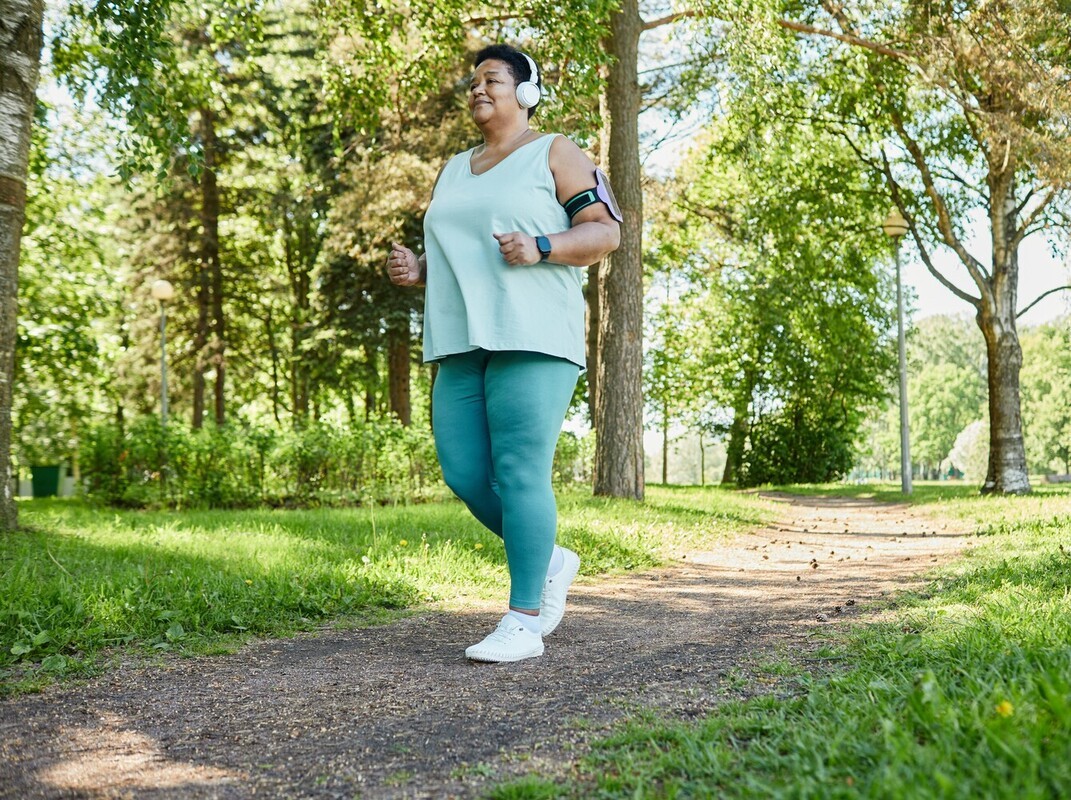
Walking for weight loss is one of the underappreciated tools in your toolbox. It’s free, low-impact, and something most people can build into their day right away. If you’ve struggled with exercise that feels too intense, too intimidating, or too easy to skip, walking can be a great start.
Before we dive in, a quick note: All movement guidance in this program is for general wellness support. Check with your doctor before starting or changing any exercise routine and stop if you experience pain, dizziness, shortness of breath, or any symptoms your medical team has advised you to avoid.
Key Takeaways
Walking supports weight loss when it helps create a consistent calorie deficit, especially at a brisk pace performed most days of the week.
Weekly volume matters more than perfect daily numbers, and small increases in pace, hills, or duration can prevent plateaus.
Nutrition determines whether your walking effort translates into fat loss, so balanced meals and portion awareness are essential.
Recovery, sleep, and strength training all influence results and help protect muscle and joints.
The most effective plan is the one you can sustain long term with steady progress and realistic expectations.

Does Walking Really Help With Weight Loss?
Yes, walking can absolutely help with weight loss when it contributes to a consistent calorie deficit. Weight loss happens when your body uses more energy than it takes in. Walking increases your daily energy expenditure in a way that feels manageable for most people.
A 30 to 45-minute brisk walk can burn a meaningful number of calories, especially when done most days of the week. Over time, that adds up. Pair walking with balanced meals that include protein, fiber, and adequate hydration, and the results become more predictable.
As Registered Dietitians, we often recommend walking first because it feels approachable and builds momentum quickly.
Why Walking Works for Fat Loss
Walking raises your total daily calorie burn without overwhelming your body. Each step requires energy. Your muscles pull from stored carbohydrates and fat to keep you moving.
While one walk may not create dramatic change, repeating that effort five or six days per week shifts your overall energy balance. Consistency drives results.
Walking also supports insulin sensitivity and blood sugar control, which influence how your body stores fat. Stable blood sugar can reduce energy crashes and overeating later in the day.
From our experience, walking often becomes the anchor habit that helps clients feel more in control of both movement and nutrition decisions.
Walking vs “Harder” Cardio
It’s easy to assume that more intense workouts automatically lead to faster weight loss. Running, HIIT, and fast cycling do burn more calories per minute. That matters. But intensity is only one variable. Recovery, joint stress, and how often you can realistically repeat the workout matter just as much.
Method | Calories Burned Per Hour | Joint Impact | Sustainability |
Brisk Walking | Moderate | Low | High |
Running | High | Moderate to High | Moderate |
Cycling | Moderate to High | Low | Moderate |
HIIT | Very High | High | Low to Moderate |
Higher intensity options can speed up calorie burn, but they also increase fatigue and injury risk for some people. Walking is easier to recover from and easier to repeat. That repeatability adds up over time.

When Walking Alone Is Enough and When It’s Not
Walking alone can drive weight loss if you are starting from a low activity level and consistently increasing your weekly movement. For many beginners, adding 30 to 60 minutes of brisk walking most days creates enough of a calorie gap to see steady progress.
However, if you already walk regularly and the scale has stalled, nutrition, intensity, or strength training may be the limiting factor. Appetite changes can also quietly offset your effort.
That’s where personalized guidance helps. If you want a structured approach, connect with a Registered Weight Loss Dietitian through Berry Street for a customized 7-day meal plan that aligns with your walking routine.
How Much Walking Do You Need to Lose Weight?
Most people need more than casual movement to see meaningful weight loss. A helpful starting point is at least 150 minutes of moderate intensity walking per week, which supports general health.
For weight loss, many individuals benefit from 200 to 300 minutes weekly, depending on their starting point, pace, and nutrition habits. That could look like 30 to 45 minutes most days.
Brisk pace matters. So does consistency. Steady weekly totals tend to produce better results than occasional long walks followed by inactive days. The right amount is the one you can maintain while supporting recovery and balanced eating.
Daily Walking Targets for Weight Loss
Setting a realistic daily target makes walking feel structured and measurable. The goal is to choose a range that challenges you without draining you. Your starting fitness level, schedule, and recovery capacity all matter:
Beginner: 15 to 30 minutes at a comfortable pace where you can hold a full conversation. Focus on posture, supportive footwear, and building the habit five days per week.
Intermediate: 30 to 45 minutes with 5 to 10 minutes of brisk walking mixed in. You should feel slightly breathless during faster segments.
Advanced: 45 to 60 minutes or structured intervals that include hills or pace changes to increase total calorie burn.
Progress when your current level feels sustainable for at least two weeks.
Weekly Walking Volume That Actually Moves the Scale
When it comes to weight loss, your total weekly walking volume matters more than executing a perfect daily routine. Your body responds to the sum of your effort across the week. If you miss a Tuesday walk but fit in a longer session on Saturday, you can still stay on track.
Aiming for 200 to 300 minutes per week often supports steady progress for many adults, depending on pace and nutrition. Think in terms of weekly totals rather than daily streaks.
This approach reduces all-or-nothing thinking and makes your plan more flexible. Consistency over time drives results, even when individual days look different.

Distance vs Time vs Steps
You can measure walking in several ways, and each method has advantages. Average steps per day for weight loss are simple and widely accessible through phones and wearables. A daily goal such as 8,000 to 10,000 steps gives you a clear target.
Time-based goals work well if your pace varies. For example, 40 minutes at a brisk pace is easier to standardize than distance on a hilly route.
Distance can be motivating if you enjoy walking 5 miles a day for weight loss on the same route.
The key is clarity. Choose one primary metric and stick with it for a few weeks. Too many tracking methods can create unnecessary stress and confusion.
Why “Just Walk More” Often Stops Working
If you walk the same 30-minute route at the same pace every day, your body becomes more efficient. Efficiency is great for fitness, but it can slightly reduce calorie burn for that exact effort over time. Progress slows. Plateaus happen.
Another common factor is appetite compensation. After increasing activity, you may feel hungrier and add an extra snack or larger portions without realizing it. That can quietly erase your calorie deficit.
The solution is usually small adjustments. Increase pace for short intervals, add gentle hills, extend one or two weekly walks, or reassess portion sizes to realign intake with your goals.
How Long Should You Walk to Lose Weight?
There is no universal number that guarantees weight loss. The right duration depends on your starting fitness level, pace, and overall calorie intake. For many adults, 30 to 60 minutes of brisk walking most days provides enough stimulus to increase daily calorie burn in a meaningful way.
If you are new to exercise, 15 to 30 minutes may be an appropriate starting point. If you already walk regularly, you may benefit from longer or slightly more intense sessions.
The key is choosing a duration you can repeat consistently. A sustainable 40-minute walk five days per week will outperform occasional 90-minute sessions followed by burnout.
The Sweet Spot for Walking Sessions
Different walk lengths serve different purposes. A 20-minute walk builds the habit and keeps momentum going on busy days. 30 minutes typically raises your heart rate into a moderate intensity zone, which supports cardiovascular fitness and calorie burn.
45 to 60-minute walks increase total energy expenditure and improve endurance. They also give you more time at a steady pace, which can add up across the week.
Shorter sessions are easier to schedule and recover from. Longer sessions accumulate more total burn. Both are effective when aligned with your schedule and recovery capacity.
Is One Long Walk Better Than Multiple Short Walks?
Both approaches can support weight loss. One continuous 45 to 60-minute walk allows you to settle into a steady rhythm and maintain moderate intensity for longer. That can increase total calorie burn in a single session.
On the other hand, breaking movement into two or three 15 to 20-minute walks spreads activity throughout the day. This can help manage blood sugar after meals and reduce long periods of sitting.
For someone with a packed schedule, shorter walks may feel more realistic. For someone who enjoys longer outdoor time, one extended session may feel more satisfying. Choose the format you will actually maintain.
How Long It Takes to See Results From Walking
Improvements often show up in stages. Within 2 to 3 weeks, many people notice better stamina, improved mood, and more energy during the day.
Physical changes take longer. Visible weight loss typically appears after 4 to 8 weeks of consistent walking paired with supportive nutrition. Even then, the scale may fluctuate due to water shifts, sodium intake, or hormonal changes.
Body composition improvements can occur before dramatic scale drops. Pants may fit differently before numbers move significantly. Staying patient and tracking trends over several weeks helps you see progress more clearly and avoid reacting to short-term fluctuations.
Walking Speed, Pace, and Intensity for Weight Loss
Speed influences how many calories you burn and how your body adapts. A relaxed stroll through the neighborhood feels very different physiologically than a focused, brisk walk where your arms swing and your stride lengthens.
Higher intensity increases breathing rate, total energy expenditure, and heart rate for weight loss. That can accelerate progress when paired with balanced nutrition.
At the same time, intensity must match your current fitness level. If every walk leaves you exhausted, consistency suffers. The goal is to find a pace that challenges you while still allowing repeat sessions throughout the week. Sustainable intensity drives long-term fat loss.
What “Brisk Walking” Actually Means
Brisk walking generally falls around 3 miles per hour or slightly faster, though that varies by height and stride length.
The talk test is more practical than staring at your watch. You should be able to speak in short sentences, but holding a long conversation should feel effortful. Singing would be difficult. Your breathing should be elevated but steady. Arms swing naturally, posture stays upright, and your steps feel purposeful.
If you finish a 30-minute walk lightly sweaty and energized, you likely hit the right zone. Brisk means intentional effort, not racing down the sidewalk.
Does Walking Faster Burn More Fat?
Yes, walking faster increases calorie burn per minute because your body works harder to move at a quicker pace. Heart rate rises. Muscles demand more energy. Over weeks and months, that higher energy output can contribute to greater fat loss.
However, faster is not always better if it leads to shin splints, foot pain, or burnout. A pace you can sustain five days per week beats an aggressive pace you manage twice. Gradually increasing speed in short intervals is often more effective than trying to power walk every minute of every session.

Heart Rate Zones and Walking
Moderate intensity walking usually falls between 50 and 70% of your estimated maximum heart rate. This range supports cardiovascular improvements and steady calorie burn without overwhelming your recovery.
You don’t need complex calculations to apply this. If your breathing is heavier but controlled and you can speak a few words at a time, you are likely within that moderate zone.
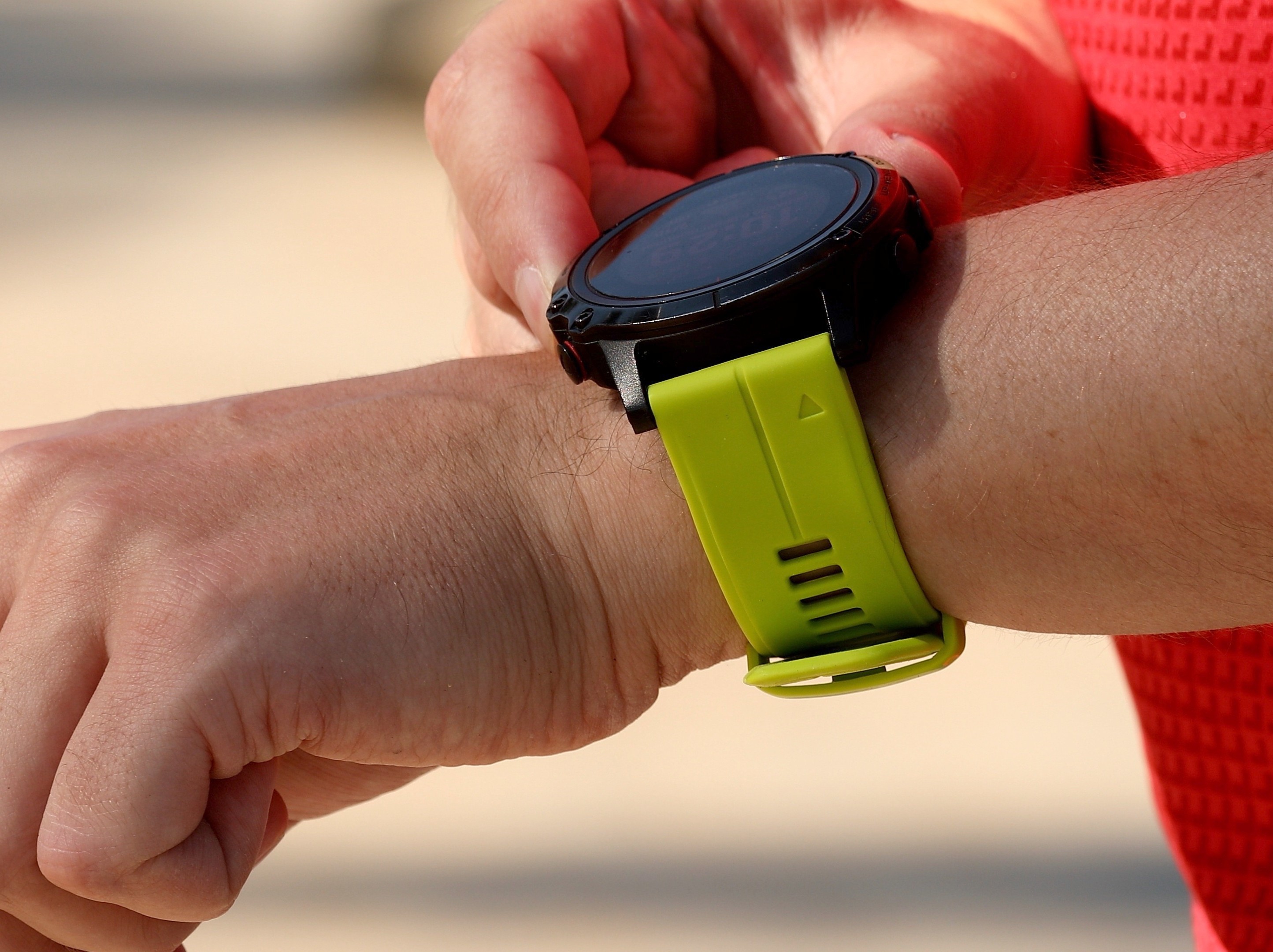
Fitness trackers can provide guidance, but your body cues matter more. Staying mostly in this range allows you to accumulate enough weekly volume to influence weight loss while protecting joints and energy levels.
When Slower Walking Still Counts
Slower walking plays an important role in a well-rounded plan. It supports circulation, joint mobility, and stress management.
For beginners, easy-paced walks build confidence and help the body adapt to regular movement. For more advanced walkers, slower sessions are valuable on recovery days after interval or hill workouts. Light walks after meals can also help stabilize blood sugar levels.
Even a 15-minute relaxed walk reduces sedentary time and increases total daily energy expenditure. Progress does not come only from hard sessions. Consistent light movement layered throughout the week meaningfully contributes to overall calorie burn and long-term sustainability.

The Best Walking Plans for Weight Loss
A structured plan makes walking more effective and easier to stick with. The right progression helps you build consistency first, then layer in intensity and volume without burning out.
Beginner Walking Plan (Weeks 1 to 4)
During the first four weeks, your focus is simple: show up. We are building consistency, joint tolerance, and confidence. Wear supportive shoes. Stand tall. This phase is about creating a routine that your body and schedule can handle.
Monday
Start the week with a 20 to 25-minute walk at an easy, conversational pace. You should be able to talk in full sentences without feeling winded. Focus on posture. Keep your head up, shoulders relaxed, and stride natural.
This walk sets the baseline for your week. It should feel manageable, not exhausting. When Monday feels doable, momentum builds quickly.
Tuesday
Walk another 20 to 30 minutes at a similar comfortable pace. Consistency matters more than intensity right now. Pay attention to how your feet feel in your shoes. Notice your breathing rhythm. Small awareness helps prevent soreness and keeps you connected to your body.
Wednesday
You have options today. If your body feels good, take a shorter 15 to 20-minute relaxed walk. If you feel mild soreness in your calves or hips, take a full rest day.
Recovery supports adaptation. Gentle stretching after your walk can also help reduce stiffness. The goal is to listen to your body while maintaining the habit of prioritizing movement.
Thursday
Return to your 20 to 30-minute walk. If Monday felt easy, you can add five minutes or slightly increase your pace for the last few minutes. Nothing dramatic. Just a subtle nudge. This builds joint tolerance and cardiovascular endurance without overwhelming your system. Small progress keeps motivation high.
Friday
Complete another 20 to 30-minute walk at a comfortable pace. By now, the routine should feel more familiar. Pay attention to how your energy compares to day 1. Many beginners notice slightly improved stamina by this point. That feedback is powerful. It reinforces the habit.

Saturday
If your week has allowed five walks already, Saturday can be a rest day. If you missed a session, use today to make it up with a relaxed 20-minute walk. Keep it light. Weekend walks are a great time to explore a new route or walk with a friend. Enjoyment increases adherence.
Sunday
Take a full rest day. Let your joints and muscles recover. Brief stretching or light mobility work can support circulation. Reflect on the week. Did 20 minutes feel manageable? Are your shoes supportive? After years of experience, we know this reflection phase helps beginners adjust before small aches become bigger issues.
Over these first four weeks, the goal isn’t speed or distance records. It’s repetition. Show up five days per week. Keep the pace comfortable. Build the habit. The results follow consistency.
Intermediate Walking Plan (Weeks 5 to 8)
By weeks five through eight, your body is adapting. Walking no longer feels brand new. Now we build on that foundation. You’re still prioritizing consistency, but we’re layering in structure and progression to keep results moving.
Monday
Walk for 30 to 40 minutes at a moderate pace. During the final five minutes, pick up the speed to a brisk pace where talking feels slightly harder but still possible. This small push challenges your cardiovascular system without overwhelming it. You should finish feeling accomplished, not drained.
Tuesday
Complete a 30 to 45-minute walk at a steady, comfortable pace. Focus on posture and cadence. Aim for smooth, rhythmic steps. Intermediate phases are where small form tweaks matter more. Strong arm swing and upright posture can naturally increase intensity without feeling forced.
Wednesday
Today, add structure. After a 5-minute warm-up, alternate two minutes of brisk walking with two minutes at a moderate pace. Repeat this cycle four to six times, then cool down for five minutes. This introduces gentle intervals that increase calorie burn and improve endurance. Keep effort controlled. You should feel challenged but able to recover during moderate segments.
Thursday
Take a lighter 20 to 30-minute relaxed walk or a full rest day if needed. Your body adapts during recovery. Mild muscle fatigue is normal. Sharp or persistent pain is not. This day helps prevent overuse issues while maintaining momentum.
Friday
Walk for 40 to 45 minutes at a steady moderate pace. No intervals today. Focus on duration. Longer continuous walks improve stamina and increase total weekly calorie burn. Bring water if needed and wear supportive footwear. You should feel steady and in control from start to finish.
Saturday
Add gentle hills outdoors or use a treadmill incline between 2 and 5 percent. Walk for 30 to 40 minutes total. Hills increase muscle engagement in your glutes and calves and raise your heart rate without requiring faster speed. Keep your stride slightly shorter on inclines and maintain an upright posture.
Sunday
Take a full rest day. Light stretching or mobility work can help ease tight hips and calves. Reflect on how your energy and endurance have changed since Week 1. Many people notice improved breathing efficiency and stronger legs at this stage. That’s progress you can feel.
Weeks five through eight are about smart progression. Slightly longer sessions. Slightly higher intensity. Continued consistency. These steady upgrades help prevent plateaus while keeping walking sustainable long term.

Advanced Walking Plan (8 Plus Weeks)
By this stage, walking is part of your routine. Your endurance is stronger. Your joints have adapted. Now it’s time to be more intentional with intensity and progression.
In this phase, we focus on structured intervals, hills, longer endurance sessions, and strategic recovery. The goal is to continue increasing calorie burn and cardiovascular fitness without tipping into overtraining.
Plan for five to six walking days per week, with one full rest day. Most sessions will range from 40 to 60 minutes.
Monday
Start with a 5 to 10 minute warm-up at a moderate pace. Then alternate three minutes brisk with one to two minutes very brisk, where speaking more than a few words feels challenging. Repeat this cycle six to eight times. Cool down for five minutes.
This session raises heart rate and increases total calorie burn. It should feel demanding but controlled. You are pushing, not sprinting.
Tuesday
Walk 45 to 60 minutes at a strong, steady pace. This is not an easy stroll. You should feel engaged and slightly breathless but able to sustain the effort. Longer steady walks build aerobic capacity and increase total weekly energy expenditure. Bring water and wear supportive shoes. Small details matter at this level.
Wednesday
Take a 30-minute relaxed walk or complete mobility work instead. Keep the pace comfortable. Recovery supports muscle repair and reduces overuse risk. If your calves or hips feel tight, add gentle stretching after your walk.

Thursday
Find a hilly outdoor route or set your treadmill incline between 4 and 8 percent for intervals. After warming up, alternate four minutes on incline with two minutes flat. Repeat five to seven times.
Hills increase glute and hamstring activation and elevate heart rate without requiring faster turnover. Keep your stride slightly shorter and posture upright. Avoid leaning forward.
Friday
Walk 40 to 50 minutes at a moderate pace. No structured intervals today. This session reinforces consistency and adds volume without excessive strain. It should feel purposeful but sustainable.
Saturday
Choose one day per week for your longest session, typically 60 minutes or slightly more if tolerated. Keep the pace moderate. This walk builds mental stamina and significantly contributes to weekly calorie burn. Fuel appropriately and stay hydrated, especially in warm weather.
From our experience, this is often where people notice visible changes in endurance and body composition.
Sunday
Take a full day off from structured walking. Gentle stretching, light mobility work, or complete rest are all appropriate. Monitor for lingering soreness. Persistent joint discomfort signals a need to adjust volume or intensity.
The advanced phase is about strategic stress and smart recovery. Intensity has a purpose. Volume has a purpose. Rest has a purpose. Continue adjusting gradually, track how your body responds, and prioritize consistency over extremes.

Walking Every Day vs Planned Rest Days
Walking every day can work well, especially when most sessions stay moderate, and you rotate intensity. Think four easy walks, one brisk walk, and one hill or interval day.
Planned rest days still matter. Your feet, calves, and hips need time to recover from repetitive loading, and recovery keeps small aches from turning into nagging pain.
Rest also protects motivation. When you know a break is coming, you’re less likely to skip workouts impulsively. Aim for at least one true rest day each week, and treat it as part of the plan, not a setback. If you feel unusually tired, swap in a gentle stroll or mobility work instead.
How to Adjust a Plan When Life Gets Busy
When life gets busy, your walking plan should bend, not break. The goal is to protect momentum, even if the structure looks different for a week or two.
1. Shorten Sessions and Stack Them
If you cannot fit a 40-minute walk, split it up on purpose. Two 15-minute walks or three 10-minute walks still add up, and the total matters.
Try one block right after you wake up, another at lunch, and a final short walk in the evening. Keep the first five minutes easy, then pick up the pace until you are lightly breathless. Set a timer and stop when it ends, so it feels contained.
Choose familiar routes so you don’t waste time deciding where to go. Short sessions also reduce soreness, which helps you stay consistent. By the end of the day, you have real volume without needing a perfect window.
2. Schedule Walking Meetings or Phone Calls
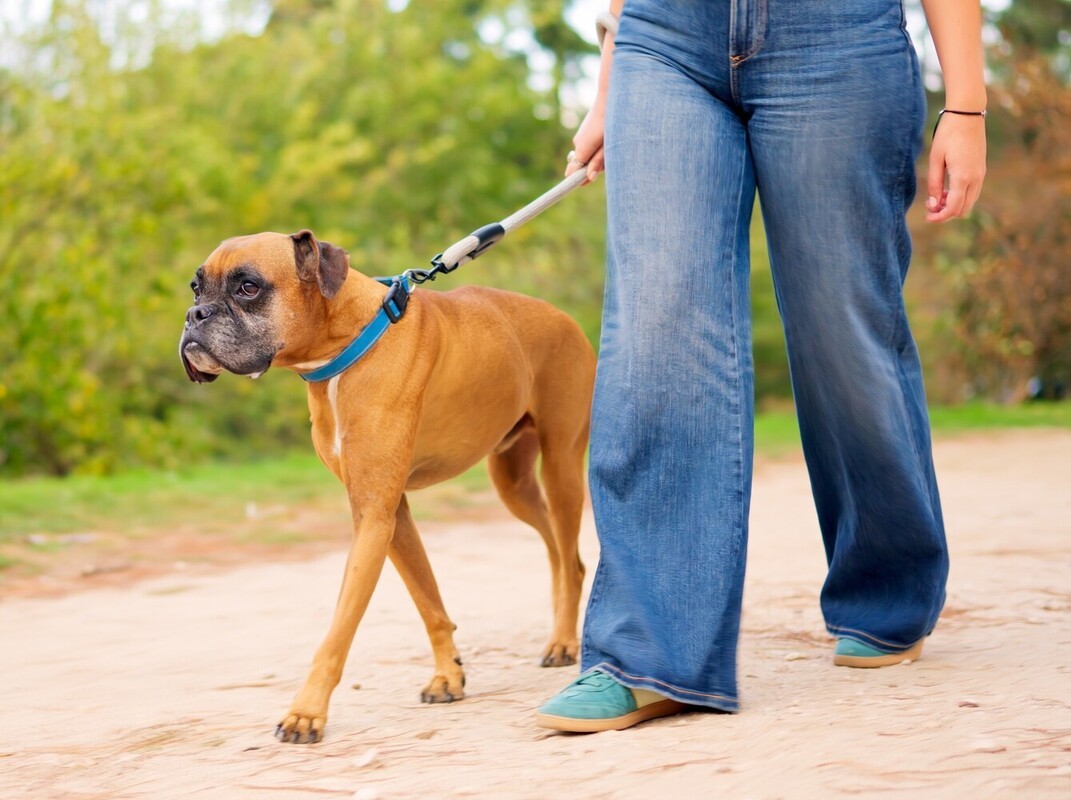
Look at your calendar and identify calls that do not require a screen. Those are prime walking opportunities. Slip on supportive shoes and take the conversation outside or pace indoors. You will accumulate steps without sacrificing productivity.
Walking during calls can also improve focus and energy. If you work from home, set a reminder to stand and move during longer meetings where you are mostly listening.
These moments add up quickly. Turning passive time into active time is a practical way to protect your weekly walking volume when your schedule feels tight.
3. Walk Immediately After Meals
A 10 to 15-minute walk after meals is a high-payoff habit. It helps manage post-meal blood sugar, and it increases daily calorie burn without adding another workout slot.
Start with dinner because it’s often the easiest time to control. Put your shoes by the door, finish eating, then go for a loop around the block. Keep the pace comfortable for the first few minutes, then move briskly until the last minute.
If you eat lunch at work, walk the hallway, the parking lot, or a nearby street. If the weather is rough, walk indoors at a steady pace. These small walks also break up long sitting times. Keep it simple and repeatable.
4. Park Farther Away When Running Errands
Errands can double as movement opportunities. Park at the far end of the lot instead of circling for the closest space. Walk an extra lap around the store before heading to your car.
These choices feel small, but they can add hundreds or even thousands of steps to your day. When repeated several times per week, the impact becomes meaningful.
This approach works well on days when formal workouts feel unrealistic. You are already out. You might as well collect extra steps while you are there.

5. Use Stairs When Available
Stairs are a quick way to add intensity without needing more time. Walking up one or two flights raises heart rate fast and recruits the quads and glutes.
Start with a realistic target, like taking the stairs once per day at work or at home. Hold the railing for balance and keep your torso upright. Step with control on the way down to protect knees.
If you feel winded, pause on a landing, then continue. As it gets easier, add another flight or take the stairs for short trips and the elevator for longer ones.
Pair stairs with a normal walking day, not your hardest interval day. This approach builds strength and cardio fitness while fitting into a packed schedule.
6. Keep Walking Shoes and Clothes Ready
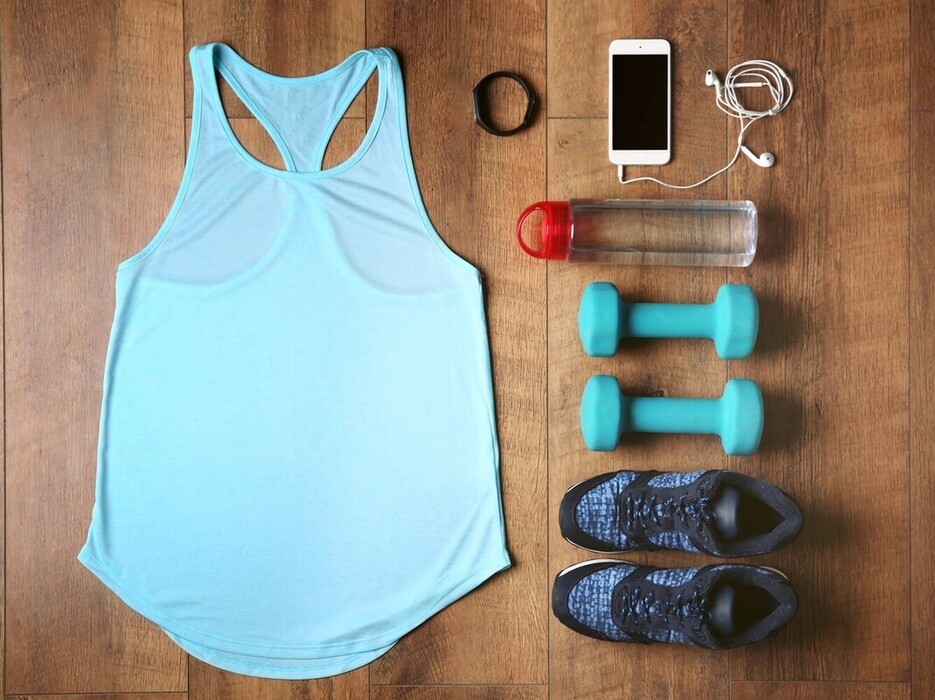
Preparation removes friction. If your shoes are buried in the closet or your workout clothes are in the laundry, it becomes easier to skip. Keep a dedicated pair of walking shoes by the door or in your car. Store comfortable walking clothes in a visible, easy-to-grab spot.
If you commute, consider leaving an extra pair of socks at work. Small setup steps reduce decision fatigue on busy days.
You can also lay out your clothes the night before, especially for morning walks. When everything is ready, starting takes less effort. Convenience increases follow-through, and follow-through keeps your weekly volume intact even when your schedule feels chaotic.
7. Set a Minimum Step Goal for Busy Weeks
Busy weeks call for a baseline goal. Instead of aiming for your usual high target, set a realistic minimum such as 6,000 to 7,000 steps per day. Treat it as your non-negotiable floor. If you exceed it, great. If you only hit the minimum, you still maintained momentum.
This strategy prevents the all-or-nothing mindset that derails progress. Track steps in the evening and add a quick 10-minute loop if you are short. Keep it simple and direct. A defined minimum protects consistency, supports calorie burn, and makes it easier to return to higher targets once life settles down.
Is Walking on a Treadmill as Effective as Walking Outside?
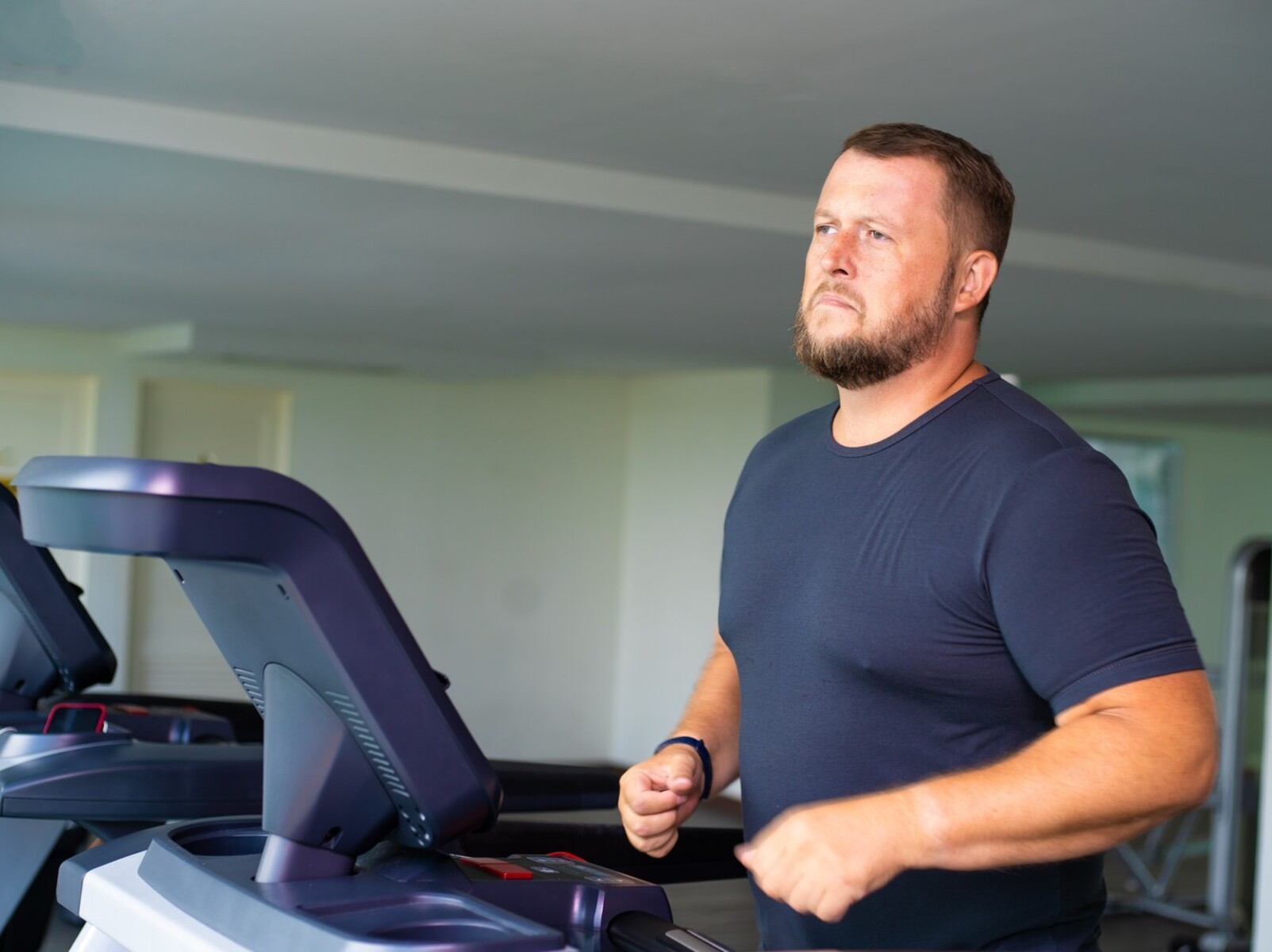
Yes, a treadmill walking workout for weight loss can be just as effective as outdoor walking when pace and intensity are comparable. Your body responds to effort, not scenery. If your heart rate rises into a moderate zone and you maintain that effort consistently, calorie burn will be similar whether you are indoors or outside.
Treadmills also offer advantages. You can control speed, monitor time precisely, and avoid weather barriers.
Outdoor walking may provide terrain changes and mental stimulation, which some people find motivating. The best option is the one you will repeat week after week. Consistency drives weight loss more than location ever will.
Best Treadmill Speed for Weight Loss
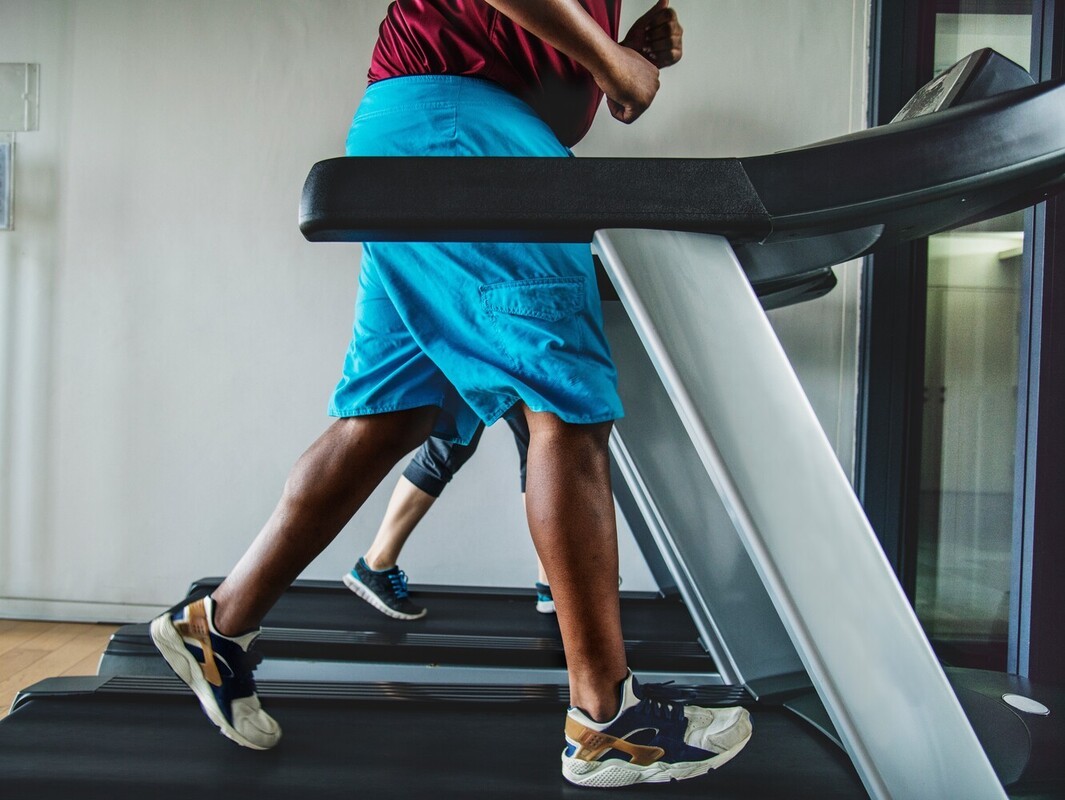
A brisk treadmill pace often falls between 3 and 3.5 miles per hour, though stride length and fitness level matter. Instead of focusing only on the display, use internal cues. You should be breathing heavier than at rest but still able to speak short phrases.
If you can comfortably sing, increase the speed slightly. If you cannot speak at all, dial it back. Start with five minutes at a moderate pace to warm up, then increase to your brisk pace for the majority of the session. Small speed adjustments over time help prevent plateaus and gradually increase calorie burn.
Incline Walking: When and How to Use It
Adding incline increases lower-body muscle engagement and raises heart rate without forcing you to move faster. That makes it a useful tool for weight loss, especially if higher speeds bother your joints.
Start at 2 to 5 percent for 10 to 20 minutes during your walk. Keep your torso tall, eyes forward, and hands off the rails so your legs do the work. If your calves feel tight, shorten your stride and lower the incline for a few minutes.
Progress slowly. Add 1 percent or add 5 minutes before you add both. One to two incline sessions per week is plenty for most people.
How Long to Walk on a Treadmill to Lose Weight
Your treadmill time should ladder up to your weekly activity goal, not feel like a daily test. Many people see steady progress with 150 to 300 minutes of moderate walking per week, split into sessions that fit their schedule.
A practical pattern is 30 to 45 minutes on most days, with one longer 60-minute walk if you enjoy it. If you only have 20 minutes, walk briskly and keep it consistent. Warm up for 5 minutes, then hold your working pace. Pay attention to recovery and hunger. If fatigue climbs or you feel sore, shorten the next session rather than skipping the whole week.
Walking 30 to 60 Minutes a Day: What Results Can You Expect?
Walking 30 to 60 minutes per day can produce meaningful results when combined with balanced nutrition and adequate recovery. The exact outcome depends on your starting weight, pace, and eating patterns. A brisk pace sustained most days increases weekly calorie burn and improves cardiovascular fitness.
Over time, this supports a steady calorie deficit. Some people notice early changes in stamina and mood before the scale shifts. Others see gradual weight changes over several weeks. Consistency matters more than perfection.
Walking most days at a purposeful pace, while paying attention to portion sizes and protein intake, creates the conditions for sustainable fat loss.

Walking 30 Minutes a Day
Thirty minutes of brisk walking most days can create a modest but reliable calorie deficit, especially for beginners or those increasing activity from a low baseline. At a moderate pace, this may burn roughly 120 to 200 calories, depending on body size, metabolism, and speed. That adds up across the week.
This approach fits well into busy schedules and is easier to recover from than longer sessions. Expect gradual progress, often around half a pound per week, when paired with supportive nutrition. Energy levels may improve within the first few weeks. Small, steady changes build confidence and reinforce long-term consistency.
Walking 45 to 60 Minutes a Day
Walking 45 to 60 minutes daily increases total calorie burn and can accelerate weight loss for some individuals. The longer duration allows you to spend more sustained time at a moderate intensity, which improves cardiovascular endurance and raises weekly energy expenditure.
Depending on body size and pace, this may burn several hundred calories per session. Over the course of a week, that difference becomes meaningful.
However, longer sessions can increase hunger. Pay attention to appetite changes and maintain balanced meals with adequate protein and fiber. Recovery also matters. Support your joints with proper footwear and consider adding strength training to preserve muscle mass.
Walking an Hour or More Daily
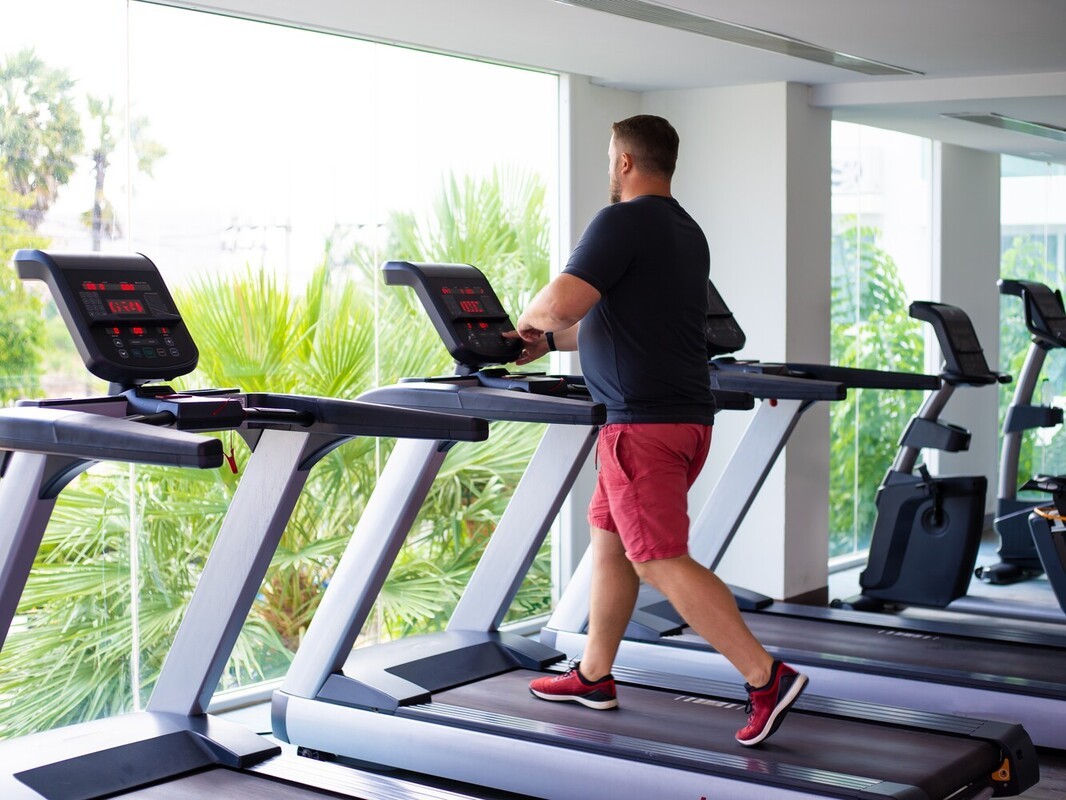
Walking an hour or more each day can support larger weight loss goals when paired with structured nutrition and adequate recovery.
The higher weekly volume substantially increases total calorie expenditure, which may create a more noticeable energy deficit over time. Many people see improved endurance and steady fat loss with this level of consistency.
However, longer daily sessions place repetitive stress on the feet, knees, and hips. Monitor for persistent soreness, swelling, or tight calves.
Rotate routes, vary pace, and schedule at least one lighter day per week. Strength training and proper footwear also help protect joints and maintain muscle while increasing overall metabolic support.
Why You Might Be Walking but Not Losing Weight
If you’re walking consistently but the scale is not moving, you are not alone. Several common factors can quietly offset your effort, even when your step count looks impressive.
1. Eating More Without Realizing It
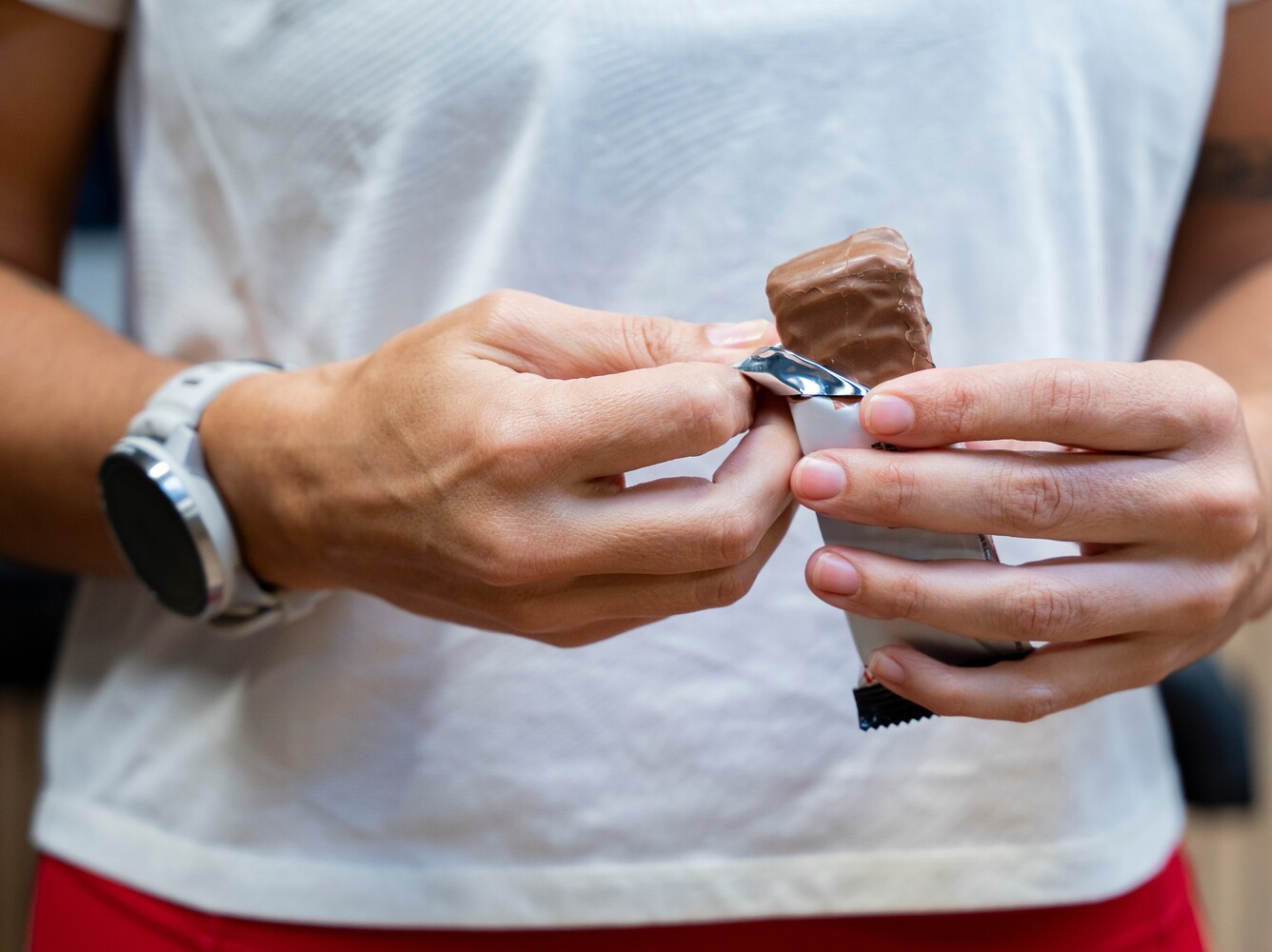
When you increase activity, your appetite often increases too. That is normal physiology. The challenge is that portions can slowly grow without you noticing. An extra spoonful of peanut butter. A larger handful of nuts. A post-walk snack that becomes routine even when you are not truly hungry.
These small additions can offset the calories you burned. Liquid calories also add up quickly, especially smoothies, specialty coffees, or sports drinks. A short period of food tracking can bring awareness to patterns.
Working with a Registered Health Dietitian or using the Berry Street app can also help you balance fueling needs with weight loss goals without feeling restricted.
2. Doing the Same Walk Every Day
Your body adapts quickly to repeated activity. If you walk the same 30-minute route at the same pace every day, your muscles become more efficient. Efficiency means you burn slightly fewer calories for the same effort over time. Progress can slow.
This doesn’t mean walking stopped working. It means your body needs a new stimulus. Try adding five minutes to one or two walks per week. Introduce short brisk intervals. Choose a route with hills.
Even changing cadence by swinging your arms more intentionally can increase intensity. Small adjustments keep your metabolism engaged and help prevent plateaus without overhauling your routine.
3. Stress, Sleep, and Recovery Factors
Stress and sleep play a major role in weight regulation. When stress levels stay elevated, cortisol can rise, which may increase appetite and encourage water retention. You may notice stronger cravings for quick energy foods after long, draining days.
Sleep deprivation also disrupts hunger hormones such as ghrelin and leptin, often making you feel hungrier and less satisfied after meals.
Even with consistent walking, poor recovery can slow visible progress. Fatigue may reduce spontaneous movement outside your formal walks, lowering total daily calorie burn.
Prioritize 7 to 9 hours of sleep, schedule lighter walking days, and incorporate simple stress management practices to support consistent results.

4. Weight Loss vs Fat Loss Confusion
The scale measures total body weight, not just body fat. That number fluctuates daily based on hydration, sodium intake, carbohydrate intake, hormonal shifts, and even muscle inflammation from exercise.
You might lose body fat while temporarily retaining water, especially after a harder walking session. This can make progress feel stalled when meaningful changes are happening beneath the surface.
Instead of focusing solely on scale weight, track trends over several weeks. Measure waist circumference monthly. Notice how your clothes fit around your hips and midsection. Improved endurance and energy are also signs of progress. Long-term fat loss often moves more steadily than the scale suggests.
5. Underestimating Calorie Intake From “Healthy” Foods
Healthy foods can quietly contribute more calories than expected. Foods like nuts, nut butters, olive oil, avocado, granola, and smoothies are nutrient-dense, but portion sizes matter.
A casual pour of olive oil can equal two tablespoons. A generous scoop of peanut butter can double a serving. Smoothies made with juice, nut butter, and protein powder can reach 500 to 700 calories quickly.
These choices support health, yet larger portions can erase the calorie deficit created by walking. Without realizing it, intake creeps up. Periodically measuring portions or reviewing labels can improve awareness and help maintain steady weight loss progress.

6. Not Incorporating Strength Training
Walking increases calorie burn, but it does not challenge muscles enough to significantly build strength or preserve lean mass during weight loss. When calories decrease, the body can lose both fat and muscle if resistance work is absent. Losing muscle may slightly lower metabolic rate over time, which can slow progress.
Adding two to three strength sessions per week helps protect lean tissue and supports a healthier body composition shift. Bodyweight exercises such as squats, lunges, pushups, and resistance band rows are effective starting options. Stronger muscles also improve walking mechanics, increase overall calorie expenditure, and reduce the risk of joint discomfort.
Special Considerations for Walking-Based Weight Loss
Walking can be adapted to fit different ages, body types, and physical limitations. Understanding how your individual circumstances influence results helps you set realistic expectations and make smarter adjustments.
Walking for Weight Loss for Women vs Men
Women and men can respond a bit differently to weight loss because hormones influence where fat is stored and how water is retained. Many women notice more scale fluctuation across the menstrual cycle, and that can mask fat loss week to week. Men often see faster early scale drops, especially if they reduce calories at the same time they increase walking.
Still, the basics stay the same. A consistent calorie deficit, adequate protein, and progressive walking volume drive change for everyone. Focus on controllables. Track weekly trends, not daily numbers. If cravings spike or energy drops, adjust meal timing and recovery rather than pushing harder.
Walking for Weight Loss After 50 or 60
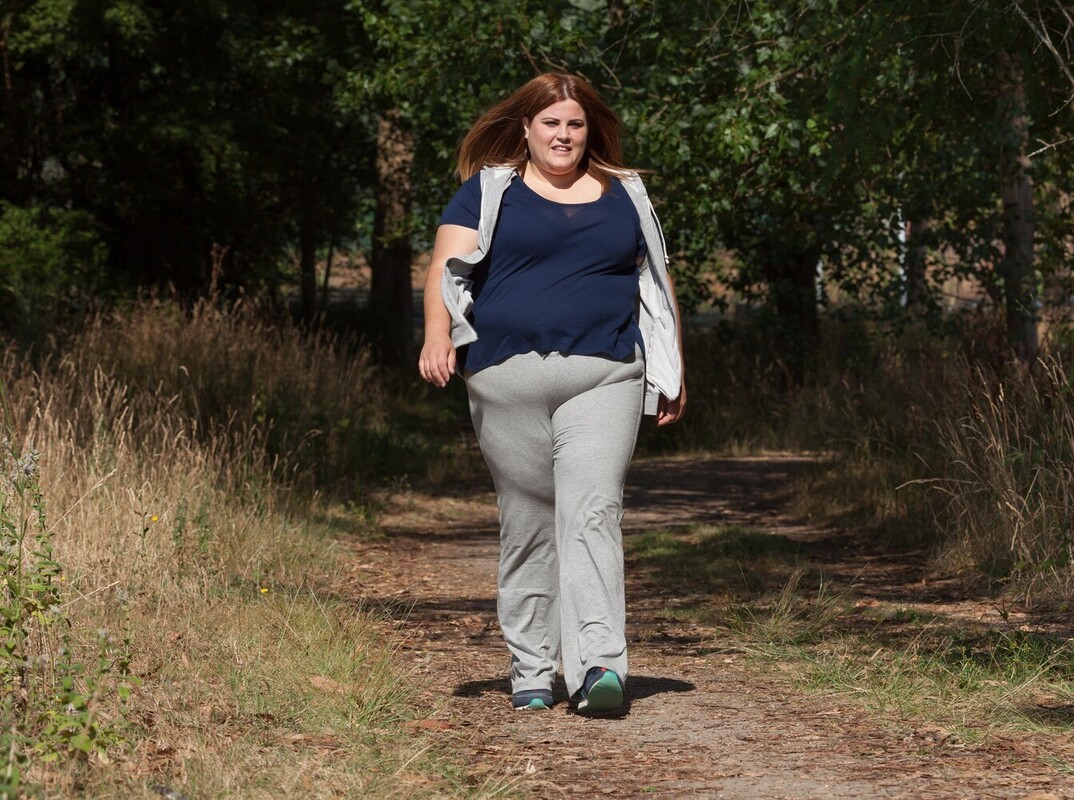
After 50 or 60, walking can be a strong weight loss tool, but recovery and joint comfort need more attention. Start with shorter sessions and increase time or pace gradually, like adding five minutes per week. Prioritize supportive shoes and consider softer surfaces such as tracks or packed dirt to reduce impact.
Strength training twice per week helps preserve muscle, which supports metabolism and balance. Warm up with 5 minutes of easy walking before you go brisk. If stiffness shows up the next day, swap in a lighter walk rather than skipping the week. Consistency plus smart recovery tends to beat aggressive spikes in activity.
Walking With Limited Mobility or Injuries
If you have limited mobility or a nagging injury, walking can still be part of your plan, but it needs to match your body’s current capacity. Shorter walks, like five to ten minutes, done several times per day, can be safer than one long session. Choose flat routes and supportive shoes, and use a cane, poles, or a walker if that improves stability.
Pool walking is another great option because water reduces joint load while still challenging your muscles and heart. Pay attention to pain signals. Sharp pain, limping, or swelling means stop and check in with your medical team before progressing.
Indoor Walking, Walking Pads, and Desk Walking
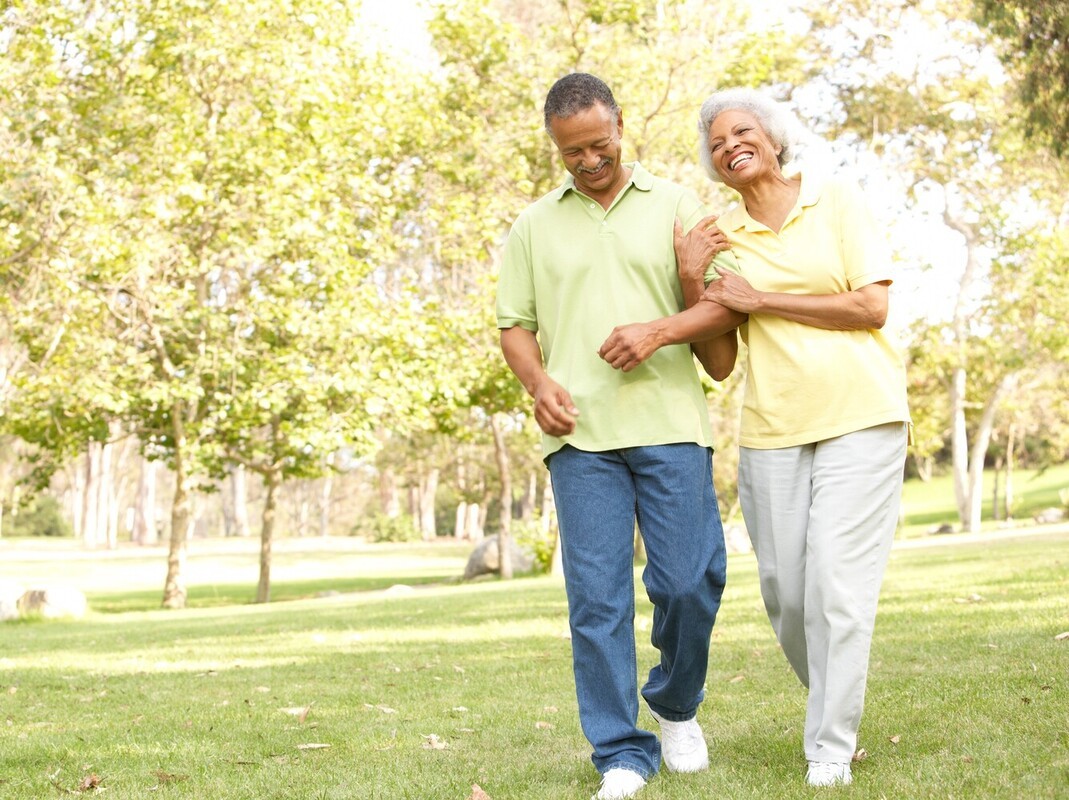
Indoor walking, walking pads, and desk walking can help you build a higher daily step count when weather, safety, or time gets in the way. They work especially well for people who sit for long stretches.
A common strategy is 3 to 5 10-minute bouts spread across the workday. Keep posture tall, avoid shuffling, and use supportive shoes if your feet get sore.
Walking pads can be lower intensity, so add one dedicated brisk session a few times per week to reach moderate effort. Also, plan for breaks. Prolonged slow walking can irritate the hips or feet if you never change position.
Walking vs Other Cardio for Weight Loss
Choosing the right type of cardio for weight loss can feel overwhelming when weight loss is the goal. Comparing walking to other common options can help you decide what fits your body, schedule, and long-term consistency.
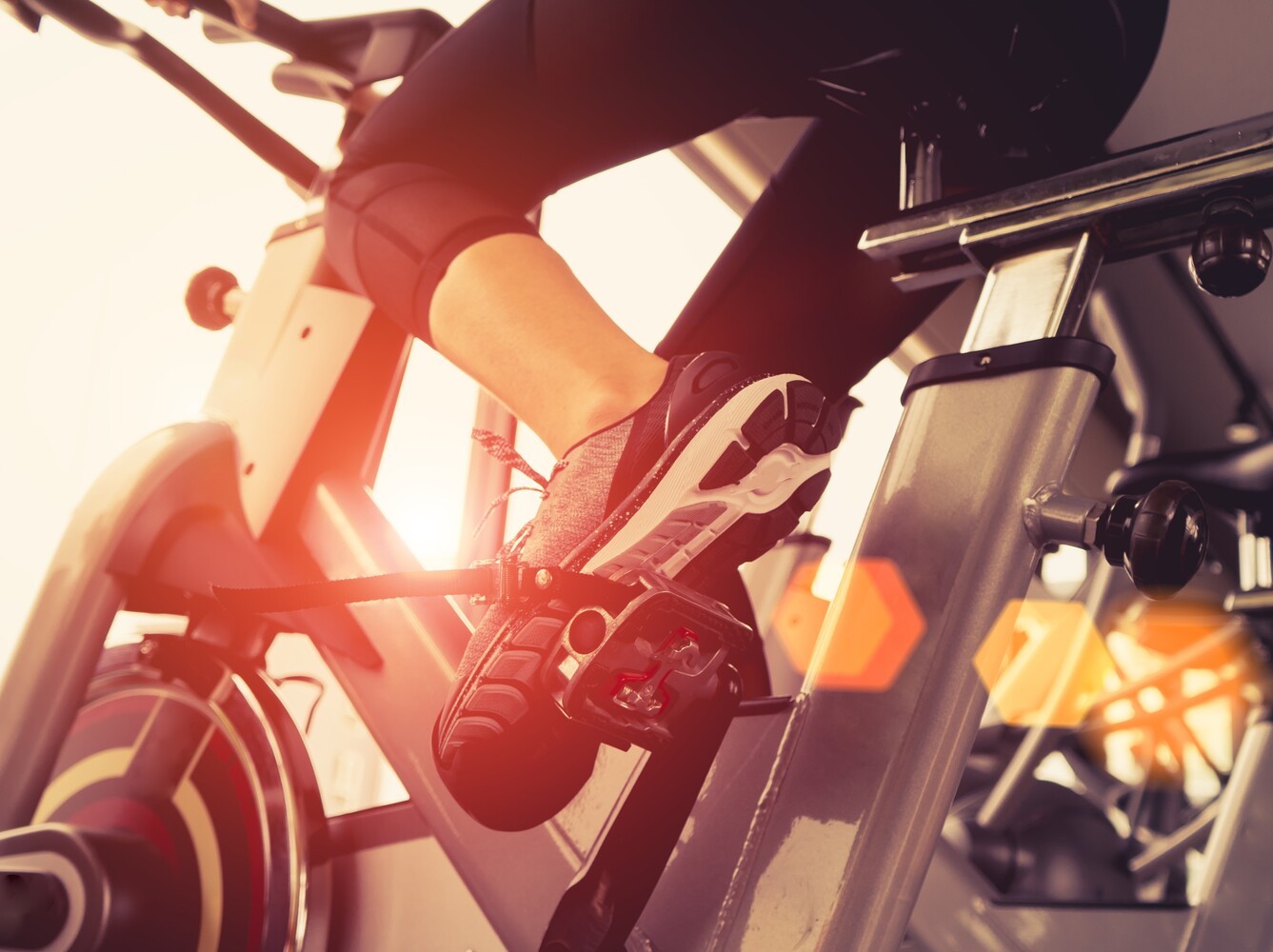
Walking vs Cycling
Cycling can be a very efficient calorie burner, especially if you ride at a moderate to hard effort for 30 to 60 minutes. It’s also joint-friendly, which helps if your knees or hips get cranky with impact.
The tradeoff is access and setup. You need a bike, a safe route or stationary option, and time to change or shower for some people.
Walking is simpler. You can do it in regular clothes, split it into short bouts, and fit it around errands or work breaks. For weight loss, the best choice is the one you will repeat four to six days per week. Consistency wins.
Walking vs Running
Running for weight loss typically burns more calories per minute than walking because the intensity is higher and your body works harder to absorb impact. That can help if you enjoy running and recover well.
For many people, though, running is harder to maintain. Shin splints, knee pain, and fatigue can show up quickly, especially if you increase mileage too fast.
Walking is easier to recover from, which makes it easier to do frequently. You can also raise walking intensity with hills or intervals without the same pounding. If your goal is steady fat loss, choose the option you can perform consistently without pain and without dreading it.
Walking vs Elliptical or Swimming
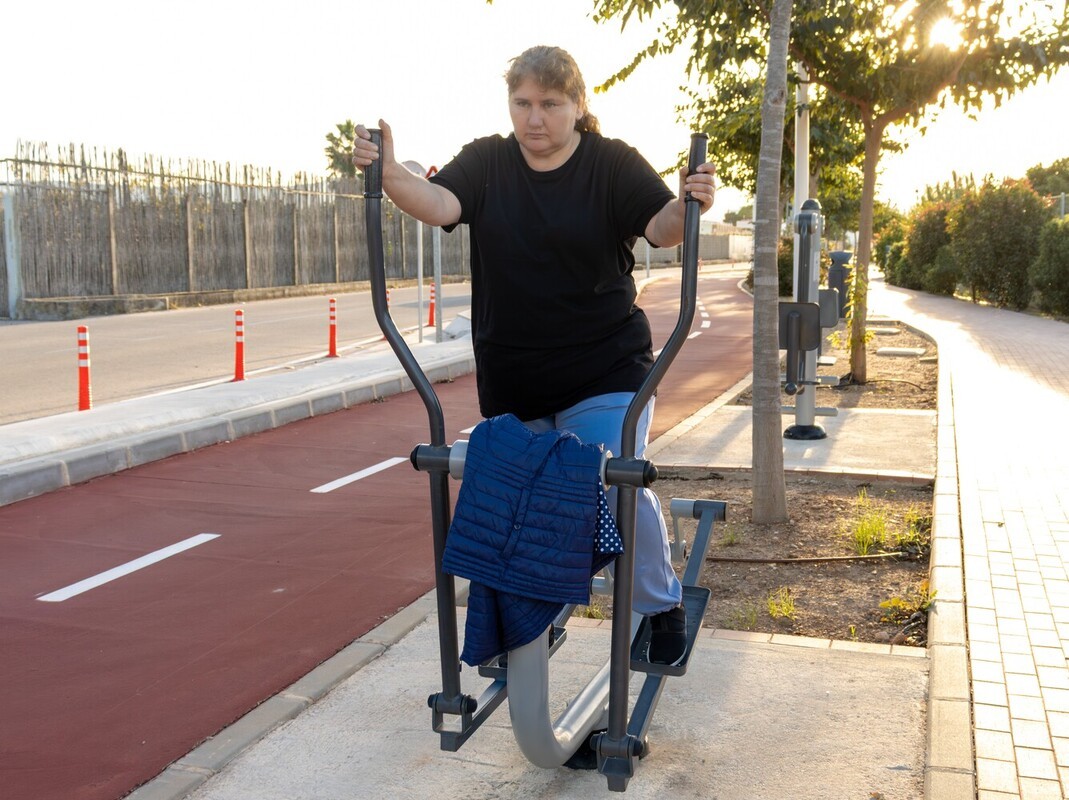
Similar to a StairMaster for weight loss, an elliptical workout to lose weight and a swimming routine are excellent low-impact options. The elliptical lets you dial up resistance and maintain a steady cardio effort without pounding the joints. Swimming adds a full-body challenge and can feel easier on sore knees, hips, or feet.
The limitation is logistics. Access to a gym or pool, travel time, and scheduling can reduce how often you do it.
Walking is the most available option for most people, which supports adherence. You can also blend approaches. Walk on busy days, then use the pool or elliptical once or twice per week for variety and a higher intensity session when your body feels good.
Why It’s Important to Include Nutrition in a Weight Loss Walking Plan
Walking increases daily calorie burn, which helps create the conditions for weight loss. Nutrition determines whether that calorie deficit actually exists. If food intake rises to match or exceed what you burn, the scale will not move. Even small changes in portions, liquid calories, or frequent snacking can offset a 30 to 45-minute walk.
Balanced meals with adequate protein, fiber, and structured timing help manage hunger and stabilize energy. When walking and nutrition work together, fat loss becomes more predictable, sustainable, and easier to maintain over the long term.
How to Support Walking for Weight Loss With Nutrition
Walking sets the activity foundation, but your food choices determine how effectively that effort translates into fat loss. A few smart nutrition strategies can help you fuel your walks, manage hunger, and maintain a consistent calorie deficit.
1. Plan Ahead
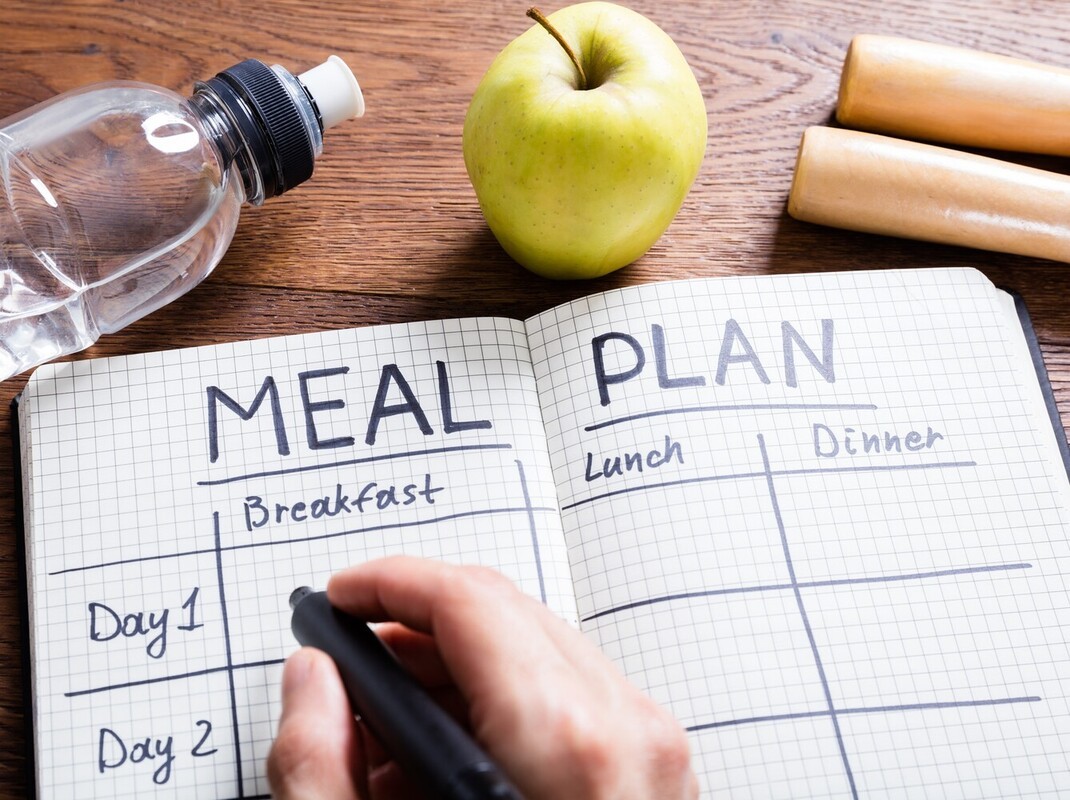
Planning ahead makes a walking-based weight loss plan much easier to follow, especially on busy days. Pick two or three simple breakfasts, lunches, and dinners you can repeat, then shop with a short list.
Batch cook a protein like chicken, tofu, or beans, roast a tray of vegetables, and portion out grains so you can assemble meals in minutes. Keep grab-and-go snacks ready, such as Greek yogurt, string cheese, edamame, or apples with measured peanut butter. When hunger hits, you have a clear option instead of scrolling through delivery apps.
Want a plan tailored to your training and appetite? Connect with a Registered Intuitive Eating Dietitian through Berry Street for personalized guidance.
2. Prioritize Protein at Meals
Protein at meals helps you stay full and protects lean muscle while you’re in a calorie deficit. Aim for a clear protein anchor at breakfast, lunch, and dinner. Examples include eggs with cottage cheese, a turkey or tofu wrap, salmon, beans and rice, or a protein-rich yogurt bowl.
Most people do well spreading protein across the day instead of saving it for dinner. If you walk in the morning, a protein-forward breakfast can prevent mid-morning grazing. If you walk after work, include protein at lunch so you’re not overly hungry at dinner. Your hunger will feel steadier, and recovery tends to improve.
3. Fill Half Your Plate With Fiber-Rich Foods
Fiber-rich foods make weight loss easier because they add volume and slow digestion without adding many calories. Build meals by filling about half your plate with vegetables or fruit, then add protein and a smart portion of starch or healthy fat.
Try a big salad with chickpeas, a veggie-packed stir fry, lentil soup with a side of fruit, or tacos loaded with peppers, onions, and cabbage. Whole grains like oats and brown rice count too.
Fiber also supports regularity, which can help you feel less bloated over time. Increase fiber gradually and drink water, or you may feel gassy and uncomfortable.

4. Stay Hydrated
Hydration affects appetite, energy, and how your walks feel. Mild dehydration can mimic hunger, so you may snack when your body actually needs fluid. Start with a simple goal: drink a glass of water when you wake up and another with each meal.
If you walk longer than 45 minutes, bring water, especially in heat or humidity. Pay attention to urine color. Pale yellow usually signals adequate hydration.
Also, remember that coffee and tea count, but sugary drinks add calories fast. If plain water feels boring, add lemon, cucumber, or a splash of flavored seltzer. Better hydration often means steadier energy and fewer cravings.
5. Use a Smart Pre-Walk or Post-Walk Snack
If you walk for 30 minutes or longer, a small, intentional snack can support energy and prevent overeating later in the day. Keep it balanced and portion-controlled. Pair carbohydrates with protein, such as Greek yogurt with berries, a banana with a measured tablespoon of peanut butter, or cottage cheese with fruit.
If you walk early in the morning, eating something light beforehand can reduce dizziness and improve performance. If you walk after work, a planned afternoon snack can prevent arriving at dinner overly hungry and eating past fullness. The goal is steady energy, better recovery, and fewer impulsive food choices later.

6. Include Carbs That Support Your Walks
Carbohydrates are your body’s preferred fuel for moderate intensity movement, including brisk walking and hill sessions. You don’t need huge portions, but you do need enough to feel strong. Add oats at breakfast, a small serving of rice or potatoes at lunch, or fruit with a snack.
If you notice your pace dropping, legs feeling heavy, or cravings spiking at night, your carbs may be too low. Aim for higher fiber options most of the time, like beans, lentils, or whole grains. On longer walk days, a bit more starch can support performance and recovery without derailing weight loss.
7. Watch Liquid Calories and “Little Extras”
Drinks and add-ons can quietly erase the calorie deficit your walks create. A flavored latte, a large smoothie, or a few glugs of creamer can add hundreds of calories without much fullness. The same goes for cooking oils, salad dressings, and frequent handfuls of nuts while you cook.
You don’t need to cut these out, but you do need a plan. Choose one treat beverage a few times per week, not daily. Measure oil or dressing for a week to learn what a serving looks like. Small awareness changes often restart progress quickly.

Walking for Weight Loss FAQs
Can you lose weight just by walking?
Yes, you can lose weight just by walking if it helps create a consistent calorie deficit. This tends to work best for people who are increasing their activity from a low baseline. Pairing walking with balanced nutrition usually makes results more reliable and sustainable.
Is walking 30 minutes a day enough to lose weight?
For many people, yes. Thirty minutes of brisk walking most days can meaningfully increase calorie burn, especially when combined with supportive eating habits. If progress slows, increasing pace, duration, or reviewing nutrition may help.
Where do you lose weight first when walking?
Fat loss patterns vary by individual and are largely influenced by genetics and hormones. Some people notice changes in their midsection first, while others see shifts elsewhere. Overall trends matter more than one specific area.
Is it better to walk faster or longer to lose weight?
Both approaches increase calorie burn. Walking faster burns more per minute, while walking longer increases total burn for the session. The best option is the one you can maintain consistently without overtraining.
How do you calculate how much walking you need to lose weight?
Estimate your weekly activity minutes and monitor weight trends over several weeks. Adjust walking duration, intensity, or nutrition based on progress.
Conclusion
Walking is one of the most practical and sustainable ways to support weight loss. It increases daily calorie burn, supports metabolic health, and fits into real life without requiring complicated equipment or extreme intensity.
The key is consistency. Aim for enough weekly minutes to create a meaningful energy deficit, walk at a brisk but manageable pace, adjust your plan when progress stalls, and pair your steps with balanced nutrition that supports your goals.
Small upgrades in pace, volume, or food choices can add up over time. Keep it simple. Stay steady.
If you’re ready for personalized guidance, you can connect with a Registered Dietitian through Berry Street to build a walking and nutrition plan tailored to you.