
Confusion around the best heart rate for weight loss is one of the most common challenges we see when people are trying to get results but feel stuck despite regular exercise. Heart rate charts, fitness trackers, and fat-burning zones promise clarity, yet they often create more pressure than progress.
As Registered Dietitians, we’ve seen how focusing too narrowly on one number can distract from what actually drives weight loss.
This article breaks down what heart rate really tells us, how different training intensities support fat loss, and why sustainability, recovery, and consistency matter just as much as how high your heart rate climbs during a workout.
Disclaimer: The information provided in this article is for educational and informational purposes only and is not intended as medical advice. These are suggestions and recommendations; please consult with your healthcare provider or a qualified medical professional before starting a new workout routine or intentionally increasing your heart rate during exercise.

What “Best Heart Rate for Weight Loss” Really Means
The best heart rate for weight loss refers to a weight loss exercise intensity that allows your body to burn calories efficiently while staying realistic enough to repeat week after week.
For many people, this looks like a moderate effort where breathing is faster but still controlled. You can talk, but not easily. That level of intensity supports longer workouts, better recovery, and fewer skipped sessions.
After years of experience as Registered Dietitians, we’ve seen that weight loss outcomes improve when workouts feel manageable rather than exhausting. Consistency drives results. A heart rate that supports regular movement often leads to more progress than pushing hard for short bursts and burning out soon after.
Why There Isn’t One Universal “Best” Heart Rate
Heart rate response is influenced by fitness level, age, medications, genetics, sleep quality, hydration, and stress.
Two people can walk side by side at the same pace and show very different numbers on their watches. Common formulas estimate heart rate ranges using population averages, not individual physiology.
From our experience, relying too heavily on charts can create frustration when real bodies do not match predictions. Your heart rate is personal. It reflects how your body responds on that day, not how hard you should be working compared to someone else.
Heart Rate as a Tool, Not a Rule
Heart rate works best when it is used as guidance rather than a strict requirement. It offers useful feedback, but it should be considered alongside perceived effort, breathing patterns, and recovery after exercise.
For example, if your heart rate reads lower than expected but the workout feels challenging and sustainable, that still counts. On other days, stress or poor sleep may push your heart rate higher even during easy movement.
We encourage flexibility. Using multiple signals helps prevent overtraining and keeps exercise aligned with how your body actually feels, not just what a device reports.
Weight Loss vs Cardiovascular Improvement
Heart rate training can support weight loss and cardiovascular fitness, but the emphasis shifts depending on the goal.
Lower to moderate intensities allow for longer sessions and more total movement across the week. This supports calorie burn and habit building. Higher intensities improve heart and lung capacity and increase calorie burn per minute, but they also require more recovery.
Combining both works best. Moderate sessions build consistency, while occasional higher-intensity workouts challenge fitness. When paired with adequate fueling and rest, this balance supports sustainable weight loss and long-term cardiovascular health.
If you want nutrition support that aligns with your body, training demands, and weight loss needs, connect with a Registered Weight Loss Dietitian through Berry Street for personalized guidance.

How Heart Rate Works During Exercise
During exercise, the heart rate rises because working muscles demand more oxygen and fuel. Your heart responds by pumping faster to move blood where it’s needed. Light movement causes a small increase. Harder efforts create a much bigger jump.
This response helps clear carbon dioxide and deliver nutrients that keep muscles contracting. This process explains why exercise can feel progressively harder even at the same pace. As intensity climbs, your cardiovascular system works harder to keep up, which shows up clearly through heart rate changes.
What Heart Rate Measures During Physical Activity
Heart rate measures how often your heart beats per minute to supply oxygen-rich blood to active muscles. As workload increases, your heart speeds up to meet rising energy demands. Walking uphill, cycling faster, or adding resistance all push heart rate higher.
However, heart rate reflects the body’s response to effort, not effort alone. Stress, heat, and fatigue can elevate it even when movement feels easy.
Resting, Average, and Maximum Heart Rate
Resting heart rate is the number of beats per minute when you are calm, seated, or asleep. It reflects baseline cardiovascular function. The average resting heart rate for an adult is somewhere between 60 and 100 BPM.
Maximum heart rate represents the highest rate your heart can reach during very intense effort. This value is usually estimated using age-based formulas.
Average exercise heart rate falls between resting and maximum values and reflects workout intensity. Because maximum heart rate is rarely measured directly, estimates can vary widely. Chasing precise numbers often creates confusion instead of clarity.

Why Heart Rate Changes Day to Day
Heart rate can change from day to day, even when workouts look identical. Poor sleep, dehydration, emotional stress, heat, illness, and hormonal shifts all affect how the heart responds. A stressful day or a short night can raise heart rate during easy exercise.
As fitness improves, the opposite often happens. The heart becomes more efficient and works at a lower rate for the same effort. Looking at trends over time matters more than reacting to a single reading.
What Are Heart Rate Zones?
Heart rate zones are ranges that describe how hard your cardiovascular system is working during exercise. They’re based on a percentage of your estimated maximum heart rate and are often grouped from very light to very hard effort. Each zone supports different adaptations, such as endurance, strength, or conditioning.
Lower zones feel easier and are easier to repeat. Higher zones feel challenging and demand more recovery. Understanding zones can help structure workouts, balance intensity across the week, and avoid pushing too hard too often when weight loss is the goal.
How Are Heart Rate Zones Calculated?
Heart rate zones are usually calculated using an estimated maximum heart rate, often based on age. From there, percentages are applied to create ranges like 60 to 70% or 70 to 80% of that maximum.
The math is straightforward, but the result is still an estimate. These formulas don’t account for fitness level, medications, or daily stress. That’s why two people with the same calculated zones can feel very different during the same workout. Zones work best as general guidelines, not exact targets.

Zone 1 and Zone 2
Zone 1 and Zone 2 represent lower-intensity exercise where breathing is relaxed and movement feels manageable. Walking, light cycling, and easy swimming often fall here.
At these intensities, the body relies more heavily on fat as a fuel source and places less stress on joints and muscles. These zones also support recovery and help build aerobic capacity over time.
Because they feel easy, they’re often dismissed. Yet they allow for longer sessions and more frequent movement, which supports consistency and long-term weight loss.
Zone 3
Zone 3 is a moderate intensity where effort feels steady and purposeful. Breathing becomes deeper, conversation is possible but limited, and heart rate stays elevated throughout the workout.
This zone burns more total calories per minute than lower zones while remaining sustainable for many people. It’s common during brisk walking, jogging, or steady cycling.
Zone 3 works well for people who want efficient workouts without excessive fatigue. It often plays a central role in weight loss workout plans because it balances challenge, recovery, and repeatability.
Zones 4 and 5
Zones 4 and 5 involve high-intensity effort that feels challenging and demanding. Breathing is heavy, talking is difficult, and heart rate climbs quickly. These zones are common during sprint intervals, hill climbs, or fast-paced circuits. They can improve cardiovascular fitness and increase calorie burn in a short amount of time.
However, they also place greater stress on the body. Frequent use without adequate recovery can increase injury risk and fatigue. For weight loss, these zones work best when used sparingly and intentionally.
Why Zone Boundaries Aren’t as Precise as Charts Suggest
Heart rate zones look clean and precise on charts, but real bodies rarely follow those lines perfectly. The shift from one zone to another happens gradually, not suddenly.
Factors like hydration, temperature, stress, and fitness level all influence where your effort truly falls. One day, a pace may feel moderate. Another day, the same pace pushes your heart rate much higher.
This overlap is normal. Paying attention to trends and how workouts feel over time is far more useful than chasing exact zone boundaries.
The Fat-Burning Zone Myth (And What’s Actually True)
The fat-burning zone is one of the most talked-about and misunderstood concepts in weight loss. It sounds simple and appealing, but the reality is more nuanced than most charts and trackers suggest.
What the Fat-Burning Zone Is Supposed to Mean
The fat-burning zone describes a lower-intensity exercise range where a larger percentage of the calories you burn come from fat. This typically occurs when heart rate stays in a moderate, steady range and breathing remains controlled.
The idea gained popularity because it feels logical and easy to follow. People liked the idea of targeting fat directly through a specific zone.
Fitness equipment and charts reinforced this message. While the concept is rooted in basic physiology, it often gets oversimplified and taken out of context.
Fat Burn Percentage vs Total Calories Burned
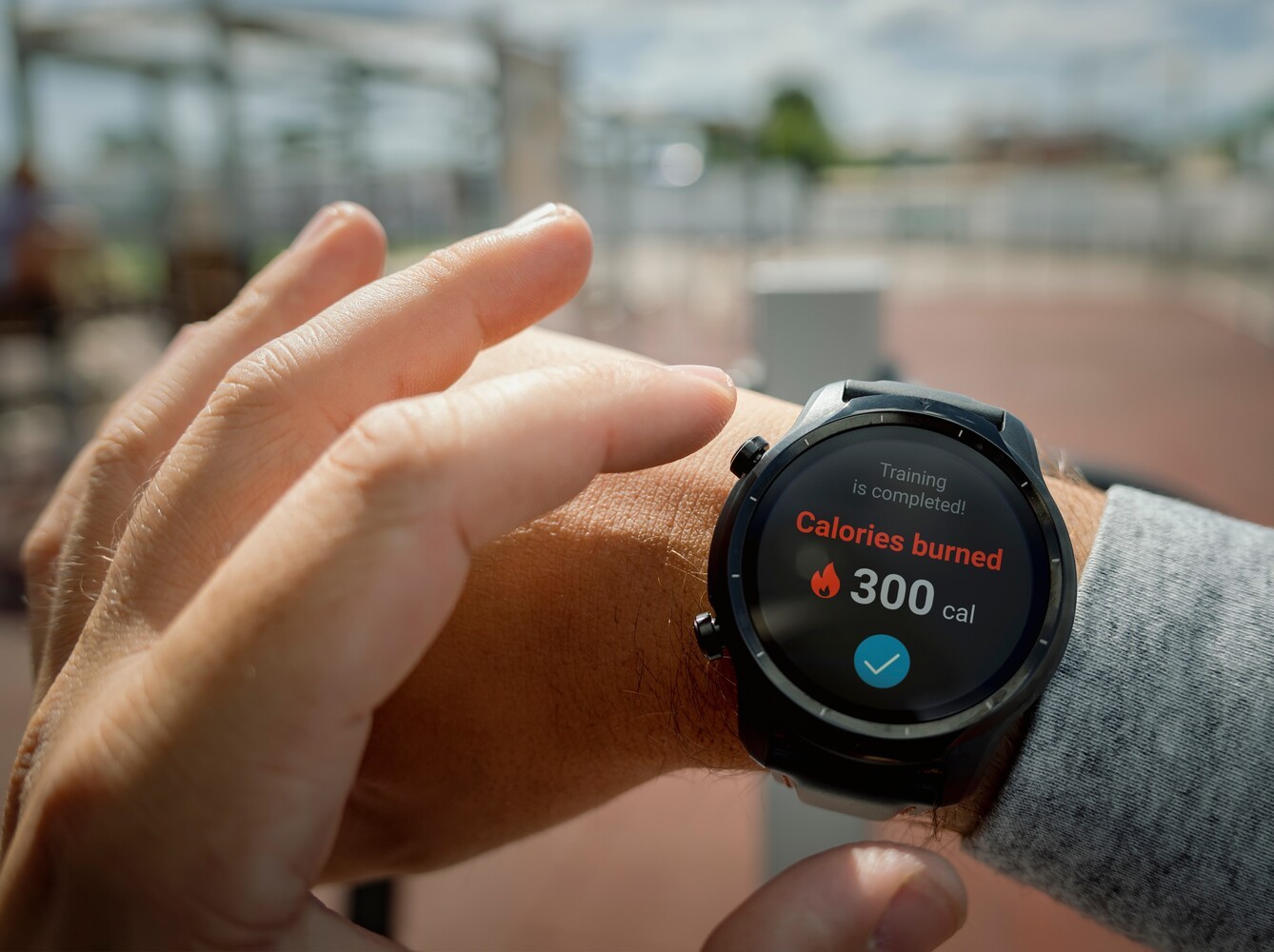
Burning a higher percentage of fat during exercise does not automatically lead to more body fat loss. What matters more is the total number of calories burned and how that fits into your overall calorie balance.
For example, a brisk walk may burn mostly fat but fewer total calories than a shorter, higher-intensity workout. Over time, consistent calorie burn across the week plays a larger role than the fuel mix of any single session. Long-term patterns drive results, not isolated workouts.
Why Lower-Intensity Exercise Still Matters for Weight Loss
Lower-intensity exercise plays an important role because it is easier to recover from and easier to repeat. Walking, easy cycling, and steady movement place less stress on the body and joints. That makes it more realistic to stay active most days of the week. These sessions also support daily calorie burn without increasing fatigue.
For many people, lower-intensity movement fits better into busy schedules and supports consistency. Regular movement adds up over time and supports weight loss in a sustainable way.
When the Fat-Burning Zone Can Be Useful
The fat-burning zone can be useful in specific situations when applied with the right expectations. It works well for beginners who are building confidence and tolerance for exercise. It also fits recovery days, longer workouts, or periods of higher stress when intense training feels overwhelming.
Staying in this zone can help maintain activity levels without pushing the body too hard. It provides structure without excessive strain. When used intentionally, it supports overall movement goals, but it should not be treated as a guaranteed shortcut to fat loss.

What Heart Rate Should You Aim for to Lose Weight?
A practical heart rate target for weight loss is an intensity that feels challenging but sustainable. For many people, this corresponds to about 60 to 70% of their estimated maximum heart rate.
At this level, breathing is faster, but you can still stay in control and continue moving for longer periods. This supports higher total calorie burn across the week.
Adding some lower intensity days and occasional higher intensity sessions helps prevent burnout, improves fitness, and keeps weight loss efforts consistent over time.
Why Perceived Exertion Often Beats Exact BPM
Perceived exertion focuses on how hard an activity feels rather than chasing a specific number.
The talk test is a simple example. If you can speak in short sentences but not hold a full conversation, you are likely working at a moderate intensity.
This approach adapts to daily changes in sleep, stress, and hydration. Many people find it more intuitive than tracking exact BPM. It encourages body awareness and helps guide effort when devices feel confusing or inconsistent during real-world workouts.
Signs You’re Working Hard Enough (Without a Monitor)
Not everyone tracks heart rate, and even those who do don’t need to rely on numbers for every workout. Your body provides clear signals that help you gauge effort and know when you’re working hard enough to support weight loss.
1. You Can Speak in Short Sentences
When you can speak in short sentences during exercise, you are likely working at a moderate intensity that supports weight loss. You can answer a question or say a few words, but holding a long conversation feels difficult. Singing would feel uncomfortable.
This level of effort often matches a heart rate that allows you to keep moving for longer periods. It challenges your body without overwhelming it. Many people find this cue easier than watching numbers, especially during walking, cycling, or steady weight loss cardio sessions.

2. Your Breathing Is Noticeably Faster
Noticeably faster breathing is another clear sign that you are working hard enough. Your breaths become deeper and more frequent, and you may need to focus on controlling them. This happens because your muscles need more oxygen to keep going.
You’re no longer breathing comfortably like you would at rest. This response often aligns with a moderate heart rate range. It signals meaningful effort while still allowing you to sustain the workout without feeling panicked or out of control.
3. You Feel Challenged but Recover Well
Feeling challenged but recovering well afterward is a strong indicator of productive effort. During the workout, your muscles feel worked, and your heart rate stays elevated. Afterward, you may feel tired but not completely drained. Within a few hours or by the next day, energy returns. Soreness is mild and manageable.
This pattern supports consistency and progress. If workouts regularly leave you exhausted for days, intensity may be too high to support sustainable weight loss. Recovery helps keep training frequent.
4. Your Heart Rate Stays Elevated but Stable
During a productive workout, your heart rate rises and then stays relatively steady rather than constantly spiking or crashing. You feel like you’ve settled into a rhythm. This often happens during brisk walking, steady cycling, or consistent-paced cardio. You’re working, but not scrambling to catch your breath every few minutes.
That steady effort allows your body to burn calories efficiently and sustain movement longer. If your heart rate jumps wildly or drops often, intensity may be too high or inconsistent.
5. You Can Repeat the Same Effort Again Later in the Week
A strong sign you’re working at the right intensity is your ability to repeat similar workouts multiple times per week. You don’t dread the next session. Your body feels ready to move again after normal recovery.
This repeatability matters for weight loss because progress comes from accumulated effort over time. If workouts regularly feel so intense that you need several days off, overall activity often drops. Sustainable effort supports consistency, and consistency supports results.
How to Calculate Your Target Heart Rate (And When Not To)
Target heart rate calculations can be helpful for understanding exercise intensity, but they’re not required for effective weight loss. Knowing when to use the numbers and when to ignore them can make training feel simpler and less stressful.
Common Max Heart Rate Formulas
Most max heart rate formulas use age to estimate how fast the heart can beat during intense exercise. The most well-known option is 220 minus age. Another commonly used equation is the Tanaka formula, calculated as 208 minus 0.7 times age. Some fitness devices apply their own variations.
These formulas offer a rough starting point, but aren’t always accurate. Individual fitness, medications, and genetics can shift true maximum heart rate significantly. Testing conditions and effort level also affect results.
Target Heart Rate Zones Based on Percentages
Target heart rate zones are created by taking an estimated maximum heart rate and multiplying it by specific percentages. For example, moderate intensity often falls around 60 to 70% of max. Higher zones use larger percentages and feel more demanding.
These ranges help guide effort, especially for structured workouts. However, they are meant to be flexible. Daily stress, sleep, hydration, and fitness level all influence how those percentages feel during real workouts. Use them as reference points, not rules.
Why Wearables and Machines Often Disagree
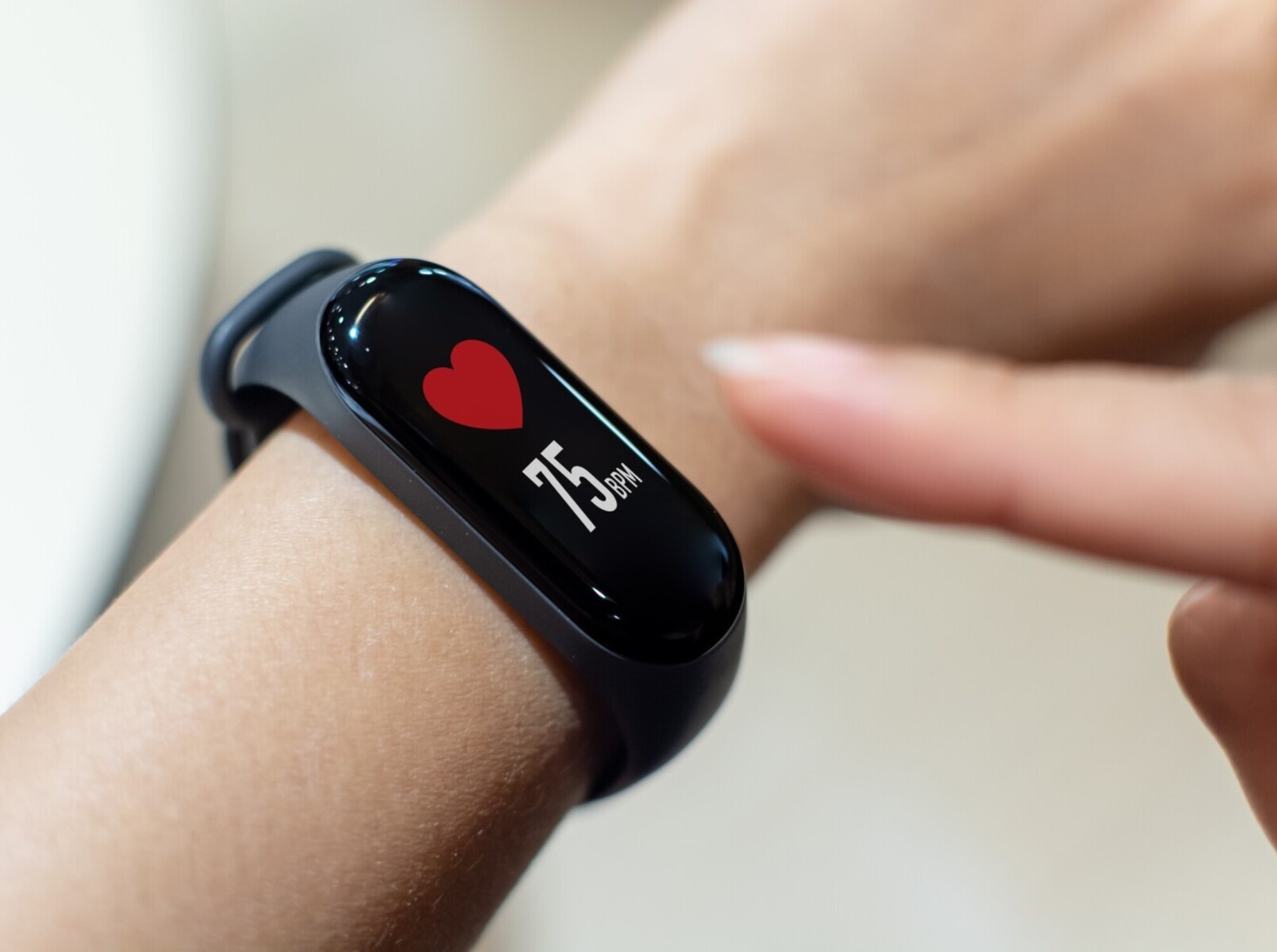
Wearables and cardio machines often show different heart rate numbers, even during the same workout. This happens because devices use different sensors, placements, and algorithms.
Wrist-based monitors rely on light, while chest straps measure electrical signals. Movement, sweat, and fit can affect accuracy. Small differences are expected.
Looking at trends across multiple workouts gives more useful insight than reacting to one unusually high or low reading. Consistency in device choice improves comparison over time. Switching devices frequently adds noise.
Situations Where Numbers Matter Less
There are situations where focusing on heart rate numbers does more harm than good. Tracking can increase anxiety or lead to constant second-guessing.
Medical conditions and certain medications can also alter heart rate response. In these cases, training by feel often works better.
Using breathing cues, perceived exertion, and recovery signals helps guide intensity. This approach supports confidence, body awareness, and long-term consistency without relying on constant data. Many people find workouts feel more enjoyable this way.
Heart Rate Training Strategies for Weight Loss
Heart rate training can be a helpful framework for weight loss when it fits naturally into your routine. The right approach balances effort, recovery, and consistency across the week.
1. Steady-State Cardio and Weight Loss
Steady state cardio works well for weight loss because it allows you to move for longer periods without draining your energy. Activities like brisk walking, steady cycling, or using the elliptical keep heart rate elevated at a manageable level. This supports calorie burn while still allowing recovery for the next workout.
Many people can repeat these sessions several times per week. That repeatability matters. Over time, these moderate sessions contribute significantly to total weekly movement, which plays a key role in sustainable weight loss.
2. Interval Training and Heart Rate Spikes
Interval training uses short bursts of higher intensity followed by periods of rest or easier movement. This causes your heart rate to rise quickly, then drop, then rise again. Examples include fast walking intervals, cycling sprints, or timed bodyweight circuits. These sessions can increase calorie burn in less time and challenge cardiovascular fitness.
Because they’re demanding, recovery matters. Limiting intervals to one or two sessions per week helps prevent excessive fatigue and supports consistency. They work best when paired with easier training days.
3. Mixing Intensities Across the Week
Mixing intensities across the week helps balance progress and recovery. Low-intensity days support movement without strain. Moderate days build endurance and calorie burn. Higher intensity sessions challenge fitness in shorter time frames.
This variety reduces mental and physical burnout. It also allows the body to adapt without constant stress. For example, walking one day, steady cardio another, and intervals later in the week keeps training effective. This approach supports weight loss while fitting into busy schedules. Consistency improves when workouts feel manageable.
4. Daily Movement and Low-Intensity Heart Rate Elevation
Daily movement plays a major role in weight loss, even when heart rate stays relatively low. Walking, household chores, yard work, and active errands all raise heart rate slightly. These small increases add up over the day.
Because these activities feel accessible, people tend to do them more often. That frequency matters. Regular low-intensity movement boosts total calorie burn without stressing recovery. For many, this daily activity contributes more to long-term progress than workouts alone. It also supports healthier habits outside the gym.
5. Recovery-Focused Training Days
Recovery-focused training days keep heart rate lower while still supporting movement and calorie burn. These sessions might include easy walking, gentle cycling, mobility work, or light swimming. Heart rate stays elevated just enough to promote blood flow without adding stress.
These days help reduce soreness and improve readiness for harder workouts later in the week. Skipping recovery often leads to fatigue that slows progress. Planned easy days support consistency, protect joints, and make it easier to maintain an active routine over time.
6. Gradually Increasing Intensity Over Time
Gradually increasing intensity helps the body adapt without overwhelming it. This might mean slightly longer sessions, a faster walking pace, or brief periods of higher effort added to familiar workouts. Heart rate rises a bit more as fitness improves.
Small changes add challenge while keeping workouts manageable. Sudden jumps in intensity often lead to burnout or injury. A gradual approach supports confidence and sustainability. Over time, this steady progression improves fitness and calorie burn while still allowing recovery and consistency across weeks.
How Diet, Recovery, and Stress Affect Heart Rate and Fat Loss
Heart rate during exercise doesn’t exist in isolation. What you eat, how well you recover, and how much stress you carry all influence how your body responds and how effectively fat loss occurs over time.
Why Calorie Balance Still Drives Weight Loss
Heart rate training can increase daily calorie burn, but weight loss still comes down to overall calorie balance. If calorie intake consistently exceeds needs, even hard workouts won’t lead to fat loss. Understanding your personal needs makes this clearer.
The Berry Street app can help calculate calorie needs and what to eat after a workout to lose weight based on age, body data, activity level, and goals. This removes guesswork and helps align training with nutrition. When intake and output work together, heart rate training becomes more effective, and progress feels more predictable.

Protein and Exercise Performance
Protein plays a key role in exercise performance and recovery, especially during weight loss. It supports muscle repair after workouts and helps preserve lean mass. Adequate protein intake can also improve workout quality by supporting strength and endurance. Timing and total intake both matter.
Needs vary based on body size, training volume, and goals. For personalized guidance, connect with a Registered Health Dietitian through Berry Street to create a tailored 7-day meal plan that supports training, recovery, and fits your schedule.
Sleep, Stress, and Elevated Heart Rate
Sleep and stress strongly influence heart rate and fat loss progress. Poor sleep raises resting heart rate and makes workouts feel harder at the same intensity. Chronic stress keeps the nervous system activated, which can elevate heart rate even during easy movement.
These factors can interfere with recovery and appetite regulation. Prioritizing sleep, stress management, and rest days supports healthier heart rate responses. Consistent recovery helps workouts feel more manageable and supports steady weight loss over time. Energy levels often improve as well.
Is a Lower Heart Rate Always Better?
A lower heart rate is not automatically better for weight loss or overall health. A lower resting heart rate often reflects improved cardiovascular efficiency, but context matters. During workouts, a higher heart rate can be appropriate depending on intensity and training goals.
Some people naturally have higher or lower readings without any issues. Chasing lower numbers can lead to under-fueling or excessive training. The focus should be on how you feel, how you recover, and whether progress is sustainable over time. Trends matter more than single measurements, especially across weeks.

How Fitness and Weight Loss Can Lower Resting Heart Rate
As fitness improves, resting heart rate often decreases because the heart pumps blood more efficiently. Weight loss can also reduce strain on the cardiovascular system.
Over time, the heart moves more oxygen with fewer beats. This adaptation is common with regular aerobic exercise and consistent movement.
Many people notice lower morning heart rate readings after weeks of training. This change often comes alongside better endurance and recovery. It is generally a positive sign when paired with adequate energy intake and stable performance.
When a Low Heart Rate May Be a Red Flag
A very low heart rate is not always a sign of improved fitness. When it appears alongside fatigue, dizziness, or declining performance, it may signal under-fueling or excessive training. Rapid weight loss can also contribute to a suppressed heart rate.
In these cases, the body may be conserving energy. Workouts may feel harder despite lower numbers. Recovery often worsens. Paying attention to energy levels, mood, and strength changes helps identify when a low heart rate reflects stress rather than adaptation. Early action matters.
When to Talk to a Healthcare Professional
Talking to a healthcare professional is important when heart rate changes feel unusual or persistent. Symptoms like fainting, chest discomfort, extreme fatigue, or irregular heartbeat deserve evaluation. This is especially important if weight loss is rapid or intake is very low.
Medical guidance helps rule out underlying conditions and ensures safety. Seeking support early can prevent setbacks. It also helps clarify whether training, nutrition, or recovery adjustments are needed for long-term progress. Peace of mind matters. Don’t wait.

Heart Rate and Weight Loss FAQs
What’s a good heart rate for weight loss if I’m just starting out?
Aim for an intensity that raises your breathing but still allows conversation. That level supports consistency and builds a solid foundation.
Is the best heart rate zone different for women or older adults?
It depends more on fitness level, health history, and medications than age or sex. Moderate, sustainable intensity works well for many people.
Can I lose weight without tracking heart rate at all?
Yes. Regular movement, balanced eating, and recovery can drive weight loss without any heart rate tracking.
Why does my heart rate feel high even during easy workouts?
Stress, poor sleep, dehydration, and low fitness can all raise heart rate. This often improves as conditioning and recovery improve.
Does sweating more mean I’m in the right heart rate zone?
No. When it comes to sweating and weight loss, sweat reflects temperature and hydration more than exercise intensity.
Conclusion
Understanding heart rate can make weight loss training feel more approachable and far less frustrating. The best heart rate for weight loss isn’t about chasing a perfect number or staying locked into one zone. It’s about using heart rate as a guide while paying attention to effort, recovery, and consistency over time.
Mixing intensities, supporting workouts with adequate fuel and sleep, and choosing movement you can sustain all play a role in long-term progress.
If you want personalized guidance that connects exercise, nutrition, and real life, find a Registered Dietitian through Berry Street to build a plan that actually fits your goals.
If you want to learn more, why not check out these articles below: