If you’re trying to lose weight and feeling stuck, you’re not alone. We work with people every day who are exercising consistently and still not seeing the results they expected. It’s frustrating, confusing, and often discouraging.
After years of experience as Registered Dietitians, we can tell you this with confidence: the best exercise to lose weight isn’t a single move, machine, or workout class. It’s a strategy. One that supports fat loss, preserves muscle, and fits into real life.
Let’s break down what actually works.
Disclaimer: The information provided in this article is for educational and informational purposes only and is not intended as medical advice. Please consult with your healthcare provider or a qualified fitness professional before starting any new exercise program or making significant changes to your physical activity.

What “Best Exercise to Lose Weight” Really Means
When most people search for the best exercise to lose weight, they’re looking for a clear winner. Running. Walking. HIIT. Lifting weights.
From our experience, that search usually comes from frustration, not curiosity. Weight loss feels hard, so it’s tempting to believe one workout holds the answer.
In reality, the best exercise depends on how it supports fat loss over time, not how intense it feels in the moment. An effective exercise routine helps you burn calories, maintain muscle, and recover well enough to keep showing up.
That’s why sustainability matters so much. A workout you enjoy and can repeat three or four times a week will outperform an extreme plan you quit after two weeks.
Long-term results come from consistency, not perfection. When exercise supports your energy, strength, and confidence, it becomes part of your routine instead of another short-lived attempt. That’s where real progress happens.

Weight Loss vs Fat Loss: Why the Difference Matters
The scale can be misleading, especially when exercise is involved. Weight loss can reflect changes in water, glycogen, muscle, or fat, and those shifts don’t all mean the same thing. Fat loss is what improves metabolic health, supports strength, and changes body composition in a meaningful way.
Many people feel discouraged when the scale stalls, even though their workouts are paying off. Strength training often leads to muscle gain while fat is being lost, which can hide progress on the scale. Cardio for weight loss contributes by increasing daily energy expenditure and improving heart health.
When lean mass is preserved, your metabolism stays more resilient during weight loss. Clothes fitting better, increased strength, and better endurance are often signs of success long before the scale reflects it. Focusing on fat loss rather than weight alone leads to better outcomes and fewer frustrations.
Why There’s No Single “Magic” Exercise
If one exercise worked perfectly for everyone, weight loss would be far less confusing. After years of experience, we know that lasting results come from systems, not shortcuts. Training is only one piece of the picture.
Nutrition, sleep, recovery, and stress all influence how your body responds to exercise. A workout that burns a lot of calories but leaves you exhausted, sore for days, or dreading the next session usually backfires. Injuries, burnout, and inconsistent habits slow progress more than any lack of intensity.
The most effective exercise plan is one that fits your schedule, your preferences, and your current fitness level. That might mean lifting weights three days a week, walking daily, or adding short cardio sessions you actually enjoy.
When workouts are repeatable and realistic, they support steady fat loss instead of short-term spikes followed by setbacks.

How Exercise Fits Into the Bigger Weight Loss Picture
Exercise plays several important roles in weight loss beyond burning calories. It increases daily energy expenditure, helps preserve lean muscle, and improves insulin sensitivity, all of which support fat loss over time.
Strength training sends a signal to your body to hold onto muscle during calorie reduction. Cardio adds volume to your weekly activity and improves cardiovascular fitness.
Exercise also affects factors people often overlook. It improves sleep quality, reduces stress, and boosts mood, which can influence appetite and food choices.
People who exercise regularly tend to maintain weight loss more successfully because movement becomes part of their routine. Exercise supports the process rather than carrying it on its own.
When paired with supportive nutrition and recovery, it helps create a stable foundation for progress that lasts well beyond the initial weight loss phase.
How Exercise Helps You Lose Weight
Exercise supports weight loss in several ways, and calorie burn is only one piece of the picture. Understanding how movement affects metabolism, muscle, and daily energy use helps explain why some workouts lead to better results than others.
Calories In vs Calories Out: The Baseline Rule
At its core, weight loss requires a calorie deficit, meaning you’re consistently using more energy than you’re taking in. Exercise helps by increasing the “calories out” side of the equation, but it doesn’t cancel out nutrition choices.
Many people unintentionally overestimate how many calories they burn during workouts and underestimate how much they eat throughout the day. That gap can quietly stall progress.
Exercise works best when it’s paired with an eating pattern that supports recovery, manages hunger, and preserves muscle. Adequate protein plays a key role here, helping with fullness and muscle maintenance during weight loss.
Knowing your personal calorie needs also matters, since they vary based on body size, activity level, and goals. The Berry Street app can help you estimate your calorie needs and track patterns over time, making the process less guesswork-driven.
For even more support, connect with a Registered Weight Loss Dietitian through Berry Street to receive a personalized 7-day meal plan built around your workouts and goals.

Muscle, Metabolism, and Daily Calorie Burn
Lean muscle is metabolically active tissue, which means it uses energy even when you’re resting. The more muscle you carry, the higher your resting calorie burn tends to be. This doesn’t mean building muscle suddenly skyrockets metabolism overnight, but the effect compounds over time.
Preserving muscle during weight loss also helps prevent the slowdown many people experience when calories are reduced. Strength training plays a key role here by signaling to your body that muscle is needed.
Muscle also improves metabolic flexibility, or your body’s ability to switch between carbohydrates and fat for fuel. That flexibility supports better blood sugar control and steadier energy levels.
Over time, this makes weight maintenance more manageable and reduces the risk of regain. When muscle is prioritized, fat loss tends to feel more sustainable and less reactive to small changes in food intake or activity.
Cardio vs Strength Training: What Each Actually Does
Cardio and strength training both play important roles in weight loss, but they influence the body in different ways.
Cardio exercises such as walking, cycling, or rowing tend to burn more calories during the workout itself. That can help increase daily energy expenditure, especially when done consistently.
Strength training focuses on building and preserving muscle, which affects how many calories your body burns throughout the day. It also improves body composition, strength, and physical function.
Cardio supports heart and lung health and improves endurance. Strength training supports metabolic health and long-term weight maintenance.
One provides an immediate calorie burn. The other creates lasting metabolic benefits. When combined, they support both short-term progress and long-term results more effectively than either approach alone.
Cardio | Strength Training |
Higher calorie burn during exercise | Preserves and builds muscle |
Improves heart and lung health | Improves metabolism and body composition |
Helpful for creating a calorie deficit | Critical for long-term fat loss |
Both belong in a smart weight loss plan.

Why Strength Training Is the Foundation for Sustainable Fat Loss
Strength training forms the base of most effective long-term weight loss plans. Compound exercises such as squats, deadlifts, presses, and rows engage multiple muscle groups at once, which increases total energy demand. These movements also send a strong signal to preserve muscle during calorie reduction.
That matters because losing muscle can make future fat loss harder and maintenance more challenging. Strength training improves posture, joint stability, and daily function, which often leads to more overall movement outside workouts.
It also supports hormonal health and insulin sensitivity. People who lift regularly often report feeling stronger and more capable, which improves adherence over time.
Cardio alone can reduce body weight, but without strength training, a portion of that loss may come from muscle. Prioritizing lifting helps protect progress and makes results easier to sustain.
Where Cardio Fits (And Where It Doesn’t)
Cardio plays an important supporting role in weight loss when used strategically. It increases total daily energy expenditure and improves cardiovascular fitness, which benefits overall health.
Activities like walking, cycling, swimming, and rowing are accessible and easier to sustain long-term. Cardio can also help manage stress and improve mood, which indirectly supports eating habits and recovery.
However, relying on cardio alone often leads to plateaus, especially if strength training is missing. Excessive cardio without adequate recovery can increase fatigue and hunger, making consistency harder.
The goal is balance. Cardio works best when layered on top of a solid strength training routine, not used as a replacement. When combined thoughtfully, cardio enhances fat loss while strength training protects muscle and metabolism.

The Best Exercises to Lose Weight
Once you understand how exercise supports fat loss, the next step is choosing movements that deliver the most return for your effort. The best exercises to lose weight challenge multiple muscle groups, support calorie burn, and can be repeated consistently without burning you out.
Strength Training Exercises
Strength training exercises that support fat loss focus on compound movements that recruit multiple muscle groups at the same time. These exercises demand more total energy during workouts and help preserve lean muscle while reducing calories.
Muscle preservation matters because it supports metabolism and makes long-term weight maintenance easier. Compound lifts also improve coordination and joint stability, which supports better movement in daily life.
Key strength exercises:
Squats and lunges for legs and glutes
Deadlifts for the posterior chain and core
Bench presses or push variations for chest and arms
Overhead presses for the shoulders and upper body
Rows for back strength and posture
Because these movements train several muscles together, workouts are more efficient and easier to progress. Gradually increasing resistance keeps results coming while supporting steady, sustainable fat loss.
Bodyweight Exercises
Bodyweight exercises offer a simple and effective way to build strength while supporting calorie burn, especially for beginners or anyone working out at home. These movements rely on your own body weight for resistance, which improves coordination, balance, and core engagement.
Because many bodyweight exercises involve multiple joints, they require more overall effort and support fat loss over time. They also help you learn proper movement patterns before adding external weight.
Effective bodyweight exercises:
Squats or chair squats for lower-body strength
Push-ups or incline push-ups for chest, shoulders, and arms
Forward or reverse lunges for balance and leg strength
Step-ups using stairs or a sturdy platform
Planks or side planks for core stability
Progression keeps results coming. Increasing repetitions, slowing tempo, or choosing more challenging variations raises intensity. Consistent bodyweight training builds confidence, supports fat loss, and lays a strong foundation for future strength work.

HIIT Exercises
HIIT, or high-intensity interval training, alternates short bursts of challenging effort with planned recovery periods. This format raises heart rate for weight loss quickly and allows you to burn a meaningful number of calories in a short session.
HIIT is often appealing to people with busy schedules, but it works best when programmed thoughtfully. These workouts can also increase post-exercise calorie use, meaning your body continues using energy after the session ends.
Common HIIT exercise options:
Fast cycling or rowing intervals
Bodyweight circuits like squats and push-ups
Short sprint intervals on a treadmill or outdoors
Low-impact options such as fast marching or step-based intervals
Because HIIT is demanding, recovery matters. One to three sessions per week is appropriate for most people. Pairing HIIT with strength training helps balance intensity and supports sustainable fat loss.
Cardio Exercises
Cardio exercises support weight loss by increasing daily energy expenditure and improving heart and lung health. The most effective cardio options are activities you can perform consistently without excessive fatigue or injury risk. While higher intensity can burn more calories per minute, steady participation over time tends to produce better results.
Helpful cardio options:
Brisk walking outdoors or on a treadmill
Cycling indoors or outside
Swimming or water-based exercise
Rowing machines
Elliptical training
Walking stands out because it’s low-impact, accessible, and easy to recover from. Cardio also supports stress management and sleep quality, which can influence appetite and energy levels. When combined with strength training and supportive nutrition, cardio plays a valuable role in a balanced, sustainable fat loss plan.

Exercises That Look Good on Paper but Underperform
Some exercises sound impressive or feel productive, but don’t deliver much return when fat loss is the goal. These movements often isolate small muscle groups, burn fewer calories overall, or fail to support muscle retention. They can still have a place, but they shouldn’t make up the majority of your routine. When time and energy are limited, exercise selection matters.
Common examples:
Seated ab machines or excessive crunch variations
Light-resistance machines that limit your range of motion
Single-joint movements done exclusively, such as leg extensions
Very slow, low-effort stretching sessions are used as workouts
These exercises typically don’t elevate heart rate enough or recruit enough muscle to drive meaningful calorie burn. They also don’t provide the same metabolic or strength benefits as compound movements. Relying on them alone can lead to plateaus and frustration.
A stronger approach prioritizes full-body strength training, supported by cardio and movement you can repeat consistently.
The Best Workouts for Weight Loss
Individual exercises matter, but how you combine them into workouts makes an even bigger difference for fat loss. Well-designed workouts balance strength, cardio, and recovery so progress continues without overtraining or burnout.
Full-Body Strength Workouts for Fat Loss
Full-body strength workouts train every major muscle group in one session, which makes them efficient and easier to schedule. For fat loss, this approach allows you to lift two to four times per week while still recovering well. Each workout should include one lower-body push, one lower-body pull, one upper-body push, one upper-body pull, and a core movement.
How to structure a full-body workout:
Squats or leg presses for lower-body strength
Deadlifts or hip hinges for glutes and hamstrings
Bench press or overhead press for upper-body pushing
Rows or lat pulldowns for upper-body pulling
Planks or cable rotations for core stability
Perform two to four sets per exercise, using moderate weights and controlled rest. This structure supports muscle retention, steady calorie burn, and consistent progress without overloading any single muscle group.

Strength + Cardio Combo Workouts
Strength and cardio combo workouts are ideal when you want efficiency without sacrificing results. These sessions combine resistance training with shorter cardio bouts to increase total calorie burn while still protecting muscle.
Strength work should come first, since energy and focus are highest early in the workout. Cardio then adds volume without interfering with lifting quality.
How to structure a combo workout:
Start with 30–40 minutes of strength training
Focus on compound lifts like squats, presses, rows, and hinges
Finish with 10–20 minutes of cardio
Choose steady-state cardio or short intervals at a manageable intensity
These workouts work well two to three times per week. Strength supports metabolism and muscle retention, while cardio increases overall energy expenditure. Keeping intensity moderate helps recovery and makes it easier to stay consistent over time.
HIIT-Style Workouts for Busy Schedules
HIIT-style workouts are built for busy weeks because they deliver a strong training stimulus in a short window. The key is structure: warm up, work hard, recover, then stop before form falls apart.
During work intervals, you should be breathing hard and sweating fast. Choose low-impact tools when possible so you can recover and train again.
How to build a HIIT workout:
Warm-up: 5 minutes of easy cardio plus dynamic moves
Interval: 20–30 seconds at an 8–9 out of 10 effort
Recovery: 60–90 seconds, easy pace or complete rest
Repeat: 8–12 rounds, then 3–5 minutes to cool down
Great options include a bike, rower, incline treadmill, walk, or kettlebell swings if technique is solid. Plan HIIT 1–3 times per week, on nonconsecutive days, and keep strength training as your main training anchor.

Low-Impact Workouts That Still Work
Low-impact workouts are a smart choice when joints, recovery, or higher training volume are concerns. They can still push your heart rate and meaningfully support fat loss, especially when you treat them like a planned session. Pick one main modality and set a clear target for time and effort.
How to structure a low-impact workout:
Steady block: 25–35 minutes at a pace where you can speak in short sentences
Optional intervals: 6–10 rounds of 30–60 seconds, slightly harder, then 60–90 seconds easy
Cooldown: 3–5 minutes easy pace, then light mobility for hips, calves, and upper back
Great choices include brisk walking, cycling, swimming, and rowing with controlled technique. Aim for 2–4 low-impact sessions per week, and pair them with two to three strength days for the best overall results.

Workout Routines and Plans to Lose Weight
Workout routines matter just as much as individual exercises when weight loss is the goal. A well-structured plan helps balance strength, cardio, and recovery so your workouts support fat loss without leading to burnout or plateaus.
Beginner Workout Routine (First 4–6 Weeks)
If you’re new to exercise or getting back into it after time away, a simple, repeatable weight loss workout plan is key. The goal during the first four to six weeks isn’t perfection. It’s building confidence, learning basic movements, and creating a rhythm you can realistically stick with.
This beginner-friendly structure balances strength training with daily movement to support fat loss without feeling overwhelming.
Weekly structure:
Strength training three days per week, with at least one rest day between sessions
Walking most days of the week for light, steady movement
Strength workout (30-45 minutes):
Warm-up: five minutes of easy walking or gentle dynamic movements
Squats or sit-to-stands for lower-body strength
Push-ups, chest press, or wall push-ups for the upper body
Rows using dumbbells or resistance bands
Hip hinge movement, like deadlifts or glute bridges
Core exercises, such as planks or dead bugs
Sets and reps:
Two to three sets of eight to twelve reps per exercise
Use a weight that feels challenging by the last few reps while maintaining good form
Walking plan:
Start with 20–30 minutes most days
Gradually increase duration or pace as it feels comfortable
This routine builds strength, supports fat loss, and creates habits that are easier to maintain over time.

Intermediate Routine for Faster Progress (Example)
Once you’ve built a consistent base and feel comfortable with foundational movements, an intermediate routine can help push progress forward. At this stage, the focus shifts to lifting slightly heavier weights, adding structure, and increasing overall training volume.
This routine works well for people who’ve been exercising regularly for several months and want continued fat loss alongside strength gains.
Weekly structure:
Strength training four days per week
Cardio two to three days per week, depending on recovery
At least one full rest or active recovery day
Strength workouts (45–60 minutes):
Day 1 and 3: Lower body and core
Day 2 and 4: Upper body
Lower-body focus:
Barbell or goblet squats
Romanian deadlifts or leg presses
Walking lunges or step-ups
Hamstring curls
Core work, such as hanging knee raises or weighted planks
Upper-body focus:
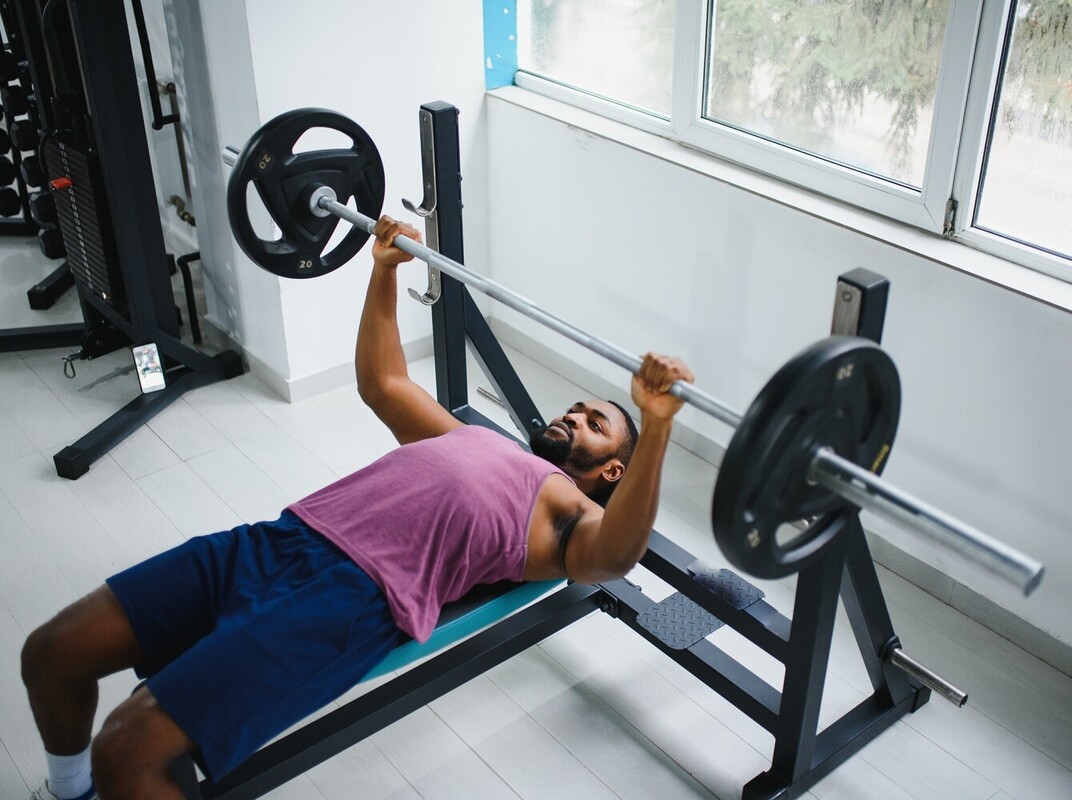
Bench press or chest press machine
Lat pulldowns or assisted pull-ups
Dumbbell shoulder presses
Seated rows or cable rows
Triceps pushdowns and biceps curls
Sets and reps:
Three to four sets of six to ten reps for main lifts
Slightly higher reps for accessory exercises
Cardio plan:
One to two steady-state sessions
One optional HIIT session if recovery allows
After years of experience, we’ve seen this approach support continued fat loss while building strength and keeping workouts engaging.
At-Home Workout Plan (No Equipment Required)
You don’t need a gym or fancy equipment to lose weight effectively. An at-home routine can build strength, support fat loss, and improve conditioning when it’s structured with intention. This type of plan works especially well for people who want flexibility, privacy, or a low barrier to getting started.
Weekly structure:
Full-body workouts three to four days per week
Optional walking or light cardio on off days
At least one full rest day
Workout length:
About 30–40 minutes per session
Warm-up (5 minutes):
Marching in place or light jogging
Arm circles and hip circles
Bodyweight squats at an easy pace
Main workout:
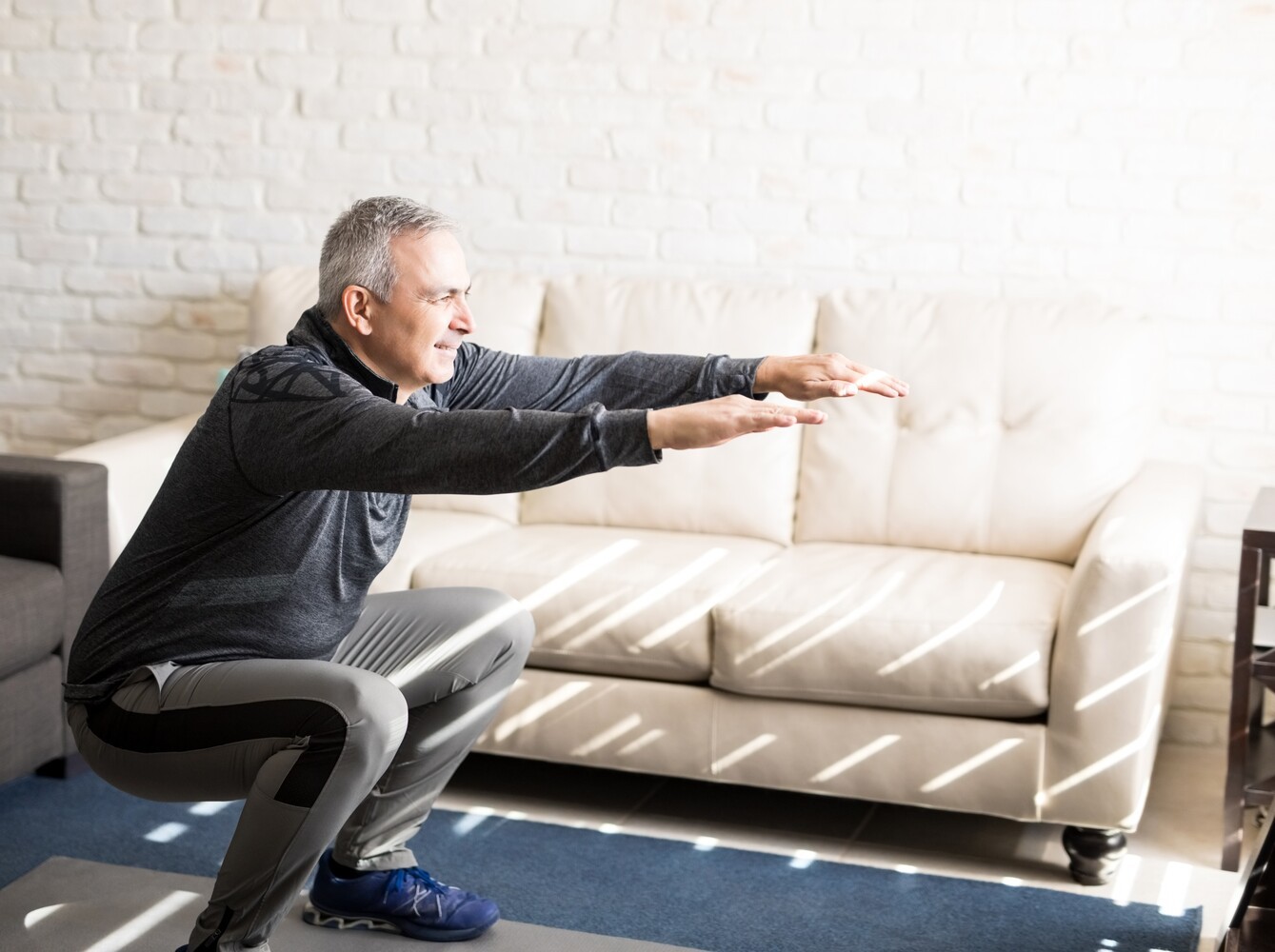
Squats or chair squats for the lower body
Reverse lunges or split squats
Push-ups, knee push-ups, or incline push-ups
Glute bridges or hip thrusts
Planks or dead bugs for core stability
Sets and reps:
Two to three sets of 10–15 reps per exercise
Hold planks for 20–40 seconds
Rest as needed to maintain good form
Optional conditioning finisher:
30 seconds of mountain climbers or jumping jacks
30 seconds of rest
Repeat four to six rounds
This routine supports muscle retention, calorie burn, and consistency. When paired with daily movement like walking, it can be highly effective for weight loss without ever stepping into a gym.
Weekly Training Schedule Example
Having a weekly structure removes a lot of guesswork and makes it easier to stay consistent over time. This example balances strength training, cardio, and recovery to support fat loss while keeping workouts realistic and manageable.
Everyone’s body is different, so this schedule can be adjusted based on energy levels, stress, and lifestyle demands.
Example weekly schedule:
Monday: Full-body strength workout focused on compound movements
Tuesday: Brisk walking or steady-state cardio for 30–45 minutes
Wednesday: Upper-body strength workout with pushing and pulling exercises
Thursday: Low-impact cardio such as walking, cycling, or elliptical training
Friday: Lower-body strength workout emphasizing squats, hinges, and lunges
Saturday: Optional light cardio, mobility work, or an enjoyable activity like hiking or yoga
Sunday: Rest day or gentle movement such as stretching or easy walking
How to approach the week:
Strength sessions should last about 45–60 minutes and feel challenging but sustainable
Cardio days should support calorie burn without leaving you overly fatigued
Rest and lighter days help muscles recover and support long-term consistency
This structure supports steady progress while reducing burnout and making exercise easier to maintain long-term.
How Often, How Long, and When to Exercise for Weight Loss
Everyone’s body responds differently to exercise, which is why rigid promises about weight loss rarely hold up. Factors like starting fitness level, age, stress, sleep, hormones, and nutrition all influence results.
Exercise can increase calorie burn, build muscle, and improve health markers without producing predictable changes on the scale. That’s where many people get discouraged. Weight loss is not a linear equation where more exercise always leads to faster results.
In some cases, doing too much can backfire by increasing fatigue, hunger, or injury risk. A realistic approach focuses on consistency, recovery, and total weekly movement rather than chasing perfect numbers.
From our work as Registered Dietitians, we’ve seen that the people who see the most success are those who match exercise volume to their lifestyle, diet, and energy levels.
When expectations are realistic, exercise becomes easier to sustain. That sustainability is what supports fat loss over time, not extreme schedules or short-term intensity.

How Many Days Per Week You Should Work Out
For most people, exercising three to five days per week strikes a good balance between progress and recovery.
Fewer days can still work, especially if workouts are well planned and include full-body strength training. More days may be appropriate for experienced exercisers who manage intensity carefully.
What matters most is how your body responds. Strength training typically works well two to four days per week, while cardio can be added on additional days depending on recovery.
Training every single day often leads to diminishing returns if sleep, nutrition, or stress are not well managed. Signs like lingering soreness, low energy, or stalled progress suggest the need for more rest.
A schedule you can maintain week after week is far more effective than an aggressive plan you abandon. Consistent training days, even if fewer, support steady fat loss and better long-term adherence.
Is 30 Minutes of Exercise a Day Enough?
Thirty minutes of exercise a day can absolutely support weight loss, depending on how that time is used. A focused strength session or brisk walk can meaningfully contribute to weekly activity totals.
What matters more than daily duration is total weekly volume. For example, five 30-minute sessions often provide similar benefits to three longer workouts.
Intensity also plays a role. A challenging strength workout may deliver more metabolic benefit than light movement for the same amount of time.
That said, short sessions are often easier to stick with, especially during busy weeks. They also reduce the mental barrier to getting started.
When needed, workouts can be broken into smaller chunks across the day. Consistency wins here. Regular 30-minute sessions, paired with adequate nutrition and recovery, can support fat loss without overwhelming your schedule.

Best Time of Day to Exercise for Weight Loss
The best time to work out for weight loss is the time you can repeat consistently. Morning workouts work well for some people because they remove decision fatigue later in the day. Others feel stronger and more energized in the afternoon or evening.
Research shows that fat loss outcomes are similar across different training times when total activity is matched. What does differ is adherence.
If exercising early causes chronic fatigue or skipped sessions, it may not be the best fit. Training later can still support weight loss as long as it doesn’t interfere with sleep.
Pay attention to how your body feels and performs. Energy levels, hunger cues, and recovery provide useful feedback. When exercise fits naturally into your daily routine, it becomes easier to maintain. That consistency matters far more than the clock.
Rest Days, Recovery, and Why More Isn’t Always Better
Rest days are a critical part of any effective weight loss plan. Recovery allows muscles to repair, hormones to stabilize, and energy levels to rebound. Without adequate rest, strength gains stall and fatigue accumulates. That can lead to higher injury risk and increased hunger. Both make weight loss harder.
Rest doesn’t mean complete inactivity. Light movement like walking, stretching, or mobility work supports circulation and recovery without adding stress.
Many people assume more workouts always lead to better results, but progress often improves when recovery is prioritized. Sleep quality also plays a major role. Poor sleep affects appetite regulation and workout performance.
Planning rest days intentionally helps protect consistency and motivation. When recovery is built into the plan, exercise becomes something you can sustain long-term rather than something you push through.

Strength Training for Weight Loss (The Non-Negotiable Piece)
Strength training plays a central role in successful, long-term weight loss. When calories are reduced, the body often adapts by slowing metabolism and breaking down muscle tissue. Strength training helps counter that response by signaling that muscle is needed.
Preserving muscle supports daily calorie burn and makes weight maintenance more achievable after weight loss. It also improves strength, balance, and physical function, which often leads to more overall movement throughout the day. That extra movement adds up.
Strength training also supports insulin sensitivity and blood sugar control, both of which influence fat storage and energy levels. Many people notice changes in how their clothes fit or how strong they feel before seeing major scale changes. That’s normal.
When strength training is part of the plan, weight loss tends to be more stable and easier to maintain. It provides structure, measurable progress, and a clear sense of improvement beyond the number on the scale.
Why Lifting Weights Supports Fat Loss Better Long-Term
Lifting weights supports fat loss by improving body composition rather than focusing only on scale weight. When muscle is preserved or built, a greater percentage of weight loss comes from fat. That leads to better metabolic health and physical function.
Strength training also helps prevent the metabolic slowdown that often follows repeated dieting. Over time, this makes it easier to maintain a calorie deficit without constant hunger or fatigue.
Another benefit is durability. Stronger muscles and joints reduce injury risk, which helps people stay active consistently. Weight training also improves insulin sensitivity, allowing the body to handle carbohydrates more effectively.
Even when the scale moves slowly, internal changes are happening. Strength gains, improved posture, and increased stamina often appear first. These changes encourage adherence and confidence.
Over the long term, people who lift weights tend to regain less weight because their bodies are better equipped to manage energy balance.

Best Strength Training Exercises for Weight Loss
The most effective strength training exercises for weight loss involve multiple muscle groups and joints.
Compound lifts require more energy and stimulate more muscle than isolated movements. Squats and lunges challenge the legs and core. Deadlifts train the hips, glutes, and back. Pressing movements work the chest, shoulders, and arms. Rows and pull variations strengthen the back and support posture.
These exercises can be performed using barbells, dumbbells, kettlebells, or resistance bands, depending on experience and access. Resistance bands and kettlebells are especially useful for home workouts or travel.
Variety helps keep training engaging, but consistency matters more than novelty. Choosing exercises that feel safe and repeatable allows for steady progress.
Over time, gradually increasing resistance or repetitions keeps the body adapting. When these movements form the foundation of a program, strength training becomes an efficient and reliable tool for fat loss.
How Heavy You Should Lift When Trying to Lose Weight
When lifting weights during weight loss, intensity matters more than chasing exhaustion. Weights should feel challenging by the last few repetitions while still allowing proper form.
A good guideline is selecting a load that you can lift for eight to twelve reps, where the final two reps require focus and effort. If you could easily perform several more reps, the weight may be too light. If your form breaks down early, it may be too heavy.
Rest periods also matter. Short to moderate rest allows recovery without turning sessions into endurance workouts.
Progressive overload is key. Gradually increasing weight, reps, or sets helps preserve muscle as calories decrease. Lifting too lightly can reduce the muscle-preserving benefit. Lifting too heavy without adequate recovery can increase injury risk.
Finding the middle ground supports strength gains, muscle retention, and consistent training throughout the weight loss process.
Strength Training for Beginners vs Advanced Lifters
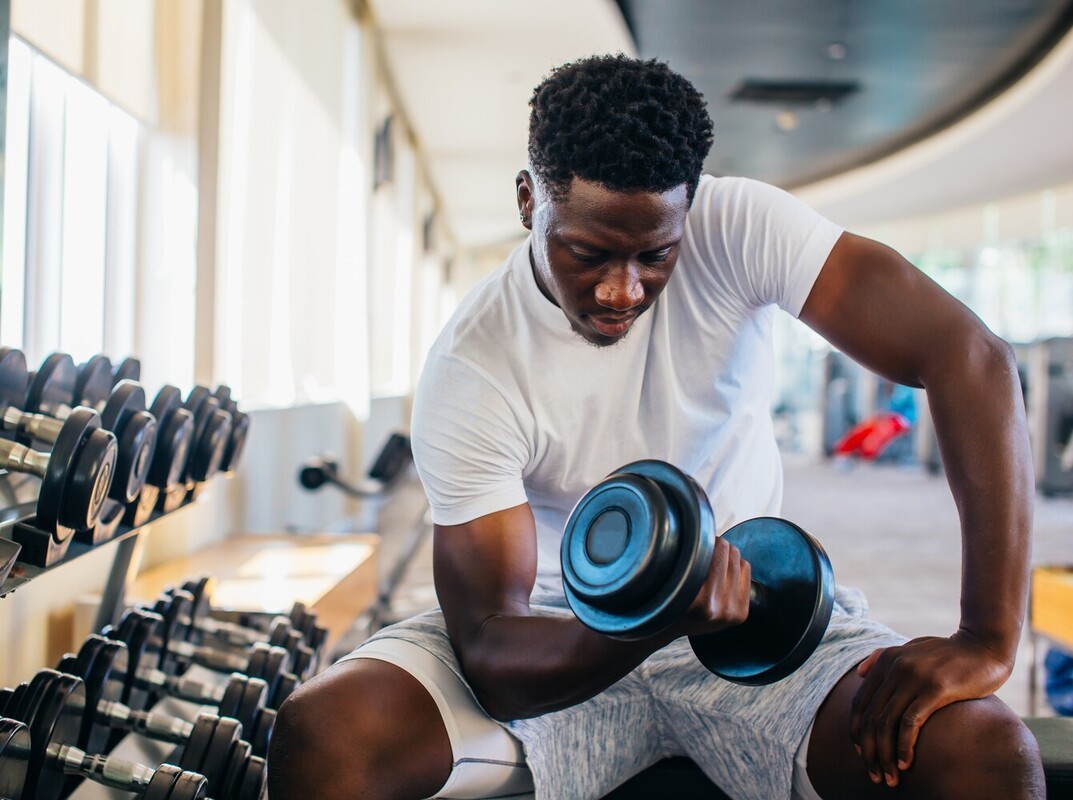
Strength training looks different depending on experience level. Beginners benefit most from simple, full-body programs performed two to three times per week.
These plans focus on learning proper form, building baseline strength, and establishing routine. Progress often happens quickly at this stage, which can be motivating.
Advanced lifters require more structure to continue seeing results. That often means planned progression, higher training volume, and intentional recovery. Split routines may become useful as strength increases and workloads grow.
Advanced lifters also need to pay closer attention to sleep, nutrition, and stress management. Recovery becomes just as important as training itself.
Regardless of experience level, the goal remains the same. Preserve muscle, support metabolism, and create a routine that can be sustained. Matching program complexity to experience helps ensure continued progress without burnout or injury.
Exercise Adaptations for Specific Groups
Exercise recommendations aren’t one-size-fits-all, especially when health history, hormones, or physical limitations come into play. Adapting workouts to your body and circumstances helps support fat loss while reducing injury risk and frustration.
Joint & Mobility Issues
Joint and mobility issues can make traditional workouts feel intimidating, but weight loss is still very achievable with the right approach.
Low-impact, joint-friendly exercises reduce stress on the knees, hips, and back while still supporting calorie burn and muscle engagement. Walking, cycling, swimming, rowing, and elliptical training are solid options because they allow steady movement without excessive impact.
Strength training still matters here, but exercise selection and range of motion should match comfort and ability. Chair squats, step-ups, glute bridges, and resistance band rows can build strength without aggravating joints.
Mobility work also plays an important role. Gentle stretching and controlled movement help improve joint function and reduce stiffness over time. Progress may feel slower at first, and that’s okay.
Consistency and comfort matter more than intensity. When pain is managed and movement feels safe, adherence improves. That consistency supports fat loss while protecting joints and preserving independence long term.

Men vs Women
Men and women often approach exercise with different expectations, and those differences can influence results.
Many women are still told to lift light weights and focus heavily on cardio, even though heavier strength training supports muscle retention and metabolic health. Lifting challenging weights helps women improve body composition without causing excessive muscle gain.
Men, on the other hand, often push intensity too frequently and underestimate recovery. Prioritizing rest, sleep, and balanced training supports better fat loss outcomes for men over time.
Hormonal differences also affect how bodies respond to stress and training volume. Women may notice strength fluctuations across the month, while men often benefit from more consistent performance patterns.
Both benefit from strength training, cardio, and recovery. The key is matching intensity and volume to the body in front of you. When training aligns with physiology and lifestyle, fat loss becomes more sustainable and less frustrating.
Exercising With PCOS, Hypothyroidism, or Hashimoto’s
Conditions like PCOS, hypothyroidism, and Hashimoto’s can change how the body responds to exercise and weight loss. Fatigue, slower metabolism, and higher stress sensitivity are common challenges.
Strength training becomes especially important because it supports muscle mass and insulin sensitivity, both of which can be affected by these conditions.
Cardio still has a place, but excessive high-intensity training may increase fatigue and slow recovery. Moderate, consistent movement often works better. Walking, cycling, and controlled strength sessions help manage stress while supporting calorie burn.
Recovery matters just as much as training. Poor sleep or under-fueling can worsen symptoms and stall progress. Progress may not look dramatic week to week, but steady habits make a difference.

Weight Loss After Pregnancy or During Menopause
Weight loss after pregnancy or during menopause requires a patient, realistic approach. Hormonal shifts during these stages affect energy levels, muscle mass, and how the body stores fat.
Strength training becomes a priority because it helps preserve muscle and support metabolic health during hormonal change. Starting with lighter loads and progressing gradually allows the body to adapt safely. Core and pelvic floor stability also matter after pregnancy, making proper exercise selection important.
During menopause, changes in estrogen can affect recovery and joint comfort, so volume and intensity may need adjustment. Cardio supports heart health and calorie burn, but it works best when paired with strength training.
Progress may feel slower, and scale changes may be subtle. That does not mean workouts are ineffective. Building strength, protecting recovery, and staying consistent support long-term fat loss and overall health during these transitions.
Why You’re Not Losing Weight Even Though You’re Exercising
It’s common to feel confused or discouraged when you’re exercising regularly and the scale isn’t moving. Several factors beyond workout effort can influence weight loss, and understanding them can help explain what’s really happening.
You’re Burning Fewer Calories Than You Think
Many people rely on fitness trackers or cardio machines to estimate calorie burn, but those numbers are often higher than reality. Wearables use formulas based on heart rate and movement, not your individual metabolism or efficiency.
As fitness improves, your body often burns fewer calories doing the same workout because it becomes more efficient. That’s normal, but it can feel frustrating when progress slows. Another factor is compensatory behavior.
After a tough workout, people may move less for the rest of the day without realizing it. Extra sitting, more snacking, or larger portions can quietly offset calories burned. Exercise still matters, but expectations need to be realistic.
The solution isn’t to push harder every session. Instead, focus on consistency, progressive strength training, and overall activity levels. Tracking trends rather than single numbers helps provide a clearer picture. When calorie estimates are viewed as rough guides, workouts become less discouraging and more productive.

You’re Losing Fat but Gaining Muscle
Body recomposition happens when fat loss and muscle gain occur at the same time. This is especially common when people start strength training or return to exercise after time away. Muscle is denser than fat, so changes in body composition may not show up clearly on the scale. That can make it feel like nothing is working, even when progress is happening.
Other signs often appear first. Clothes fit differently. Strength improves. Measurements change. Energy levels increase. These are meaningful indicators of fat loss.
Water retention from training can also temporarily mask scale changes. Stress, sodium intake, and muscle soreness all influence short-term weight fluctuations.
Looking at trends over several weeks provides more useful insight than daily weigh-ins. Progress photos, how workouts feel, and performance improvements often tell a clearer story. When muscle is being built alongside fat loss, long-term results tend to be easier to maintain.
Diet Is Undermining Your Training
Exercise and nutrition work best when they support each other. If protein intake is too low, the body may struggle to recover and preserve muscle during weight loss.
Calorie creep is another common issue. Small extras like sauces, snacks, or drinks can add up quickly.
Recovery nutrition also matters. Skipping meals after workouts can increase fatigue and lead to overeating later in the day. Fueling properly by knowing what to eat after a workout to lose weight and how it supports performance, muscle repair, and appetite regulation.
Many people work hard in the gym but unintentionally sabotage progress through inconsistent eating patterns. Personalized guidance can make a big difference here.
If you feel unsure about how to eat to support your workouts, consider connecting with a Registered Health Dietitian through Berry Street. A tailored approach helps align nutrition with training, making weight loss more sustainable and far less frustrating.
Stress, Sleep, and Hormones Are Working Against You
Stress and sleep play a major role in weight loss, even though they’re often overlooked. Chronic stress raises cortisol levels, which can increase water retention and affect appetite regulation.
Poor sleep disrupts hunger hormones, making cravings stronger and fullness signals weaker. Fatigue also reduces workout quality and daily movement. Over time, this combination can stall visible progress despite consistent exercise.
Hormonal shifts related to stress, poor sleep, or life changes can further complicate the picture. The body may hold onto water or feel inflamed, masking fat loss on the scale.
Improving sleep quality, managing stress, and allowing adequate recovery often unlock progress without changing workouts. Simple steps like consistent bedtimes, rest days, and lighter training weeks help restore balance. When the body feels supported rather than overstressed, fat loss tends to follow more naturally.
Inconsistency Is Canceling Out Your Effort
Consistency matters more than intensity when it comes to weight loss. Many people train hard during the week, then unintentionally undo progress with long gaps, skipped sessions, or unstructured weekends.
Exercise patterns that swing between extremes make it harder for the body to adapt. Missed workouts, shortened sessions, or frequent restarts reduce overall weekly activity more than most people realize.
Consistency also applies to daily movement. Long periods of sitting outside workouts can offset structured exercise.
Another common issue is all-or-nothing thinking. If one workout is missed, the rest of the week often follows. A steadier approach works better. Even shorter or lower-intensity sessions count. Regular movement builds momentum and supports appetite regulation.
When exercise becomes part of your routine rather than a series of resets, results tend to follow. Showing up consistently, even imperfectly, creates the foundation for sustainable fat loss.

Your Workouts Aren’t Progressing Anymore
Doing the same workouts week after week can quietly stall weight loss. Early on, almost any movement creates change, but the body adapts quickly. Once an exercise feels easy, it burns fewer calories and provides less stimulus for muscle retention.
That doesn’t mean workouts need to become extreme. Small changes make a difference. Adding weight, increasing reps, shortening rest periods, or choosing more challenging variations all increase demand.
Without progression, exercise becomes maintenance rather than a driver of change. Cardio can stall the same way. Walking the same route at the same pace every day eventually requires less effort. Gradually increasing pace, distance, or incline helps maintain results.
Progression also keeps workouts engaging, which supports consistency. If exercise feels automatic and effortless every session, that’s often a sign it’s time for an adjustment. Strategic progression supports fat loss without requiring longer or more frequent workouts.
Diet vs Exercise for Weight Loss: What Matters More?
Diet plays a larger role in creating weight loss, but exercise is essential for keeping it off. The most effective approach uses both together, rather than treating them as competing priorities.
Why Diet Drives Weight Loss but Exercise Sustains It
Diet plays the biggest role in creating a calorie deficit, which is why changes in food intake often lead to faster initial weight loss. Portion sizes, calorie density, and eating patterns directly affect energy balance in a way that exercise alone usually cannot.
That said, exercise becomes critical once weight loss begins. Strength training helps preserve muscle, which supports metabolism as calories decrease. Cardio adds movement volume and supports heart health. Together, they help maintain results.
Diet creates change. Exercise helps keep it. This balance also supports a healthier relationship with food.
Many people benefit from working with a Registered Intuitive Eating Dietitian to find an eating approach that supports weight loss without rigid rules or burnout. When nutrition feels flexible and supportive, exercise becomes easier to sustain.
Over time, this combination leads to steadier progress and better long-term weight control than focusing on diet alone.
Can You Lose Weight Without Exercising?
Yes, weight loss can happen without exercise, especially if calorie intake is reduced enough. Many people lose weight through diet changes alone, particularly at the beginning. The challenge often shows up later.
Without exercise, muscle loss is more likely during weight loss, which can slow metabolism over time. Daily energy levels may also dip, making it harder to stay active naturally.
Exercise provides structure, routine, and physical benefits that support maintenance. Without it, weight regain becomes more common once calorie intake increases. Exercise also improves mood, sleep, and stress management, all of which influence eating habits.
That said, starting with diet changes can be appropriate if exercise feels overwhelming or physically uncomfortable. Movement can be added gradually as energy improves. While exercise is not required to lose weight, it becomes an important tool for keeping weight off and supporting overall health.
Why Exercise Improves Long-Term Weight Control
Exercise improves long-term weight control by supporting muscle mass, metabolism, and daily movement habits. Strength training helps preserve lean tissue, which keeps resting energy needs higher over time. Cardio and general movement increase total daily activity, making weight maintenance more forgiving.
Exercise also reinforces routine. People who move regularly tend to regulate their appetite more effectively and feel more connected to their bodies.
There’s also a behavioral component. When exercise is part of life, people often make food choices that support their efforts. Sleep quality and stress management tend to improve as well, both of which influence weight regulation.
Exercise doesn’t need to be extreme to be effective. Consistent, repeatable movement works best. Walking, lifting, and moderate cardio all contribute. Over time, these habits create a buffer against weight regain. That buffer makes long-term weight control more achievable and less stressful.

Weight Loss Exercise FAQs
Do you have to exercise every day to lose weight?
No. Most people can lose weight by exercising three to five days per week, as long as workouts are consistent and paired with supportive nutrition. Daily movement can help, but rest days are important for recovery and muscle preservation.
Can you eat more if you exercise?
Sometimes, but it depends on the intensity of your workouts and your overall calorie intake. Exercise increases energy needs, but it often doesn’t burn as many calories as people expect, which is why mindful eating still matters.
How long does it take to start losing weight with exercise?
Many people notice changes in energy, strength, or measurements within a few weeks. Scale weight may take longer to shift, especially if you’re building muscle at the same time.
Do you lose weight immediately after workouts?
Any rapid drop after a workout is usually water loss, not fat. True fat loss happens gradually over time as your body stays in a calorie deficit.
Is walking enough for weight loss?
Yes, especially when done consistently and at a brisk pace. Walking works even better when combined with strength training and supportive nutrition.
What’s the best exercise machine for weight loss?
The best machine is one you’ll use regularly and can challenge yourself on safely. Treadmills, rowers, bikes, and ellipticals can all support weight loss when used consistently and progressively.
Conclusion
The best exercise to lose weight is one that supports fat loss, protects muscle, and fits into your life long enough to matter.
Strength training provides the foundation by preserving lean mass and supporting metabolism, while cardio increases calorie burn and improves overall fitness. Together, they create a balanced approach that’s far more effective than relying on any single workout or machine.
Progress comes from consistency, recovery, and realistic expectations, not from pushing harder every day. When exercise is paired with supportive nutrition, weight loss becomes more sustainable and far less frustrating.
If you’re ready for a diet plan that’s built around your body, your goals, and your lifestyle, connect with a Registered Dietitian through Berry Street to get personalized support that actually works.
If you want to learn more, why not check out these articles below: