
It's good to have a clear number. Either it's three miles or five miles. Ten thousand steps. It feels like a specific goal that is measurable and achievable.
But when it comes to how many miles a day to lose weight, the answer isn’t a single target that works for everyone. As Registered Dietitians at Berry Street, we’ve worked with people across all fitness levels, body sizes, and schedules. Some thrive on structured walking goals. Others feel overwhelmed by rigid expectations.
After years of experience helping people translate health advice into real life, we’ve learned this: the most effective walking plan is one that fits your body, your time, and your habits. Let’s talk about what that actually looks like.
Key Takeaways
Most people see sustainable weight loss walking 1 to 4 miles per day, or about 200 to 300 minutes per week, depending on pace, body size, and nutrition habits.
You can increase results without adding distance by walking briskly, adding hills, or using short intervals.
Total daily movement matters. Steps from errands, chores, and short post-meal walks meaningfully increase calorie burn.
Gradual progression of 10 to 15 percent per week, along with planned rest, helps prevent injury and burnout.
Walking works best when paired with balanced nutrition and consistent routines maintained over months, not weeks.

Why Walking Works for Weight Loss (But Isn’t Just About Miles)
A brisk walk typically burns about 80 to 120 calories per mile, depending on body size, pace, and terrain. Over time, that consistent calorie burn adds up. Three miles several days a week can mean hundreds of extra calories burned, which supports a modest calorie deficit when paired with balanced eating. Small numbers compound.
Walking for weight loss is also low-impact. Your feet stay in contact with the ground, which reduces joint stress compared to running for weight loss. That matters if you’re carrying extra weight, managing knee pain, or returning to movement after a long break. It requires no advanced skill. No complicated programming. Just supportive shoes and time.
As Registered Dietitians, we often see better long-term success with activities that feel approachable. Walking fits into busy schedules. You can split it up. You can do it outdoors or indoors.
Still, distance alone does not determine progress. Pace changes calorie burn. Daily movement outside of structured walks contributes. Nutrition habits influence whether the extra calories burned translate into fat loss. Walking works best as part of a larger lifestyle pattern.

Weight Loss Comes From Habits, Not Hitting a Perfect Number
From our experience, focusing on an exact mileage goal often backfires. Someone decides they must walk 4 miles every day. It feels motivating at first. Then life interrupts. A late meeting. Bad weather. Family responsibilities. Missing one day feels like failure, and momentum drops quickly.
Habits create stability. A 25-minute walk after dinner five days a week becomes predictable. A short morning treadmill for weight loss session while listening to the news becomes automatic. When walking is attached to an existing routine, it requires less mental energy. That lowers friction.
Weight loss is influenced by repetition. One long weekend walk does not offset five sedentary days. But steady, moderate activity spread throughout the week can meaningfully increase total calorie burn. Pair that with consistent meal timing, adequate protein intake, and portion awareness, and you create a sustainable calorie deficit.
We encourage clients to focus on patterns they can maintain for months, not days. A realistic plan might include 2 to 3 miles most days rather than chasing 5 miles occasionally. Perfect numbers lose importance when reliable routines take over. Consistency drives results more effectively than short bursts of intensity.
Miles, Minutes, Steps, and Intensity: How They All Fit Together
Distance is only one measurement of activity. Time provides another lens. Step goals for weight loss offer a broader view of total daily movement. Intensity determines how hard your body is working during those efforts. All four interact.
For example, two miles at a relaxed pace might take 40 to 45 minutes. The same two miles at a brisk pace could take 30 minutes and elevate heart rate for weight loss more significantly. The faster pace typically burns more calories per minute and challenges the cardiovascular system differently. Same mileage. Different physiological impact.
Steps capture activity beyond formal workouts. Increasing from 5,000 to 9,000 steps per day can meaningfully raise energy expenditure, even if only part of that comes from a dedicated walk. Errands, housework, and walking during phone calls contribute to total output.
Intensity matters because moderate effort increases calorie burn without requiring extreme duration. A simple guideline is the talk test. You should be able to speak in short sentences but not carry on a full conversation comfortably.
If mileage tracking feels rigid, focus on minutes. If time feels restrictive, use steps. The metric is flexible. The consistency of movement is what ultimately supports weight loss.

How Walking Actually Leads to Weight Loss
Walking is simple, but the physiology behind it is powerful. To understand how many miles a day to lose weight makes sense for you, it helps to look at what’s happening inside your body when you lace up your shoes and start moving.
Calorie Deficit Explained in Simple Terms
Weight loss occurs when your body consistently uses more energy than it consumes. That gap is called a calorie deficit. Think of it as a small daily shortfall between calories in and calories out. When maintained over time, your body pulls from stored energy, including fat, to make up the difference.
Walking increases the calories you burn each day. A few extra miles per week can raise your total energy expenditure enough to create a modest deficit, especially when paired with balanced meals and portion awareness.
Still, walking cannot compensate for consistently eating far beyond your needs. For example, burning 300 calories on a long walk can be offset quickly by large portions or frequent high-calorie snacks.
Understanding your personal calorie needs is key. The Berry Street app can help you estimate your daily energy requirements based on your age, weight, height, and activity level. That gives you a starting point grounded in data, not guesswork.
If you want a clear, personalized approach, connect with a Registered Weight Loss Dietitian at Berry Street for a customized 7-day meal plan designed around your goals and walking routine.

How Many Calories You Burn Per Mile (And Why It Varies)
On average, most adults burn between 80 and 120 calories per mile walked. That estimate provides a helpful ballpark, but the actual number depends on several factors.
Body weight plays a major role. A person who weighs 200 pounds will typically burn more calories per mile than someone who weighs 130 pounds because moving more mass requires more energy.
Speed matters too. Walking at 3.5 to 4 miles per hour elevates heart rate more than strolling at 2 miles per hour. That higher intensity increases calories burned per minute.
Terrain also changes the equation. Walking uphill recruits more muscle fibers, especially in the glutes and calves, which raises energy expenditure. Even a slight incline on a treadmill can noticeably increase calorie burn.
Fitness level influences efficiency. As your body adapts to regular walking, it may perform the same distance with slightly less effort. That is a sign of improved conditioning, not failure.
These differences explain why two people walking 3 miles per day may see different rates of weight loss, even with similar nutrition habits.
Why Daily Movement Outside Your Walk Matters Too
Your structured walk is important, but it represents only part of your total daily energy burn. The movement you do outside of planned exercise also contributes significantly. This includes standing while working, pacing during phone calls, taking stairs, unloading groceries, cleaning the house, or walking around a store.
This category of activity is called non-exercise activity thermogenesis, or NEAT. It may seem minor in isolation, yet it can add up to hundreds of calories per day. For example, someone who averages 9,000 total daily steps will typically burn more energy than someone who averages 4,000, even if both complete a 2-mile walk.
Small choices compound. Parking farther away. Choosing stairs over elevators. Taking a 10-minute walk after meals. These actions increase total movement without requiring extra gym time.
From our experience as Registered Dietitians, clients who improve both intentional walking and overall daily movement often see steadier weight loss. Looking beyond formal exercise helps create a larger and more sustainable calorie deficit across the week.

Miles a Day for Weight Loss
Now that you understand how walking supports a calorie deficit, the next logical question is how much you actually need to do. Let’s break down realistic daily mileage ranges and who they tend to work best for.
Why There’s No One “Right” Number of Miles
There is no universal prescription for how many miles you should walk to lose weight. Age influences recovery and joint tolerance. Body size affects calorie burn. Baseline activity determines how big a jump your body can handle safely. Medical history matters too. Someone with knee osteoarthritis will need a different plan than someone training for their first 10K.
We often see well-meaning but overly ambitious starts. A sedentary person decides to walk 5 miles every day. The first week feels empowering. By week two, blisters appear. Hips ache. Motivation drops. On the other hand, someone who already walks 3 miles daily may need to increase intensity or duration slightly to continue seeing progress.
Your starting point carries more weight than anyone else’s routine. If you currently average 4,000 steps per day, doubling that gradually may be transformative. If you already average 10,000, the strategy may involve pace changes or structured intervals.
Effective weight loss plans respect your current capacity, your schedule, and your recovery ability. Personalization always outperforms comparison.

1 to 2 Miles a Day: A Strong Starting Point for Many People
For beginners, 1 to 2 miles per day often provides the right balance between challenge and sustainability. Depending on pace, that equals roughly 20 to 40 minutes of walking. For someone who has been largely sedentary, this amount of movement can significantly increase daily calorie burn without overwhelming joints or muscles.
This range supports habit formation. That is critical. Walking a manageable distance most days builds confidence and routine. Cardiovascular fitness improves. Resting heart rate may decrease. Blood sugar control can improve with regular post-meal walks. These benefits often appear before major scale changes.
From our experience as Registered Dietitians, clients who begin in this range are more likely to stay consistent for months. When paired with structured meals that include adequate protein, fiber, and appropriate portions, 1 to 2 miles daily can support gradual weight loss of about half a pound per week for many people.
It may look modest on paper. In practice, it builds momentum. And momentum matters.
3 to 4 Miles a Day: Where Many People See Consistent Progress
Three to four miles per day is a common sweet spot for adults actively focused on weight loss. At a moderate pace of about 3 to 4 miles per hour, this usually requires 45 to 75 minutes total. Some people complete it in one session. Others split it into two shorter walks.
This mileage can burn several hundred calories per day, depending on body size and speed. Over a week, that cumulative burn becomes meaningful. When combined with thoughtful nutrition habits, it often supports steady weight loss in the range of one pound per week for some individuals.
This range also tends to align with higher daily step counts, often between 8,000 and 12,000 steps. Research consistently associates these levels with improved metabolic health markers such as blood pressure, insulin sensitivity, and cholesterol levels.
The key question is sustainability. If 3 to 4 miles fits comfortably into your schedule and your body tolerates it without persistent soreness, it can be an effective and balanced target.

5 or More Miles a Day: When Higher Mileage Makes Sense (and When It Doesn’t)
Walking 5 or more miles per day can substantially increase daily calorie expenditure. For individuals who enjoy long walks, have flexible schedules, and tolerate higher volumes well, this approach can accelerate fat loss. At a moderate pace, 5 miles may require 75 to 100 minutes or more. That is a meaningful time commitment.
Some clients thrive here. They use long weekend walks for stress relief. They listen to audiobooks. They build it into social time. For them, the mileage feels energizing.
For others, the demand becomes draining. Joint stiffness may increase. Time pressure builds. Hunger rises, which can unintentionally increase calorie intake. When fatigue, irritability, or dread start appearing, the plan needs adjusting.
Higher mileage is a tool. It is not a requirement. Many people achieve excellent results in lower ranges with strong nutrition support and strategic intensity adjustments. The most effective plan is the one you can maintain consistently without compromising recovery.
Daily Miles vs Weekly Totals
Daily mileage targets can be motivating, but they can also make people feel trapped. Real life varies. Work runs late. Weather changes. Energy levels shift. A weekly goal gives you room to adapt while still progressing.
Try setting a weekly range, like 15 to 20 miles, or a time goal, like 200 to 300 minutes. Then distribute it in a way that matches your schedule. For example, you might walk 4 miles on Saturday, 3 miles on Sunday, and 2 miles on three weekdays. If you miss a day, you can shift the miles to another day without feeling like the week is ruined.
Weekly planning also supports recovery. After a longer walk, a shorter day can let feet, calves, and hips settle down. That reduces overuse injuries and keeps walking enjoyable. From our experience, people who think in weekly totals stick with walking longer and feel less pressure to be perfect.
Consistency across weeks, not flawless days, is what supports steady weight loss. If you like structure, choose two anchor walks each week, like a longer walk on the weekend and a midweek brisk walk. Everything else can be optional add-ons. This approach also pairs well with strength training because you can plan heavier lifting days on shorter walk days.

How Much You Should Walk for Weight Loss
Distance is only one way to think about your walking routine. Let’s shift the focus to time, frequency, and structure so you can decide how much walking actually fits your goals and your schedule.
How Long You Need to Walk to Support Weight Loss
Most public health guidelines recommend at least 150 minutes of moderate intensity activity per week for general health. For weight loss, many adults benefit from closer to 200 to 300 minutes weekly, depending on body size, calorie intake, and overall movement patterns. That may sound like a lot, but broken down, it becomes manageable.
Two hundred minutes per week averages to about 30 minutes most days. Three hundred minutes averages to about 45 to 60 minutes most days. A brisk 30-minute walk may cover roughly 1.5 to 2 miles. A 60-minute walk might reach 3 miles or more, depending on pace and terrain. Faster walkers cover more distance in the same time, which can increase calorie burn per session.
Time can feel simpler than mileage because it removes pressure around pace. You do not have to worry about hitting a specific number of miles. You simply walk for the planned duration at a moderate effort where you can talk in short sentences but feel your heart rate rise. Clients who focus on weekly minutes often stay more consistent than those chasing daily distance targets.

Walking Every Day vs Most Days of the Week
Walking every day can be a wonderful routine if your body tolerates it well and your schedule allows. Daily movement reinforces habit formation and keeps energy expenditure steady. Some people enjoy the rhythm of a morning walk every single day. It sets the tone.
That said, most days of the week works just as effectively for many people. Five or six days per week often strikes a smart balance between progress and recovery. Muscles, joints, and connective tissues need time to adapt to repeated stress. Even low-impact activity accumulates load over time.
Rest days do not slow weight loss when overall weekly movement remains consistent. In fact, they can prevent overuse injuries that interrupt routines entirely. A planned lighter day might include a shorter stroll, gentle stretching, or strength training instead of a longer walk.
Aiming for perfection every day can create unnecessary pressure. Planning for one or two lower activity days makes the routine feel realistic. Consistency across weeks matters more than checking a box every single day.
One Long Walk or Several Short Walks?
Both strategies can support weight loss when total weekly time and effort are similar. One longer walk may feel efficient and mentally satisfying. You lace up once, complete the session, and move on with your day. For some, that simplicity works well.
Shorter walks spread throughout the day offer practical advantages. Three 15-minute walks can provide similar cardiovascular and calorie-burning benefits as one continuous 45-minute session. Breaking movement into segments may also help regulate appetite and blood sugar, especially if walks occur after meals.
Short sessions can feel more manageable on busy days. A 15-minute walk during lunch. Another while dinner cooks. A final loop after eating. The barrier to starting is lower when the time commitment is small.
Physiologically, your body responds to accumulated moderate-intensity activity. The total minutes matter more than whether they are consecutive. As Registered Dietitians, clients are more likely to stay consistent when they choose the format that fits their schedule and energy levels. The best plan is the one you can repeat next week.

Getting More Without Walking Farther
Before you automatically add more miles to your day, consider another strategy. You can increase results by changing how you walk, not just how far you go.
Does Walking Faster Help You Lose Weight?
Yes. Walking faster increases calorie burn per minute and raises your heart rate, which can support weight loss without adding more distance. If you normally walk 2 miles in 40 minutes, picking up the pace and finishing in 30 to 35 minutes increases intensity and energy expenditure during that same route. Over a week, that difference adds up.
A brisk pace also challenges your cardiovascular system more effectively. Your breathing deepens. Your arms swing naturally. You feel warm within a few minutes. A practical way to measure this is the talk test. You should be able to speak in short sentences but not carry on a long conversation comfortably. If you can sing, you are likely walking too slowly to reach moderate intensity.
Increasing cadence by even 10 to 15 steps per minute can make a noticeable difference. Focus on slightly quicker steps rather than longer strides, which can strain hips and shins. Many fitness watches display cadence if you want objective feedback. A few brisk segments within your usual walk can also improve conditioning while keeping total time manageable.

Inclines, Hills, and Treadmill Settings
Walking uphill increases muscle recruitment, particularly in the glutes, hamstrings, and calves. That added muscular effort raises heart rate and boosts calorie burn compared to flat walking at the same speed. Even a gentle incline makes a difference. Your posture shifts slightly forward. Your stride shortens. Your body works harder.
On a treadmill, setting the incline to 2 to 5 percent can elevate intensity without extending your walk. You may notice your breathing pick up quickly at that grade. At 6 to 8 percent, the challenge increases significantly, so shorter intervals may feel more sustainable.
If you’re interested in including treadmill training and other machines in your workout routine, check out our guides on elliptical for weight loss and StairMaster for weight loss.
Outdoors, incorporating hills into your route provides similar benefits and adds variety. A rolling neighborhood or park trail can naturally create changes in effort.
Incline walking can also strengthen lower-body muscles, which supports long-term metabolism by preserving lean mass. That matters during weight loss.
If you are new to hills, start with short segments and pay attention to calf and Achilles soreness. Gradual progression reduces strain and improves endurance over time.

Interval Walking for Weight Loss
Interval walking alternates periods of higher effort with periods of easier recovery. A simple example is walking briskly for one minute, then slowing to a comfortable pace for two minutes. Repeat this pattern for 20 to 30 minutes. The structure is flexible, but the concept stays the same. Push. Recover. Repeat.
This style of walking increases cardiovascular demand more than steady pacing. Heart rate rises during the brisk segments and partially recovers during the slower ones. That fluctuation challenges your heart and lungs while keeping the session manageable. Many people find intervals mentally engaging because the focus shifts every few minutes.
Intervals can also improve walking speed over time. As conditioning improves, you may sustain faster paces for longer segments. Calorie burn during interval sessions is often higher compared to a continuous easy stroll of the same duration.
Start conservatively. Choose effort levels that feel challenging but controlled. If breathing feels panicked or form breaks down, ease back. Two to three interval sessions per week is plenty for most adults working toward weight loss.
When Slower Walking Still Counts
Slower walking absolutely contributes to weight loss and overall health, particularly for beginners, older adults, or those recovering from injury. Movement of any kind increases daily energy expenditure compared to prolonged sitting. A 20-minute easy walk still burns calories and supports circulation.
Gentle walking can improve joint lubrication and mobility. It can lower stress levels and help regulate appetite cues. For someone who currently averages very low activity, adding one mile at a relaxed pace each day may represent a meaningful increase in total movement.
Building the habit comes first. When walking becomes routine, increasing pace later feels less intimidating. Consistency lays the foundation for progress. Over time, even modest daily walks can improve blood pressure, insulin sensitivity, and endurance.
If joint pain or fatigue limits intensity, focus on frequency and duration instead. Two short, easy walks may feel better than one longer session. Comfortable shoes, even surfaces, and gradual increases support adherence. Progress in weight loss often begins with simple, repeatable actions that feel manageable rather than extreme.

How to Build a Walking Plan That Fits Your Life
Knowing the right mileage range is helpful, but structure is what turns information into results. Let’s walk through how to build a plan that works with your schedule and long-term goals:
Step 1: Establish Your Starting Point
Before setting any goals, gather real data. Spend three to five days observing your current activity without trying to change it. Check your average daily steps if you use a tracker. Notice how many minutes you naturally walk. Pay attention to when movement happens. Is it mostly at work? After dinner? Only on weekends?
Also, tune into how your body feels. Are your feet sore after a mile? Do your hips feel tight the next morning? Energy levels matter, too. If you feel drained after a short walk, that is useful information.
This baseline is not a grade. It is a snapshot. When you know you currently average 4,500 steps and about 15 minutes of intentional walking, you can build from there intelligently. Starting without this data often leads to overestimating what feels realistic. Clear awareness makes the next step far more effective.
Step 2: Choose a Walking Goal That Feels Achievable
Once you know your baseline, increase it slightly. Think incremental, not dramatic. If you average 1 mile per day, aim for 1.5 miles. If you typically walk 20 minutes, try 30. If you average 5,000 steps, consider moving toward 6,500 or 7,000.
Small increases build confidence quickly. They also allow your muscles, joints, and connective tissues time to adapt. Jumping from 15 minutes to 60 minutes daily may feel motivating for a week. By week two, soreness and fatigue often take over.
Choose a goal you can hit even on a busy day. That matters. If your target requires perfect weather and a wide open schedule, it will not last. A slightly challenging but realistic goal keeps momentum steady. You can always increase again in a few weeks once your body and routine adjust.

Step 3: Decide Whether You’ll Track Miles, Time, or Steps
Pick a tracking method that fits your personality and schedule. If you enjoy structure and mapped routes, mileage may feel satisfying. Seeing 2.5 miles logged on your watch can be motivating. If your days are unpredictable, tracking time might be simpler. You can commit to 30 minutes regardless of pace or terrain.
Step tracking works well for people who already wear a smartwatch or phone tracker. It captures both intentional walks and daily movement, like errands or housework. That broader picture can be encouraging.
There is no single best metric. What matters is consistency. If one approach starts to feel stressful or restrictive, switch. For example, someone training outdoors may use miles during the summer, then switch to minutes on a treadmill during winter. Flexibility keeps the process sustainable and prevents burnout.
Step 4: Build Walking Into Your Existing Routine
Walking becomes sustainable when it fits into patterns you already follow. Look at your daily schedule and identify anchor points. After breakfast. During a lunch break. Right after dinner. Before picking up the kids. Linking your walk to an established habit increases follow-through.
For example, if you already unwind with a phone call to a friend each evening, take that call while walking. If you typically scroll on your phone after meals, replace part of that time with a 15-minute loop around the block. Small swaps are powerful.
Avoid restructuring your entire day around exercise. That often creates friction and resentment. Instead, integrate movement into the flow of your life. When walking feels like a natural extension of your routine rather than an added chore, consistency improves dramatically, and weight loss efforts feel more manageable.

Step 5: Increase Gradually Using a Simple Progression Rule
Progress works best when it is measured and intentional. A practical guideline is to increase your total weekly distance or walking time by no more than 10 to 15 percent. If you walked 10 miles last week, aim for 11 or 11.5 this week. If you logged 150 minutes, increase to about 165 minutes.
This gradual progression allows muscles, tendons, and joints to adapt without excessive strain. Rapid jumps often lead to shin splints, plantar fasciitis, or lingering knee soreness. Slow increases reduce that risk and keep motivation steady.
Fat loss responds well to consistency. You do not need dramatic leaps. An extra half mile added thoughtfully can make a difference over time. Track your weekly totals so you can see the pattern. Watching gradual progress unfold builds confidence. Slow growth is still meaningful growth, especially when it keeps you moving week after week.
Step 6: Adjust Intensity Before Adding More Miles
Before automatically adding another mile, consider changing how you walk. A slightly faster pace or short bursts of brisk effort can increase calorie burn without requiring more time. For example, add one minute of faster walking every five minutes during your usual route. Or include a few gentle hills.
These small intensity shifts challenge your cardiovascular system and muscles differently. Heart rate rises. Breathing deepens. Energy expenditure increases. All within the same timeframe.
This strategy can be especially helpful if your schedule is tight. Adding distance may not be realistic, but adding effort often is. Pay attention to form and recovery. If breathing feels controlled and soreness remains mild, you’re likely in a productive zone. Strategic intensity changes often keep progress moving while protecting your calendar.

Step 7: Make Room for Rest and Real Life
You will miss walks. Meetings run late. Weather changes. Energy dips. That’s normal and expected. One skipped session does not erase weeks of consistent effort.
Plan for flexibility instead of perfection. If you aim for five walking days per week and complete four, that is still progress. Viewing your routine in weekly or monthly patterns helps reduce guilt and frustration. Consistency over time drives results more effectively than rigid daily expectations.
Rest also supports recovery. Muscles repair and adapt during lighter days. Fatigue decreases. Motivation resets. Scheduling one lower activity day per week can actually improve long-term adherence.
When walking fits alongside real life rather than competing with it, you are more likely to sustain it. Sustainable habits produce steady, realistic weight loss over time.
Step 8: Reassess and Evolve Your Plan as Your Fitness Changes
Every three to four weeks, pause and evaluate. Are your walks feeling easier? Is your pace naturally quicker? Do you finish with energy left? These are signs of improved fitness.
If progress feels stalled or boredom creeps in, make a thoughtful adjustment. Increase distance slightly. Add one interval session per week. Try a new route with hills. Small changes keep your body adapting and your mind engaged.
Reassessment also helps you catch warning signs early. Persistent soreness or fatigue may signal that you increased too quickly. In that case, scale back slightly before pushing forward again.
Your walking plan should evolve as your strength and endurance improve. That evolution reflects growth, not inconsistency. Regular check-ins keep your routine aligned with your goals and help ensure weight loss efforts remain effective and sustainable.

Step 9: Use Nutrition to Support Your Walking Plan
Walking increases calorie burn, but nutrition determines whether that effort translates into fat loss. Start with regular meals. Aim for balanced plates that include lean protein, fiber-rich carbohydrates, and healthy fats.
For example, eggs and fruit at breakfast, a chicken and grain bowl at lunch, and salmon with vegetables at dinner. Protein supports muscle repair. Fiber supports fullness. Balanced meals reduce late-night overeating.
Hydration matters too. Even mild dehydration can increase fatigue and make walks feel harder than they need to be. Keep water accessible throughout the day.
If hunger spikes after longer walks, plan for it. A structured snack with protein and fiber, such as Greek yogurt with berries or a turkey wrap, can prevent grazing later.
Weight loss improves when movement and nutrition work together. If you want personalized guidance, connect with a Registered Health Dietitian at Berry Street to build a meal plan that supports your walking routine and your goals.
Signs You’re Doing Too Much (and When to Pull Back)
Pushing yourself can feel productive, especially when you’re motivated to see results. But more effort isn’t always better, and recognizing when to ease up is part of building a plan that actually lasts.
1. Persistent Pain
Some muscle soreness is expected when you increase distance or intensity. Calves may feel tight. Glutes may feel worked. That type of discomfort usually improves within a day or two. Sharp, stabbing, or lingering joint pain is different.
Pain in the knees, hips, ankles, or feet that persists during and after walks deserves attention. If you wake up stiff every morning or alter your stride to avoid discomfort, your body is signaling overload. Ignoring it can turn a minor issue into plantar fasciitis, tendon irritation, or chronic knee pain.
Pull back your mileage for a week. Check your footwear. Rotate walking surfaces if possible. If pain continues, consult a healthcare professional. Protecting your joints keeps you in the game long term.

2. Excessive Fatigue
Feeling pleasantly tired after a walk is normal. Feeling drained all day is not. If you struggle to get out of bed, experience heavy legs that never recover, or rely on caffeine just to complete your usual route, your plan may be too aggressive.
Excessive fatigue often shows up subtly at first. You may start skipping strength training. Sleep quality may decline. Motivation dips. Walks feel like chores instead of stress relief.
Recovery supports fat loss. Your body adapts and repairs during rest. If fatigue builds, reduce total mileage by 10 to 20 percent for a week and prioritize sleep and balanced meals. Energy should rebound. Sustainable weight loss requires steady effort, not constant exhaustion.
3. Weight Loss Plateau With Rising Stress
It can be frustrating to increase your mileage and see the scale stall. If you are walking more, eating less, and feeling increasingly stressed, your body may be under strain. Elevated stress hormones can influence appetite, water retention, and recovery.
Signs of stress overload include irritability, poor sleep, constant hunger, and difficulty concentrating. You might notice that longer walks leave you ravenous, leading to unplanned snacking later. That pattern can offset the extra calories burned.
Instead of adding another mile, consider reducing volume slightly and focusing on sleep, hydration, and structured meals. Sometimes progress resumes when the body feels supported rather than pushed. A short deload week can restore balance and help weight loss move forward again.

4. Frequent Illness or Lingering Colds
If you notice you are catching every cold that goes around or struggling to shake minor illnesses, your immune system may be under strain. Moderate activity generally supports immune health. Excessive volume without adequate recovery can do the opposite.
Walking long distances daily while undereating or sleeping poorly places additional stress on the body. You may experience a sore throat that lingers, swollen glands, or recurring sniffles. These are signals that recovery is falling behind demand.
If this happens, scale back your walking temporarily. Prioritize sleep. Increase nutrient-dense foods, especially protein, fruits, and vegetables. Hydrate well. A short reduction in mileage can help restore immune balance and allow you to return stronger rather than pushing through and prolonging setbacks.
When to Talk to a Healthcare Professional
If you have chronic conditions such as heart disease, diabetes, thyroid disorders, or significant joint issues, talk with your primary care physician before increasing your walking routine.
Symptoms like chest discomfort, dizziness, unusual shortness of breath, or persistent pain should never be ignored. Your doctor can assess underlying risks, adjust medications if needed, and help you determine a safe activity level.
Your primary physician should always be consulted first when making lifestyle changes related to exercise. From there, you can build a supportive healthcare team, including specialty dietitians such as a Registered Thyroid Dietitian, to align nutrition, movement, and medical care for safe, sustainable weight loss.

What Results to Expect From Walking for Weight Loss
Walking can absolutely support weight loss, especially when it becomes a consistent part of your routine. That said, realistic expectations make the process far less frustrating.
Weight typically changes gradually. You may notice small shifts week to week rather than dramatic drops overnight. Progress often shows up in subtle ways first, such as feeling lighter on your feet or needing slightly smaller portions to feel satisfied.
When walking is paired with balanced meals and adequate sleep, the results tend to be steadier and more sustainable over time.
How Much Weight People Commonly Lose From Walking Alone
Weight loss from walking alone is usually gradual. Many adults lose about half a pound to one pound per week when regular walking is combined with mindful nutrition. If eating habits remain unchanged, progress may be slower.
For example, adding a daily 2-mile walk may burn a few hundred calories, but frequent high-calorie snacks can offset that effort quickly. Consistency across months matters more than pushing for rapid results. Sustainable routines often lead to steady fat loss and better long-term weight maintenance.
Why Results Look Different From Person to Person
Two people can walk the same distance and see very different results. Metabolism varies. Sleep quality influences hunger hormones. High stress can increase cravings and water retention. Hormonal conditions such as thyroid disorders also affect energy use and weight trends.
Nutrition patterns matter as well. Someone eating balanced meals with adequate protein may preserve muscle better during weight loss. Another person skipping meals may struggle with energy and overeat later.
Instead of comparing progress, focus on your own trends. Personal data over several weeks tells a more accurate story than someone else’s highlight reel.
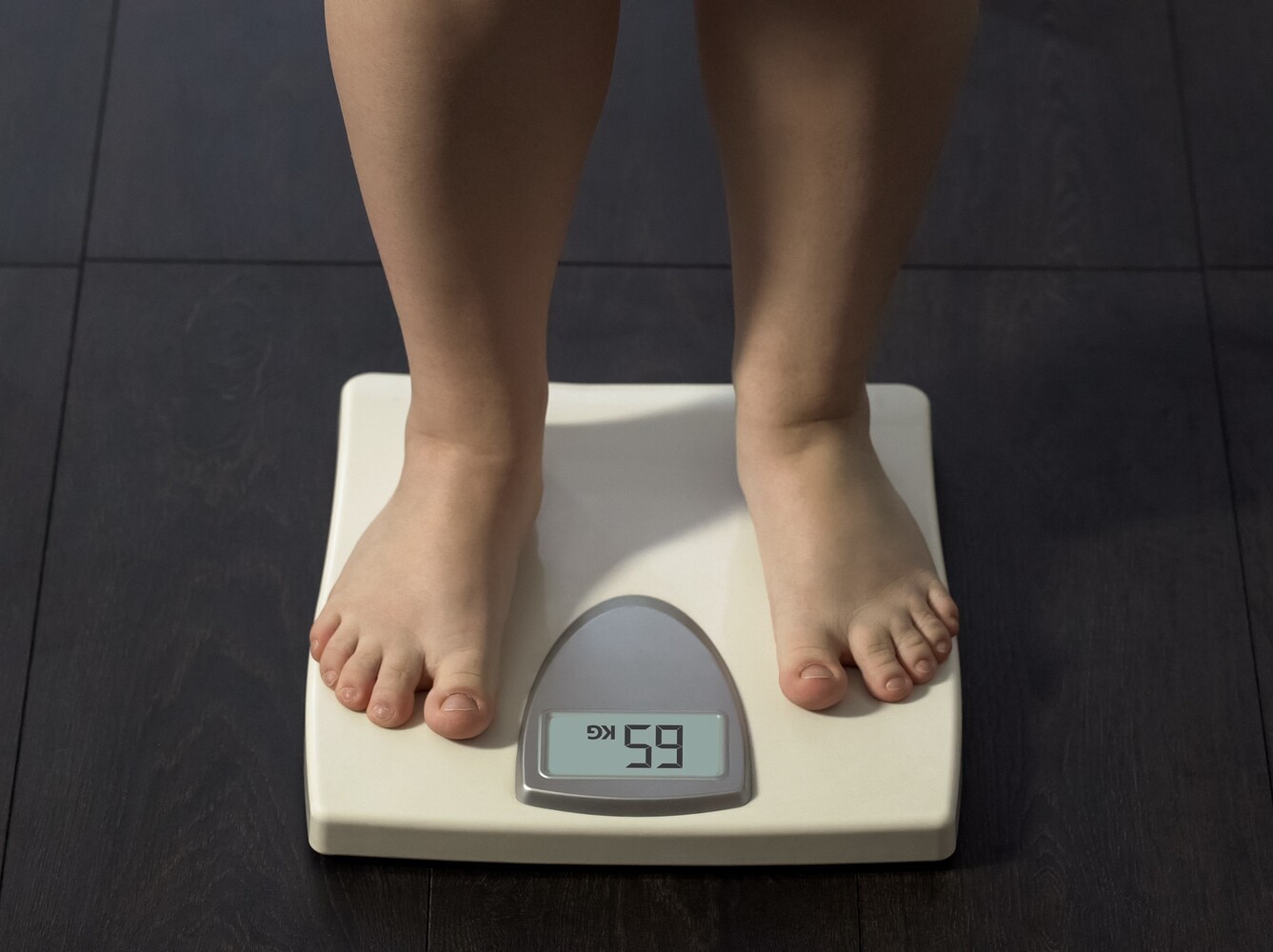
Non-Scale Wins That Matter Just as Much
The scale is only one measurement of progress. Many benefits appear before significant weight changes. You may notice improved stamina when climbing stairs. Your resting heart rate might decrease.
Blood pressure and blood sugar levels can improve with regular walking. Mood often lifts, especially after outdoor walks in natural light. Sleep quality may improve as well.
These changes reflect meaningful health gains. Paying attention to energy, mobility, and lab markers helps you see progress beyond pounds. Those wins build motivation and support long-term success.
Miles for Weight Loss FAQs
Do I need to walk 10,000 steps a day to lose weight?
No. Ten thousand steps is a popular benchmark, but increasing your steps above your personal baseline is what matters most.
Is walking 1, 2, or 3 miles a day enough to lose weight?
It can be, especially when paired with supportive nutrition habits. The key is consistency and overall calorie balance.
Can you lose weight just by walking?
Yes, but results are typically stronger when walking is combined with balanced eating and other healthy lifestyle habits.
How much weight can you expect to lose from walking?
Many people see gradual losses of about 0.5 to 1 pound per week when walking is part of a broader weight loss workout plan. Individual results vary.
What if you stop losing weight even though you’re walking more?
Plateaus are common. You may need to reassess nutrition, sleep, stress, or intensity rather than simply adding more miles.
What if walking isn’t comfortable or accessible for you?
Low-impact options like swimming, cycling, or seated cardio can provide similar benefits. The goal is consistent movement that feels safe for your body.

Conclusion
For many people, 1 to 4 miles per day is effective when paired with balanced nutrition, adequate sleep, and overall daily movement, while others may benefit from adjusting intensity, tracking time instead of distance, or focusing on weekly totals instead of rigid daily goals.
Walking works because it increases calorie burn in a sustainable way, supports cardiovascular health, and reinforces habits that compound over time.
The real progress happens when your plan fits your life, your joints feel good, and you can see yourself maintaining the routine months from now. Start where you are, increase gradually, and give your body time to respond.
If you’d like personalized guidance to support your exercise, you can connect with a Registered Dietitian at Berry Street to build a nutrition plan tailored specifically to you.