When weight loss feels frustrating, it’s tempting to jump from one workout trend to the next, hoping something finally clicks. StairMaster for weight loss often comes up in that search because it looks intense, efficient, and results-driven.
As Registered Dietitians, we’ve seen how this machine can meaningfully increase calorie burn, build lower body strength, and improve cardiovascular fitness when it’s programmed correctly.
The key is understanding how it works, how long to use it, how to balance intensity and recovery, and how to pair it with smart fueling habits. This article breaks down the science behind stair climbing, realistic weight loss expectations, common mistakes to avoid, and specific workouts you can start using right away.
Key Takeaways
The StairMaster can support weight loss by increasing calorie burn and building lower-body strength, especially when paired with structured nutrition.
A calorie deficit drives fat loss, so workouts and food choices need to work together for consistent results.
Both steady state sessions and interval workouts can be effective. The best option is the one you can repeat week after week.
Strength training, adequate protein, and proper recovery improve body composition and help preserve muscle.

What Is the StairMaster, and Why Do People Use It for Weight Loss?
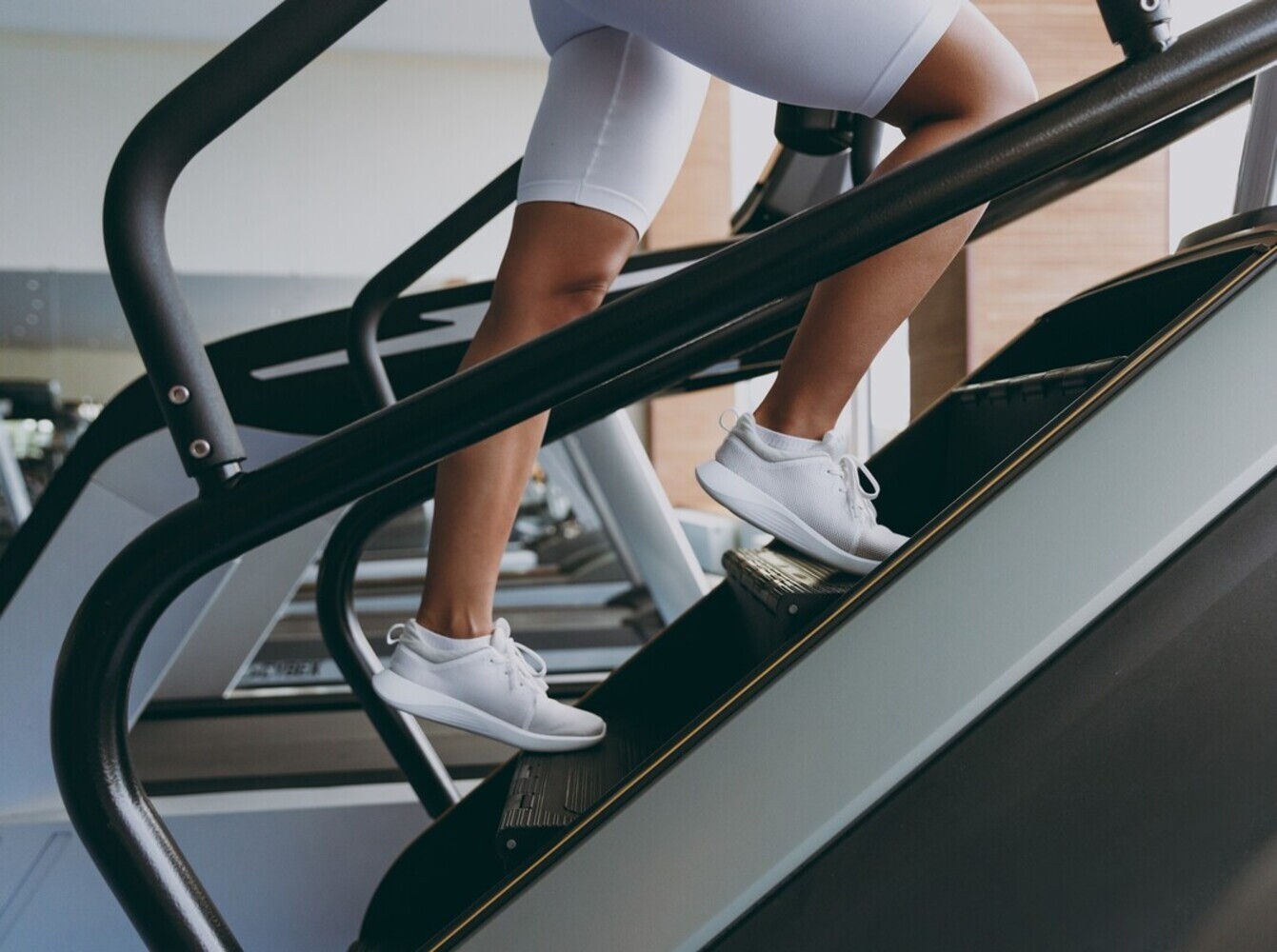
The StairMaster is a stair climbing machine designed to simulate walking up a continuous flight of stairs. As you step upward, the stairs rotate beneath you, creating a steady climbing motion that keeps your muscles engaged the entire time.
People gravitate toward it for weight loss because it elevates heart rate quickly, targets large lower body muscle groups, and can burn a substantial number of calories in a relatively short session. It feels intense but manageable.
For those who find running hard on their knees or hips, it provides a challenging cardio workout with less impact.

How the StairMaster Works
The StairMaster creates a continuous climbing motion. The steps rotate downward as you climb upward, which keeps your muscles under constant tension. There is no top step. You just keep moving.
You can adjust both speed and resistance. Increasing speed makes you step faster. Increasing resistance makes each step feel heavier and more demanding. Both raise intensity and energy expenditure.
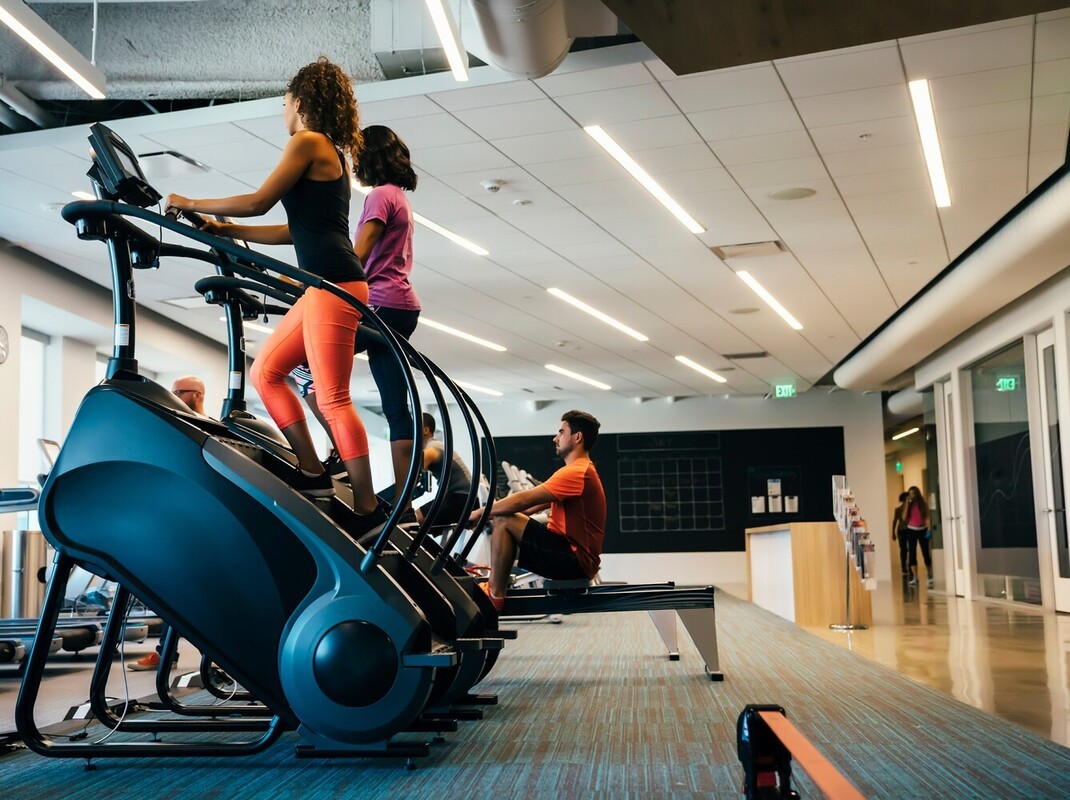
There are two main types of stair machines. A stepmill has rotating steps that mimic a real staircase. A traditional stair climber may have independent pedals that move up and down. Both challenge your lower body, but the stepmill version tends to feel more like climbing actual stairs.

Muscles Worked During a StairMaster Workout
One reason the StairMaster is so effective is that it recruits multiple large muscle groups at once. Climbing stairs requires you to repeatedly lift your body weight against gravity, which increases muscular demand and overall energy expenditure. Here’s a closer look at what’s working during each step:
Glutes: These muscles power hip extension as you press down into each step, helping drive you upward and supporting strength and shape in the lower body.
Quads: Located on the front of the thighs, the quads work hard to straighten the knee with every step.
Hamstrings: These assist with hip extension and knee stability, especially as you control each movement.
Calves: The calves engage to push through the ball of your foot and maintain balance.
Core stabilization: Your abdominal and lower back muscles activate to keep your torso upright and steady throughout the climb.
Why It’s Often Recommended for Fat Loss
The StairMaster is frequently recommended for fat loss because it combines strength and cardio in one movement pattern. You’re not simply moving your legs. You’re lifting your body weight repeatedly against gravity. That requires energy.
It also burns a high number of calories relative to time. Thirty minutes can feel intense and productive. Compared to running to lose weight, many people find it easier on the joints while still delivering a strong cardiovascular challenge. That balance makes it sustainable, which is key for weight loss.
Is the StairMaster Good for Weight Loss?
Yes, the StairMaster can be highly effective for weight loss when it’s paired with consistent habits and a structured nutrition plan. The machine itself does not directly burn body fat in isolation. What it does is increase your total daily energy expenditure, which helps create the calorie deficit required for fat loss.
Results improve when stair sessions are combined with strength training, adequate protein intake, and realistic calorie targets. Quick fixes fade fast. Sustainable routines that blend cardio, resistance work, and supportive fueling patterns tend to produce steady, measurable progress over time.
How Weight Loss Actually Happens
Weight loss occurs when you consistently burn more calories than you consume. This creates a calorie deficit. When that deficit is sustained, the body uses stored energy, including body fat, to meet its needs.
Exercise raises the number of calories you burn each day. Food choices determine how many calories you take in. Both sides matter. A demanding workout cannot fully offset frequent overeating, and severe calorie restriction without movement can slow metabolism and reduce muscle mass.
For personalized guidance and a structured 7-day meal plan tailored to your goals, connect with a Registered Weight Loss Dietitian through Berry Street.
How the StairMaster Supports a Calorie Deficit
Stair climbing requires lifting your body weight repeatedly against gravity, which demands significant energy. Depending on body weight, pace, and resistance, many people burn a few hundred calories in a 30-minute session. That adds up across a week.
Intensity can be adjusted easily, allowing beginners to start conservatively and experienced exercisers to push harder. Higher intensity intervals may also increase post-exercise oxygen consumption, sometimes called the afterburn effect, which slightly elevates calorie burn after the session ends.
When used consistently, these sessions can meaningfully contribute to a sustainable weekly calorie deficit.

StairMaster vs. Other Cardio Machines
Choosing the right cardio machine can make a big difference in both results and consistency. Understanding how the StairMaster compares to other popular options helps you decide what fits your body, goals, and preferences best.
Treadmill
Treadmill workouts for weight loss offer flexibility. You can walk at a steady pace, add an incline for a hill effect, jog, or sprint, depending on your fitness level. Running at higher speeds often burns more calories per minute than moderate stair climbing, especially during intense intervals.
However, that added intensity also increases impact forces on the knees, hips, and ankles. For individuals managing joint discomfort, that can be limiting.
The StairMaster keeps your body upright and supported while still driving your heart rate up quickly. Many people find the climbing rhythm easier to control, which can make workouts feel challenging but sustainable over time.
Elliptical
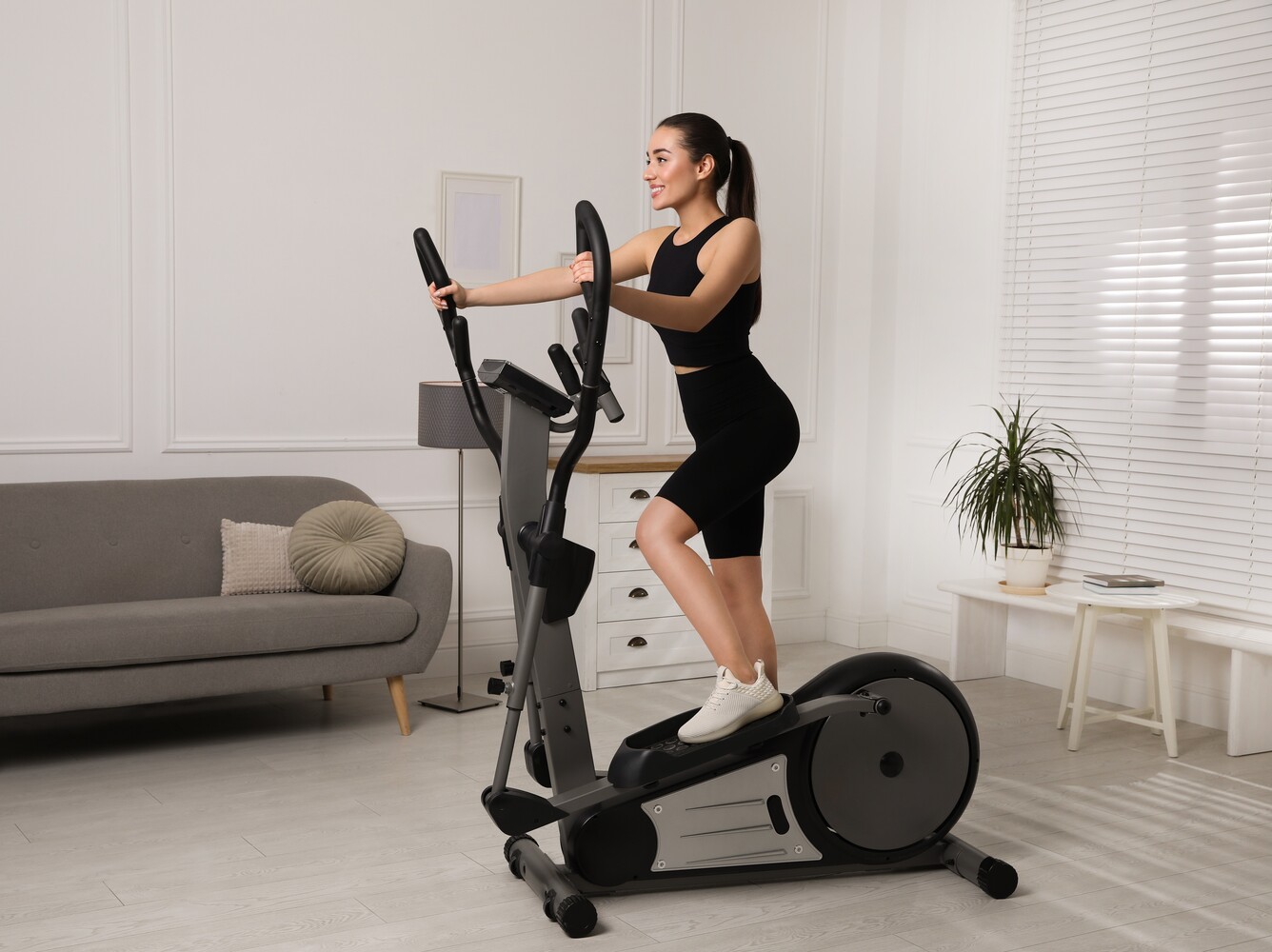
Ellipticals provide a smooth, gliding motion that reduces impact on the joints. Your feet stay in contact with the pedals, which minimizes pounding and can feel comfortable for longer sessions.
Many machines include moving handles, allowing you to engage both upper and lower body at the same time. That makes an elliptical good for weight loss by distributing effort and reducing fatigue in any single muscle group.
The StairMaster, in contrast, places greater demand on the glutes and quads because you are repeatedly lifting your body weight. This often creates a stronger lower-body stimulus and a higher perceived intensity in shorter workouts.
Stationary Bike
Stationary bikes are popular for good reason. They are accessible, easy to adjust, and generally gentle on the knees and hips. Seated cycling allows for steady-state cardio that can improve endurance and cardiovascular health.
However, because you are seated, your core muscles are less engaged, and your body weight is supported by the saddle. This can lower overall muscular demand compared to upright climbing.
The StairMaster requires you to stabilize your torso and continuously support your body weight, which increases total muscle activation and can elevate calorie burn during comparable time periods.
Who the StairMaster Is Best For
Not every cardio machine fits every person. The StairMaster tends to work especially well for individuals who want efficiency, structure, and a clear way to increase intensity over time. Here’s who we’d recommend it for:
People wanting lower-impact cardio: The stepping motion reduces pounding compared to running while still challenging the heart and lungs.
Those looking to build lower body endurance: Repeated climbing strengthens glutes, quads, and calves while improving muscular stamina.
Gym goers short on time: Intensity ramps up quickly, allowing meaningful calorie burn in 20 to 30 minutes.
Individuals progressing from walking workouts: It provides a natural next step when flat walking feels too easy.
Those training for hiking or stair-heavy activities: The movement pattern directly supports real-world climbing demands.

How Long Should You Use the StairMaster to Lose Weight?
The right duration depends on your current fitness level, how well you recover, and how much activity you’re doing throughout the week. Someone new to exercise will need less time to see progress than someone who has been training for years.
What matters most is consistency. A moderate session done four times per week will drive more results than one exhausting workout followed by days off.
From our experience, steady progress beats extreme effort. Build a routine you can repeat week after week, then adjust duration or intensity as your endurance improves.
How Many Minutes Per Session?
The number of minutes per session should match your fitness level and capacity to recover.
Beginner: 15 to 25 minutes
Start with manageable sessions that allow you to maintain good posture and steady breathing. Focus on learning the rhythm of the machine and building cardiovascular tolerance.
Intermediate: 25 to 40 minutes
At this stage, you can handle longer steady climbs or structured intervals. Your heart rate should feel challenged but sustainable.
Advanced: 40+ minutes
Experienced exercisers may extend duration or increase resistance. Longer sessions require proper fueling and recovery to support performance and prevent burnout.
How Many Days Per Week?
For most people, three to five days per week provides a strong balance between stimulus and recovery. If you are also lifting weights, two to four StairMaster sessions may be enough, depending on intensity.
Recovery matters. Muscles need time to repair and adapt, especially when you are repeatedly climbing under load. More isn’t always better. Pay attention to energy levels, soreness, and sleep quality. If workouts start to feel sluggish or motivation drops, that may signal the need for an extra rest day or a lighter session.
Duration vs. Intensity: Which Matters More?
Both duration and intensity influence calorie burn, cardiovascular fitness, and overall results, in a similar way to working out how many miles to walk a day to lose weight or how many steps a day to lose weight.
Intensity often improves efficiency because working harder increases calories burned per minute. A focused 20-minute interval session can rival a 40-minute moderate climb in total energy expenditure.
That said, intensity is harder to recover from. The best approach depends on your schedule, fitness level, and stress load outside the gym.
Busy week? Shorter intervals may fit better. Feeling fatigued? A moderate, steady climb may be more appropriate. Matching effort to recovery capacity leads to more consistent progress over time.
Moderate Steady State Sessions
Moderate steady state training involves maintaining a consistent pace where you can speak in short phrases but feel clearly challenged. Your breathing is elevated, but controlled. These sessions strengthen your aerobic system and improve stamina without overwhelming your nervous system.
For example, climbing at a level that keeps your heart rate in a moderate zone for 30 minutes builds endurance while remaining manageable. Recovery is typically faster compared to high-intensity work. This makes steady sessions ideal for beginners, those returning from a break, or anyone stacking multiple workouts in a week.
Shorter HIIT Style Workouts
High-intensity interval training alternates brief periods of hard effort with structured recovery. For example, climb hard for 60 seconds, then reduce the level for 60 to 90 seconds. Repeat for 15 to 20 minutes. During the hard intervals, your breathing should feel heavy and your legs challenged.
These sessions push heart rate up quickly and can burn significant calories in a shorter time frame. They also place more stress on muscles and connective tissue. Because of that, recovery, sleep, and adequate fueling become especially important after intense interval days.
When Longer Sessions Make Sense
Extended climbs are helpful when building endurance or increasing overall weekly calorie output without maxing out intensity. Holding a moderate pace for 40 to 50 minutes can strengthen mental focus while steadily engaging the lower body. The effort feels challenging but controlled rather than explosive.
This option works well for individuals preparing for endurance events or those who simply enjoy longer cardio blocks. Longer sessions require attention to hydration and fueling, especially if paired with strength training. Proper recovery ensures that extended workouts enhance progress rather than limit it.

How Much Weight Can You Lose on the StairMaster?
The amount of weight you can lose on the StairMaster depends on your starting point, eating patterns, workout consistency, and recovery habits. Some people notice early scale changes within the first few weeks, especially if they are increasing activity and improving nutrition at the same time. Others see slower, steadier progress.
As Registered Dietitians, we’ve seen that sustainable fat loss tends to happen gradually. The StairMaster can absolutely support that process by increasing daily calorie burn, but results are strongest when paired with realistic calorie targets and balanced meals that maintain muscle mass.
How Many Calories Does the StairMaster Burn?
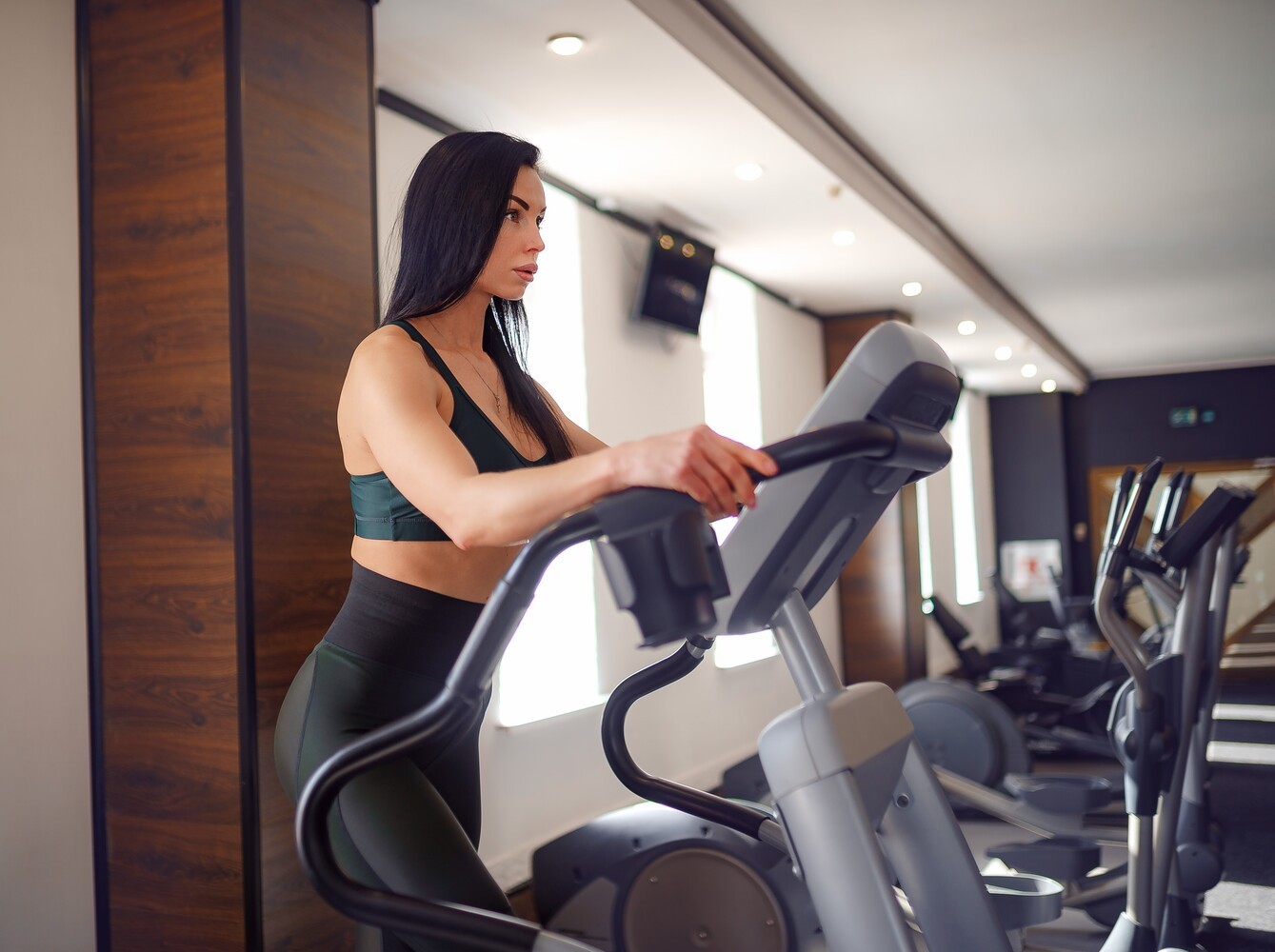
Calorie burn on the StairMaster varies widely. Body weight plays a major role. A heavier individual typically expends more energy than a lighter person at the same speed and resistance because more mass is being lifted against gravity.
Intensity matters too. Climbing at a slow, steady pace burns fewer calories per minute than increasing the level and stepping rate.
As cardiovascular fitness improves, your body becomes more efficient. That may require raising resistance or adding intervals to continue challenging yourself and maintaining a similar calorie burn over time.
What That Means for Weekly Fat Loss
Roughly 3,500 calories equal about one pound of fat, though real-world fat loss is more complex than a simple math equation. If your StairMaster sessions help create a 250 to 500 calorie daily deficit when combined with nutrition changes, that can translate to about 0.5 to 1 pound of weight loss per week.
This pace supports muscle retention and long-term adherence. Extreme calorie cuts or excessive cardio often lead to fatigue and rebound weight gain. Steady adjustments, repeated consistently, are far more likely to produce lasting results.
Factors That Influence Your Results
Your results on the StairMaster depend on more than just how hard you climb. Several lifestyle and biological factors shape how quickly and sustainably you see progress:
1. Diet Quality
Diet quality strongly influences your results. The foods you choose and the portions you eat determine whether you are in a calorie deficit, maintenance, or surplus.
Frequent high-calorie snacks, sugary drinks, or oversized restaurant meals can easily offset the calories burned during a StairMaster session.
Balanced meals that include lean protein, fiber-rich carbohydrates, and healthy fats help stabilize blood sugar and control hunger between workouts. Adequate protein also supports muscle repair after climbing sessions.
If you want personalized support building a balanced approach, connect with a Registered Intuitive Eating Dietitian through Berry Street.

2. Starting Body Composition
Your starting body composition affects both calorie burn and the rate of visible change. Individuals with higher body weight typically burn more calories during the same StairMaster session because they are moving more mass against gravity. Early progress may feel quicker in the beginning.
Muscle mass also plays a role. People with more lean muscle generally have a higher resting metabolic rate, meaning they burn more calories at rest. Over time, preserving or building muscle through strength training alongside stair workouts can support continued fat loss and improved body composition.
3. Consistency
Consistency drives results more than occasional intense effort. One challenging StairMaster session per week won’t create significant change. Three to five structured sessions repeated over months can.
The body adapts to repeated stimulus. Cardiovascular fitness improves. Muscular endurance increases. Calorie expenditure accumulates. Small weekly deficits compound over time.
Individuals who schedule workouts like appointments and treat them as non-negotiable habits see steadier progress. Progress may feel slow week to week, but consistent routines often produce noticeable changes in strength, stamina, and body composition within a few months.
4. Sleep and Recovery
Sleep and recovery directly influence fat loss outcomes. Inadequate sleep can raise hunger hormones such as ghrelin and lower satiety hormones like leptin, making it harder to regulate appetite. Poor sleep also reduces workout performance, which can decrease overall calorie burn and intensity. Muscles repair and adapt during rest, not during the workout itself.
Without proper recovery, fatigue builds and motivation declines. Aim for seven to nine hours of quality sleep per night. Prioritize hydration, balanced meals, and rest days to allow your body to fully benefit from your StairMaster training.

The Best StairMaster Workouts for Weight Loss
The right workout structure can make your StairMaster sessions more effective and more engaging. A clear plan helps you challenge your body appropriately while progressing safely over time:
Beginner StairMaster Workout (Low Impact Fat Burn)
If you’re new to the StairMaster, start simple. The goal is to build endurance, learn proper form, and finish feeling accomplished rather than exhausted.
Warm up for 5 minutes at an easy level: Choose a pace where breathing is comfortable, and posture is upright. Let your legs adjust to the stepping rhythm.
Climb steadily for 15 to 20 minutes at a moderate pace: Increase the level until you feel challenged but still able to speak in short phrases.
Cool down for 5 minutes at a slower speed: Gradually lower intensity to bring heart rate down safely.
Focus on posture and light contact with handrails: Stand tall, engage your core, and avoid leaning forward to maximize muscle activation.
30 Minute Fat Burning Interval Workout
Once you’ve built a base, intervals can increase intensity without extending workout time. This structure challenges your cardiovascular system while allowing brief recovery periods.
Warm up 5 minutes: Start easy and gradually raise the level to prepare your muscles and heart.
Alternate 2 minutes at a challenging level with 1 minute easy: During hard efforts, breathing should feel heavy and legs noticeably engaged. Reduce the level during recovery so you can regain control.
Repeat for 20 minutes: Stay consistent with timing to maintain structure.
Cool down 5 minutes: Lower the level gradually.
Hard intervals should feel demanding but controlled, with recovery periods restoring your breathing.

Advanced HIIT StairMaster Workout
This option is for experienced exercisers who tolerate high intensity well. It delivers a powerful cardiovascular and muscular challenge in a short window.
Warm up 5 minutes: Gradually increase pace to prepare joints and muscles.
Perform 30 seconds of very hard effort: Increase resistance or speed so talking is nearly impossible.
Recover for 30 to 60 seconds: Lower the level enough to regain steady breathing.
Repeat for 15 to 20 rounds: Maintain consistent effort across rounds.
Cool down thoroughly: Allow heart rate to decrease gradually before stepping off.
Because intensity is high, limit this workout to one or two times per week.
Sample Weekly Plan Using the StairMaster
A structured weekly plan helps balance cardio, strength, and recovery. Here’s one practical example:
Monday: 30-minute steady climb at moderate intensity
Tuesday: Full body strength training session
Wednesday: 20-minute interval session
Thursday: Rest day or light walking and mobility work
Friday: 35-minute steady climb
Saturday: Advanced HIIT session if well recovered
Sunday: Full rest day
This schedule provides cardiovascular stimulus while allowing muscle recovery and strength development throughout the week.
Common Mistakes That Can Slow Your StairMaster Weight Loss Progress
Even with consistent effort, certain habits can quietly limit your results. Identifying and correcting common mistakes can help you get more out of every StairMaster session.
1. Leaning Too Heavily on the Handrails
It’s tempting to grip the handrails when the workout gets tough. The problem is that leaning forward and supporting your body weight with your arms reduces the workload on your glutes and legs.
That lowers muscular activation and decreases calorie burn. You may feel busy, but your lower body is not doing the full job. Stand tall. Keep your chest lifted and your core engaged. Use the rails lightly for balance if needed, but avoid resting your weight on them so your legs carry the effort.

2. Going Too Fast Too Soon
Starting at a high resistance or speed can feel motivating in the moment. However, pushing beyond your current fitness level often leads to excessive soreness, fatigue, or even injury. When workouts feel miserable, consistency drops. Progress stalls. A gradual increase in intensity allows your cardiovascular system and muscles to adapt safely.
Begin at a level you can maintain with good form. Add small increases week to week. Sustainable progression supports long-term fat loss far more effectively than short bursts of extreme effort followed by burnout.
3. Skipping Strength Training
Relying only on the StairMaster can limit improvements in body composition. Cardio burns calories, but strength training helps preserve and build muscle mass. Muscle tissue supports metabolic rate and shapes how your body looks as fat decreases. Without resistance training, some weight loss may come from muscle, which can slow metabolism over time.
Aim to lift weights at least two to three times per week. Squats, lunges, and deadlifts complement stair climbing well. As Registered Dietitians, we often recommend pairing cardio and strength for balanced, sustainable results.
4. Ignoring Nutrition
You can complete five intense StairMaster sessions per week and still struggle with weight loss if nutrition is inconsistent. Large portion sizes, frequent liquid calories, or unstructured snacking can easily offset calories burned during workouts.
Balanced meals with adequate protein, fiber, and healthy fats help manage hunger and support muscle recovery. Tracking intake for a short period can increase awareness and highlight patterns.
If you need structured guidance tailored to your activity level, connect with a Registered Sports Dietitian through Berry Street for a personalized plan.

5. Doing the Same Workout Every Time
Repeating the exact same speed and duration week after week can slow progress. The body adapts quickly. What felt challenging at first may become comfortable, which reduces calorie burn and fitness gains.
Varying intensity, adding intervals, or extending duration periodically keeps your cardiovascular system and muscles engaged. Structured progression also reduces boredom.
For example, alternate steady climbs with interval sessions during the week. Small adjustments create new stimulus. Over time, this variety supports continued fat loss and prevents plateaus.
How to Combine the StairMaster With Nutrition for Better Results
Exercise sets the stage for fat loss, but nutrition determines how effectively your body responds. Pairing your StairMaster routine with smart fueling strategies can accelerate progress and protect your muscle mass along the way.
Protein Intake for Muscle Retention
When you’re climbing regularly and aiming to lose fat, protein becomes essential. Adequate protein helps preserve lean muscle mass during a calorie deficit. That matters because muscle tissue supports resting metabolic rate and overall strength.
Without enough protein, the body may break down muscle along with fat. We often recommend distributing protein evenly across meals, such as including eggs or Greek yogurt at breakfast, a protein shake after a workout, chicken or tofu at lunch, and fish, beans, or lean meat at dinner. Consistent intake throughout the day supports recovery, satiety, and long-term body composition goals.

Fueling Before vs After Workouts
Knowing what to eat before or after a workout can improve performance and recovery. Before a StairMaster session, a small carbohydrate-based snack such as a banana, toast with peanut butter, or yogurt with fruit can provide accessible energy. This helps maintain intensity and reduces early fatigue.
After training, pairing protein with carbohydrates supports muscle repair and replenishes glycogen stores. A smoothie with protein powder and fruit or a balanced meal within a couple of hours works well.
Planning these meals in advance reduces impulsive food choices and supports consistent calorie control.
Avoiding the Earned Calories Trap
After a tough workout, it can feel tempting to reward yourself with extra food. Many people overestimate how many calories they burned and underestimate how quickly those calories can be replaced.
For example, a 30-minute climb might burn a few hundred calories, which can be erased by a large specialty coffee drink or oversized snack. Honest tracking, even for a short period, can increase awareness.
If you want help aligning your workouts with a realistic, sustainable eating strategy, schedule a session with a Registered Health Dietitian at Berry Street to create a plan tailored to your routine and goals.
Safety Considerations and When to Be Cautious
All movement guidance in this program is for general wellness support. Before starting or changing any exercise routine, check with your doctor, especially if you have heart conditions, joint injuries, or other medical concerns.
The StairMaster elevates heart rate quickly and places repeated load on the lower body. Pay attention to how you feel during and after workouts. Mild muscle fatigue is normal. Sharp pain or unusual symptoms are not.
Stop exercising if you experience discomfort beyond typical exertion, dizziness, shortness of breath that feels abnormal, or anything your medical team has advised you to avoid.

Joint Concerns and Knee Stress
Stair climbing repeatedly loads the knee joint through flexion and extension. While it generally creates less impact force than running, it still demands strength from the quadriceps and glutes to control each step. Weakness or poor alignment can increase strain on the knees.
Start at a lower resistance and slower pace if you have a history of knee discomfort. Focus on keeping knees aligned with toes and maintaining an upright posture. If pain persists beyond mild soreness, reduce intensity or consult a medical professional to assess movement patterns.
Modifications for Beginners
Beginners benefit from gradual exposure. Start with a low level and limit sessions to 10 to 20 minutes until your endurance improves. Take brief standing breaks if breathing becomes overwhelming. Keep a light grip on the handrails for balance while maintaining upright posture.
Avoid locking your knees at the top of each step. Supportive footwear with proper cushioning can also improve comfort. Progress by increasing time first, then resistance. Small, steady adjustments allow your cardiovascular system and muscles to adapt safely without unnecessary strain.
Signs You Should Stop a Workout
Stopping at the right time protects your health and long-term progress. End your session immediately if you notice any of the following:
Sharp or sudden pain that does not ease with reduced intensity
Dizziness or lightheadedness that affects balance
Chest discomfort or unusual pressure
Severe shortness of breath that does not improve with rest
Numbness or tingling in the arms, legs, or face
These symptoms warrant medical evaluation before resuming exercise.
StairMaster Weight Loss Results: What to Expect Over Time
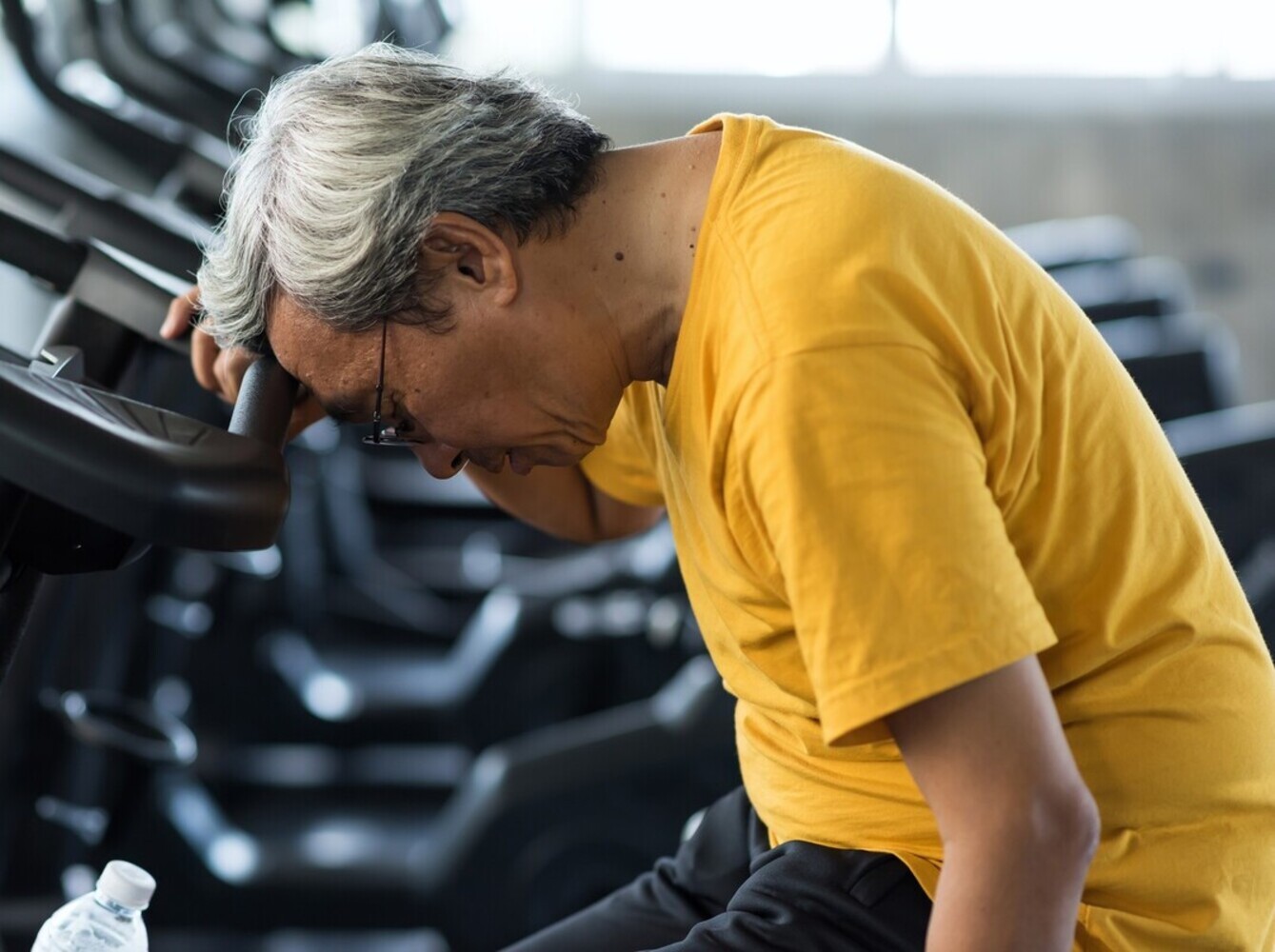
Progress on the StairMaster typically happens in stages. With consistent workouts and supportive nutrition habits, changes build gradually rather than overnight. Early improvements often show up in energy and stamina before dramatic visual differences appear.
Over time, small weekly efforts compound. People who focus on steady routines rather than rapid results tend to maintain their progress longer. Tracking workouts, monitoring strength gains, and paying attention to how clothes fit can provide weight loss motivation while the scale catches up.
What Changes in the First 2 to 4 Weeks
During the first few weeks, cardiovascular improvements are common. You may notice that the same level feels easier or that you can climb longer without needing a break.
Heart rate recovery often improves, meaning your breathing settles more quickly after intervals. Leg endurance increases as your muscles adapt to repeated stepping.
Some individuals also see early weight changes, particularly if they have adjusted portion sizes or increased protein intake. Even without large-scale shifts, improved stamina and confidence signal that your body is responding positively.
Visible Changes vs Scale Changes
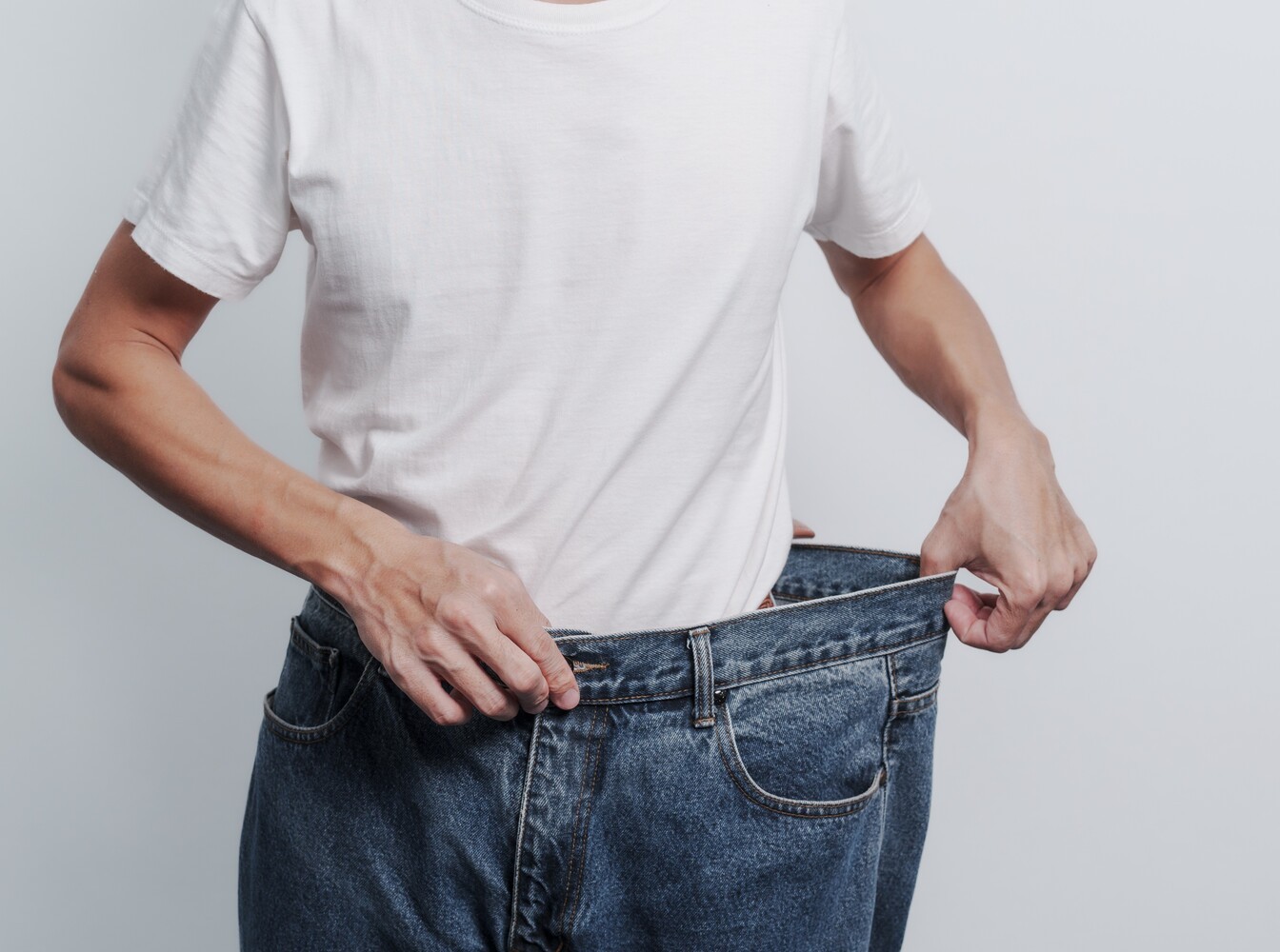
The scale does not always reflect body composition shifts immediately. You might feel your jeans fitting more comfortably or notice improved muscle definition before the number drops significantly. This can happen when fat mass decreases while muscle is maintained or slightly increased.
Stair climbing engages large lower body muscles, which can lead to improved tone over time. Temporary water fluctuations from new workouts may also affect the scale. Looking at multiple indicators such as measurements, progress photos, and workout performance provides a more complete picture.

Long-Term Body Composition Improvements
With consistent StairMaster sessions, strength training, and balanced nutrition, long-term improvements in body composition become more noticeable. Body fat percentage can decrease while muscle tone and endurance improve. Climbing that once felt exhausting may become part of your regular routine. Energy levels often stabilize, and daily activities feel easier.
Sustainable progress requires patience and realistic expectations. After years of experience, we have seen that individuals who commit to manageable habits, prioritize recovery, and adjust intensity thoughtfully achieve results that last well beyond short-term goals.
StairMaster for Weight Loss FAQs
Can you use the StairMaster every day for weight loss?
You can, but alternating intensity and including rest days supports recovery and long-term consistency.
Is the StairMaster better than treadmill walking for fat loss?
It often creates a higher intensity stimulus than flat walking for weight loss, which can increase calorie burn. The best option is the one you can sustain consistently.
Does holding the handrails reduce calorie burn?
Yes. Supporting your weight with your arms reduces lower-body effort and overall energy expenditure.
How many stairs should you climb a day to lose weight?
There is no fixed number. Focus on total time, intensity, and weekly consistency rather than stair counts.
Is 20 minutes on the StairMaster enough?
Yes, especially if intensity is moderate to high. Consistency across the week matters more than a single long session.
Does the StairMaster tone your legs while helping you lose weight?
Yes. It strengthens glutes, quads, and calves while supporting overall calorie burn.
Conclusion
StairMaster for weight loss can be a highly effective tool when it’s used with intention and consistency. It challenges large lower-body muscles, increases heart rate quickly, and allows you to scale intensity based on your fitness level. When combined with strength training, adequate protein, smart fueling, and proper recovery, it supports steady fat loss at a sustainable pace.
Results come from repetition, not extremes. Short sessions can work. Longer sessions can work. What matters most is a plan you can maintain week after week.
If you’re ready for personalized guidance, connect with a Registered Dietitian at Berry Street to build a strategy that fits your body, your goals, and your life.