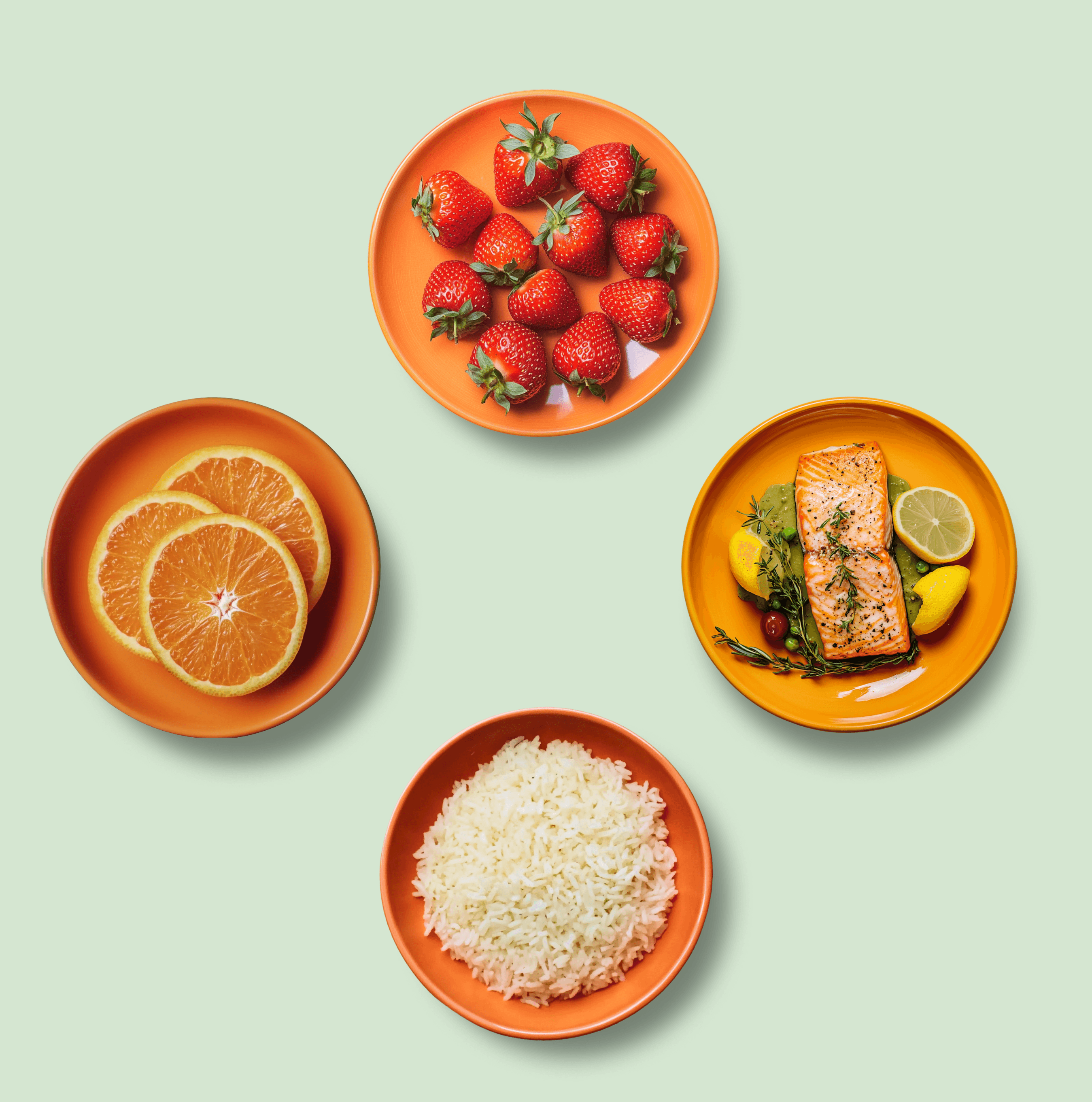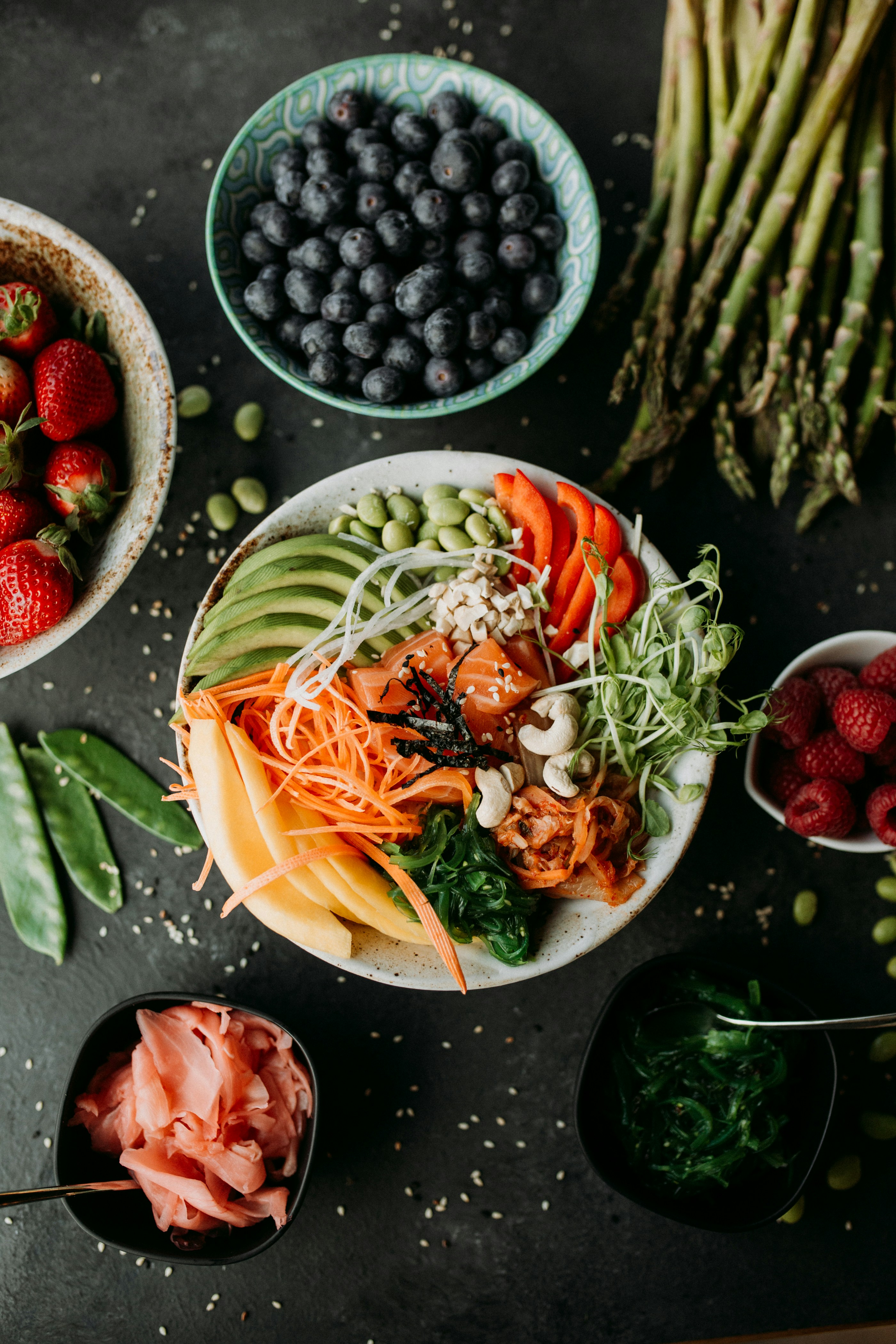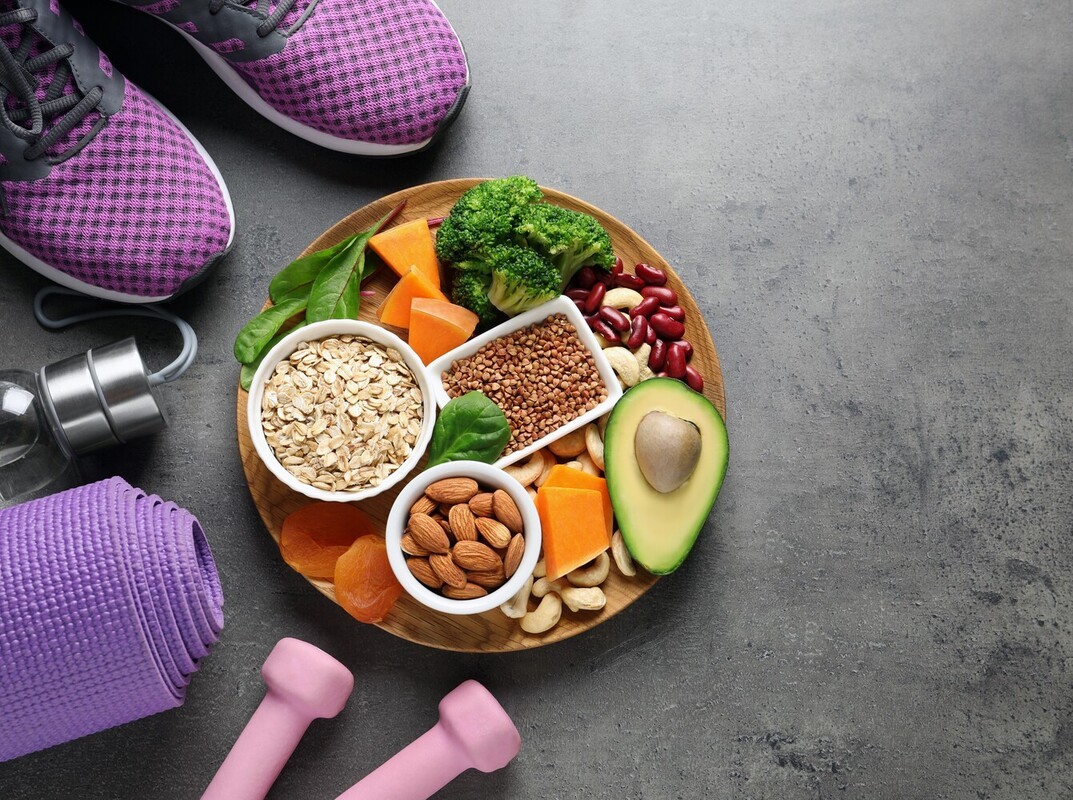
Trying to lose weight often comes with a flood of questions, and one of the most common we hear as Registered Dietitians is whether to eat before or after a workout to lose weight. Meal timing can feel confusing, especially when advice online is conflicting or overly rigid.
From our experience, this question usually connects to bigger concerns about energy, motivation, and whether workouts are actually paying off.
In this guide, we break down how eating before exercise supports performance, why post-workout meals matter for recovery, and how both play a role in long-term fat loss.
We’ll also cover what to eat, when to eat, and how different workouts and individual needs change the answer. The goal is to help weight loss feel more manageable, realistic, and sustainable.
Disclaimer: The information and sample training structures provided in this article are intended for educational purposes only. These are suggestions and should be treated as examples or general guides rather than medical advice. Please consult with your healthcare provider, Registered Dietitian (RD), and a personal trainer before starting a new workout routine or making significant changes to your physical activity.

Is It Better to Eat Before or After a Workout for Weight Loss?
The short answer is that it isn’t an either-or situation. For most people, eating both before and after a workout leads to better weight loss results.
Eating before exercise gives your body fuel to push through strength training, cardio, or HIIT without hitting a wall halfway through. That extra energy often means lifting heavier, moving faster, or lasting longer.
Eating after weight loss exercise supports muscle repair, refills energy stores, and helps keep hunger in check later in the day. Those pieces work together over time.
When people skip pre-workout fuel, workouts tend to feel harder and shorter. When post-workout meals are skipped, recovery suffers, and cravings often spike. Long-term fat loss depends on consistent training, proper recovery, and steady appetite control working as a team.
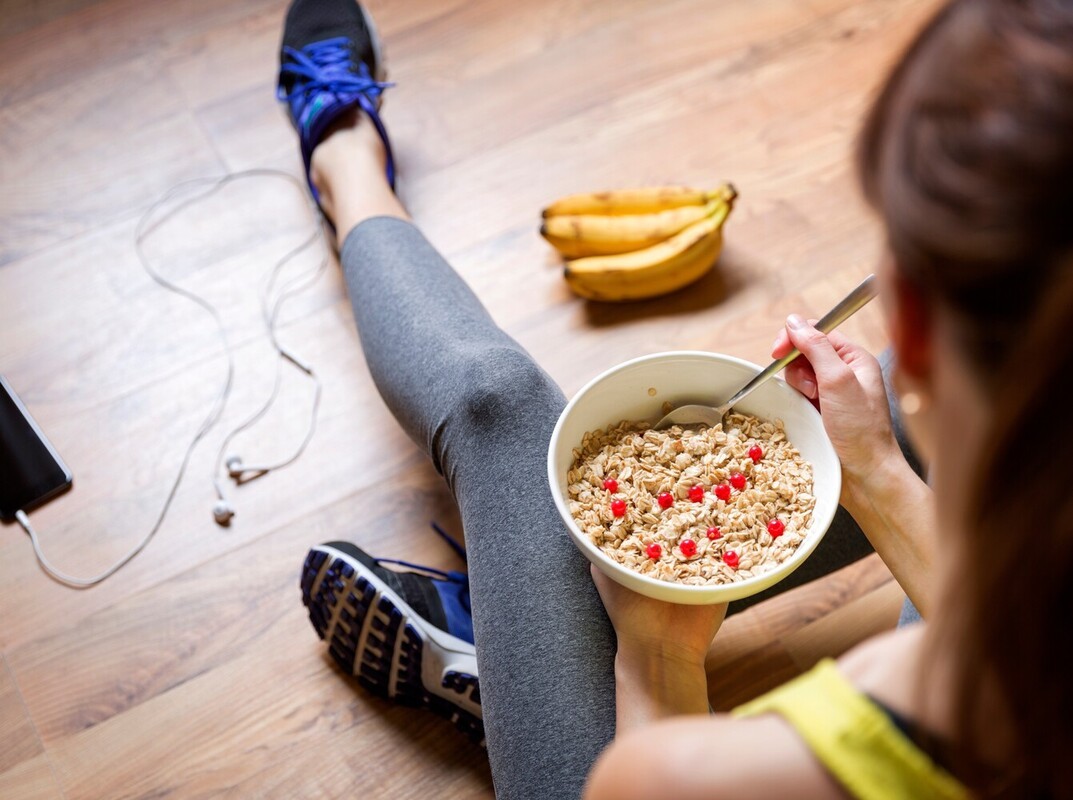
How Workout Nutrition Actually Affects Weight Loss
Workout nutrition plays a bigger role in weight loss than many people realize. What you eat around exercise can influence how hard you train, how well you recover, and how your body adapts over time.
Weight Loss Is About More Than Calories Burned
Calories matter, but they only explain part of what’s happening in the body during weight loss. Metabolism responds to how much you eat, how you train, and how well you recover between workouts.
Muscle mass also plays a key role. Someone who fuels consistently is more likely to maintain muscle, which supports a higher resting calorie burn.
Hormones matter, too. Chronic under-eating can increase stress hormones, disrupt hunger cues, and slow recovery.
People who eat enough to support training tend to feel stronger and recover faster. That recovery allows for more frequent, higher-quality workouts. Over time, that leads to steady fat loss rather than cycles of burnout, plateaus, and frustration.
Why Better Workouts Lead to Better Fat Loss
Better workouts create better weight loss outcomes because effort and consistency compound. When you eat before exercise, you’re more likely to lift heavier, finish the last interval, or keep a brisk pace.
That extra output raises total training volume, which adds up over weeks. It also supports fitness gains, so daily life feels easier, and you move more overall.
People stall when workouts turn into survival mode sessions. A simple snack with carbs and a little protein can improve energy and focus.
Afterward, a balanced meal helps soreness settle and makes the next workout feel doable. Consistency wins, and smart fueling makes consistency realistic. You’ll also be less tempted to overeat later.
Muscle Preservation and Why It Matters for Losing Fat
Muscle plays a direct role in how efficiently your body uses energy all day. During weight loss, under-fueling raises the chance you’ll lose muscle along with fat. That can show up as weaker lifts, slower running paces, and a drop in daily steps because you feel tired.
Less muscle often means fewer calories burned at rest, so the same intake stops producing results. Protein helps protect lean mass by providing building blocks for repair after training.
Pairing protein with some carbs post-workout can further reduce muscle breakdown and support glycogen replacement.
In our experience, clients who prioritize protein consistently see steadier progress and fewer plateaus. Aim for a protein-rich meal within one or two hours. Add strength training twice weekly when possible.
Want help turning this into a plan you can actually follow? Connect with a Registered Weight Loss Dietitian through Berry Street for a personalized 7-day meal plan tailored to your workouts, schedule, and goals.
Eating Before a Workout: When It Helps Weight Loss
Eating before a workout can make a noticeable difference in how your body performs and feels during exercise. For many people trying to lose weight, the right pre-workout fuel supports energy, focus, and consistency without getting in the way of fat loss.
What Eating Before a Workout Does for Your Body
Eating before exercise gives your body fuel it can actually use during training. Carbohydrates provide quick energy for working muscles, which helps you maintain pace, power, and endurance.
Protein plays a quieter but important role by limiting muscle breakdown while you move. Blood sugar also stays more stable, which supports concentration and coordination during workouts. That matters for everything from lifting safely to staying focused during intervals.
Many people notice workouts feel smoother and less exhausting when they eat beforehand. Instead of feeling flat halfway through, energy holds steady. That often means finishing the workout as planned rather than cutting it short.
Over time, those stronger sessions support better fitness gains and make weight loss feel more manageable.
When Pre-Workout Eating Is Most Important
Pre-workout nutrition becomes especially important when workouts place higher demands on the body. Strength training, HIIT, and longer cardio sessions require readily available energy to maintain intensity. Training while in a calorie deficit adds another layer of stress, since energy stores are already lower. Eating beforehand helps offset that gap.
Morning workouts often benefit, too, especially if the previous meal was many hours earlier. Without fuel, fatigue can show up quickly and limit how much work you can do. People often notice weaker lifts, slower paces, or needing longer breaks.
A balanced pre-workout meal or snack helps maintain performance and consistency. Consistent workouts drive progress. Fueling supports showing up and finishing strong more often.
What Happens If You Skip Food Before Exercising
Skipping food before a workout often shows up as low energy early in the session. You might feel lightheaded, unfocused, or weaker than usual. Strength numbers may drop. Cardio may feel harder at a slower pace.
Some people push through, but the quality of the workout usually suffers. Shorter sessions and reduced intensity mean fewer overall benefits.
Skipping fuel can also affect the rest of the day. Hunger often rebounds strongly later, especially in the afternoon or evening. That can lead to overeating or grazing without satisfaction.
For people trying to lose weight, this pattern can stall progress. Eating beforehand helps regulate appetite and supports more controlled, intentional eating later.
Fasted Workouts and Fat Loss: What the Evidence Really Says
Fasted workouts can increase the amount of fat used during the exercise itself, but that detail is often misunderstood. Using more fat during a workout does not guarantee greater fat loss over time.
What matters more is total calorie balance, workout quality, and recovery between sessions. For short, low-intensity activities like walking, fasted training may feel fine for some people. For higher intensity or longer workouts, performance often drops without fuel.
Lower output means fewer calories burned and less training adaptation. Recovery can also suffer, making consistency harder. Many people find they train better and feel more balanced when they eat beforehand. Stronger workouts support better long-term results.
What to Eat Before a Workout to Lose Weight
A smart pre-workout meal focuses on three key macronutrients working together.
Carbohydrates are the main fuel source for exercise. They help power muscles during cardio, strength training, and high-intensity workouts. Foods like fruit, oats, rice, or whole-grain bread provide energy your body can access quickly.
Protein supports muscle tissue and helps limit breakdown during training. Greek yogurt, eggs, lean meats, or tofu are solid options.
Fat plays a role in overall nutrition, but large amounts before a workout can slow digestion and cause discomfort. Keeping fat lighter helps food move through the stomach more easily.
When these macronutrients are balanced, workouts tend to feel stronger and more controlled. That consistency supports better performance, recovery, and long-term weight loss results.

Best Pre-Workout Meals for Weight Loss
Choosing the right pre-workout meal can make training feel easier and more productive. These options balance energy, digestion, and muscle support so workouts feel strong without feeling heavy.
1. Turkey Sandwich on Whole Grain
Start with whole-grain bread to provide carbohydrates that fuel muscles and support endurance. Lean turkey adds protein along with iron and B vitamins, which help muscles work efficiently during training.
Assemble the sandwich by layering sliced turkey with lettuce, tomato, and mustard or hummus. Lightly toasting the bread can improve texture and digestion. Keeping portions moderate helps avoid discomfort during workouts. Adding a piece of fruit on the side supplies additional carbs and hydration.
This option works well two to three hours before exercise and supports steady energy for strength training or longer workouts without weighing you down.
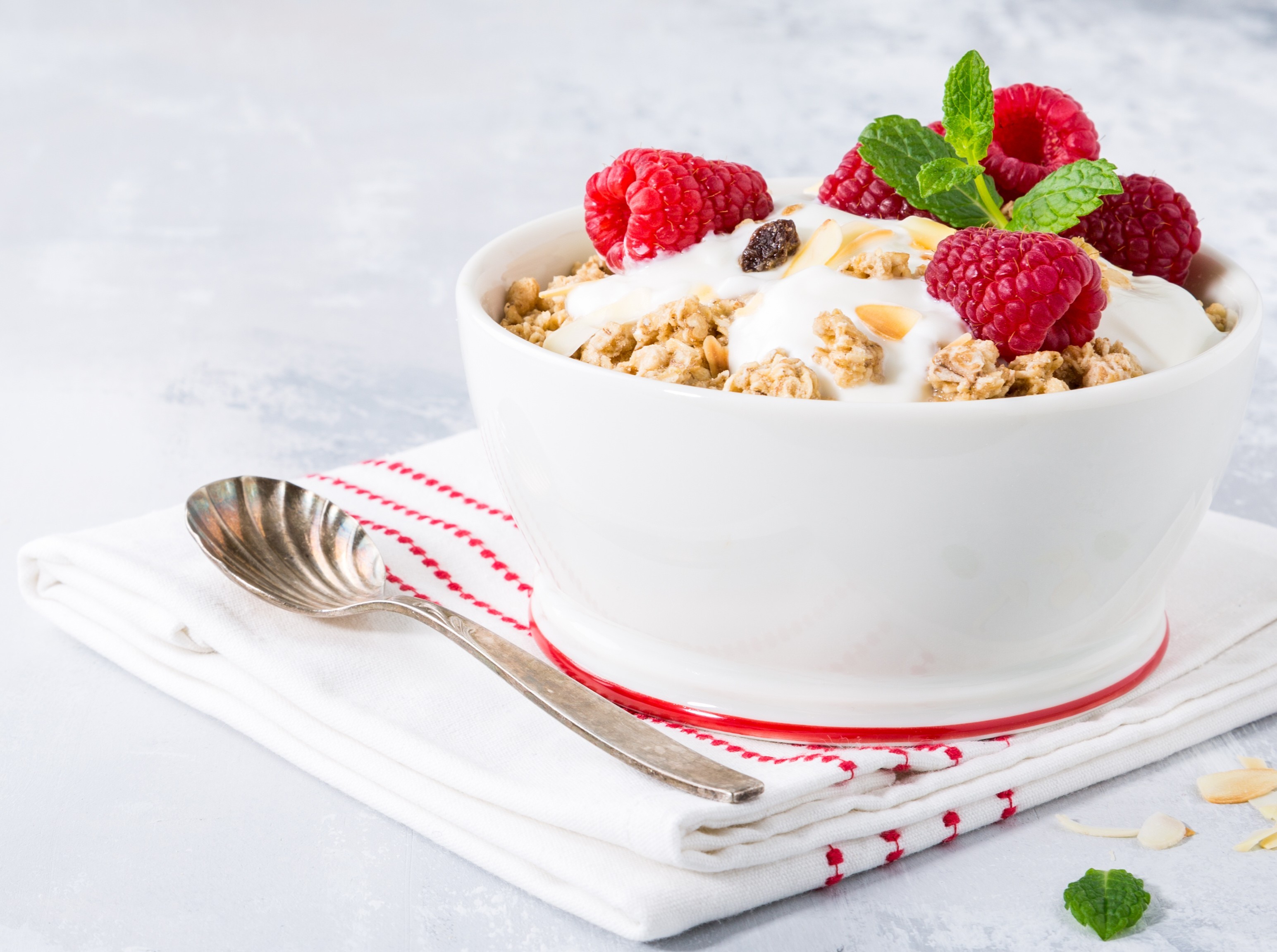
2. Oatmeal With Fruit and Greek Yogurt
Starting with oats sets up steady energy for your workout. Oats contain complex carbohydrates and fiber, which help release fuel gradually and prevent energy dips.
Fruit adds fast-digesting carbs plus antioxidants that support recovery and overall health. Greek yogurt contributes protein and calcium, which support muscle function during training.
To prepare, cook rolled oats with water or milk until soft. Let them cool slightly, then stir in plain Greek yogurt. Top with berries or sliced banana for sweetness.
This meal digests well when eaten one to two hours before exercise and helps workouts feel controlled instead of rushed. It also supports fullness, so you are less distracted by hunger during training.
3. Brown Rice Bowl With Lean Protein
Begin by cooking brown rice according to package directions to create a base of complex carbohydrates. Brown rice provides lasting energy and fiber that supports digestion.
Pair it with grilled chicken, baked fish, or seasoned tofu for protein that supports muscle repair. Add vegetables like broccoli, peppers, or spinach for vitamins and volume. Drizzle with a small amount of olive oil or soy sauce if desired.
A smaller portion works best before training. Eating this combination two to three hours beforehand often supports sustained energy and helps prevent strong hunger later in the day.
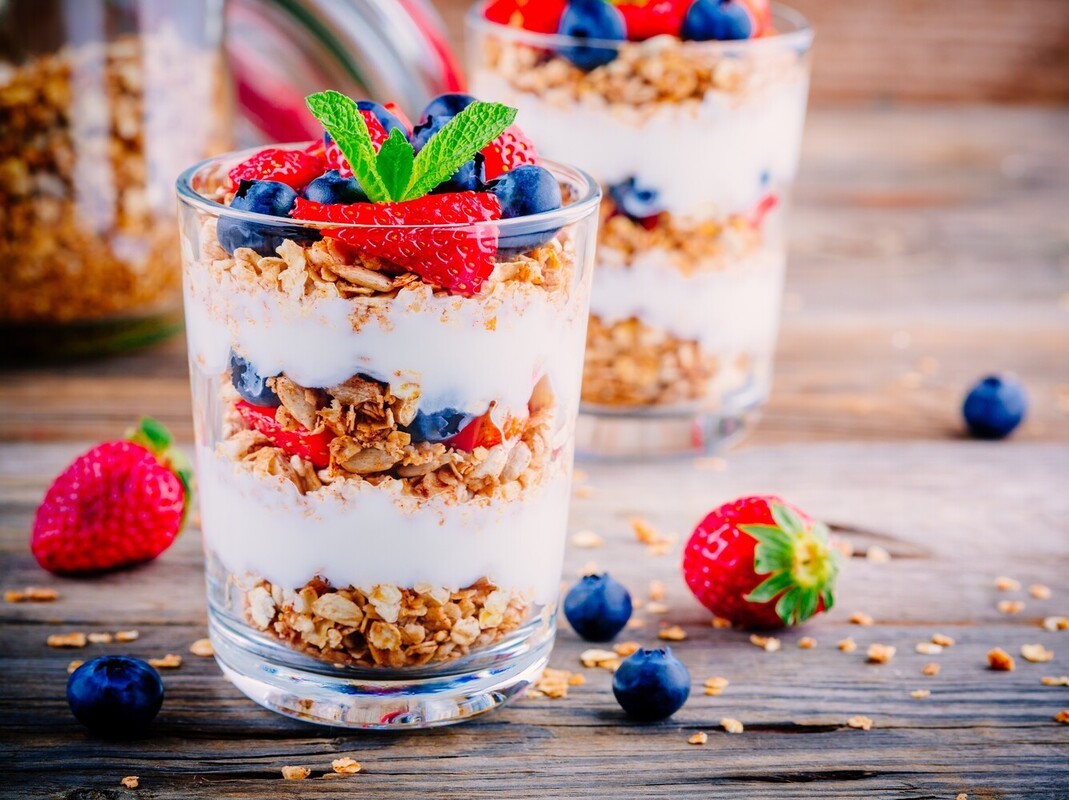
4. Greek Yogurt Parfait With Granola and Berries
Need something quick that still supports performance? Build a yogurt parfait in minutes. Plain Greek yogurt delivers protein and calcium to support muscle function and recovery.
A modest sprinkle of granola adds carbs for training fuel, plus a little crunch that makes it satisfying. Berries contribute vitamin C and antioxidants, which can support exercise recovery.
To prepare, spoon Greek yogurt into a bowl or jar, then layer granola and berries on top. Add cinnamon for flavor, or drizzle a teaspoon of honey if you need extra carbs. If you’re eating it later, pack granola separately so it stays crisp. Have it 60 to 90 minutes before a workout for steady energy without feeling overly full.
5. Scrambled Eggs With Sweet Potato and Spinach
Eggs and sweet potato create a satisfying pre-workout option when steady energy matters. Eggs supply high-quality protein plus choline, which supports muscle contraction and coordination during training.
Sweet potatoes provide complex carbohydrates and potassium, helping sustain effort through strength sessions or interval work. Spinach adds iron and magnesium, nutrients involved in oxygen delivery and energy production.
To prepare, dice a small sweet potato and roast or pan-cook it until tender. Scramble two eggs in a separate pan, then stir in a handful of spinach until wilted. Serve the eggs alongside the sweet potato and season lightly. Eat this about 1 to 2 hours before exercise for comfortable digestion and reliable performance.
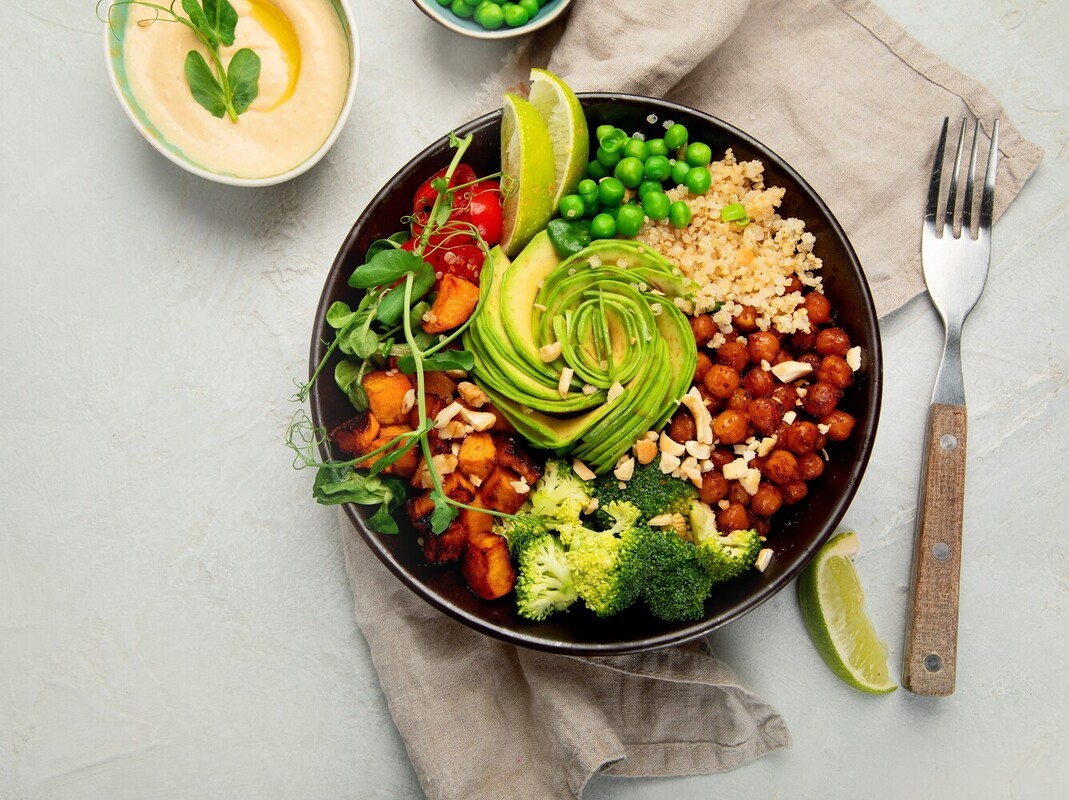
6. Quinoa Bowl With Roasted Vegetables and Chickpeas
Quinoa is a great pre-workout base because it provides steady carbohydrates plus a bit of protein. Chickpeas add extra protein, fiber, and iron, which support energy and help you feel satisfied without heaviness. Roasted vegetables like peas, broccoli, and sweet potatoes bring volume, potassium, and antioxidants.
Cook quinoa according to package directions and let it cool slightly. On a sheet pan, toss drained chickpeas and chopped vegetables with a teaspoon of olive oil, garlic powder, and salt, then roast until browned.
Spoon quinoa into a bowl, top with the roasted mix, and finish with lemon juice. Eat it 2 to 3 hours before training for smooth digestion and consistent output.
Pre-Workout Snacks When You’re Short on Time
When time is tight, a full meal may not be realistic before exercise. A well-chosen snack can still provide energy, support performance, and be easy on digestion.
1. Banana With Peanut Butter
Bananas digest quickly and provide carbohydrates that help fuel muscles during short workouts. Peanut butter adds a small amount of protein and fat, which helps prevent energy crashes without slowing digestion too much. Potassium from bananas supports muscle contractions and fluid balance.
To prepare, slice a banana and spread one tablespoon of peanut butter on top or eat it on the side. Keep the portion modest to avoid stomach discomfort.
This snack works well 30 to 60 minutes before exercise, especially for cardio or classes. The combination supports steady energy, light fullness, and better focus when time is limited. It’s easy to carry, requires no cooking, and fits well into busy schedules.
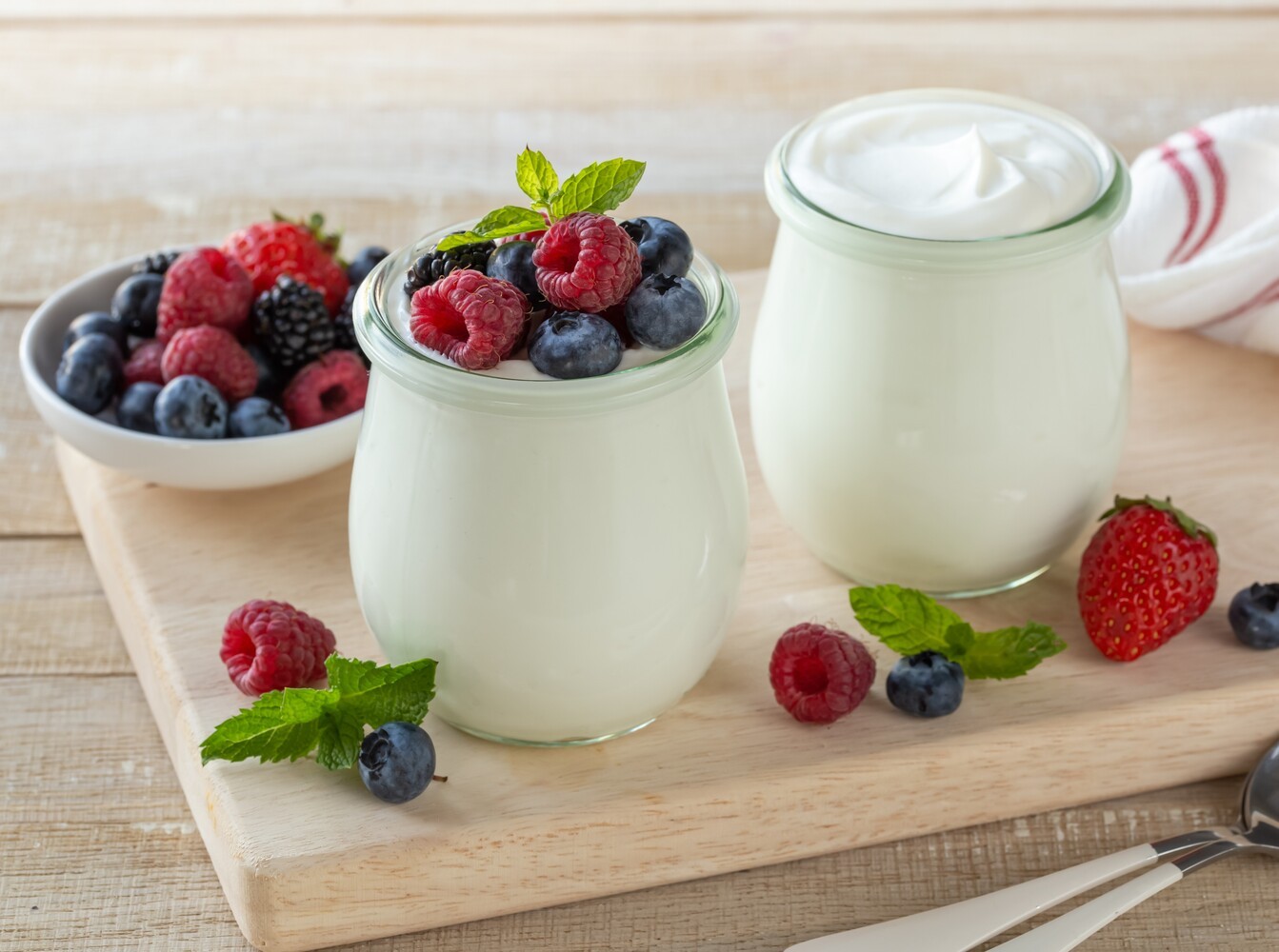
2. Greek Yogurt With Berries
Greek yogurt offers protein that supports muscle tissue and helps control hunger before training. Berries provide carbohydrates, fiber, and antioxidants that assist energy production and recovery. Digestion tends to stay comfortable, even close to workouts.
Scoop plain Greek yogurt into a bowl or portable container and top with fresh or frozen berries. Stir gently and keep added sugars low. Lower-fat options often feel lighter before movement.
Eat it 30 to 60 minutes before exercise to help stabilize blood sugar. The balance of protein and carbs supports smoother workouts and fewer cravings later, especially on busy days when appetite can spike quickly after poorly fueled sessions during intense training.
3. Apple Slices With String Cheese
Apples supply fast carbohydrates, fiber, and natural hydration that support energy before workouts. String cheese adds protein and calcium, helping muscles contract efficiently and improving satiety. The crisp and creamy contrast makes eating feel satisfying despite the small portion.
Preparation is simple. Slice one medium apple and pair it with a single stick of part-skim string cheese. No cooking or refrigeration time is needed. Aim to eat it about 45 to 90 minutes before exercise, particularly strength training.
The fiber slows digestion slightly, allowing energy to last through longer sessions and support focus from warmup to cooldown on days when meals are spaced farther apart for busy schedules and early workouts.
4. Cottage Cheese With Pineapple
Start with cottage cheese to supply protein that supports muscle tissue and satiety. Pineapple adds carbohydrates, vitamin C, and enzymes that aid digestion for some people.
Scoop one-half to three-quarters cup of low-fat cottage cheese into a bowl. Top with fresh or canned pineapple chunks packed in juice. Stir gently and chill if preferred.
This option works well about 30 to 60 minutes before workouts. The protein helps control hunger, while the carbs provide usable energy.
Texture stays light, which helps avoid stomach discomfort. It also supplies fluids and electrolytes that support hydration when training intensity is higher or sessions run longer during demanding fitness routines.
5. Whole Grain Toast With Ricotta and Honey
Whole-grain toast provides carbohydrates that digest steadily and support workout energy. Ricotta adds protein and calcium, which help muscles contract and recover. Honey contributes quick carbs that can be useful before higher-intensity sessions.
To prep, toast one slice of whole-grain bread until lightly crisp. Spread a thin layer of part-skim ricotta on top, then drizzle with one to two teaspoons of honey. A pinch of cinnamon adds flavor without heaviness. Eat it about 45 to 75 minutes before exercise.
The balance of fast and steady carbs supports performance, while the protein helps manage hunger. Digestion usually stays comfortable, even on busy mornings, and supports consistent training days.
6. Rice Cakes With Turkey and Mustard
Rice cakes offer quick carbohydrates that digest easily before exercise. Turkey adds lean protein to support muscles without heaviness. Mustard provides flavor with minimal fat or sugar.
Simply spread mustard on one or two plain rice cakes. Layer sliced turkey evenly on top and press gently so it holds. Eat it about 30 to 60 minutes before training.
The light texture helps prevent bloating, while the carbs fuel movement. Protein supports muscle preservation and appetite control. This option works well before HIIT or strength sessions when a full meal feels too heavy.
Cleanup is simple, portions are easy to adjust, and preparation takes less than five minutes for busy schedules.
Want more meal ideas tailored to your lifestyle and preferences? Connect with a Registered Health Dietitian through Berry Street for personalized advice.
What to Avoid Before Working Out
What you eat before working out to lose weight can strongly affect how your body feels once you start moving. Certain foods make digestion harder during workouts and can interfere with energy and comfort.
High-Fat Fast Foods
Fast food meals that are high in fat tend to sit in the stomach longer, which can make exercise feel uncomfortable.
Burgers, fries, pizza, and fried chicken all slow digestion and redirect blood flow toward the gut instead of working muscles. That shift often leads to sluggishness, nausea, or cramping once movement starts.
Greasy foods can also increase reflux during workouts that involve bending or jumping. Preparation convenience is part of the appeal, but timing matters.
Eating these foods within a few hours of training raises the chance of poor performance. Avoiding high-fat fast foods helps digestion stay calm and allows energy to be used where it’s needed most.
Sugary Drinks or Candy
Sugary drinks and candy can seem appealing when energy feels low, but they rarely support good workouts. Sodas, energy drinks, gummies, and hard candy cause blood sugar to rise quickly.
That spike is often followed by a sharp drop once exercise begins. Many people feel shaky, tired, or unfocused halfway through training.
Liquid sugars also move through the stomach fast, which can trigger nausea during intense movement.
Timing matters here, too. Quick sugars may help endurance athletes during long events, but before most workouts, they backfire.
Choosing balanced snacks with carbs and protein supports steadier energy and better performance, and reduces mid-workout crashes that derail focus and output levels.
That being said, if you are an endurance athlete, higher carb snacks before and during a workout can be great fuel to support long cardio sessions. We recommend discussing your fueling plan with a trained Registered Dietitian.
Very High-Fiber Meals
Very high fiber meals can be hard to tolerate right before exercise. Large salads, big bowls of beans, or bran-heavy foods slow digestion and increase gas production. Fiber pulls water into the gut, which can contribute to bloating or cramping once movement begins.
During workouts, blood flow shifts away from digestion, making these symptoms more noticeable.
Timing is key. Fiber-rich foods support gut health and fullness, but they work better several hours before training. If eaten too close to exercise, even healthy foods can backfire.
Choosing lower fiber options beforehand often leads to smoother workouts, better focus, and fewer interruptions caused by stomach discomfort during active training sessions.
Eating After a Workout: Why It’s Critical for Fat Loss
Post-workout eating plays a key role in fat loss because it supports recovery and consistency. After exercise, the body shifts into repair mode and becomes more efficient at using nutrients.
Protein helps rebuild muscle fibers stressed during training, while carbohydrates replace energy that was used. That combination supports muscle maintenance, which helps keep metabolism higher during weight loss.
Appetite regulation improves, too. People who eat after workouts often feel more satisfied and less likely to overeat later.
Recovery also affects future workouts. When muscles repair properly, soreness decreases and energy returns faster. That makes it easier to train again within a day or two. Over time, consistent recovery supports workouts and fat loss progress.
What Your Body Needs After Exercise
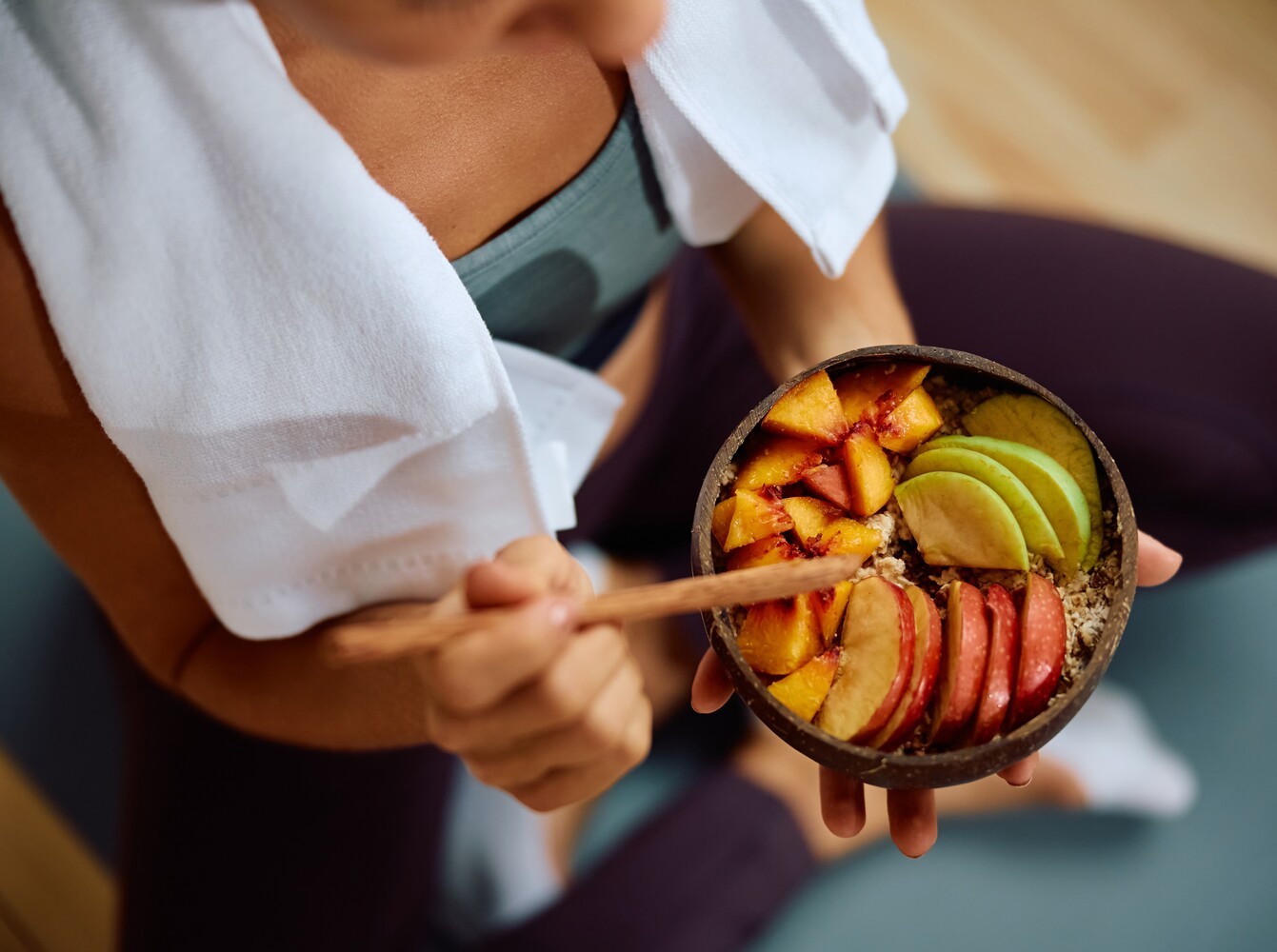
After exercise, the body needs specific nutrients to recover and adapt. Protein provides amino acids that repair muscle tissue and support strength gains. Carbohydrates refill glycogen, the stored fuel muscles rely on during training.
Without enough carbs, fatigue can linger into the next day. Fluids matter too, since sweat loss affects circulation and performance. Electrolytes like sodium help replace what was lost and support muscle contractions.
Eating a balanced mix after workouts helps limit muscle breakdown and supports hormone balance. That combination encourages the body to use energy efficiently instead of breaking tissue down.
When recovery nutrition is consistent, workouts feel stronger, and soreness fades faster, making regular training easier to maintain.
Why Skipping Post-Workout Meals Can Backfire
Skipping food after a workout often creates problems later in the day. Without protein and carbs, muscle repair slows and breakdown increases. That can lead to lingering soreness and weaker performance in future sessions.
Hunger also tends to rebound strongly a few hours later. Many people feel intense cravings in the afternoon or evening, especially for high-calorie foods. That pattern makes maintaining a calorie deficit harder.
Energy levels may dip as well, affecting mood and daily activity. When post-workout meals are skipped repeatedly, consistency suffers. Workouts may feel harder, motivation drops, and progress stalls. Eating after exercise helps smooth appetite signals, supports recovery, and makes weight loss routines easier to stick with long-term.
The Truth About the “Anabolic Window”
The idea of a narrow anabolic window causes unnecessary stress for many people. Muscles remain responsive to nutrients for several hours after exercise, not just a short window. That means eating immediately is not required for results. What matters more is total intake across the day and consistent protein consumption.
Still, waiting too long can make recovery harder. Long gaps without food may increase muscle breakdown and fatigue. A balanced meal within one to three hours works well for most people.
That timing supports muscle repair, glycogen restoration, and appetite control. Flexibility allows nutrition to fit real schedules without guilt. Consistent post-workout eating, even when delayed slightly, supports recovery and fat loss progress over time.
What to Eat After a Workout to Lose Weight
Post-workout meals should support recovery while still fitting your weight loss workout plan. Protein helps repair muscle fibers stressed during training and protects lean mass while you’re in a calorie deficit. Carbohydrates replace glycogen used for fuel, which can reduce next-day fatigue and make your next workout feel doable.
Together, protein and carbs also help regulate appetite, so you’re less likely to graze later. Portion size should match the workout. A tough lifting session or long run needs more than a light walk.
Add vegetables for fiber and micronutrients, and don’t forget fluids if you sweat a lot. A simple plate works: protein, a fist-sized carb, and colorful produce. Keep it satisfying, not huge.
Protein Needs After a Workout for Weight Loss
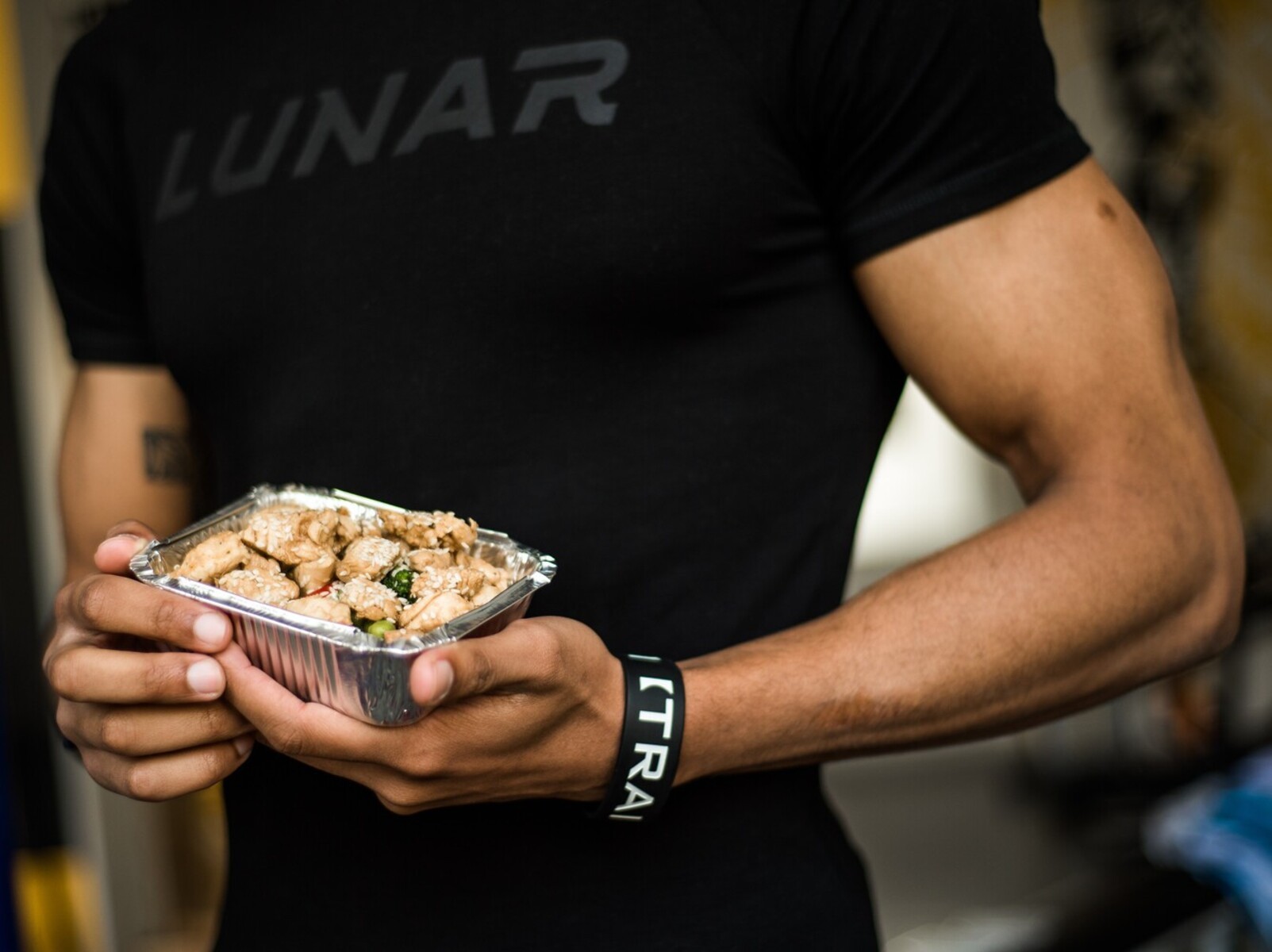
Protein after a workout supports muscle repair and helps preserve lean tissue during weight loss. After exercise, muscles use amino acids to rebuild, so including protein soon after training can improve recovery and limit breakdown.
It also helps you feel full, which makes it easier to stick with your calorie target later. Many people do well with about 20 to 30 grams at a time, depending on size and training.
Good options include eggs, Greek yogurt, chicken, fish, tofu, tempeh, or beans. Pair protein with carbs, like fruit or whole grains, to support glycogen replacement and reduce soreness. If you train early, a ready-to-go shake can help. If you lift later, dinner counts too.
Carbs After a Workout: How Much Is Too Much?
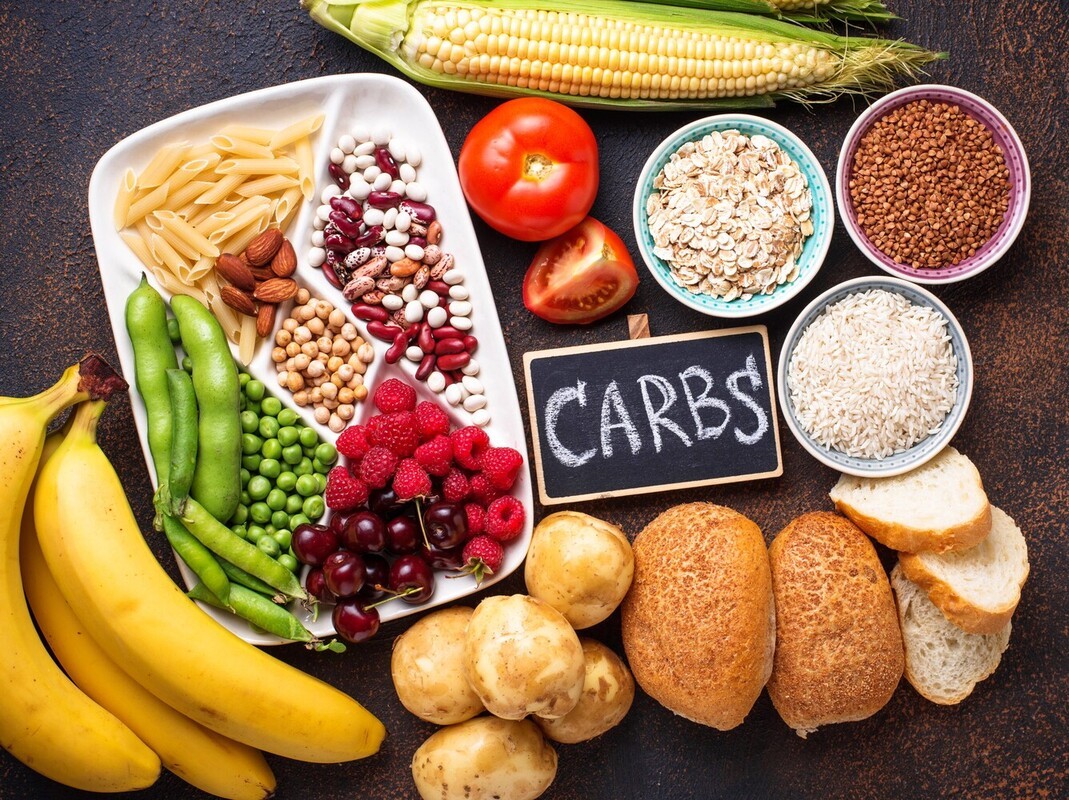
Carbs after exercise help refill glycogen and support recovery, but the right amount depends on what you did. After a short, easy workout, a smaller portion is usually enough. After HIIT, heavy lifting, or longer cardio, moderate carbs can reduce fatigue and improve performance next time.
Choose carb sources that come with nutrients, like fruit, oats, brown rice, potatoes, corn, or whole-grain pasta. Sugary desserts and sweet drinks digest fast and often leave you hungry again.
Pair carbs with protein, then adjust portions based on energy, workout frequency, and your weekly progress. For most people, think one cupped hand after moderate workouts, up to two after long sessions. Start there and fine-tune.
To work out your individual macronutrient needs, connect with a Registered Dietitian or use the Berry Street app.
Sample Post-Workout Meals for Weight Loss
After a workout, meals should support recovery while helping you stay aligned with weight loss goals. These options focus on protein, quality carbohydrates, and nutrients that help you feel satisfied and ready for your next session:
1. Grilled Chicken With Quinoa and Vegetables
Lean protein and complex carbohydrates make this a reliable post-workout option for weight loss. Chicken supplies complete protein that supports muscle repair and helps control hunger, while quinoa provides carbs, fiber, and minerals like magnesium. Vegetables add antioxidants and volume without many calories.
To prepare, season chicken breasts with salt, pepper, and garlic, then grill or pan-cook until fully done. Cook quinoa separately according to package directions. Steam or roast vegetables such as broccoli, zucchini, or peppers. Assemble everything on one plate, keeping portions moderate.
This meal supports recovery, replenishes energy stores, and helps you feel satisfied without feeling overly full later after training days when workouts place higher demands on the body.
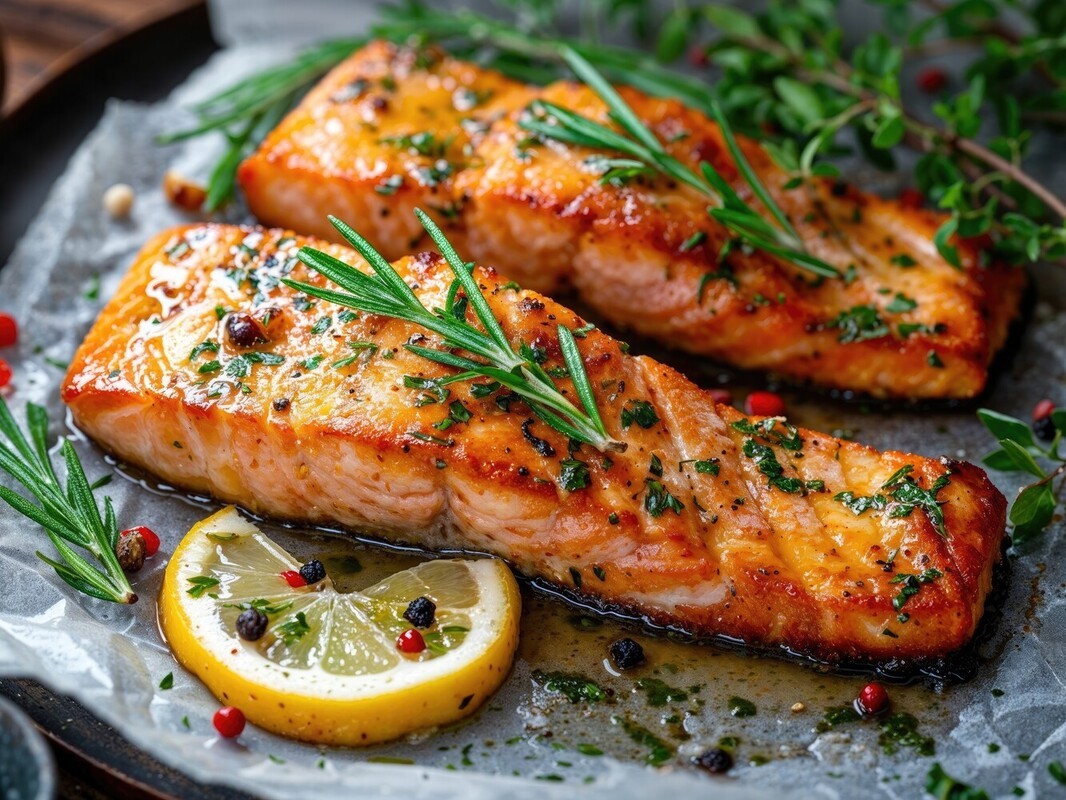
2. Salmon With Sweet Potato
Salmon offers high-quality protein plus omega-3 fats that support muscle recovery and help manage inflammation after exercise. Sweet potatoes supply carbohydrates, potassium, and vitamin A, which assist with energy restoration. Leafy greens or green beans add fiber and micronutrients for balance.
Season salmon with olive oil, lemon, and herbs, then bake or grill until flaky. Roast or microwave a sweet potato until soft and easily pierced with a fork. Serve the fish alongside the potato and vegetables.
The blend of protein, carbs, and healthy fats supports recovery, promotes fullness, and fits well after evening workouts when appetite control supports weight loss consistency for many people managing busy schedules during the week.
3. Lean Turkey With Brown Rice and Roasted Squash
Lean turkey supports muscle repair by providing complete protein along with B vitamins that help convert food into usable energy. Brown rice replenishes glycogen and adds fiber for steadier digestion. Roasted squash contributes potassium, vitamin C, and natural sweetness that pairs well with savory flavors.
Roast cubed squash in the oven with olive oil and seasoning until tender. Cook brown rice separately while browning ground or sliced turkey in a pan. Combine all components on a plate with balanced portions.
This mix supports recovery, helps manage hunger, and provides lasting energy without heaviness. It works well after strength training or longer cardio sessions when muscles need both fuel and rebuilding support.
4. Egg and Avocado Bowl With Roasted Potatoes
Eggs provide high-quality protein and leucine, an amino acid important for muscle recovery after training. Potatoes restore carbohydrates and potassium lost through sweating to lose weight, supporting muscle contractions and hydration balance. Avocado adds fiber and monounsaturated fats that support fullness.
Roast diced potatoes with olive oil until crisp on the outside and soft inside. Soft scramble or fry eggs separately. Slice avocado just before serving to maintain texture. Combine everything in a bowl and season lightly.
This option works well after morning workouts when a satisfying, nutrient-dense meal helps prevent mid-day energy crashes.
5. Tofu Stir-Fry With Rice and Vegetables
Tofu provides plant-based protein and calcium, making it a solid post-workout option for recovery. Rice helps restore glycogen used during training and supports energy for the next session. Vegetables like bell peppers, snap peas, or carrots contribute antioxidants and fiber.
Press and cube firm tofu, then sauté it until lightly browned. Cook rice separately and set aside. Stir-fry vegetables with a small amount of oil, then combine with tofu and rice. Season with ginger, garlic, or low-sodium soy sauce.
6. Shrimp With Couscous and Steamed Vegetables
Shrimp delivers lean protein with minimal fat, making it easy to digest after exercise. Couscous provides fast-cooking carbohydrates that help replenish energy stores quickly. Steamed vegetables like broccoli or carrots add fiber, antioxidants, and volume.
Sauté shrimp with garlic and olive oil until pink and cooked through. Prepare couscous by pouring hot water over it and letting it steam briefly. Steam vegetables until just tender to preserve nutrients. Combine all components and season with lemon or herbs.
This meal supports muscle repair and recovery without feeling heavy. It works especially well after afternoon workouts when digestion speed and comfort matter before evening routines.
Post-Workout Snacks vs Full Meals
Post-workout snacks and full meals both have a place, and the best choice depends on timing, appetite, and workout intensity. When recovery nutrition is delayed too long, muscle repair slows, and hunger can spike later.
Snacks work well when life gets busy or when a full meal is still a few hours away. Full meals tend to work better when you have time to sit down and eat, especially after harder training sessions.
Both options should include protein and carbohydrates to support recovery and energy. The key is choosing what fits your schedule and helps you stay consistent, not what feels most rigid or restrictive.
Quick comparison to help you decide:
Snacks work best when your next meal is 2 to 4 hours away
Full meals work best when you can eat within 1 to 2 hours
Snacks are lighter and easier to digest after short workouts
Full meals are more filling after strength training or HIIT
Snacks prioritize convenience, meals prioritize satiety
Foods That Undermine Post-Workout Weight Loss
What you eat after exercise can either support recovery or quietly work against your goals. Some foods make it harder to repair muscle, manage hunger, and maintain a steady calorie intake after workouts.
Sugary Desserts
Sugary desserts are tempting after a workout, especially when hunger is high. Cookies, brownies, pastries, and ice cream digest quickly and spike blood sugar without providing protein for muscle repair.
That rapid rise often leads to another drop in energy soon after. Portion control becomes difficult because these foods are designed to be hyperpalatable. Recovery also suffers since muscles do not get the amino acids they need.
Over time, relying on desserts post-workout can slow progress by increasing calorie intake without improving performance.
Choosing balanced meals first helps. Desserts can still fit later in the day, but prioritizing protein and carbs from whole foods after training supports recovery and appetite control far more effectively.
Alcohol
Alcohol often feels like a reward after exercise, but it can work against recovery goals. Beer, wine, and cocktails interfere with muscle protein synthesis, which slows repair after training.
Alcohol also promotes dehydration, especially after sweaty workouts. Appetite signals may increase later, leading to extra snacking without intention. Sleep quality often declines as well, which affects hormones tied to hunger and fat loss.
Even moderate intake can impact next-day performance. Planning alcohol-free recovery meals helps keep progress steady. If alcohol is included, spacing it away from workouts and pairing it with food can reduce some effects, but it rarely supports recovery or weight loss progress over time.

Ultra-Processed Convenience Foods
Ultra-processed convenience foods often appear easy after workouts, but they rarely support recovery well. Frozen meals, packaged snacks, and drive-through options tend to be low in protein and fiber. That combination makes it harder to feel satisfied, even with higher calorie intake.
Sodium levels can be excessive, contributing to bloating rather than hydration balance. Ingredients are often refined, which limits micronutrients that support muscle repair and immune function. Over time, relying on these foods can slow progress. Preparation time feels minimal, but the payoff is low.
Choosing simple, whole foods with similar convenience works better. Items like rotisserie chicken, microwave rice, or pre-cut vegetables support recovery and appetite control far more effectively after training.
How Soon Should You Eat After Exercising?
Eating within a couple of hours after exercise works well for most people because muscles are ready to recover and refill energy. Waiting too long can leave you feeling drained or overly hungry later.
If a workout was intense, long, or done fasted, eating sooner often improves energy and mood. A balanced mix of protein and carbohydrates supports muscle repair and glycogen replacement.
Timing does not need to be exact. Real-life schedules matter. Consistency across days matters more than perfect minutes on a clock.
Building a repeatable routine helps with appetite regulation and workout quality. When post-workout eating becomes predictable, recovery improves, cravings feel more manageable, and weight loss efforts tend to feel steadier.
Eating After Night Workouts
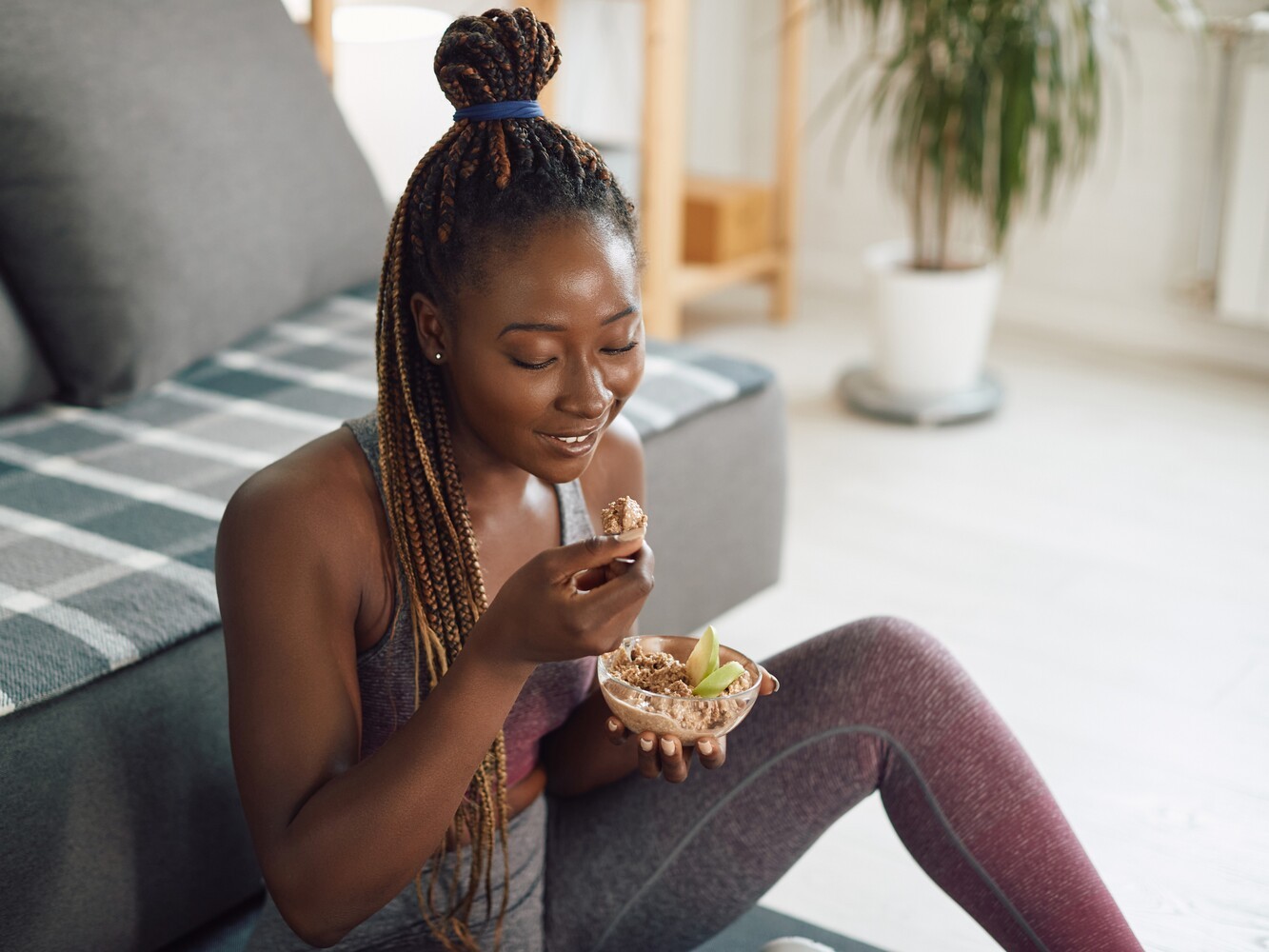
Eating after night workouts often worries people trying to lose weight, but timing alone does not cause gain. What matters more is food choice and portion size.
Protein supports muscle repair overnight and can improve morning recovery. Moderate carbohydrates help calm the nervous system and replace energy without feeling heavy.
Large, greasy meals may disrupt sleep, but lighter, balanced plates usually digest well. Options like yogurt with fruit, eggs with toast, or chicken with vegetables work well.
Keeping caffeine and alcohol low helps sleep quality. When recovery nutrition supports rest, workouts feel better the next day, and consistency becomes easier. This approach reduces late-night snacking and supports steady progress over weeks.
Post-Workout Breakfasts for Morning Exercisers
Morning exercisers often finish training before their appetite fully wakes up, but breakfast still matters. After early workouts, the first meal acts as recovery fuel and sets energy for the day. Protein helps repair muscle and supports fullness through the morning. Carbohydrates restore glycogen, so concentration and mood stay steady.
Skipping breakfast can lead to strong hunger by midday and poor workout recovery. Simple options work well, such as eggs with toast, yogurt with fruit, or a smoothie with protein and oats.
Eating within a couple of hours supports recovery. Consistent breakfast habits help workouts feel productive, and weight loss routines stay predictable. It also stabilizes blood sugar and reduces impulsive food choices later.

How Workout Type Changes What You Should Eat
The type of workout completed influences recovery nutrition needs. After cardio for weight loss sessions like running or cycling, carbohydrates help refill energy stores and reduce fatigue. Protein still matters, but amounts can be moderate.
Strength training places more stress on muscle tissue, so protein intake becomes a priority for repair and adaptation. Carbohydrates still support recovery and next session performance. HIIT and mixed workouts draw heavily on both fuel systems. A balance of protein and carbs works best.
Paying attention to workout intensity helps guide portions. Matching food choices to training supports recovery, improves performance, and keeps weight loss progress steady over time. This approach reduces guesswork and makes fueling feel practical and repeatable.
Female-Specific Considerations for Workout Nutrition and Weight Loss
Women often experience different appetite cues, recovery needs, and hormonal responses around exercise that can affect weight loss progress. Understanding how fueling supports energy, stress levels, and consistency can make workouts feel more productive and weight loss feel more sustainable.
Why Under-Fueling Is Especially Common in Women
Under-eating is common among women because appetite signals often change with exercise and stress. Intense workouts can blunt hunger, making meals easy to skip without noticing. Diet culture also encourages eating less as a sign of discipline, even when training demands increase.
Over time, consistently low intake can slow metabolic rate and reduce workout performance. Recovery suffers too. Muscles repair more slowly, soreness lingers, and energy drops during the day. Hormonal signals tied to hunger and fullness can become less reliable.
Many women then feel stuck despite effort. Eating enough around workouts supports recovery, steadier energy, and more consistent fat loss progress over weeks instead of short bursts that follow intense programs.
Hormones, Stress, and Recovery
Hormones influence how the body responds to training, food, and stress. Inconsistent fueling can increase cortisol, which affects recovery, sleep, and appetite regulation. When meals are skipped or protein intake runs low, muscle repair slows, and fatigue builds.
For women, hormonal shifts across the month can further amplify these effects. Consistent meals help stabilize blood sugar and support reproductive hormones tied to metabolism. Stress levels often improve when energy needs are met.
Workouts feel more productive and less draining. Over time, the body becomes more resilient to calorie deficits. Steady fueling supports fat loss by keeping training quality high and reducing burnout that leads many women to stop exercising regularly.
Practical Nutrition Timing Tips for Women
Nutrition timing does not need to feel complicated, but consistency matters. Planning ahead reduces last-minute decisions that lead to skipped meals or low-energy workouts. Small adjustments can make training feel easier and recovery more reliable.
Focus on fueling patterns that fit real schedules rather than perfection. The following tips support energy, hormones, and recovery for many women who exercise regularly:
Aim for a balanced meal two to three hours before workouts
Use a small snack when time is tight
Include protein and carbohydrates after training
These habits help stabilize appetite, improve workout output, and support steady fat loss over time. They also reduce stress and make routines easier to maintain.
If you want personalized support, connect with a Registered Women’s Health Dietitian through Berry Street to build a nutrition plan that supports your workouts, hormones, and weight loss goals.
Common Mistakes That Stall Weight Loss Around Workouts
Even with regular exercise, certain habits around food and training can quietly slow progress. These mistakes are common, fixable, and often show up when people try to work harder instead of smarter.
1. Avoiding Food to “Burn More Fat”
Skipping food to burn more fat often backfires during weight loss efforts. Training without fuel can reduce strength, speed, and endurance. Workouts feel harder and end sooner. That lowers total calorie burn and training quality.
Hunger frequently rebounds later in the day, especially at night. Many people then overeat without intention. Muscle breakdown also increases when energy intake stays too low.
Over time, metabolism can slow, and fatigue builds. Eating before or after workouts supports better performance and appetite control. A small snack with carbs and protein can make sessions feel manageable and recovery smoother.
Fat loss becomes steadier when fueling supports training demands. This approach improves consistency long-term.
2. Treating Exercise as a License to Overeat
Treating exercise as permissionto overeat is a common trap during weight loss. Burning calories can create a false sense of flexibility around food choices.
A workout might burn three hundred calories, but a large smoothie, pastry, or takeout meal can exceed that quickly. When eating increases without awareness, progress slows.
Appetite often rises after training, which is normal. The issue appears when portions grow far beyond recovery needs.
Planning post-workout meals ahead of time helps. Balanced meals with protein, carbs, and vegetables support recovery without overshooting calories. Viewing exercise as a tool for health rather than permission to indulge keeps habits aligned with long-term goals consistently over time.
3. Focusing on Timing Instead of Total Intake
Focusing on timing instead of total intake can distract from what truly drives weight loss. Eating at the perfect minute matters less than daily patterns. Someone can time meals precisely and still overeat overall. Others stress about missing windows and skip food entirely.
Consistent meals with adequate calories support training and recovery better. Protein, carbs, and fats need to be balanced across the day.
When intake stays too low, energy drops, and workouts suffer. When intake stays too high, fat loss slows. Shifting attention to weekly habits helps.
Planning meals, snacks, and portions creates stability. Timing becomes a helpful detail rather than the main driver of progress for most people long-term.
4. Ignoring Protein Intake
Ignoring protein intake is a frequent reason weight loss stalls around workouts. Protein supports muscle repair after training and helps preserve lean mass. When protein runs low, muscle breakdown increases. That can reduce metabolic rate over time.
Hunger also becomes harder to manage without enough protein. Meals may feel unsatisfying, leading to frequent snacking.
Many people focus only on calories and overlook protein targets. Including protein at each meal supports recovery and fullness. Options like eggs, chicken, yogurt, tofu, or beans work well.
Pairing protein with carbs improves workout recovery. Consistent protein intake helps weight loss feel steadier and more sustainable, especially during regular training schedules and calorie deficits safely.
5. Ignoring Hydration Around Workouts
Ignoring hydration around workouts can quietly stall weight loss progress. Dehydration reduces exercise performance, making workouts feel harder and shorter. Even mild fluid loss can increase perceived effort and reduce strength. Thirst is also easily confused with hunger, leading to extra snacking later in the day.
Water plays a role in digestion, nutrient transport, and temperature regulation during training. Skipping fluids after workouts can slow recovery and worsen fatigue the next day. Aim to drink water consistently before and after exercise.
Include electrolytes after long or sweaty sessions. Staying well hydrated supports better workouts, steadier appetite signals, and more consistent fat loss results over time, especially when training frequently during calorie deficits.
Weight Loss Meal Timing FAQs
Is not eating after a workout good for fat loss?
No. Skipping post-workout nutrition can slow recovery and increase hunger later.
Can fruit be enough after a workout?
Fruit provides carbs, but adding protein improves recovery and fullness.
Do I need to eat if my workout was short?
Yes, especially protein, even if carb needs are lower.
Does eating before exercise slow fat loss?
No. It often improves workout quality and long-term results.
Is fasted cardio better for weight loss?
Not for most people. Total consistency and recovery matter more.
How much protein should I eat after workouts?
Most people benefit from a moderate protein serving tailored to their body size and goals.
Conclusion
When it comes to deciding whether to eat before or after a workout for weight loss, the most effective approach usually includes both. Fueling before exercise helps support energy, focus, and workout quality, while eating afterward supports recovery, muscle maintenance, and appetite control.
Together, these habits make it easier to stay consistent, train effectively, and maintain a calorie deficit without feeling worn down.
After years of experience as Registered Dietitians, we’ve seen that sustainable weight loss works best when nutrition supports the body rather than fights it. Small, realistic choices around meal timing can add up to meaningful progress over time.
If you’d like personalized guidance, connect with a Registered Dietitian through Berry Street to build a plan that fits your body, lifestyle, and weight loss goals.
If you want to learn more, why not check out these articles below: