Sweating and weight loss are often treated as inseparable, especially when workouts leave clothes soaked and the scale briefly dips. From our experience, this connection creates a lot of confusion and frustration for people who feel like they’re working hard without seeing lasting results.
Sweat can signal effort, heat, or intensity, but it doesn’t automatically signal fat loss. This article breaks down what sweating actually means, why it’s so easy to misinterpret, and how water weight, calorie burn, and body fat are often mixed up.
We’ll also cover whether you need to sweat to lose weight, why chasing sweat can backfire, and what matters far more for long-term progress.

Why People Associate Sweating With Weight Loss
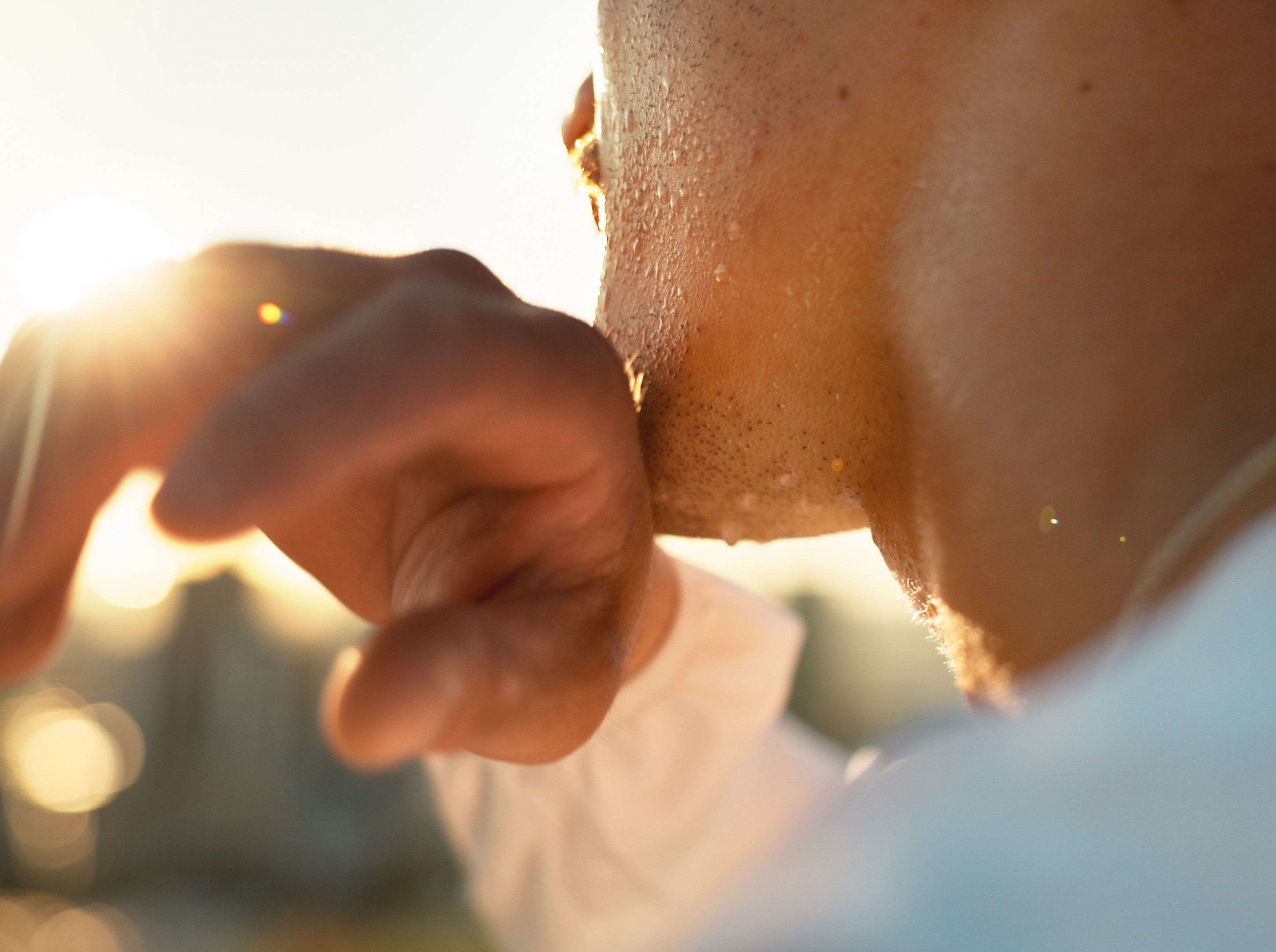
People link sweating with weight loss because sweat feels obvious and immediate. You can see it on your skin and clothes, and that visibility makes it feel meaningful. Many assume that if fluid is leaving the body, body weight must be dropping too. This assumption shows up often in weight loss conversations.
Physiologically, sweating is simply a cooling response. When body temperature rises from movement, warm environments, stress, or even caffeine and spicy foods, sweat glands activate to release heat.
Fat loss works differently. Stored body fat is used slowly for energy over time when calorie intake stays lower than calorie needs. These processes operate separately. That distinction often gets overlooked when sweat becomes the main signal of success.
Why Sweating “Feels” Like Progress
Sweating feels like progress because it usually appears alongside physical strain. Breathing gets heavier. Heart rate climbs. Muscles start to burn. These sensations register as hard work, and sweat becomes visual confirmation.
Many people also notice the scale drop after a very sweaty workout or hot class. That moment can feel validating, especially for those struggling to see change.
The problem is what that drop represents. Most of the time, it reflects water loss from sweat and depleted glycogen, not body fat. Once fluids and normal eating resume, weight rebounds.
The effort was real, but the metric was misleading. This pattern can reinforce habits that focus on sweating rather than sustainable fat loss.
How Weight Loss Myths Spread in Fitness Culture
Weight loss myths spread easily because fitness culture prioritizes what looks impressive. Sweat photographs well. So do soaked shirts and post-workout exhaustion.
Marketing taps into this by promoting intense sweat-based classes, clothing, and accessories that promise faster results. Social media amplifies the message by rewarding extreme visuals with likes and attention.
Over time, repeated exposure shapes beliefs. People begin to equate discomfort, heat, and dehydration with effectiveness.
In our experience, this can drown out quieter but more reliable indicators of progress, such as strength gains or improved endurance. When sweat becomes the headline, the underlying science of fat loss often gets lost. This environment makes it harder for evidence-based guidance to break through.
The Difference Between Effort, Heat, and Results
Effort, heat, and results are often blended together, but they influence the body in different ways. Physical effort drives calorie burn through muscle work and cardiovascular demand.
Heat mainly affects how much you sweat. A hot room, layered clothing, or high humidity can push sweat levels up quickly without raising energy expenditure much.
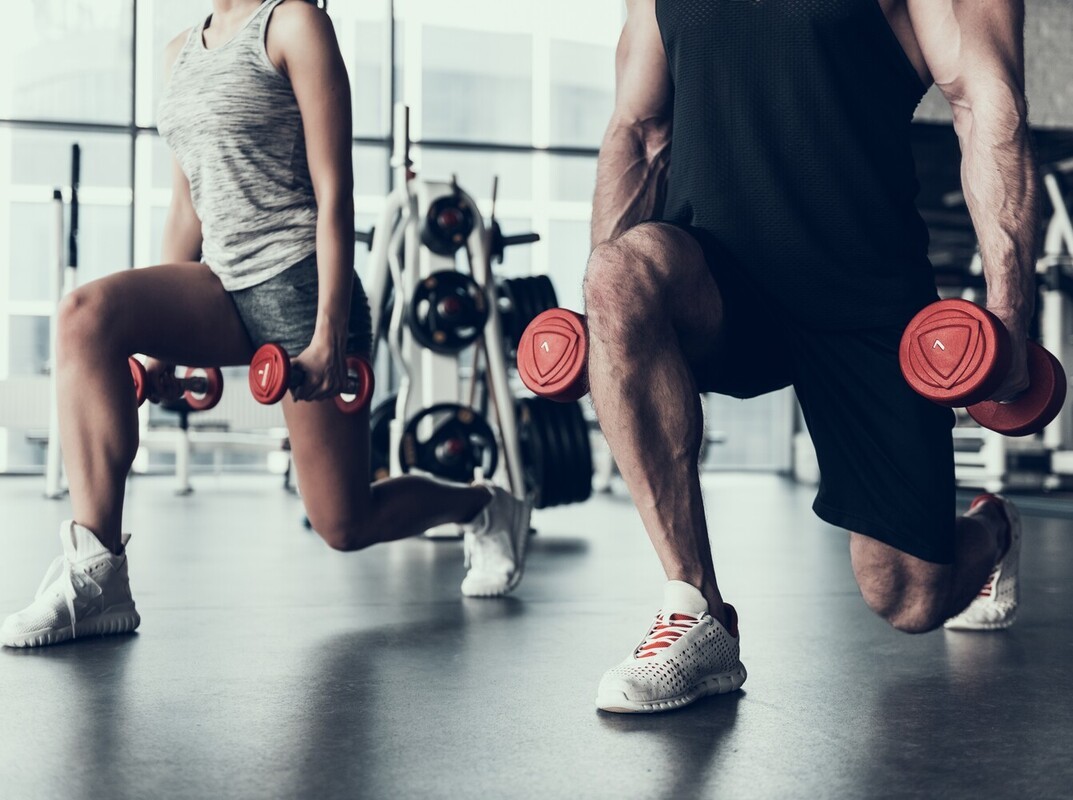
On the flip side, a strength session in a cool gym or a steady outdoor walk may burn meaningful calories with minimal sweat.
Focusing on how challenging the movement feels and how consistently it is repeated leads to better outcomes than tracking sweat. Results follow patterns, not puddles. That shift helps separate useful effort from environmental stress during workouts.
Ready to focus on what actually drives results? Connect with a Registered Weight Loss Dietitian through Berry Street for personalized, evidence-based support.
What Sweating Actually Is (And What It Isn’t)
Sweating is the body’s built-in cooling system that protects vital organs during activity and heat exposure. When core temperature rises, signals from the nervous system activate sweat glands across the skin. Fluid is released, spreads over the surface, and evaporates. That evaporation pulls heat away and helps maintain a safe internal range.
This response can happen during exercise, hot weather, illness, or emotional stress. It exists to regulate temperature, not to manage body fat.
Fat loss occurs through metabolic processes that use stored energy over time. Sweating does not access fat cells or speed up that process. It simply reflects how much heat the body needs to release in that moment. This distinction matters when evaluating workout effectiveness.
What Sweat Is Made Of
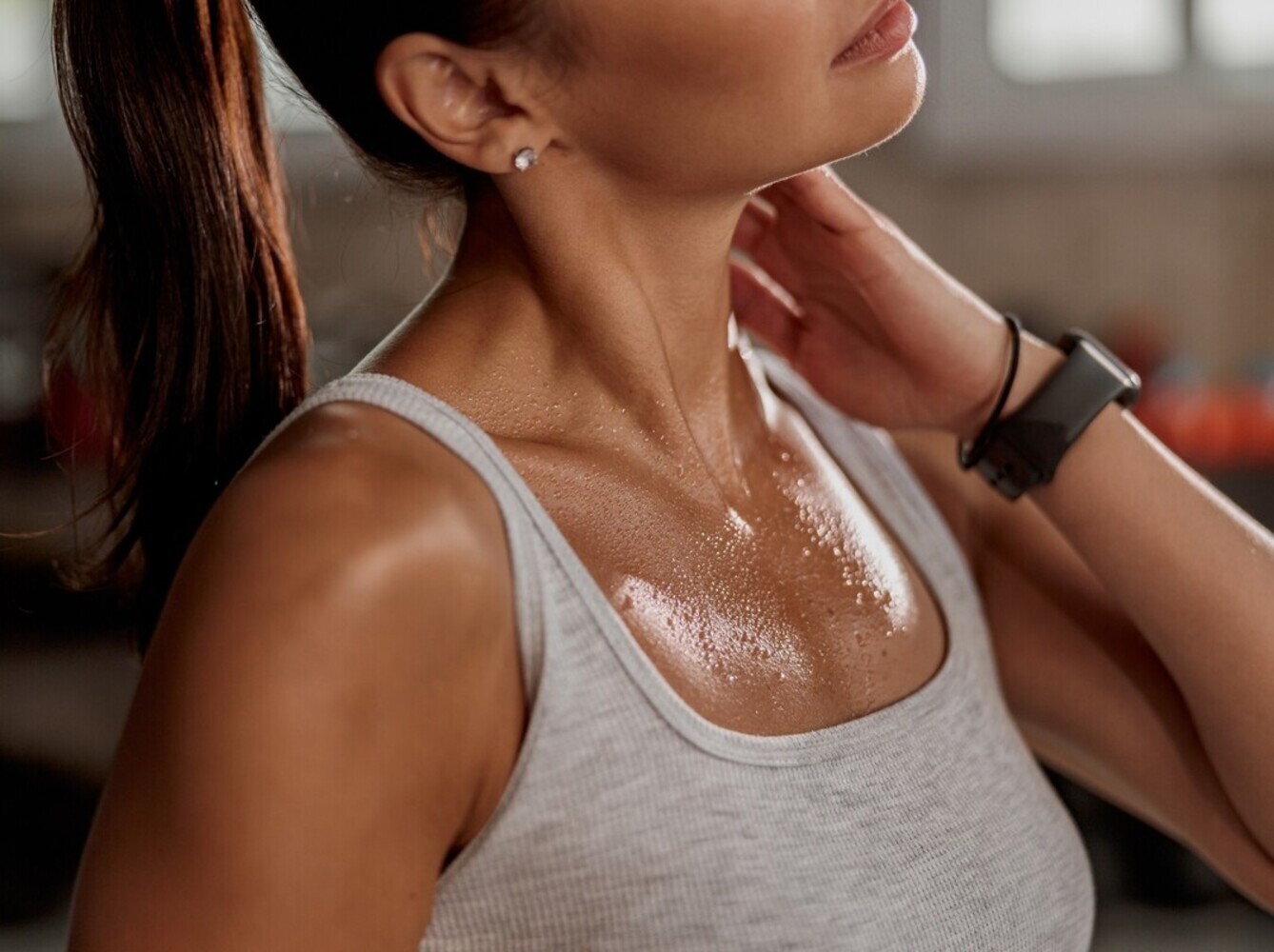
Sweat is composed almost entirely of water, which explains why body weight can change quickly after heavy perspiration. Along with water, sweat contains small amounts of sodium, potassium, and other electrolytes that help regulate nerve and muscle function.
What it does not contain is body fat or a meaningful amount of calories. Fat is stored inside specialized cells and cannot leave the body through the skin.
When sweat loss is high, the scale often drops because fluid levels fall. Once fluids are replaced, weight returns.
Understanding sweat composition helps separate real fat loss from short-term water changes that can feel dramatic but do not reflect lasting progress. This knowledge reduces frustration during weight loss efforts.
Why Some People Sweat More Than Others
Sweat rate differs widely between individuals and often causes unnecessary comparison. Genetics influence the number and activity of sweat glands. Body size matters too, since larger bodies generate more heat during movement. Climate and humidity affect evaporation, which can increase visible sweat.
Fitness level also plays a role. People who train regularly often sweat sooner because their bodies respond faster to rising temperatures. Heat acclimation from living or training in warm environments increases sweat efficiency as well.
None of these factors indicate effort, calorie burn, or fat loss. Two people can complete the same workout with very different sweat levels and experience similar results over time. This variability is normal and biologically driven for most people.
Why Sweating Often Increases as Fitness Improves
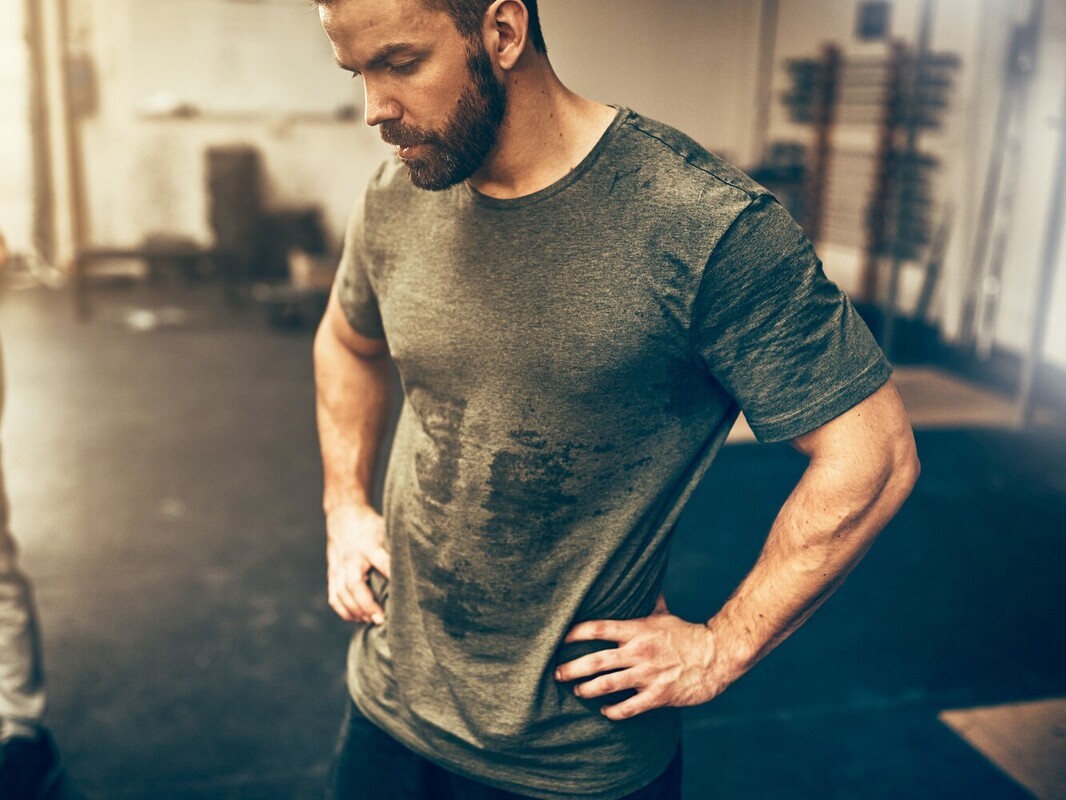
As fitness improves, sweating patterns often change in ways that surprise people. Trained bodies activate sweat glands more quickly to control temperature earlier in a workout. This means sweating may begin sooner, even when the exercise feels manageable.
Cardiovascular efficiency improves, allowing blood to move heat to the skin faster. Over time, this creates a more effective cooling response.
Increased sweat is not a signal of declining fitness. It reflects adaptation. The body has learned how to regulate heat better under physical stress.
Recognizing this shift can prevent misinterpreting sweat as a sign that workouts are suddenly harder or less effective. Performance gains often occur alongside this response with consistent training habits over time periods.
Does Sweating Make You Lose Weight?
No, sweating does not cause fat loss. It can lower body weight briefly because fluid leaves the body, but that change has nothing to do with stored body fat.
Weight loss that lasts comes from using more energy than you take in over time, which creates a calorie deficit. That process happens through daily movement, weight loss exercise, and eating patterns, not through sweat glands.
A very sweaty workout may feel intense, but intensity alone does not guarantee fat loss. Someone can sweat heavily in a hot room with minimal calorie burn. Another person can lose body fat steadily with workouts that produce little visible sweat.
The key factor is consistency with habits that support energy balance, not how much fluid is lost during a single session.
Why Sweating Causes Temporary Scale Drops
Sweating leads to short-term scale changes because water leaves the body quickly. Along with water, some stored carbohydrates are used during exercise. Those carbohydrates are stored with water in muscle tissue. When they are depleted, additional water is released.
The scale responds immediately to this loss, which can feel encouraging. Many people notice this effect after intense workouts, long weight loss cardio sessions, or time spent in hot environments.
The problem is that the scale can’t distinguish between water and fat. It simply reports total weight. Without context, this drop can be misinterpreted as fat loss. Understanding this helps explain why early progress can look dramatic and then disappear just as quickly.
Why That Weight Always Comes Back
The body is designed to maintain balance. When fluids are lost, thirst increases and hydration follows. When food is eaten, carbohydrate stores refill and pull water back into muscle tissue.
As this happens, body weight returns to its usual range. This process can happen within hours or over the next day. It’s a normal physiological response, not a setback.
Many people feel discouraged when the scale rebounds, but nothing went wrong. The body simply restored what it needs to function well.
This cycle repeats any time weight changes come from fluid loss rather than fat loss. Recognizing this pattern can prevent unnecessary frustration and help shift focus toward habits that drive gradual, lasting change.
The Difference Between Body Weight and Body Fat
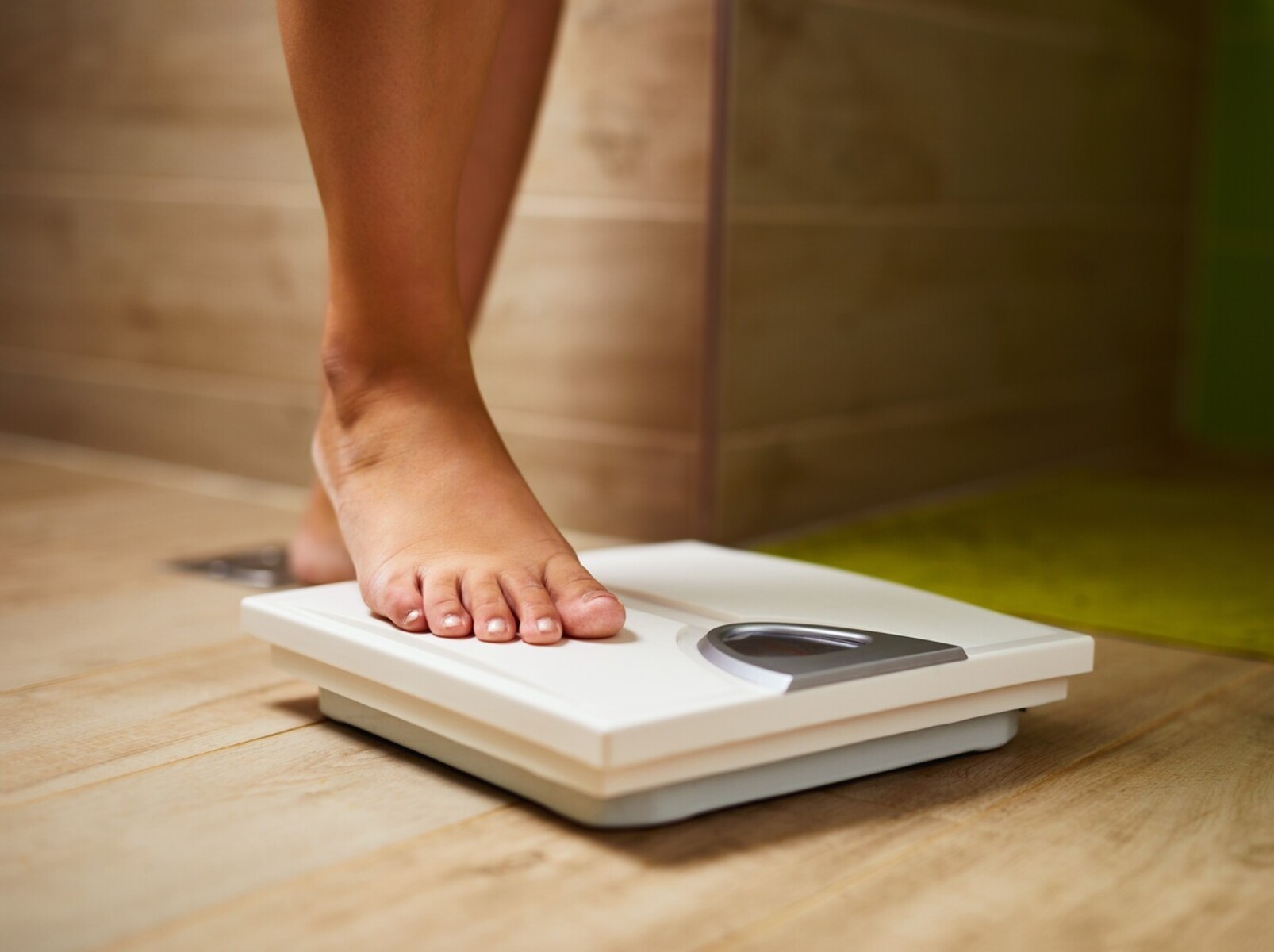
Body weight is a broad number made up of several components. It includes water, muscle, bone, organs, digestive contents, and fat. Body fat refers specifically to stored energy that the body uses when calorie intake stays lower than energy needs.
Sweating only affects the water portion of body weight. It does not reduce fat stores. This is why body weight can fluctuate daily, even when fat mass stays the same.
Fat loss happens slowly and steadily when a calorie deficit is maintained over time. Separating these concepts helps explain why progress may not show up immediately on the scale. Measurements, clothing fit, and strength changes often reflect fat loss more accurately than short-term weight shifts.
Why Relying on Sweat Can Stall Real Progress
When sweat becomes the main marker of success, hydration often suffers. Dehydration increases perceived effort, making workouts feel harder than they need to be.
It can also reduce strength, endurance, and coordination. Over time, this affects training quality and recovery. Poor recovery leads to missed workouts, lower intensity, and inconsistent habits. All of that slows fat loss.
Some people also avoid fueling properly to chase bigger sweat losses, which further reduces performance.
Progress depends on repeating effective behaviors week after week. That requires energy, hydration, and recovery. Focusing on sweat can pull attention away from those basics. Shifting focus toward how well the body performs and recovers supports better results long term.
Do You Need to Sweat to Lose Weight?
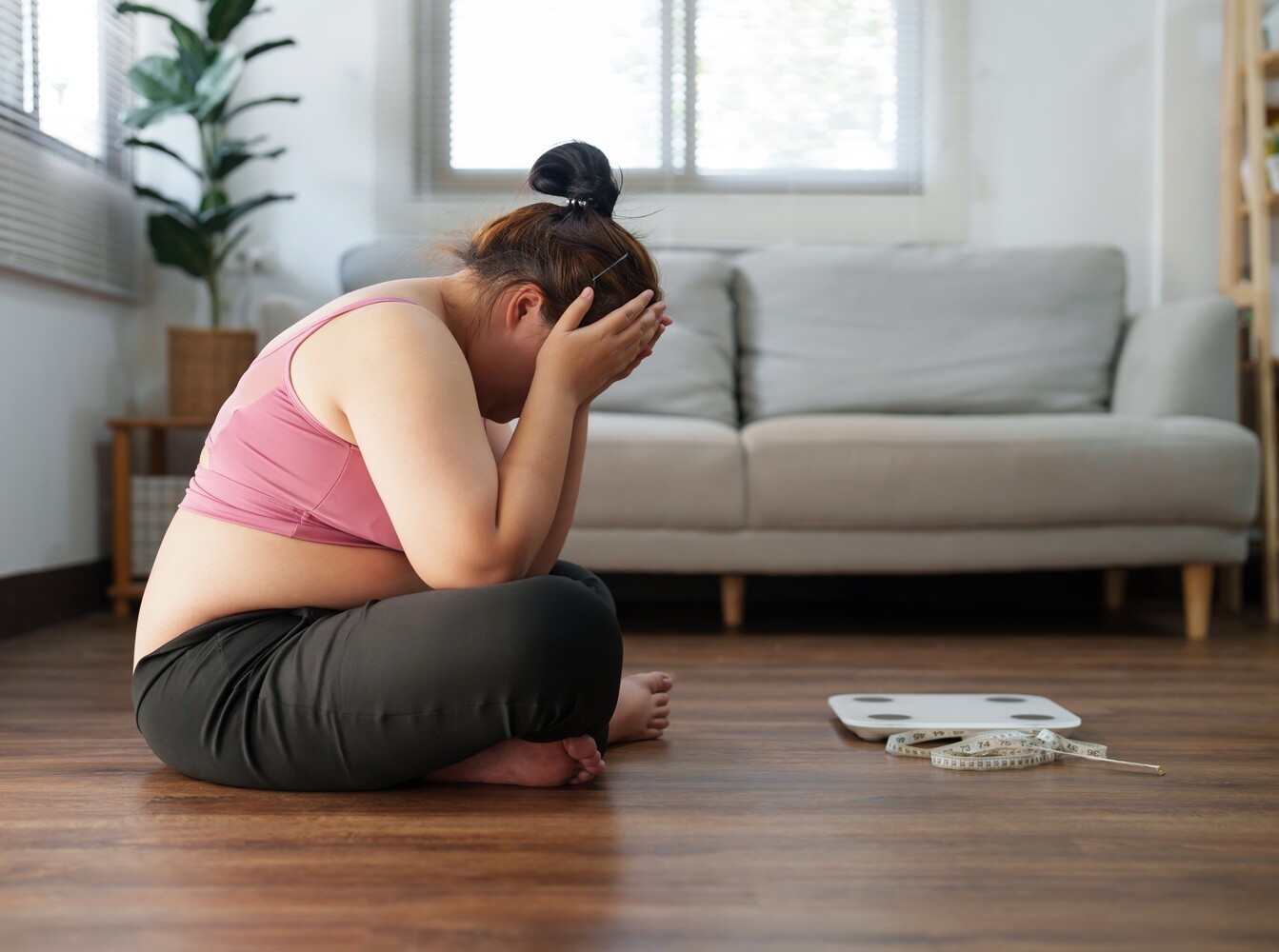
No, you don’t need to sweat for fat loss. Fat loss happens when the body consistently uses more energy than it takes in, and that process can occur with or without visible sweat.
Many effective activities produce minimal perspiration, especially in cooler environments or with built-in rest periods.
Walking, strength training, and steady cycling are common examples. These movements still raise energy expenditure, build muscle, and support metabolic health.
Some people naturally sweat less due to genetics or climate, which doesn’t actually limit results. Focusing too much on sweat can distract from what matters most, which is regular movement you can repeat week after week. Consistency drives progress far more than how sweaty a workout feels.
Low-Sweat Activities That Still Support Weight Loss
Some of the most effective weight loss activities create little visible sweat, which surprises many people focused on intensity and discomfort:
Walking: Steady walking raises daily calorie burn, supports cardiovascular health, and is easy to repeat consistently without exhausting the body.
Resistance training: Lifting weights builds muscle tissue, improves metabolic rate, and helps preserve lean mass during weight loss.
Swimming: Water provides resistance while keeping body temperature lower, allowing full body workouts with reduced joint stress.
Workouts in climate-controlled or cooler spaces: Cooler temperatures limit excessive sweating while still allowing challenging and effective training sessions.
Together, these options support fat loss, consistency, and recovery without relying on sweat as proof of progress over time for long-term success.
Why Some Effective Workouts Don’t Cause Much Sweat
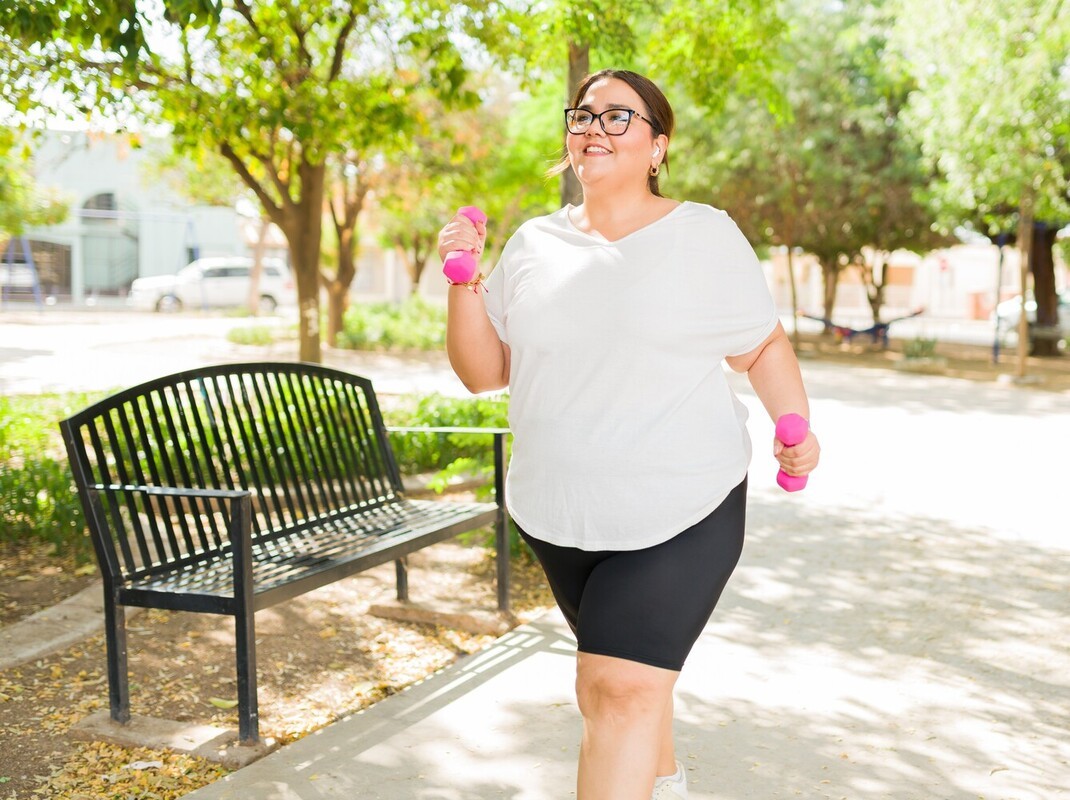
Some workouts challenge the body without driving a big rise in temperature. Strength training is a clear example.
Sets are brief, followed by a rest that allows heat to dissipate and heart rate to settle. During those sets, muscles and the nervous system work hard to produce force, coordinate movement, and maintain form. That demand builds strength and muscle without nonstop cardiovascular stress.
Skill-focused training, heavier loads, and longer rest periods all limit sweat while still creating adaptation. Cool environments further reduce perspiration.
None of this reduces effectiveness. Progress shows up as improved lifts, better control, and less fatigue at the same workload. Sweat is optional. Adaptation is the goal over time with consistent practice and recovery.

Does More Sweat Mean More Weight Loss?
No, more sweat does not mean more fat burned. Sweat volume is heavily shaped by external factors like heat, humidity, airflow, and clothing choices.
A workout done in a hot studio or layered clothing can cause heavy sweating even if calorie burn stays modest. Meanwhile, a focused strength session or brisk walk in cool weather may support fat loss with very little visible sweat.
Sweat reflects how much heat your body needs to release, not how much energy it is using. From a weight loss perspective, this distinction matters.
Chasing sweat can push people toward uncomfortable environments or unsafe practices without improving results. Fat loss depends on consistent calorie expenditure over time, not on how wet your clothes feel after a single workout.
Why Sweat Volume Doesn’t Equal Calorie Burn
Sweat volume and calorie burn often move independently. High temperatures increase sweating because the body works harder to cool itself, not because muscles are burning more energy. Sitting in a sauna can produce heavy sweat with very little calorie expenditure.
On the other hand, lifting weights, hiking in cool air, or walking at a steady pace may burn meaningful calories while producing minimal sweat.
The scale of sweat loss depends on heat retention and evaporation, not metabolic demand. This is why sweat-based assumptions about workout quality often miss the mark.
Energy expenditure comes from muscle contractions and cardiovascular work over time. Sweat is simply a byproduct of temperature regulation and doesn’t reliably track how many calories were burned.
The Role of Workout Intensity vs Temperature
Workout intensity and environmental temperature influence the body in different ways. Intensity refers to how hard the muscles and heart are working; Faster pace, heavier loads, or longer duration. These factors directly affect calorie burn.
Temperature reflects environmental stress. Hot, humid conditions raise core temperature quickly, triggering sweat regardless of workload. A slow jog in the heat may feel harder than a faster run in cool air, even if calorie burn is similar. This mismatch often leads to confusion.
People assume the harder feeling workout was more effective. In reality, intensity and duration drive results. Temperature mainly changes comfort and sweat rate. Separating these variables helps focus attention on training quality instead of surface-level signals like sweat.
When Sweating More Can Actually Hurt Results
Excessive sweating can interfere with progress when you don’t maintain hydration. Fluid loss reduces blood volume, which makes the heart work harder and increases perceived effort.
Strength drops sooner. Endurance fades faster. Dizziness and headaches become more likely. Recovery also suffers, especially when electrolytes are not replaced.
Over time, these effects can lead to shorter workouts, skipped sessions, or reduced training intensity. Some people also restrict fluids to increase sweat-related weight changes, which compounds the problem.
Fat loss relies on repeatable, high-quality effort across weeks and months. Anything that limits performance or recovery makes that consistency harder to maintain. More sweat can look productive, but it can quietly slow long-term results.
Sweating During Exercise: What It Does and Doesn’t Tell You
Sweating during exercise often gets treated as a performance scorecard, even though it offers very limited information. Understanding what sweat can and cannot tell you helps separate useful feedback from signals that distract from real progress.
What Sweat Can Indicate
Sweat can tell you that your body temperature has risen and that your cooling systems are active.
During exercise, this often means your heart rate is elevated, and blood flow has increased to move heat toward the skin. That response commonly shows up during longer sessions, warmer environments, or steady cardiovascular work.
Sweat can also signal that hydration needs may be higher, especially during prolonged or intense activity. These cues can help guide fluid intake and recovery choices. Beyond that, sweat offers limited insight.
What Sweat Cannot Measure
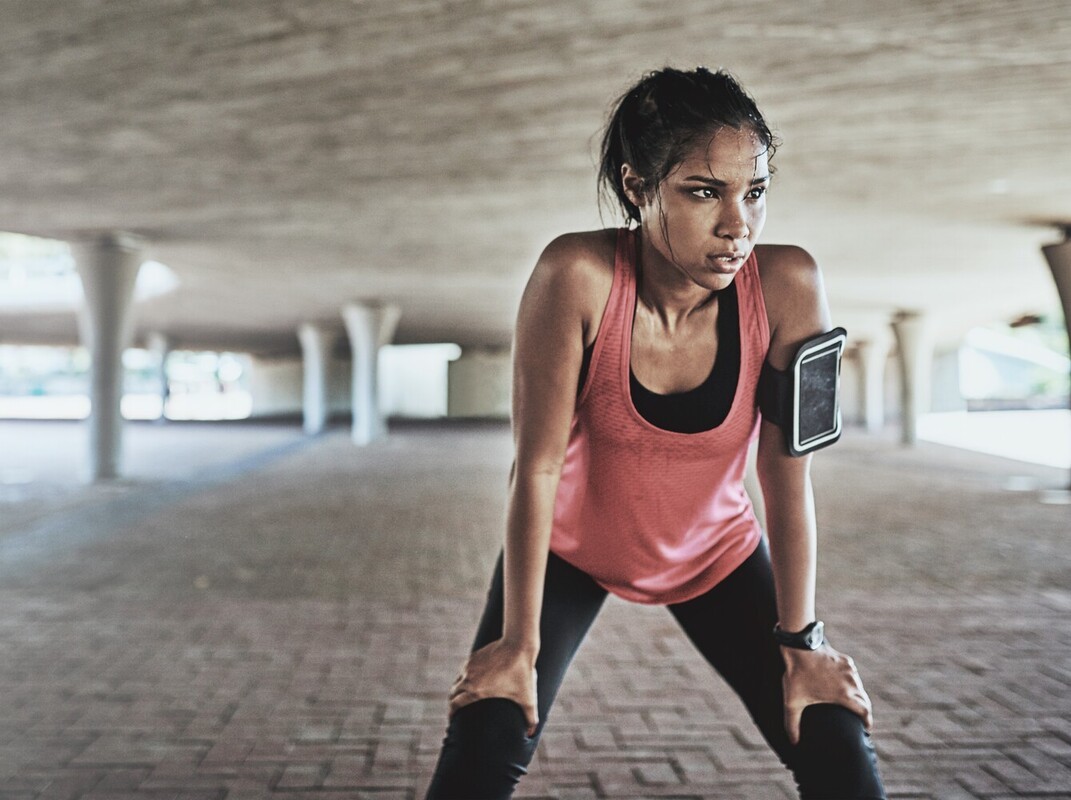
Sweat can’t measure calorie burn, fat loss, or workout effectiveness. Two people can sweat very differently during the same session and still burn similar amounts of energy.
Sweat also fails to reflect strength gains, muscle activation, or skill development. A poorly structured workout in a hot room can produce heavy sweating without meaningful benefit. Meanwhile, a well-designed strength session may produce little sweat while driving adaptation.
Sweat doesn’t account for rest periods, load selection, or movement quality. It also doesn’t indicate recovery needs or long-term progress.
Better Ways to Measure Progress Than Sweat
Sweat gets a lot of attention, but it offers very little insight into real progress. Clearer markers help show whether your efforts support fat loss and long-term consistency:
1. Strength Gains
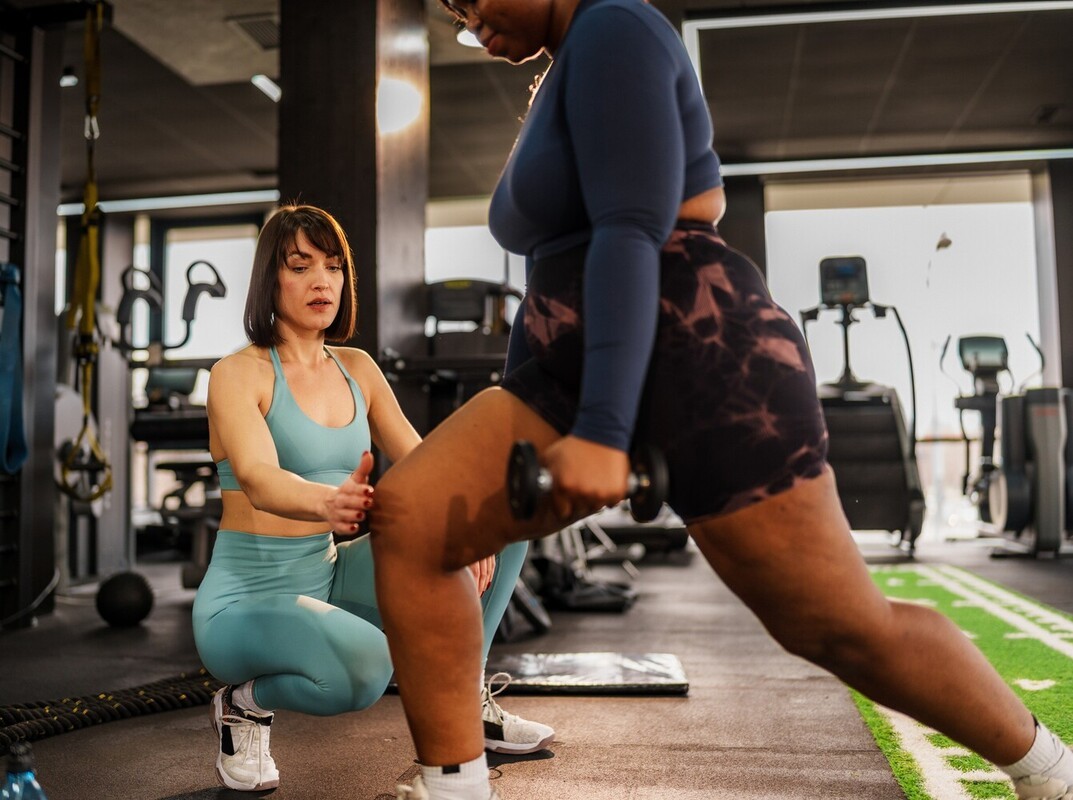
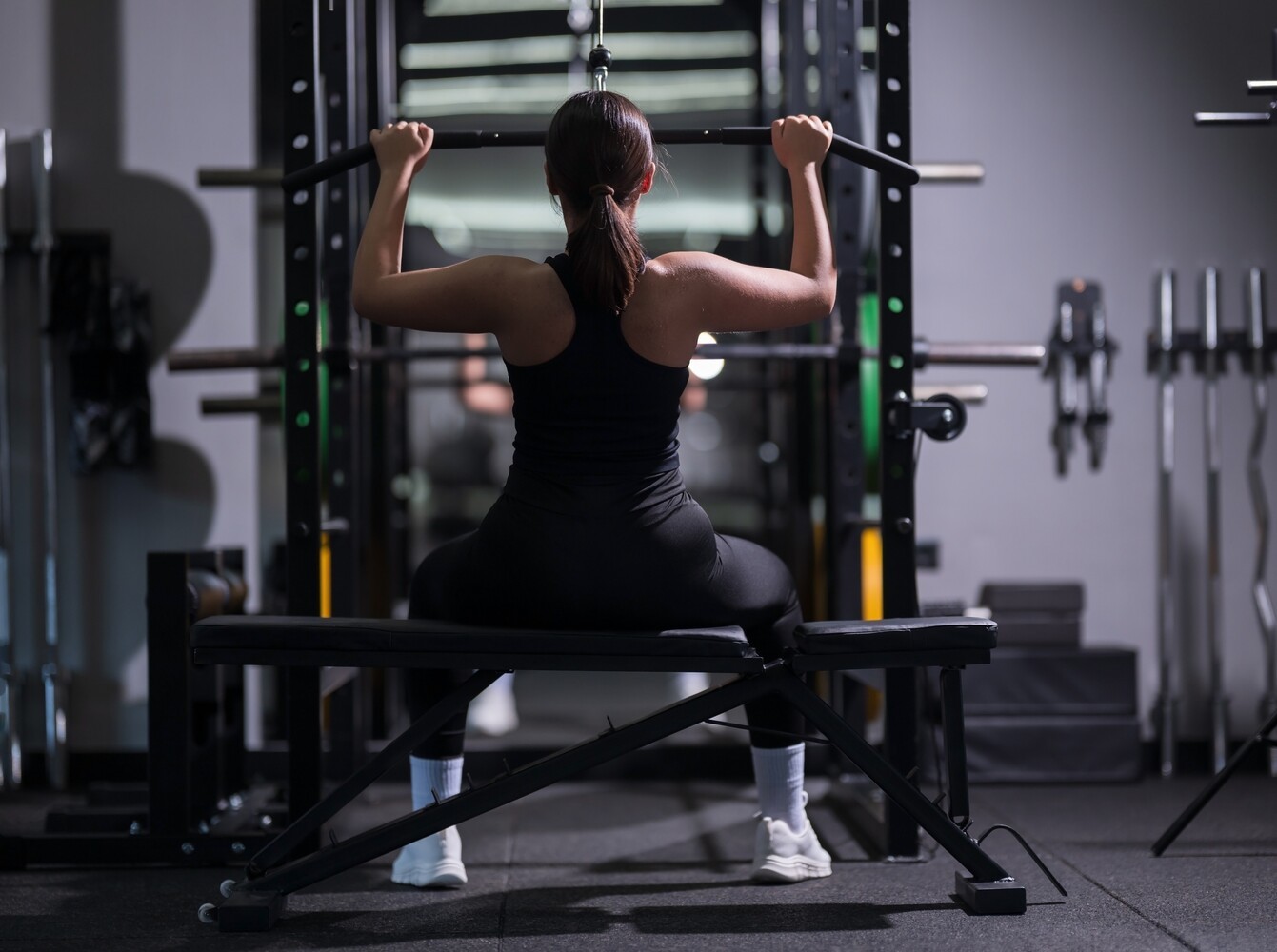
Strength gains offer clear, concrete evidence that the body is adapting. Tracking progress can be as simple as lifting heavier weights, completing more repetitions with the same load, or noticing better control during movements.
Improved form matters, too. Squats that feel more stable or presses that move smoothly signal progress. These changes reflect increased muscle strength and coordination, both of which support fat loss by raising overall energy needs.
Strength gains often appear even when the scale stays the same, which makes them especially useful. Paying attention to these markers shifts focus toward performance rather than sweat.
Over time, consistent strength improvements show that training supports long-term progress and physical capacity.
2. Endurance Improvements
Endurance improvements show up when workouts feel more manageable over time. Activities that once caused heavy fatigue may start to feel steady or even comfortable. You may notice the ability to walk farther, cycle longer, or complete more intervals without needing extra rest.
Heart rate recovery can improve as well, with breathing settling faster after effort. These changes reflect cardiovascular adaptation and improved efficiency.
Endurance gains often happen gradually, so noticing small shifts matters. Feeling less wiped out after a workout or having energy left for daily tasks also counts. These signs indicate that the body is adapting in ways that support sustained activity and calorie expenditure.
3. Consistency Over Time
Consistency is one of the strongest indicators of progress. Showing up regularly builds momentum and allows small changes to compound. A plan followed most days beats a perfect plan followed rarely.
Tracking how often workouts happen each week provides valuable insight. The same applies to eating patterns, sleep routines, and hydration habits. When these behaviors stay steady, results follow more reliably.
Missed days happen, and that’s normal. What matters is returning to routine without long gaps. Over time, consistency improves fitness, supports fat loss, and reduces stress around individual workouts. This approach shifts focus from short-term signals toward habits that last.
4. Energy Levels and Daily Function
Changes in energy offer valuable insight into progress. Many people notice improved stamina during the day, fewer afternoon crashes, or better focus at work. Workouts may feel easier to recover from, leaving more energy for daily tasks.
Sleep quality can improve as well, with fewer disruptions and better morning alertness. These signs reflect improved fueling, fitness, and recovery. They also indicate that habits are sustainable rather than draining.
Weight loss efforts that leave someone exhausted rarely last. Noticing how the body feels outside the gym helps evaluate whether the approach supports long-term health. Consistent energy often signals that the plan fits real life.
5. Body Measurements and Fit
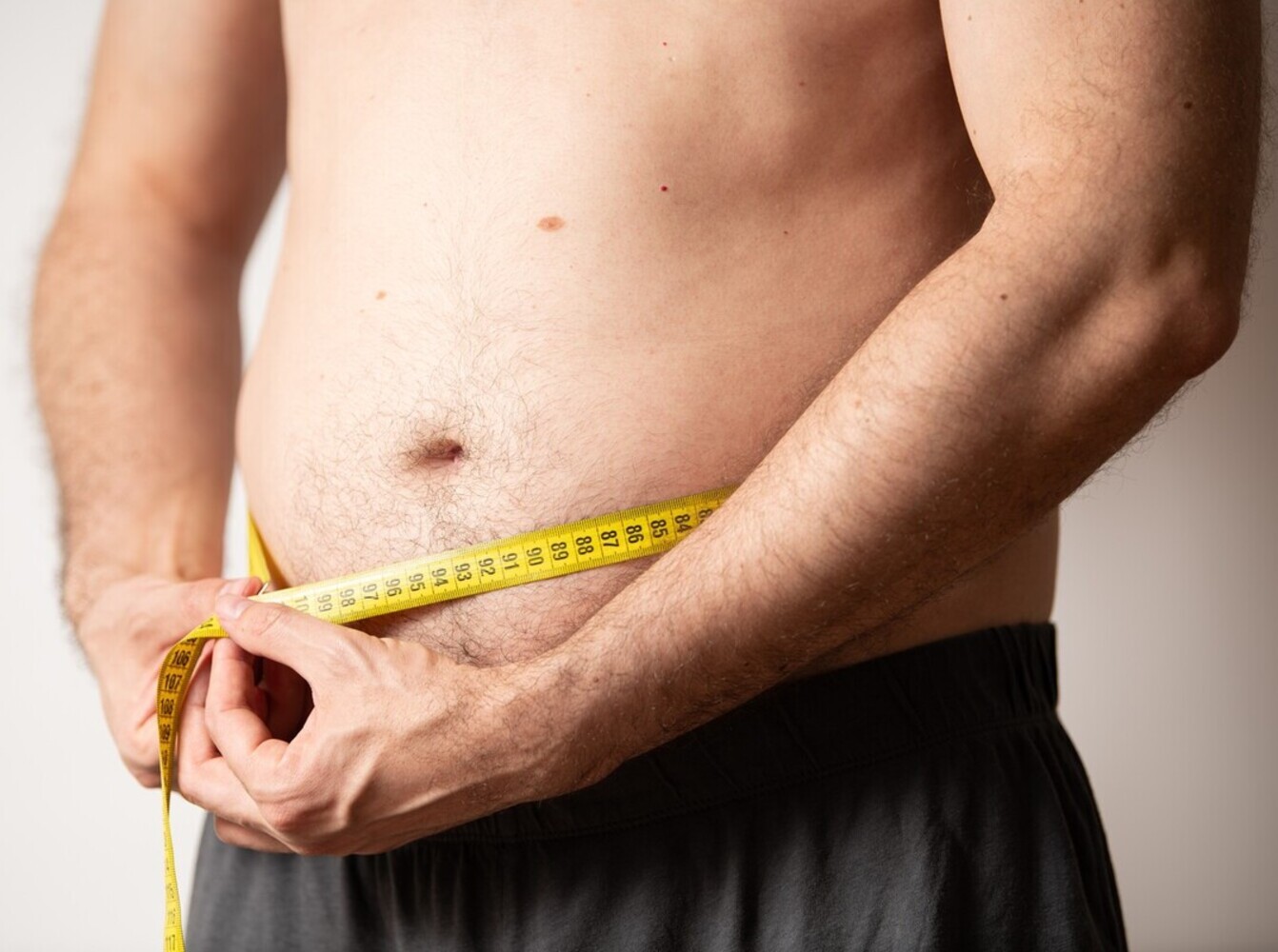
Body measurements can reveal progress that the scale misses. Tracking waist, hips, chest, or thigh measurements over time helps show changes in body composition.
Clothing fit offers similar feedback. Pants may feel looser, shirts may drape differently, or waistbands may sit more comfortably.
These shifts often reflect fat loss combined with muscle preservation or gain. Measurements tend to change slowly, so checking every few weeks works best. Daily tracking can feel discouraging and unnecessary.
This method provides a tangible way to notice progress even when body weight stays stable. It also helps reinforce that fat loss and weight loss do not always move at the same pace.
What Are Sweat Suits and Sauna Suits?
Sweat suits and sauna suits are garments designed to trap heat close to the body during exercise. They’re often made from non-breathable materials like neoprene or coated nylon.
By limiting airflow, these suits raise skin temperature quickly. This leads to heavier sweating than normal workout clothing would cause.
Many people use them, hoping to speed weight loss or reduce belly fat. The scale may drop after use, which feels encouraging. That change comes from fluid loss, not fat loss.
These suits don’t increase calorie burn in a meaningful way. They mainly increase dehydration. Understanding their purpose helps explain why results are temporary.
How Sweat Suits and Sauna Suits Work
Sweat suits and sauna suits work by preventing heat from escaping the body. During exercise, muscles produce heat as they contract.
Normally, clothing and airflow allow some of that heat to dissipate. When heat gets trapped, core temperature rises faster. The body responds by activating sweat glands earlier and more aggressively.
Sweat spreads across the skin and evaporates slowly inside the suit. This creates heavy fluid loss without increasing muscular work.
Calorie burn stays tied to movement intensity and duration. Once fluids are replaced, body weight returns. The mechanism explains why the effects are short-lived. No lasting fat reduction occurs.

Health Risks of Excessive Sweating From Gear
Using sweat suits increases health risks, especially during longer or more intense workouts. Trapped heat raises the chance of overheating, which can strain the heart and nervous system.
Heavy fluid loss reduces blood volume and affects circulation. Dizziness, nausea, and headaches become more likely. Electrolytes lost through sweat are not automatically replaced, which can disrupt muscle function.
Dehydration also reduces strength and endurance, cutting workouts short. In extreme cases, heat illness can occur. These risks rise in hot environments or with poor hydration. Gear that limits cooling adds stress without improving results, making it a poor trade-off for many users over time.
Is It Worth Using a Sweat Suit?
No. From a health and weight loss perspective, sweat suits aren’t worth using. They create the illusion of progress through temporary water loss. That loss returns quickly once normal hydration resumes.
The risks outweigh the benefits for most people. Performance often drops due to dehydration and overheating. Recovery suffers as well. Safer options exist for increasing calorie burn, such as adjusting training intensity or duration.
Comfortable clothing supports better movement and consistency. Sustainable fat loss depends on repeatable habits, not extreme conditions. Choosing strategies that protect hydration and performance leads to better long-term outcomes for lasting progress and safety.
Hydration & Dehydration: Why Chasing Sweat Backfires
Hydration plays a central role in how the body performs and recovers during weight loss efforts. Water supports blood flow, temperature control, digestion, and nutrient transport. When hydration is adequate, workouts feel smoother, and recovery happens faster.
Dehydration shifts the body into a stressed state. Heart rate rises sooner, fatigue sets in faster, and movement feels harder than expected. Metabolic processes also slow when fluids are low, which affects how efficiently energy gets used.
Chasing heavy sweat often ignores these effects. Losing fluid without replacing it reduces training quality and consistency. Over time, that pattern works against progress rather than supporting it.
How Dehydration Affects Metabolism and Workouts
Dehydration affects workouts quickly, even when fluid loss seems minor. Reduced blood volume forces the heart to work harder to deliver oxygen. Muscles fatigue sooner, and strength output drops earlier than expected. Endurance suffers too. Pace slows, rest periods lengthen, and workouts feel more draining.
Perceived effort increases, meaning the same session feels harder at lower output. This limits total work completed and reduces overall calorie burn. Coordination and focus can decline as well, raising injury risk.
Recovery after exercise also takes longer when fluids remain low. Consistently training in a dehydrated state makes progress harder to sustain over weeks and months.

Why Losing Water Weight Can Slow Real Fat Loss
Losing water weight can feel motivating, but it often pulls attention away from behaviors that drive fat loss. When scale changes come from dehydration, they disappear quickly and create frustration.
Some people respond by pushing harder for sweat instead of improving training structure or fueling. That choice lowers workout quality and recovery. Reduced performance means fewer calories burned across the week.
Inconsistent energy also makes it harder to maintain routines. Fat loss depends on repeatable habits performed well over time.
Hydration supports those habits by keeping workouts productive and recovery predictable. Prioritizing water helps build consistency rather than chasing short-term scale drops.
How to Stay Hydrated When You Sweat a Lot
Staying hydrated takes a little planning, especially if workouts regularly lead to heavy sweating. Small, consistent actions make a big difference in performance and recovery:
Drink fluids before and after workouts: Starting exercise well hydrated helps regulate temperature and supports endurance. Rehydrating afterward replaces fluid losses and supports recovery.
Sip water during longer sessions: For workouts lasting more than 45 to 60 minutes, sipping water helps maintain energy and prevents excessive fatigue.
Include electrolytes when training intensely or in heat: Sodium and other electrolytes help replace what is lost through sweat and support muscle and nerve function during demanding sessions.
Why Long-Term Weight Loss Requires Fueling, Not Fluid Loss
Long-term weight loss depends on supporting the body rather than stressing it through dehydration. Adequate fueling provides the energy needed for effective workouts, muscle maintenance, and steady recovery.
When hydration or food intake is restricted to force quick scale changes, performance drops and fatigue increases. That makes consistency harder to maintain over time. Recovery also suffers, which can limit training frequency and intensity.
Fueling well helps regulate appetite, stabilize energy levels, and support metabolic processes that drive fat loss.
Hydration supports circulation and temperature control, keeping workouts productive. Sustainable progress comes from repeatable habits that keep the body functioning well, not short-term fluid loss that quickly reverses.
What Is Sweating’s Role in Weight Loss, Actually?
Sweating plays a supportive role during physical activity by helping the body manage rising temperature. As movement increases heat production, sweat allows the body to cool and continue exercising safely. That matters because staying active longer or more comfortably supports overall calorie expenditure.
Sweat itself doesn’t influence how fat is used for energy. Fat loss occurs when the body consistently uses more energy than it takes in across days and weeks. Sweating simply reflects how much cooling the body needs at a given moment.
It can accompany effective workouts, but it can also appear during low-effort activity in hot conditions. Understanding this role helps keep focus on habits that actually drive progress.
Weight Loss Strategies That Matter More Than Sweating
Sweat often gets credit for progress it doesn’t create. Practical strategies that support energy balance, strength, and recovery lead to real and lasting results.
1. Resistance Training
Resistance training plays a major role in successful weight loss. When working out to lose weight, lifting weights or using bodyweight exercises helps build and maintain muscle mass while body fat decreases. Muscle tissue uses more energy at rest than fat, which supports daily calorie burn over time.
Resistance training also improves strength, balance, and joint stability. That makes everyday movement easier and reduces injury risk.
Sessions don’t need to be long or extreme. Two to four workouts per week can be effective when exercises target major muscle groups. Progress comes from gradually increasing resistance or repetitions. Strength-focused training supports body composition changes that the scale may not show right away.
2. Nutrition That Supports a Calorie Deficit
Nutrition drives fat loss by creating a consistent calorie deficit that the body can maintain. Knowing what to eat before or after workout for weight loss can drive progress more than anything else.
Balanced meals that include protein, carbohydrates, and fats support energy levels and muscle preservation. Skipping meals or cutting too aggressively often leads to fatigue and rebound eating.
A sustainable approach focuses on portions, food quality, and regular eating patterns. Protein supports fullness and muscle repair. Fiber-rich foods support digestion and appetite control. Personal needs vary based on activity level, preferences, and health history. Working with a Registered Dietitian can help remove guesswork.
Connect with a Registered Health Dietitian through Berry Street for a personalized 7-day meal plan built around your goals and lifestyle.

3. Recovery and Sleep
Recovery and sleep play a critical role in weight loss success. During rest, the body repairs muscle tissue and adapts to training stress.
Inadequate sleep disrupts hormones that regulate hunger and fullness, often increasing cravings. Poor recovery also reduces weight loss workout plan performance, making exercise feel harder than it should.
Most adults benefit from seven to nine hours of sleep per night. Recovery includes rest days, light movement, stretching, and stress management.
Consistent sleep schedules support energy levels and focus. When recovery improves, workouts become more productive, and habits feel easier to maintain. Supporting recovery helps protect progress built through training and nutrition.
4. Daily Movement Outside the Gym
Daily movement adds meaningful calorie burn without overwhelming the body. Walking, taking the stairs, doing household tasks, and standing more throughout the day all contribute. These activities increase energy expenditure without requiring formal workouts or intense effort.
For many people, daily movement is easier to maintain than structured exercise alone. It also supports circulation, joint health, and blood sugar control.
Small choices add up across weeks. A short walk after meals, parking farther away, or stretching during breaks can make a difference. This approach supports weight loss by increasing overall activity while keeping stress levels manageable and routines realistic.
5. Consistent Eating Patterns
Consistent eating patterns support appetite regulation and energy balance. Skipping meals often leads to stronger hunger later, which can trigger overeating. Regular meals and planned snacks help stabilize blood sugar and reduce impulsive choices.
Consistency also makes calorie intake more predictable, which supports a steady deficit. This doesn’t require rigid schedules or perfect timing. It means avoiding long gaps that leave you depleted.
When eating patterns feel predictable, decision fatigue decreases. That consistency makes nutrition easier to maintain over time and supports sustainable fat loss.

6. Stress Management
Stress management plays an important role in weight loss that often goes overlooked. High stress levels can increase appetite, disrupt sleep, and reduce motivation to move. Cortisol changes may also influence where fat is stored.
Managing stress doesn’t require major lifestyle changes. Simple practices like short walks, deep breathing, stretching, or setting boundaries around work can help.
Enjoyable hobbies and social connection matter too. When stress is lower, recovery improves, and eating choices feel more intentional. Weight loss efforts become easier to sustain. Supporting mental and emotional health creates an environment where healthy habits can stick consistently.
Weight Loss Sweating FAQs
Can you lose weight without sweating?
Yes, you can lose weight without sweating much at all. Fat loss depends on maintaining a calorie deficit over time, not on how much you perspire. Many lower-intensity or cooler-environment activities support weight loss with minimal sweat.
Does sweating a lot make you lose weight?
Sweating a lot can make the scale go down temporarily, but that change comes from water loss, not fat loss. Once fluids are replaced, body weight returns to its usual range. Sweating alone does not create lasting weight loss.
How much weight do you lose from sweating?
The amount varies, but it is typically a small and temporary drop from fluid loss. This can range from a fraction of a pound to a few pounds, depending on the session and hydration status. That weight returns as soon as normal hydration is restored.
Can you lose weight by sweating in your sleep?
No, sweating during sleep does not meaningfully increase calorie burn or fat loss. Night sweating is usually related to temperature, bedding, hormones, or health factors rather than energy expenditure. Any weight change is water-related.
Do sweat belts actually work?
Sweat belts increase sweating around the midsection, but they do not target fat loss. The only change they create is temporary water loss under the belt. They can also increase discomfort and dehydration without improving results.
Conclusion
Sweating can feel rewarding, but it is not a reliable measure of fat loss or progress. Sweat reflects how your body manages heat, not how much body fat you are losing, and changes on the scale after a sweaty session are usually tied to water, not long-term results.
Sustainable weight loss comes from consistent habits like eating in a way that supports a calorie deficit, building muscle, recovering well, and staying hydrated. Shifting focus away from sweat and toward these fundamentals helps people feel more confident and less frustrated.
If you’re ready for support that’s grounded in real science and real life, find a Registered Dietitian through Berry Street and take the next step toward sustainable weight loss.
If you want to learn more, why not check out these articles below: