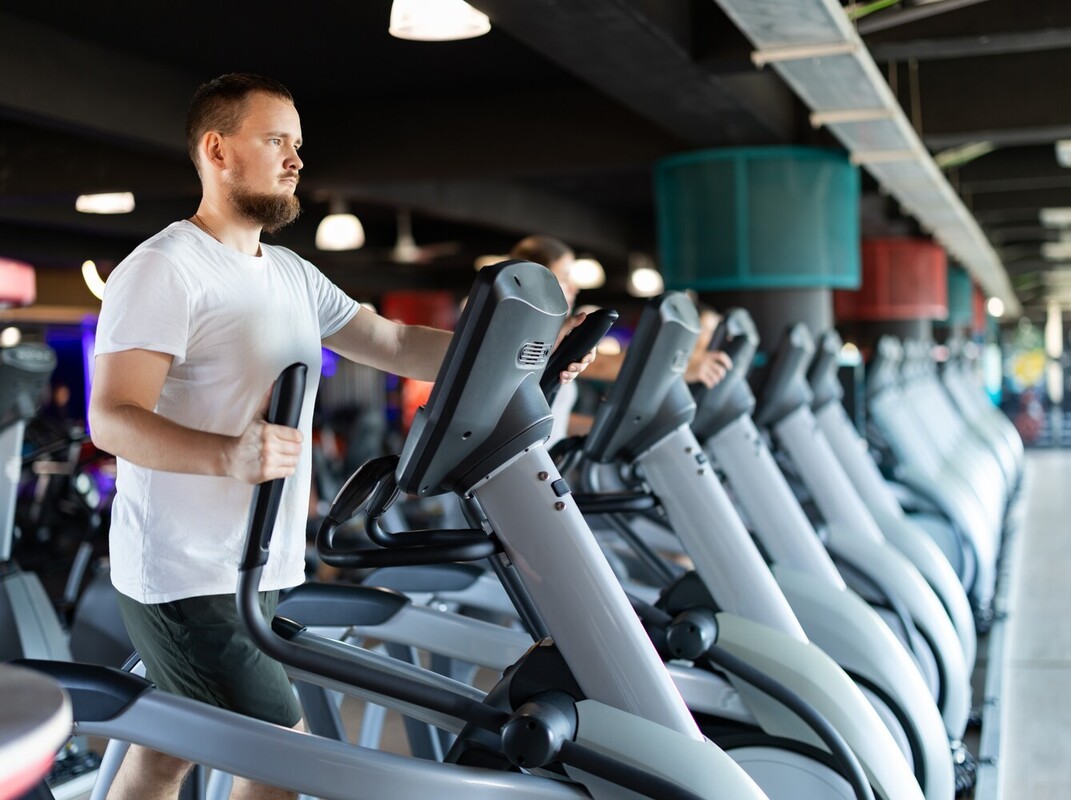
If you’ve ever stepped onto an elliptical and wondered whether it’s actually helping you lose weight, you’re not alone. We hear this all the time from clients who are specifically searching for the best elliptical for weight loss strategy. The machine feels smooth. You’re sweating. The calorie counter looks impressive. But is it enough?
As Registered Dietitians, we look at weight loss through a practical lens. After years of experience helping people bridge the gap between fitness advice and real-life habits, we can tell you this: the elliptical can absolutely support weight loss. The key is how you use it and how you pair it with nutrition.
Key Takeaways
The elliptical for weight loss can be highly effective when it’s paired with a consistent calorie deficit and balanced nutrition.
Most people burn 200-400 calories in 30 minutes, depending on body weight and intensity, but machine readouts are estimates.
Moderate resistance and interval workouts can increase total calorie burn and improve cardiovascular fitness.
Low joint impact makes the elliptical a sustainable option for beginners and those with knee or hip concerns.
Long-term results depend more on consistency, strength training, and nutrition than on any single cardio machine.

Can You Really Lose Weight on an Elliptical?
Yes, you can lose weight using an elliptical. But the machine itself isn’t the magic. Your overall calorie balance is.
The elliptical helps increase your daily energy expenditure. That supports fat loss when it’s paired with a sustainable nutrition plan
From our experience, people see the best results when they use the elliptical consistently and make small, manageable changes to their eating patterns at the same time.
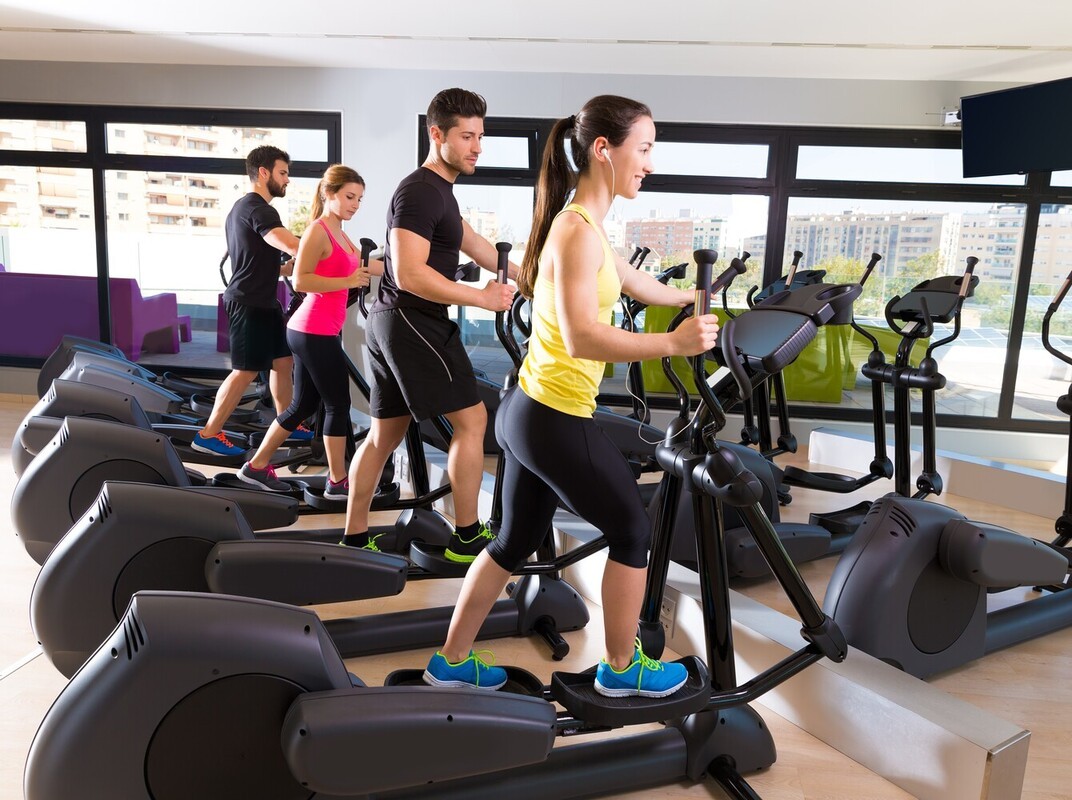
How Weight Loss Actually Works
Weight loss comes down to a calorie deficit. That means you’re consistently using more energy than you’re taking in from food and drinks.
Cardio helps create that deficit by increasing how many calories you burn. But it doesn’t override high-calorie habits. We’ve worked with many clients who were doing regular elliptical sessions yet unknowingly eating enough to maintain their weight. Exercise supports the deficit. Nutrition determines whether it actually happens.
The elliptical fits into the equation as a low-impact way to increase daily energy expenditure. It’s accessible, scalable, and easier on the joints than many other machines. When paired with a clear calorie target, it becomes much more effective.
If you’re unsure what your calorie deficit for weight loss should look like, the Berry Street app can help you estimate your needs and set a realistic target. For more individualized support, you can connect with a Registered Weight Loss Dietitian through Berry Street to receive a personalized 7-day meal plan designed around your goals, preferences, and workouts.
How Many Calories Does the Elliptical Burn?
Most people burn between 200 and 400 calories in 30 minutes on an elliptical, depending on body weight and intensity. Higher resistance and faster pacing increase that number.
A person weighing 155 pounds may burn around 300 calories in 30 minutes at moderate intensity. Heavier individuals often burn more because moving a larger body requires more energy.
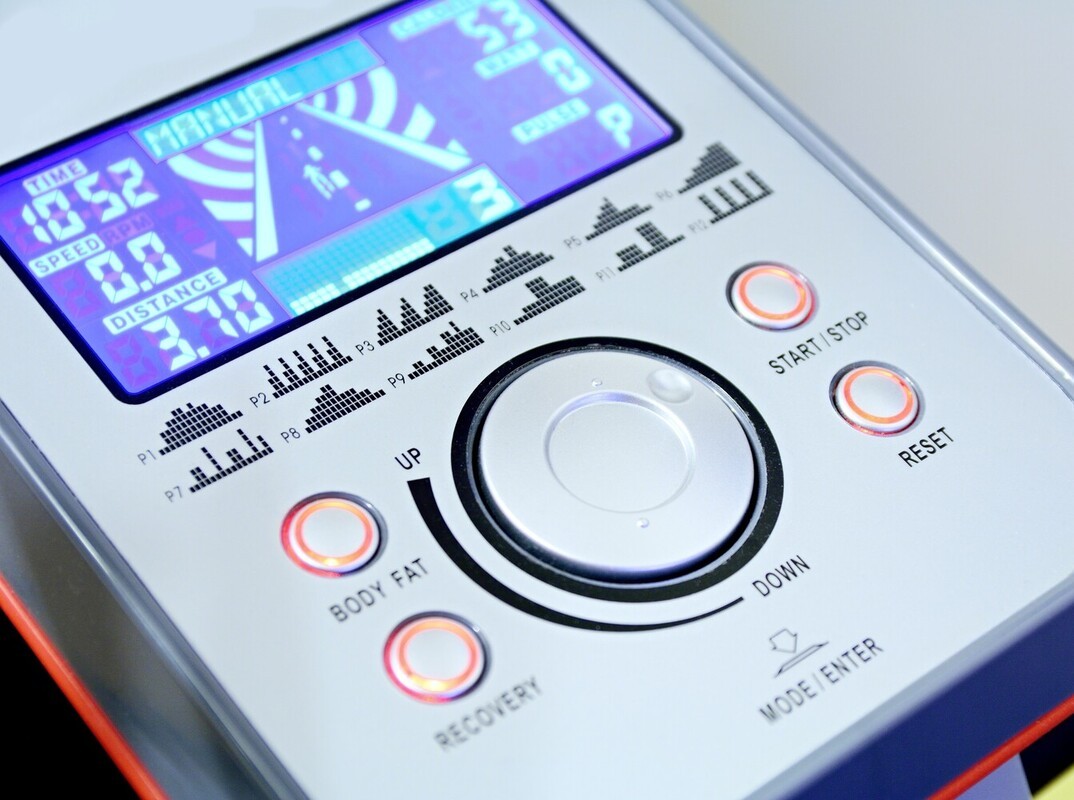
That said, machine readouts aren’t perfectly accurate. They estimate based on averages. Resistance, incline, stride length, and effort level all influence actual calorie burn. Treat the screen as a guide, not a guarantee.
Who the Elliptical Works Best For
Not every cardio machine fits every body or goal. The elliptical tends to shine in specific situations where joint comfort and consistency matter most.
Beginners: The smooth, guided motion makes it less intimidating than treadmills or free weights. It allows new exercisers to build endurance and confidence without worrying about balance or complex technique.
People with joint concerns: The low-impact glide reduces stress on knees, hips, and ankles, making workouts more comfortable and sustainable.
Those returning after injury: With medical clearance, the controlled movement can help reintroduce cardiovascular training gradually.
Individuals who prefer low-impact cardio: It still elevates heart rate and challenges muscles without pounding the joints.
Situations Where It Might Not Be Ideal
The elliptical is versatile, but it isn’t perfect for every training goal. Some individuals may benefit more from other forms of cardio depending on their performance needs or personal preferences.
Advanced runners: Those training for speed or race performance need ground impact and sport-specific mechanics that the elliptical can’t replicate.
People who dislike repetitive motion: The consistent glide pattern can feel monotonous, which may reduce motivation and long-term adherence.
Anyone relying only on cardio: Skipping strength training can limit muscle retention and metabolic support during weight loss, slowing overall progress.
Elliptical vs. Treadmill (and Other Cardio Machines): Which Is Better for Weight Loss?
This is one of the most common questions we hear. People want the most efficient option. The truth is that no single machine guarantees better fat loss. Weight loss happens when you consistently maintain a calorie deficit over time.
The best cardio machine is the one you’ll use regularly at an intensity that challenges you. Enjoyment and joint comfort matter. So does recovery. A slightly lower calorie burn that you can sustain will outperform short bursts of extreme effort.
Elliptical vs. Treadmill for Weight Loss
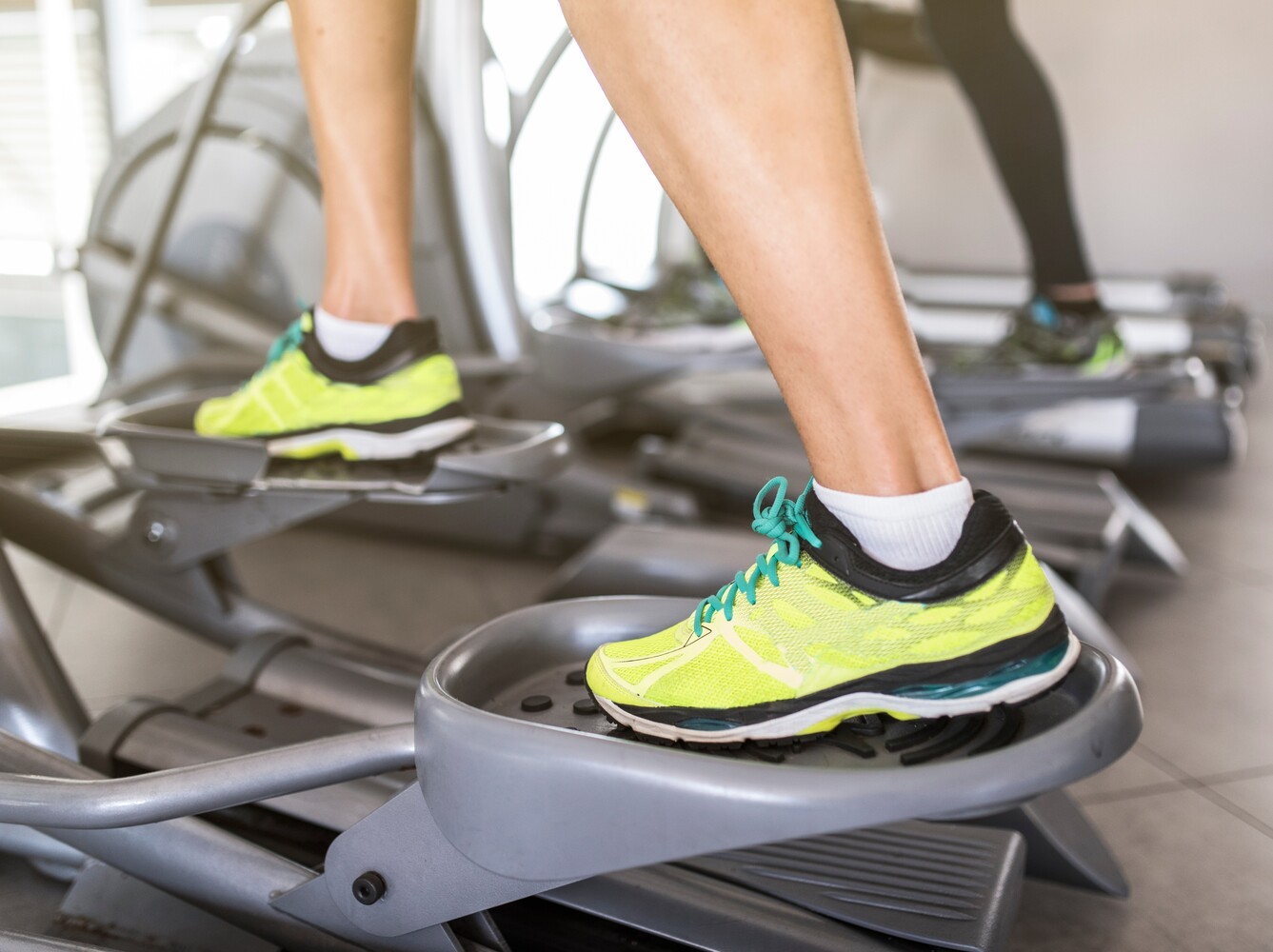
Both machines can support fat loss when paired with consistent nutrition habits. Using a treadmill to lose weight often burns more calories during high-intensity running because you’re moving your full body weight against gravity with each step.
The elliptical provides a smoother stride pattern with less impact on the joints. For some people, that means fewer aches and more consistent workouts. From our experience, long-term adherence often determines results more than small differences in calorie burn per session.
Calorie Burn Differences
Running for weight loss generally burns more calories per minute than moderate elliptical sessions. Faster speeds and higher impact increase energy demand. Walking burns fewer calories unless you add incline or extend duration.
Both of these are impacted by how many miles a day to lose weight and how many steps a day to lose weight you do.
However, increasing resistance and incorporating intervals on the elliptical can significantly raise heart rate and total calorie expenditure. Effort level plays a major role. A challenging elliptical workout can rival a moderate run. The key factor is intensity sustained over time, not the machine itself.
Joint Impact and Injury Risk
Impact forces differ significantly between these machines. Running creates repeated ground reaction forces that travel through the ankles, knees, and hips. Over time, that can contribute to overuse injuries for some individuals.
The elliptical reduces that stress by guiding your feet through a fixed path. This lower-impact design decreases joint strain. Fewer aches often mean fewer skipped sessions. And consistent training supports steady weight loss progress over months.

Muscle Activation Differences
The elliptical engages multiple muscle groups when used intentionally. Your glutes, hamstrings, and calves drive the lower-body movement, while the moving handles recruit the chest, shoulders, and back. Actively pushing and pulling increases upper-body contribution and total energy demand.
Treadmills primarily target the lower body unless you increase the incline. Incline walking boosts glute and calf activation, but upper-body involvement remains minimal. If total-body engagement is a priority, the elliptical offers a broader range of activation.
Elliptical vs. StairMaster
Both an elliptical and a StairMaster for weight loss elevate your heart rate and challenge your lower body, but they feel very different. The choice often comes down to movement preference, joint comfort, and how hard you want the workout to feel.
Movement pattern: The StairMaster mimics climbing stairs with a vertical stepping motion, while the elliptical guides your feet through a smooth, gliding path.
Muscle emphasis: Stair climbing heavily targets the quads and glutes due to repeated knee and hip extension under load.
Perceived exertion: Many people report the StairMaster feels more intense more quickly because you’re lifting your body weight step after step.
Joint stress: The elliptical generally places less compressive force on the knees.
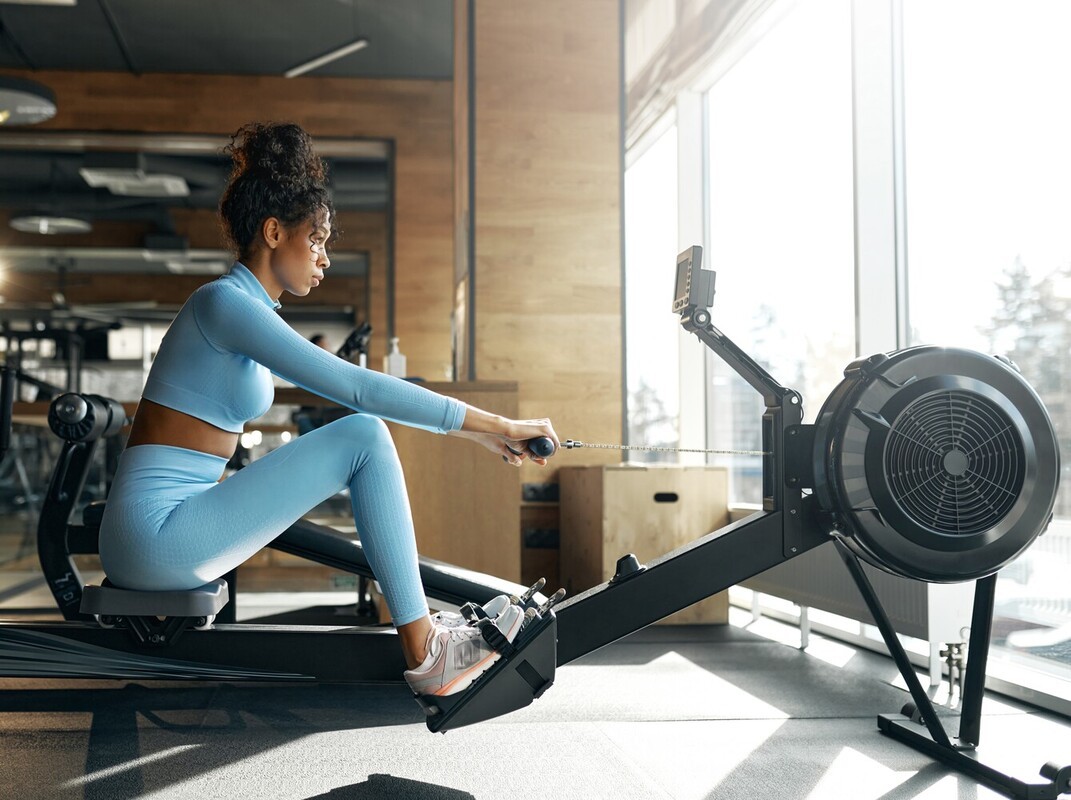
Elliptical vs. Rowing Machine
These two machines both provide low-impact cardio, but they challenge the body in distinct ways. Your comfort with technique and your training goals will influence which one feels more effective.
Movement mechanics: Rowing emphasizes a powerful leg drive followed by a pulling motion through the back and arms, while the elliptical combines a cyclical push and glide pattern.
Upper-body demand: Rowing recruits the back, shoulders, and arms more aggressively with each stroke.
Learning curve: Proper rowing form takes practice and coordination, especially for beginners.
Cardiovascular benefit: Both machines elevate heart rate effectively and can support calorie burn when intensity is appropriate.
So Which One Should You Choose?
Ask yourself a few questions. Do your knees bother you when you run? Choose elliptical. Want maximum calorie burn in less time and enjoy impact? Treadmill intervals may fit. Prefer full-body engagement and don’t mind learning a new technique? Try rowing.
Sustainability beats chasing the highest calorie number.
Machine | Impact Level | Upper Body Involvement | Learning Curve | Best For |
Elliptical | Low | Moderate | Low | Joint-friendly cardio |
Treadmill | Moderate-High | Low | Low | Running performance |
StairMaster | Moderate | Low | Low | Glute and quad focus |
Rowing | Low | High | Moderate | Full-body training |
How to Use an Elliptical for Weight Loss (Step-by-Step)
Using an elliptical effectively requires more than simply stepping on and moving your legs. A clear, structured approach helps you maximize calorie burn, improve endurance, and support steady weight loss over time.
Step 1: Dial in Your Form First
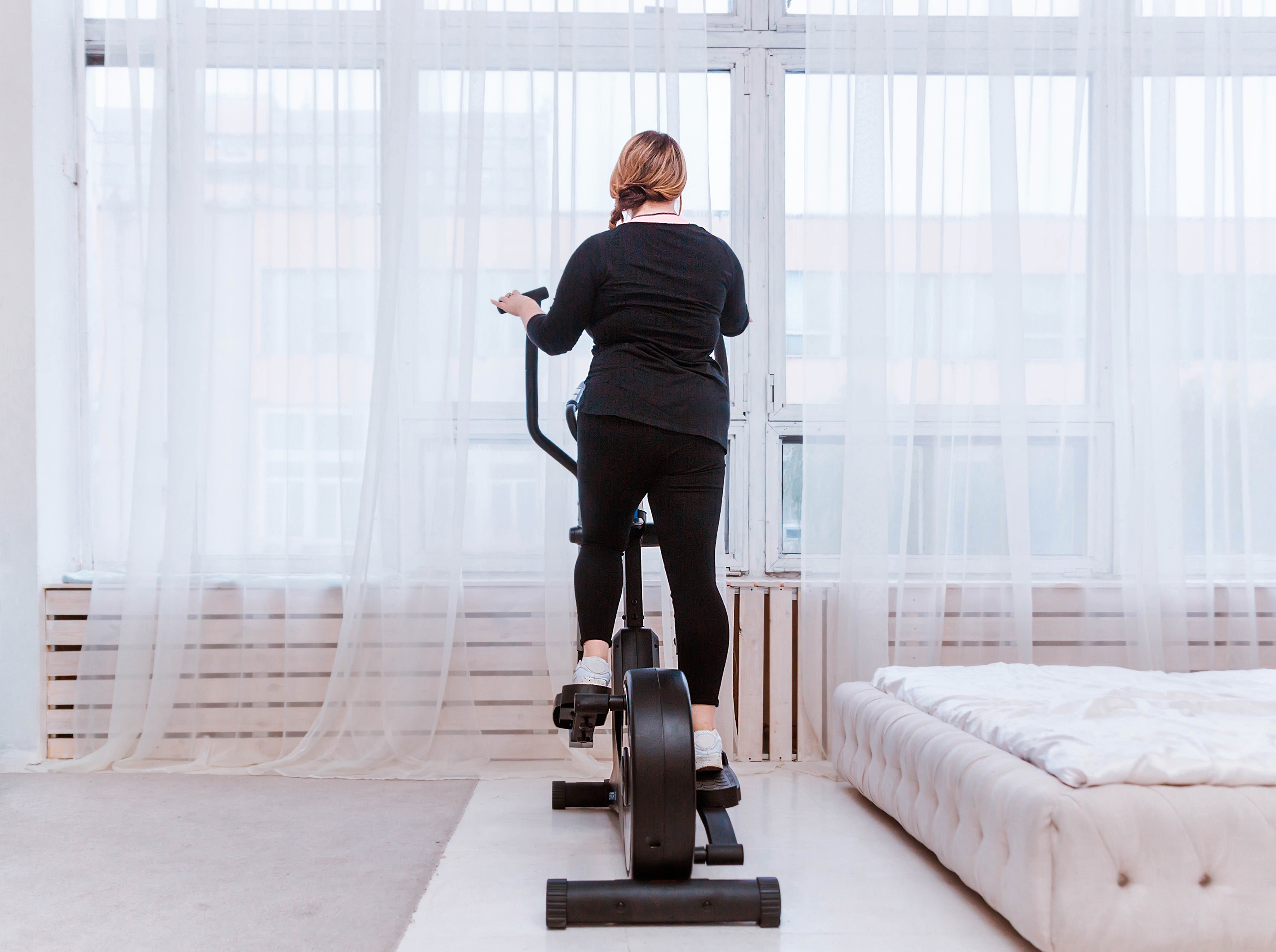
Form sets the foundation for everything else. Stand tall with your chest lifted and shoulders relaxed. Keep your gaze forward, not down at your feet. Lightly engage your core to stabilize your torso. Avoid leaning heavily on the rails, since that reduces lower-body workload and calorie burn.
If your machine has moving handles, actively push and pull them to recruit your upper body. Good posture improves muscle activation and makes each minute on the machine more effective.
Step 2: Choose the Right Resistance Level
Resistance determines how hard your muscles have to work. Light resistance should feel manageable and steady, similar to a brisk walk. Moderate resistance increases breathing and makes conversation possible only in short phrases. Challenging resistance makes talking difficult and demands focus.
If resistance is set too high, your stride may become choppy, and your hips may rock side to side. That reduces efficiency and increases fatigue. Aim for a level that challenges you while allowing smooth, controlled movement.
Step 3: Decide on Duration and Weekly Frequency
Your schedule and fitness level should guide your weight loss plan. Beginners often start with 20 to 30 minutes, three to four times per week, focusing on steady effort and good form.
Intermediate exercisers can aim for 30 to 45 minutes, four to five days per week, gradually increasing intensity.
Mixing steady-state sessions with interval days keeps workouts engaging and supports cardiovascular progress. Consistency across weeks matters more than a single long workout done occasionally.
Step 4: Progress Gradually
Progress keeps your body adapting. Every few weeks, increase resistance slightly or add short intervals of higher intensity. You might extend your session by five minutes or add two additional sprint intervals. Keep changes small and manageable. Sudden jumps in duration or intensity can increase soreness and reduce motivation.
Gradual progression allows your muscles, joints, and cardiovascular system to adapt safely. Small increases compound over time and lead to noticeable improvements in endurance and calorie burn.
Step 5: Use Nutrition to Support Your Workouts
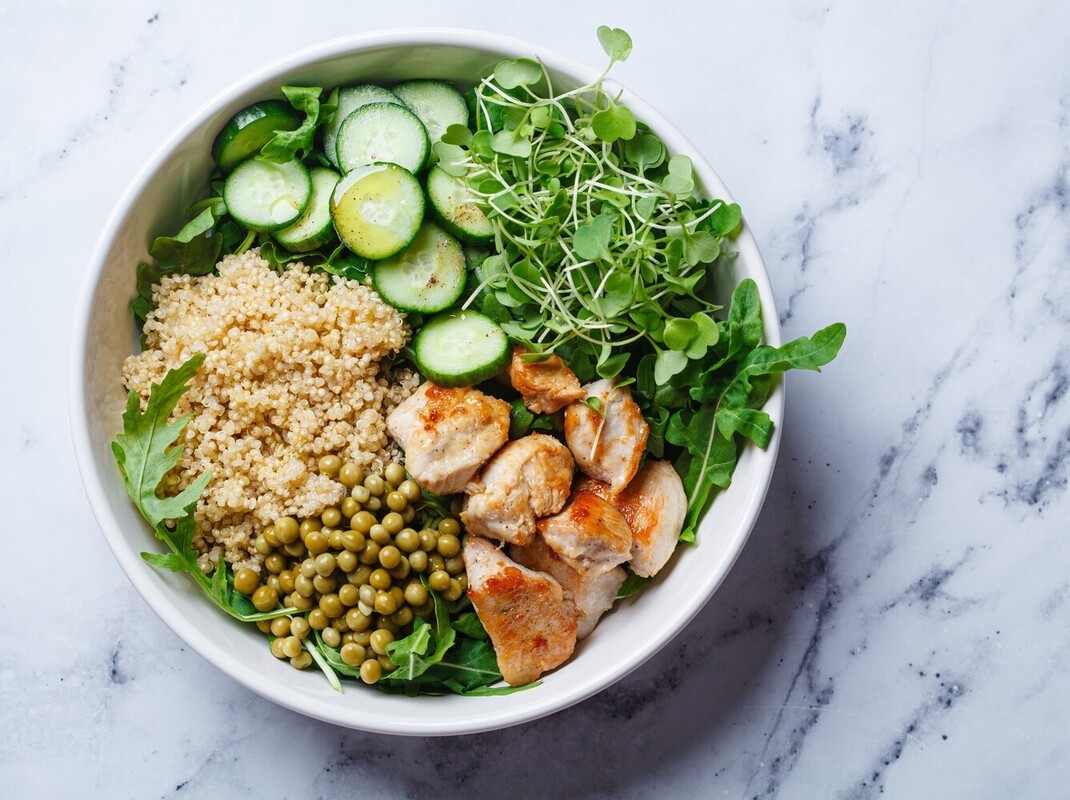
Exercise and nutrition work together. Fueling too little can leave you fatigued, slow recovery, and increase cravings later in the day. Prioritize protein to support muscle repair and include fiber-rich carbohydrates for sustained energy. Balanced meals help maintain a calorie deficit without extreme restriction.
After years of experience, we’ve seen that aligning intake with activity levels improves both performance and fat loss outcomes. When your nutrition matches your training, your results become more predictable and sustainable.
If you want personalized guidance, you can connect with a Registered Sports Dietitian through Berry Street to build a plan that supports both your workouts and your weight loss goals.

The Best Elliptical Workouts for Weight Loss
The way you structure your elliptical workouts can significantly influence your results. A mix of steady endurance sessions and higher-intensity intervals helps increase calorie burn, improve cardiovascular fitness, and keep your routine engaging.
Steady-State Fat-Loss Workout
Steady-state cardio is simple, effective, and easy to repeat week after week. It builds endurance, supports consistent calorie burn, and works especially well for beginners or those returning after time off.
5-minute warm-up: Start at low resistance and gradually increase your pace to prepare your muscles and raise your heart rate safely.
25-35 minutes moderate intensity: Choose a resistance level that makes breathing deeper but still controlled. You should be able to speak in short phrases.
Maintain steady RPM: Keep your cadence consistent rather than speeding up and slowing down.
5-minute cool-down: Gradually lower resistance and pace to bring your heart rate down.
Aim to stay within 60 to 75 percent of your estimated maximum heart rate to support fat loss and aerobic conditioning.
HIIT Elliptical Workout for Faster Calorie Burn
If you’re short on time or enjoy pushing your limits, interval training can increase calorie burn in a shorter window. HIIT workouts alternate intense effort with recovery periods to challenge both your cardiovascular system and your muscles.
20-Minute Beginner Interval Plan
This plan is ideal if you’re new to intervals but want to increase intensity safely. It challenges your heart rate without overwhelming your body.
5-minute warm-up: Start with low resistance and gradually increase pace to prepare your muscles and lungs.
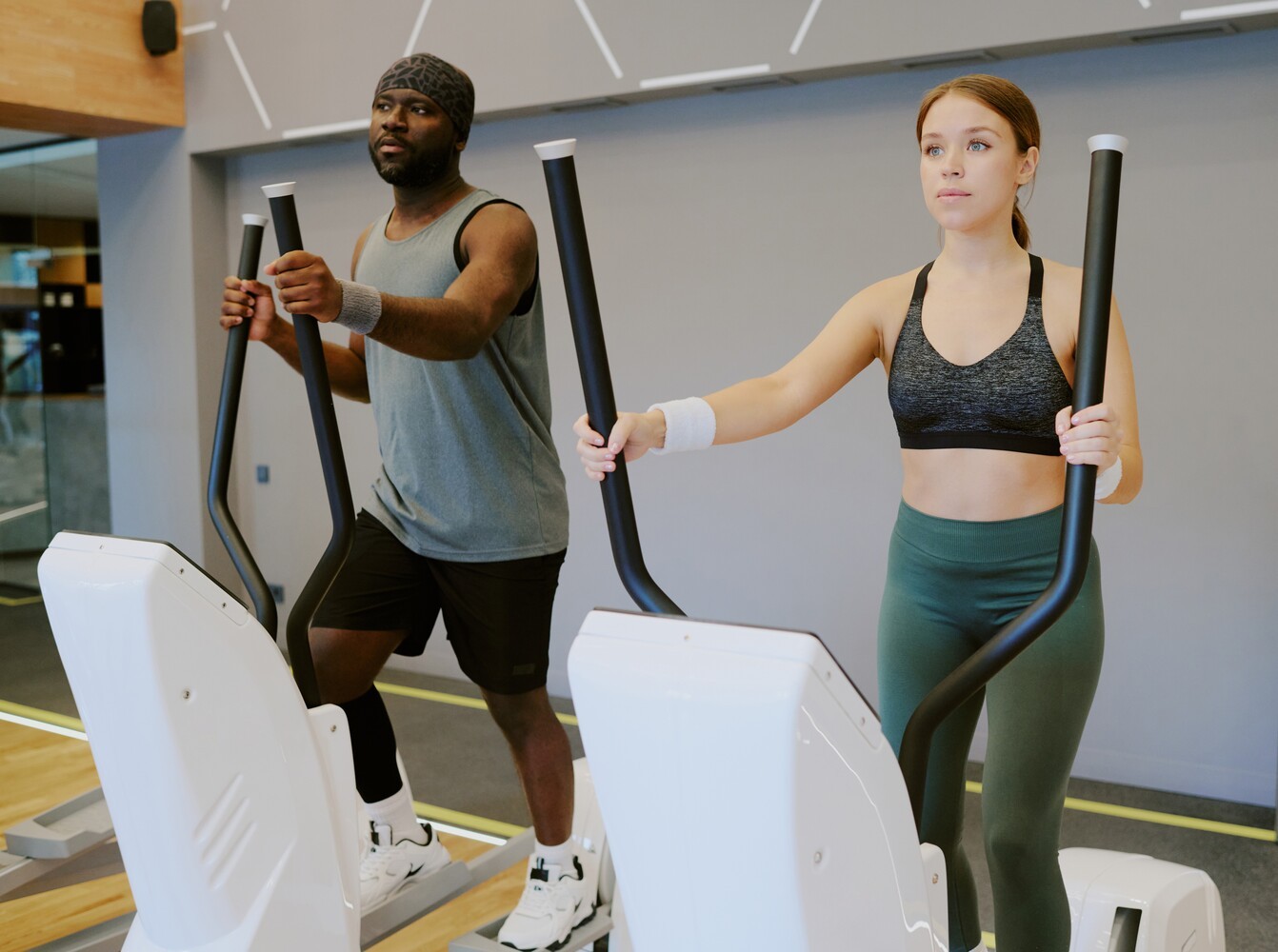
30 seconds hard effort: Increase resistance or speed until talking feels difficult. Focus on strong, controlled strides.
90 seconds easy recovery: Lower resistance and allow breathing to slow, but keep moving.
Repeat 6-8 rounds: Adjust based on fitness level.
Cool down: Gradually reduce pace for 3–5 minutes to normalize heart rate.
30-Minute Advanced Interval Plan
This workout is designed for those comfortable with higher intensity and solid cardiovascular endurance. It demands focus and controlled effort.
5-minute warm-up: Gradually increase resistance and cadence to prepare for sprints.
1 minute high-resistance sprint: Push hard with powerful strides and active arm drive. Breathing should be heavy.
1 minute recovery: Reduce resistance enough to regain control of your breathing.
Repeat 10-12 rounds: Maintain consistent intensity across intervals.
Cool down: Slowly taper resistance and pace for at least 5 minutes.
Shorter work-to-rest ratios increase intensity and overall calorie burn. Maintain control throughout and stop if you feel dizzy, lightheaded, or unstable.
Resistance-Focused Elliptical Session
If your goal is to challenge your muscles while keeping your heart rate elevated, this session emphasizes strength and endurance together. It feels steady but demanding.
5-minute warm-up: Begin with light resistance and controlled cadence to prepare your lower body.
Increase resistance every 3 minutes: Gradually raise the level while maintaining smooth form.
Maintain moderate cadence: Keep strides controlled rather than rushing. Focus on glute and hamstring engagement.
30-40 total minutes: Sustain effort without sacrificing posture.
Cool down: Lower resistance slowly to allow heart rate to return toward baseline.
Weekly Elliptical Workout Plan Example
A balanced weekly plan helps you burn calories, build strength, and recover properly. Alternating cardio intensities with strength training supports fat loss while protecting muscle mass.
Monday: Steady-state 30 minutes at moderate intensity to build endurance and establish a consistent baseline.
Tuesday: Strength training focusing on full-body movements like squats, presses, and rows to preserve muscle.
Wednesday: Interval workout to elevate heart rate and increase calorie burn in less time.
Thursday: Rest or light walk to promote recovery and maintain light movement.
Friday: Resistance-focused elliptical session emphasizing muscle engagement.
Saturday: Strength training targeting major muscle groups.
Sunday: Light recovery cardio at low intensity to stay active without fatigue.
Elliptical Settings That Actually Support Fat Loss
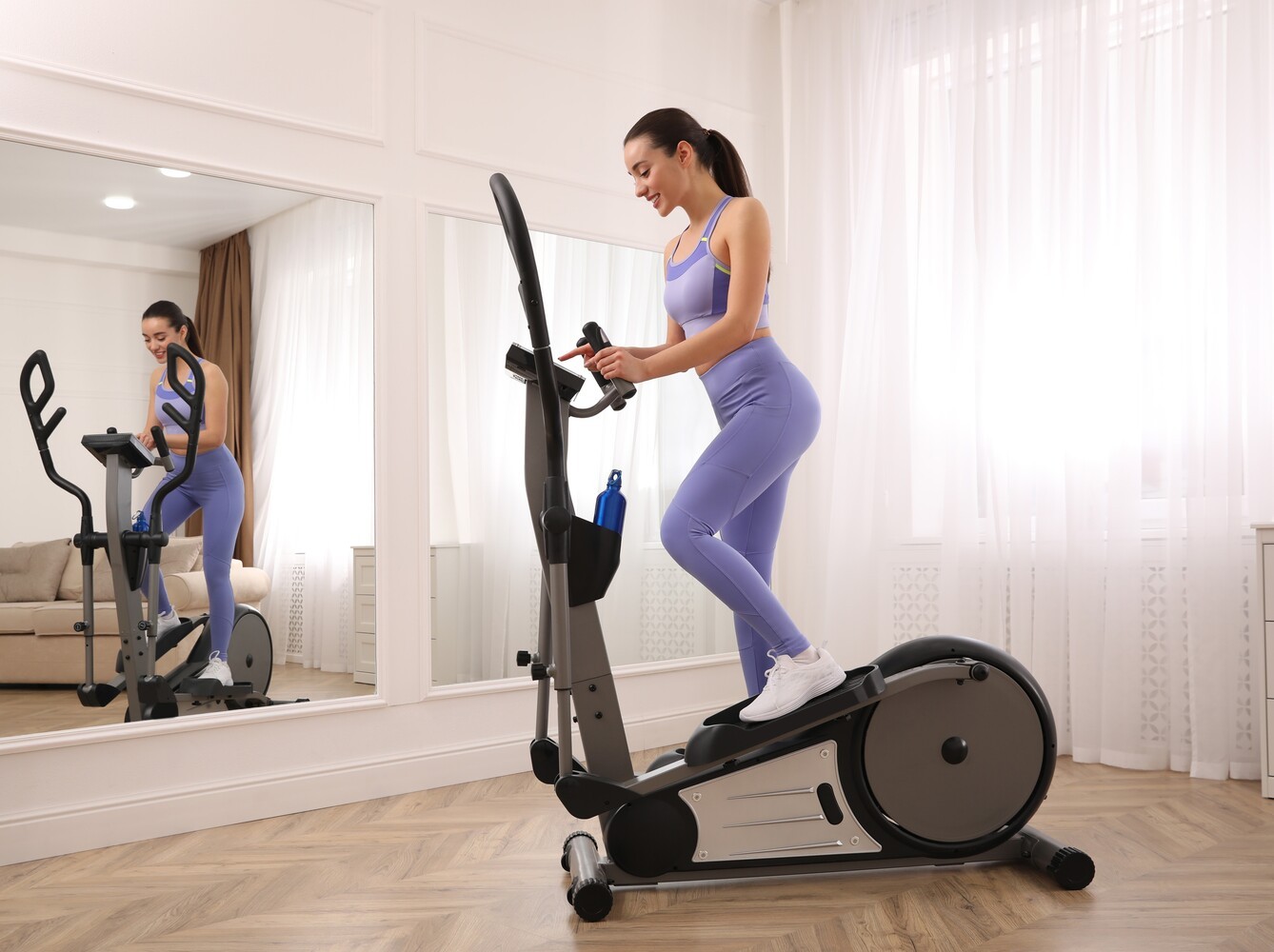
Your results depend heavily on how you use the machine, not just how long you’re on it. Adjusting resistance, incline, and cadence strategically can increase energy demand and make each workout more effective for fat loss. Small changes in settings can shift muscle activation, heart rate response, and total calorie burn.
Resistance Levels for Weight Loss
Resistance directly affects how hard your muscles have to work. Moderate to challenging resistance increases engagement in the glutes, hamstrings, and quadriceps, which raises total energy demand. You should feel steady tension in your lower body while maintaining smooth form.
If your legs move effortlessly and breathing barely changes, the level is likely too low. Gradually increasing resistance over time helps stimulate muscular adaptation and keeps calorie burn higher without needing excessively long sessions.
Incline (If Available) and Muscle Emphasis
Incline changes the angle of your stride and shifts more emphasis to the glutes and posterior chain. You’ll often feel this as deeper engagement through the hips and back of the legs. Greater muscle activation increases calorie expenditure modestly and supports lower-body strength development.
For clients focused on shaping and strengthening their glutes, adding incline intervals can be particularly helpful. Keep posture upright and avoid leaning forward, which can reduce muscle recruitment and strain the lower back.
RPMs, Stride Length, and Intensity
Cadence plays a major role in workout quality. Aim for a controlled, consistent RPM rather than sprinting wildly and losing form. Fast, uncontrolled movement reduces muscle engagement and increases fatigue without proportional calorie benefit.
Stride length should feel natural and smooth. Longer, purposeful strides often recruit more muscle fibers than short, choppy ones. Intensity should come from a combination of resistance and cadence, not speed alone. Focus on quality movement that you can sustain safely.
Heart Rate Zones: Do “Fat-Burn Zones” Matter?
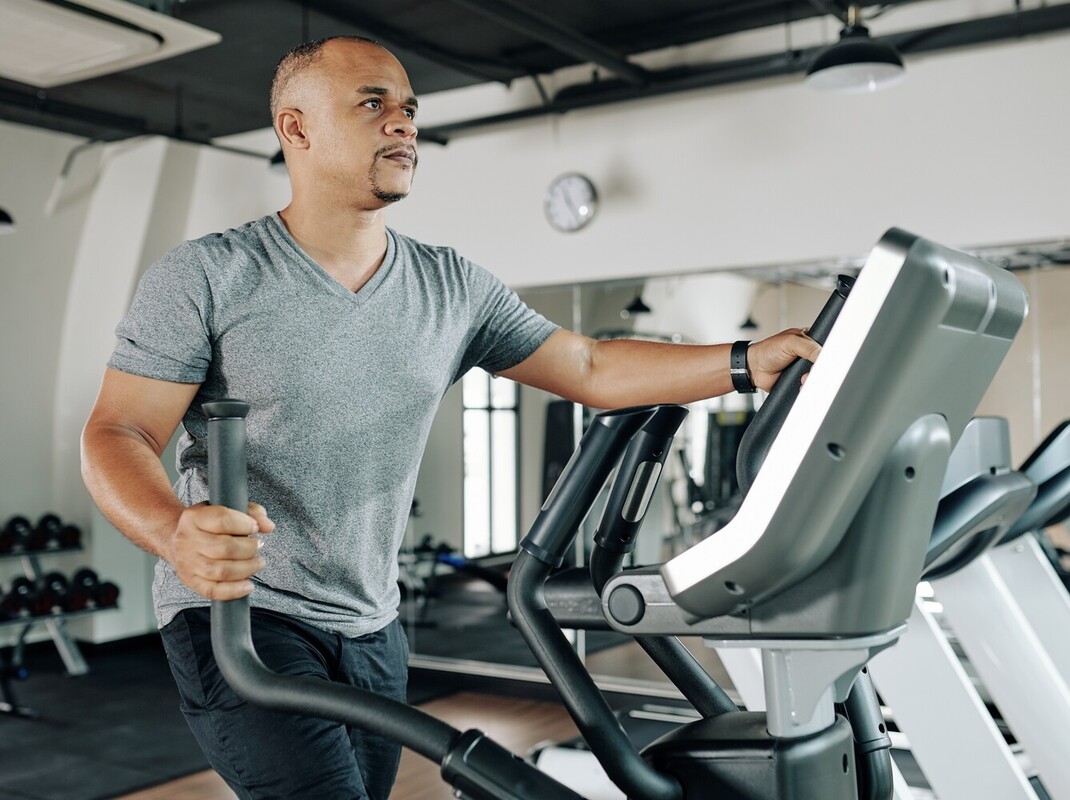
Many machines highlight a specific fat-burn zone, typically tied to lower heart rate ranges. At these intensities, a higher percentage of calories comes from fat.
However, total calorie burn across the session is more important for overall fat loss. Higher-intensity efforts may rely more on carbohydrates during exercise, yet they often burn more calories overall.
From a practical standpoint, a mix of moderate and higher-intensity sessions supports both endurance and greater weekly energy expenditure.
How Long Does It Take to See Results?
Most people begin noticing changes within 4 to 8 weeks when they stay consistent with both workouts and nutrition. The timeline depends on your starting point, calorie balance, and effort level.
From our experience, steady habits outperform extreme short-term pushes. Weight loss is a gradual physiological process. Your body needs time to adapt to increased activity and a calorie deficit. Expect progress measured in weeks and months, not days.
What 4 Weeks Can Realistically Do
Four weeks is enough time to notice meaningful internal changes. Your cardiovascular endurance typically improves first. Workouts that once felt challenging start to feel manageable. You may recover faster between sessions and experience less soreness. Subtle body composition shifts can occur, especially if protein intake supports muscle retention.
The scale might move slightly, but improved stamina and consistency are often the most noticeable early wins. These foundational changes set the stage for visible fat loss later.
What 8-12 Weeks Might Look Like
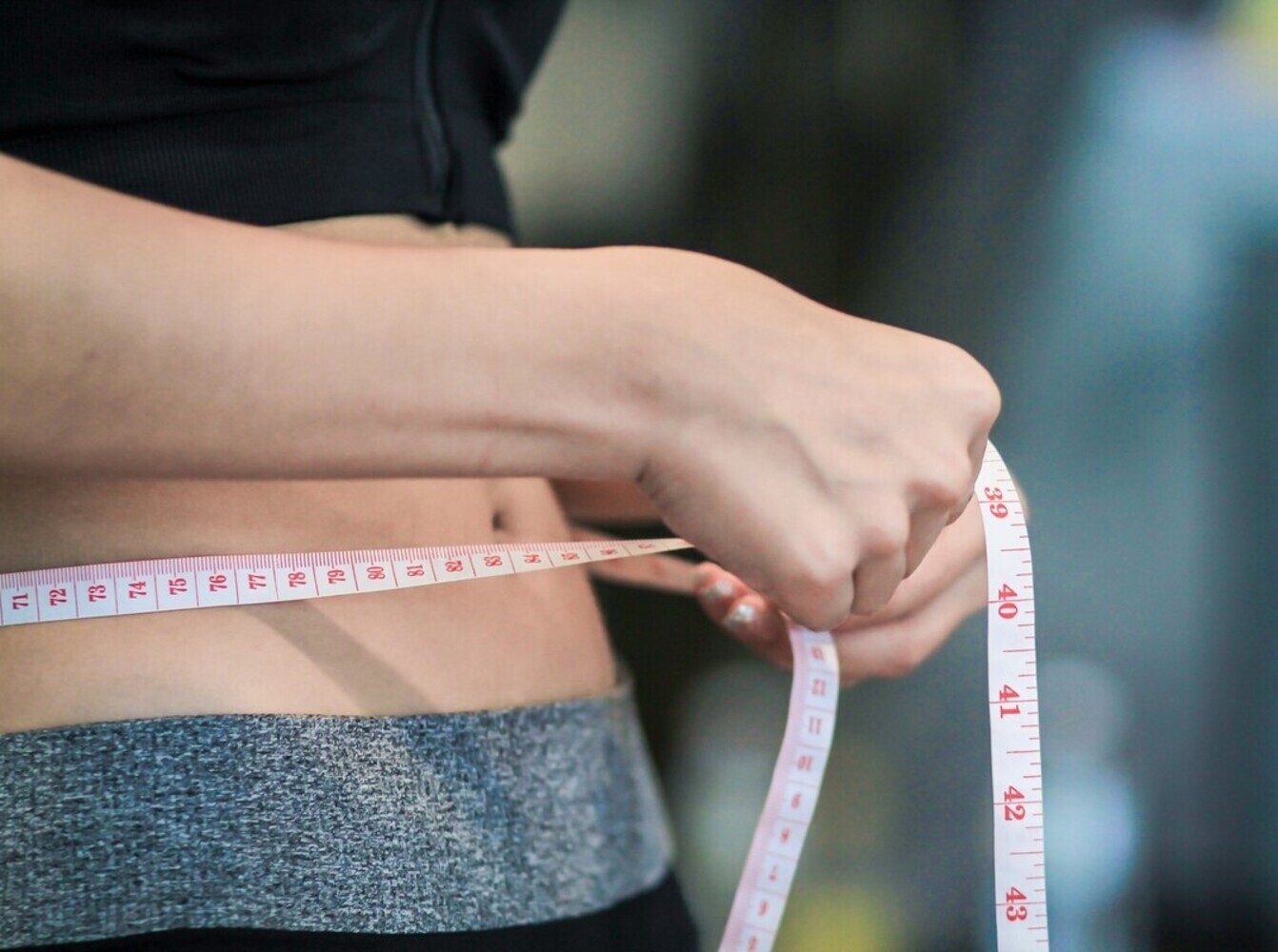
By 8 to 12 weeks, noticeable fat loss becomes more realistic when nutrition aligns with your activity level. Clothes may fit looser around the waist or hips. Energy levels often feel steadier throughout the day. Strength and resistance tolerance on the elliptical usually increase as well.
If you’ve maintained a consistent calorie deficit, changes in body composition become easier to see. This phase reflects accumulated effort, not quick fixes.
Why Before-and-After Photos Can Be Misleading
Photos can exaggerate or minimize progress depending on lighting, posture, and timing. A slight shift in camera angle can change how your midsection appears. Glycogen storage fluctuates based on carbohydrate intake, temporarily affecting muscle fullness. Water retention can also shift daily due to sodium intake, stress, or menstrual cycles.
These variables influence appearance without reflecting true fat loss. That’s why we encourage clients to track multiple indicators instead of relying on a single photo comparison.
Signs of Progress Beyond the Scale
The scale doesn’t tell the whole story. Many meaningful signs of progress show up in how you feel, move, and function long before dramatic number changes appear.
1. Clothing Fit
One of the earliest and most reliable signs of fat loss is how your clothes feel. Jeans may loosen around the waist. Shirts may fit more comfortably across the midsection. These changes often reflect reductions in body fat, even if the scale hasn’t shifted dramatically.
Body recomposition can occur when you’re losing fat while maintaining muscle. The scale may move slowly, but measurements and clothing feedback tell a more accurate story of physical change.

2. Energy Levels
Improved energy is a powerful marker of progress. When workouts and nutrition are aligned, blood sugar tends to stabilize, and daily fatigue often decreases. You may notice fewer afternoon crashes and better focus at work. Consistent movement supports circulation and metabolic efficiency.
Clients frequently report feeling more alert during the day and sleeping more soundly at night. Sustainable weight loss supports steady energy, which makes maintaining healthy habits much easier over time.
3. Cardiovascular Improvement
Your heart adapts quickly to regular cardio. A lower resting heart rate often develops as your cardiovascular system becomes more efficient. Climbing stairs may feel easier. You might recover your breath faster after intervals. These improvements indicate stronger heart function and better oxygen delivery to muscles.
Even before visible fat loss appears, improved endurance shows that your body is adapting positively to the elliptical workouts and consistent training schedule.
4. Strength Improvements
Over time, resistance levels that once felt challenging become manageable. You may increase resistance without losing form or extend intervals with greater control. Stronger glutes and legs help maintain posture and stability during longer sessions. This reflects muscular adaptation and improved neuromuscular coordination.
Preserving and building strength during weight loss supports metabolic health and helps maintain lean mass. Progress in resistance tolerance often precedes noticeable aesthetic changes.
5. Recovery Speed
Faster recovery between workouts is another meaningful sign. Early on, you may feel sore for days after a tough session. As your body adapts, soreness typically decreases and energy rebounds more quickly. Improved recovery suggests your muscles and cardiovascular system are adjusting to the training stimulus.
It also reflects adequate fueling and hydration. When you can return to workouts feeling ready instead of drained, it signals positive physiological progress.
Under-Desk Ellipticals: Do They Help With Weight Loss?
Yes, they can help, but the impact is modest. Under-desk ellipticals increase daily movement and contribute to additional calorie burn at a low intensity. You’re not going to replicate a 30-minute interval workout while answering emails.
What you can do is reduce sedentary time. From our experience, that matters. These devices work best as a supplement to structured workouts. Think of them as a way to layer in extra movement during long workdays, not a replacement for intentional exercise sessions.
How Under-Desk Ellipticals Work
Under-desk ellipticals promote light, continuous movement while you sit. This type of activity increases NEAT, or non-exercise activity thermogenesis, which includes calories burned through daily tasks and subtle movements. The intensity stays low, so your heart rate won’t spike dramatically.
However, those small energy expenditures accumulate. An extra 100 to 200 calories per day can add up over weeks and months. For individuals with desk jobs, increasing NEAT can meaningfully support an overall calorie deficit.
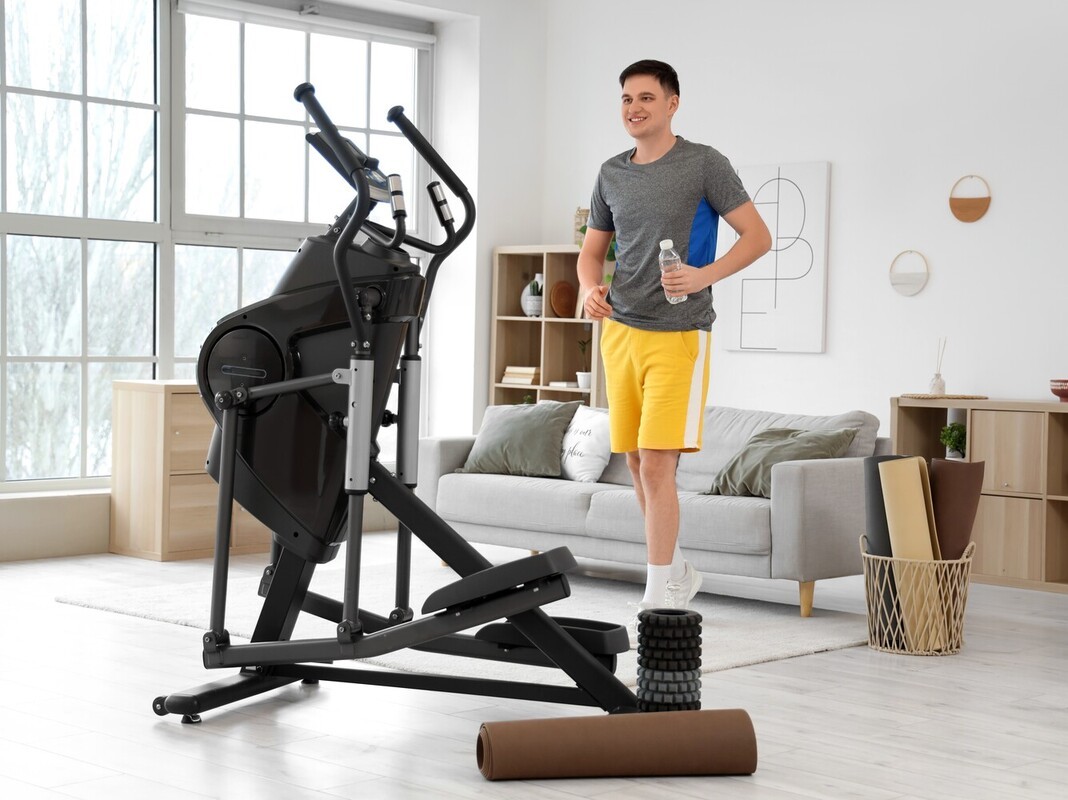
How to Choose the Best Elliptical Machine for Weight Loss at Home
Choosing the right elliptical can make a major difference in how consistent you are. A machine that feels smooth, stable, and adjustable will support long-term progress. When evaluating options, focus on features that allow progression and comfort over time:
Resistance range: Look for a wide range of resistance levels so you can gradually increase difficulty. Limited resistance can stall progress once your fitness improves.
Stride length: A longer stride length generally feels more natural, especially for taller users. Short strides can feel choppy and uncomfortable during longer workouts.
Stability: A solid, heavy frame reduces wobbling and supports higher-intensity sessions. Stability improves safety and confidence.
Drive design: Rear-drive models often provide smoother motion. Front-drive machines are typically more affordable. Center-drive designs are compact and may fit smaller spaces.
Budget vs premium models: Higher-end machines tend to offer smoother mechanics, quieter operation, and greater durability. Choose a model that fits your budget while supporting your long-term training goals.
Nutrition, Recovery, and Safety Considerations
Your workouts are only one piece of the weight loss equation. Nutrition, adequate recovery, and smart safety practices determine whether your efforts translate into sustainable results.
Why You Can’t Out-Exercise a Surplus
If calorie intake consistently exceeds what you burn, weight loss will not occur. A 30-minute elliptical session can be offset quickly by large portions or frequent high-calorie snacks. Tracking portions, even temporarily, can build awareness. Prioritizing protein supports muscle retention while in a calorie deficit. Balanced meals help control hunger and energy swings.
If you want personalized support, connect with a Registered Health Dietitian through Berry Street to build a plan tailored to you.
Rest Days and Overtraining
Recovery is where adaptation happens. Persistent fatigue, irritability, poor sleep, and stalled performance often signal the need for rest. Muscles repair and strengthen during downtime, not during the workout itself.
Scheduling at least one to two rest days per week supports hormonal balance and reduces injury risk. Light walking for weight loss or mobility work can aid circulation without adding stress. Consistent recovery improves long-term results and helps maintain motivation.
When It's Time to See a Professional
All movement guidance here is for general wellness support. Before starting or changing an exercise routine, consult your doctor, especially if you have medical conditions or past injuries.
Stop exercising if you experience chest pain, dizziness, unusual shortness of breath, or joint pain. A healthcare professional can help you determine safe intensity levels and modifications that align with your health history and goals.

Ellipticals for Weight Loss FAQs
How long should I use the elliptical to lose weight?
Aim for about 150-300 minutes of moderate cardio per week. For many people, that’s 30-45 minutes, 4-5 days per week, combined with supportive nutrition.
Is the elliptical better than running for fat loss?
Running may burn more calories at high intensity, but the elliptical is lower impact. The best option is the one you can do consistently without pain.
Does higher resistance burn more belly fat?
Higher resistance can increase total calorie burn. Belly fat loss happens through an overall calorie deficit, not from targeting one setting.
Is 30 minutes a day enough?
Yes, 30 minutes daily can support weight loss if your effort level is challenging and your nutrition aligns with your goals.
Can beginners lose weight using only the elliptical?
Yes, especially at the start. Over time, adding strength training can further improve body composition and results.
Do under-desk ellipticals really work?
They can increase daily movement and modest calorie burn. Think of them as a helpful add-on, not a replacement for structured workouts.
Conclusion
The elliptical for weight loss can be a powerful, practical tool when it’s used with intention. It helps you increase calorie burn, improve cardiovascular fitness, and build lower-body strength without placing excessive stress on your joints.
Results come from consistency and pairing cardio with smart nutrition choices that create a sustainable calorie deficit. Resistance, intervals, and proper form all matter. So does recovery.
After years of experience supporting clients through realistic fat-loss plans, we’ve seen that steady habits outperform extreme routines every time. If you’re ready for personalized guidance, you can connect with a Registered Dietitian covered by insurance through Berry Street and build a plan that actually fits your life.